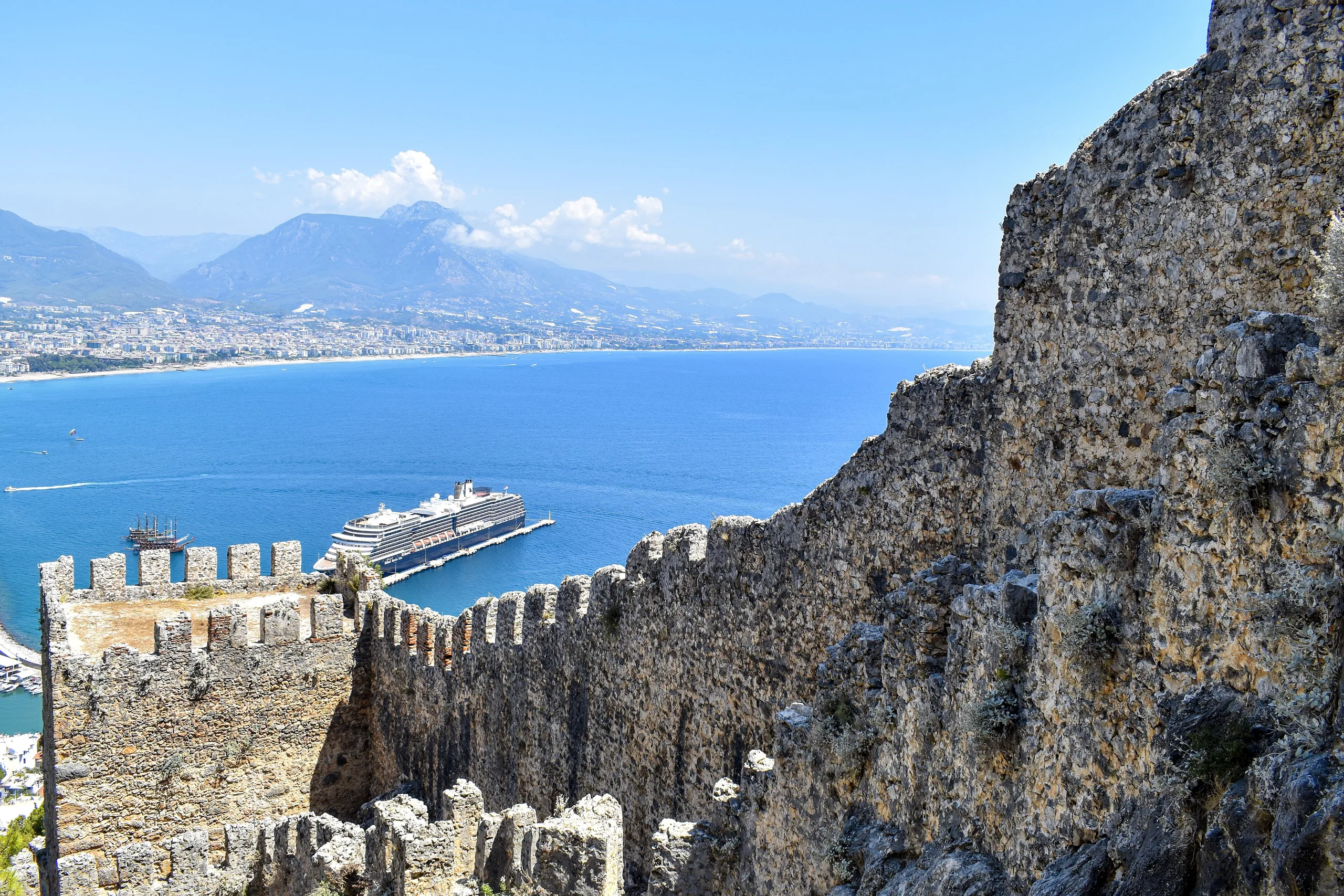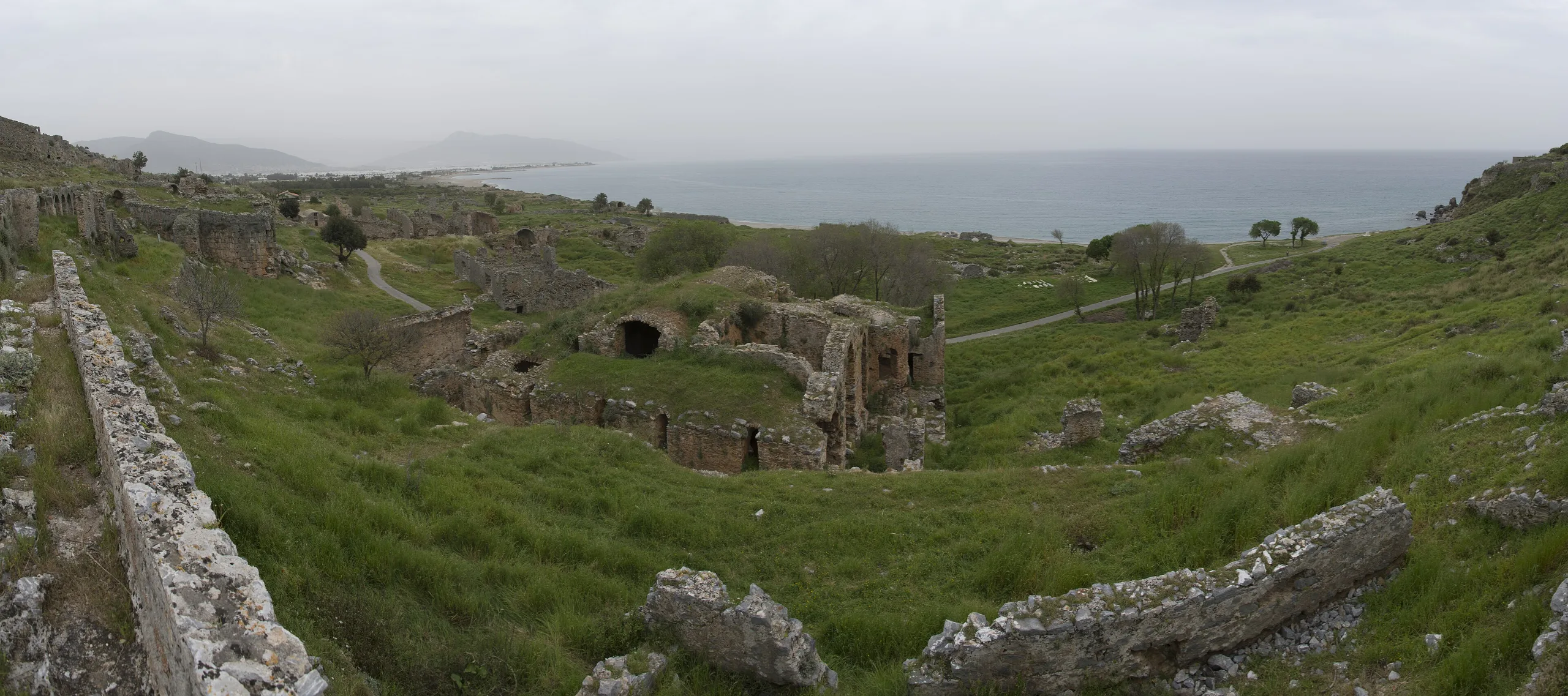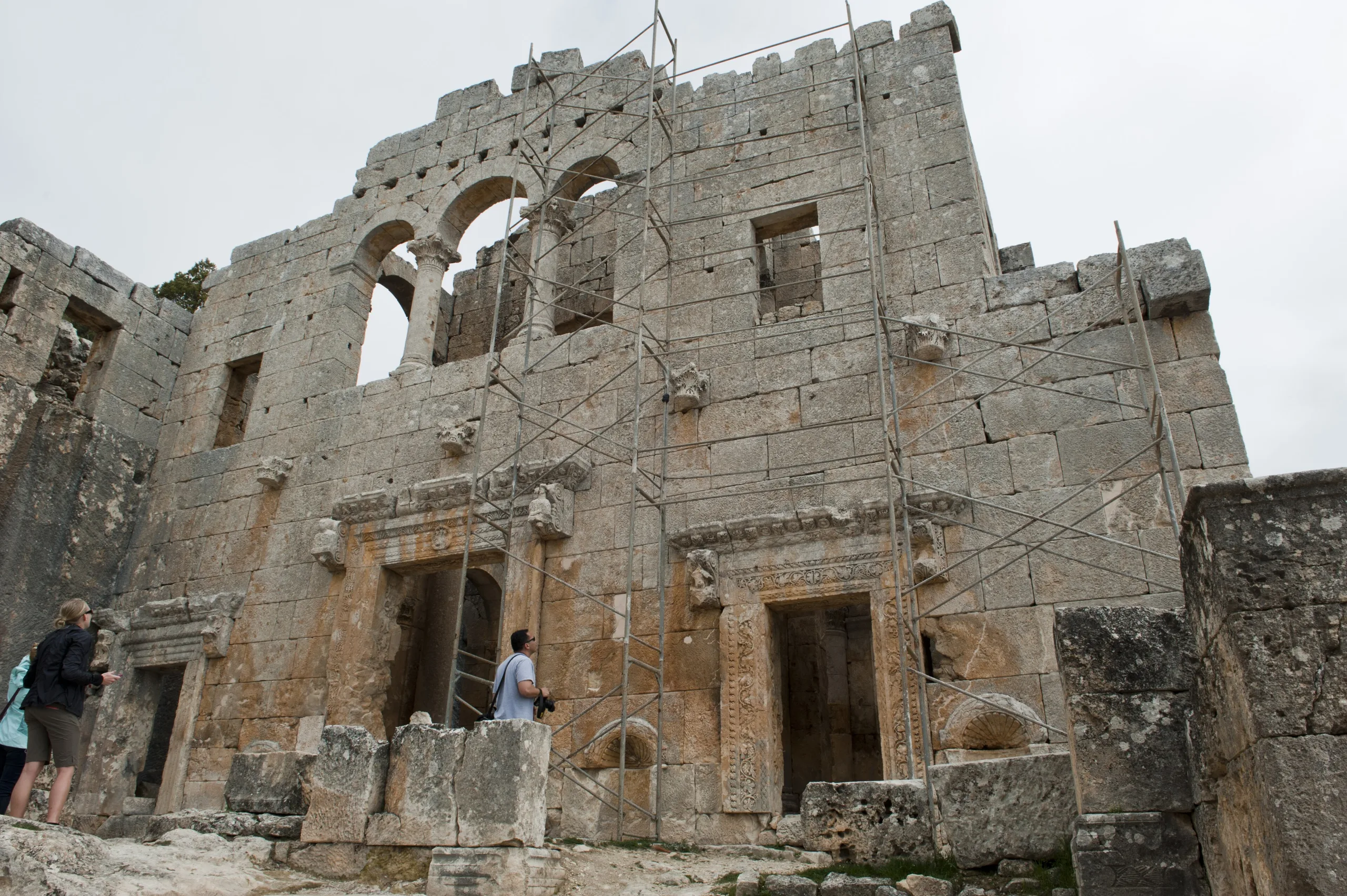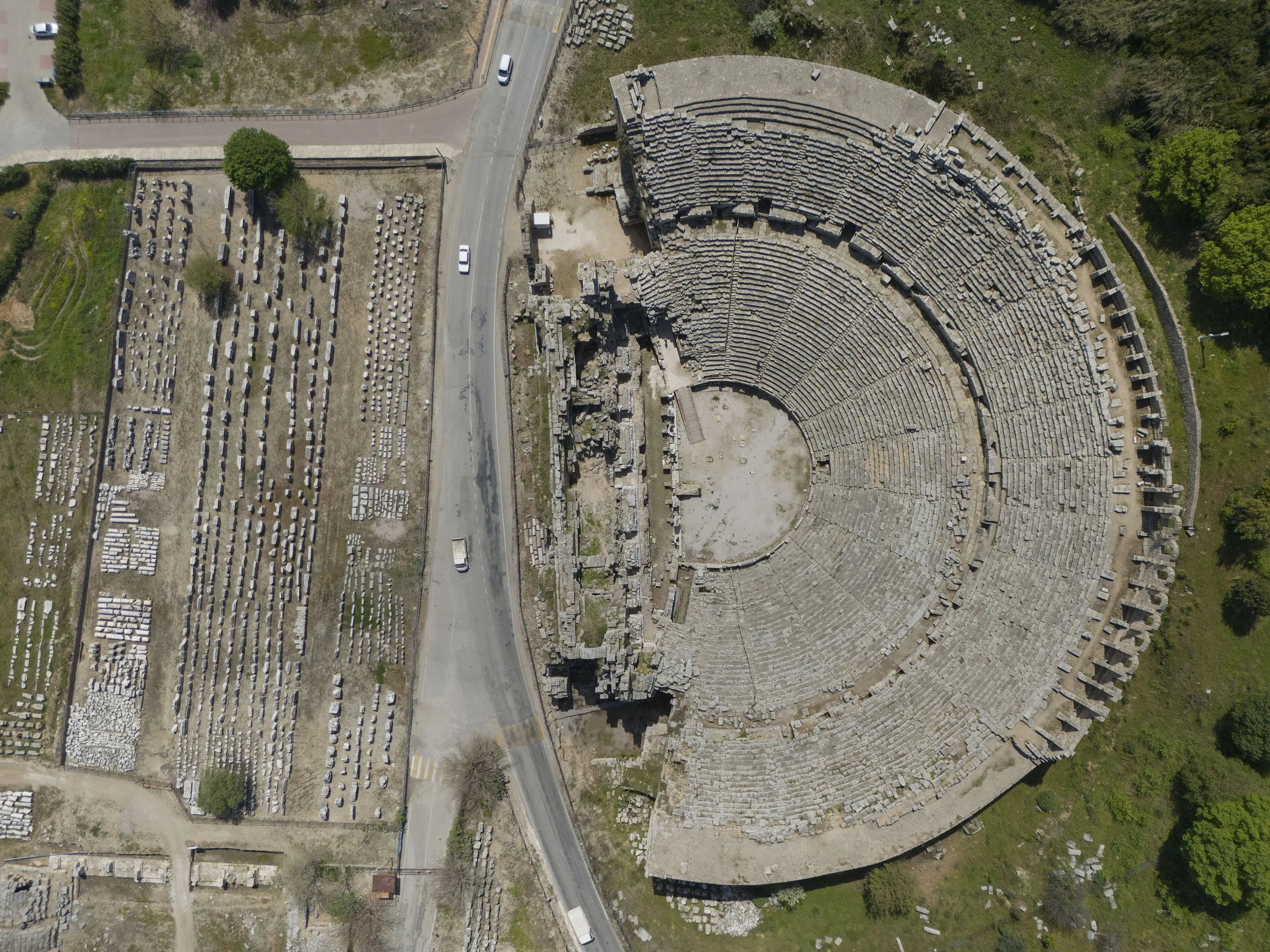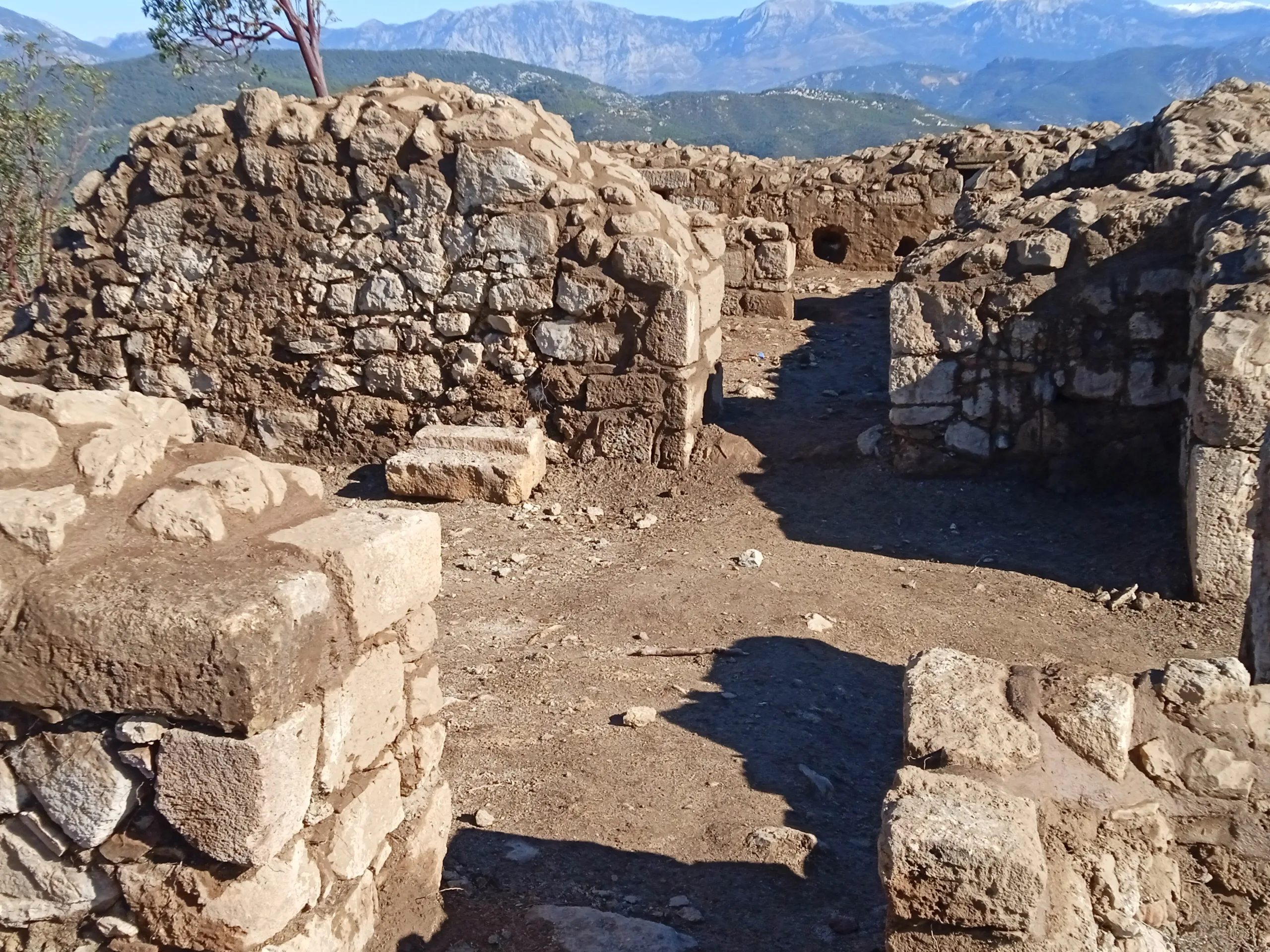
Syedra, east of Alanya, combines mountain and coastal character; it is known for a 250 m colonnaded street, a bath, a gymnasium and cave cisterns.
Syedra Ancient City is an ancient city located in Turkey, Antalya. Main periods: Roman Period.
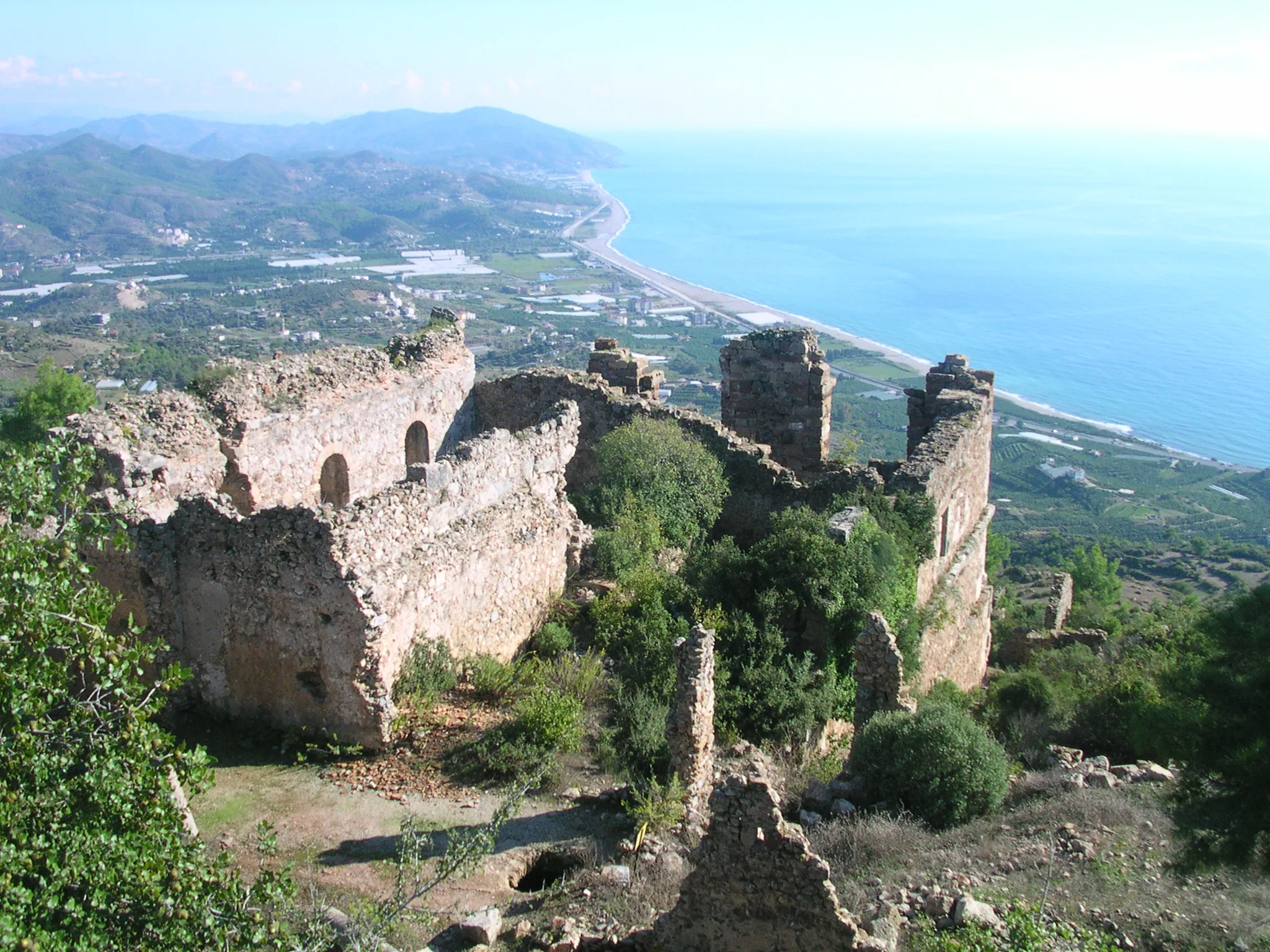
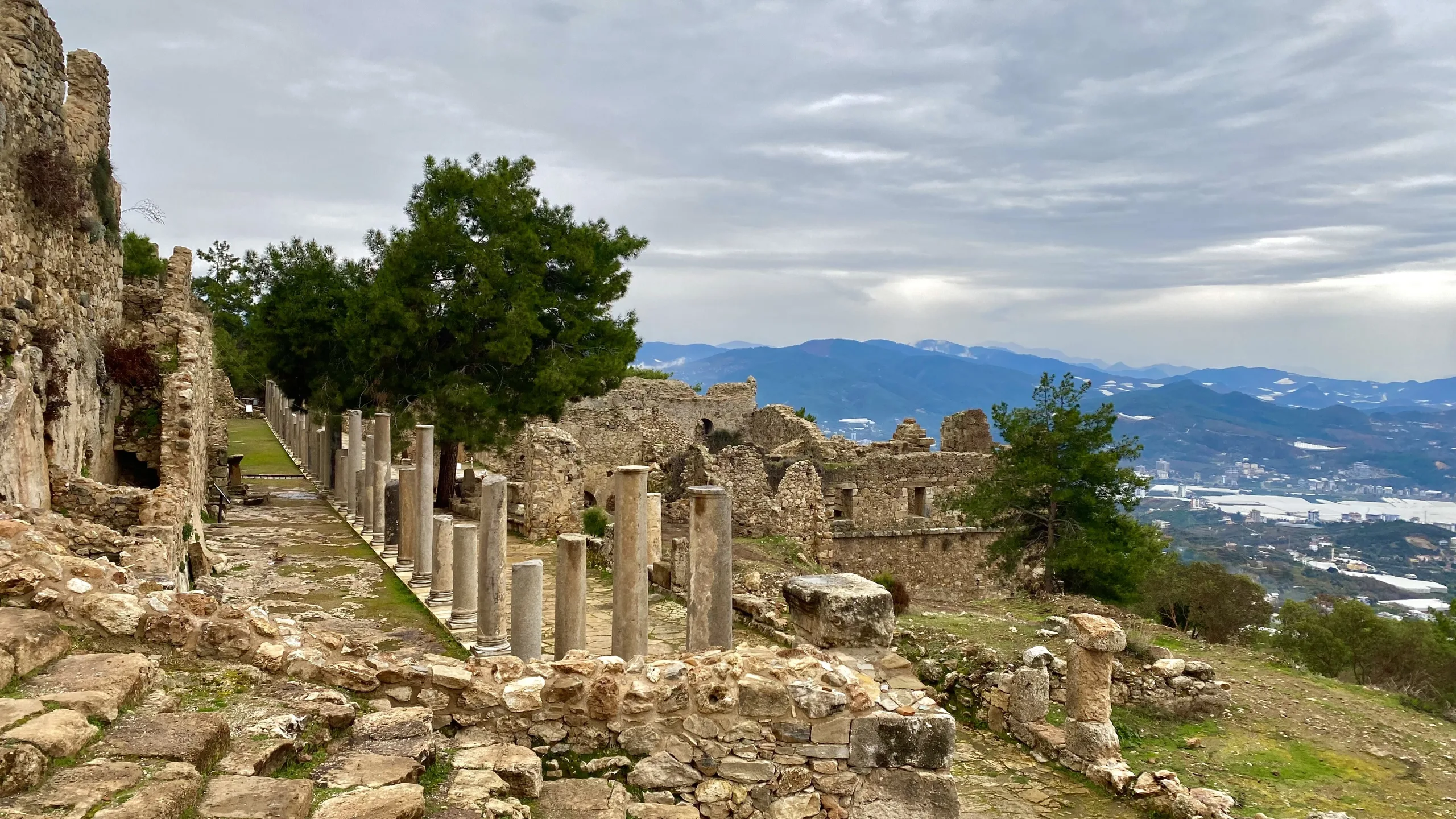
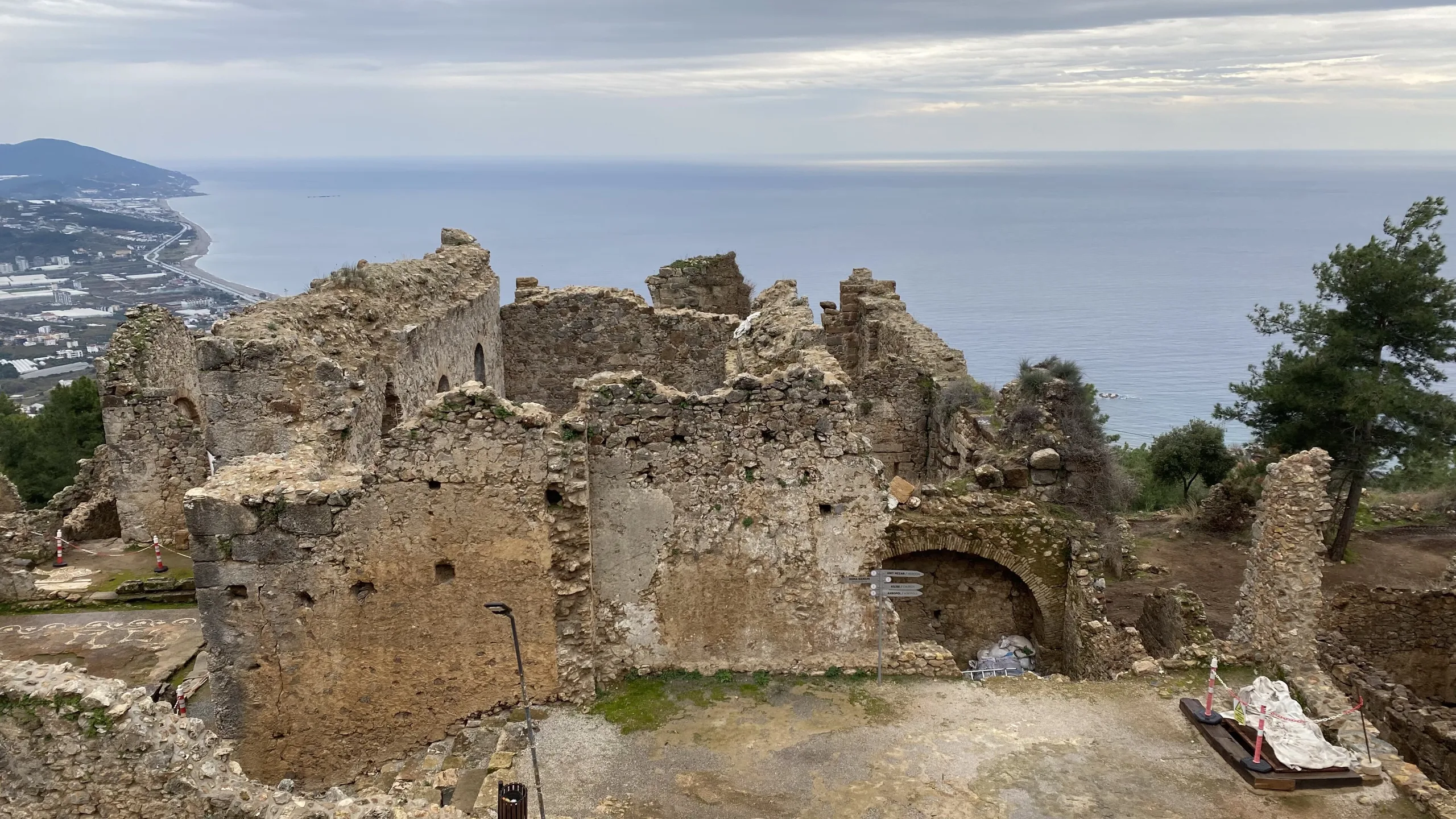
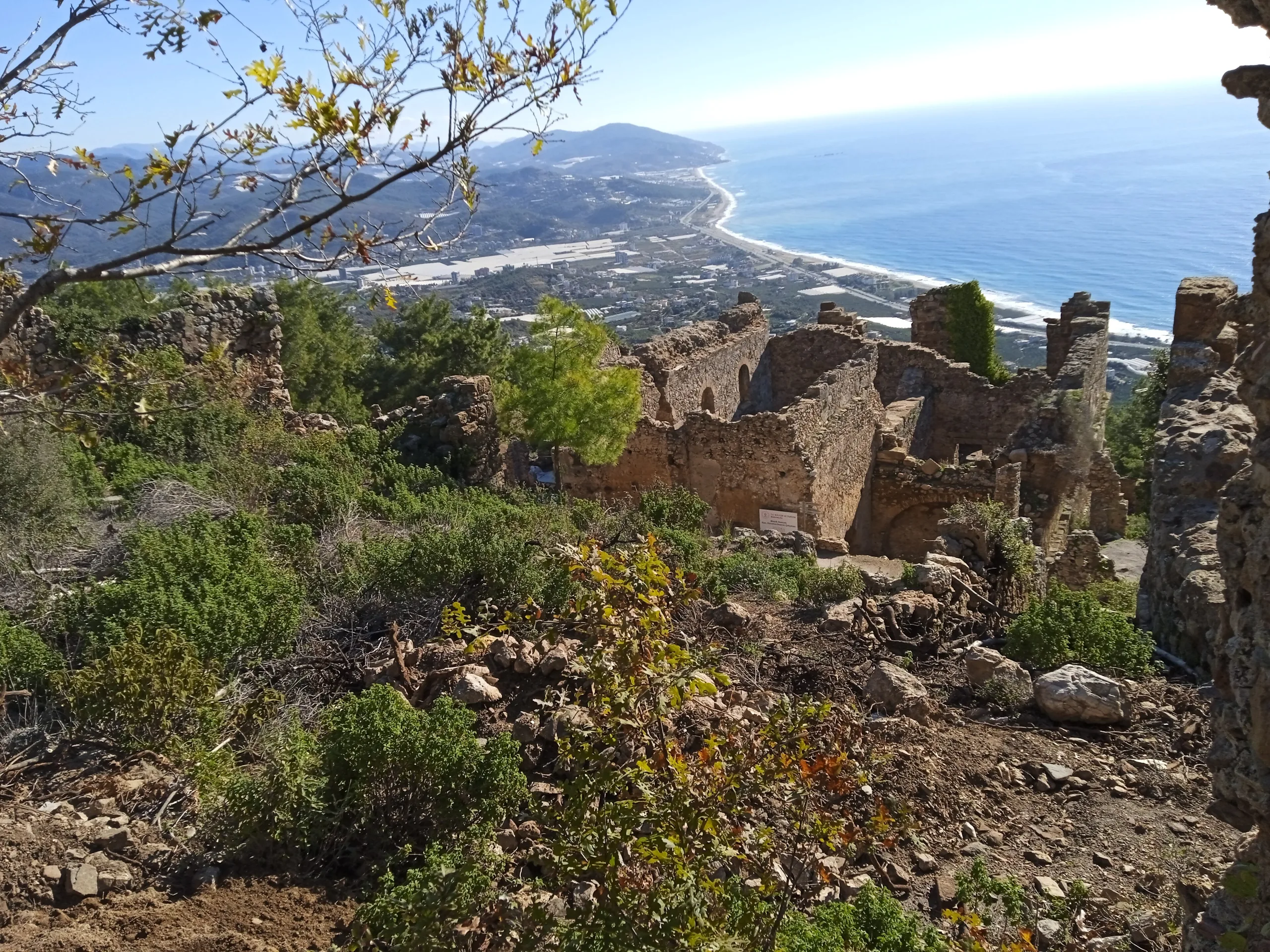
Syedra is an ancient city about 20 kilometres south-east of Alanya, within the boundaries of Seki village. The Culture Portal describes it as a place with both mountain and coastal traits and as one of the region's most strategic cities. The Ministry's English page adds that the site offers a sweeping outlook over the Mediterranean.
History
The sources do not agree on when it began. The Ministry's English page says the city was founded in the 7th century BCE, and its Turkish page says excavations uncovered remains running from the 7th century BCE to the 13th century CE. The Culture Portal pushes settlement back to the 9th century BCE and says traces of life continue to the 13th century CE.
The Portal reports that the ancient name Syedreon first shows up on coins struck under Emperor Tiberius in the 1st century CE, and that the city kept its importance as the western edge of Cilicia. Inscriptions show it hosted notable contests and enjoyed its grandest years in the 2nd to 4th centuries CE. The Ministry's English page notes that it was abandoned in the 13th century along with other settlements. The Pleiades entry places it in Rough Cilicia near Demirtaş and also records the form Syagra.
Layout
The Ministry's English page divides the city in two. In the Lower City, which runs from the south-western slopes to the shore, some buildings and mosaics were found; mosaics and inscriptions from its harbour area are displayed in the Alanya Museum, the Portal says. Most of the settlement sits in the Upper City on a slope roughly 400 metres up, where buildings were set in steps linked by stairways. The Portal adds that two major avenues cross the walled city and stepped lanes descend at right angles to them.
Main remains
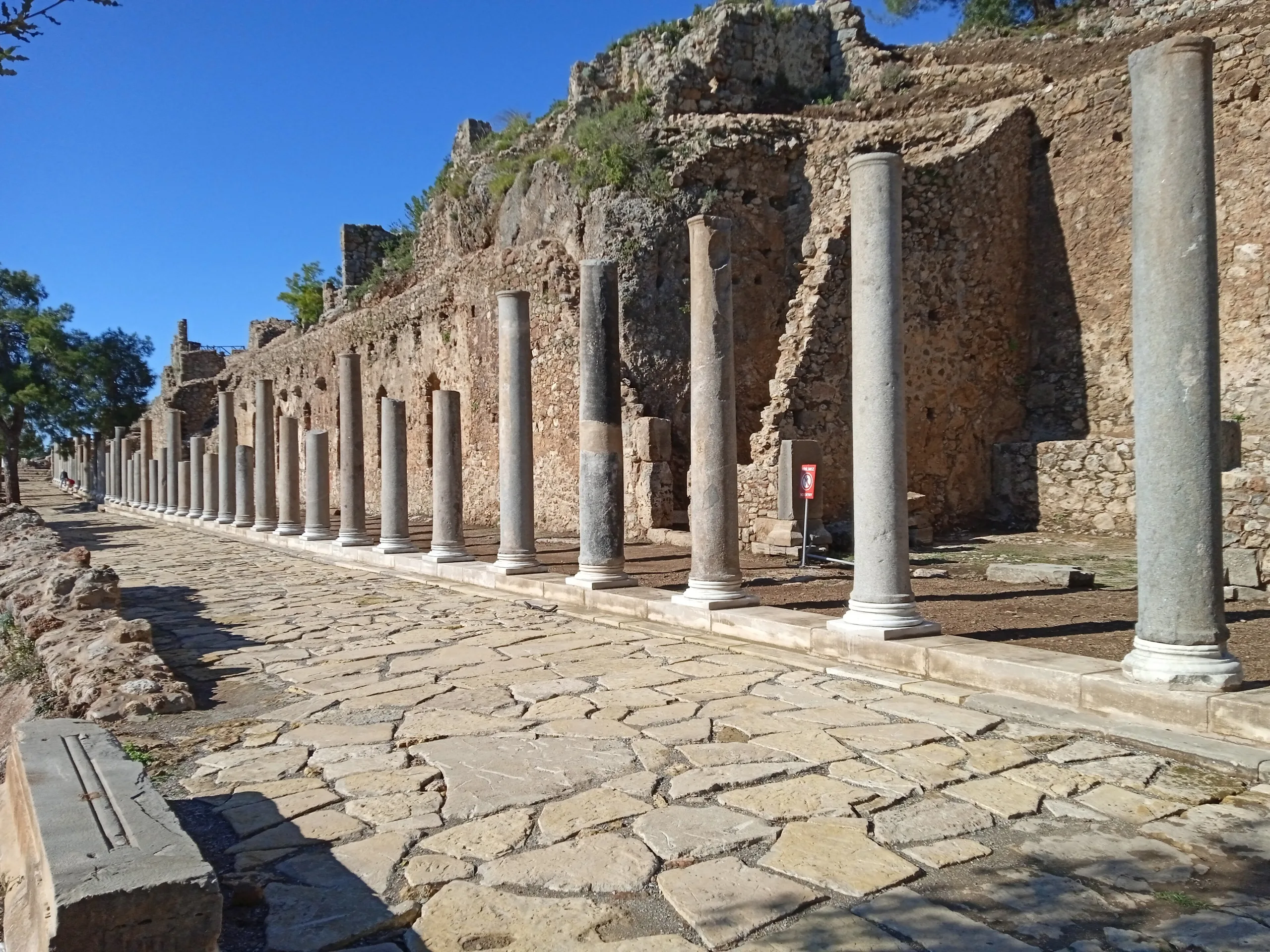
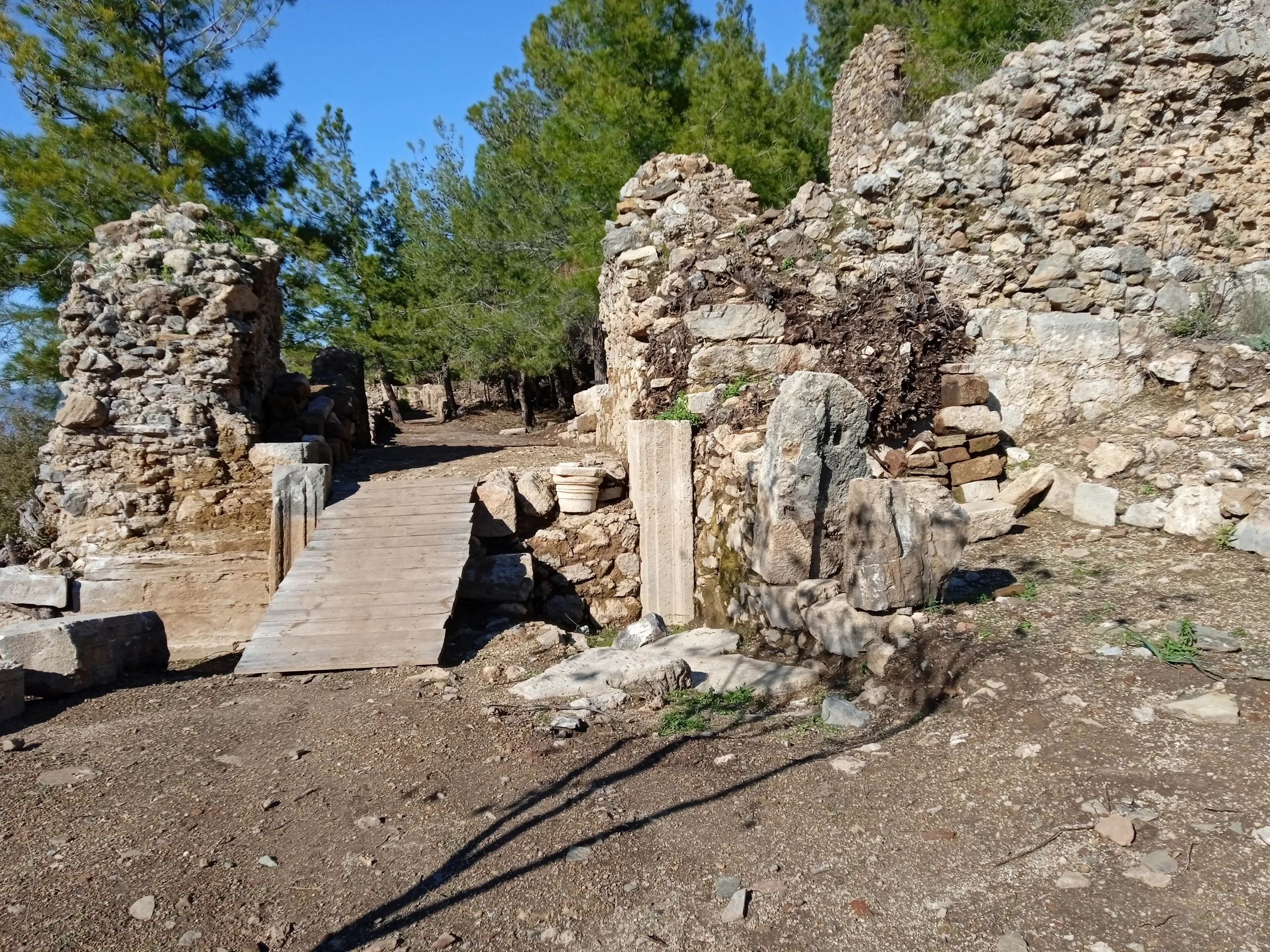
The city is entered through a monumental gate still standing in the west. Beyond it runs the 250-metre colonnaded street, once the social heart of the city. The Ministry's Turkish page says excavation showed it measures 250 by 10 metres, with its north side sheltered by a timber roof on columns and its south side an open, stone-paved way. Niches line the wall north of the street, and a heroon (monumental tomb) reached by steps stands at the western end.
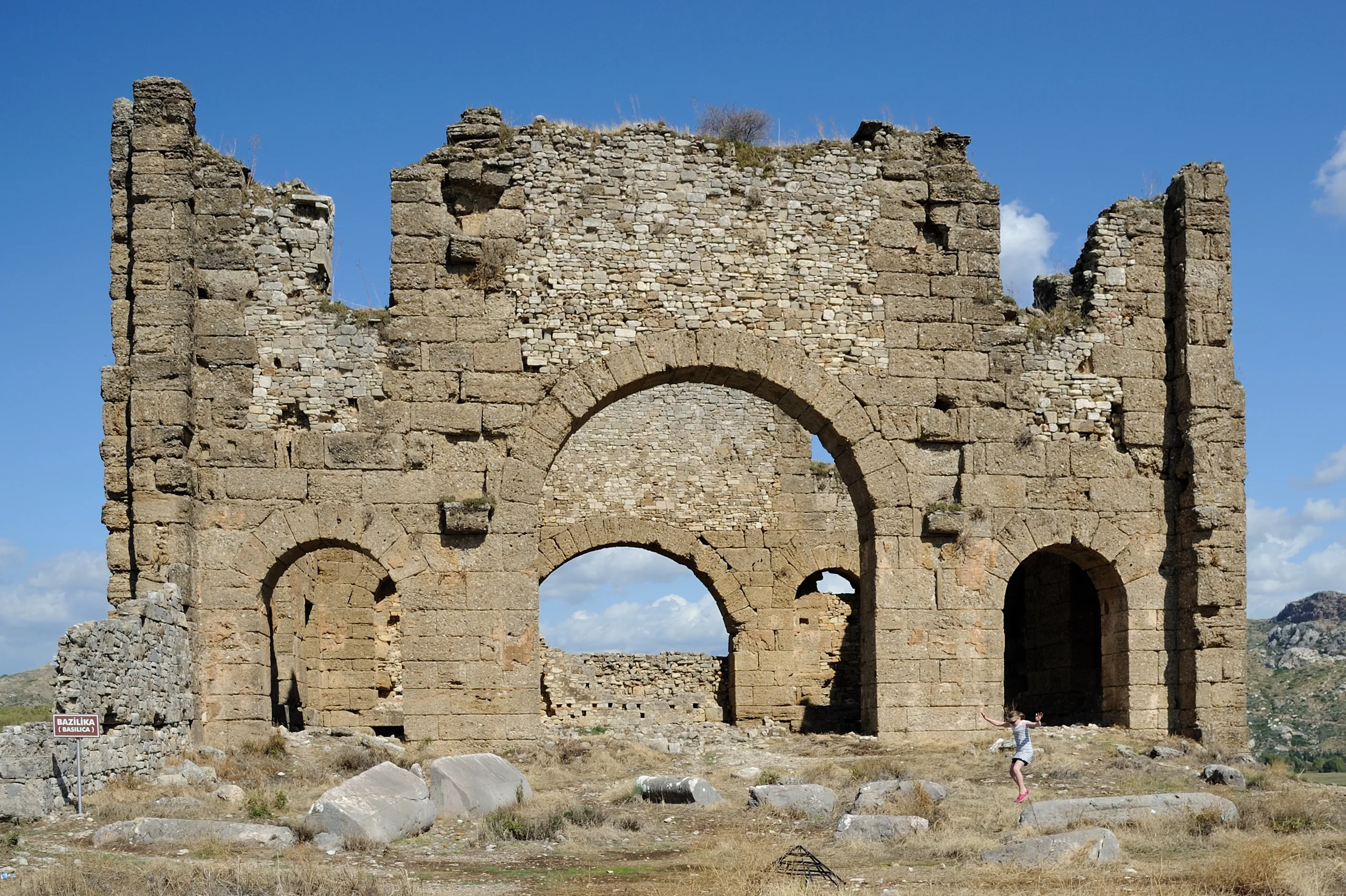
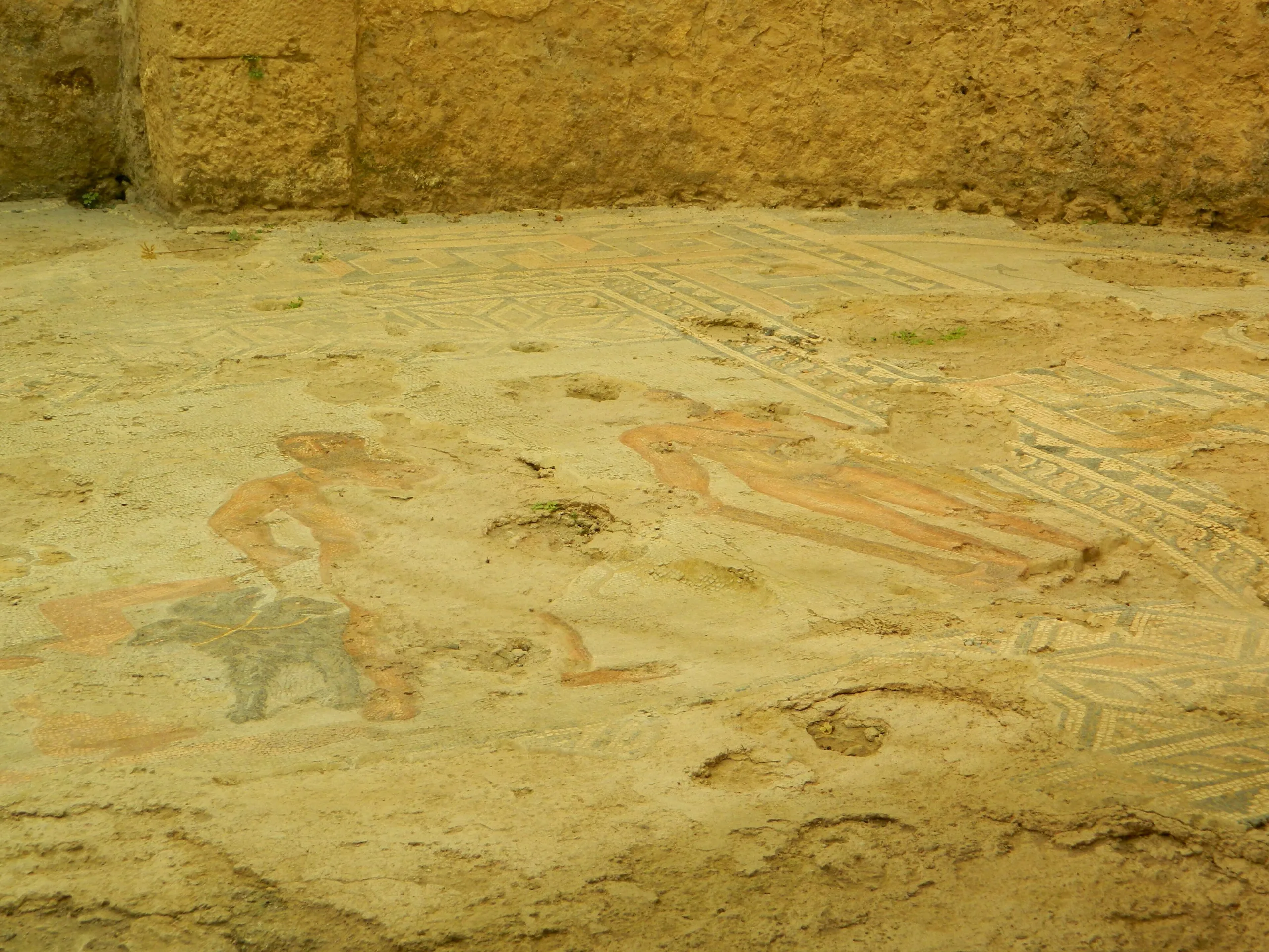
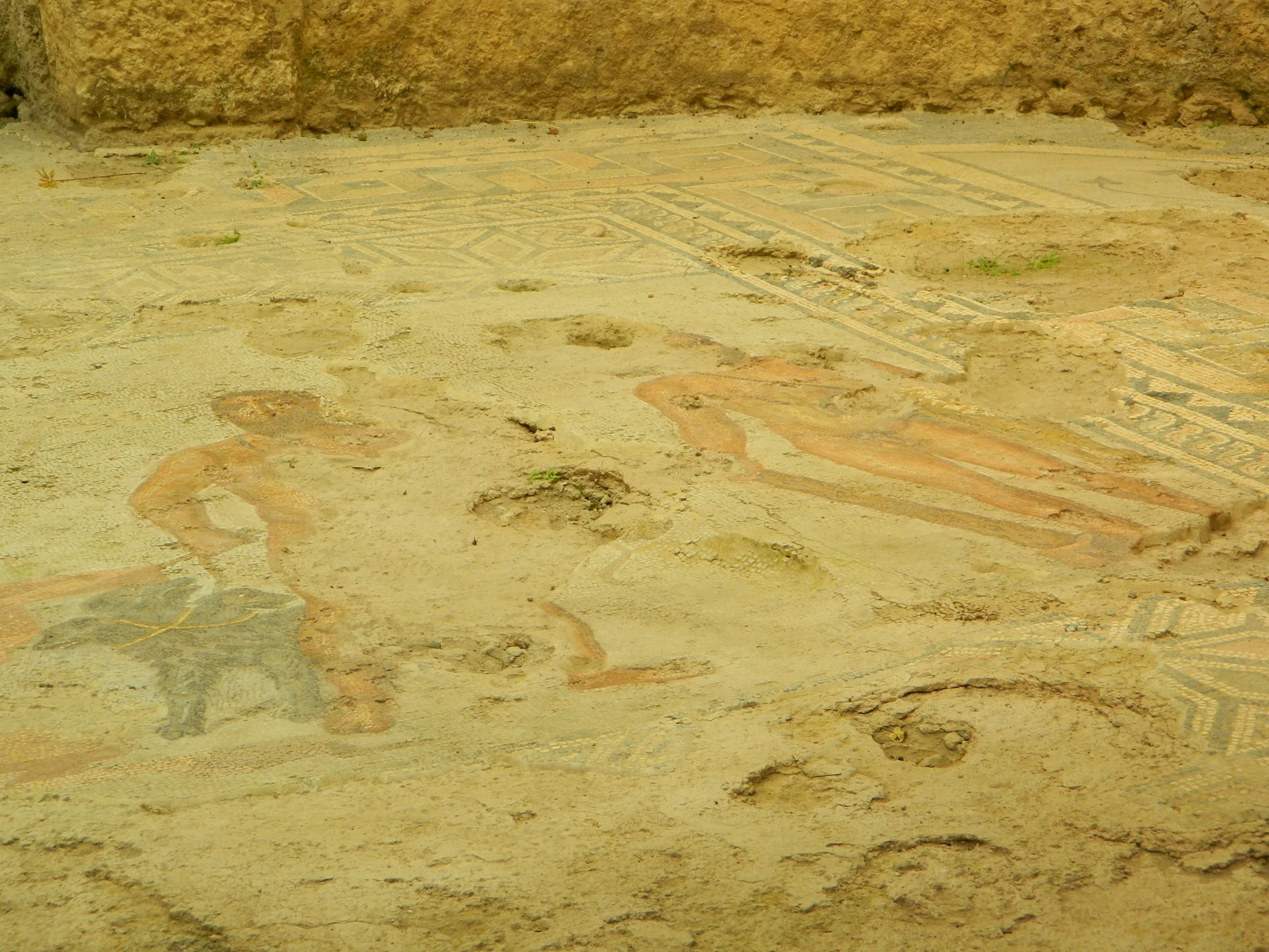
East of the city lies the imposing bath, whose floor still shows patches of mosaic. The Portal calls the neighbouring gymnasium, where athletes trained and contests were held, one of the best-preserved buildings. Inscribed statue bases name winners in wrestling and athletics, as well as organisers and sponsors. Remains of a temple, theatre, basilica, church, houses, shops and walls also survive, and olive-processing workshops west of the city hint at daily life.
Water came from the Cistern (Spring) Cave and from cisterns. Close by, the Baptism Cave is cut into the rock and painted with frescoes; the pool inside gives it its name.
Excavations
According to the Ministry's Turkish page, the Alanya Museum Directorate has excavated here since 1994. The dimensions of the colonnaded street were established in this work.
Visiting
Syedra lies about 20 km along the Alanya-Gazipaşa road, and the Portal says Alanya-Gazipaşa buses serve it. The Ministry's Turkish page states that the MüzeKart is valid for Turkish citizens. For hours and fees, use the official page. Olympos, Myra, Perge, Patara, Phaselis and Side are the nearby places the Ministry lists.
Gallery
Frequently asked questions
Where is Syedra?
When was it founded?
When was its heyday?
What can be seen?
Since when has it been excavated?
Is the MüzeKart valid?
Sources (12)
- Antalya Syedra Antik Kenti / Syedra (TR ve EN sayfalar) — T.C. Kültür ve Turizm Bakanlığı, Müzeler ve Örenyerleri
- Syedra (Sedre) Antik Kenti - Antalya (kaynak: Antalya İl Kültür ve Turizm Müdürlüğü) — T.C. Kültür ve Turizm Bakanlığı, Türkiye Kültür Portalı
- Syedra (Pleiades 648783) — Pleiades
Photo credits
- Photo: Kawon Kez Sel, CC0 — Wikimedia Commons (resized)
- Photo: matzi01, CC BY-SA 3.0 — Wikimedia Commons (resized)
- Photo: Gulsum katildi, CC BY-SA 4.0 — Wikimedia Commons (resized)
- Photo: Gulsum katildi, CC BY-SA 4.0 — Wikimedia Commons (resized)
- Photo: Kawon Kez Sel, CC0 — Wikimedia Commons (resized)
- Photo: Kawon Kez Sel, CC0 — Wikimedia Commons (resized)
- Photo: Kawon Kez Sel, CC0 — Wikimedia Commons (resized)
- Photo: Texaner, CC BY-SA 4.0 — Wikimedia Commons (resized)
- Photo: Texaner, CC BY-SA 4.0 — Wikimedia Commons (resized)