A 6th-century pilgrimage monastery on a 480 m hill between Antakya and Samandağ, built around the column of Simeon the Younger; octagonal court, three churches, baptistery.
Monastery of St. Simeon the Younger is a place (Monastery) in Turkey, Hatay.
On a 480-metre hill some 18 kilometres south-west of Antakya, looking over the Orontes valley and the Mediterranean, an octagonal courtyard surrounds the base of a column. A monk once lived on top of that column, lifting himself above the ground to be away from people: Simeon the Younger. The ruined monastery that bears his name lies within Defne district, between Antakya and Samandağ.
History
Ascetics who endured their trials on top of a pillar are called stylites. Simeon of Antioch began his religious training at a very young age and then withdrew to this hilltop, away from people. Tradition has him stay on a column for decades, most often put at about forty years, and he is said to have healed the sick. As his fame spread, visitors poured in and the mountain became known as the Hill of Wonders. An older stylite of the same name lived in the 5th century, which is why the man from Antioch is called the Younger.
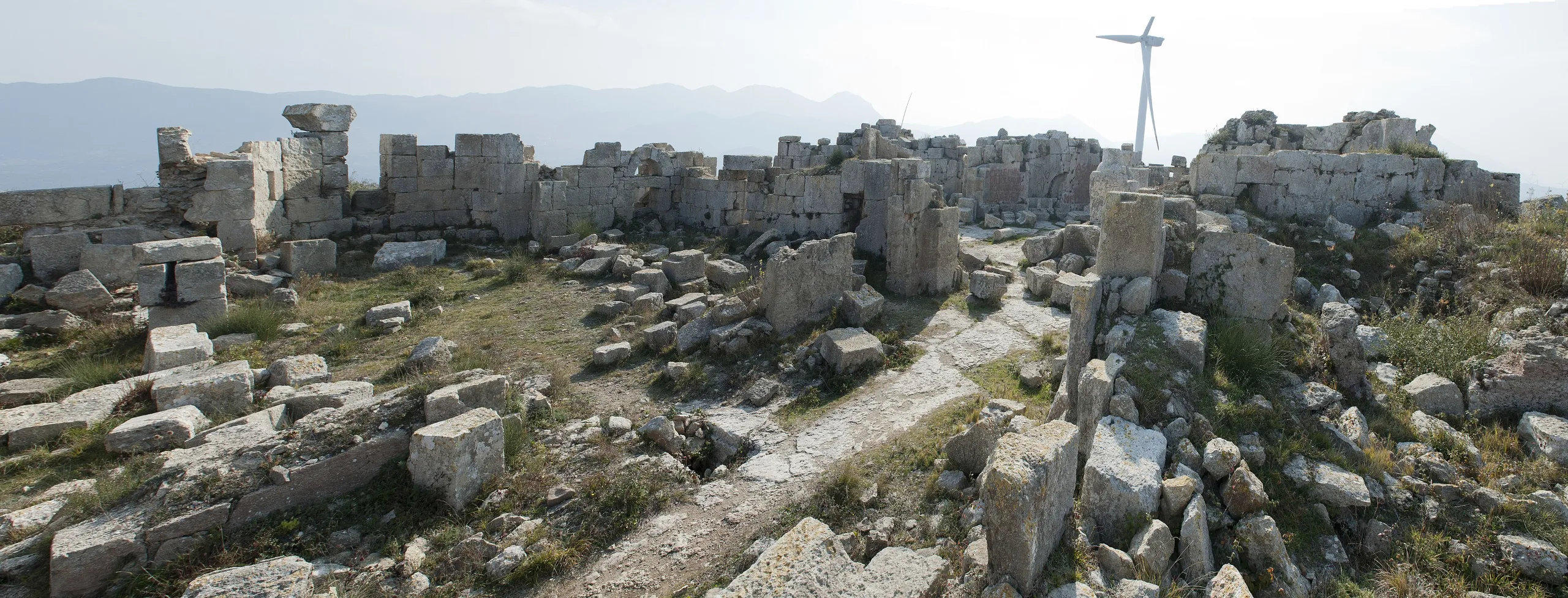
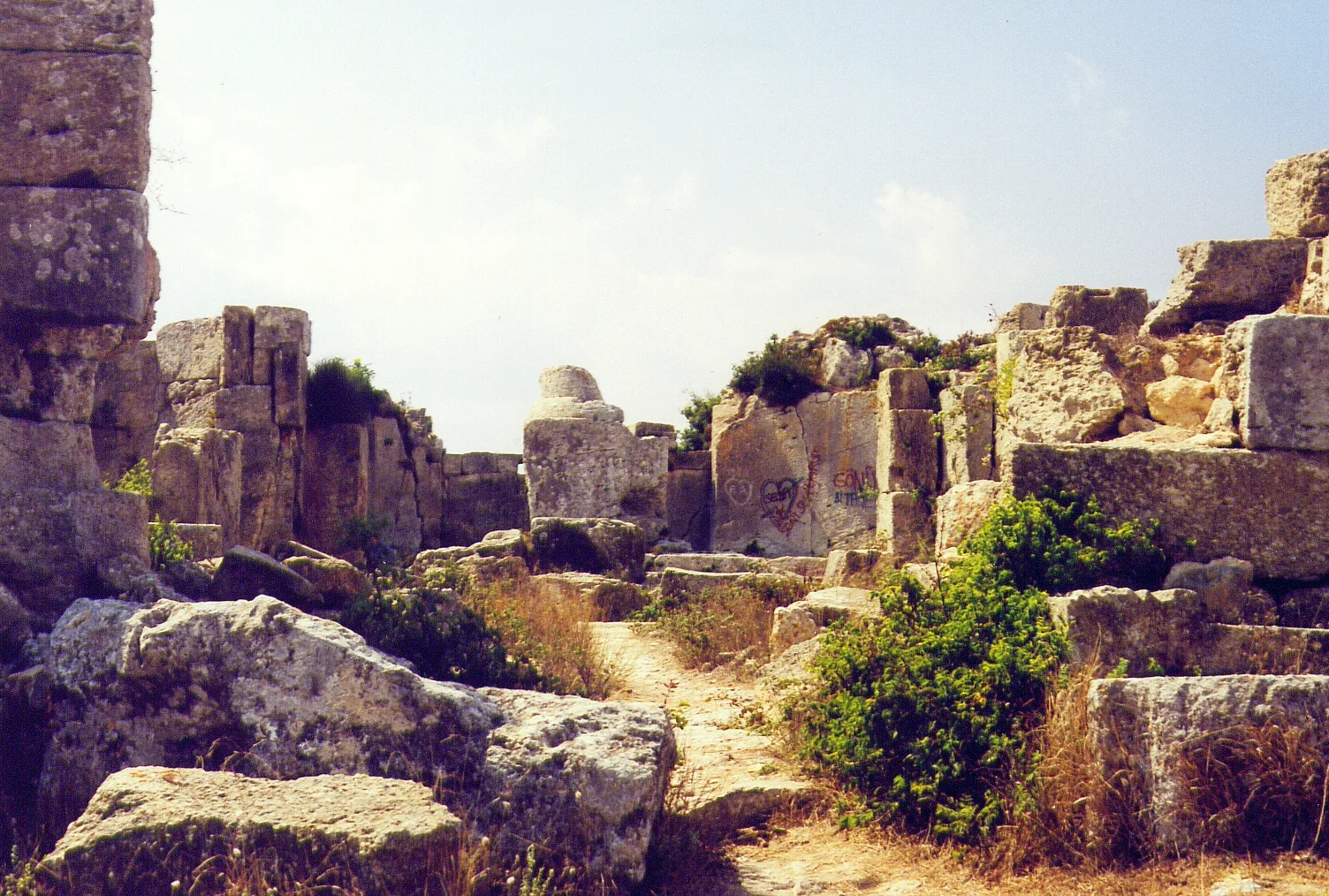
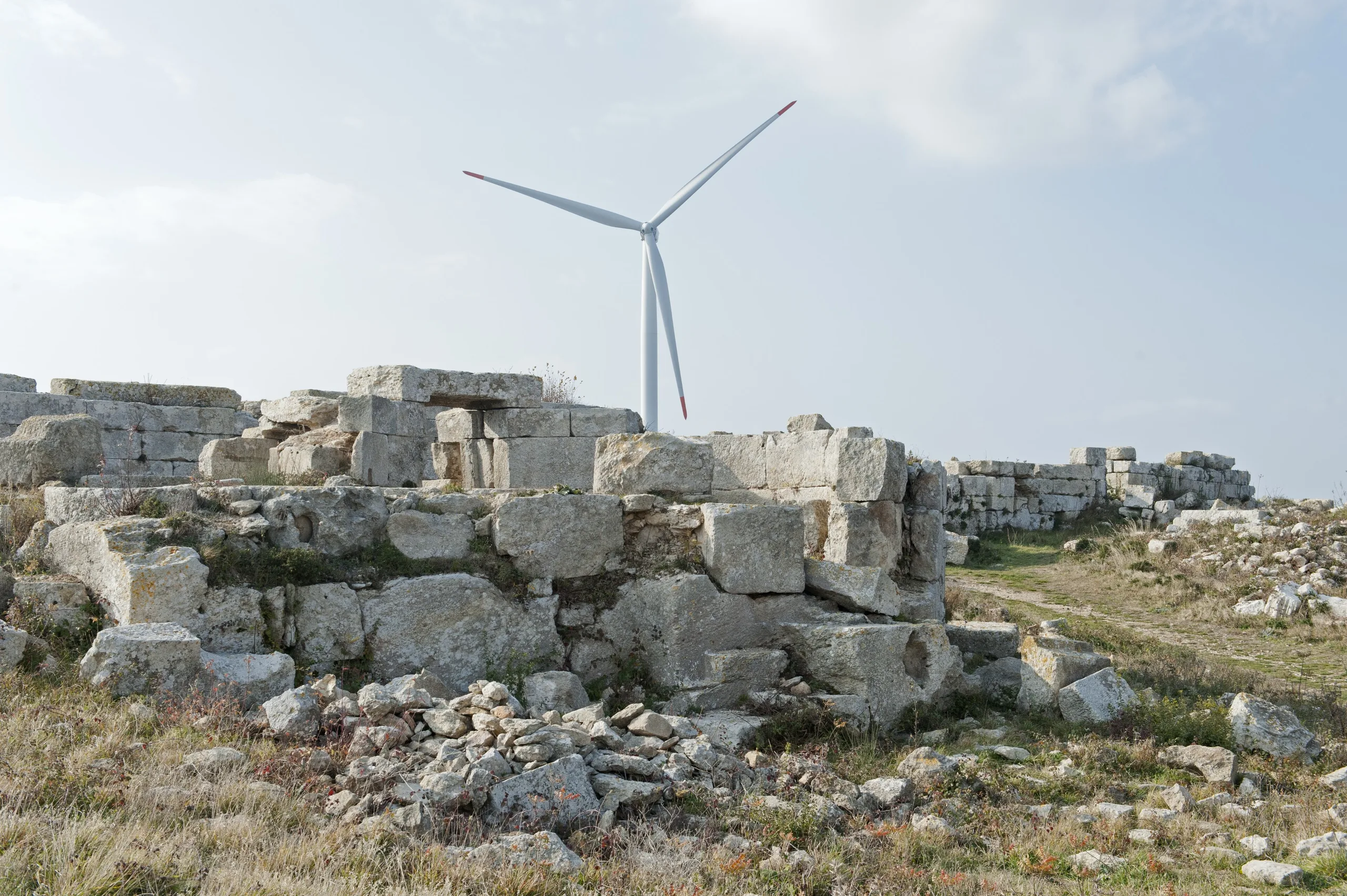
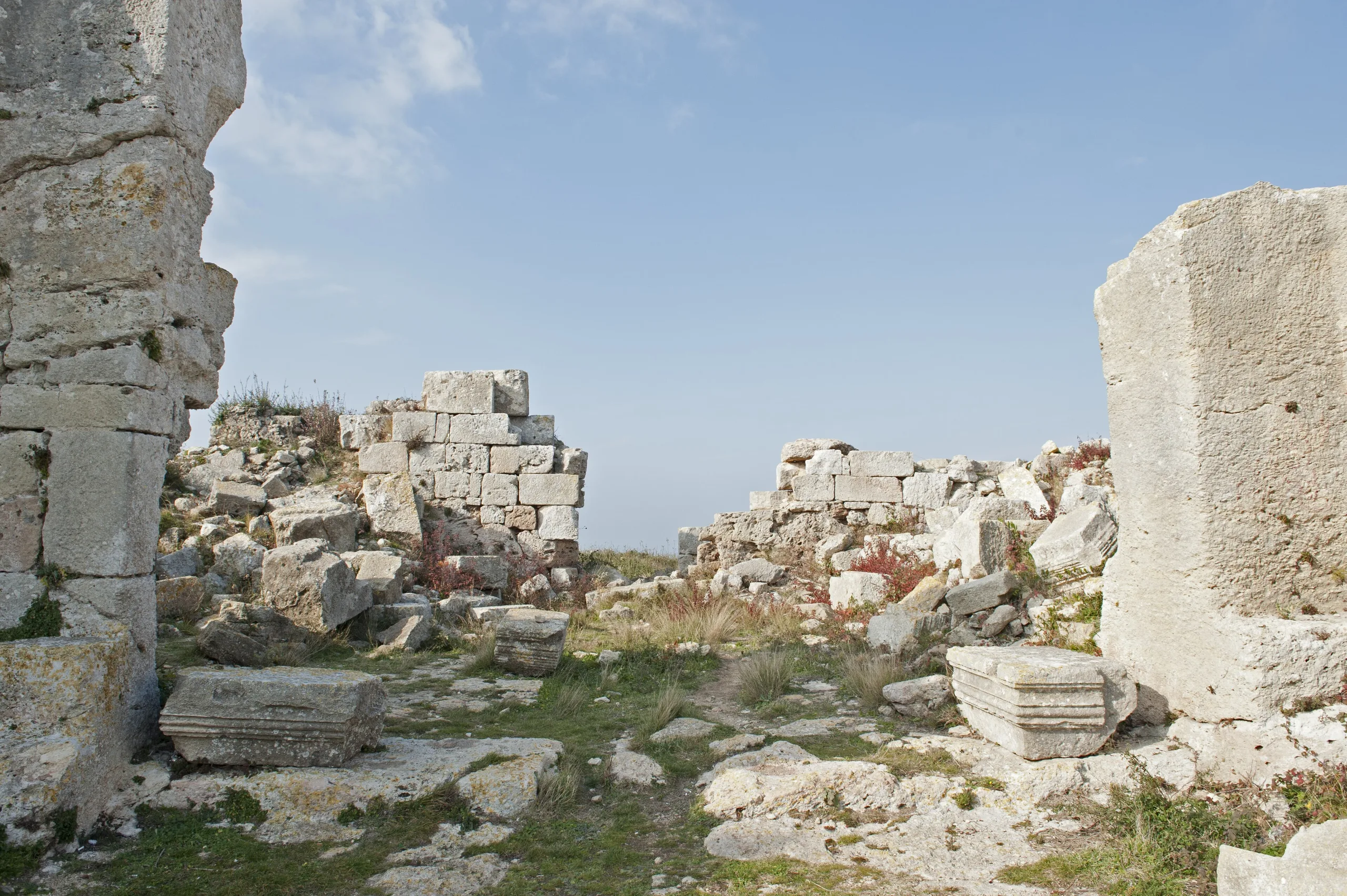
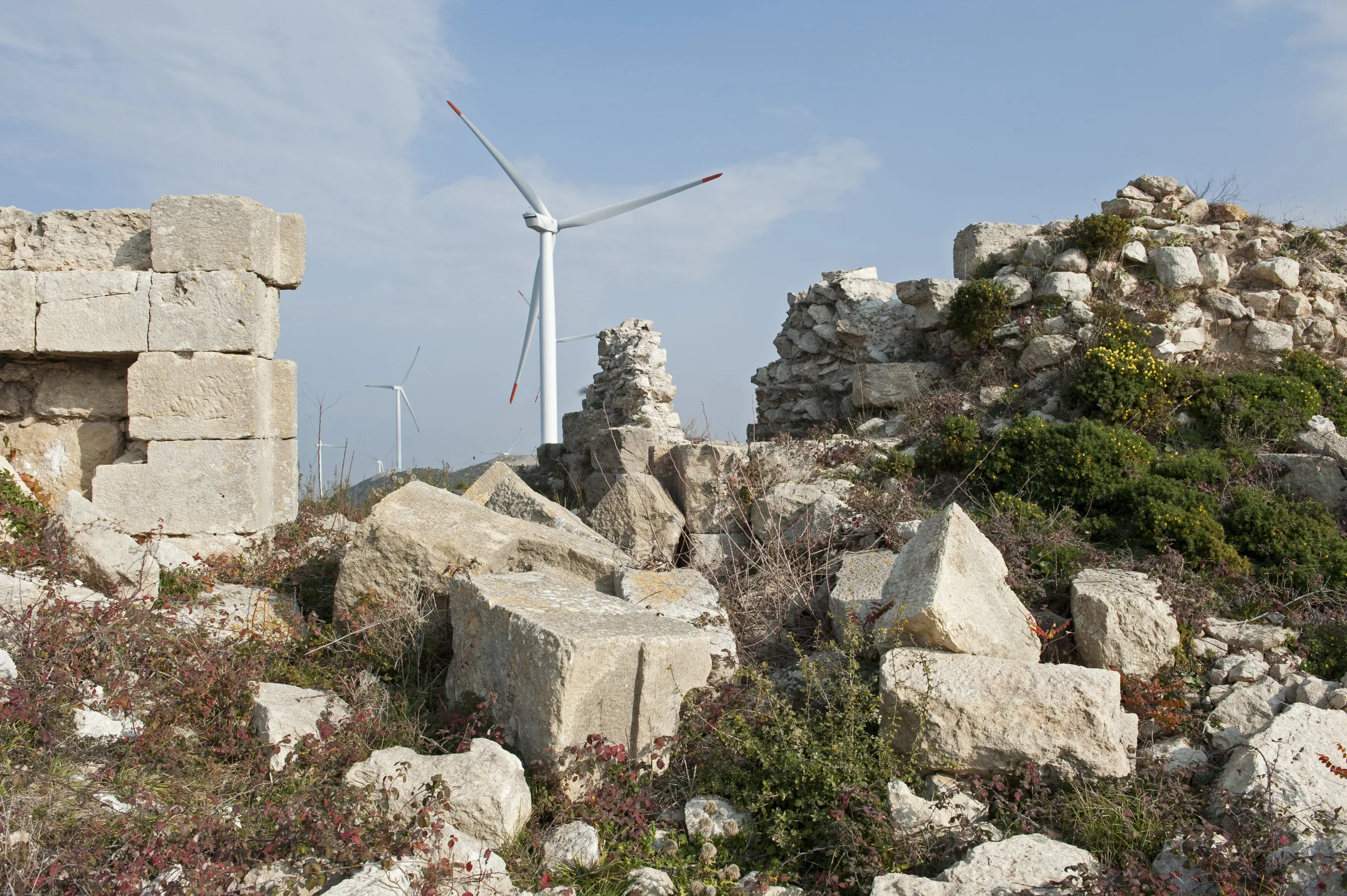
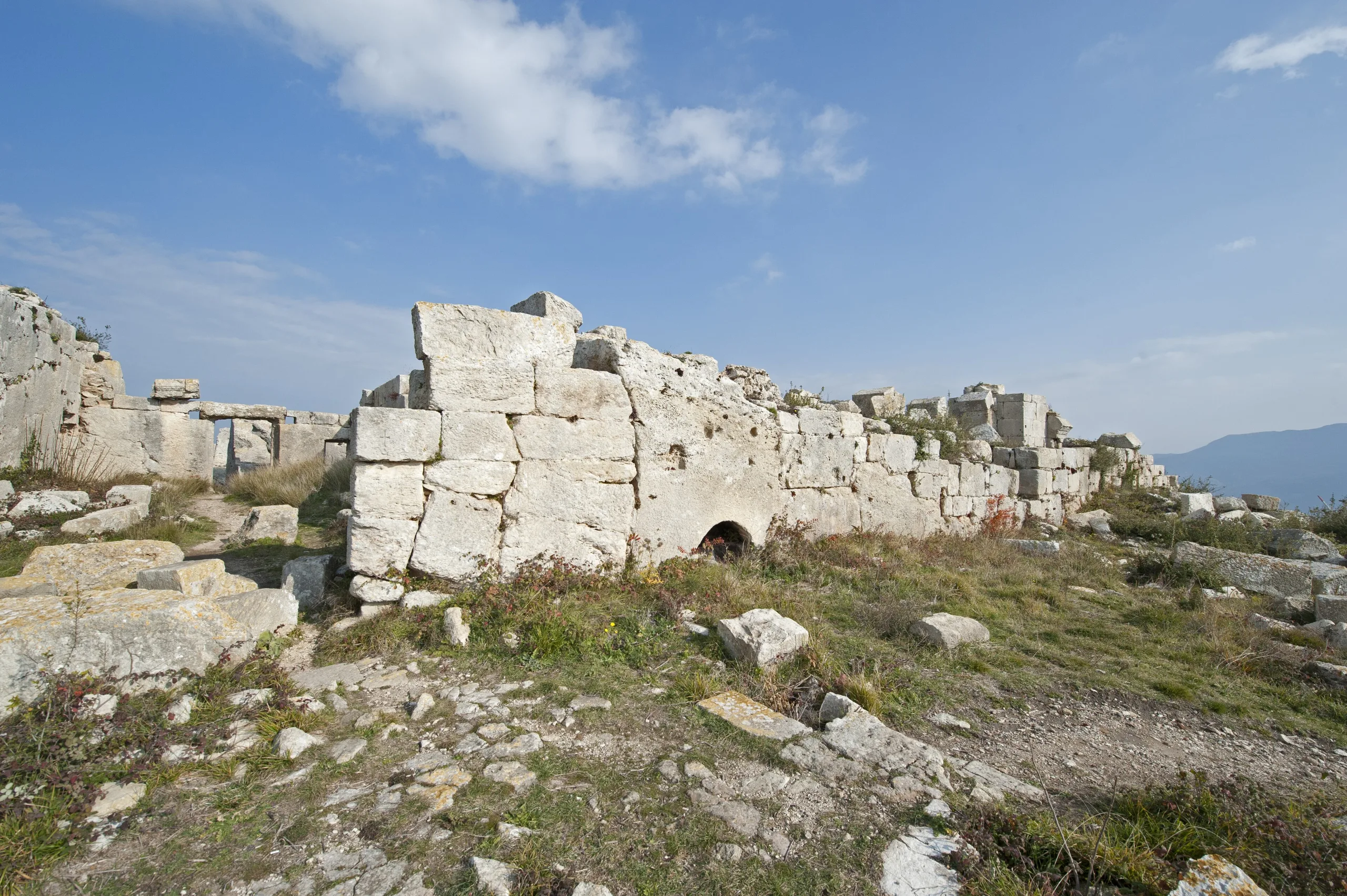
The monastery was founded in the 6th century and was counted among the pilgrimage centres of early Christianity. In time it grew into a large centre where services were held, and it received additions and alterations in different periods. It is thought to have been in use until the 13th-14th centuries, but when it was abandoned is not known. Earthquakes and the passing of time shook the ashlar blocks of the walls from their places.
Architecture
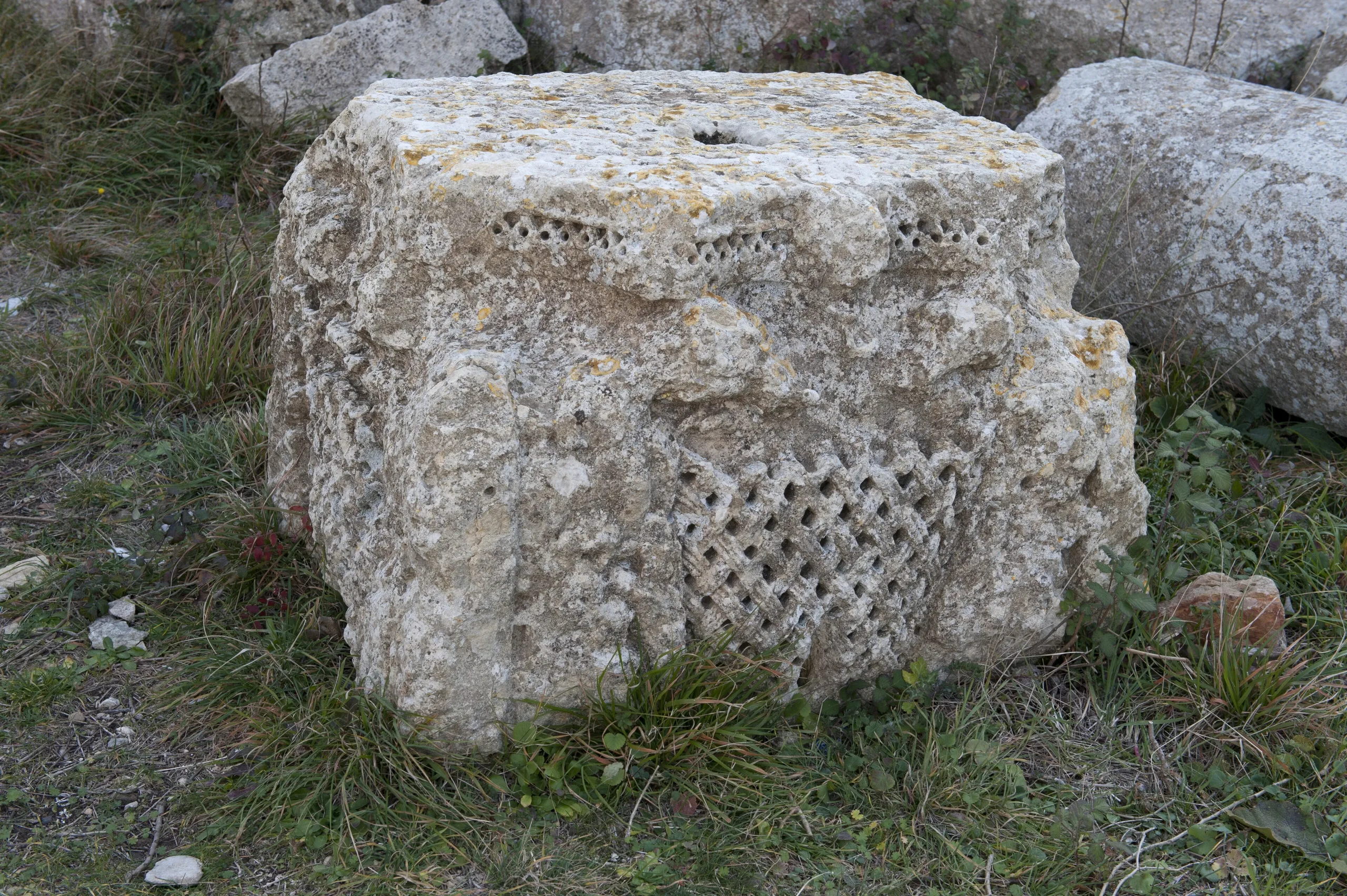
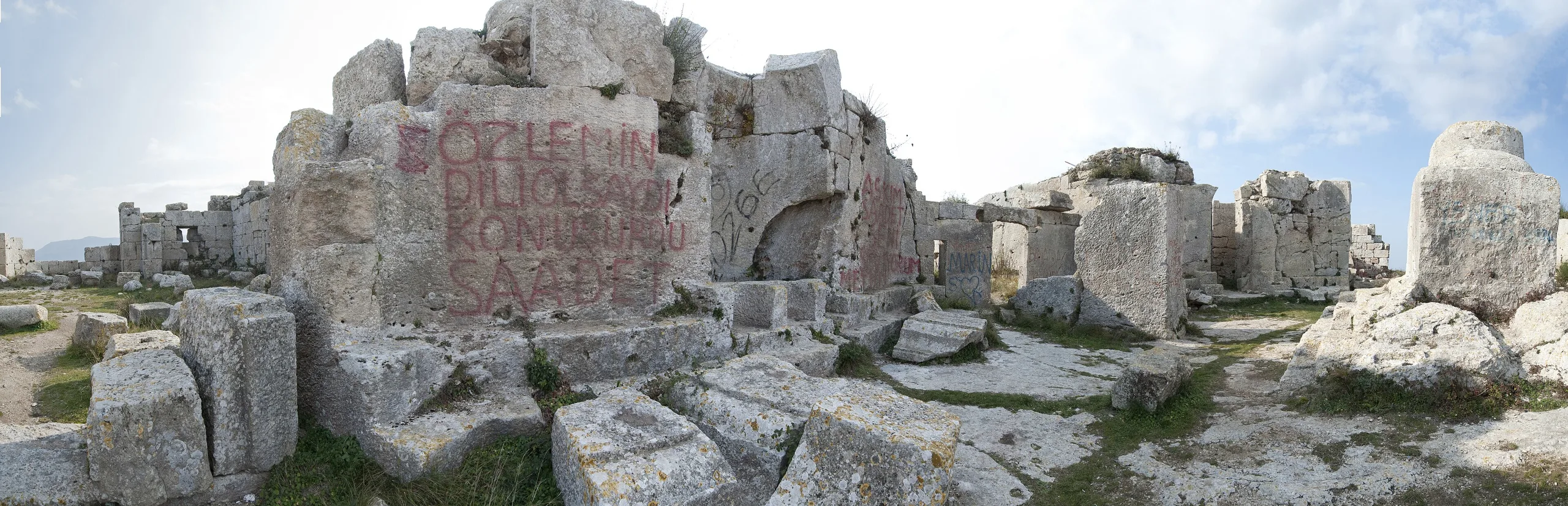
The complex sits on a rectangular plot of about 132 by 160 metres and is enclosed by two parallel walls. Its buildings are partly cut into the rock and partly built of dressed stone, and the cross-shaped layout can be entered from three sides. In the middle lies the octagonal court where the saint's column stood. The column is estimated to have been around 10 metres high; today only a base of about four metres survives.
Around the court stand three churches and a baptistery. The main building, opening off the north side of the court, is the Church of the Holy Trinity, built entirely of cut stone with a mosaic floor. To the south is the church dedicated to Simeon's mother Martha, and to the north the North Church, with the baptistery attached to its wall. Each church has three aisles, three entrances and three window openings, since the number three stands for the Trinity: Father, Son and Holy Spirit.
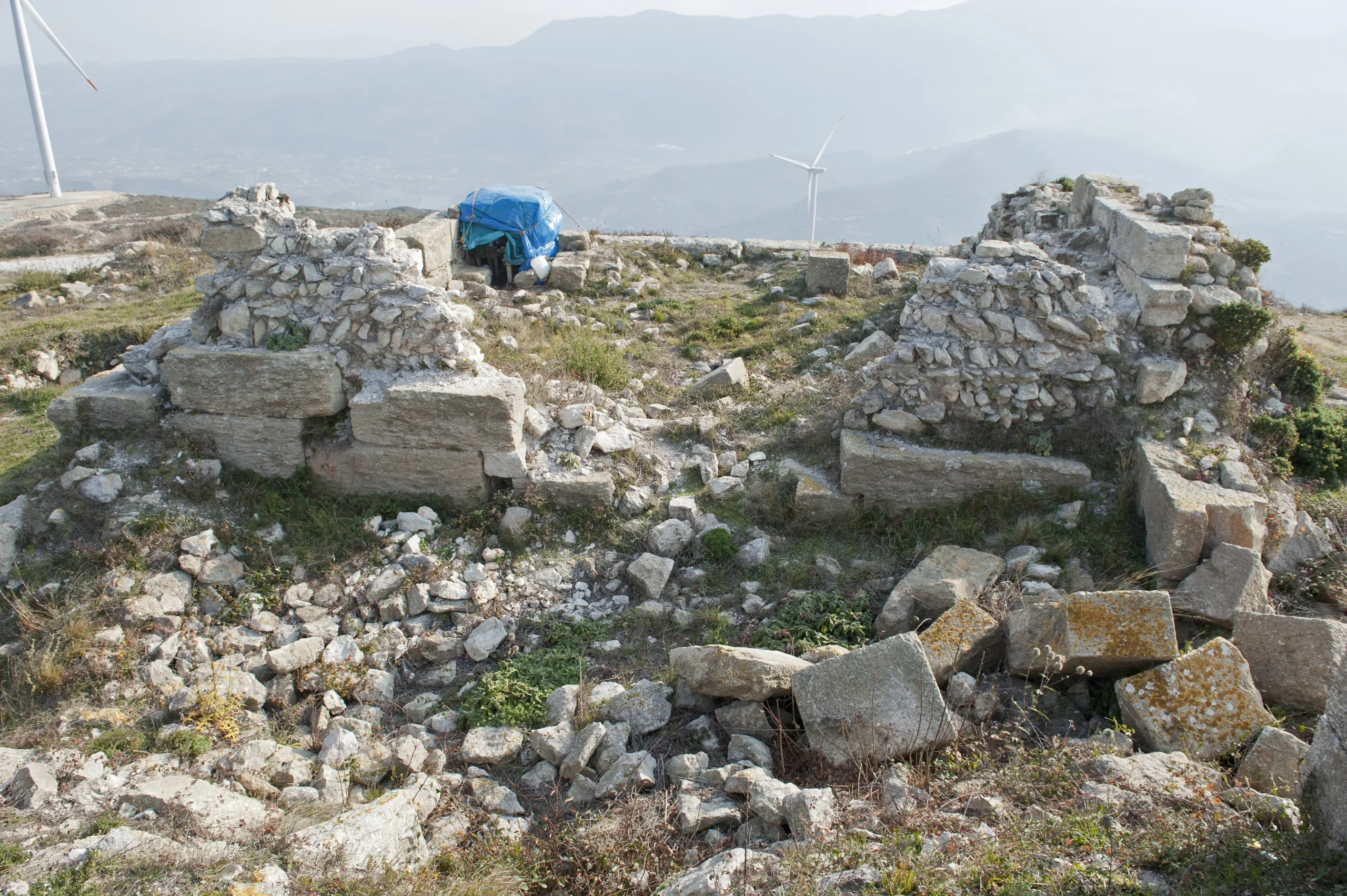
Around the buildings lie the remains of cisterns, houses, a kitchen, a pantry and a guest house, the setting for the daily life of monks and pilgrims.
Excavations
The first excavation here was carried out by French researchers in the 1930s and the second by Georgian researchers in the 1960s. After about sixty years, the Hatay Museum began new excavation, recording and restoration work in 2018.
The work has uncovered the mosaics of the church floor. These show animals and make heavy use of glass tesserae, the small glass cubes of a mosaic, though most of the glass had been damaged because it lay so close to the surface. An inscription records a repair of the building and is considered important for dating. Fallen architectural blocks are being numbered for restoration, and the site is being documented with 3D laser scanning.
Visiting
Because excavation and restoration continue, visiting conditions can change. Check the monastery page on muze.gov.tr before you go.
Gallery
Frequently asked questions
Where is the Monastery of St. Simeon?
Who was Simeon the Younger?
When was the monastery founded?
What can be seen at the site?
Why do the three churches share one plan?
Has the site been excavated?
Sources (15)
- St. Simon Manastırı / Monastery of St. Simon (TR ve EN sayfalar) — T.C. Kültür ve Turizm Bakanlığı, Müzeler ve Ören Yerleri
- St. Simon Manastırı - Hatay, Gezilecek Yerler — T.C. Kültür ve Turizm Bakanlığı, Türkiye Kültür Portalı
- St. Simon Manastırı (Ede, B. S., 2019), Online Türkiye Turizm Ansiklopedisi — Türkiye Turizm Ansiklopedisi
- St. Simon Manastırı'nda 60 yıl sonra yeniden tarihe ışık tutuluyor (Hatay Arkeoloji Müzesi Müdürü Ayşe Ersoy açıklamasıyla) — Anadolu Ajansı
- Zirvedeki manastır (Nevzat Akbaş, sanat tarihçisi) — Milliyet Arkeoloji
- Monastery of St. Simeon Stylites the Younger (Wikidata Q1776331) — Wikidata
Photo credits
- Photo: Dosseman, CC BY-SA 4.0 — Wikimedia Commons (resized)
- Photo: Klaus-Peter Simon, CC BY 3.0 — Wikimedia Commons (resized)
- Photo: Dosseman, CC BY-SA 4.0 — Wikimedia Commons (resized)
- Photo: Dosseman, CC BY-SA 4.0 — Wikimedia Commons (resized)
- Photo: Dosseman, CC BY-SA 4.0 — Wikimedia Commons (resized)
- Photo: Dosseman, CC BY-SA 4.0 — Wikimedia Commons (resized)
- Photo: Dosseman, CC BY-SA 4.0 — Wikimedia Commons (resized)
- Photo: Dosseman, CC BY-SA 4.0 — Wikimedia Commons (resized)
- Photo: Dosseman, CC BY-SA 4.0 — Wikimedia Commons (resized)