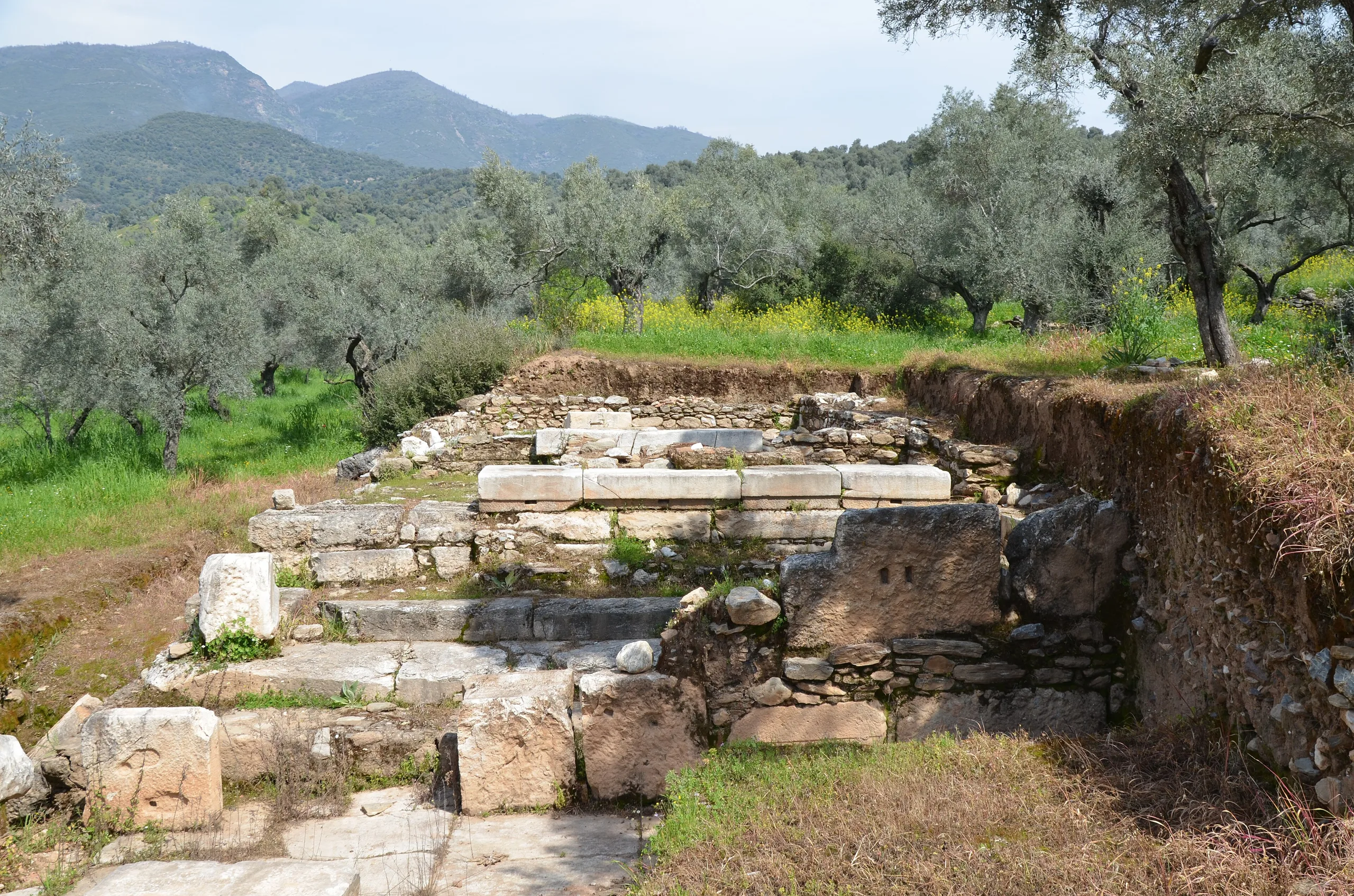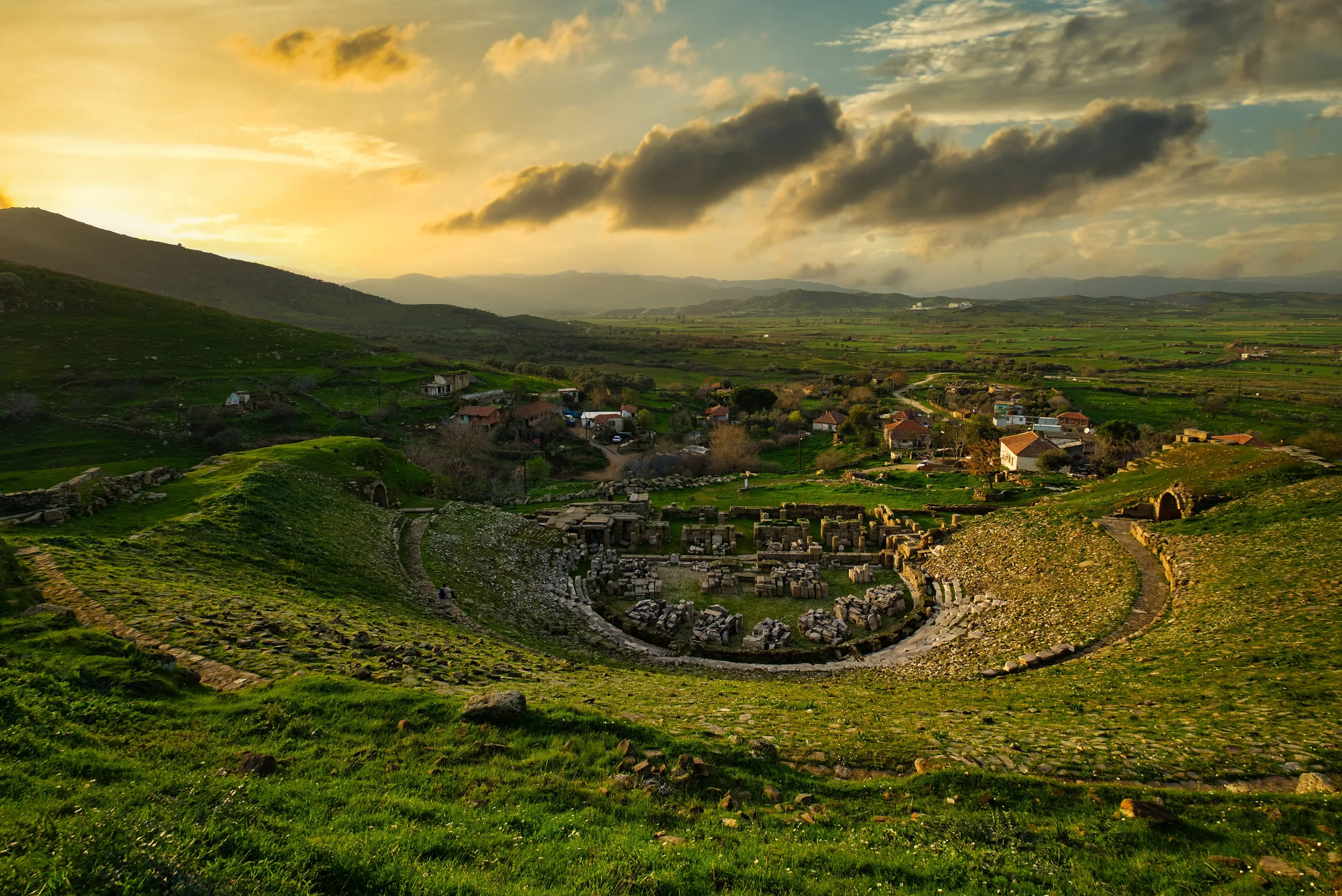
Alabanda is a Carian city in Çine, Aydın, on the Araphisar hillsides; it became a regional capital under Rome and has a theatre, council house and baths.
Alabanda is an ancient city located in Turkey, Aydin. Main periods: Hellenistic Period, Roman Period, Byzantine Period.
Alabanda is a Carian city in the Çine district of Aydın Province, spread across two hills in the Araphisar quarter of Doğanyurt village. The Ministry puts it 7 km from Çine; the Culture Portal places it some 4 km west of the Çine stream (the ancient Marsyas), on the lower slopes of hills that belong to the Karadağ range, opening north toward the Çine plain. The same page says a paved road crosses the middle of the ruins on its way to Alinda.
The name
The name comes from Carian words for horse (ala) and race (banda). Stephanos of Byzantion reports that the city was called after Alabandos, son of King Kar, who won a horse race. The Culture Portal adds another view, citing Cicero: the city took its name from a Carian god Alabandos. Pleiades gives a second name, Antiocheia Chrysaoron.
History
The Culture Portal notes that Alabanda is not mentioned when Alexander the Great entered Anatolia and that the first information dates from after the 3rd century BCE, when a Seleucid king gave it the name Khrysor Antiocheia. The Ministry's English page says coin production began in the 3rd century BCE, shortly before that renaming; it links the Pegasus on the coins to the foundation myth and states that minting, although sometimes interrupted, lasted through the Roman Empire. An inscription at Delphi records that, at the request of Antiochos III, the Amphictyonic Council decided on the city's inviolability and dedicated it to Zeus Chrysaoreus and Apollo Isotimos.
When Rome gained full control of Anatolia in 70 BCE, Alabanda became the 21st city added to the province of Asia. According to the Culture Portal, once Mark Antony declared Ephesos the provincial capital in 48 BCE, Alabanda became a regional centre with Miletos, Priene, Tralleis and Nysa attached to it; relations with Rome stayed good in the 1st and 2nd centuries BCE, and Tiberius renewed its right of asylum in 22 CE. Strabo describes a wealthy, pleasure-loving population and many harp-playing girls.
The Ministry and the Portal agree that Byzantine rule began in the 4th century CE and that the city became a bishopric under the Metropolitanate of Aphrodisias. The Portal says Turkish rule came in the 11th century, the crusades changed the situation, and the Turks have held the area since 1280. The Ministry's English page also states that the earliest known information goes back to the Hittite kingdom some four thousand years ago, a claim not repeated by the other sources.
What can be seen
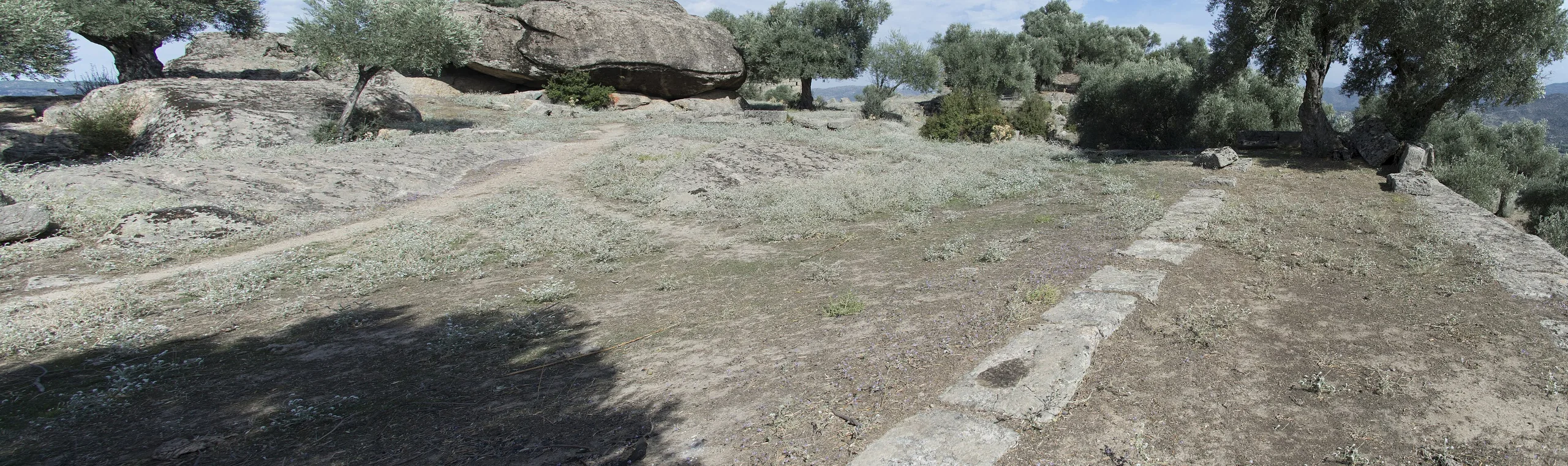
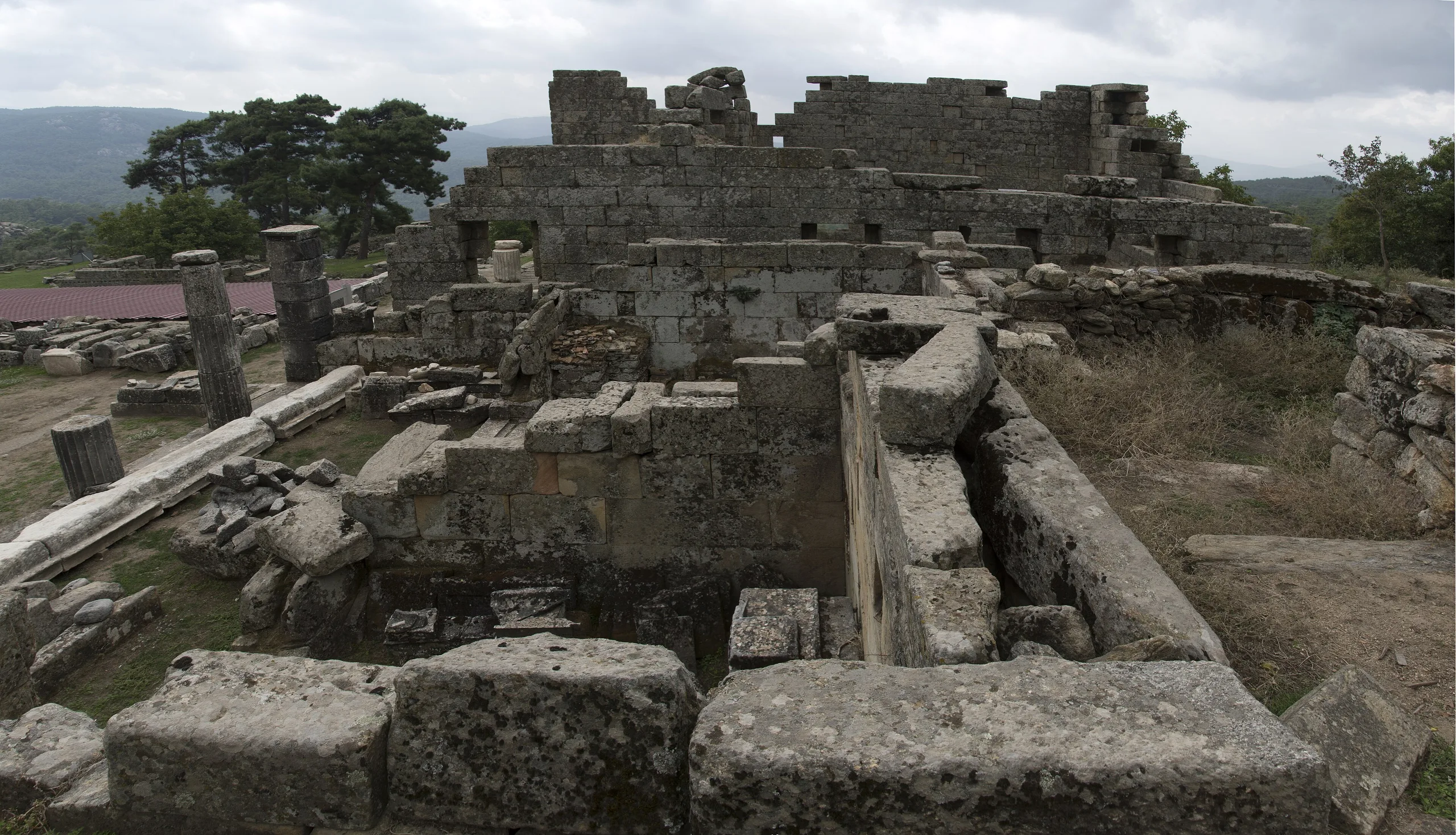
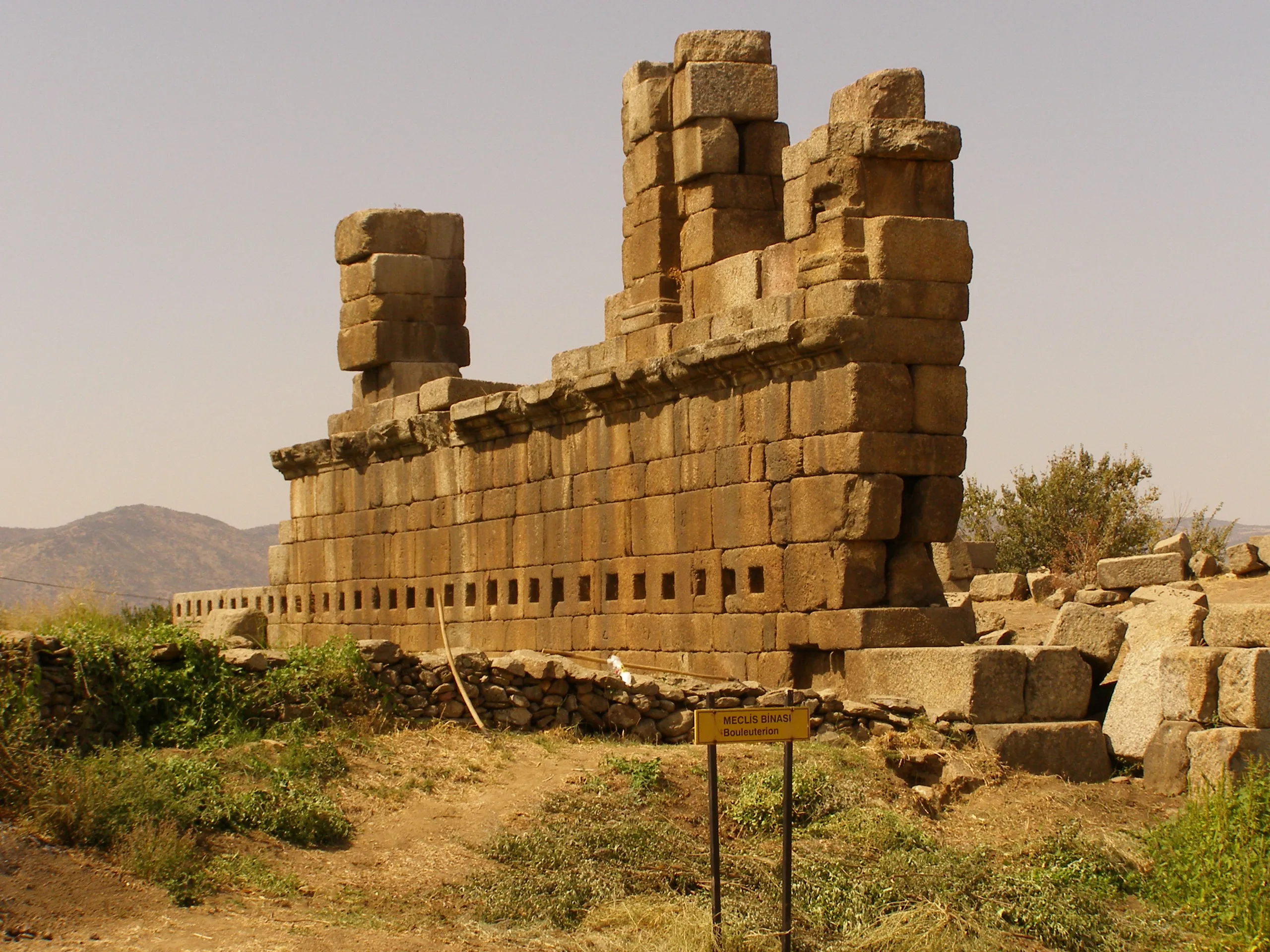
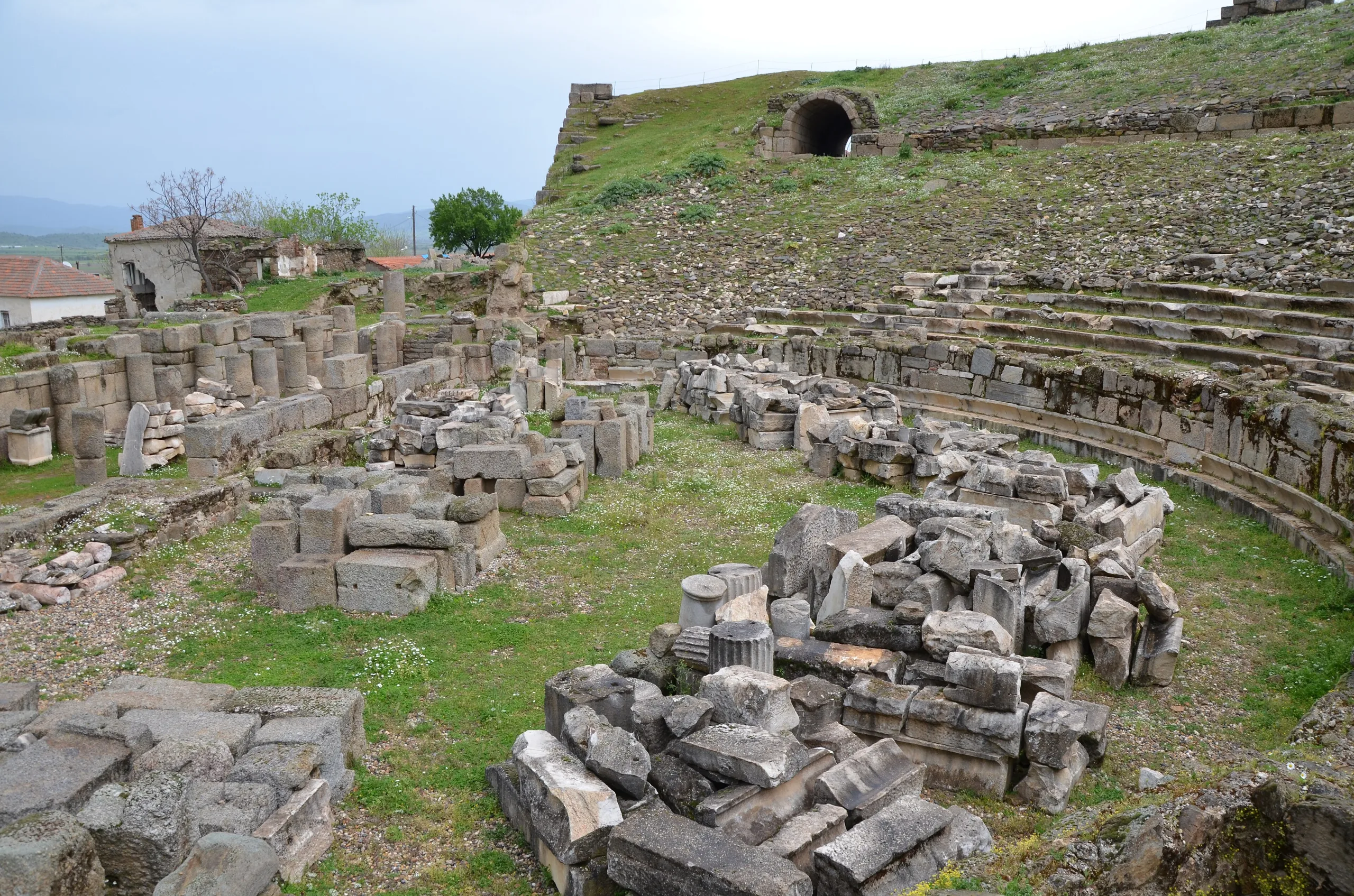
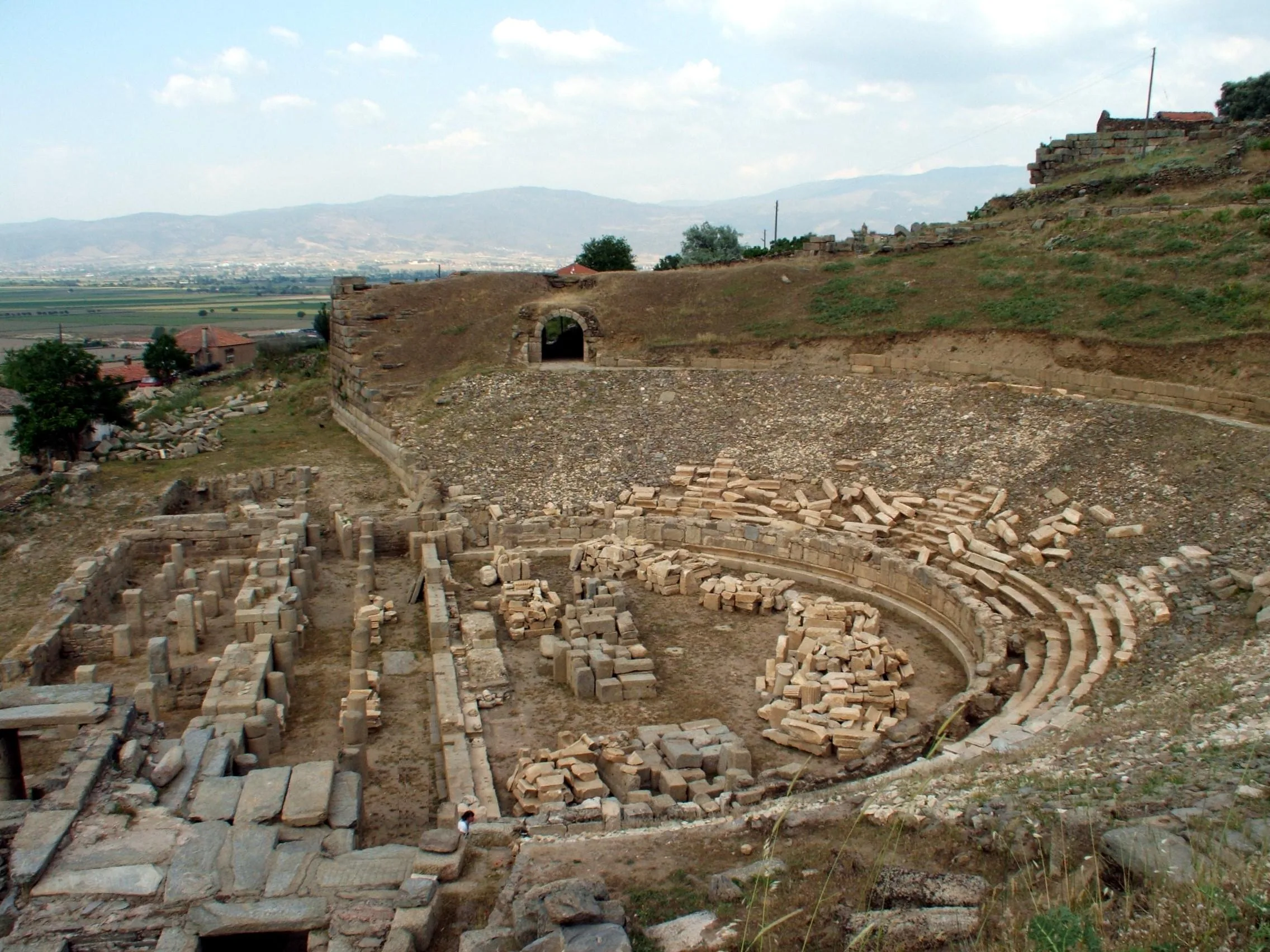
The Ministry lists a theatre, a council house (bouleuterion), a bath building, city walls and temples; its Turkish page adds an aqueduct. Sarcophagi concentrated on the east side show where the necropolis lay.
Excavations
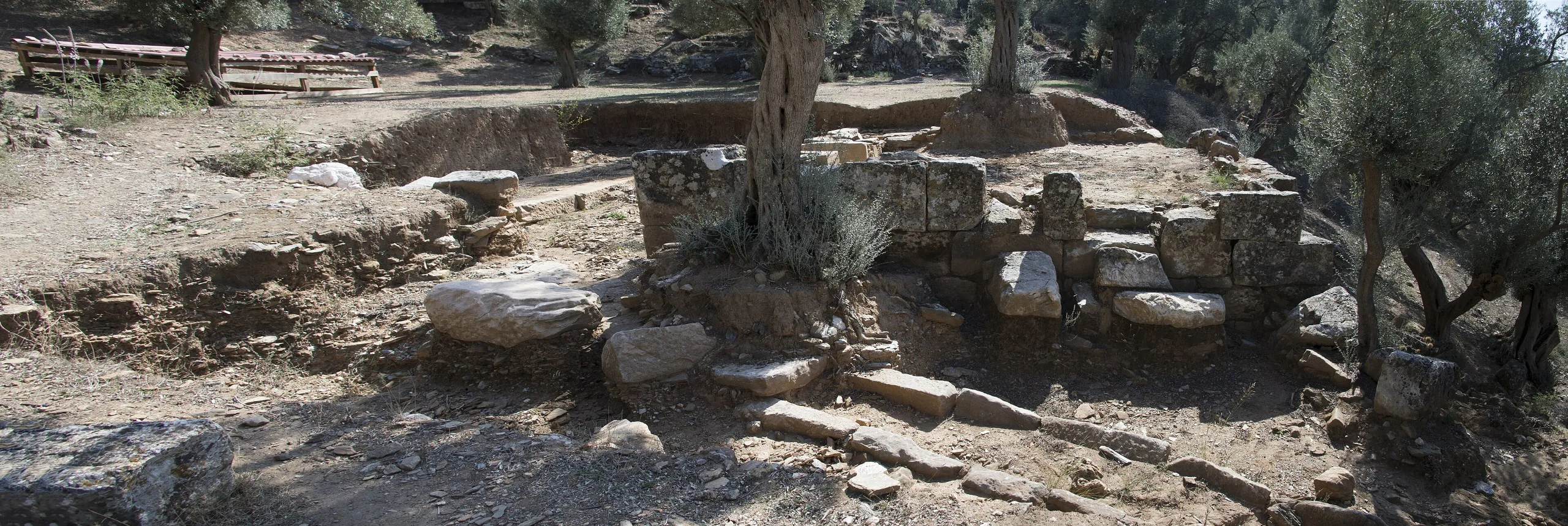
The first dig took place in 1905-1906. The Ministry names the excavator as Halil Ethem Bey, the Culture Portal as Ethem Hamdi Bey. The Turkish Ministry page says the foundations of two temples came to light. According to the Portal, since 1999 the Aydın Museum Directorate has led excavations with permission from the General Directorate of Cultural Heritage and Museums, in order to bring the site to archaeology and tourism.
Visiting
The Culture Portal suggests metropolitan buses from Efeler and Çine minibuses. For hours, entry terms and the current state of the site, check the official page. The Ministry names the Aydın Archaeological Museum, Priene, the Didyma Temple of Apollo, Miletus, the Karacasu Ethnography Museum and Magnesia as nearby places.
Gallery
Frequently asked questions
Where is Alabanda?
Where does the name come from?
What was its role under Rome?
What remains can be seen?
Who excavated it first?
Are excavations ongoing?
Sources (8)
- Alabanda Örenyeri / Alabanda Archaeological Site (TR ve EN sayfalar) — T.C. Kültür ve Turizm Bakanlığı, Müzeler ve Örenyerleri
- Alabanda Antik Kenti - Aydın (kaynak: Aydın İl Kültür ve Turizm Müdürlüğü) — T.C. Kültür ve Turizm Bakanlığı, Türkiye Kültür Portalı
- Alabanda/Antiocheia Chrysaoron (Pleiades 599479) — Pleiades
Photo credits
- Photo: faktor1komma5 /by Claus P. Heibel from Didim/Aydın, Türkiye, CC BY 2.0 — Wikimedia Commons (resized)
- Photo: Kefaser at Turkish Wikipedia, Public domain — Wikimedia Commons (resized)
- Photo: Carole Raddato from FRANKFURT, Germany, CC BY-SA 2.0 — Wikimedia Commons (resized)
- Photo: Carole Raddato from FRANKFURT, Germany, CC BY-SA 2.0 — Wikimedia Commons (resized)
- Photo: hursitakinci, CC BY-SA 3.0 — Wikimedia Commons (resized)