Euromos is a Carian city on the slopes of Kızılbayır hill near Milas, best known for its 2nd-century CE Corinthian Temple of Zeus Lepsynos.
Euromos is an ancient city located in Turkey, Mugla. Main periods: Hellenistic Period, Roman Period, Byzantine Period.
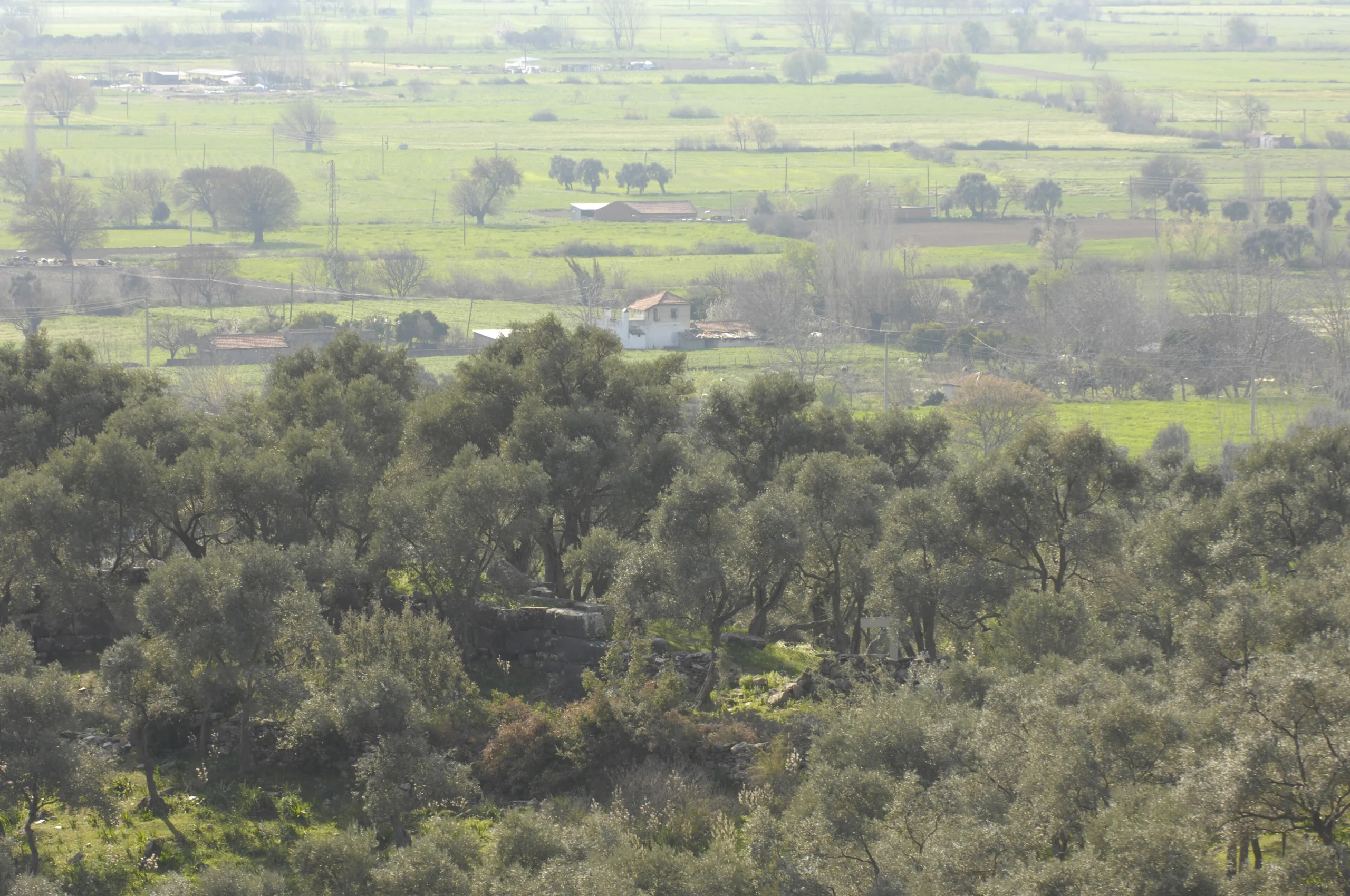
Euromos lies in the Milas district of Muğla Province, on the flank of Kızılbayır hill. The Ministry puts it about 12 km from Milas, while the Culture Portal says 10 km; both place it along the İzmir road. The Ministry's English page describes it as part of the Selimiye neighbourhood and says it sits on the eastern slopes. In antiquity, the Ministry notes, only Mylasa outranked it in the region.
Names
Pleiades lists Europos, Euromos and Philippoi among its names, with Hyromos, Kyromos and Eurome as further variants. The Ministry's Turkish page says the settlement appears as Kyramos or Hyramos before the fifth century BCE and that Pliny called it Eurome, whereas the English page says Kyramos or Hyramos is first attested in the fifth century BCE. On the meaning of Euromos the sources differ slightly: the Culture Portal says 'strong', the Ministry's English page 'beautiful and strong'. Both suggest that the name came into use during the Hellenising policy of the Carian satrap Maussollos.
History
According to the Turkish Ministry page, architectural fragments and pottery show that Euromos already existed in the sixth century BCE. In the fifth century BCE it belonged to the Attic-Delian League and paid it tribute. After Alexander's conquest the city passed between Macedonian, Egyptian and Syrian rulers; the English page records that between 201 and 196 BCE it fell to Philip V of Macedon and was renamed Philippoi. The Treaty of Apameia in 188 BCE handed it to Rome together with the rest of Caria. It prospered in the Roman Imperial period as an independent city and, under Byzantine rule, continued as part of the diocese of Mylasa.
Drawing on an inscription, the Culture Portal also recounts a quarrel with Herakleia, the neighbour to the north: Herakleians raided Euromian land and carried off sacred and private property, an injured Euromian appealed to the authorities at Mylasa, and an envoy sent by Mylasa to Herakleia settled the matter.
Main remains
Temple of Zeus Lepsynos
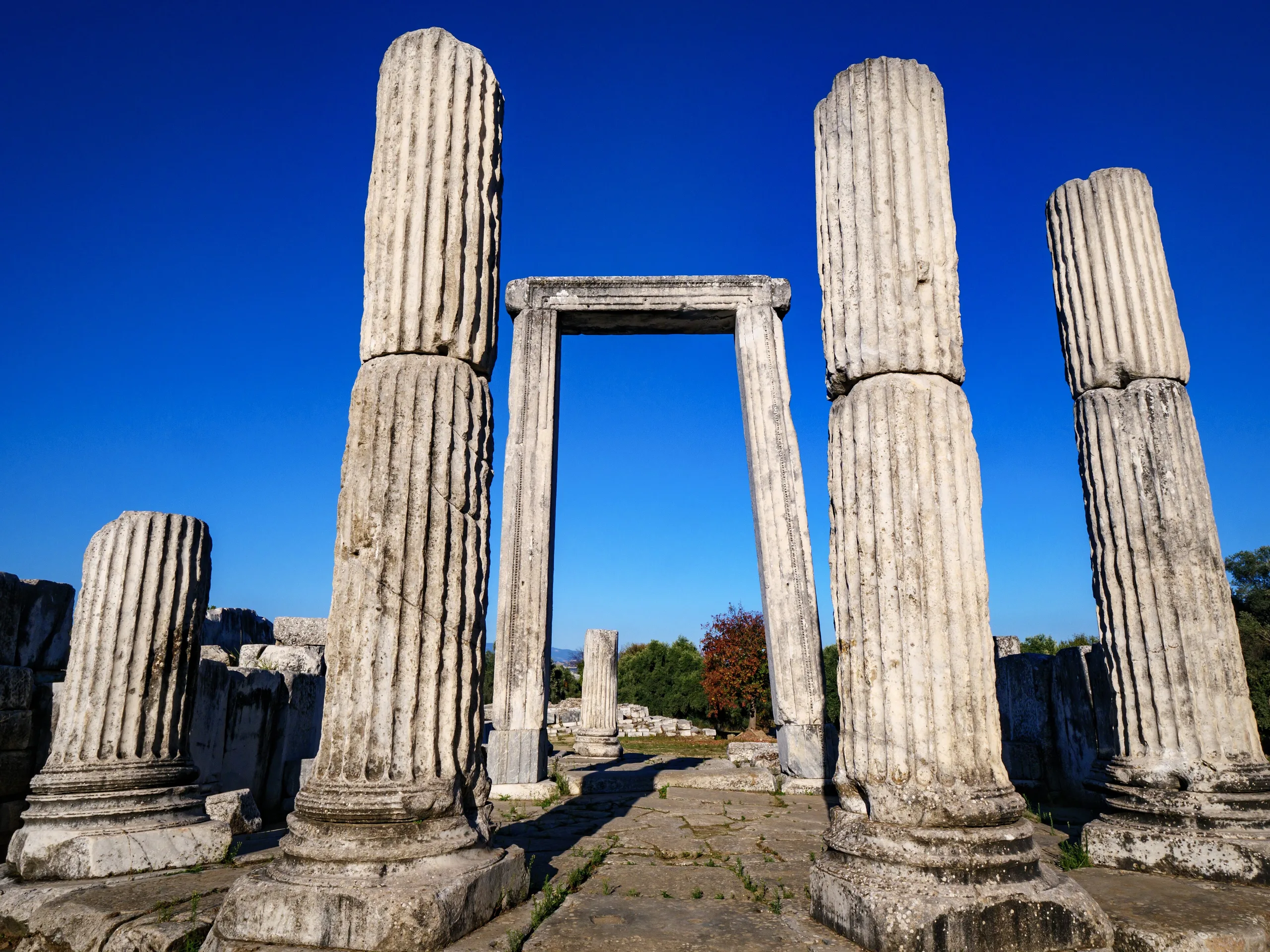
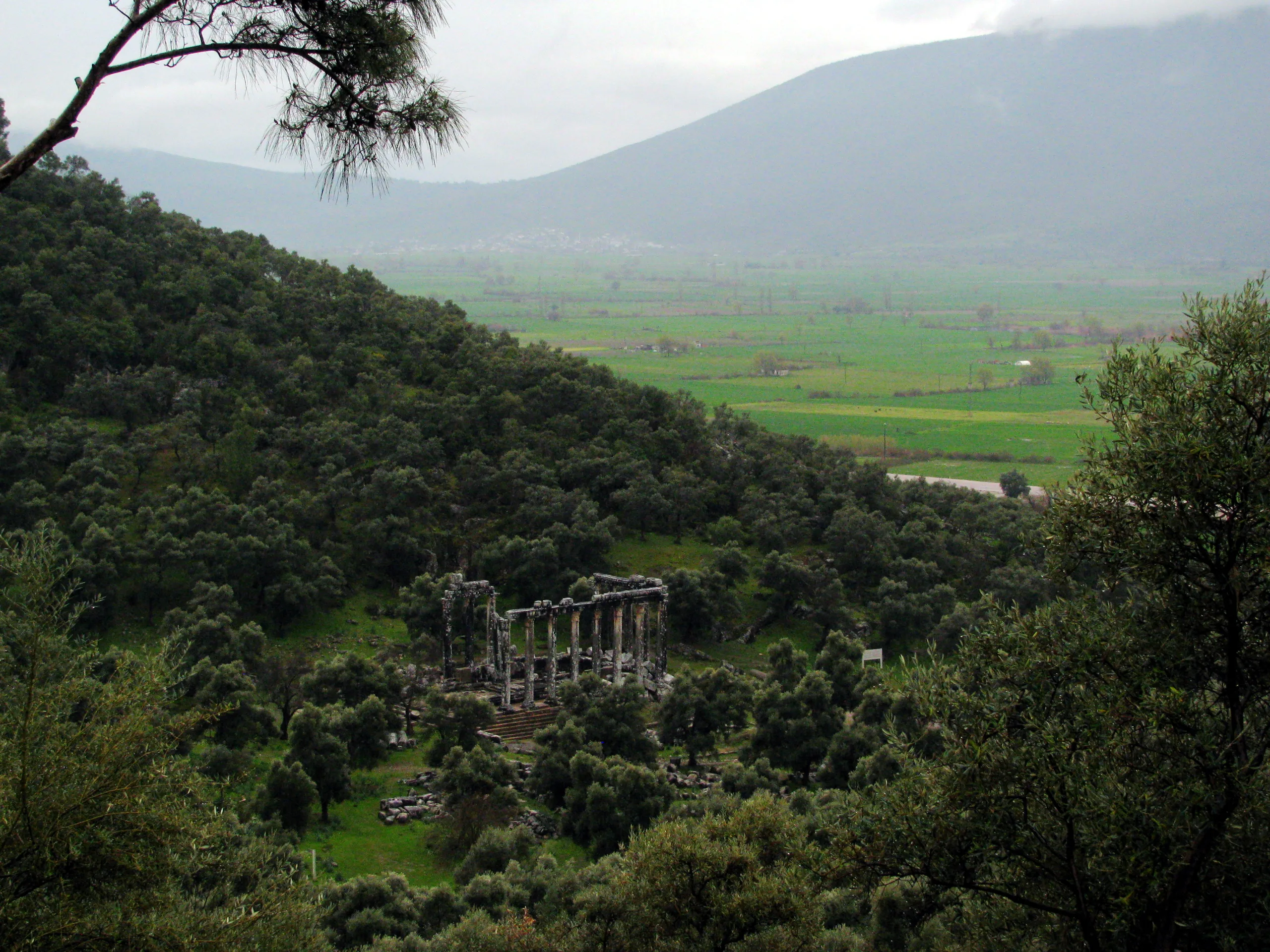
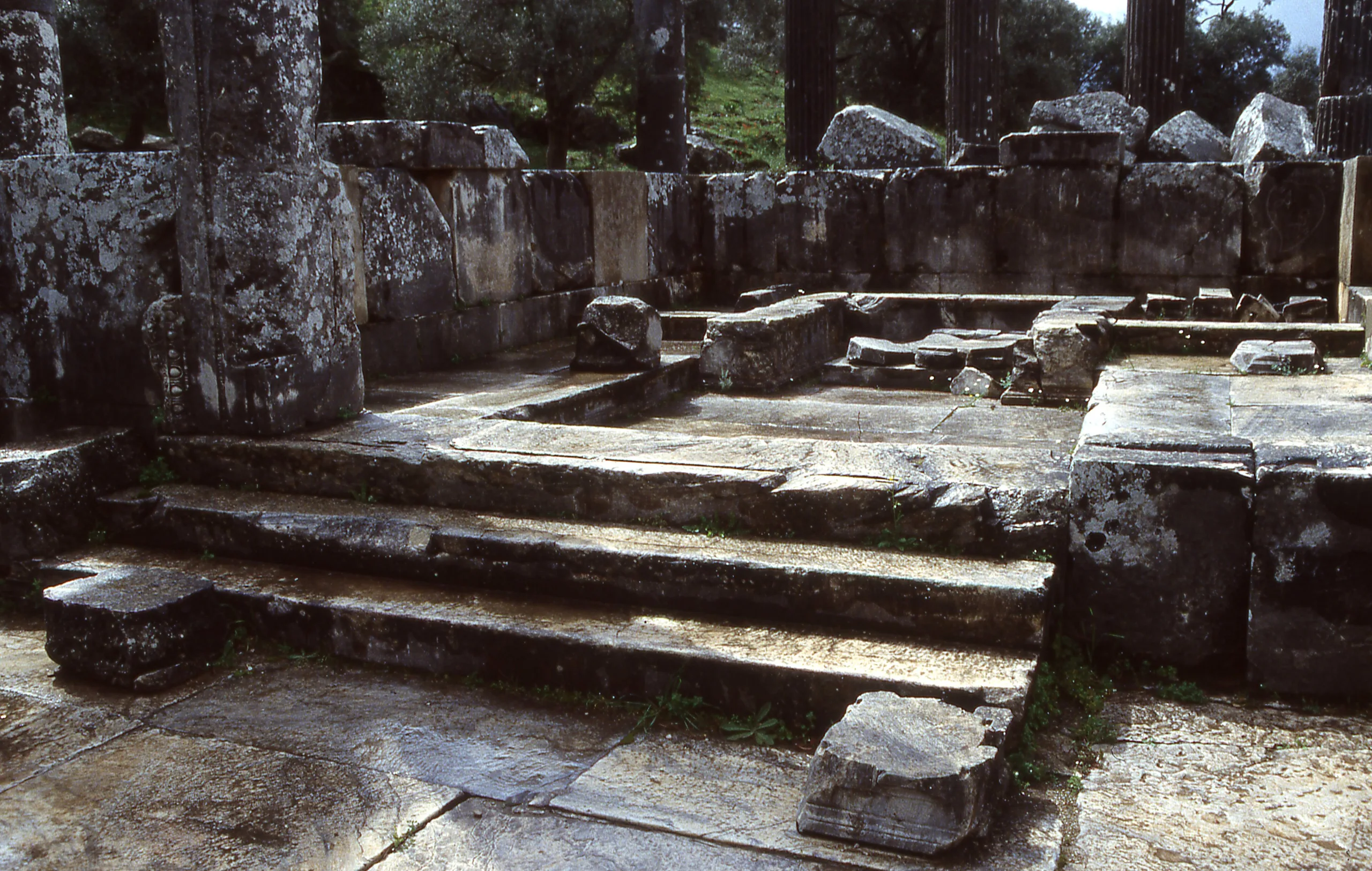
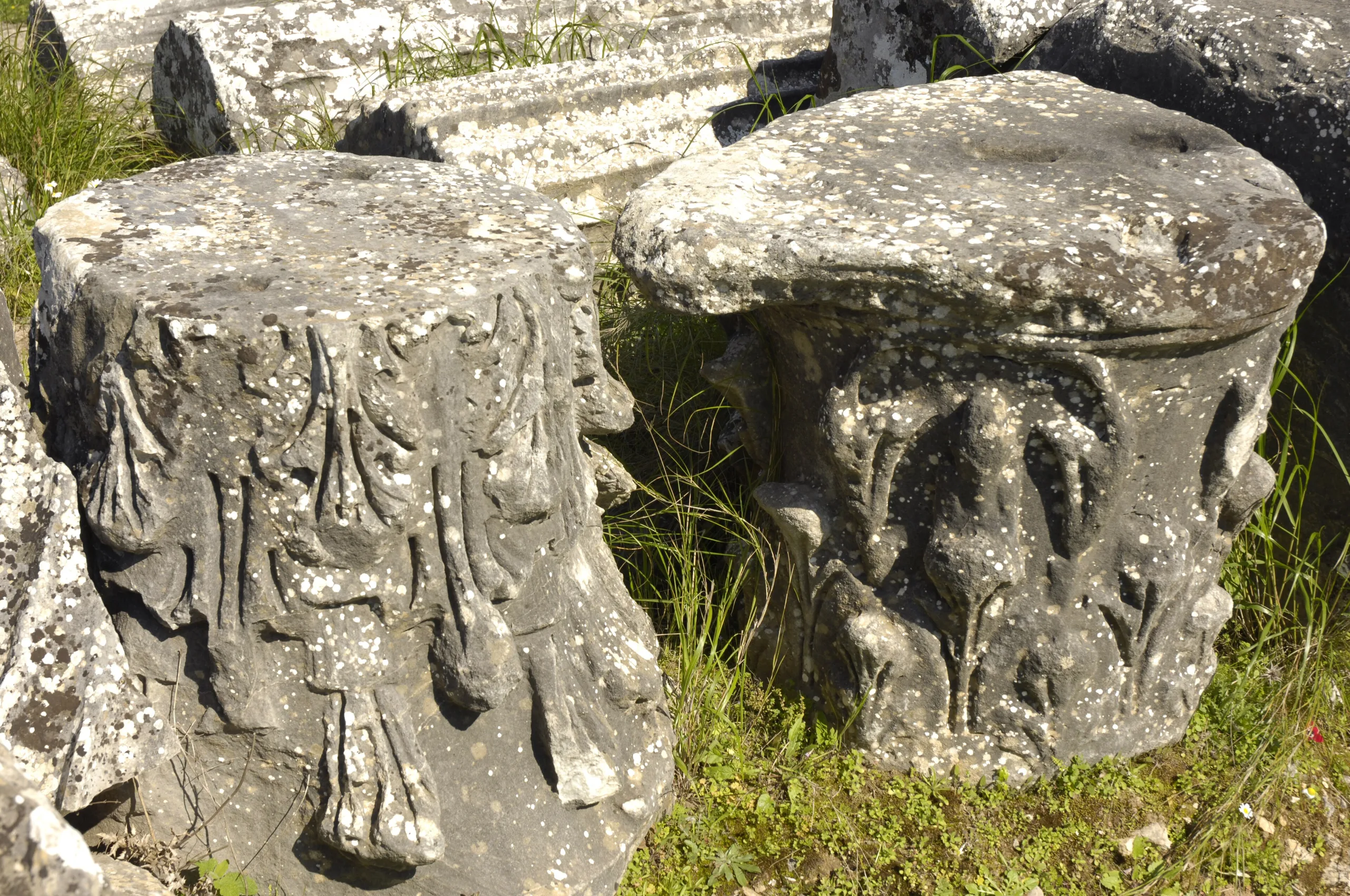
The Turkish Ministry page calls the temple, built in the 2nd century CE, the most impressive survivor of the city. The English page adds that it is Corinthian and stands outside the settlement. The Culture Portal counts six columns on the fronts and nine on the flanks and ranks it among the best-preserved temples of Asia. Three columns on the north side and the one at the south-west corner were never fluted, which suggests the decoration was left unfinished. Most columns on the north and west faces carry panels with dedicatory inscriptions; the Portal says five were donated by the physician and official Menekrates with his daughter Tryphania, and seven by another official, Leo Quintos. The English Ministry page points out the ears carved around a labrys (double axe) relief on the cella wall, read as a sign that the god hears the worshipper.
Theatre, agora and walls
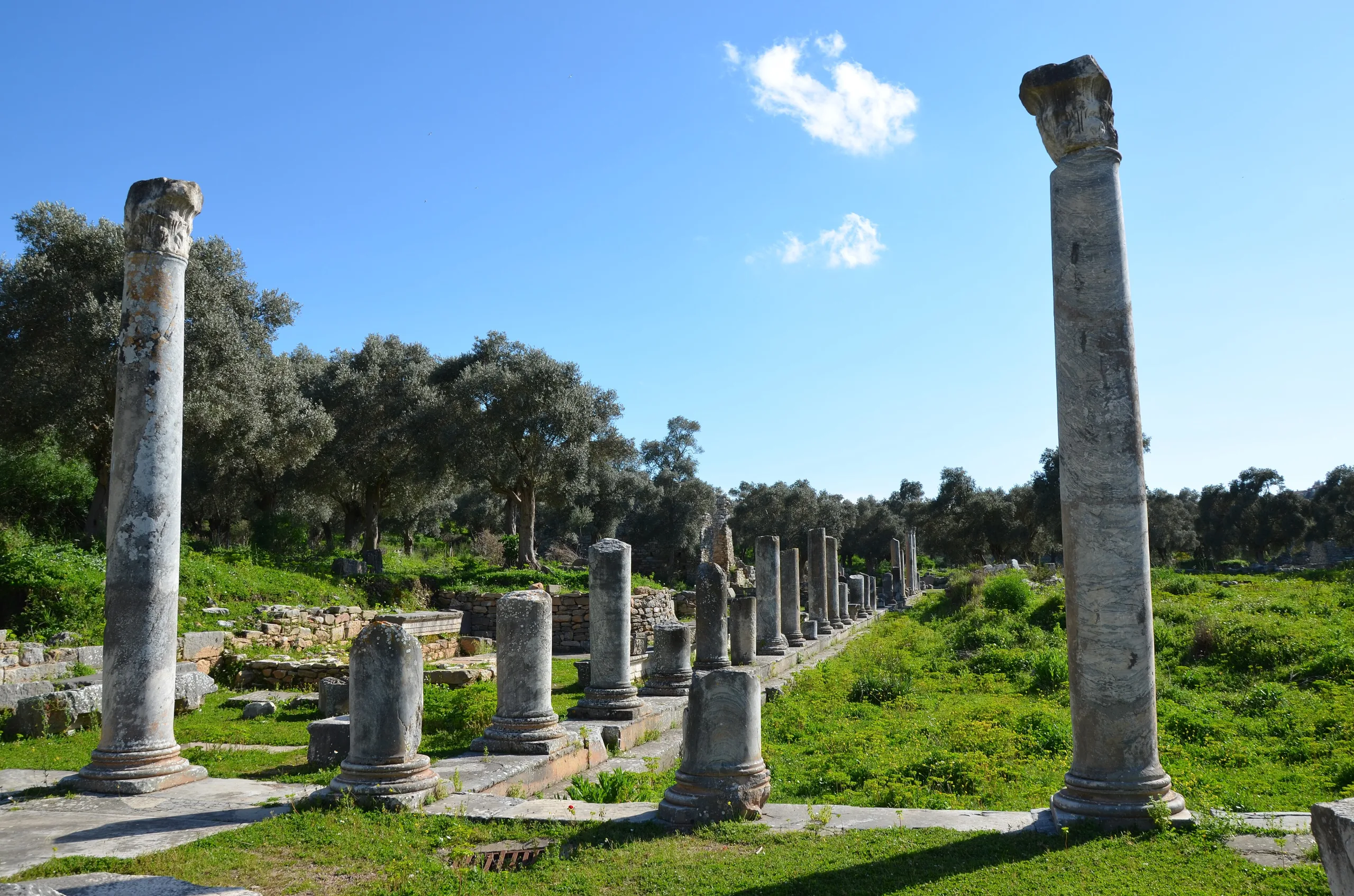
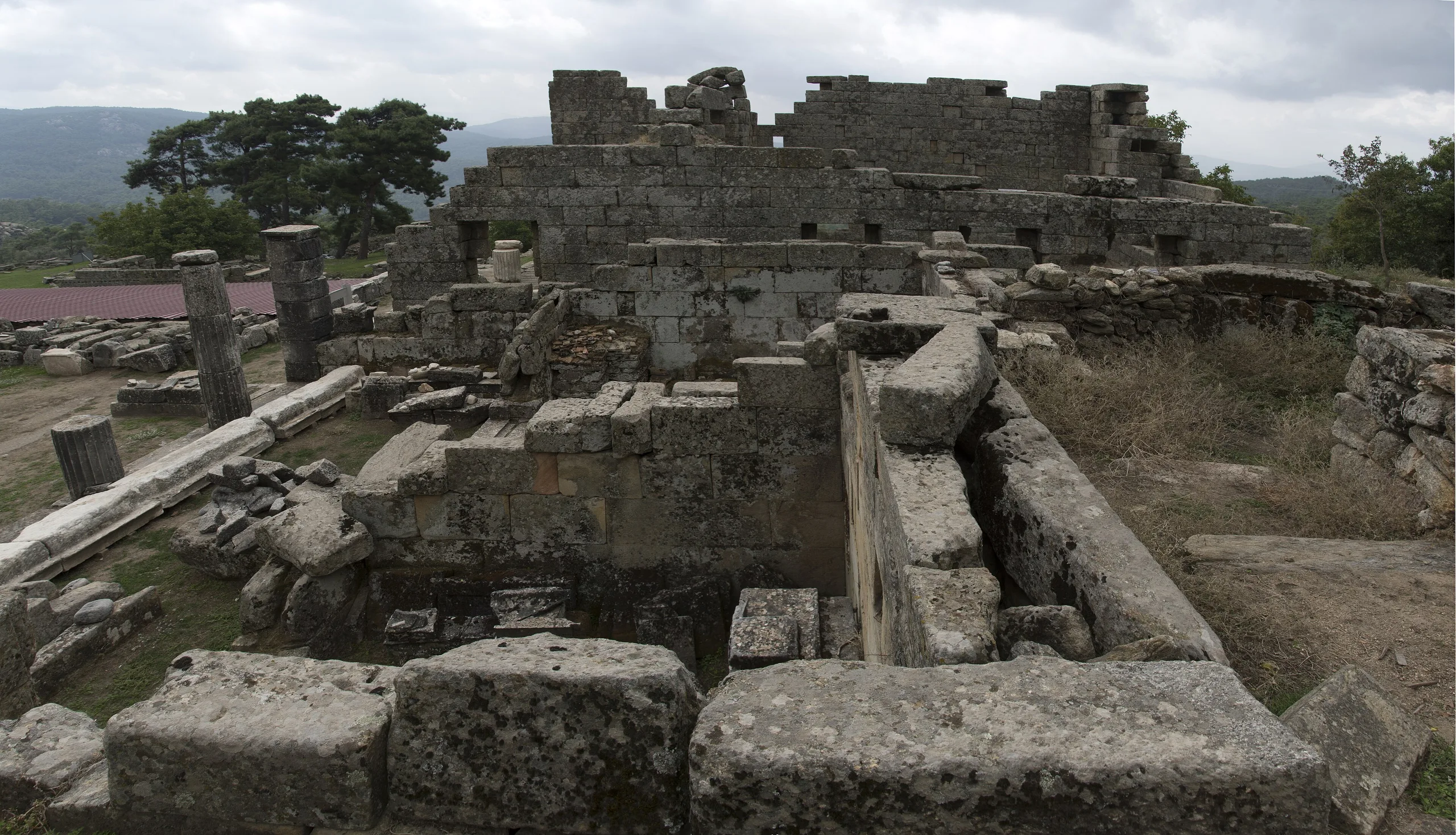
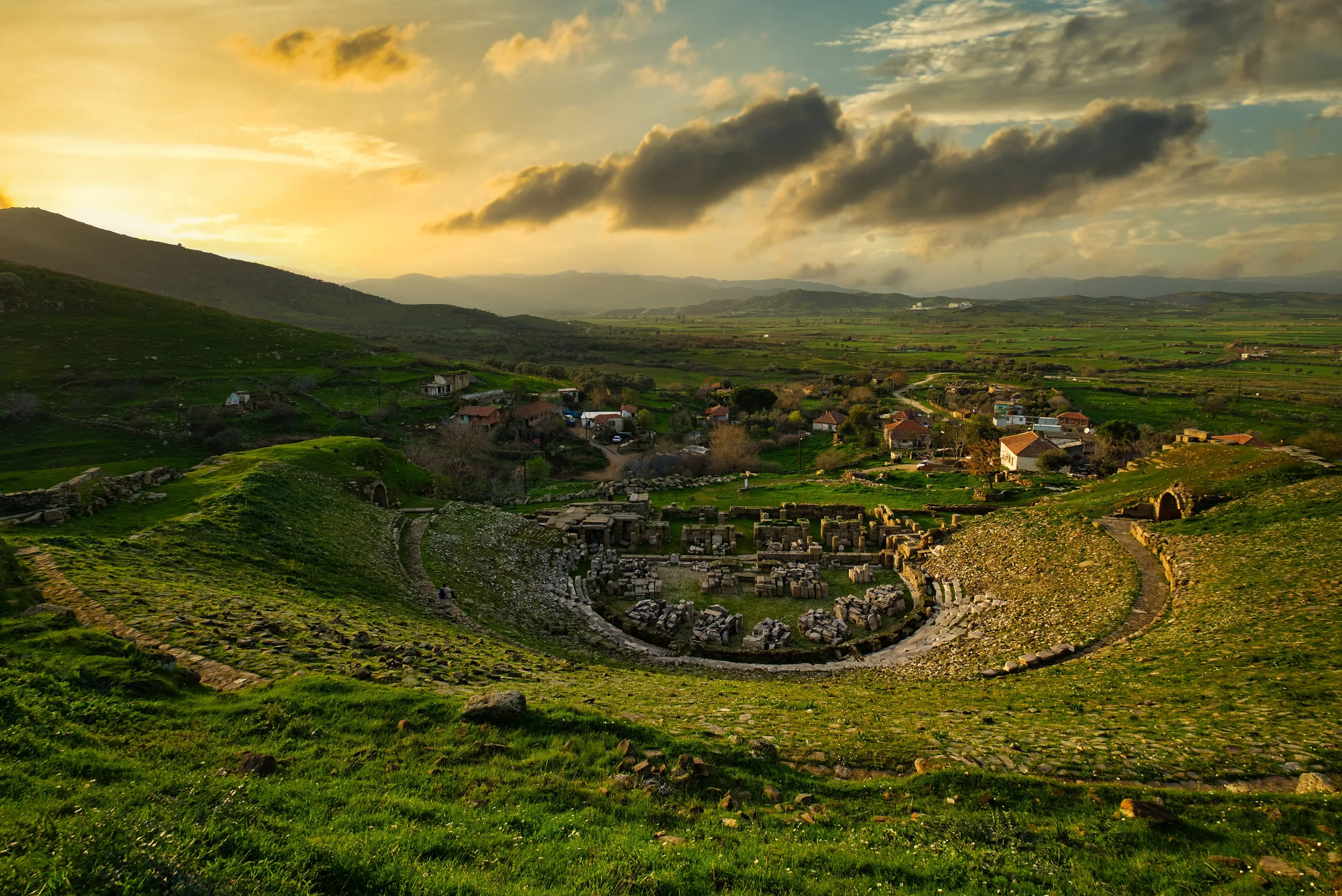
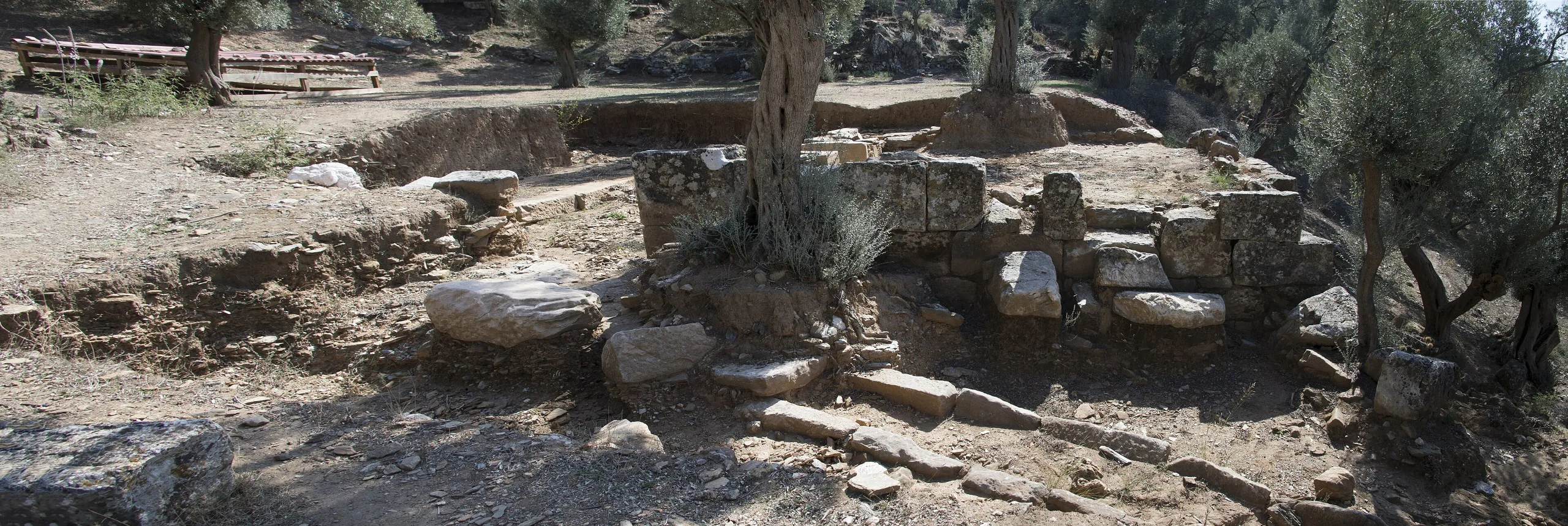
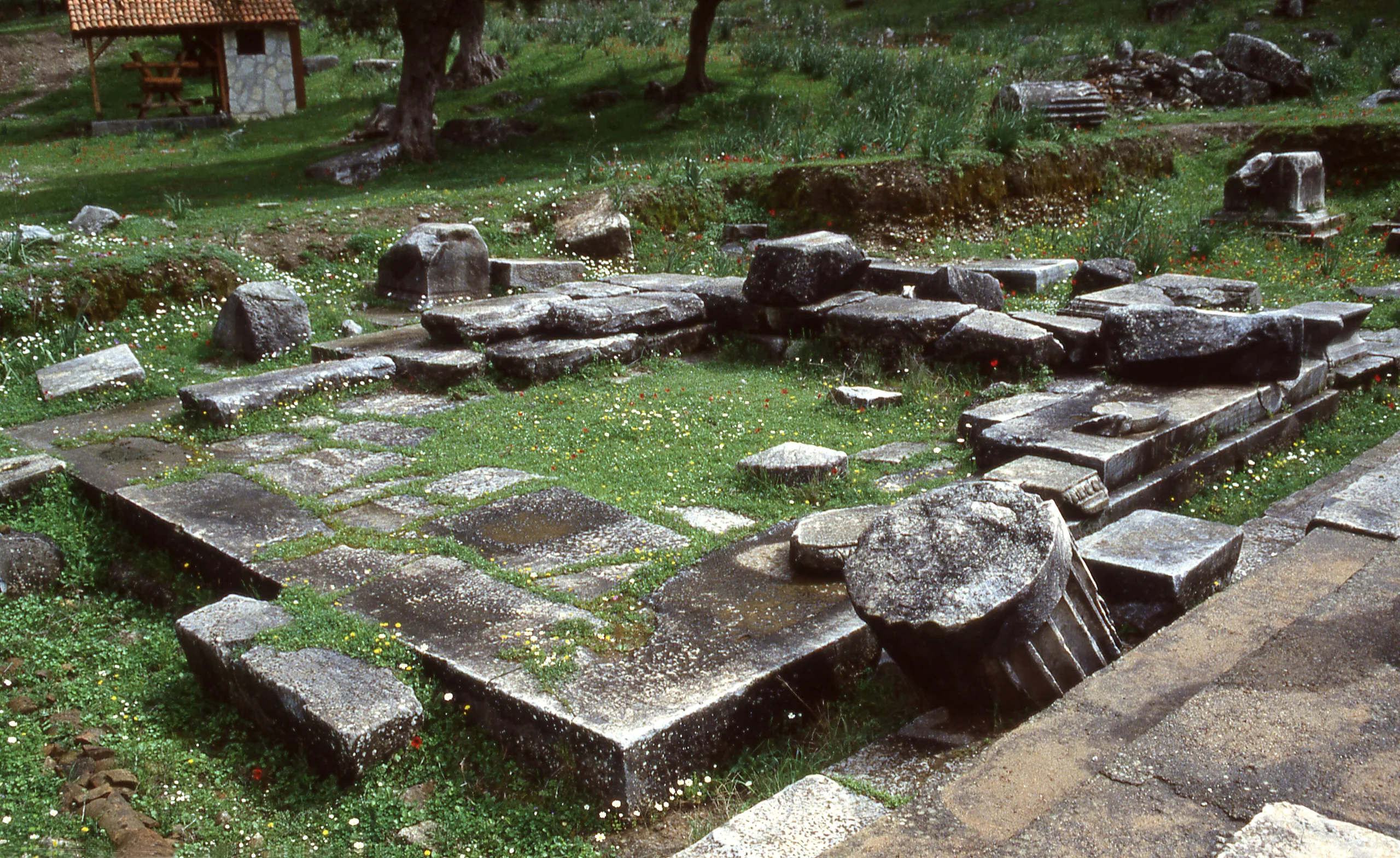
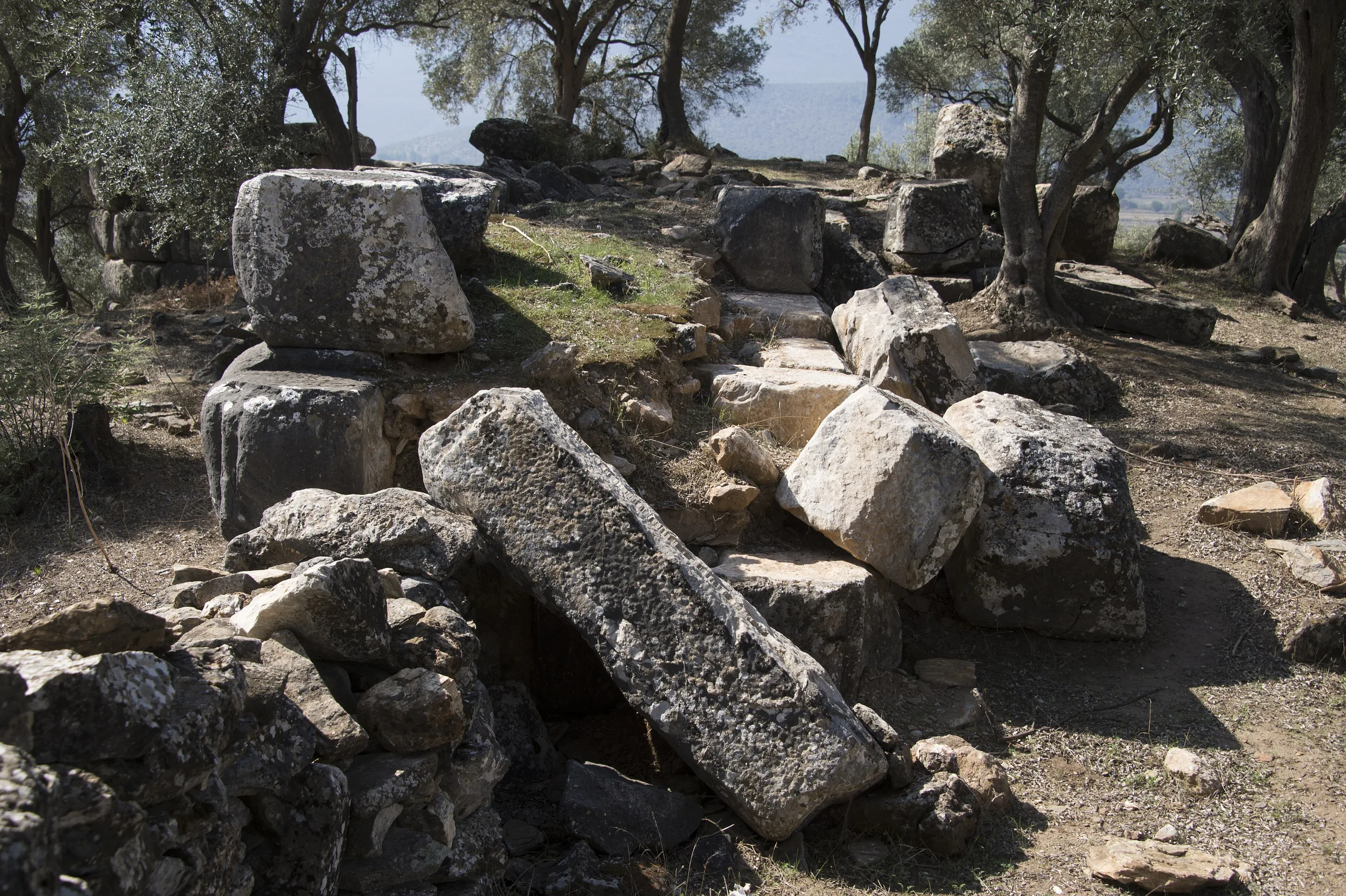
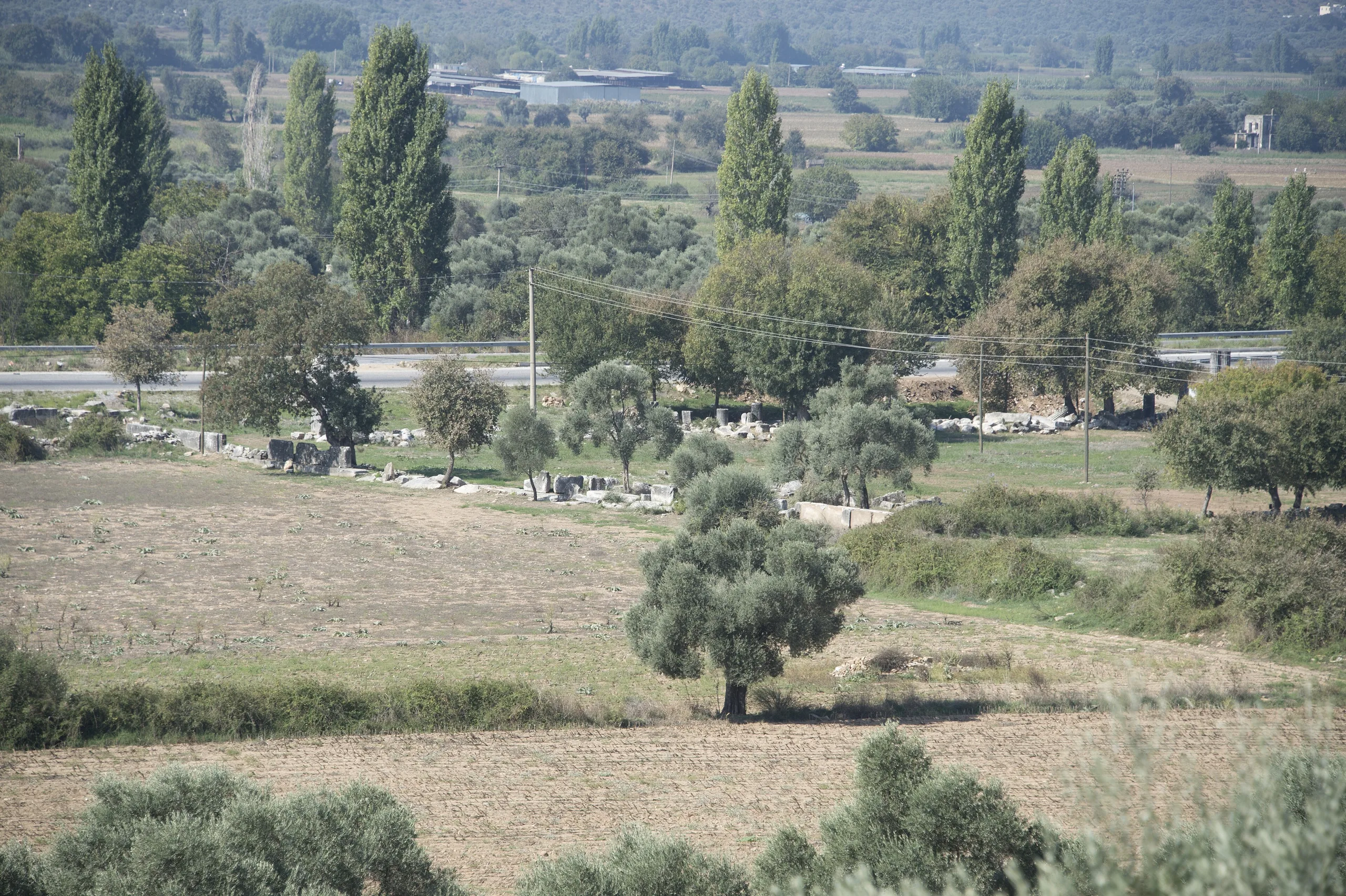
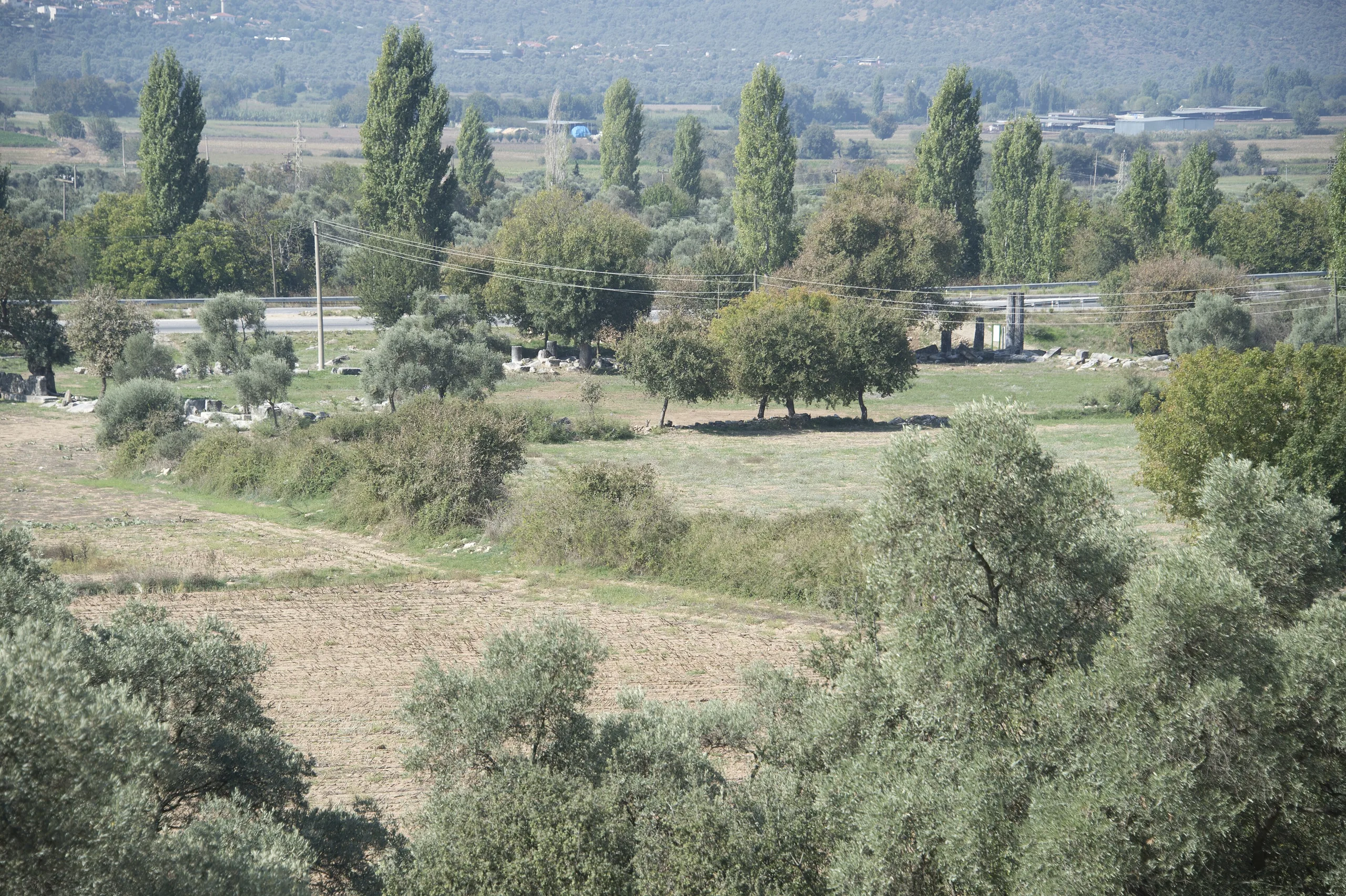
The English Ministry page dates the theatre to the middle of the 3rd century BCE, calls it a typical Hellenic building and gives a seating capacity of roughly 2000. The Culture Portal describes it as large but badly damaged, set in a hollow of the slope above the plain, with the north part of the five visible rows well preserved. A few columns survive from the stoa around the agora on level ground, and a second stoa further west bears a long inscription about the financial aid Kallisthenes gave the city and an alliance with Iasos. The Ministry reports that the ashlar fortification walls and some defensive bastions are partly preserved, and its Turkish page also lists a bath and a necropolis.
Excavation
The Culture Portal states that Prof. Dr. Ümit Serdaroğlu carried out excavation and restoration at the Temple of Zeus and its surroundings in the 1970s, but the work was later left unfinished.
Visiting
The Ministry's Turkish page states that the Museum Card is valid here. Hours and entry terms can change, so please check the official page. The Ministry lists Beçin Castle, Damlıboğaz, Herakleia, Iassos and Labraunda as nearby sites.
Gallery
Frequently asked questions
Where is Euromos?
What is the best-known monument?
How many columns does the temple have?
What does the name Euromos mean?
How old is the city?
Is the Museum Card valid at Euromos?
Sources (12)
- Milas Euromos Örenyeri / Euromos Archaeological Site (TR ve EN sayfalar) — T.C. Kültür ve Turizm Bakanlığı, Müzeler ve Örenyerleri
- Euromos Antik Kenti - Muğla (kaynak: Muğla İl Kültür ve Turizm Müdürlüğü) — T.C. Kültür ve Turizm Bakanlığı, Türkiye Kültür Portalı
- Europos/Euromos/Philippoi (Pleiades 599616) — Pleiades
Photo credits
- Photo: Dosseman, CC BY-SA 4.0 — Wikimedia Commons (resized)
- Photo: Pax:Vobiscum, CC BY-SA 3.0 — Wikimedia Commons (resized)
- Photo: Mark Landon (photographed in 1991; digitized in 2021), CC BY 4.0 — Wikimedia Commons (resized)
- Photo: Dosseman, CC BY-SA 4.0 — Wikimedia Commons (resized)
- Photo: Dosseman, CC BY-SA 4.0 — Wikimedia Commons (resized)
- Photo: Dosseman, CC BY-SA 4.0 — Wikimedia Commons (resized)
- Photo: Dosseman, CC BY-SA 4.0 — Wikimedia Commons (resized)
- Photo: Mark Landon (photographed in 1991; digitized in 2021), CC BY 4.0 — Wikimedia Commons (resized)
- Photo: Dosseman, CC BY-SA 4.0 — Wikimedia Commons (resized)