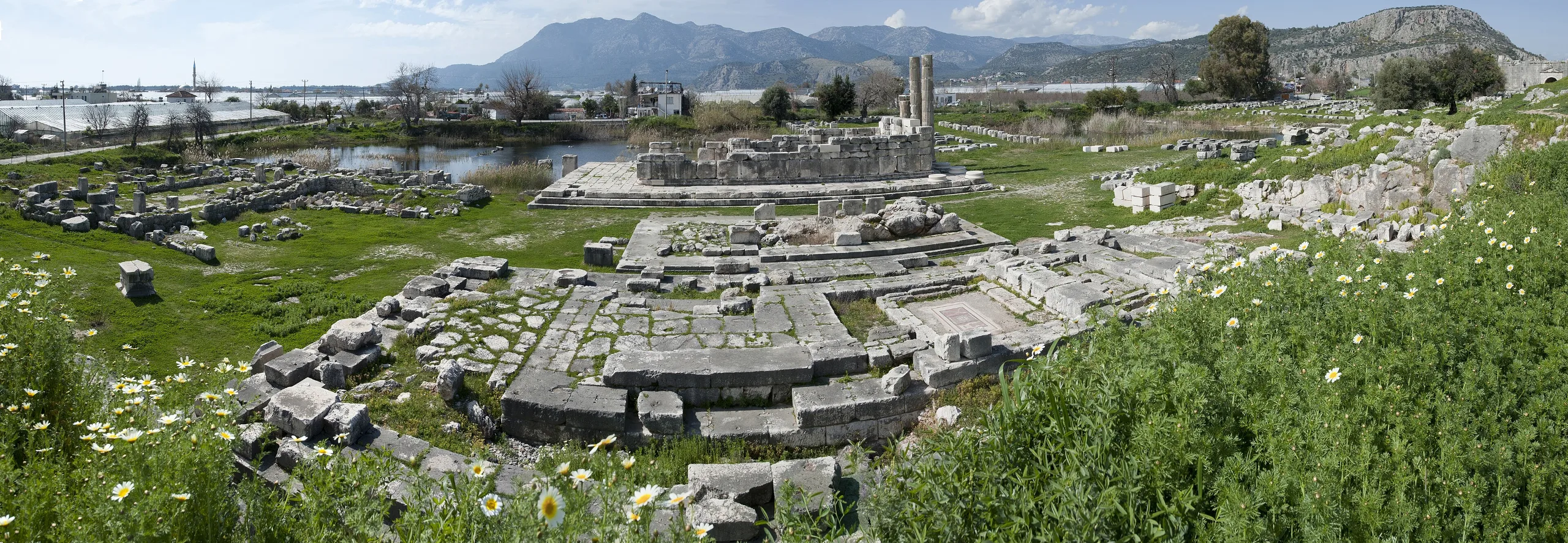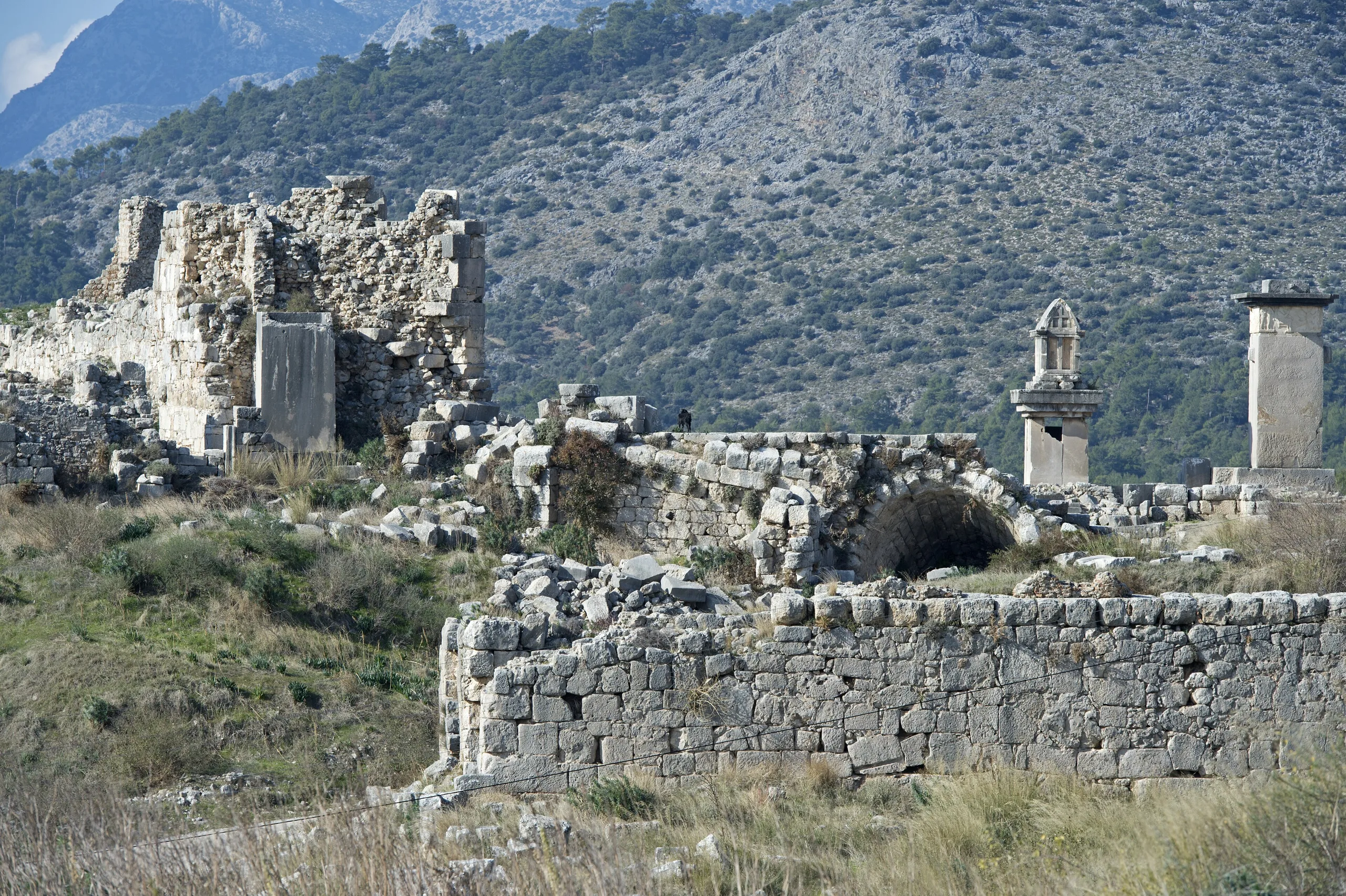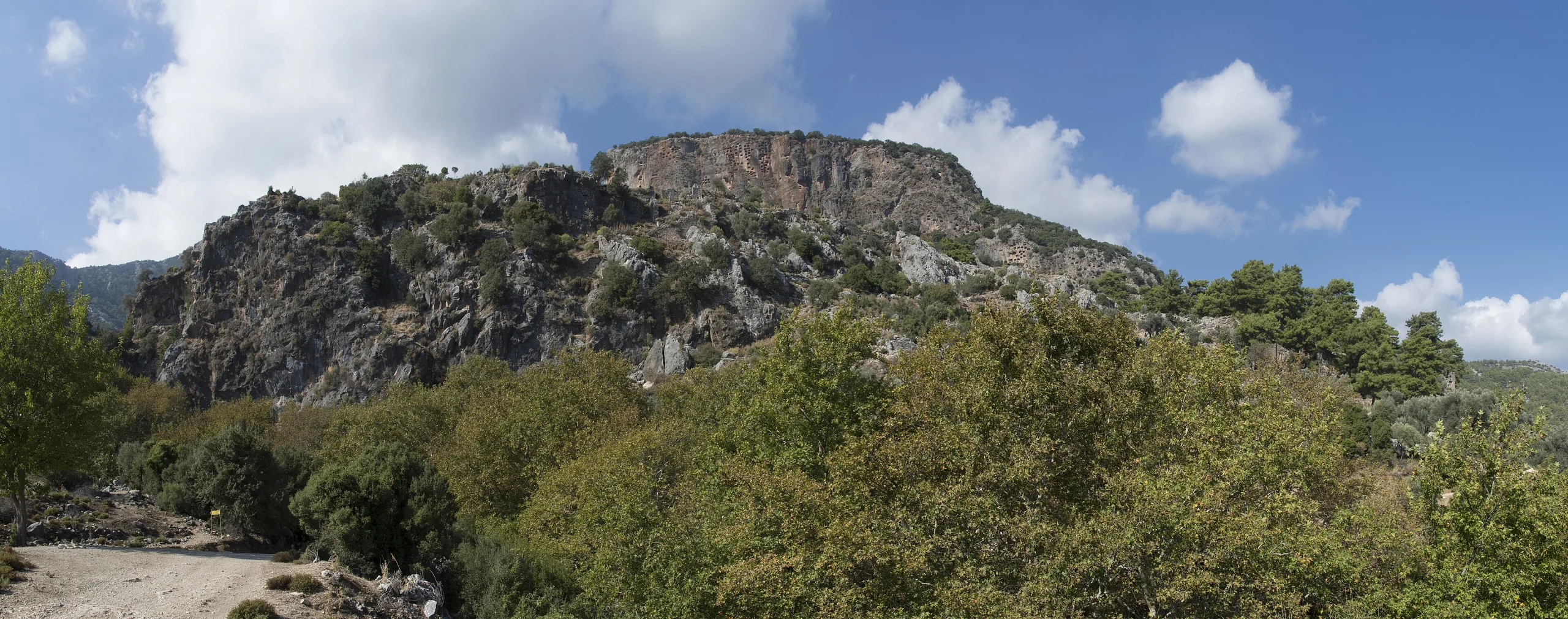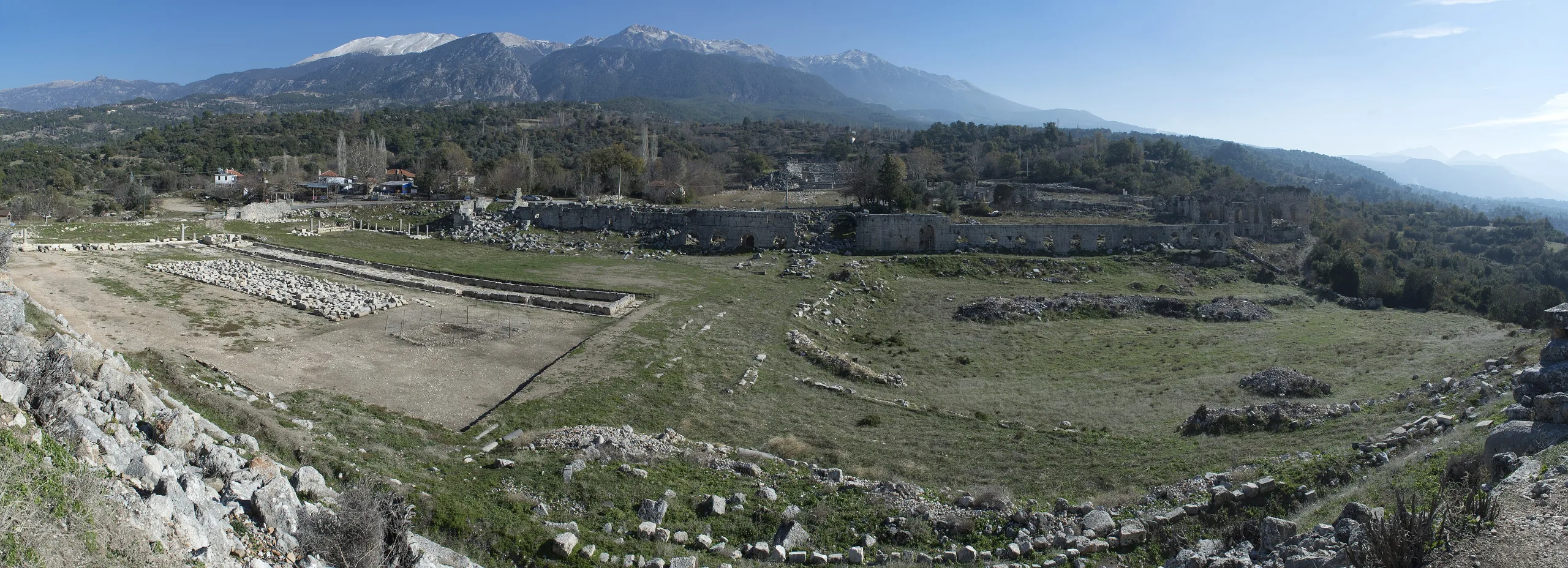
Patara, capital of the Lycian League and birthplace of St Nicholas, stands at Gelemiş beside an 18 km beach, with a Roman arch, theatre, Nero Bath, lighthouse and granary.
Patara is an ancient city located in Turkey, Antalya. Main periods: Hellenistic Period, Roman Period, Byzantine Period, Chalcolithic Period.
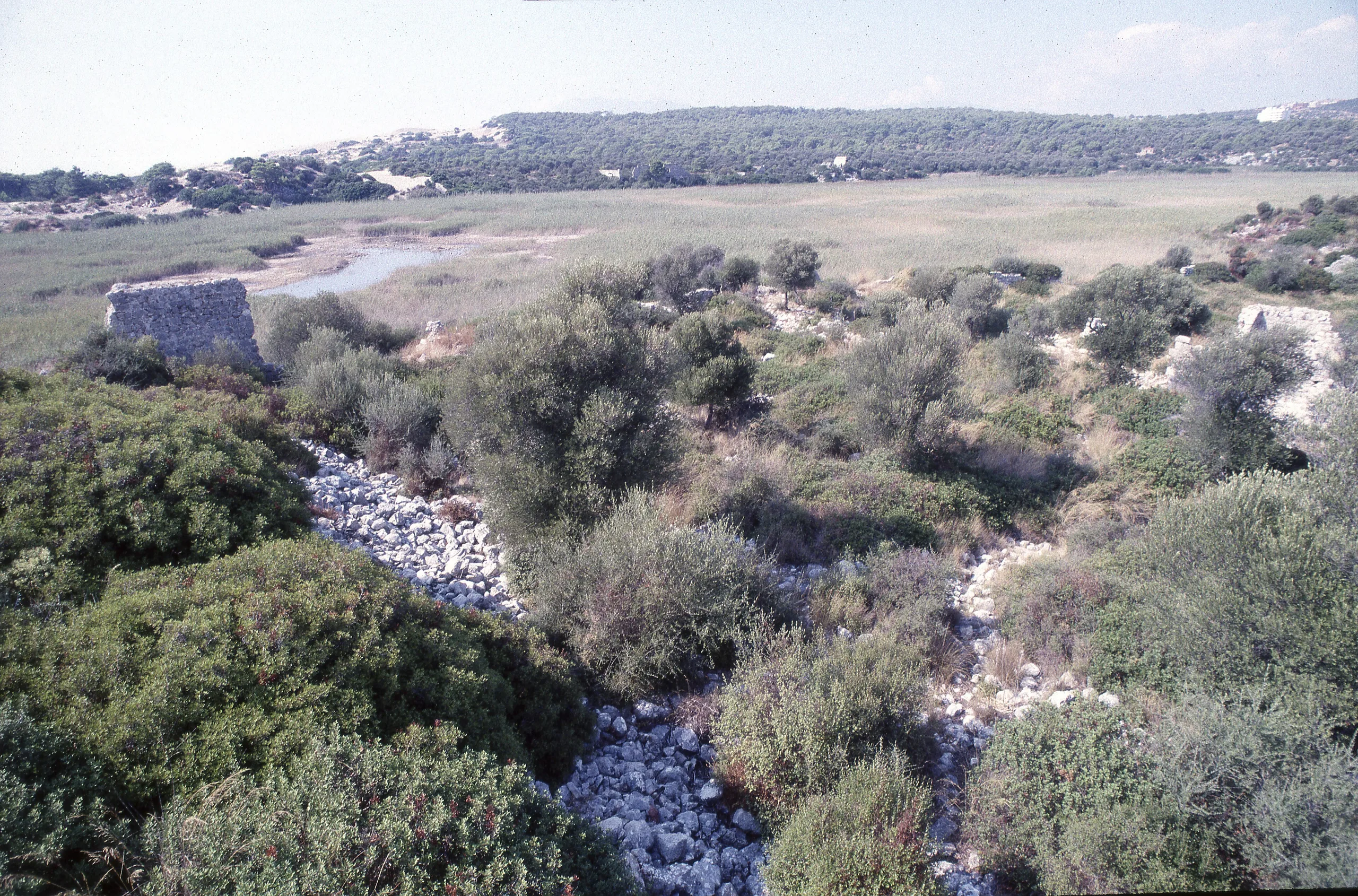
Ancient writers claimed that Apollo spent half of each year at Patara handing out oracles and the other half on the island of Delos. Whatever the truth of that tale, Patara had good reason to be favoured: its harbour was the only place in the Xanthos Valley where ships could reach open water. Today that harbour is a marsh hidden behind the dunes, and the city stands near Gelemiş in Kaş district, Antalya, beside an 18 km beach. It was the capital of the Lycian League, and by tradition St Nicholas, the model for Santa Claus, was born here.
Setting
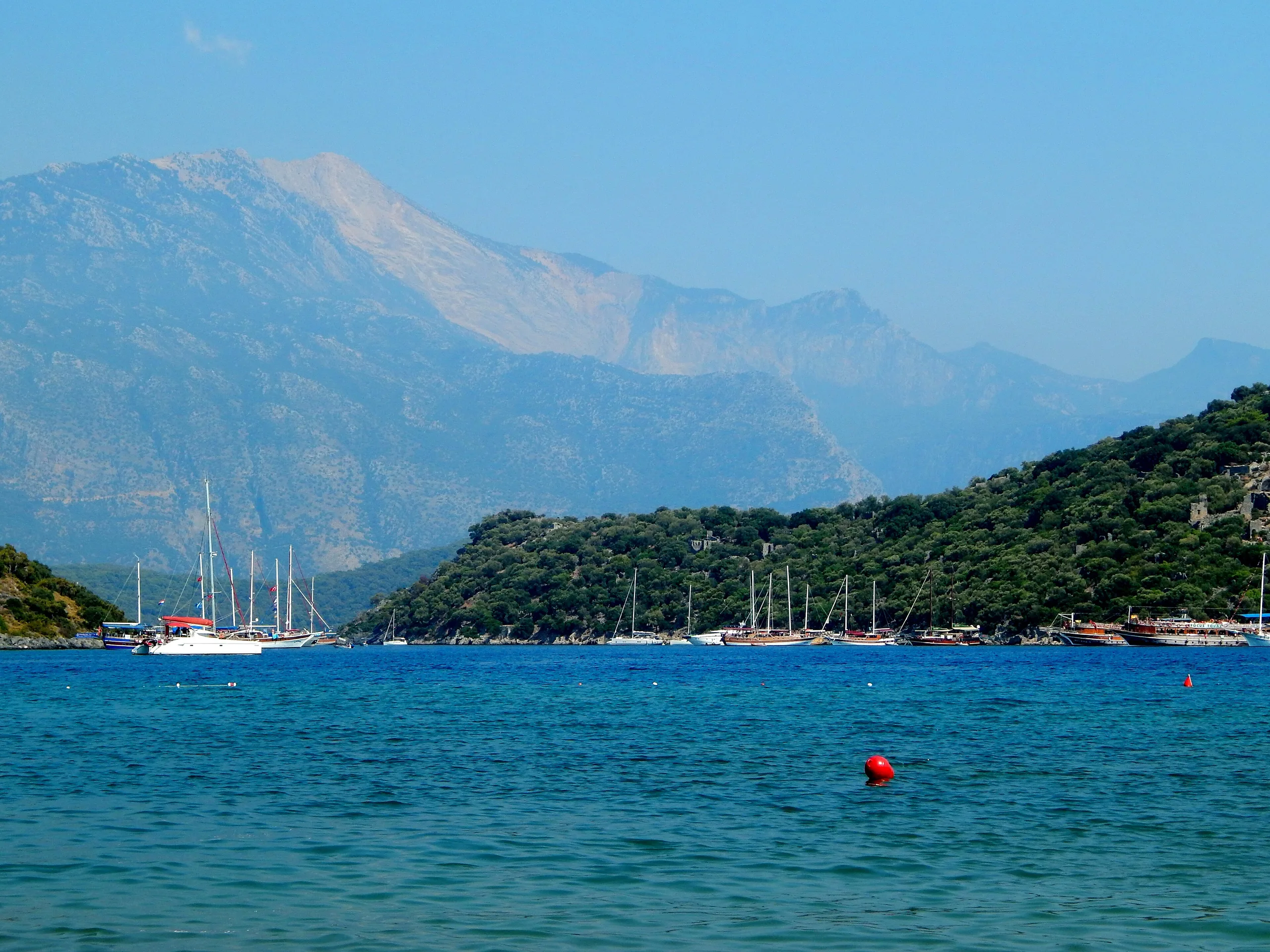
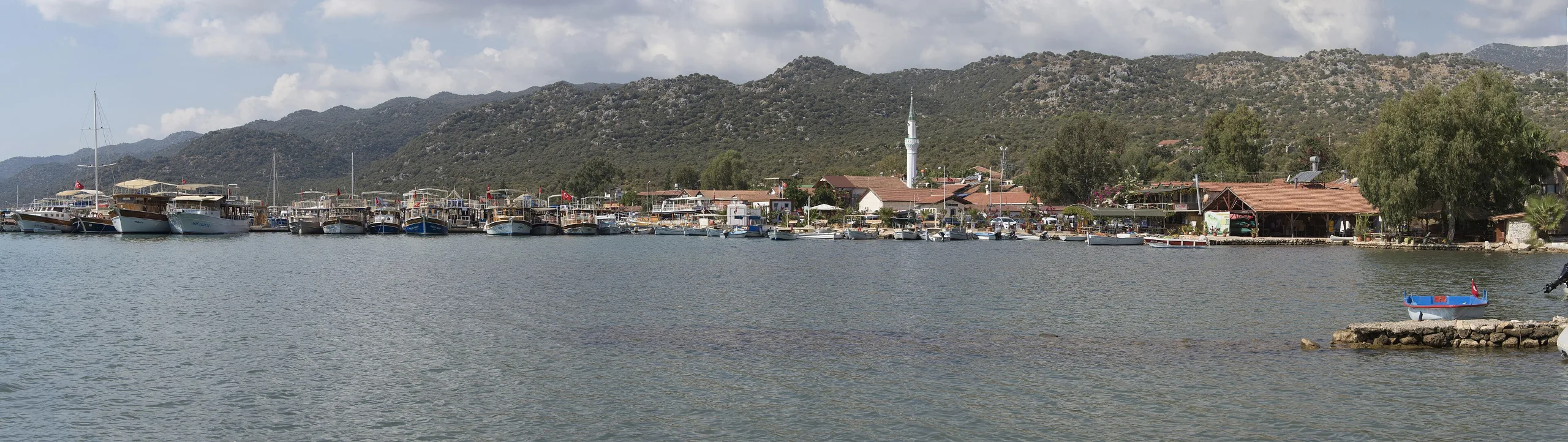
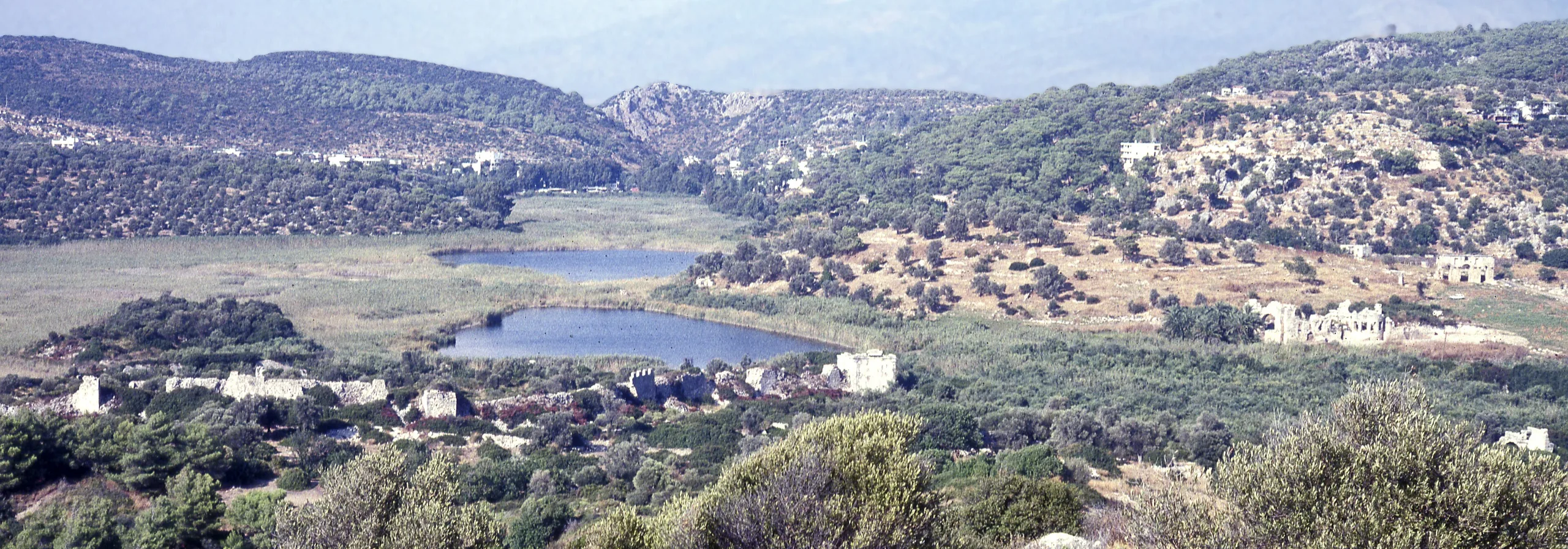
Three hills, Tepecik, Kurşunlu and Doğucasarı, enclose the bay on the north, south and east. The bay is roughly 1 km long and 200 m wide on average, and the city grew around this natural harbour. The beach next to the ruins is one of the few where loggerhead turtles still nest, and the Lycian Way trekking route passes close by. Arsinoe was the name the city bore under the Ptolemies, while the modern settlement is called Gelemiş.
History
Excavations show settlement here as early as the Early Chalcolithic, around 5500 BCE. Hittite texts call the place Patar, in connection with the Lukka campaign of Tudhaliya IV in the late 13th century BCE. Hecataeus of Miletus and Herodotus of Halicarnassus mention Patara in the context of Apollo's oracle, and the story suggests how sacred the city was in the first millennium BCE. It lay under Persian rule from 540 to 330 BCE and fell to Alexander the Great in 334/333.
Around 287-197 BCE the Ptolemaic kingdom held the city and renamed it Arsinoe after the wife of Ptolemy II Philadelphos. During the short Seleucid phase (197-189/188 BCE) the Carthaginian Hannibal used Patara as a base while he commanded the Seleucid fleet. After the Peace of Apameia (188/187 BCE) Rome handed Lycia to its ally Rhodes. Throughout the Hellenistic age Patara was regarded as head of the Lycian League and bore the title caput gentis, head of the Lycian people. In 167-168 BCE it won autonomy from Rome and independence from Rhodes.
Lycia became a Roman province in 43 CE under Claudius, with Patara as its capital. When Vespasian joined Lycia to Pamphylia around 74 CE, creating the double province of Lycia et Pamphylia, Patara stayed the capital. Under Rome it was a seat where governors heard legal cases, a naval base connected with the eastern provinces, and a port where grain on its way from Anatolia to Rome was stored. It is also said to have gained fame after the Roman period as a centre of Apollo's divination. St Paul is known to have boarded a ship here for Rome.
Christianity made Patara an important religious centre. Nicholas was born here in the 4th century CE. Bishop Eudemos of Patara was the only signatory for Lycia at the Council of Nicaea in 325, and Eudemos II was prominent at the Council of Constantinople in 381; his sarcophagus was found inside a church during excavation. A 14th-century traveller, Sir John Mandeville, wrote that pilgrims visited Patera, birthplace of St Nicholas, which hints that a clerical school in the saint's name still ran there.
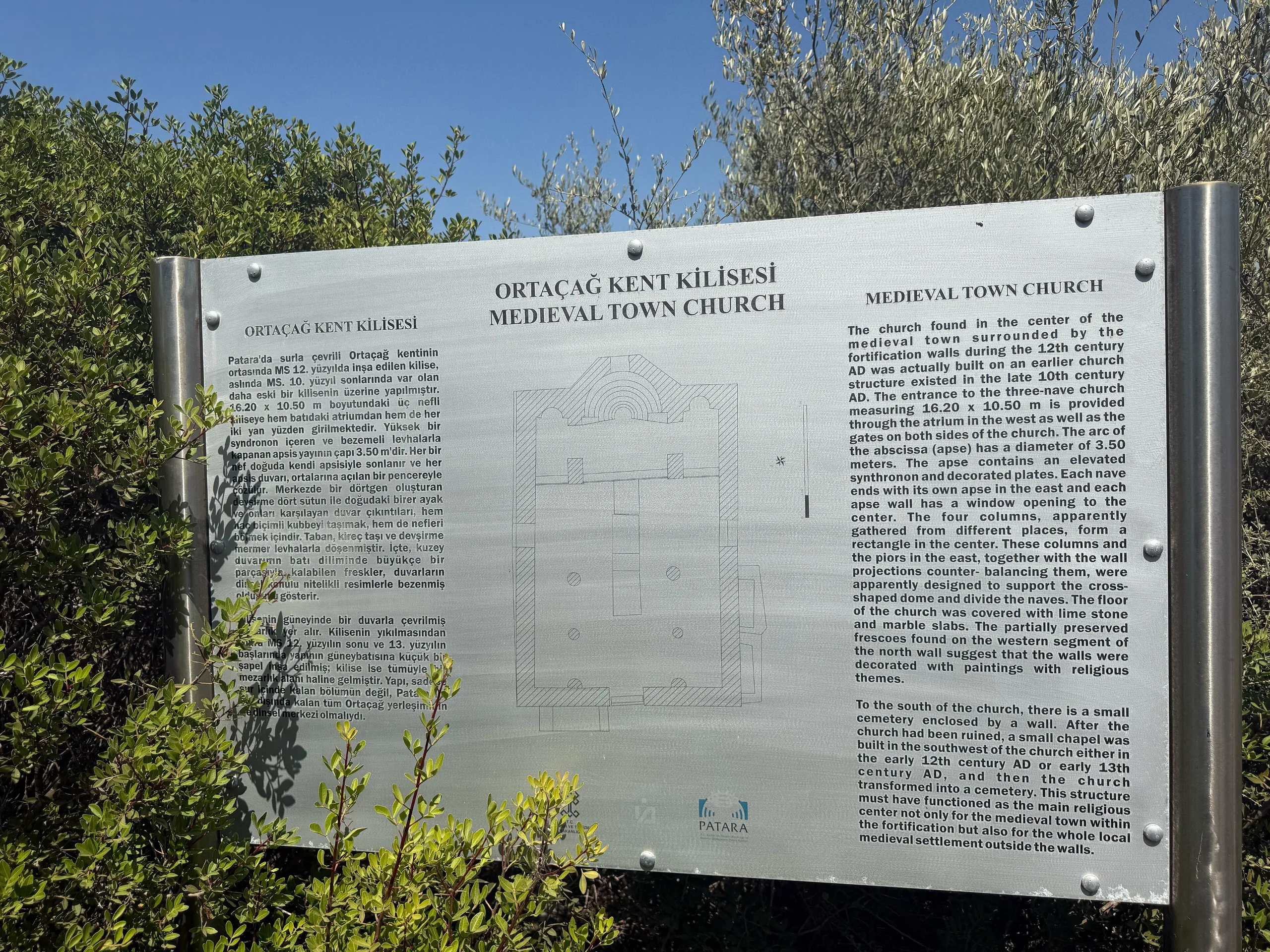
In the 10th century Patara was a major naval base of the Eastern Roman Empire. It passed out of Byzantine hands to Turkmen forces at some point between 1191 and 1204, became the first Mediterranean port under Seljuk control and was formally included in Seljuk territory in 1211. From the 13th to the 15th century silt from the Eşen River filled the harbour and weakened the town's sea trade, and in 1424 it joined Ottoman lands. Prince Cem came to Patara in 1478 to negotiate with the Knights of Rhodes and sailed from its harbour to the island, the last major event the records mention. In 1906, by order of Sultan Abdülhamid II, the Ottoman Empire's first wireless-telegraph station was built at Patara; it kept North Africa in contact during the Italo-Turkish War and was put out of use by an Italian naval attack in 1911.
What to see
Triumphal arch and necropolis
Visitors enter the ancient city through a well-preserved Roman triumphal arch, which inscriptions indicate was built around 100 CE in the name of the provincial governor. West of the arch lies the necropolis, the burial ground, with its Lycian-type sarcophagi.
Theatre and Bouleuterion
At the southern end of the city, backed against Kurşunlu Hill, the theatre was rebuilt in 147 CE after an earthquake. Reused blocks in the stage building, stones taken from older structures, have led some scholars to date it to the 2nd or 3rd century. North of the theatre stands the Bouleuterion, the council house, where Patara's assemblies met in its role as capital. Other remains on Kurşunlu Hill include the Vespasian Bath, a Corinthian temple, the main street and harbour structures.
The Nero Bath
Just inside the north-east corner of the agora, roughly 60 m from the harbour street, lie the three main halls of the Nero Bath: the frigidarium (cold room), tepidarium (warm room) and caldarium (hot room), laid out from west to east over about 1,200 square metres. The frigidarium walls still stand some 9 m high, and its cold pool on the north side measures 7 x 5.3 m and is 1.5 m deep. An inscription on a lintel says the bath was built in Vespasian's name by his governor, Sextus Marcius Priscus, though part of the lettering was later chiselled out.
The frigidarium seems to be a mid-2nd-century CE addition. Two Blattkelch capitals, a leaf-cup type, from the first half of the 1st century were reused in the eight-column arrangement around the pool, and they have been published as an early case of reuse in Roman building. Work at the bath has continued since 2018.
Granary, lighthouse and harbour
The granary (Granarium, or horreum in Latin) that Hadrian and Sabina, his empress, had put up in the 2nd century is among Patara's monumental buildings. It faces the harbour and measures 75 x 25 m, and a large Latin inscription on the front names Hadrian. At the harbour mouth, on a rock on the west side, once rose a lighthouse (pharos) about 30 m high, built under Nero. An inscription on a statue base records that the council and people of Patara honoured the governor of Vespasian's time, Sextus Marcius Priscus, for building this light and a second one, the antipharos.
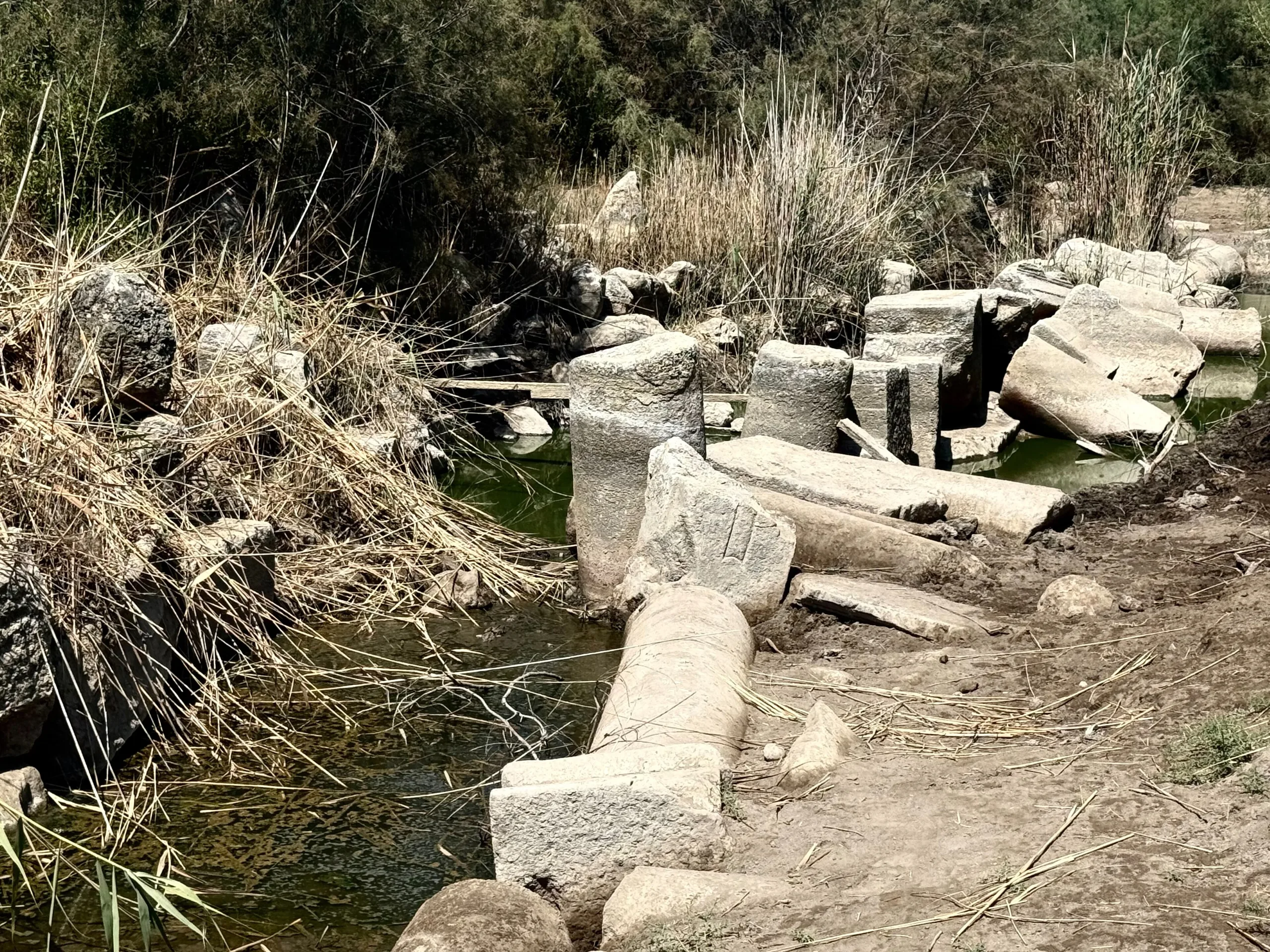
The largest temple-type tomb at Patara, 19 x 14 m, overlooks the harbour; behind it a stadium discovered in the summer of 2010 runs along the shore. A 2024 study that publishes an inscription honouring the local benefactor Ti. Claudius Flavianus Eudemos uses interdisciplinary methods to locate the gymnasion and show how it fitted into the city centre. Water reached the city through channels from a cliff about 20 km away, and the Delikkemer aqueduct was repaired under Vespasian.
Research and excavation
Patara first appeared on a modern map in the French ambassador Choiseul-Gouffier's book of 1782. A Society of Dilettanti party under Sir William Gell toured the region in 1810/11, and the 1840 publication carries a city plan and Francis Octavius Bedford's drawings of the theatre, a temple, a storehouse, a monumental tomb and the city gate. Texier visited in 1836, Fellows in 1838, Spratt and Forbes in 1842, and an Austrian expedition under Otto Benndorf in 1881. The first dig, in 1952, was a rescue excavation by F. J. Tritsch and Ahmet Dönmez, director of the Antalya Museum, and its finds went to that museum. In 1974-1976 Wolfgang W. Wurster drew the first comprehensive plan of the city.
Long-term excavation began in 1988 under Fahri Işık for Atatürk University, after a seven-year permit process. Akdeniz University has continued it since 1991 under Havva Işık. The 2024 season is complete and work continues at the Nero Bath and neighbouring structures. The President declared 2020 the Patara Year.
Visiting
The site address is Gelemiş Mahallesi. An audio guide is on offer, and the Müzekart is valid for Turkish citizens. Check the official announcements for hours and fees.
Gallery
Frequently asked questions
Where is Patara?
Why is Patara important?
When did excavations at Patara begin?
How old is the Nero Bath?
Why did Patara's harbour decline?
What is around Patara?
Sources (17)
- Patara Örenyeri / Patara Archaeological Site (TR ve EN sayfalar) — T.C. Kültür ve Turizm Bakanlığı, Müzeler ve Ören Yerleri
- Patara Kazısı: Kent Tarihçesi — Patara Kazı Başkanlığı (Akdeniz Üniversitesi)
- Patara Kazısı: Araştırma ve Kazı Tarihçesi — Patara Kazı Başkanlığı (Akdeniz Üniversitesi)
- Patara Kazısı: ana sayfa — Patara Kazı Başkanlığı (Akdeniz Üniversitesi)
- Patara/Arsinoe (Pleiades place 639042) — Pleiades
- Two Reused Blattkelch Capitals from Patara (Koçak, M.; Şahin, F.), Gephyra 20, 2020 — Gephyra
- Localizing and Reconstructing the Gymnasion of Patara (Aktaş, Koçak, Lepke, Şahin), Adalya 27, 2024 — Adalya (Koç Üniversitesi AKMED)
- Su Kenarında Sonsuzluk: Patara Liman Nekropolis'i (Koçak, M.), Mediterranean Journal of Humanities 5/2, 2015 — Mediterranean Journal of Humanities
Photo credits
- Photo: Dosseman, CC BY-SA 4.0 — Wikimedia Commons (resized)
- Photo: Roman_Zacharij, CC BY-SA 4.0 — Wikimedia Commons (resized)
- Photo: Roman_Zacharij, CC BY-SA 4.0 — Wikimedia Commons (resized)
- Photo: Angela Stefanoni, CC BY 3.0 — Wikimedia Commons (resized)
- Photo: Dosseman, CC BY-SA 4.0 — Wikimedia Commons (resized)
- Photo: Dosseman, CC BY-SA 4.0 — Wikimedia Commons (resized)
- Photo: Dosseman, CC BY-SA 4.0 — Wikimedia Commons (resized)
- Photo: Dosseman, CC BY-SA 4.0 — Wikimedia Commons (resized)
- Photo: Roman_Zacharij, CC BY-SA 4.0 — Wikimedia Commons (resized)