Zeugma at Nizip, Gaziantep, is an ancient Euphrates city with a Roman legion base and rich villas, famed for its mosaics and partly flooded by the Birecik Dam.
Zeugma Archaeological Site is an ancient city located in Turkey, Gaziantep. Main periods: Hellenistic Period, Roman Period.
Zeugma was an ancient city on the Euphrates, around today's village of Belkıs in Nizip district, Gaziantep. Its name means crossing or bridgehead. The ministry says Seleukos I, a general under Alexander the Great, founded it, and the city reached its height under Rome, especially in the 2nd century AD.
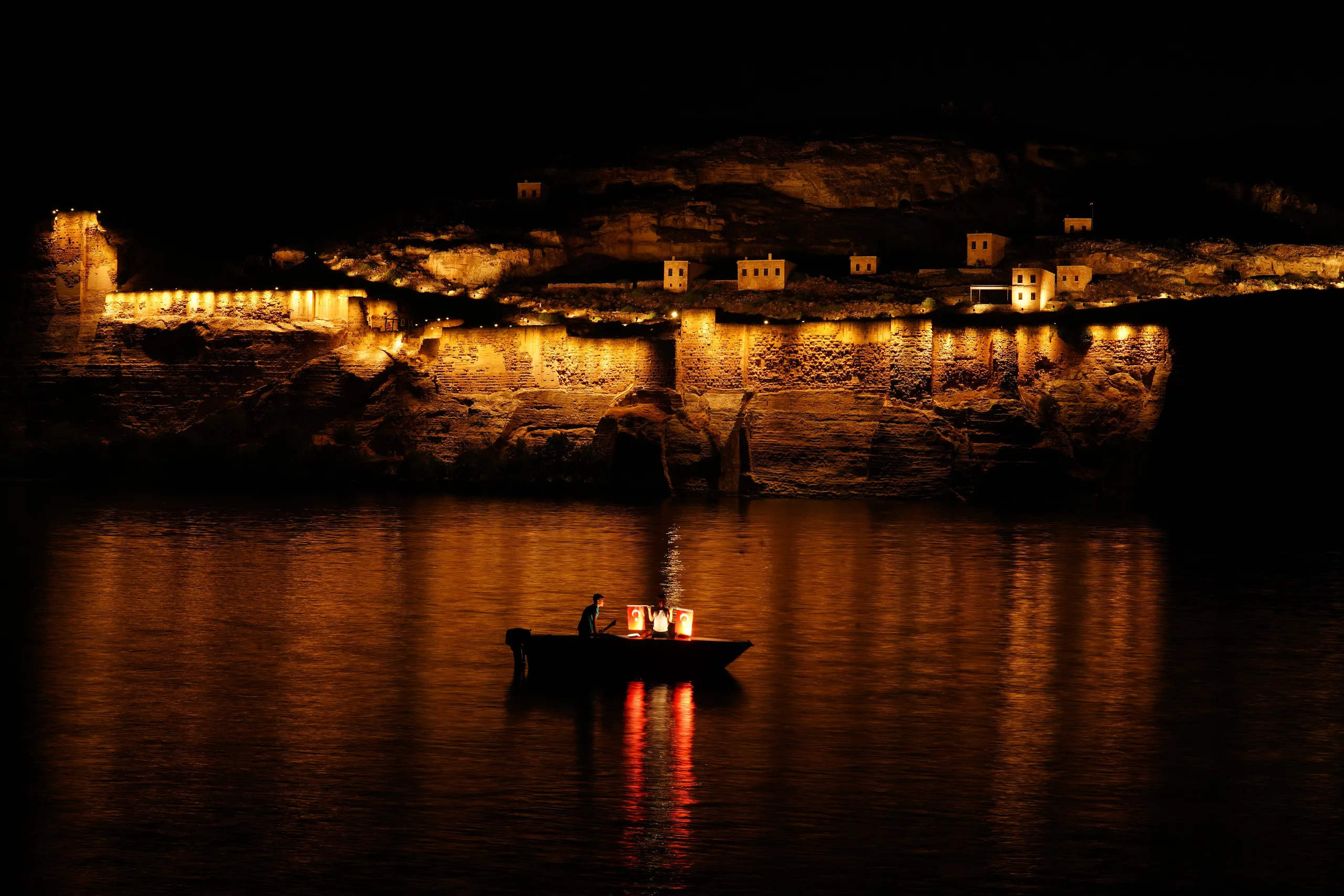
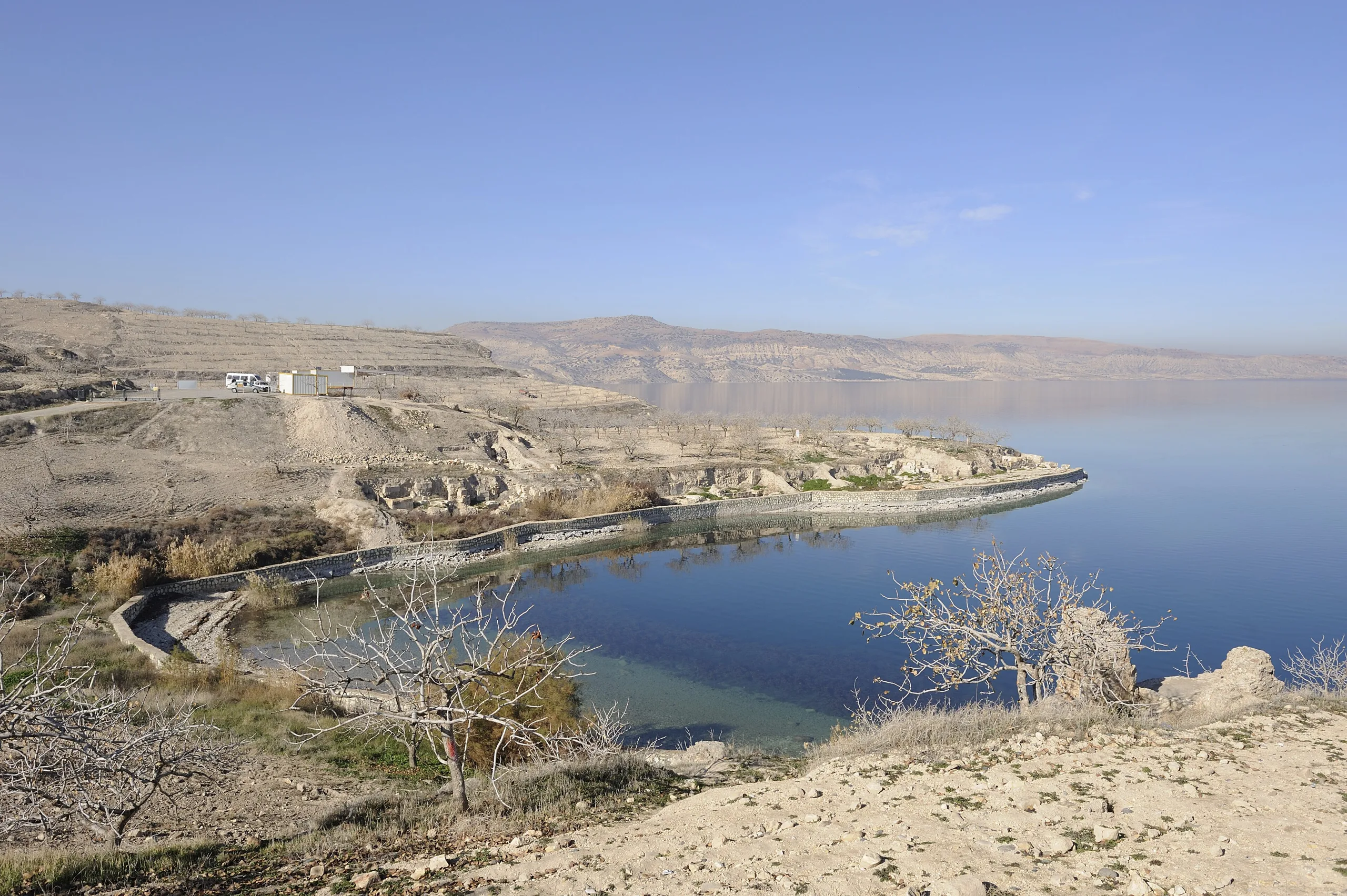
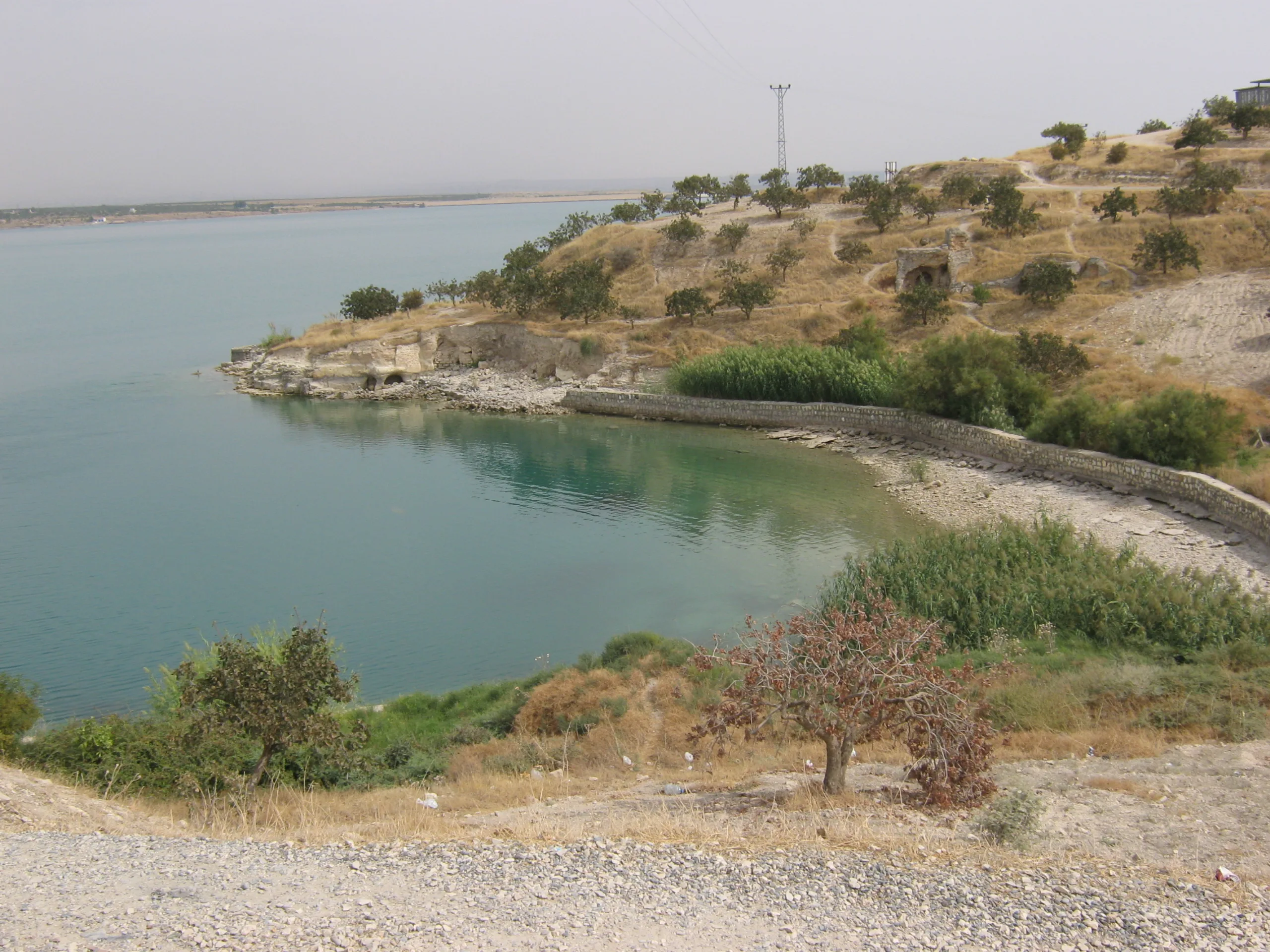
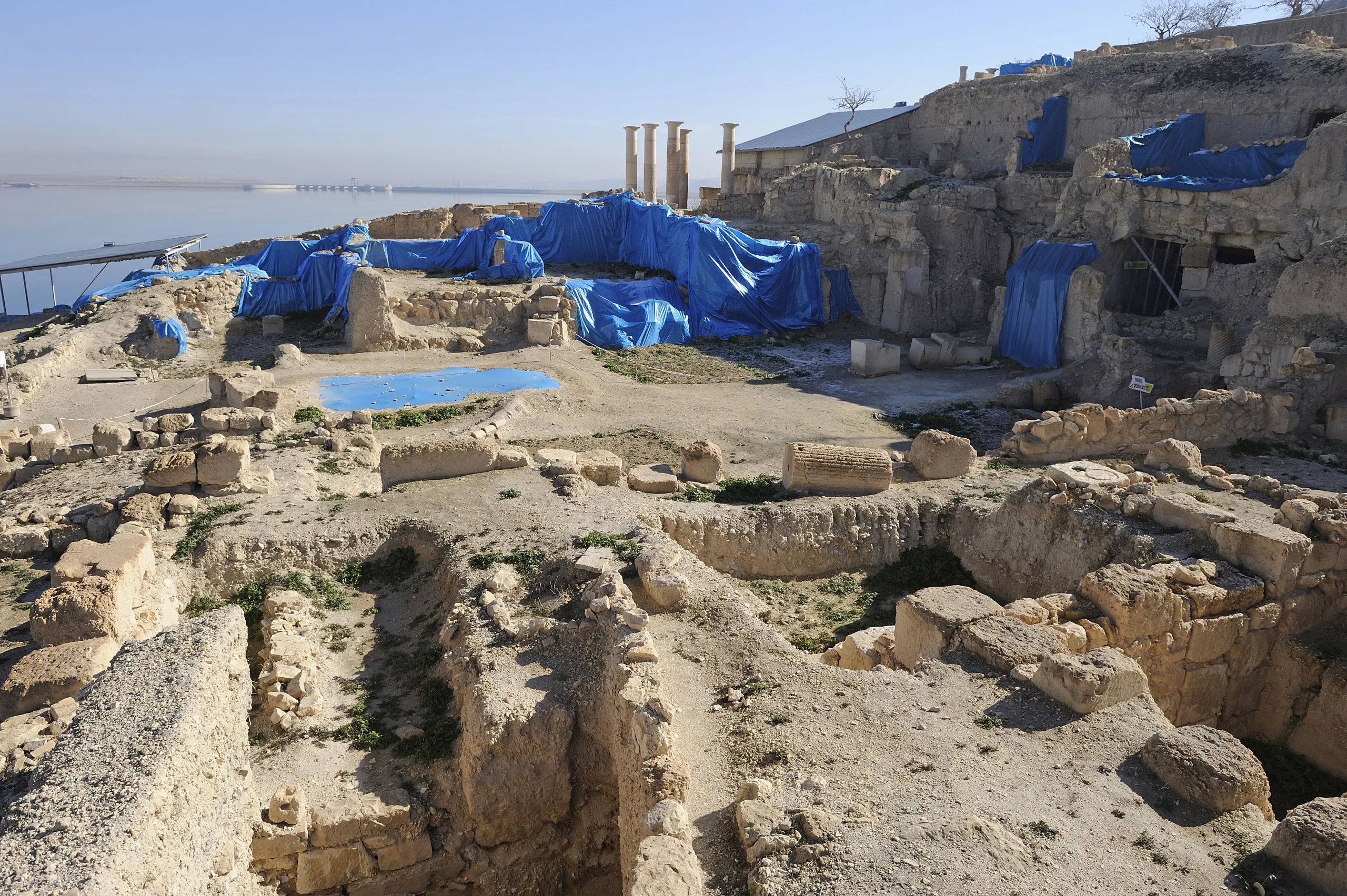
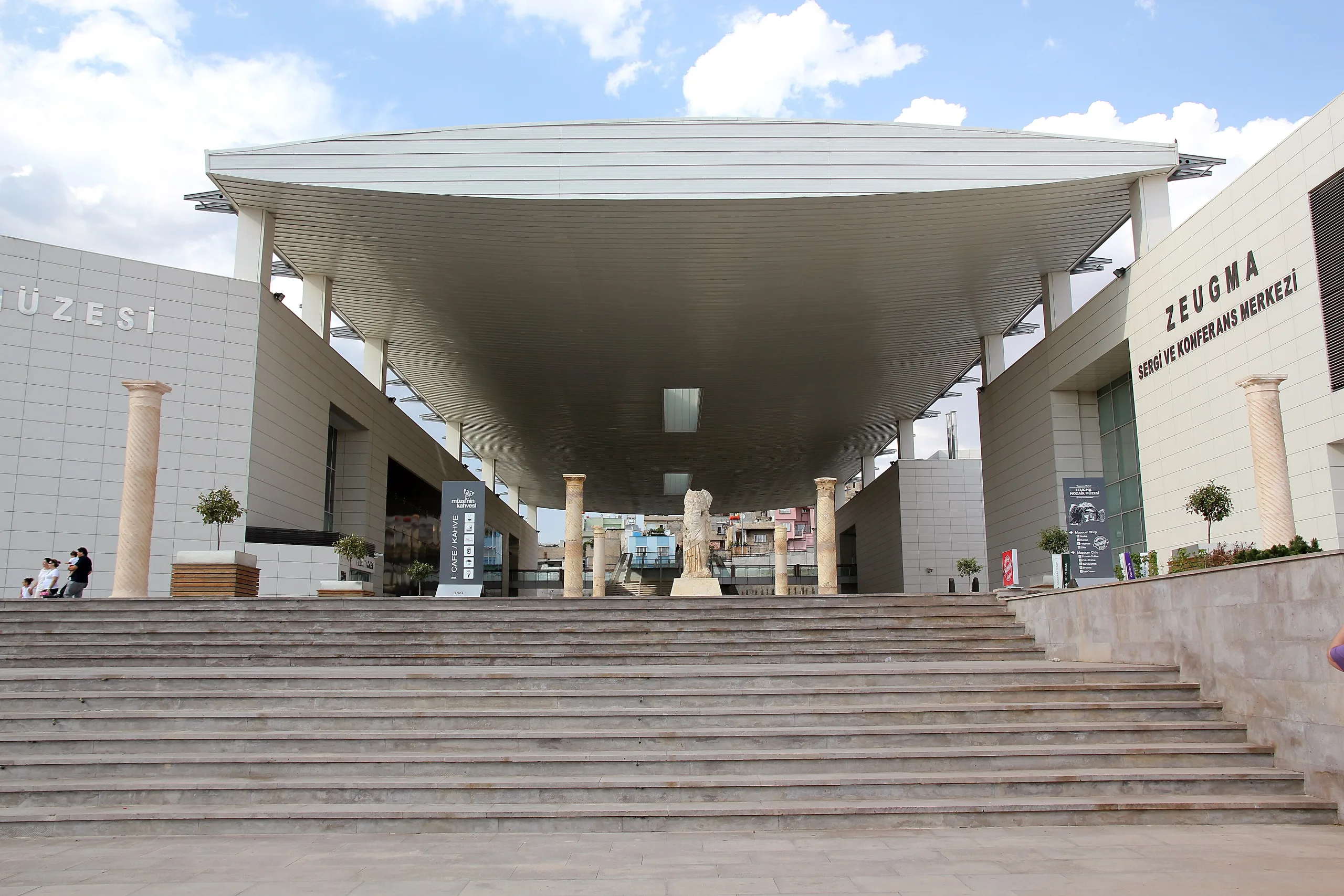
Today Zeugma is best known for its mosaics. Most of the city went under water in 2000 behind the Birecik Dam, and the finds from the rescue digs were moved to the Zeugma Mosaic Museum in Gaziantep. Excavation continues in the parts that remain above water.
Location and names
Pleiades places the settlement in Gaziantep province at the village of Belkıs (Kavunlu) and notes that most of the remains were flooded in 2000 by the Birecik Dam. The same record lists, besides the Greek Zeugma, the names Seleukeia pros to Euphrate (Seleukeia on the Euphrates) and the Akkadian Zuqarri. The ministry's address is Nizip, and the coordinates on this page are from Pleiades.
History
A DergiPark article states that the settlement on the west bank of the Euphrates was founded around 300 BC by the commander Seleucus Nicator as a Greek city and called Seleucia, while the east bank took the name Apamea after his Persian-born wife Apama. The Culture Portal says the name changed to Zeugma, meaning bridgehead, when the area passed to Roman control in 64 BC. The article adds that Rome took the city in 64 BC and handed it to the kingdom of Commagene, and that it joined the Roman Empire proper under Tiberius in AD 17, when Commagene became a province.
According to the ministry, Zeugma enjoyed its most splendid days in the 2nd century AD. It housed the headquarters of the 4th Legion, so high-ranking officers lived there, as did wealthy merchants taking advantage of its strategic position. The article reports that the city is thought to have turned into a military settlement with legions around AD 66/67, flourished in the 1st and 2nd centuries, and was seized and abandoned after the Sasanian king Shapur took it in 252/253. The Culture Portal likewise says it lasted until destroyed by the Sasanians and counts it among the four largest cities of Commagene.
Rediscovery and excavation
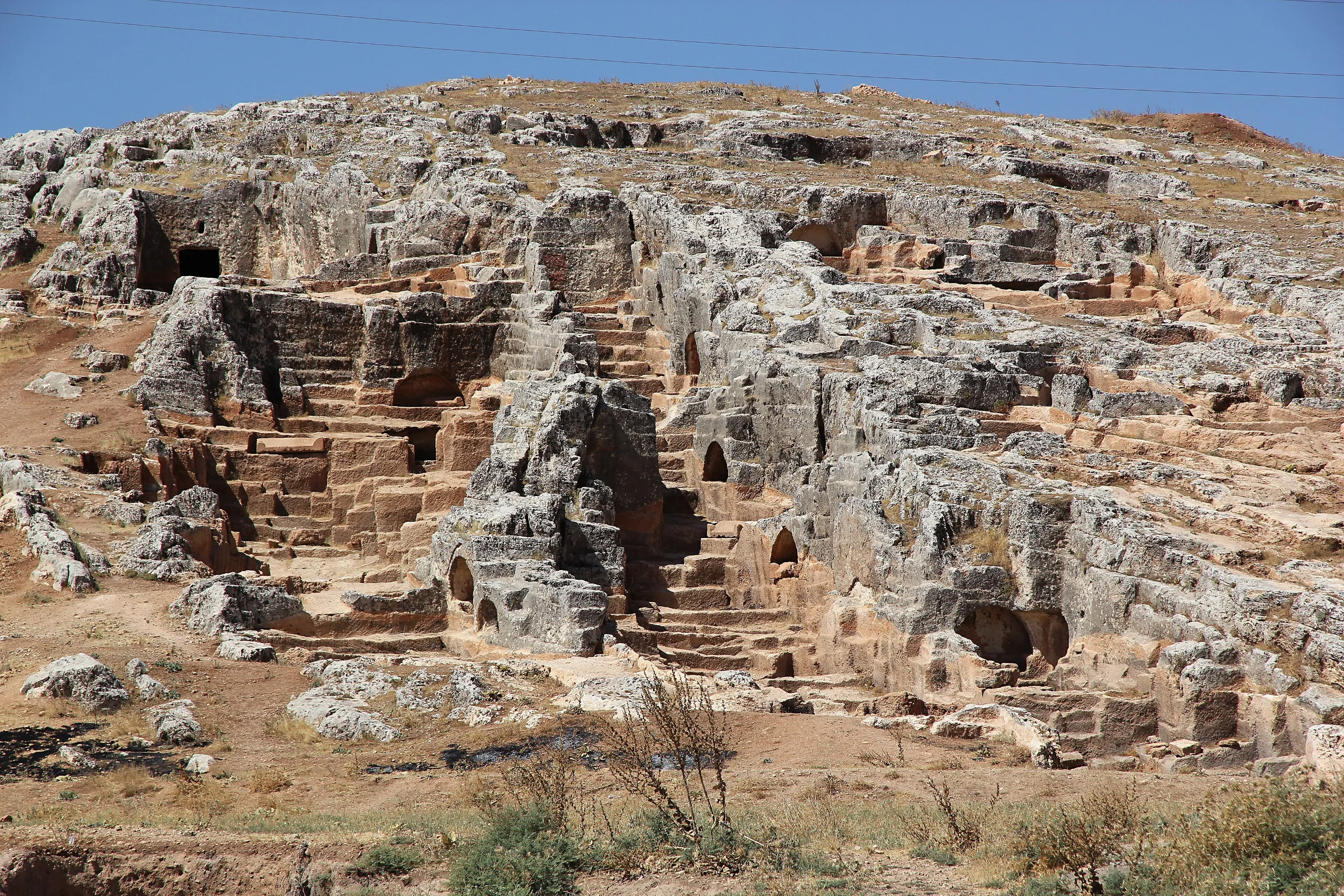
The article notes that, although ancient sources mention it, the exact location of Zeugma was unknown until recently; in the early 1970s the German archaeologist Jörg Wagner linked the settlement to the Hellenistic wall system in his doctoral research. In 1987 Gaziantep Museum dug in the south-eastern necropolis, where rock-cut tomb chambers had been looted by treasure hunters, and exposed wall paintings and mosaics. In 1992 a pit opened by looters led the museum to uncover a Roman villa with floor mosaics. David Kennedy of the University of Western Australia joined in 1992 and the University of Nantes in 1995.
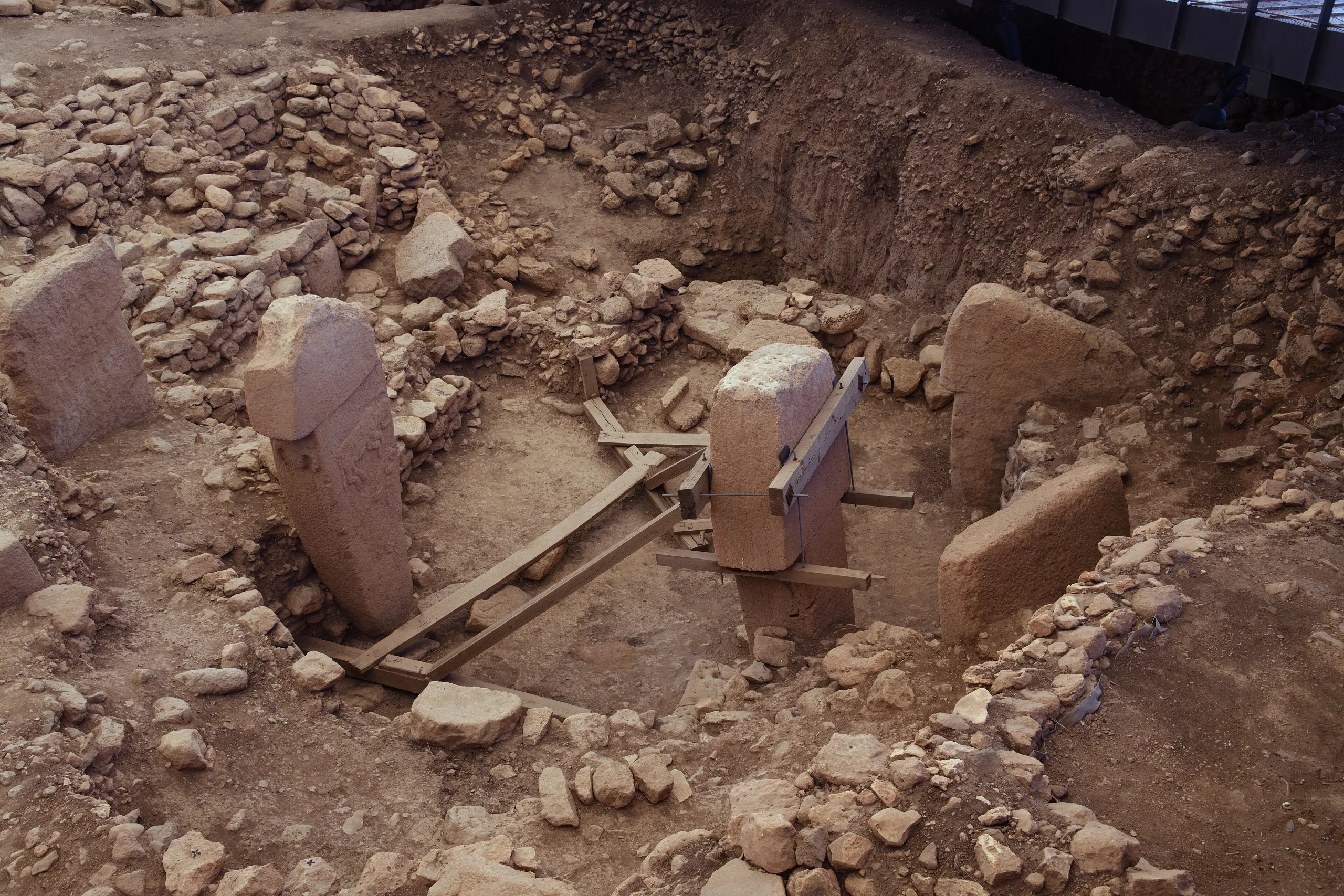
Most finds were rescued in 2000 in a campaign run by the Ministry of Culture and Tourism with support from the Packard Humanities Institute and Türkiye İş Bankası. Oxford Archaeology and British, Italian, French and Turkish archaeologists took part. After the Birecik reservoir began to fill, the rescue digs ended, and in 2005 a Council of Ministers decision turned the work into a regular archaeological excavation. The ministry states that Prof. Dr. Kutalmış Görkay of Ankara University directs the dig and that, in the unflooded part, a theatre, villas, a bath, an agora, a temple and streets lined with columns still lie underground.
Finds and museums
The article reports about 90,000 clay sealings (bullae) of the Hellenistic and early Roman Empire periods from the excavations, with around 35,000 found in 1998 and 30,000 in 1999.
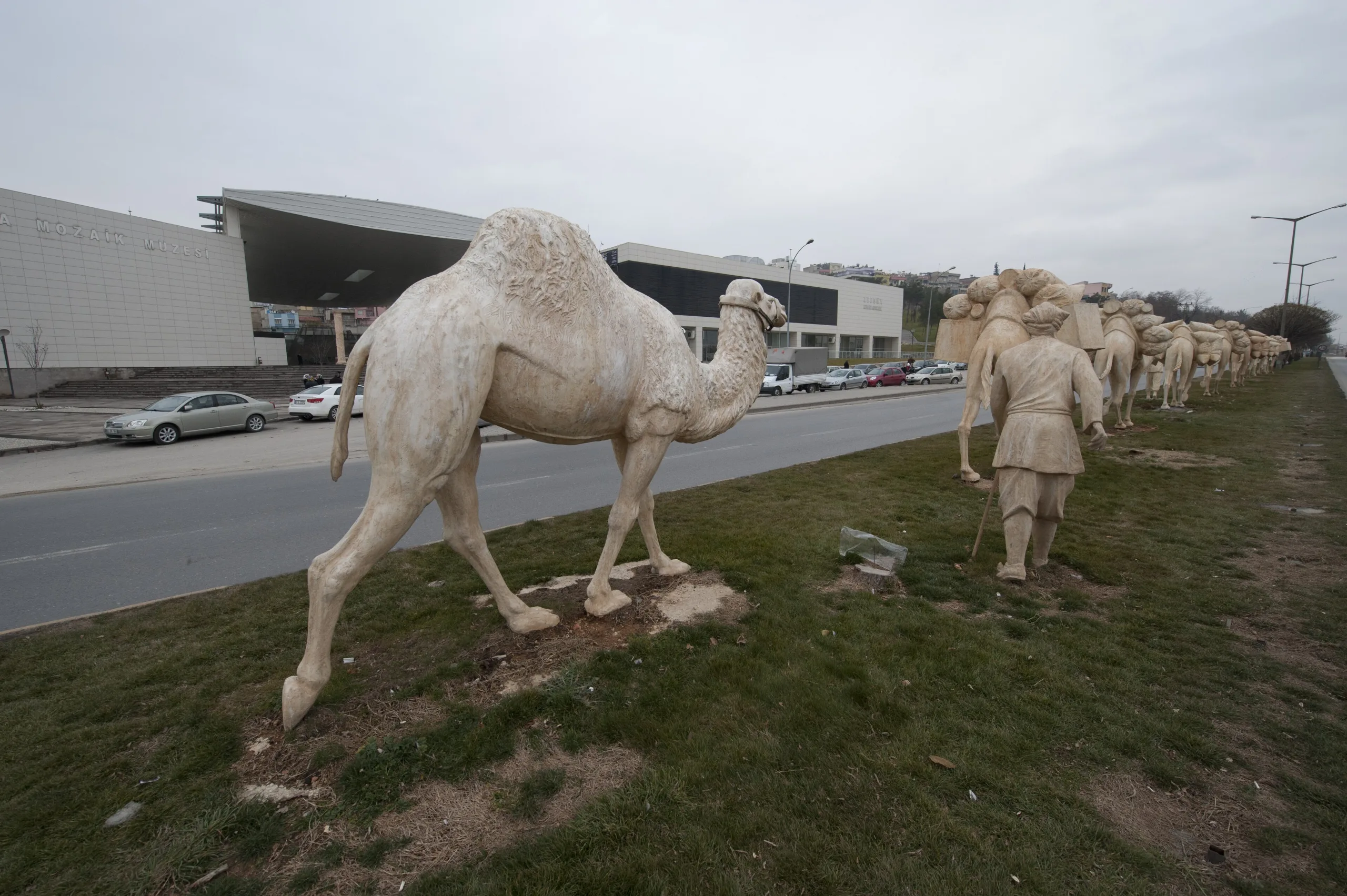
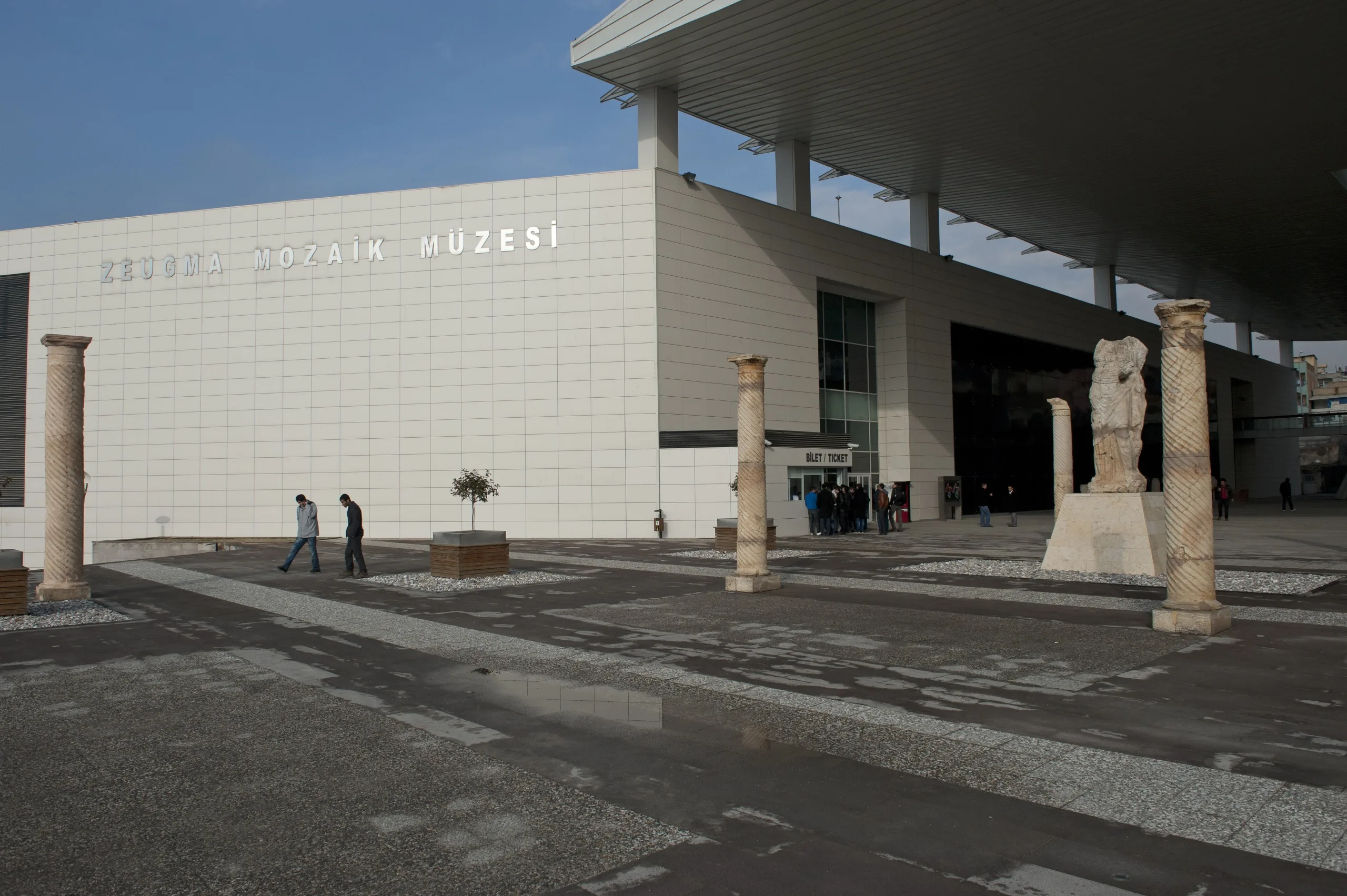
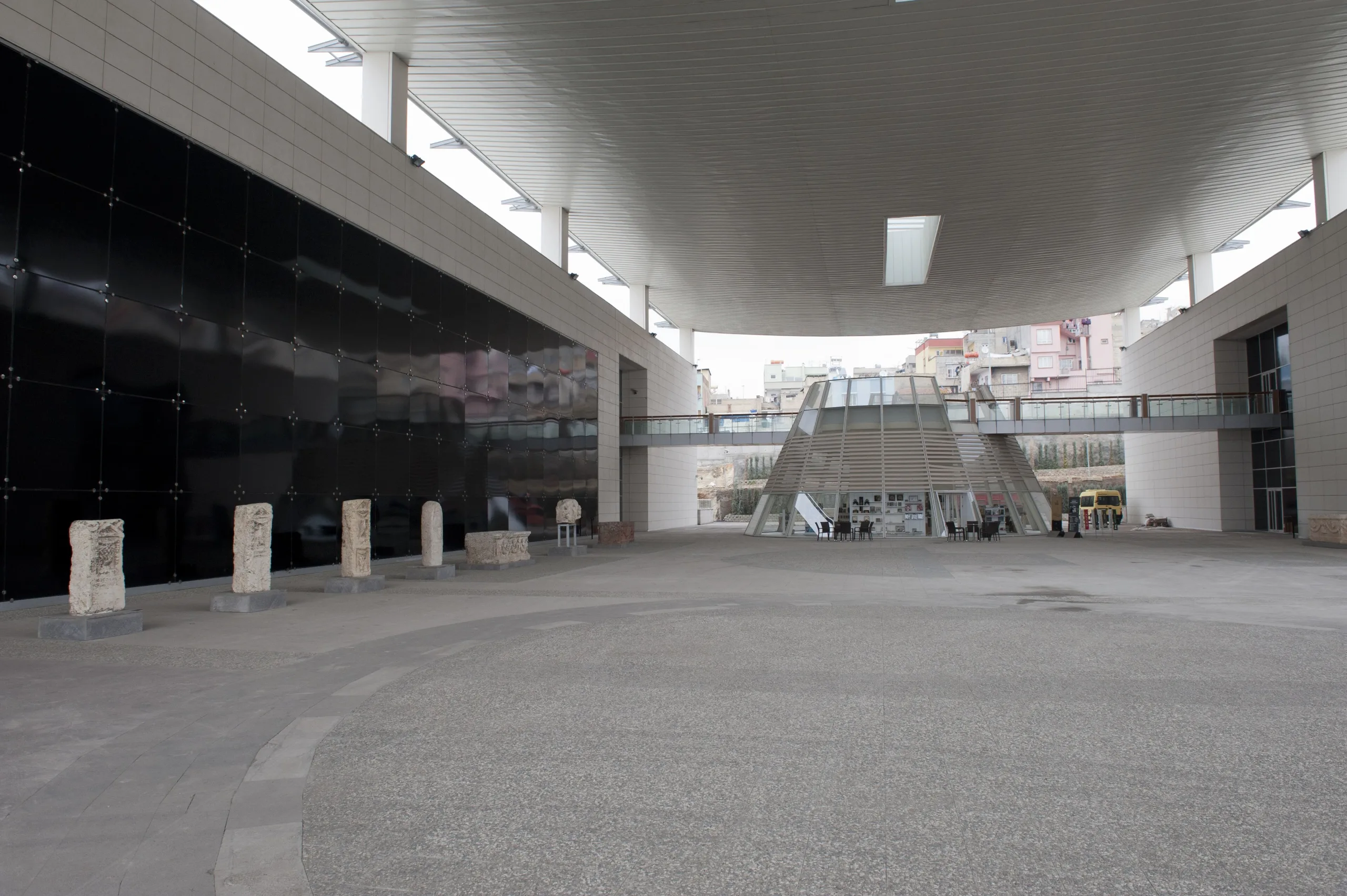
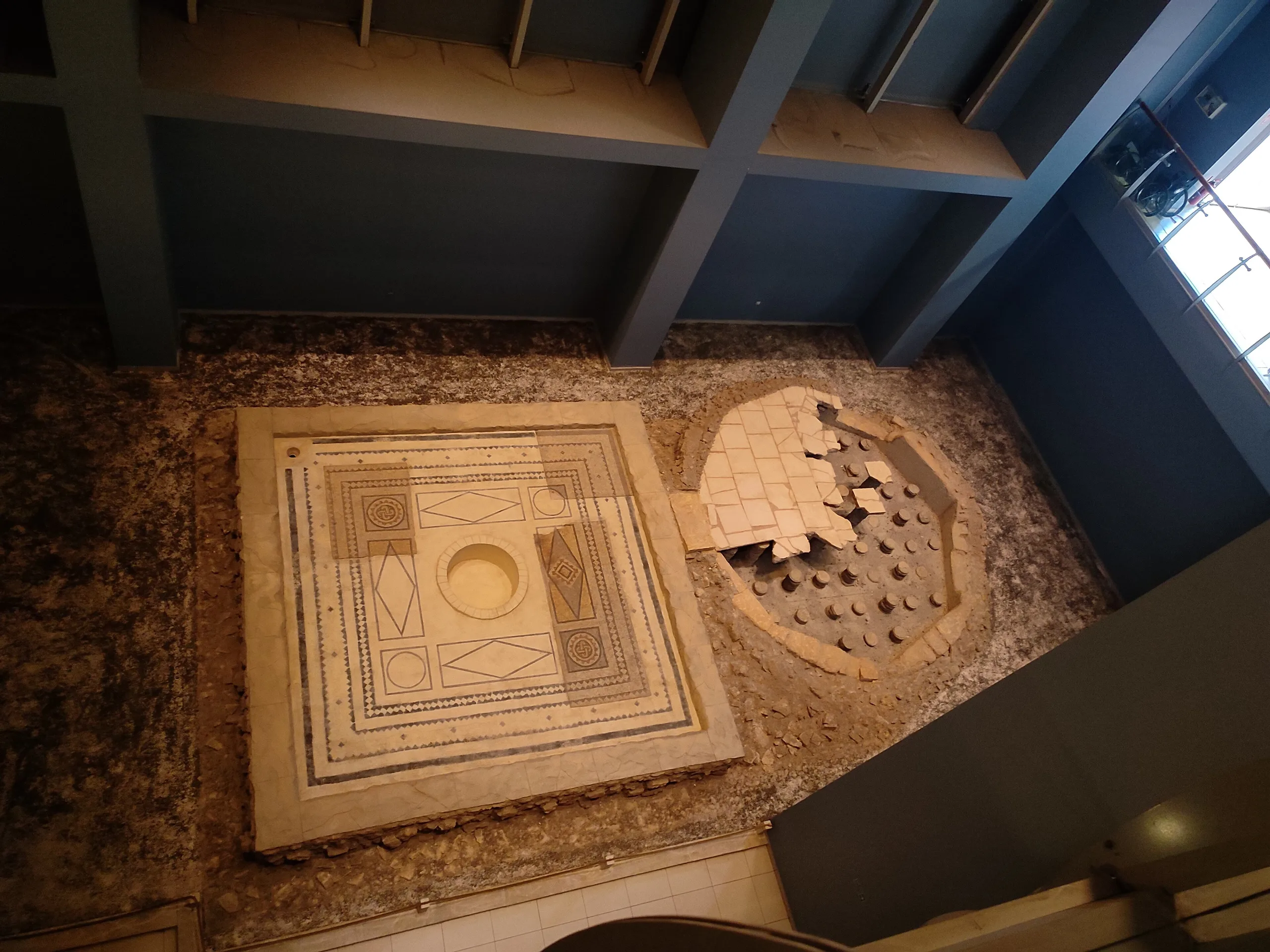
The ministry's museum page says the Gaziantep Zeugma Mosaic Museum stands on the grounds of a former tobacco factory and opened on 9 September 2011; the article says it opened in 2010. Its collection includes 3,000 square metres of Roman and Eastern Roman mosaics, 140 square metres of wall painting, four Roman fountains, twenty columns, tomb stelae, sarcophagi and the bronze statue of Mars. According to the ministry, the statue was found during the 2000 rescue excavations in the cellar-like area of the Poseidon Villa, hidden under storage jars.
The museum's emblem, the Gypsy Girl mosaic, is the dining-room floor of the Mainad Villa; vine leaves beside the head lead scholars to see a follower of Dionysos. The ministry says twelve border pieces were smuggled abroad in illegal digs in the 1960s, shown at Ohio's Bowling Green State University, and returned through diplomatic efforts, being presented on 8 December 2018. The Culture Portal also highlights the Oceanus and Tethys mosaic.
Visiting
For current hours and fees for the archaeological site, see the ministry's official page. Its Turkish page states that the MüzeKart is valid for Turkish citizens. Nearby places listed include Gaziantep Castle, Gaziantep Archaeological Museum, Yesemek and Rumkale sites and the Zeugma Mosaic Museum.
Gallery
Frequently asked questions
Where is Zeugma?
What does Zeugma mean?
Who founded Zeugma?
Why is most of the city under water?
When was Zeugma at its peak?
Where are the mosaics displayed?
Who leads the excavations?
What are the opening hours and ticket prices?
Sources (14)
- Zeugma Örenyeri / Zeugma Archaeological Site (TR ve EN sayfalar) — T.C. Kültür ve Turizm Bakanlığı, Müzeler ve Ören Yerleri
- Zeugma Mozaik Müzesi (muze.gov.tr müze sayfası) — T.C. Kültür ve Turizm Bakanlığı, Müzeler ve Ören Yerleri
- Zeugma Mozaik Müzesi - Gaziantep (Kültür Portalı) — T.C. Kültür ve Turizm Bakanlığı, Kültür Portalı
- Zeugma (Pleiades place 658636) — Pleiades
- Yamurlu, A., Kamu Diplomasisi Aracı Olarak Arkeoloji: Zeugma Örneği, Ankara Üniversitesi SBF Dergisi 76(3), 2021, 631-649 — DergiPark
Photo credits
- Photo: Dosseman, CC BY-SA 4.0 — Wikimedia Commons (resized)
- Photo: Anadolu, CC BY-SA 3.0 — Wikimedia Commons (resized)
- Photo: Dosseman, CC BY-SA 4.0 — Wikimedia Commons (resized)
- Photo: Dosseman, CC BY-SA 4.0 — Wikimedia Commons (resized)
- Photo: Dosseman, CC BY-SA 4.0 — Wikimedia Commons (resized)
- Photo: Dosseman, CC BY-SA 4.0 — Wikimedia Commons (resized)
- Photo: Kzie45, CC BY-SA 4.0 — Wikimedia Commons (resized)
- Photo: Dosseman, CC BY-SA 4.0 — Wikimedia Commons (resized)
- Photo: Klaus-Peter Simon, CC BY-SA 3.0 — Wikimedia Commons (resized)