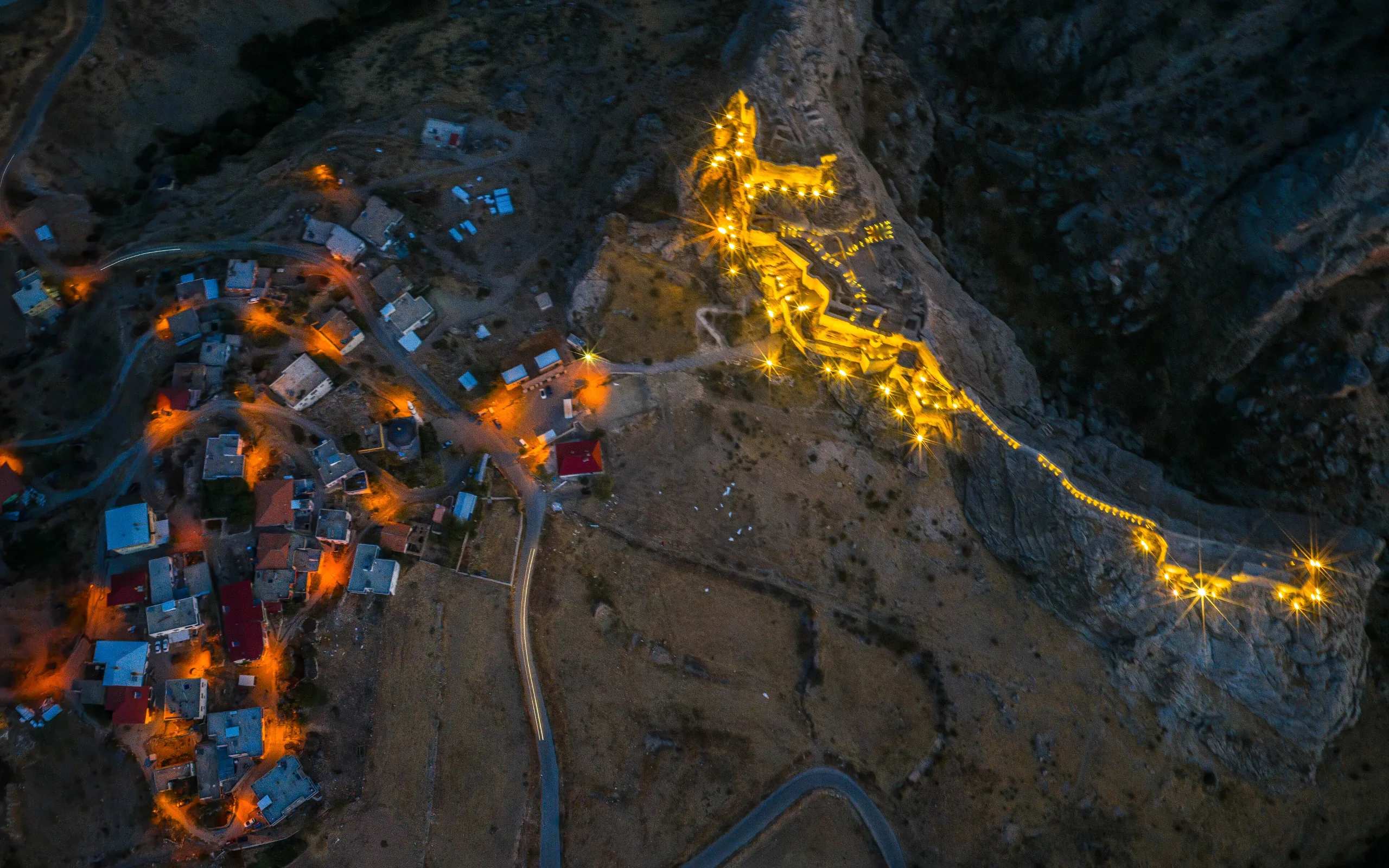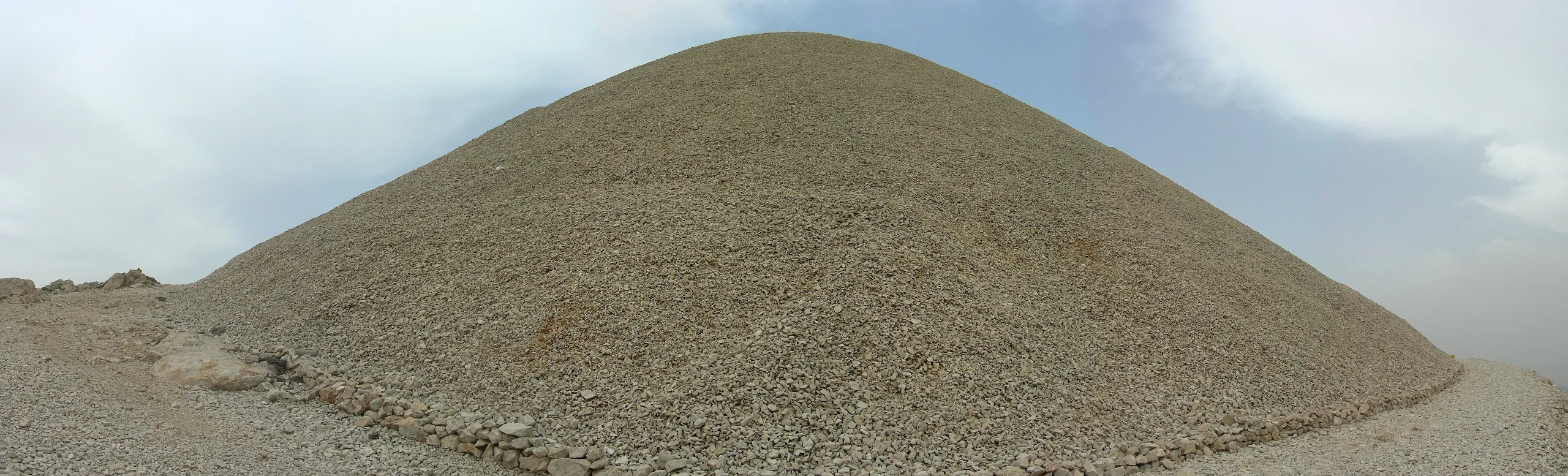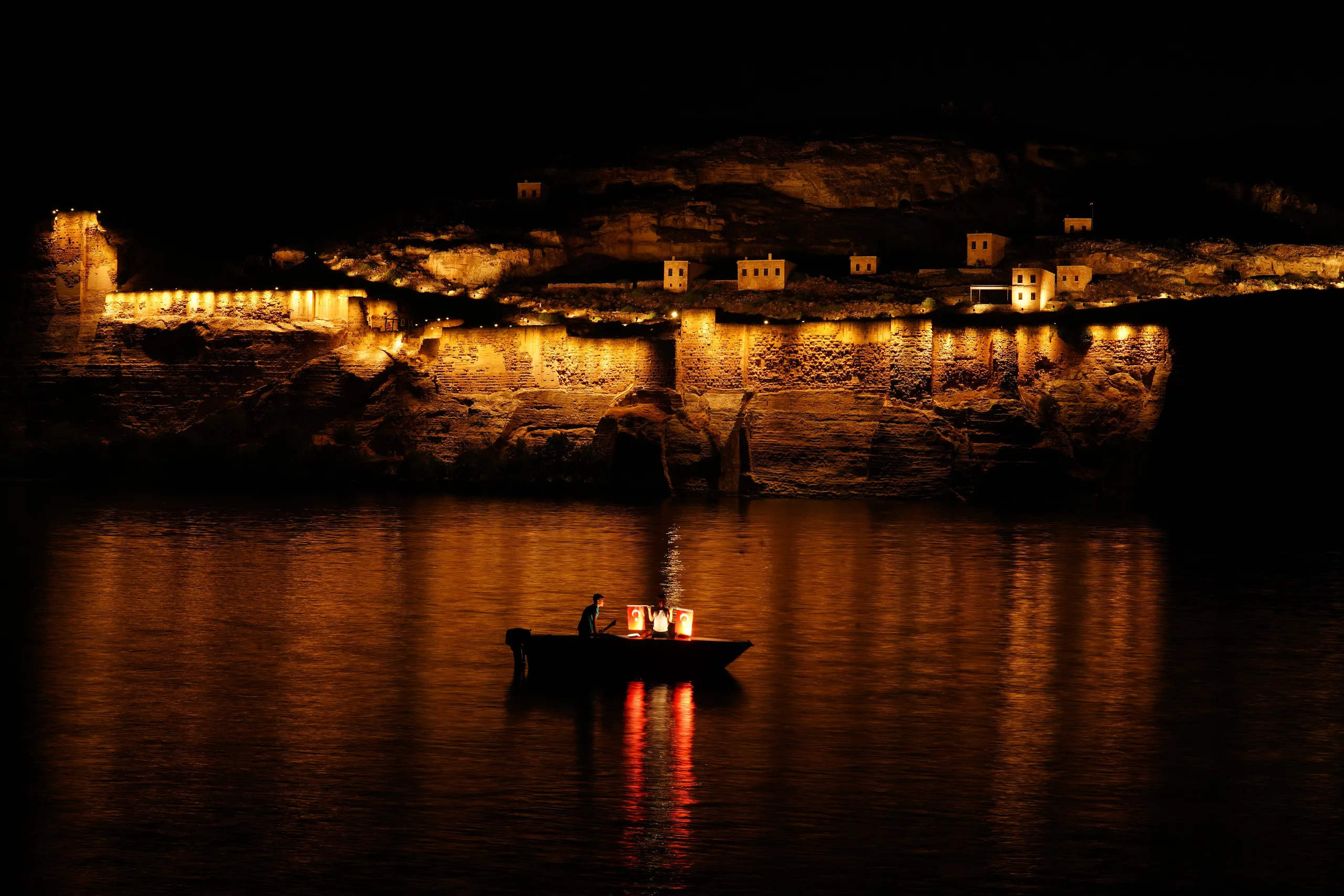
Perrhe in the Örenli district of Adıyaman ranked among Commagene's five leading cities and is known for the region's largest necropolis, its mosaics and the Roman Fountain.
Perrhe (Perre) Ancient City is an ancient city located in Turkey, Adiyaman. Main periods: Roman Period, Byzantine Period.
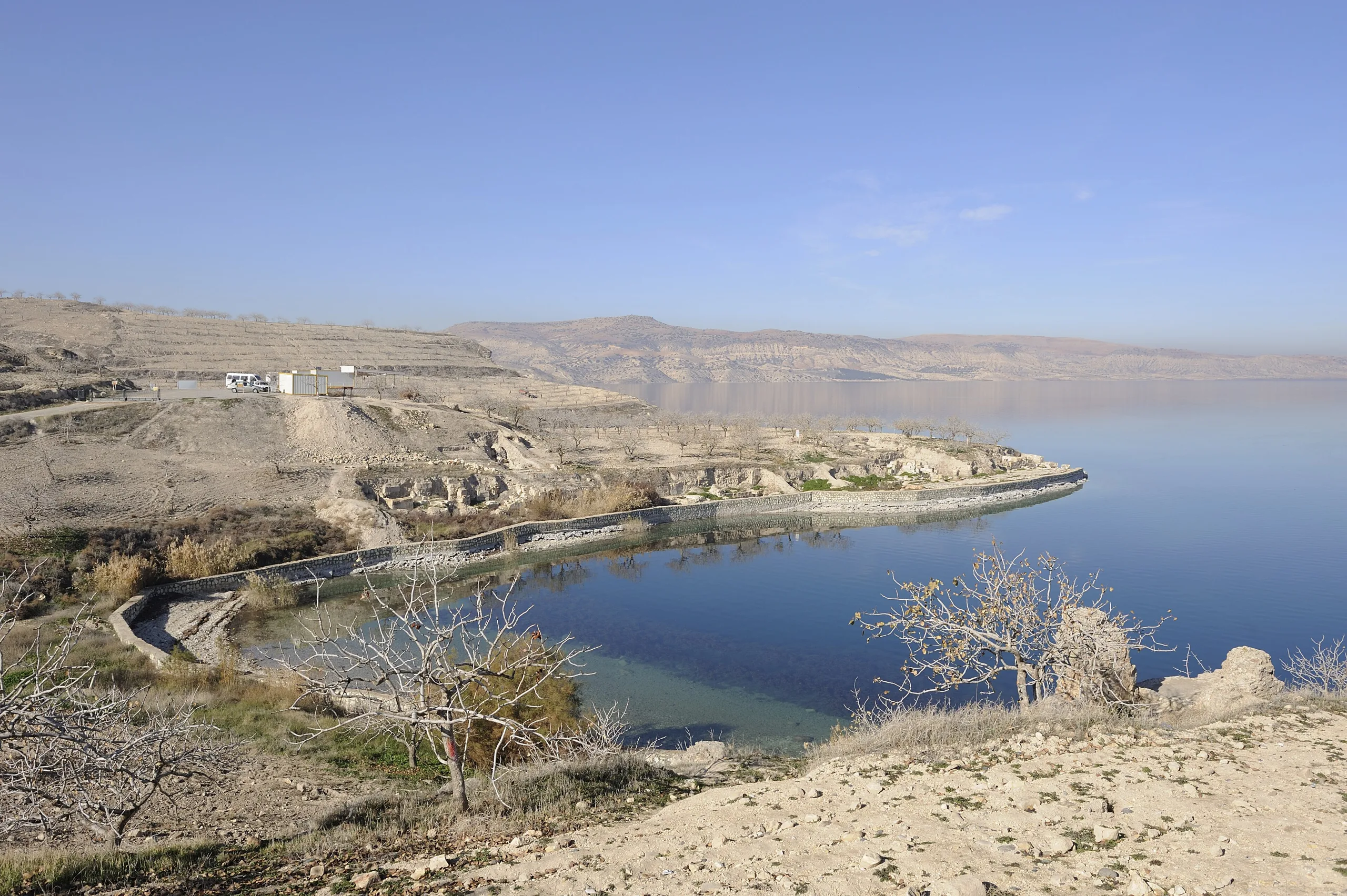
Perrhe (Perre) lies in the centre of Adıyaman, in Örenli neighbourhood. The Ministry says the city, known in ancient sources as Me'arath and Gazze and in Mesopotamia as Pirin and Perin, ranked among the five leading cities of the Commagene realm. Scholarly articles put it about five kilometres north of Adıyaman, in the foothills of the Taurus.
History
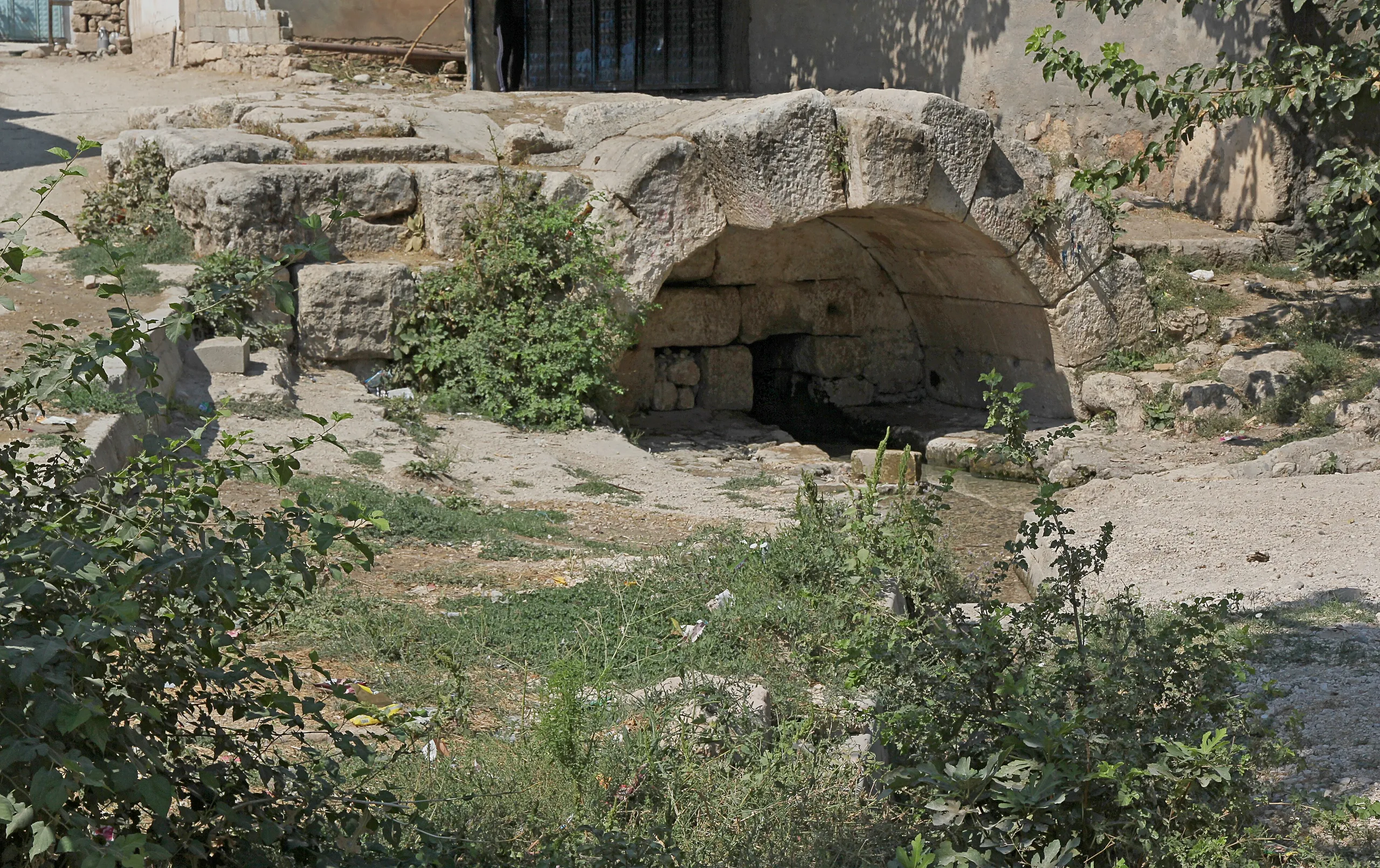
Perrhe stood on the route joining Melitene (Malatya) to Samosata (Samsat), which gave it geopolitical weight. The Culture Portal says ancient authors praised the beauty of its water and that caravans, travellers and armies rested here; the Roman Fountain, where that water runs, is still in use. The Ministry's English page dates the Kingdom of Commagene to 163 BCE - 72 CE and says the city stayed important in the Roman period.
In Byzantine times the city kept its value because it lay on the great road linking the west with Persia, and it was called Hierapolis, the Holy City. The Ministry and the Portal state that it took part in the Council of Nicaea in 325 CE. In his Cedrus article, Alican Doğan observes that neither Perrhe nor its province appears in the bishops' lists, and that the cities named as sending representatives include Hierapolis, Germanicea, Samosata and Doliche; he considers that Perrhe may have been represented by nearby Hierapolis or another see. For that reason attendance is not stated as fact here. The same article records that, at the synod held after the death of Eusebius of Samosata in 379, a bishop of Perrhe named Iovinus is mentioned. The Ministry page adds that a letter by Andreas of Samosata from 433 refers to several important bishops at Perre. Doğan describes the city as more prominent under the Eastern Roman Empire and later abandoned, probably after Sasanian and Muslim attacks, while the Ministry says it simply lost importance after the Byzantine era.
Research and excavation
According to Doğan, European scholars began to notice the city in the late 19th century: Sester and Puchstein visited in 1882, Puchstein and Humann studied the necropolis in 1883, and Osman Hamdi Bey toured the city the same year on his way to Mount Nemrut. Research by Pittard and von der Osten between 1925 and 1931 showed that the first traces of settlement in the area go back to the Palaeolithic. The first excavations began in 2001 under Fehmi Erarslan, director of Adıyaman Museum, and ran until 2009, mostly in the necropolis; work resumed in 2020.
Notable structures and finds
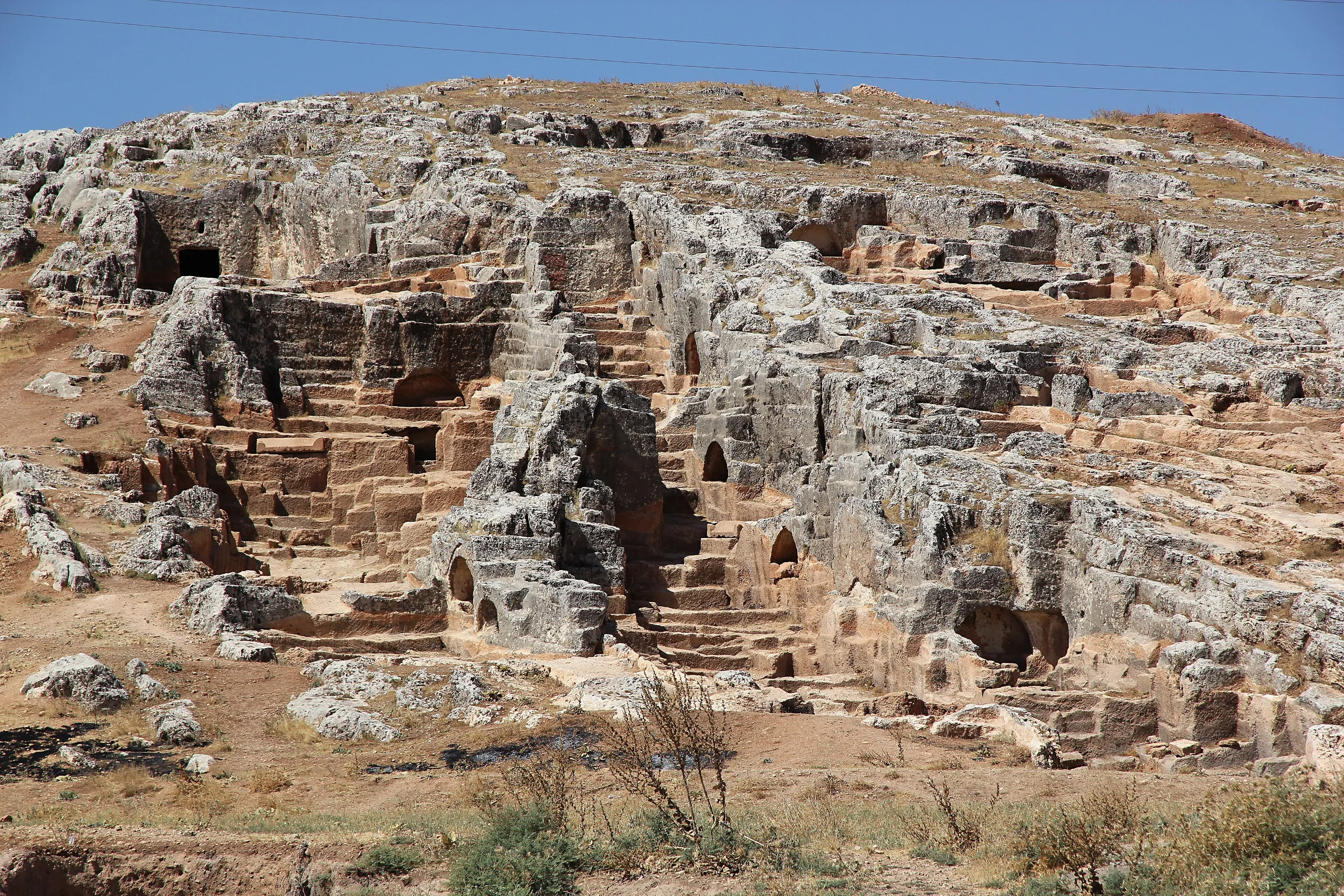
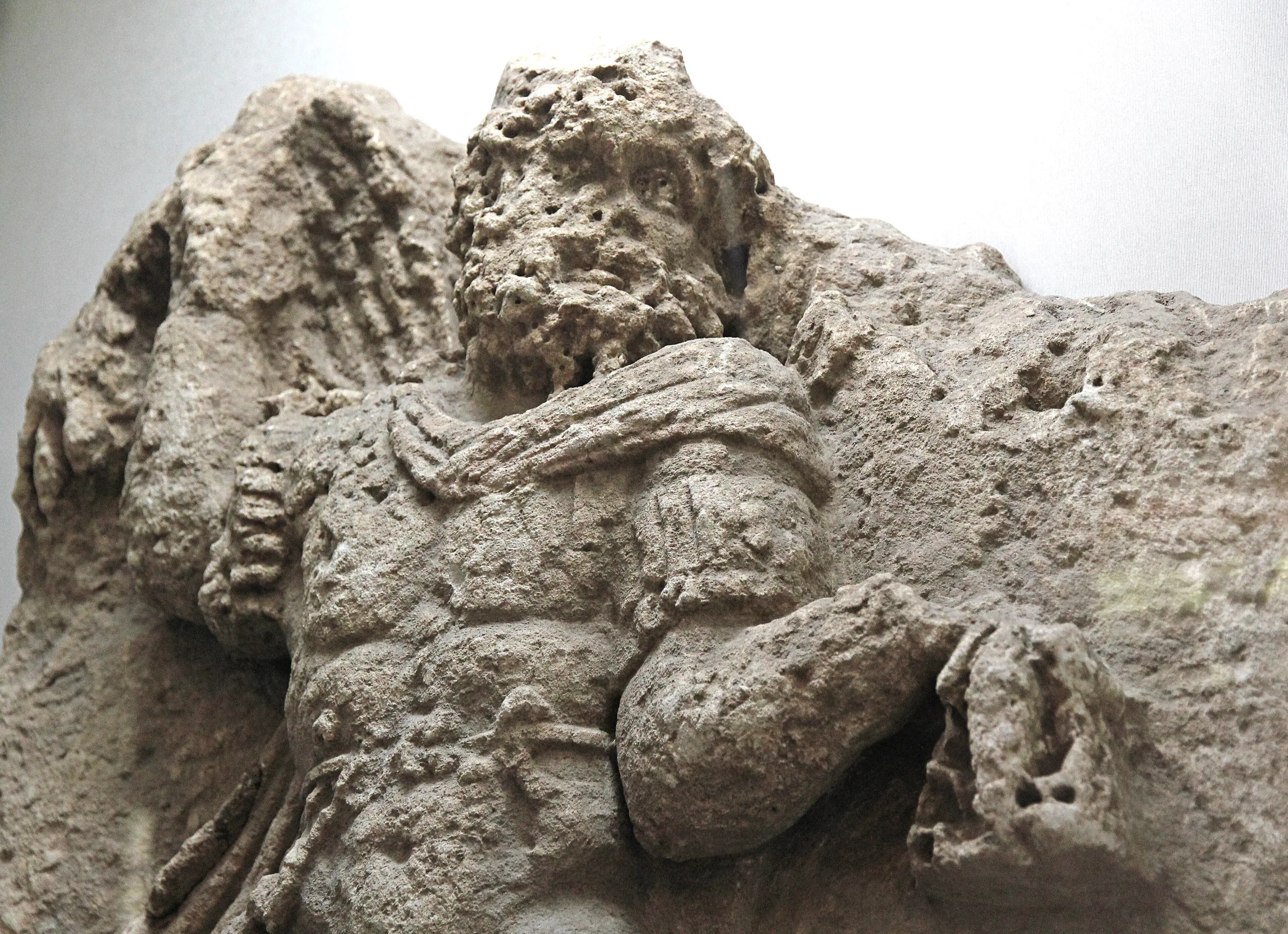
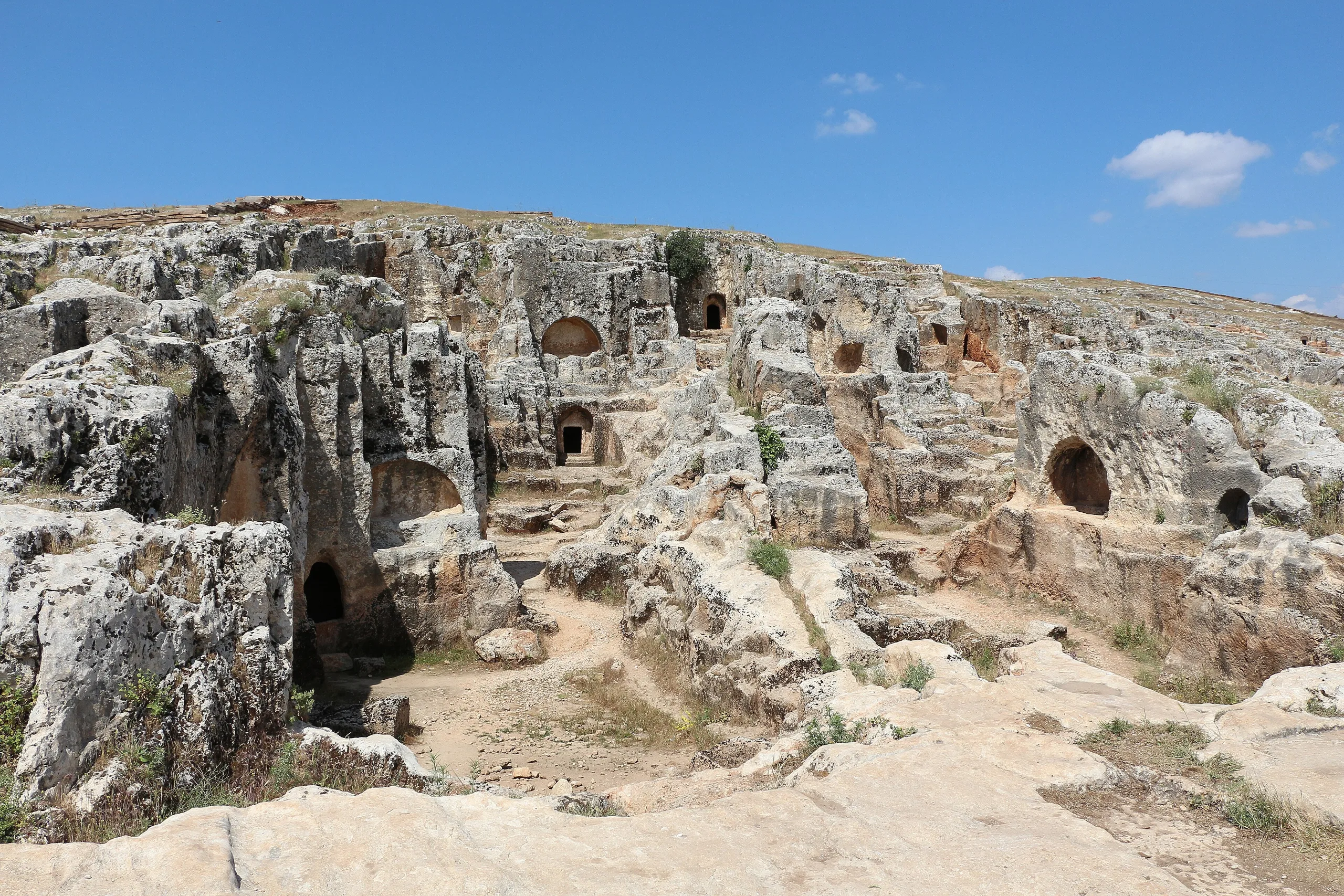
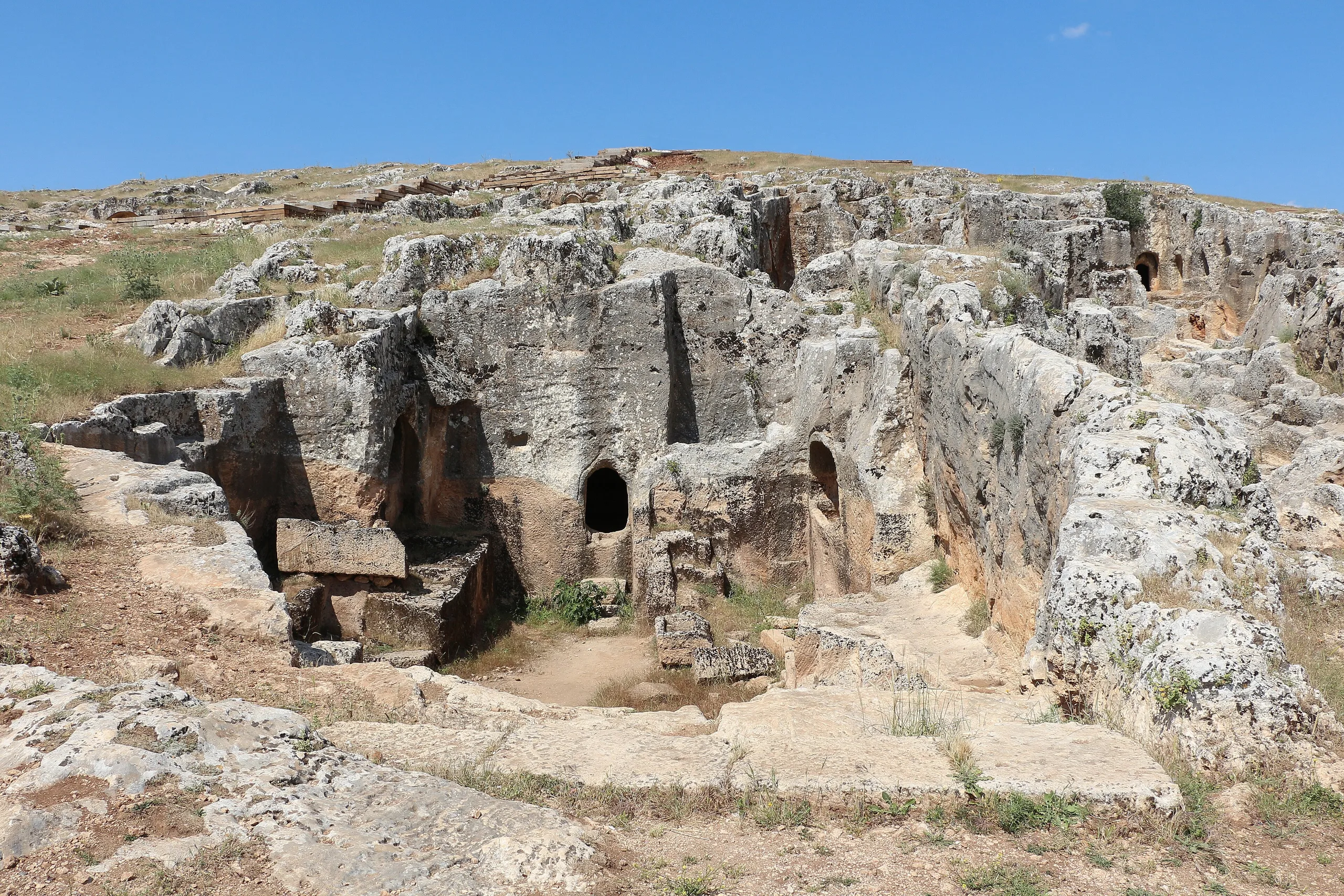
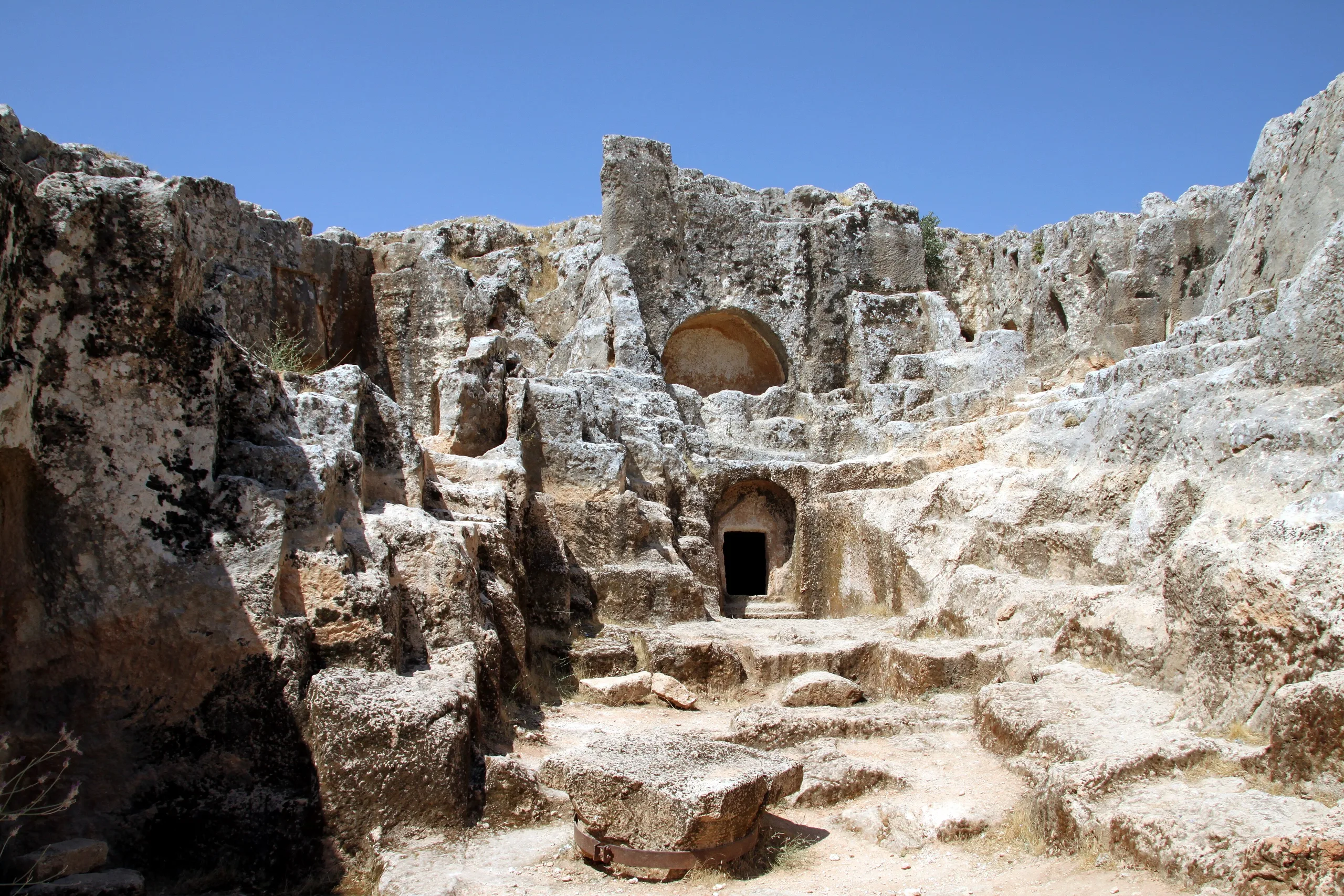
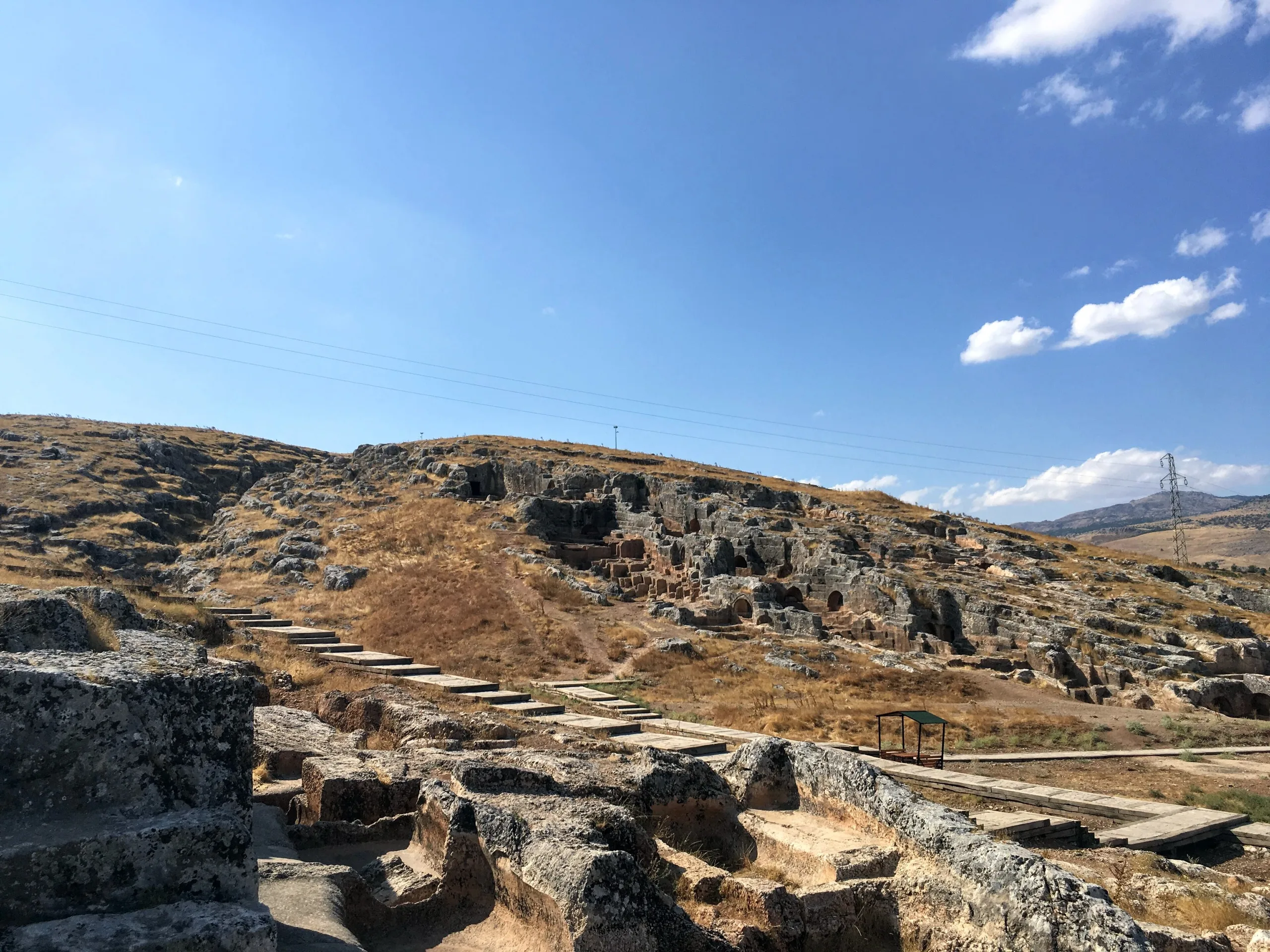
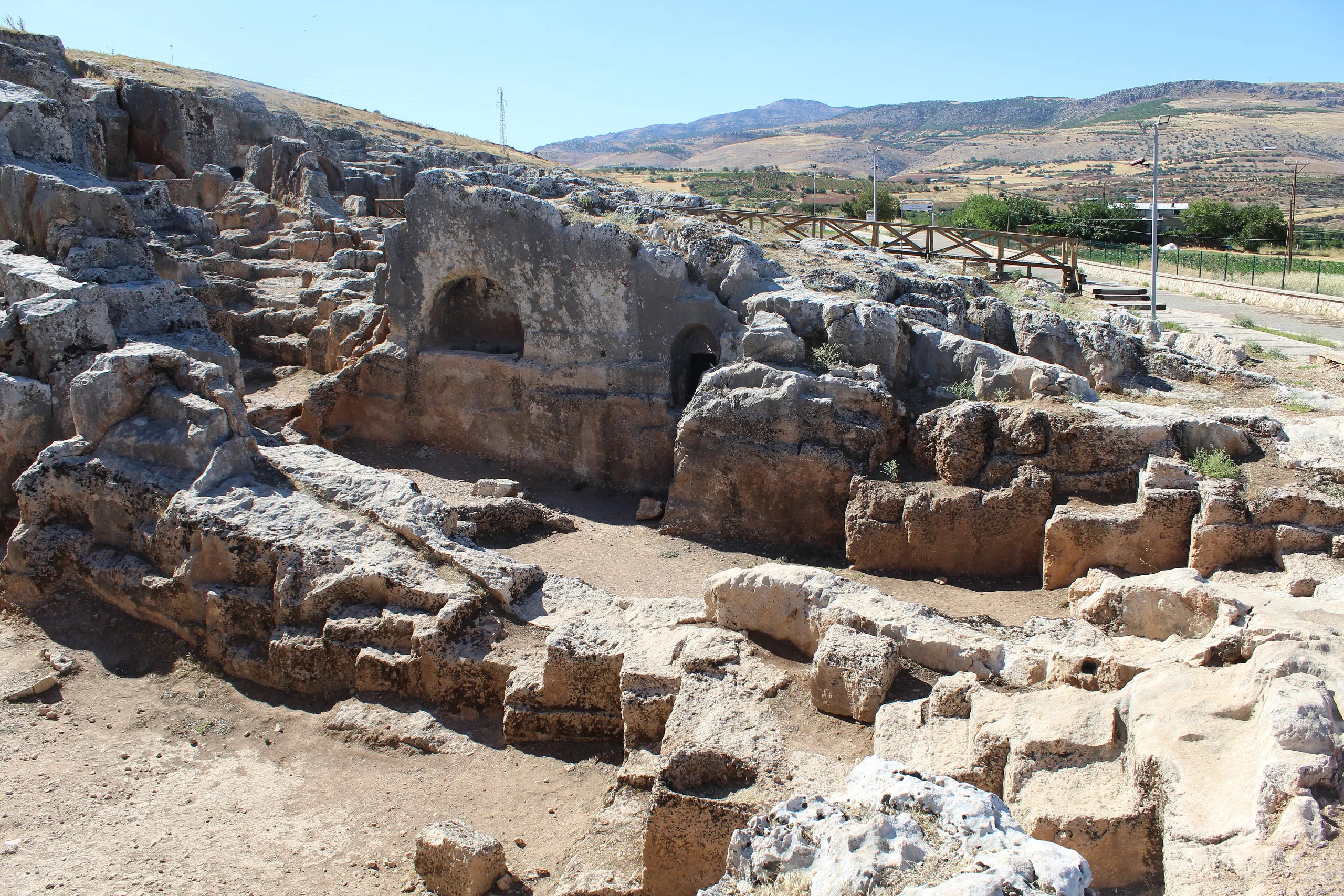
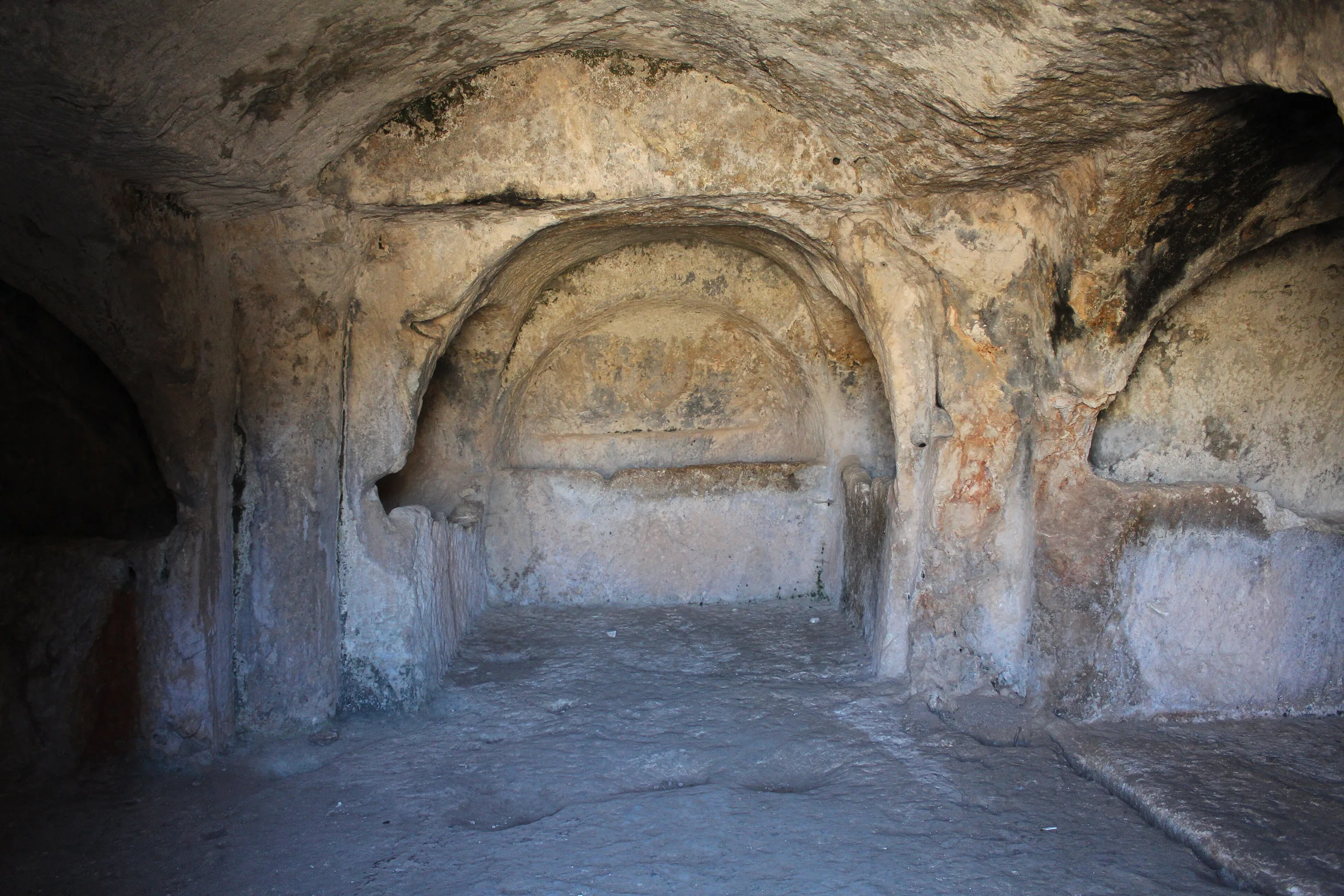
Perrhe has the largest necropolis in the region, with striking rock-cut tomb chambers. The site also has a cistern, wine-pressing workshops and Byzantine-era walls. The Ministry's English page says the true settlement area is today's Örenli neighbourhood, where people still live.
The Ministry presents a 155-square-metre mosaic as the largest single piece excavated in Adıyaman and dates it to the 5th century CE. At its centre a wild goat nibbles vine branches and leaves beside a hen, while a duck sits to one side and, on the other, a dove wearing a red neck ribbon. The Culture Portal dates the mosaic areas to the 5th century BCE, so the two Ministry sources differ on the date.
Visiting
See the official page for hours and entry terms. The Ministry's Turkish page states that the Museum Card is valid for Turkish citizens.
Gallery
Frequently asked questions
Where is Perrhe?
Which kingdom did it belong to?
What other names did it have?
Did Perrhe attend the Council of Nicaea?
How big is the mosaic?
Is the Museum Card valid?
Sources (13)
- Perre Örenyeri / Perre Archaeological Site (TR ve EN sayfalar) — T.C. Kültür ve Turizm Bakanlığı, Müzeler ve Örenyerleri
- Perre Antik Kenti - Adıyaman (kaynak: Adıyaman İl Kültür ve Turizm Müdürlüğü) — T.C. Kültür ve Turizm Bakanlığı, Türkiye Kültür Portalı
- Perrhe: A City in Commagene in the Light of Ancient Sources (A. Doğan), Cedrus IX, 2021, 377-388 — Akdeniz Üniversitesi, Cedrus (DergiPark)
- Perrhe (Wikidata Q1587735, P625) — Wikidata
Photo credits
- Photo: Klaus-Peter Simon, CC BY-SA 3.0 — Wikimedia Commons (resized)
- Photo: Klaus-Peter Simon, CC BY-SA 3.0 — Wikimedia Commons (resized)
- Photo: Ingeborg Simon, CC BY-SA 3.0 — Wikimedia Commons (resized)
- Photo: Bernard Gagnon, CC BY-SA 3.0 — Wikimedia Commons (resized)
- Photo: Bernard Gagnon, CC BY-SA 3.0 — Wikimedia Commons (resized)
- Photo: Klearchos Kapoutsis from Santorini, Greece, CC BY 2.0 — Wikimedia Commons (resized)
- Photo: Vav, CC BY-SA 4.0 — Wikimedia Commons (resized)
- Photo: Vincent Vega, CC BY-SA 4.0 — Wikimedia Commons (resized)
- Photo: Vincent Vega, CC BY-SA 4.0 — Wikimedia Commons (resized)