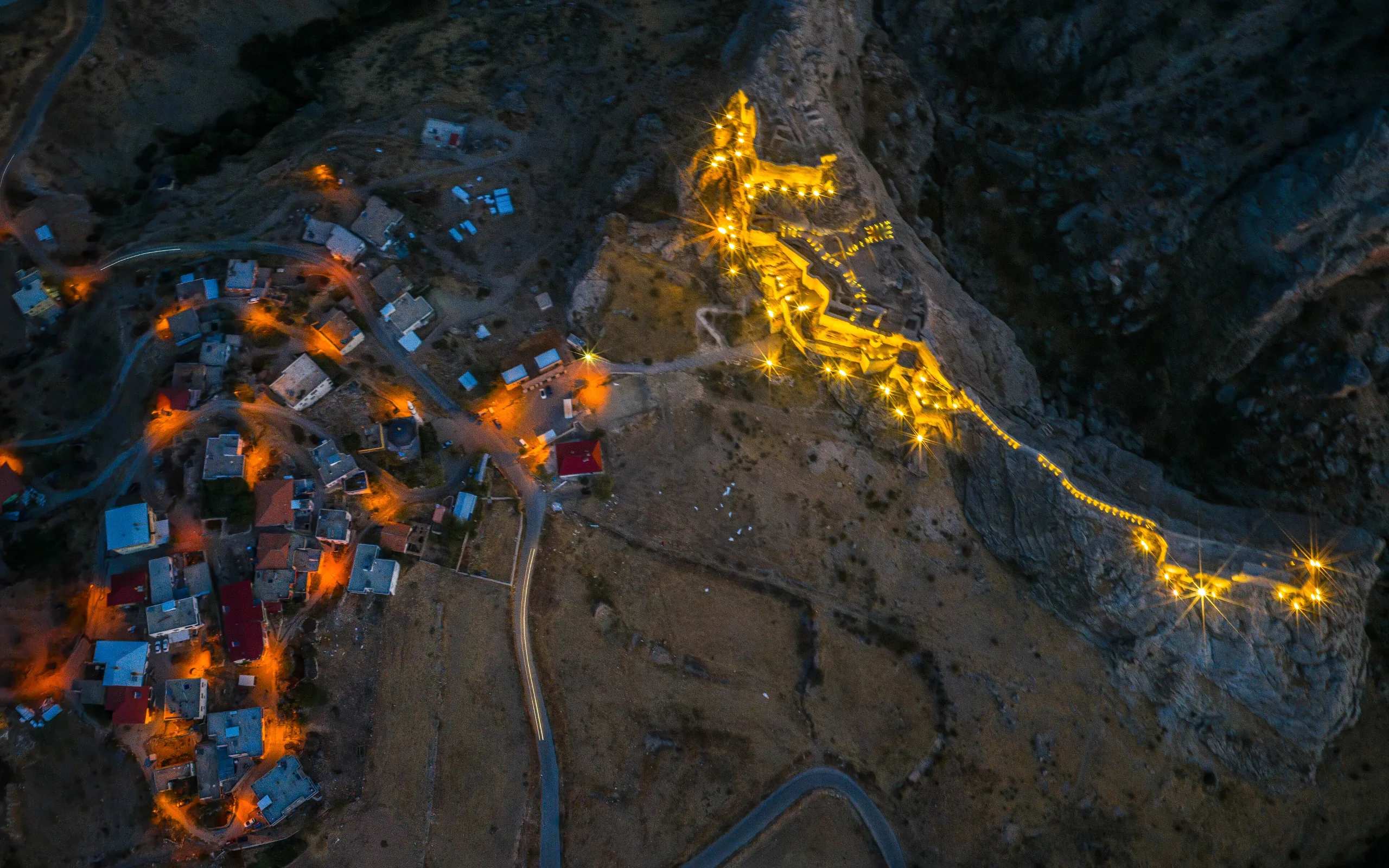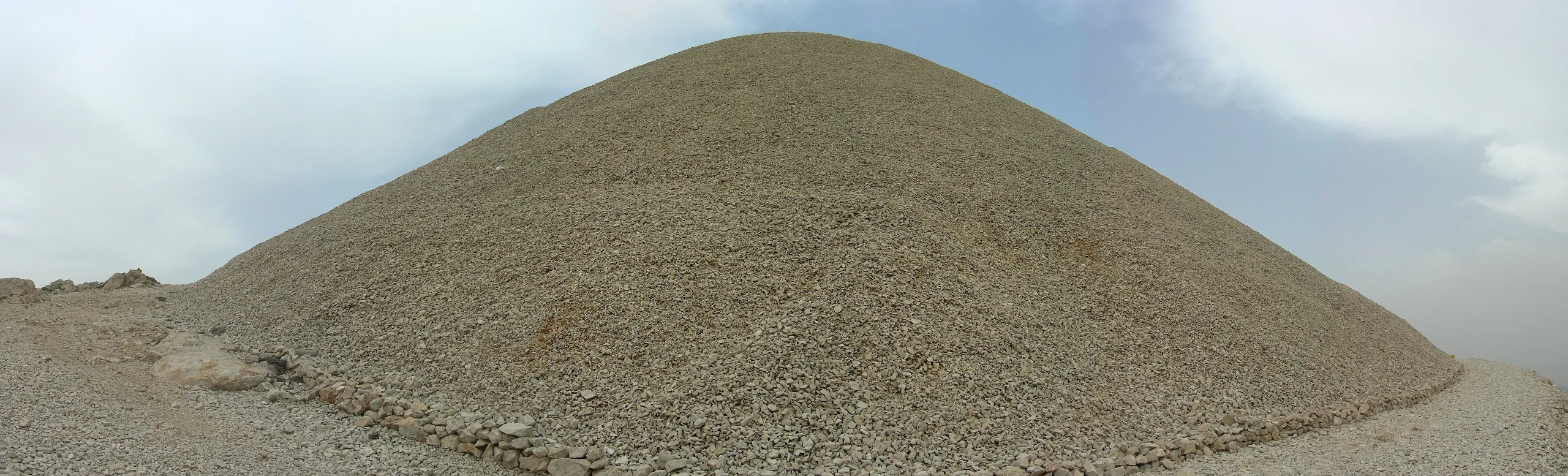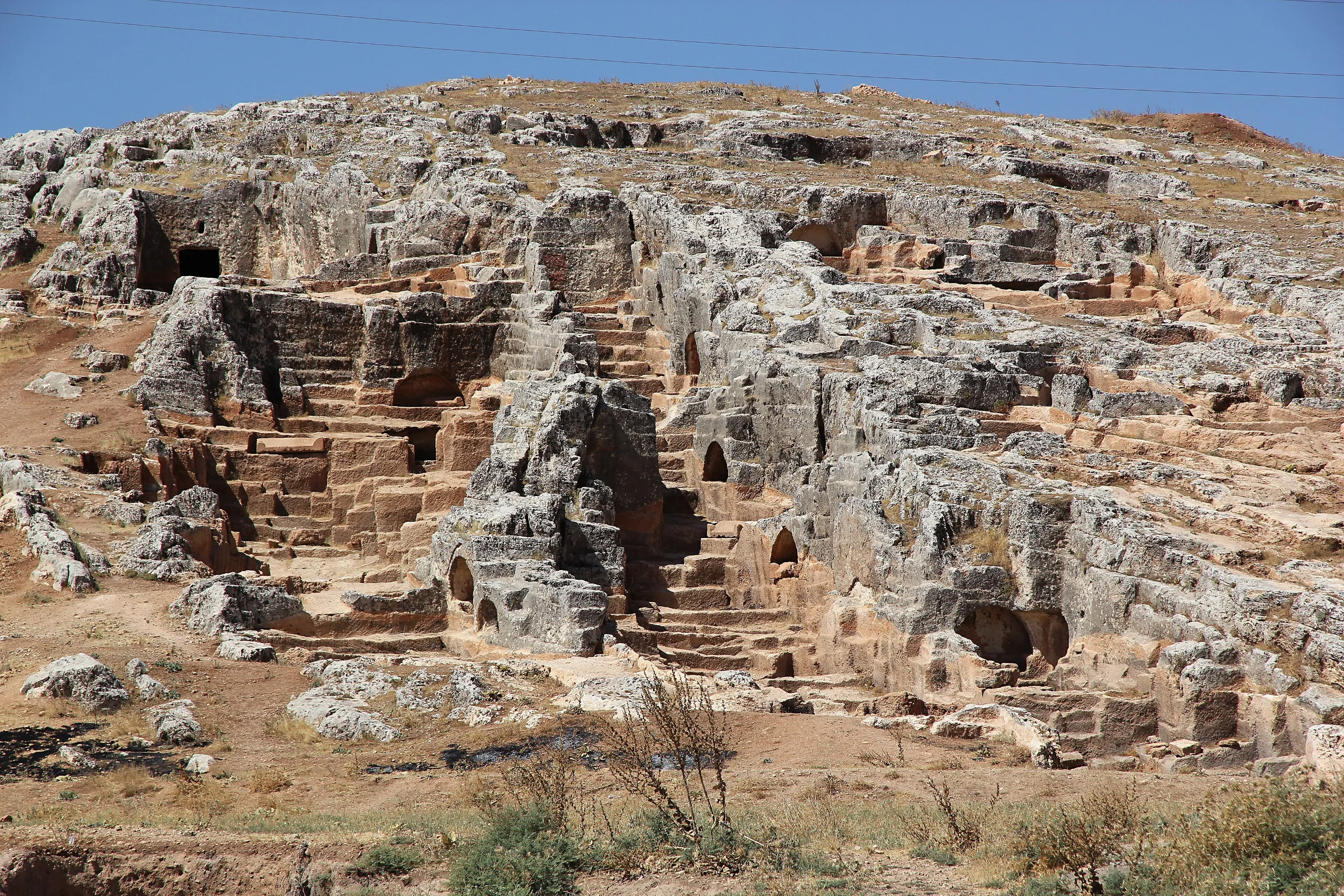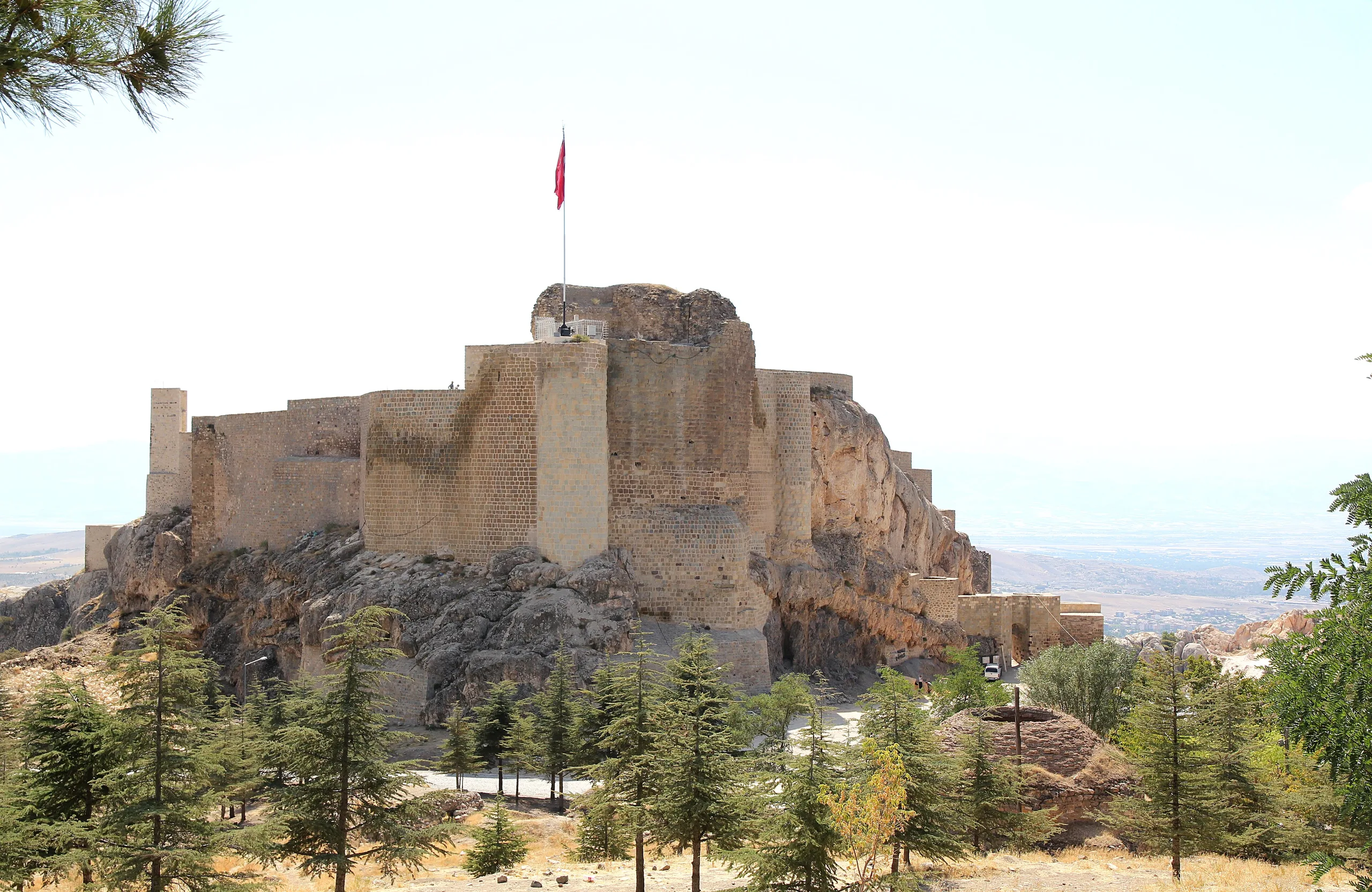
Arslantepe in Malatya is a mound whose Late Chalcolithic palace and Royal Tomb document early forms of administration; a World Heritage Site since 2021.
Arslantepe Mound is a place (Mound settlement) in Turkey, Malatya. Main periods: Roman Period, Byzantine Period, Chalcolithic Period, Bronze Age, Iron Age. It was inscribed on the UNESCO World Heritage List in 2021.
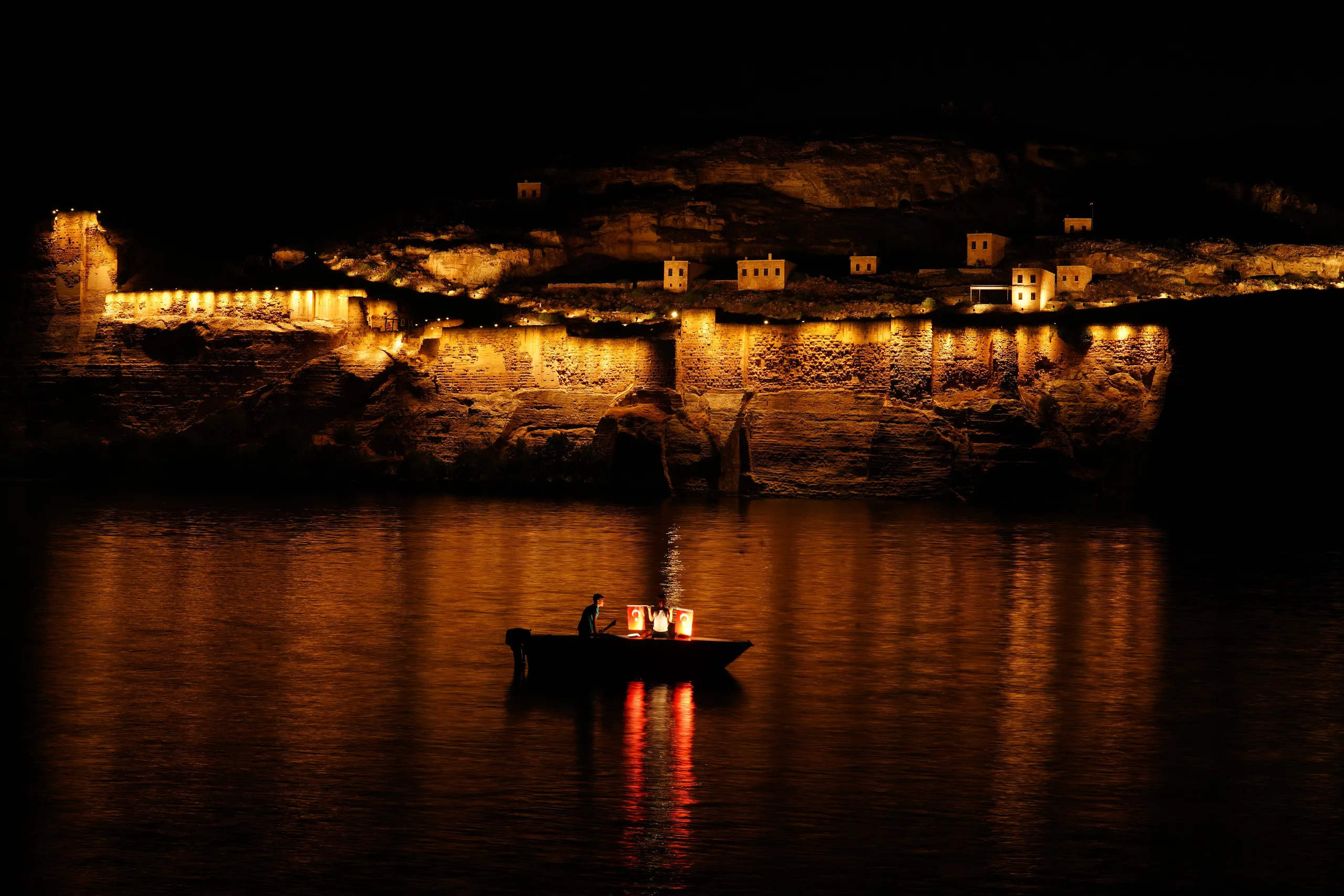
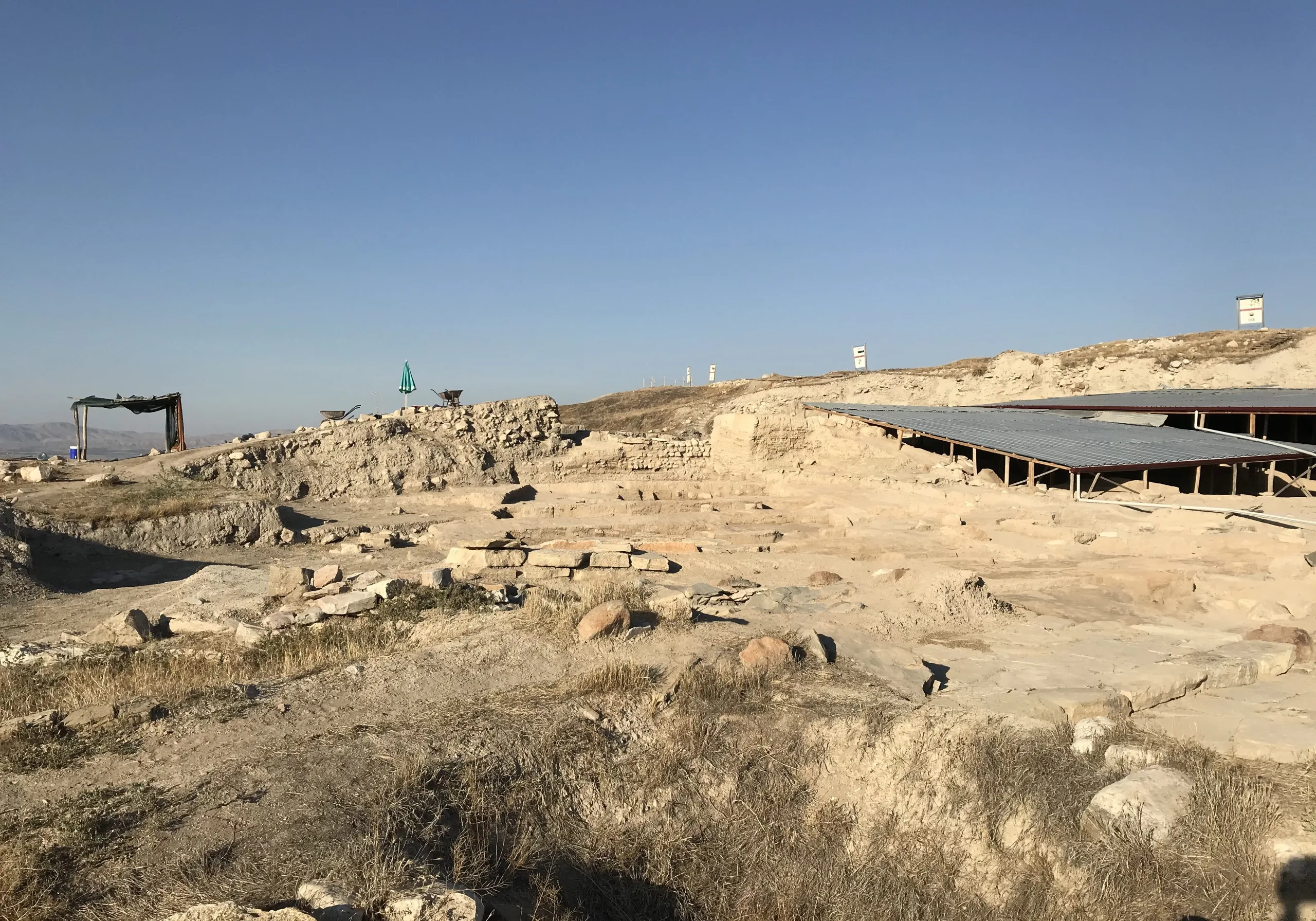
Arslantepe is a 30 m high mound north of Malatya, near the village of Orduzu. The ministry counts it among the largest mounds in Turkey, and people lived on it almost without interruption for millennia. UNESCO inscribed it on the World Heritage List in 2021.
Its global significance rests on a Late Chalcolithic palace complex preserved in unusual detail, offering a view into the earliest forms of administration and the life of an early elite.
Setting
The ministry puts the mound 7 km north-east of Malatya, whereas ICOMOS gives 5 km north of the city centre. It stands on the fertile Malatya plain, and ICOMOS and UNESCO describe it as some 12 km away from the Euphrates' right bank. The ministry gives the area as 4.5 hectares and ICOMOS speaks of a 4.85-hectare property. The ministry address is the Bahçebaşı neighbourhood, and the coordinates on this page come from Wikidata.
History
The ministry says the mound was inhabited from around 5000 BC to the 11th century AD; UNESCO and ICOMOS speak of use beginning no later than the 6th millennium BC and lasting into late Roman times. In the ministry's view, water, farmland and a position outside the Euphrates flood zone explain the unbroken settlement. In the Hittite age the city appears in sources under forms such as Malitiya and Meliddu.
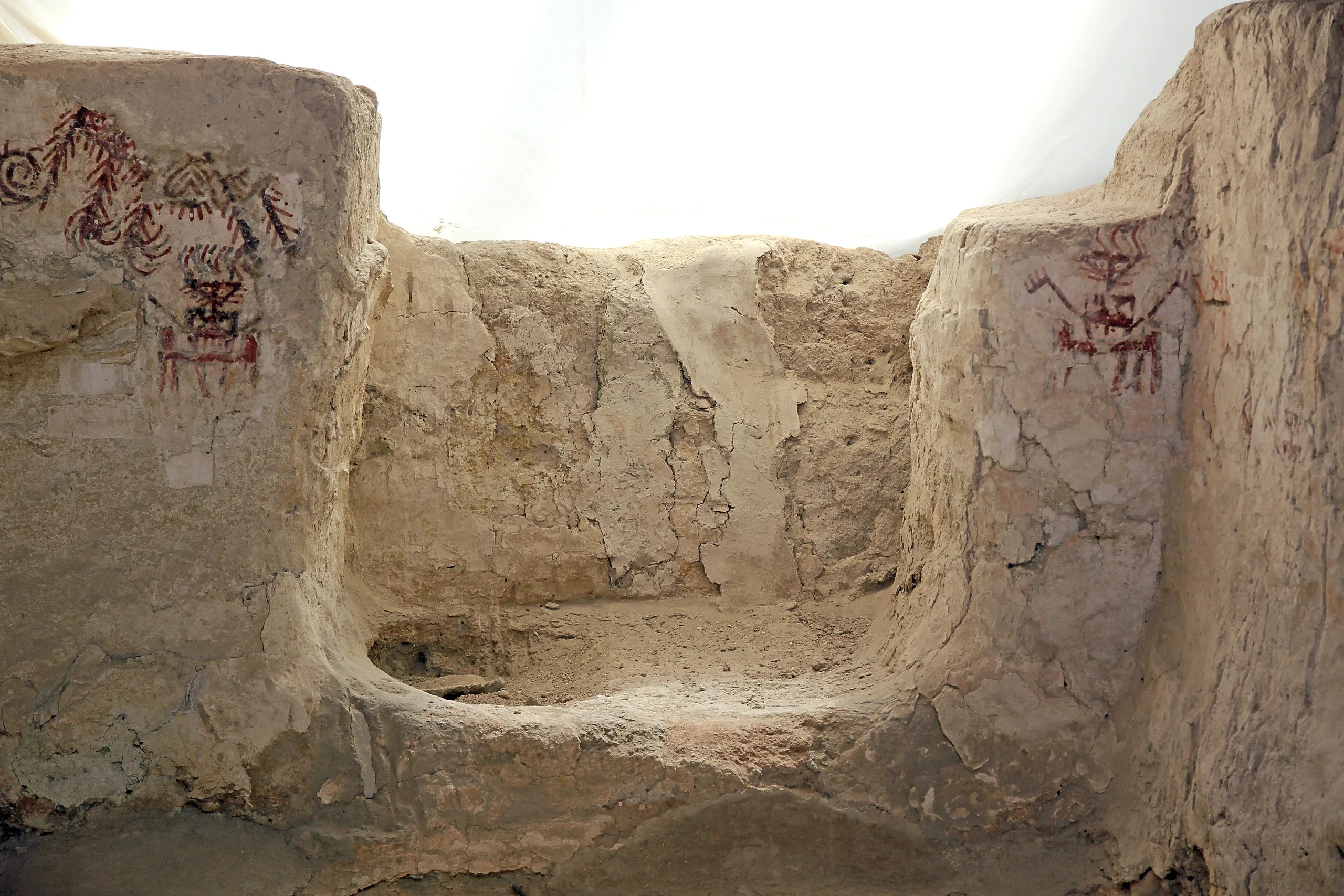
ICOMOS dates the earliest excavated levels to the close of the fifth millennium BC (Period VIII, roughly 4300-3900 BC). Period VII (3800-3400 BC) brings monumental buildings with wall paintings and white-plastered adobe columns and two large ceremonial buildings, Temples C and D, which yielded several hundred clay seal impressions and bowls. In Period VIA (3400-3100 BC) religious buildings lose their centrality, while a large courtyard and the so-called public palace, extending over more than 3,500 square metres, take their place.
According to ICOMOS the palace burned around 3100 BC. Pastoralists then settled on the ruins and an adobe building of a new type rose in the early Early Bronze Age. Between 2750 and 2000 BC the settlement was reorganised, with a town wall and a semicircular tower, and the Middle Bronze Age follows (2000-1750 BC). Iron Age town walls (1100-712 BC) still stand 3-4 m high. The same source reports that Sargon II of Assyria destroyed the Neo-Hittite town in 712 BC, after which only minor late Roman traces and a Byzantine cemetery appear. The ministry describes a Roman village here in the 5th and 6th centuries AD and a Byzantine necropolis later.
Main features and finds
The Late Chalcolithic palace complex
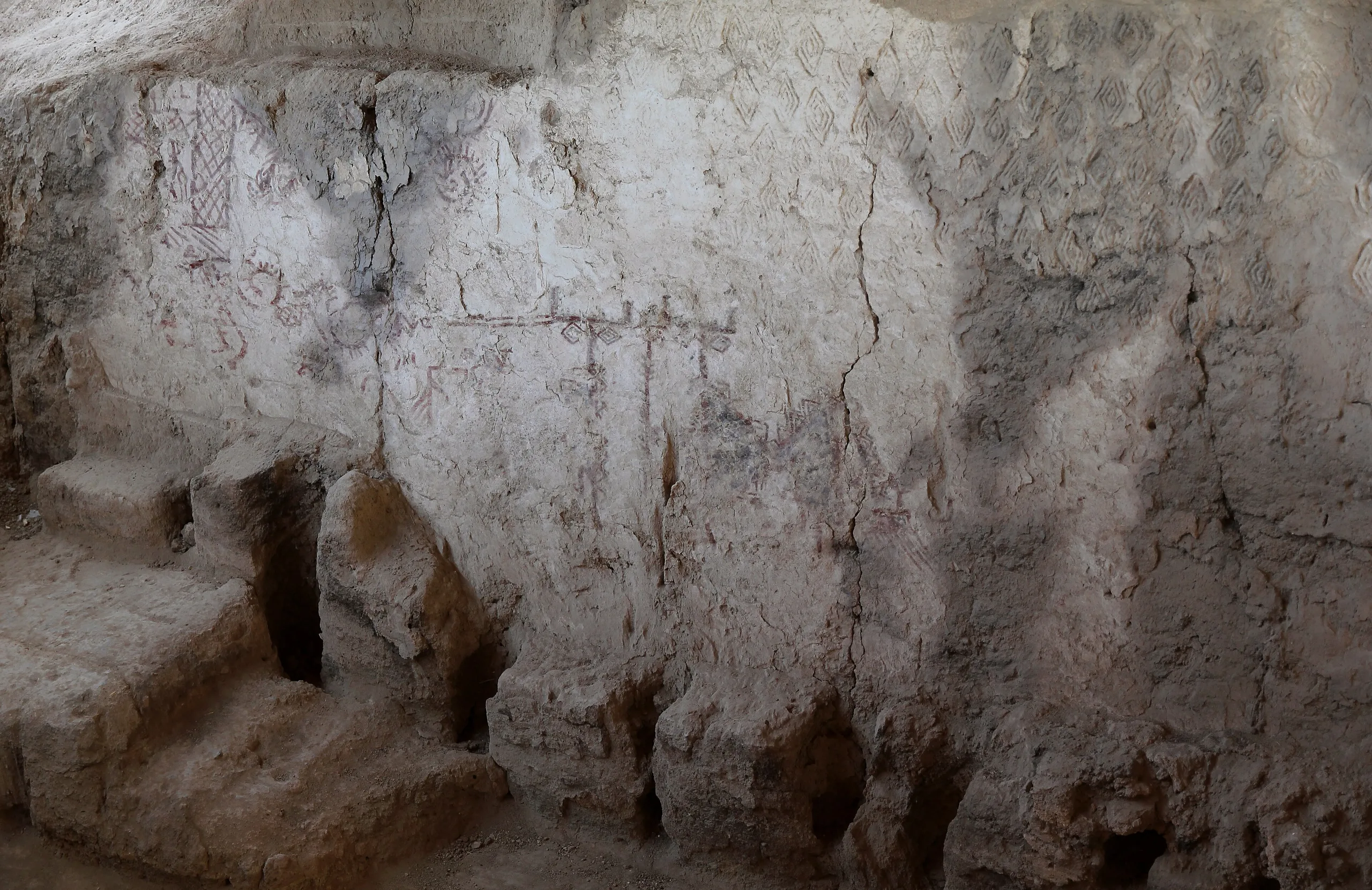
The ministry reports a mud-brick palace dated to 3300-3000 BC, while UNESCO gives 3400-3100 BC for the period. The corridor walls bear printed motifs and wall paintings, and the numerous seal impressions point to intense administrative activity and many officials. ICOMOS adds that the paintings did more than decorate: they carried ideological messages to those who entered, and a possible throne platform has been found. UNESCO calls it the largest unitary complex known from the Late Chalcolithic. A sudden and perhaps violent destruction sealed the evidence under collapsed walls.
Weapons and the Royal Tomb
The palace area produced arsenical-copper weapons, swords and daggers with silver inlay, high-footed fruit bowls and tall Mesopotamian-type vases; ICOMOS counts nine swords and twelve spearheads in the weapons group. The ministry adds that beside the palace lay a rich grave dated to 2900 BC, with the skeletons of four sacrificed young people on its stone lid, suggesting a royal burial. ICOMOS describes the Royal Tomb as a stone cist on the edge of the mound full of metal, weapons, tools and copper, silver and gold jewellery, and places it in the period of 3100-3000 BC.
Later remains
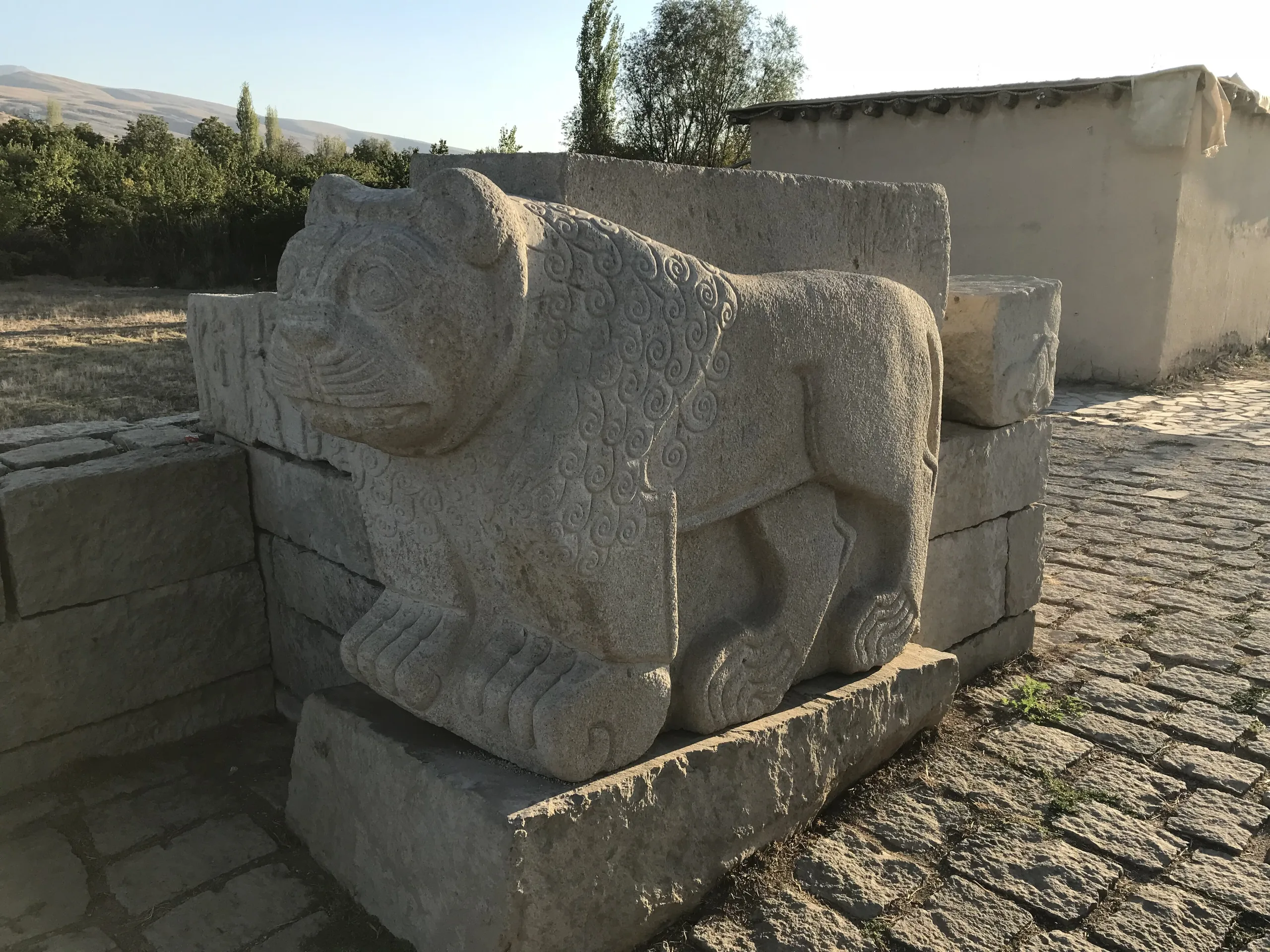
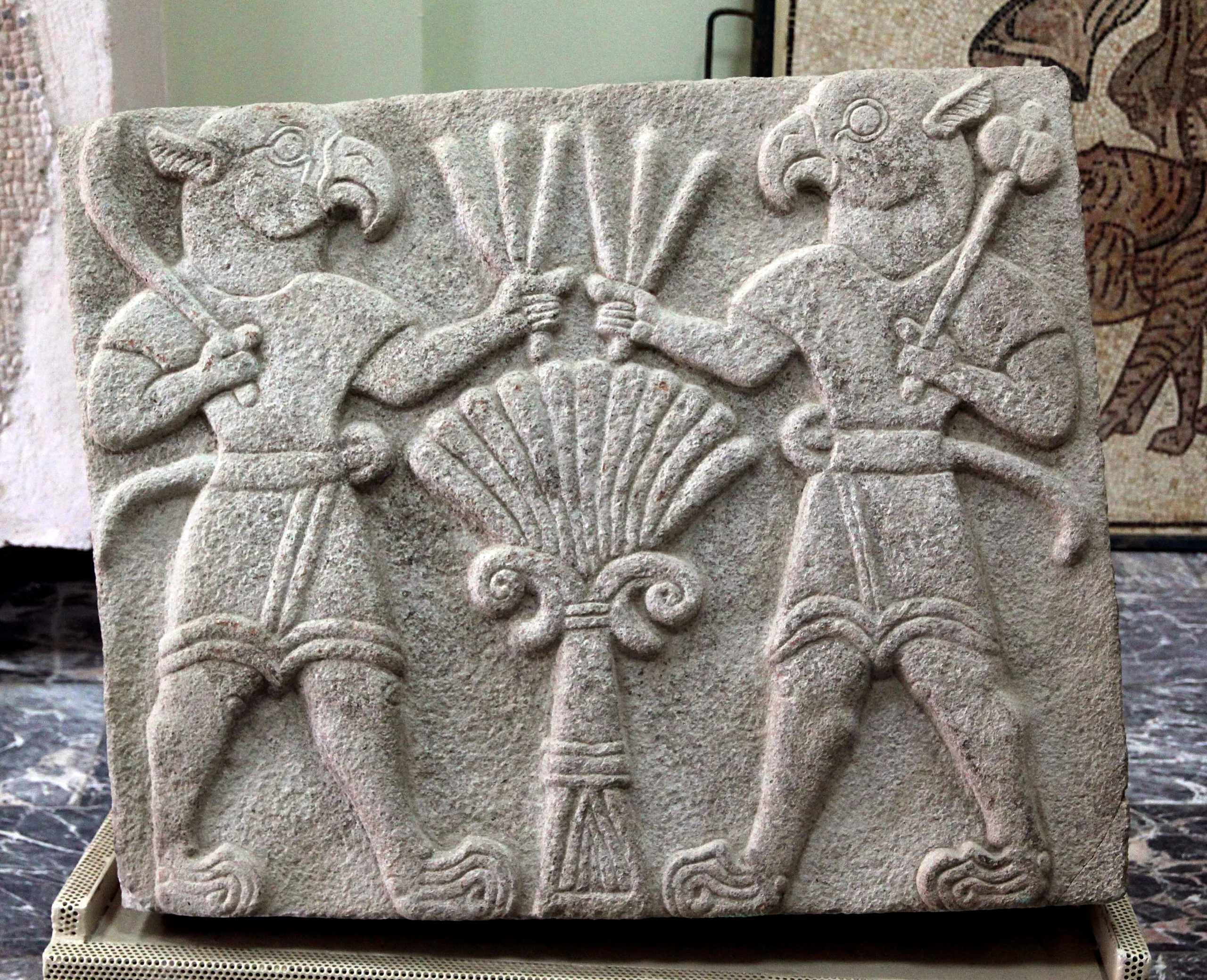
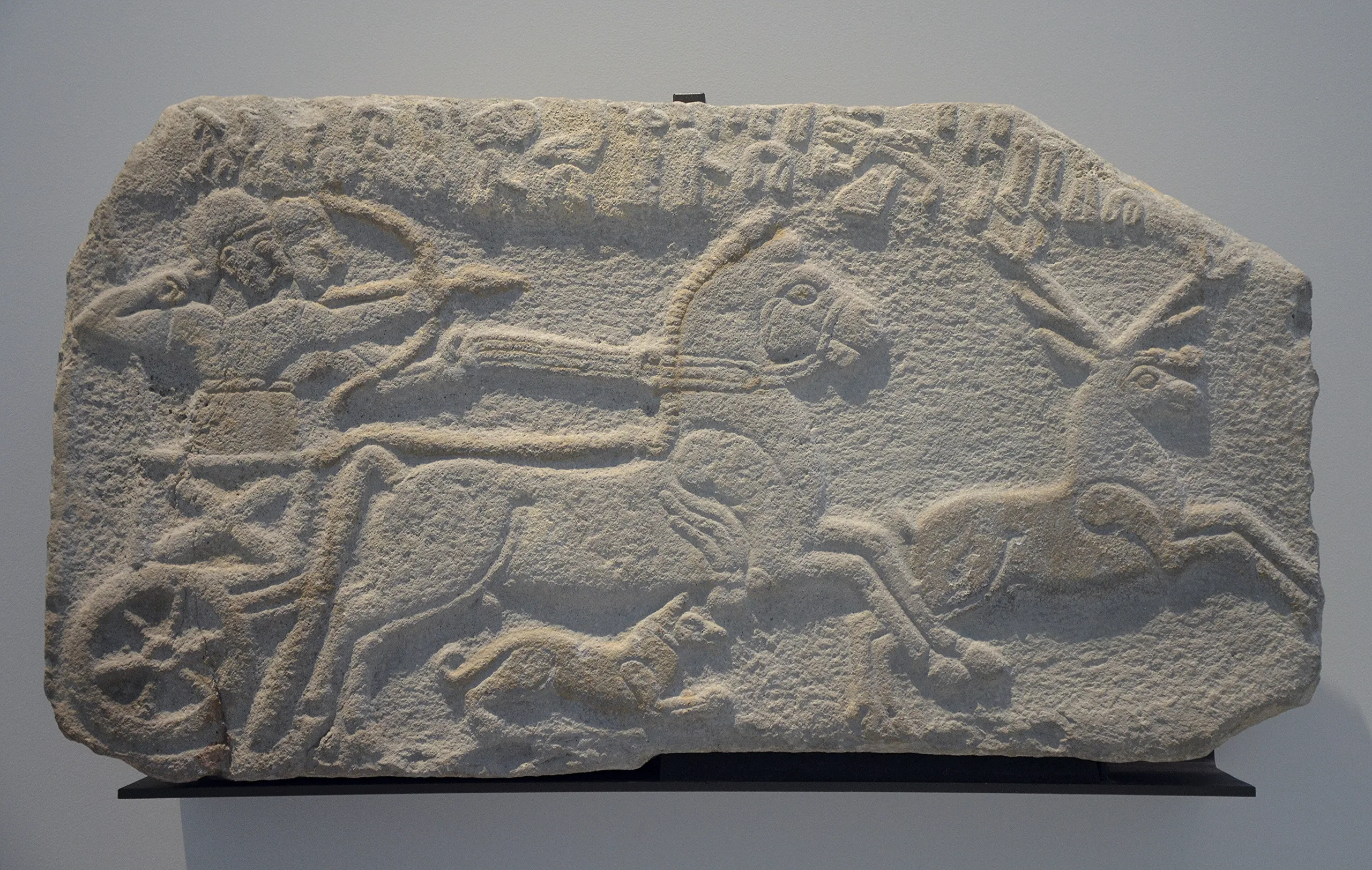
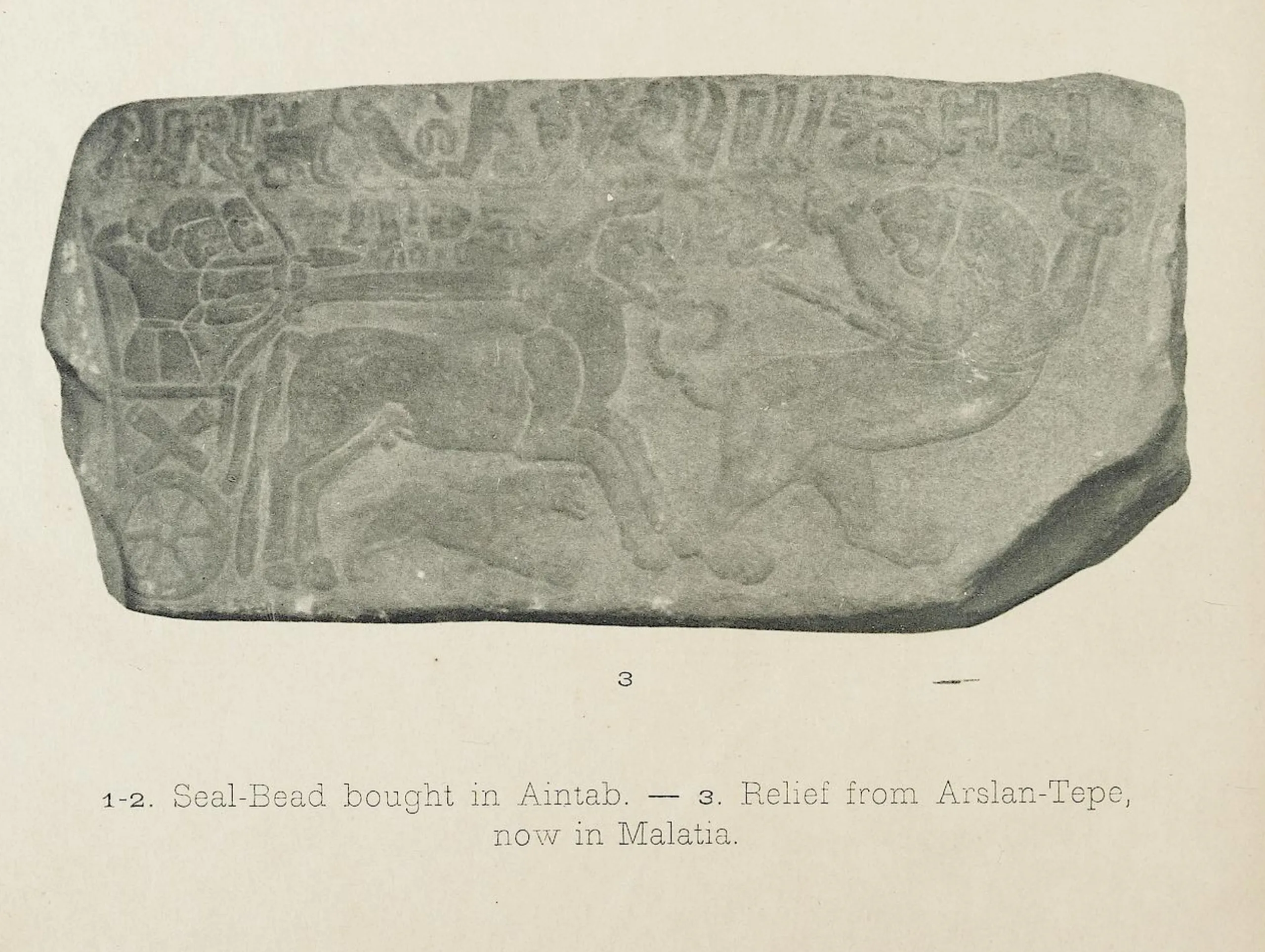
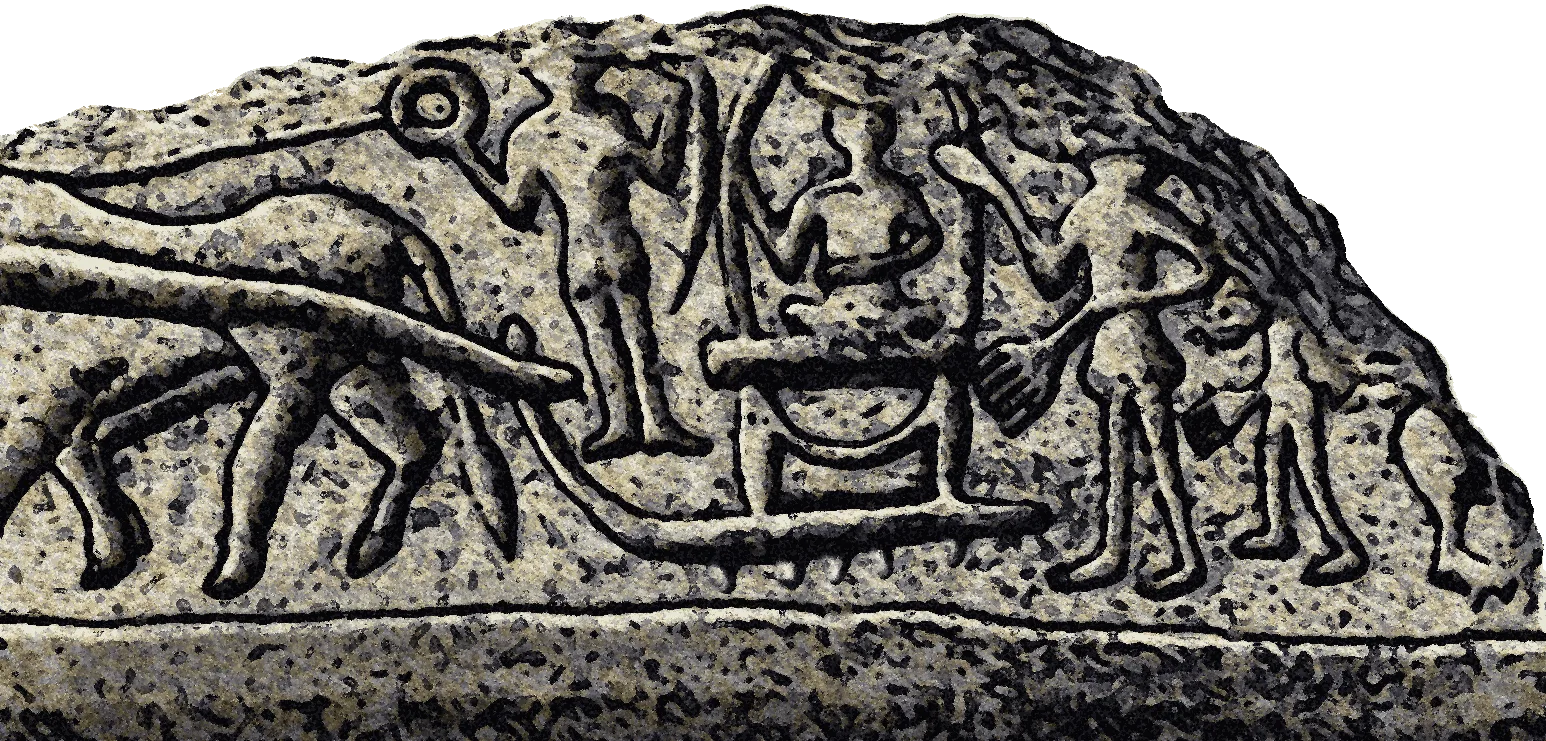
According to the ministry, the first digs yielded wall reliefs, among them a pair of lions and a statue of a king named Tarhunza. Malatya had no museum at the time, so they were sent to the Anatolian Civilisations museum in Ankara, which still shows them. A DergiPark article links the lion gate, typical of Neo-Hittite art, with the origin of the mound's name.
Excavation
The ministry and ICOMOS both place the start of digging in the 1930s, and ICOMOS ties it to a French team. The DergiPark article says L. Delaporte worked here in 1930, uncovering the Lion Gate and a Late Assyrian palace, and C. Schaeffer dug again in 1949-1951. An Italian project from Sapienza University began in 1961. The same article names A. Palmieri as director until 1990 and M. Frangipane from then until 2019, with F. Balossi Restelli leading the work today. ICOMOS notes that research over the last 45 years concentrated on the prehistoric and protohistoric layers in the western and south-western parts of the mound, with a campaign in the north-east in 2008 studying the Hittite and transitional periods. The Sapienza project record mentions newer finds of a tripartite temple, an area for rites and burials and a monumental elite residential quarter, and a second- and first-millennium sequence showing the mound as a regional capital in the Hittite Empire's time.
Finds and museums
The ministry says finds from the site are displayed in Malatya Archaeological Museum. It counts more than two thousand seal impressions and metal artefacts and reads the mound as an important official, religious and cultural centre where an aristocracy arose and an early form of state emerged.
World Heritage and protection
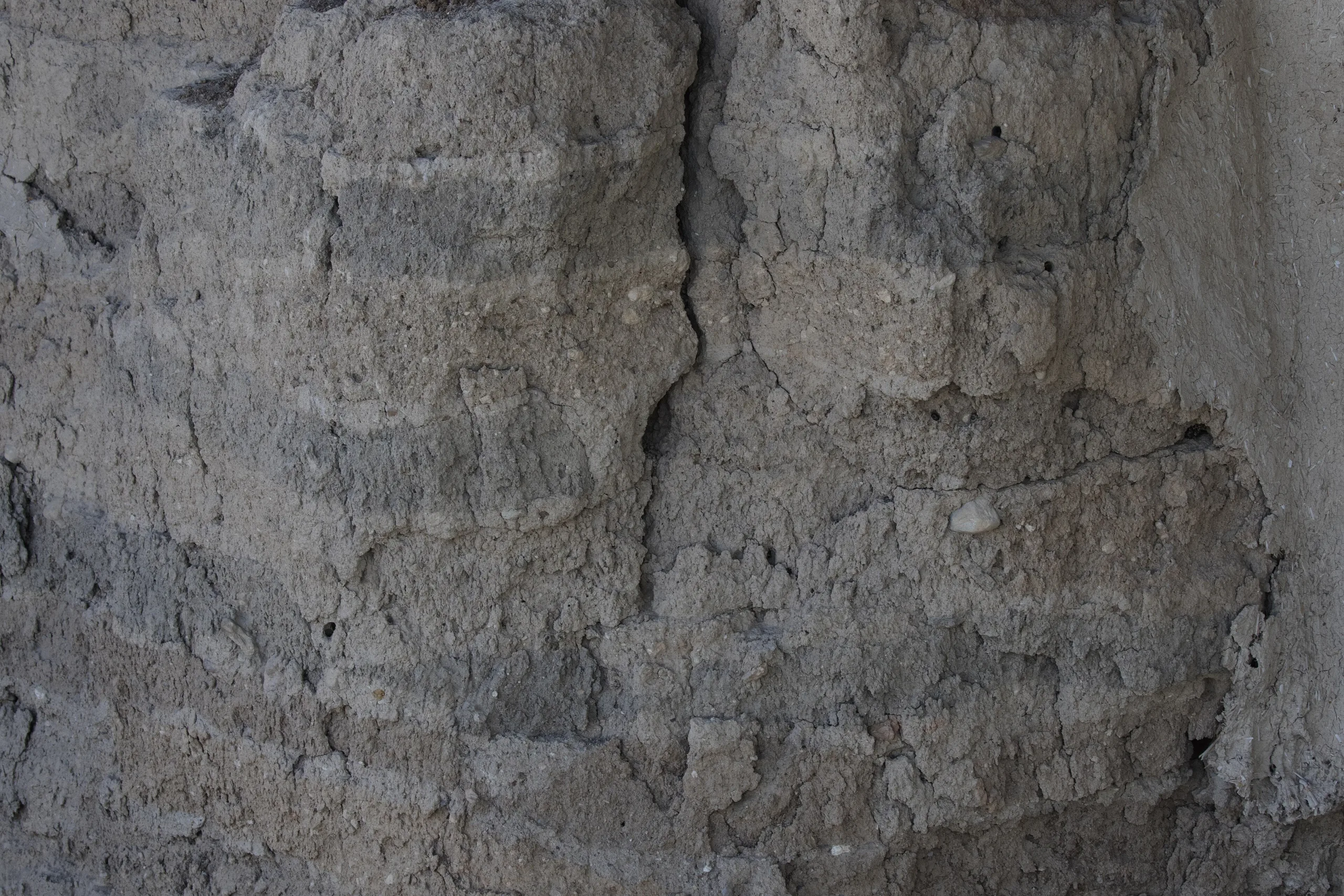
Added to the Tentative List in 2014, the mound was inscribed in 2021 under criterion (iii). UNESCO sees an exceptional testimony to early administrative elites in the Late Chalcolithic. The Adana regional council granted first-degree archaeological site status on 20 January 1989 and the boundaries were widened on 23 December 2010, with the surroundings a third-degree zone. Adobe remains are protected by two roof shelters; ICOMOS considers the system a success but notes that uncovered areas remain exposed to runoff, and names development in Orduzu and seismic risk among the main concerns. The management plan for 2019-2024 was approved in January 2019.
Visiting
For current hours and fees see the ministry's official page. Its Turkish page says holders of the Turkish ID card may enter with the Müzekart.
Gallery
Frequently asked questions
Where is Arslantepe?
When did Arslantepe become a World Heritage Site?
Why is Arslantepe important?
How old is the mound?
When was the palace destroyed?
What was found in the Royal Tomb?
Who excavates Arslantepe?
Where are the finds kept?
Sources (15)
- Arslantepe Örenyeri / Arslantepe Mound (TR ve EN sayfalar) — T.C. Kültür ve Turizm Bakanlığı, Müzeler ve Ören Yerleri
- Arslantepe Mound - World Heritage List 1622 (özet ve Üstün Evrensel Değer metni) — UNESCO World Heritage Centre
- Advisory Body Evaluation No 1622: Arslantepe Mound (ICOMOS, 2020) — ICOMOS / UNESCO
- Excavations and Researches at Arslantepe-Malatya (Turkey), proje kaydı — Sapienza Università di Roma
- Yavuz, Ç. ve Çokal, Z., Malatya Arslantepe'nin Turizm Potansiyeli: SWOT Analizi ile Bir Değerlendirme, Journal of Tourism Research Institute 5(2), 2024 — DergiPark
- Arslantepe (Wikidata Q705132) — Wikidata
Photo credits
- Photo: Zeynel Cebeci, CC BY-SA 4.0 — Wikimedia Commons (resized)
- Photo: Klaus-Peter Simon, CC BY-SA 3.0 — Wikimedia Commons (resized)
- Photo: Zeynel Cebeci, CC BY-SA 4.0 — Wikimedia Commons (resized)
- Photo: Klaus-Peter Simon, CC BY-SA 3.0 — Wikimedia Commons (resized)
- Photo: Zeynel Cebeci, CC BY-SA 4.0 — Wikimedia Commons (resized)
- Photo: Ingeborg Simon, CC BY-SA 3.0 — Wikimedia Commons (resized)
- Photo: Carole Raddato from FRANKFURT, Germany, CC BY-SA 2.0 — Wikimedia Commons (resized)
- Photo: David Hogarth, CC BY-SA 3.0 — Wikimedia Commons (resized)
- Photo: José-Manuel Benito, Public domain — Wikimedia Commons (resized)