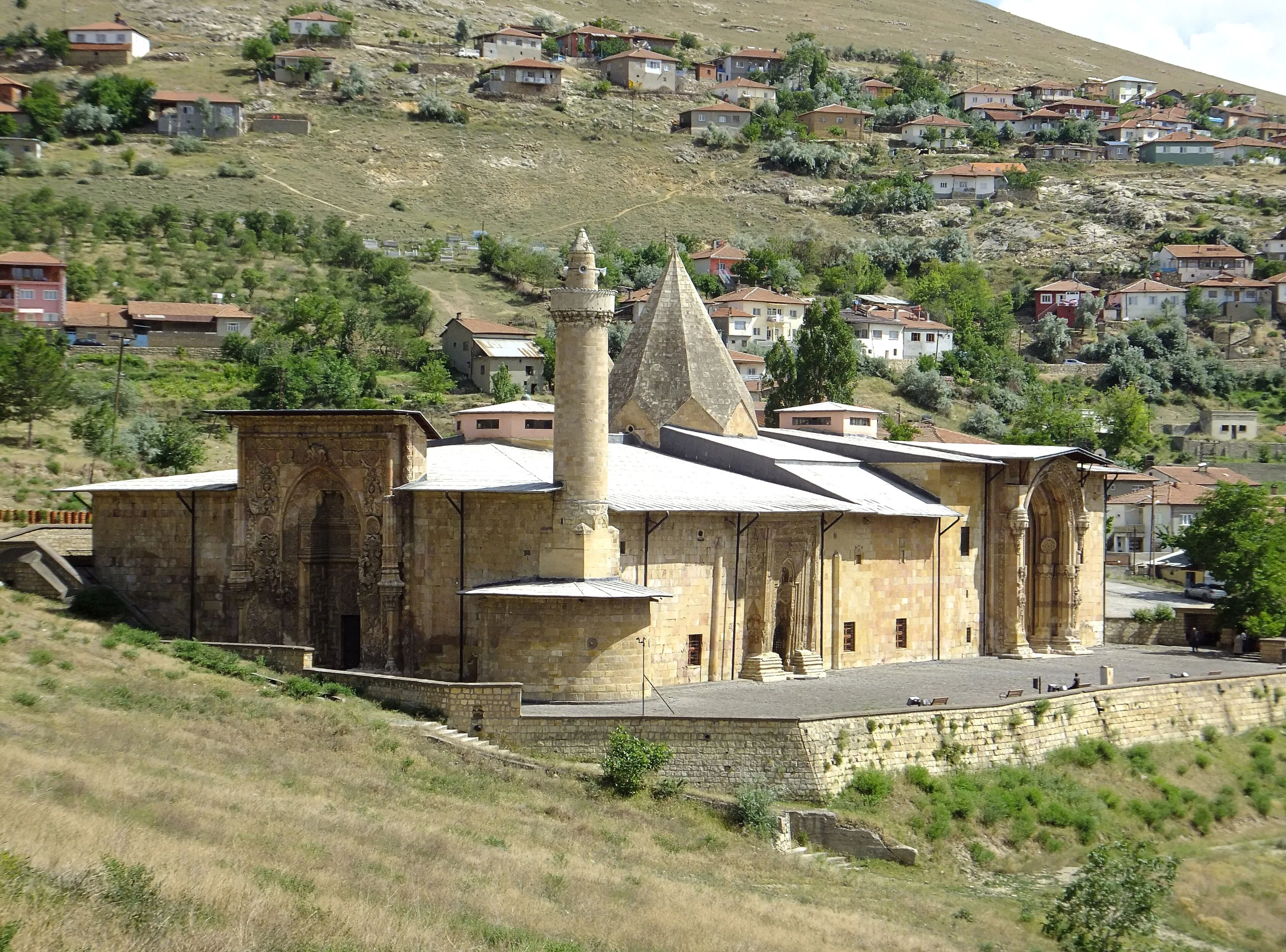
The Great Mosque and Hospital of Divriği in Sivas, founded in 1228-1229 by the Mengücekid Ahmed Shah and his wife Turan Melek, is a UNESCO complex famed for its portals.
Great Mosque and Hospital of Divriği is a place (Mosque) in Turkey, Sivas. Main periods: Seljuk Period, Beyliks Period. It was inscribed on the UNESCO World Heritage List in 1985.
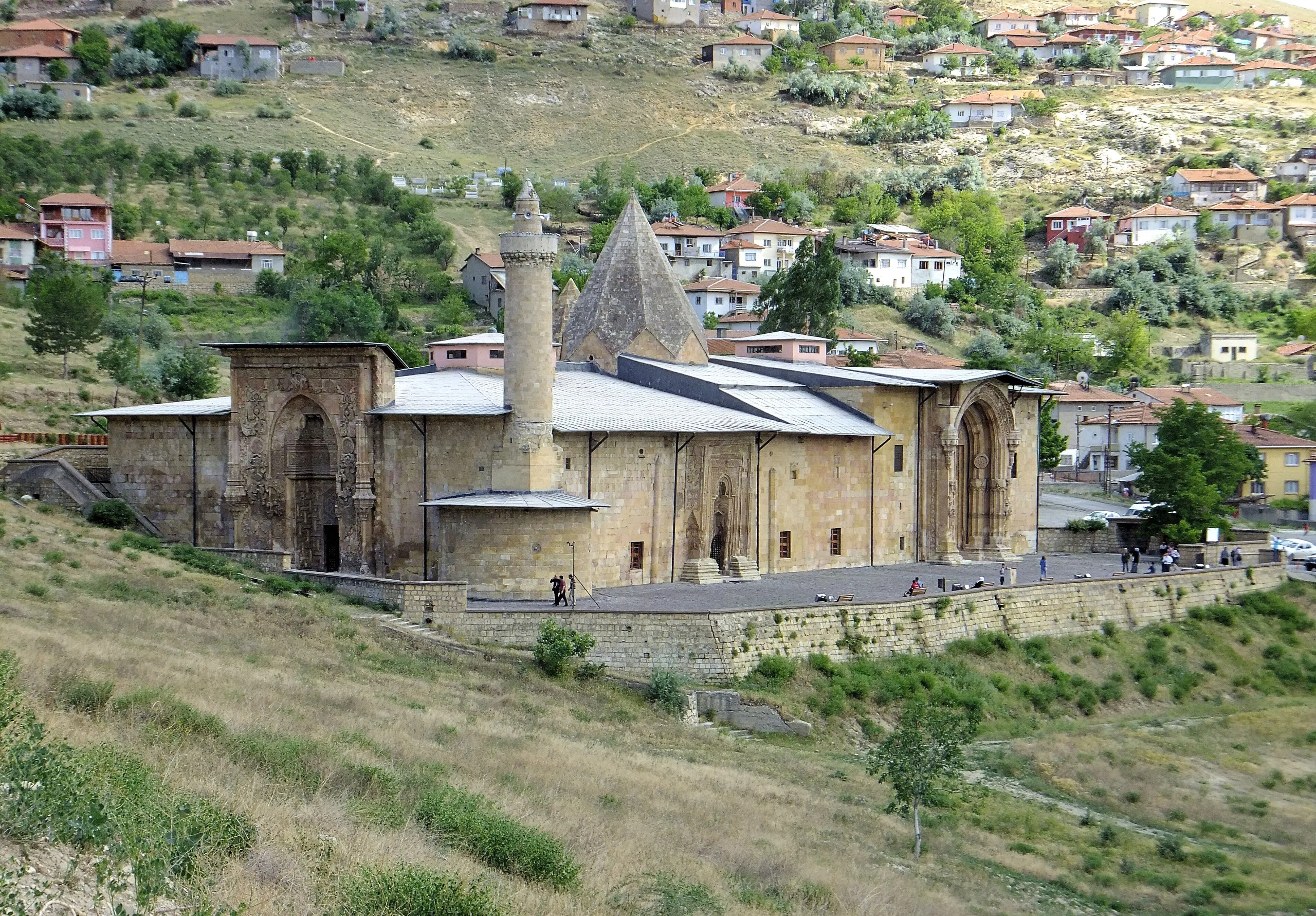
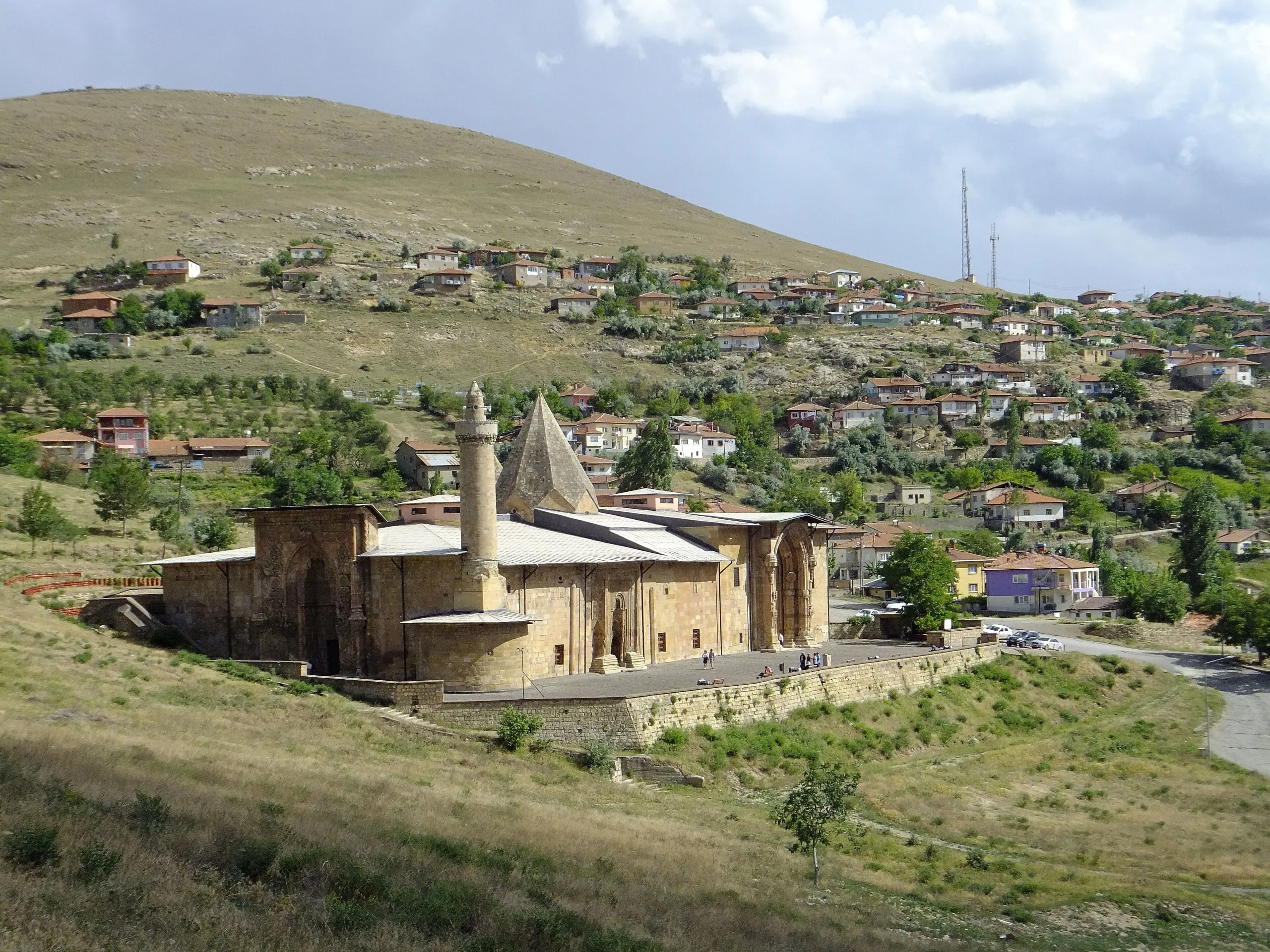
The Divriği Great Mosque and Hospital stands as a Mengücekid complex in the Divriği district of Sivas, built on an artificial terrace at the south-western foot of the castle. The group of mosque, hospital (darüşşifa) and tomb was inscribed on the UNESCO World Heritage List in 1985.
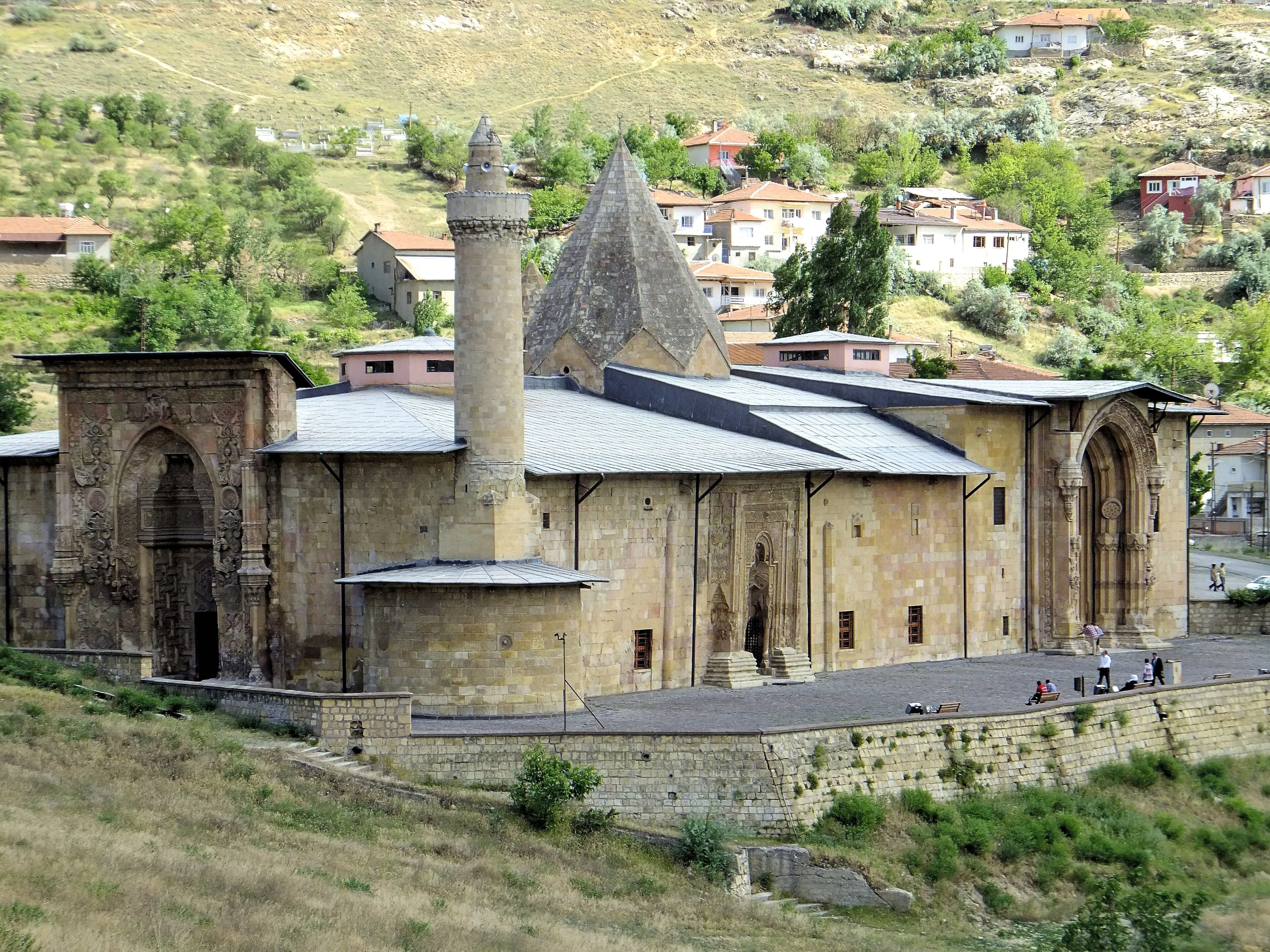
Behind plain outer walls, the surprise lies in four carved portals, each unlike the others, and in the vault systems inside. UNESCO counts it among the most beautiful built spaces of Islamic architecture.
Location
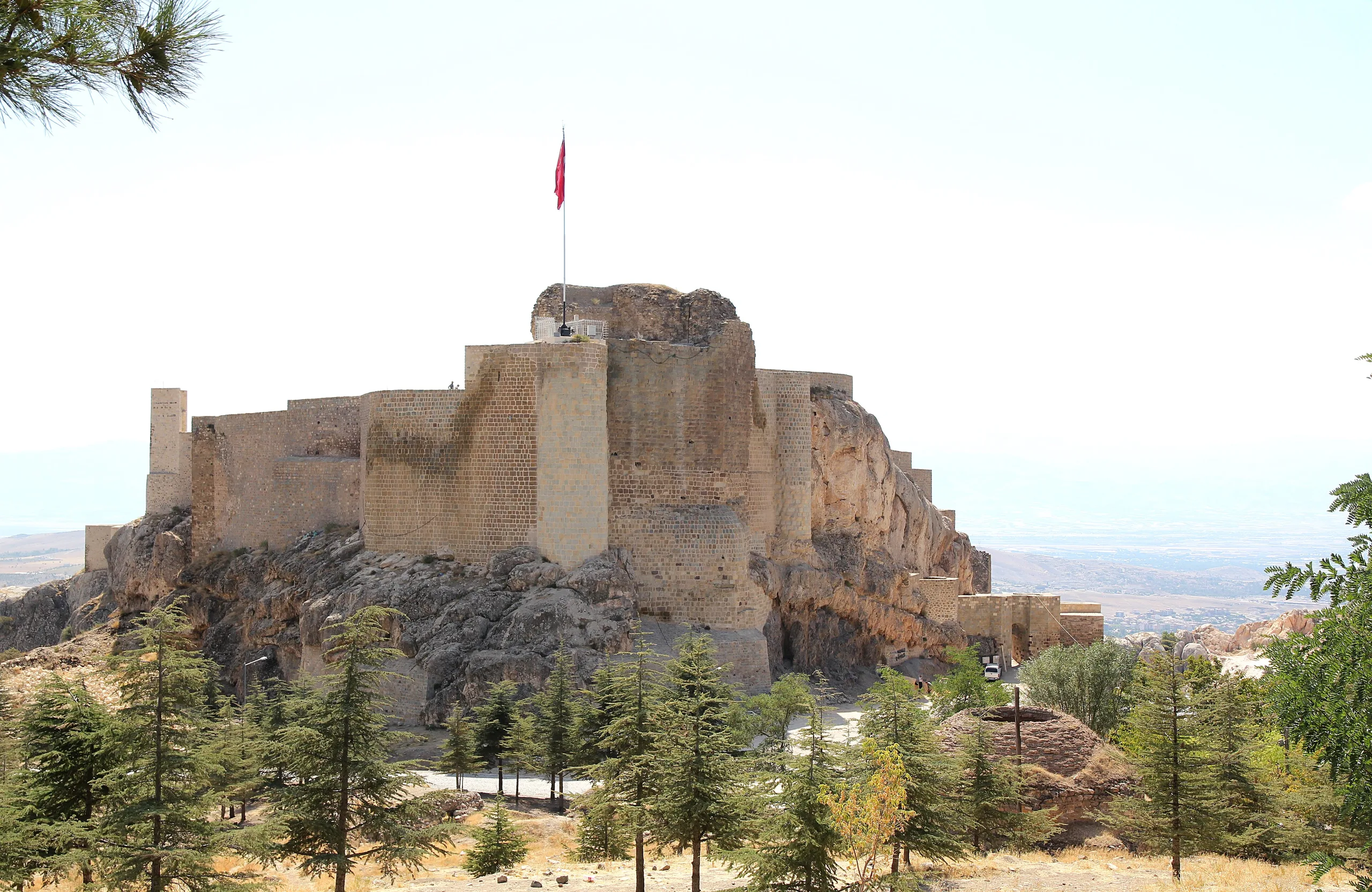
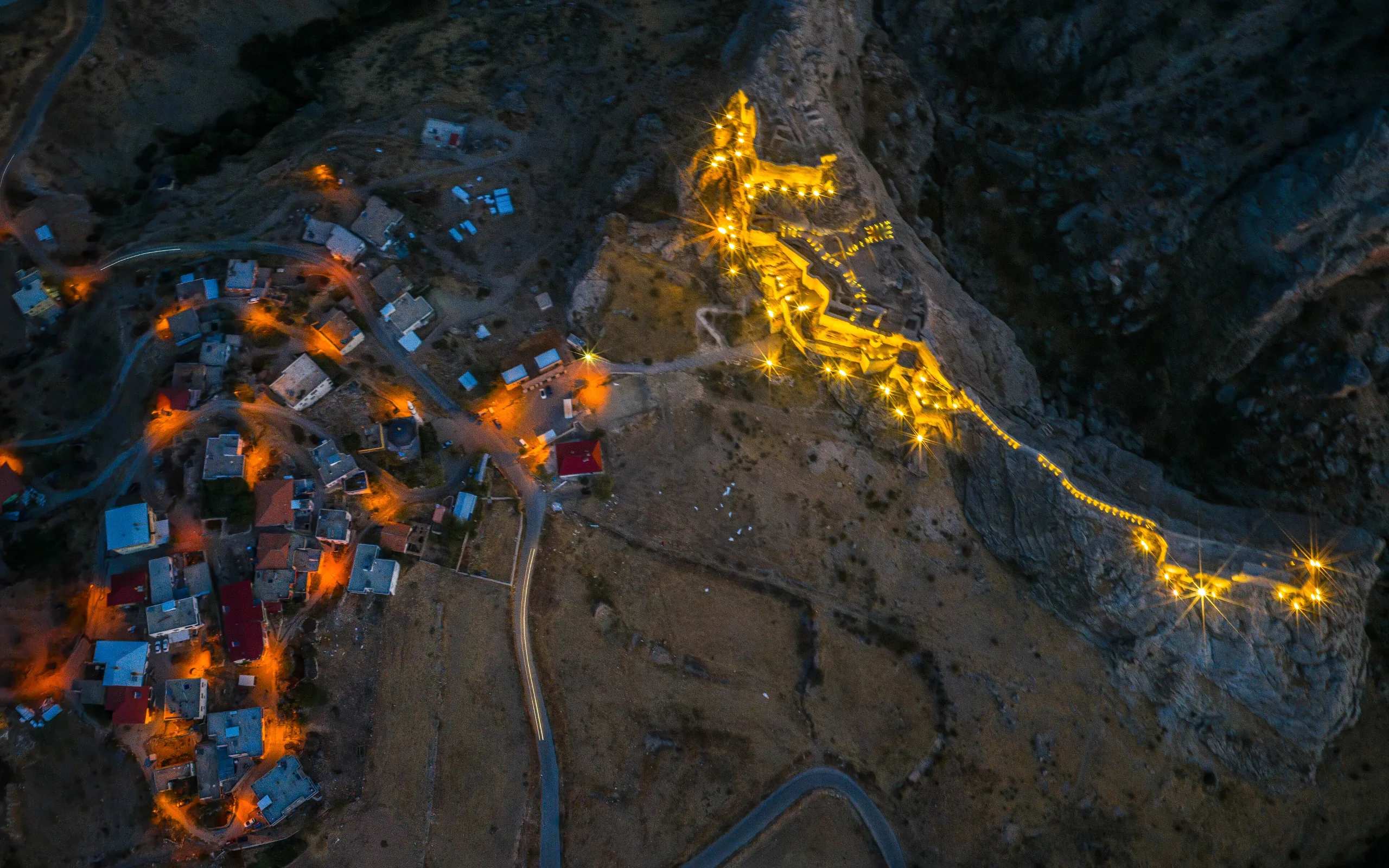
The Culture Portal gives the address as Kale neighbourhood in Divriği, reached from the Kangal-Divriği junction at km 96 of the Sivas-Malatya road, 80 km away. The Sivas provincial culture and tourism directorate's inventory places the complex on an artificial terrace in the south-west of the castle and names the General Directorate of Foundations as the body responsible for its upkeep. The coordinates on this page come from Wikidata.
History
According to ICOMOS, Divriği fell to the Turks after 1071, was given to Mengücek Bey in 1118 and was ruled by the Mengücekids almost without interruption until the Mongol occupation of 1277. The rectangular ensemble from that first Turkish period measures 64 by 32 m in ICOMOS's description.
UNESCO and ICOMOS say the emir Ahmed Shah founded the mosque in 1228-1229. The adjoining hospital was founded by his wife Turan Melek; UNESCO names the architect Hurrem Shah and ICOMOS Hurremshah of Ahlat, adding that the two buildings were raised at the same time by the same architect. The Culture Portal likewise credits the mosque to Ahmet Şah, son of Süleyman Şah, and the hospital to Turan Melek. A DergiPark article calls the architect Hürremşah of Ahlat, son of Muîs, and notes that this is regarded as his only known work. ICOMOS thinks a fourth opening on the east side dates from about 1241.
Main features
The Great Mosque
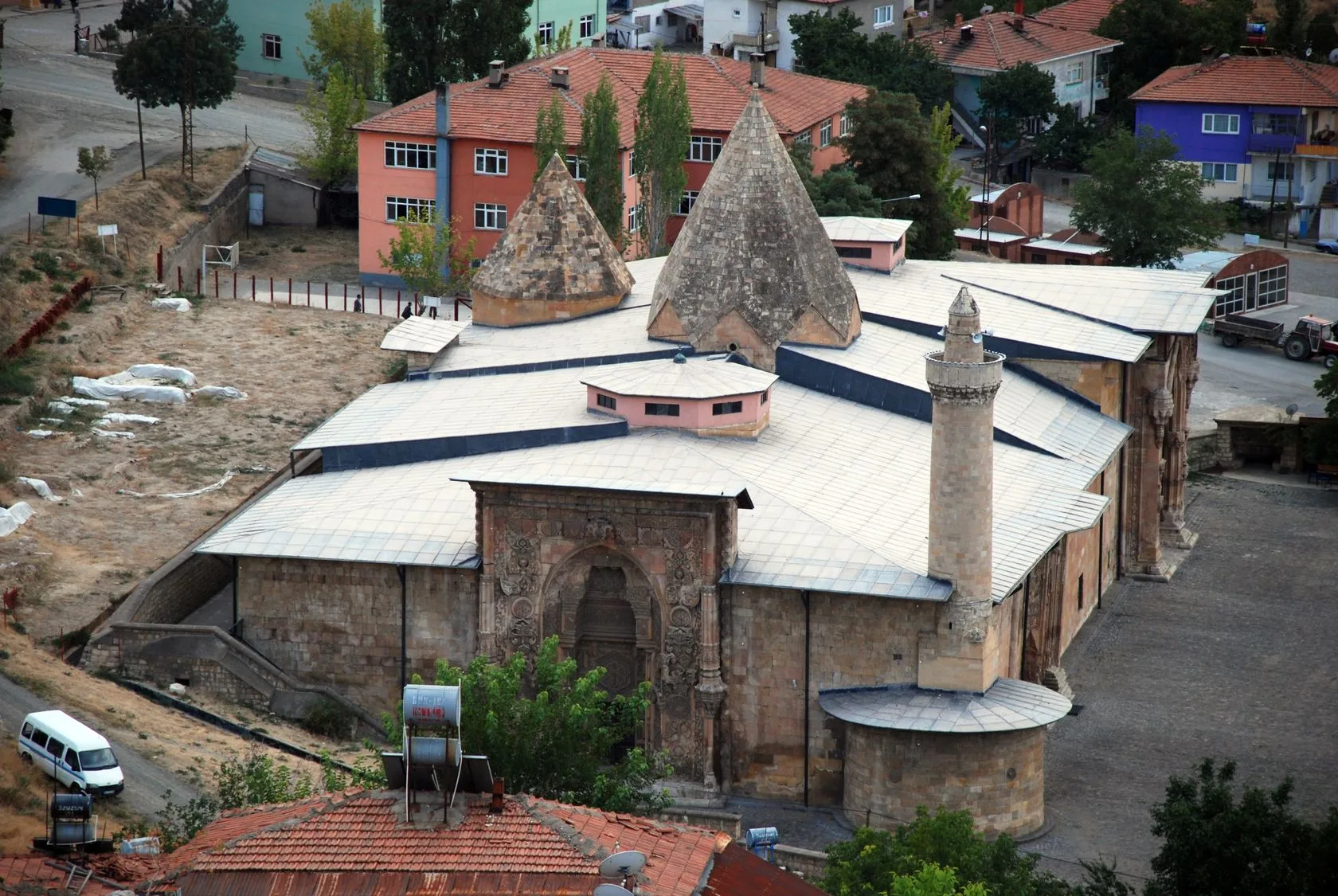
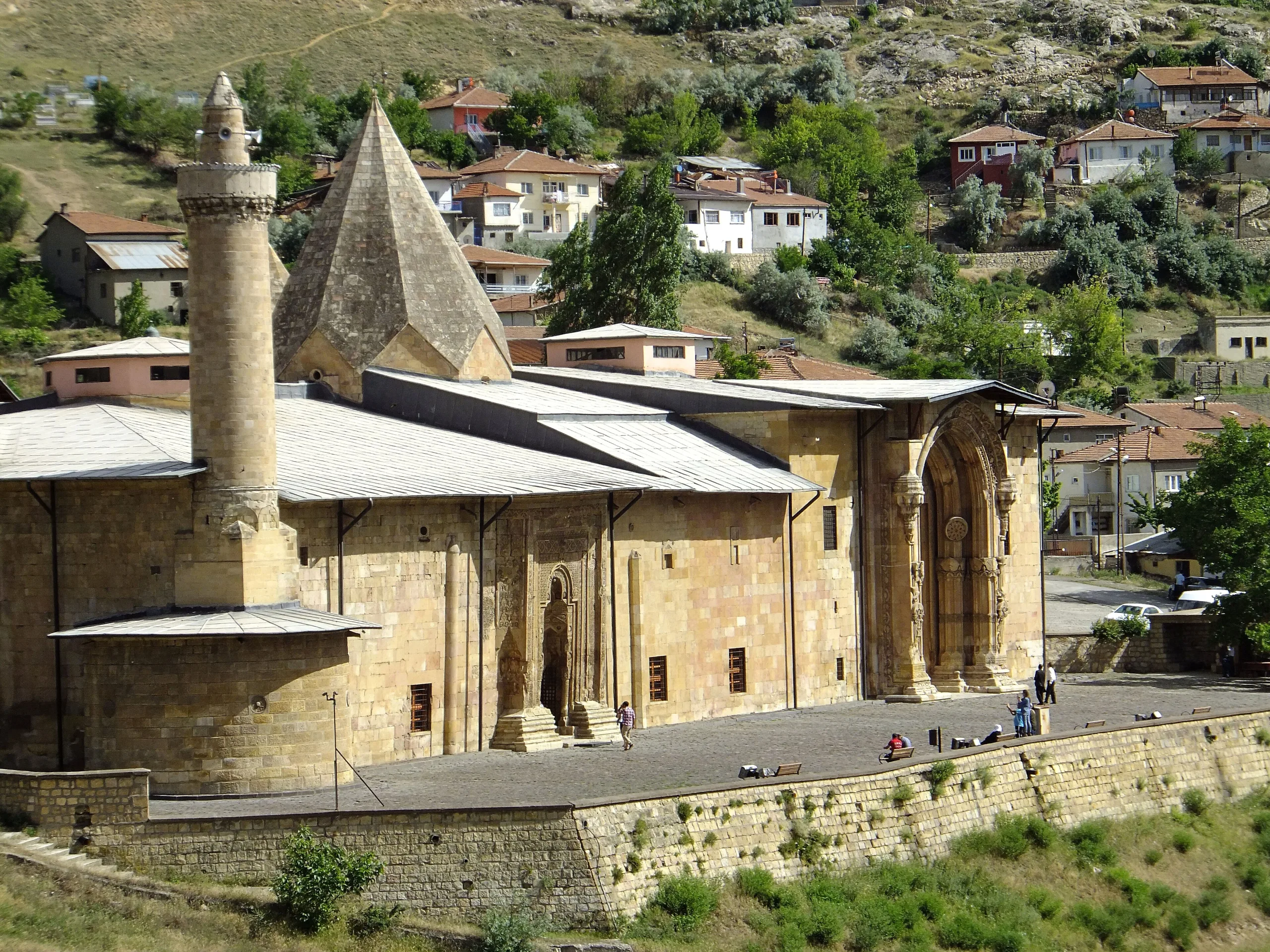
The prayer hall has five naves of five bays each, roofed with stone vaults. Outside, the hexagonal dome with a pointed roof above the mihrab dominates, and a second cupola rises over the ablution basin. ICOMOS considers each of the sixteen surviving vaults a remarkable technical feat. The Sivas inventory describes a strongly relief-carved mihrab and, to its right, an ebony pulpit by master Ahmet of Tiflis, and says the minaret dates from the reign of Suleiman the Magnificent. UNESCO and ICOMOS stress that the mosque has no courtyard, colonnades or open ablution basin; all religious functions are gathered in one enclosed space.
The hospital
UNESCO writes that the hospital is entered through a monumental portal on the west into a double-height atrium on four massive piers around a central pool. The Sivas inventory adds that the central space is vaulted by three parallel vaults on four columns and that there are four iwans, one of them at the entrance. ICOMOS notes a layout allowing both isolation and shared communal life.
The portals
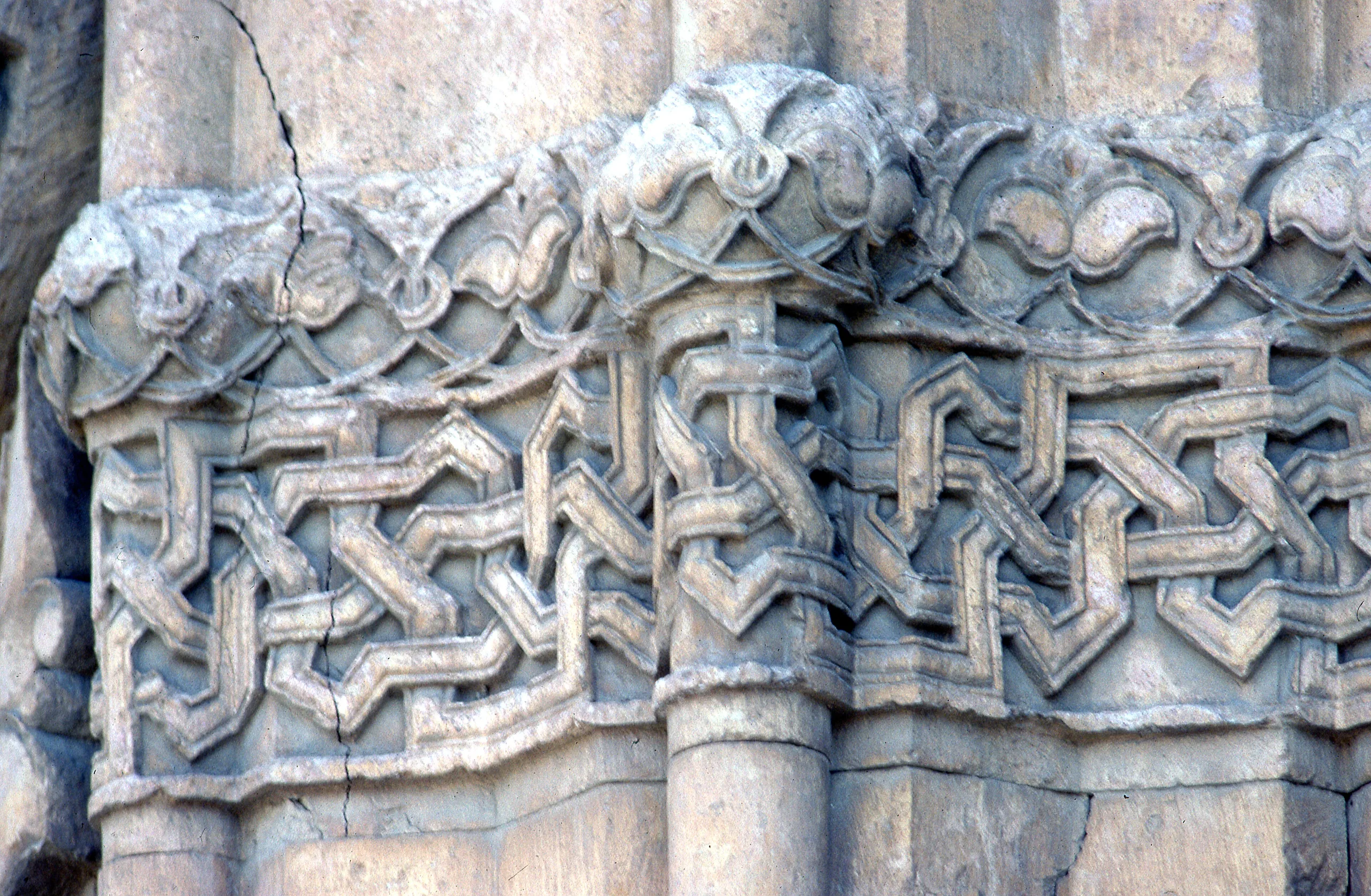
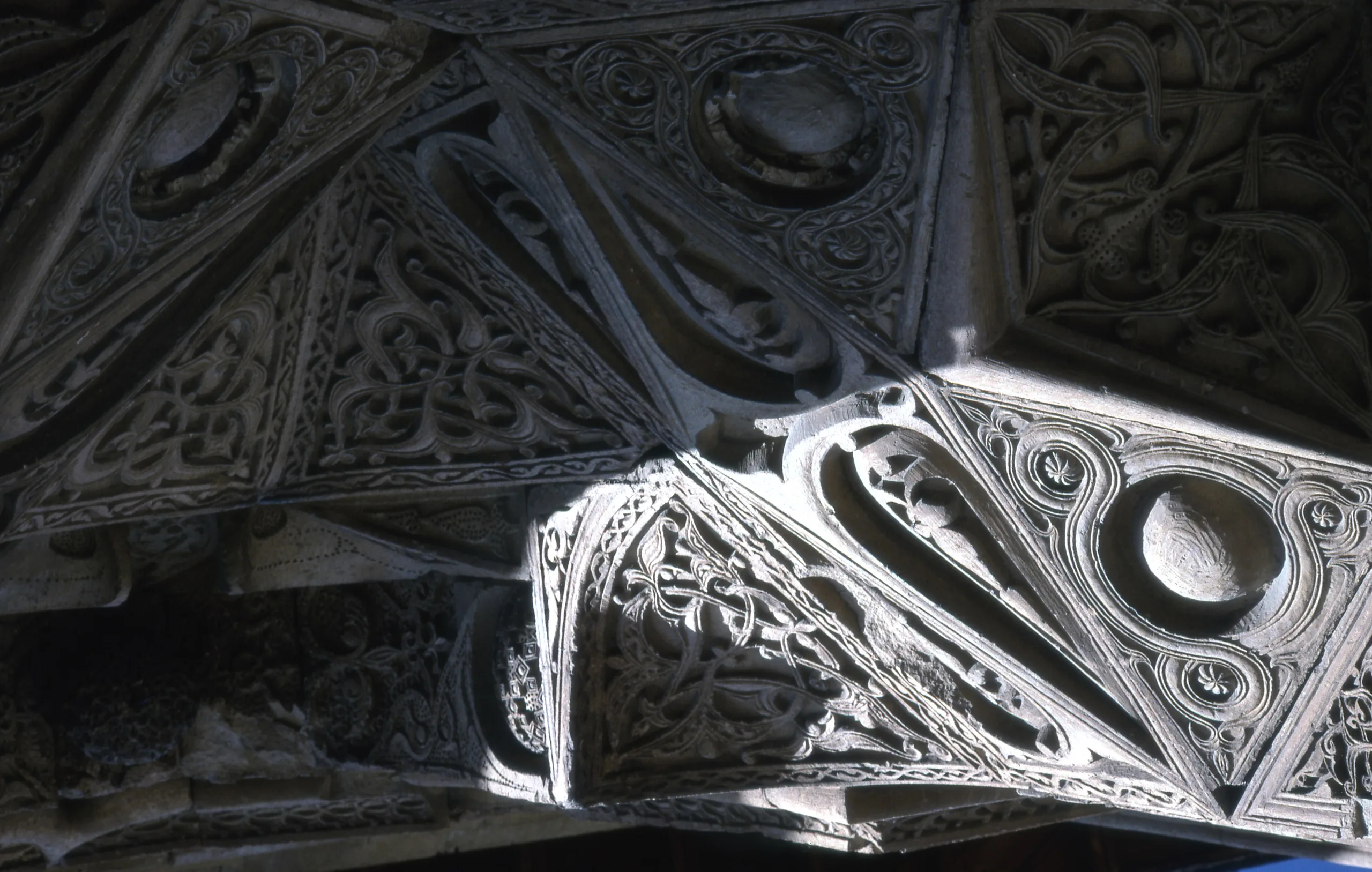
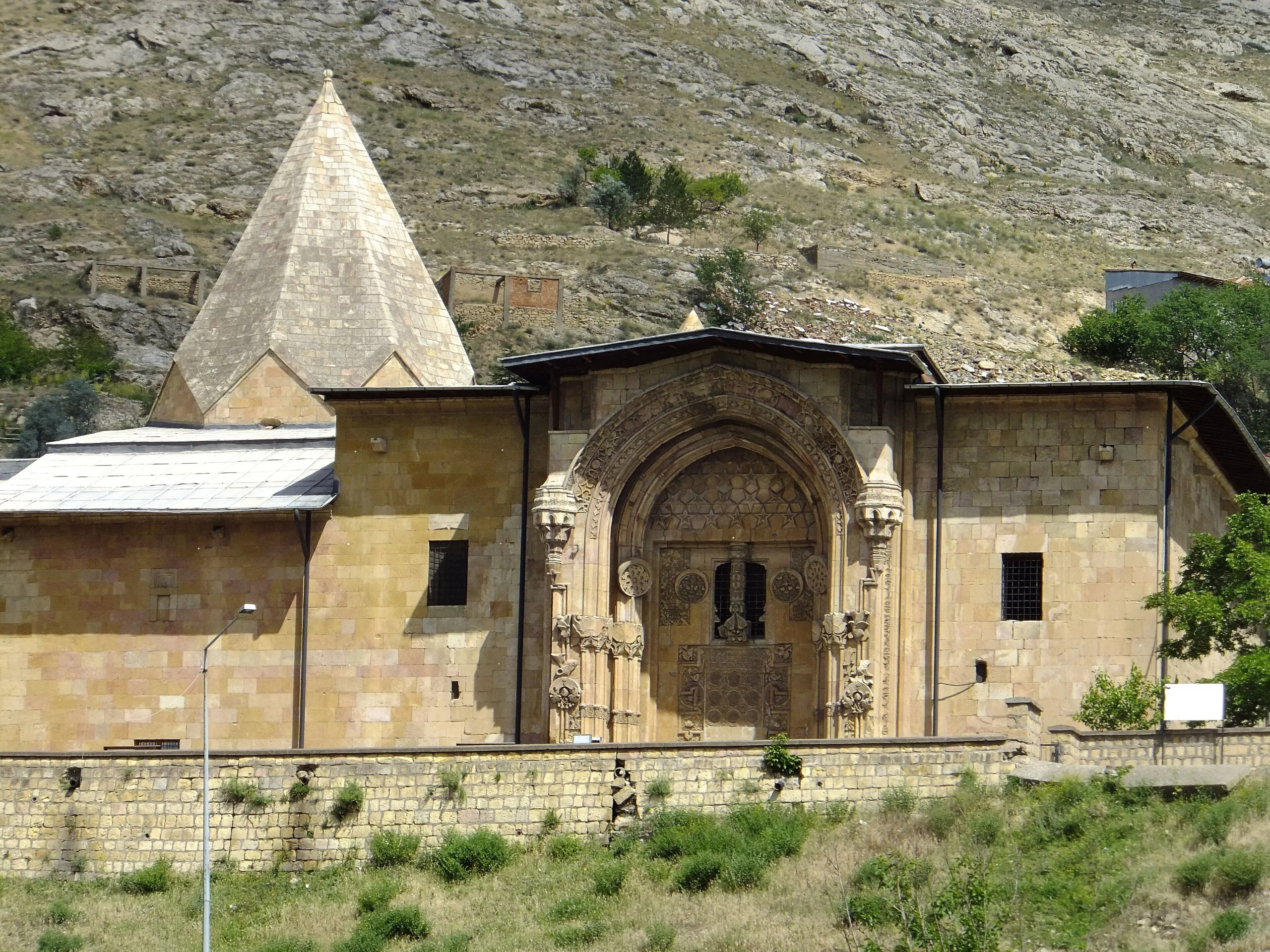
The Culture Portal says the hospital portal, the mosque's north and west portals and the Şah Mahfili portal each carry different decoration and that none of tens of thousands of motifs repeats. ICOMOS reports paradoxical comparisons of the three high portals with Khmer and Gothic monuments, and suggests the architect drew on contemporary Armenian and Georgian motifs. The Sivas inventory records views describing the portals as Baroque, textile-like, Seljuk and Gothic.
Repairs and protection
UNESCO says inscriptions show intensive restoration between the 15th and 19th centuries, with 20th-century work against material decay and structural problems. The Sivas inventory records repairs lasting a long time before the Second World War and intermittently after 1950. The Kayseri Conservation Council gave the complex monumental-building status in 1989, and a protection zone surrounds it. After expropriations started in 2009 under the governor, several nearby buildings were demolished. UNESCO notes the stone ornament is vulnerable to atmosphere, humidity and salt, and the building to drainage problems.
World Heritage
Inscribed in 1985 under criteria (i) and (iv), the complex is assessed by UNESCO as a unique artistic achievement of Islamic architecture and an outstanding Seljuk-period mosque in Anatolia.
Visiting
For hours and visiting conditions consult the Sivas provincial directorate and the General Directorate of Foundations; this page gives no opening times or fees.
Gallery
Frequently asked questions
Where is the Divriği Great Mosque?
Who founded the mosque and the hospital?
When was it built?
Who was the architect?
When did it become a World Heritage Site?
Why is it important?
How does the mosque differ from other Seljuk mosques?
What are the opening hours and ticket prices?
Sources (15)
- Great Mosque and Hospital of Divriği - World Heritage List 358 — UNESCO World Heritage Centre
- Advisory Body Evaluation No 358: Great Mosque and Hospital of Divriği (ICOMOS, 1985) — ICOMOS / UNESCO
- Divriği Ulu Camii ve Darüşşifası - Sivas, Gezilecek Yerler — T.C. Kültür ve Turizm Bakanlığı, Kültür Portalı (kaynak: Sivas Valiliği)
- Divriği Ulu Camii ve Daruşşifa (Sivas Kültür Envanteri) — Sivas İl Kültür ve Turizm Müdürlüğü
- Demir, H., The Spirit of Stone: The Sufi Semiotics of Divriği Ulu Mosque and Hospital, Cumhuriyet Theology Journal 30(1), 2026, 132-147 — DergiPark
- Divriği Ulu Camii ve Darüşşifası (Wikidata Q581641) — Wikidata
Photo credits
- Photo: Dosseman, CC BY-SA 4.0 — Wikimedia Commons (resized)
- Photo: R Prazeres, CC BY-SA 4.0 — Wikimedia Commons (resized)
- Photo: Bertramz, CC BY-SA 3.0 — Wikimedia Commons (resized)
- Photo: Dosseman, CC BY-SA 4.0 — Wikimedia Commons (resized)
- Photo: R Prazeres, CC BY-SA 4.0 — Wikimedia Commons (resized)
- Photo: R Prazeres, CC BY-SA 4.0 — Wikimedia Commons (resized)
- Photo: R Prazeres, CC BY-SA 4.0 — Wikimedia Commons (resized)
- Photo: R Prazeres, CC BY-SA 4.0 — Wikimedia Commons (resized)
- Photo: R Prazeres, CC BY-SA 4.0 — Wikimedia Commons (resized)