Harput Castle in Elazığ has layers from the Urartians to the Ottomans, with rock-cut cisterns, an Artuqid palace and mosque, and a dug-up Ottoman quarter.
Harput Castle is a place (Castle) in Turkey, Elazig. Main periods: Roman Period, Byzantine Period, Seljuk Period, Ottoman Period.
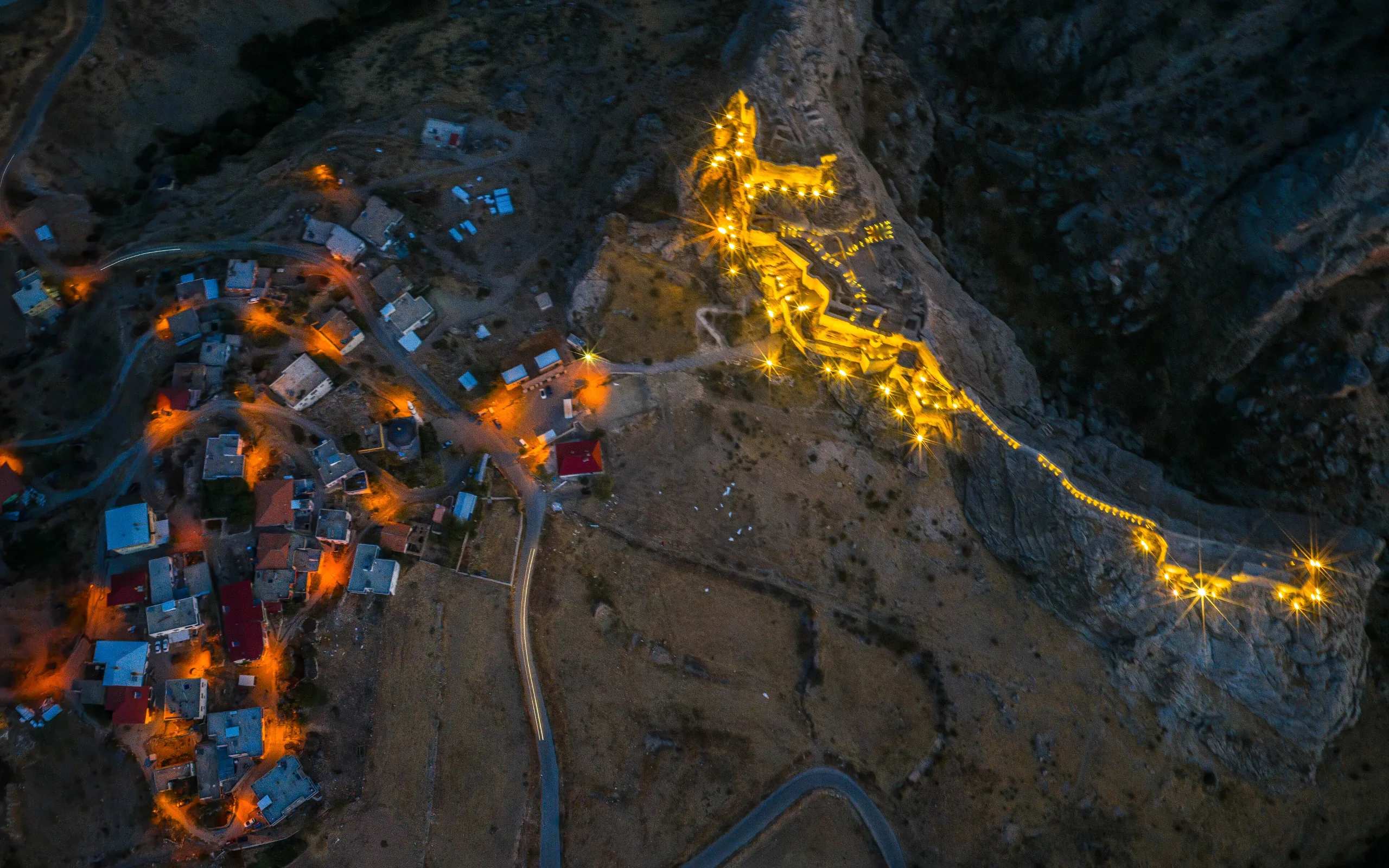
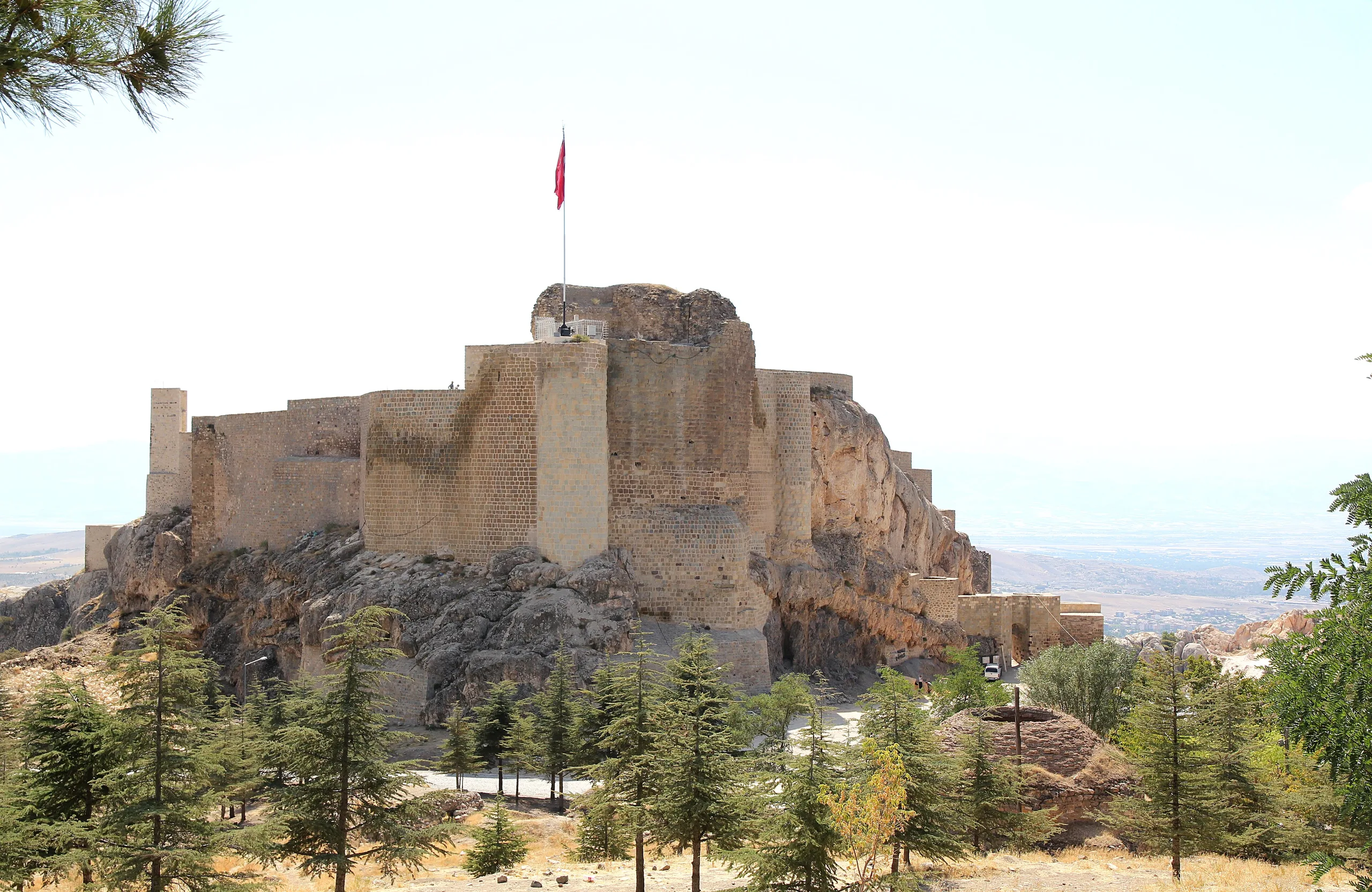
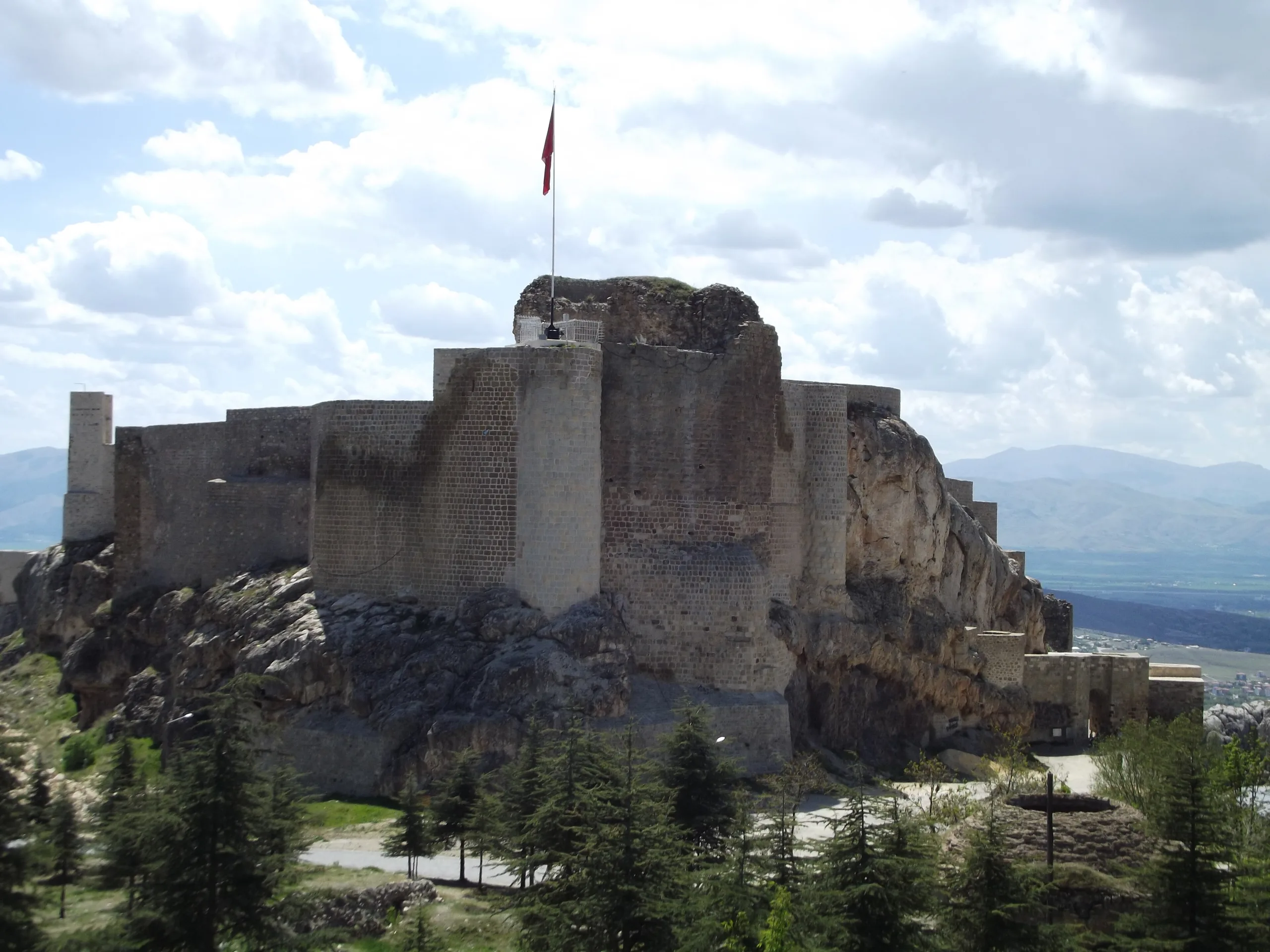
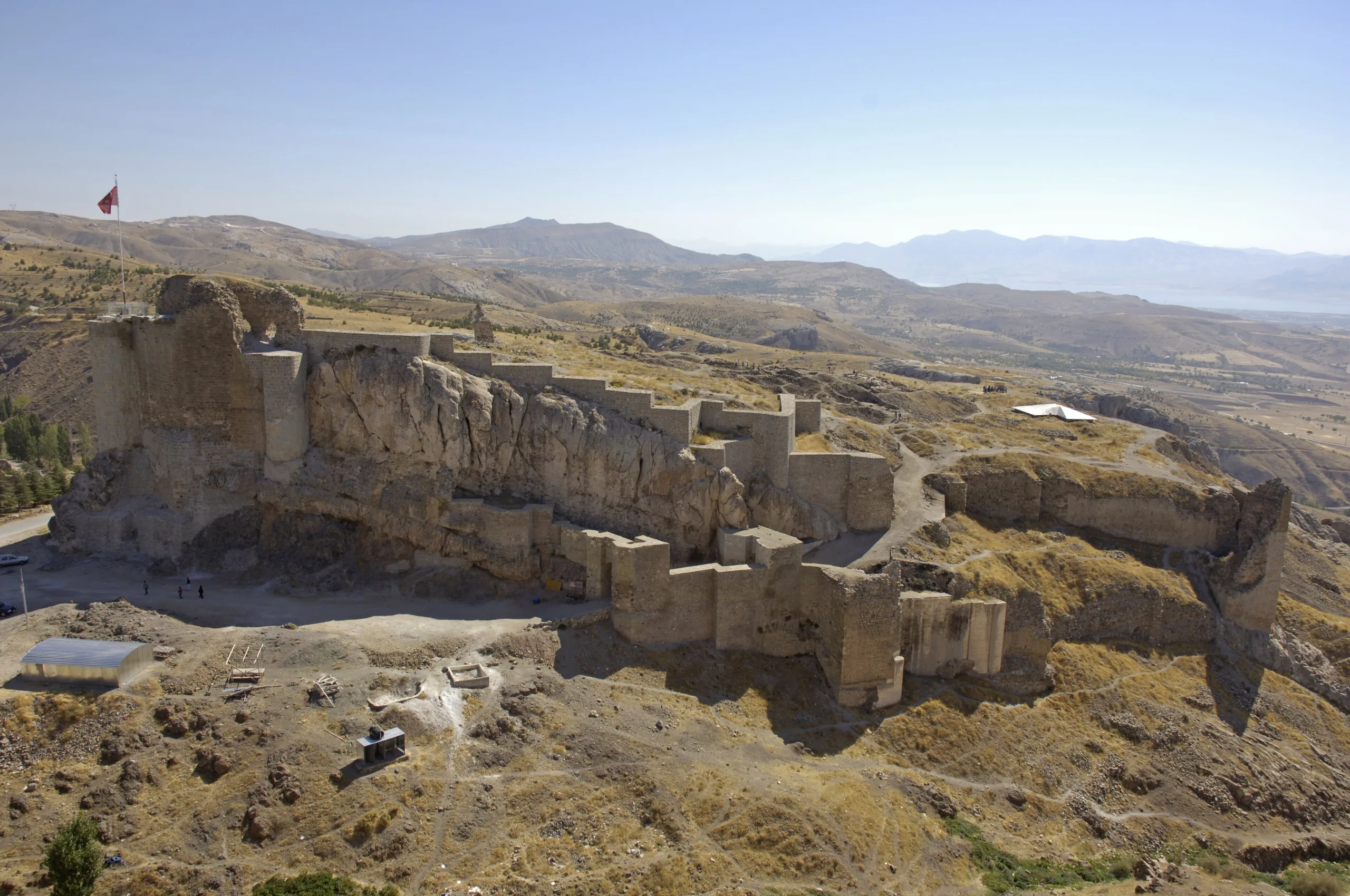
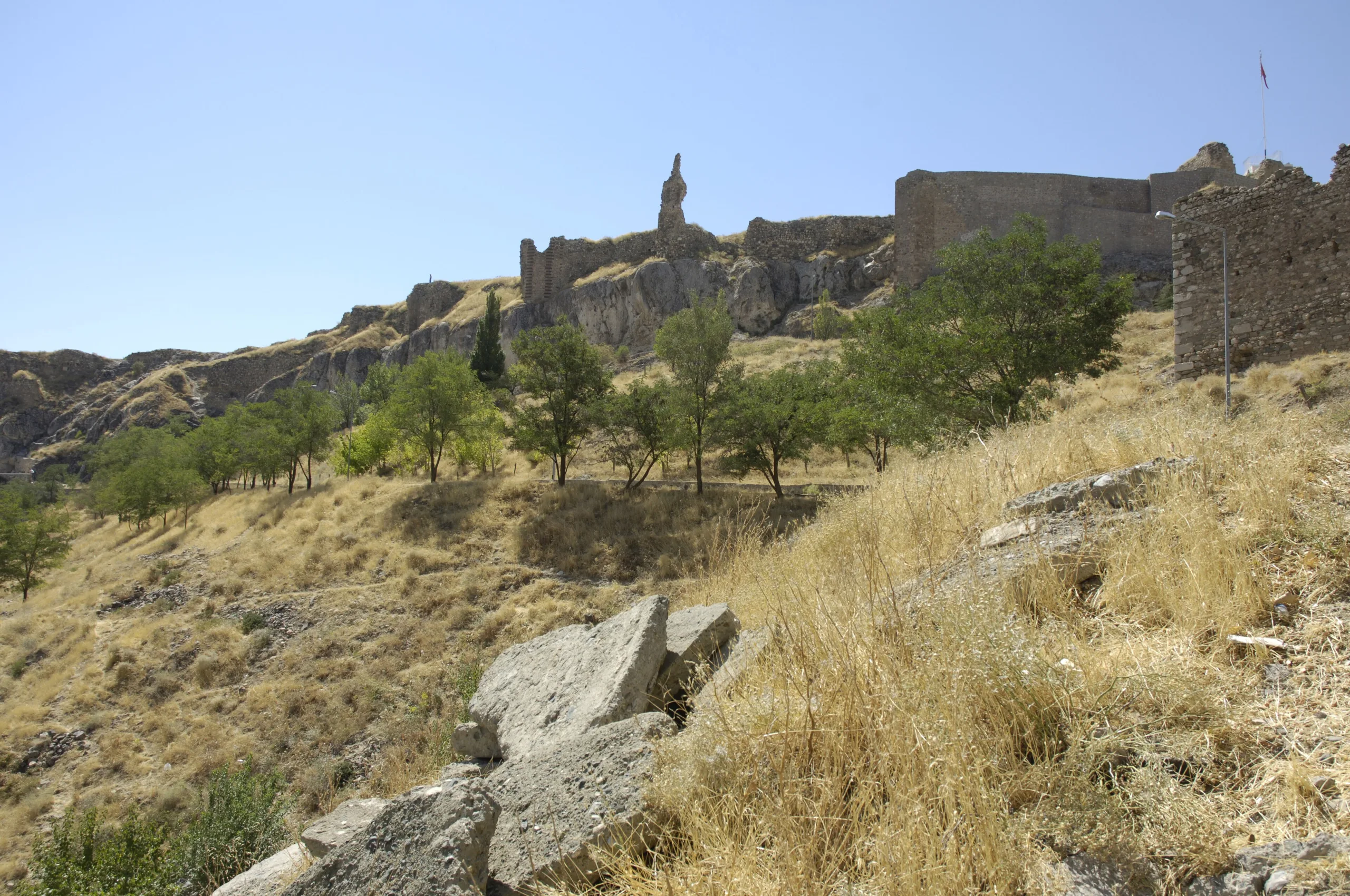
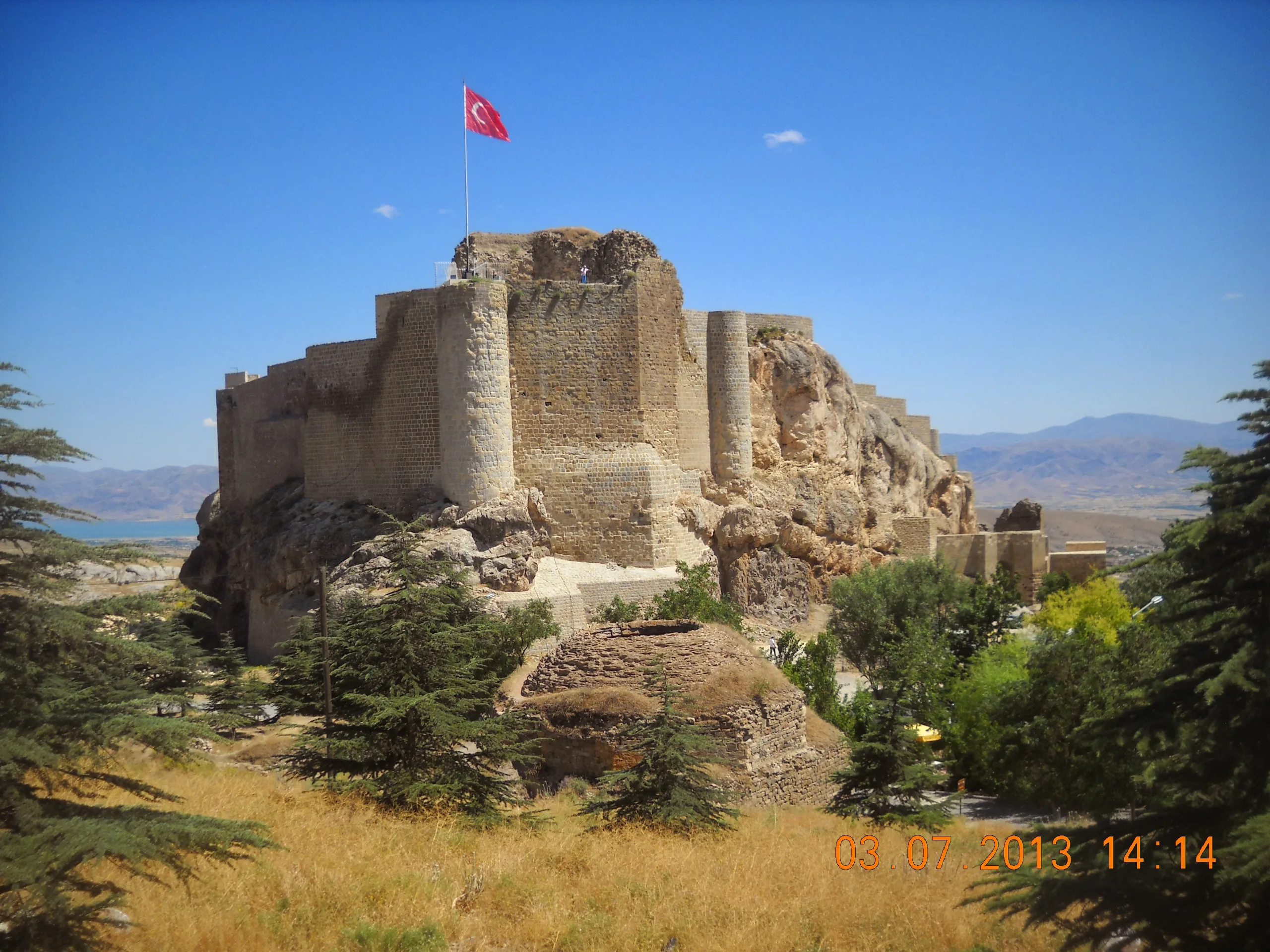
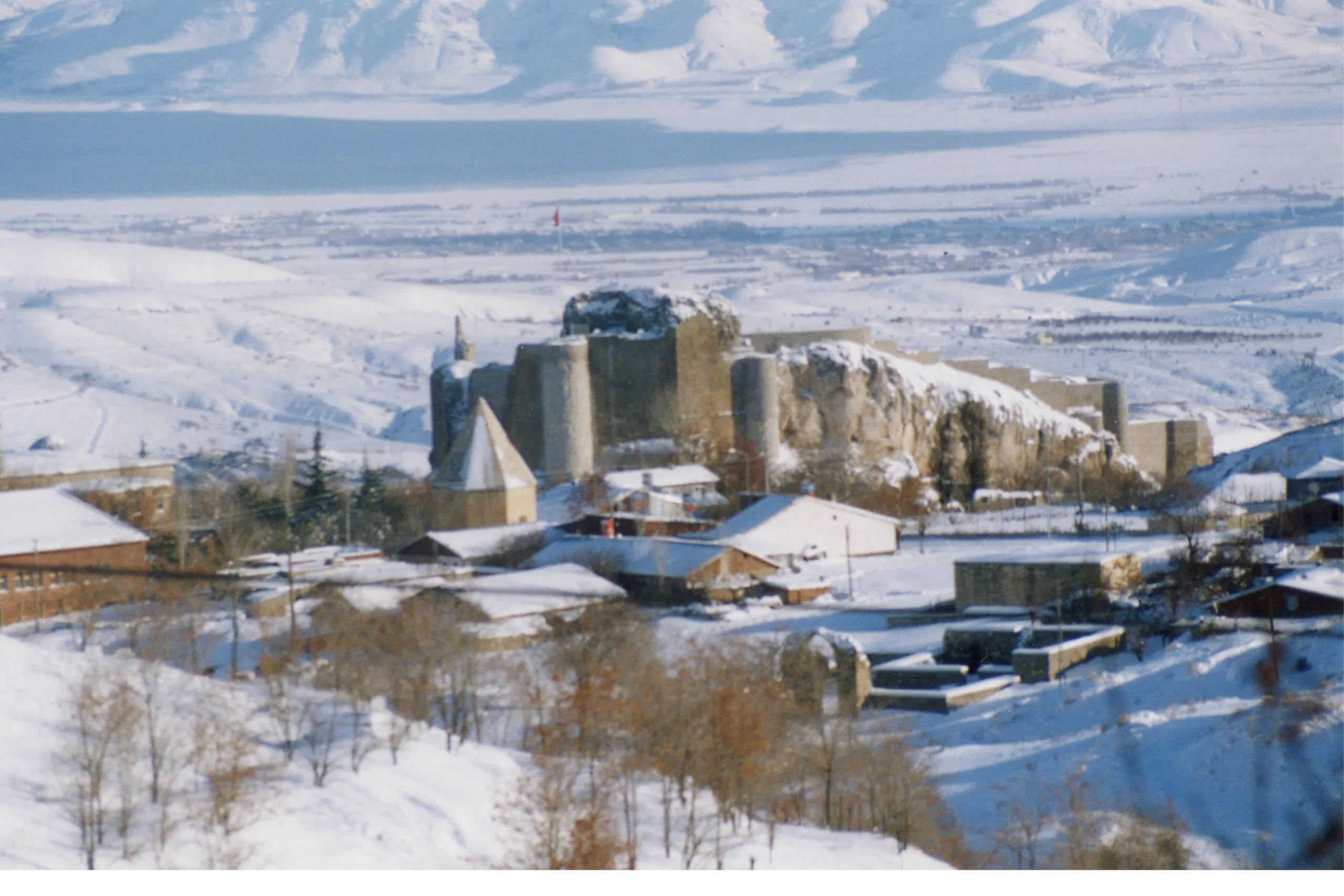
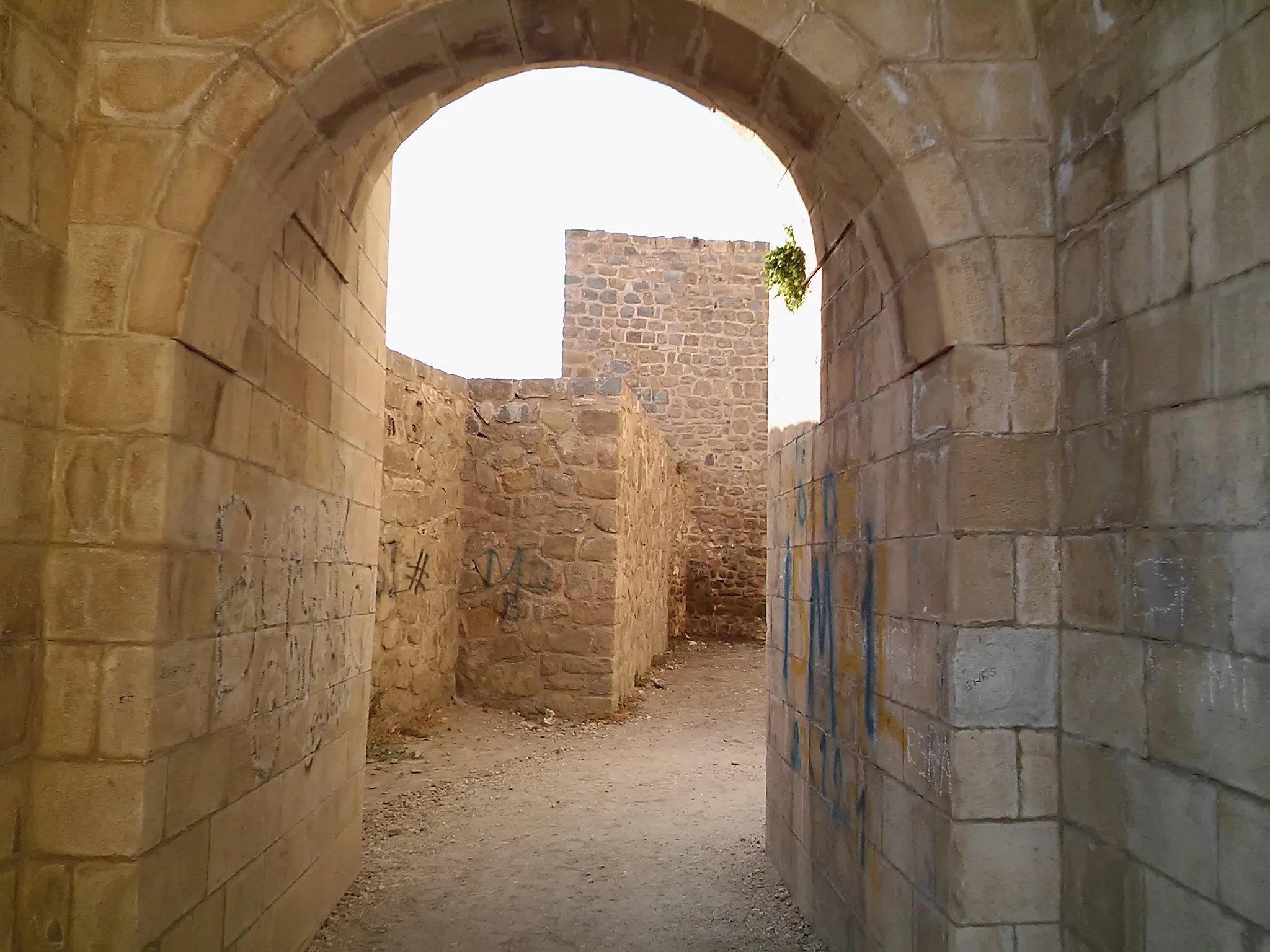
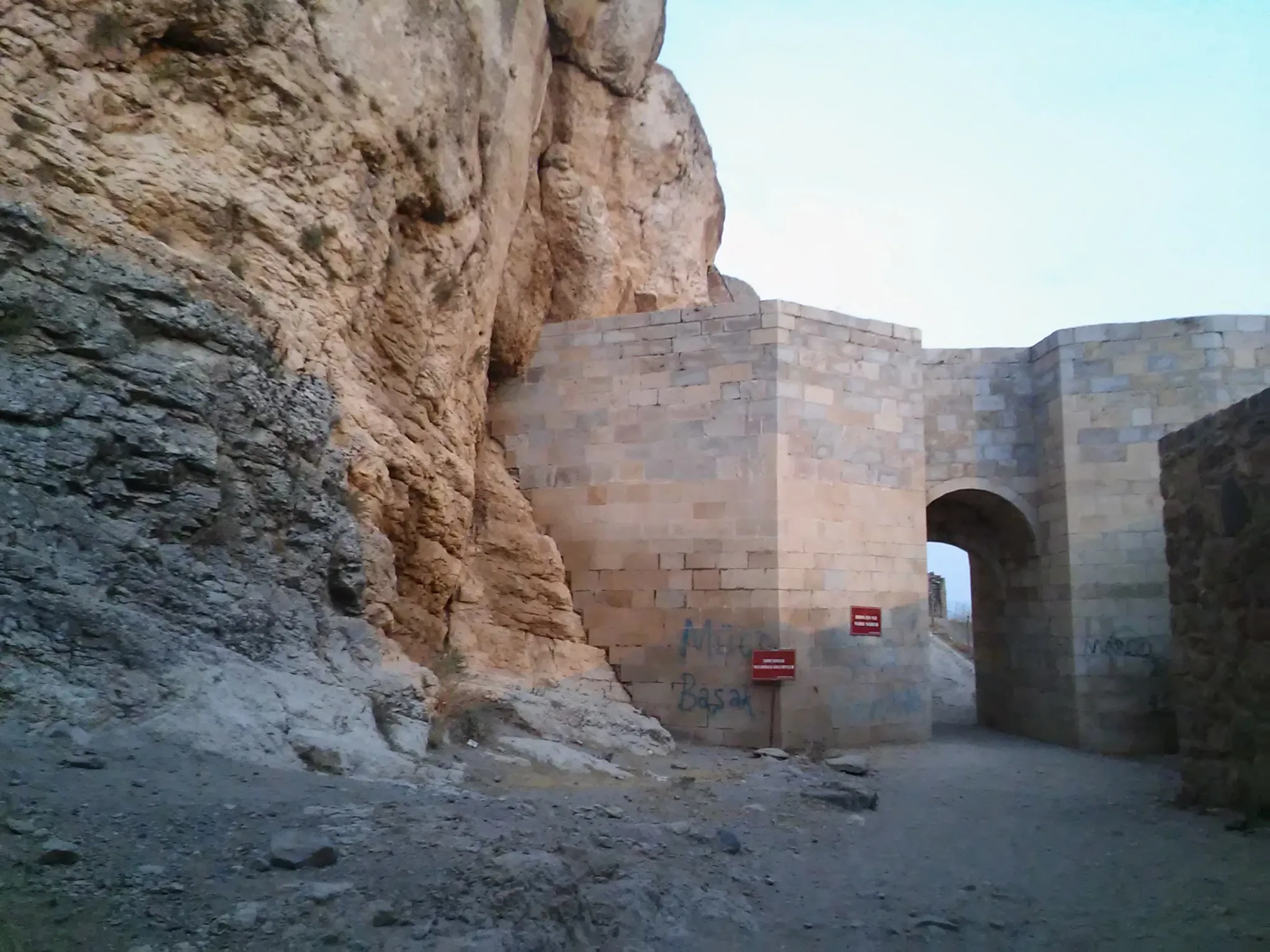
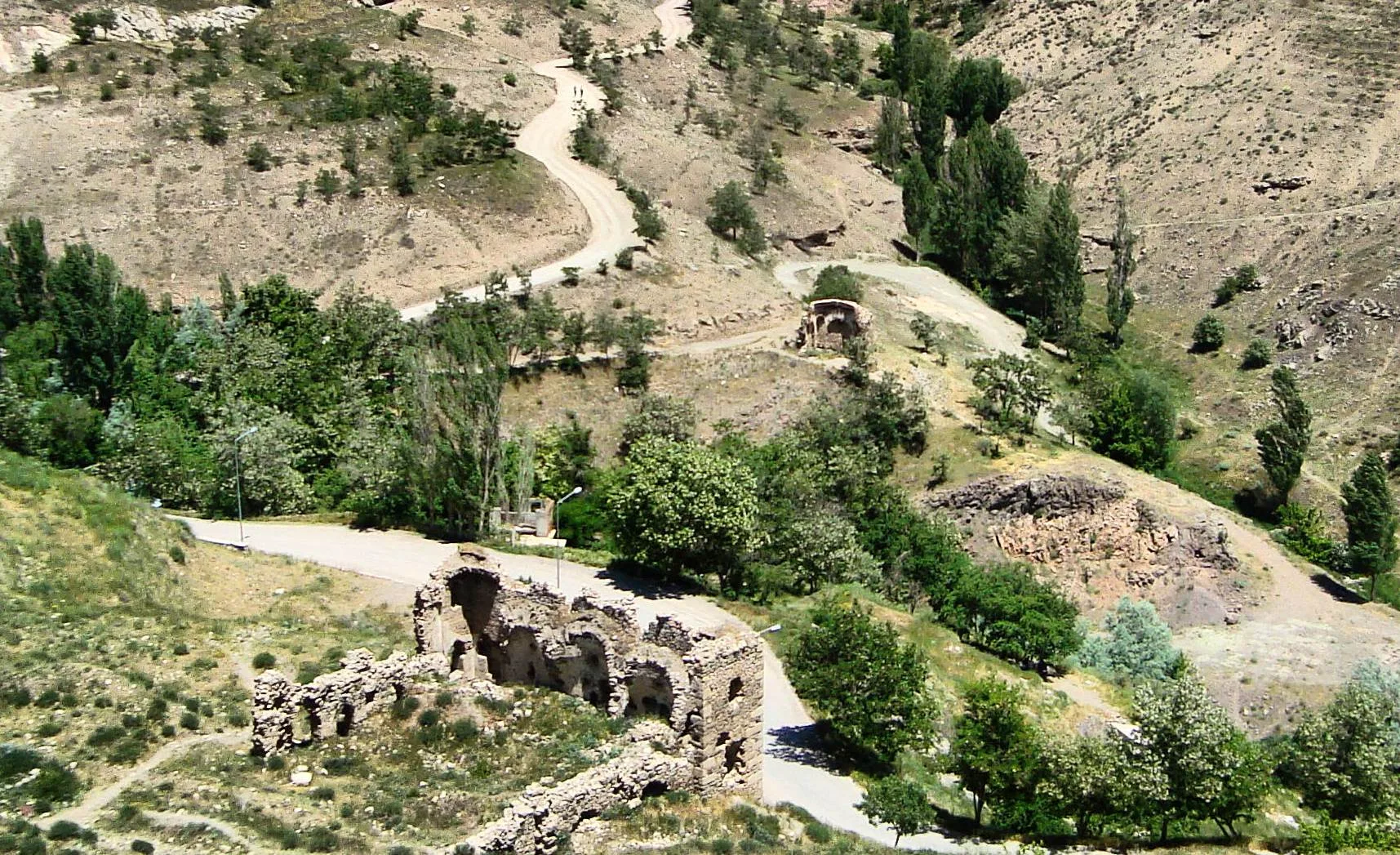
Harput Castle stands at Harput, in the central district of Elazığ, and carries traces of one ruling power after another. The Culture Portal describes it as an inner castle with outer walls, notes that the outer walls have collapsed entirely, and says the castle, built on steep rock, was hard to besiege. It held a hospital, grain store, mint, water cistern, arsenal, mosque and many civilian buildings, in effect a large neighbourhood.
History
The Ministry and the Culture Portal both say the Urartian Kingdom founded the castle in the 8th century BCE. A Fırat University excavation page reports agreement that the Urartians built it first but disagreement on when: İshak Sunguroğlu thinks of King Menua's reign, while Veli Sevin holds that Sarduri II (760-730 BCE) founded it as a new provincial centre. The Ministry also reports that in 2016 a relief dated to the early 2nd millennium BCE turned up in Nevruz Forest, 500 m east of the castle, which it says pushes settlement at Harput back by 1,200 years. The Culture Portal records Persian rule from the 6th century BCE and, between the 1st century BCE and the 11th century CE, fierce contests among Parthians, Romans, Sasanians, Byzantines and Abbasids.
According to the Ministry the place was called Ziata Castellum under Rome and Byzantium and Hisn Ziyad during the Arab raids; the Culture Portal also gives Kharpete. Çubuk Bey took it in 1085. The Ministry dates Artuqid rule from 1115 and names Belek Gazi, while the Culture Portal says the Artuqids took over in 1112. Anatolian Seljuk forces under Alaeddin Keykubad besieged the castle in 1234; the Fırat page says 18 catapults were used, the ruler of Harput and those sheltering inside surrendered, and Artuqid rule ended. The Culture Portal adds that the castle changed hands often between the Dulkadir and Akkoyunlu states after 1366, fell to Uzun Hasan in 1465, and passed to the Ottomans in 1515 under Selim I. The Ministry puts the conquest in 1516 and credits Çerkez Hüseyin Bey and Karaçinoğlu Ahmet Bey.
The Ministry says an Ottoman quarter was founded inside the castle in the 17th century and that both castle and city kept their significance until Ottoman times were over; settlement ended when the quarter's people moved to the new city of Elazığ between 1830 and 1920. A tradition recorded by the Culture Portal explains the alternative name Milk Castle: during a water shortage at construction time the mortar was supposedly mixed with milk.
Main structures
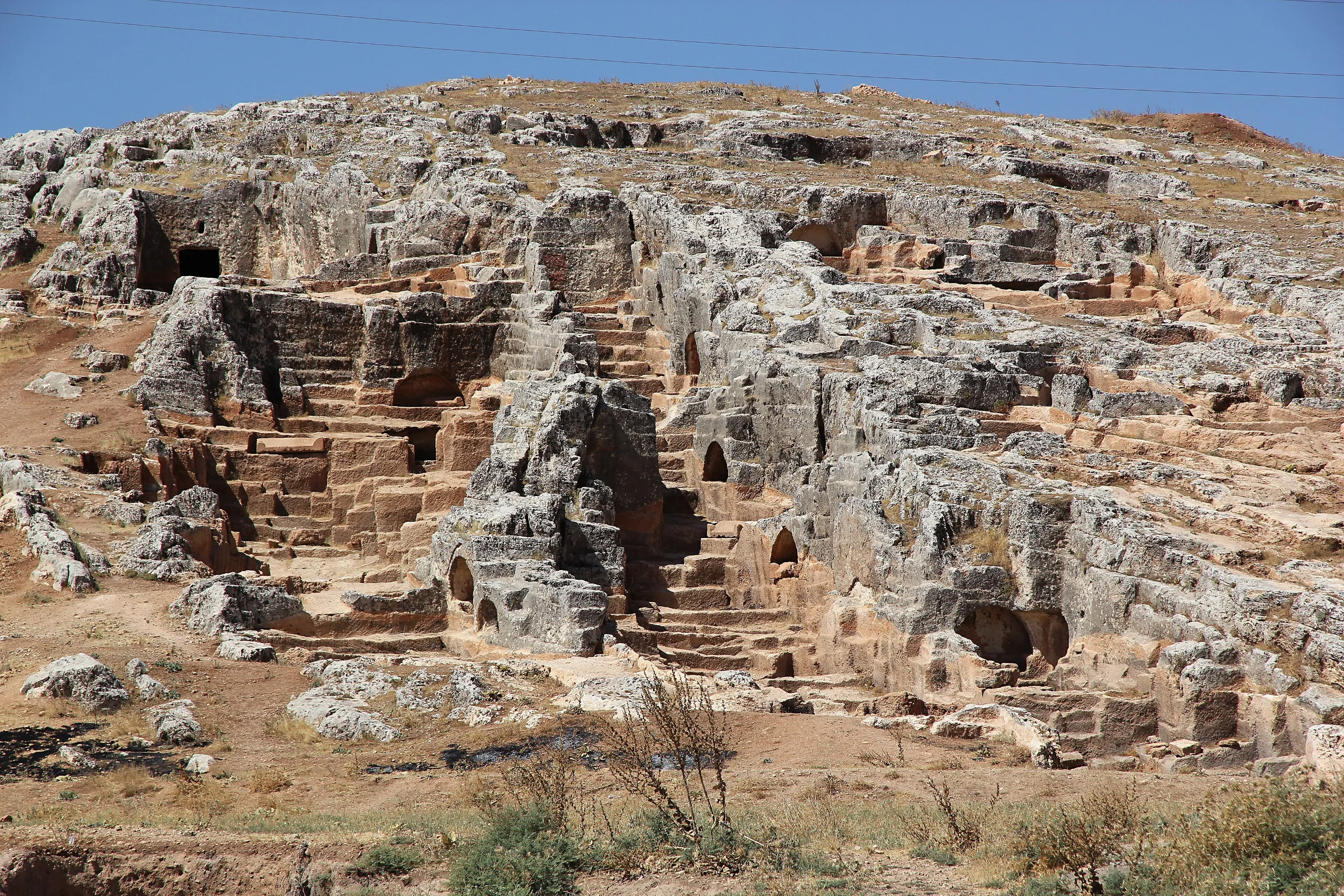
The Ministry places the Artuqid Palace at the northern end of the castle. The Fırat University page describes four iwans, with a large central one and a vaulted second iwan beneath, implying two or more storeys. It says the Artuqid Mosque is thought to date to the 11th or 12th century, measures 15.50 by 8.50 metres, and sits above three layers of Byzantine and Roman building. The Belek Tower has five storeys and stands about 30 metres high, its lower levels Byzantine. Rock-cut cisterns include the closed Urartian one, 66 metres long and 33 metres deep with 112 steps down (128 in a 2017 count), which the Artuqids used as a dungeon, and an Artuqid cistern reached by 52 rock-cut steps.
Excavations
The Ministry presents the dig begun by the Elazığ Museum Directorate in 2005, advised by Veli Sevin and lasting until 2009, as Turkey's first Ottoman archaeology excavation. In its early years about 900 square metres yielded an Urartian cistern, a large mansion, the Artuqid Mosque and a small Ottoman quarter; two-storey Ottoman structures and three new tunnels were found in front of the Aslanlı Gate, the third a tall, broad landing and tunnel ending in a natural cave. Since 2014 Fırat University has led the work, and the finds are restored and displayed in Elazığ Museum.
Visiting
The Ministry notes that some of the exposed structures are closed to visitors while excavation continues. For hours and the current situation, see the official page.
Gallery
Frequently asked questions
Where is Harput Castle?
Who founded the castle, and when?
What other names did it have?
When did the Ottomans take it?
When did excavations begin?
What stands out inside the castle?
Sources (13)
- Harput Kalesi / Harput Castle (TR ve EN sayfalar) — T.C. Kültür ve Turizm Bakanlığı, Müzeler ve Örenyerleri
- Harput Kalesi - Elazığ — T.C. Kültür ve Turizm Bakanlığı, Türkiye Kültür Portalı
- Harput Kalesi Tarihçesi (Harput İç Kale Kazıları) — Fırat Üniversitesi, Harput İç Kale Kazıları
- Harput Castle (Wikidata Q6017381, P625) — Wikidata
Photo credits
- Photo: Ingeborg Simon, CC BY-SA 3.0 — Wikimedia Commons (resized)
- Photo: Hüseyin Öcal, CC BY 3.0 — Wikimedia Commons (resized)
- Photo: Dosseman, CC BY-SA 4.0 — Wikimedia Commons (resized)
- Photo: Dosseman, CC BY-SA 4.0 — Wikimedia Commons (resized)
- Photo: EROL AKBULUT, CC BY 3.0 — Wikimedia Commons (resized)
- Photo: Taha Koçak, CC BY 2.0 — Wikimedia Commons (resized)
- Photo: Perencal, CC BY-SA 4.0 — Wikimedia Commons (resized)
- Photo: Perencal, CC BY-SA 4.0 — Wikimedia Commons (resized)
- Photo: HALUK COMERTEL, CC BY 3.0 — Wikimedia Commons (resized)