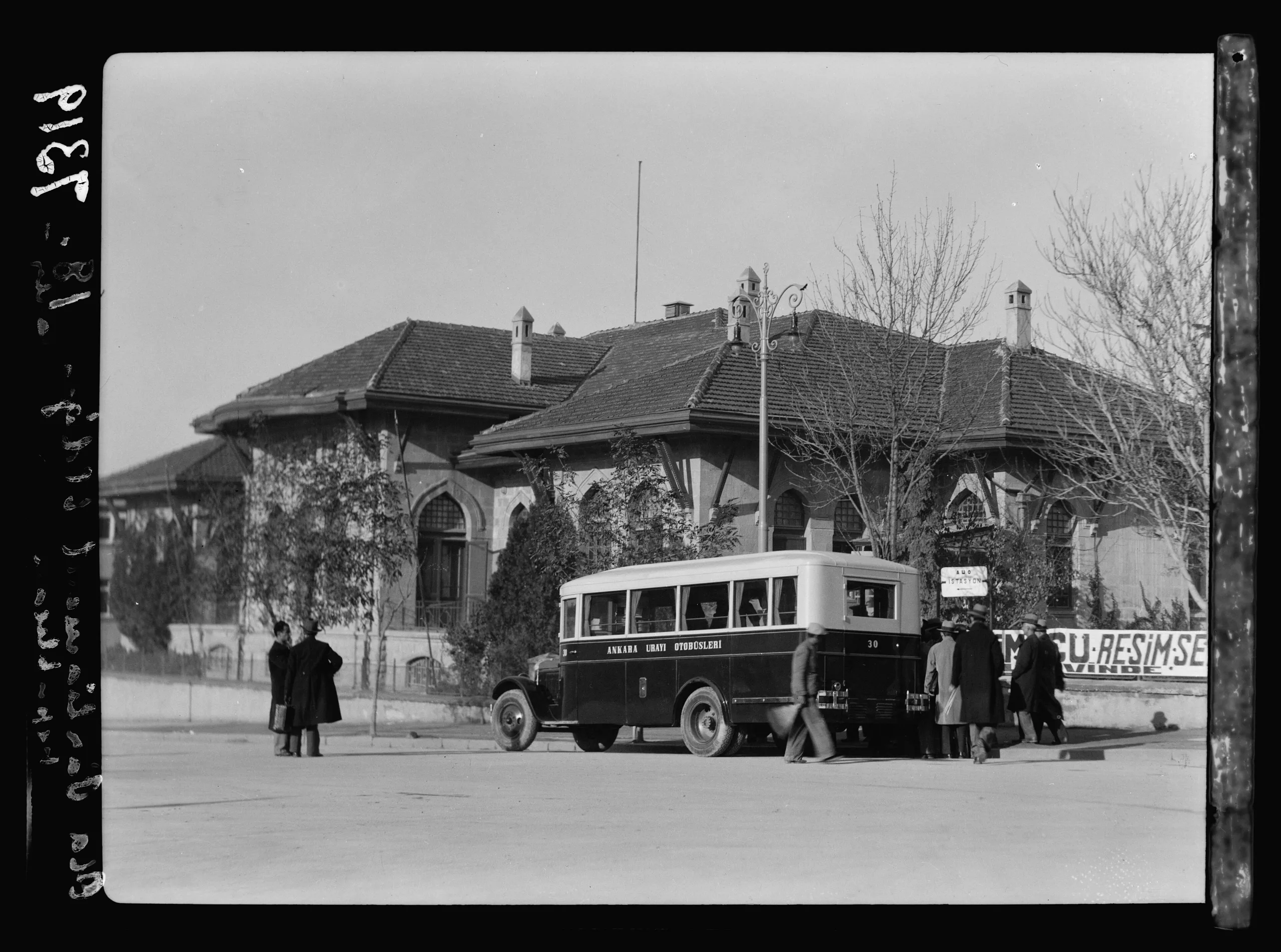
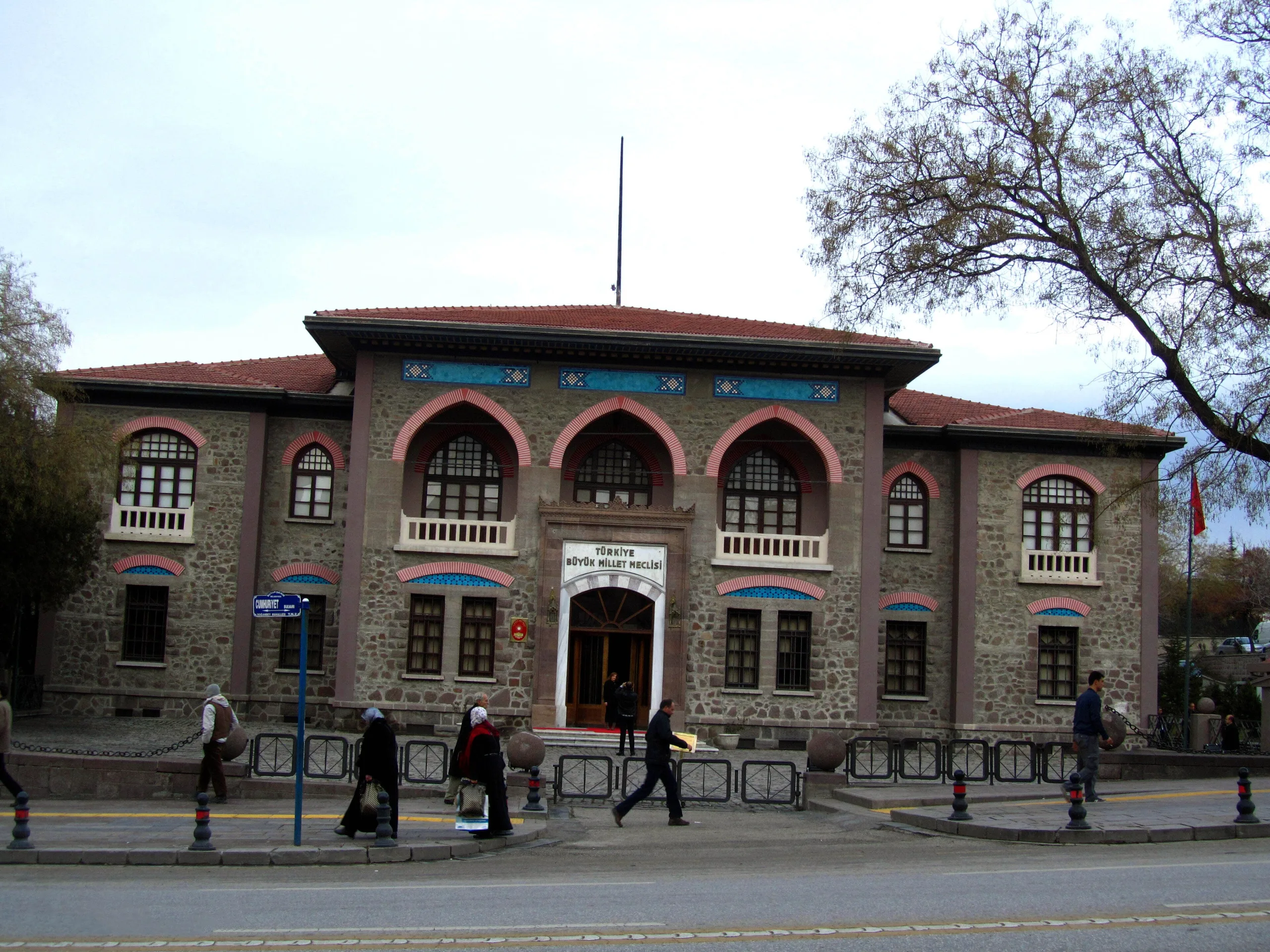
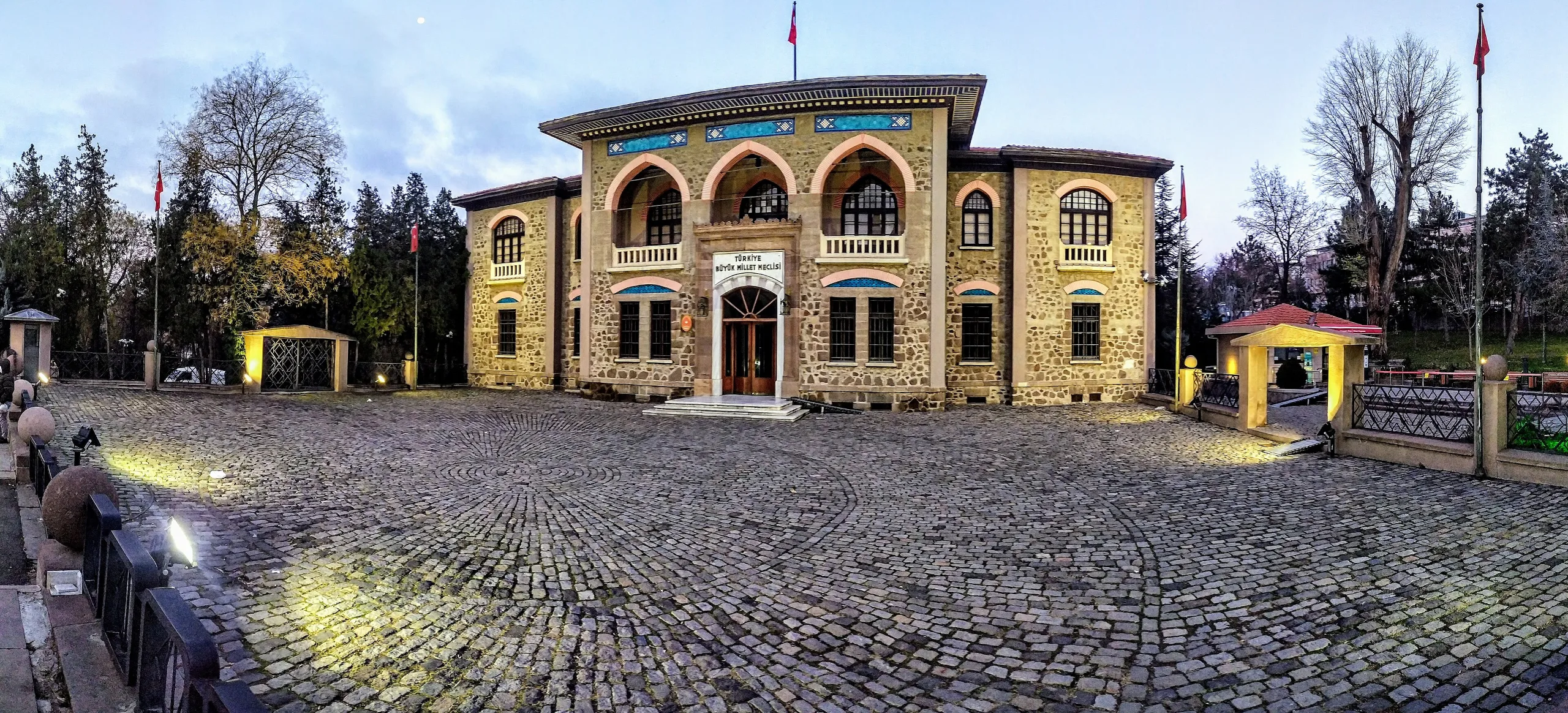
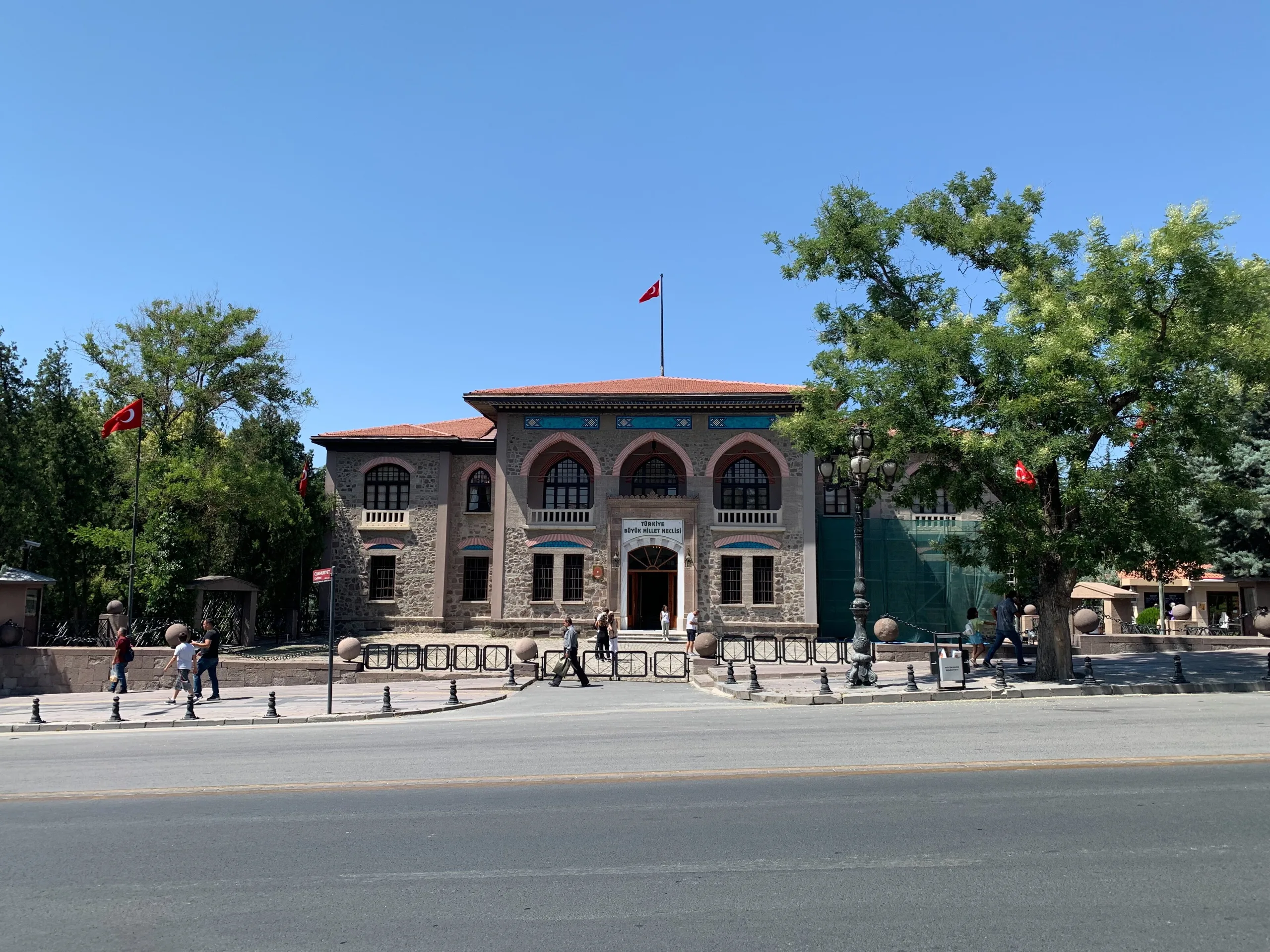
In Ankara's Ulus quarter, a 1923 building by Vedat Tek served as the second parliament house from 1924 to 1960 and has been the Republic Museum since 1981.
Republic Museum is a place (Atatürk and the Republic) in Turkey, Ankara.
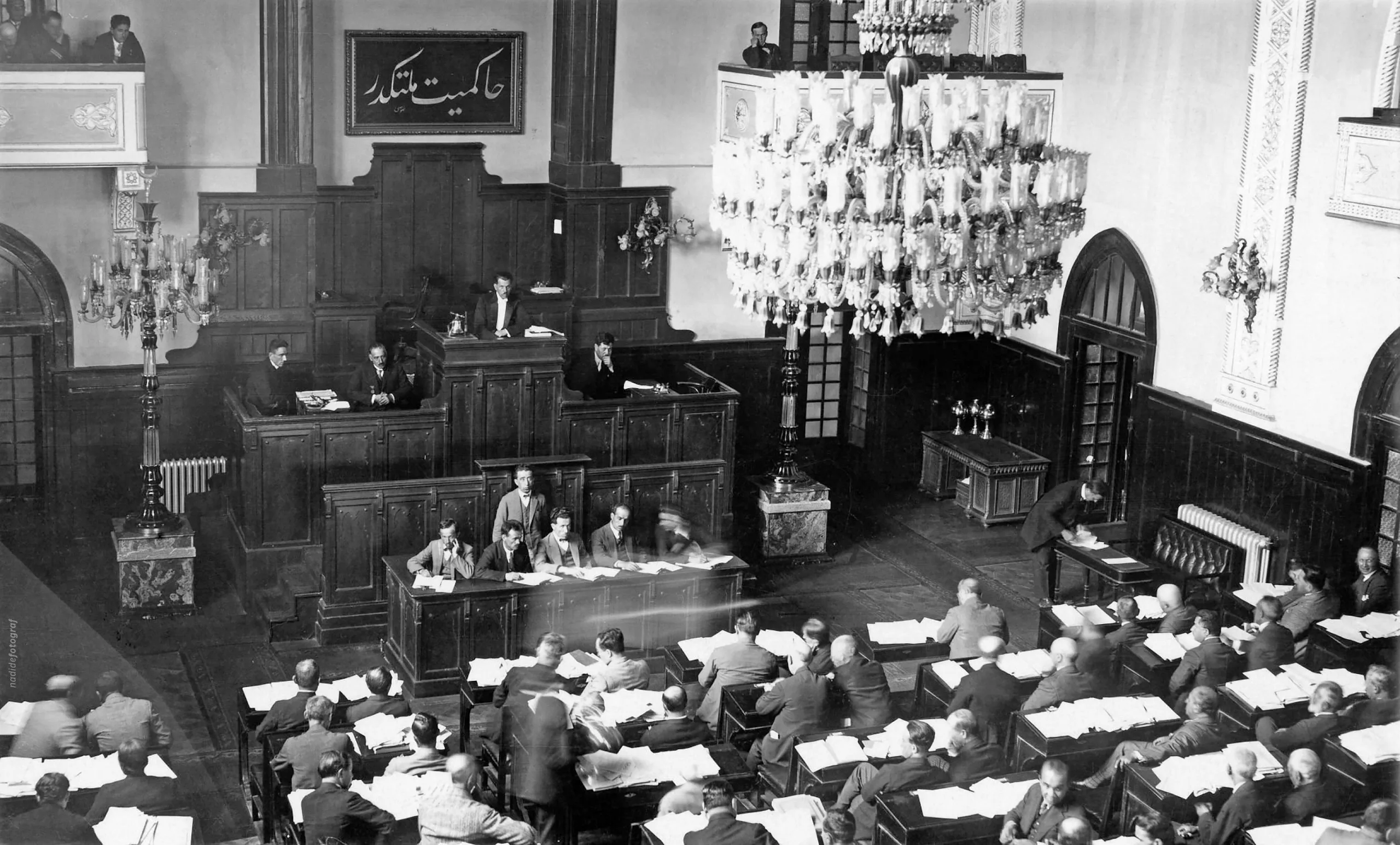
In the general assembly hall of this two-storey stone building in Ulus, the speech known as the Nutuk was delivered from 15 to 20 October 1927. Atatürk's long account of the National Struggle and the founding of the Republic filled six days and a total of 36 hours and 33 minutes. The hall is among the main sights of what is now the Republic Museum.
History
Architect Vedat Tek built the house in 1923 as a meeting place for the Republican People's Party. When the first assembly building proved too small, it was fitted out as a parliament on Atatürk's instruction and began serving as one on 18 October 1924. It remained the second assembly building for about 36 years, until 27 May 1960. After parliament moved to its new building in 1961, the old one went to the Central Treaty Organization (CENTO) and housed its headquarters until 1979. When CENTO was dissolved the building passed to the Ministry of Culture and, after restoration, opened as the Republic Museum on 30 October 1981.
Architecture
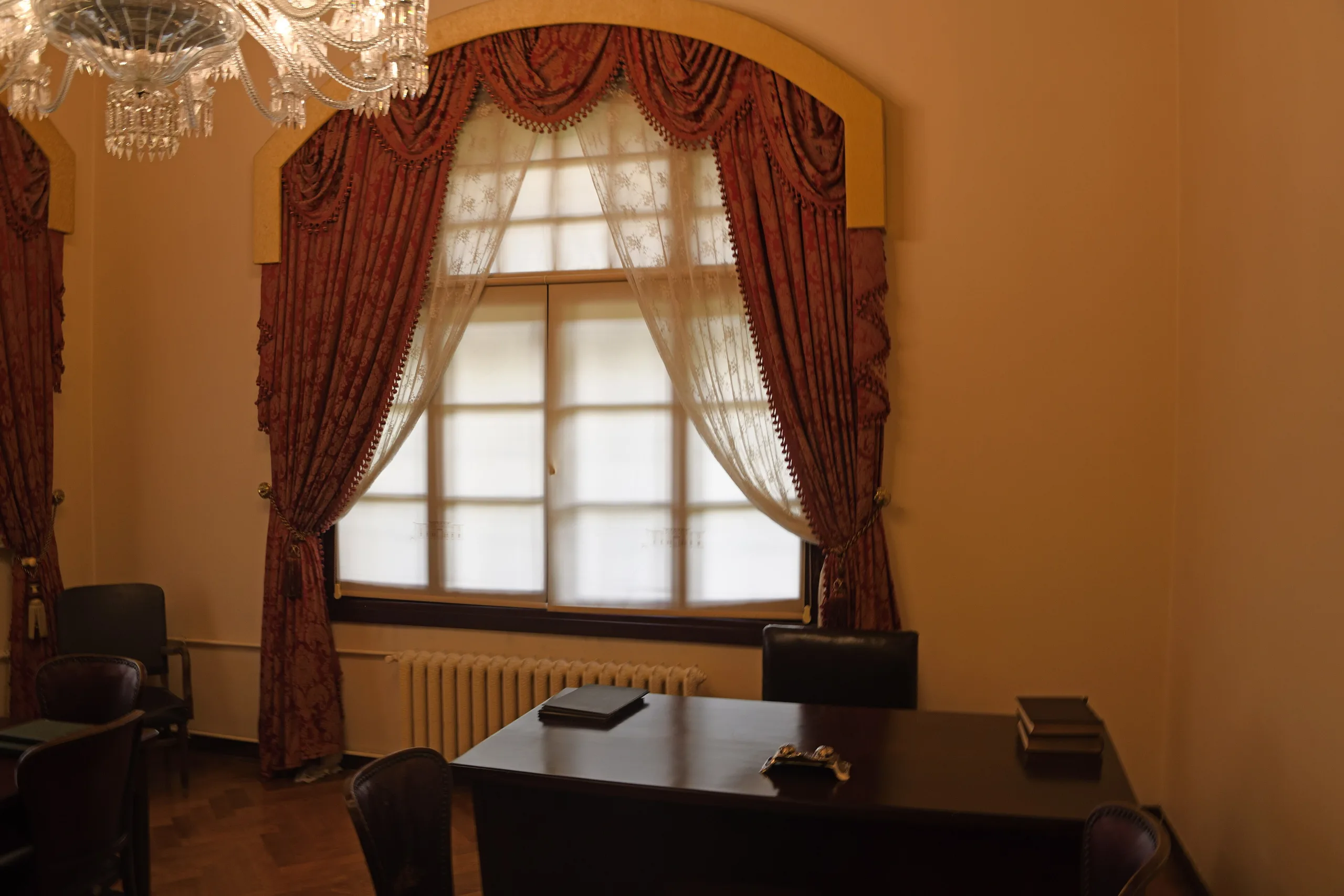
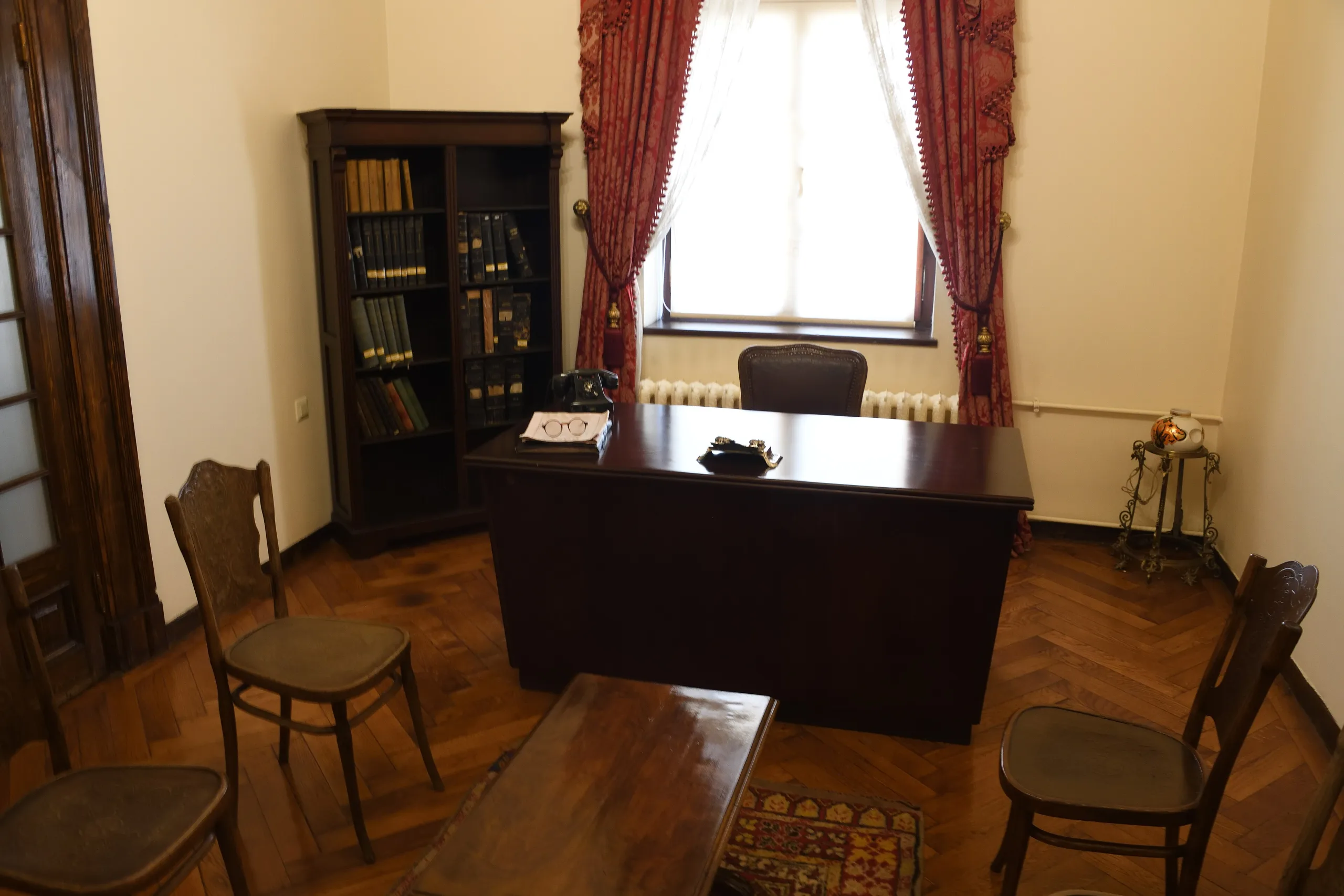
Tek's design shows the traits of the First National Architectural Movement, an early twentieth-century current that reworked Seljuk and Ottoman motifs. Look for arched windows, tiled facades, deep eaves and wooden ceilings painted by hand with Ottoman and Seljuk patterns. On the upper floor are the prime minister's study, the presidential study and reception hall, the speaker's chamber and administrative rooms, whose hand-drawn ceilings and chandeliers are notable. The rooms were arranged with the help of period photographs.
The general assembly hall, opposite the entrance, served as the chamber of the Grand National Assembly from 1924 to 1960. In election years the number of deputies rose as high as 610, and the hall holds 116 rows of seats. It is the room where, as the exhibits tell it, the laws of the reforms were passed, important treaties were agreed and the shift to a multi-party system took place.
Exhibits and visiting
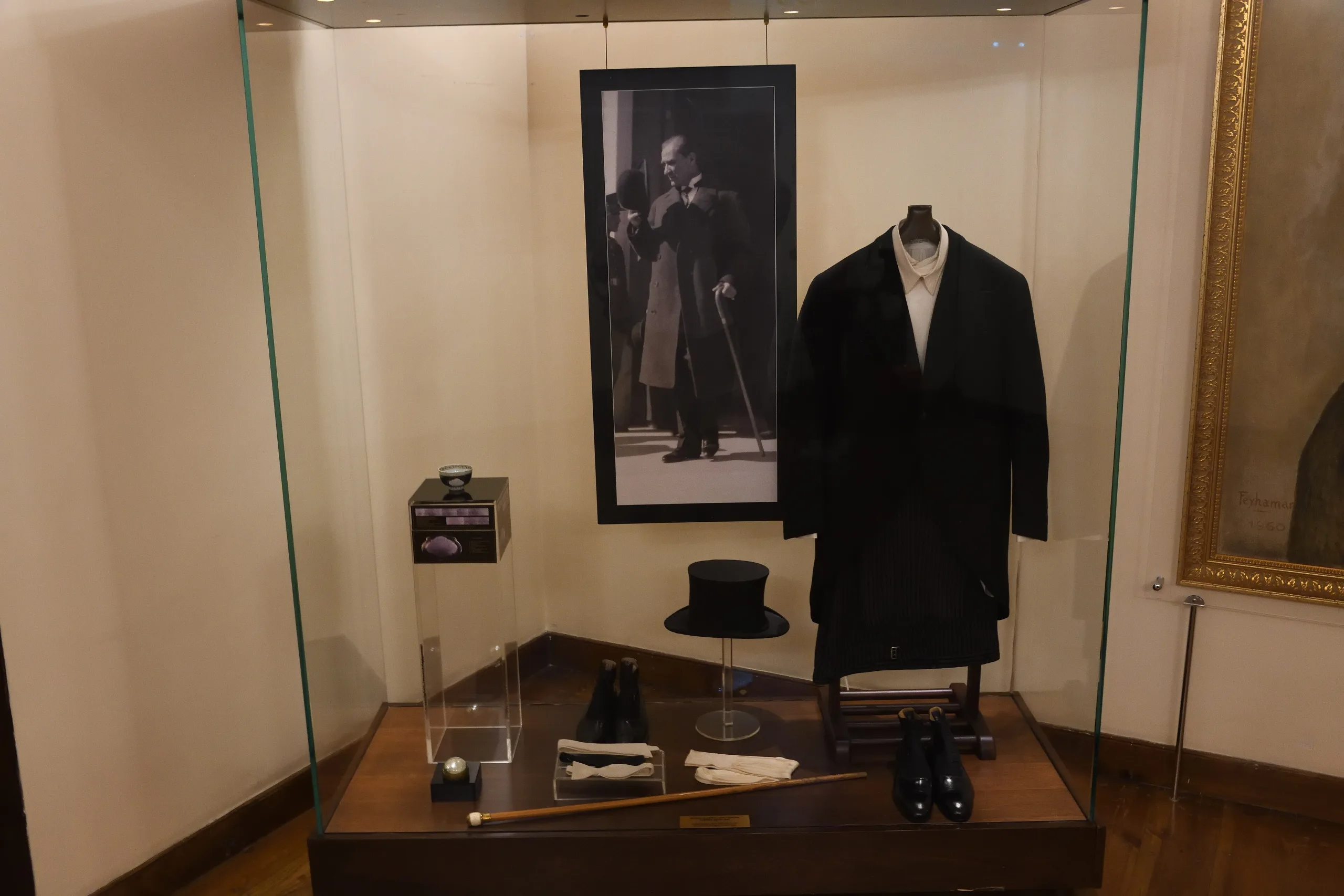
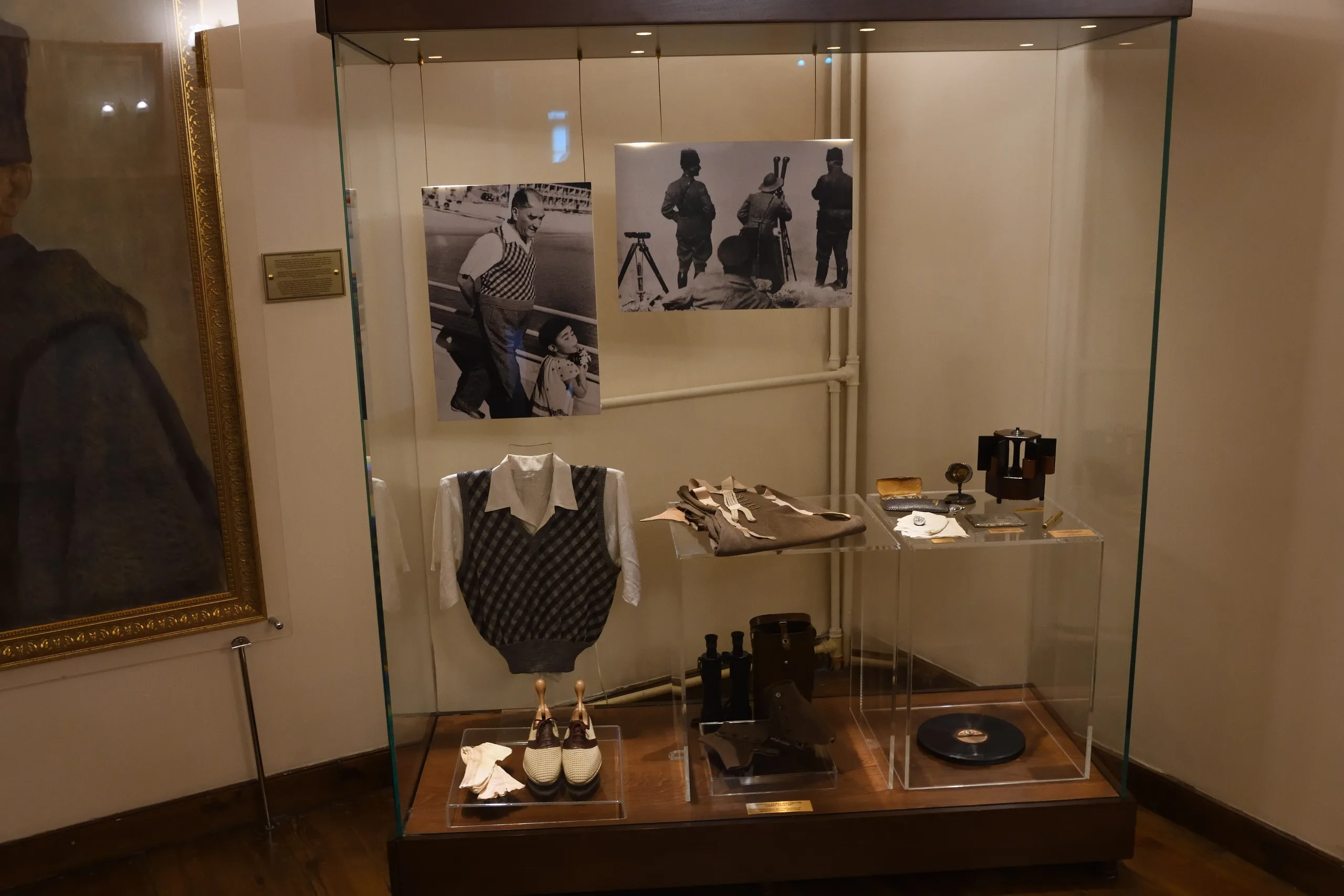
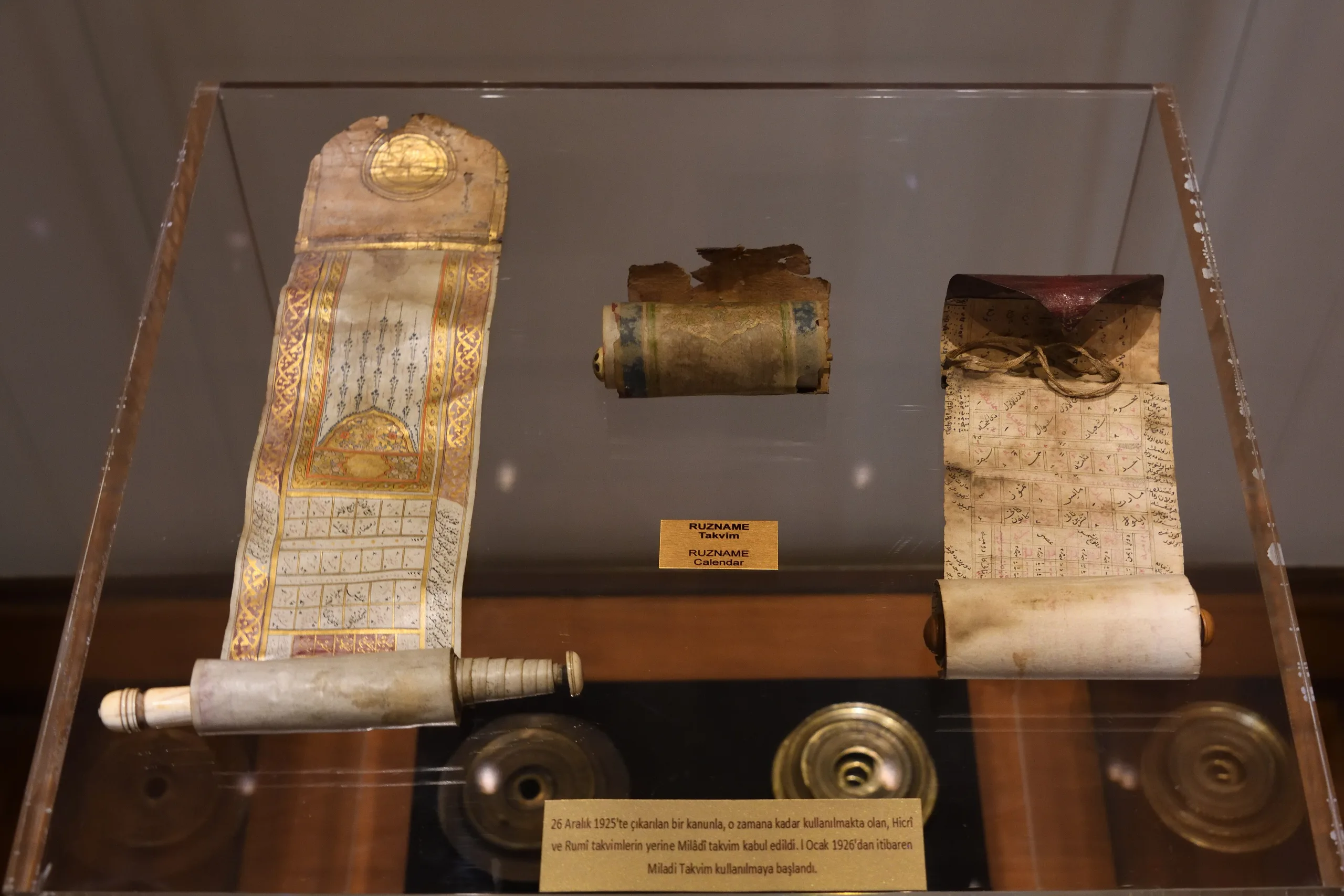
Photographs, documents and objects in cases explain Atatürk's principles, the political and social reforms and developments in the economy and industry. Rooms to the right of the entrance show the private possessions of the three presidents who served in those years, Mustafa Kemal Atatürk, İsmet İnönü and Celal Bayar, and the microphone Atatürk used for his Tenth Anniversary speech is on display. The museum describes itself as Turkey's first child-friendly museum and uses a narrative style meant for young visitors.
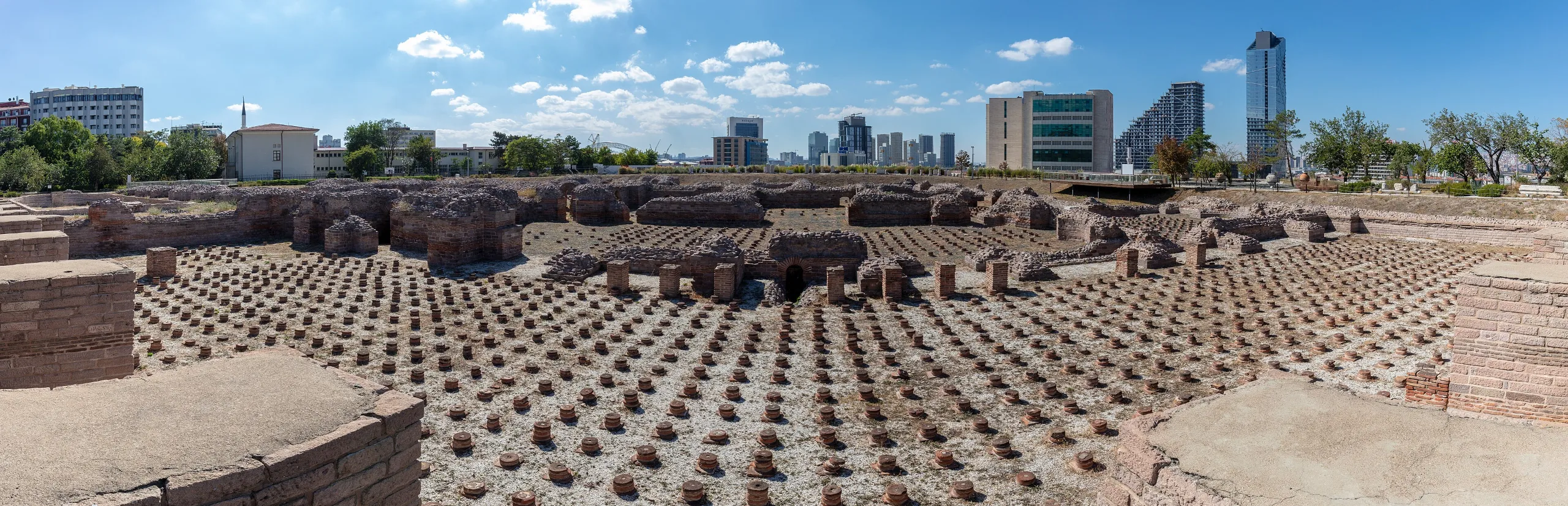
The War of Independence Museum, the first assembly building, is just next door, and Ankara Palas and the Column of Julian stand nearby. See the official page for current visiting details. The MüzeKart is valid for Turkish citizens.
Gallery
Frequently asked questions
How long was the building used as a parliament?
Who designed the building?
Was the Nutuk delivered here?
What happened after parliament moved out?
When did the museum open?
Whose belongings are displayed?
Sources (11)
- Cumhuriyet Müzesi / Republic Museum (TR ve EN sayfalar) — T.C. Kültür ve Turizm Bakanlığı, Müzeler ve Ören Yerleri
- Republic Museum (Wikidata Q6090164) — Wikidata
Photo credits
- Photo: Türkischen National Versammlung, Public domain — Wikimedia Commons (resized)
- Photo: Mehrdad Sarhangi, CC BY 3.0 — Wikimedia Commons (resized)
- Photo: Tevfik Teker, CC BY-SA 4.0 — Wikimedia Commons (resized)
- Photo: Robot8A, CC BY-SA 4.0 — Wikimedia Commons (resized)
- Photo: Dosseman, CC BY-SA 4.0 — Wikimedia Commons (resized)
- Photo: Dosseman, CC BY-SA 4.0 — Wikimedia Commons (resized)
- Photo: Dosseman, CC BY-SA 4.0 — Wikimedia Commons (resized)
- Photo: Dosseman, CC BY-SA 4.0 — Wikimedia Commons (resized)
- Photo: Dosseman, CC BY-SA 4.0 — Wikimedia Commons (resized)