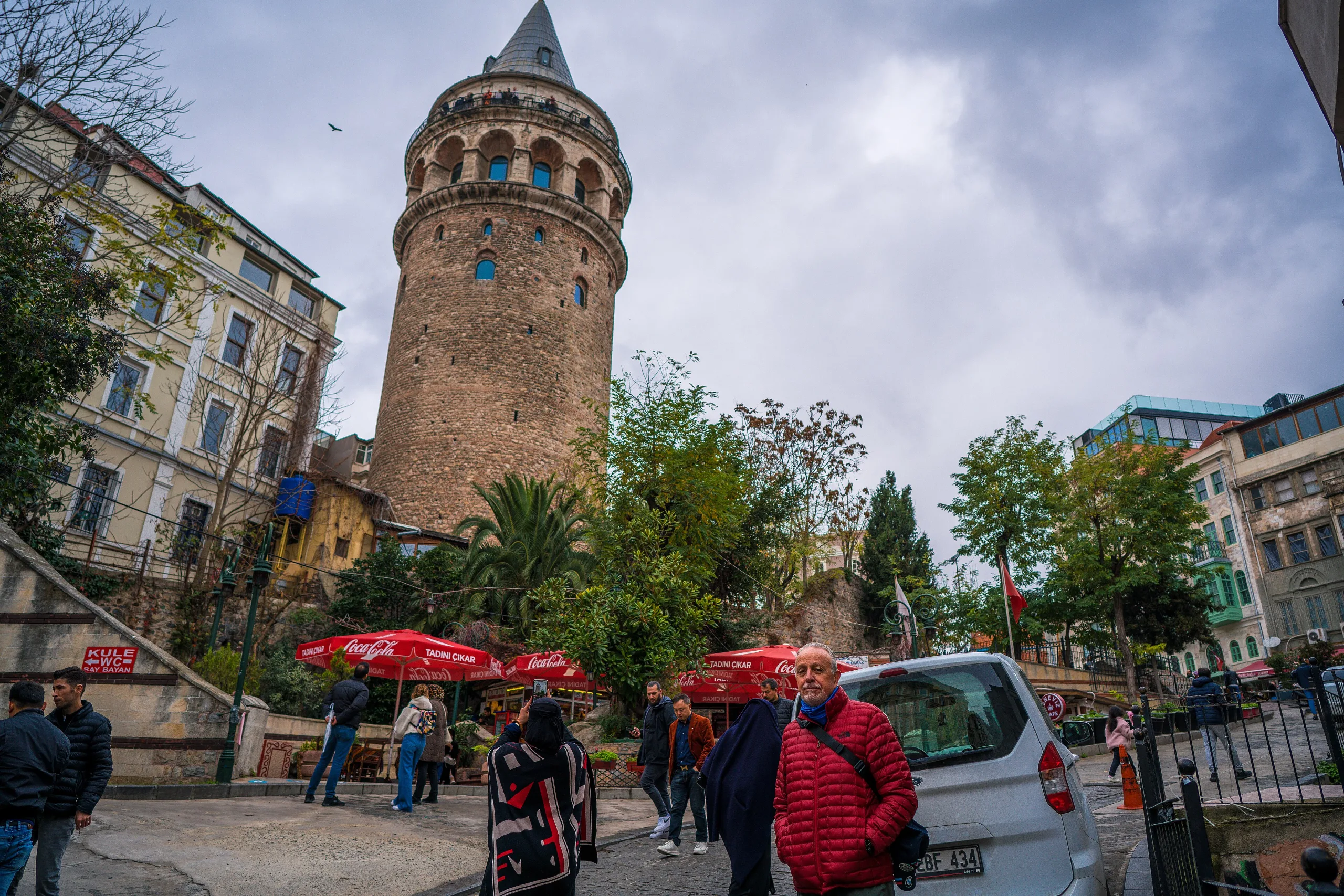
The Galata Tower in Beyoğlu is a stone tower the Genoese added to their quarter's walls in the mid-14th century; it is now a museum and a component of the Genoese network on UNESCO's tentative list.
Galata Tower is a place (Castle) in Turkey, Istanbul. Main periods: Byzantine Period, Ottoman Period.
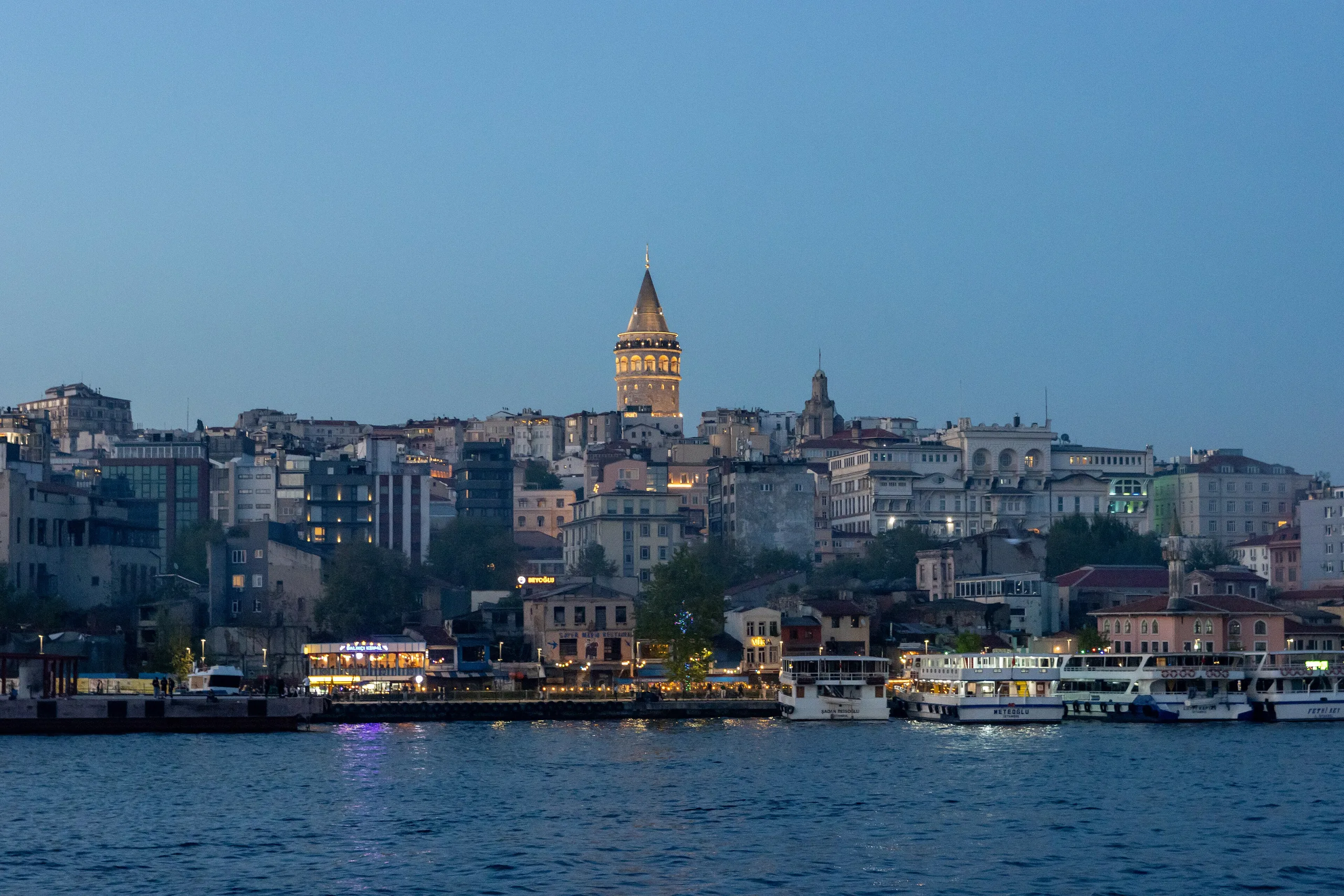
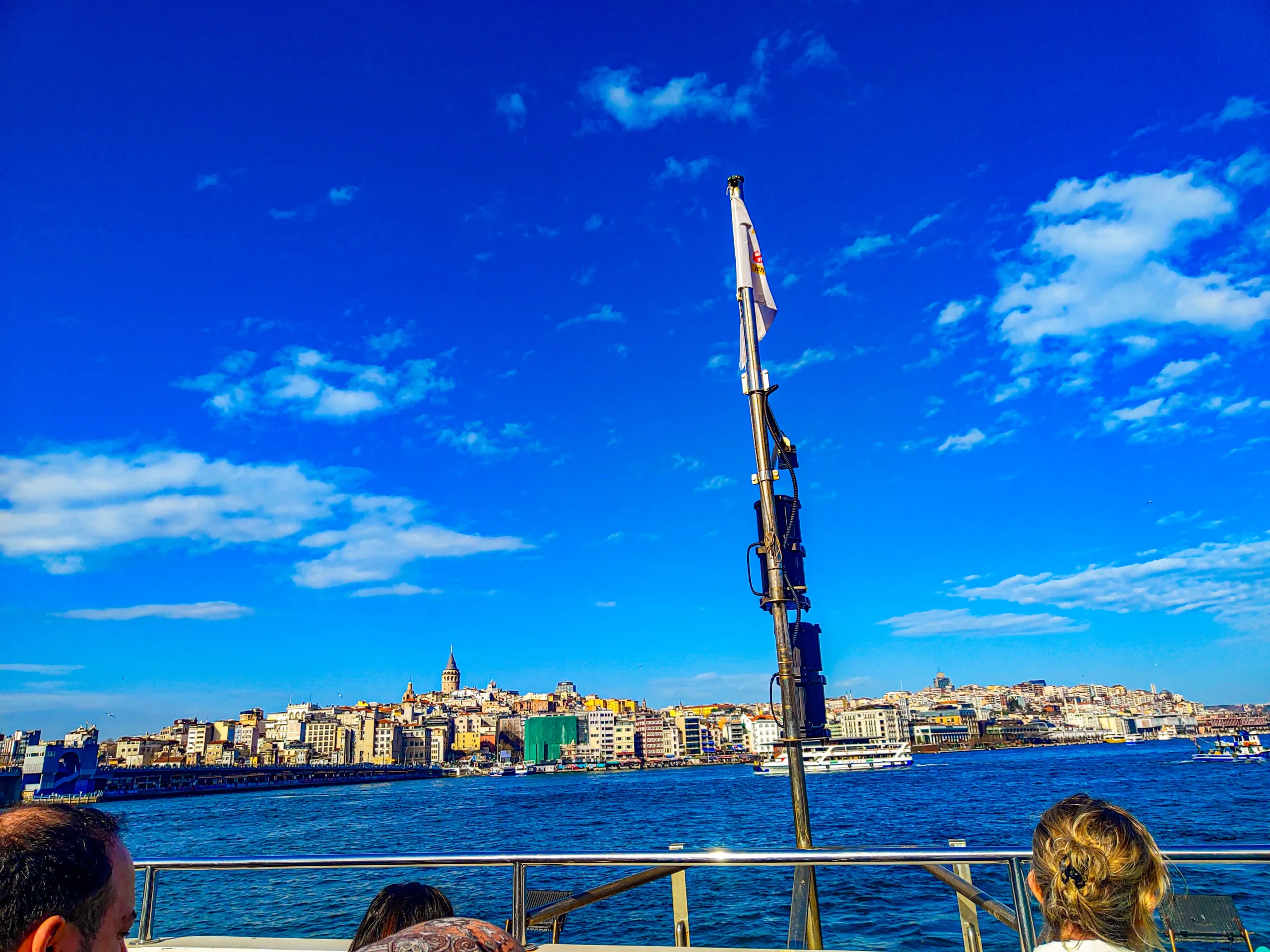
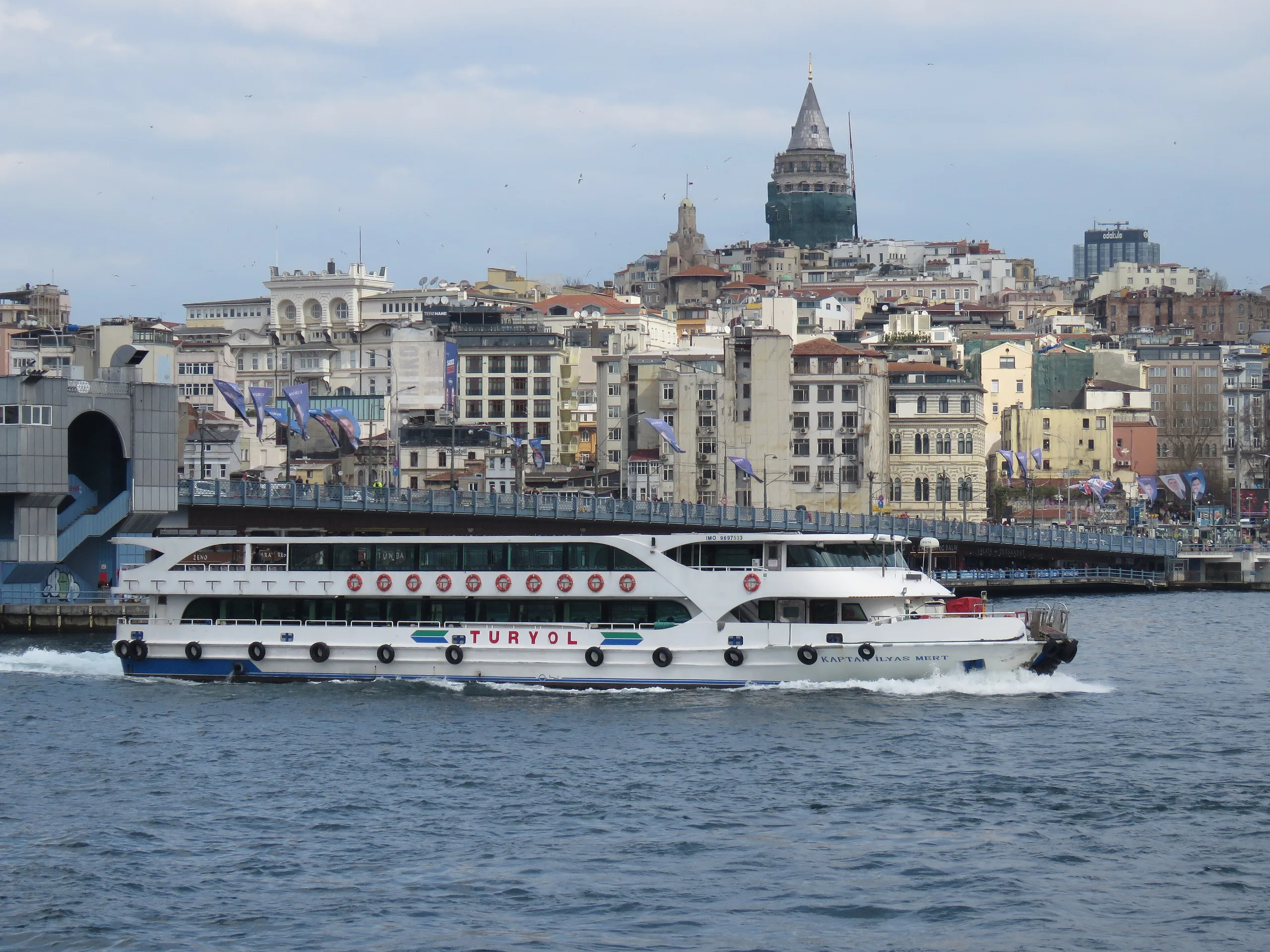
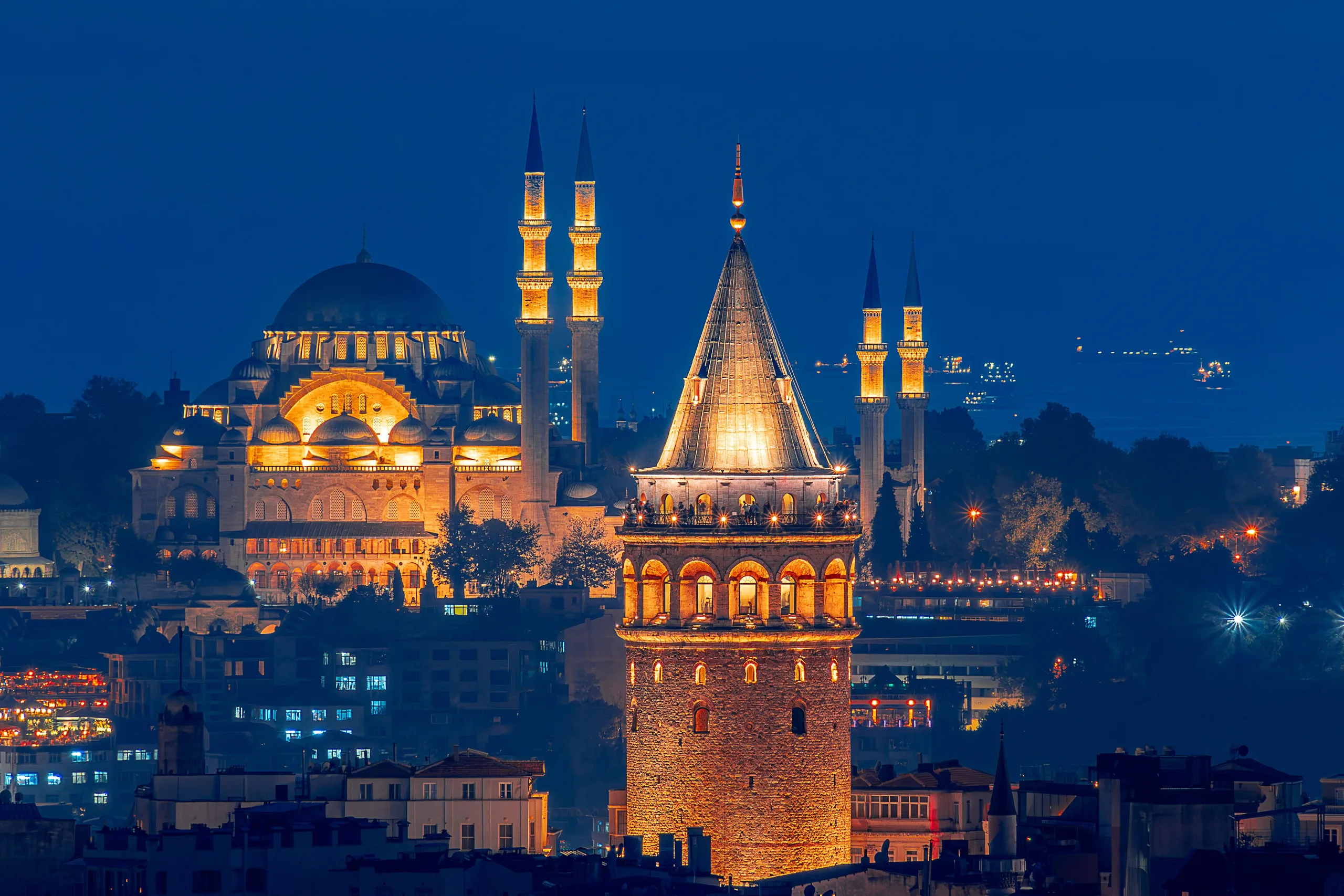
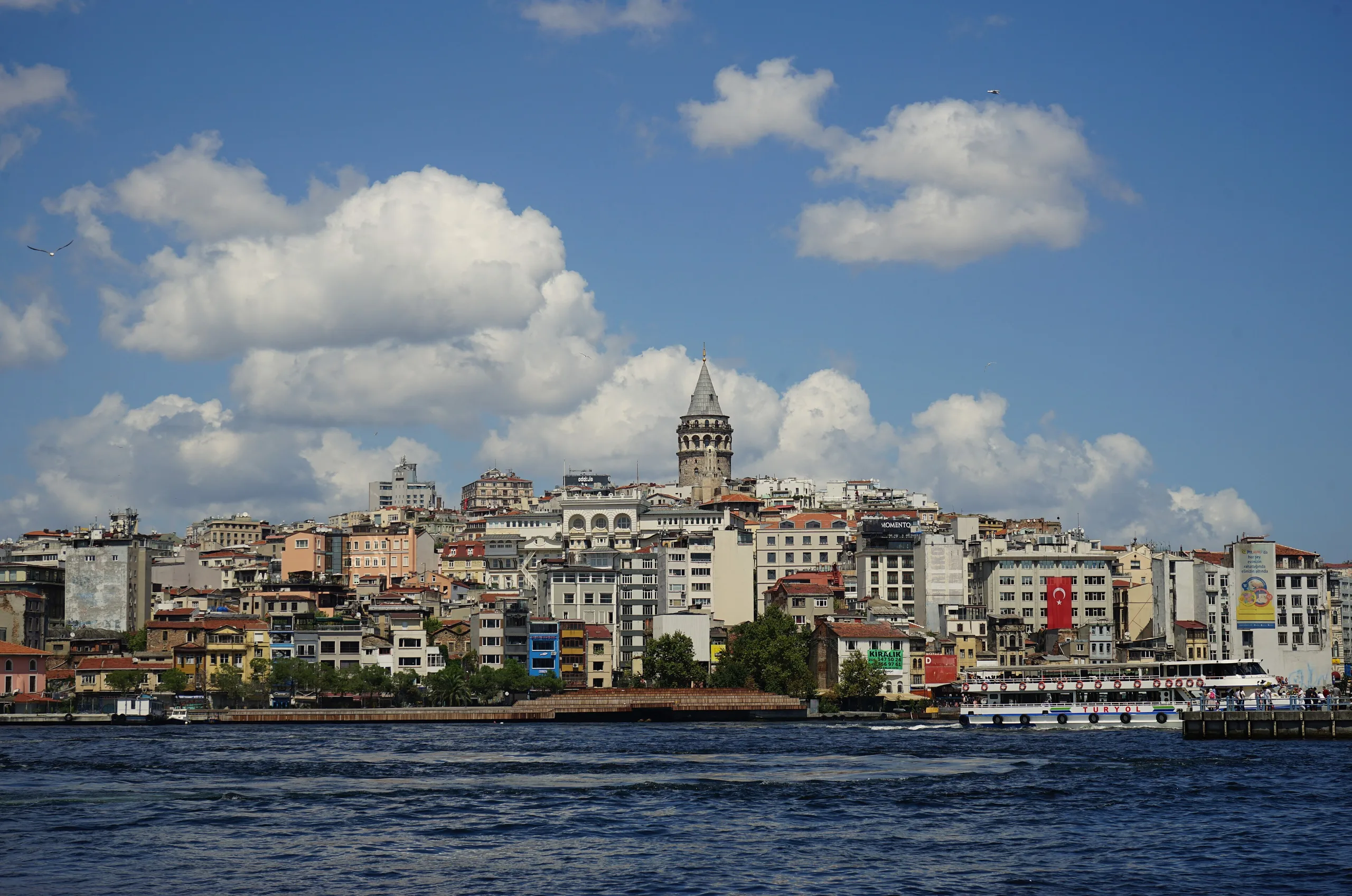
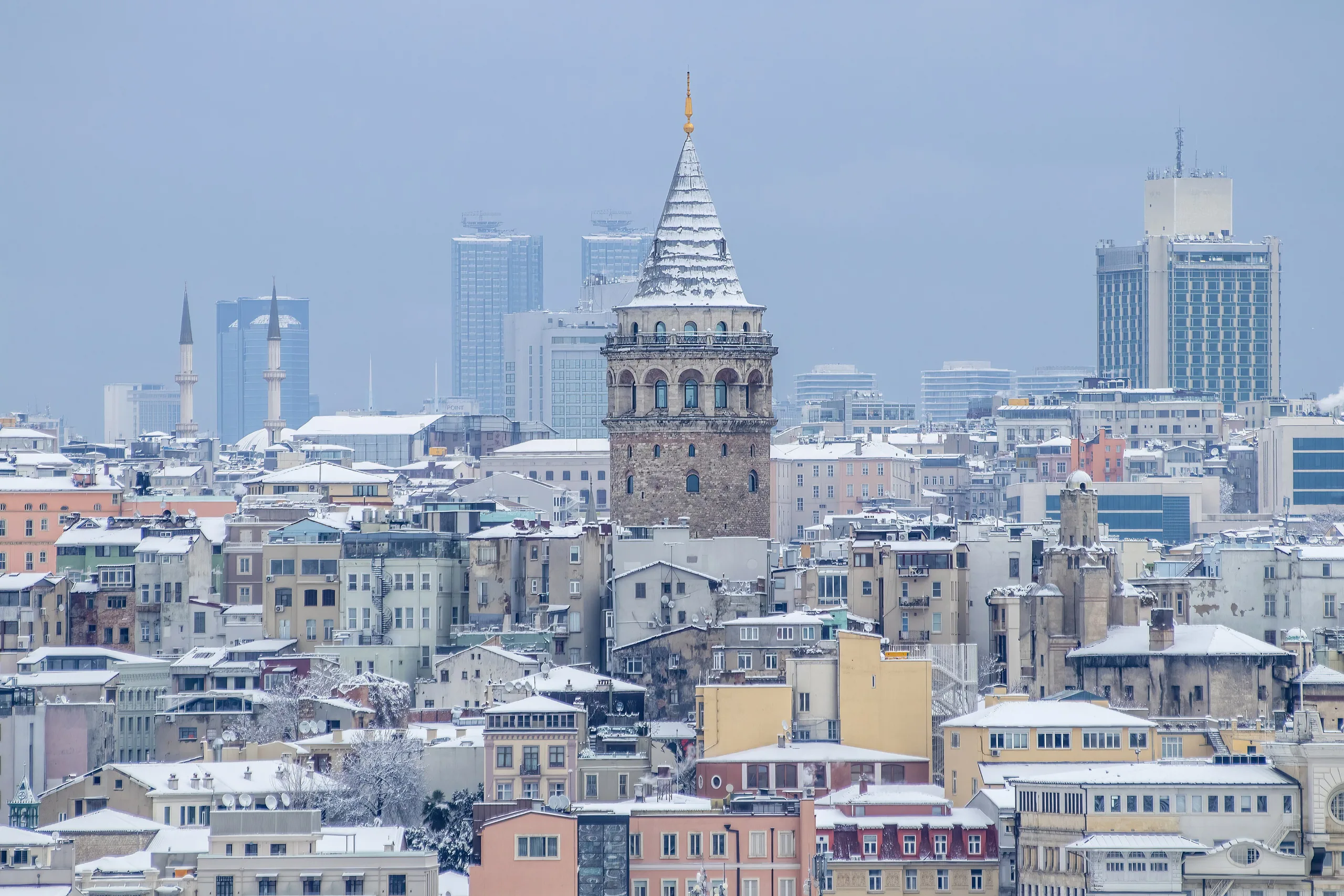
On the northern shore of the Golden Horn, a cylindrical stone shaft with a conical cap rises above the Galata ridge. The Galata Tower was added by the Genoese around the middle of the 14th century to the walls that enclosed their quarter. It towered over every building on the eastern side of the Golden Horn, and today it houses a museum and is one of two Istanbul components in the Genoese trade network submitted to UNESCO in 2026.
History
In Byzantine times Galata was a Genoese trading colony. Under the Treaty of Nymphaeum of 1261, signed with the emperor Michael VIII Palaiologos, Genoa received broad commercial privileges in return for the naval help it gave in retaking Constantinople from the Latins. Galata, known then as Pera, turned into the gateway to the Black Sea trade. The tower was planned there as a lookout and a storehouse, and also as an emblem for the district. The Genoese called it the Tower of Christ, while the Byzantines called it the Great Tower.
After the conquest of Istanbul in 1453, Mehmed II agreed terms with the Genoese and confirmed the privileges they had held under the Byzantines. In Ottoman times the tower served for a while as a dungeon and was then converted into a fire watchtower. Earthquakes and fires damaged it repeatedly, and it was repaired several times under the Ottomans. By the 1960s it was in poor shape; the Istanbul Municipality restored it and opened it to visitors. In 2020 the General Directorate of Foundations restored it again, removing later concrete additions and the cafeteria, and the tower reopened as a museum.
The structure
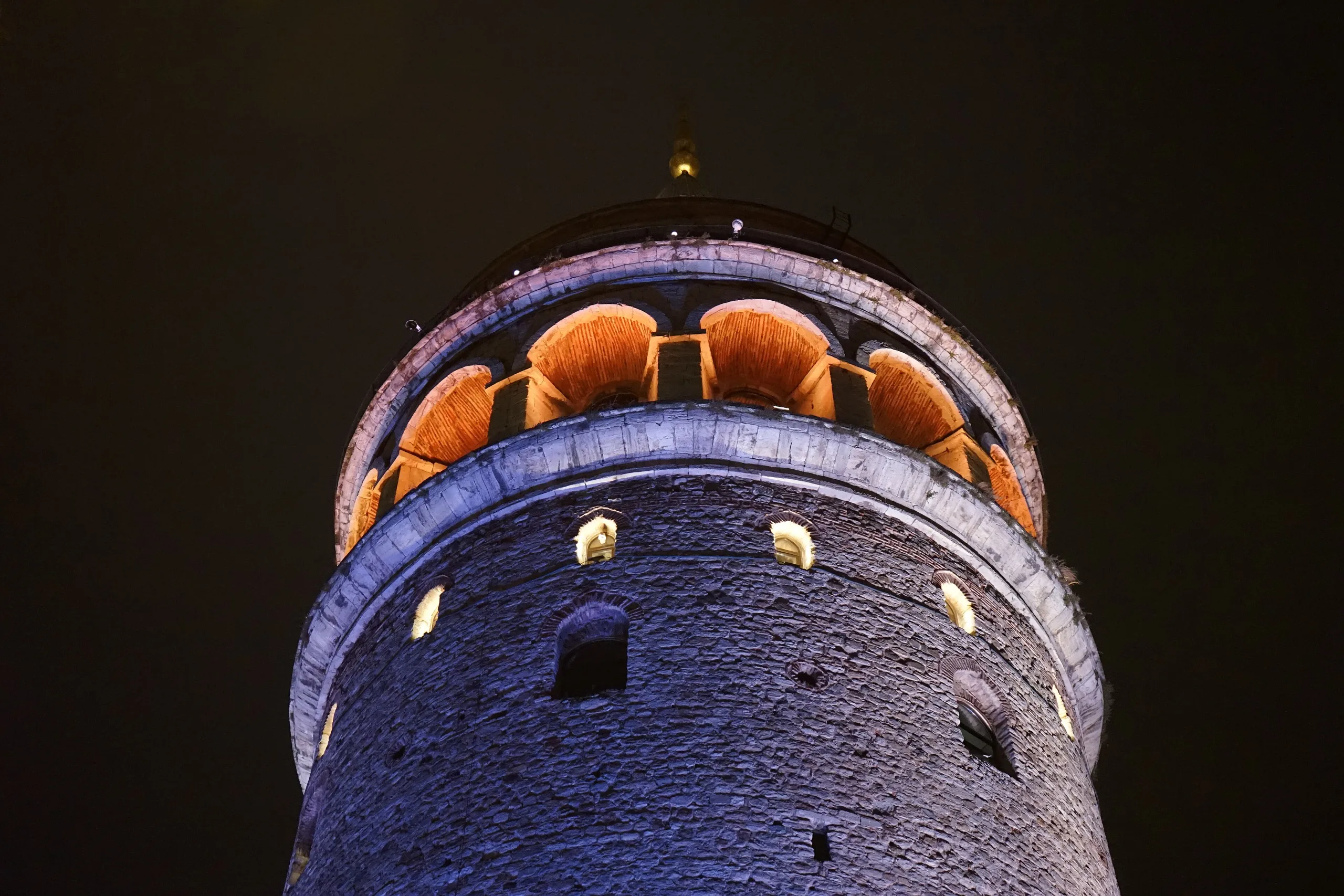
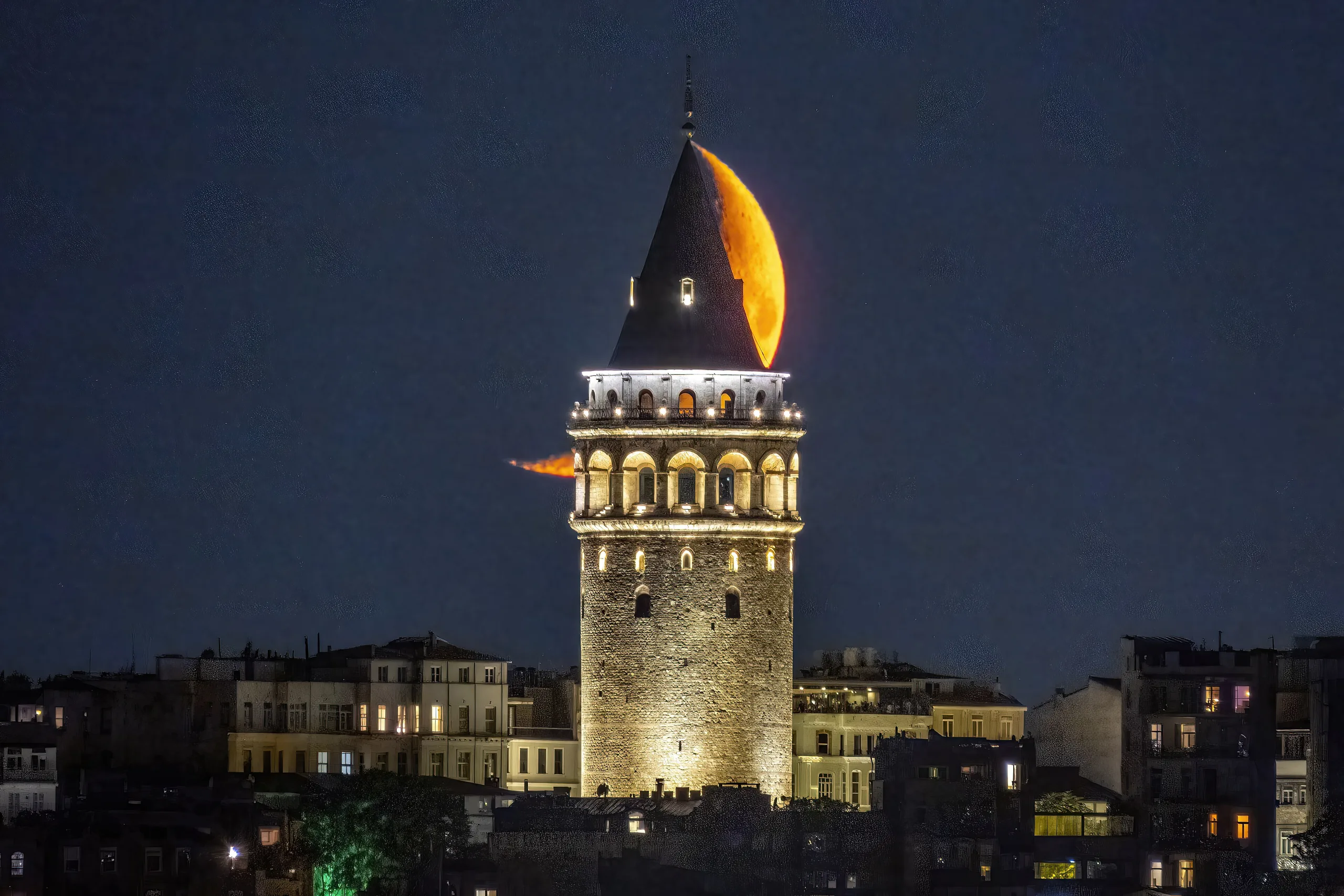
The body is a cylinder topped by a conical roof. Leaving aside the ornament at the summit, it stands 62.59 metres high, with an outer diameter of 16.45 metres, an inner diameter of 8.95 metres and walls 3.75 metres thick. Until the mid-20th century it ranked among the tallest buildings in Istanbul, and the top floor still gives a broad view over the city. The museum inside shows objects from the many phases of a place that was settled in prehistory and later served as capital of three empires.
On the tentative list
The tower belongs, together with Yoros Castle, to the Genoese maritime network that Türkiye submitted to the UNESCO World Heritage Tentative List in 2026. The serial nomination has ten components across six provinces and uses forts, towers and harbours to show how Genoese merchants tied the Black Sea and the Straits to the Aegean and the wider Levant between the 13th and 15th centuries. The tower is therefore a candidate and is not yet on the World Heritage List. It was registered as a cultural property in 1962 by the national board for immovable antiquities and monuments, a decision reviewed in 1964 and 1986.
Visiting
See the official page for current visiting details. The MüzeKart is valid for Turkish citizens. The Galata Mevlevi Lodge, the first Mevlevi lodge in Istanbul, is within walking distance, and visitors who walk up İstiklal Street from the tower will pass the Tarık Tunaya Cultural Centre.
Gallery
Frequently asked questions
Who built the Galata Tower?
How tall is the tower?
What was the tower used for under the Ottomans?
When was it last restored?
Is the Galata Tower a UNESCO World Heritage Site?
What is close to the tower?
Sources (12)
- Galata Kulesi / Galata Tower Museum (TR ve EN sayfalar) — T.C. Kültür ve Turizm Bakanlığı, Müzeler ve Ören Yerleri
- The Genoese Maritime Network: Trading Posts and Fortifications from the Mediterranean to the Black Sea (Tentative Lists, Ref. 7030) — UNESCO World Heritage Centre
- Galata Kulesi (Wikidata Q91274) — Wikidata
Photo credits
- Photo: Nan Palmero from San Antonio, TX, USA, CC BY 2.0 — Wikimedia Commons (resized)
- Photo: Photograph by Mike Peel ( www.mikepeel.net )., CC BY-SA 4.0 — Wikimedia Commons (resized)
- Photo: Aykhan Zayedzadeh, CC BY-SA 4.0 — Wikimedia Commons (resized)
- Photo: Calistemon, CC BY-SA 4.0 — Wikimedia Commons (resized)
- Photo: Ahmetyi1maz, CC0 — Wikimedia Commons (resized)
- Photo: Antonina Vyshnevska, CC BY-SA 4.0 — Wikimedia Commons (resized)
- Photo: Antonina Vyshnevska, CC BY-SA 4.0 — Wikimedia Commons (resized)
- Photo: Melih1969, CC BY-SA 4.0 — Wikimedia Commons (resized)
- Photo: Melih1969, CC BY-SA 4.0 — Wikimedia Commons (resized)