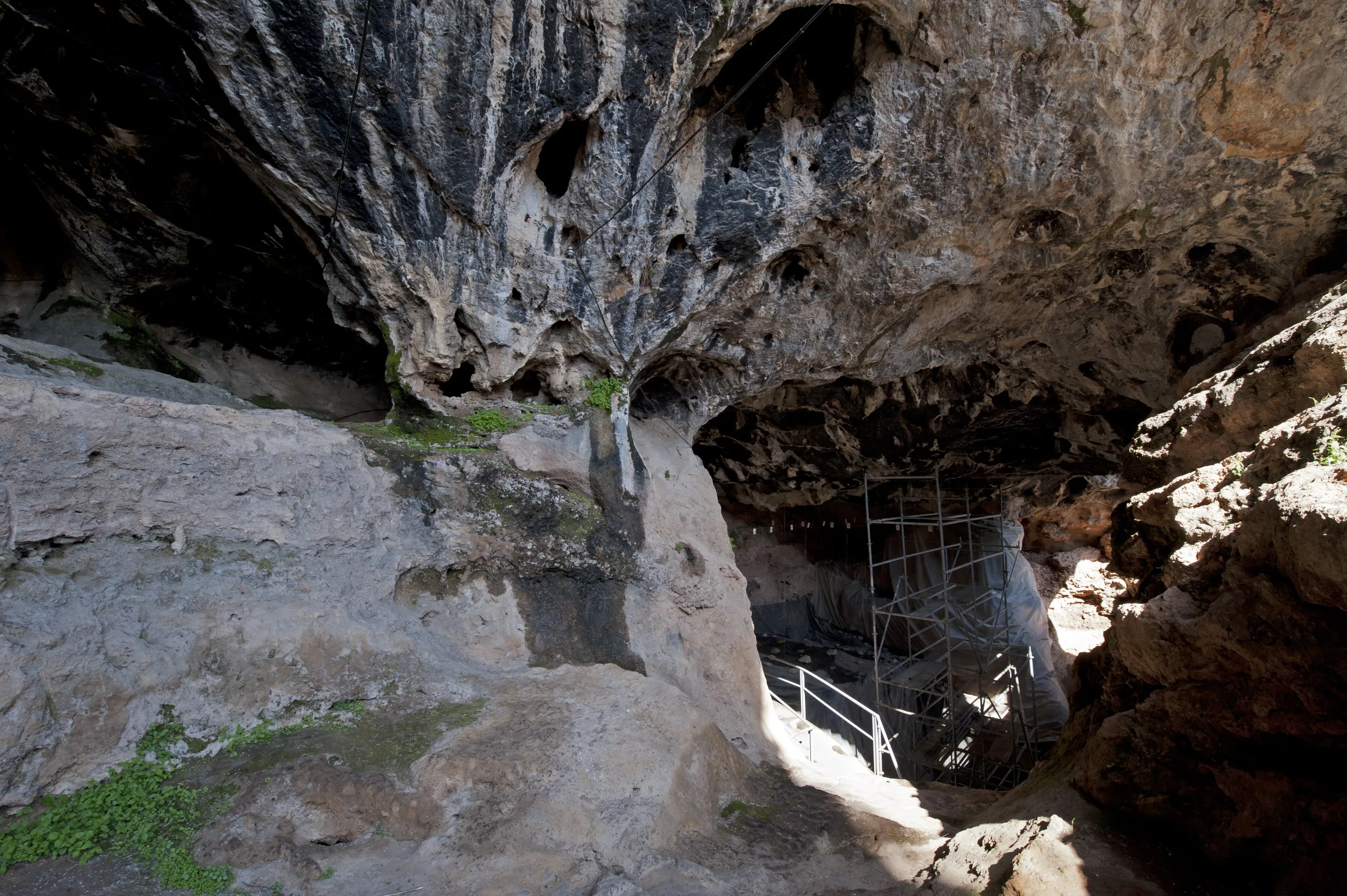
Karain Cave near Antalya, excavated since 1946, holds traces of settlement about 500,000 years old and is the largest cave in Turkey known to have been inhabited.
Karain Cave is a place (Cave settlement) in Turkey, Antalya. Main periods: Neolithic Period, Chalcolithic Period, Bronze Age.
North-west of Antalya, on the east slope of Mount Katran and 150 m above the travertine plain, a cave mouth opens in the rock. Reaching the entrance means climbing 470 steps from the visitor reception point. Karain is the largest cave in Turkey in which people have lived, and the excavations here show that the area was a settlement centre as long as 500,000 years ago. It lies in the territory of Yağca village, 27 km from Antalya and about 30 km northwest of the city centre.
The cave and its setting
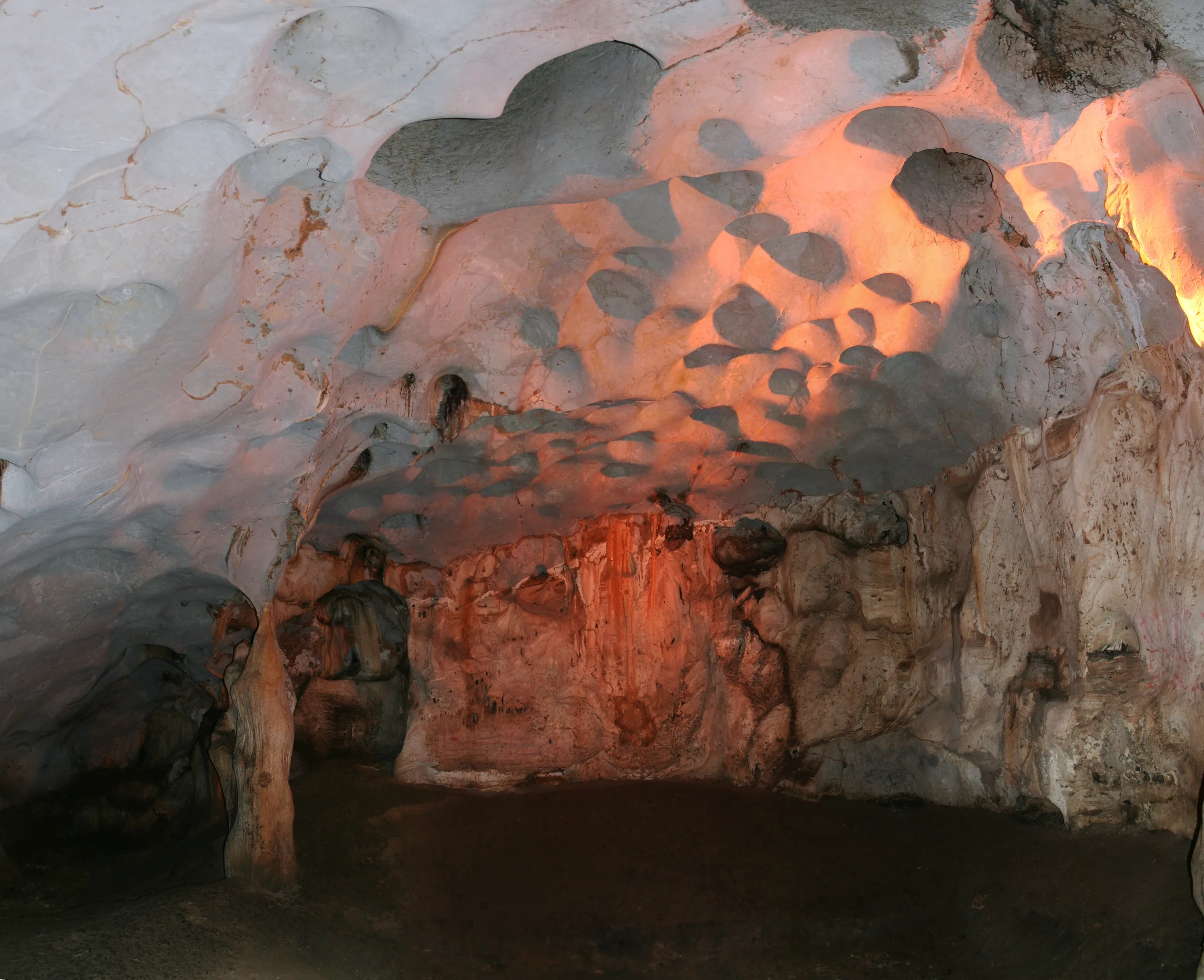
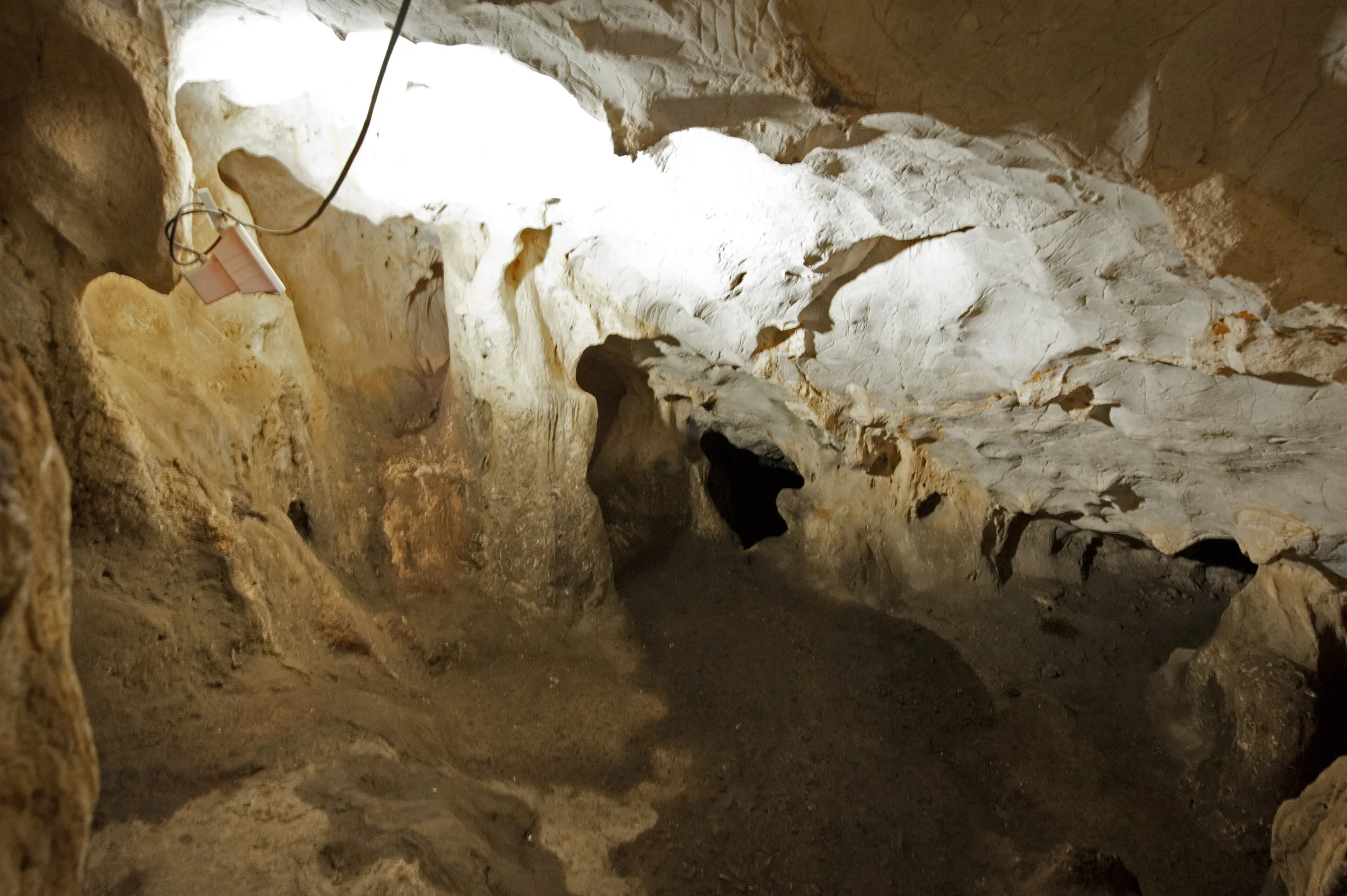
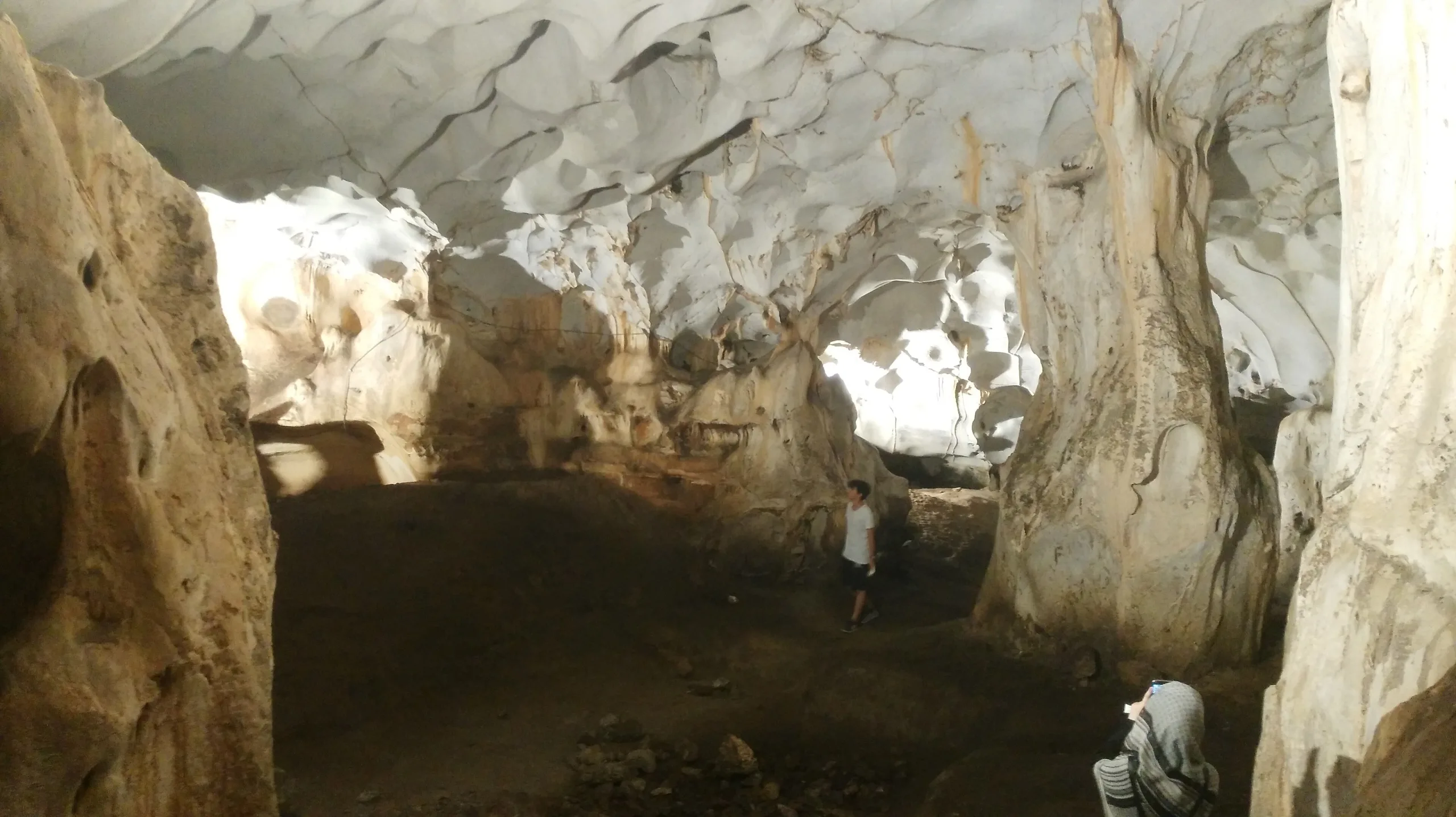
The cave is not a single hall but a complex, with many chambers divided by calcite walls and narrow, winding passages. It is cut into Cretaceous limestone at 430 to 450 m above sea level. The plain below is among the largest travertine plains in the world, and a lake once filled its middle during the Pleistocene. Stalactites and stalagmites decorate the interior. Close to the Çubuk gorge, the cave overlooks an important passage linking the Mediterranean coast with Central Anatolia and the Lakes Region.
Excavations
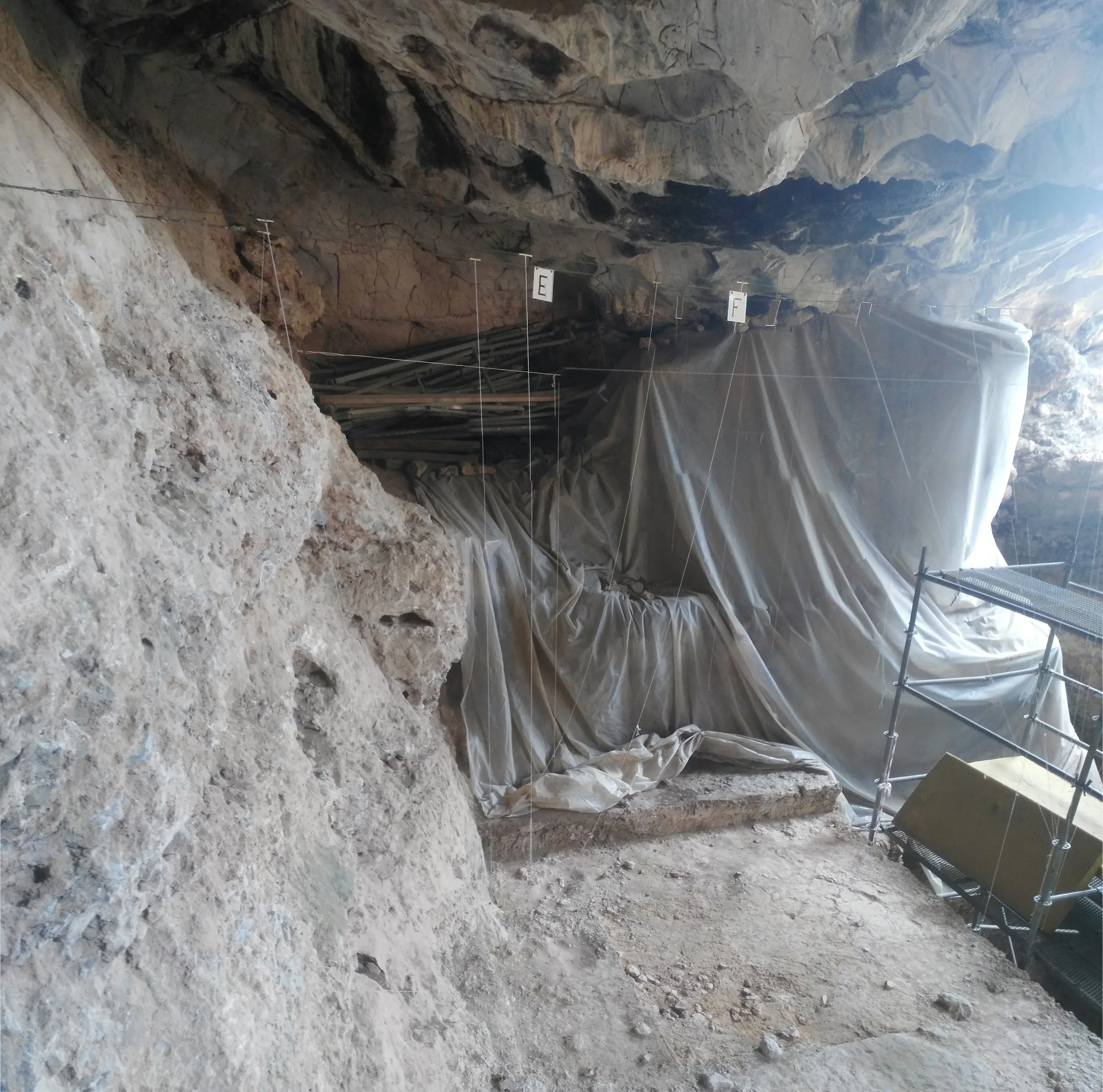
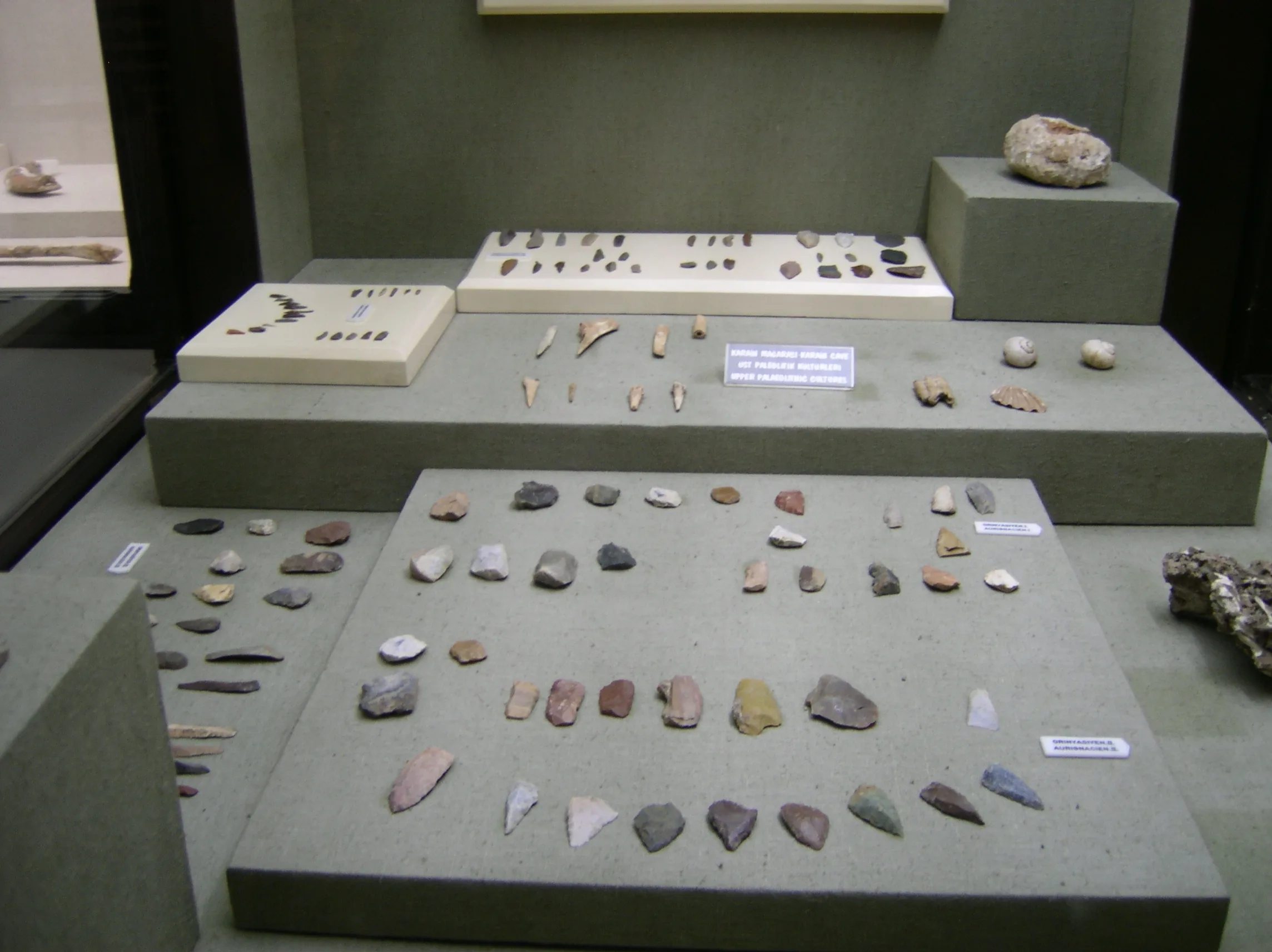
Digging has continued since 1946. The deposit records the Lower, Middle and Upper Palaeolithic, the three stages of the Old Stone Age, without a break, and people went on to live here in the Neolithic, the Chalcolithic, the Early Bronze Age and the classical period. The cultural fill therefore reaches about 11 m in thickness. The longest and most significant occupation falls in the Palaeolithic. The excavations brought up stone and bone tools, beads and the earliest examples of art in Anatolia.
The finds say much about more than people. Bones of rhinoceros, elephant and hippopotamus, animals no longer found in Anatolia, have helped rebuild the plants and fauna of the Pleistocene landscape. Traces of hunter-gatherers who made simple hand tools have been followed here too.
A votive cave
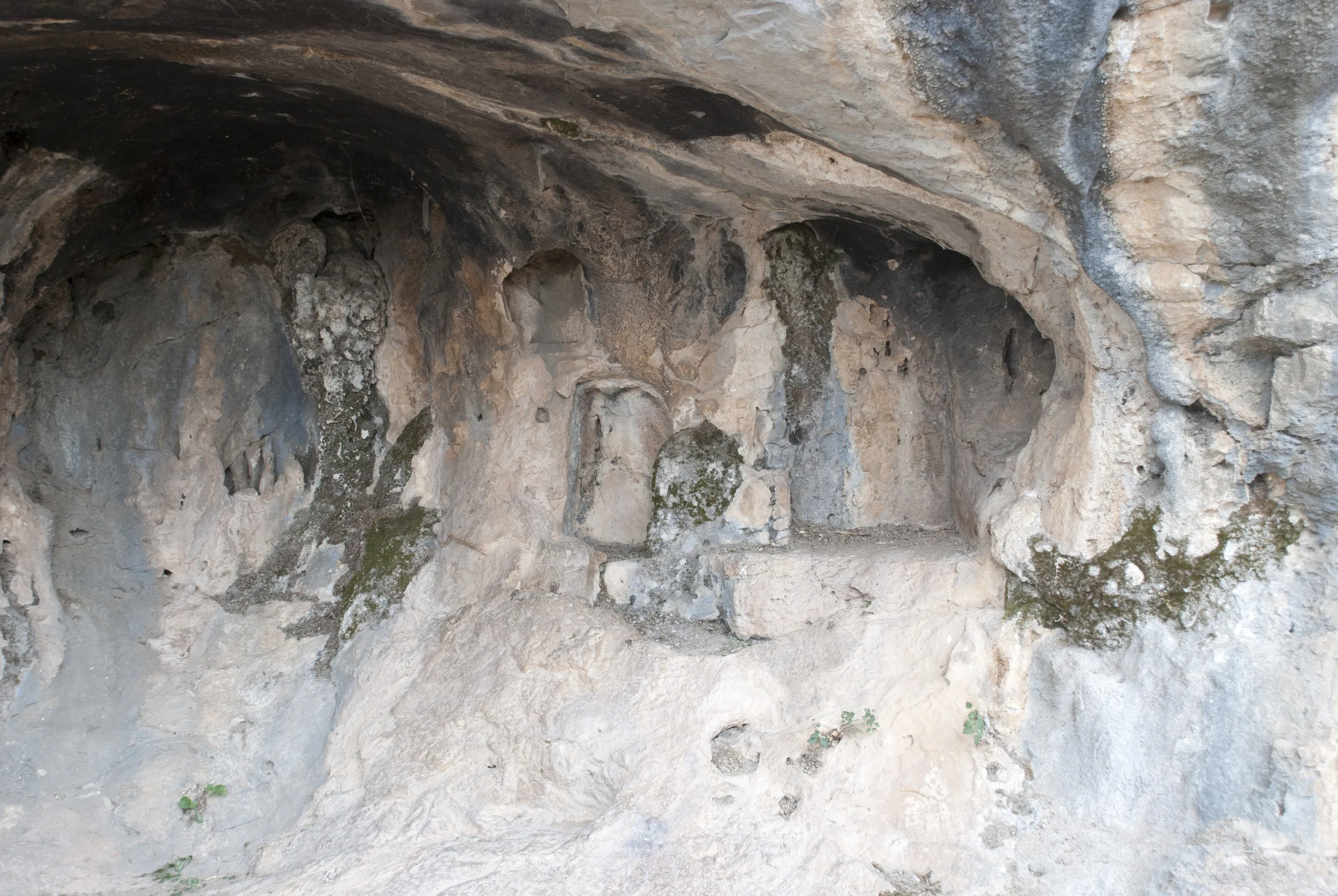
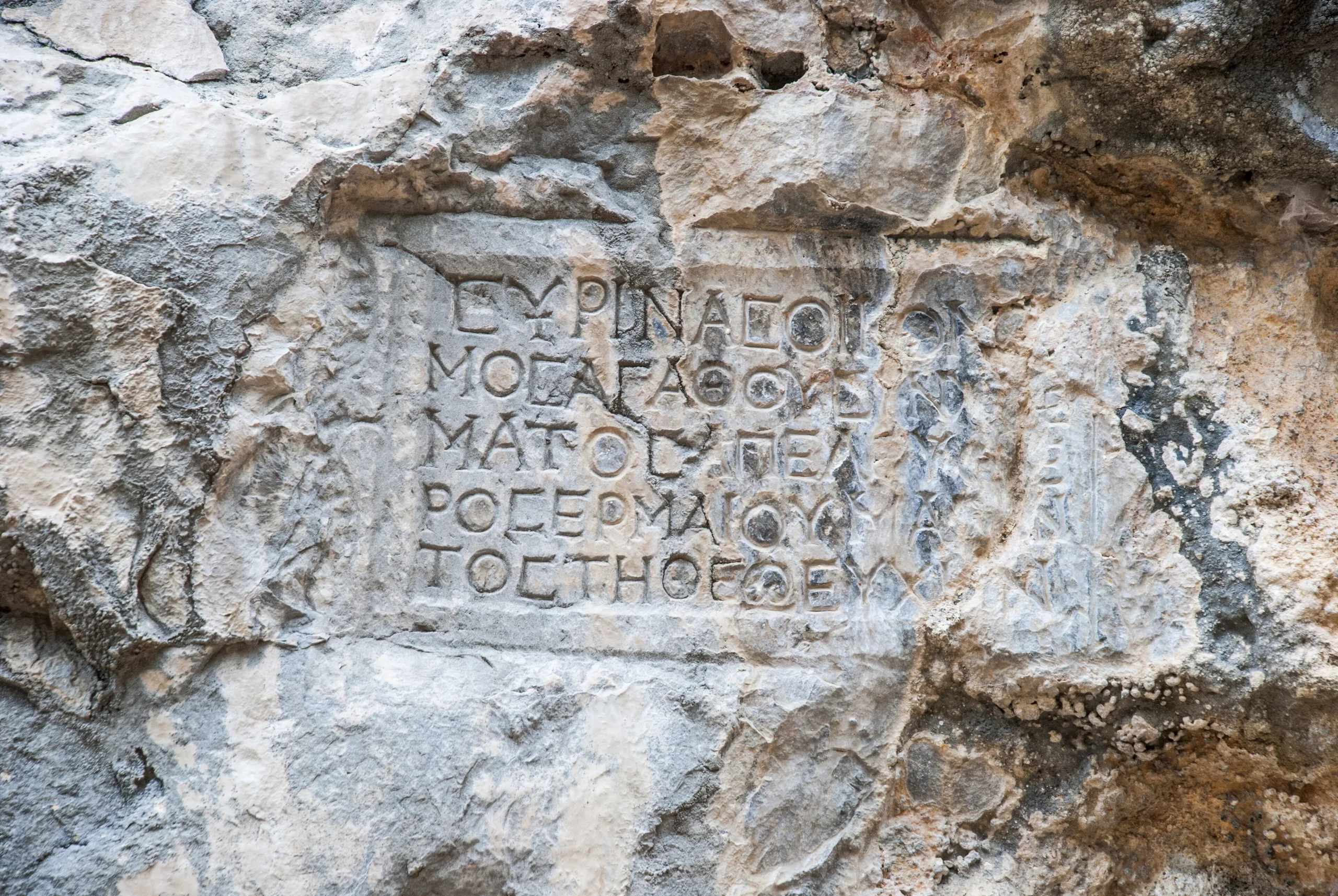
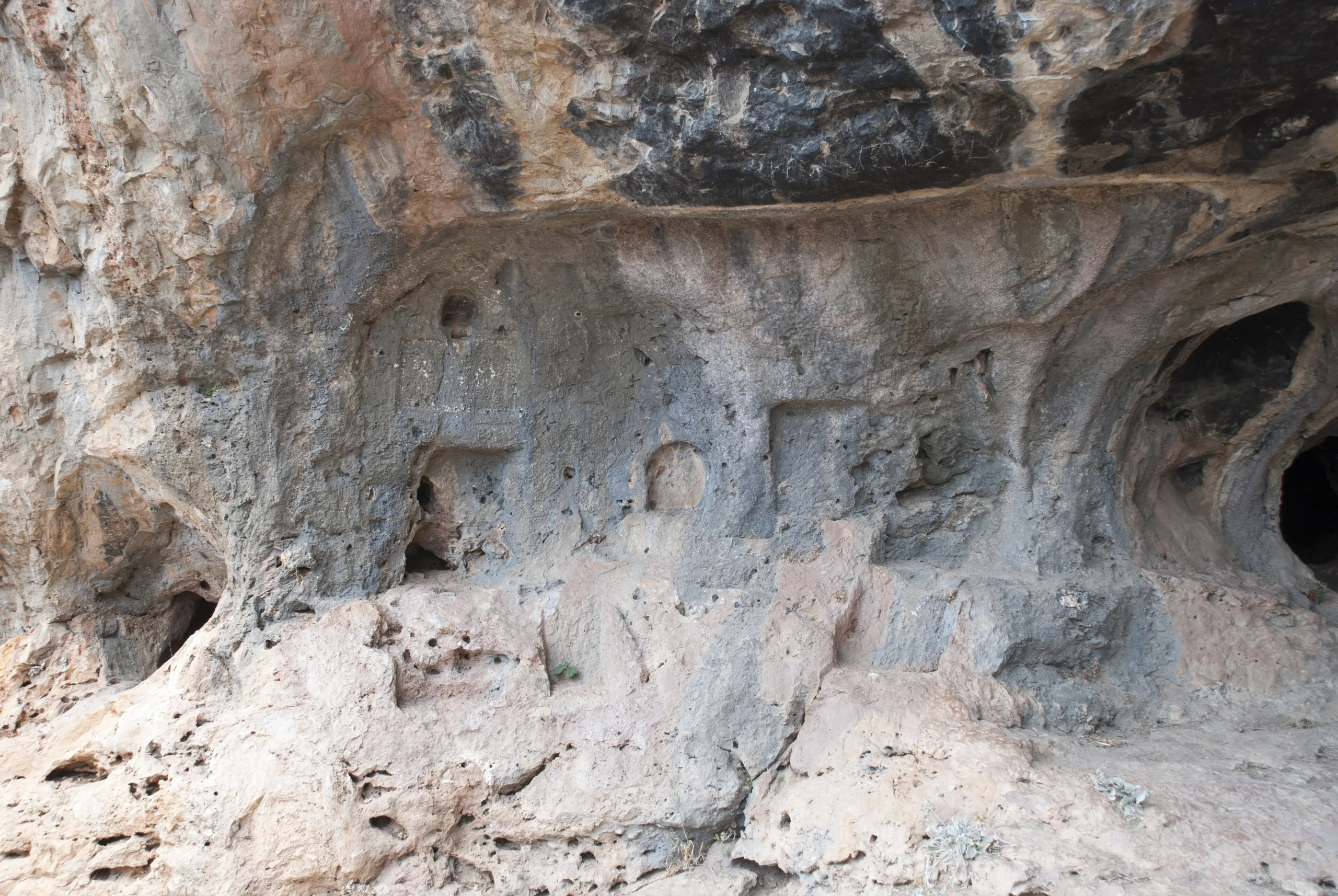
In the Roman period the cave served mostly as a place for offerings. Greek inscriptions and niches mark its brow and outer walls, and votive texts suggest that a mountain goddess was worshipped. Finds from the digs are displayed in the Karain Museum next to the cave and in the Antalya Museum.
World Heritage candidacy
Karain has been on UNESCO's Tentative List since 1994, put forward together with neighbouring caves for its mixed cultural and natural character; the file names criteria (iii) and (vi). It is not yet on the World Heritage List.
Visiting
Conditions can change; check the page for the site on muze.gov.tr. The MüzeKart is valid for Turkish citizens.
Gallery
Frequently asked questions
Where is Karain Cave?
How long was the cave inhabited?
When did the excavations begin?
Where are the finds displayed?
Is Karain a World Heritage Site?
Sources (13)
- Karain Mağarası / Karain Cave (TR ve EN sayfalar) — T.C. Kültür ve Turizm Bakanlığı, Müzeler ve Ören Yerleri
- Karain Cave - Tentative Lists, ref. 666 — UNESCO World Heritage Centre
- Karain Mağarası - Antalya, Gezilecek Yerler — T.C. Kültür ve Turizm Bakanlığı, Kültür Portalı (kaynak: Antalya İl Kültür ve Turizm Müdürlüğü)
- Karain Cave (Wikidata Q1062421) — Wikidata
Photo credits
- Photo: Dosseman, CC BY-SA 4.0 — Wikimedia Commons (resized)
- Photo: Ingo Mehling, CC BY-SA 3.0 — Wikimedia Commons (resized)
- Photo: Dosseman, CC BY-SA 4.0 — Wikimedia Commons (resized)
- Photo: Acar54, CC BY-SA 4.0 — Wikimedia Commons (resized)
- Photo: Acar54, CC BY-SA 4.0 — Wikimedia Commons (resized)
- Photo: Acar54, CC BY-SA 4.0 — Wikimedia Commons (resized)
- Photo: Acar54, CC BY-SA 4.0 — Wikimedia Commons (resized)
- Photo: Acar54, CC BY-SA 4.0 — Wikimedia Commons (resized)
- Photo: tr:User:Bruno Giordano, CC BY-SA 3.0 — Wikimedia Commons (resized)