A Seljuk-period lodge in Kaleiçi, Antalya, set inside the Yivli Minaret complex; its domed ceremony hall, six dervish cells, bath and two tombs now make up the Mevlevi Lodge Museum.
Antalya Mevlevi Lodge is a place (Historic building) in Turkey, Antalya. Main periods: Seljuk Period, Ottoman Period, Beyliks Period.
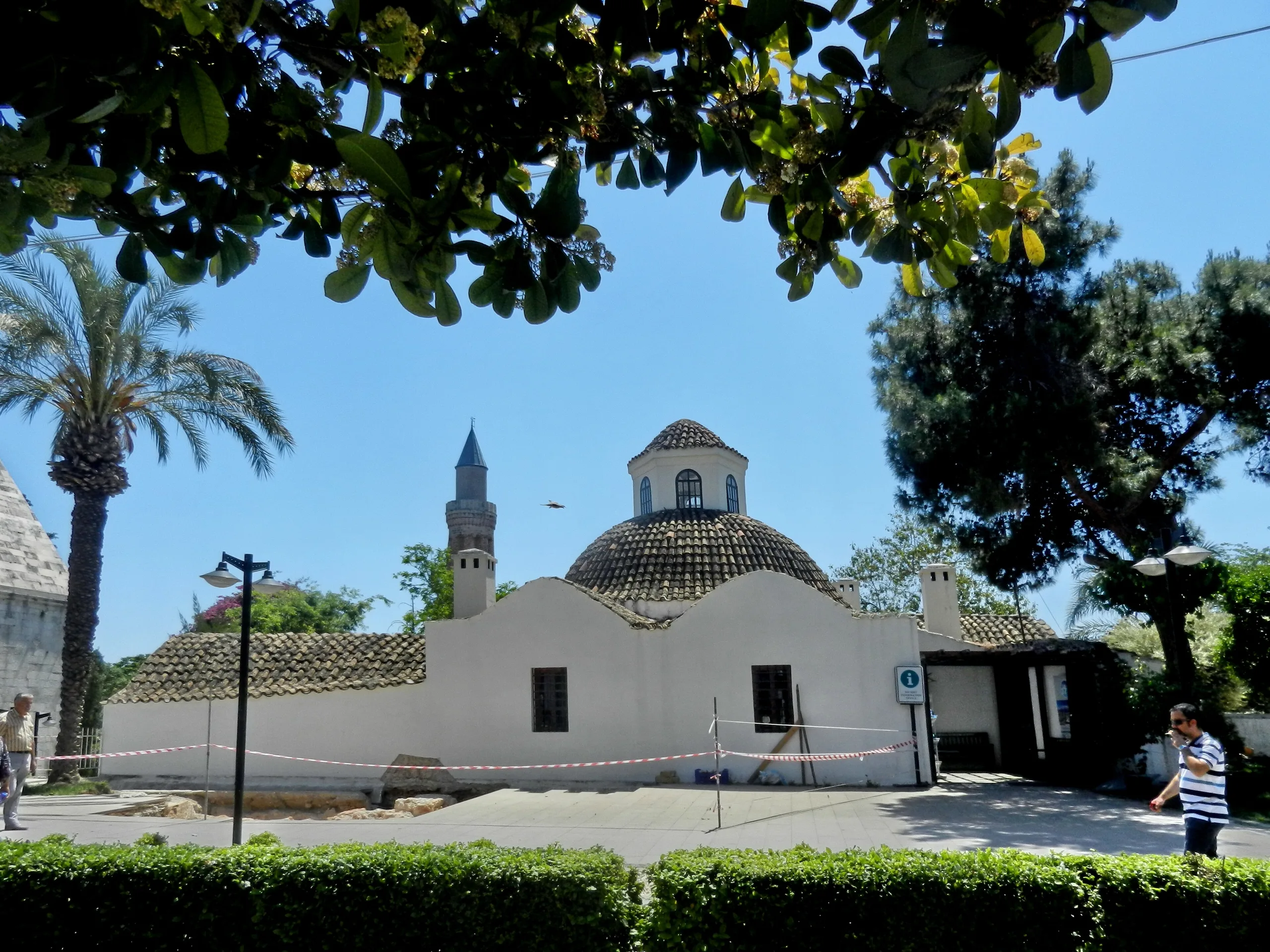
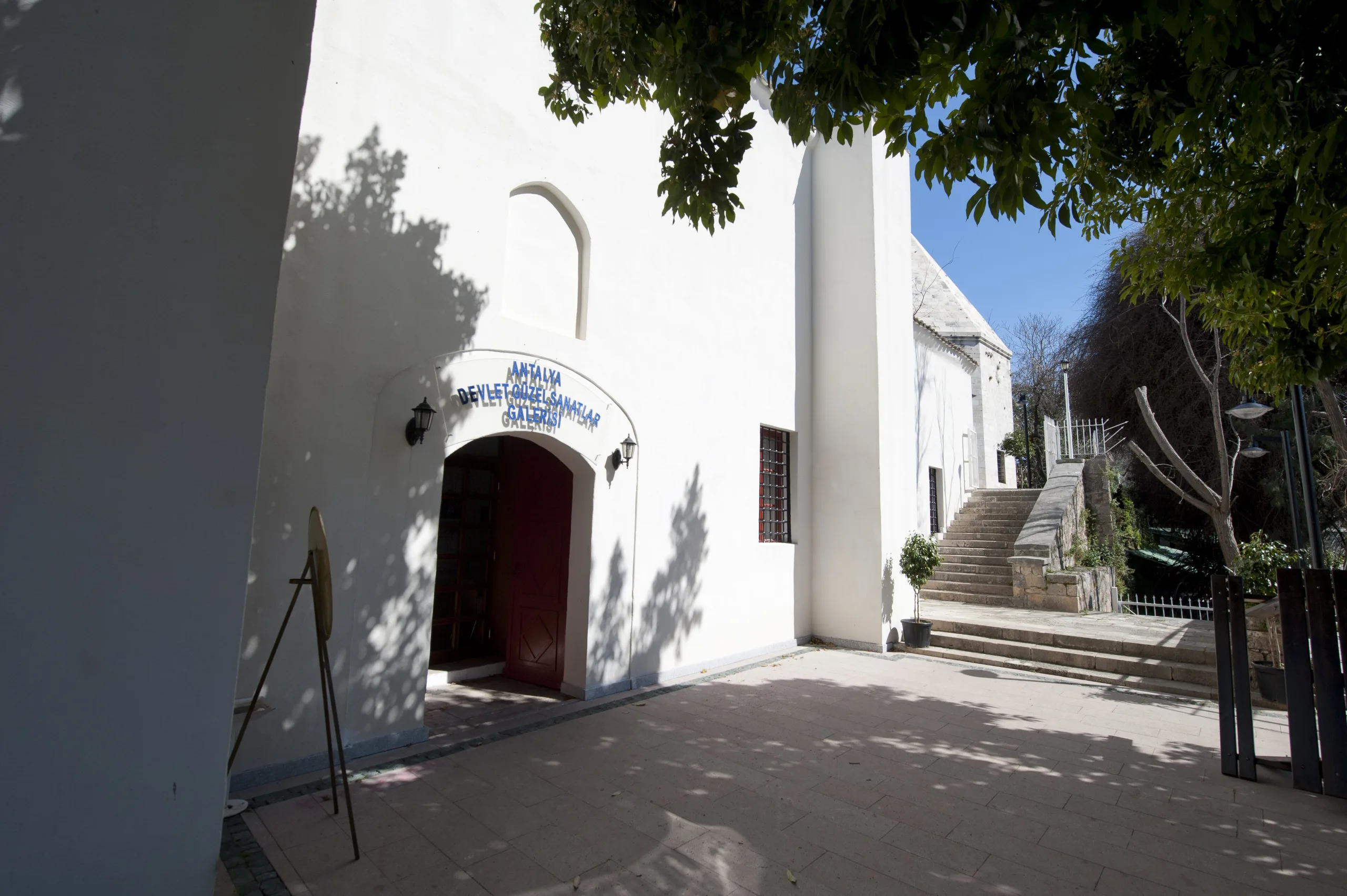
In the courtyard under the Yivli Minaret in Antalya’s old quarter, Kaleiçi, a domed hall stands with six small rooms along its sides. Mevlevi dervishes lived in those rooms and held the sema, their whirling ritual, in the central hall. The building dates from the Seljuk age. It is now the Mevlevi Lodge Museum, and it is an integral part of the complex.
History
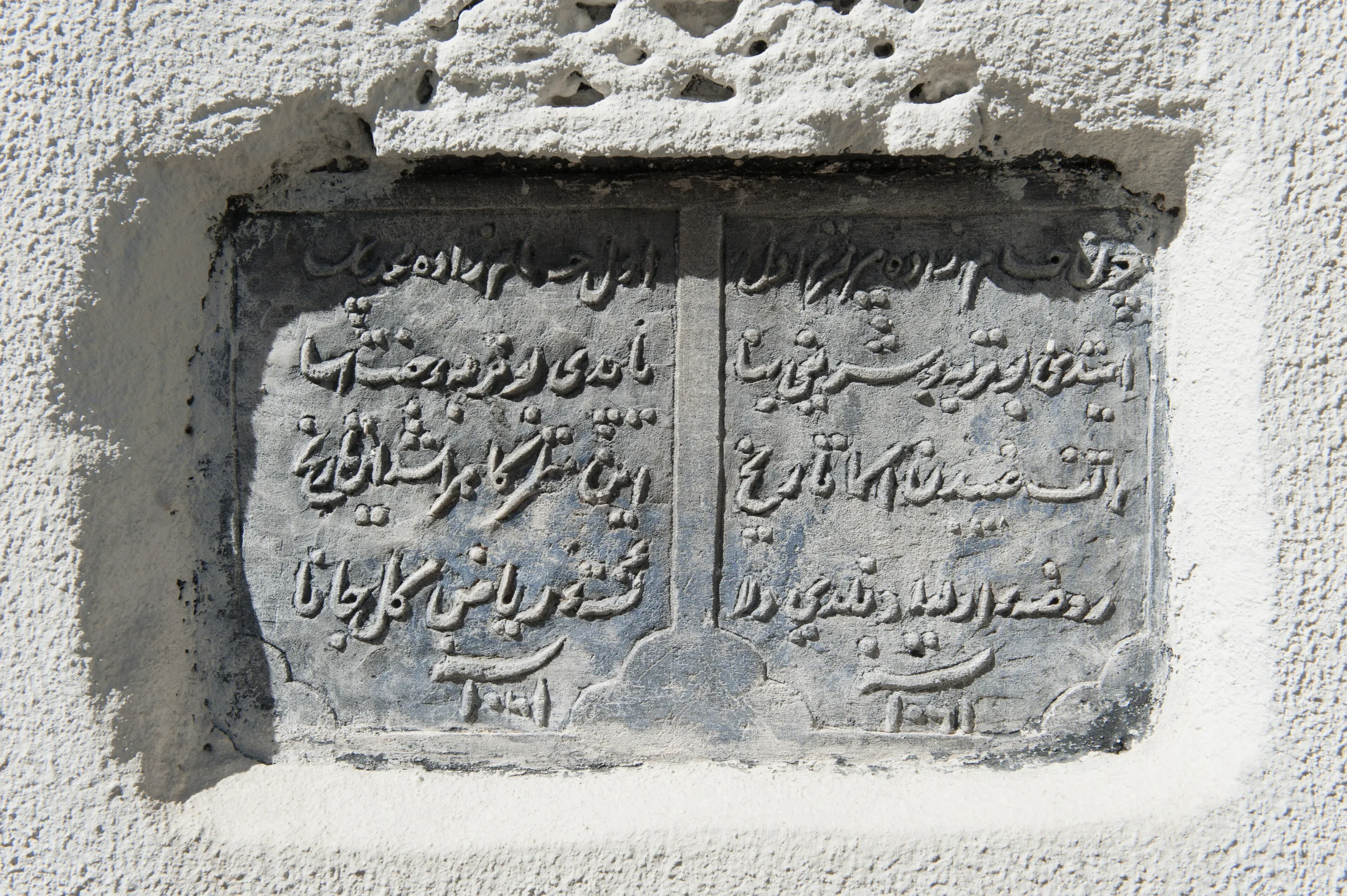
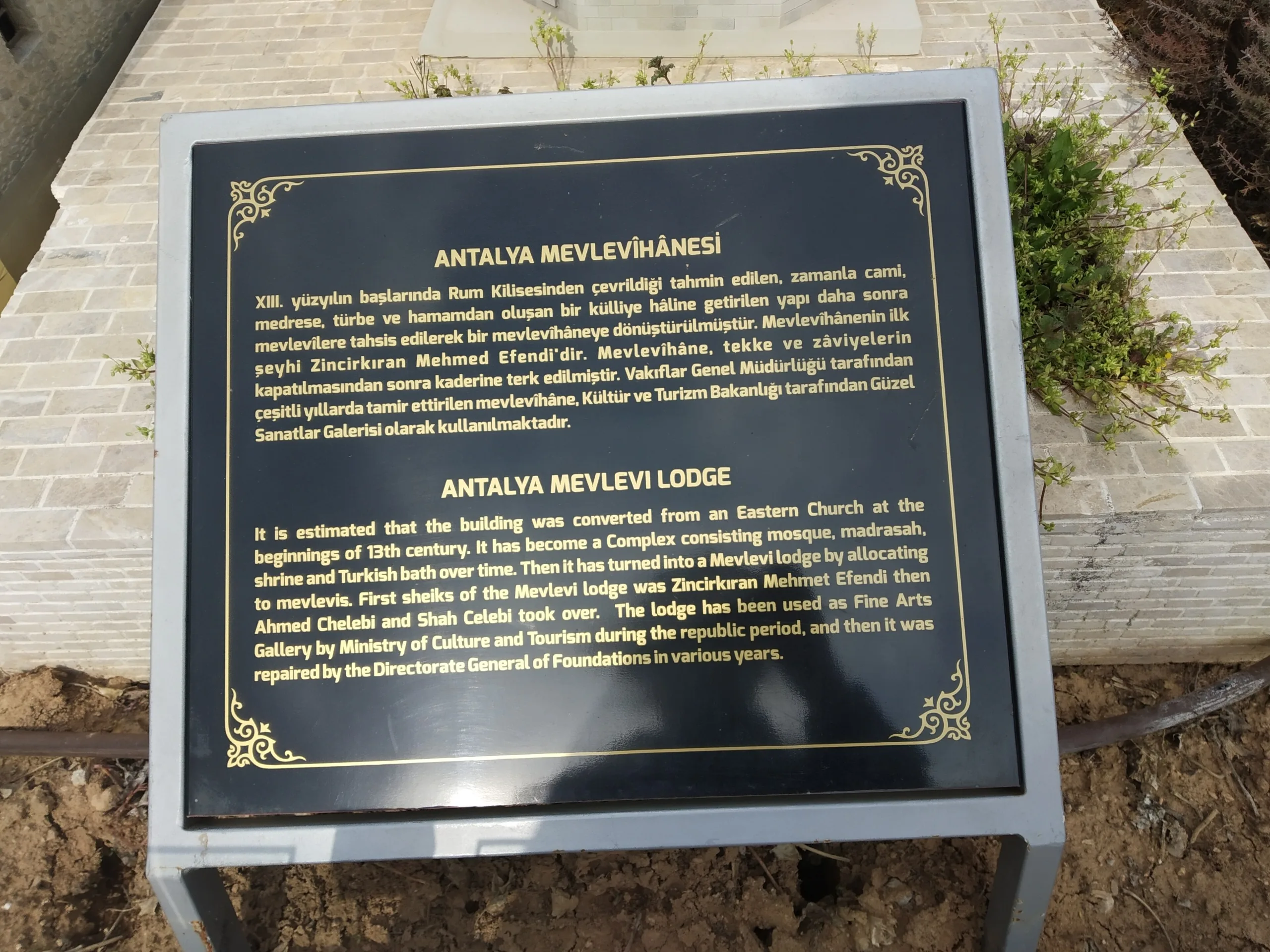
The building carries no inscription, so who founded it and when remains uncertain. The usual view is that it was built in the 13th century under the Seljuks and turned into a Mevlevi lodge from the 16th. The Mevlevi order grew up around the teachings of Mevlana Celaleddin Rumi, a 13th-century thinker, after his death; its message was love and tolerance. Lodges numbering over 140 were eventually opened in Arabia, Africa, the Balkans and Anatolia, and the Antalya one is believed to be among the first four founded in Anatolia.
Buildings and displays
The complex has several parts. The first is the lodge itself, where the dome-covered main hall served for the sema and the six rooms beside it housed dervishes. Next to it stands the lodge bath. Nobody knows exactly when it was built, but its plan and size suggest private use rather than crowds, and it is thought to have begun in the 13th century as a palace bath before serving the lodge in the Ottoman era.
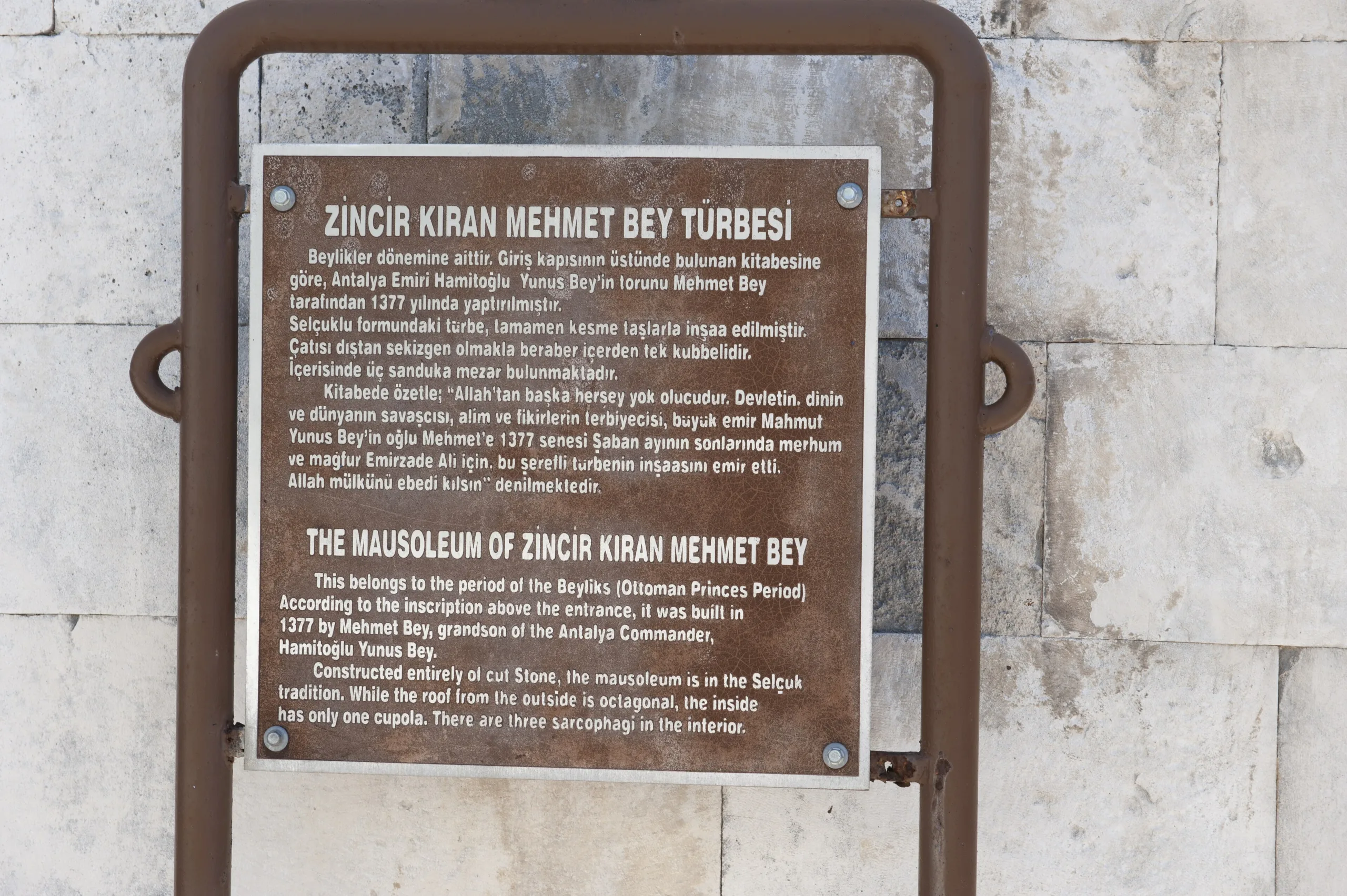
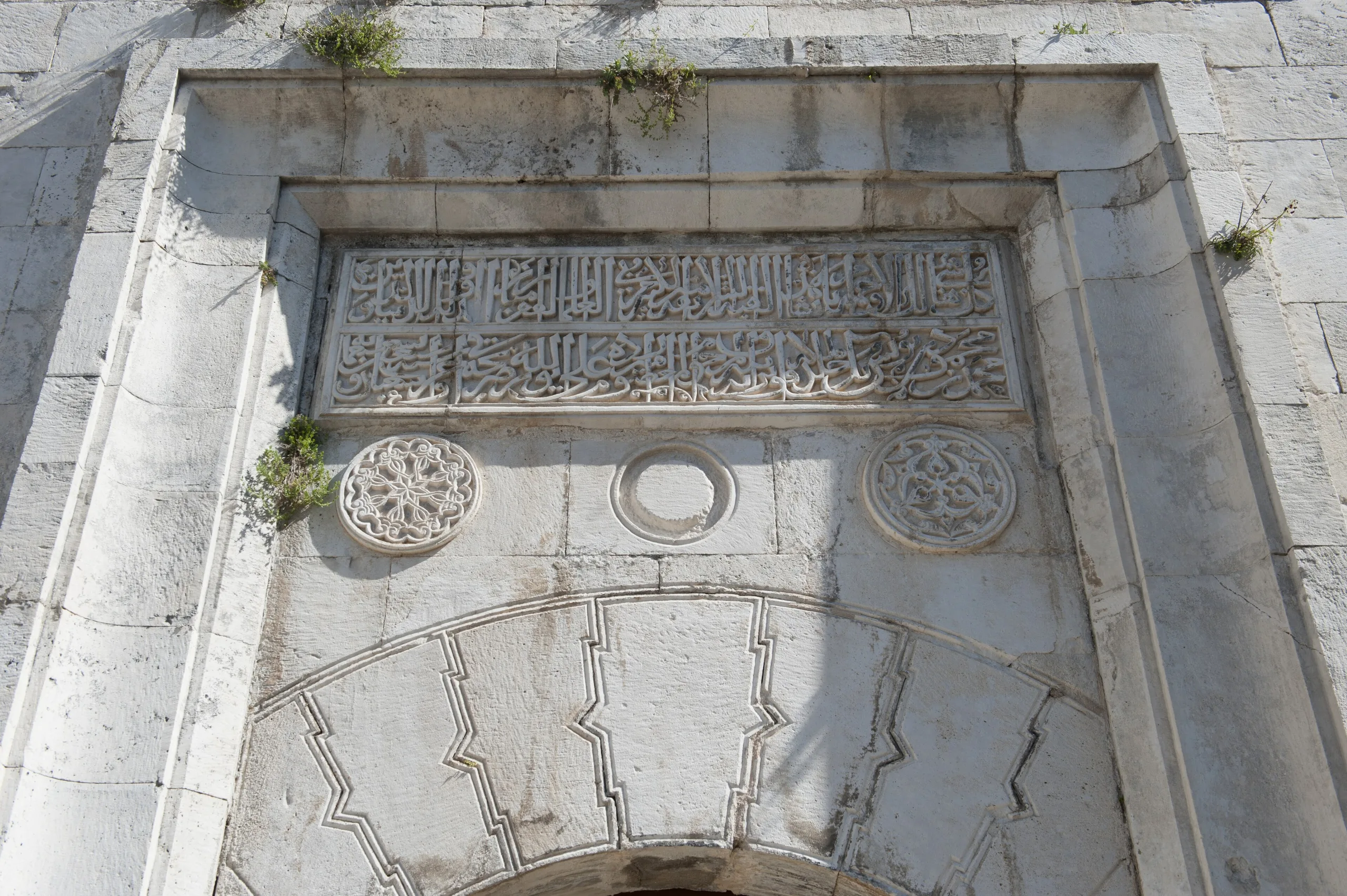
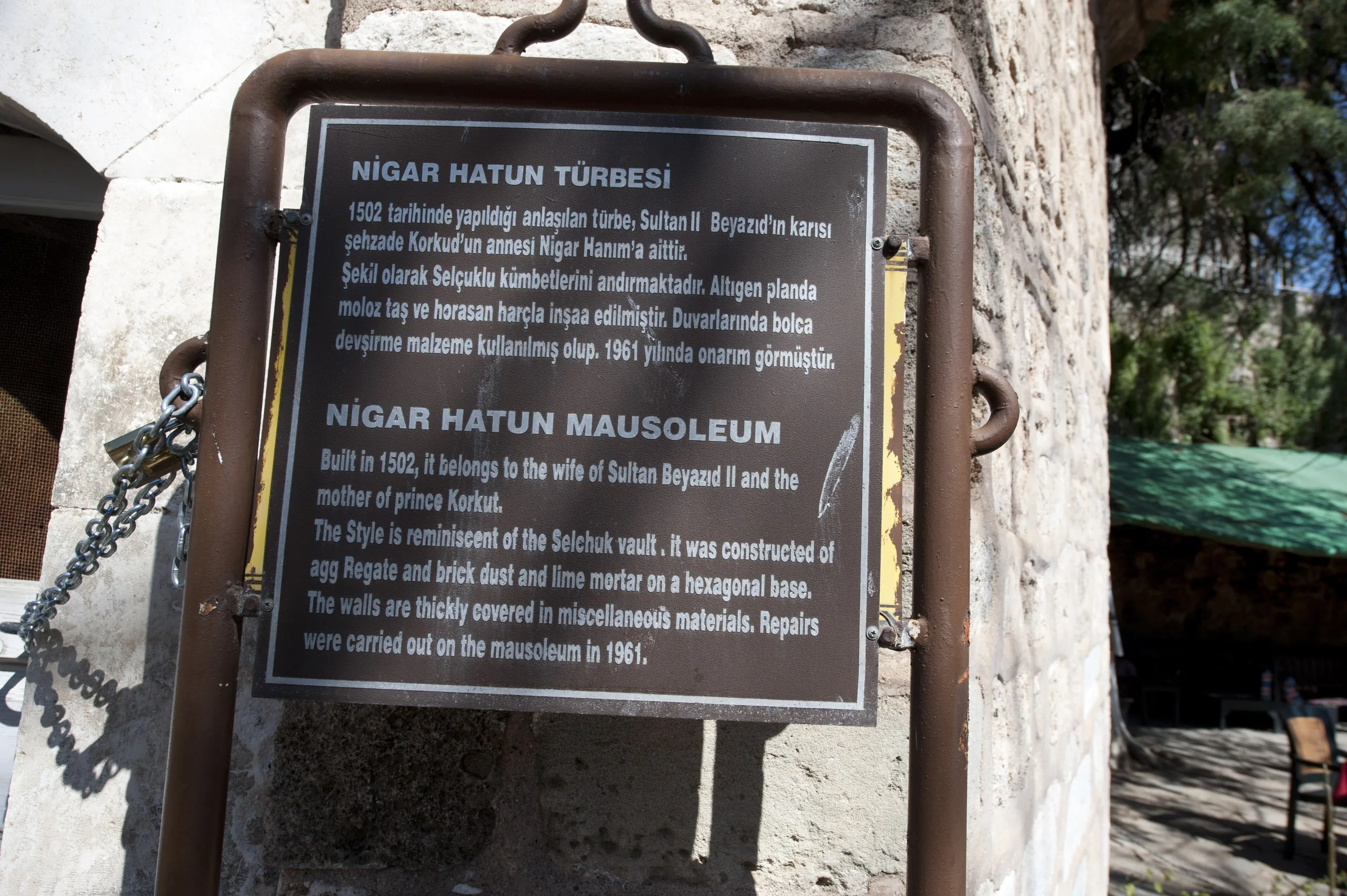
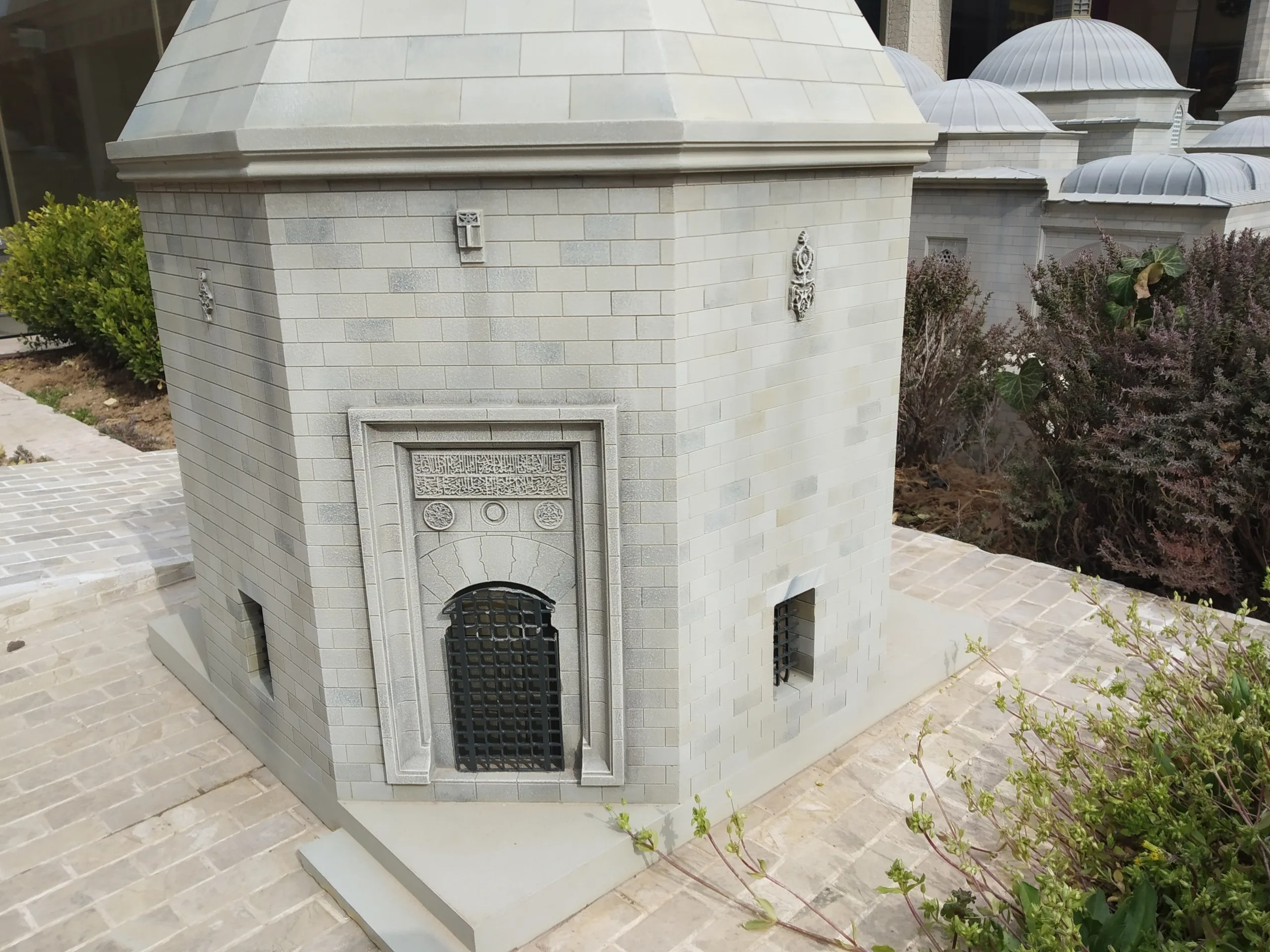
Two tombs complete the group. The one dated 1377 was built by Mehmet Bey, nicknamed Zincirkıran, the Chain Breaker, for seizing Antalya by breaking the chains across its harbour; Mehmet Bey lies there with his son Ali, and with Mustafa Dede Efendi, sheikh of the Antalya lodge. The other tomb is that of Nigar Hatun, mother of Korkut, a son of Bayezid II.
Inside, the museum shows information boards and animations about the Mevlevi way, dervish clothing and other belongings. Sufi music concerts, readings of the Mesnevi and sema ceremonies are also held here.
The Yivli Minaret
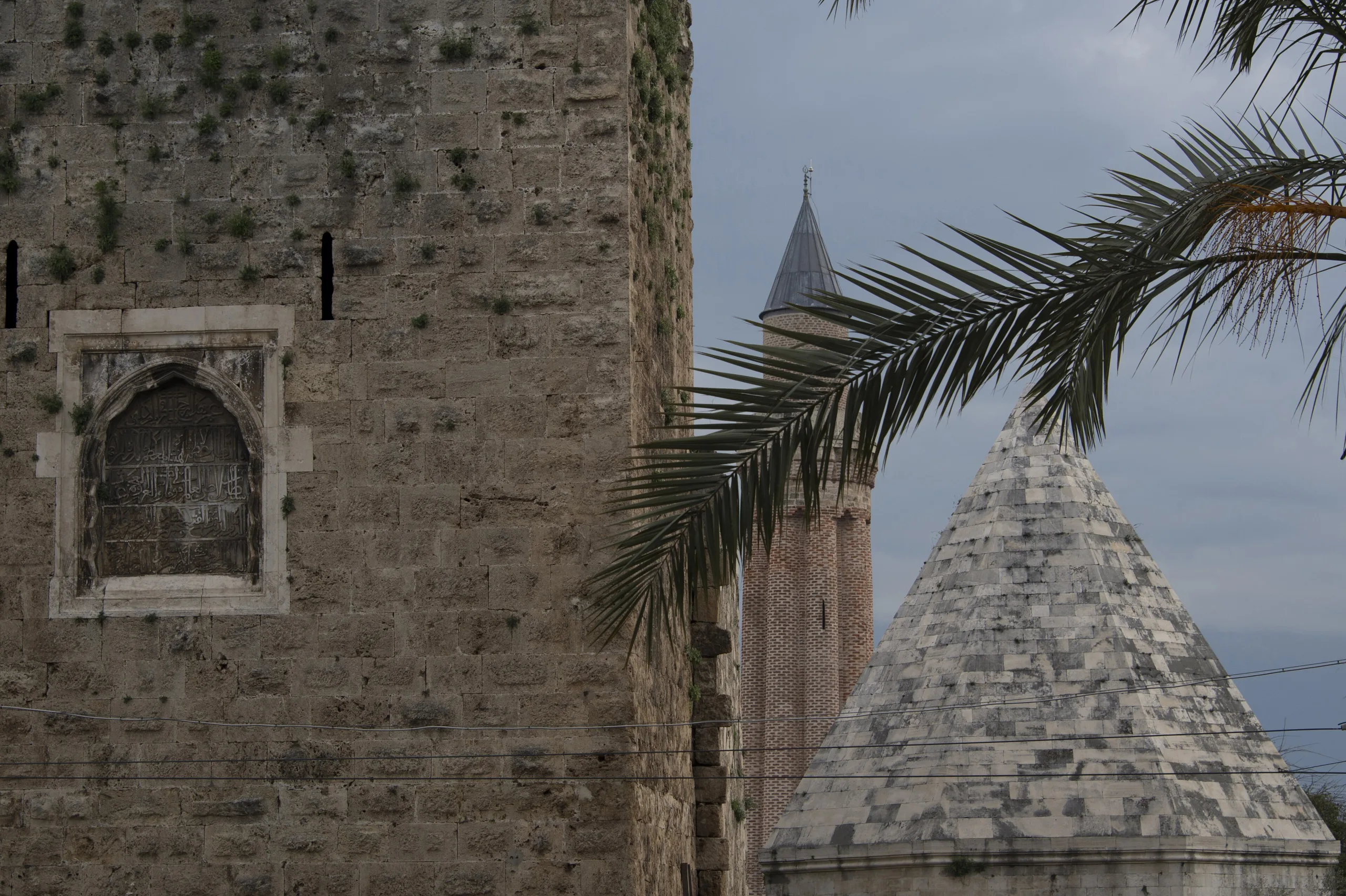
The minaret that gives the complex its name is the emblem of Antalya. It stands 38 m tall on a square cut-stone base 6.5 m high and 5.5 m wide, and its red-brick shaft is divided into eight half-round flutes that were once covered in dark blue and turquoise tile. It was raised on the orders of the Seljuk sultan Alaaddin Keykubad I, who reigned from 1220 to 1237. The neighbouring mosque went up in 1230 using the walls of a ruined church that had stood on the spot; its prayer hall was rebuilt with six domes in the 14th century and counts among the oldest surviving multi-domed mosques in Anatolia. Restoration of the minaret took place in 1953 and again in 1961, and its finial was replaced in 1973. The Yivli Minaret Mosque has been on UNESCO’s Tentative List since 2016, under criteria (ii) and (iv).
Visiting
Hours and fees can change, so check the page for the museum on muze.gov.tr. The complex lies in the historic fabric of Kaleiçi, on Cumhuriyet Street.
Gallery
Frequently asked questions
Where is the Antalya Mevlevi Lodge?
When was it built?
What is in the complex?
Why Zincirkıran?
Is the Yivli Minaret a World Heritage Site?
What does the museum show?
Sources (12)
- Mevlevihane Müzesi / Mevlevihane Museum (TR ve EN sayfalar) — T.C. Kültür ve Turizm Bakanlığı, Müzeler ve Ören Yerleri
- Yivli Minaret Mosque - Tentative Lists, ref. 6119 — UNESCO World Heritage Centre
- Antalya Mevlevihanesi (Wikidata Q115623882) — Wikidata
Photo credits
- Photo: Dosseman, CC BY-SA 4.0 — Wikimedia Commons (resized)
- Photo: Tanya Dedyukhina, CC BY 3.0 — Wikimedia Commons (resized)
- Photo: Dosseman, CC BY-SA 4.0 — Wikimedia Commons (resized)
- Photo: Dosseman, CC BY-SA 4.0 — Wikimedia Commons (resized)
- Photo: Dosseman, CC BY-SA 4.0 — Wikimedia Commons (resized)
- Photo: Dosseman, CC BY-SA 4.0 — Wikimedia Commons (resized)
- Photo: Dosseman, CC BY-SA 4.0 — Wikimedia Commons (resized)
- Photo: Satirdan kahraman, CC BY-SA 4.0 — Wikimedia Commons (resized)
- Photo: Satirdan kahraman, CC BY-SA 4.0 — Wikimedia Commons (resized)