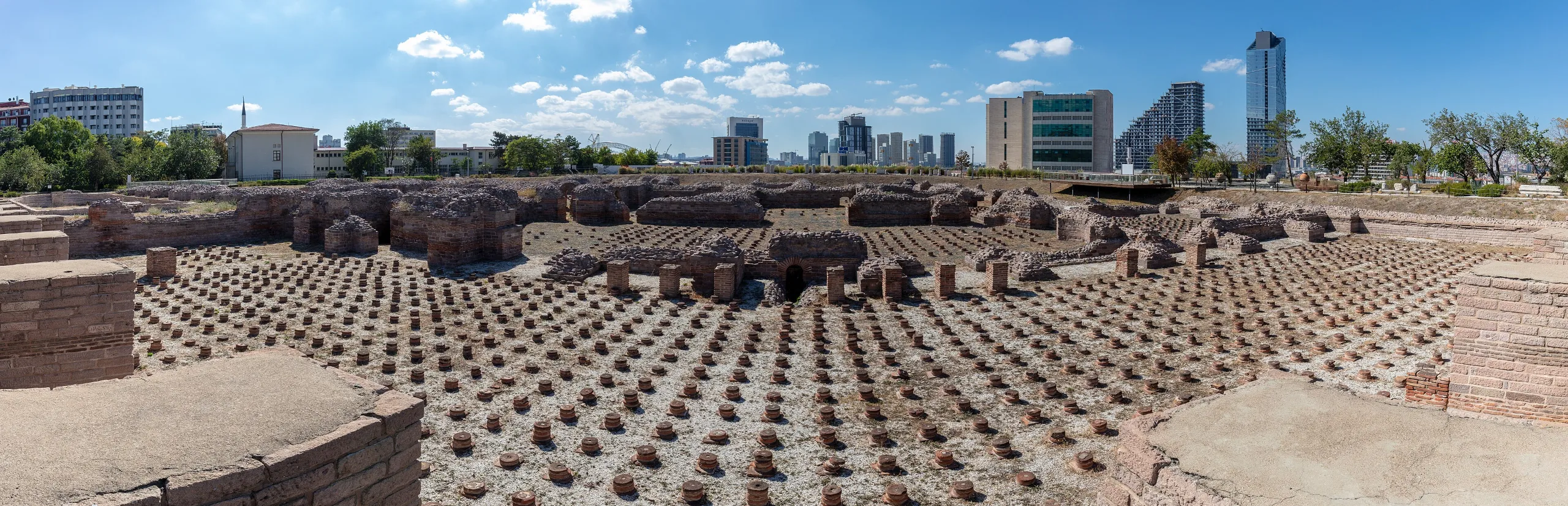
The Roman Baths beside Çankırı Avenue in Ulus were built under Caracalla on a settlement mound; visitors see the palaestra, the Columned Road and an open-air museum of about 1,000 stone pieces.
Roman Baths of Ankara is a place (Hammam) in Turkey, Ankara. Main periods: Roman Period, Byzantine Period, Seljuk Period.
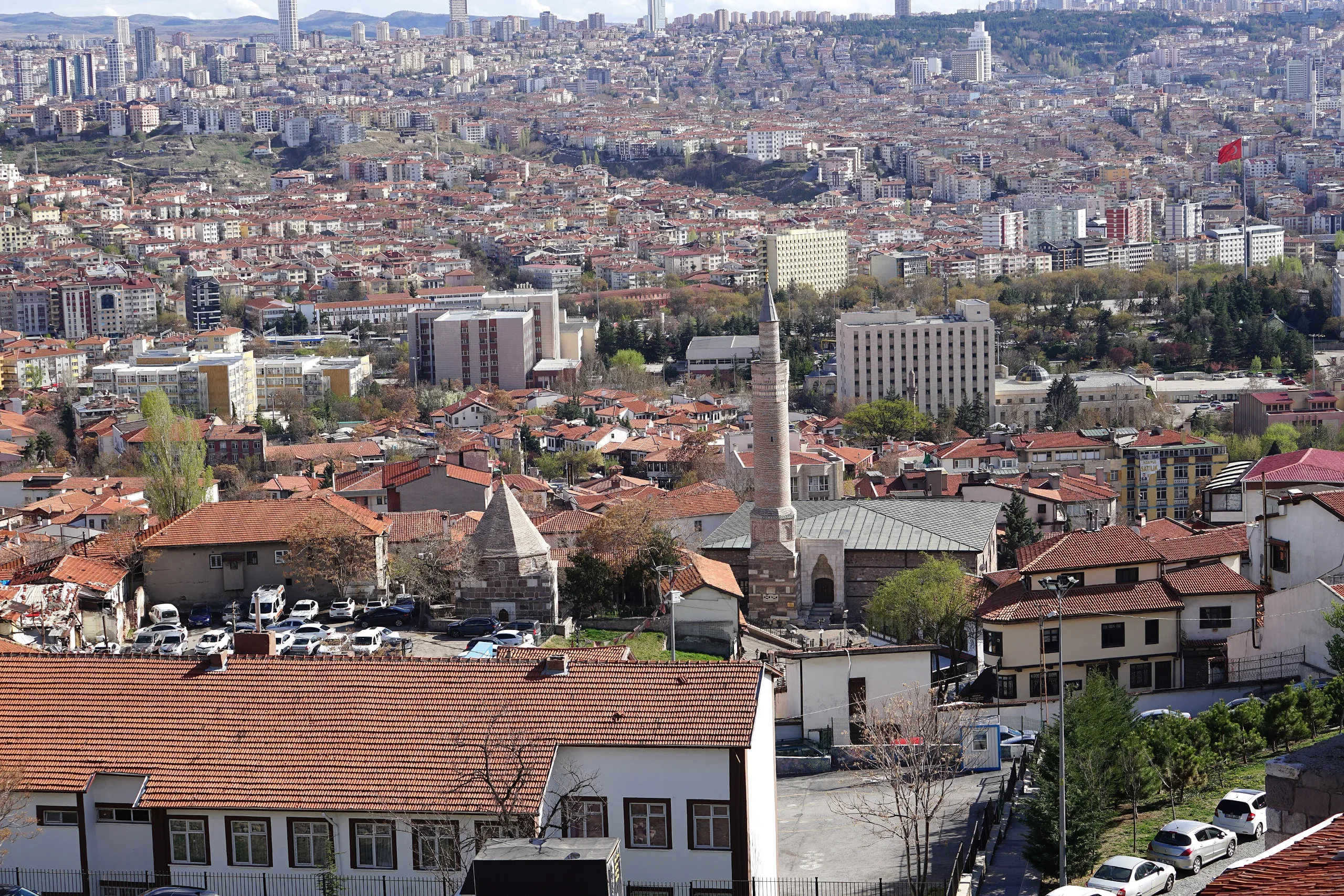
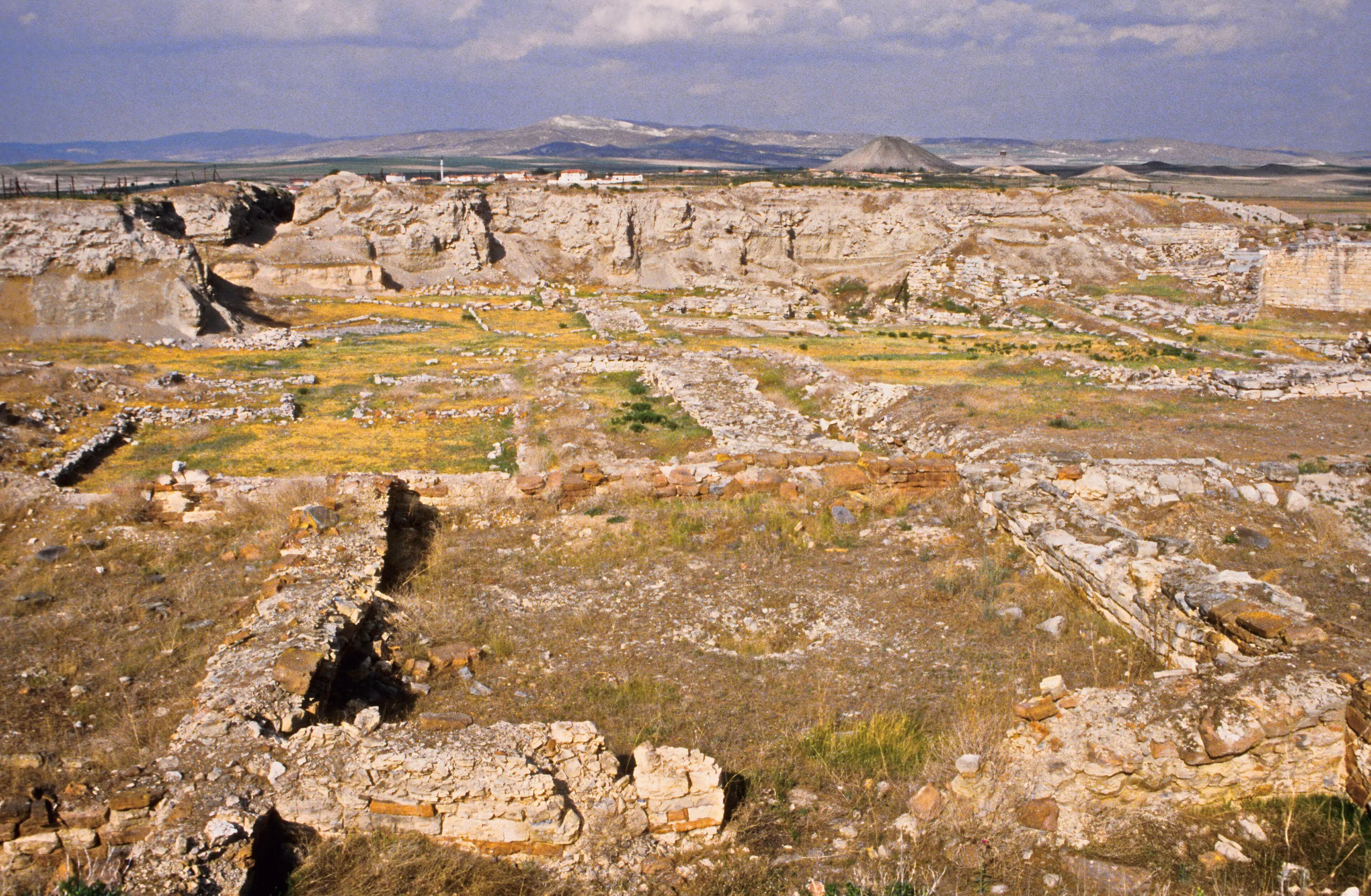
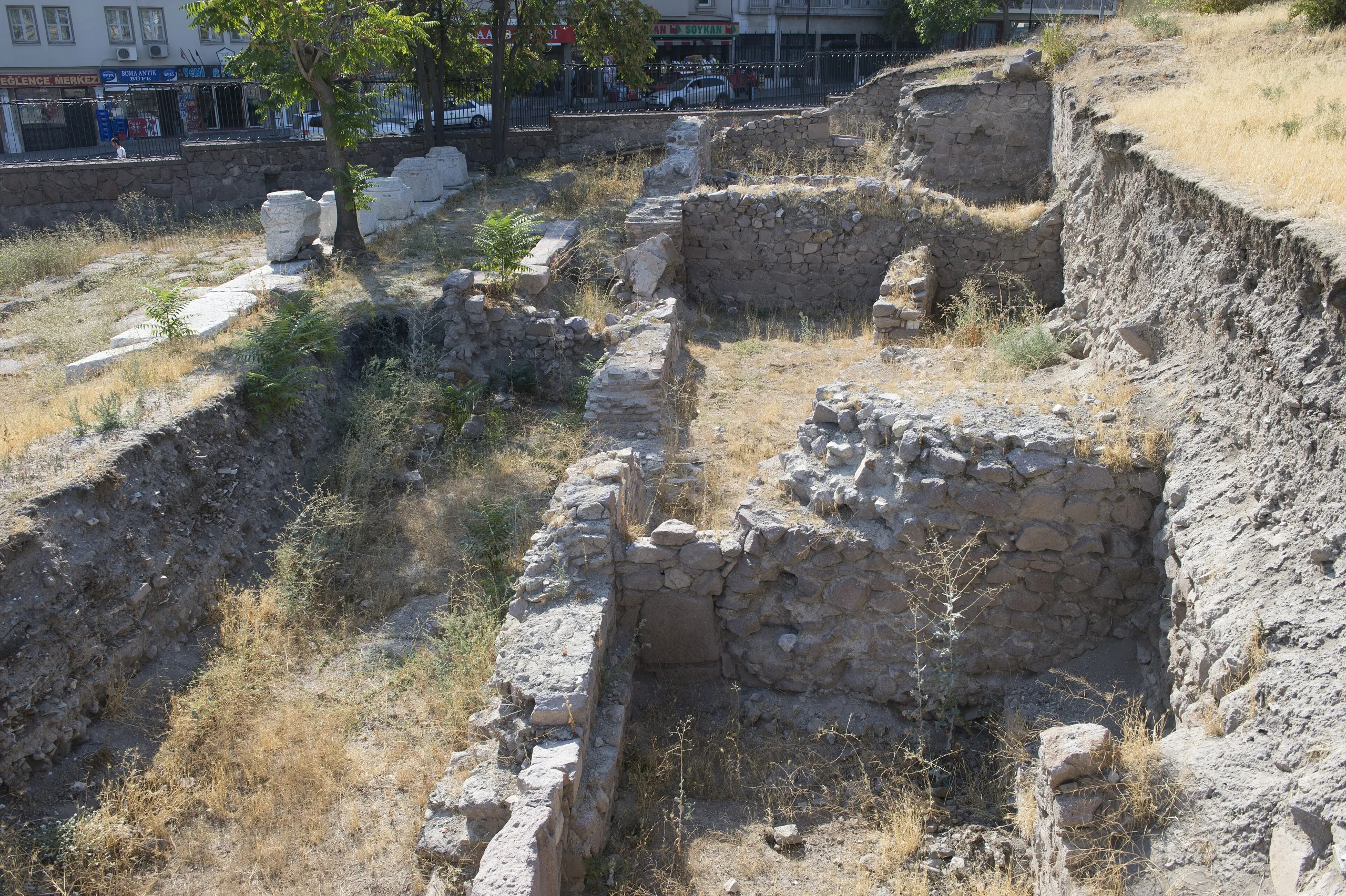
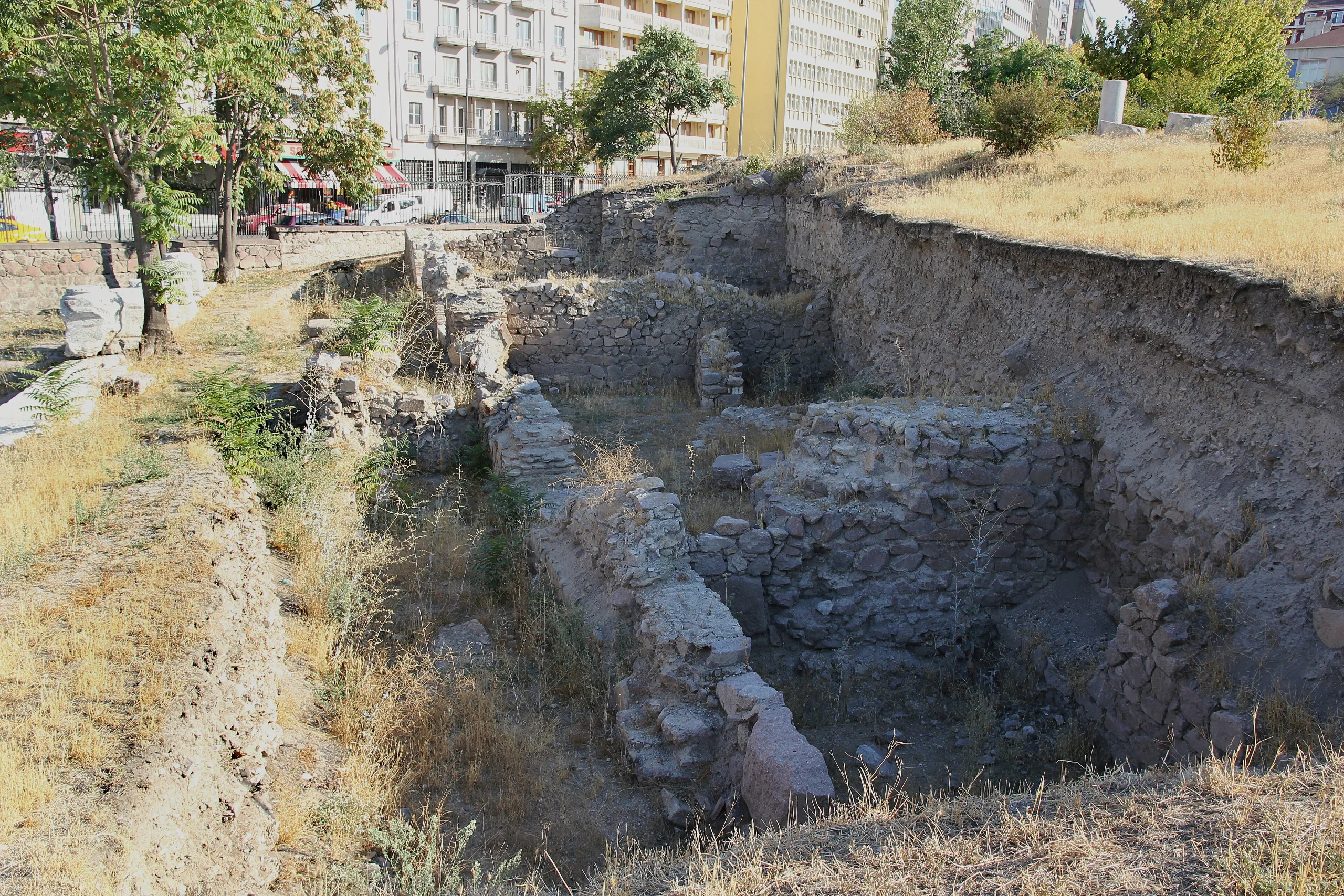
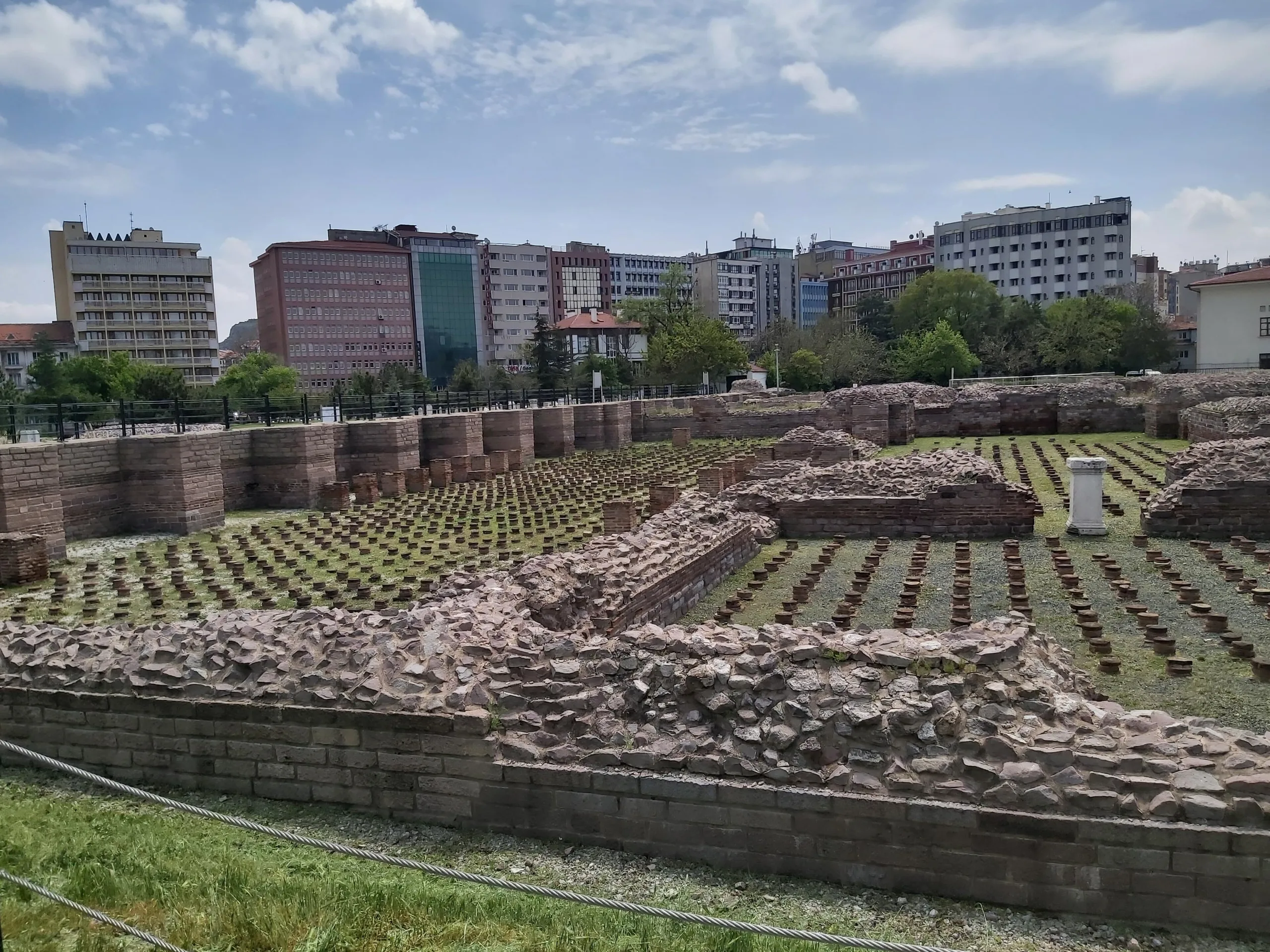
On the western side of Çankırı Avenue in Ankara's Ulus district, a broad platform rises about 2.5 metres above the traffic. It holds the remains of a public building of Roman Ankara, a bathhouse, roughly 400 metres from Ulus Square. Today it is visited as an open-air museum.
History
The baths were built during the reign of Caracalla, son of Septimius Severus, in AD 212-217, and were dedicated to Asklepios, the god of health. Coins from the excavations support the date. Several inscriptions name Tiberius Julius Justus Julianus, one of the city's leading figures, as the man responsible for the construction. The coins also show that the baths stayed in use for about five hundred years and were mended from time to time.
The platform is not a natural rise but a settlement mound. Digging that began in 1938 found the Roman level on top, with some Byzantine and Seljuk traces, and beneath it the remains of a Phrygian settlement. The campaign that exposed most of the bath complex took place in 1940-1943.
The building
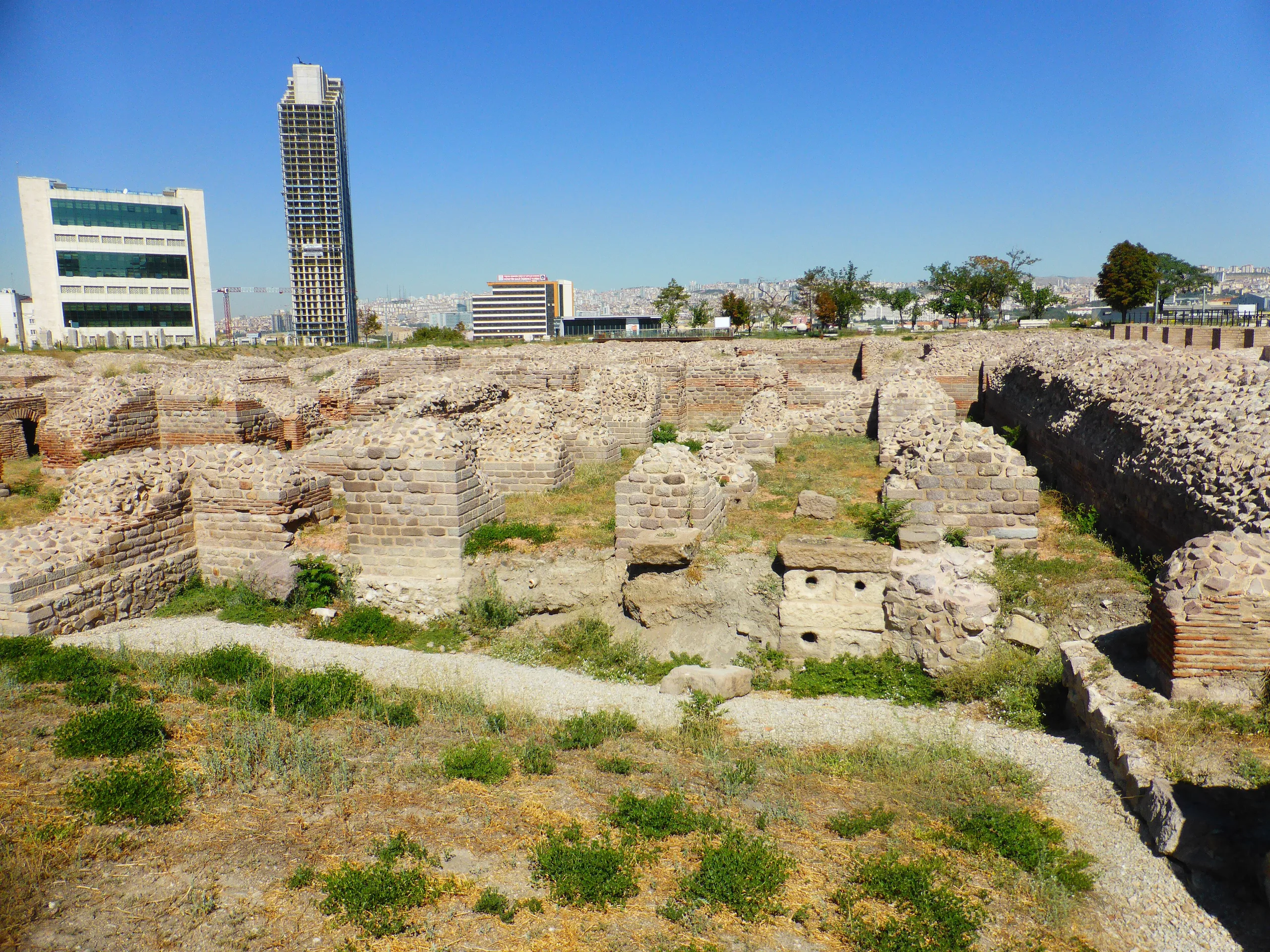
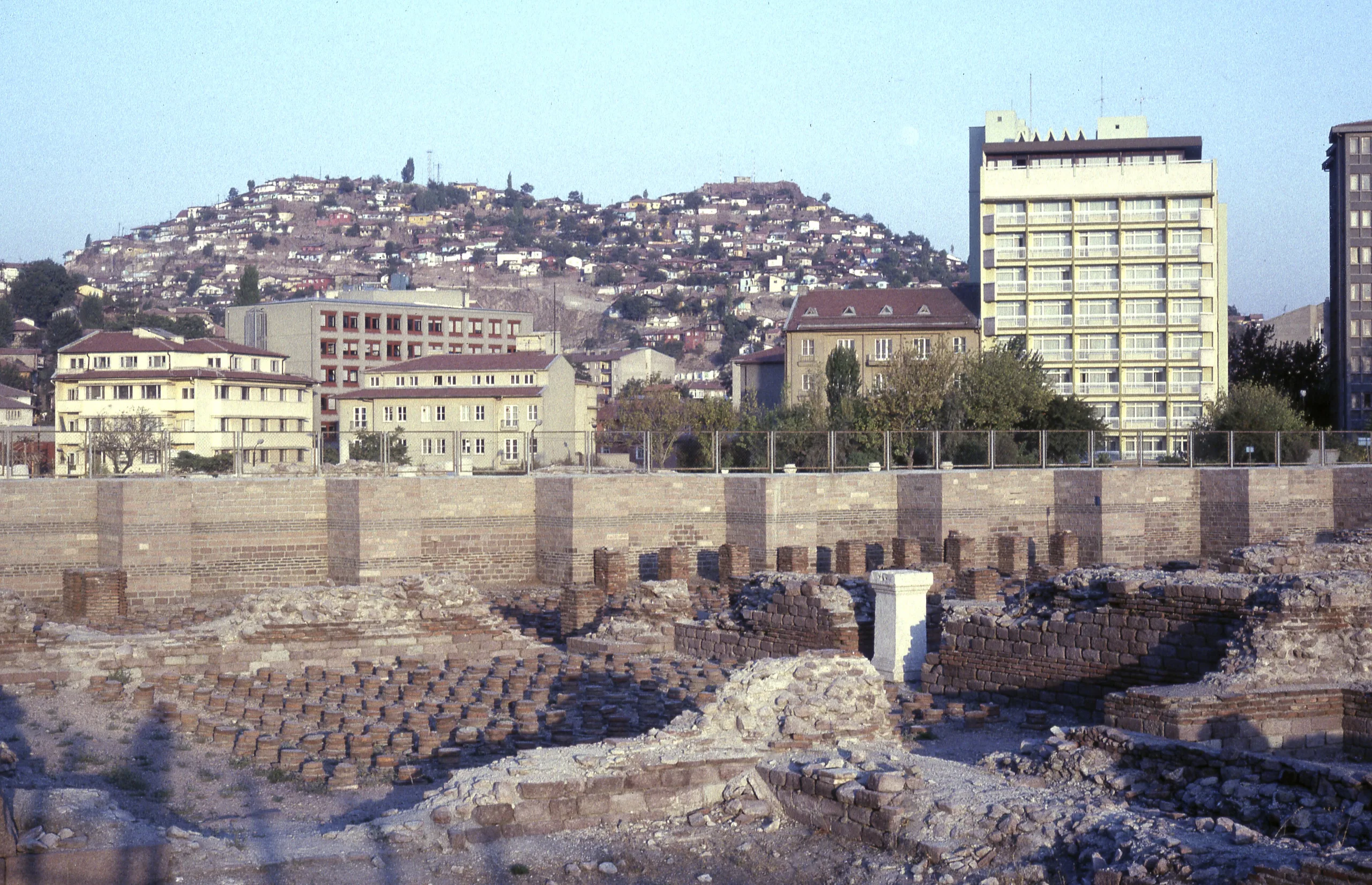
Built of stone and brick, the complex measures roughly 80 by 130 metres. It has two main parts, the palaestra and the enclosed bath rooms. A palaestra was the open courtyard where Romans exercised and wrestled. The entrance is on Çankırı Avenue, and a colonnaded portico, a covered walkway on columns, surrounds the courtyard. Along the colonnaded way on the right stand many columns with inscriptions, some square and some round.
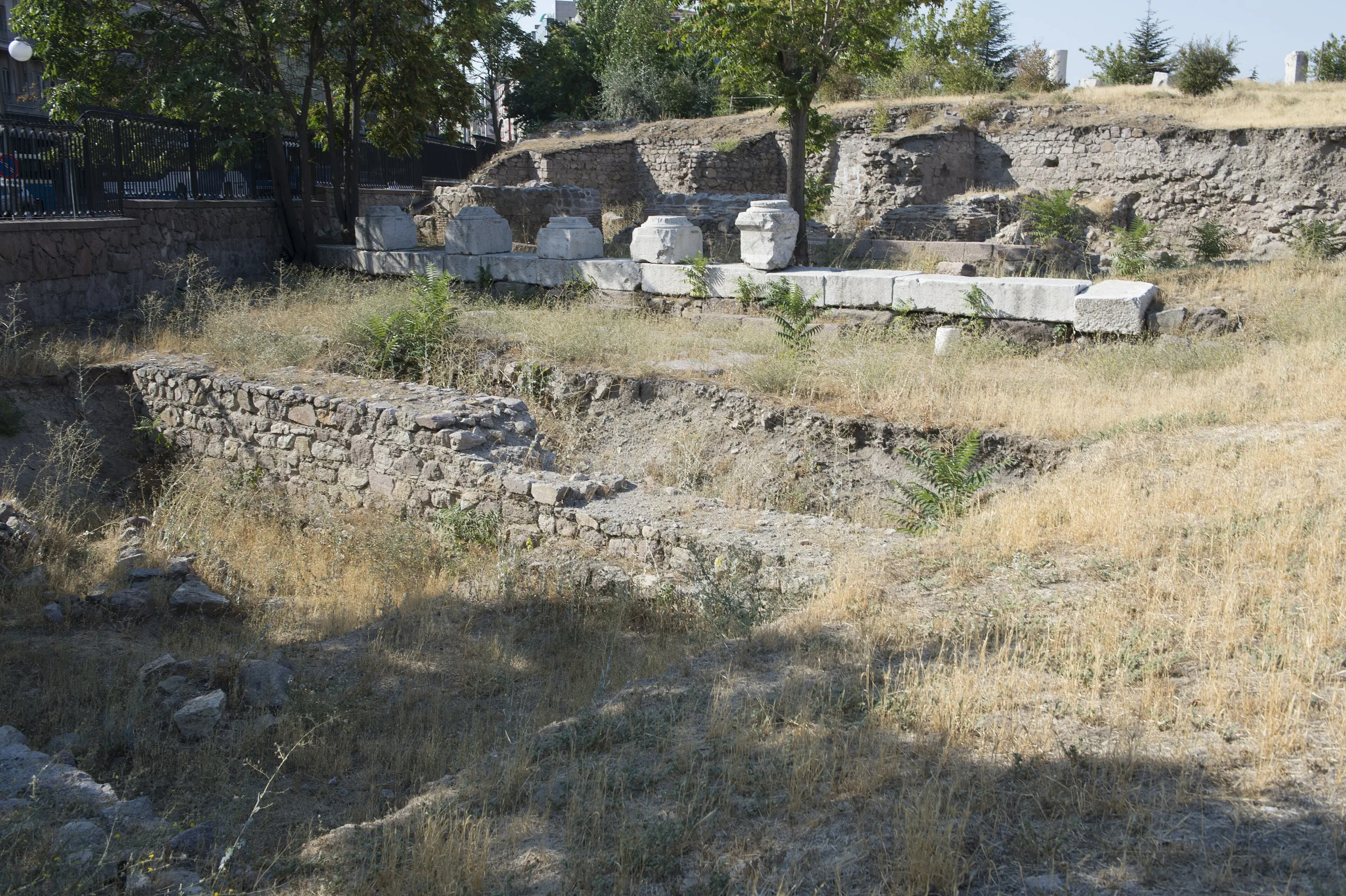
North-east of the palaestra runs the Columned Road. It turned up when Çankırı Avenue was laid out in the early years of the Republic. Around the 3rd century AD it was lined with marble columns topped by Corinthian capitals, and it led to the Temple of Augustus, the sacred precinct of ancient Ancyra. Excavations along it in 2007-2011 uncovered the architecture of shops opening onto the street and a colossal statue of an emperor.
The open-air museum
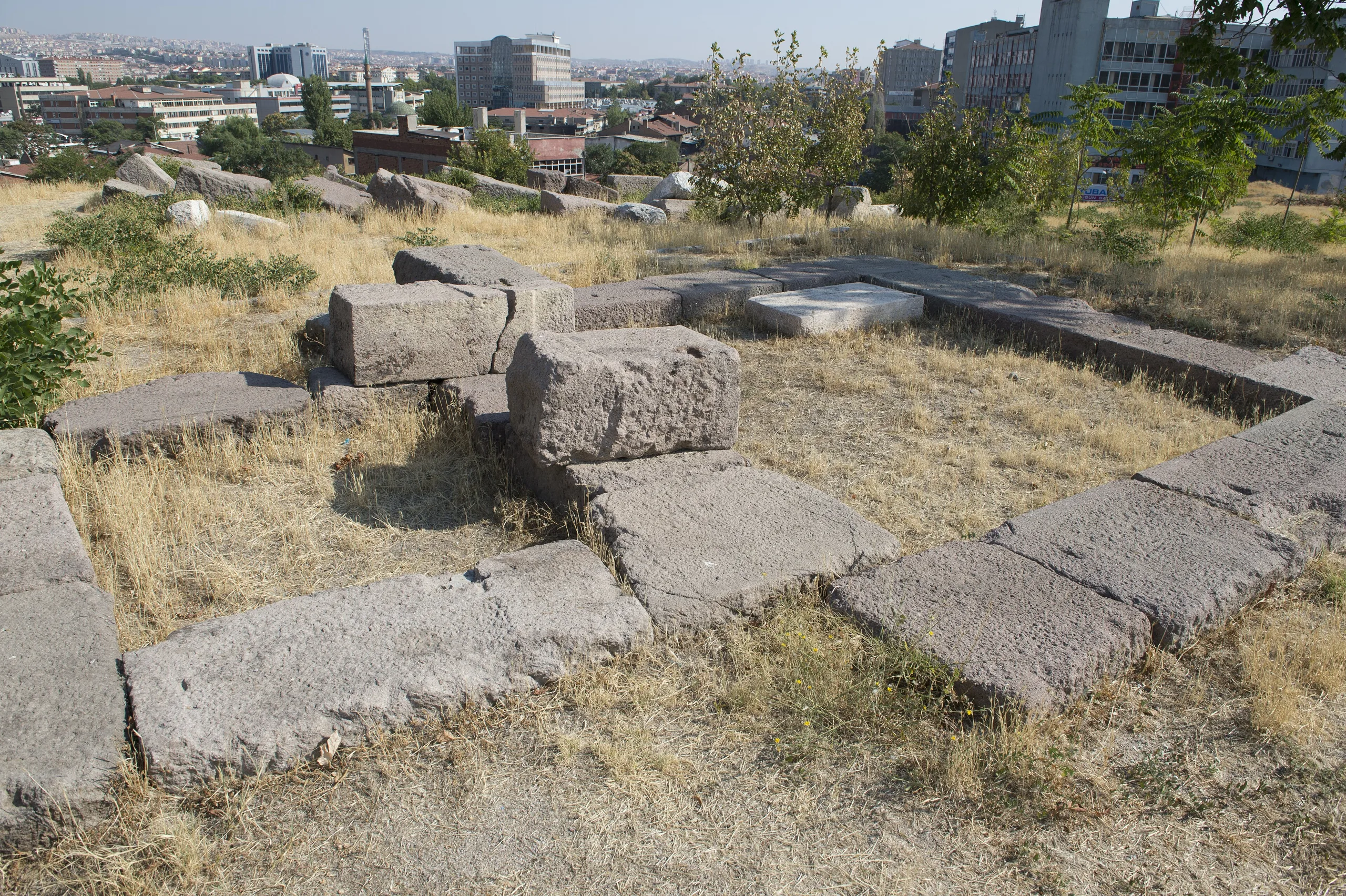
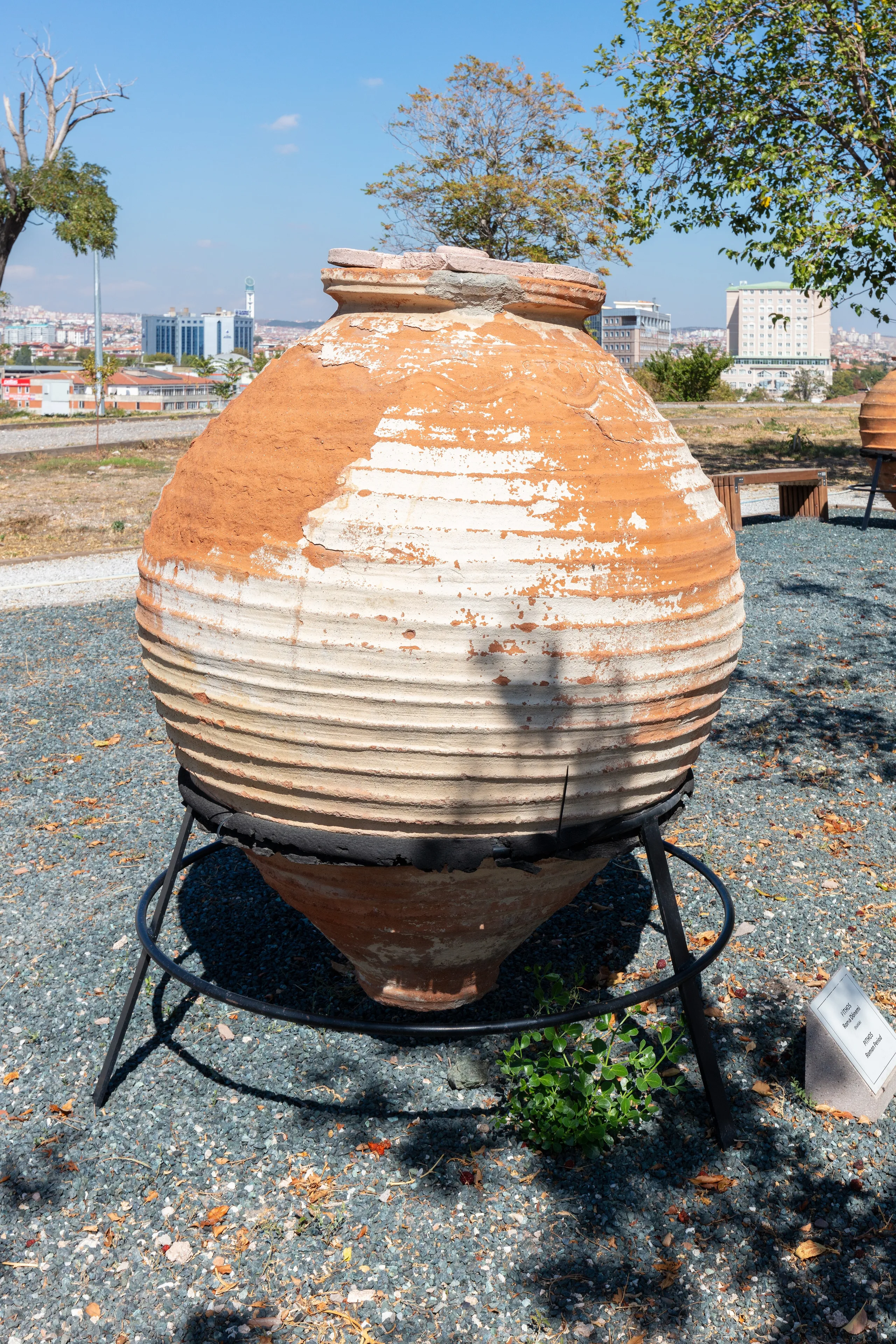
Work between 1997 and 2001 turned the ruins, which cover about 65,000 square metres, into an open-air museum. Roughly 1,000 stone pieces are displayed in three main groups: grave steles, inscribed slabs and architectural fragments. The south wing of the palaestra holds the steles, mostly Roman and Byzantine; the north wing has inscribed blocks, pedestals and water pipes; the east wing shows altars and other architectural items; and sarcophagi and lion statues stand in the central part.
Visiting
Any bus heading for Ulus will get you there. See the official page for current visiting details. The MüzeKart is valid for Turkish citizens. The Museum of Anatolian Civilizations, the Ankara Republic Museum and the Ethnography Museum are close by.
Gallery
Frequently asked questions
Where are the Roman Baths of Ankara?
When were the baths built?
Who was behind the construction?
What is a palaestra?
What lies beneath the baths?
What is displayed in the open-air museum?
Sources (12)
- Roma Hamamı Örenyeri / Roman Baths and Open Air Museum (TR ve EN sayfalar) — T.C. Kültür ve Turizm Bakanlığı, Müzeler ve Ören Yerleri
- Roma Hamamı Açık Hava Müzesi ve Ören Yeri - Ankara, Gezilecek Yerler — T.C. Kültür ve Turizm Bakanlığı, Kültür Portalı (kaynak: Ankara İl Kültür ve Turizm Müdürlüğü)
- Ankara Roma Hamamı (Wikidata Q7361597) — Wikidata
Photo credits
- Photo: Diego Delso, CC BY-SA 4.0 — Wikimedia Commons (resized)
- Photo: Dosseman, CC BY-SA 4.0 — Wikimedia Commons (resized)
- Photo: Dosseman, CC BY-SA 4.0 — Wikimedia Commons (resized)
- Photo: Dosseman, CC BY-SA 4.0 — Wikimedia Commons (resized)
- Photo: Kemal KOZBAEV, CC BY-SA 4.0 — Wikimedia Commons (resized)
- Photo: Dosseman, CC BY-SA 4.0 — Wikimedia Commons (resized)
- Photo: Ingeborg Simon, CC BY-SA 3.0 — Wikimedia Commons (resized)
- Photo: 8kanarya1, CC BY 4.0 — Wikimedia Commons (resized)
- Photo: Diego Delso, CC BY-SA 4.0 — Wikimedia Commons (resized)