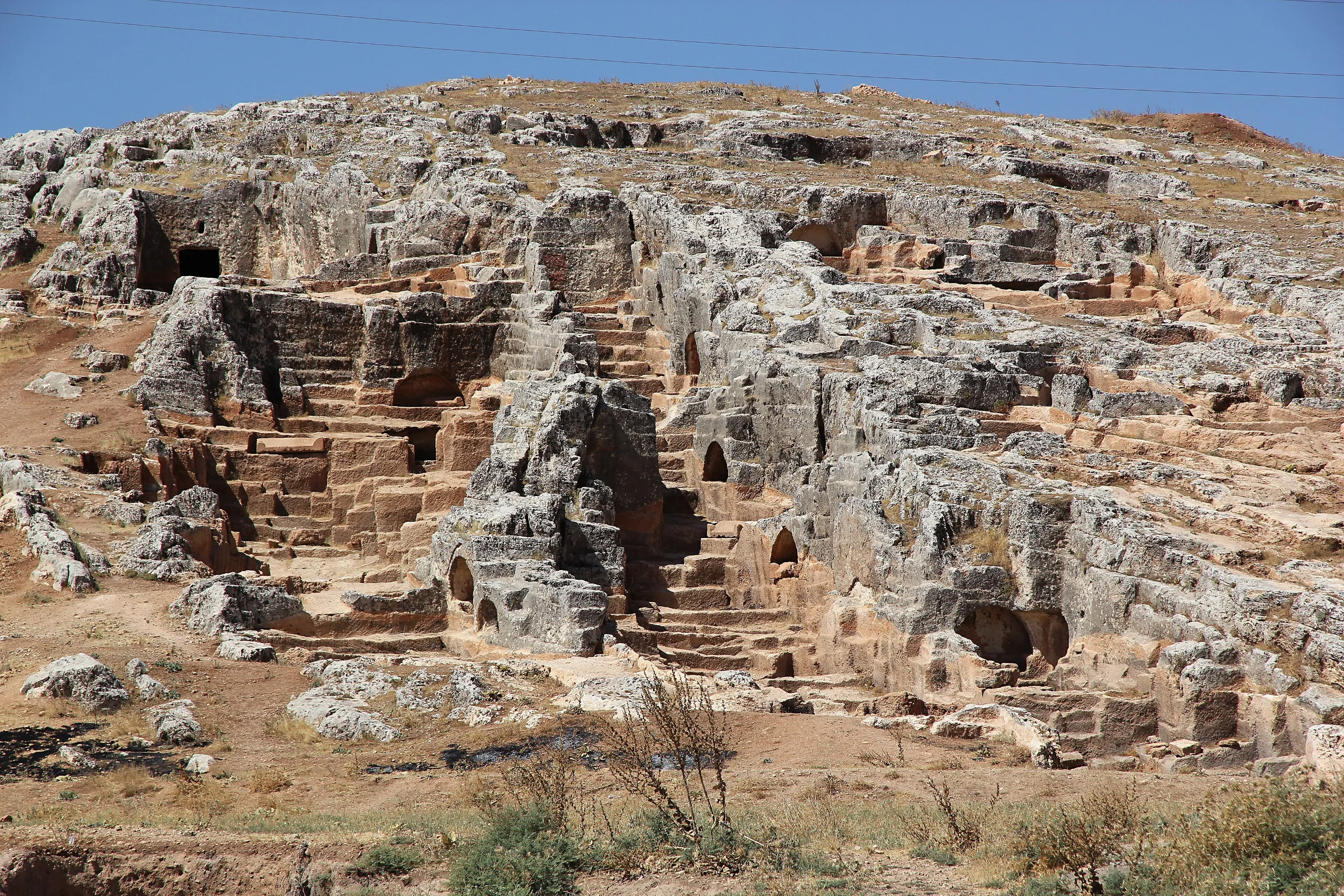
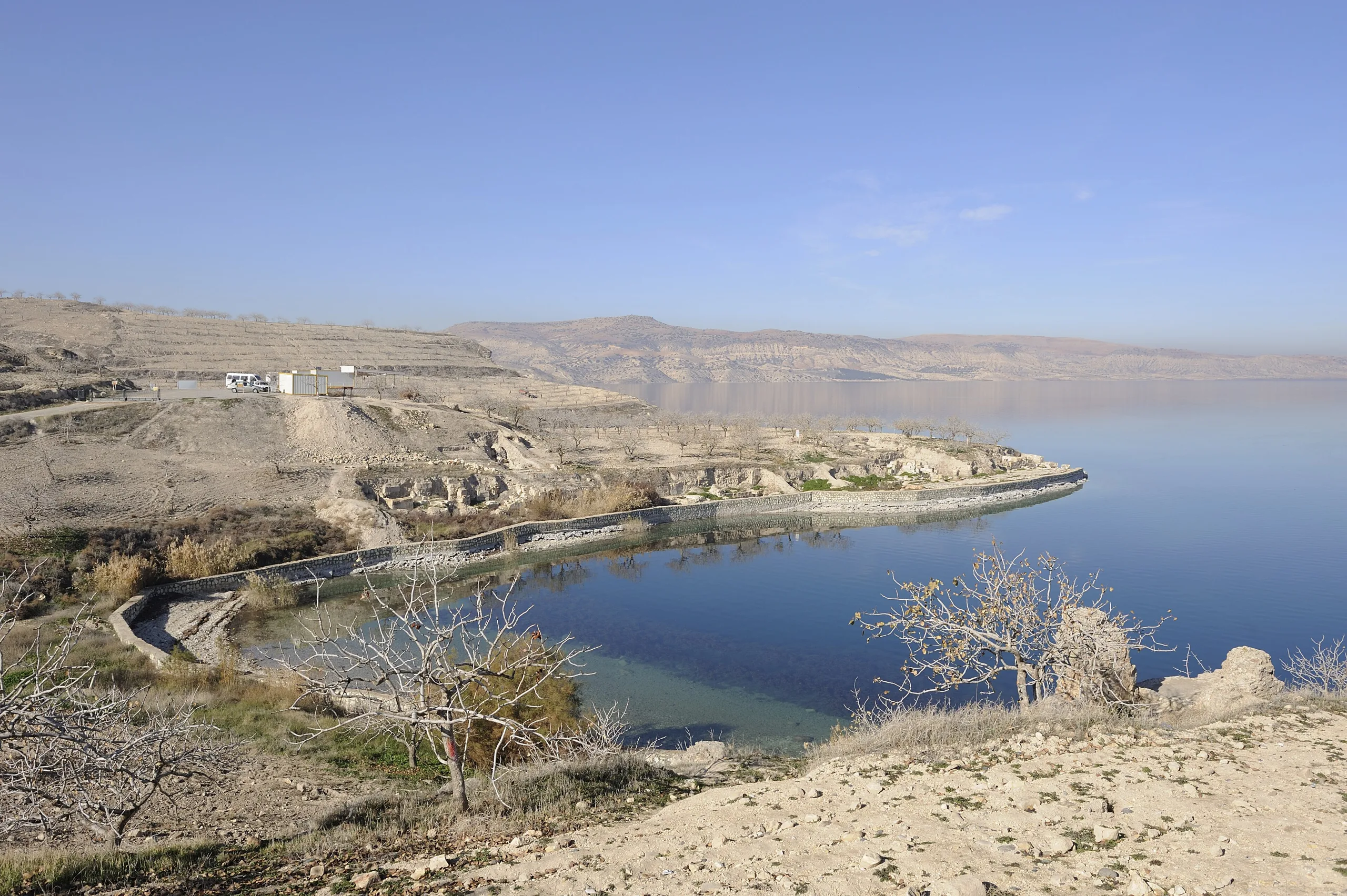
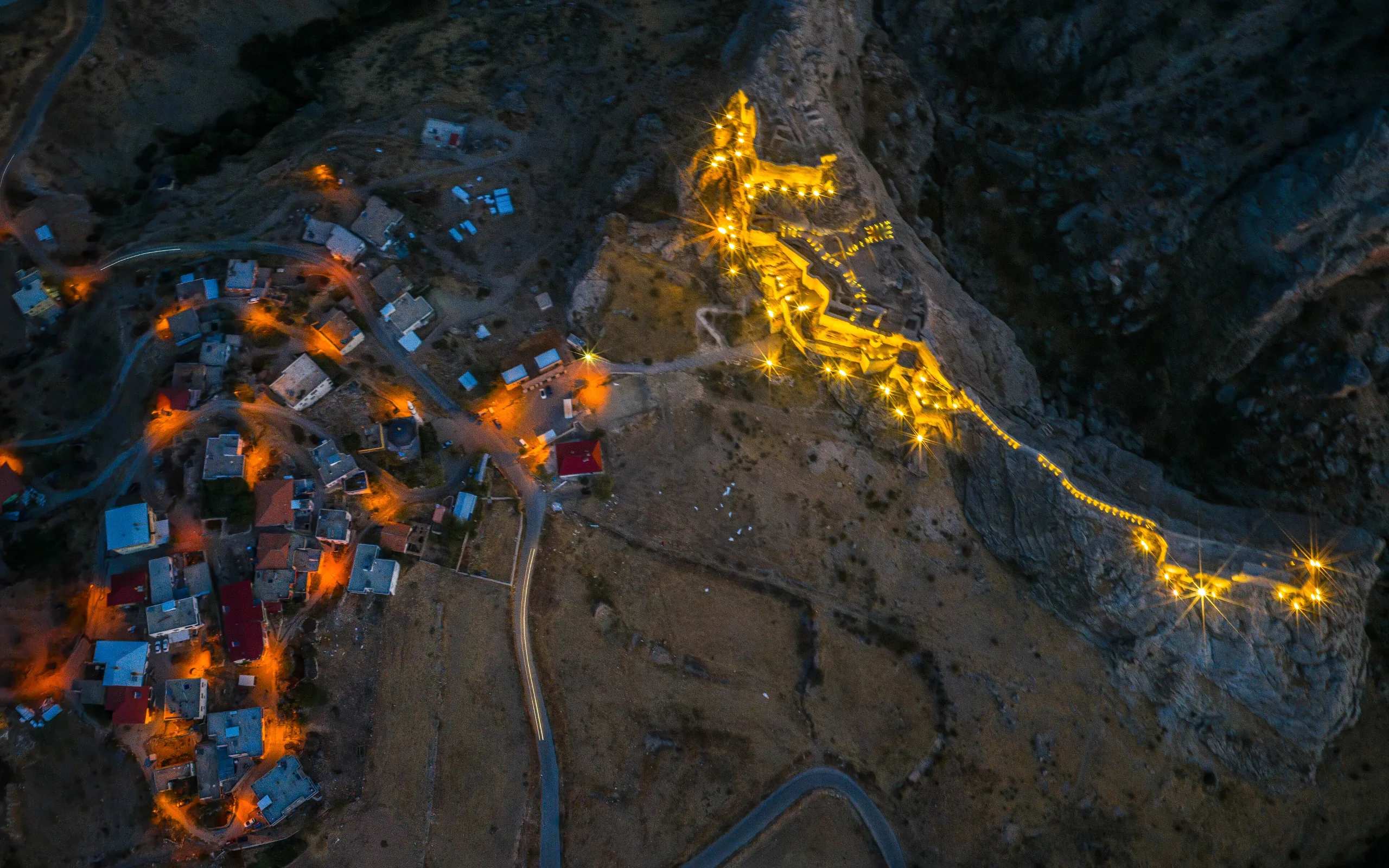
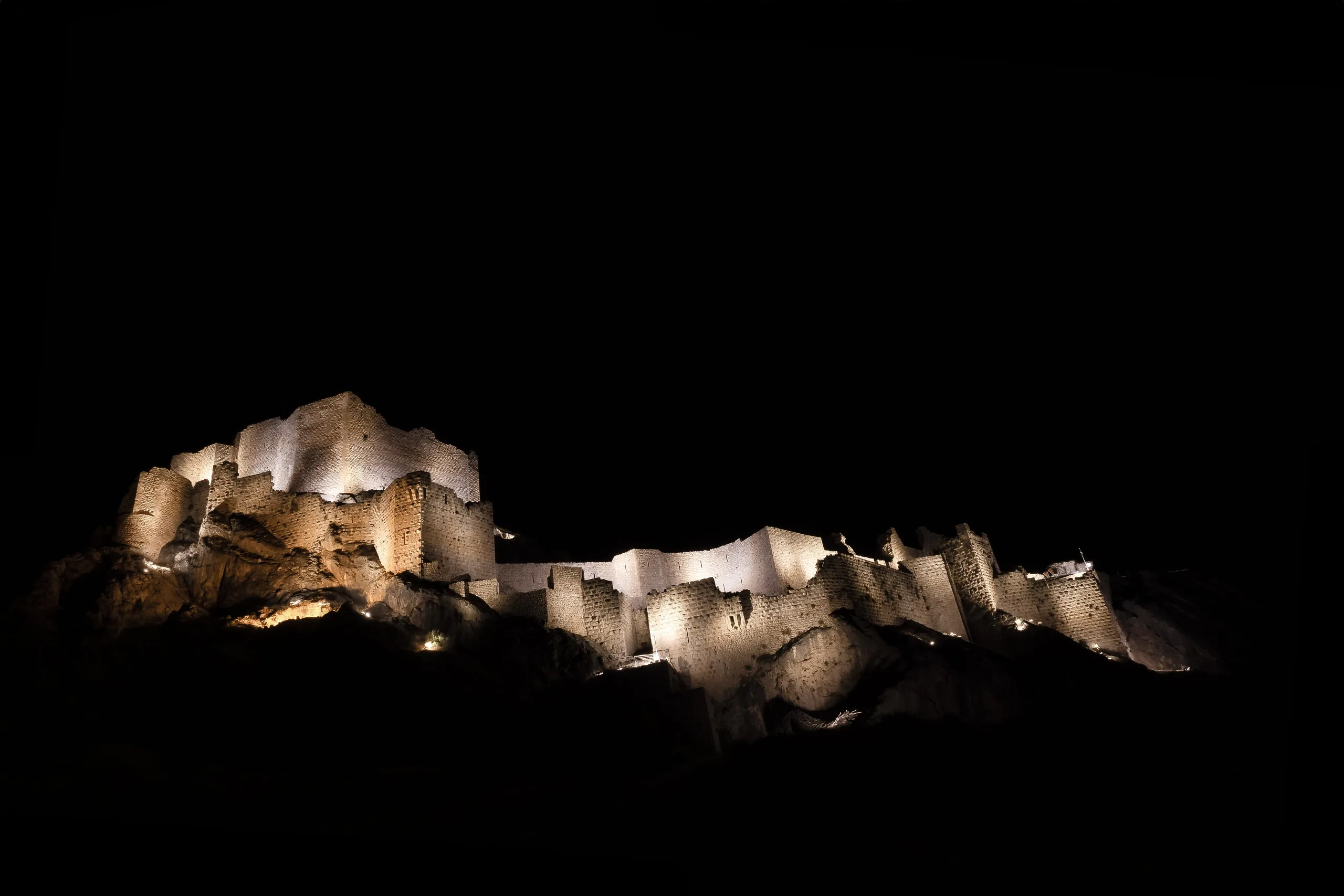
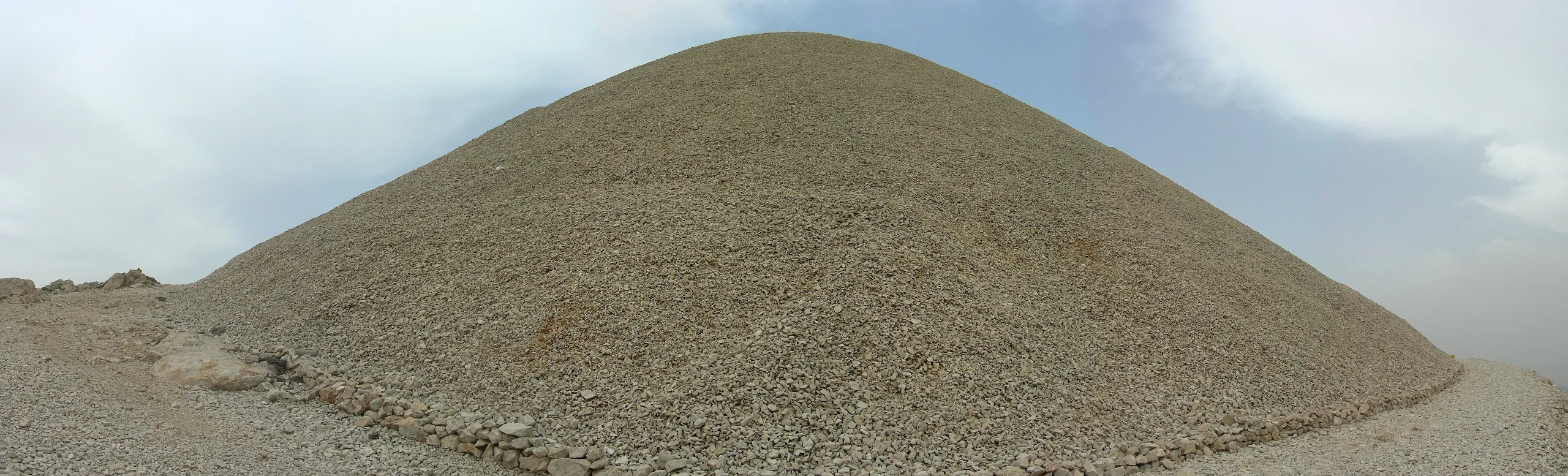
Two burial mounds on a plain near Besni, about 45 km from Adıyaman; the larger is some 15 m high and covers a cut-stone tomb chamber with sarcophagi.
Sofraz Mausoleum is a place (Monumental tomb and necropolis) in Turkey, Adiyaman. Main periods: Roman Period.
Two earth mounds rise from the plain south-east of Sofraz village, and under each lies a tomb built with real stonemasons’ skill. The bigger mound stands about 15 metres tall, measuring 50 metres across its short side and over 60 along its long one. Together they are known as the Sofraz Mausoleum, in the village of Sofraz (Üçgöz) in Besni district, some 45 km from Adıyaman.
History
Nobody can date the tombs precisely, since both had been plundered and nothing was left to date them by. The usual guess is the 1st or 2nd century AD. Archaeologists from the Adıyaman Museum explored the large mound in 1993 and the small one in 2001, in rescue excavations, which are quick scientific digs on sites under threat of destruction.
What to see
A tumulus is a burial mound heaped over the dead. Under the large one lie three parts: the dromos, an entrance passage; a connecting corridor; and the burial chamber. The corridor runs south to north, roofed by a vault and built of neatly squared ashlar blocks. The chamber is ashlar too, vaulted, and a rectangle of 3 by 4 metres, with a stone sarcophagus standing before each of its east and west walls.
The small mound has suffered more, because looters destroyed its southern half. Its entrance faces south, and a stair cut into the rock leads down to a central vestibule. Three burial chambers open off it, hollowed from the bedrock: two plain sarcophagi in the left one and three in the right one. In the main central chamber a single sarcophagus rests on a pedestal against the back wall. Here the rock walls are imitated in ashlar and a barrel vault covers the room, which therefore recalls the chamber of the big mound.
Visiting
Conditions for visiting can change, so see the official page for current information.