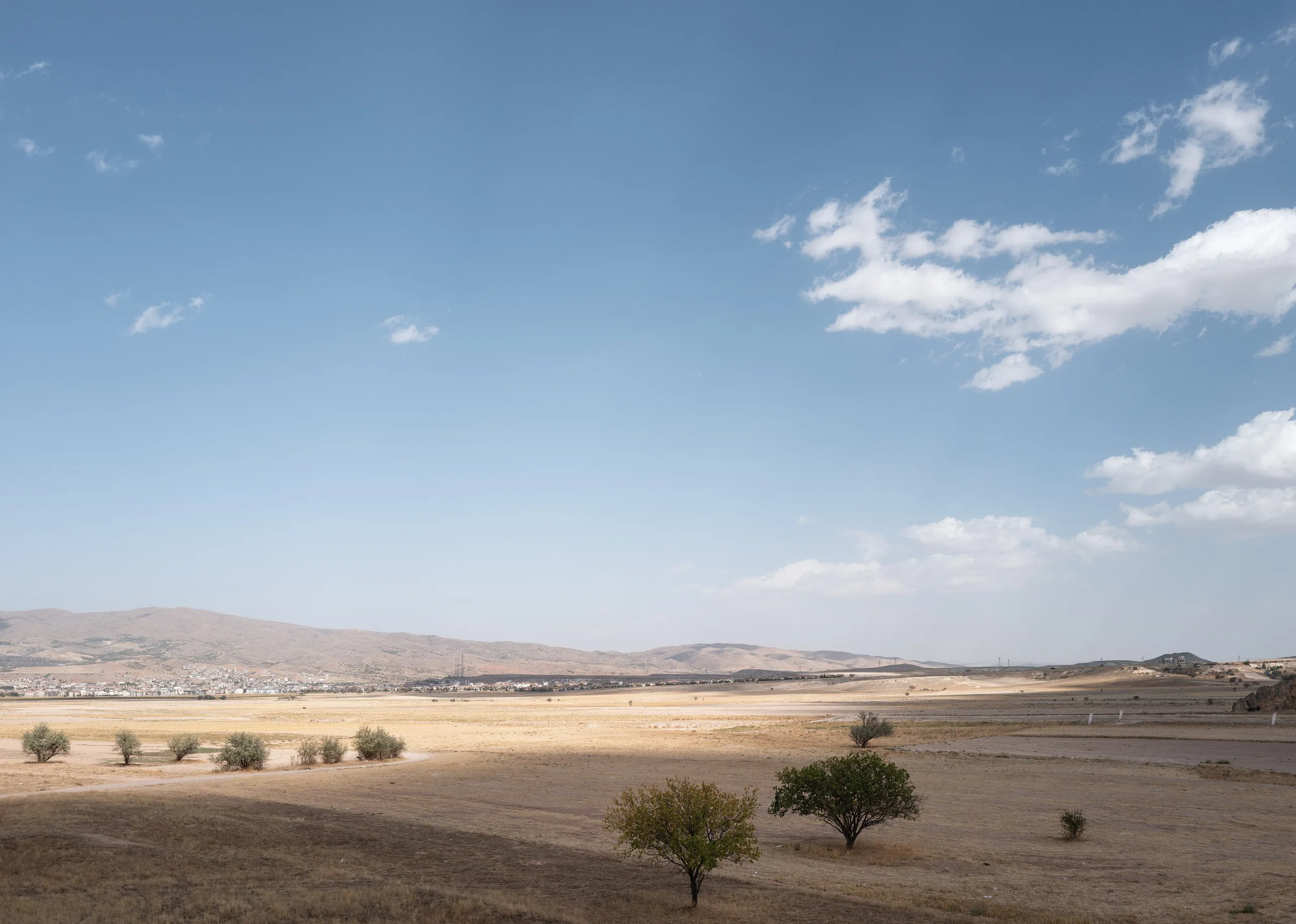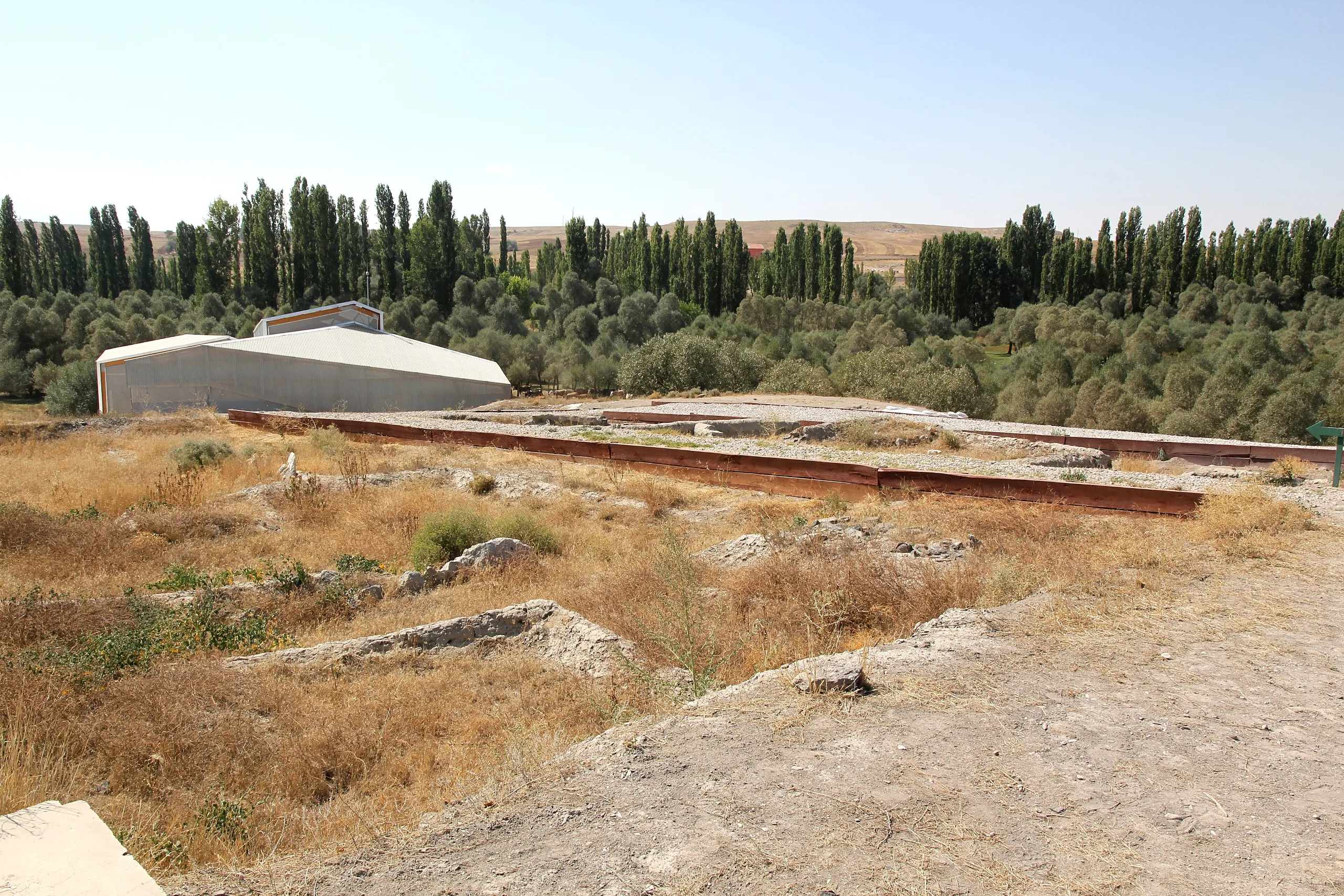
Near Aksaray, the first known village of Central Anatolia: the earliest mud-brick architecture, signs of the shift to farming and rebuilt Neolithic houses at the entrance.
Aşıklı Höyük is a place (Mound settlement) in Turkey, Aksaray. Main periods: Neolithic Period.
About twenty-five kilometres south-east of Aksaray, next to the village of Kızılkaya, rows of mud-brick houses line a street at the mound's entrance. They are new, built to the plan, orientation and size of the originals found in the dig. The real ones mark the place where people in Central Anatolia first made a lasting village. At Aşıklı Höyük hunters, gatherers and nomads gave up roaming at some point and began to stay put, took up farming soon after, and lived here for as many as thirty-five generations.
Where it is
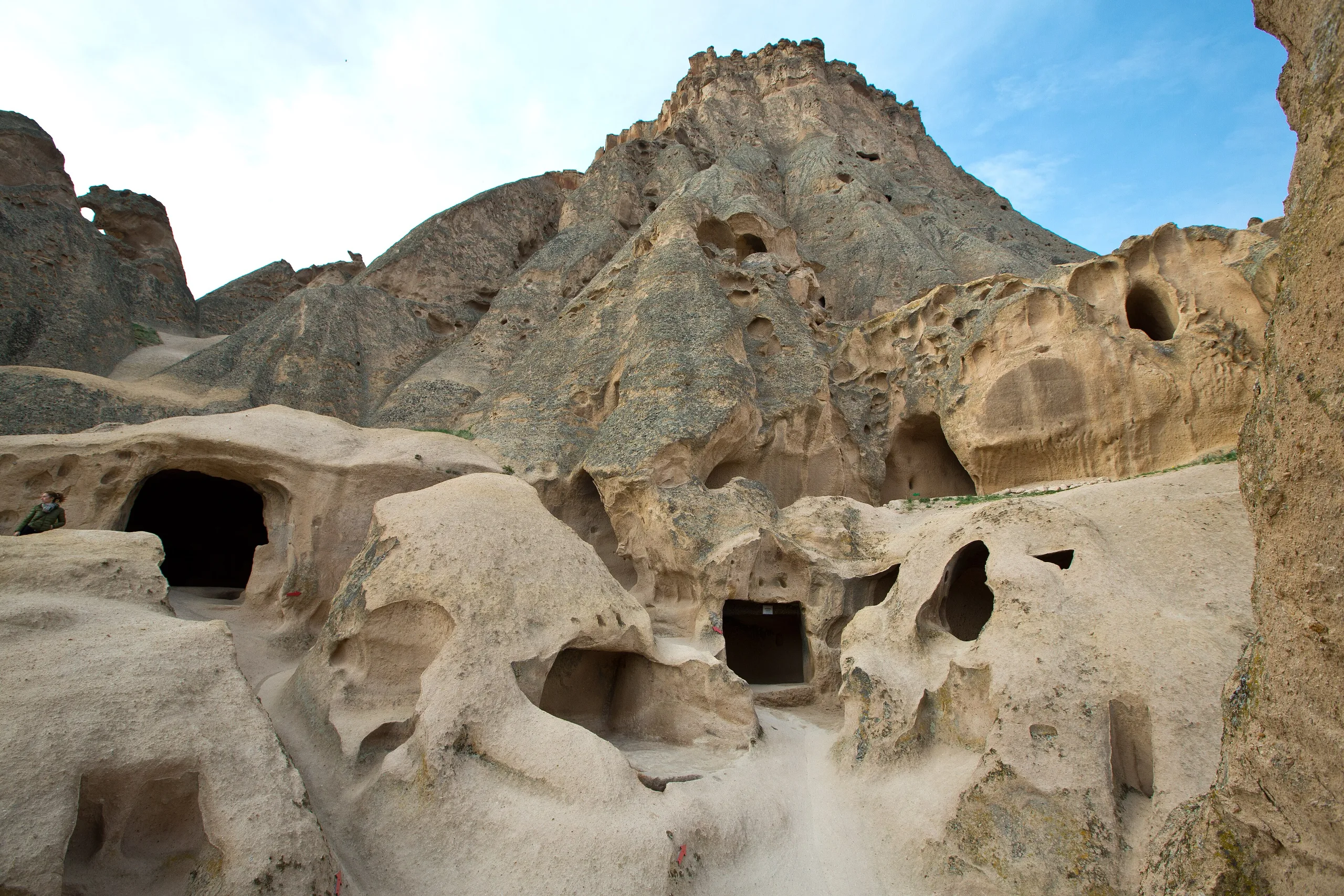
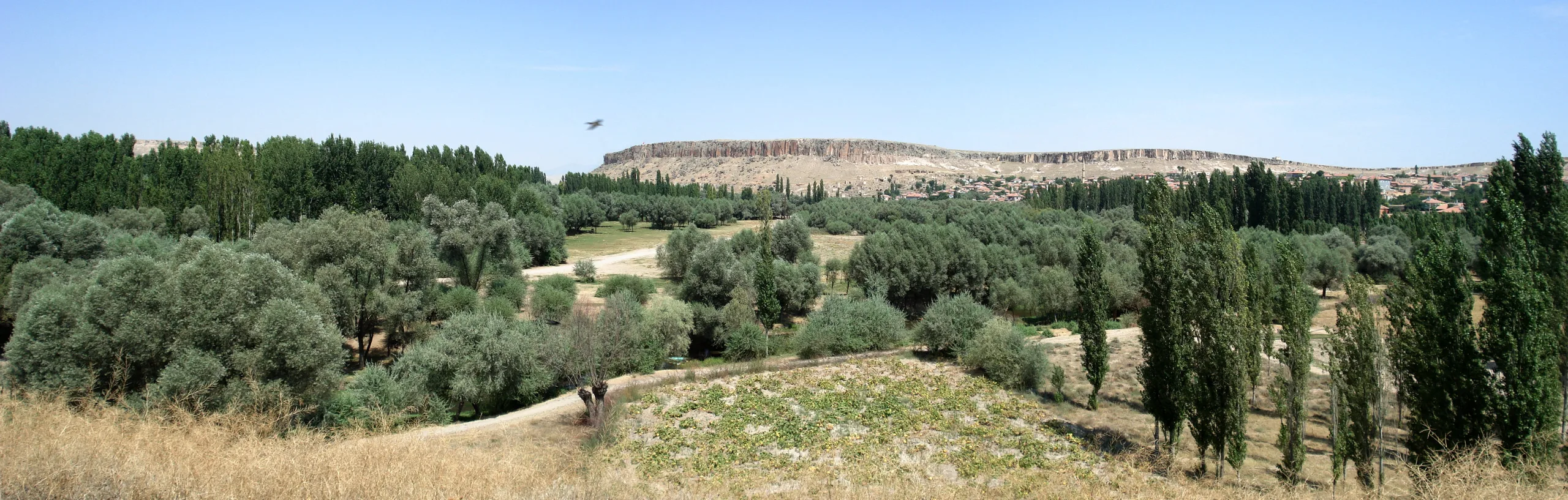
The mound lies in the territory of Kızılkaya village, in Gülağaç district of Aksaray, on the banks of the Melendiz. The village itself, some three hundred years old, is a huddle of stone and rock-cut houses set against a large volcanic slope. Mud-brick building is no local tradition, and it is as unfamiliar to the villagers today as to anyone. The mound is a five-minute walk from the village.
History
The first village
Aşıklı is the first village known in Central Anatolia where hunters, gatherers and nomads settled. Life here began in the 9th millennium BCE and went on unbroken until the middle of the 8th. The people were mostly hunters and gatherers, yet they were also among the earliest farming communities. Research indicates that farming followed settling down: cereals and plants once gathered wild were first sown here. In charred layers, excavators found both wild and cultivated forms of barley, wheat and pulses.
The animal bones tell of heavy, deliberate hunting. Besides sheep and goat, the diet included roe deer, fallow deer, red deer, pig and wild cattle. Obsidian, the volcanic glass of the local geology, was the raw material for the tools and weapons used in everyday work such as hunting, butchering and dressing hides and leather. Read together with Boncuklu on the Konya Plain, the evidence from Aşıklı suggests that Central Anatolia came to the Neolithic by its own route, apart from the core region. The move from round to rectangular buildings, along with farming and the domestication of animals, are examples.
Buildings and finds
Mud-brick houses in rows
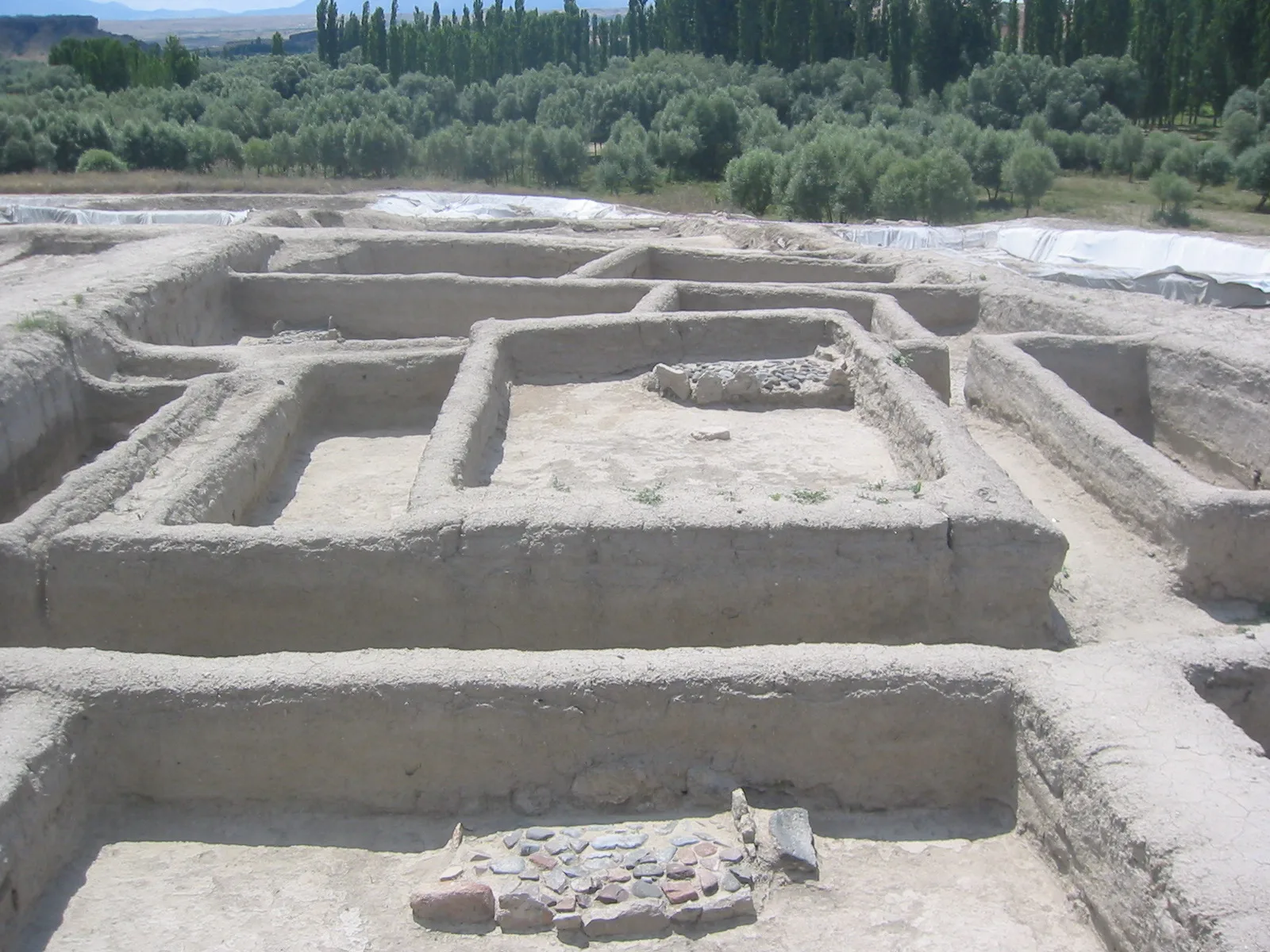
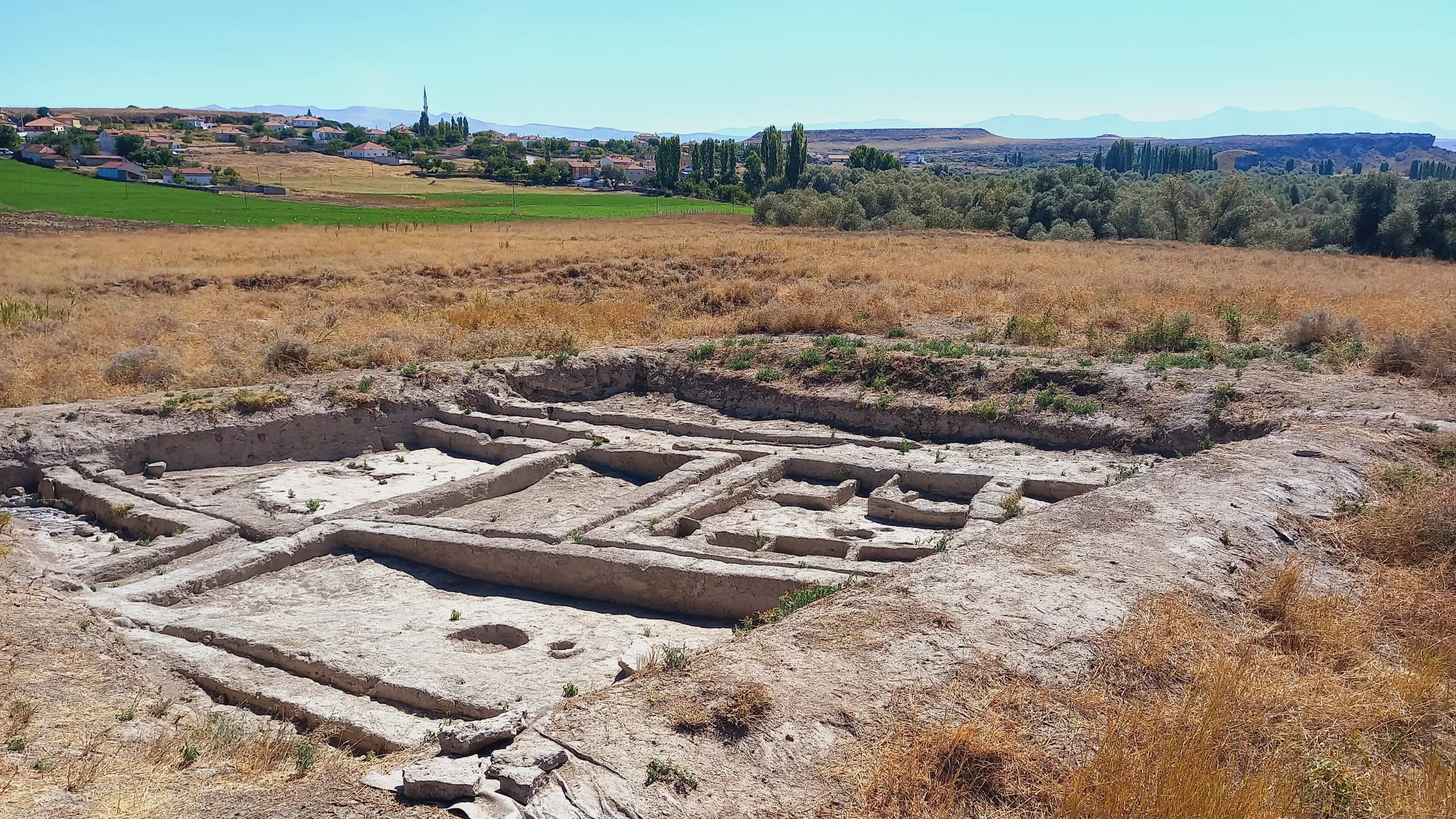
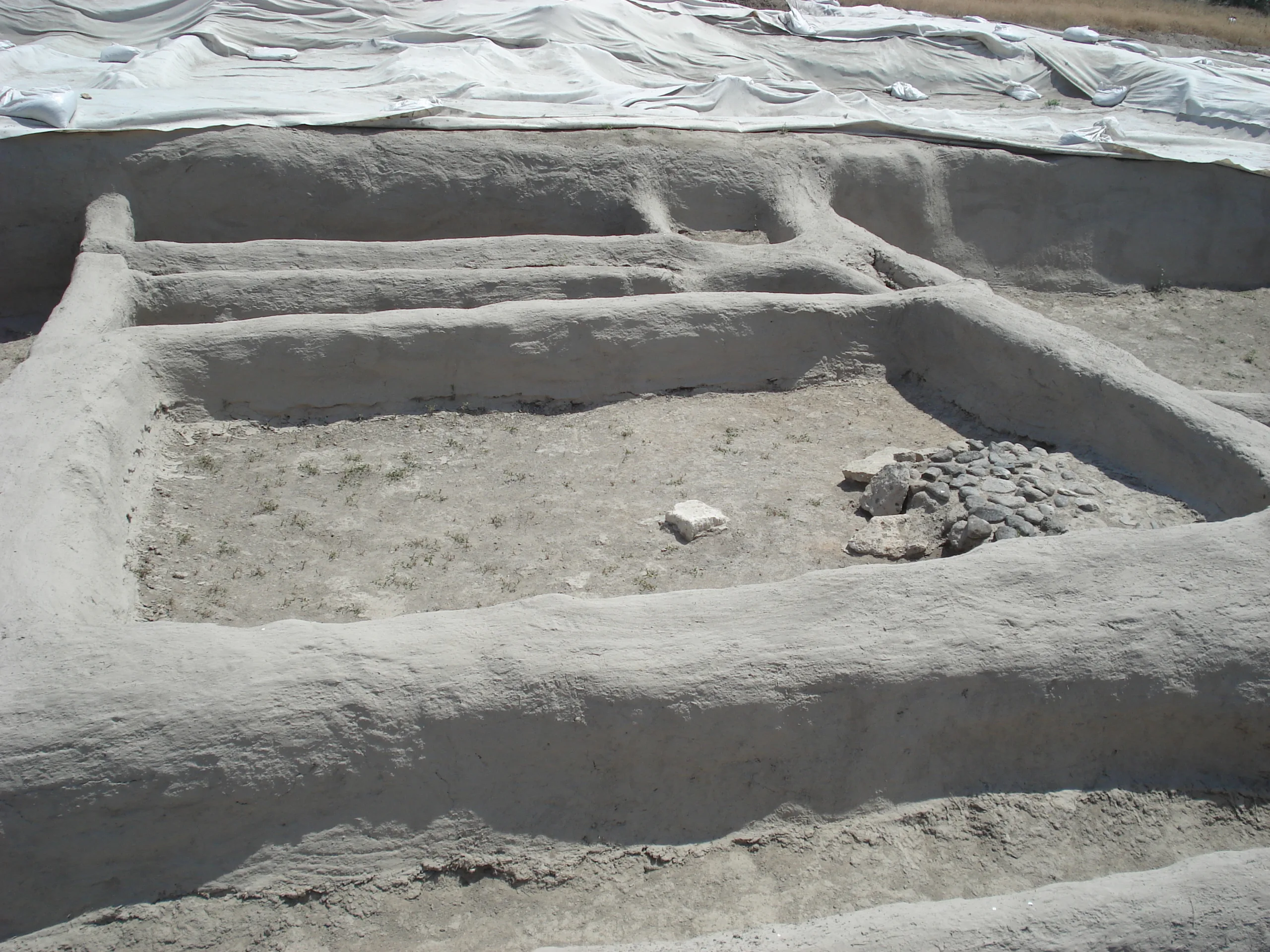
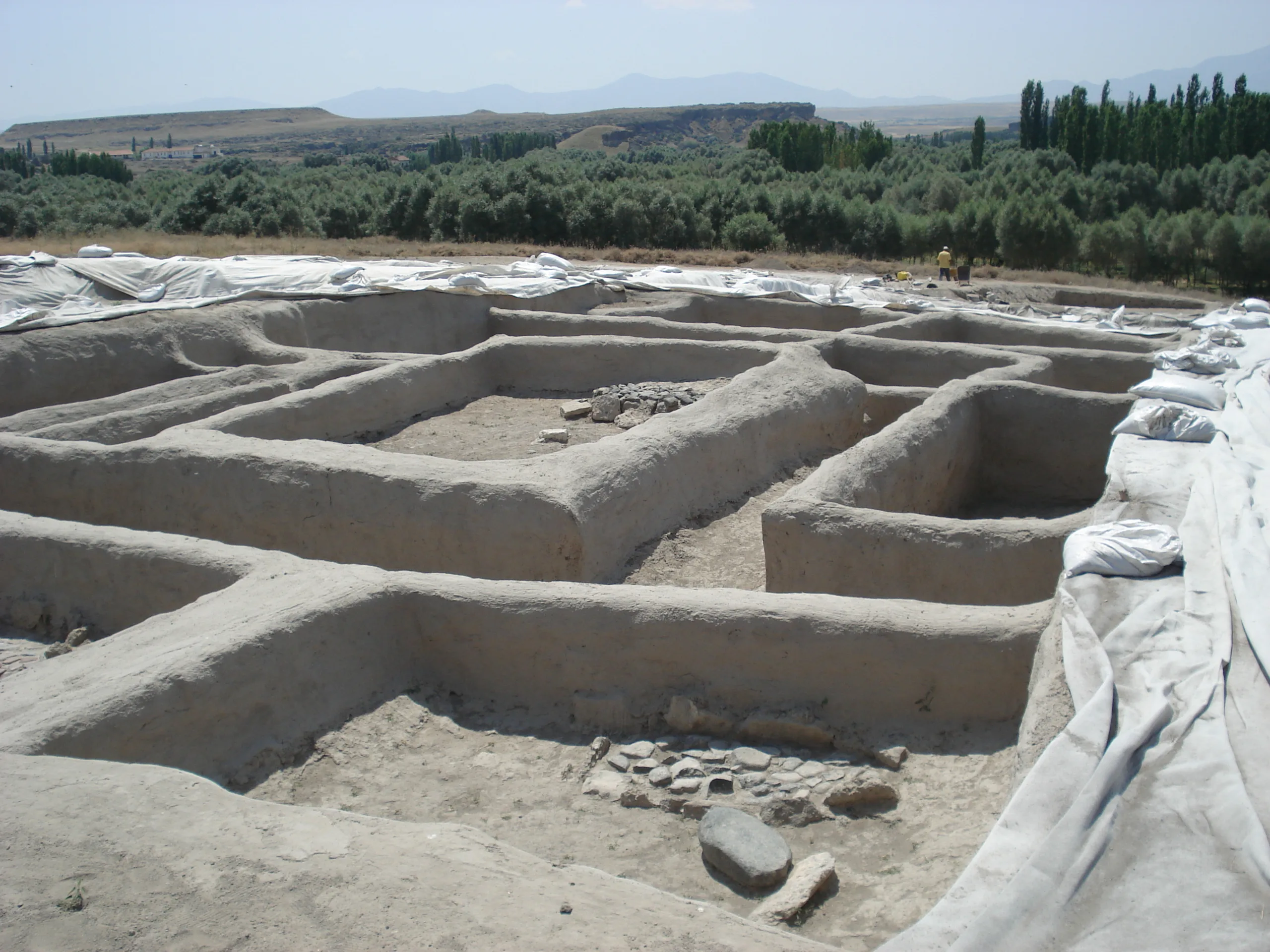
The oldest known examples of the rectangular mud-brick houses that became traditional in Anatolia, with walls shared between neighbours, are at Aşıklı. They were built of sun-dried blocks and roofed flat, and people got in by a wooden ladder through a hole in the roof. The earlier buildings were houses sunk partly into the ground.
An early brain operation
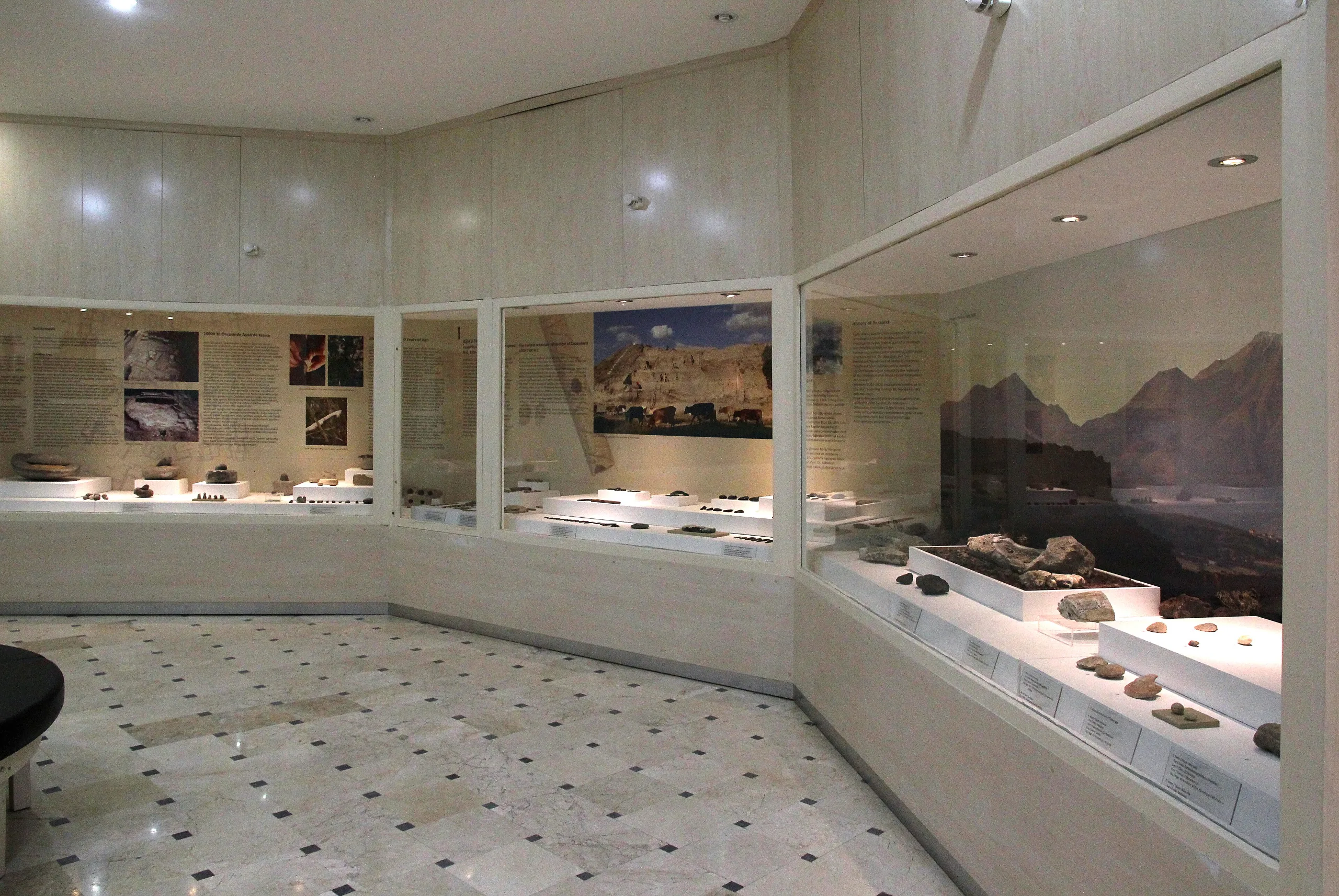
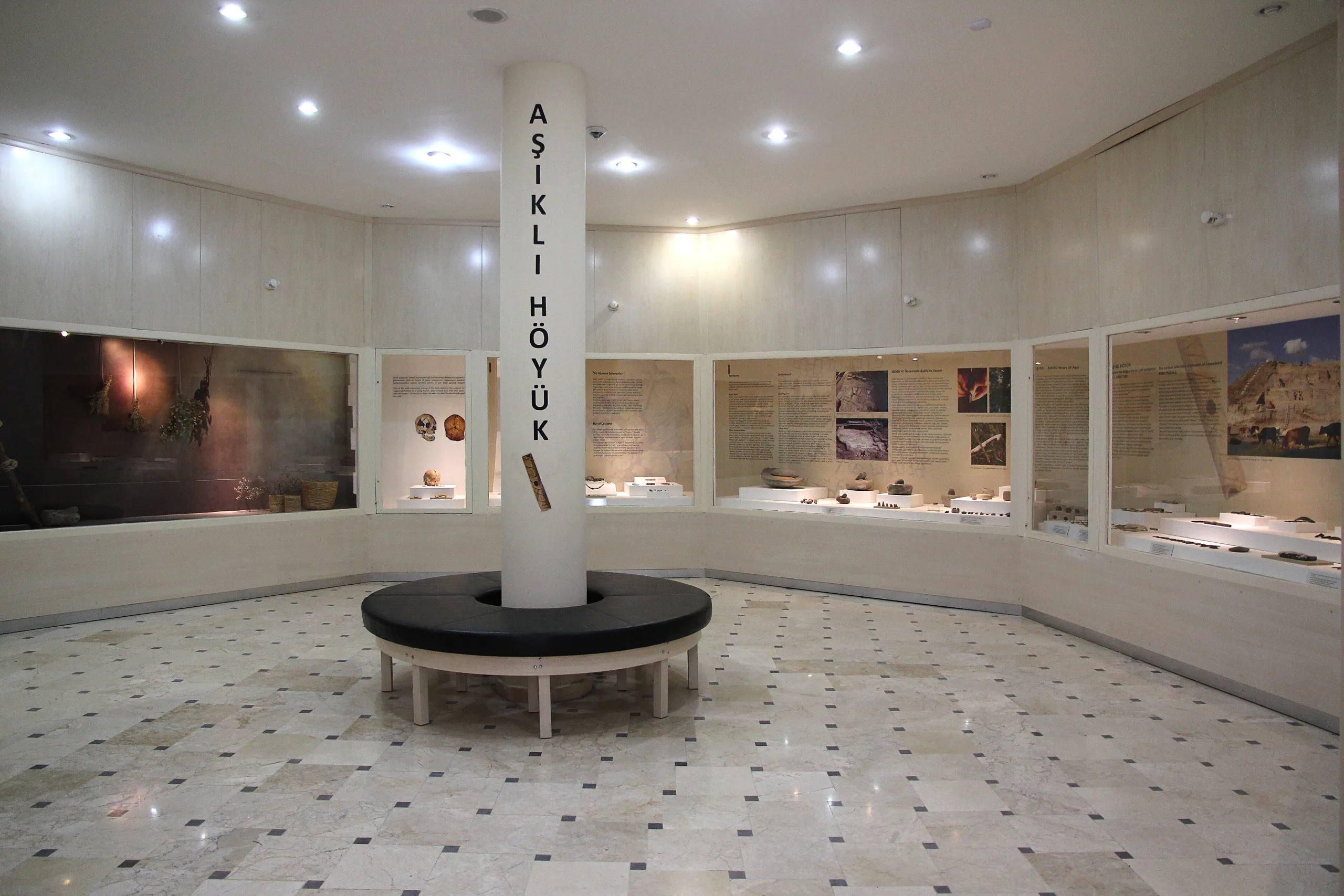
The site also left a mark on the history of medicine. The skull of a young woman carries traces of surgery and is regarded as the first known brain operation. It is on show, with other finds, in the Aksaray Museum.
Excavations
Digging at the mound has gone on since 1989. Over more than twenty-five years it built up the evidence on which a conservation and display project at the entrance was based. From 2009 the architecture uncovered in the excavation has been rebuilt, true to its original plan, orientation and size. By the end of the 2014 season three buildings of the 9th millennium BCE stood again, along with ten mud-brick buildings of the 8th, strung along a street. Prehistoric methods were kept wherever possible: flaking obsidian, making mud-brick and mortar and hauling material from close by were all part of the experiment.
Visiting
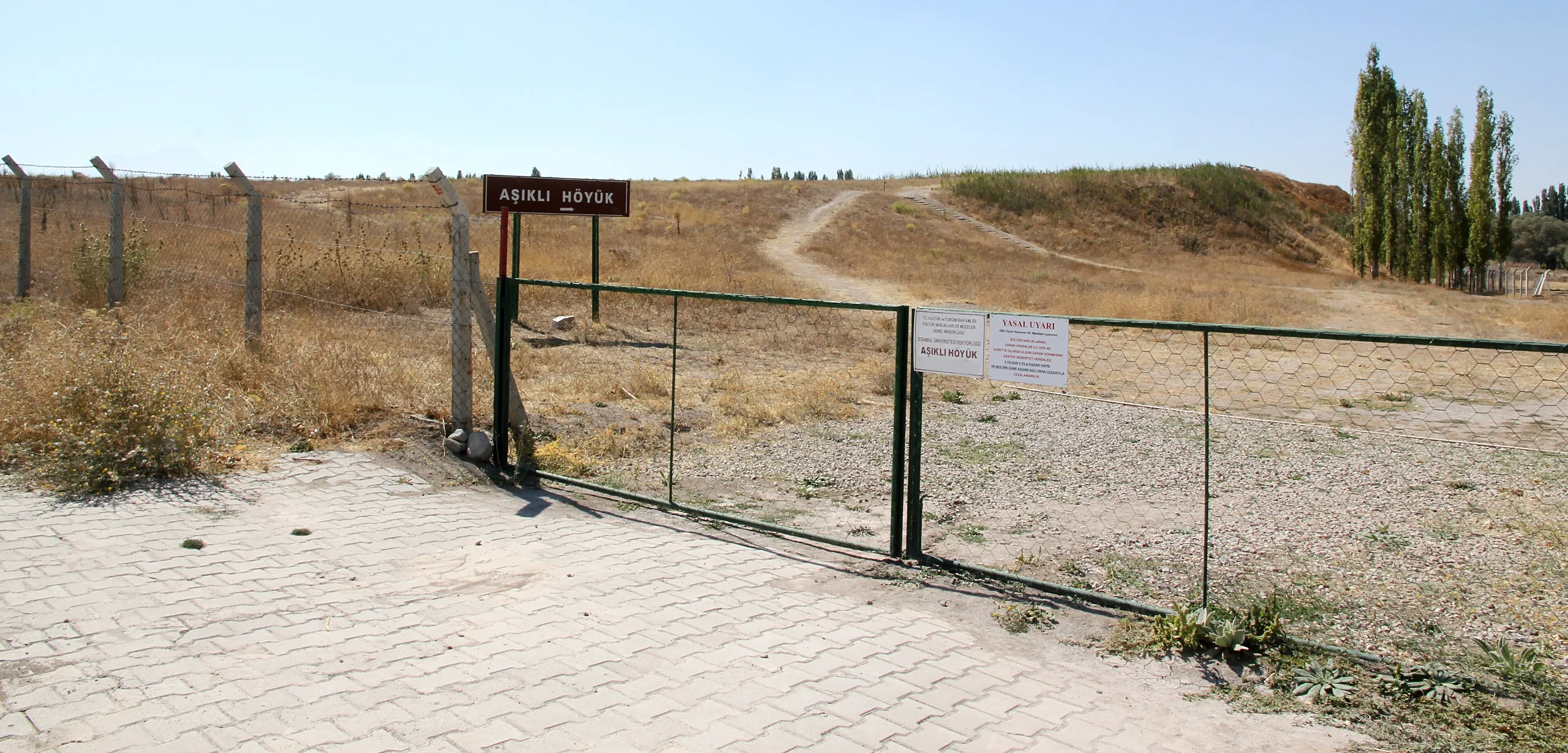
At the entrance a recreated Neolithic village awaits. Two half-buried houses from the 9th millennium BCE, mud-brick buildings of one or two rooms from the 8th, facing each other across a street, and plants such as wild plum, wild almond and hackberry have all been put back. An experimental field is sown with wild wheat every year and harvested with obsidian tools. Finds from prehistoric life are shown inside the houses, and one display recreates the interior of a house ten thousand years old, with mud-brick walls and a ladder through the roof. The area opened to visitors in 2009. For current visiting conditions, use the official link.
Gallery
Frequently asked questions
Where is Aşıklı Höyük?
What makes Aşıklı Höyük important?
When was the village lived in?
What plant and animal remains were found?
What does a visitor see?
What is the brain-operation find?
Sources (13)
- Aşıklı Höyük (TR ve EN) — T.C. Kültür ve Turizm Bakanlığı, Müzeler ve Örenyerleri
- Aşıklı Höyük - Aksaray — T.C. Kültür ve Turizm Bakanlığı, Türkiye Kültür Portalı
- Deneysel Arkeoloji Yoluyla Neolitik Bir Ev Yapımı (Güneş Duru), Colloquium Anatolicum XIII (2014) — DergiPark
- Aşıklı Höyük (Pleiades place 503406424) — Pleiades
Photo credits
- Photo: Ingeborg Simon, CC BY-SA 3.0 — Wikimedia Commons (resized)
- Photo: Katpatuka, CC BY-SA 3.0 — Wikimedia Commons (resized)
- Photo: Ingeborg Simon, CC BY-SA 3.0 — Wikimedia Commons (resized)
- Photo: Ingeborg Simon, CC BY-SA 3.0 — Wikimedia Commons (resized)
- Photo: Joe Wallace, CC BY-SA 2.0 — Wikimedia Commons (resized)
- Photo: Ingeborg Simon, CC BY-SA 3.0 — Wikimedia Commons (resized)
- Photo: Kvaestad, CC BY-SA 3.0 — Wikimedia Commons (resized)
- Photo: Kvaestad, Public domain — Wikimedia Commons (resized)
- Photo: Kvaestad, Public domain — Wikimedia Commons (resized)