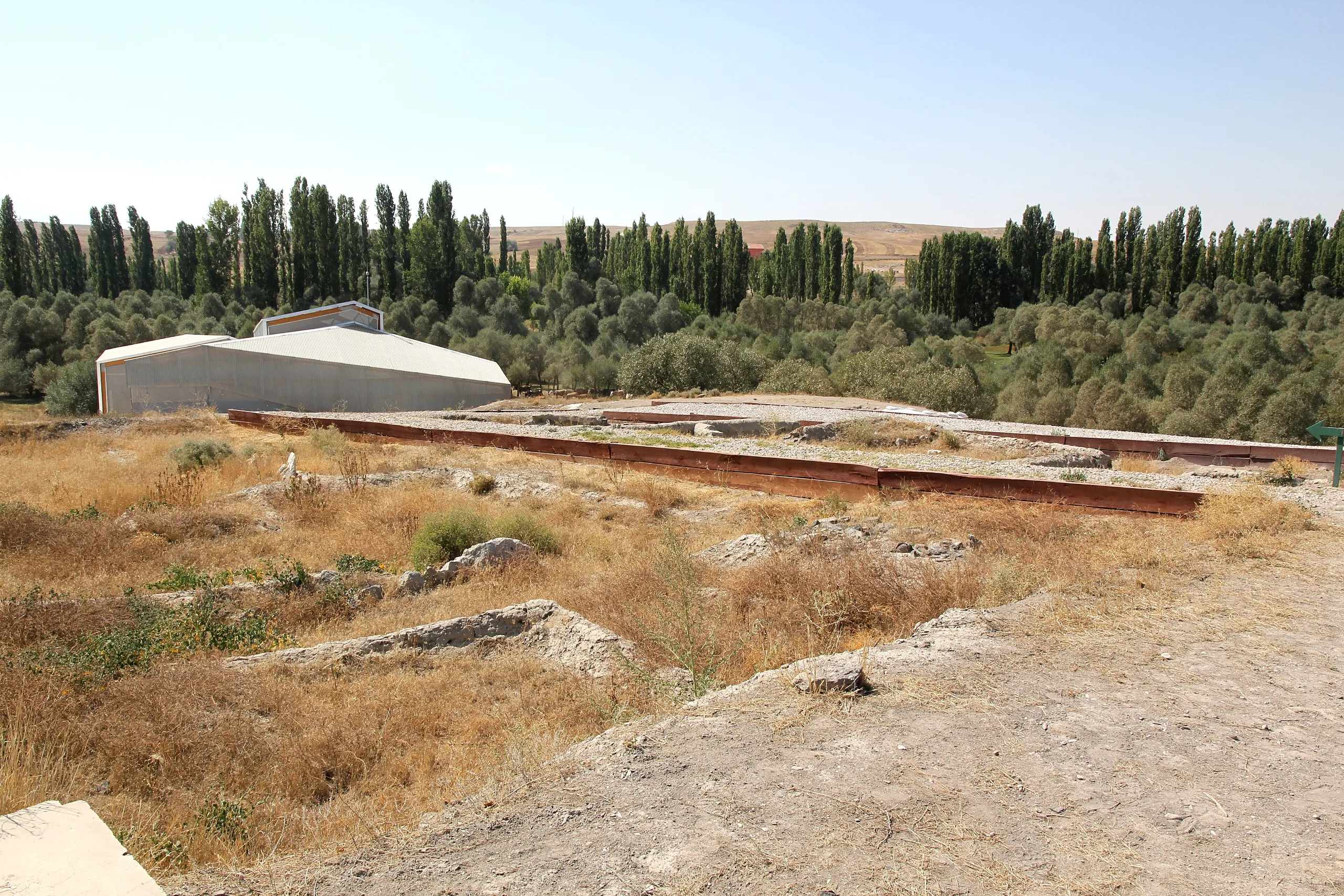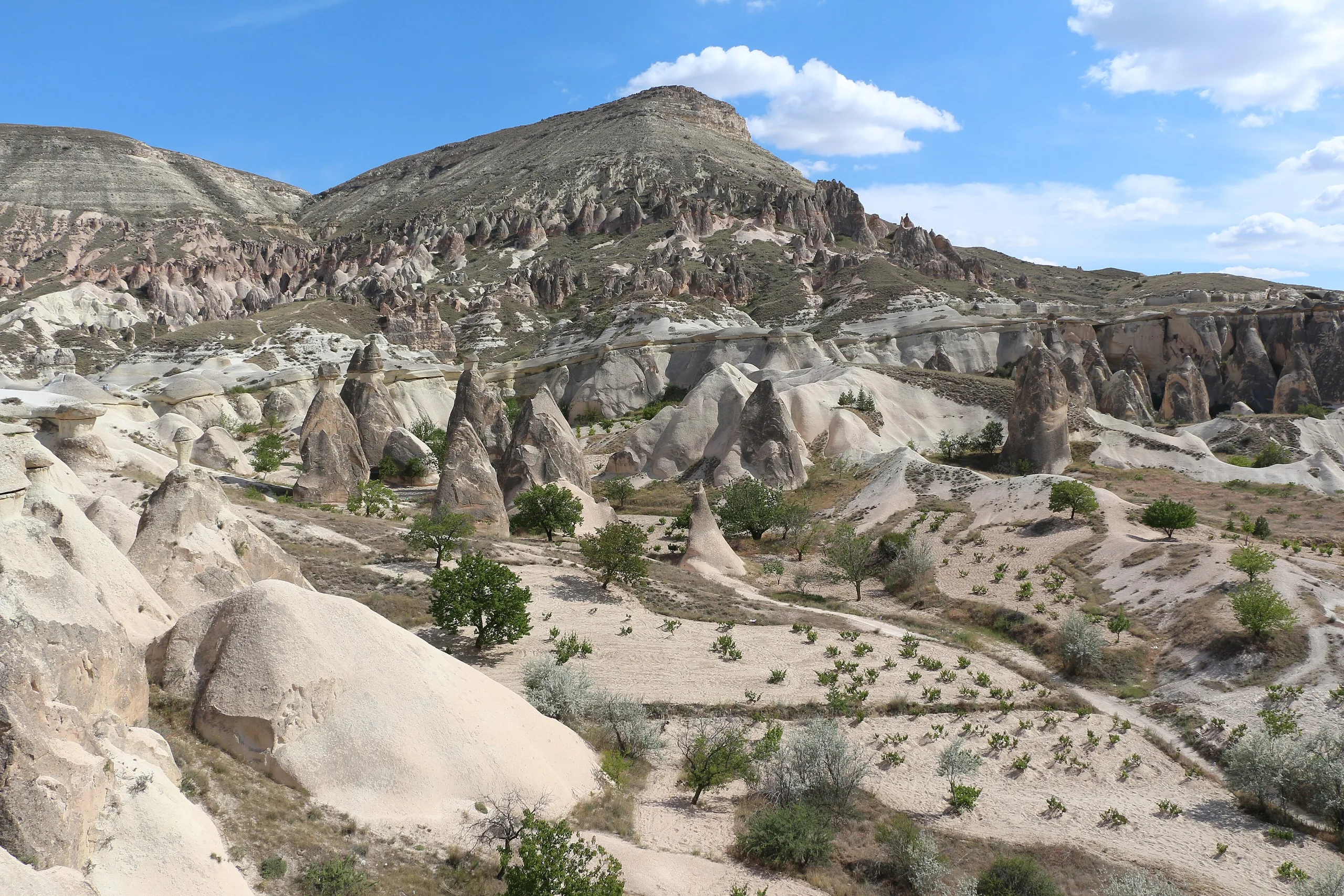
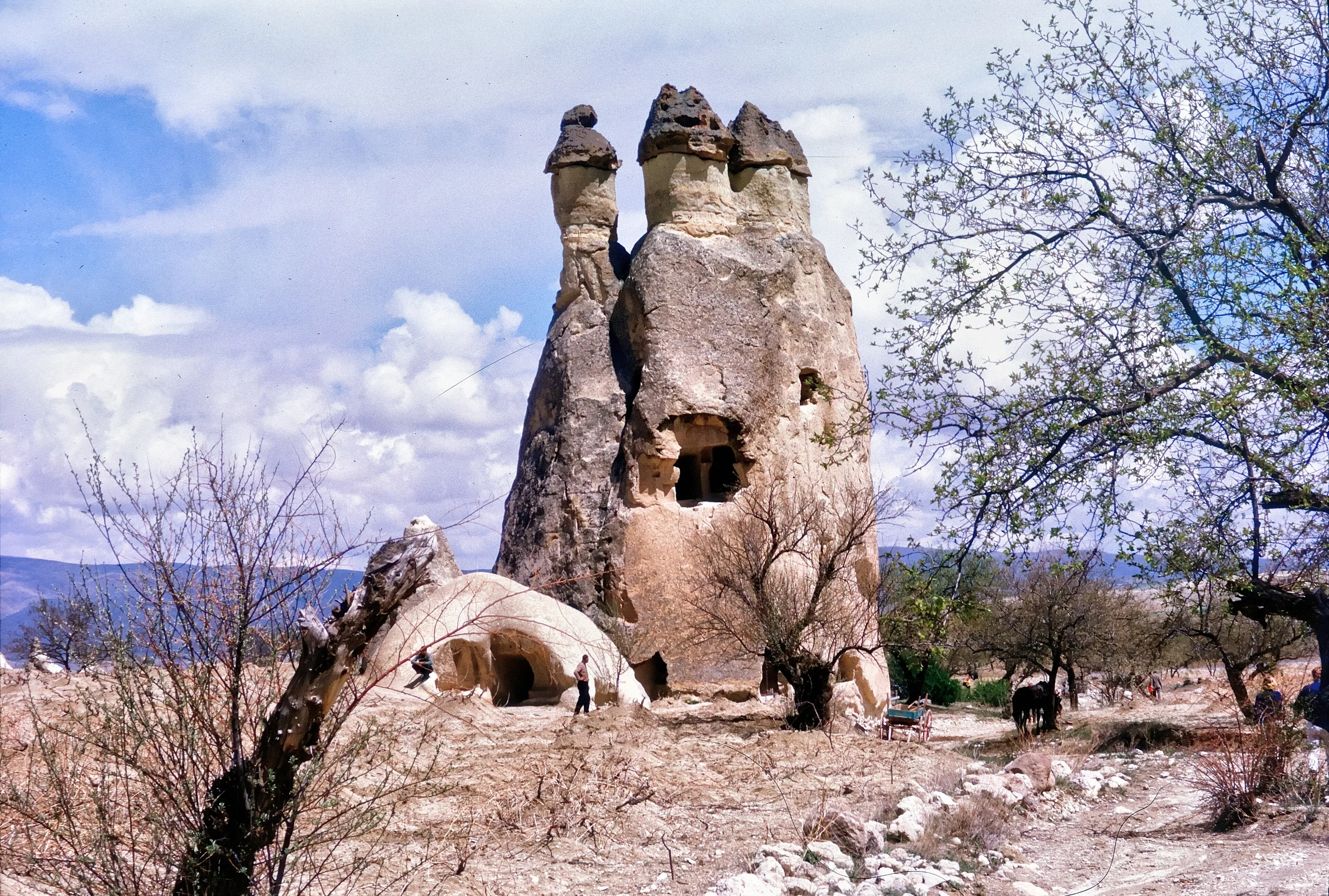
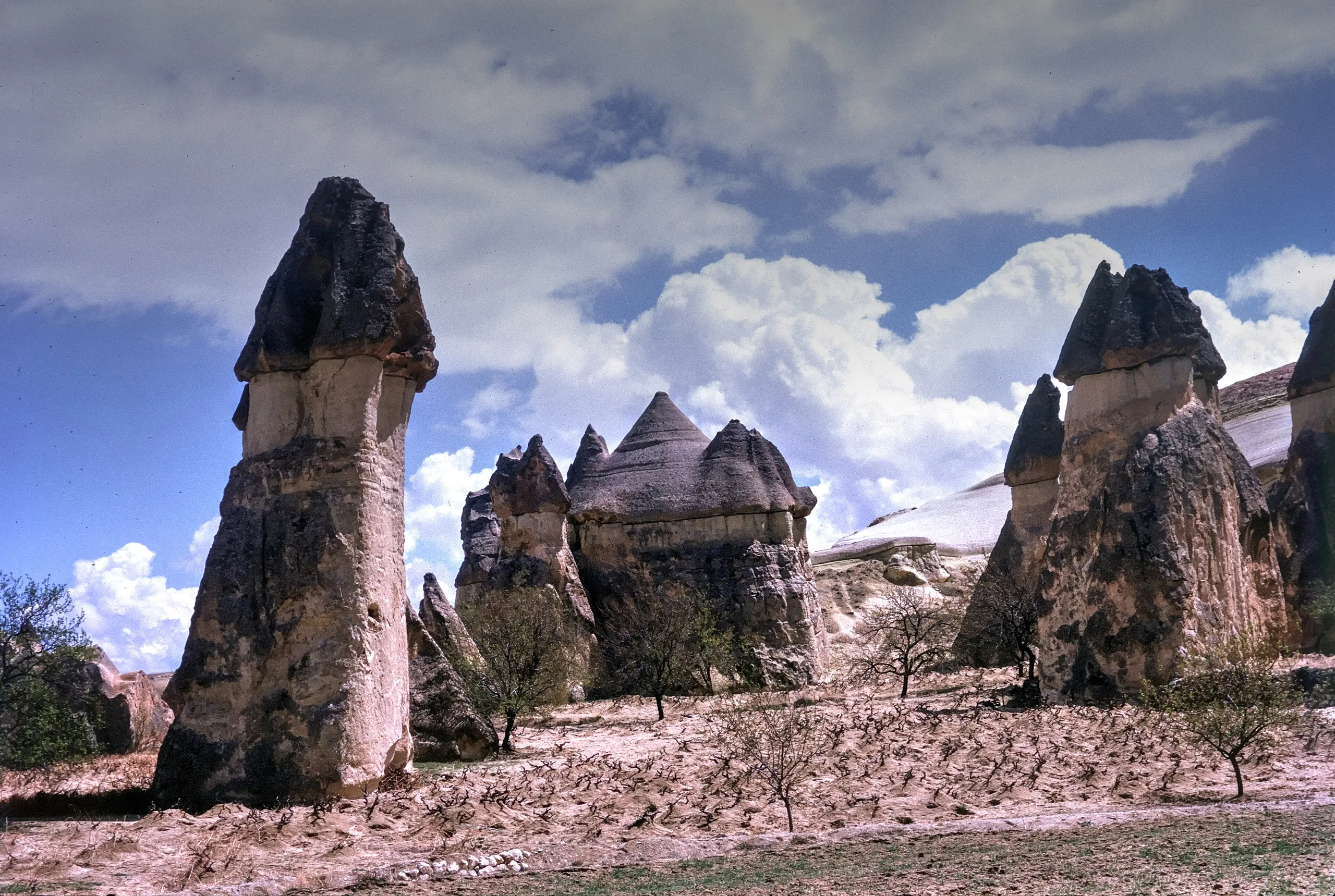
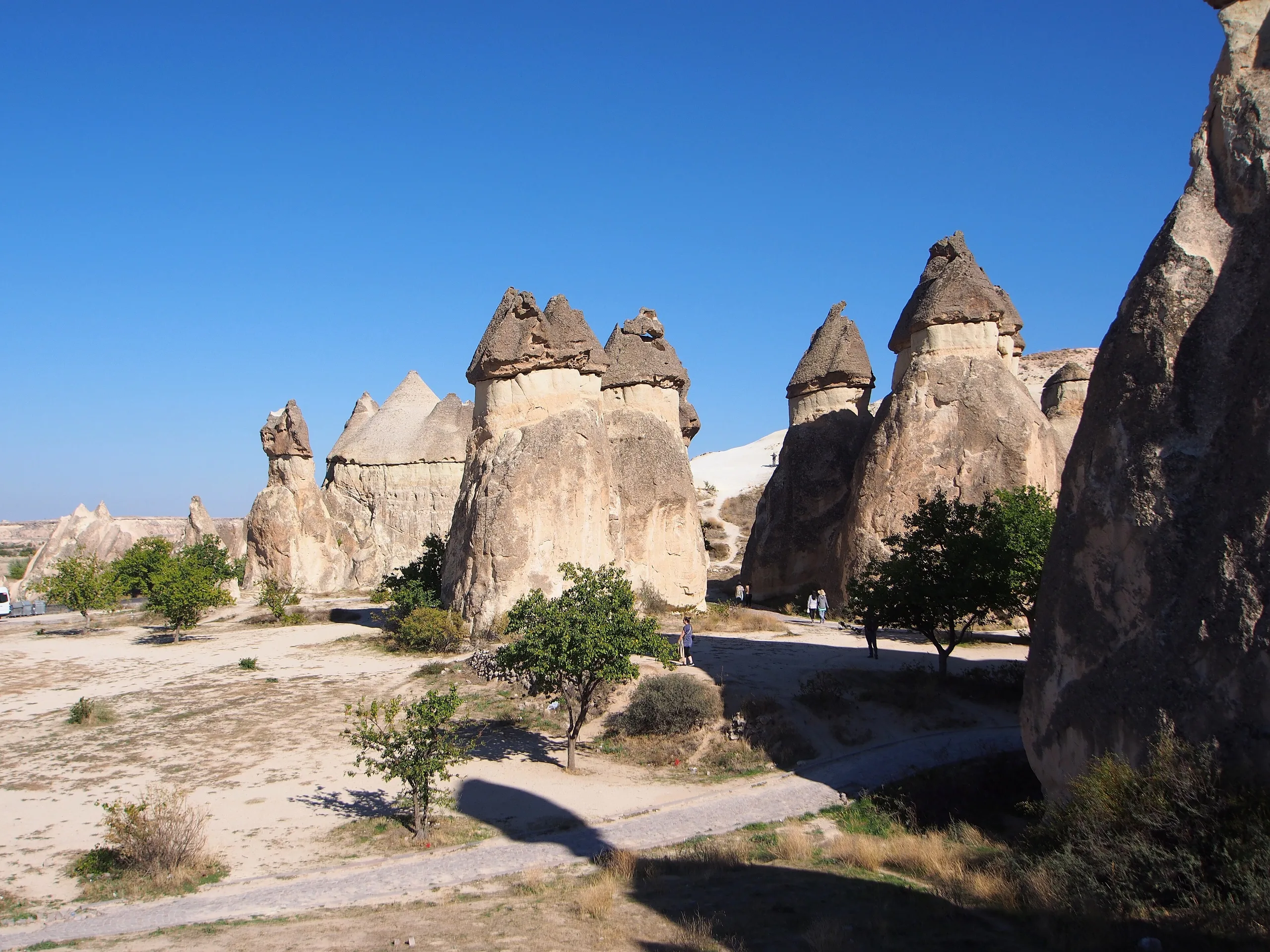
Zelve is a three-valley rock settlement on the northern slopes of Aktepe near Avanos; with neighbouring Paşabağları it holds Cappadocia's densest cluster of fairy chimneys.
Zelve and Paşabağları is a place (Sanctuary) in Turkey, Nevsehir.
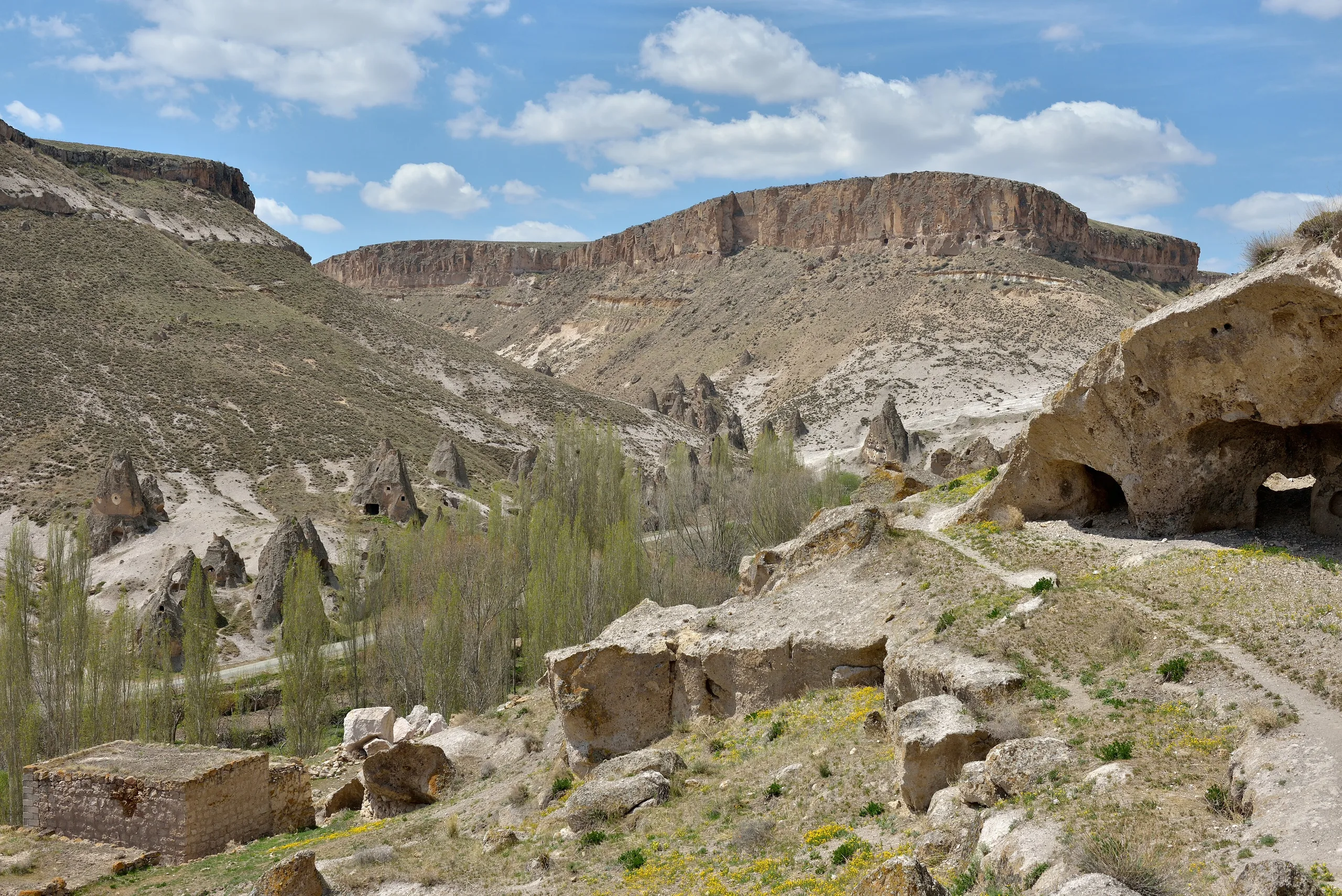
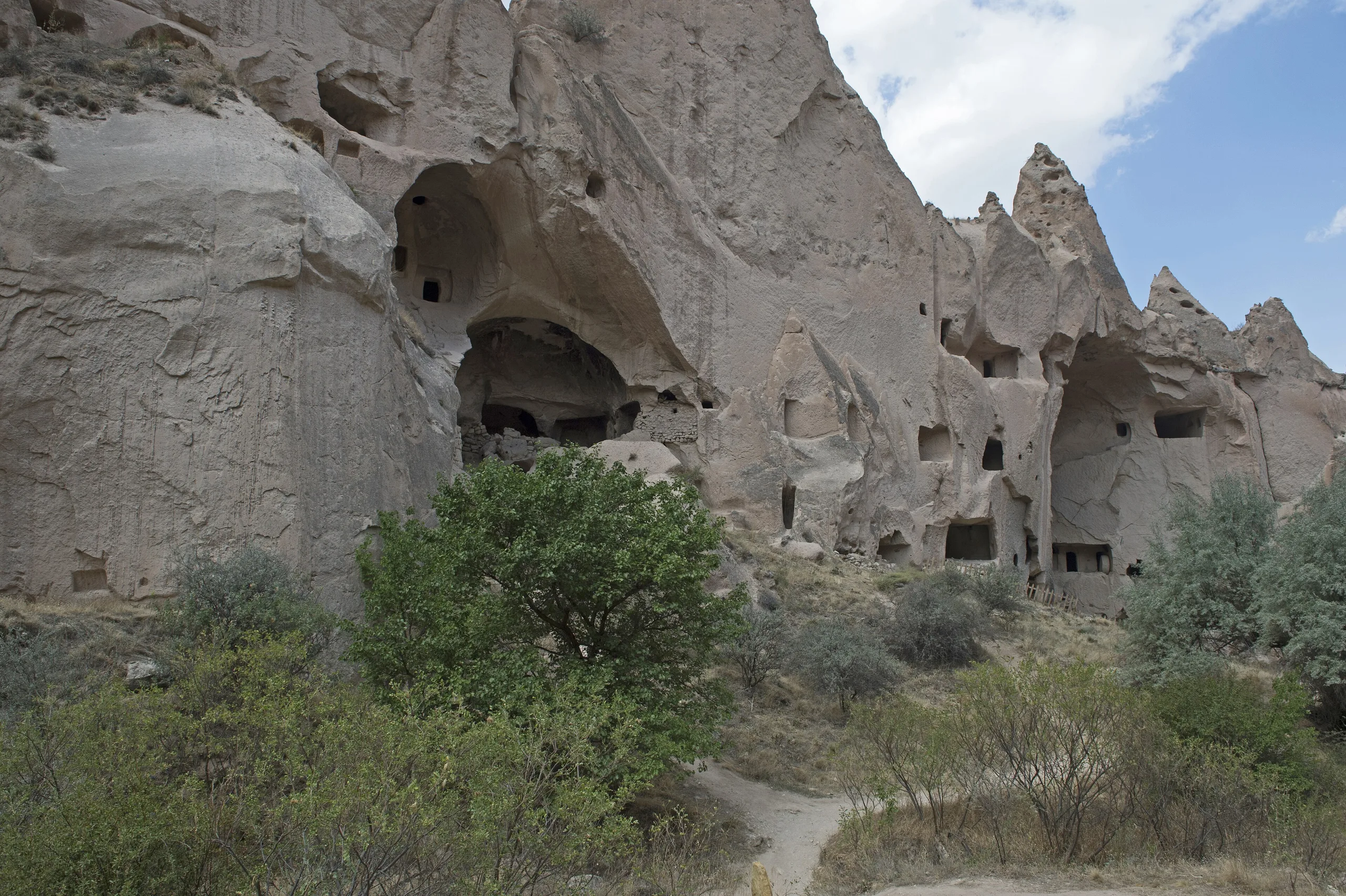
Zelve lies near Avanos in Nevşehir province, set against the steep northern flanks of Aktepe. The Ministry of Culture and Tourism describes it as three separate valleys and as the place in Cappadocia where fairy chimneys are most concentrated. The Culture Portal treats it on one page together with the nearby Paşabağları area.
Getting there
By the Ministry's Turkish page, Zelve is five kilometres from Avanos and one from Paşabağları. The Culture Portal gives other figures: about 20 km from Nevşehir's centre, 1 km from Avanos, and 2 km off the Göreme–Avanos highway. The two sources disagree on the distance to Avanos, so rely on the official page for directions. The portal says visitors arrive by their own vehicle or on day tours run by agencies.
History
According to the Ministry, Zelve was an important Christian settlement and religious centre between the 9th and 13th centuries, and the first instruction given to priests is said to have taken place here. The English page adds that the date of the earliest settlement is unknown. People lived in the valley until 1952.
Main features
The three valleys
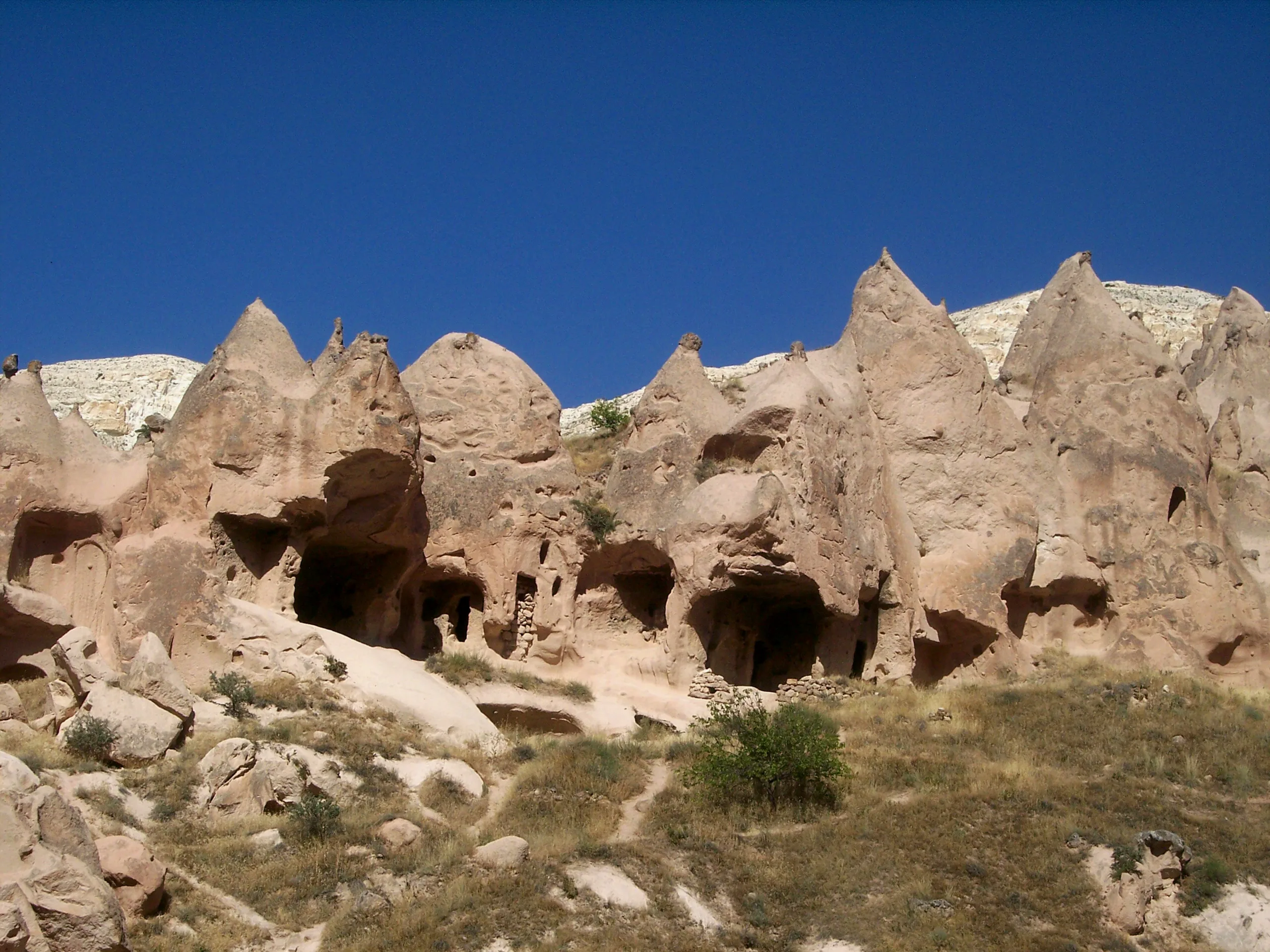
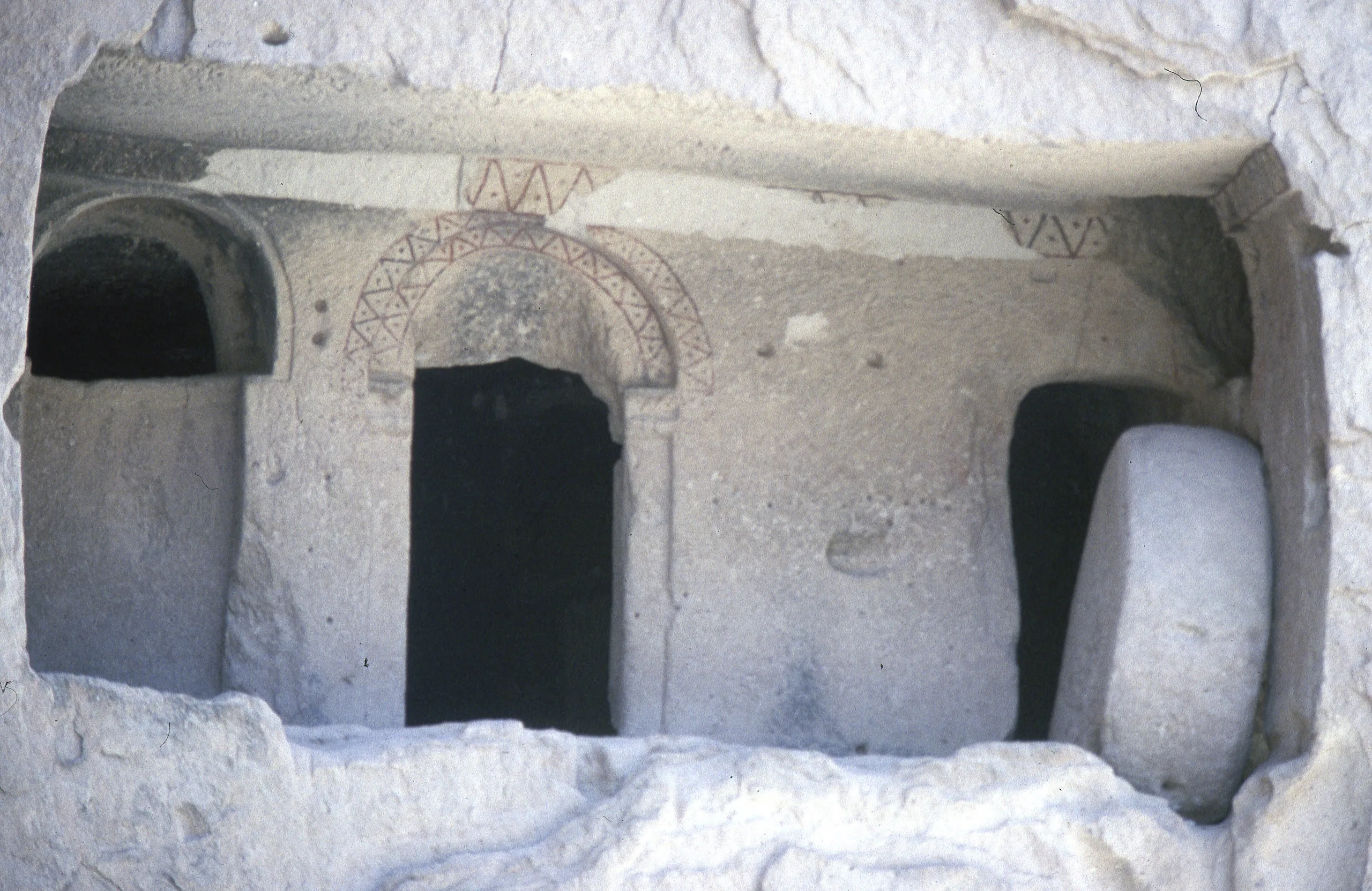
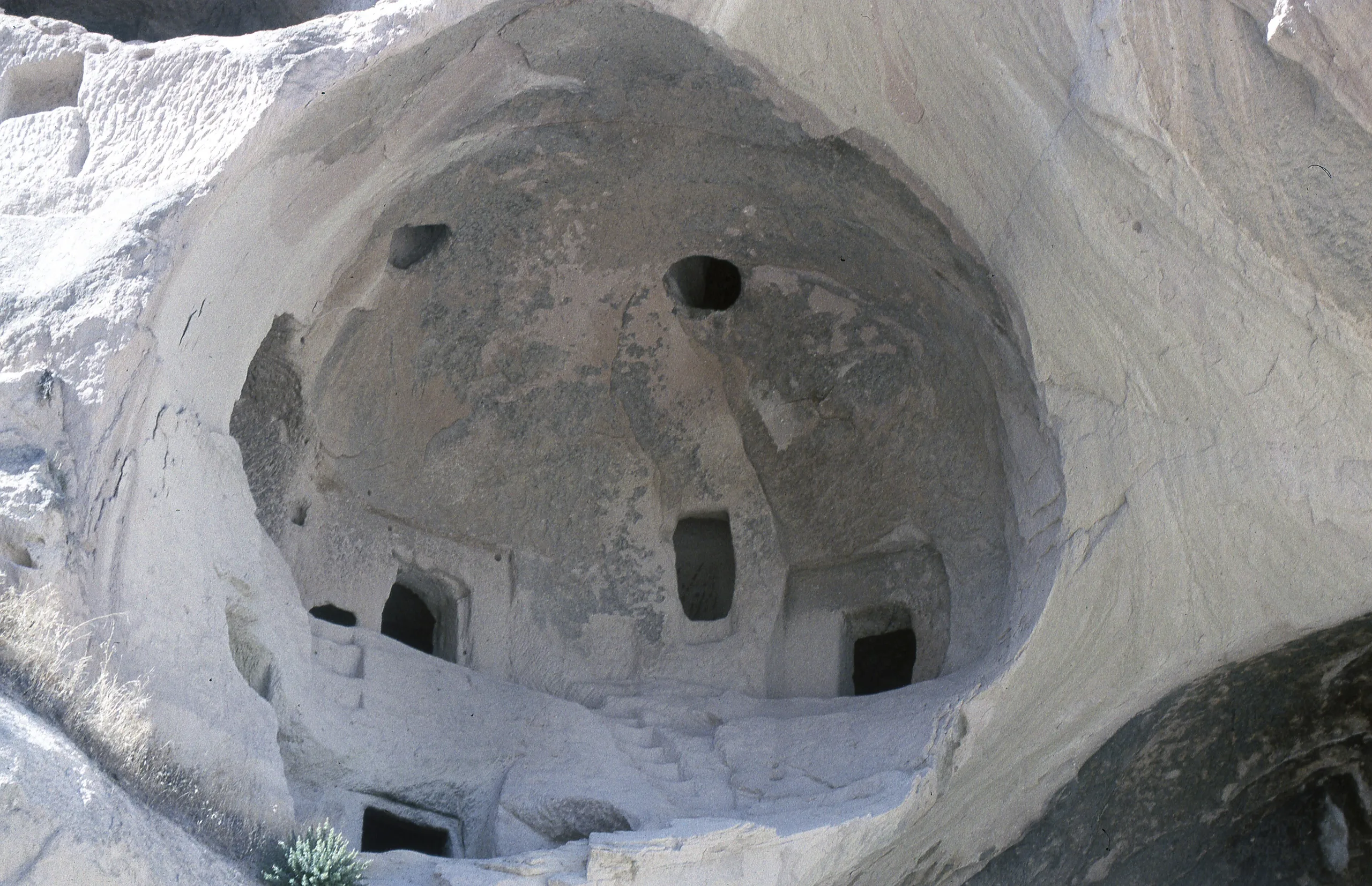
The Ministry's English text places a bulgur mill (seten), the Balıklı and Üzümlü churches and a winery in the first valley, and the Church of the Holy Cross in the second. The third holds the village square and a monastery complex cut into a dome-shaped rock mass, with a mosque across from it. Dovecotes cut high into the slopes, with simple decoration on their faces, are singled out near the valley's end, and the Direkli Church stands at the exit.
The Turkish page picks out Balıklı, Üzümlü and Geyikli as the leading churches and places all three earlier than the Iconoclastic era, which it gives as 728 to 842. It also lists a chapel dedicated to St Simeon, monasteries, churches, a tunnel and a mill, plus one building type printed as 'cam'. The Culture Portal writes 'cami' (mosque) in the same list, so the Ministry wording may be a typing slip, though the sources do not say so.
Paşabağları
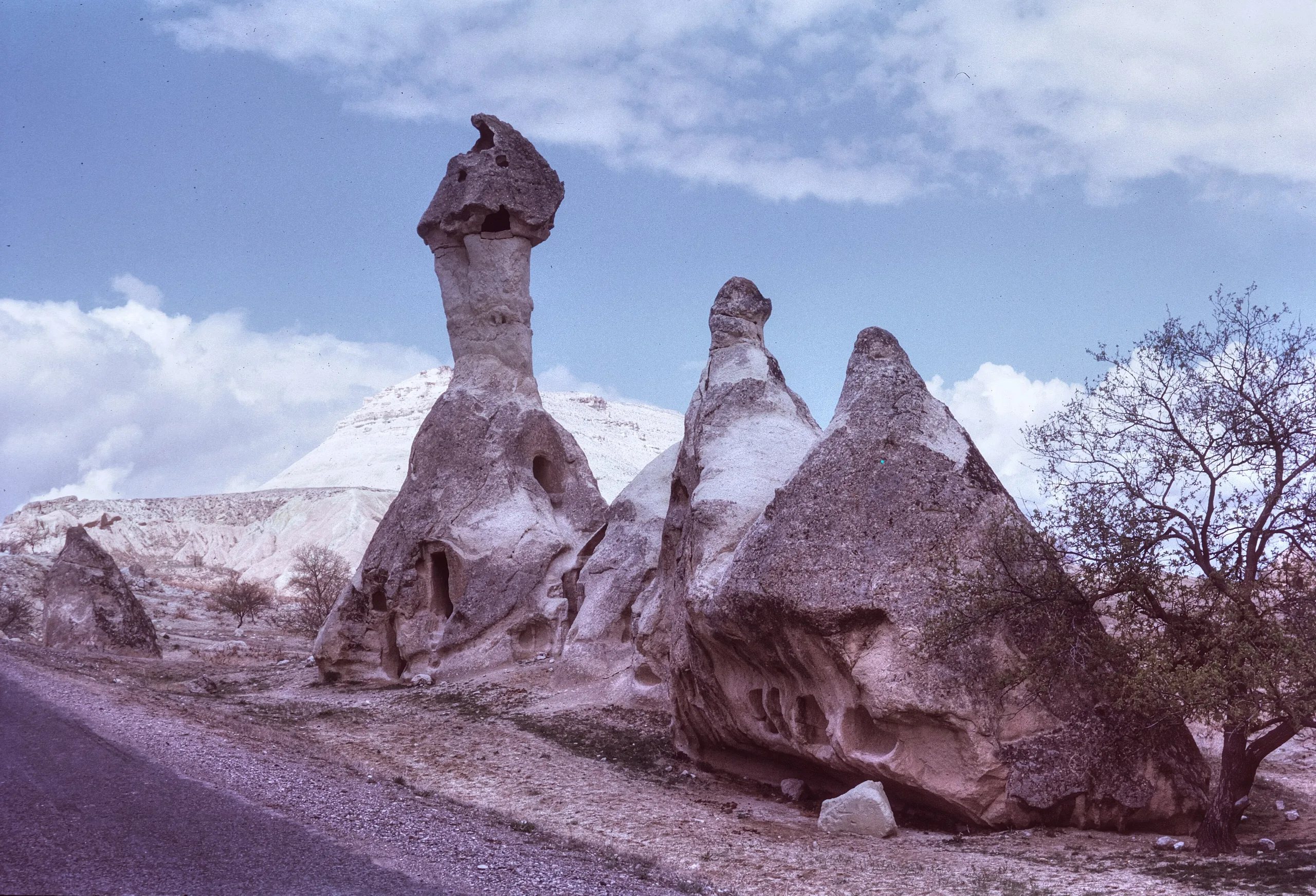
Once called the Valley of the Priests, Paşabağları is known for fairy chimneys with several trunks and heads. People carved some of them into chapels and living spaces. One three-headed chimney contains a chapel in the name of St Simeon together with a hermit's cell.
The English page describes Simeon as a fifth-century ascetic from the Aleppo area who fled crowds when word of his miracles spread. He is said to have taken refuge first on a two-metre column and later on one fifteen metres high, where he stayed for a long time.
Visiting
The Ministry's Turkish page states that MüzeKart is valid for Turkish citizens at Zelve. Hours, fees and current access change, so check the official page.
Gallery
Frequently asked questions
Where is Zelve?
How many valleys does Zelve have?
Which are Zelve's key churches?
Until when was Zelve inhabited?
What was Paşabağları called earlier?
Is MüzeKart valid at Zelve?
Sources (12)
- Zelve - Paşabağları Örenyeri / Zelve Archaeological Site (TR ve EN sayfalar) — T.C. Kültür ve Turizm Bakanlığı, Müzeler ve Ören Yerleri
- Paşabağları ve Zelve Ören Yeri - Nevşehir — T.C. Kültür ve Turizm Bakanlığı, Türkiye Kültür Portalı
- Zelve village (Wikidata Q189263, P625) — Wikidata
Photo credits
- Photo: Bernard Gagnon, CC BY-SA 3.0 — Wikimedia Commons (resized)
- Photo: Noumenon, CC BY-SA 3.0 — Wikimedia Commons (resized)
- Photo: Guus Gorter, CC BY-SA 4.0 — Wikimedia Commons (resized)
- Photo: Guus Gorter, CC BY-SA 4.0 — Wikimedia Commons (resized)
- Photo: Guus Gorter, CC BY-SA 4.0 — Wikimedia Commons (resized)
- Photo: rheins, CC BY 3.0 — Wikimedia Commons (resized)
- Photo: Dosseman, CC BY-SA 4.0 — Wikimedia Commons (resized)
- Photo: Dosseman, CC BY-SA 4.0 — Wikimedia Commons (resized)
- Photo: Dosseman, CC BY-SA 4.0 — Wikimedia Commons (resized)