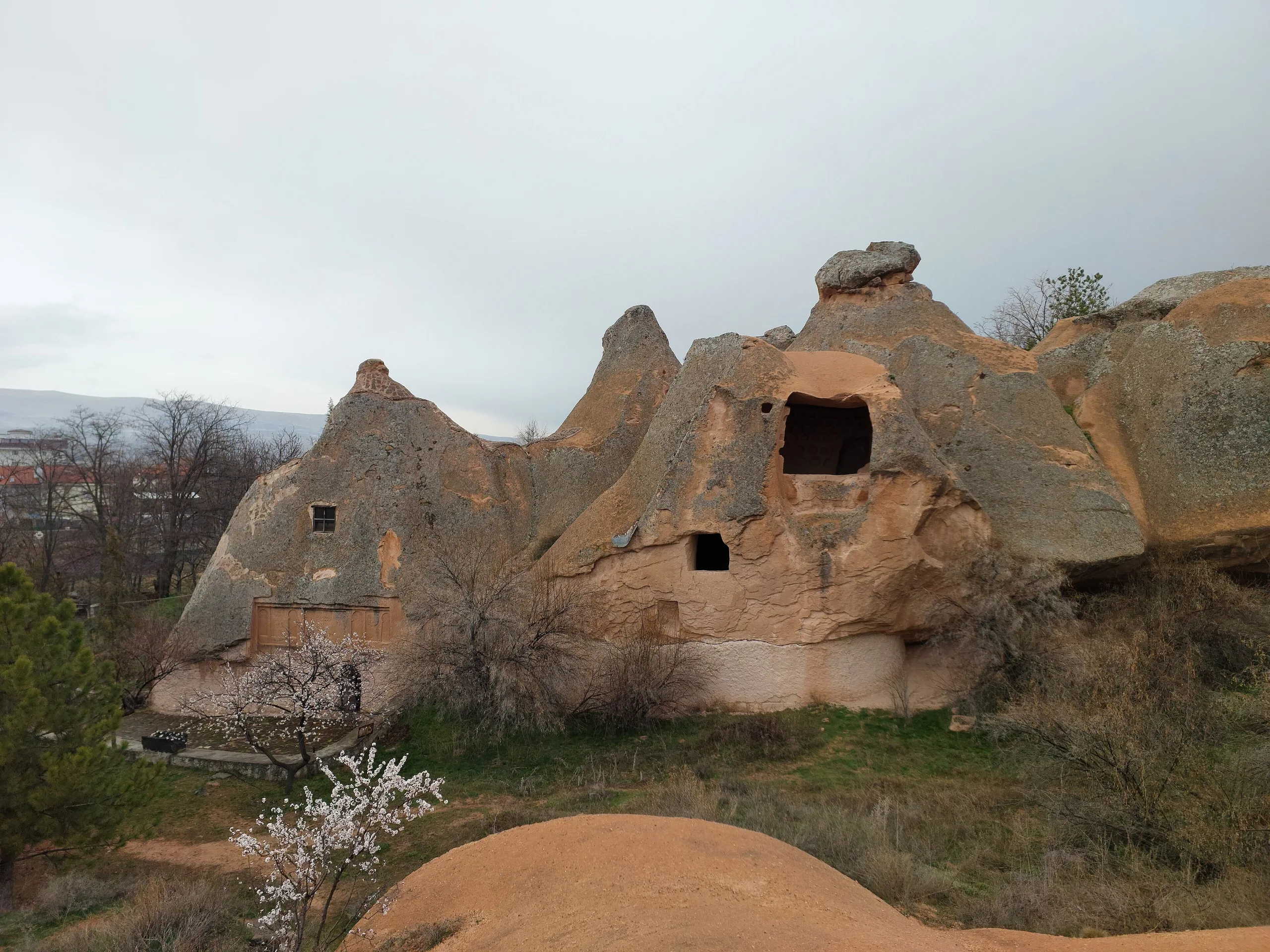
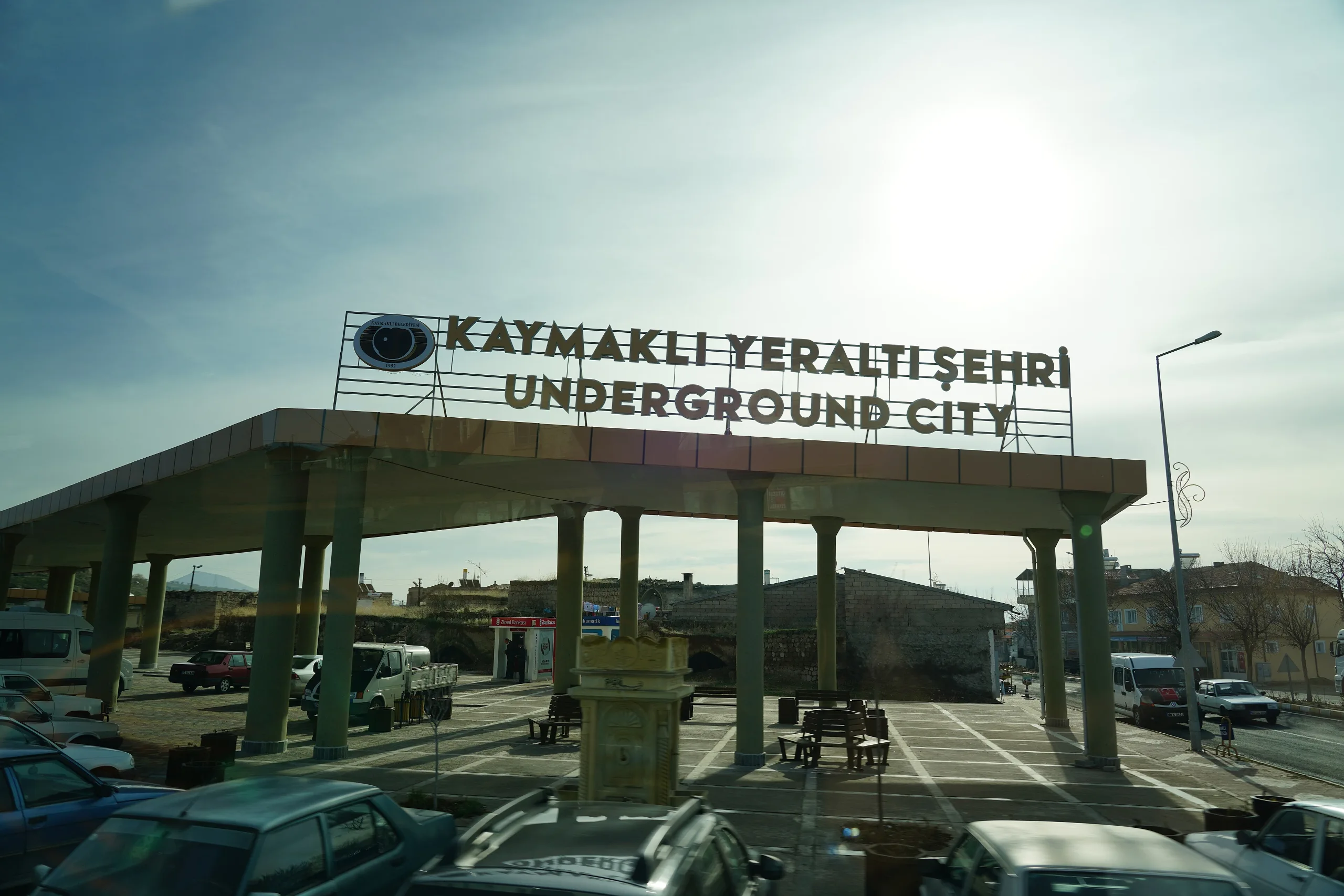
On a hillside near Acıgöl, Tatlarin has two churches covered in wall paintings and a sprawling underground city, all within the same site.
Tatlarin Underground City is a place (Underground city) in Turkey, Nevsehir.
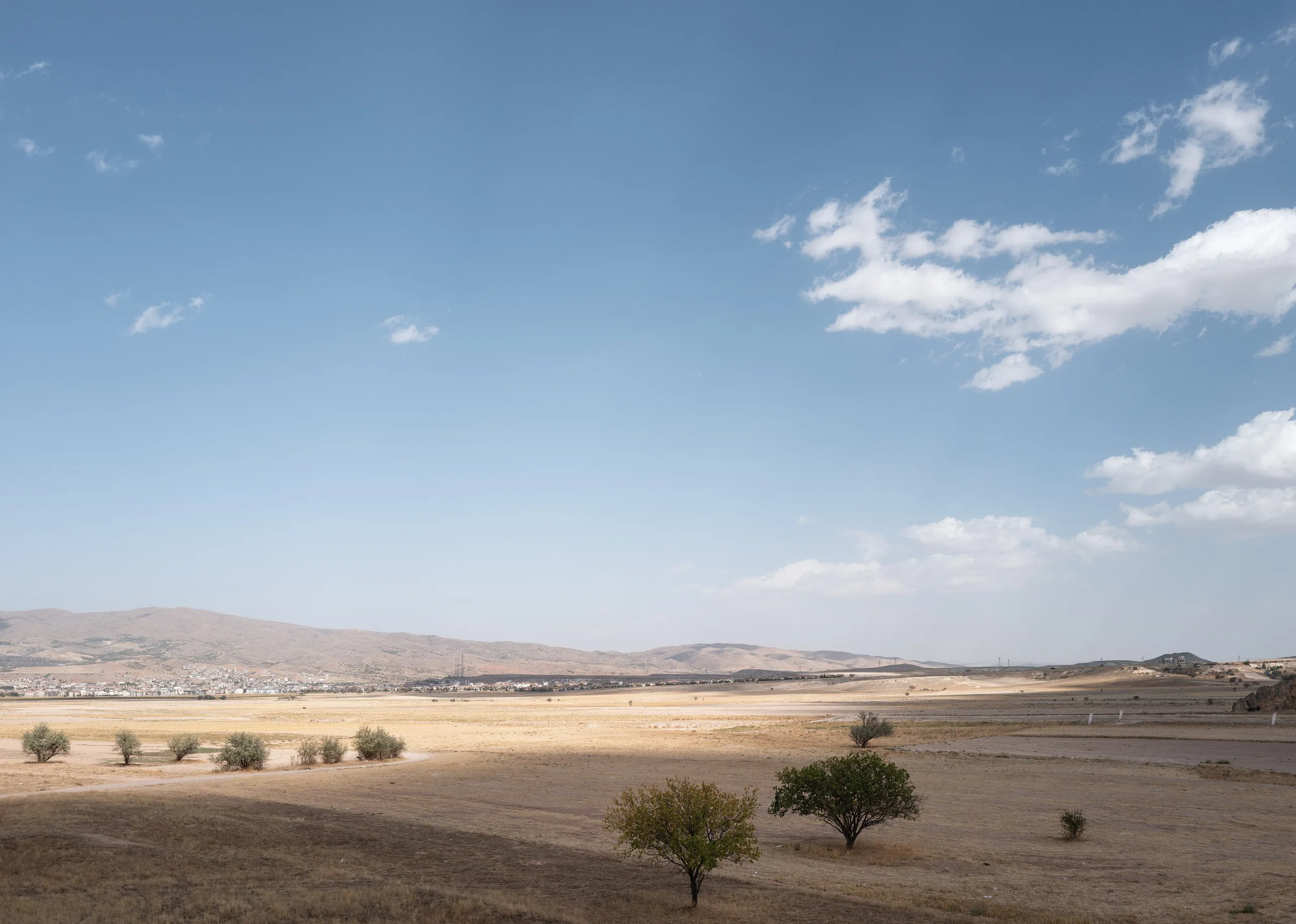
In the apse of one church at Tatlarin, Anna stands to the left of the Virgin and Joachim, seated on a throne, to her right. The churches lie on the slope of a hill the locals call Kale, in the town of Tatlarin, 10 km from Acıgöl in Nevşehir, and they are visited together with the underground city.
The churches
Both churches are decorated with fresco (painting on wet plaster) and secco (painting on dry plaster). Analysis has identified features of wall-painting techniques of the 13th century.
The first church shows Anna and Joachim in the apse, and the infant Christ, labelled Emmanuel, in a small niche to the north. Surviving scenes include the Crucifixion, the Last Supper, women finding the tomb empty, Christ's descent into Hell, the betrayal by Judas and the three youths saved from the furnace in the Old Testament story. Scribes, physicians, saints, soldiers and angels appear as well, along with Emperor Constantine and his mother Helena holding the True Cross.
The second church has two naves and two apses under a barrel vault; its narthex, the entrance vestibule, has collapsed. The well-preserved frescoes are laid out in scenes divided by bands. The background is dark grey, and the figures use purple, mustard and red. Of six narrative scenes one comes from an apocryphal text, one outside the accepted scriptures, while the rest are biblical. Among five symbolic scenes are Emmanuel and the Virgin Blachernitissa, who stands praying with raised hands and palms turned outward.
Sixty-nine single figures have been counted: saints of both sexes, bishops, martyrs, monks, rulers and their consorts, and church fathers. Narrative scenes include the Entry into Jerusalem, the Transfiguration, the Descent into Hell and the Crucifixion. The Virgin and John the Baptist in the apse are among the best preserved paintings.
The underground city
The underground city opened to visitors in 1991. The size of its spaces, the number of its food stores and the many churches bring to mind a military garrison or a monastic complex rather than a plain refuge. It spreads over a wide area, but only a small part has been cleared, and two levels can be visited. One feature is rare in other underground cities: a toilet.
Visiting
Hours and fees can change; check the official page on muze.gov.tr for current information.