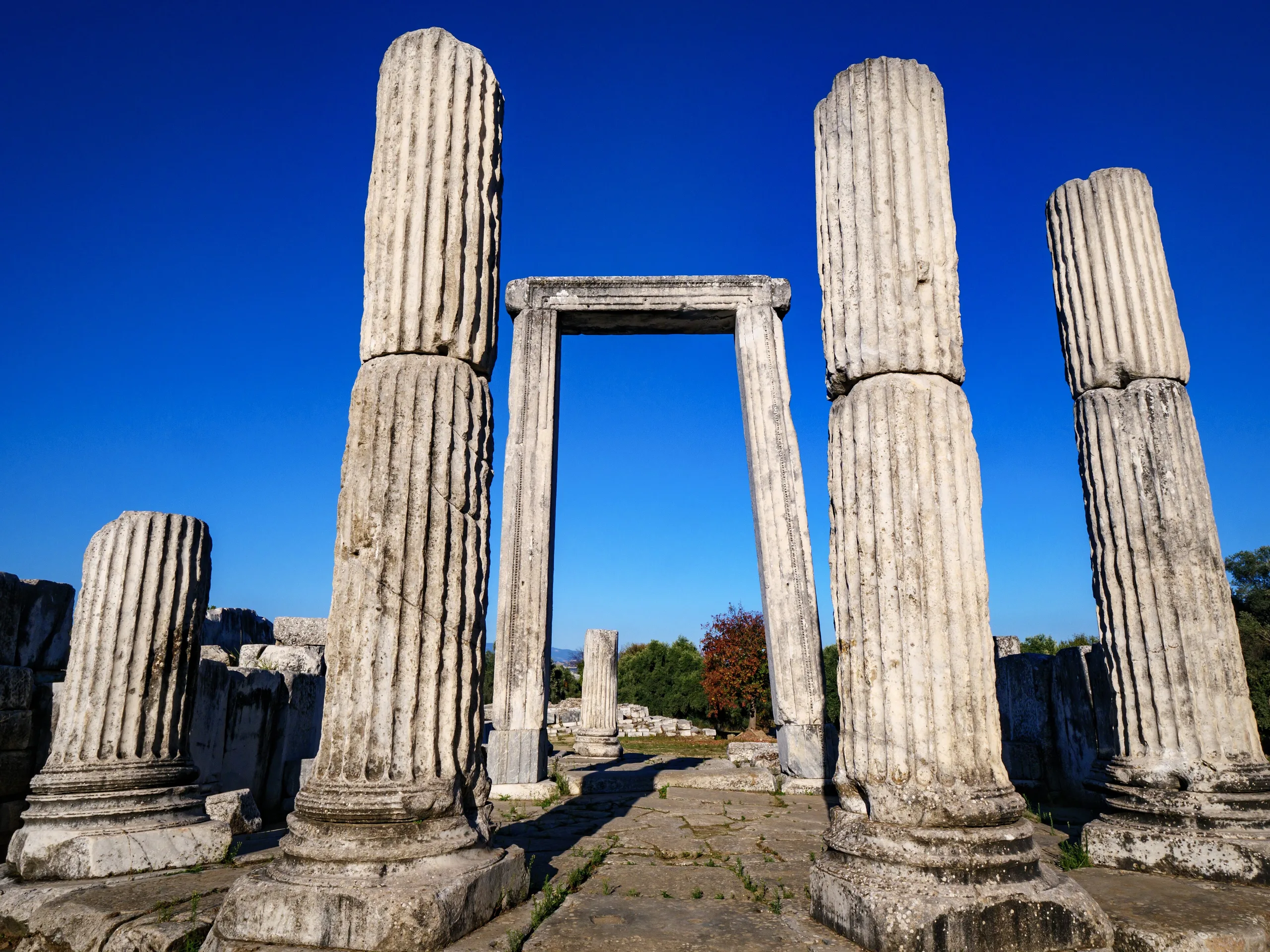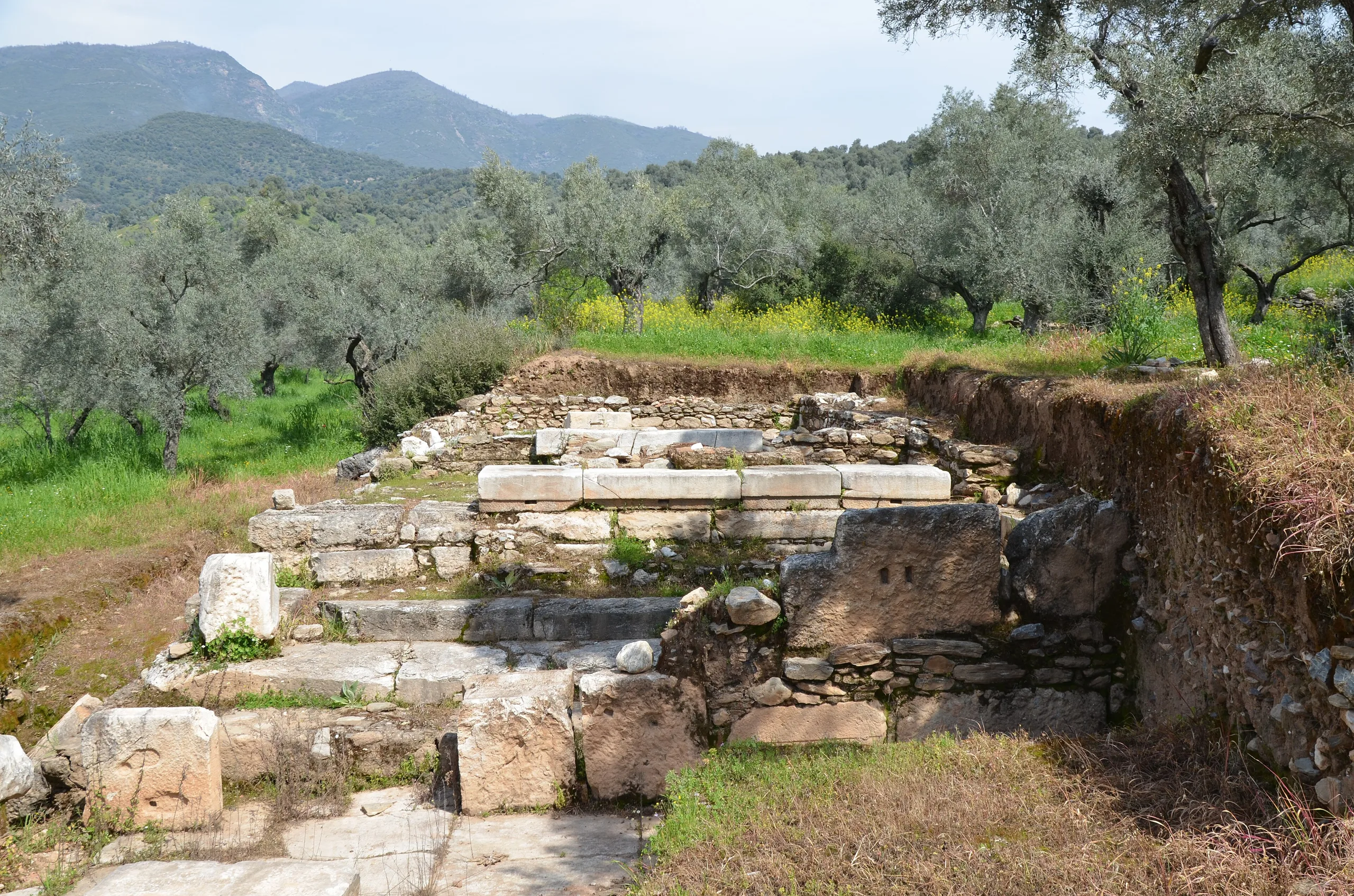
A Carian city split by a deep gorge in Sultanhisar: the place where Strabo studied, a two-storey Roman library, a theatre for 10,000, a U-shaped stadium and bridges across the valley.
Nysa is an ancient city located in Turkey, Aydin. Main periods: Hellenistic Period, Roman Period, Byzantine Period.
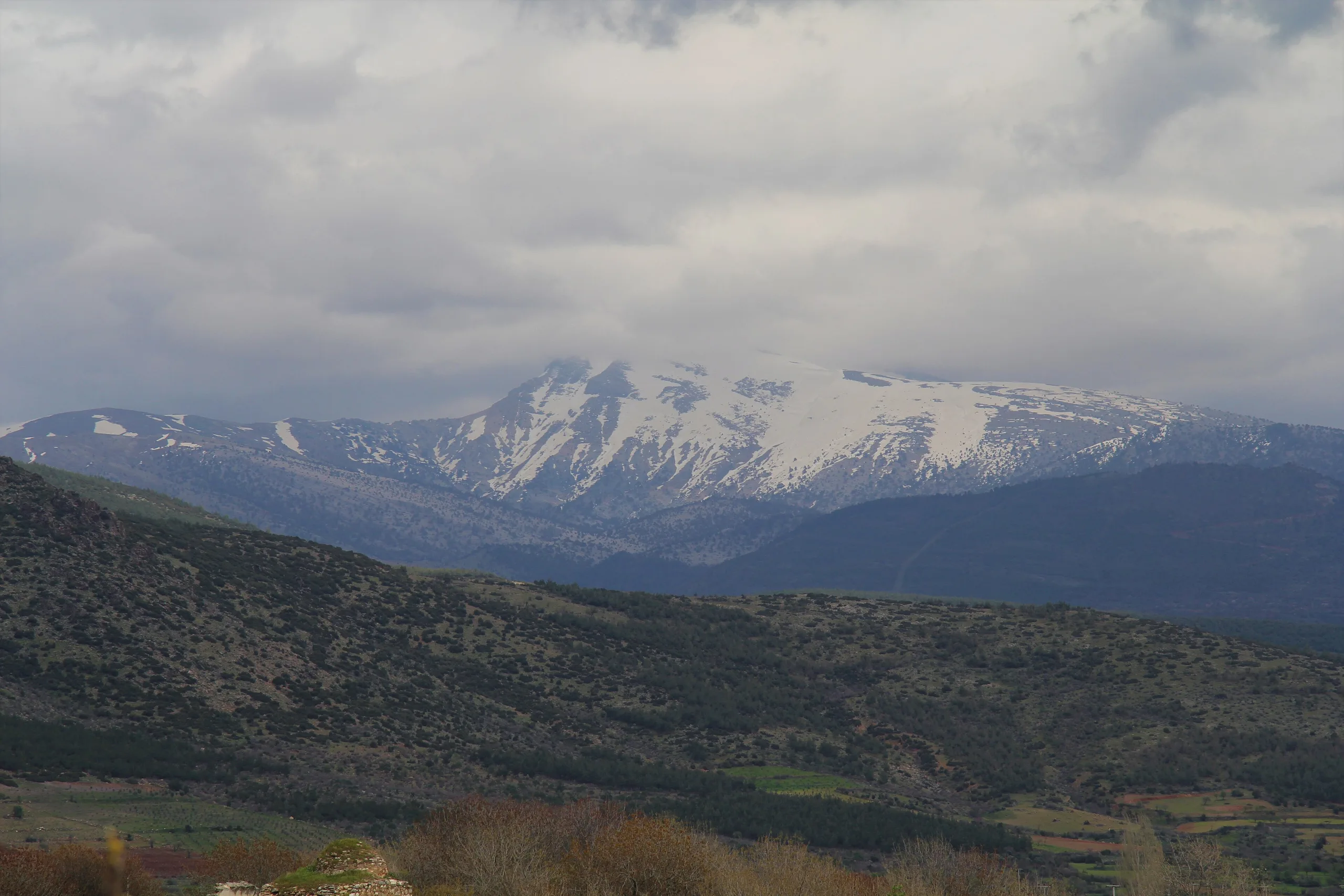
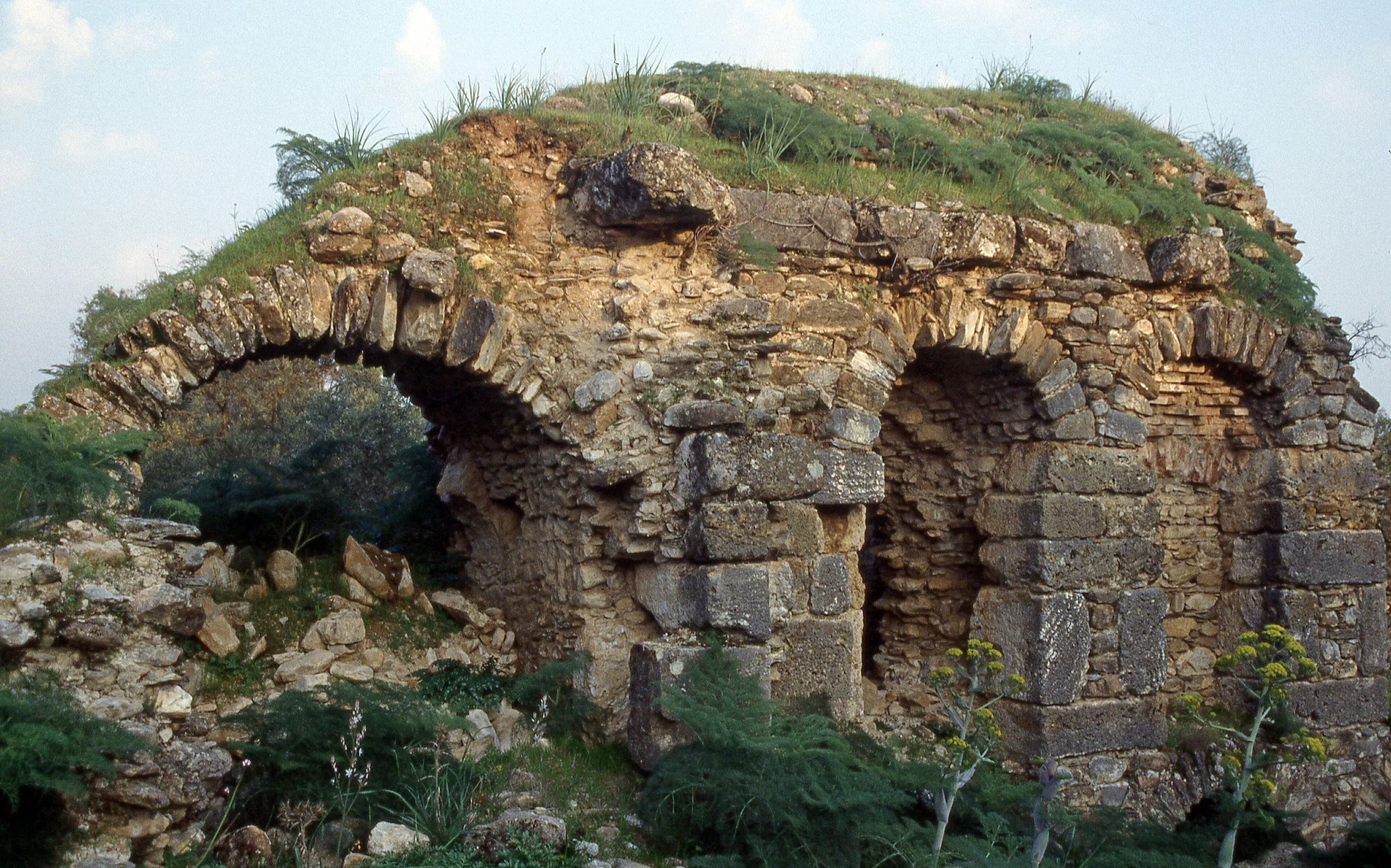
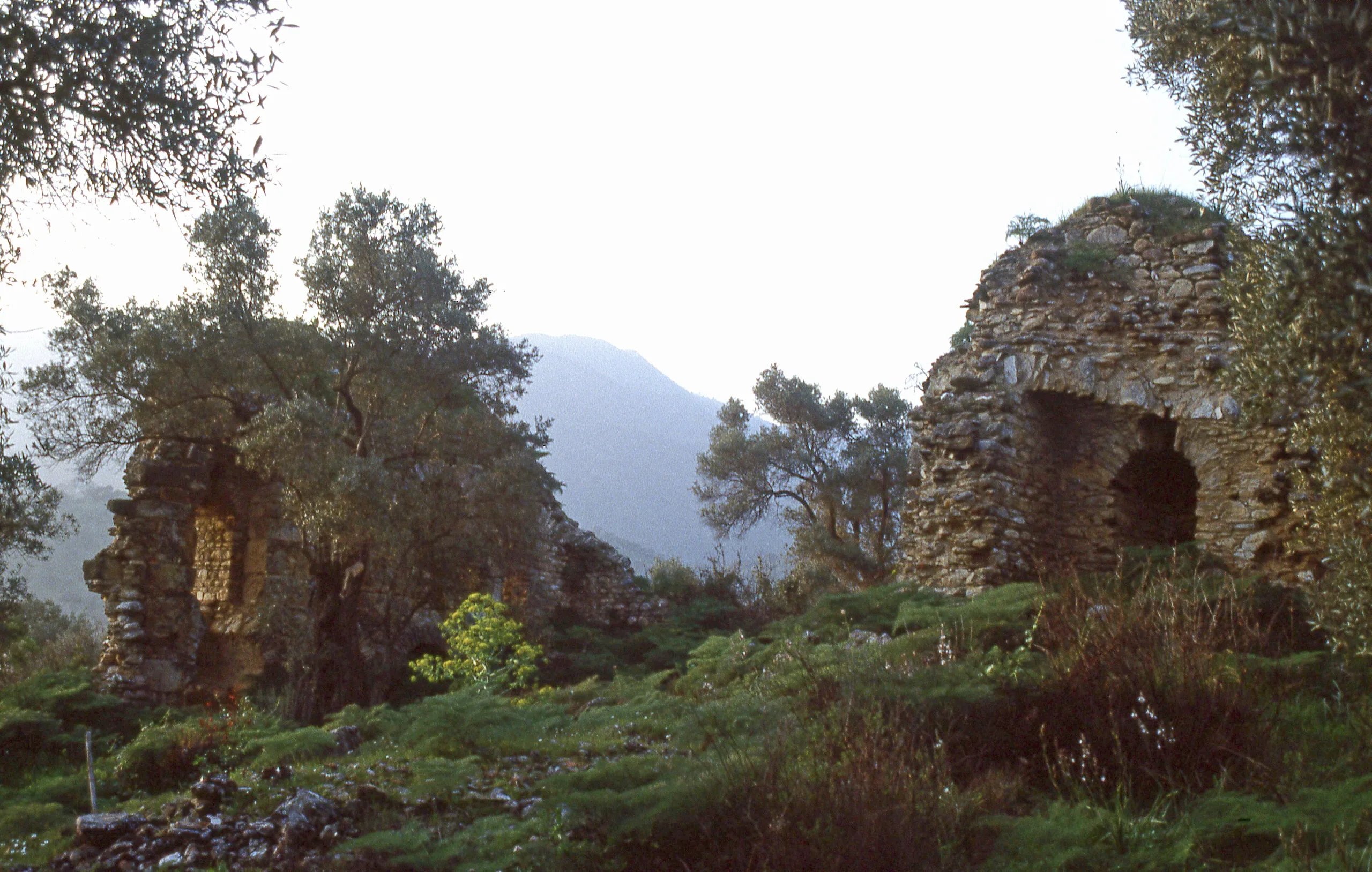
A stream once cut Nysa in two, running through a deep and swift gorge that three bridges crossed to join the city's halves. This Carian city in Sultanhisar district, Aydın, was built on a sheltered slope north of the Maeander and south of the Cevizli-Aydın (Messogis) mountains. The geographer Strabo of Amaseia completed his education here and describes Nysa in his Geography (XIV, 649) as a double city. Its big Roman structures, namely the stadium, tunnel, bridges and gymnasium, were set into the valley to suit the terrain.
Location and access
The site lies in Eskihisar neighbourhood, Sultanhisar. From central Efeler in Aydın, metropolitan-municipality buses and Sultanhisar minibuses serve it. For current visiting details, check the official page.
History
The city's first name was Athymbra. Strabo and Stephanus of Byzantium record who founded Nysa: Antiochus I Soter, son of Seleukos, in Hellenistic times, in the first half of the 3rd century BCE. Under the Roman Empire it ranked among the important cities of the province of Asia, with a busy trade route running through it from inner Anatolia to the towns of Caria and Ionia. It was also a centre of learning.
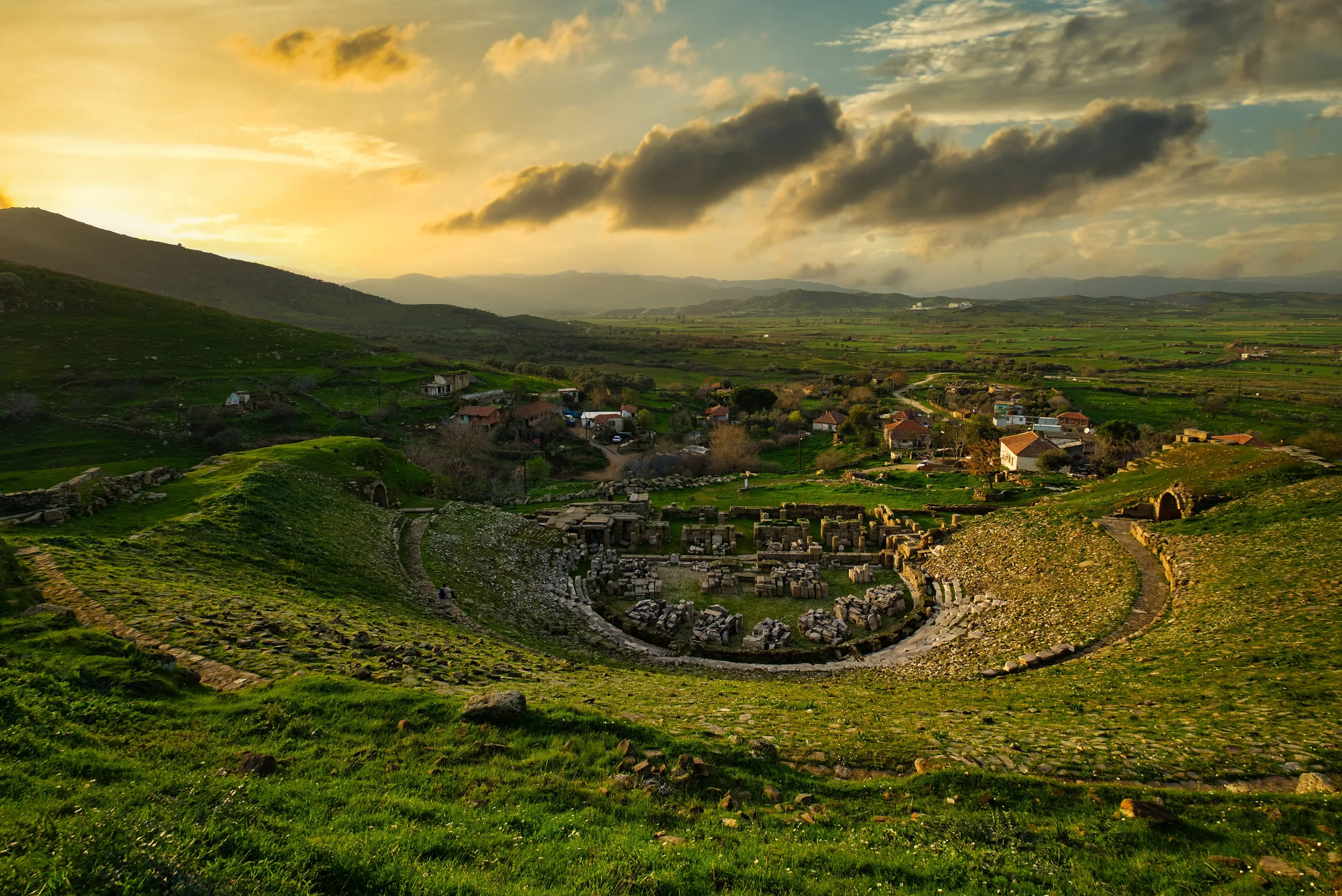
No trace of a Hellenistic city wall survives today, only a Byzantine one. West of the stream bed lie the gymnasium and stadium, to the north a Byzantine building and the library, and north-east of the library the theatre; the east bank holds the agora, council house and Roman baths. The cemetery is about 2 km west, on the road to Akharaka, the city's sanctuary.
People and events
Strabo is Nysa's best-known student; his life is usually dated to about 64 BCE-24 CE. The Gerontikon, or Council of Elders, was rebuilt in the middle of the 2nd century CE by a rich Nysan, Sextus Iulius Antoninus Pythodoros, as his mother's will asked. The sarcophagus of the man who built the library was uncovered in an excavation south of it.
Notable structures
The library
Built about 130 CE on the western side of the city, this building served as library, meeting hall and law court. It measures 25 x 14 m outside and 13.3 x 8.7 m inside, with two floors reached by wooden corridors and 16 book shelves. A raised platform at the north end of the inner room carried a tribune for speakers and judges and doubled as the way up to the upper floor. The building was repaired at the end of the 4th or start of the 5th century and lost its public role altogether in the 6th, when workshops and neighbourhoods began to rise to its west. In the 900s the inner room became a chapel and the south end a graveyard, where 12 graves and 34 burials of the 9th-10th centuries have been recorded. The abandoned hall's vault finally fell in the 12th or 13th century. Only the Library of Celsus at Ephesus is better preserved among Anatolia's ancient libraries.
The theatre
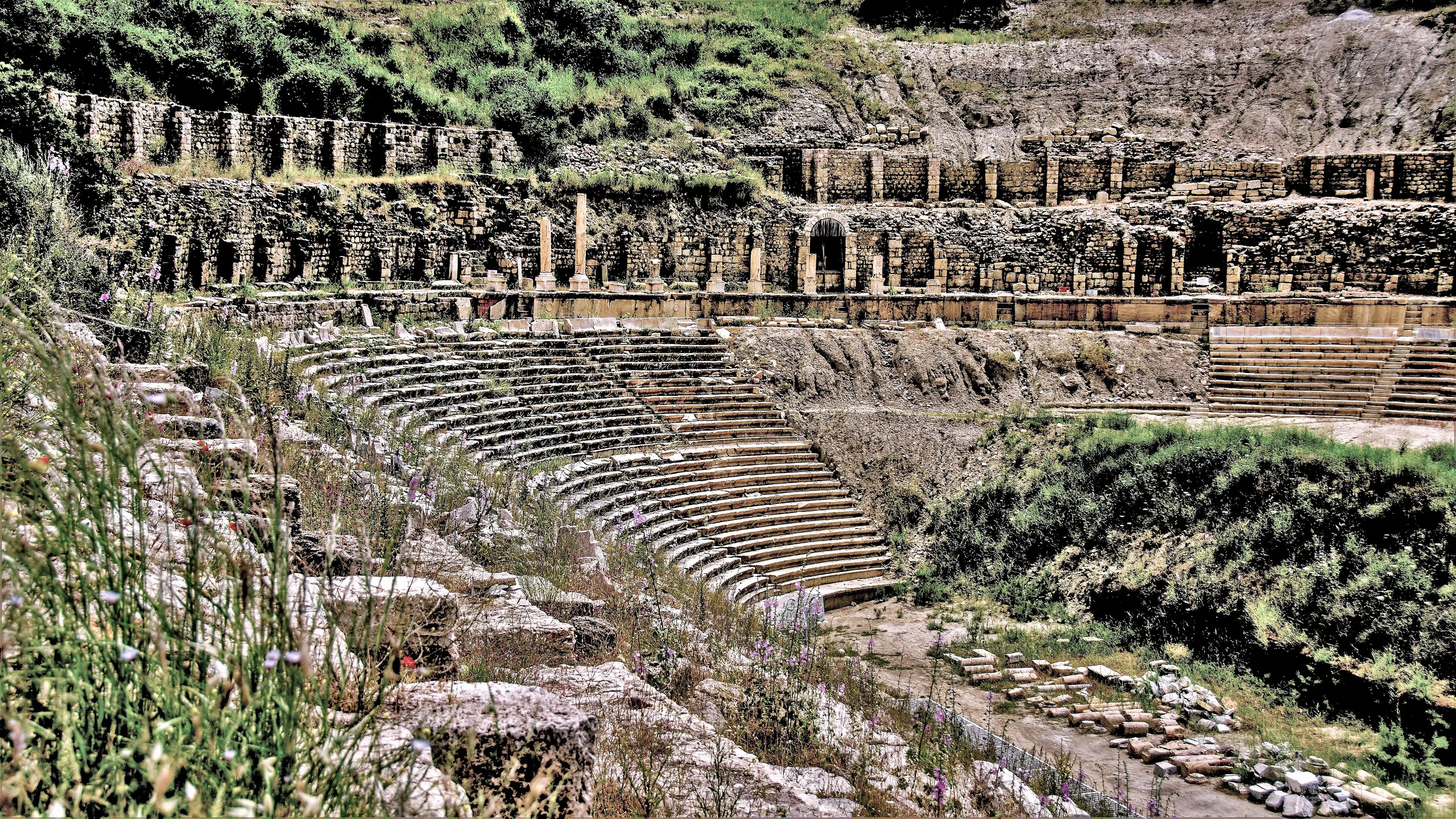
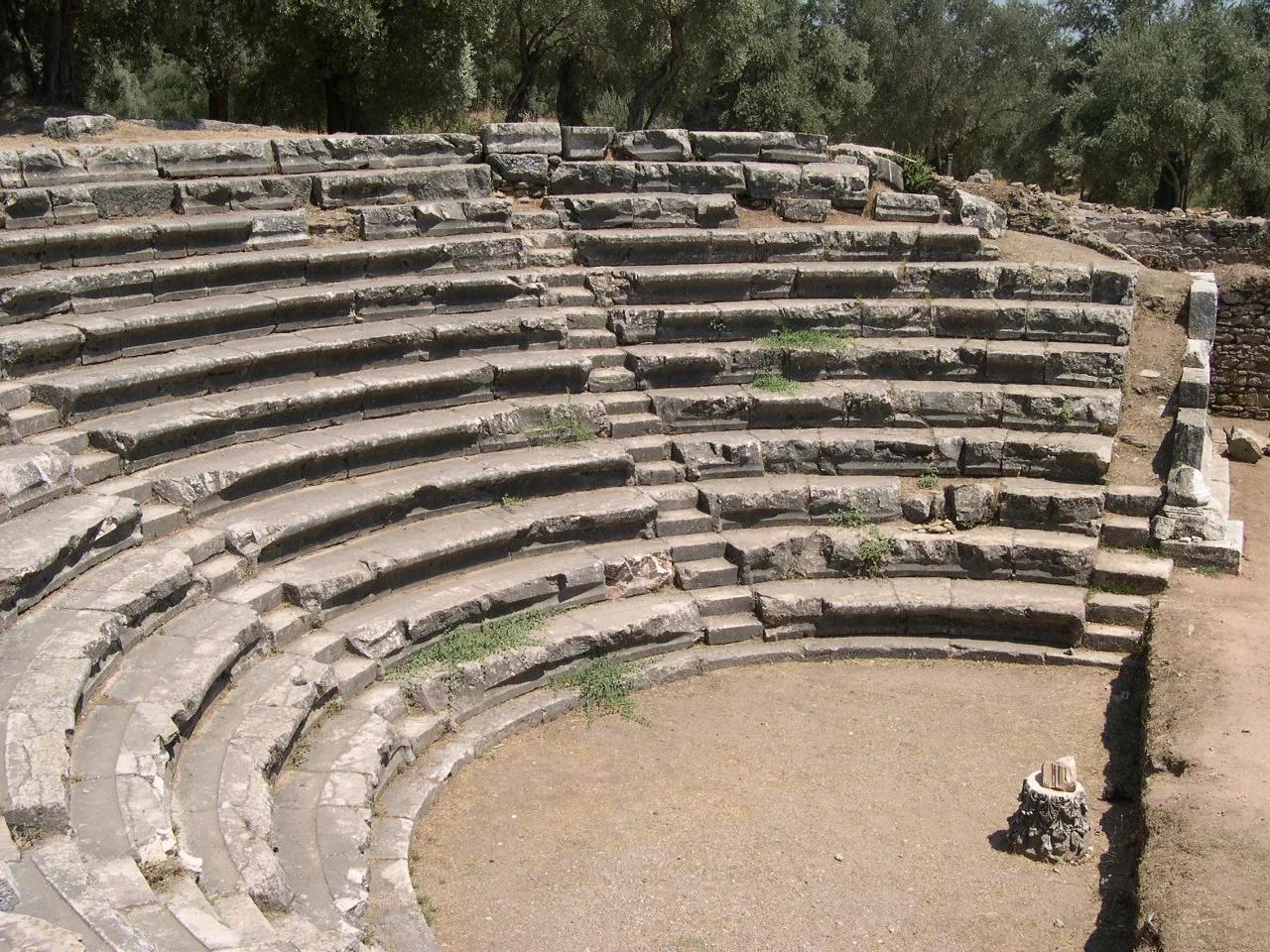
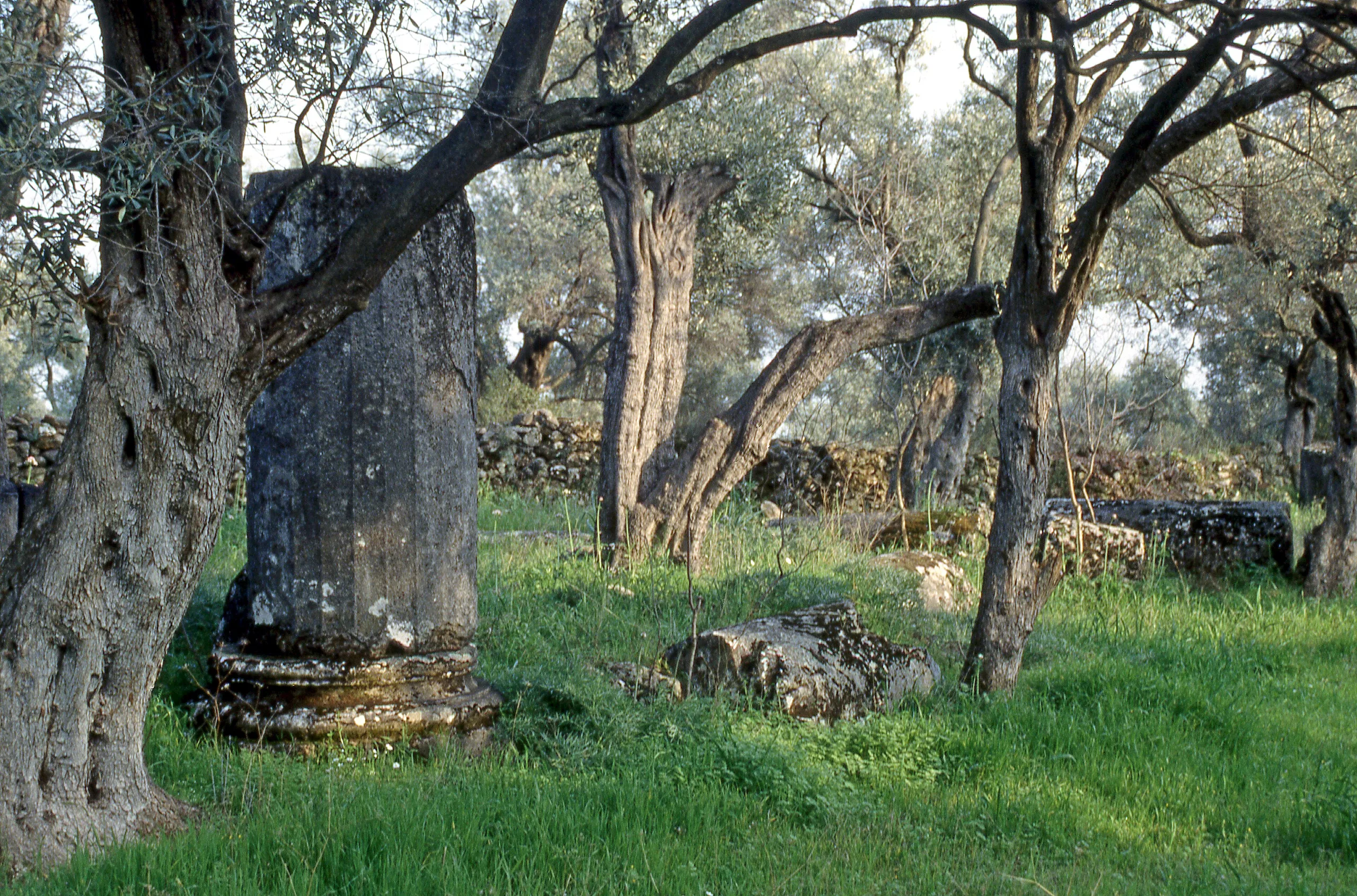
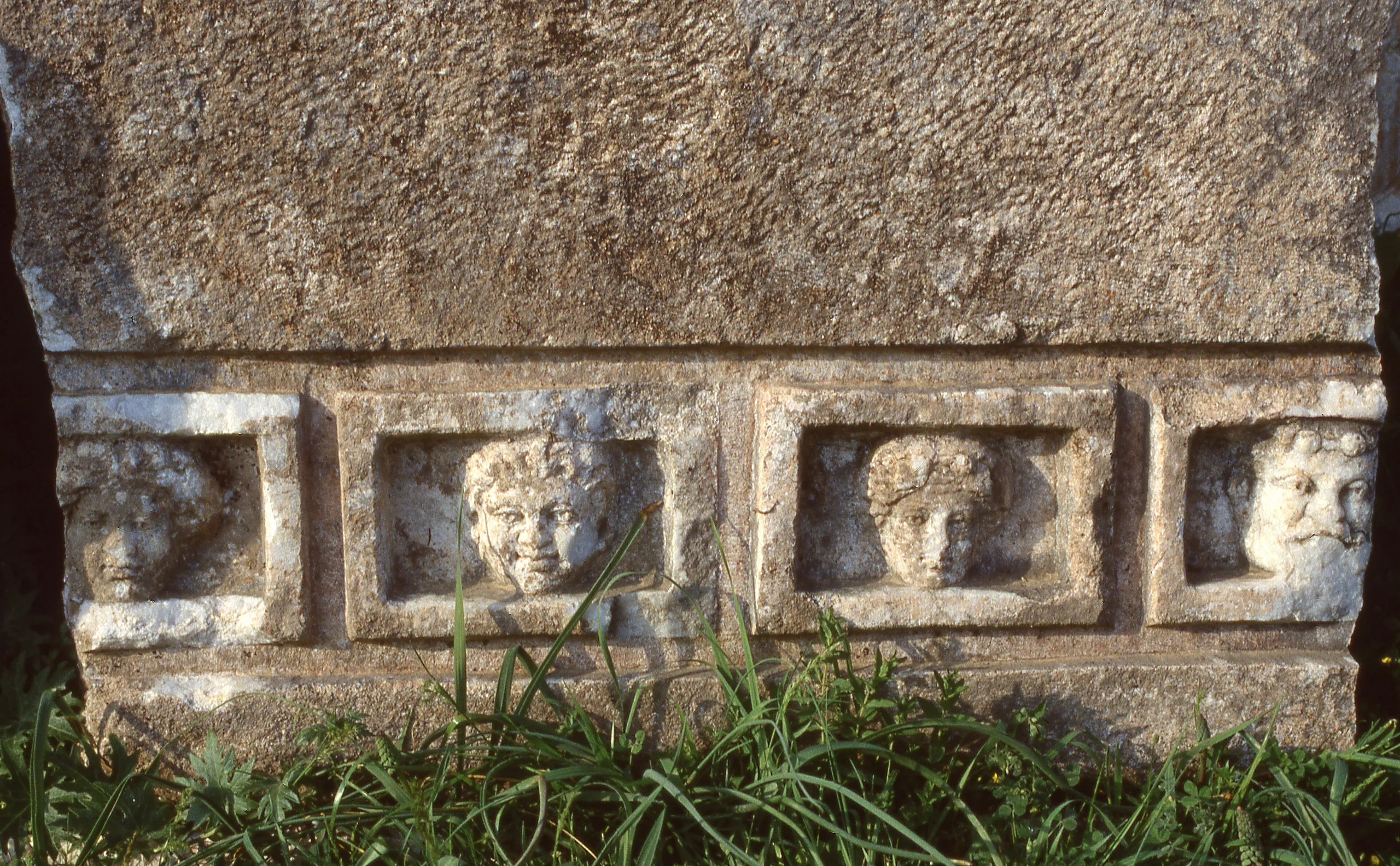
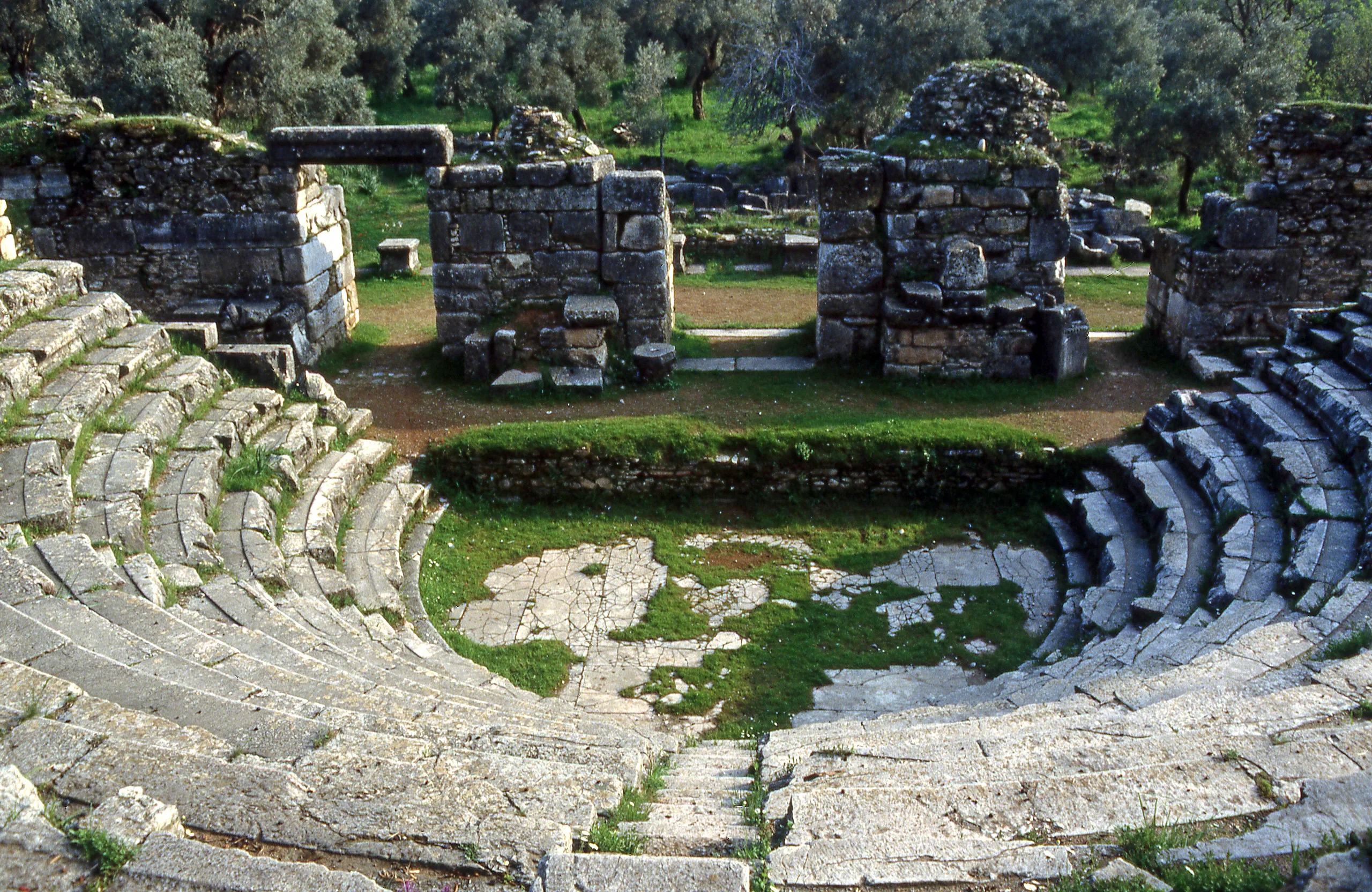
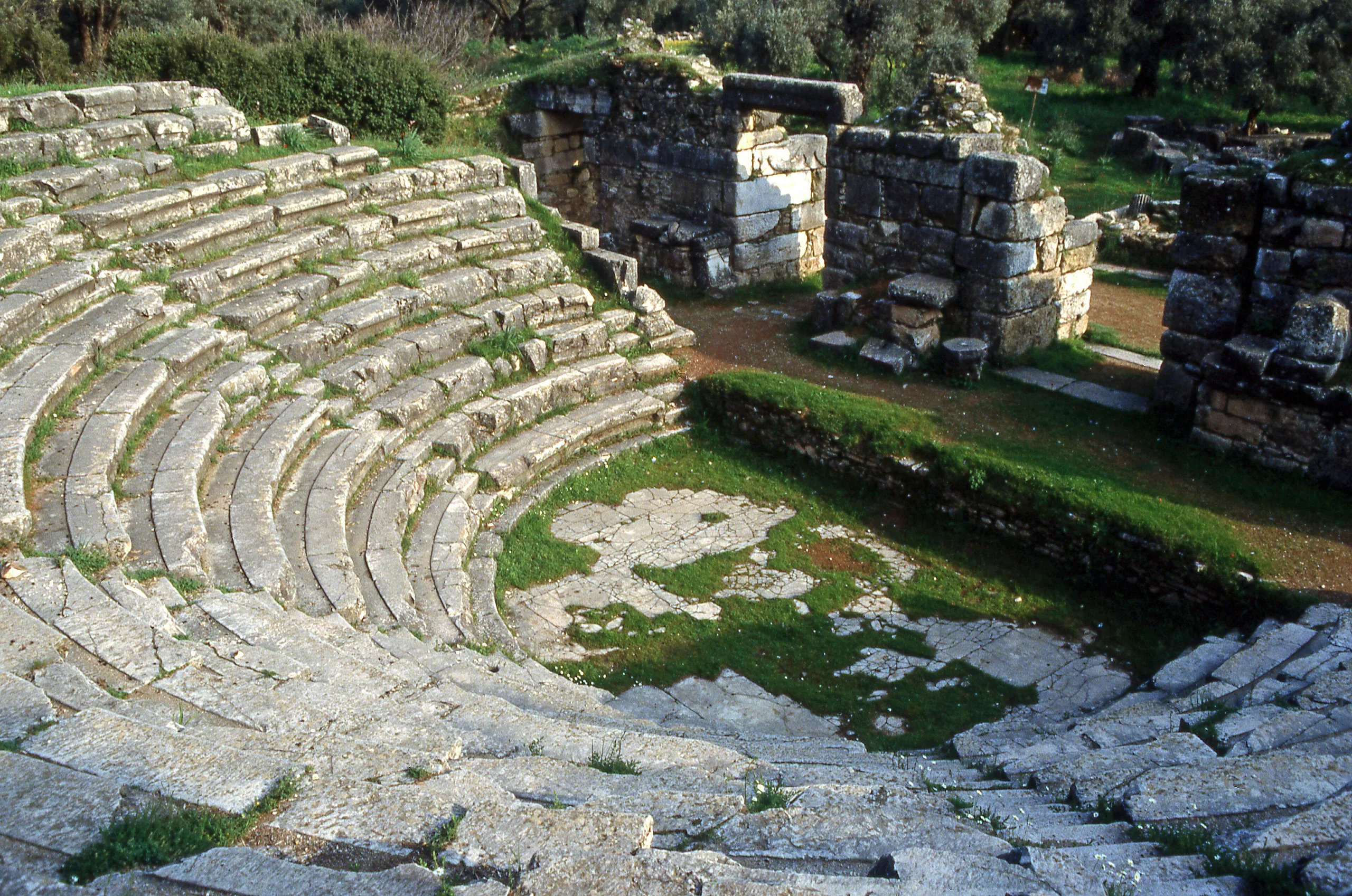
On the eastern slope in the town centre, the theatre is one of Nysa's best-preserved buildings. It occupies roughly 73 x 99 m and seats about 10,000. The cavea, or seating bowl, runs 12 degrees beyond a semicircle and was probably built in the second half of the 1st century BCE. The stage building and its multi-storey columned front (scaenae frons) went up independently between 120 and 140 CE, most likely with two storeys; the earthquake of 178 brought this Hadrianic stage down, and it was rebuilt with three storeys in 180-200. As at Perge, Side and Hierapolis, the tall podiums carrying the front are decorated with reliefs. Friezes showing the marriage of Pluto and Kore and the life of Dionysus, god of wine, were found in place during excavation, and they include references to the local geography, the Maeander and the Messogis range. The friezes and statues are now in the Aydın Archaeological Museum.
Agora, Gerontikon and gymnasium
The agora on the east bank covers 113.5 m east-west by 130 m north-south; its marketplace measures 88.5 x 10² m inside and is lined with colonnaded porticoes on four sides. The architecture of the East Stoa dates it to the Late Hellenistic period, around 50 BCE. Stoas on the north and east are Ionic with double rows of columns, those on the south and west Doric with single rows, and a row of vaulted shops lies behind the north stoa.
Across the main north-south street from the agora's west side stands the Gerontikon. This bouleuterion, the best-preserved building at Nysa, measures 27.84 x 23.55 m, with a propylon (entrance building), a forecourt, a two-storey scaenae frons and a cavea for about 700. Roofed over, it must have hosted the city's cultural and political meetings. The gymnasium on the west side dates to the middle of the 2nd century CE and was used for athletics and teaching. Its palaestra of 170 x 82 m ranks among the largest in Anatolia, and a bath complex to the south completes the building's function.
Stadium, tunnel and bridges
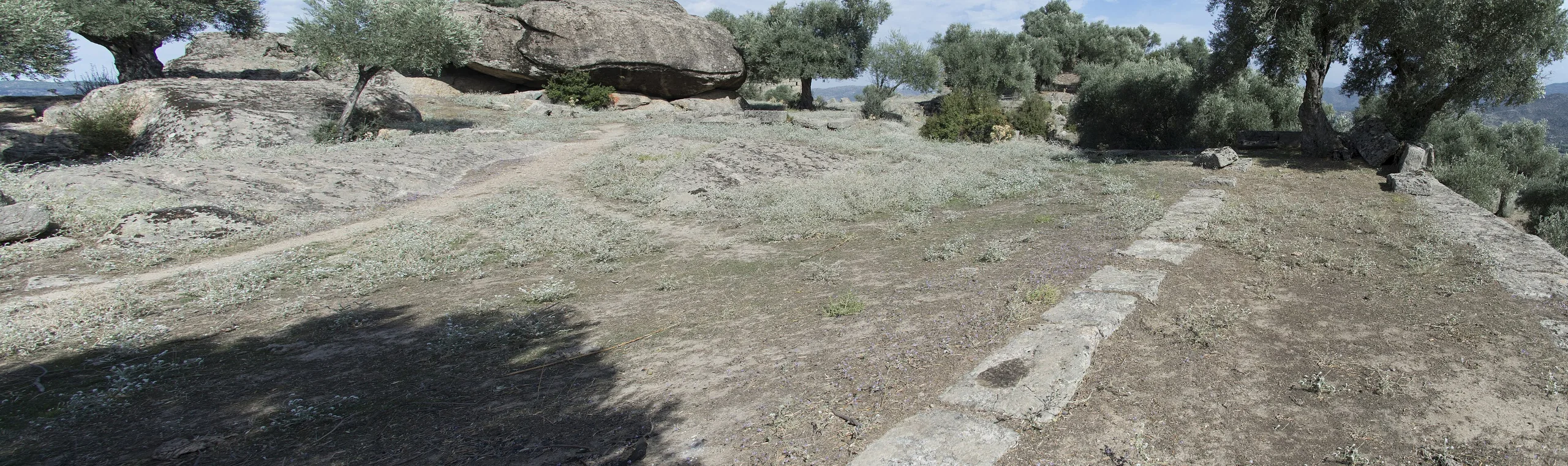
The U-shaped stadium, 248 x 93 m, is fitted to the slope and survives in part on both sides of the valley. Seats and substructure at the north-west corner can be studied well, and a Roman bridge stands at each of its north and south ends.
Excavations
A German team under W. von Diest carried out the first research and digging in 1907-1909, followed by a Greek team under K. Kourouniōtēs in 1921-1922. The İzmir Museum worked at the site in the 1960s and the Aydın Museum in the 1980s. From 1990 to 2010 Vedat İdil of Ankara University led excavation and restoration, with Musa Kadıoğlu as his deputy. In 2012-2016 the Aydın Museum Directorate took over, with Serdar Hakan Öztaner as scientific adviser; since 2016, with official permission and funding, Öztaner has directed the dig for Ankara University, with Nilüfer Peker as deputy.
Finds and museums
The theatre's podium friezes and stage-building statues are in the Aydın Archaeological Museum. Library excavations brought out the founder's sarcophagus.
Mythology and ancient writers
Dionysus is regarded as the god of Nysa, and the theatre friezes of Pluto and Kore's wedding and the life of Dionysus show the city's mythological world. Strabo also mentions the stadium and describes the buildings spread across the valley.
Gallery
Frequently asked questions
Where is Nysa?
What was Nysa called before?
Why is Nysa important?
What was the Nysa library like?
Where are the theatre friezes now?
Who runs the excavations?
Sources (13)
- Nysa Sultanhisar Örenyeri / Nysa Archaeological Site (TR ve EN sayfalar) — T.C. Kültür ve Turizm Bakanlığı, Müzeler ve Ören Yerleri
- Nysa (kaynak: Aydın İl Kültür ve Turizm Müdürlüğü) — T.C. Kültür ve Turizm Bakanlığı, Türkiye Kültür Portalı
- Nysa Kazısı: Tarihçe, Kütüphane, Tiyatro, Gymnasion, Stadion, Gerontikon, Agora sayfaları — Ankara Üniversitesi, Nysa Kazısı
- Nysa/Athymbra (Pleiades place 599832) — Pleiades
Photo credits
- Photo: Carole Raddato, CC BY-SA 2.0 — Wikimedia Commons (resized)
- Photo: Musti at English Wikipedia, Public domain — Wikimedia Commons (resized)
- Photo: Mark Landon, CC BY 4.0 — Wikimedia Commons (resized)
- Photo: Mark Landon, CC BY 4.0 — Wikimedia Commons (resized)
- Photo: Mark Landon, CC BY 4.0 — Wikimedia Commons (resized)
- Photo: Mark Landon, CC BY 4.0 — Wikimedia Commons (resized)
- Photo: Mark Landon, CC BY 4.0 — Wikimedia Commons (resized)
- Photo: Mark Landon, CC BY 4.0 — Wikimedia Commons (resized)
- Photo: Mark Landon, CC BY 4.0 — Wikimedia Commons (resized)