Seleucia Pieria is an ancient Seleucid port city at Çevlik in Samandağ, Hatay, known for the Titus Tunnel and the rock tombs of Beşikli Cave.
Seleucia Pieria (Çevlik) is an ancient city located in Turkey, Hatay. Main periods: Hellenistic Period, Roman Period.
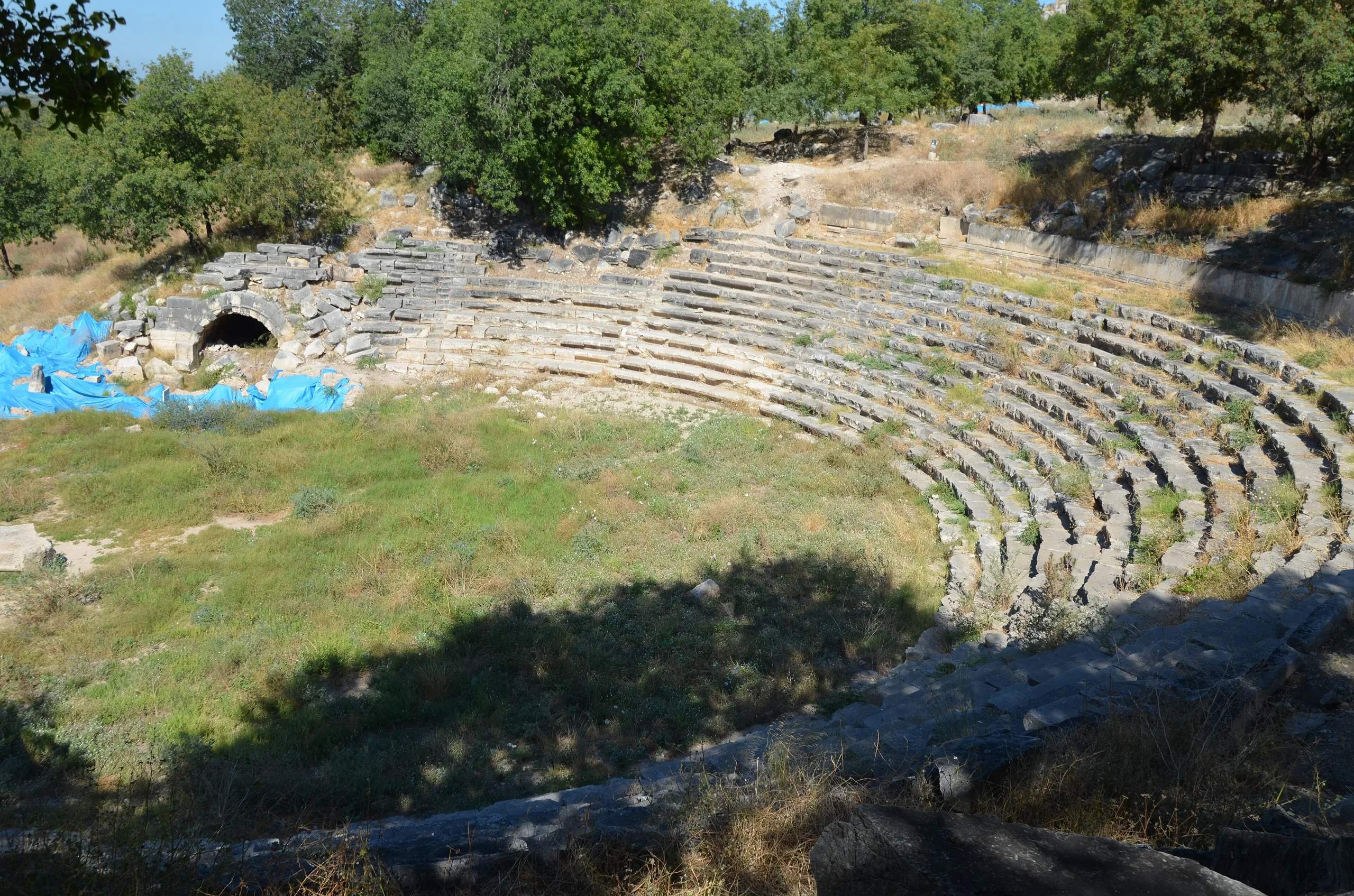
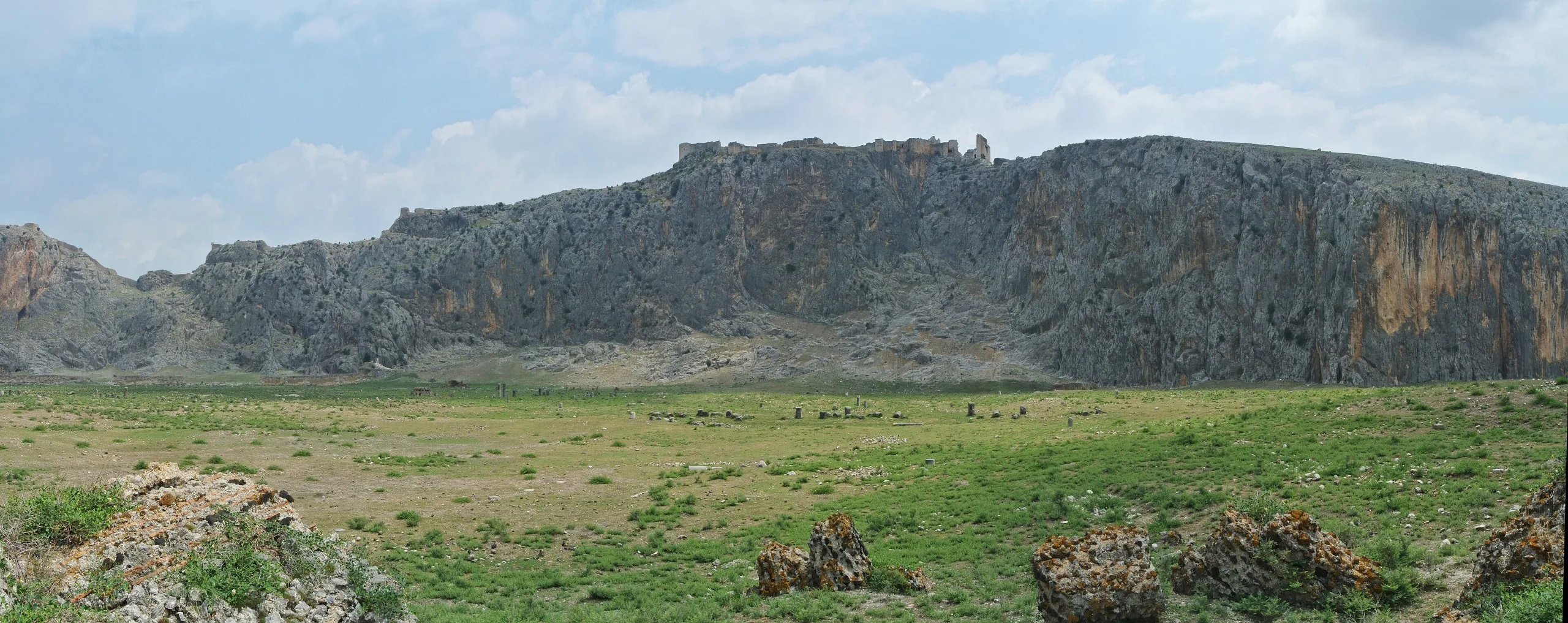
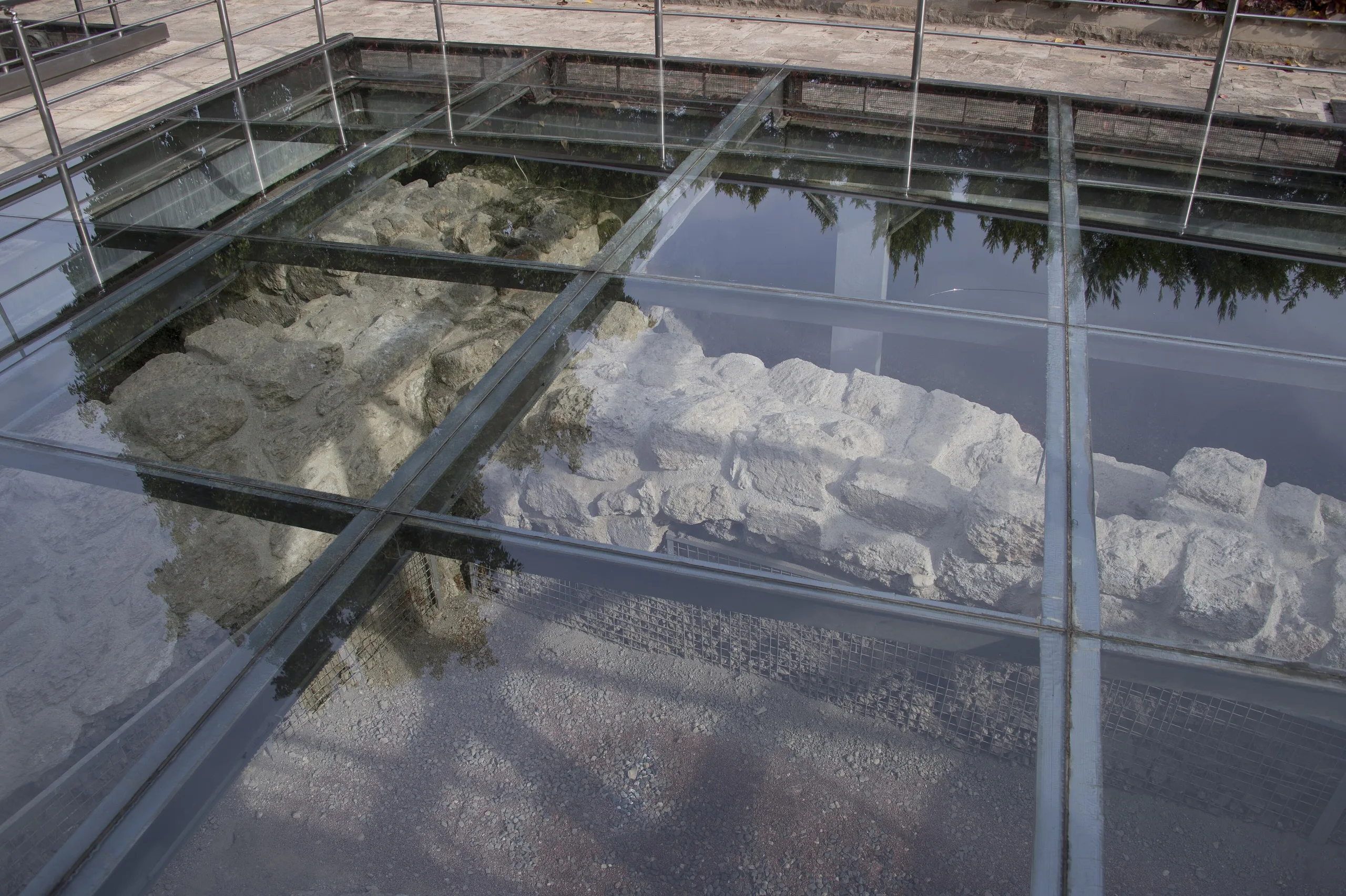
Seleucia Pieria is an ancient port city near the village of Çevlik in the Samandağ district of Hatay. UNESCO's Tentative List entry places it about 35 km south-west of Antakya, at the foot of the Nur mountains on the eastern Mediterranean coast. The Ministry of Culture and Tourism presents it as an important Seleucid port, and its best-known remains are the Roman Titus Tunnel and the rock tombs nearby.
History
Two official sources date the foundation in similar but not identical terms. The Ministry's Turkish page says the Seleucids founded the city in 310 BCE, whereas UNESCO credits Seleukos Nikator I, one of Alexander's generals, and places the event toward the end of the 4th century BCE. The same UNESCO entry says the Ptolemies ruled the city in the second half of the 3rd century BCE, and that it later flourished under Rome, from the second half of the 1st century CE, becoming one of the main ports of the eastern Mediterranean. A steep rocky ridge separates the upper and lower towns; the lower town, enclosed by walls totalling 12 km, grew around a harbour of 16 hectares.
The Titus Tunnel
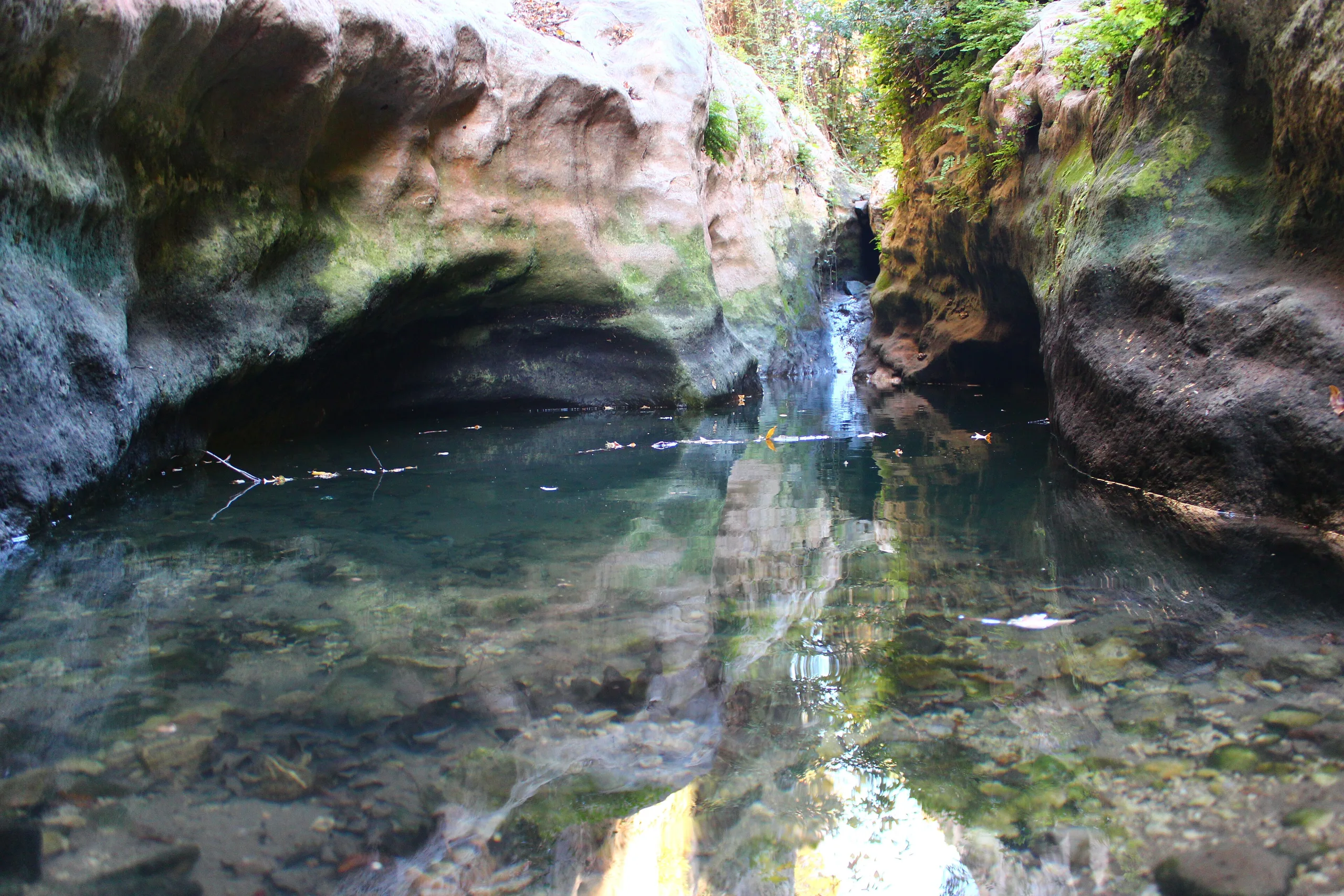
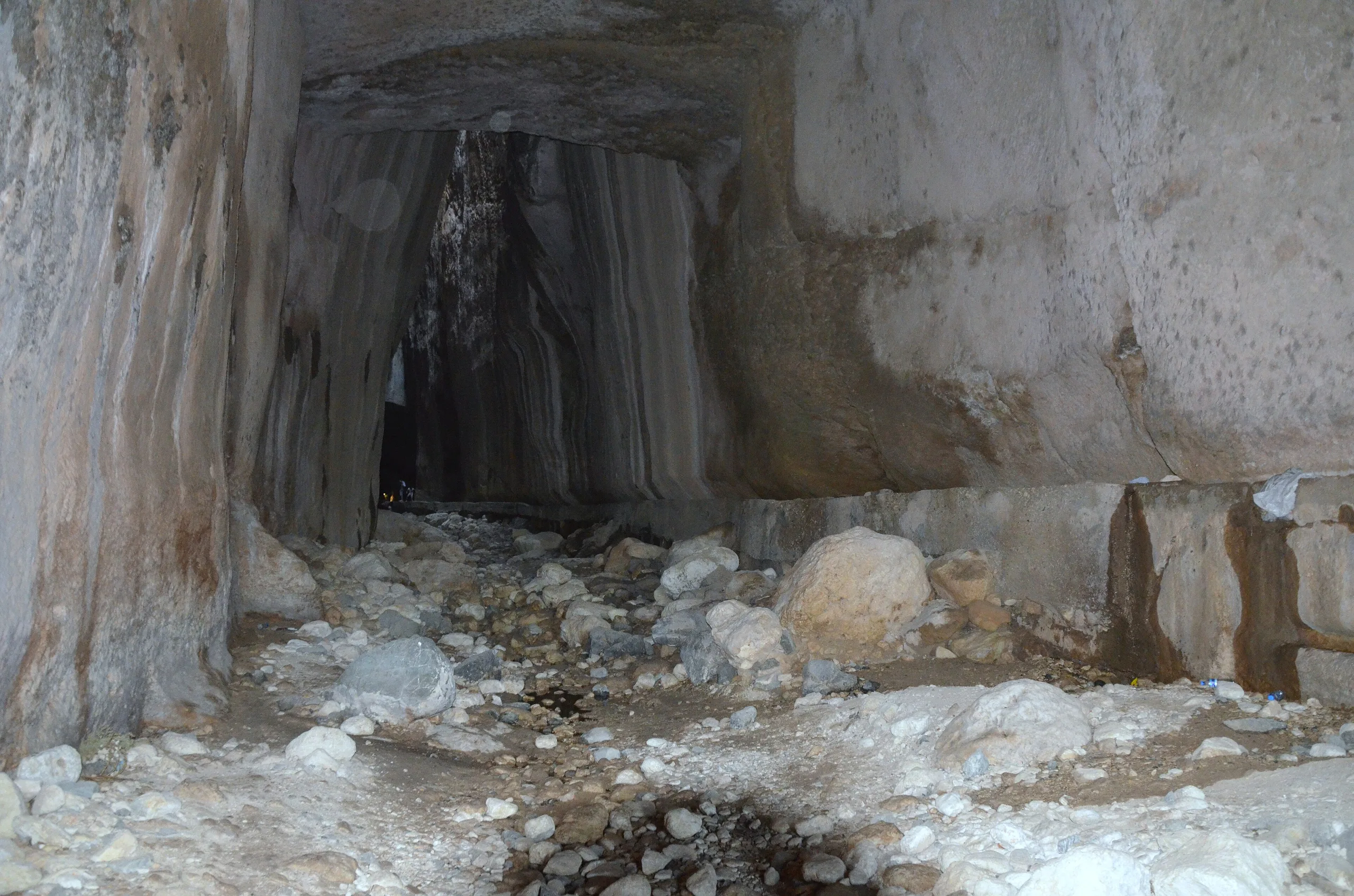
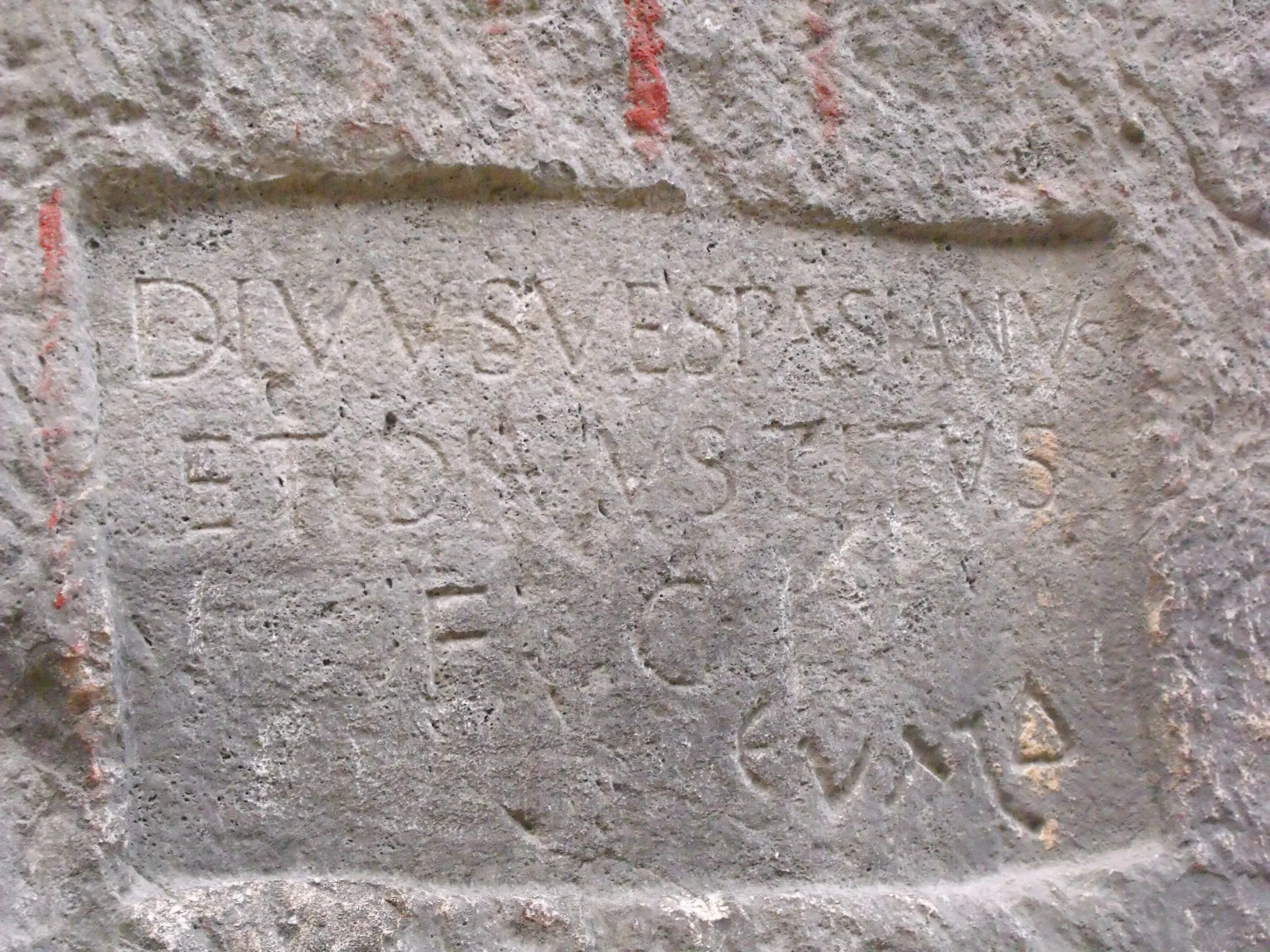
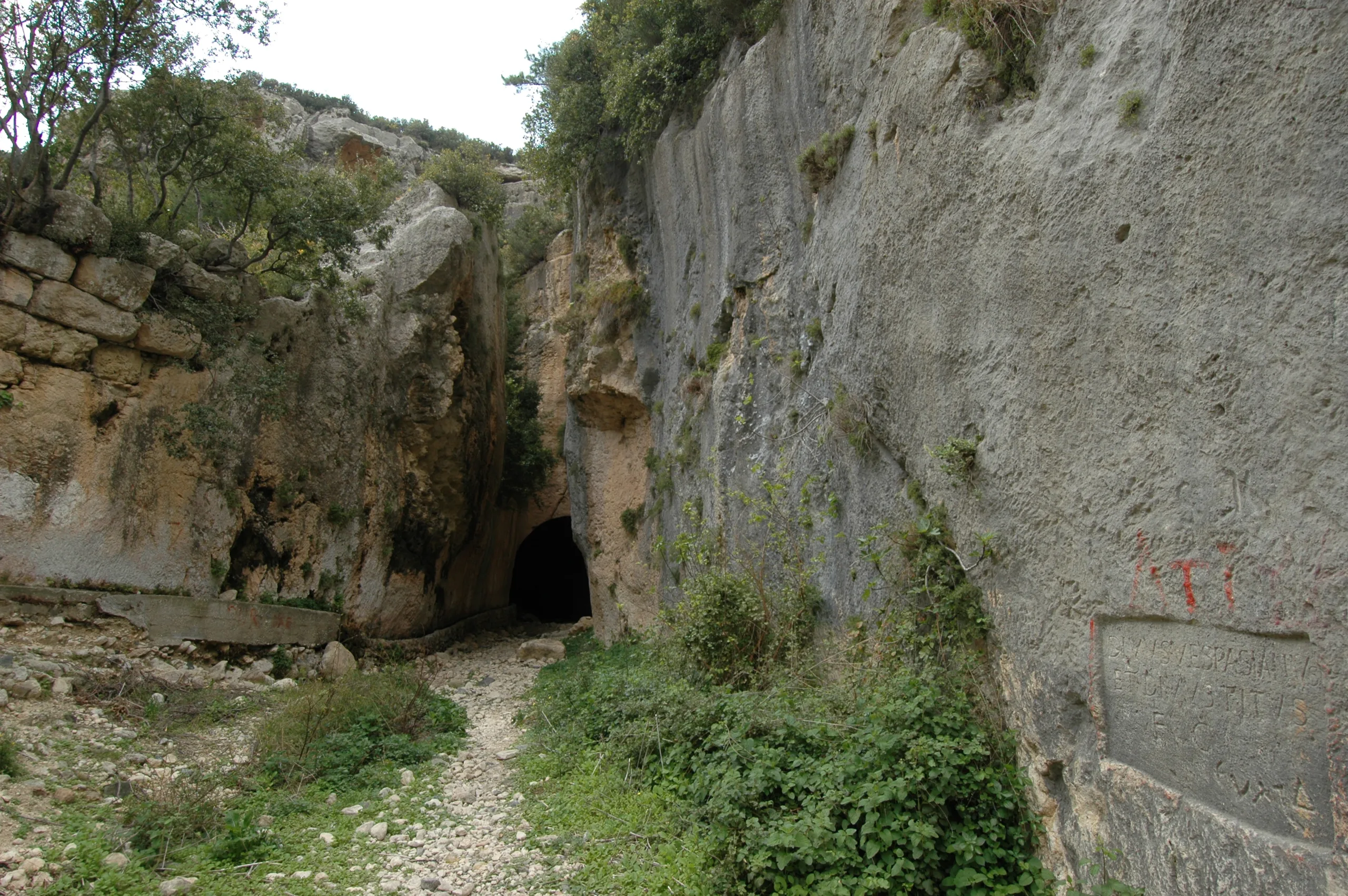
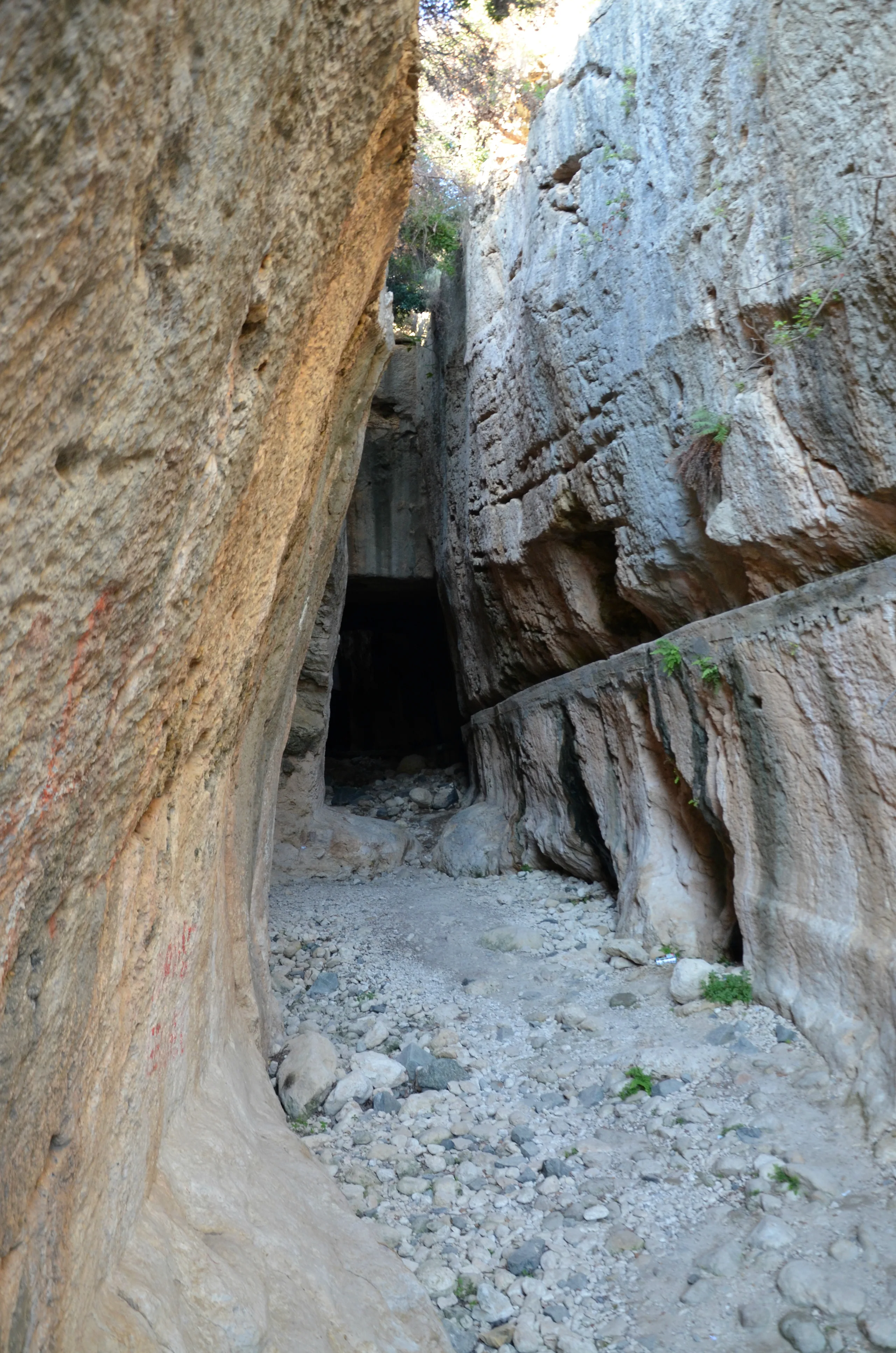
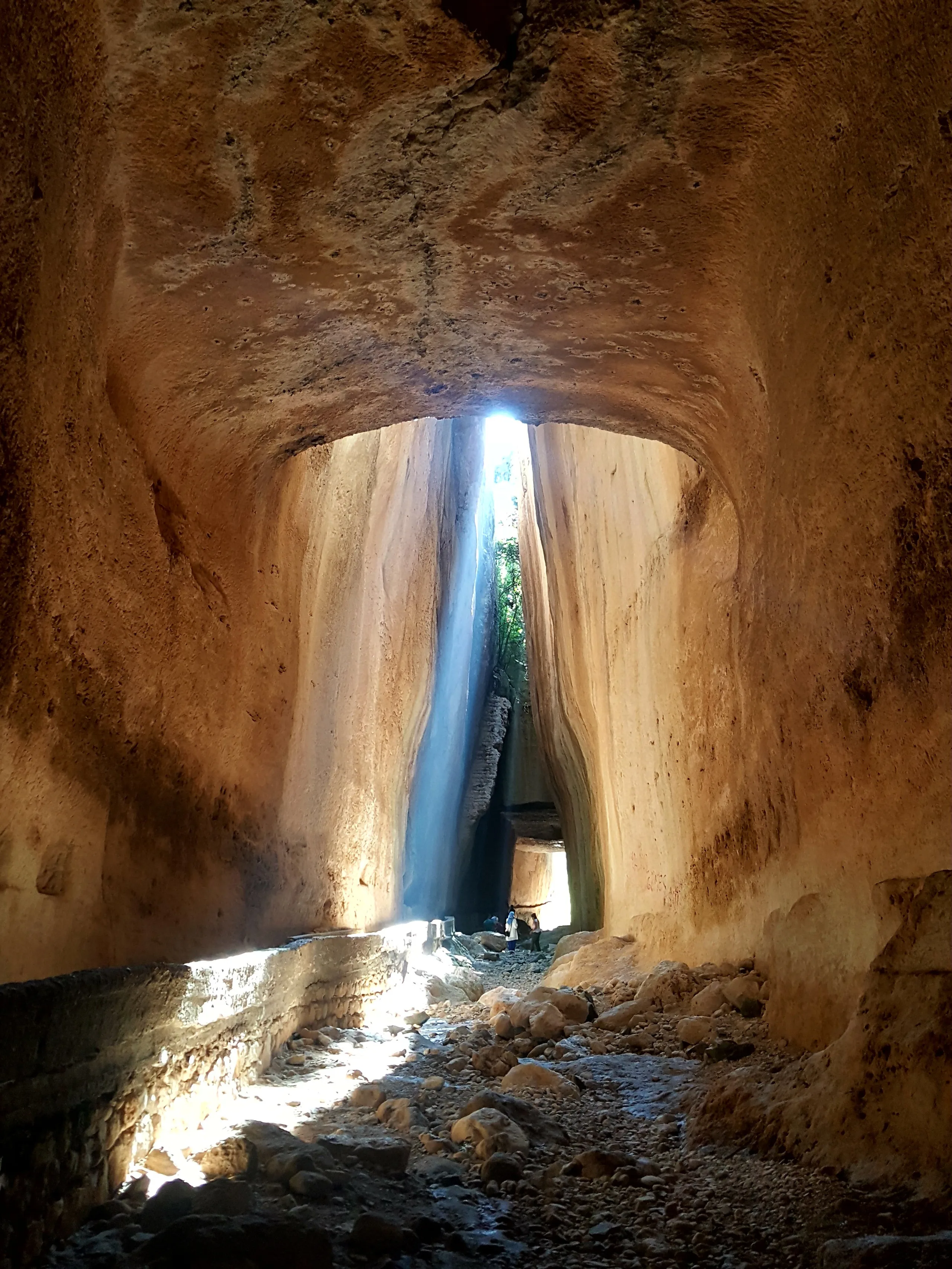
Floodwater coming off the mountains threatened the city, and silt clogged the harbour. The Ministry's English page says the tunnel was meant to protect the port and divert floods. According to the Culture Portal, Vespasian ordered a channel to be cut around the city so as to turn the torrent aside; work began in 69 CE and was finished in 81 CE by his son and successor Titus, using Roman legions and slaves. The UNESCO entry paints a somewhat different picture: building started under Vespasian (69-79), went on under Titus (79-81) and his successors, and ended in the 2nd century under Antoninus Pius. Where the first tunnel section begins, a carved rock inscription names Vespasian and Titus, and another in the downstream channel names Antoninus.
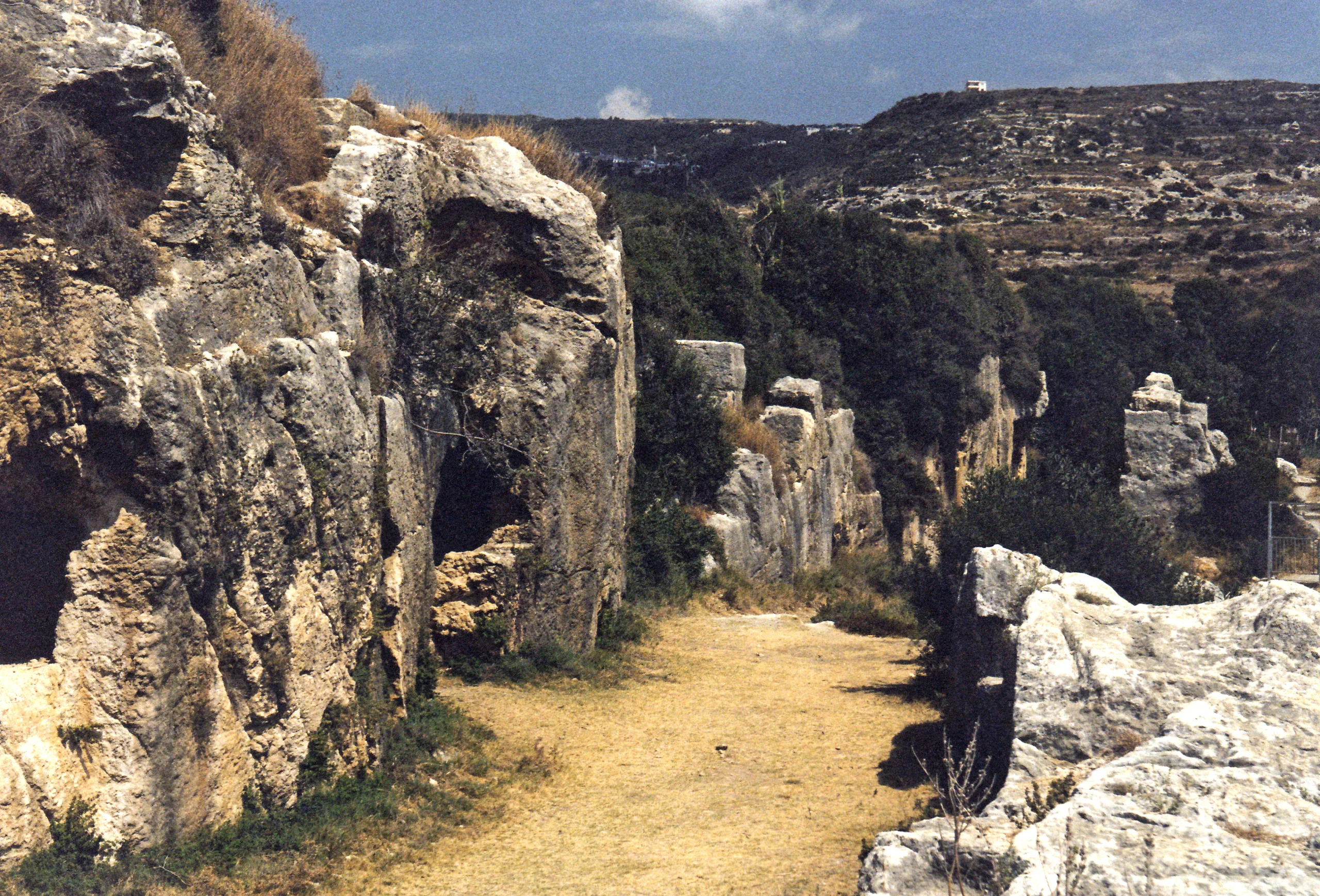
Sources do not agree on the tunnel's length. The Ministry's Turkish page gives 1,330 metres, while its English page and the Culture Portal give 1,380 metres, with a height of 7 metres and a width of 6 metres; the English page adds that 130 metres are closed. UNESCO instead measures the whole diversion system: about 875 metres in total, of which the two tunnel sections make up only 121 metres (90 and 31 metres). The system consists of a masonry dam 16 metres high and 49 metres long along the crest, a 55-metre approach channel, a 64-metre intermediate channel and a 635-metre discharge channel, with a computed capacity of about 70 cubic metres per second. UNESCO records that Turkey submitted the Vespasianus Titus Tunnel to the Tentative List in 2014 under criteria (i) and (iv), and that it lies within a first-degree archaeological site protected since 1981.
Rock tombs of Beşikli Cave
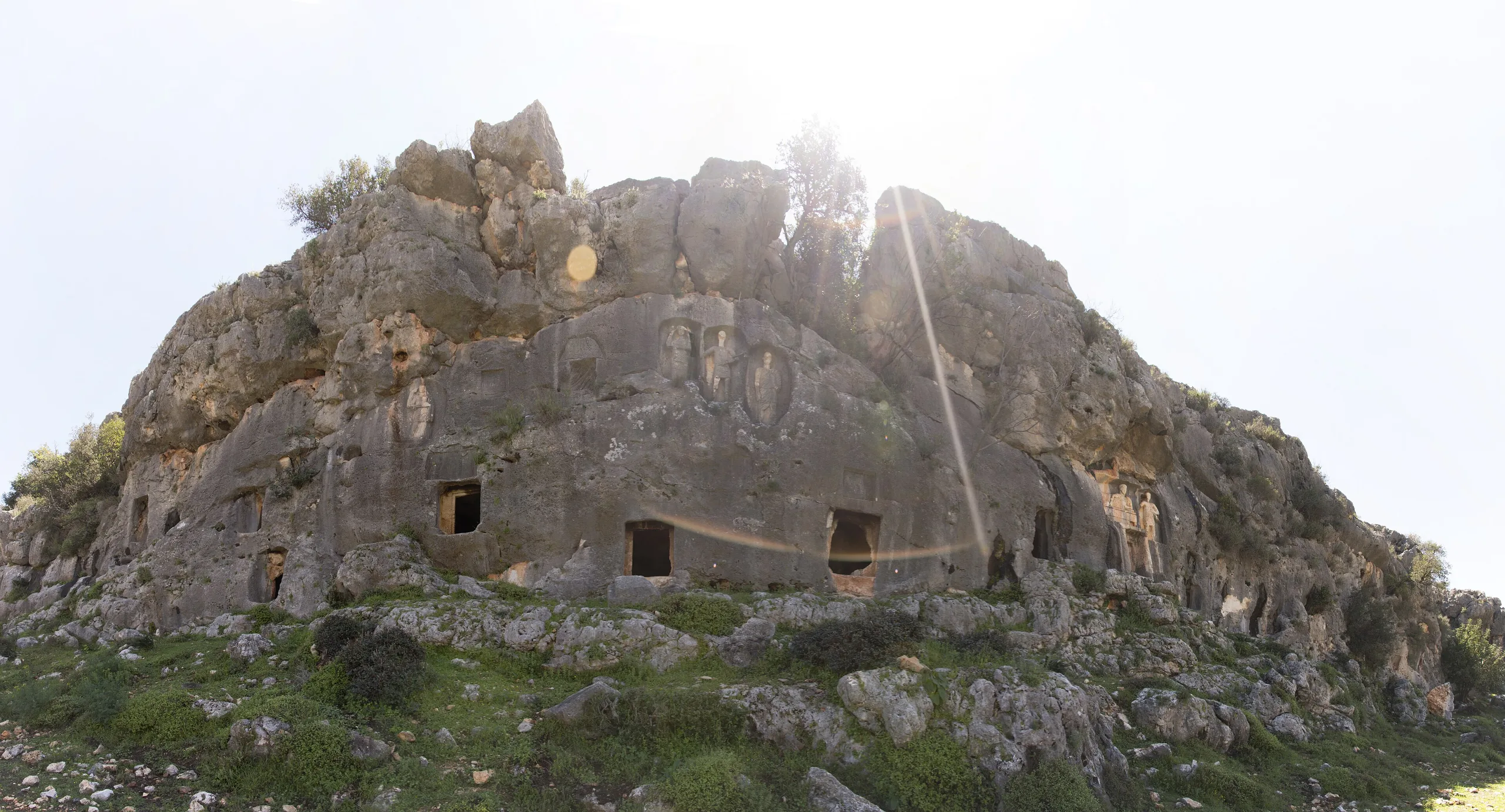
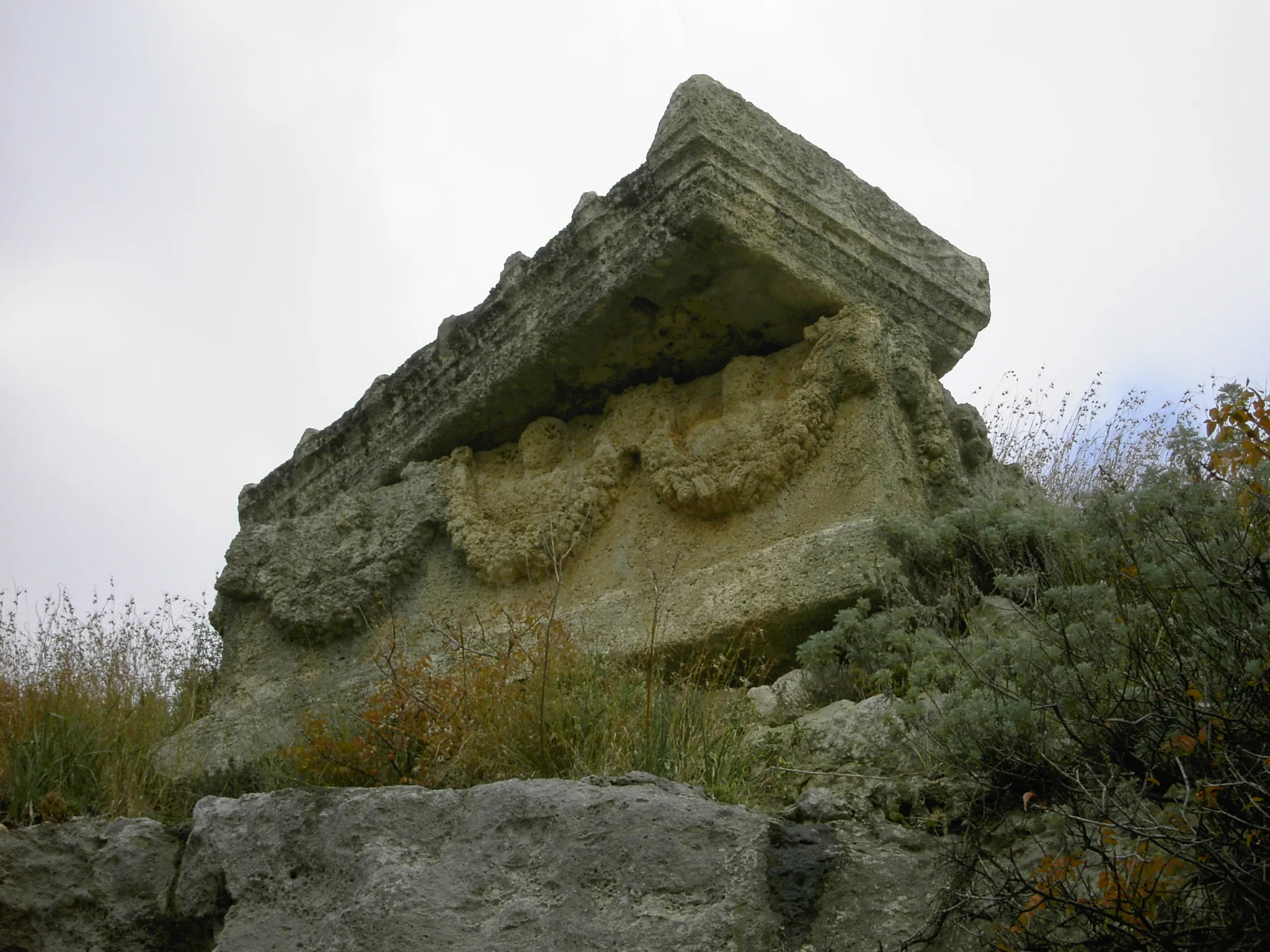
The Culture Portal places Beşikli Cave about 100 metres to the right of the tunnel's seaward entrance and calls it among the largest and most famous rock tomb complexes, with twelve tombs arranged in sections. The Ministry says the tombs were cut entirely from the rock in the Roman period behind a pillared entrance; in the burial chamber two tombs lie side by side, and each holds an ornamented coffin of the same size. The Culture Portal notes that columns, capitals and steps were restored in keeping with the originals.
Visiting
For the opening hours and entry conditions of Çevlik Archaeological Site see the Ministry's official page, which also states that the Müzekart is valid for Turkish citizens. The Culture Portal puts the Titus Tunnel about 5 km from Samandağ.
Gallery
Frequently asked questions
Where is Seleucia Pieria?
Who founded the city?
Why was the Titus Tunnel built?
How long is the Titus Tunnel?
When was the tunnel built?
What can be seen at Beşikli Cave?
Sources (13)
- Çevlik Örenyeri / Cevlik Archaeological Site (TR ve EN sayfalar) — T.C. Kültür ve Turizm Bakanlığı, Müzeler ve Örenyerleri
- Titus Tüneli ve Beşikli Mağara - Hatay (kaynak: İskenderun Kaymakamlığı) — T.C. Kültür ve Turizm Bakanlığı, Türkiye Kültür Portalı
- Vespasianus Titus Tunnel (Tentative List, Ref. 5903) — UNESCO Dünya Mirası Merkezi
- Hydatos Potamoi/Seleukeia Pieria (Pleiades 658483) — Pleiades
Photo credits
- Photo: Sonaynet, CC BY-SA 4.0 — Wikimedia Commons (resized)
- Photo: Htkava, CC BY-SA 3.0 — Wikimedia Commons (resized)
- Photo: Carole Raddato from FRANKFURT, Germany, CC BY-SA 2.0 — Wikimedia Commons (resized)
- Photo: nurettingülay(from T…, CC BY-SA 3.0 — Wikimedia Commons (resized)
- Photo: Klaus-Peter Simon, CC BY-SA 3.0 — Wikimedia Commons (resized)
- Photo: Dosseman, CC BY-SA 4.0 — Wikimedia Commons (resized)
- Photo: Htkava, CC BY-SA 3.0 — Wikimedia Commons (resized)
- Photo: Carole Raddato from FRANKFURT, Germany, CC BY-SA 2.0 — Wikimedia Commons (resized)
- Photo: Ugur0641, CC BY-SA 4.0 — Wikimedia Commons (resized)