A historic well in a courtyard among old houses in Tarsus, traditionally taken as the site of Saint Paul's house; a Christian pilgrimage stop on UNESCO's Tentative List since 2020.
St Paul's Well, Tarsus is a place (Sanctuary) in Turkey, Mersin.
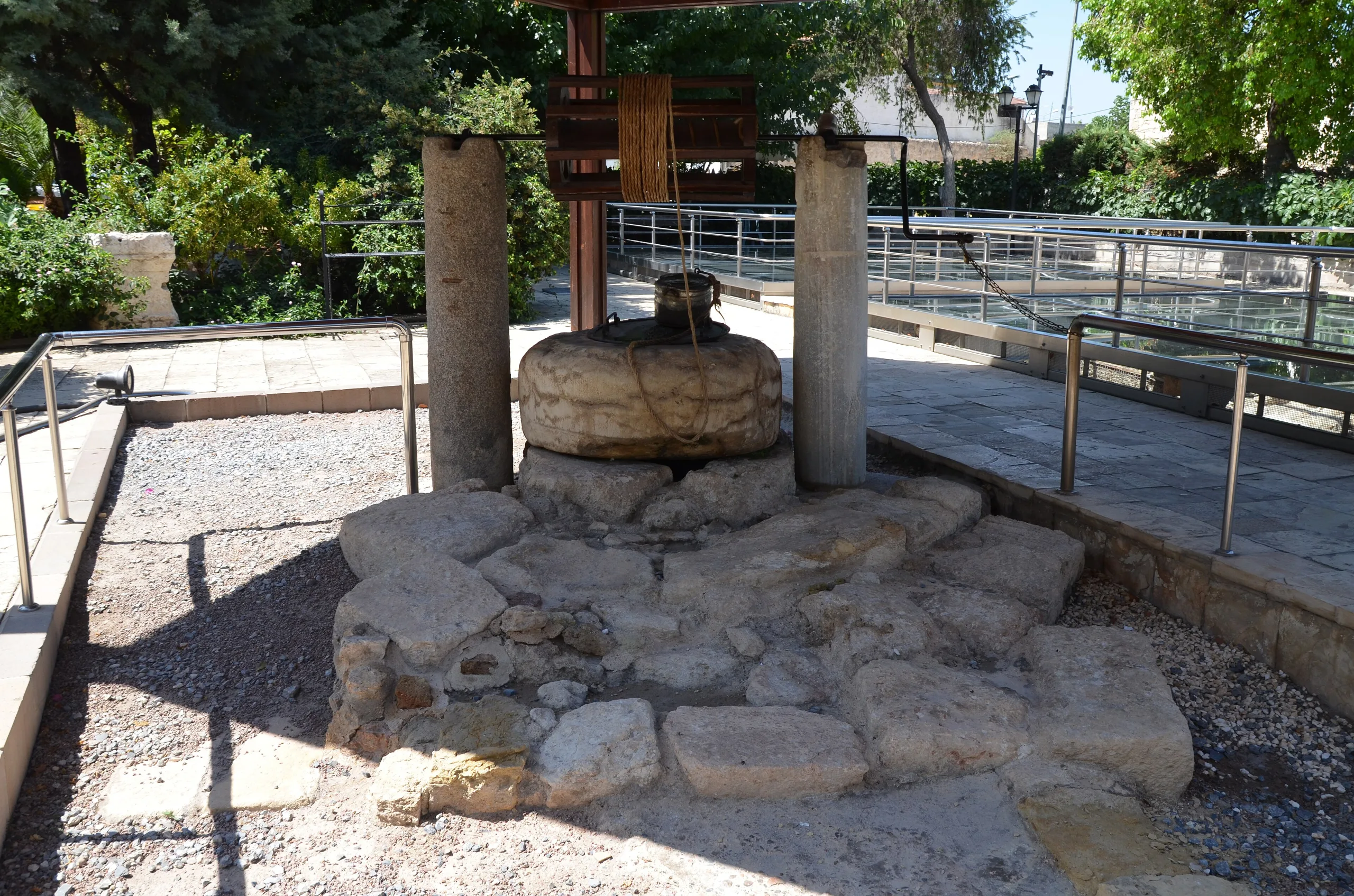
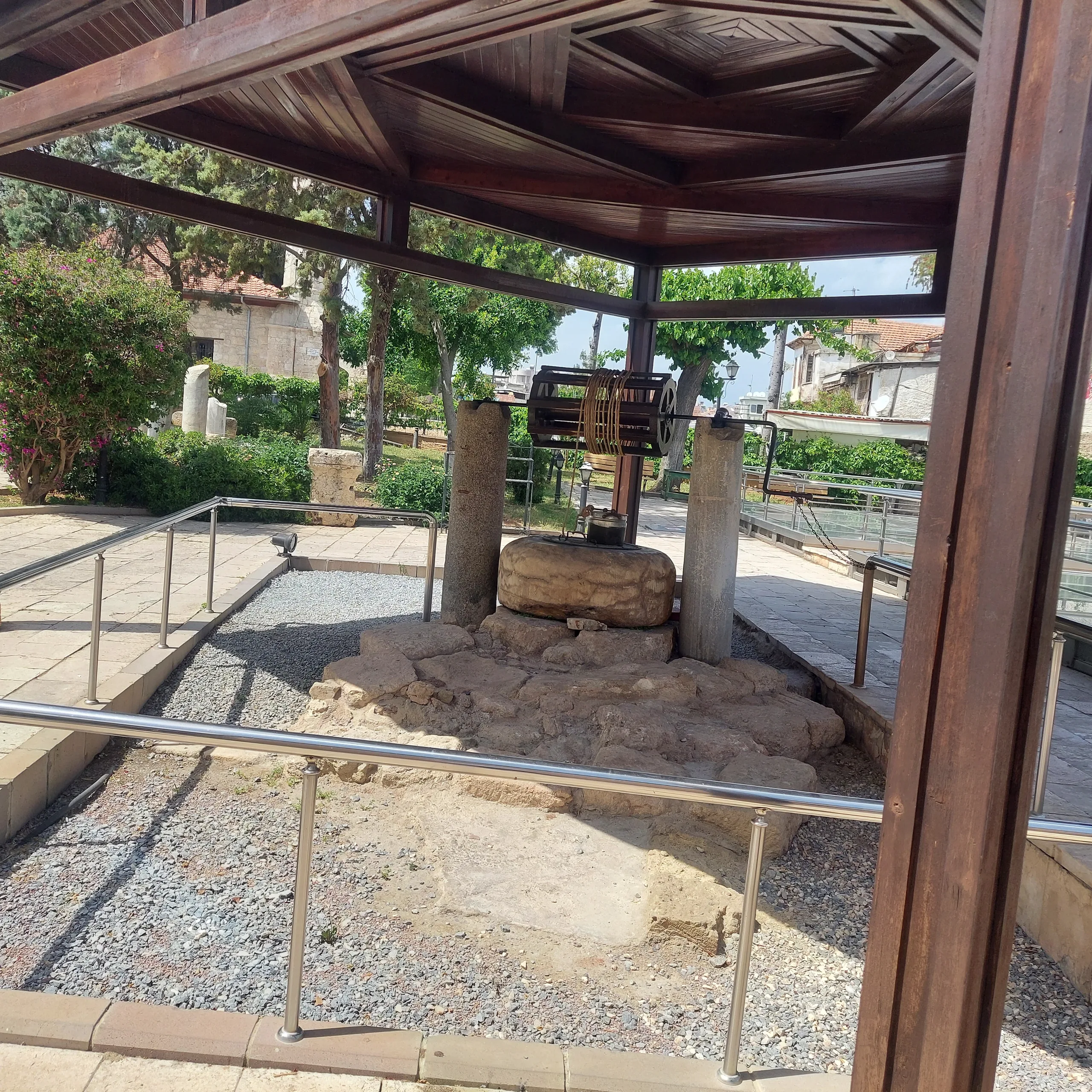
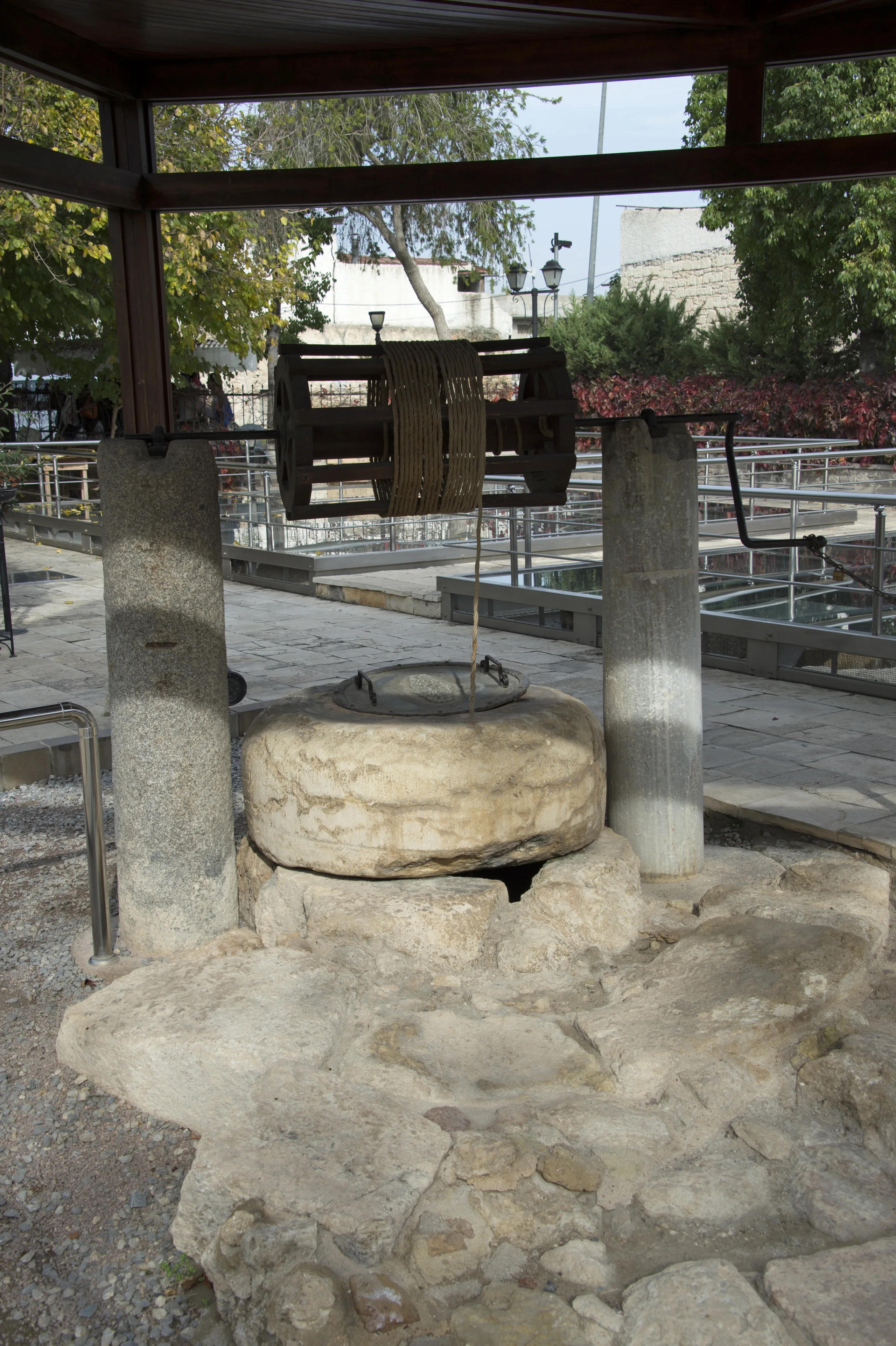
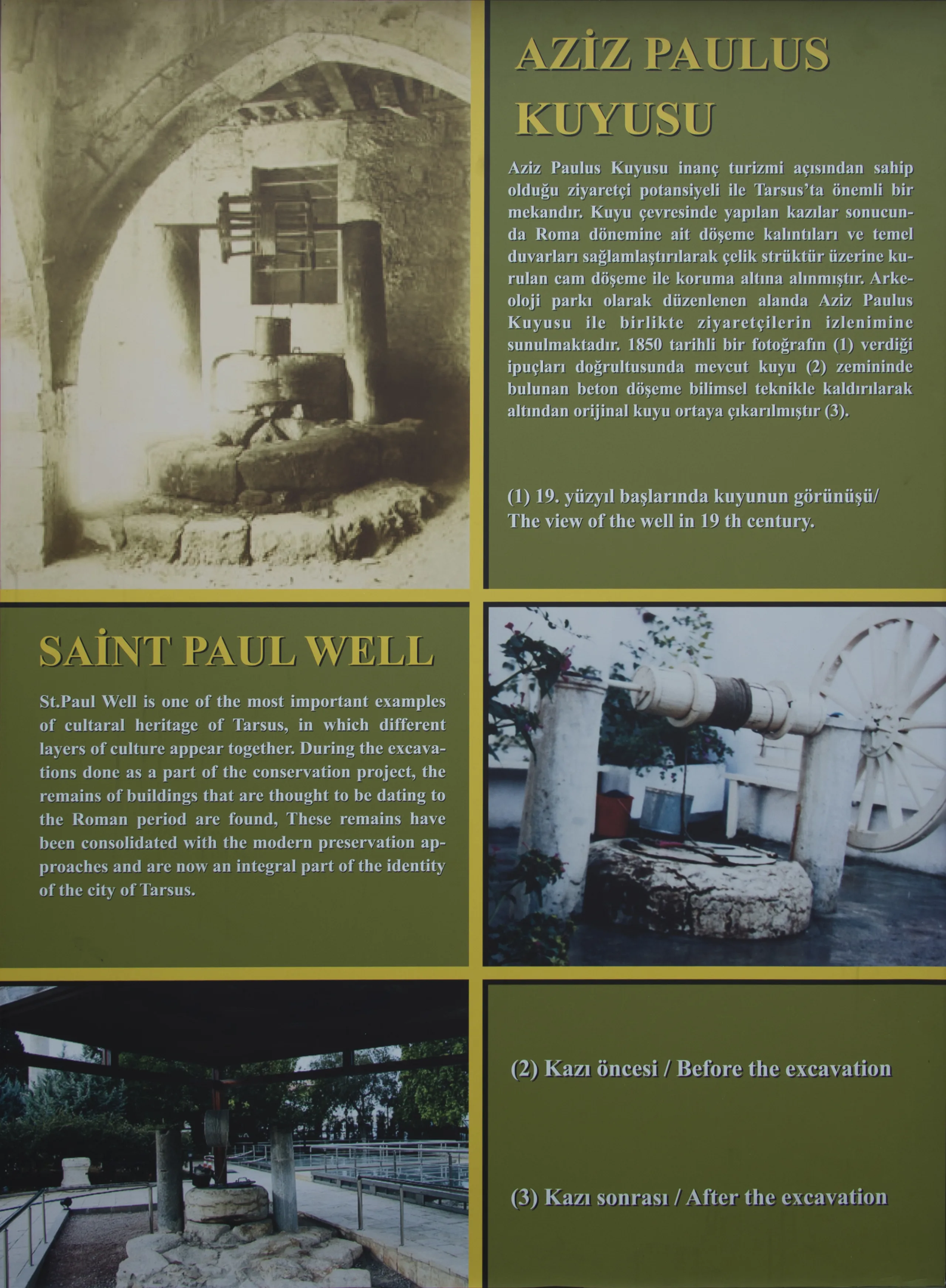
St Paul's Well stands in the centre of Tarsus district, Mersin, among the old houses of Kızılmurat quarter. The Ministry says it lies in a courtyard about 300 metres north of Cumhuriyet Square, and that this courtyard has long been regarded as the place of Saint Paul's house.
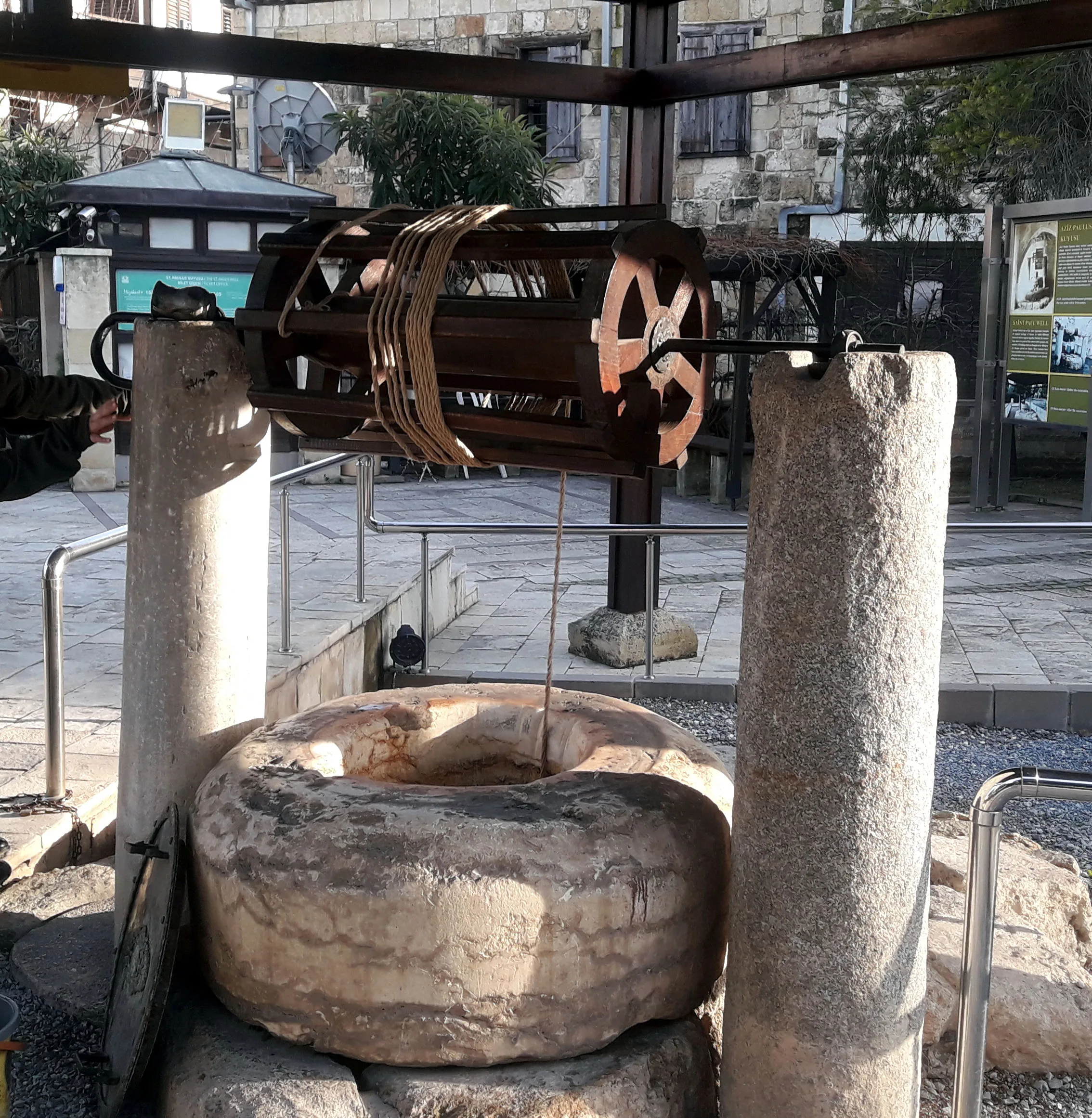
The well and courtyard
The Ministry's Turkish page gives the well a diameter of 1.15 metres and a depth of 38 metres. Its mouth stone is cylindrical while the shaft proper is square, laid in dressed stone. The page adds that the water never drops in summer or winter and that Christians travelling through on pilgrimage to Jerusalem drank from it. The English page, however, gives the depth as 18 metres; since the two Ministry pages disagree, the figures are credited to their pages. The English page also says the water is held to be holy and curative, and the Culture Portal likewise reports that belief.
Excavation finds
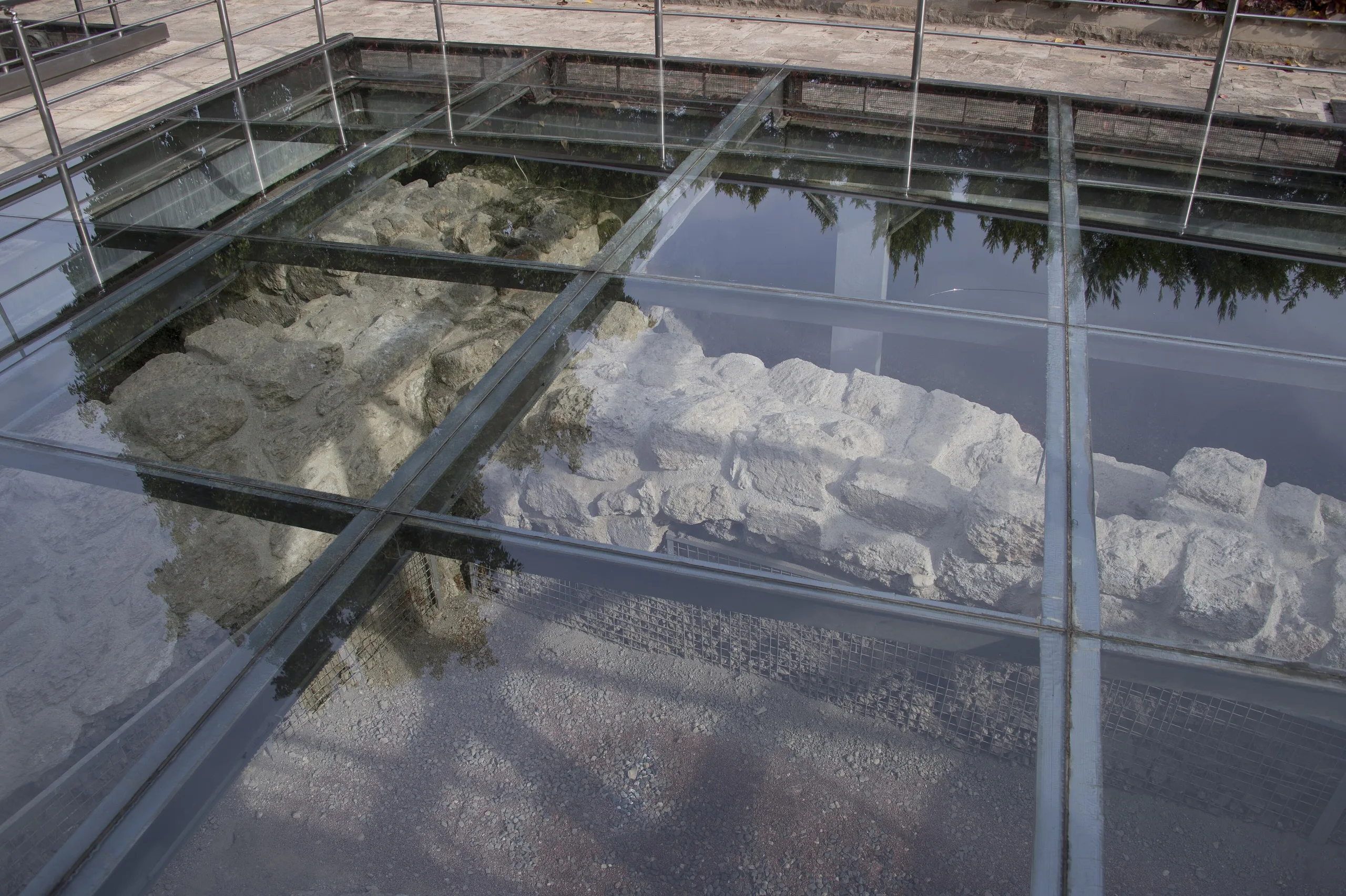
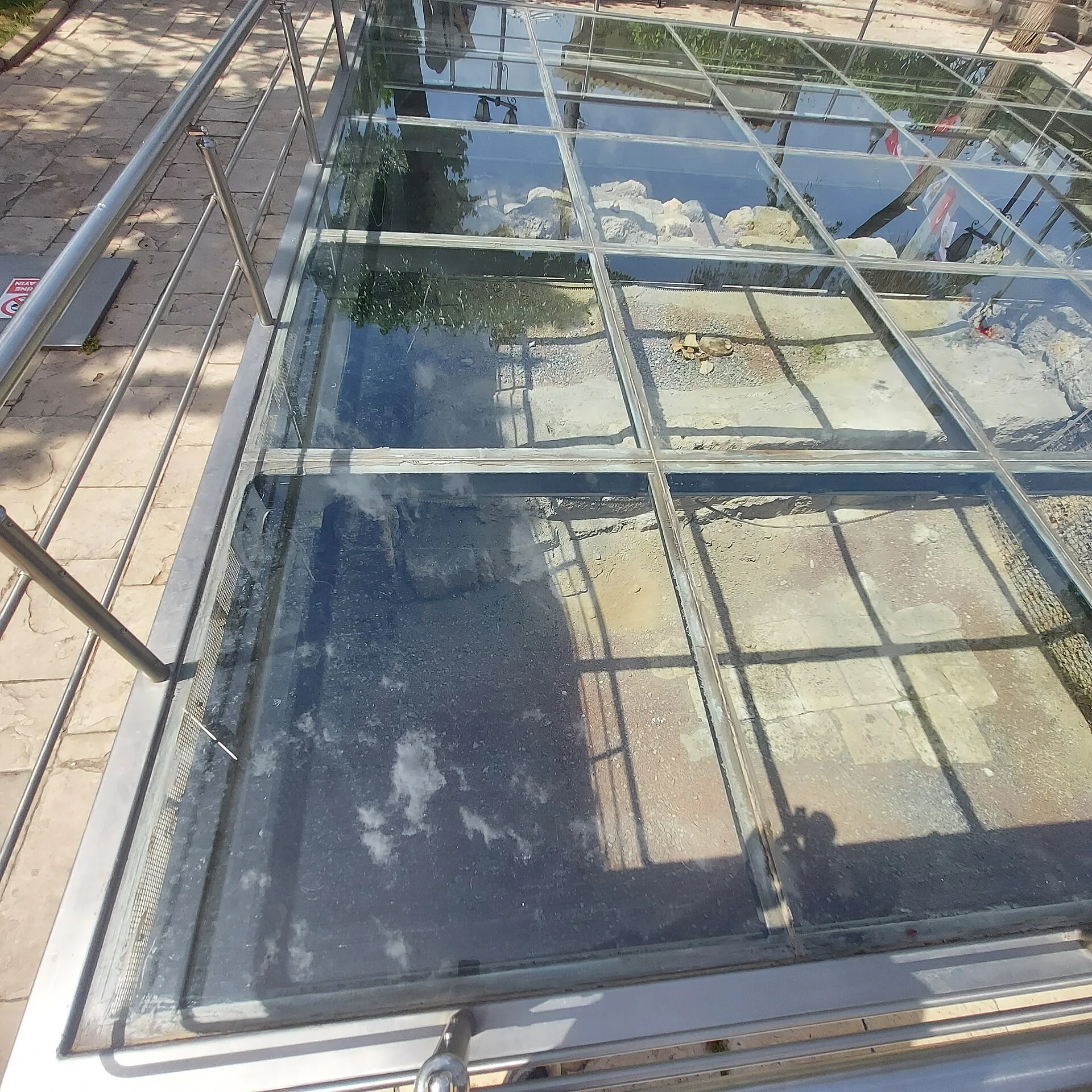
Small-scale digging in the courtyard until recently uncovered some walls. The Culture Portal states that cultural layers reaching down to Paul's own lifetime were seen and that the exposed architecture was roofed with glass to protect it from weather. The Ministry text reports stone walls of a house presumed to be Paul's birthplace right beside the well. That the remains and the well have been held sacred since early times is read as a trace of the faith of the Christian community that lived in the town until recently.
Saint Paul and the church-museum
Per the Culture Portal, Paul was born in Tarsus in 3 CE, worked on Christian teaching alongside Barnabas, and met Jesus in 36 CE. The Ministry's English page places his birth in the early 1st century BCE; because the accounts do not agree, no firm date is given here. That page says he was born to a Jewish family with Roman citizenship, was first schooled in Tarsus and later went to Jerusalem.
The nearby St Paul's Church was built, according to the Portal, in the 11th-12th centuries CE and dedicated to Saint Paul. After restoration in 1997-2001 it opened as the St Paul Memorial Museum in 2001. The Portal notes that of the churches built in Paul's name, only one in Tarsus has survived, and that it is a pilgrimage centre. The monumental entrance faces north, a water well lies in the garden just right of the entrance, and a bell tower stands at the north-east corner. The plan is a plain rectangle with a vaulted porch on four columns at the west. East of the central nave, angels and the four evangelists are painted.
UNESCO and visiting
The Culture Portal says the church, well and surroundings, as a spiritual centre, have been on the UNESCO World Heritage Tentative List since 2020. See the official page for hours and entry terms. The Ministry's Turkish page states that the Museum Card is valid for Turkish citizens.
Gallery
Frequently asked questions
Where is St Paul's Well?
How big is the well?
Why is it considered holy?
When was the nearby church built?
Is it a UNESCO site?
Is the Museum Card valid?
Sources (11)
- Tarsus St. Paul Kuyusu / St Paul's Well (TR ve EN sayfalar) — T.C. Kültür ve Turizm Bakanlığı, Müzeler ve Örenyerleri
- St. Paul Kuyusu - Mersin (kaynak: Mersin İl Kültür ve Turizm Müdürlüğü) — T.C. Kültür ve Turizm Bakanlığı, Türkiye Kültür Portalı
- St. Paul Anıt Müzesi - Mersin (kaynak: Mersin İl Kültür ve Turizm Müdürlüğü) — T.C. Kültür ve Turizm Bakanlığı, Türkiye Kültür Portalı
- Saint Paul's Well (Wikidata Q105944717, P625) — Wikidata
Photo credits
- Photo: Dosseman, CC BY-SA 4.0 — Wikimedia Commons (resized)
- Photo: Nedim Ardoğa, CC BY-SA 4.0 — Wikimedia Commons (resized)
- Photo: Carole Raddato from FRANKFURT, Germany, CC BY-SA 2.0 — Wikimedia Commons (resized)
- Photo: Yaman1990, CC BY-SA 4.0 — Wikimedia Commons (resized)
- Photo: Dosseman, CC BY-SA 4.0 — Wikimedia Commons (resized)
- Photo: Yaman1990, CC BY-SA 4.0 — Wikimedia Commons (resized)
- Photo: Dosseman, CC BY-SA 4.0 — Wikimedia Commons (resized)