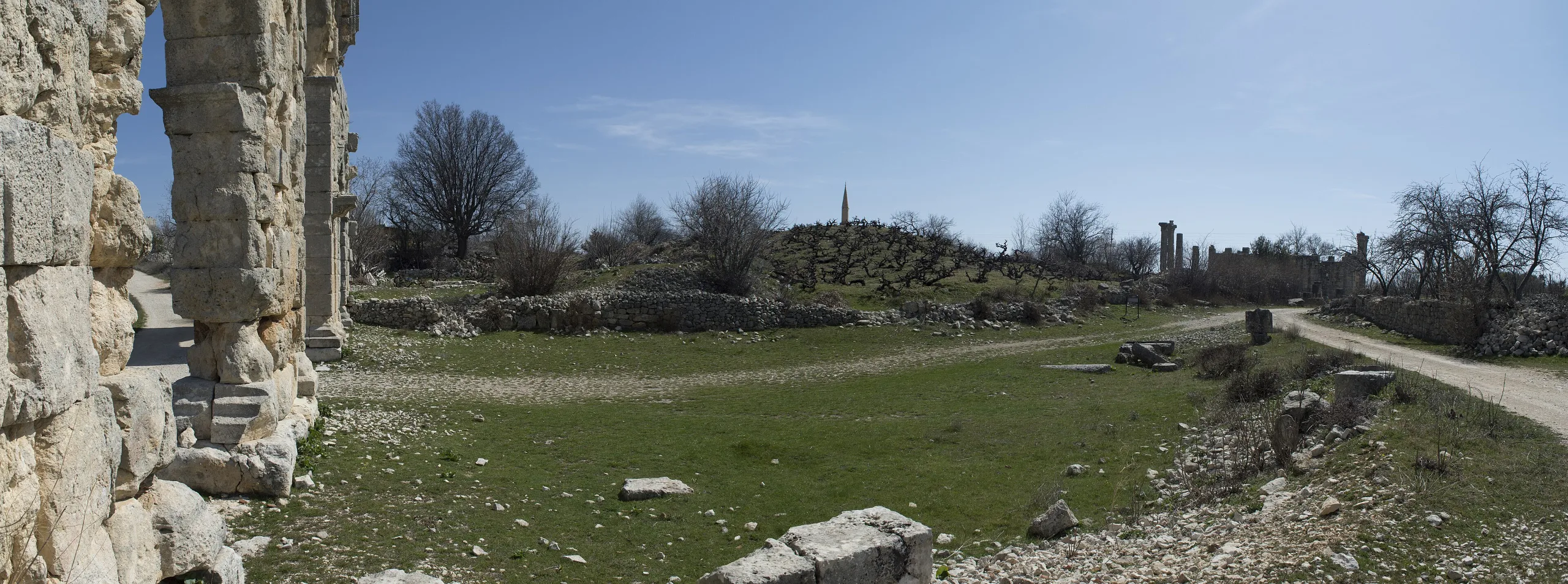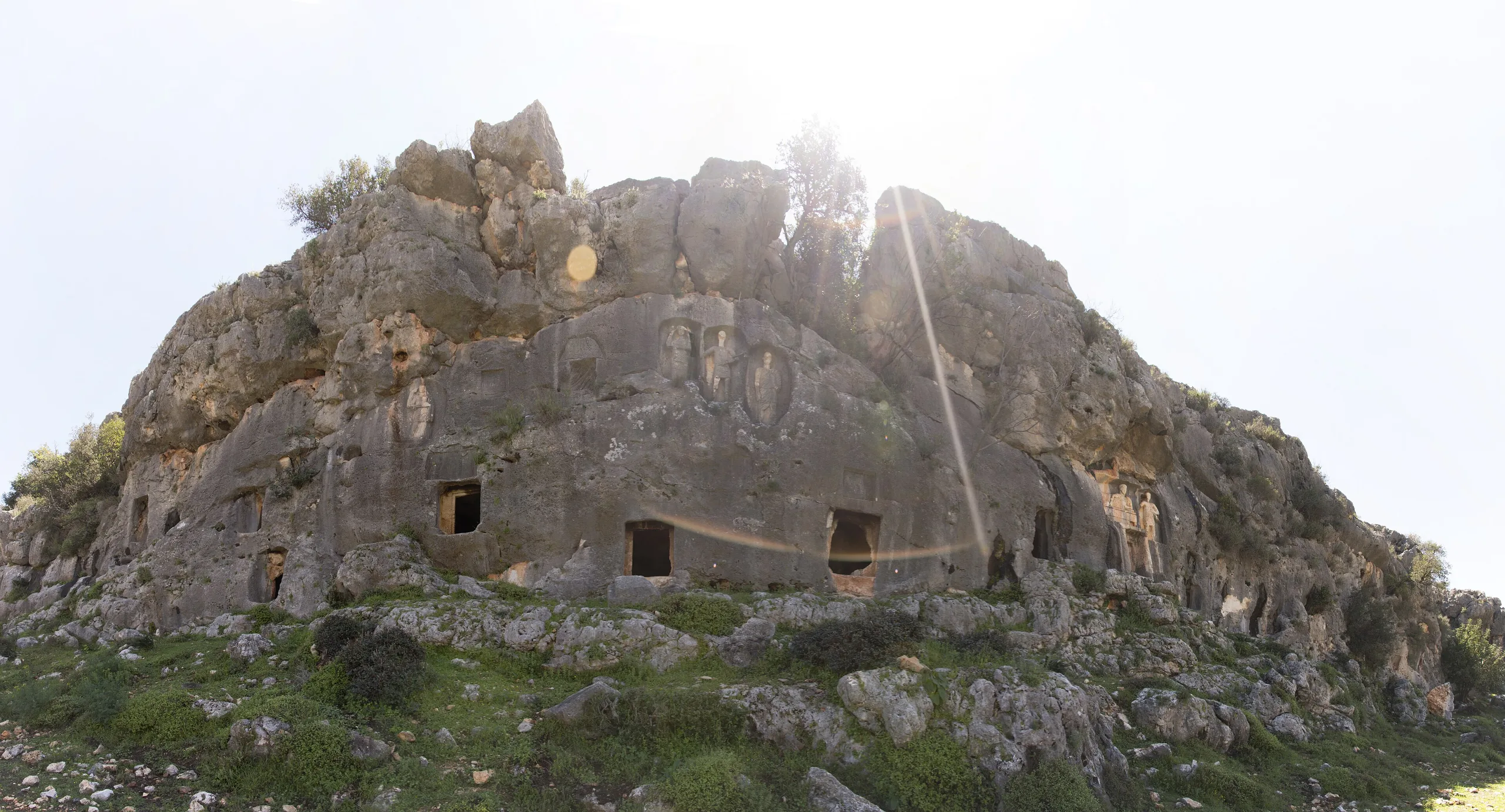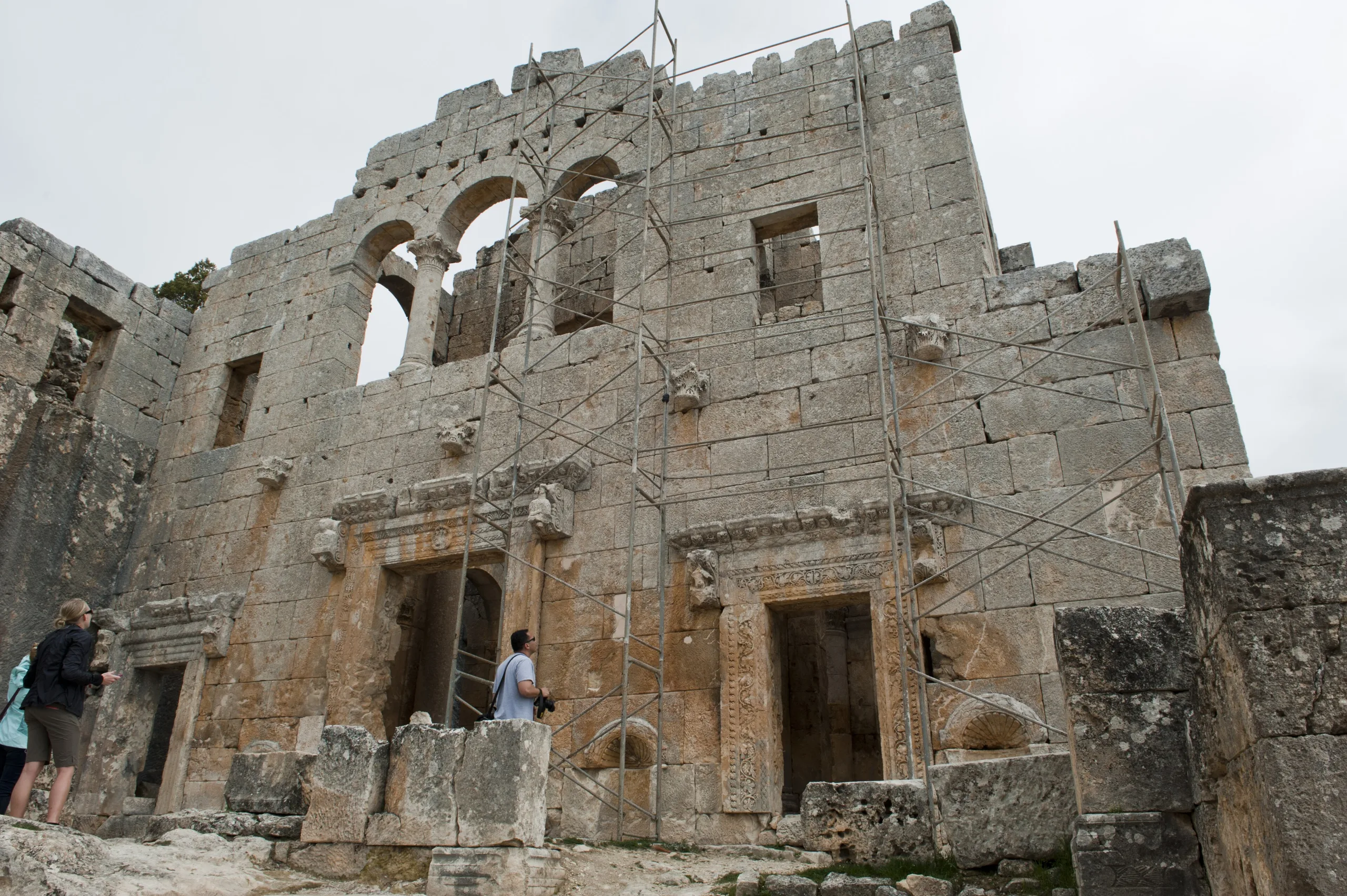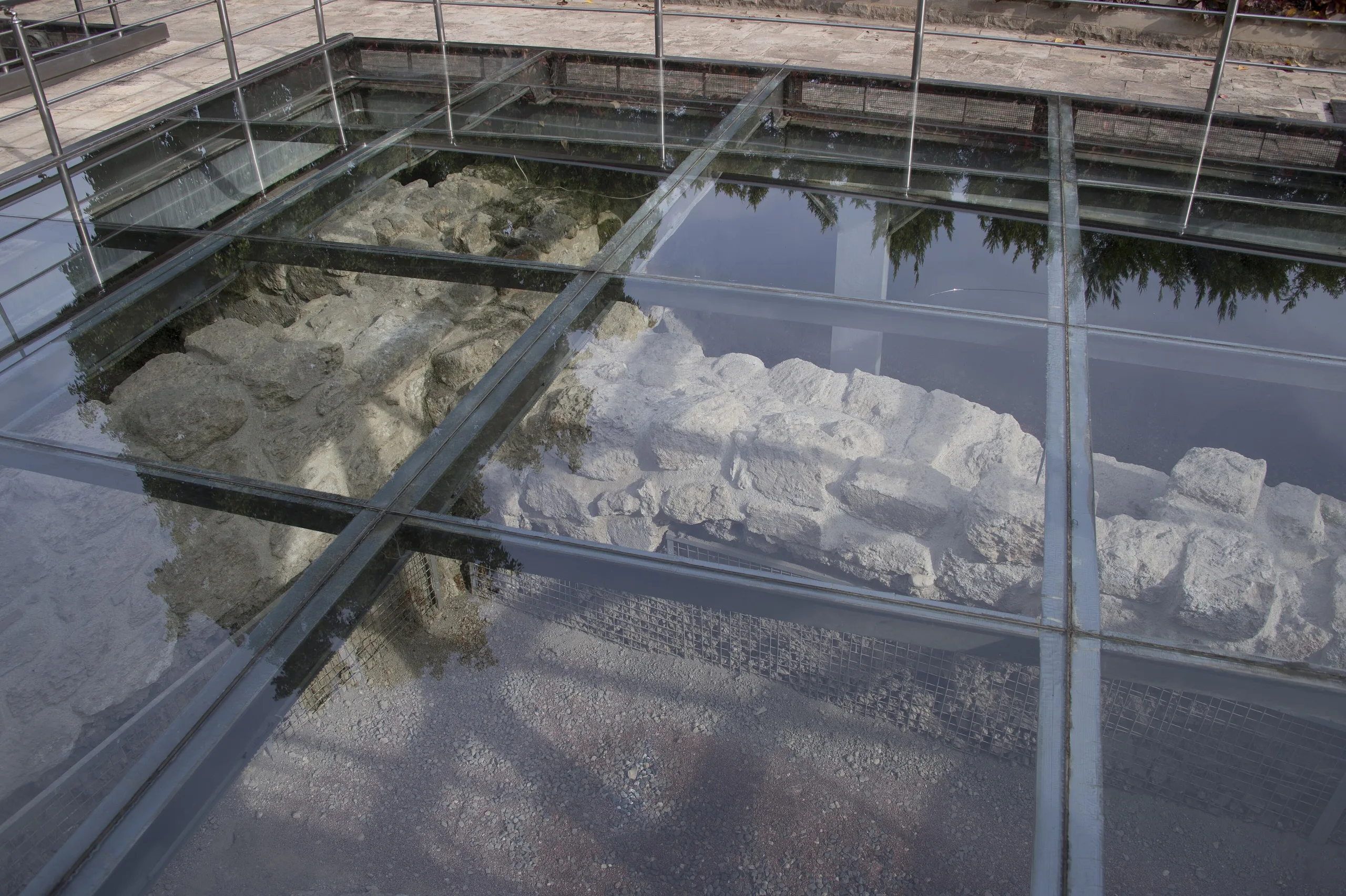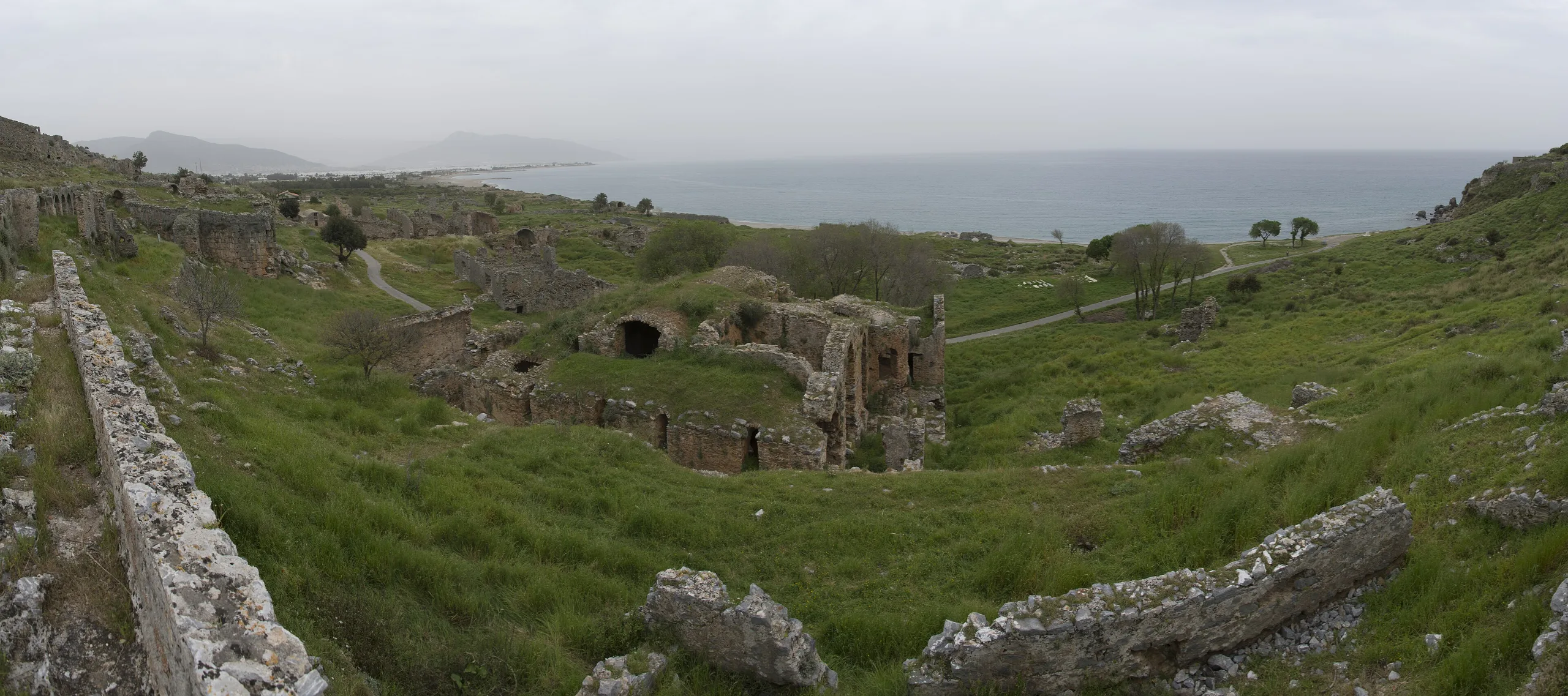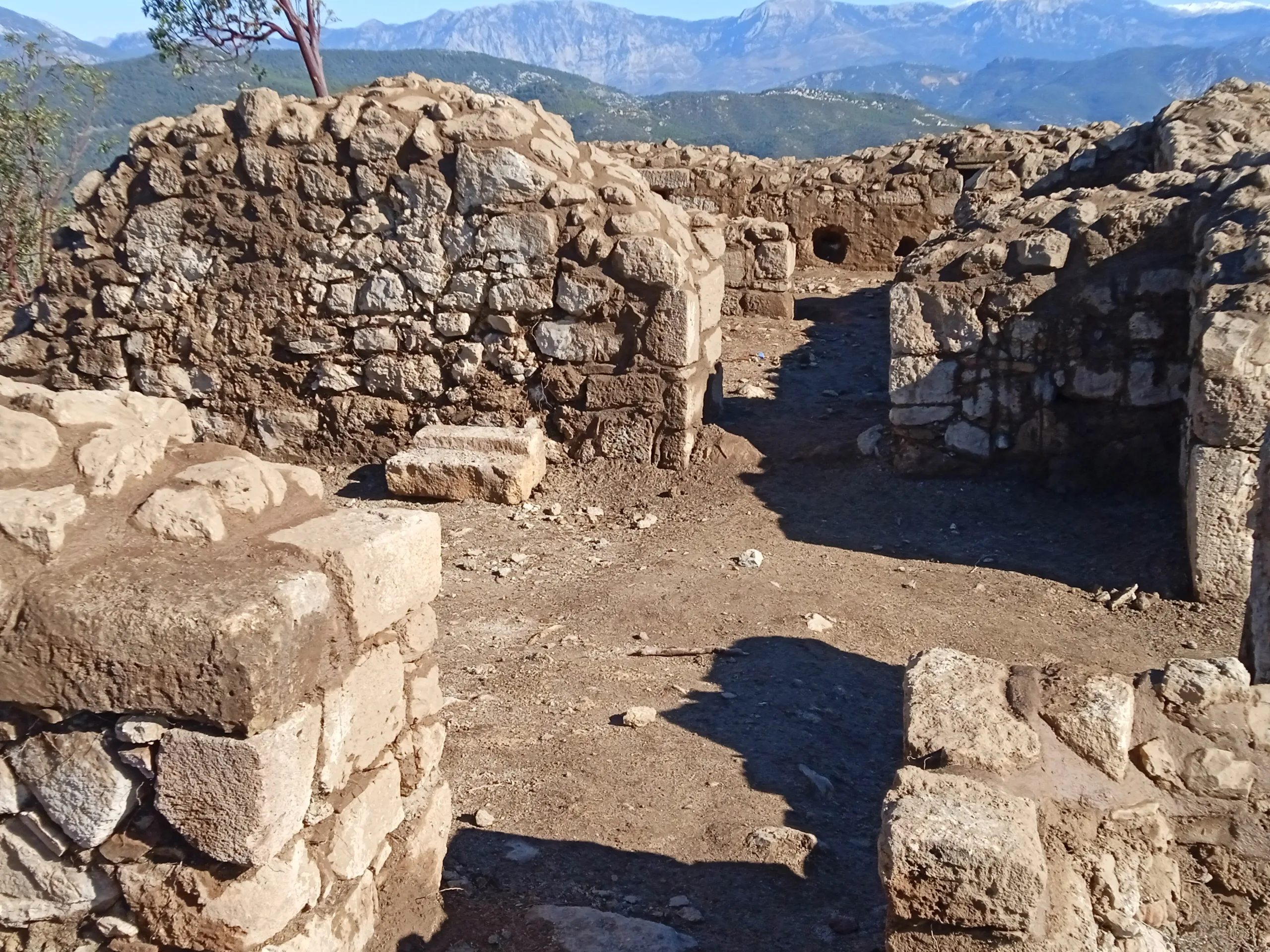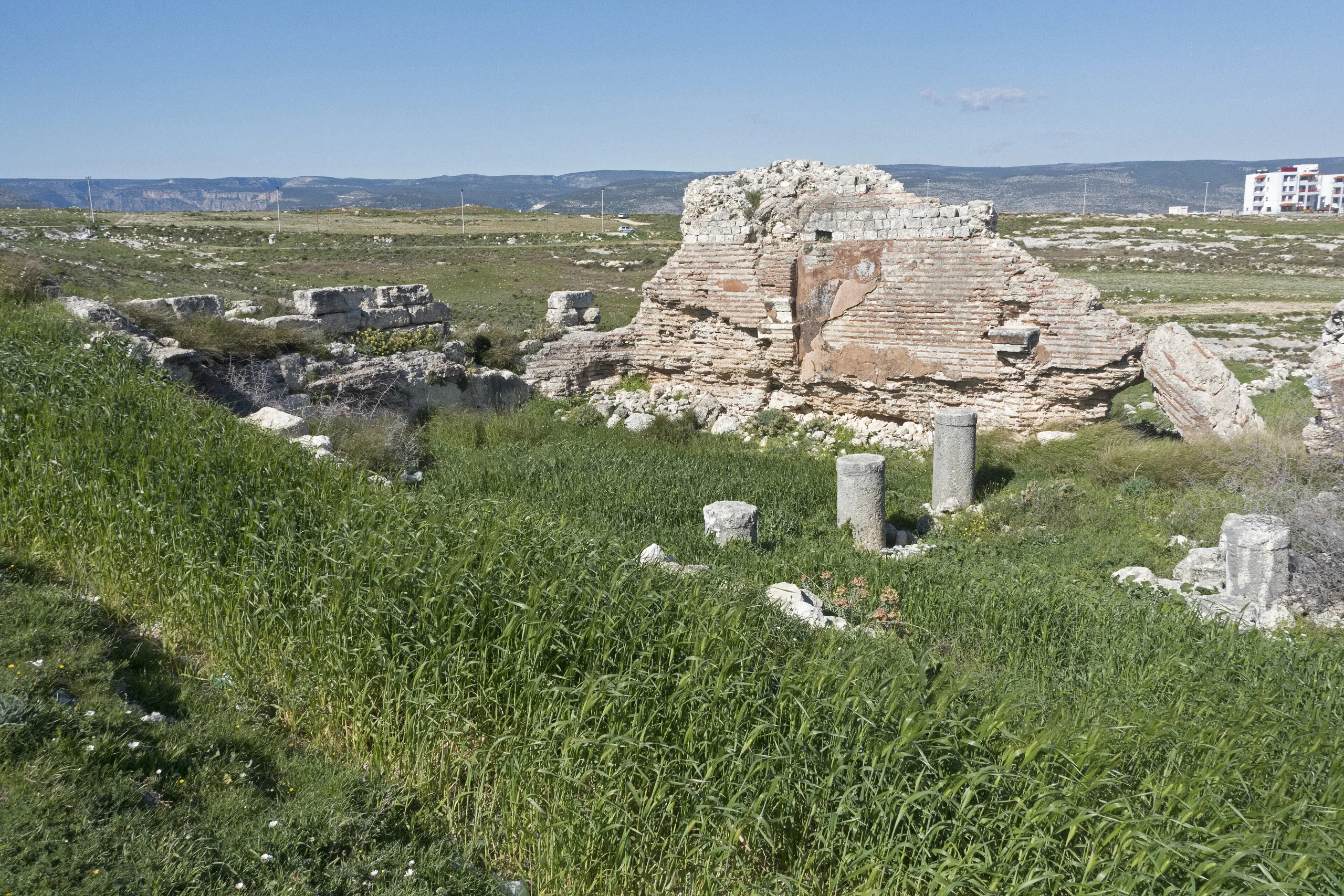
Ayatekla (Meryemlik) near Silifke is an early Christian pilgrimage site built around the cave where Saint Thekla is said to have taken refuge, with church, bath and cistern remains.
Ayatekla (Meryemlik) Archaeological Site is a place (Sanctuary) in Turkey, Mersin.
The Ayatekla archaeological site lies in Silifke district of Mersin, about four kilometres from the district centre, and is also called Meryemlik. The Ministry and the Culture Portal describe it as one of the oldest and most significant centres of Christianity in Anatolia.
History
The story of Meryemlik opens with the arrival of Saint Thekla (Aya Tekla). The Culture Portal says that at seventeen she was moved by the sermons of Saint Paul and devoted herself to the faith; while spreading the teaching in Konya and Yalvaç she met pagan hostility, and on learning she was to be killed she came to Seleucia (Silifke) and hid in a cave. The Ministry's English page instead says Paul, leaving for Yalvaç, charged her with Christianising the Silifke area, so the two accounts differ in detail. Both sources add that she is believed to have vanished in this cave. The cave was held sacred after her, served as a hidden place of worship until Christianity was legalised in 312 CE, and was turned into a church in the 4th century CE.
The Ministry and the Portal place the site's peak in the 4th-5th centuries under Emperor Zeno, and the English page says Zeno built the Church of Aya Tekla in her honour. Scholarship is more careful: in her Seleucia article Arabella Cortese notes that the dating of brick stamps found at the site to the second half of the 5th century is debated, though it may relate to Zeno's backing for renovation work. Thekla is commemorated on 23 September by the Catholic Church and on 24 September by the Orthodox Church.
Notable structures
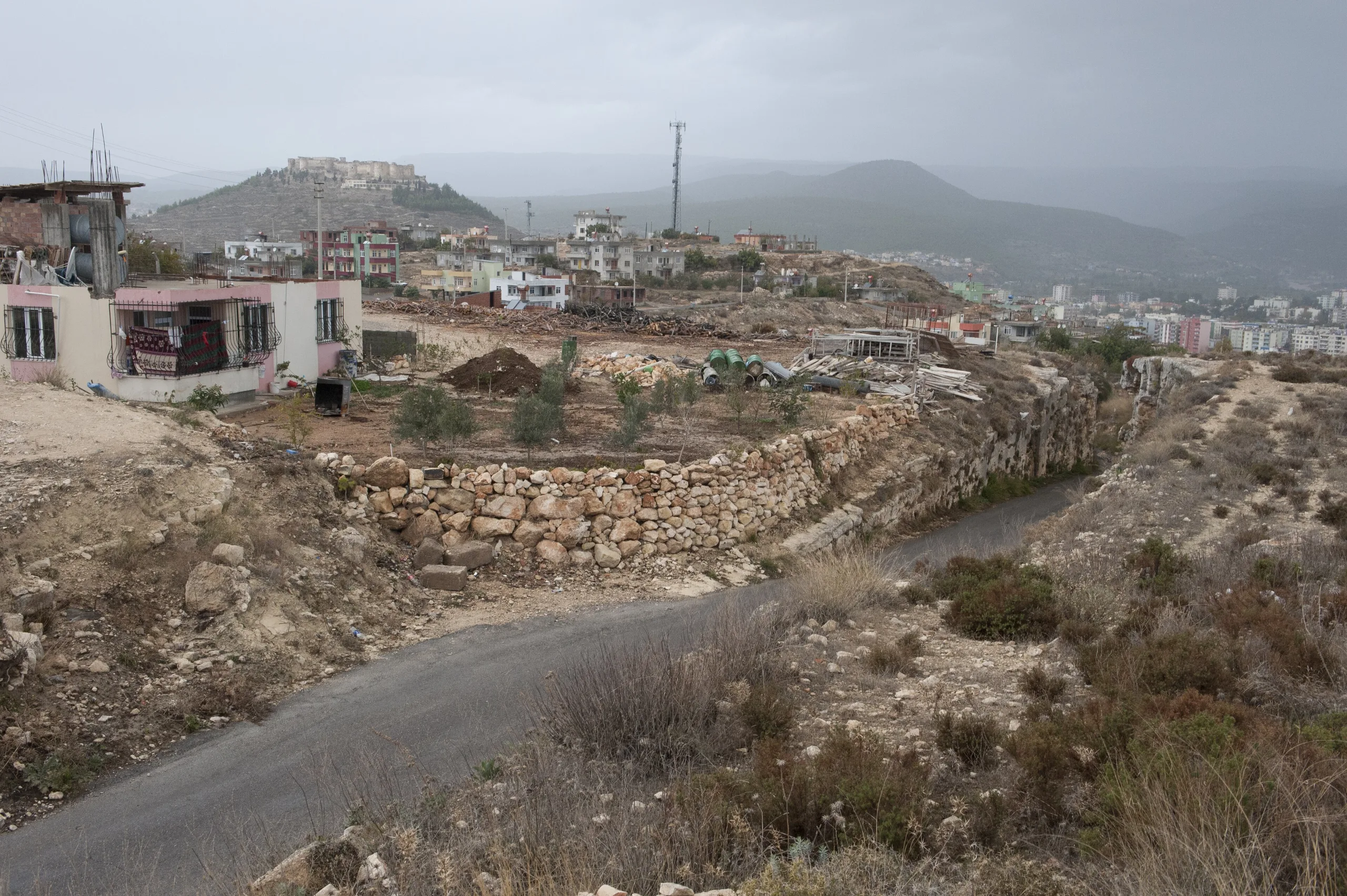
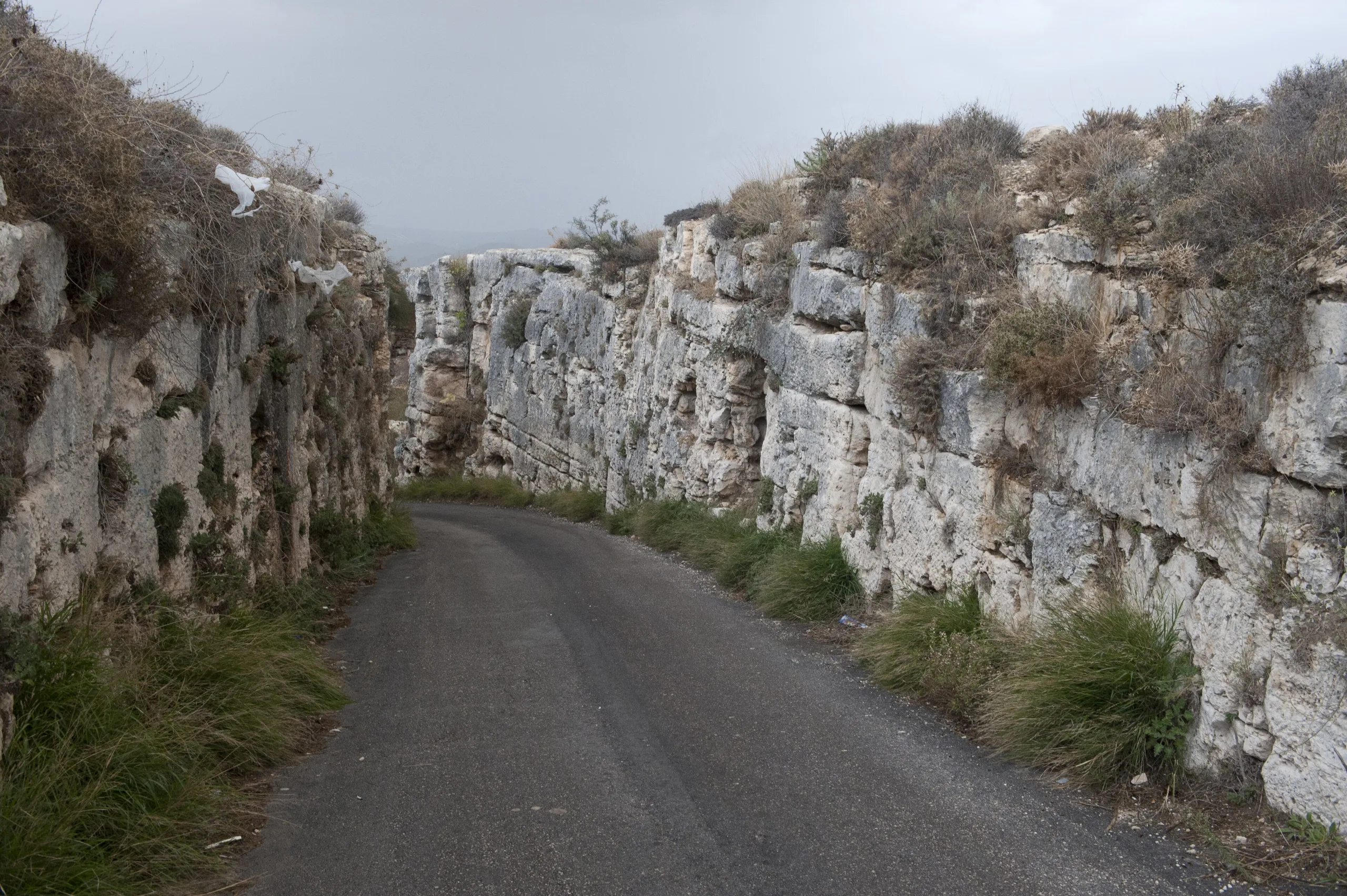
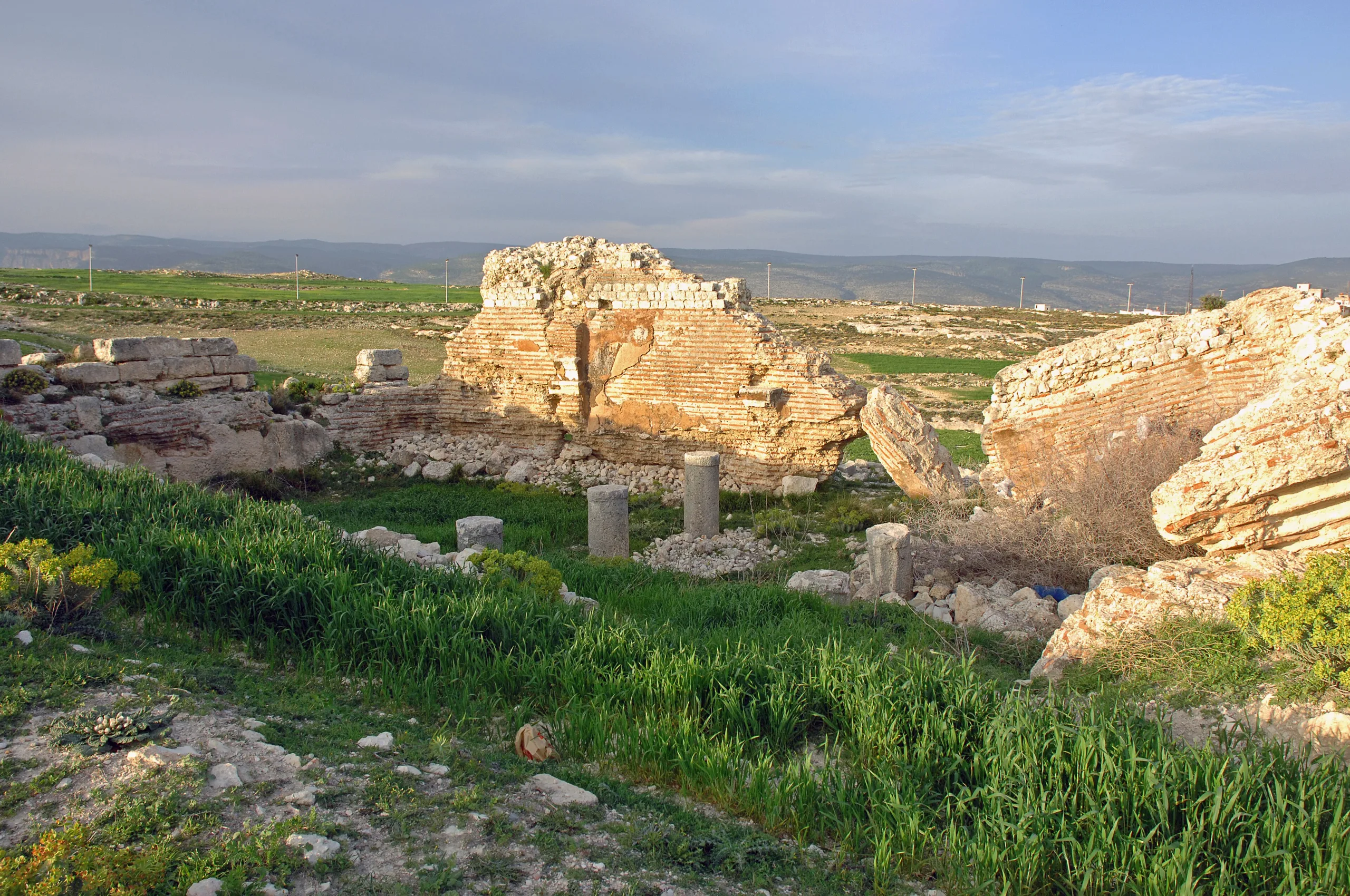
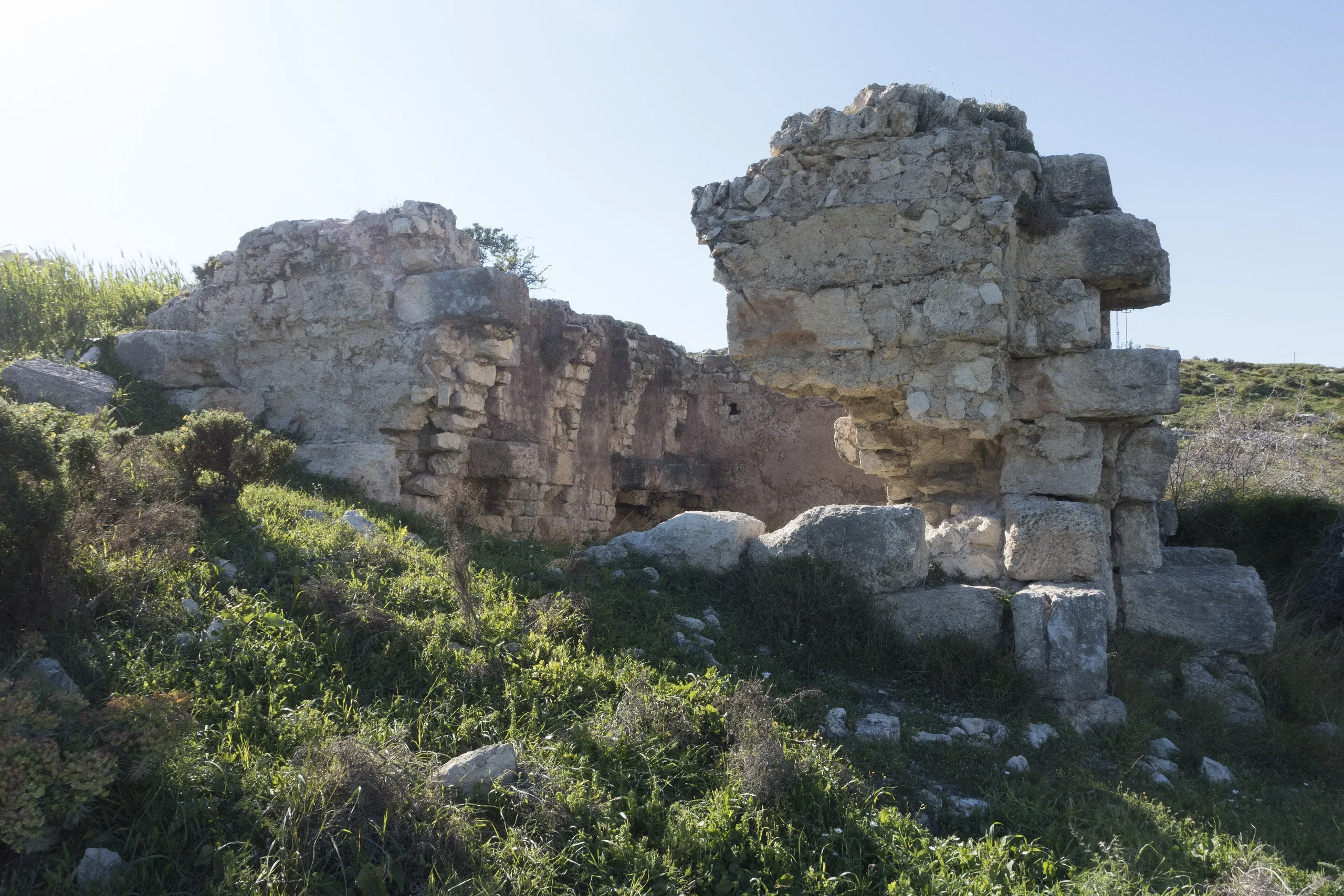
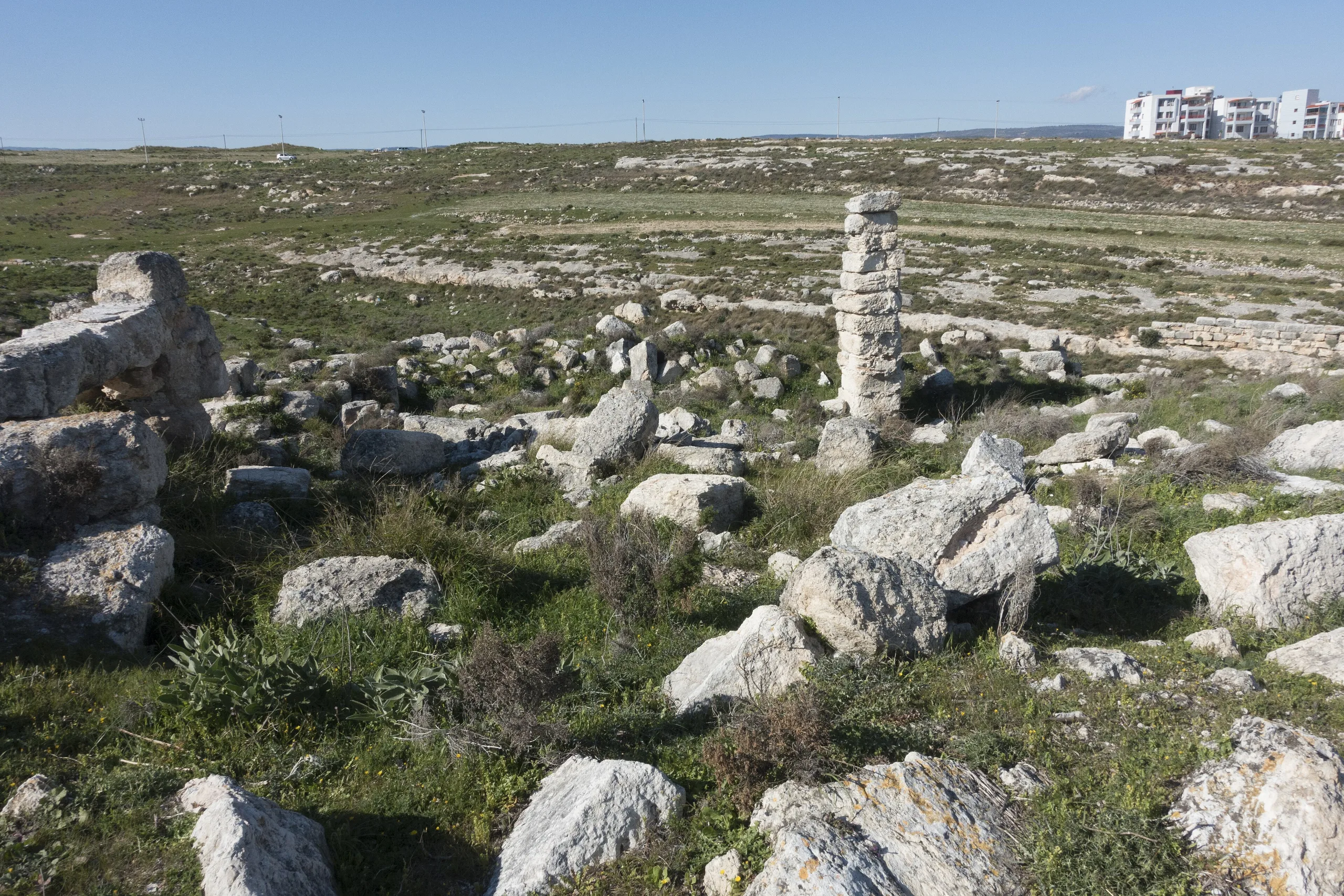
According to the Culture Portal, visitors today can see the Underground (Cave) Church of Saint Thekla; above the cave, the Church of Saint Thekla, of which only part of the apse stands; the North Church; a bath; numerous cisterns; a cemetery; and remains of the city wall. The Ministry's English page names the same group: the northern church, bathing facilities, water tanks, burial grounds and a section of rampart.
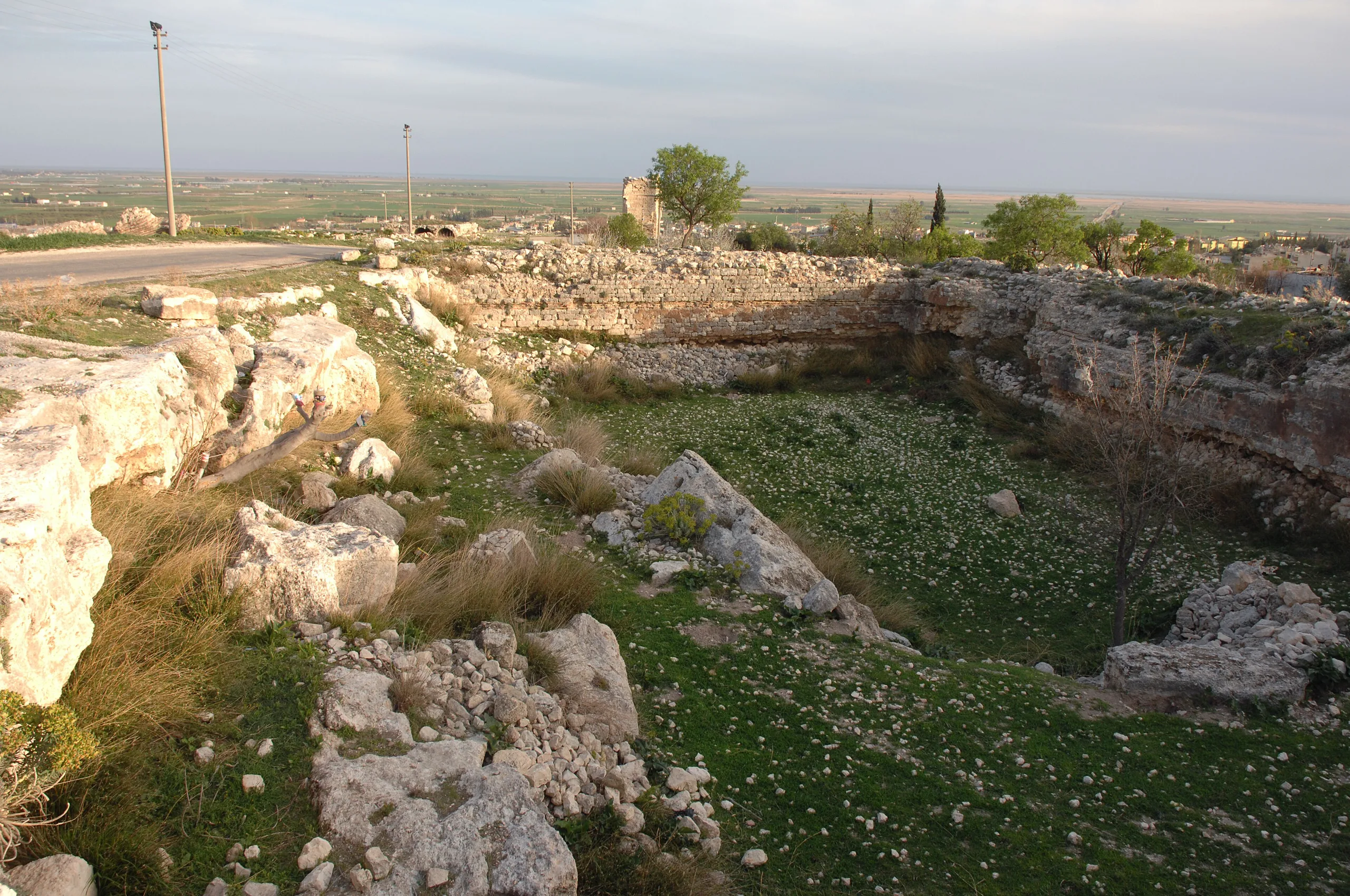
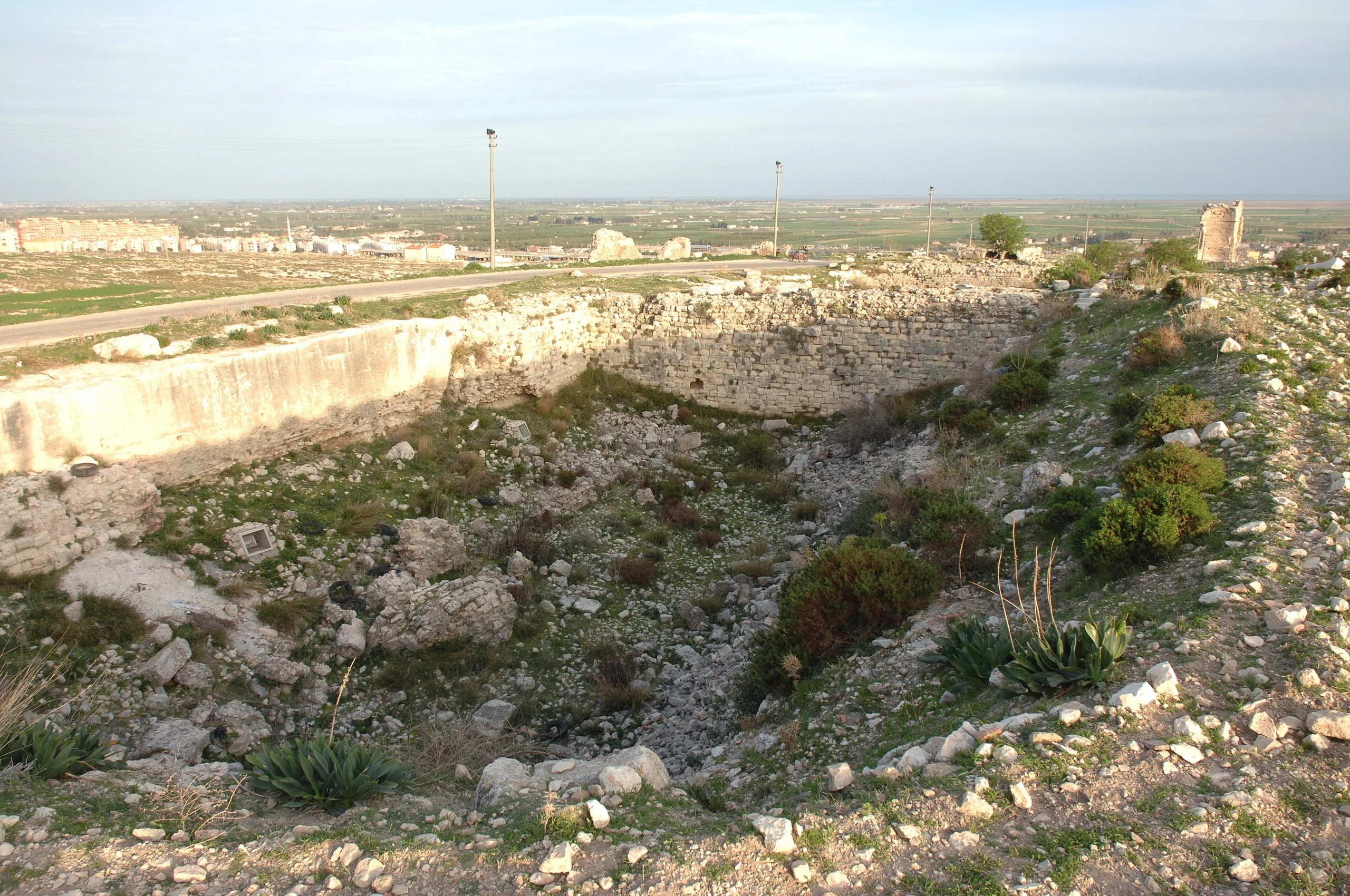
Cortese describes several cisterns inside the walled sacred precinct (temenos) around the basilica; cistern 3, to the north-east, measures roughly 11.40 by 14.40 metres. Her article reports a corridor on the south side of the church leading down to the cave beneath, the holy place of Thekla, and traces the importance of sacred water at this pilgrimage centre through the 2nd-century Acts of Paul and Thekla and a 5th-century text by an anonymous author, the Life and Miracles of Saint Thekla. It also draws on the early excavations of Herzfeld and Guyer for the plan and the bath remains.
Visiting
See the official page for hours and entry terms. The Ministry page does not state whether the Museum Card is valid.
Gallery

Frequently asked questions
Where is Ayatekla?
Who was Saint Thekla?
When did the cave become a church?
When was the site at its height?
What remains can be seen?
Is the Museum Card valid?
Sources (13)
- Silifke Ayatekla Örenyeri / Silifke Ayatekla Archaeological Site (TR ve EN sayfalar) — T.C. Kültür ve Turizm Bakanlığı, Müzeler ve Örenyerleri
- Ayatekla Ören Yeri - Mersin (kaynak: Mersin İl Kültür ve Turizm Müdürlüğü) — T.C. Kültür ve Turizm Bakanlığı, Türkiye Kültür Portalı
- Meryemlik Azize Thekla Hac Merkezi'nde Kutsal Su ve Tedavi Uygulamaları (A. Cortese), Seleucia XII, 2022, 27-51 — Seleucia dergisi (DergiPark), Olba Kazısı Serisi
- Aya Tekla Church (Wikidata Q792822, P625) — Wikidata
Photo credits
- Photo: Dosseman, CC BY-SA 4.0 — Wikimedia Commons (resized)
- Photo: Cobija, CC BY-SA 3.0 — Wikimedia Commons (resized)
- Photo: Dosseman, CC BY-SA 4.0 — Wikimedia Commons (resized)
- Photo: Dosseman, CC BY-SA 4.0 — Wikimedia Commons (resized)
- Photo: Dosseman, CC BY-SA 4.0 — Wikimedia Commons (resized)
- Photo: Dosseman, CC BY-SA 4.0 — Wikimedia Commons (resized)
- Photo: Dosseman, CC BY-SA 4.0 — Wikimedia Commons (resized)
- Photo: Dosseman, CC BY-SA 4.0 — Wikimedia Commons (resized)
- Photo: Dosseman, CC BY-SA 4.0 — Wikimedia Commons (resized)