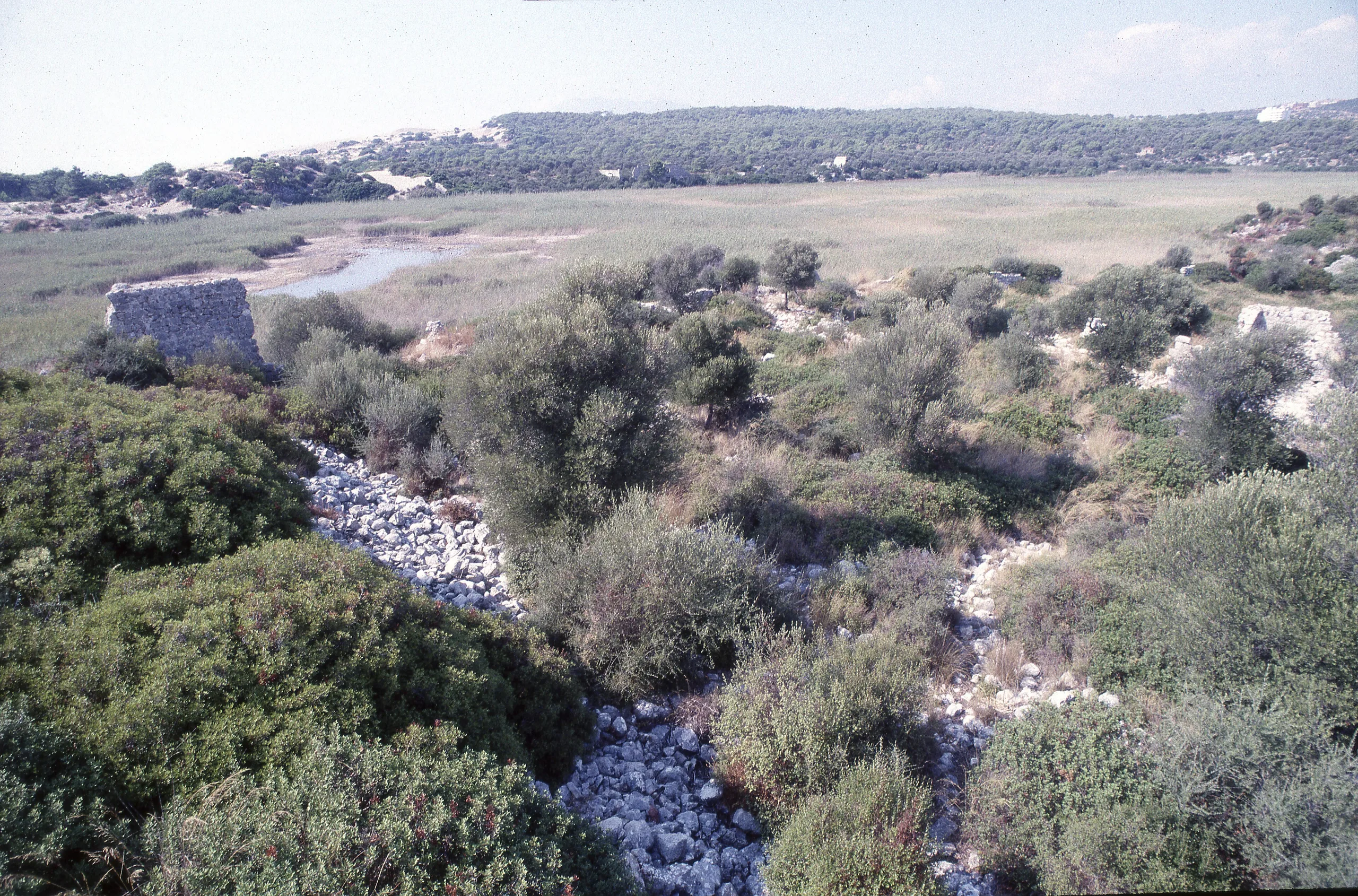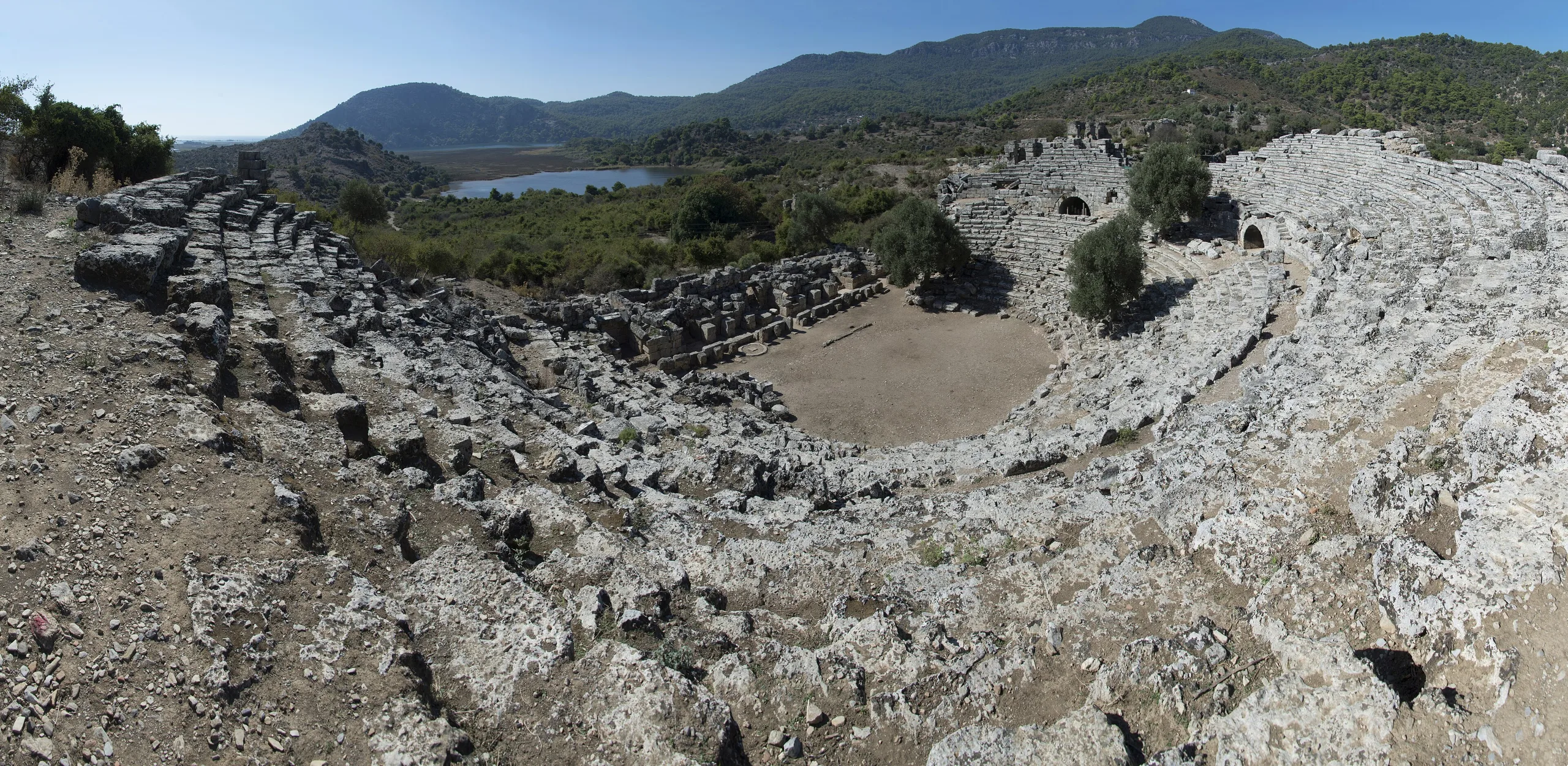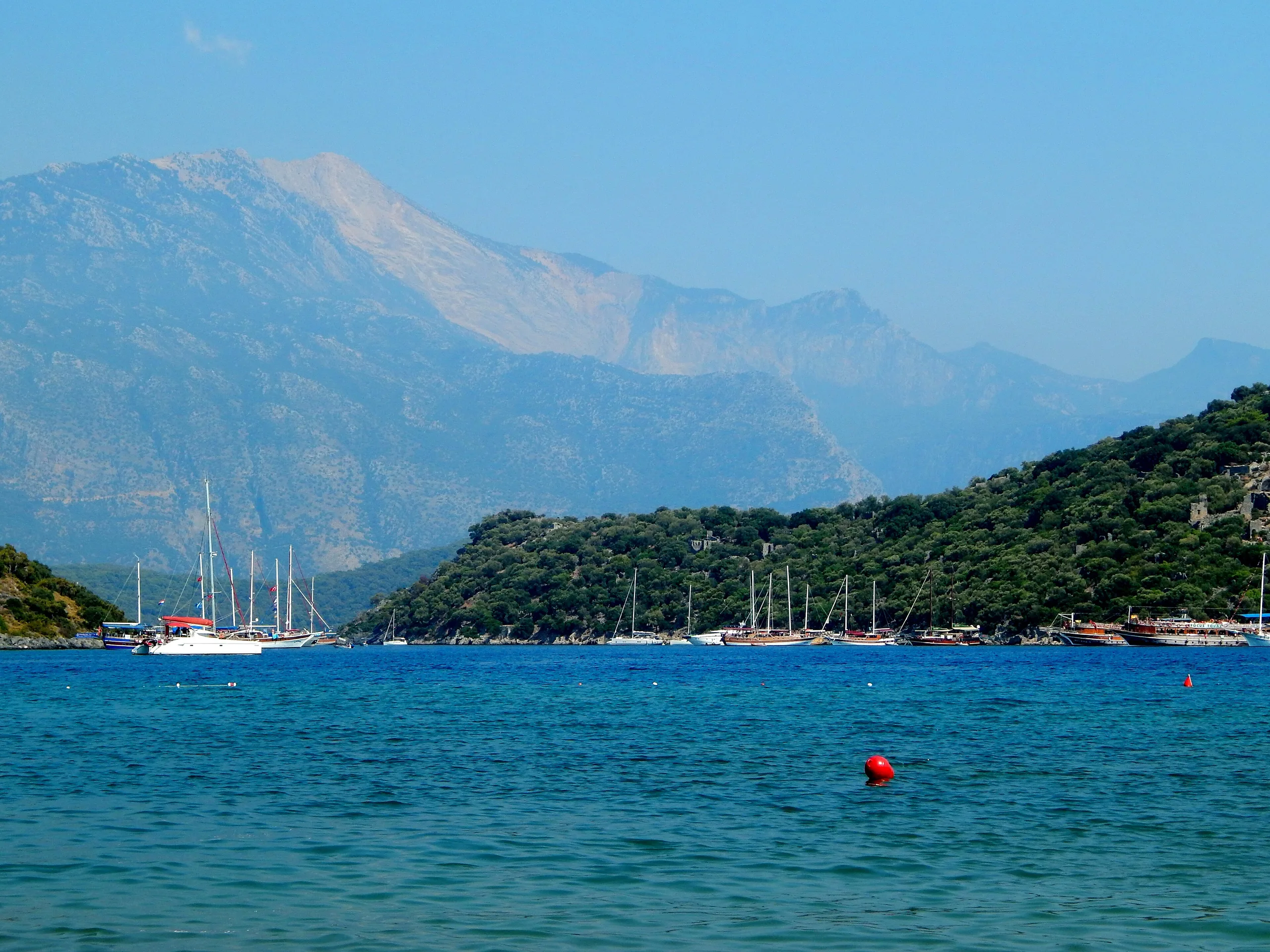
A small island at the head of Fethiye Bay near Ölüdeniz, with four ruined churches, the basilica-plan Church 3 and a stop on the Early Byzantine pilgrim route.
Gemiler Island is a place (Archaeological site) in Turkey, Mugla. Main periods: Byzantine Period.
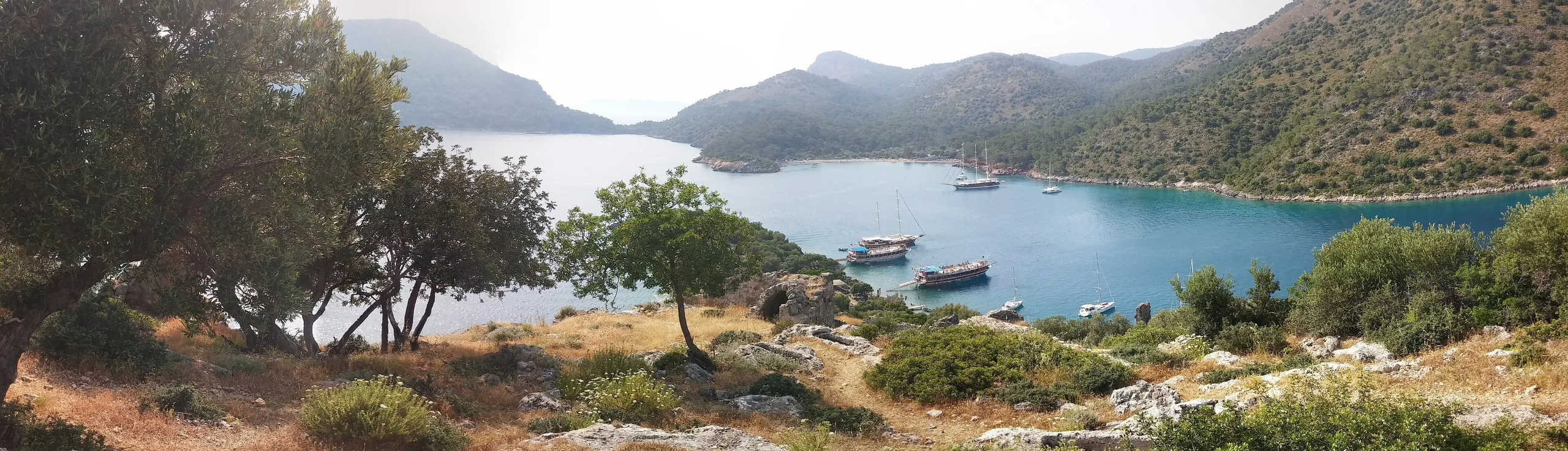
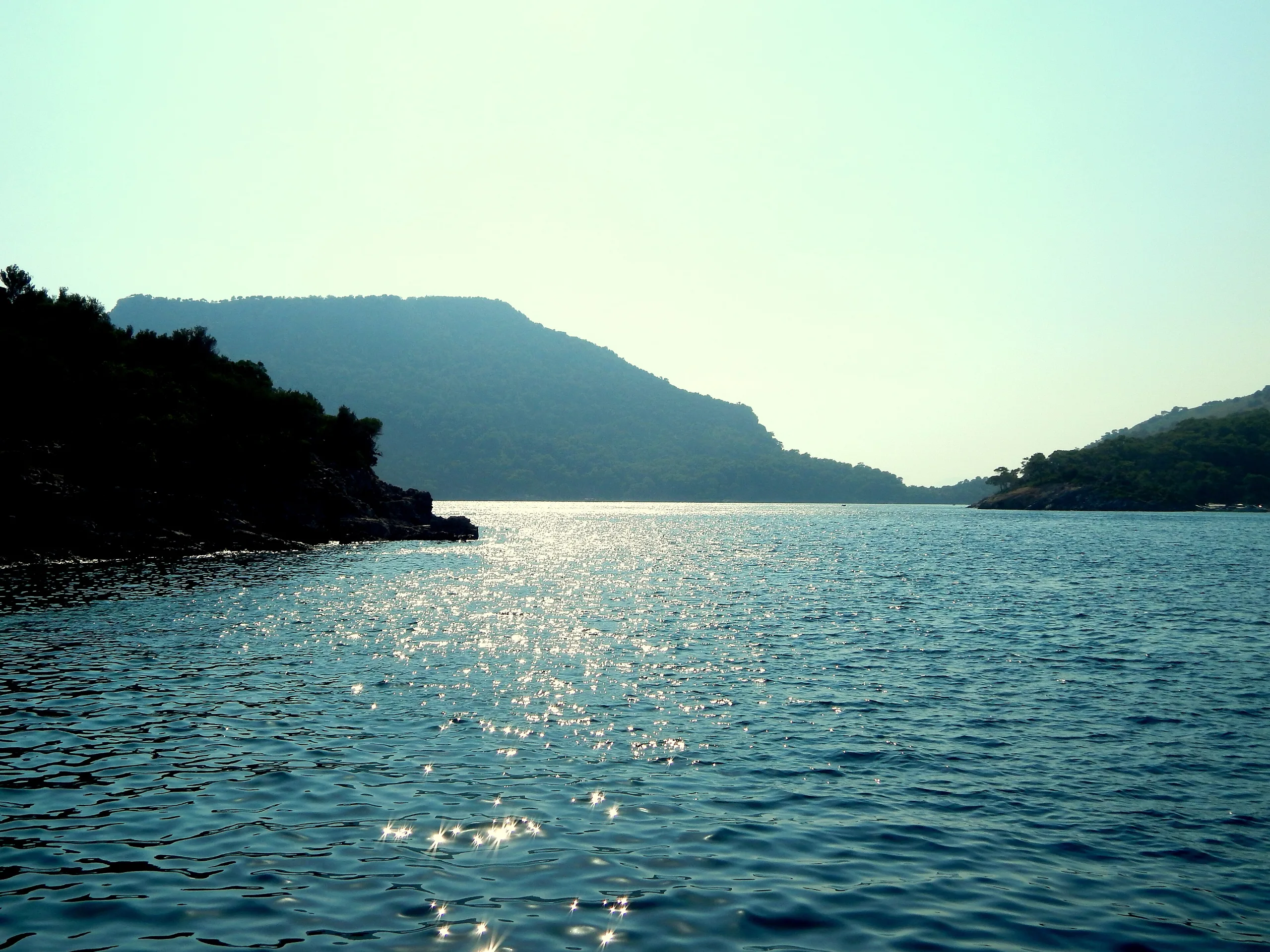
There is no source of drinking water on the island. Even so, a basilica-plan church crowns this small piece of land, three more churches sit on its slopes, and tombs, houses and rainwater cisterns line the ground between them. Gemiler lies about nine kilometres south of Fethiye, at the head of Fethiye Bay and across from Soğuksu Bay at Ölüdeniz. In the Early Byzantine period it was a landfall for travellers by sea, and in the Middle Ages it was called St Nicholas Island.
Getting your bearings
The island belongs to Muğla Province and sits at the southern end of Fethiye Bay. It faces Soğuksu Bay, which lets it be read together with the other religious buildings around Ölüdeniz known as Symbolon. You reach it by boat from Gemiler Bay near Kayaköy, and the bay itself is approached by road from the Kayaköy side.
History
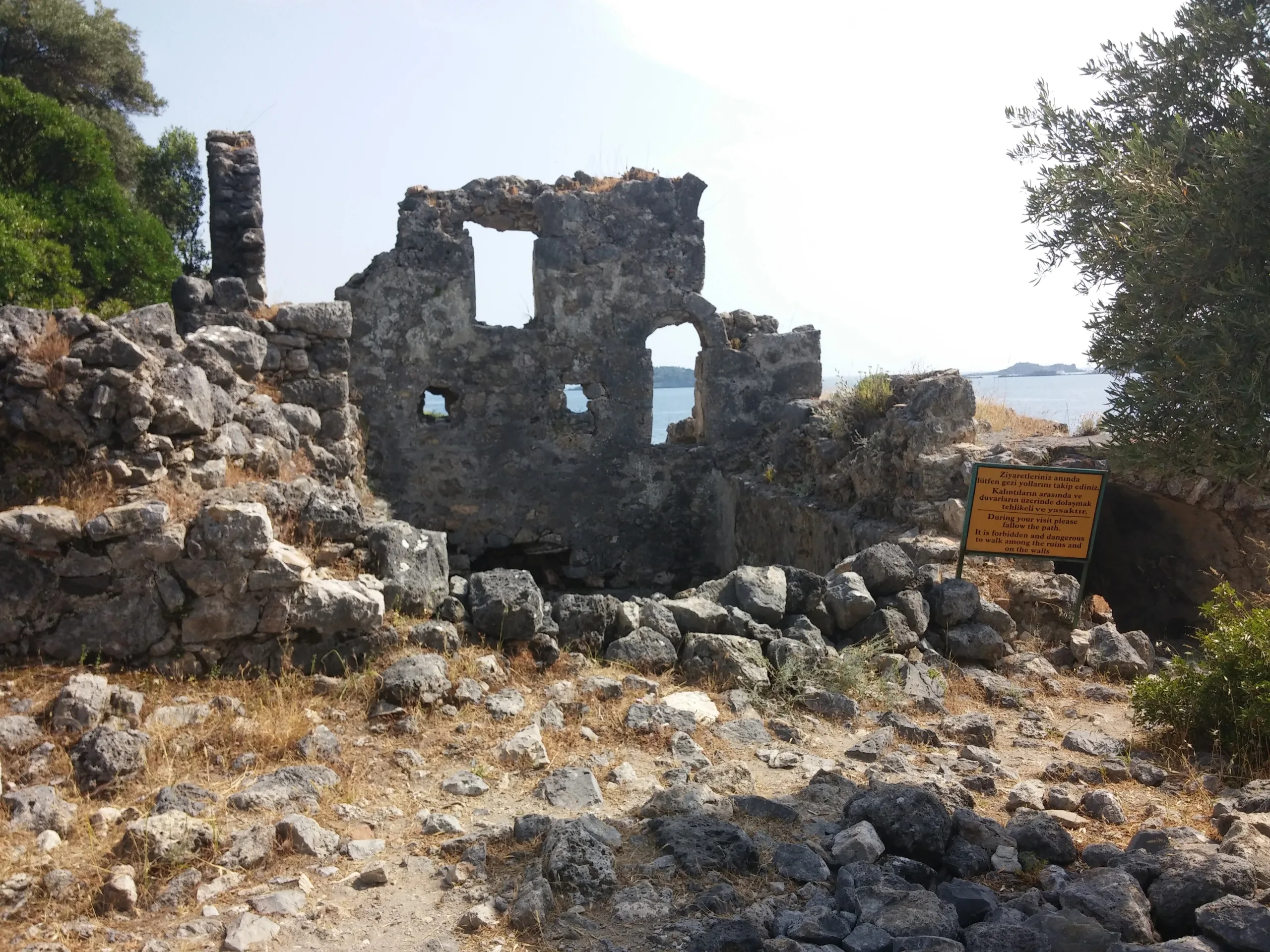
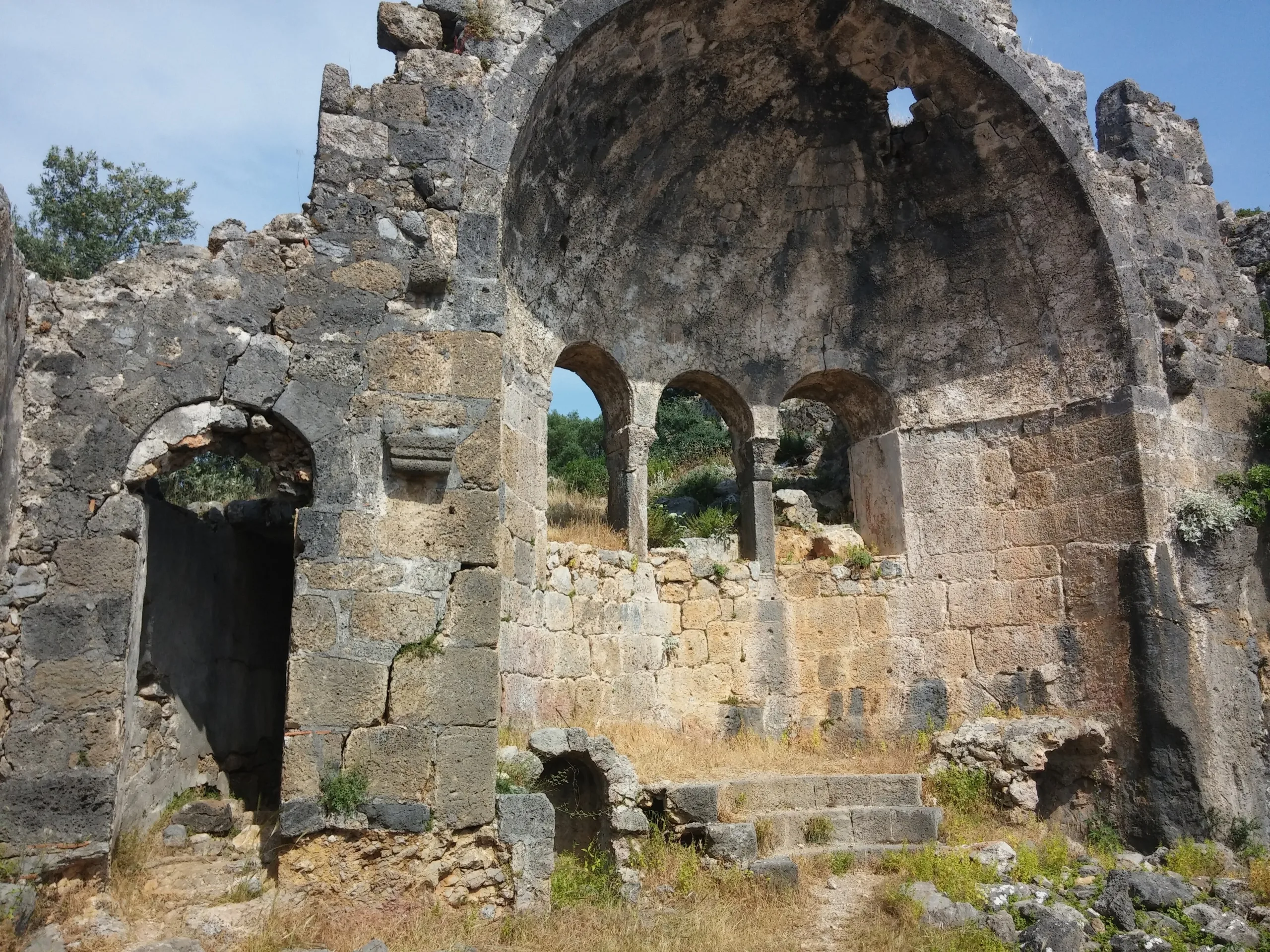
Churches, chapels, basilicas and tombs crowd the island and its surroundings. Such density suggests the island became a religious centre above all in the 5th to 7th centuries. It may have served then as one of the stops on pilgrim voyages made by sea from western Asia to the Aegean and Mediterranean coasts. After the Arab raids of the 7th century it is thought to have been left empty, although some remains point to medieval settlement. The heavy building also echoes the sea trade that late antiquity and Byzantium carried on between Europe and the Near East.
How so much was kept going on an island without a spring is still a puzzle. The cisterns show that rainwater was gathered and used. Gemiler's pull is put down to Christians travelling by ship on pilgrimage, who called here often.
What to look for
The sacred hill and the civil quarter
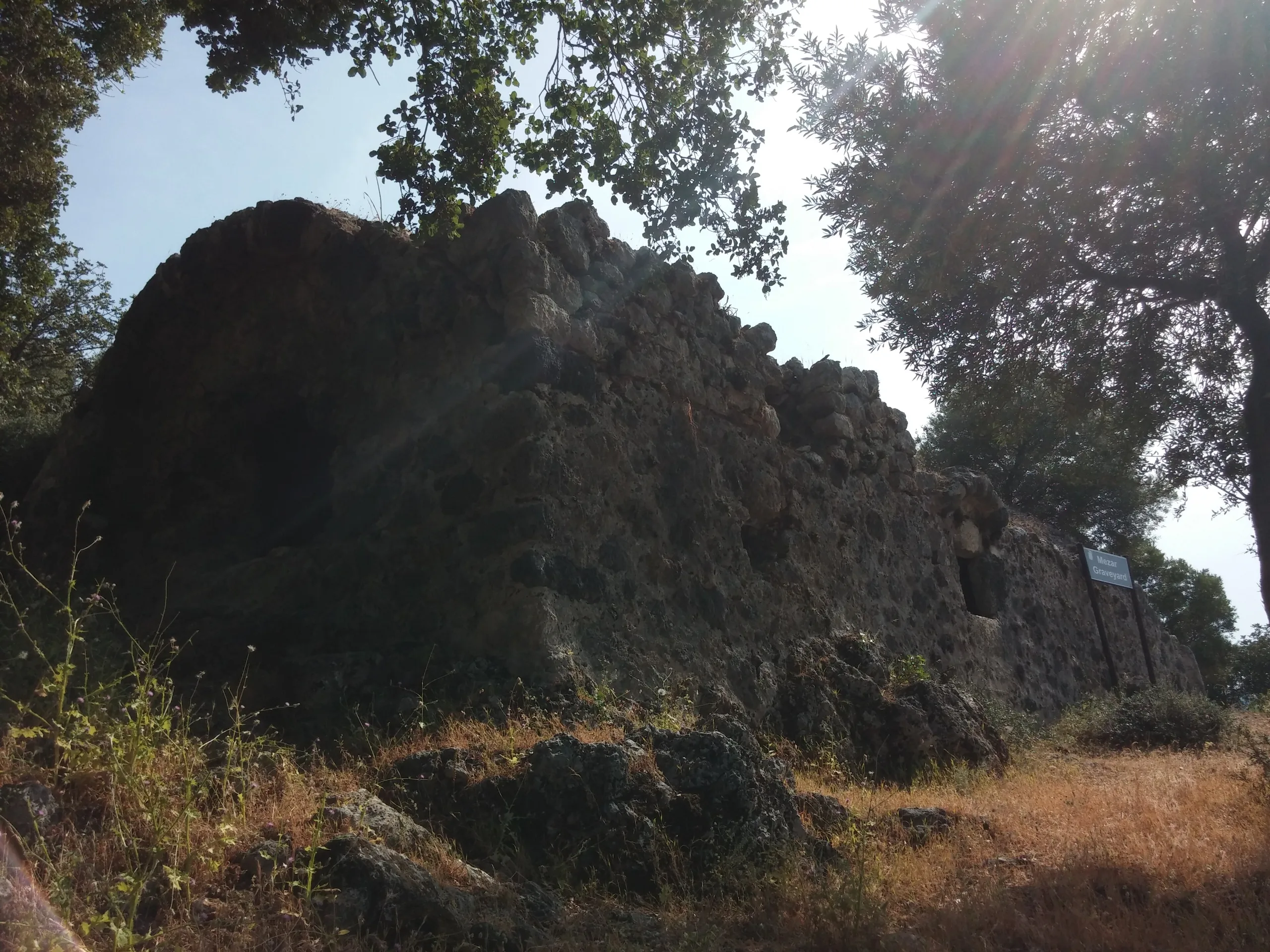
A wall running east to west on the north slope separates the religious buildings gathered at the top of the hill from the civil and commercial ones below. The upper part of the island was set aside as holy ground. The civil architecture is houses and cisterns, and some of the remains can also be made out under the water.
The churches
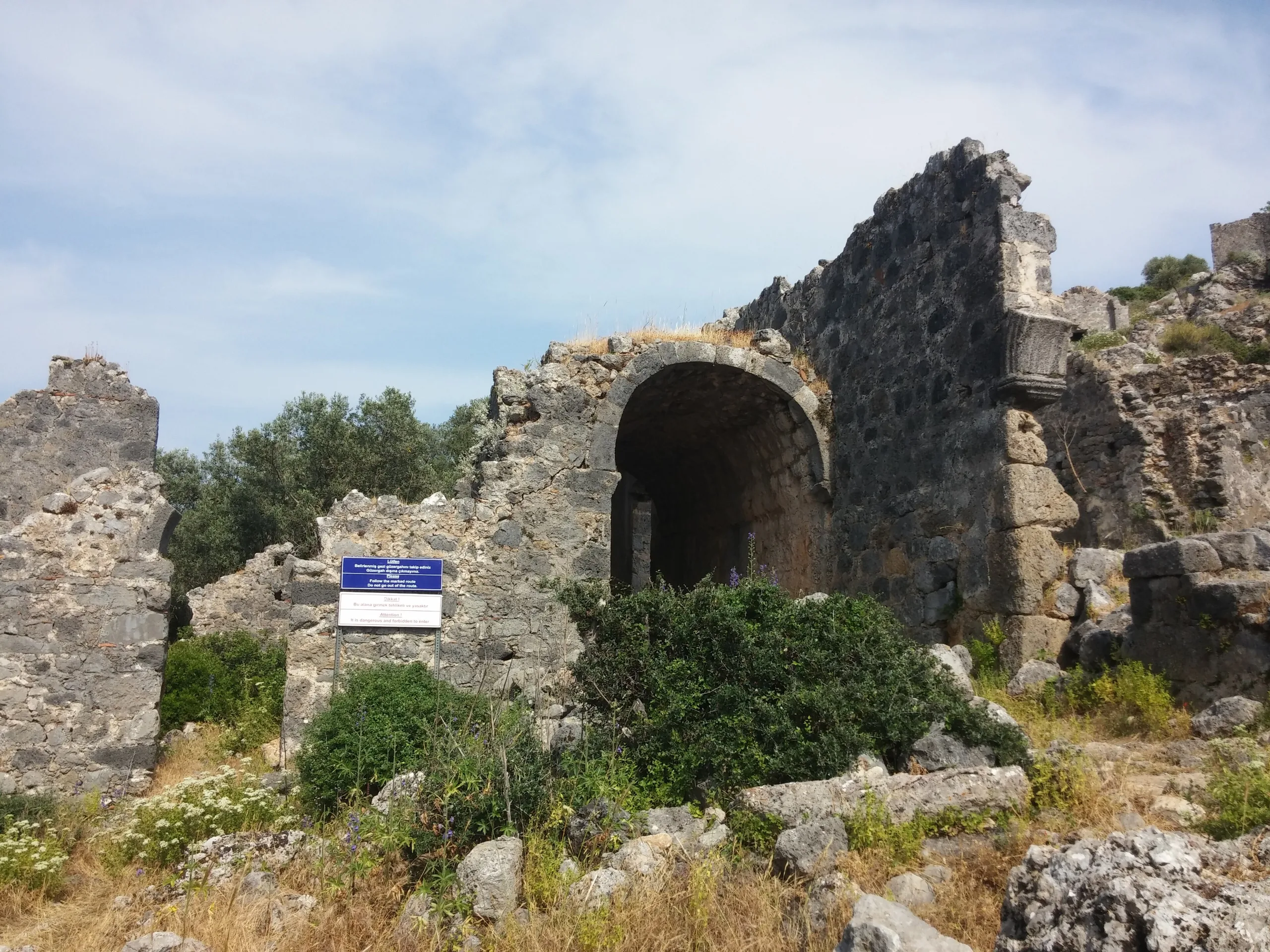
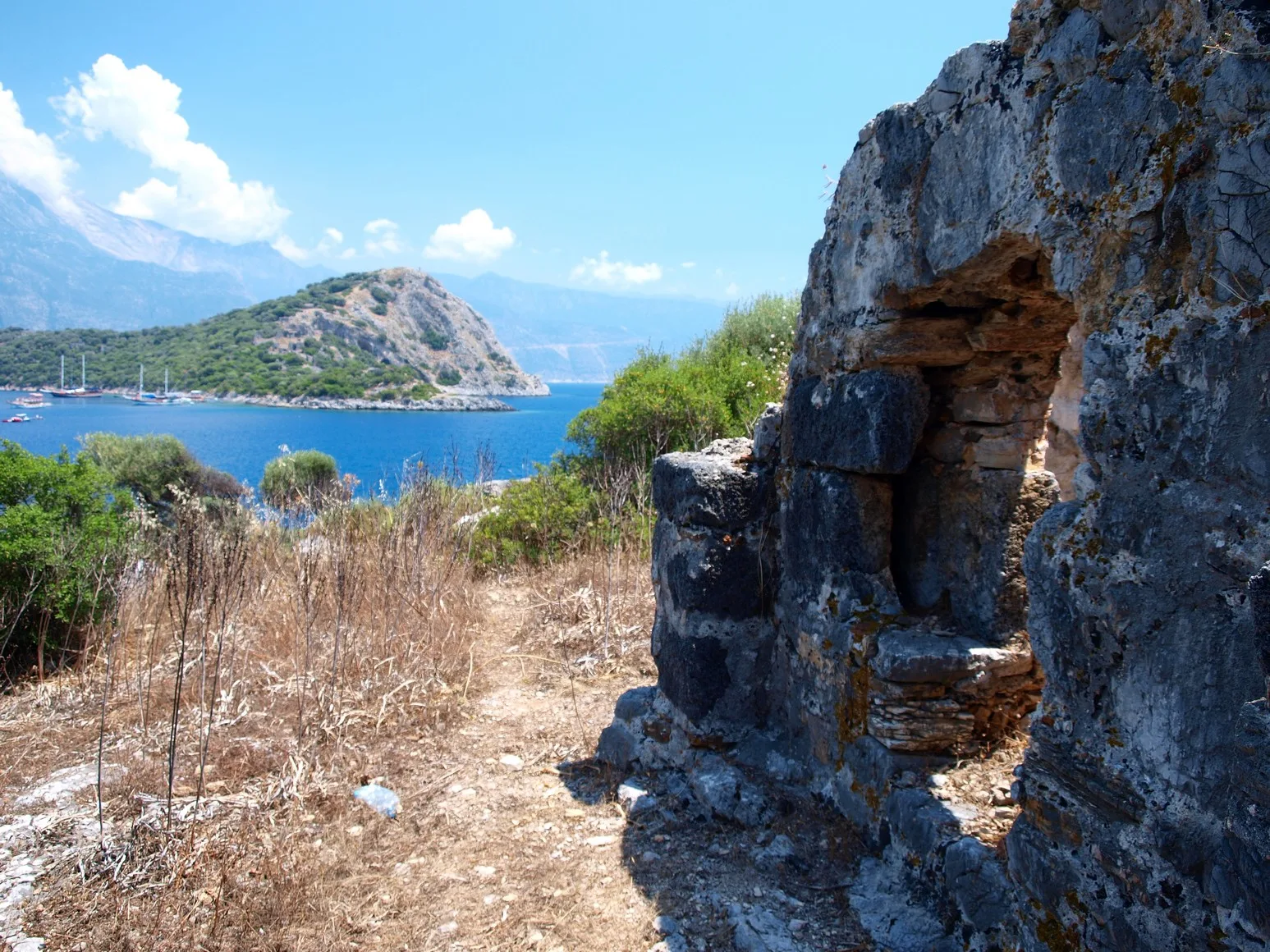
Four ruined churches stand on the island, numbered during the excavations. Church 3, at the highest point, is a basilica in plan and looks like a cathedral. Between it and Church 4 runs a corridor some 160 metres long and 2.5 wide. Church 1 has a baptistery. Seen together with the churches at nearby Symbolon, they raise the idea that the area was the seat of a bishop.
The trace of St Nicholas
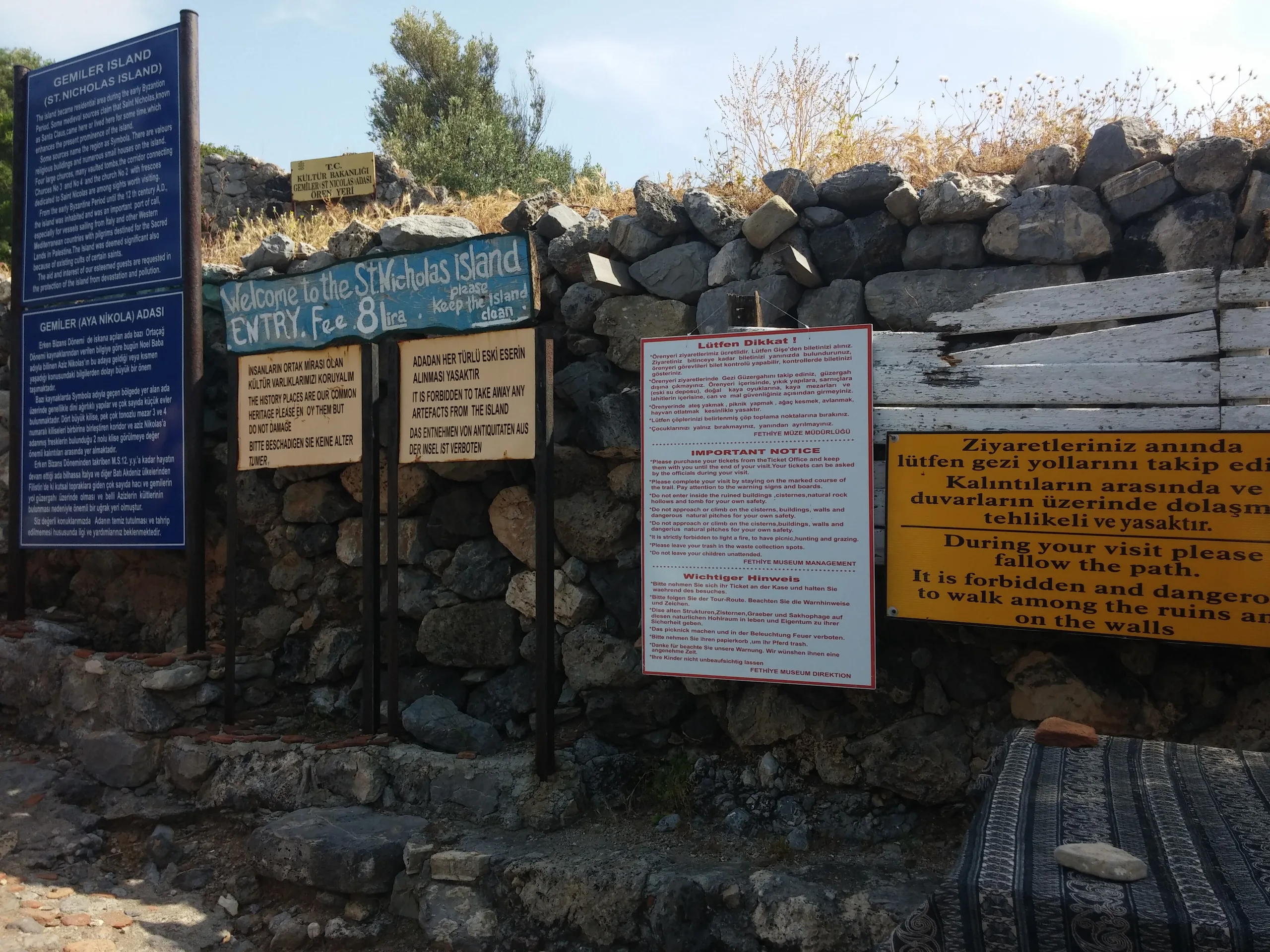
A fresco in the apse of Church 2 bears the words Hossios Nikolaos. On that basis the building is believed to have been raised for Saint Nicholas of Sion, who was born and lived at Sion (Alacahisar), near Demre in Antalya. It is therefore known as the Church of St Nicholas, and in the Middle Ages the island went by the name of St Nicholas Island.
Excavations
In the 1990s a dig led by Kazuo Asano numbered the buildings, and the names in use today go back to that work.
Visiting
The crossing is by sea from Gemiler Bay. For current visiting conditions and transport, use the official link.
Gallery
Frequently asked questions
Where is Gemiler Island?
How do I get to the island?
What is there to see?
When was the island lived on?
Why is it also called St Nicholas Island?
Is MüzeKart valid at Gemiler Island?
Sources (13)
- Fethiye Gemile Adası / Gemile Island Archaeological Site (TR ve EN) — T.C. Kültür ve Turizm Bakanlığı, Müzeler ve Örenyerleri
- Gemile Adası - Muğla — T.C. Kültür ve Turizm Bakanlığı, Türkiye Kültür Portalı (Muğla İl Kültür ve Turizm Müdürlüğü)
- Water Cisterns of Rural Settlements in Southern Anatolia in Late Antiquity and the Byzantine Period (Erdoğan), Sanat Tarihi Dergisi 30/2 (2021) — DergiPark
- Gemile Adası (Pleiades place 638956) — Pleiades
Photo credits
- Photo: Sinan Şahin, CC BY 3.0 — Wikimedia Commons (resized)
- Photo: Cobija, CC0 — Wikimedia Commons (resized)
- Photo: Cobija, CC0 — Wikimedia Commons (resized)
- Photo: Cobija, CC0 — Wikimedia Commons (resized)
- Photo: Cobija, CC0 — Wikimedia Commons (resized)
- Photo: Cobija, CC0 — Wikimedia Commons (resized)
- Photo: Cobija, CC0 — Wikimedia Commons (resized)
- Photo: Sinan Şahin, CC BY 3.0 — Wikimedia Commons (resized)
- Photo: Andrzej Szkopiński, CC BY 3.0 — Wikimedia Commons (resized)