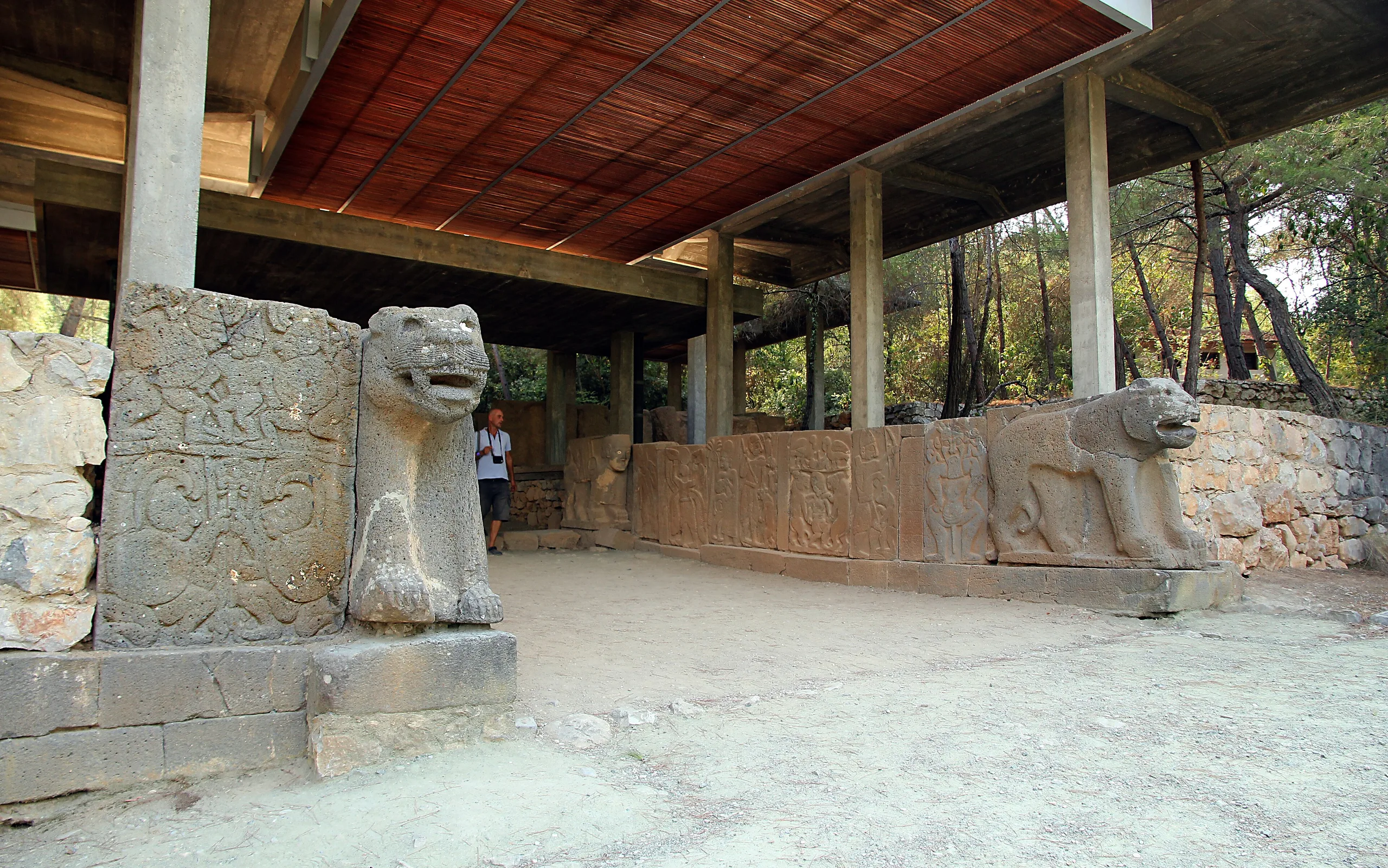
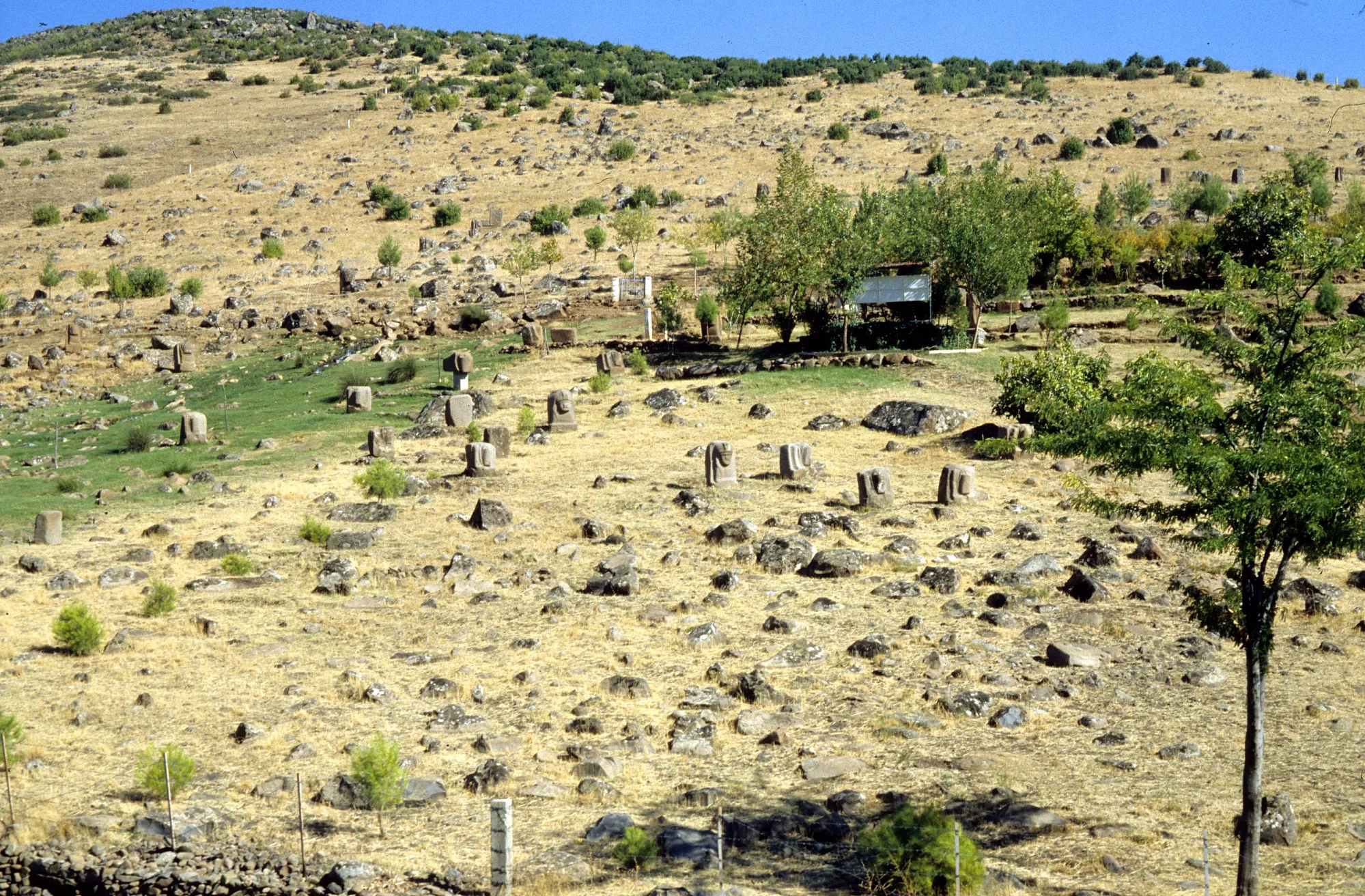
Yesemek, near İslahiye, was the largest quarry and sculpture workshop of the Near East in Hittite and Late Hittite times, now an open-air museum of gate-lion blanks.
Yesemek Quarry and Sculpture Workshop is a place (Archaeological site) in Turkey, Gaziantep.
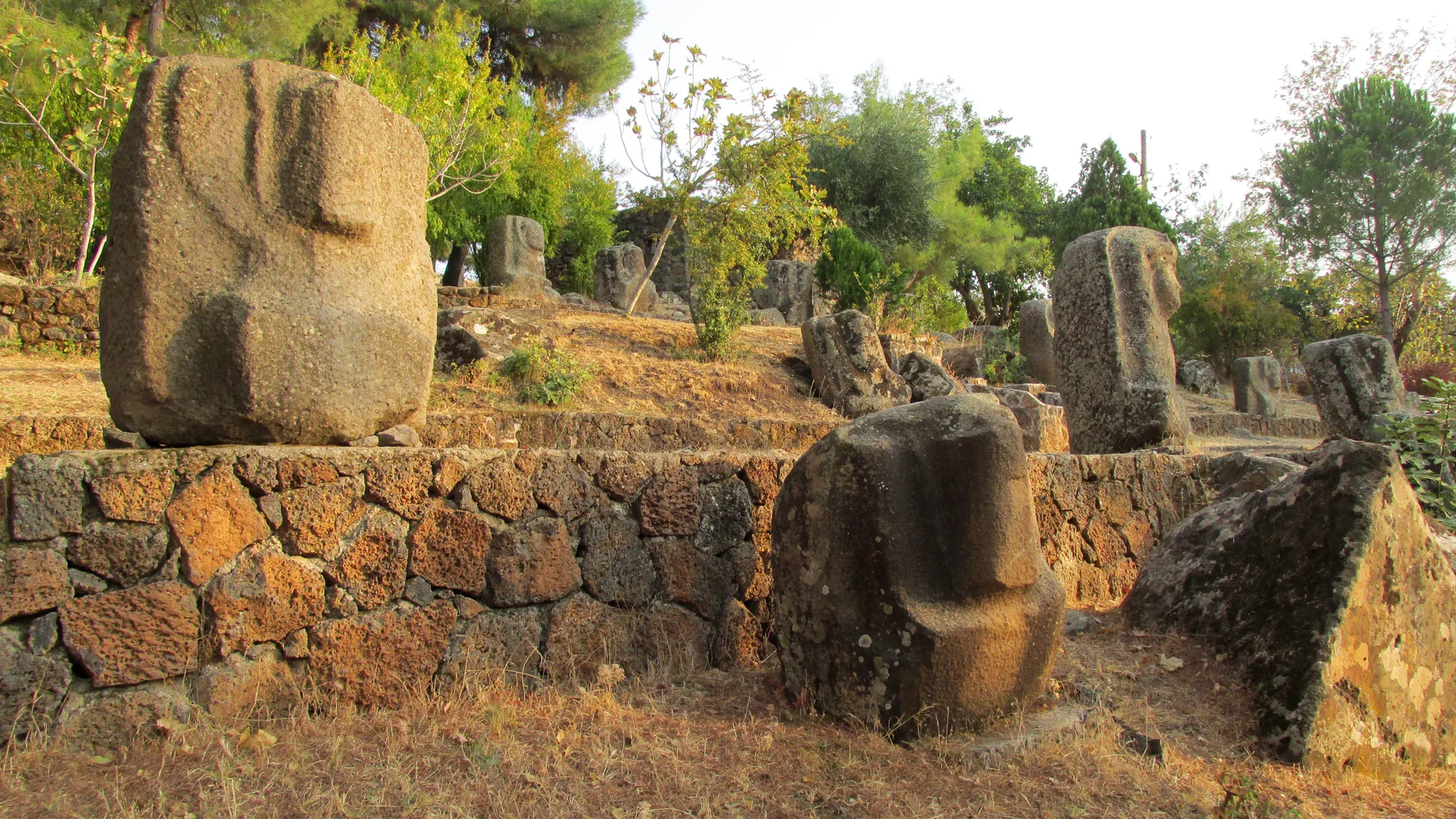
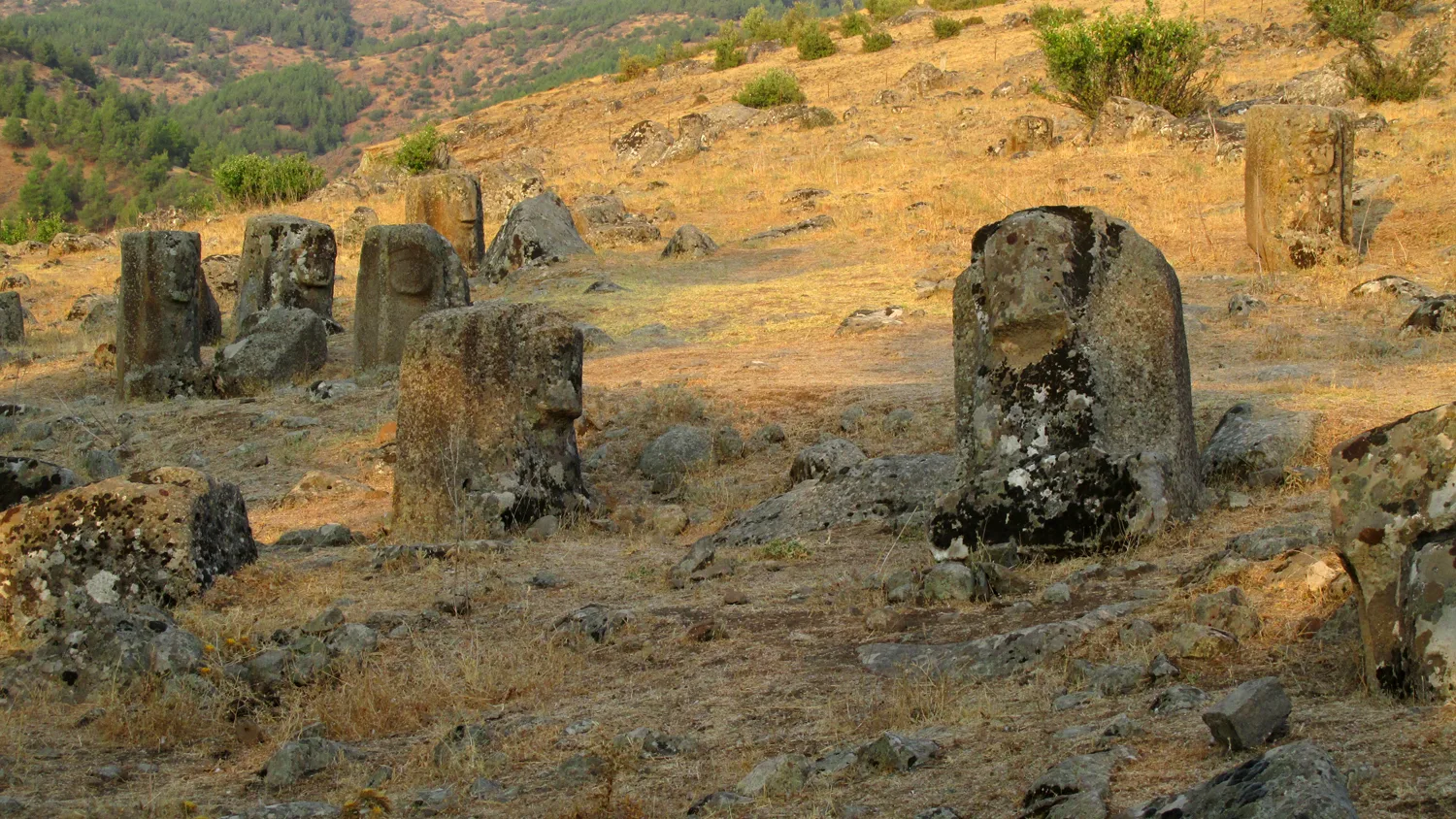
Yesemek is an archaeological site in Yesemek village, in the İslahiye district of Gaziantep. The Culture Portal places it on the Karatepe ridges about 22 kilometres south-east of İslahiye. The site has been laid out as an open-air museum in which sculpture blanks are shown in their natural setting; the Ministry says the Gaziantep Museum Directorate prepared the surroundings for visitors.
Why it matters
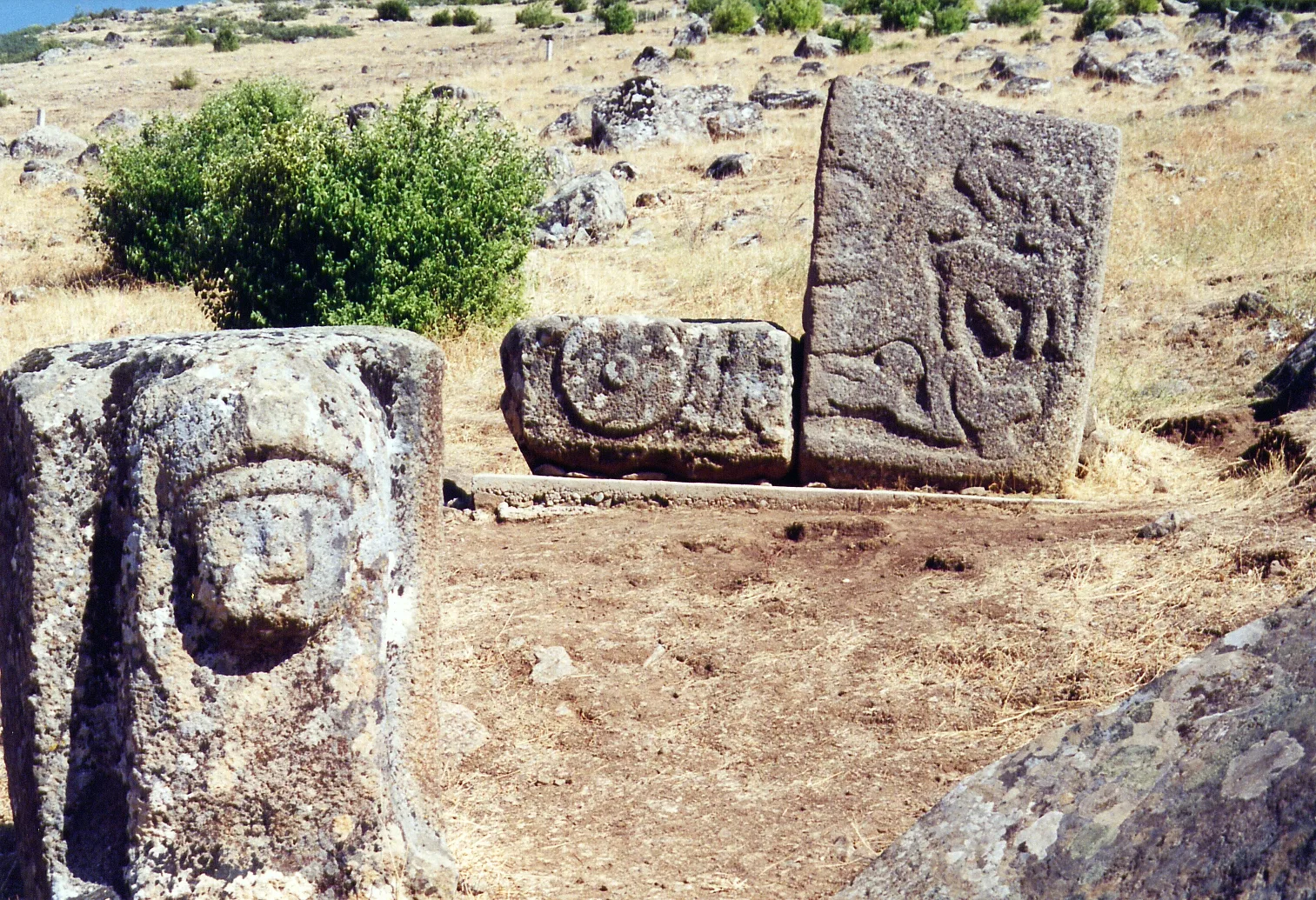
The Culture Portal states that between the last quarter of the second millennium BCE and the eighth century BCE Yesemek was the biggest quarry and sculpture-working workshop in the Near East. The Ministry's English page makes the same claim but dates the span from the fourteenth to the seventh century BCE. The Portal adds that every stage, from cutting stone at the quarry to roughing out and finishing figures, can be seen in surviving examples, which makes the place something like a sculpture school with no known parallel.
History
The sources agree that the workshop worked under Hittite control in the later second millennium BCE, either starting then or taking on a new role. The Ministry says both Hittite and Hurrian craftsmen worked there. The Culture Portal ties its opening to King Suppiluliuma I, around 1375-1335 BCE, with local Hurrians as the labour force, and Pleiades likewise dates the workshop to Suppiluliuma's reign in the fourteenth century BCE.
After a slack period, activity picked up again under the Late Hittite kingdoms, from the ninth century BCE. In this second phase, Hittite, Syrian, Aramaean and Assyrian artistic elements grew stronger, and both the Ministry and the Portal say this style influenced the developing Aegean cultures and formed the seed of Greek art. The workshop ended at the close of the eighth century BCE at Assyrian hands; the Portal says its craftsmen were taken to Assyria and that after that the site stayed as it was. The Ministry's Turkish text credits the Kingdom of Sam'al (Zincirli) with running the workshop in the Late Hittite phase and says the quarry was abandoned when the Assyrians destroyed that kingdom, while it ties the 1375-1335 BCE dates to Suppiluliuma. The pages do not fully separate these chronologies, so the dates are best read as stated by each source.
Finds on display
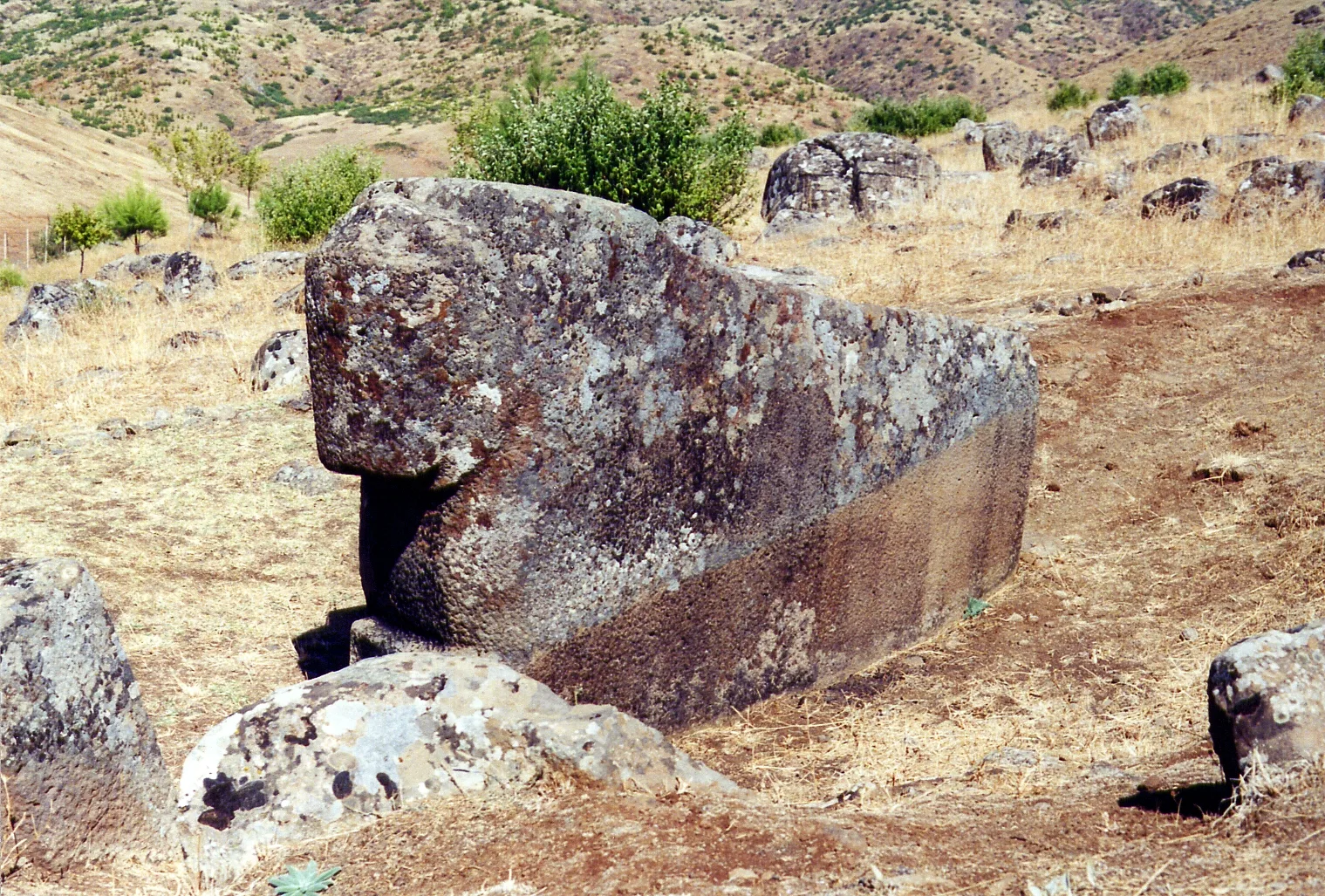
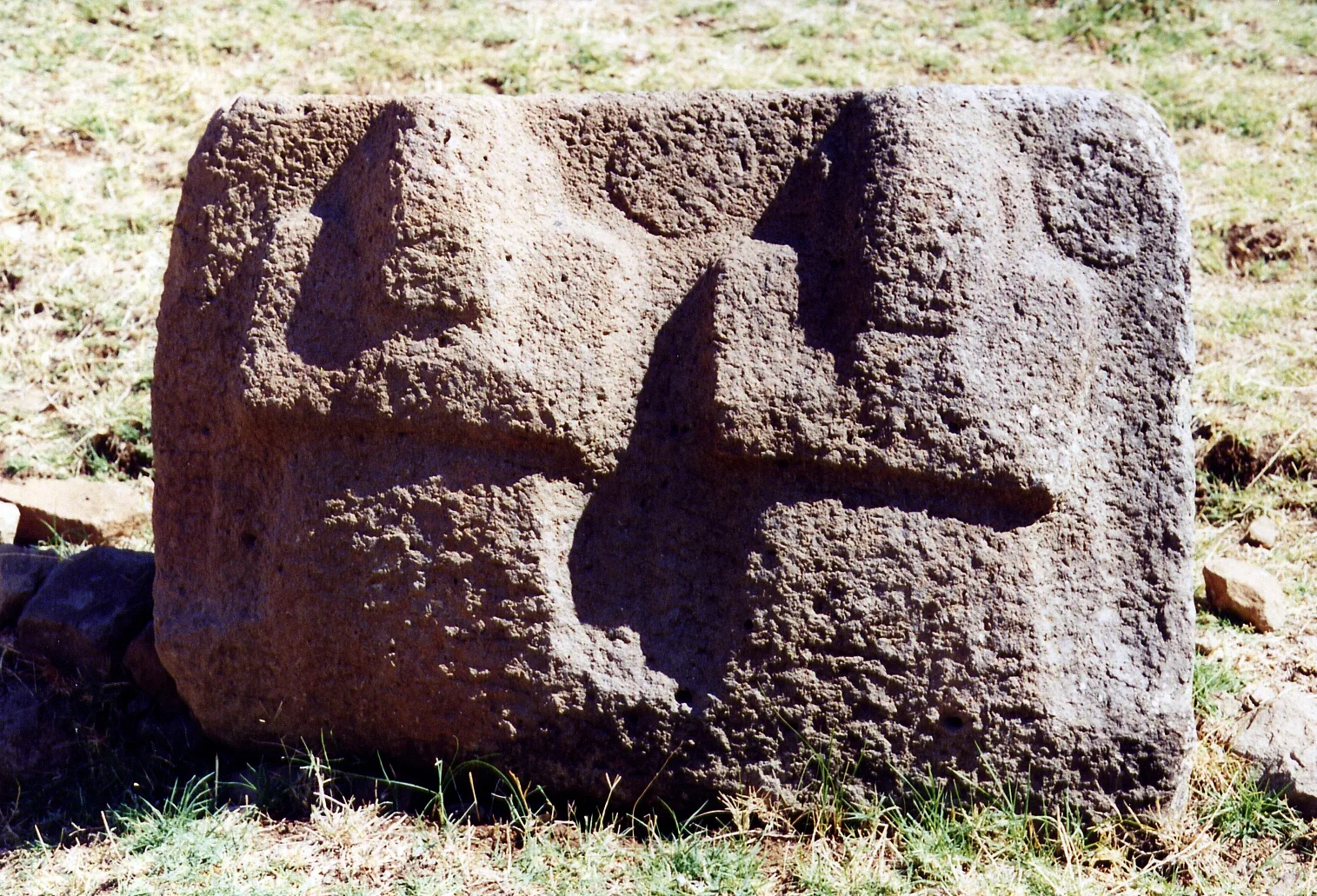
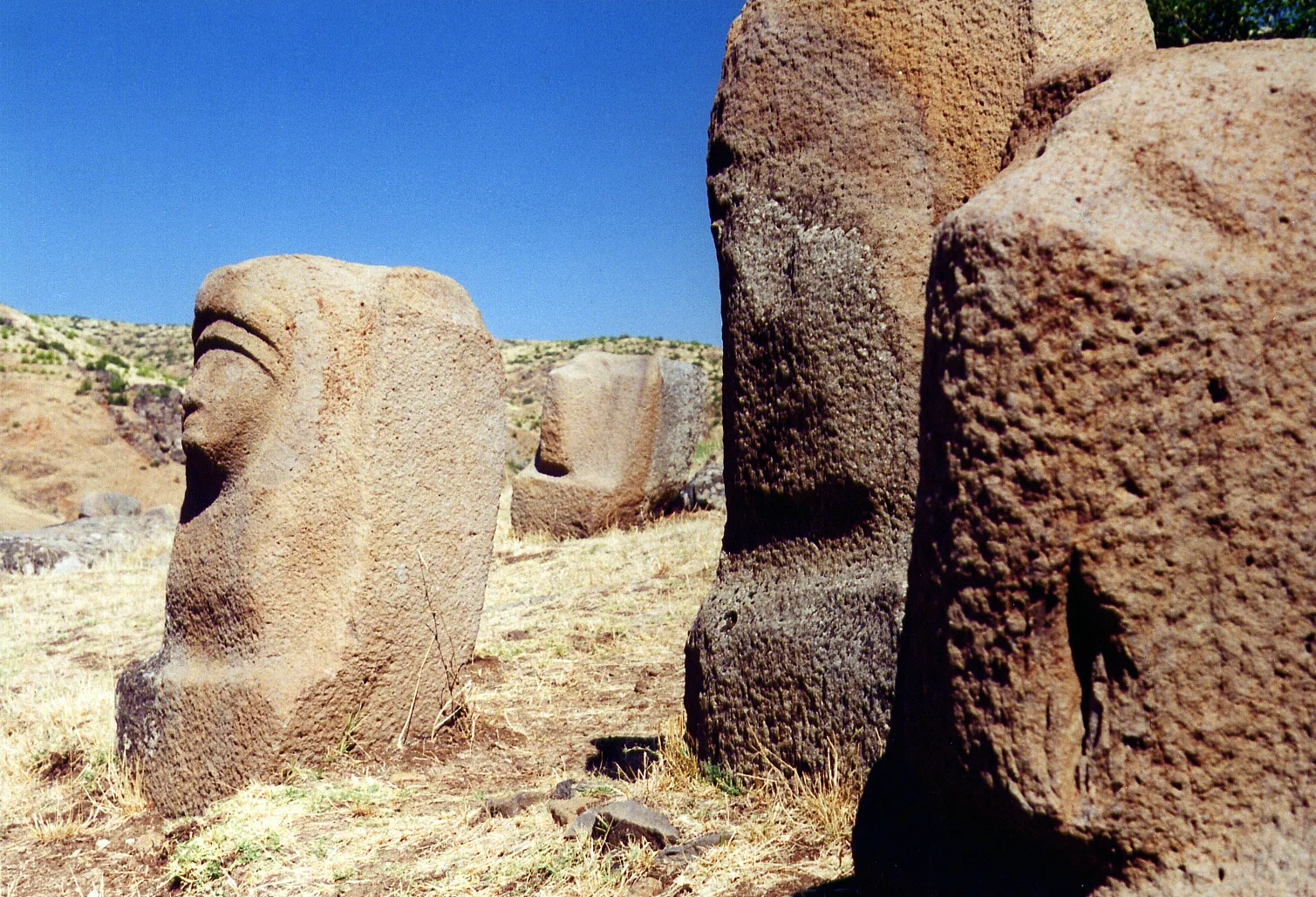
According to the Culture Portal, more than three hundred sculpture and statue blanks have been dug out and arranged on the site, with most of them being gate lions. Sphinxes, seated lions, winged lions, reliefs of the Mountain God representing the Amanus range, battle-scene reliefs and assorted architectural pieces are displayed too. Many of the pieces are half-worked rather than finished, which is what lets visitors follow the production process.
Discovery and excavation
The Ministry's Turkish page says Felix von Luschan, who was excavating at Zincirli (Sam'al) for the German Oriental Society, discovered Yesemek in 1890 and introduced it to scholarship. Systematic work took place in 1957-1961 under Prof. Bahadır Alkım, whose team brought out nearly 200 sculpture blanks. In later excavations by the archaeologist İlhan Temizsoy, statues still buried were uncovered, bringing the total to about 300. Landscaping sponsored by Opet followed in 2005; the Ministry's English page dates the museum's creation to that year.
UNESCO status
The Ministry records that its General Directorate of Cultural Heritage and Museums sent the nomination file for Yesemek to the World Heritage Centre in 2012, and that the site was entered on UNESCO's Tentative List as of 13 April 2012. The Culture Portal confirms the year 2012. The site is on the Tentative List only.
Visiting
Opening hours and current status are published on the Ministry's official page. The Turkish page does not say whether the Museum Card is valid, so nothing is claimed here.
Gallery
Frequently asked questions
Where is Yesemek?
What was Yesemek used for?
When was it active?
What objects are on display?
Who discovered and excavated it?
What is its UNESCO status?
Sources (11)
- Yesemek Örenyeri / Yesemek Quarry and Sculpture Workshop (TR ve EN sayfalar) — T.C. Kültür ve Turizm Bakanlığı, Müzeler ve Ören Yerleri
- Yesemek Ören Yeri - Gaziantep — T.C. Kültür ve Turizm Bakanlığı, Türkiye Kültür Portalı
- Yesemek Quarry and sculpture workshop (Pleiades place 129809446) — Pleiades
Photo credits
- Photo: Volker Höhfeld, CC BY-SA 4.0 — Wikimedia Commons (resized)
- Photo: Klaus-Peter Simon, CC BY 3.0 — Wikimedia Commons (resized)
- Photo: Klaus-Peter Simon, CC BY 3.0 — Wikimedia Commons (resized)
- Photo: Orhan Erkılıç, Public domain — Wikimedia Commons (resized)
- Photo: Klaus-Peter Simon, CC BY 3.0 — Wikimedia Commons (resized)
- Photo: Klaus-Peter Simon, CC BY 3.0 — Wikimedia Commons (resized)
- Photo: Klaus-Peter Simon, CC BY 3.0 — Wikimedia Commons (resized)
- Photo: Orhan Erkılıç, Public domain — Wikimedia Commons (resized)