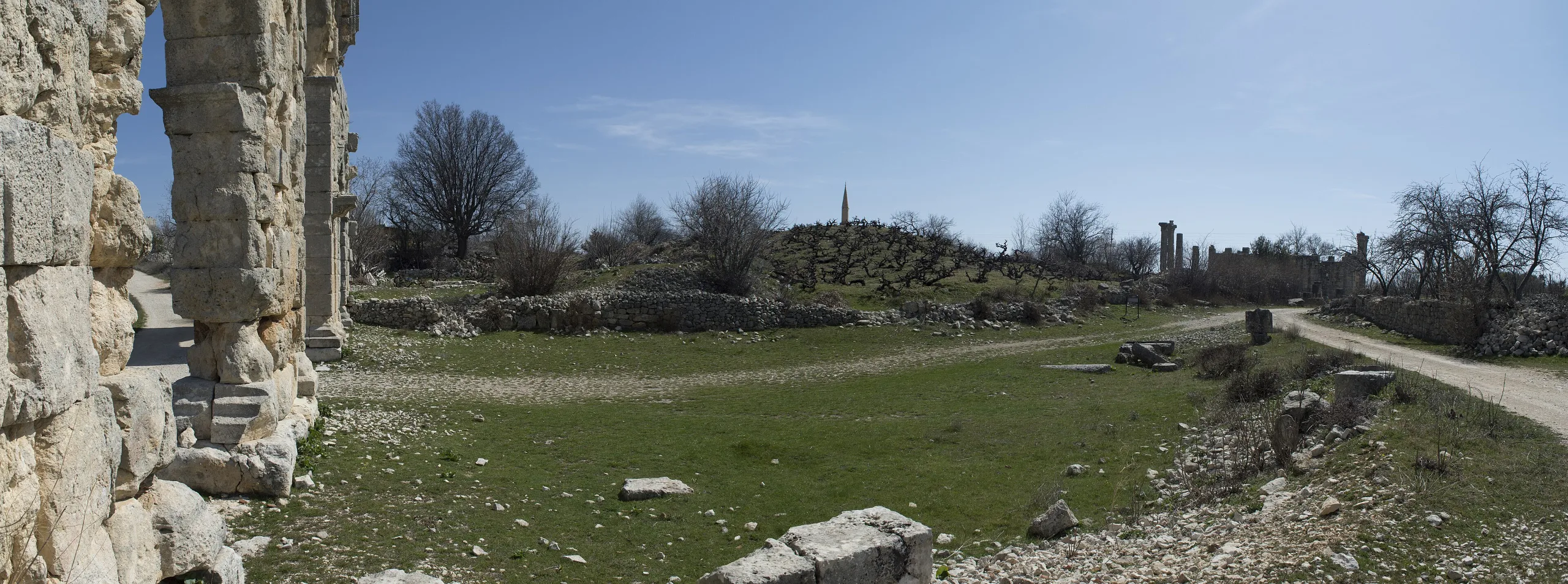
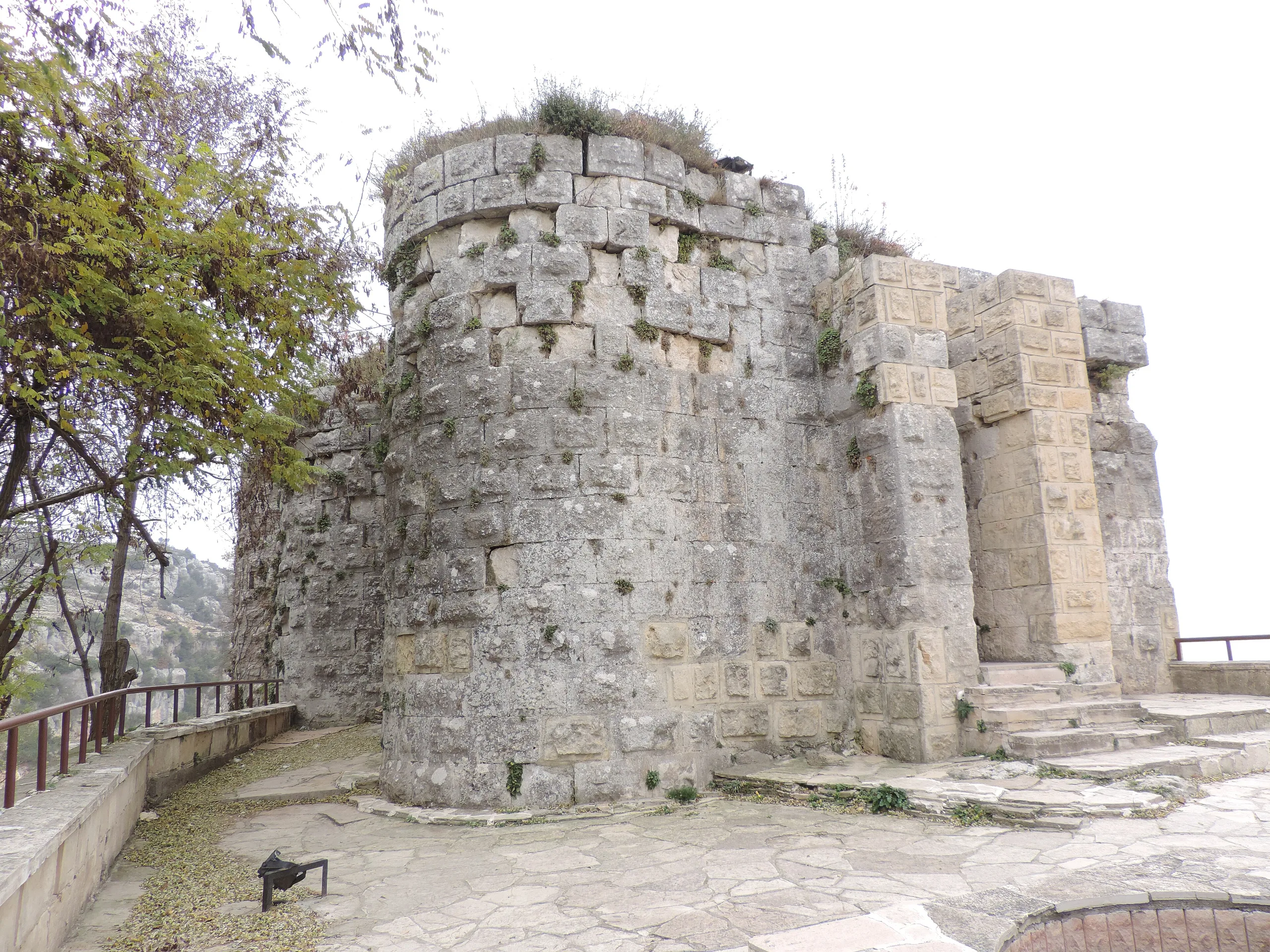
Two huge collapse pits near Narlıkuyu in Silifke; the floor of Cennet holds a 5th-century church and the remains of a Temple of Zeus, while Cehennem is tied to the myth of Typhon.
Heaven and Hell Sinkholes is a place (Cave) in Turkey, Mersin. Main periods: Hellenistic Period, Roman Period, Byzantine Period.
Near Narlıkuyu, in rocky ground, two pits open in the earth: Cennet, Heaven, and Cehennem, Hell. One is an elliptical hollow 250 by 110 m with a 450-step path to its floor; the other is a 128 m shaft that nobody can climb into because its rim curves inward. About 25 km from Silifke town and 5 km west of Korykos (Kızkalesi), both were counted as sacred places in antiquity.
Overview
A sinkhole of this kind forms when groundwater slowly dissolves limestone, leaving a hollow beneath the surface until the roof gives way. Cennet and Cehennem are two results of that process, roughly 2 km northwest of the ancient harbour of Narlıkuyu. In ancient times Cennet was known as the Korykos Cave.
Natural features
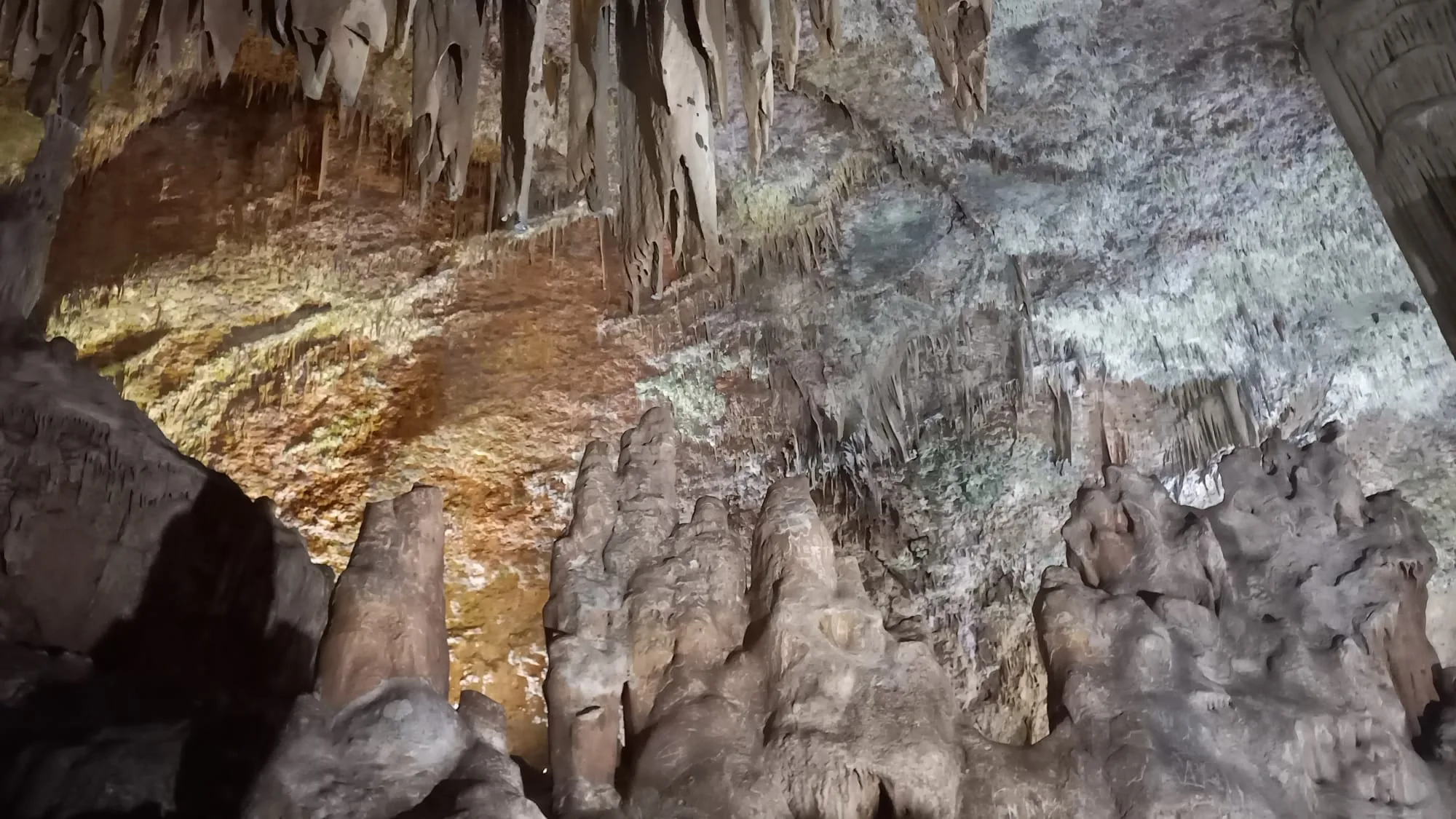
The mouth of Cennet measures about 250 by 110 m and the pit is 70 m deep. At the south end of its floor a cave entrance leads into a cave 200 m long, whose deepest point is 135 m. Cehennem lies roughly 75 m north of Cennet, with an opening of 75 by 50 m and a depth of 128 m. Because its edges are concave, no one can reach the bottom.
Buildings inside Cennet
The route down is cut into the rock and has about 450 steps. Around the 300th step it reaches a small church at the cave mouth, the Church of the Virgin Mary, dated to the 5th century AD. A four-line inscription above its door says a devout man named Paulus had it built in the Virgin’s name. The apse to the east and the monks’ rooms flanking it are domed, and the apse dome and inner walls are painted with frescoes of Christ and the apostles, now worn to the point where the scenes are hard to make out.
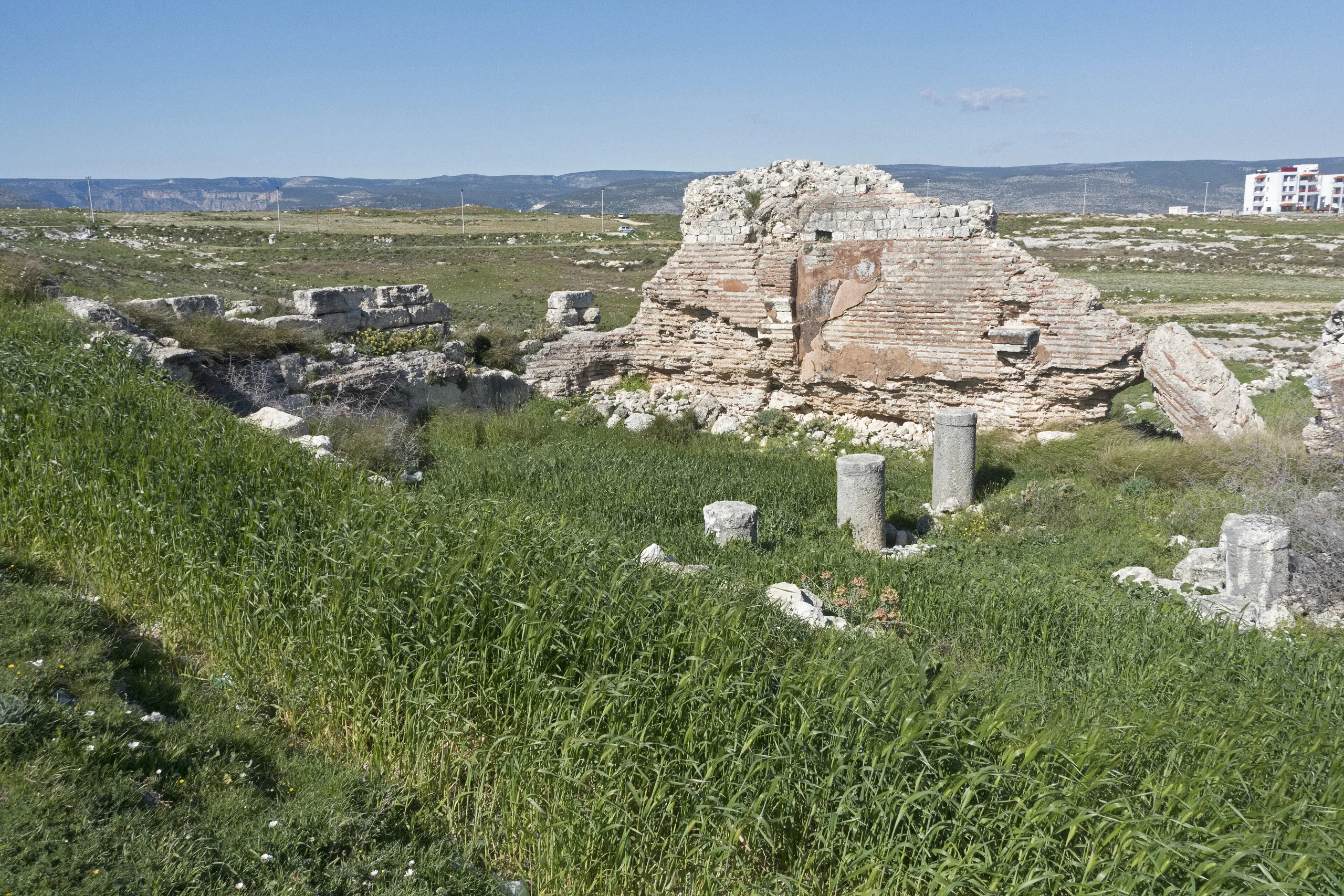
At the southern end of the pit lie the remains of a Temple of Zeus. Built in the Doric order without a surrounding colonnade, it began in the Hellenistic period. The reused blocks of its north wall are inscribed with the names of 130 priests who served in Hellenistic and Roman times. Under Christianity the temple became a church, and its south wall was taken down completely.
Cehennem and Typhon
The name Cehennem goes with a myth. Typhon, a fire-breathing monster that Gaia bore to avenge the Titans, fought Zeus and lost. Before Zeus shut him under Mount Etna, the story says, he held him for a while in this pit.
Visiting
The sinkholes lie within the Narlıkuyu district. Hours and fees can change, so check the page for the site on muze.gov.tr. The MüzeKart is valid for Turkish citizens.
Frequently asked questions
Where are the Heaven and Hell sinkholes?
What is a sinkhole?
Can you walk down into Cennet?
Can you go down into Cehennem?
When was the church built?
What is the Typhon myth?
Sources (3)
- Silifke Cennet Cehennem Obrukları / Silifke Chasm of Heaven and Hell (TR ve EN sayfalar) — T.C. Kültür ve Turizm Bakanlığı, Müzeler ve Ören Yerleri
- Cennet ve Cehennem Obrukları - Mersin, Gezilecek Yerler — T.C. Kültür ve Turizm Bakanlığı, Kültür Portalı
- Cennet-Cehennem Ören Yeri (Wikidata Q139436624) — Wikidata