At Hacıbektaş in Nevşehir, the lodge founded by Hacı Bektaş Veli grew into a three-courtyard complex, used as a museum since 1964.
Hacıbektaş Dervish Lodge is a place (Historic building) in Turkey, Nevsehir. Main periods: Ottoman Period.
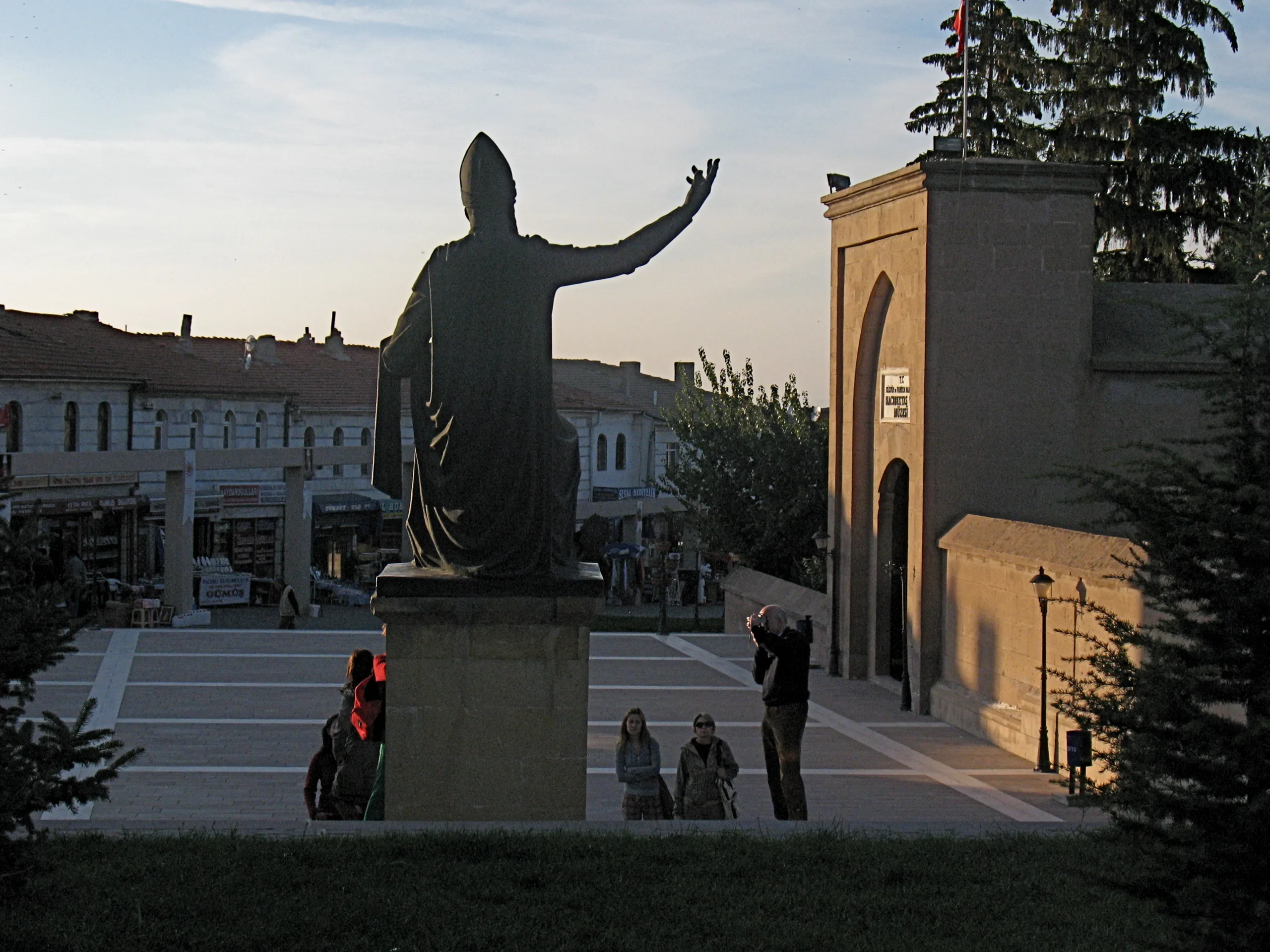
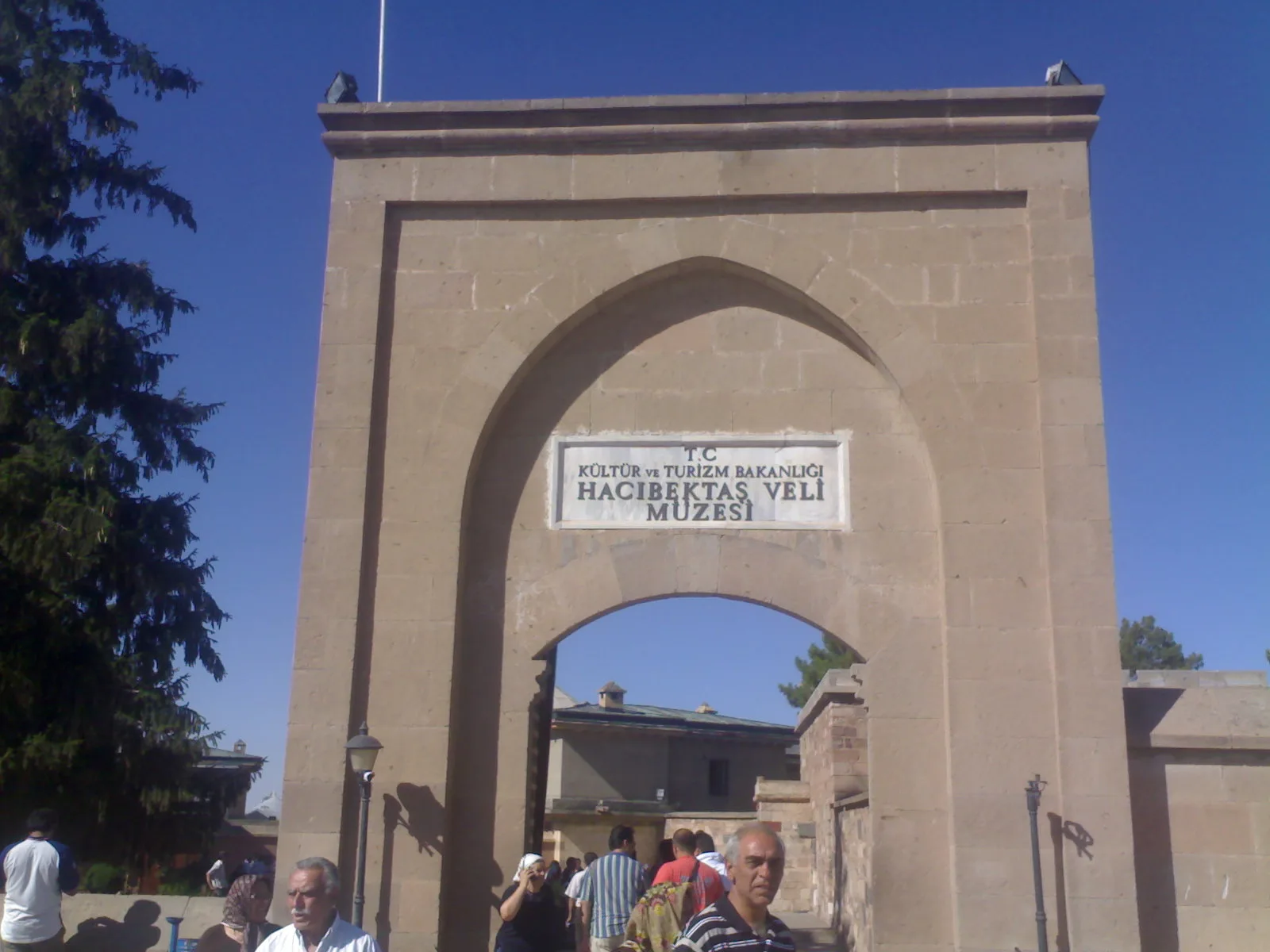
Visitors enter the complex through the Forked Gate in the south and climb, courtyard by courtyard, toward the innermost one. The layout is deliberate: the plan echoes the three-courtyard arrangement of old Turkish palaces, and each unit sits around the court that suits its function. This was the heart of the Bektashi order. Hacı Bektaş Veli is generally held to have lived between 1248 and 1337, and the town that bears his name was once called Sulucakarahöyük.
History
Raised in Khorasan and said to have studied in the circle of Hoca Ahmed Yesevi, Hacı Bektaş Veli travelled to Anatolia by way of Iran, Iraq, Arabia and Syria. After stays in many towns he settled at Sulucakarahöyük, where he spread a philosophy built on tolerance, love of people and social equality. The complex was founded in the 13th century and reached its present form through later additions and repairs; the heritage inventory dates the construction between the 14th and 18th centuries.
Law No. 677 of 30 November 1925 closed the lodge along with the other dervish convents. It was repaired from the late 1950s until 1964 under a project prepared by the Directorate General of Foundations, and on 16 August 1964 the complex opened as an Ethnography Museum. In 2012 the tomb of Hacı Bektaş Veli was nominated for the UNESCO World Heritage List, because it is regarded as the centre where Bektashism arose and spread, and because the rituals and symbols of that belief shaped its architecture and interior.
Courtyards and buildings
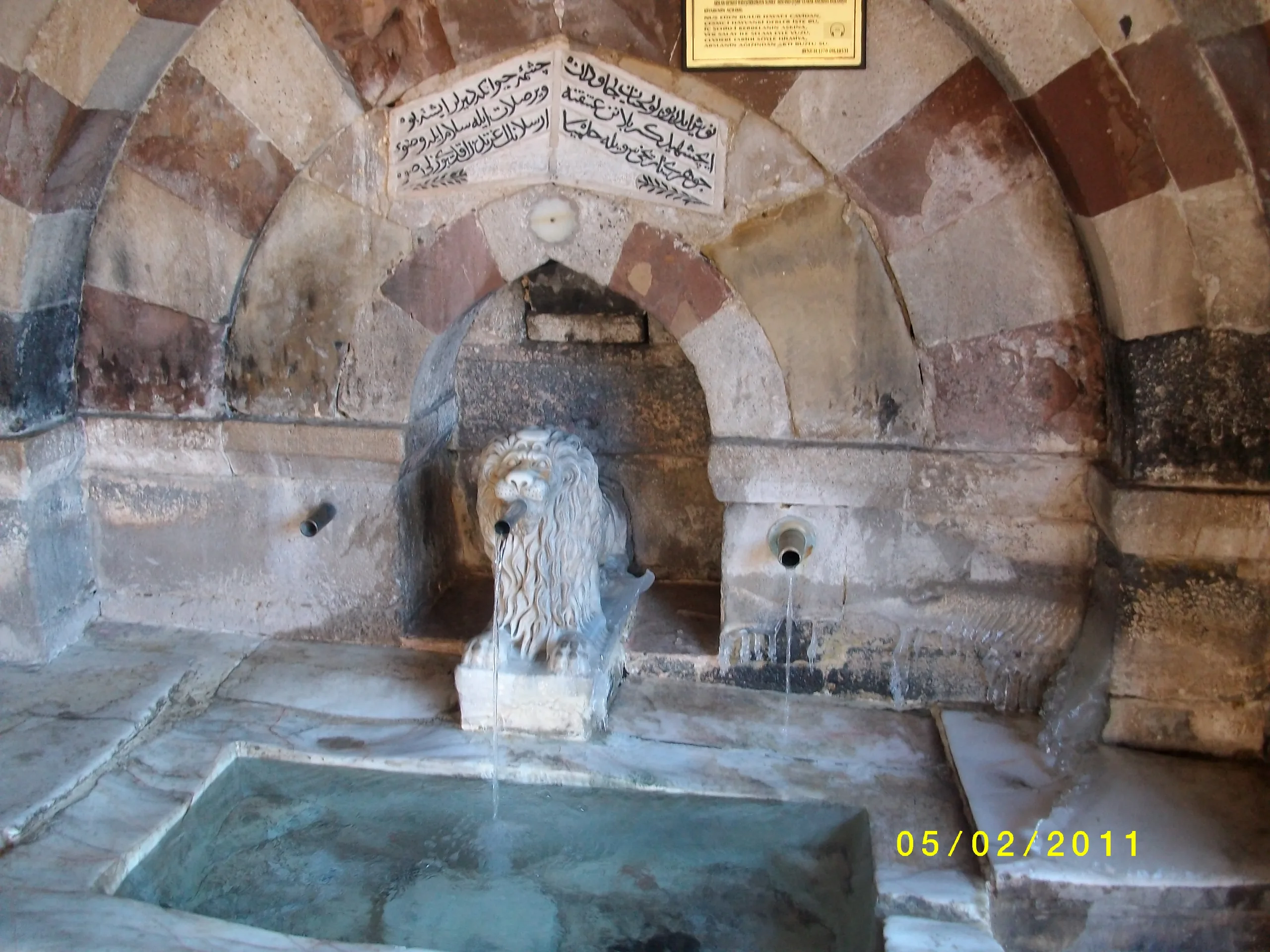
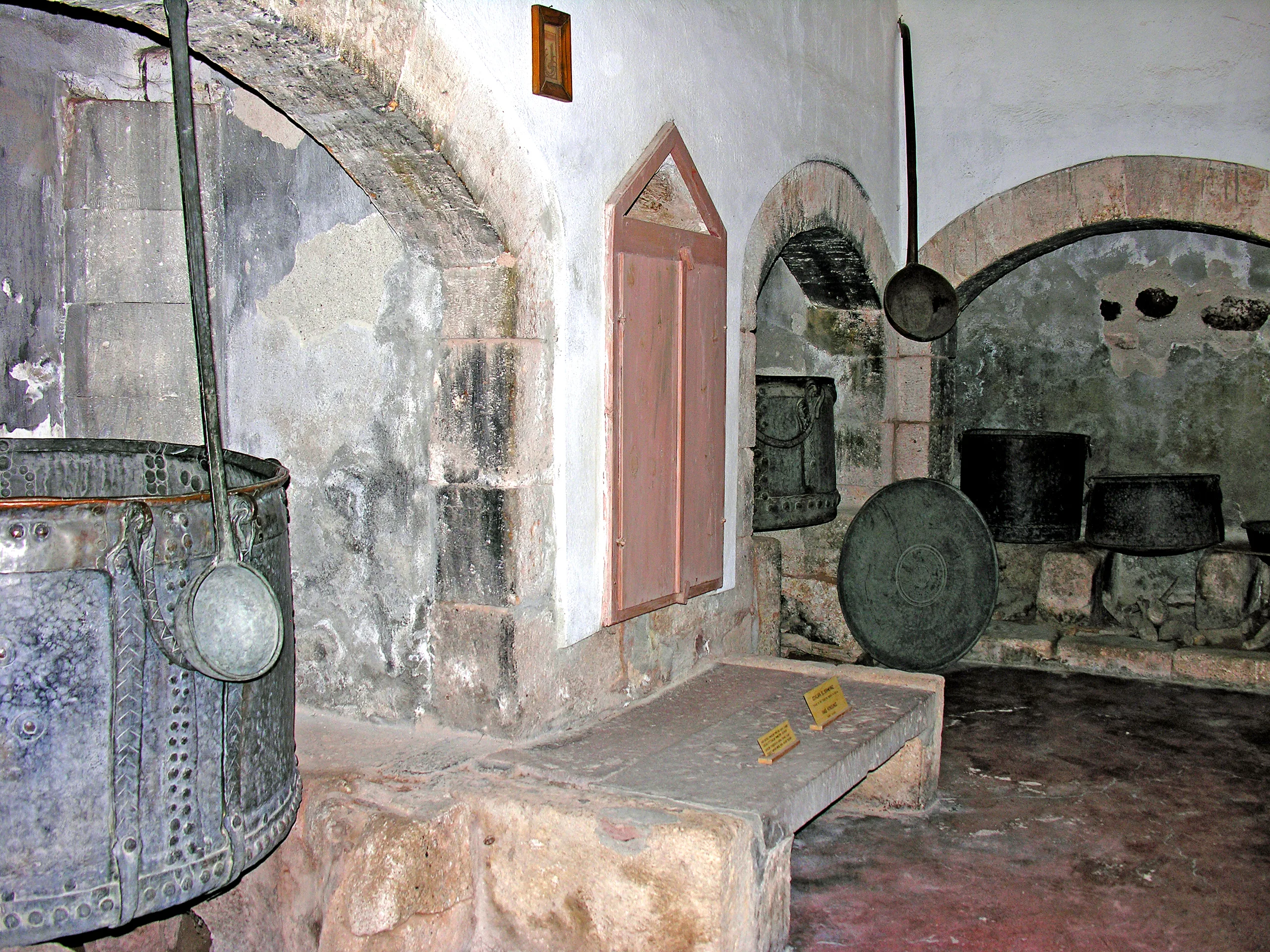
The first court is called the Nadar court. The only old element left here is the Üçler Fountain on the east wall, which an inscription says was endowed in 1902 by the wife of Grand Vizier Halil Pasha and built by the Nevşehir master Mustafa Vasfi. The second court is the Dergâh or Meydan court, entered through the Üçler Gate. It holds the Meydan pool, the Lion Fountain with its lion statue, the soup kitchen, the lodge mosque, the guest house, the Meydan Evi, the cellar house and the dedebaba's pavilion. The kitchen carries an inscription of 1560-61 and keeps the black cauldron, a symbol shared by the Bektashi order and the Janissary corps. The inscription of the Meydan Evi reports that Sultan Murad I built it in 1367-68. Pointed-arch arcades surround the court, with five bays on the east, three before the mosque and seven on the west; three, five and seven are meaningful numbers in Bektashi symbolism.
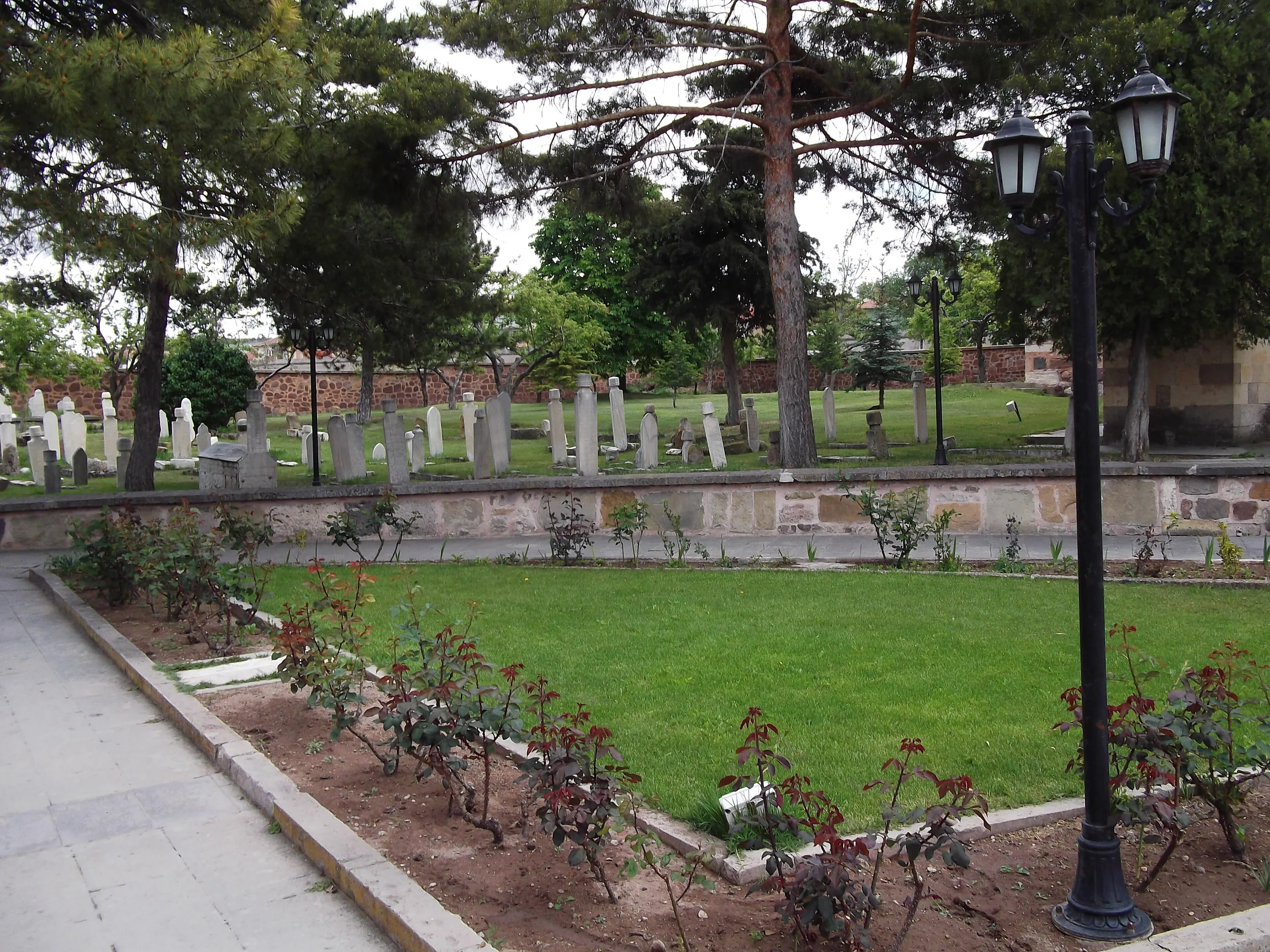
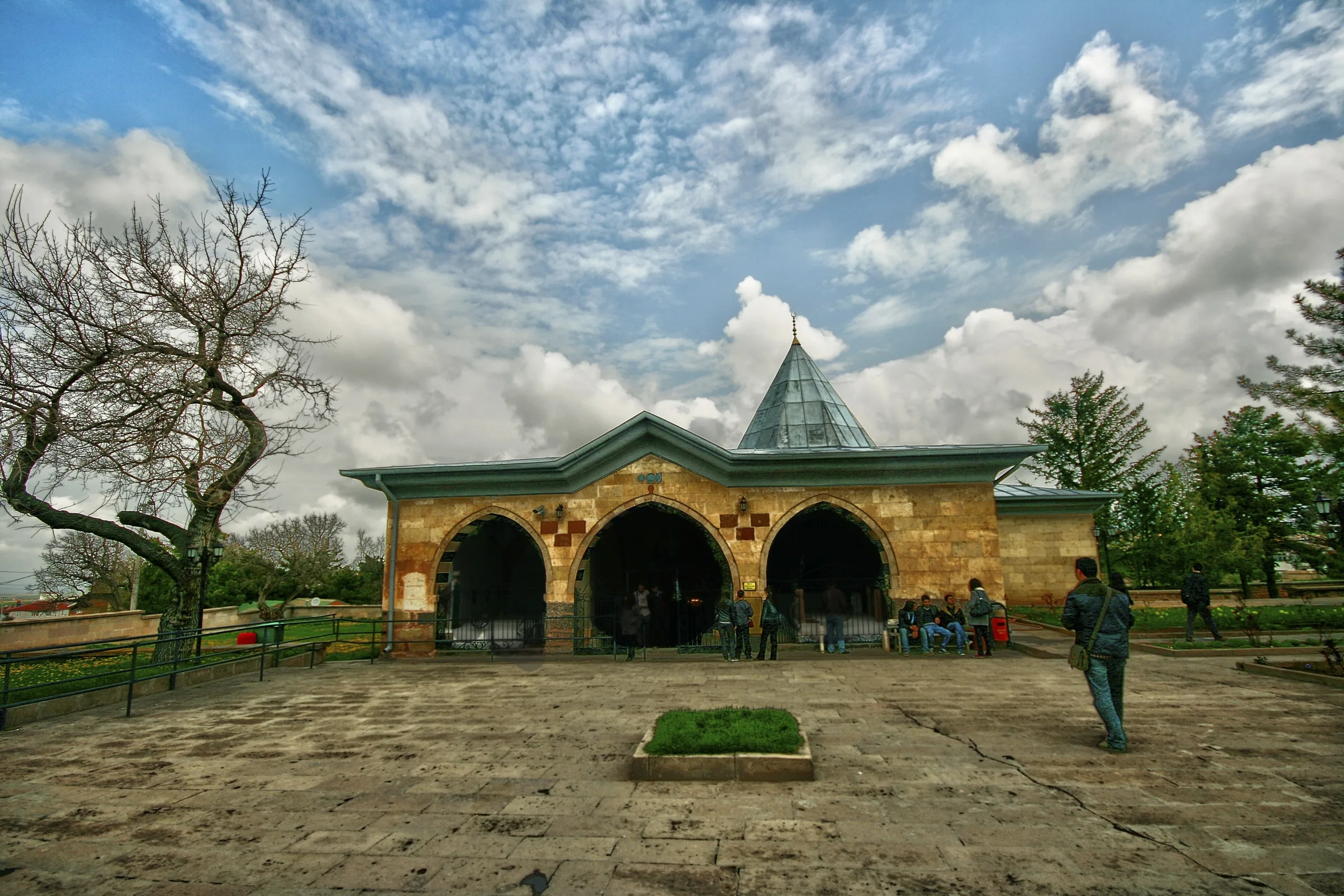
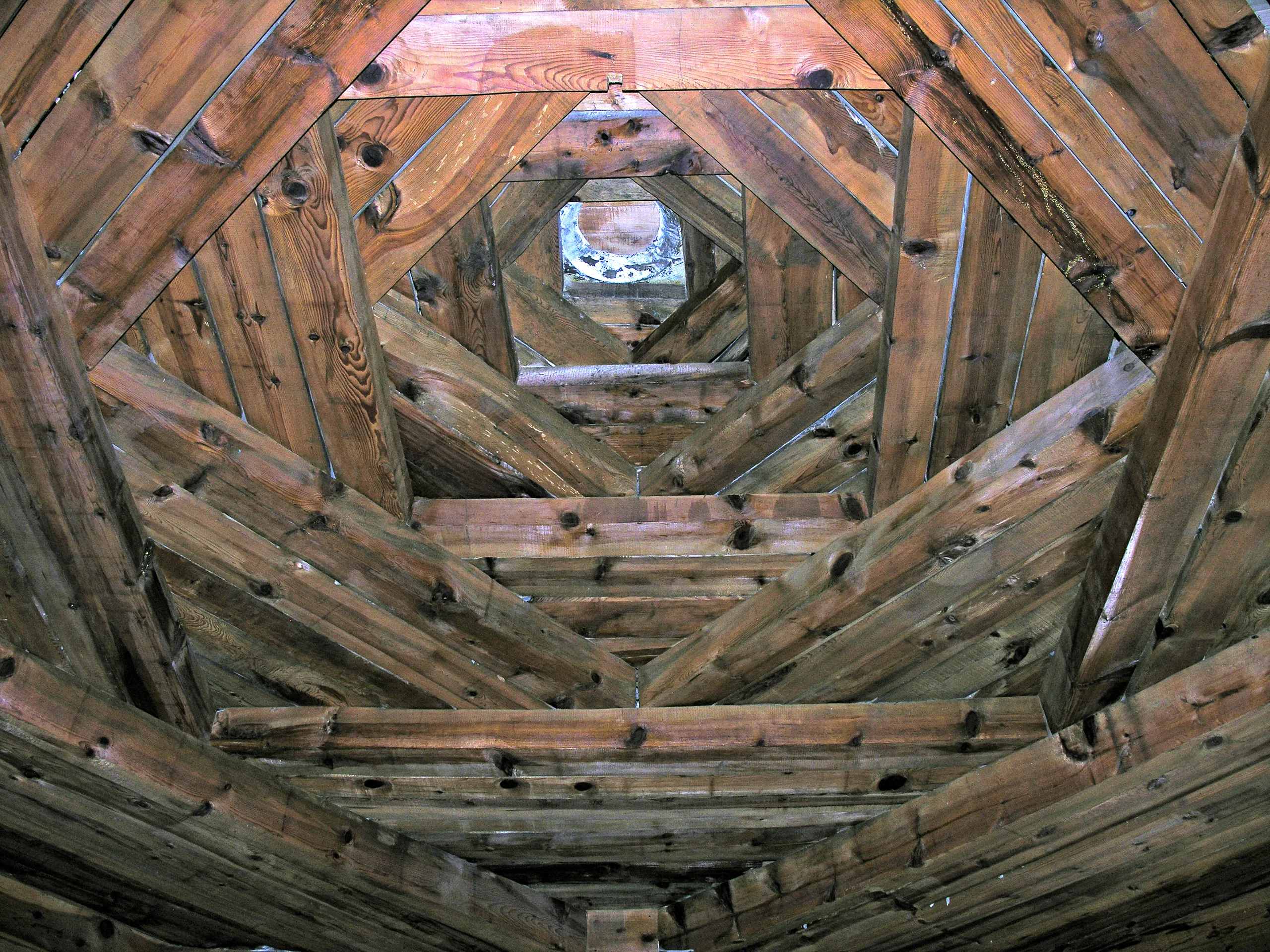
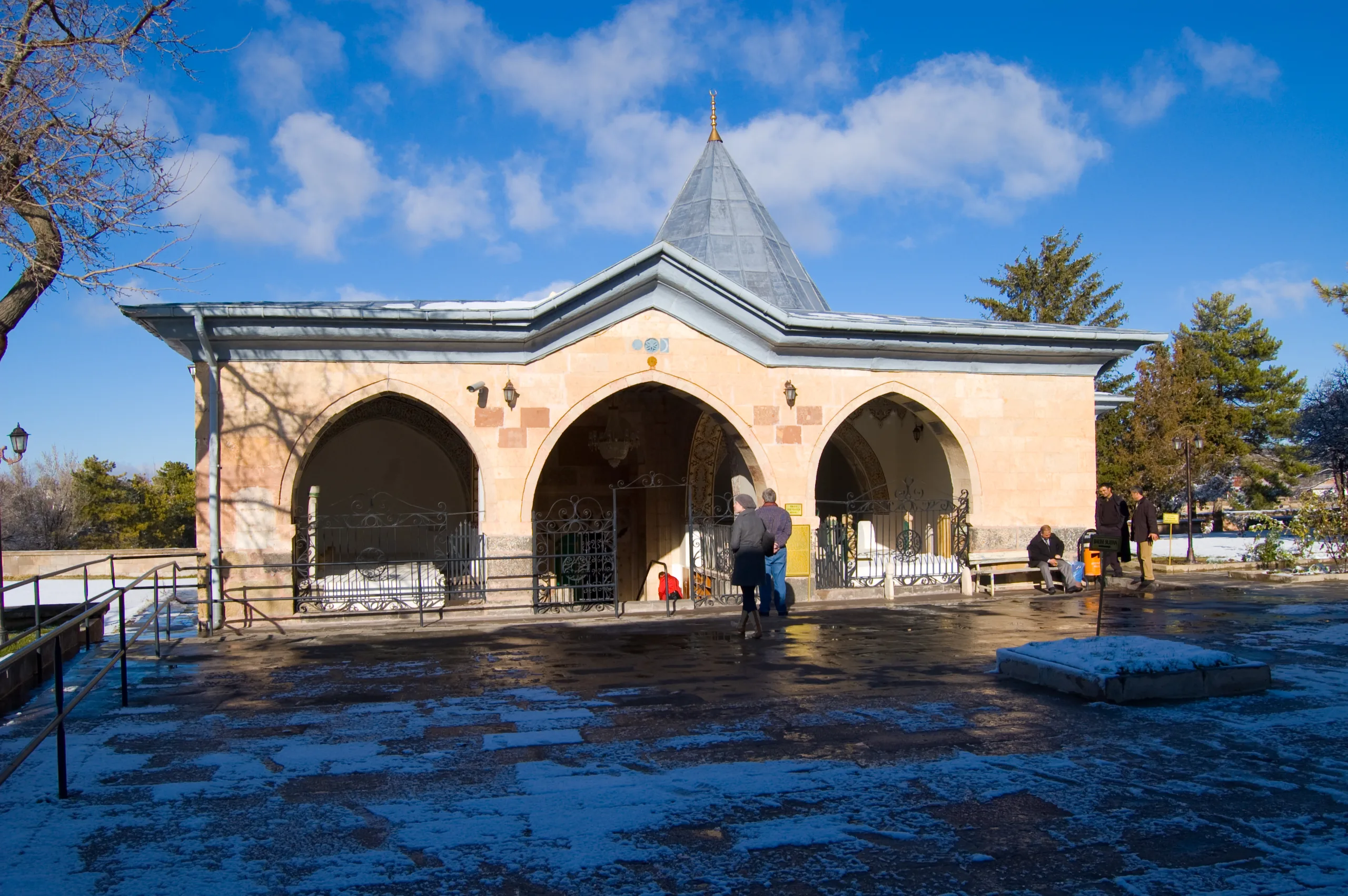
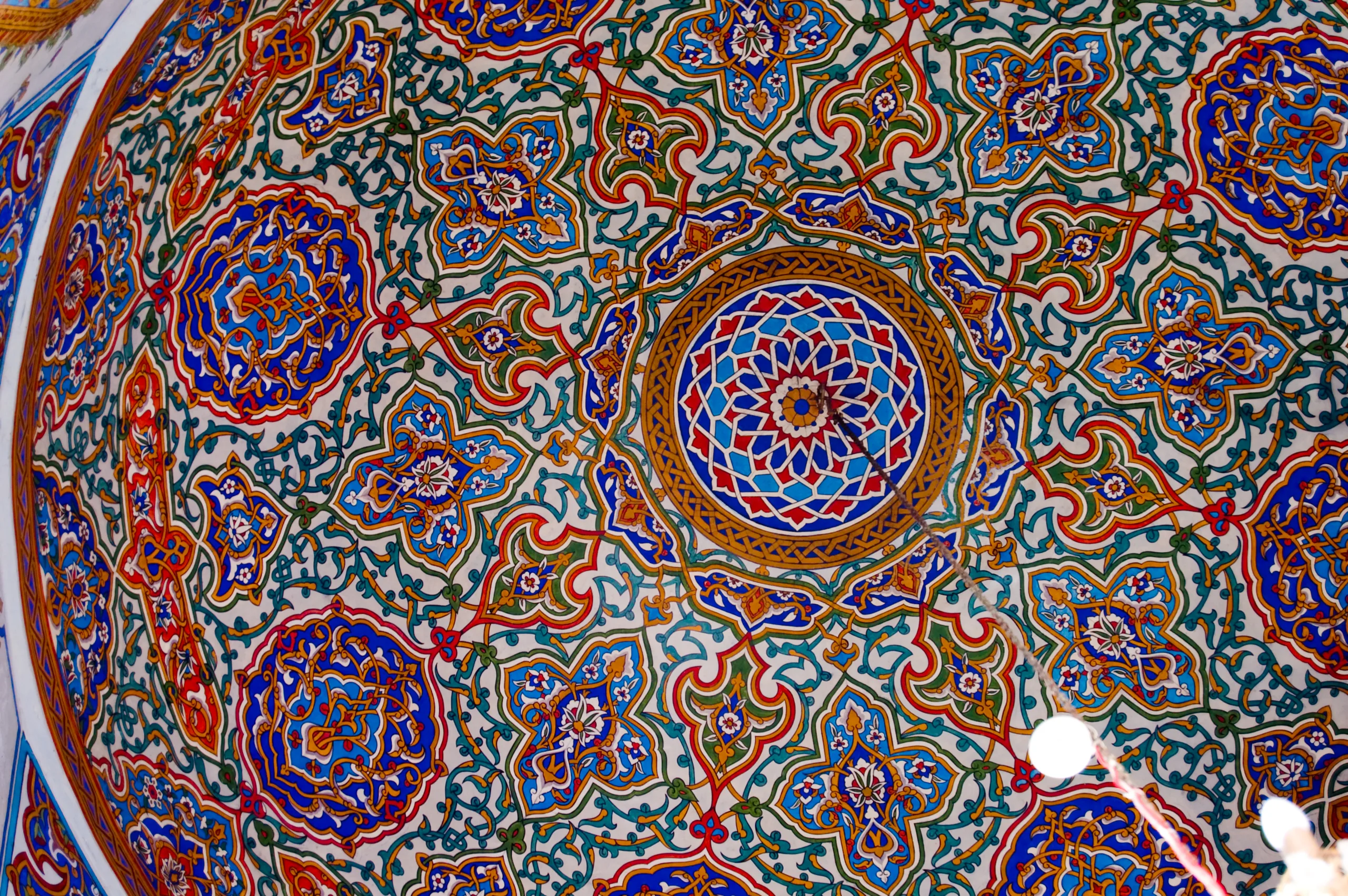
The third court is the Hazret court, with the Pir Evi, the Balım Sultan Tomb, a hazire, meaning a graveyard, and the Atatürk Corner. The Pir Evi holds the oldest parts of the complex, including the tomb of Hacı Bektaş Veli, the domed tombs of Resul Balı and Güvenç Abdal, the Kızılca Halvet and the Kırklar Meydanı. Its plan is irregular, reaching 28.25 by 25 metres at its widest, since it was assembled from sections added at different times.
The museums
The complex displays everyday objects of the Bektashi lodge, manuscripts and calligraphy. In the district there is also an Archaeology and Ethnography Museum showing finds from the excavations at Sulucakarahöyük in 1967-1976. The house where Mustafa Kemal spent the night of 22-23 December 1919 on his way back from the Sivas Congress has been open as the Atatürk House Museum since 2001.
Visiting
Hours and conditions can change; check the official page for current details.
Gallery
Frequently asked questions
Where is the Hacıbektaş Lodge?
How many courtyards does it have?
When did it become a museum?
When did Hacı Bektaş Veli live?
Is it a World Heritage Site?
Which other museums are nearby?
Sources (13)
- Hacıbektaş Müzesi / Hacıbektaş Museum (TR ve EN sayfalar) — T.C. Kültür ve Turizm Bakanlığı, Müzeler ve Ören Yerleri
- Hacı Bektaş Veli Müzesi - Nevşehir, Gezilecek Yerler — T.C. Kültür ve Turizm Bakanlığı, Kültür Portalı
- Hacıbektaş Veli Külliyesi - Nevşehir, Kültür Envanteri — T.C. Kültür ve Turizm Bakanlığı, Kültür Portalı
- Haji Bektash Veli complex (Wikidata Q20474091) — Wikidata
Photo credits
- Photo: Михал Орела, CC BY 2.0 — Wikimedia Commons (resized)
- Photo: Hüseyin Öcal, CC BY 3.0 — Wikimedia Commons (resized)
- Photo: Omer Unlu, CC BY 2.0 — Wikimedia Commons (resized)
- Photo: دانقولا, Public domain — Wikimedia Commons (resized)
- Photo: Dennis G. Jarvis, CC BY-SA 2.0 — Wikimedia Commons (resized)
- Photo: Dennis G. Jarvis, CC BY-SA 2.0 — Wikimedia Commons (resized)
- Photo: Maarten from Netherlands, CC BY 2.0 — Wikimedia Commons (resized)
- Photo: Maarten from Netherlands, CC BY 2.0 — Wikimedia Commons (resized)
- Photo: cankurtaran, CC BY 3.0 — Wikimedia Commons (resized)