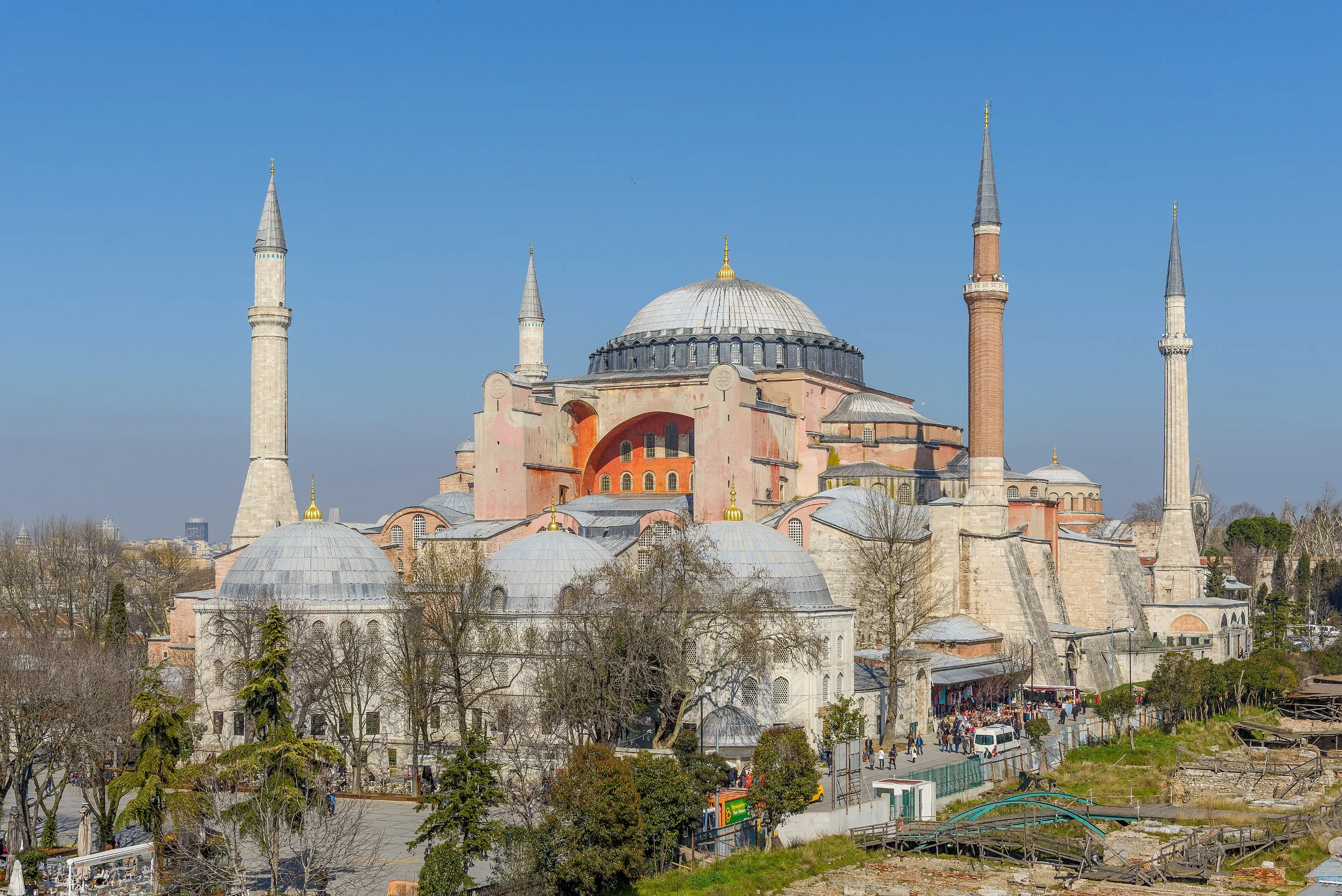
Hagia Sophia in Sultanahmet, built for Justinian in 532-537, served 916 years as a church, then as a mosque, a museum from 1934 to 2020, and a mosque again; part of the Historic Areas of Istanbul.
Hagia Sophia is a place (Historic building) in Turkey, Istanbul. Main periods: Byzantine Period, Ottoman Period. It was inscribed on the UNESCO World Heritage List in 1985.
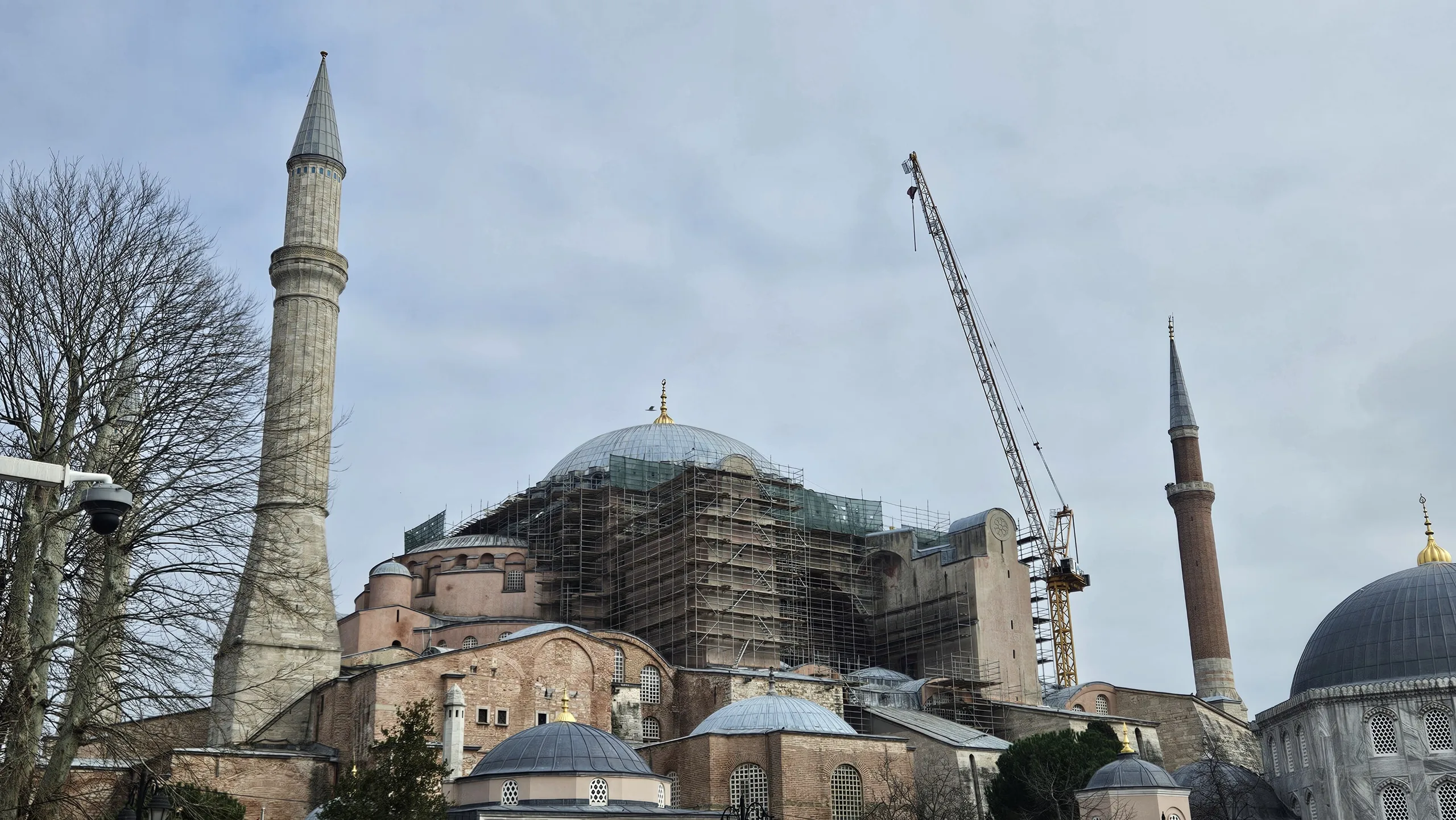
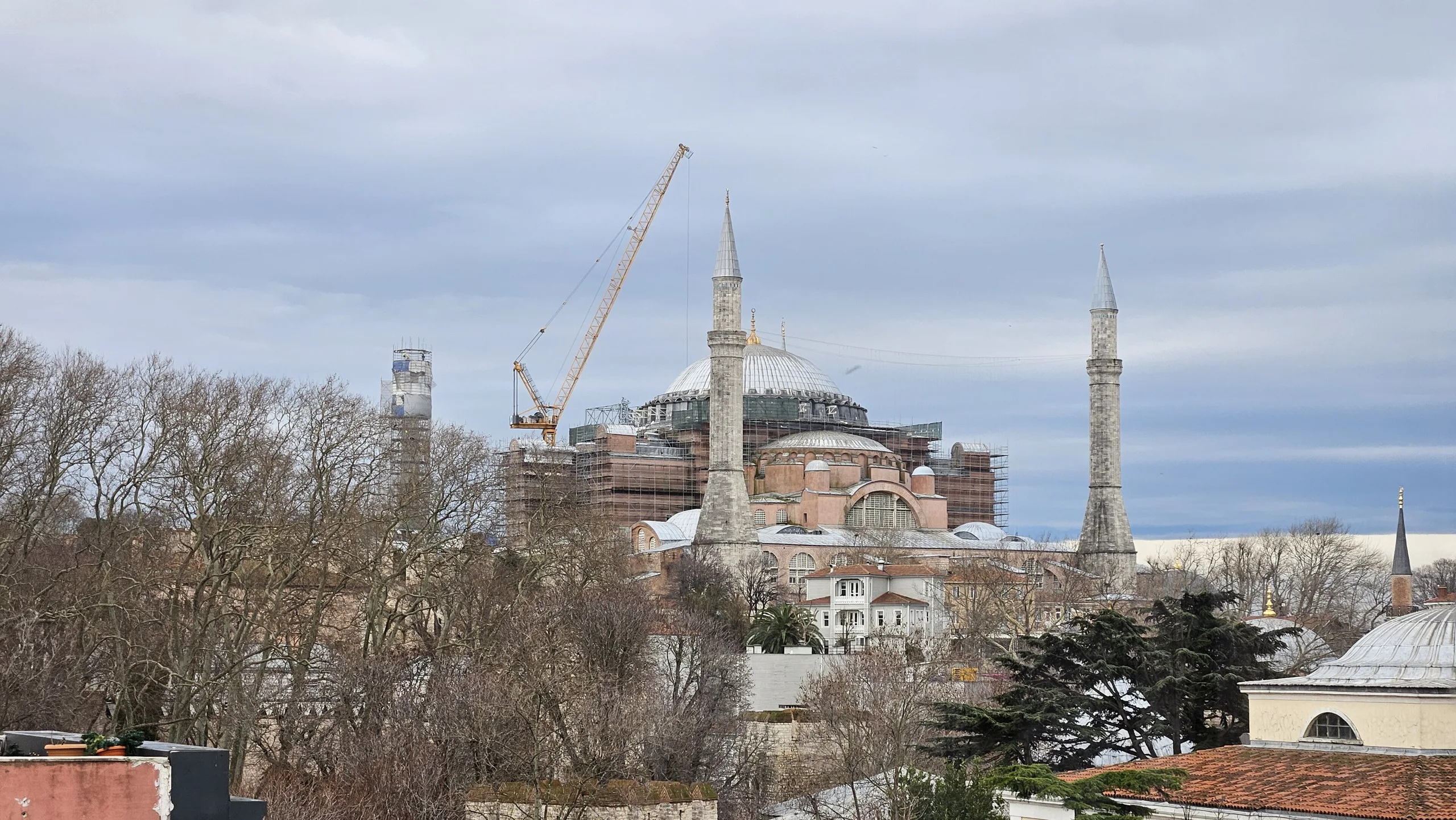
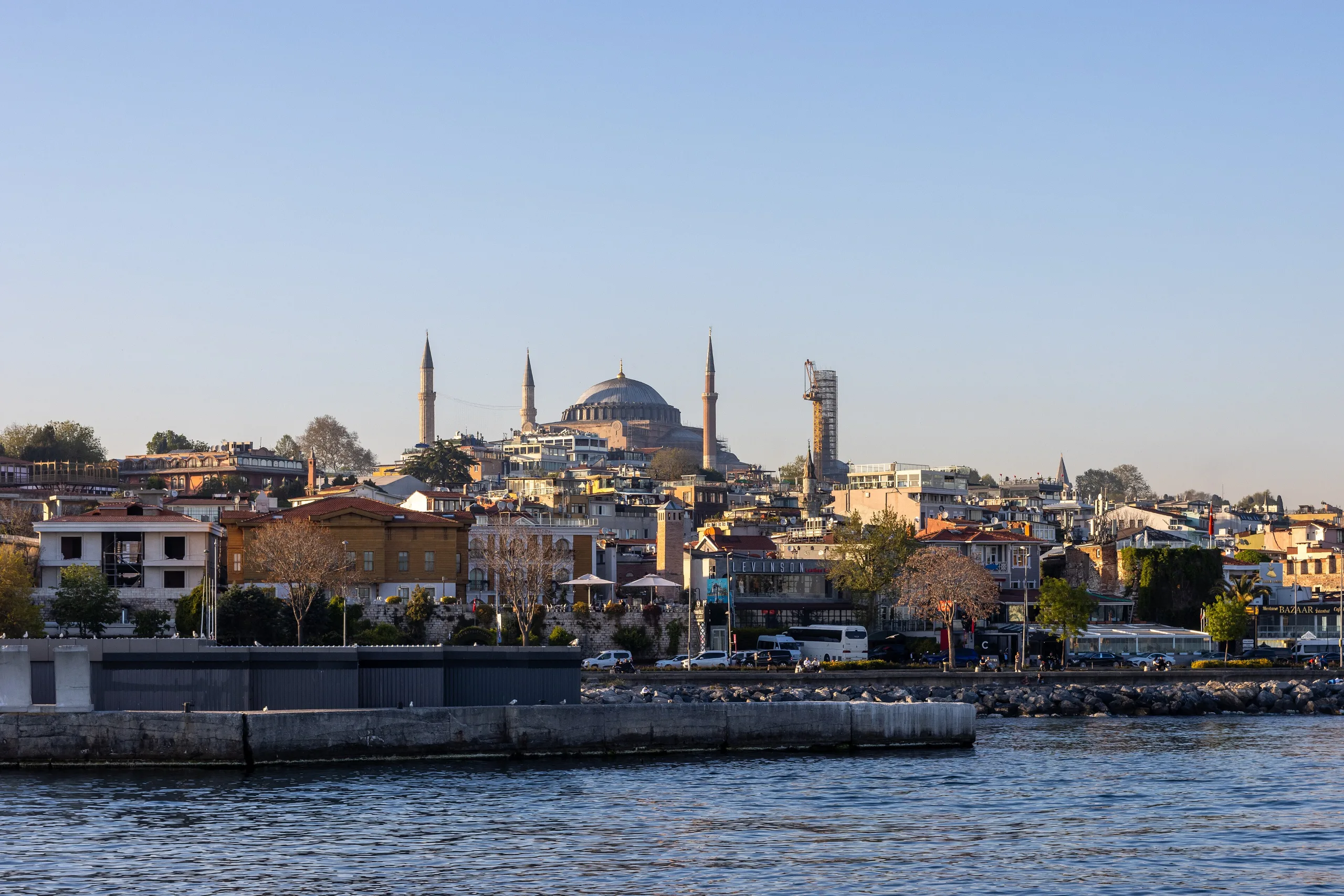
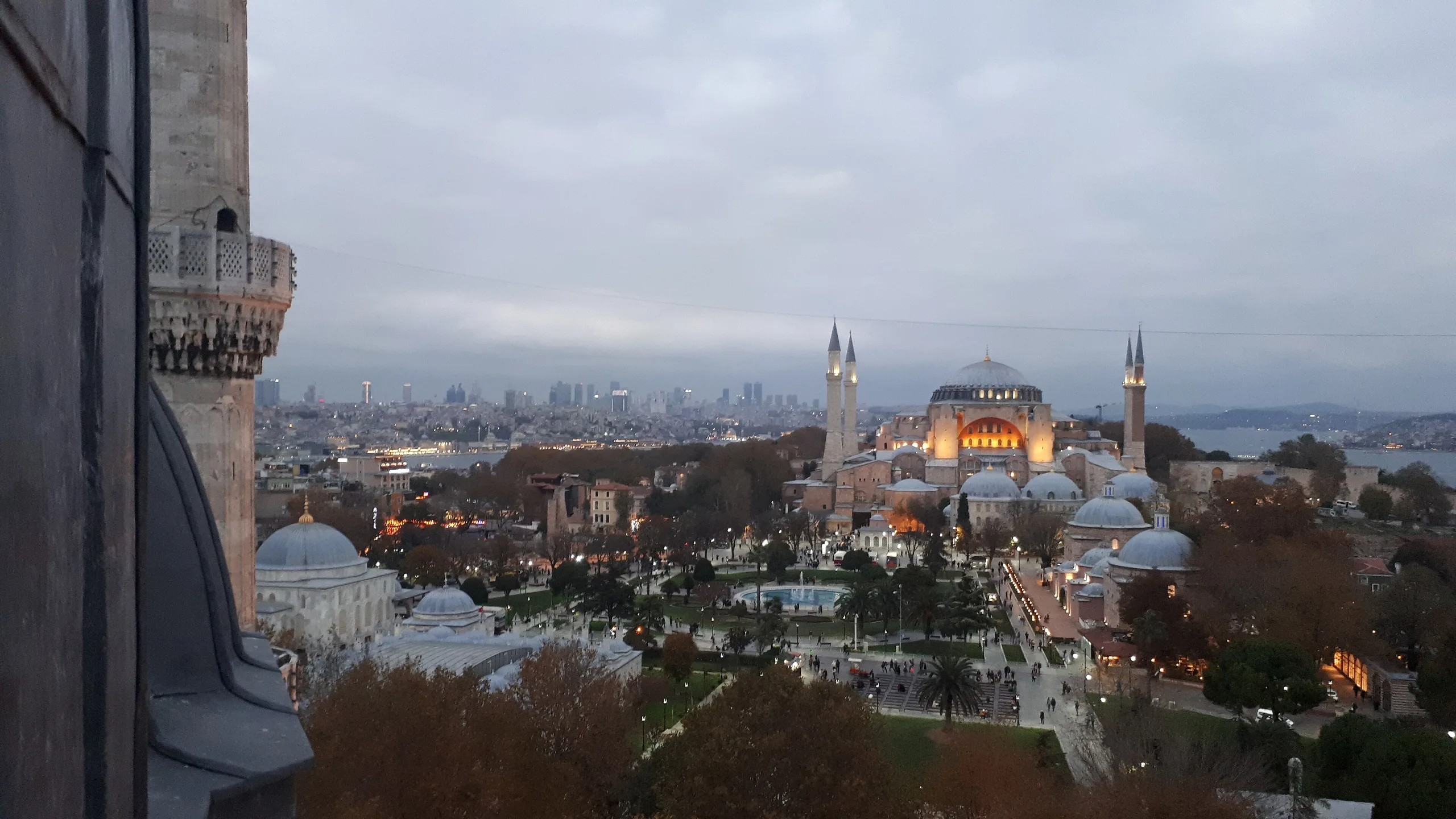
Hagia Sophia has been built three times on the same ground, and popular riots brought down the first two. Today it anchors the skyline around Sultanahmet Square, and the present building was finished in just five years and ten months on the orders of Justinian. It counts among the most important surviving monuments in the history of architecture and is a component of the Historic Areas of Istanbul, inscribed on the World Heritage List in 1985.
History
The first building was the Megale Ekklesia, the Great Church, put up in 360 by Emperor Constantius. Theodosius II rebuilt it in 415, but that church too was destroyed in riots. From the 5th century until the conquest of Istanbul the building was known as Hagia Sophia, Holy Wisdom. Justinian's chosen architects, Anthemios of Tralles and Isidoros of Miletus, designed and raised the present structure in 532-537. Records say a hundred architects worked beside the two chief architects, each with a hundred workmen under his command.
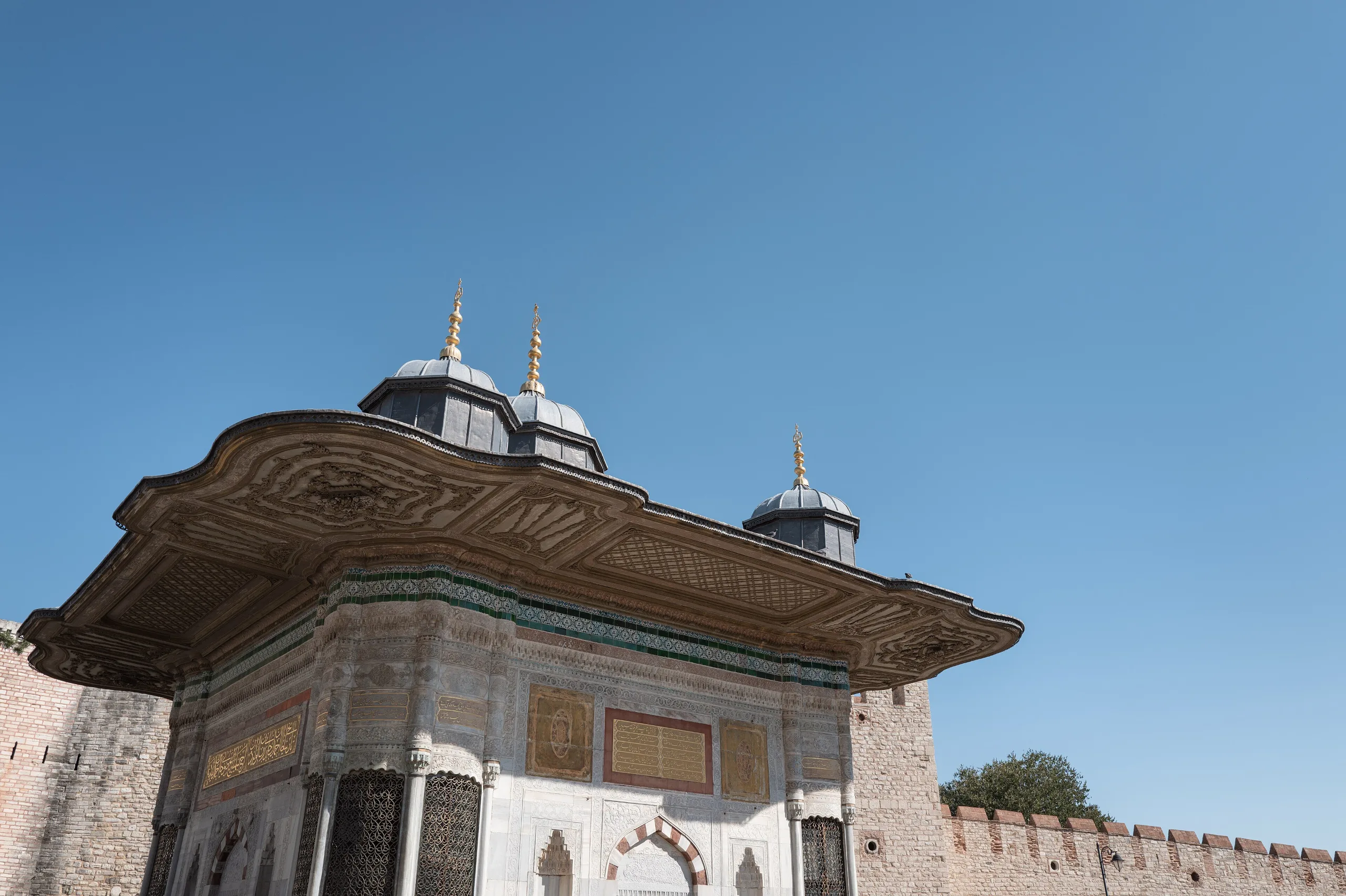
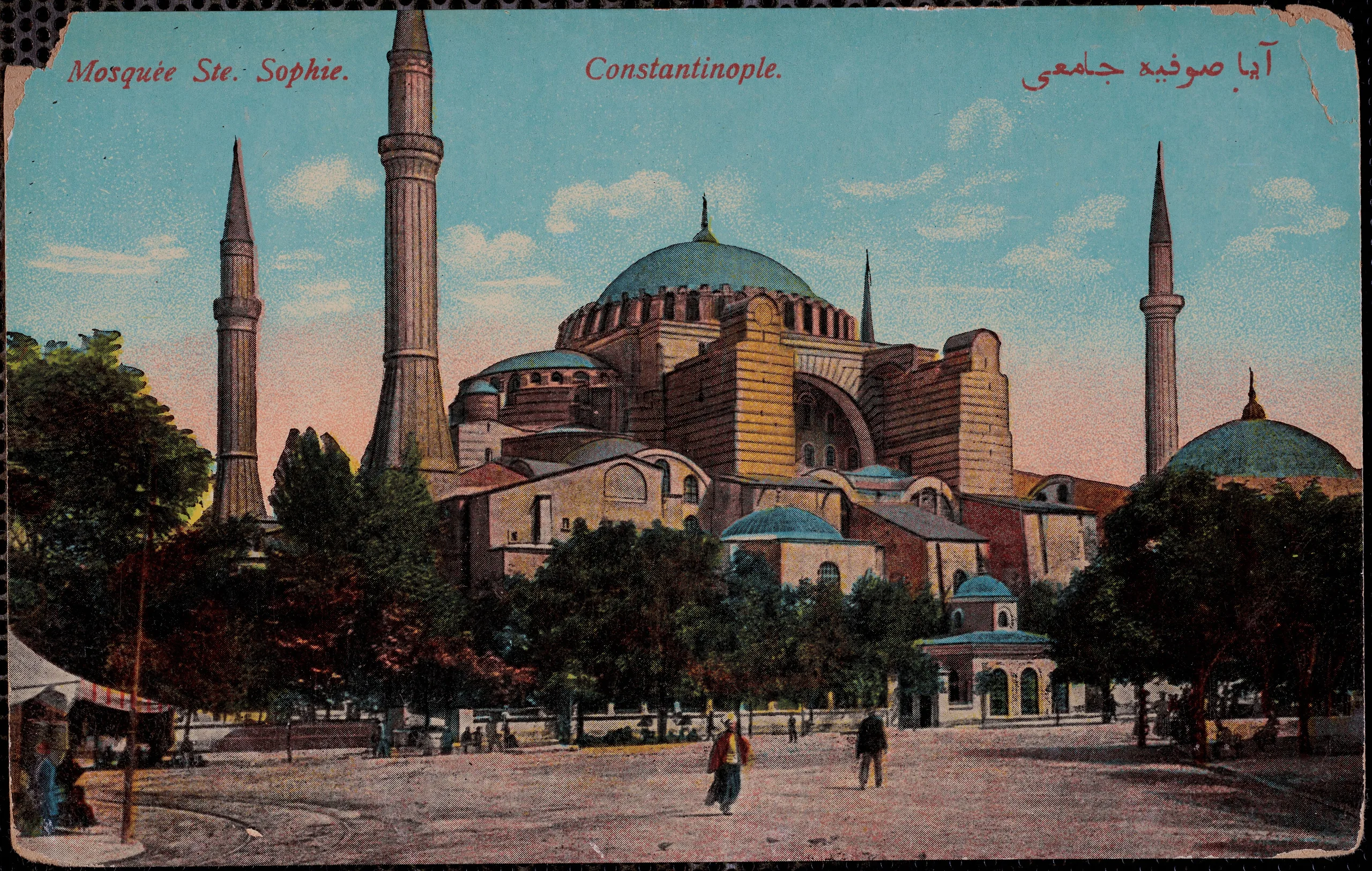
For 916 years the building served as a church. After Mehmed the Conqueror took Istanbul in 1453 it was turned into a mosque. It was strengthened soon after the conquest, and in the 16th and 17th centuries mihrabs, a pulpit, muezzin galleries, a preaching chair and royal enclosures were added. Minarets, a madrasa, a primary school, a timekeeper's room, a fountain, drinking kiosks, sundials and a board room were built outside at various times, turning Hagia Sophia into a complex in the Ottoman age. It became a museum in 1934, served as one until 2020, and in 2020 regained the status of a mosque.
Architecture
The most striking feature is a dome far larger than usual that dominates the central space. Marble, stone and brick went into the building, and specially made light, strong bricks were chosen so that the dome would not collapse easily in earthquakes. In 1847-1849, on the orders of Sultan Abdülmecid, the Swiss Fossati brothers repaired the structure. In that campaign the calligrapher Kazasker Mustafa İzzet Efendi wrote verse 35 of the Light Sura across a field of the main dome 11.3 metres wide. Hagia Sophia is regarded as the forerunner of a building type later copied by churches and mosques.
Mosaics
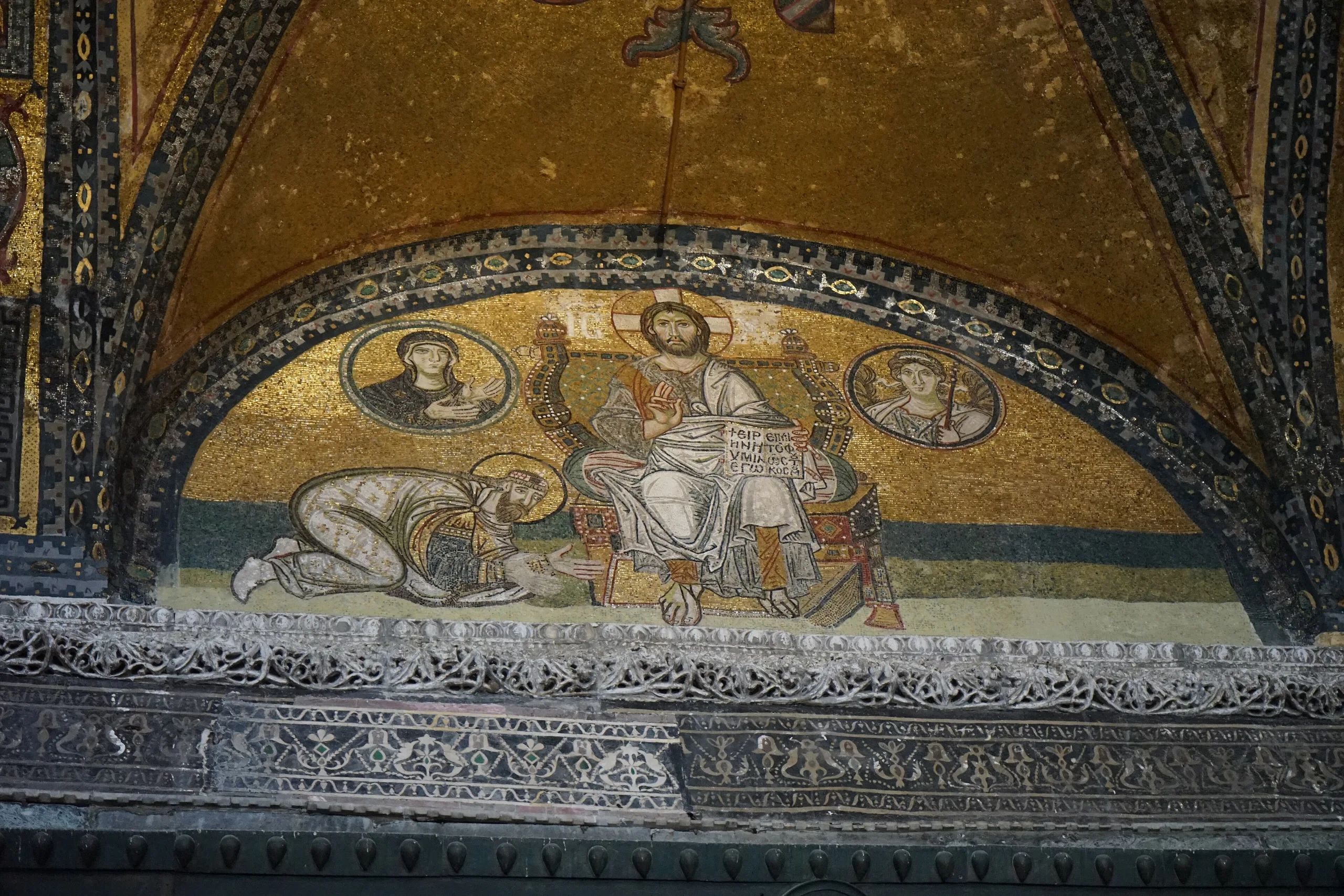
The interior is decorated with figural and non-figural mosaics from different periods. The most important examples surviving from the time of construction are the non-figural mosaics in the narthex, the entrance hall. During the Iconoclast period all figural mosaics are thought to have been removed. The first figural mosaic made when that period ended in 843 is the apse mosaic. More figural mosaics from various dates survive in the gallery, the tympanum wall, the narthex, the vestibule entrance and the priests' rooms.
The library of Mahmud I
One of the most important Ottoman additions is the library built by Sultan Mahmud I in 1739. It consists of a reading room, the Hazine-i Kutub, where books were kept, and a corridor between them. Its walls combine tiles from İznik, Kütahya and the Tekfur Palace dating from the 16th, 17th and 18th centuries. About five thousand manuscripts held there were moved to the Süleymaniye Library in 1969.
Visiting
Hagia Sophia is today a mosque open for worship, so check the official announcements for visiting arrangements. Nearby, in the Defter-i Hakani Nezareti building, the separate Hagia Sophia History and Experience Museum tells its 1700-year story in 13 halls over about 3,200 square metres, with sections on its time as church, mosque, museum and mosque again.
Gallery
Frequently asked questions
Is Hagia Sophia a mosque or a museum today?
Where is Hagia Sophia?
Who built the present Hagia Sophia?
How many times was it built?
When did it become a mosque and a museum?
Is it a World Heritage Site?
What is the Hagia Sophia History and Experience Museum?
Sources (13)
- Ayasofya-i Kebir Camii Şerifi - İstanbul, Gezilecek Yerler — T.C. Kültür ve Turizm Bakanlığı, Kültür Portalı
- Historic Areas of Istanbul (ref 356) - UNESCO World Heritage listing page — UNESCO World Heritage Centre
- Ayasofya Tarih ve Deneyim Müzesi / Hagia Sophia History and Experience Museum (TR ve EN sayfalar) — T.C. Kültür ve Turizm Bakanlığı, Müzeler ve Ören Yerleri
- Hagia Sophia (Pleiades 307220778) — Pleiades
Photo credits
- Photo: Arild Vågen, CC BY-SA 3.0 — Wikimedia Commons (resized)
- Photo: Yumeto, CC BY-SA 4.0 — Wikimedia Commons (resized)
- Photo: Sergey A. Demidov, CC BY 4.0 — Wikimedia Commons (resized)
- Photo: Sergey A. Demidov, CC BY 4.0 — Wikimedia Commons (resized)
- Photo: Photograph by Mike Peel ( www.mikepeel.net )., CC BY-SA 4.0 — Wikimedia Commons (resized)
- Photo: Antonina Vyshnevska, CC BY-SA 4.0 — Wikimedia Commons (resized)
- Photo: Antonina Vyshnevska, CC BY-SA 4.0 — Wikimedia Commons (resized)
- Photo: Alicembasli, CC BY-SA 4.0 — Wikimedia Commons (resized)
- Photo: Catsimpoolas, Nicholas, Public domain — Wikimedia Commons (resized)