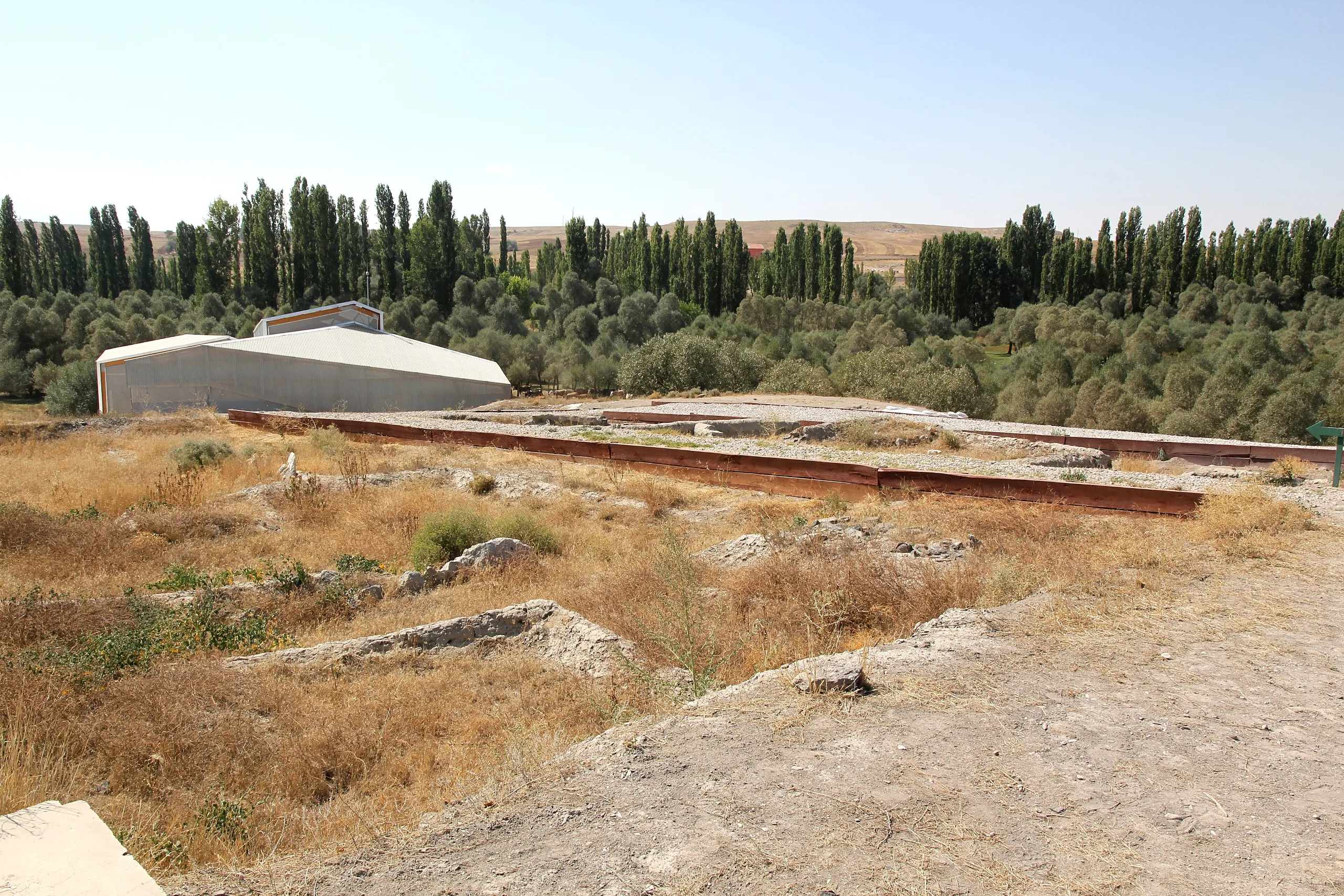
Göreme in Cappadocia is known for churches and monasteries cut into tuff rock; its Open Air Museum lies at the heart of the mixed World Heritage property listed in 1985.
Göreme and the Rock Sites of Cappadocia is a place (Sanctuary) in Turkey, Nevsehir. Main periods: Byzantine Period. It was inscribed on the UNESCO World Heritage List in 1985.
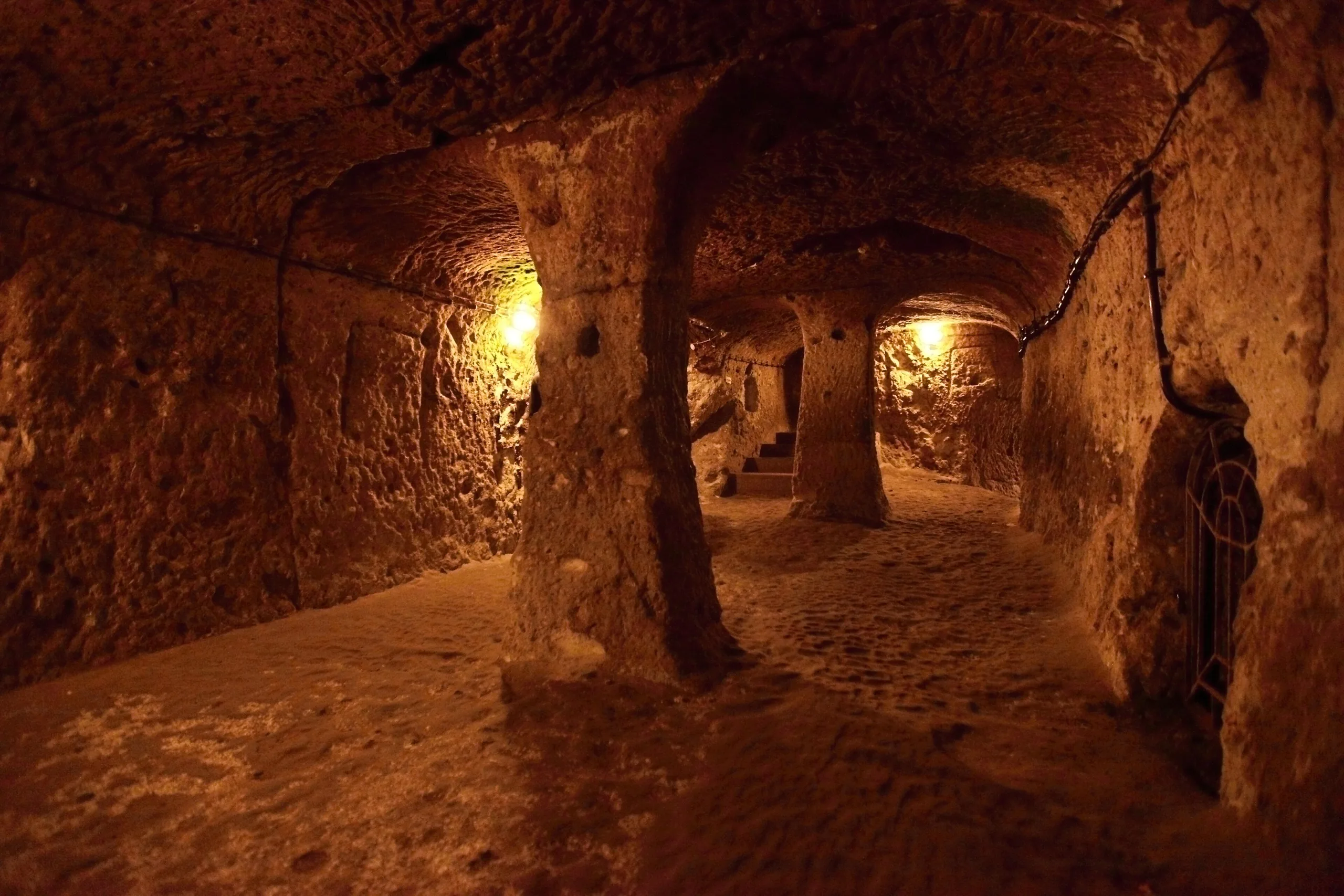
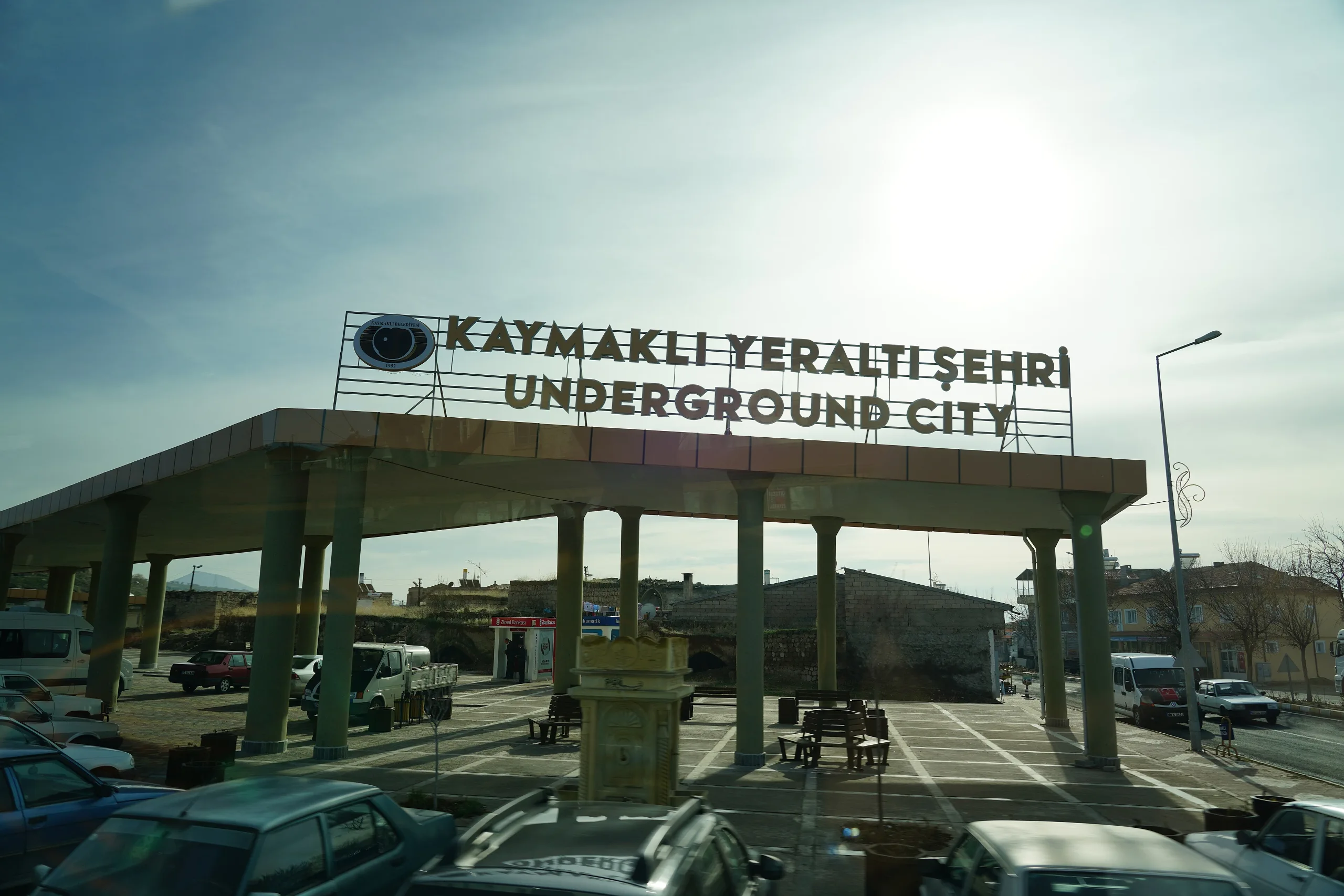
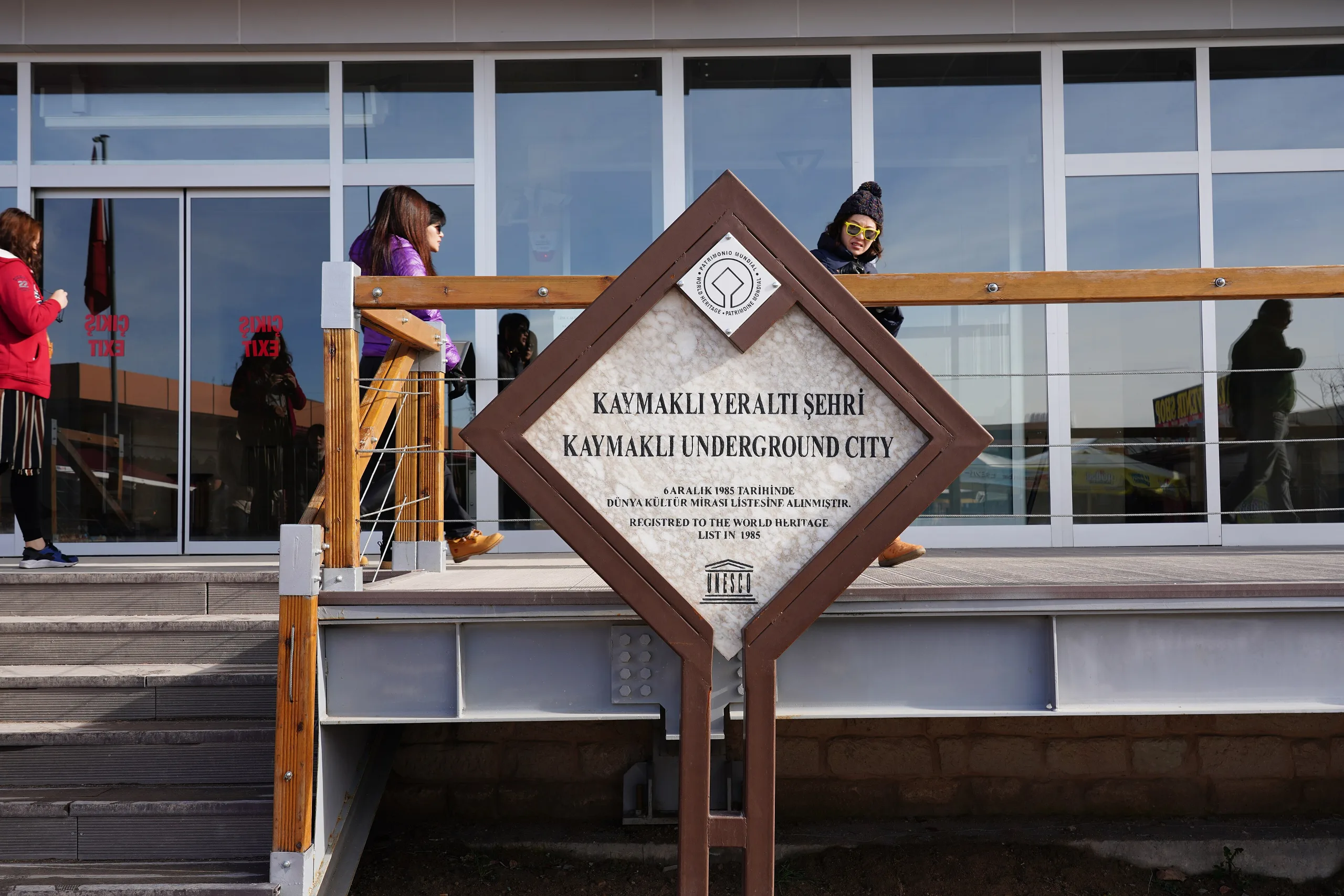
A monastery at Göreme could be sealed from the inside. In the six- or seven-storey rock mass known as the Nuns' Monastery, tunnels join the floors, and rolling stones of the kind used in Cappadocia's underground cities were set to close those tunnels in time of danger. That is the sort of place Göreme is: a valley of volcanic tuff in which monks cut out churches, chapels, refectories and living rooms, and where the walls are still covered in paintings. The Göreme Open Air Museum forms the core of the site, which belongs to the mixed property that UNESCO inscribed in 1985, known as the Göreme and Cappadocia rock-site listing. Other parts of that property, such as the underground cities of Derinkuyu and Kaymaklı, have their own pages.
Setting
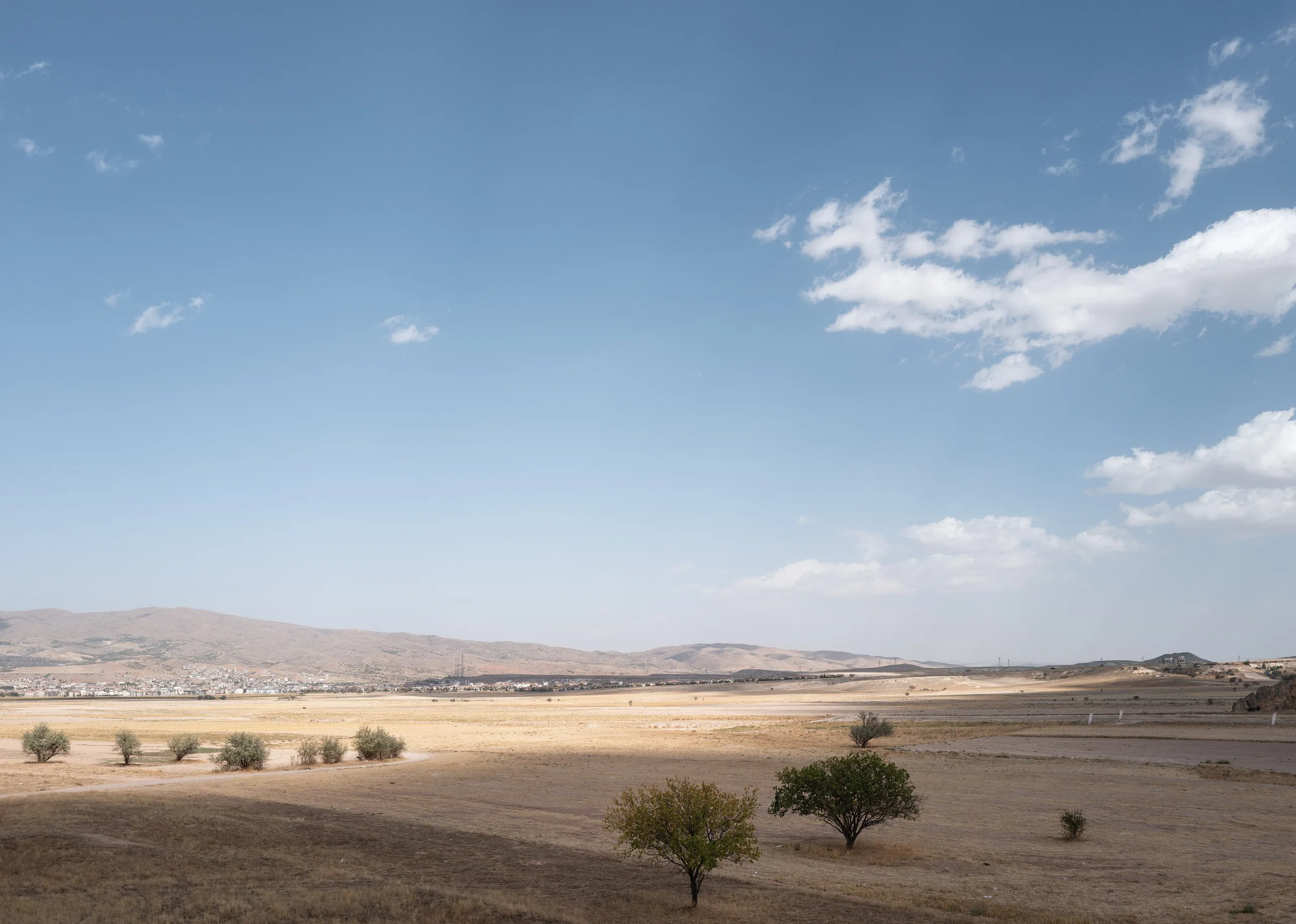
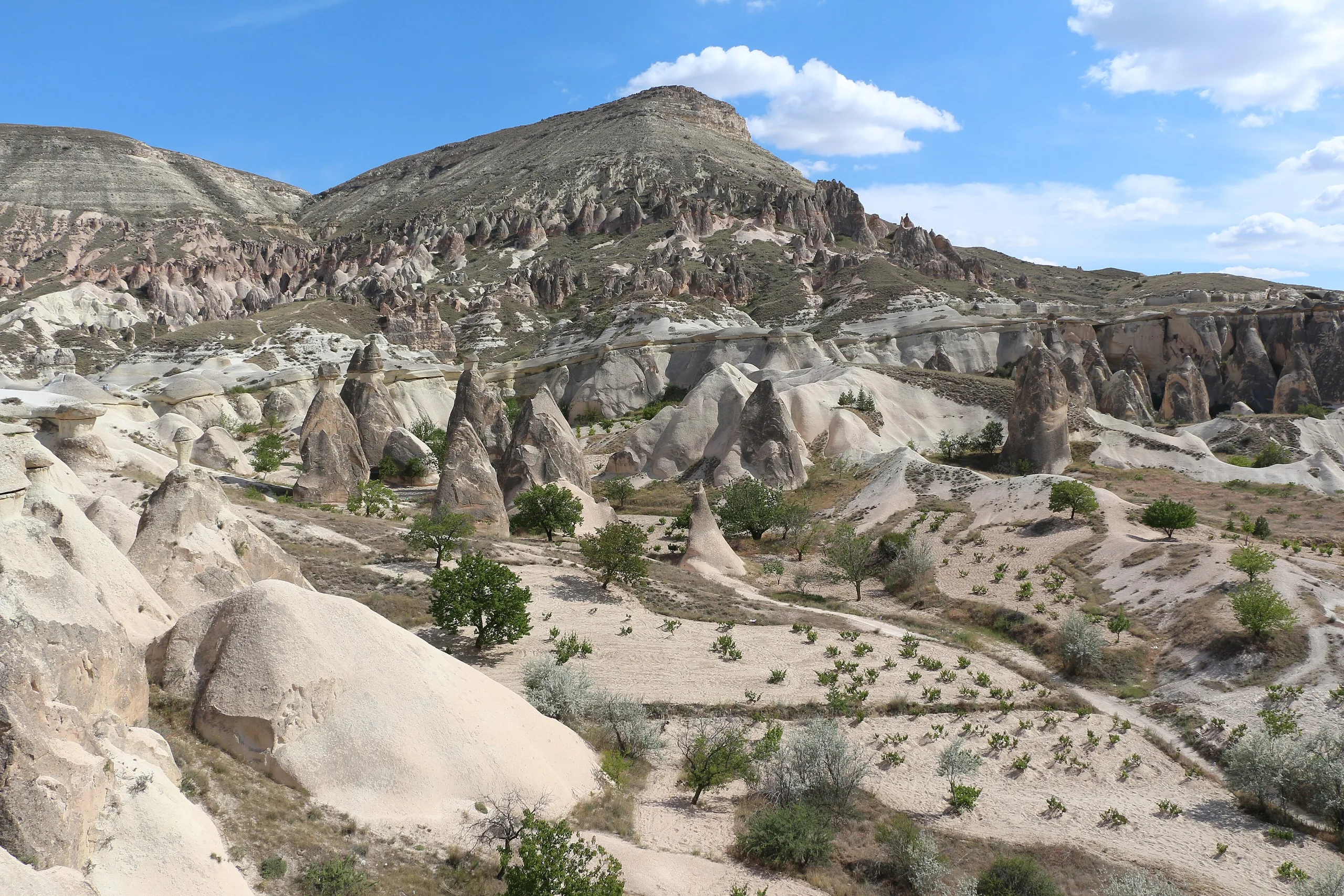
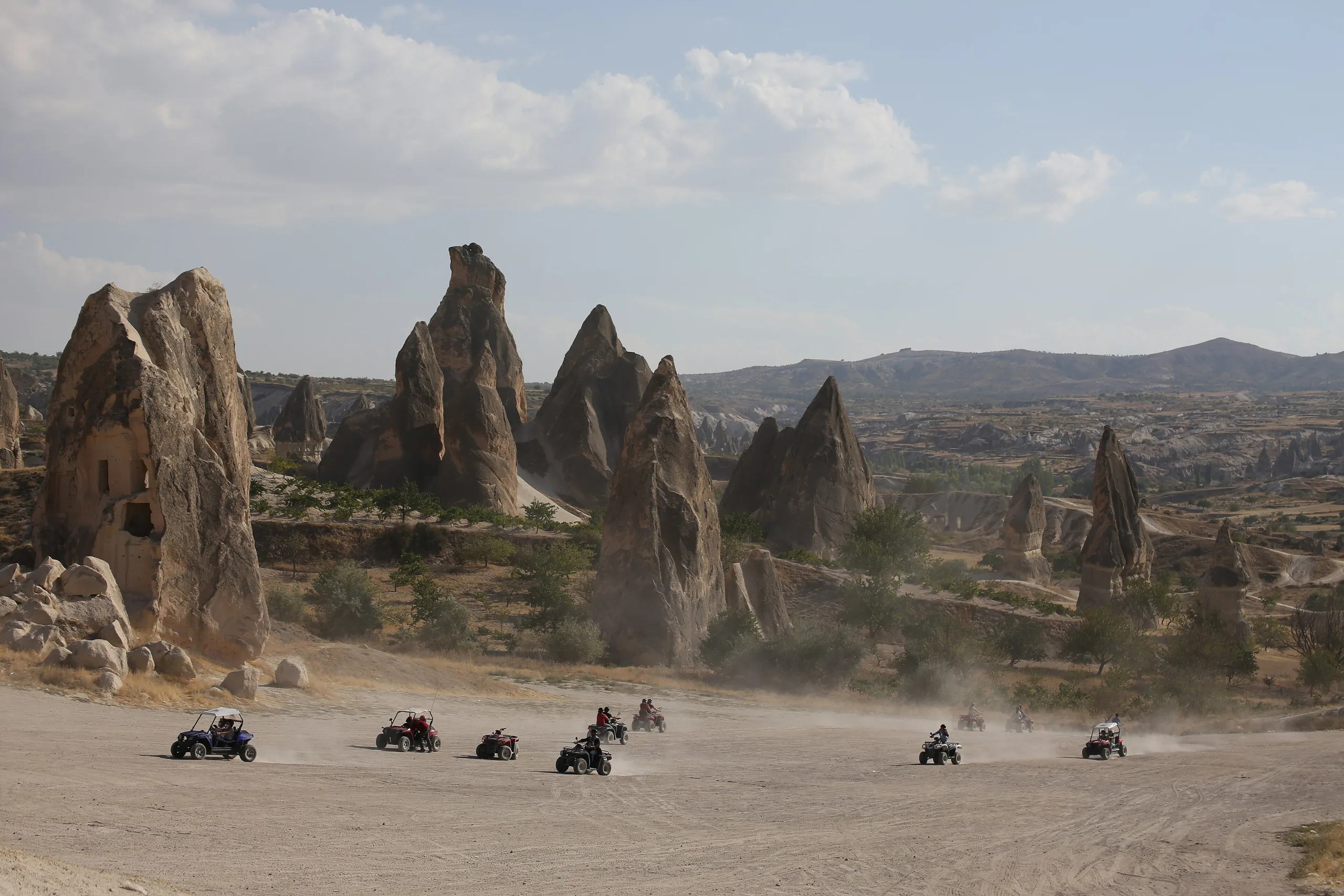
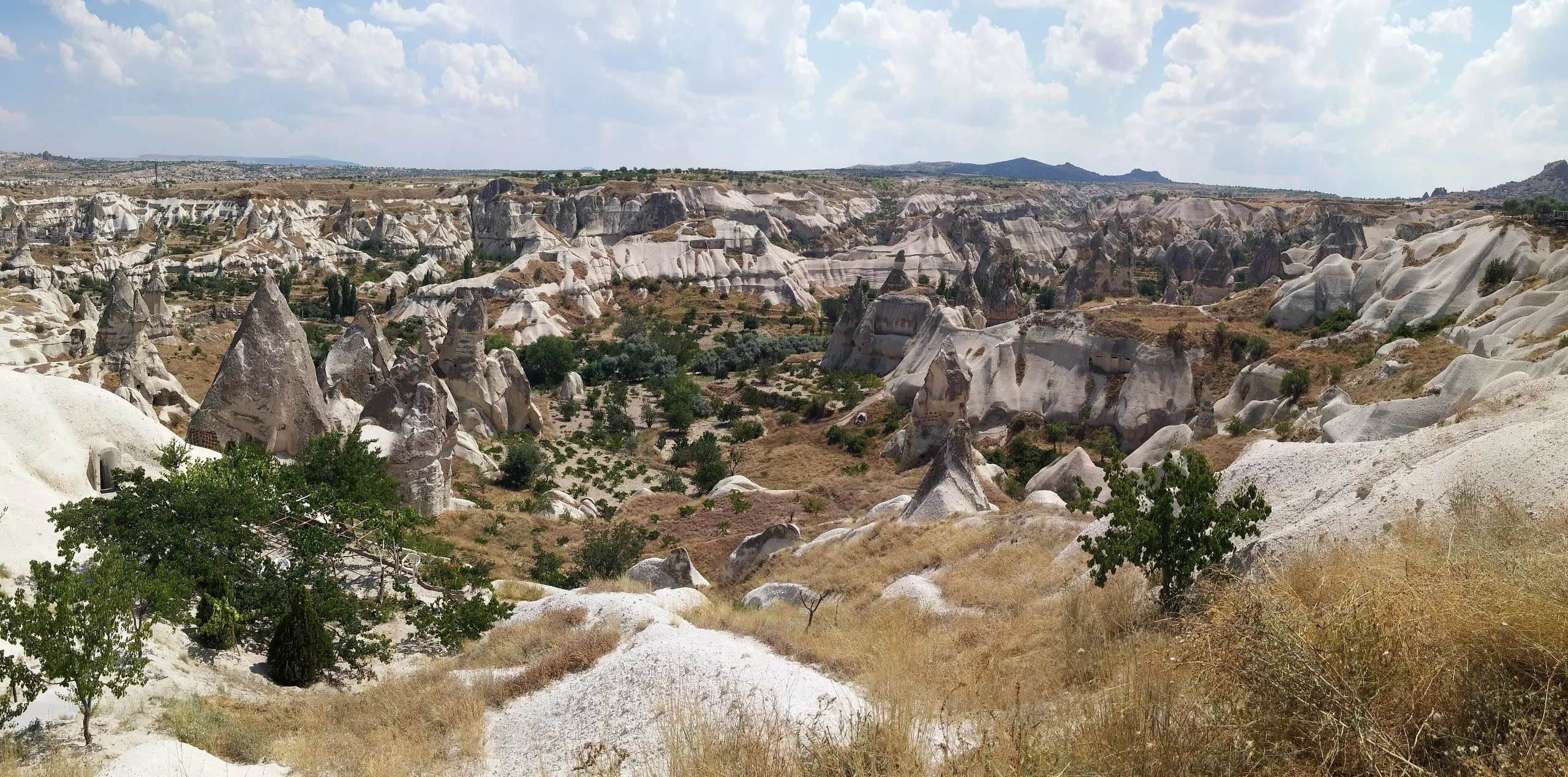
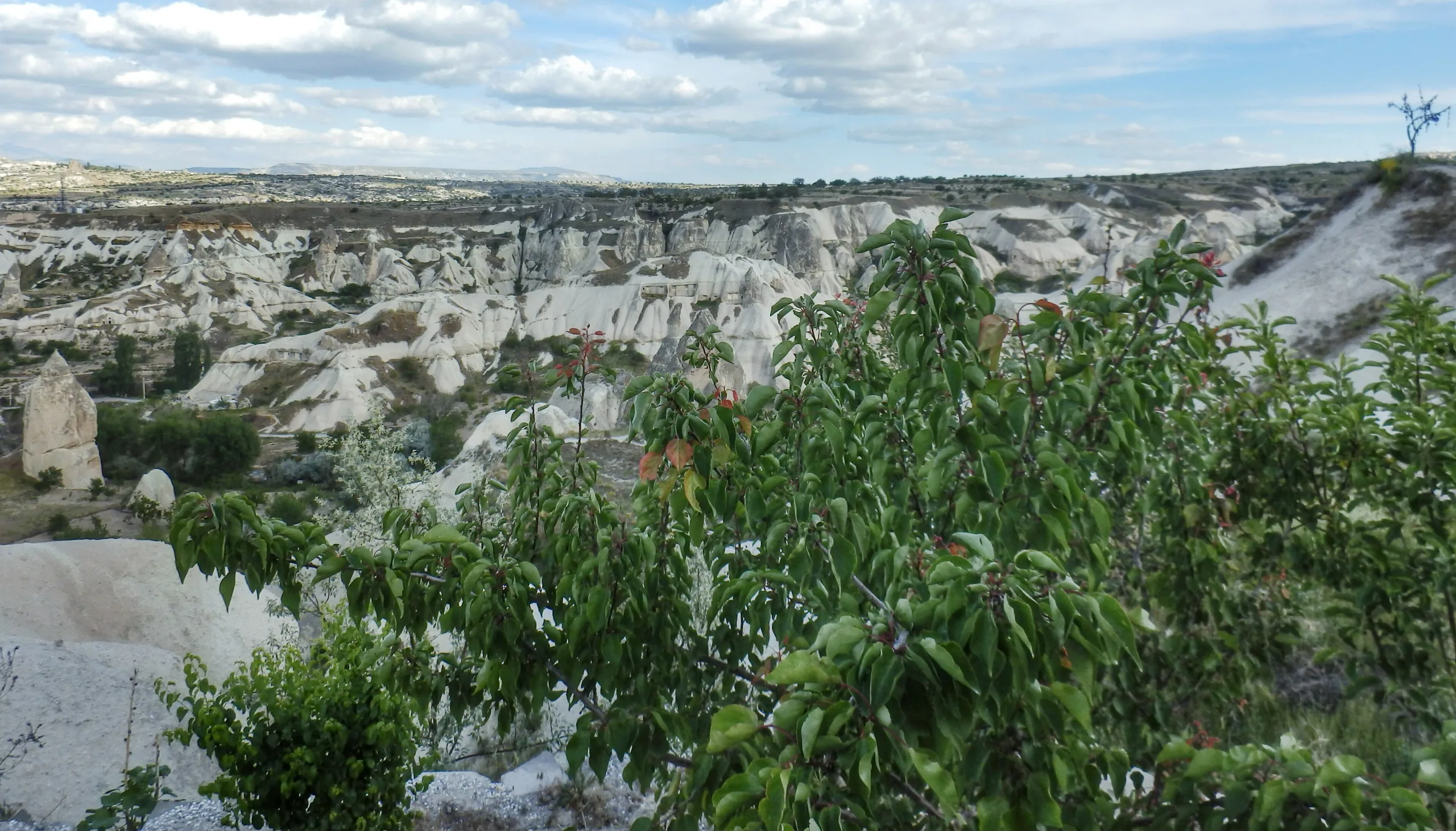
The museum stands about 2 km east of Göreme town and 13 km from Nevşehir, in the Gaferli quarter. The UNESCO property covers the zone between Nevşehir, Ürgüp and Avanos, plus the separate sites of Karain, Karlık, Yeşilöz and Soğanlı and the underground towns of Kaymaklı and Derinkuyu. Extinct volcanoes close it off to the south and east, with Mount Erciyes (3,916 m) at one end and Mount Hasan (3,253 m) at the other. Ash from Erciyes, Hasan and Göllüdağ settled as tuff, and wind and water have since worn it for millions of years into the cones people call fairy chimneys. Rooms cut into this rock stay mild in winter and cool in summer.
History
Monastic life in Cappadocia seems to begin in the 4th century, when small communities of hermits, following the teaching of Basil the Great, Bishop of Kayseri, moved into cells hewn in the rock. The three great churchmen known as the Cappadocian Fathers were Basil, Gregory of Nyssa (his brother) and Gregory of Nazianzus. In Göreme monastic life stayed intense from the 4th to the 13th century, and almost every block of rock held a church, chapel, refectory or sitting room. The valley is regarded as the birthplace of the monastic school system, which later appears at Soğanlı, Ihlara and Açıksaray.
Against Arab raids, these communities gathered in villages and in underground towns like Kaymaklı and Derinkuyu, which served as refuges. Monasticism was well established in Cappadocia during the iconoclastic period (725-842), when holy images were banned and decoration was mostly limited to carved or painted crosses. After 842 many rock churches were dug and richly painted with colourful figures. Göreme became an important centre between the 7th and 13th centuries as Christians escaping pressure settled here. People have lived in the region since prehistoric times, and the Göreme valley has been continuously occupied for at least 16 centuries.
What to see
The Open Air Museum
Visitors can walk through the Girls' and Boys' Monastery and the churches of St Basil, Elmalı, St Barbara, the Serpent, the Dark Church, Çarıklı and Tokalı, as well as the Malta Crusader Church and St Catherine's. The site opened to the public in 1967 and has been on the UNESCO list since 6 December 1985. The walls were painted in two ways: directly on the smoothed rock, and in fresco-secco, tempera on a dry plaster surface. The scenes come from the Old Testament, the Gospels and the life of Christ, while the first paint layers show geometric motifs from early Christianity.
The Dark Church
The most important building of the museum has its own entrance, and it is placed between the late 11th and early 13th century. Its cross-shaped plan carries a dome over the middle, intersecting vaults, four supporting columns and three apses, the semicircular recesses at the sanctuary end. A curved stair on the north climbs to the barrel-vaulted narthex, with a tomb on its south side. The paintings include the Deesis (Christ flanked by Mary and John the Baptist), Annunciation, Nativity, Baptism, Raising of Lazarus, Last Supper, Crucifixion and Ascension, along with Old Testament stories such as the hospitality of Abraham and the three Hebrew youths in the furnace.
Tokalı Church and the Nuns' and Monks' Monasteries
Tokalı is the oldest known rock church of the region, dated to the late 10th century. It consists of four spaces, and its frescoes run across the vault and the upper walls in red and blue, with a deep blue that distinguishes it from the rest. The six- or seven-storey Nuns' Monastery stands just left of the entrance. Its third-floor church, reached by tunnel, has cross vaults, four columns and three apses, and a templon (the screen that carries icons) in the main apse that is rare elsewhere in Göreme. The four-storey Monks' Monastery beside it has lost its internal passages to erosion, so only a few rooms on the entrance floor can be visited.
Elmalı and Çarıklı churches
Elmalı Church is dated to around the 12th century. It has nine domes, four columns, an enclosed cross plan and three apses, and while its main door is on the south a tunnel from the north also leads in. Its first decoration was crosses and geometric patterns painted straight onto the wall in red. Çarıklı Church belongs to the late 12th and early 13th century, and the name, meaning sandal, is thought to come from the footprints below the Ascension scene. It has two columns, cross vaults, three apses and four domes, with Christ Pantocrator, the ruler of all, at the centre of the main dome and angel busts in the medallions. The figures in its Crucifixion scenes are larger and taller than those at Elmalı and the Dark Church.
Valleys and landscape
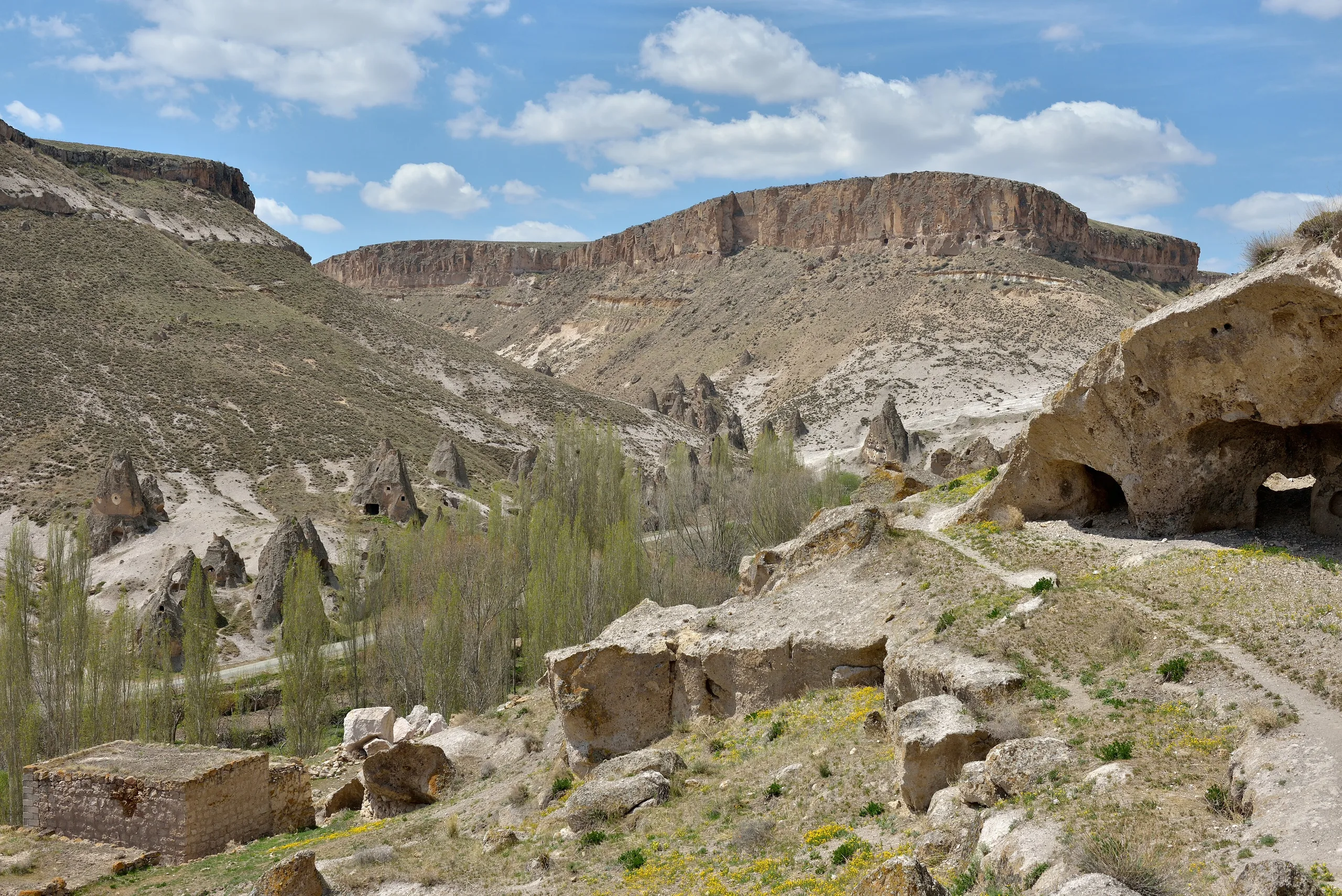
The valleys of Cappadocia hold more than 600 churches cut into soft lava rock. Pillars, towers and needles of stone reach 40 m, and Akdağ (1,325 m) dominates the valley. UNESCO calls Göreme a world-renowned, accessible showcase of hoodoo landforms.
World Heritage status
Inscribed in 1985 (no. 357) under criteria (i), (iii), (v) and (vii), the property is both a cultural and a natural site. It covers 9,883.81 ha and has seven components: the national park itself, two underground cities (Derinkuyu and Kaymaklı), the archaeological site of Soğanlı, the dovecotes of Karain, Karlık Church and the Church of St Theodore. Criterion (i) concerns the rock sanctuaries as irreplaceable testimony to post-iconoclastic Byzantine art. Criterion (iii) cites the fossilised image of a Byzantine province between the 4th century and the Seljuks' arrival in 1071. Criterion (v) covers a traditional settlement made vulnerable by erosion and tourism, and criterion (vii) the landscape shaped by erosion.
Doubts about the nomination's boundaries were raised when it was assessed in 1985: the file counted eight rock churches inside the museum and eleven outside it, and left out Zelve, Çavuşin and Ortahisar. The area is protected under Law 2863 and the National Parks Act 2873, and more than 200 rock-hewn churches are registered. El Nazar, Elmalı and Meryemana churches are endangered by erosion and need priority action.
Visiting
The Müzekart is valid for Turkish citizens. Hours, fees and night-museum arrangements change, so check the official announcements before you go. Nearby stops include Çavuşin and El Nazar churches, Zelve-Paşabağlar and the underground cities of Derinkuyu and Kaymaklı.
Gallery
Frequently asked questions
Why is Göreme a World Heritage site?
Which churches are in the Göreme Open Air Museum?
Why is the Dark Church called dark?
When did monastic life begin in Cappadocia?
Are Derinkuyu and Kaymaklı connected to Göreme?
How many rock-cut churches are there?
Sources (21)
- Göreme Örenyeri ve Kapadokya Kaya Yerleşimleri / Göreme and the Rock Sites of Cappadocia (GRM01, Göreme Açıkhava Müzesi; TR ve EN) — T.C. Kültür ve Turizm Bakanlığı, Müzeler ve Ören Yerleri
- Karanlık Kilise (GRM02; TR ve EN) — T.C. Kültür ve Turizm Bakanlığı, Müzeler ve Ören Yerleri
- Göreme Açık Hava Müzesi - Nevşehir (Gezilecek Yerler; Nevşehir İl Kültür ve Turizm Müdürlüğü) — T.C. Kültür ve Turizm Bakanlığı, Kültür Portalı
- Göreme Milli Parkı ve Kapadokya (Dünya Mirasında Türkiye) — T.C. Kültür ve Turizm Bakanlığı, Kültür Portalı
- Göreme Milli Parkı Ve Kapadokya - Nevşehir (Gezilecek Yerler) — T.C. Kültür ve Turizm Bakanlığı, Kültür Portalı
- Karanlık Kilise, Tokalı Kilise, Rahibeler ve Rahipler Manastırı (Kültür Portalı, Nevşehir) — T.C. Kültür ve Turizm Bakanlığı, Kültür Portalı
- Göreme National Park and the Rock Sites of Cappadocia (UNESCO Dünya Mirası no. 357) — UNESCO World Heritage Centre
- Advisory Body Evaluation, Göreme Valley (WHC 357) — ICOMOS, 1985
- IUCN Technical Evaluation, Göreme Valley (357) — IUCN, 1985
- Elmalı Kilise - Nevşehir (Kültür Portalı; kaynak: Kapadokya Alan Başkanlığı) — T.C. Kültür ve Turizm Bakanlığı, Kültür Portalı
- Çarıklı Kilise - Nevşehir (Kültür Portalı) — T.C. Kültür ve Turizm Bakanlığı, Kültür Portalı
- Göreme National Park and the Rock Sites of Cappadocia (Pleiades place 998569132) — Pleiades
Photo credits
- Photo: Ray Swi-hymn from Sijhih-Taipei, Taiwan, CC BY-SA 2.0 — Wikimedia Commons (resized)
- Photo: Berna Dede, CC BY-SA 4.0 — Wikimedia Commons (resized)
- Photo: kai_schmerer, CC BY 2.0 — Wikimedia Commons (resized)
- Photo: Ray Swi-hymn from Sijhih-Taipei, Taiwan, CC BY-SA 2.0 — Wikimedia Commons (resized)
- Photo: Ray Swi-hymn from Sijhih-Taipei, Taiwan, CC BY-SA 2.0 — Wikimedia Commons (resized)
- Photo: Ray Swi-hymn from Sijhih-Taipei, Taiwan, CC BY-SA 2.0 — Wikimedia Commons (resized)
- Photo: Ray Swi-hymn from Sijhih-Taipei, Taiwan, CC BY-SA 2.0 — Wikimedia Commons (resized)
- Photo: Ray Swi-hymn from Sijhih-Taipei, Taiwan, CC BY-SA 2.0 — Wikimedia Commons (resized)
- Photo: Andre Speelmans, CC BY-SA 3.0 — Wikimedia Commons (resized)