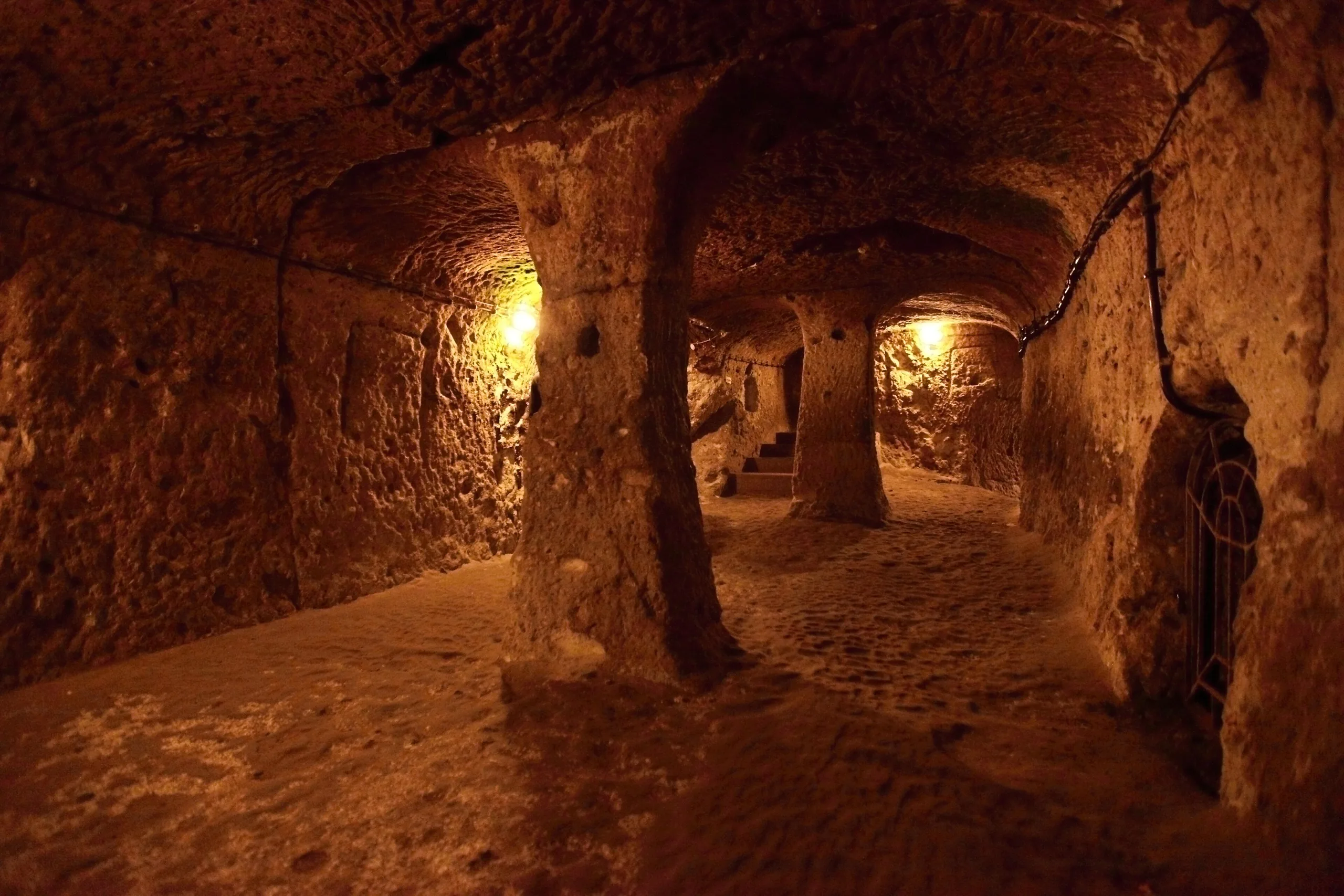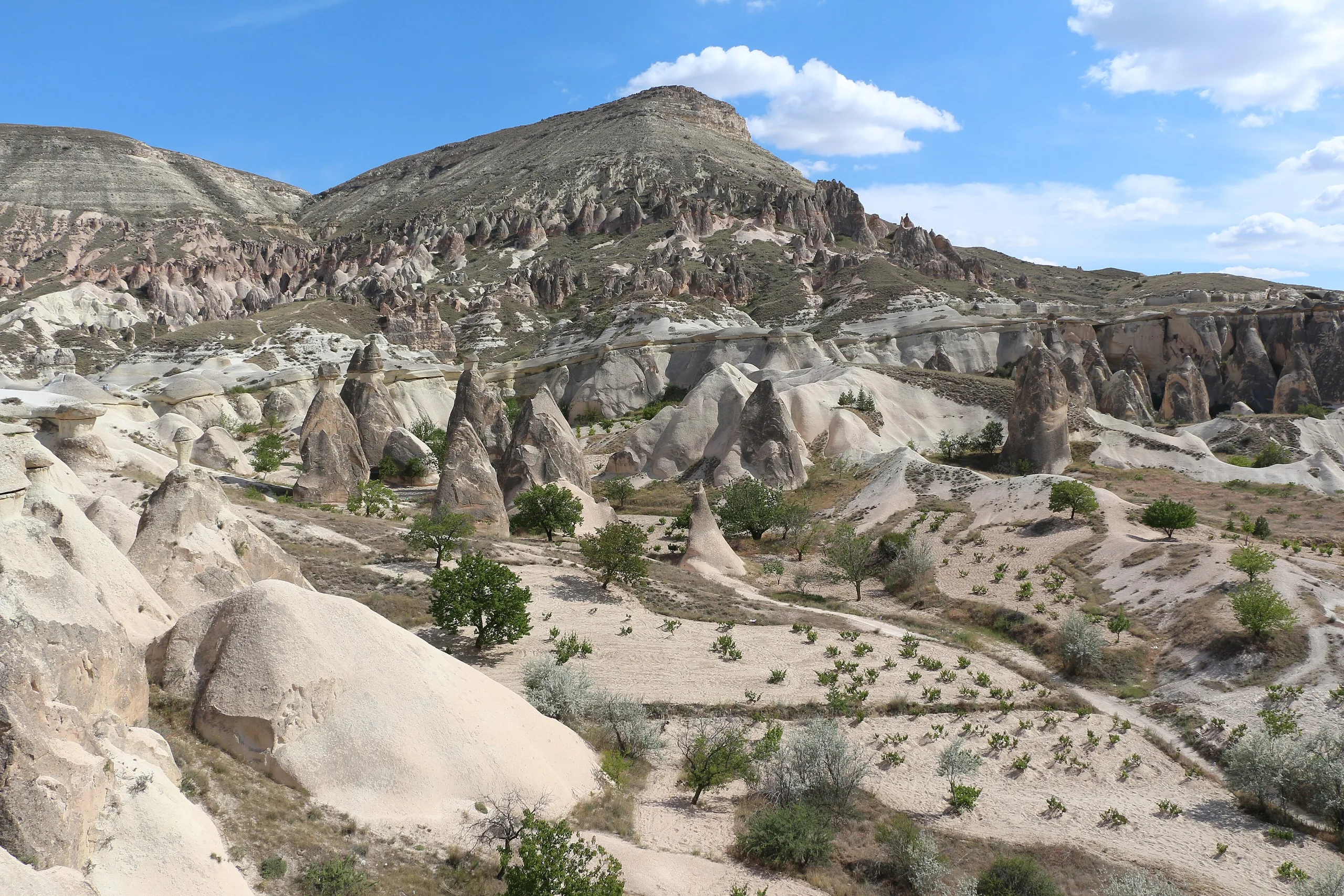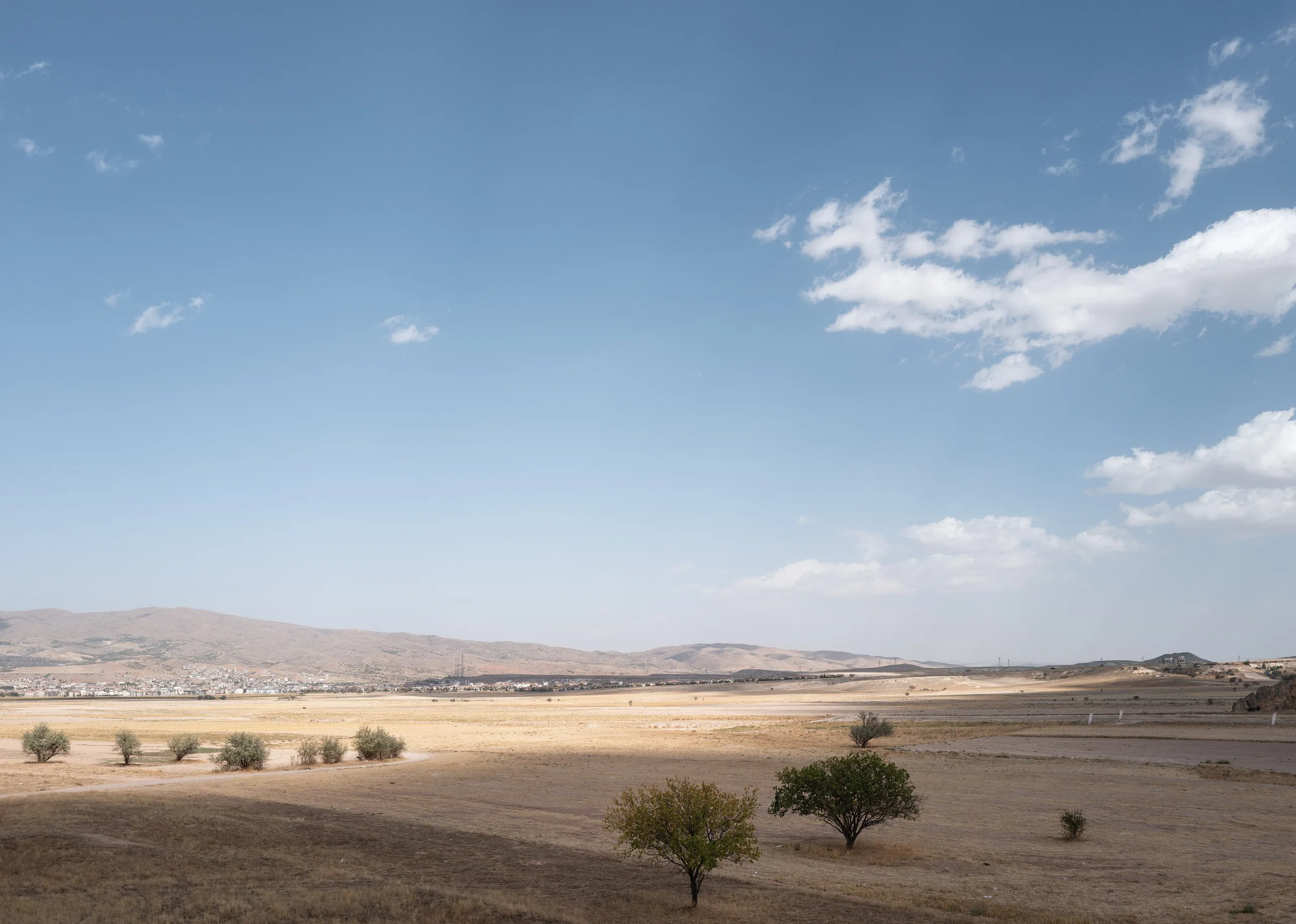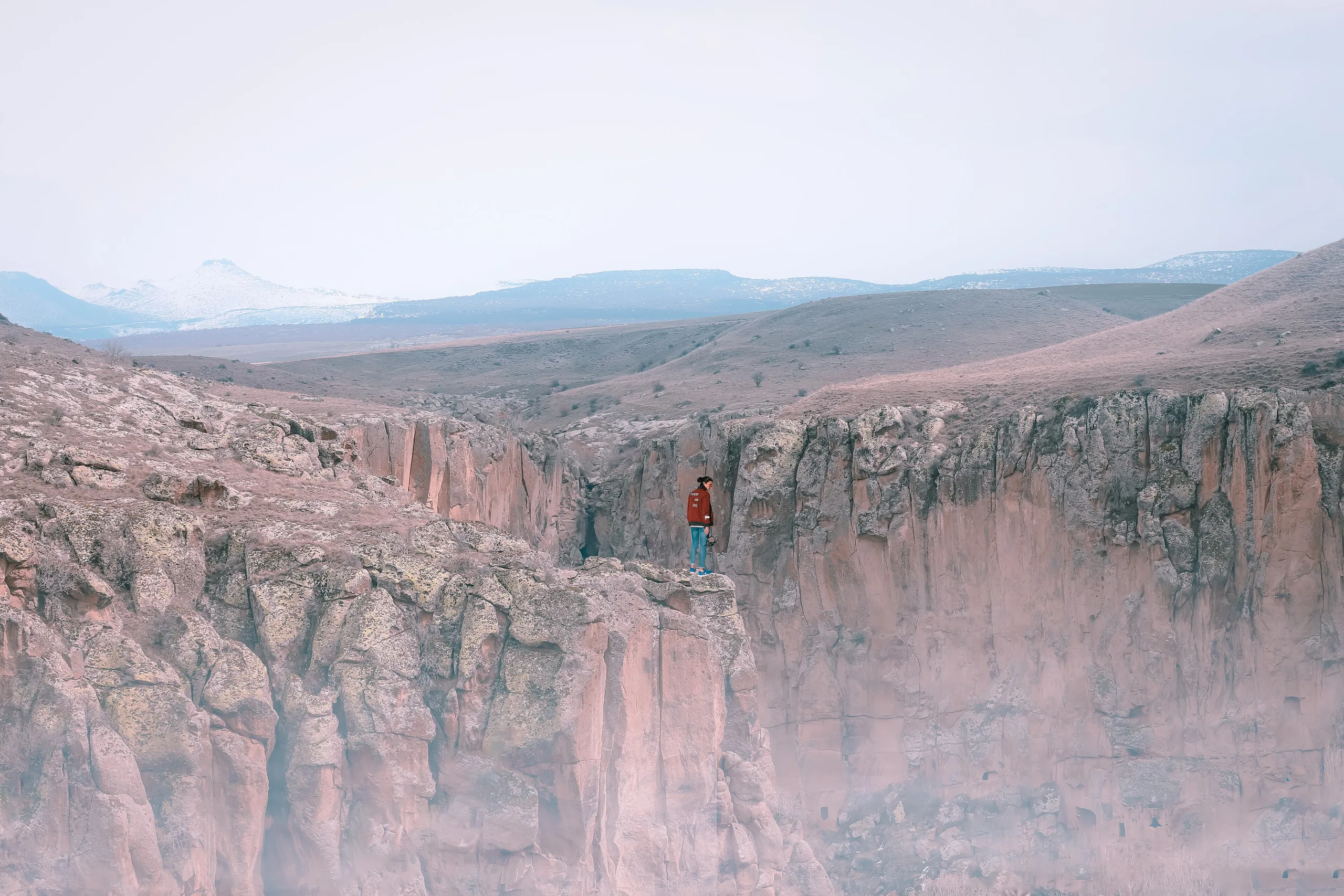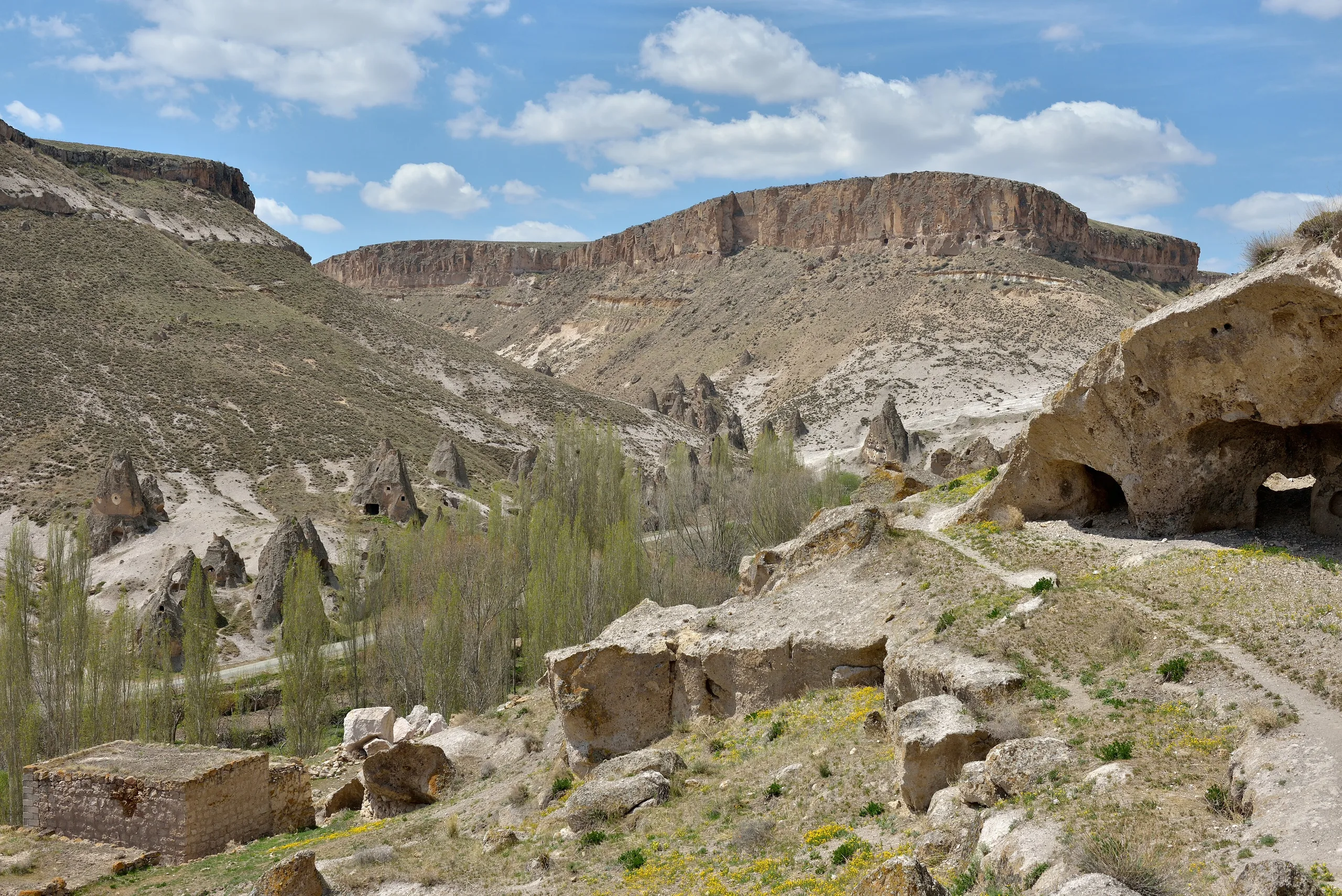
Soğanlı is a valley site in Yeşilhisar district full of rock-cut churches, caves and dovecotes; eight churches can be visited and their frescoes follow a 10th to 12th century style.
Soğanlı Valley is a place (Sanctuary) in Turkey, Kayseri. Main periods: Roman Period.
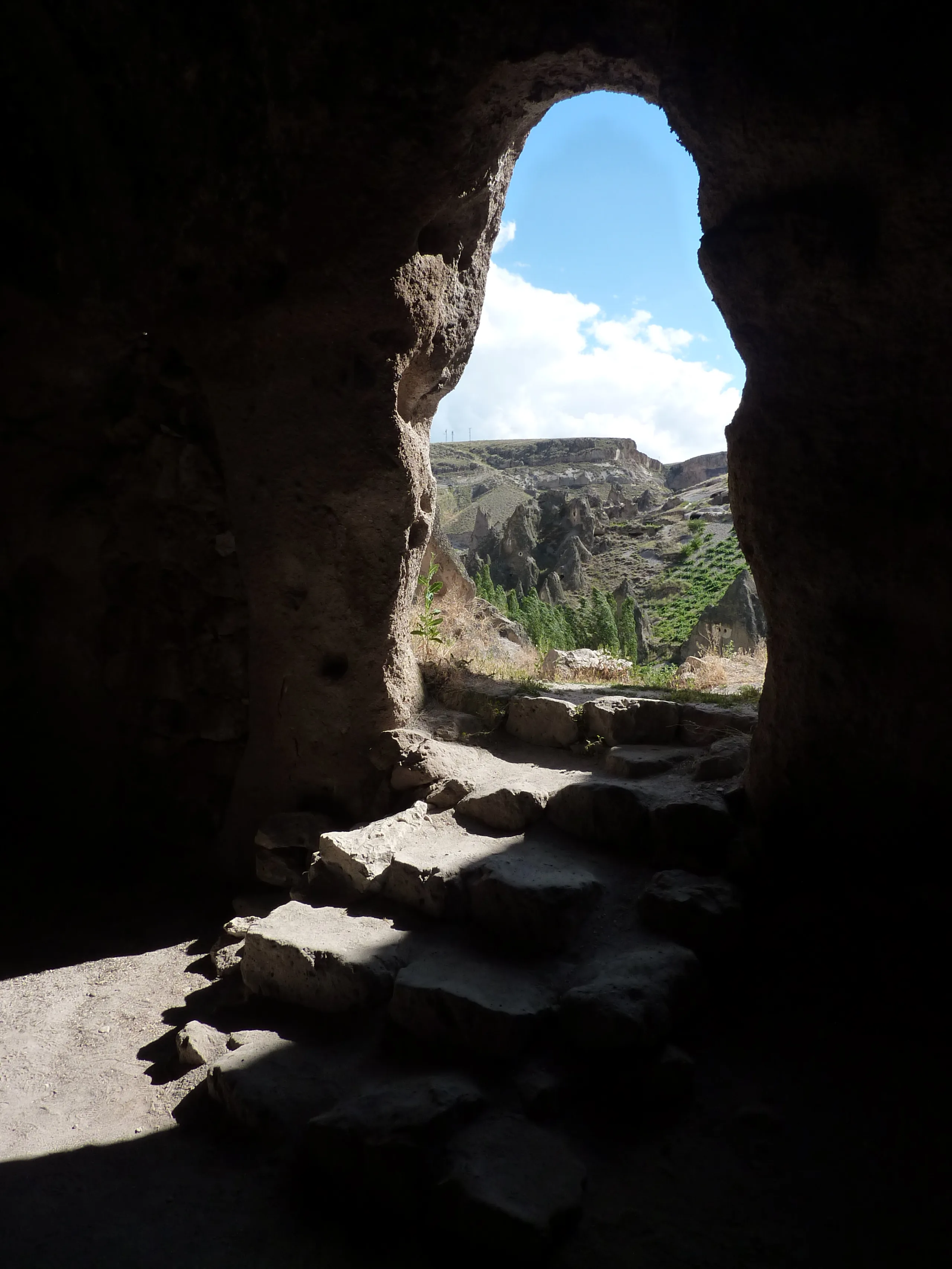
Soğanlı sits in a valley 15 km from the centre of Yeşilhisar, in the triangle formed by Kayseri, Niğde and Nevşehir. The Ministry of Culture and Tourism describes rock churches and caves woven among present-day houses. The Culture Portal presents the area as Soğanlı Valley and credits the Kayseri provincial culture and tourism directorate and muze.gov.tr as its sources.
History
The Ministry says people began using Soğanlı as a settlement in the Roman period. The rock spaces on the valley slopes served as burial places for the Romans and as churches for the Byzantines. From the 4th century CE the area ranked among Christianity's centres in Cappadocia, and it remained significant through the 7th and 8th centuries.
Main features
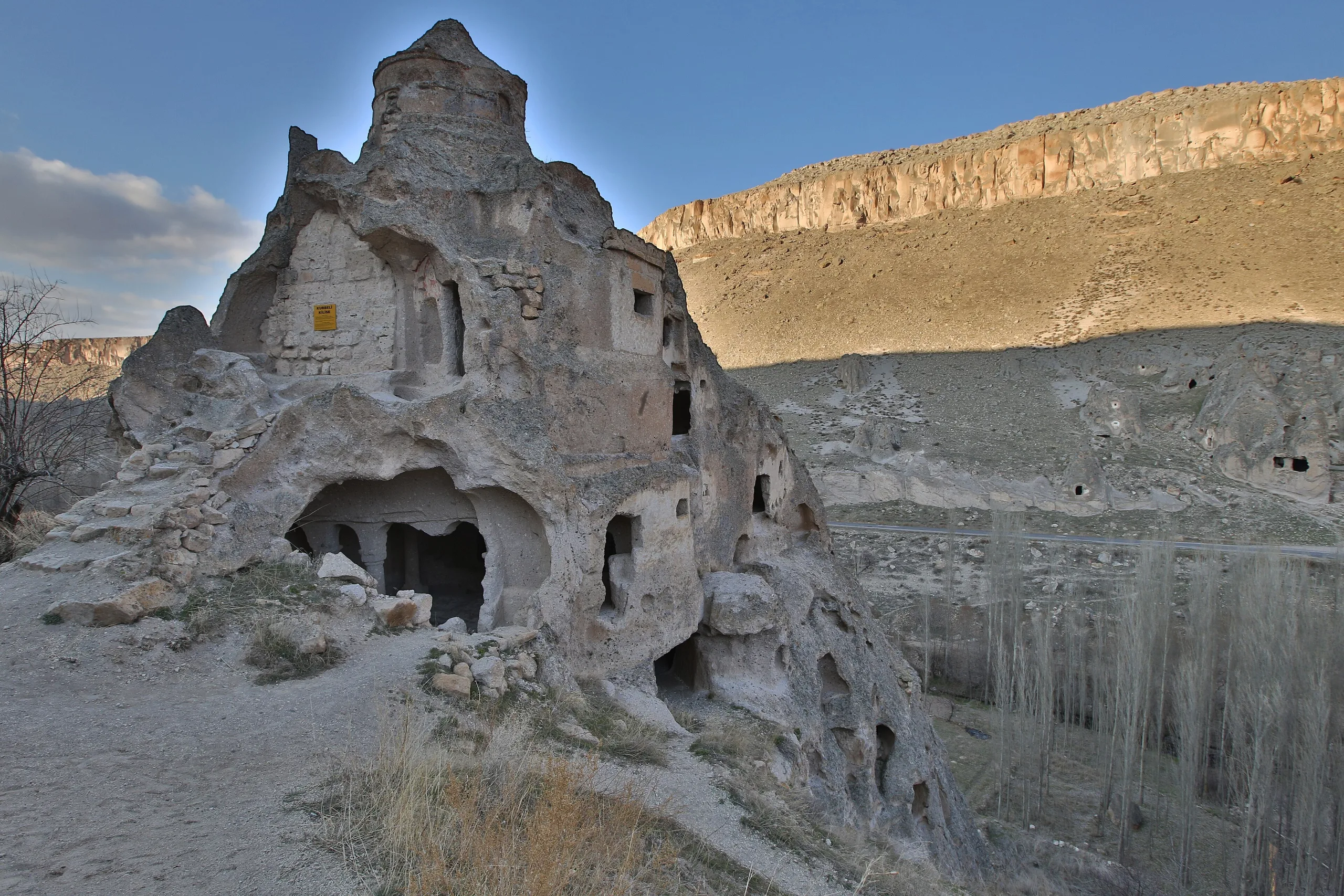
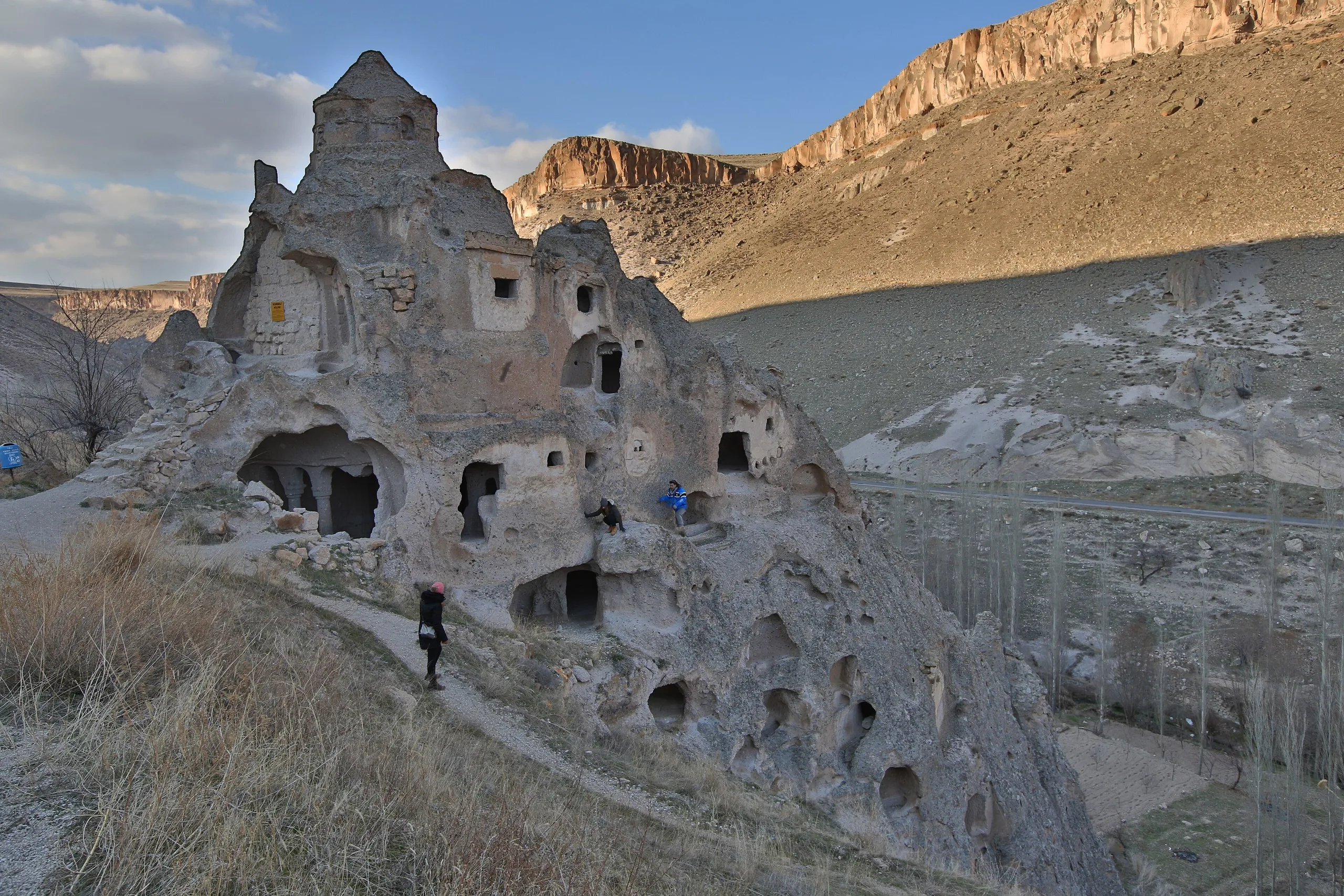
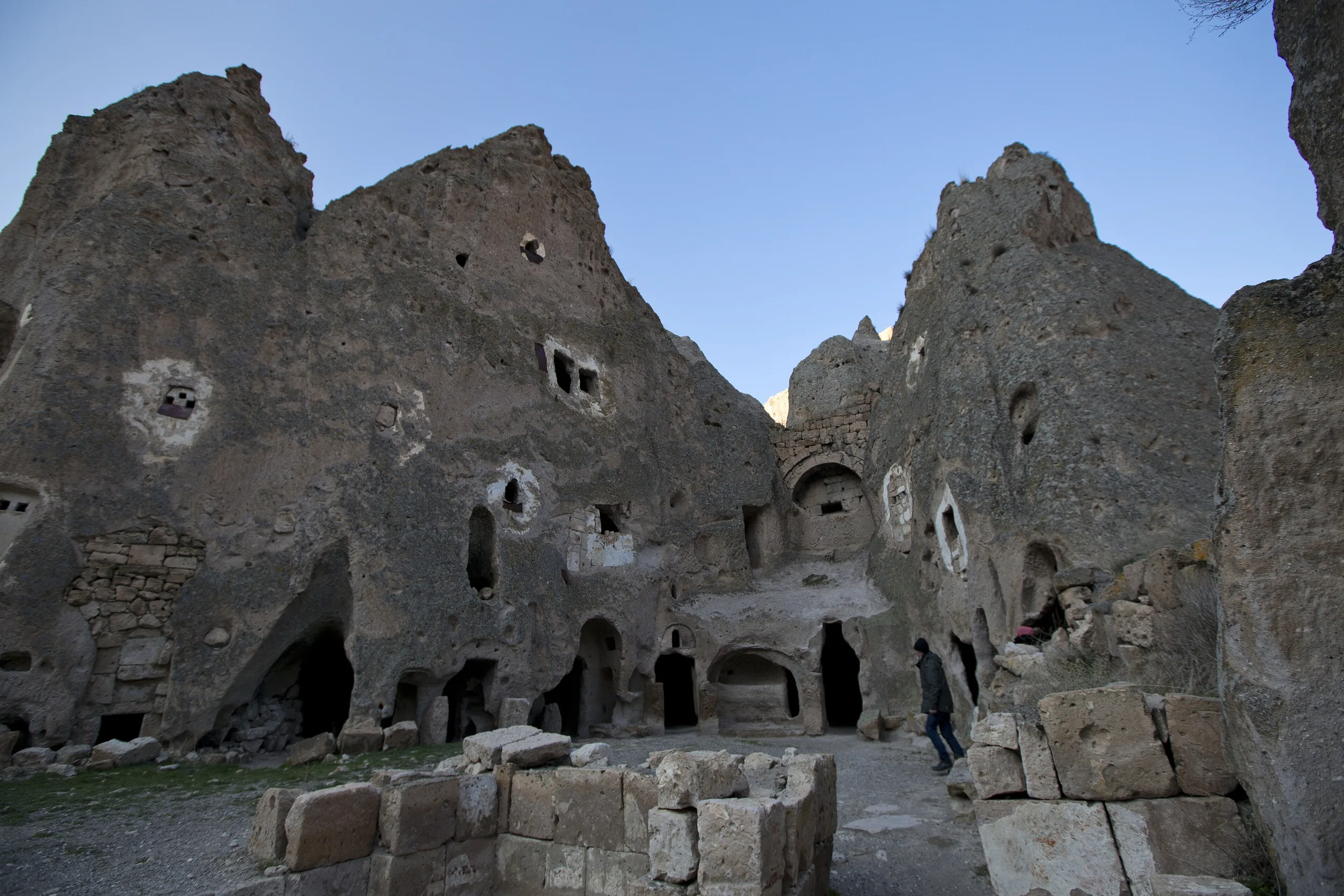
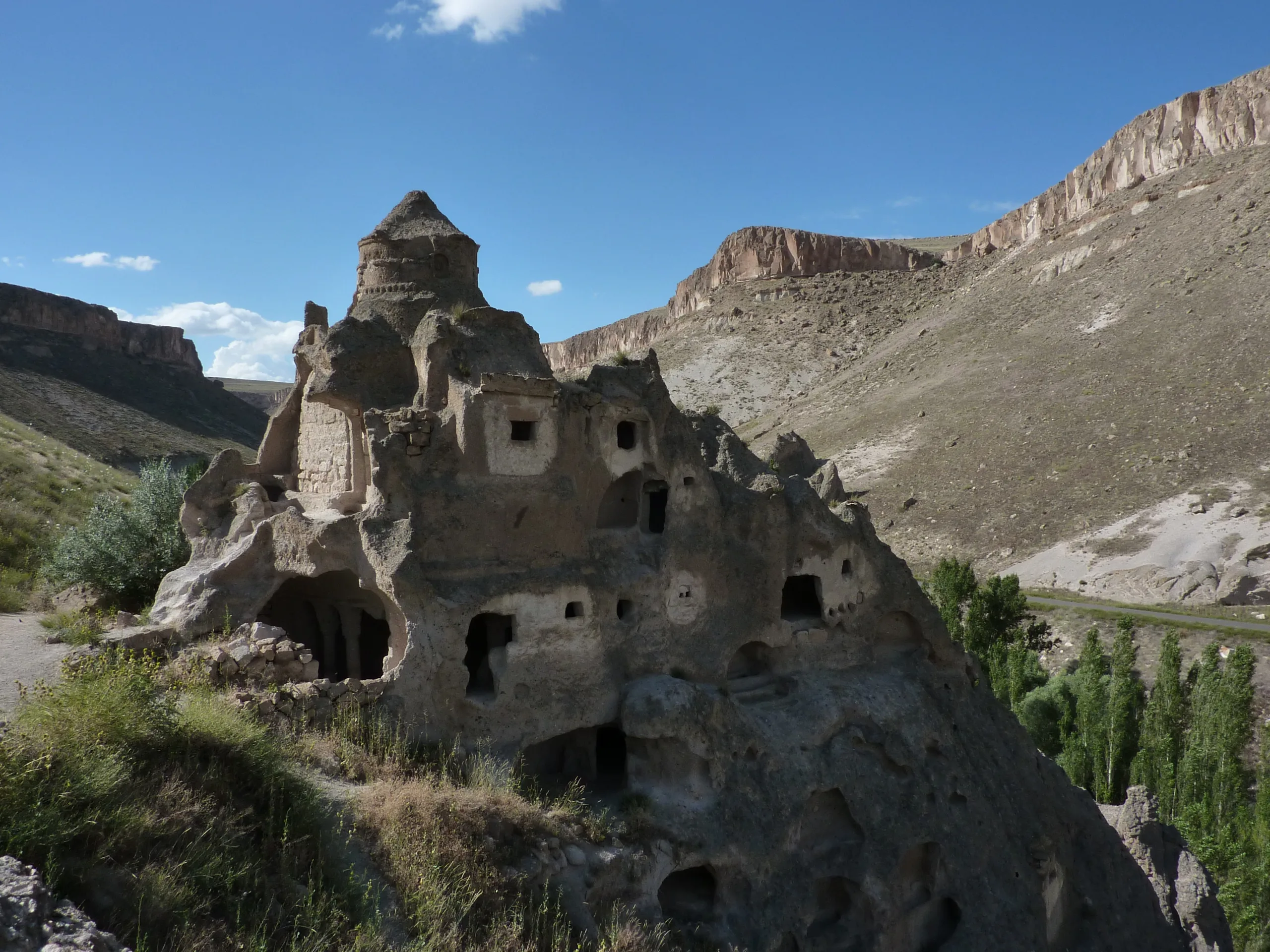
The site lies on tuff and is said to hold close to fifty rock churches and caves, of which only eight can be toured; the doors and windows of the rest were walled up in earlier years. The visitable churches are Karabaş, the Domed Church, Tahtalı (St Barbara), Yılanlı, Saklı, Tokalı, Ballık and Geyikli. The English Ministry page says around fifty churches were built in those centuries, whereas the Turkish page and the Culture Portal do not tie the count to a building period.
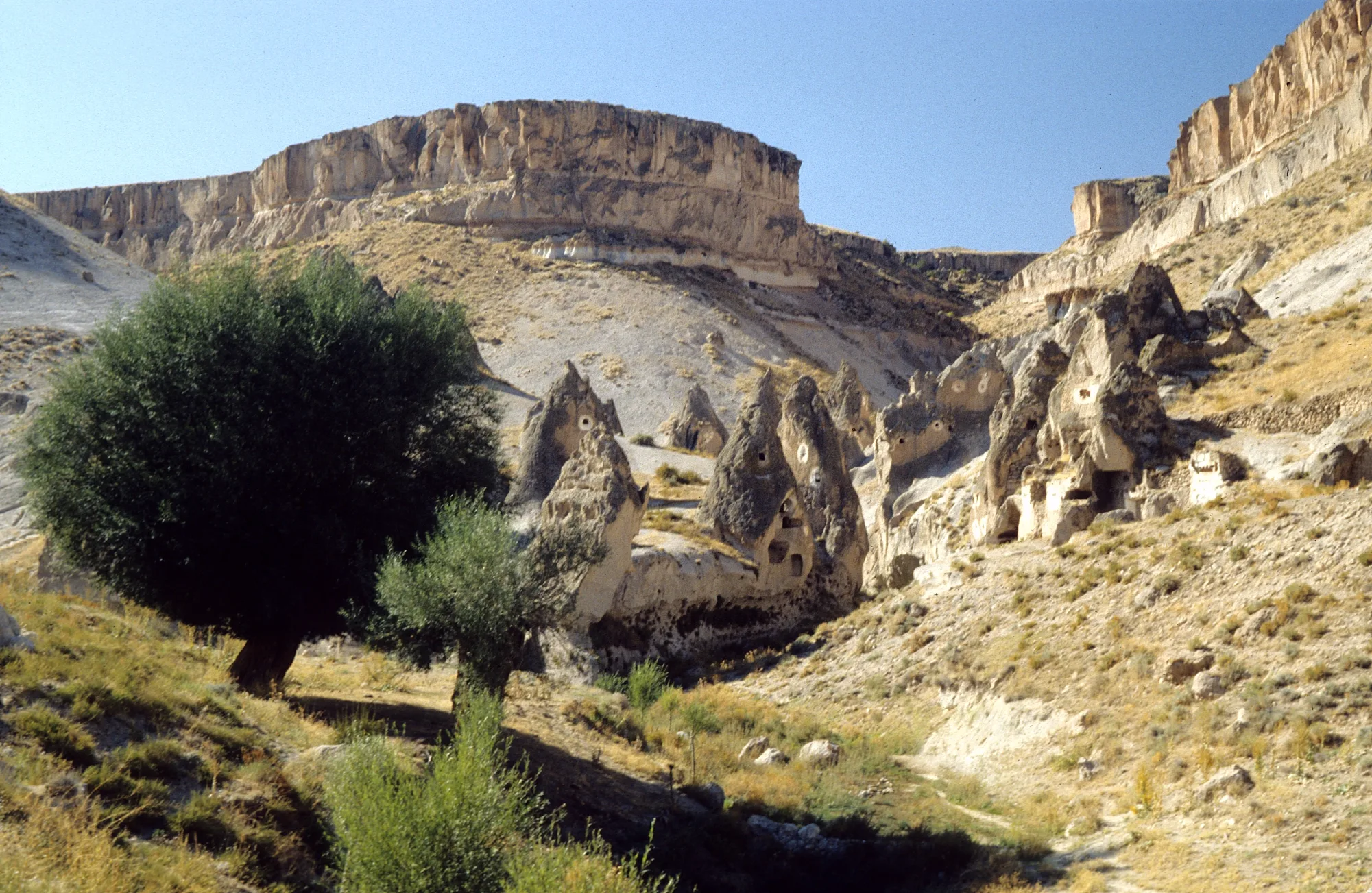
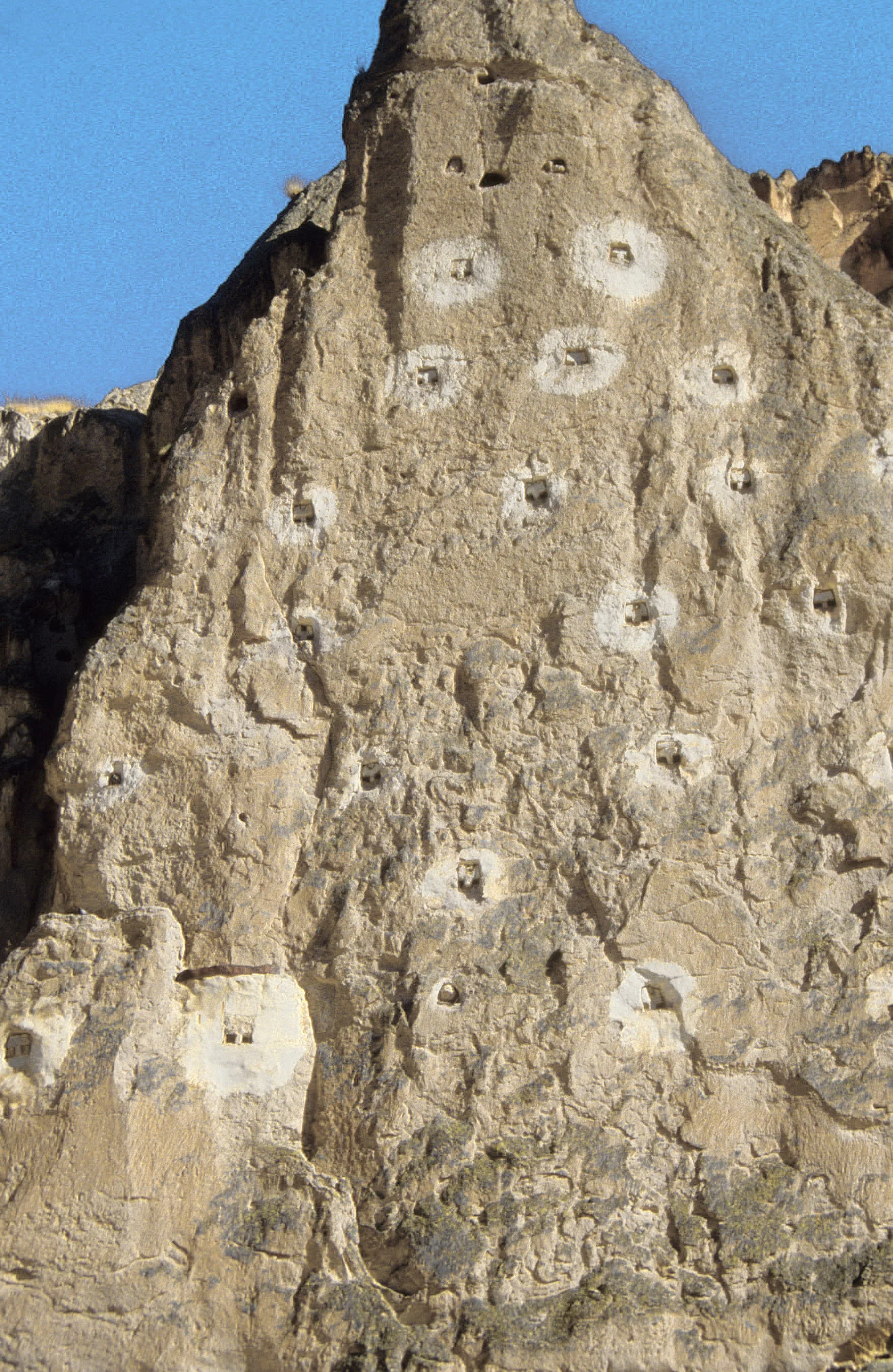
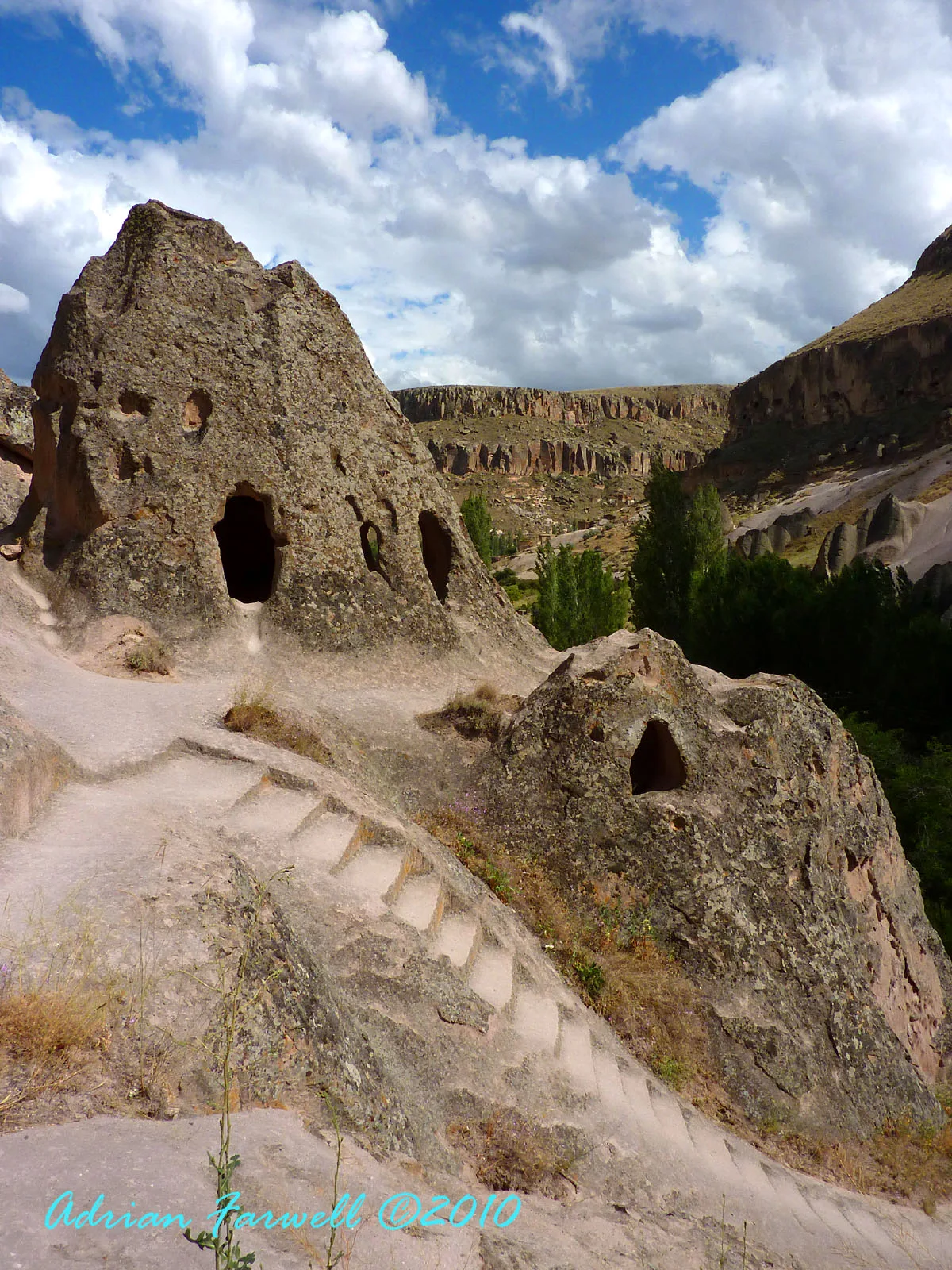
Church walls carry graves, images of Christ and the apostles, and Gospel scenes, and the Turkish page and the portal say the style of the paintings reflects the 10th to 12th centuries. The Ministry notes that rock settlements and churches like those at Ihlara, Göreme and Zelve can be seen here too, with domed rock churches as the difference. Thousands of dovecotes, caves and shelters, plus fairy chimneys, complete the scenery.
Local culture
The Ministry adds that village women make cloth dolls known as Soğanlı Babies, sold across Cappadocia and an important source of income for the village.
Visiting
The Ministry's Turkish page does not say whether MüzeKart is valid at Soğanlı. The Culture Portal lists the address as Soğanlı Village Road, Yeşilhisar. For hours and fees, consult the official page.
Gallery
Frequently asked questions
Where is Soğanlı?
How many churches can be visited?
Which churches are open?
When did Soğanlı become a Christian centre?
Which period do the frescoes resemble?
What are Soğanlı Babies?
Sources (12)
- Yeşilhisar Soğanlı Örenyeri / Soğanlı Valley (TR ve EN sayfalar) — T.C. Kültür ve Turizm Bakanlığı, Müzeler ve Ören Yerleri
- Soğanlı Vadisi - Kayseri — T.C. Kültür ve Turizm Bakanlığı, Türkiye Kültür Portalı
- Soğanlı Valley (Wikidata Q25424230, P625) — Wikidata
Photo credits
- Photo: This Photo was taken by Wolfgang Moroder . Feel free to use my photos, but please mention me as the author and send me a message . This image is not in the public domain . Please respect the copyright, CC BY-SA 3.0 — Wikimedia Commons (resized)
- Photo: prilfish, CC BY 2.0 — Wikimedia Commons (resized)
- Photo: prilfish, CC BY 2.0 — Wikimedia Commons (resized)
- Photo: prilfish, CC BY 2.0 — Wikimedia Commons (resized)
- Photo: Adrian Farwell, CC BY 3.0 — Wikimedia Commons (resized)
- Photo: Klaus-Peter Simon, CC BY 3.0 — Wikimedia Commons (resized)
- Photo: Adrian Farwell, CC BY 3.0 — Wikimedia Commons (resized)
- Photo: Volker Höhfeld, CC BY-SA 4.0 — Wikimedia Commons (resized)
- Photo: Adrian Farwell, CC BY 3.0 — Wikimedia Commons (resized)