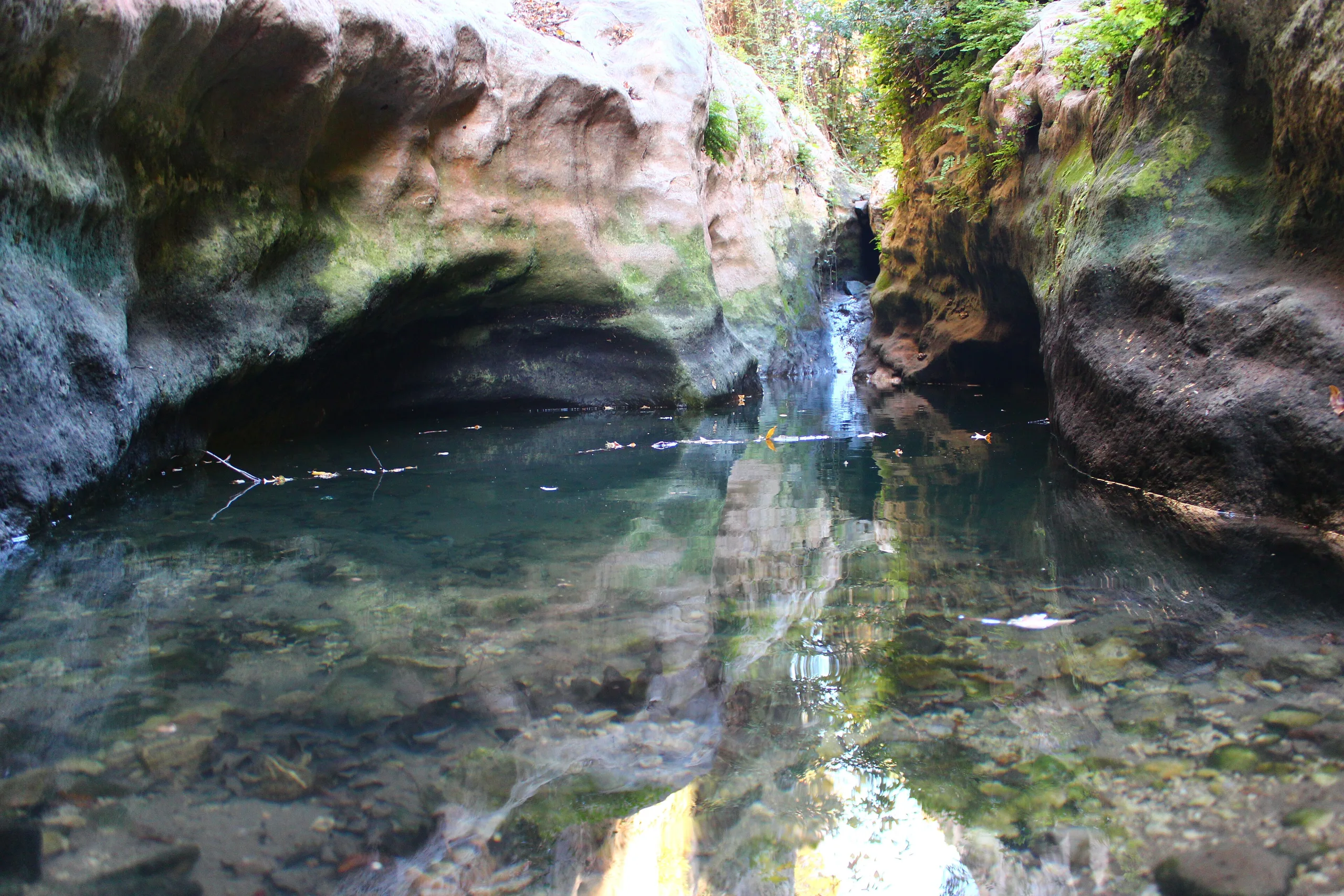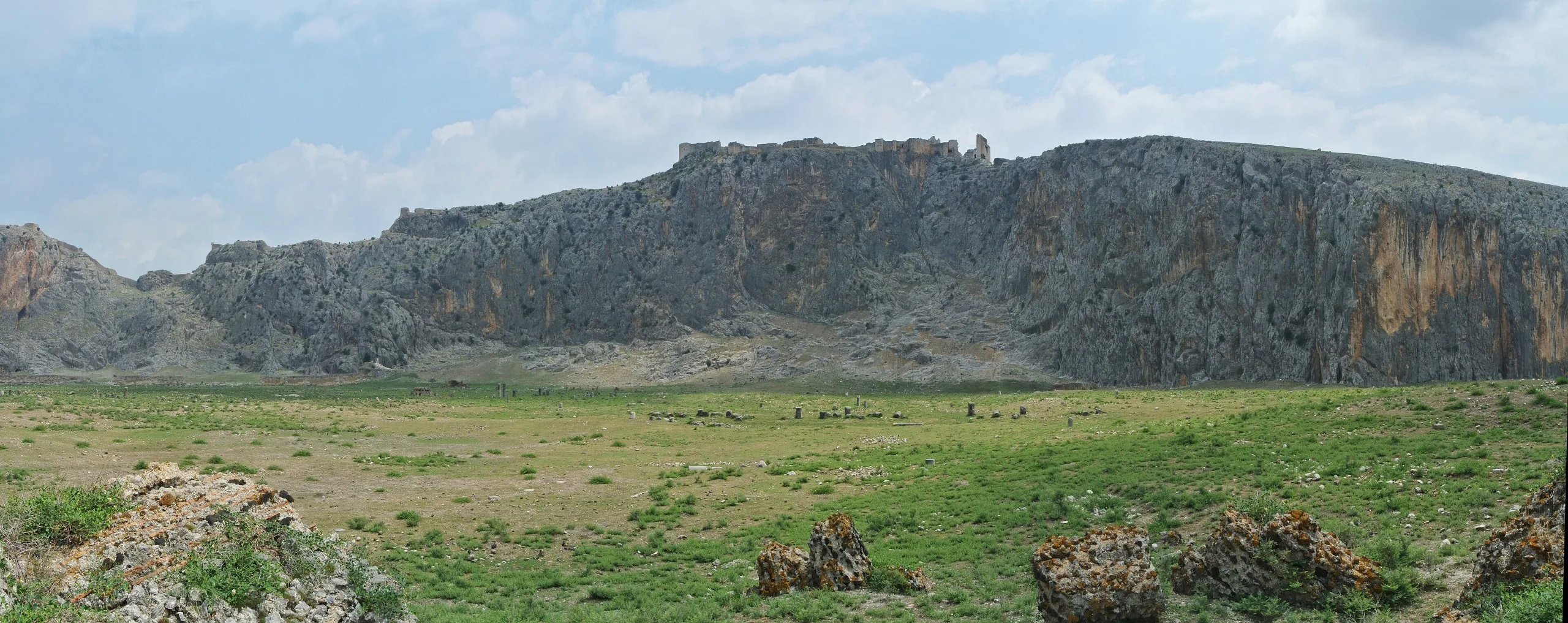
Anazarbus, known in Turkish as Anavarza, is a large Roman-Byzantine city of the Cilician plain near Kozan, with a colonnaded street, the Ala Kapı gate and a medieval citadel.
Anazarbus (Anavarza) is an ancient city located in Turkey, Adana. Main periods: Hellenistic Period, Roman Period, Byzantine Period, Ottoman Period.
Anazarbus, called Anavarza in Turkish, lies in Dilekkaya village of Kozan district, Adana, where the borders of Kozan, Kadirli and Ceyhan meet on the Cilician plain. The ministry places the site about 28 km south of Kozan town and some 70 km north-east of Adana; the excavation brochure gives 68 km for the distance to Adana.
Name and setting
The ministry's English page and the excavation brochure both link the name to a Persian word, Nezarba, read as meaning unconquerable. Ancient writers spell it Anazarbos, Anazarba or Anazarbus, with the Arabic form Ayn Zarba, and Pleiades also lists Caesarea, Ioustinianoupolis and Agrippias. According to the brochure the city was laid out over roughly 400 hectares and has an upper town and a lower town; the first-degree archaeological protection zone is 1,145 decares.
History
The brochure mentions a stone axe dated to about 5500 BCE, in the early Chalcolithic, while coins and inscriptions take the known city back to the Hellenistic period. The ministry's Turkish page says almost nothing is known of the time before the Roman empire. After Rome handed the region to the client king Tarkondimotos the city flourished: Augustus visited in 19 BCE and the city took the name Caesarea, and the Culture Portal says it passed under Roman rule in 17 BCE.
Septimius Severus rewarded the city's support in the civil war with the title neokoros in 198 and 203 and with metropolis in 204, the year the provincial council also met here. In 408, under Theodosius, the region was split and Anazarbus became capital of Cilicia Secunda, while Tarsus headed Cilicia Prima. The brochure records earthquakes in 524/525 and 561, the rebuilding that followed and the Justinianic names given to the city.
Arabs took the city in the 7th and 8th centuries and it changed hands repeatedly until Nikephoros Phokas brought it back inside the eastern Roman empire in 964. In the 11th century Toros I seized it and it became capital of an Armenian kingdom. The brochure lists damaging earthquakes in 1157, 1170, 1200, 1202 and 1269; after the Mamluks took it from the Armenians in 1375 it lost its standing and was eventually abandoned.
Main remains
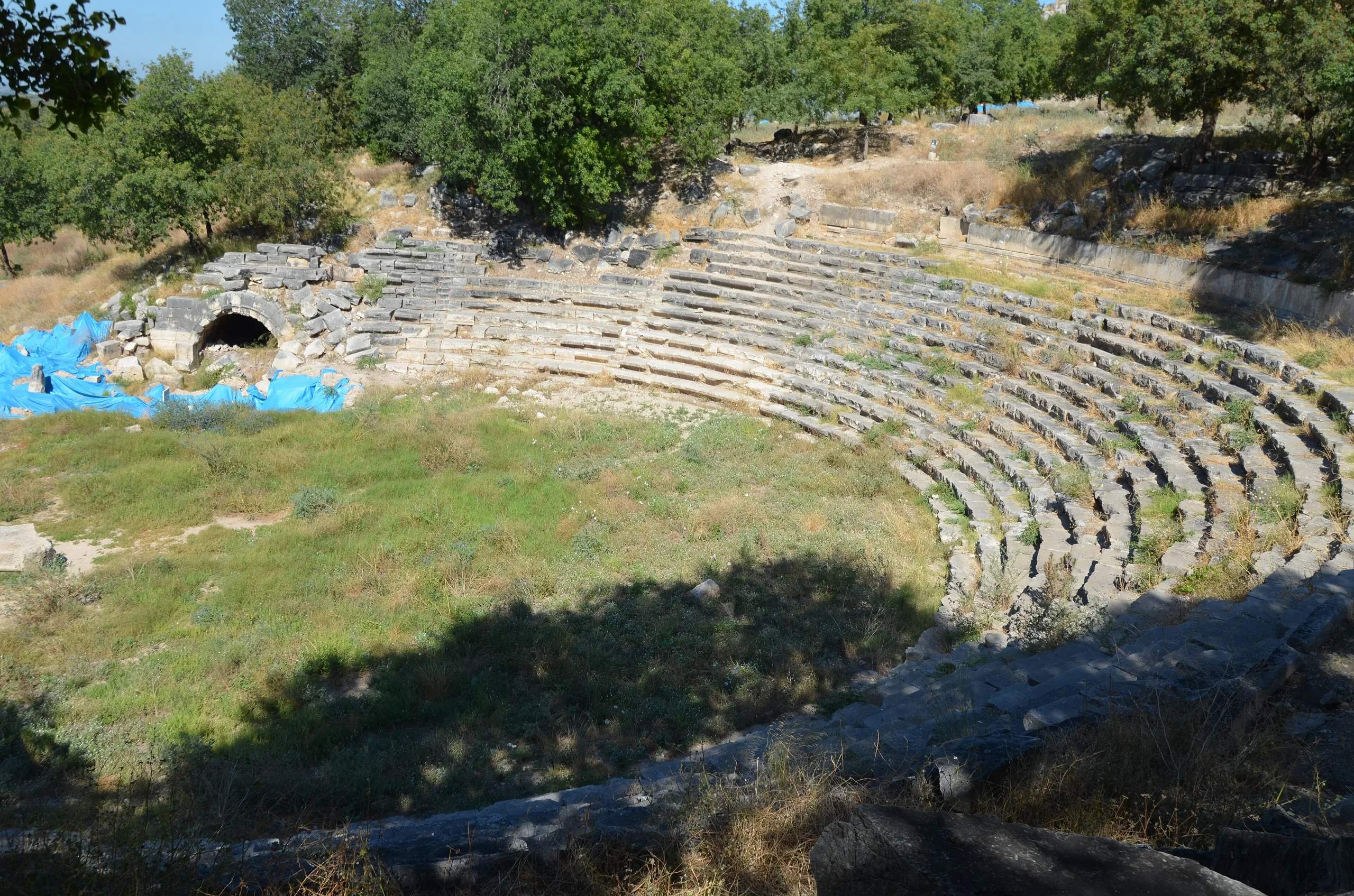
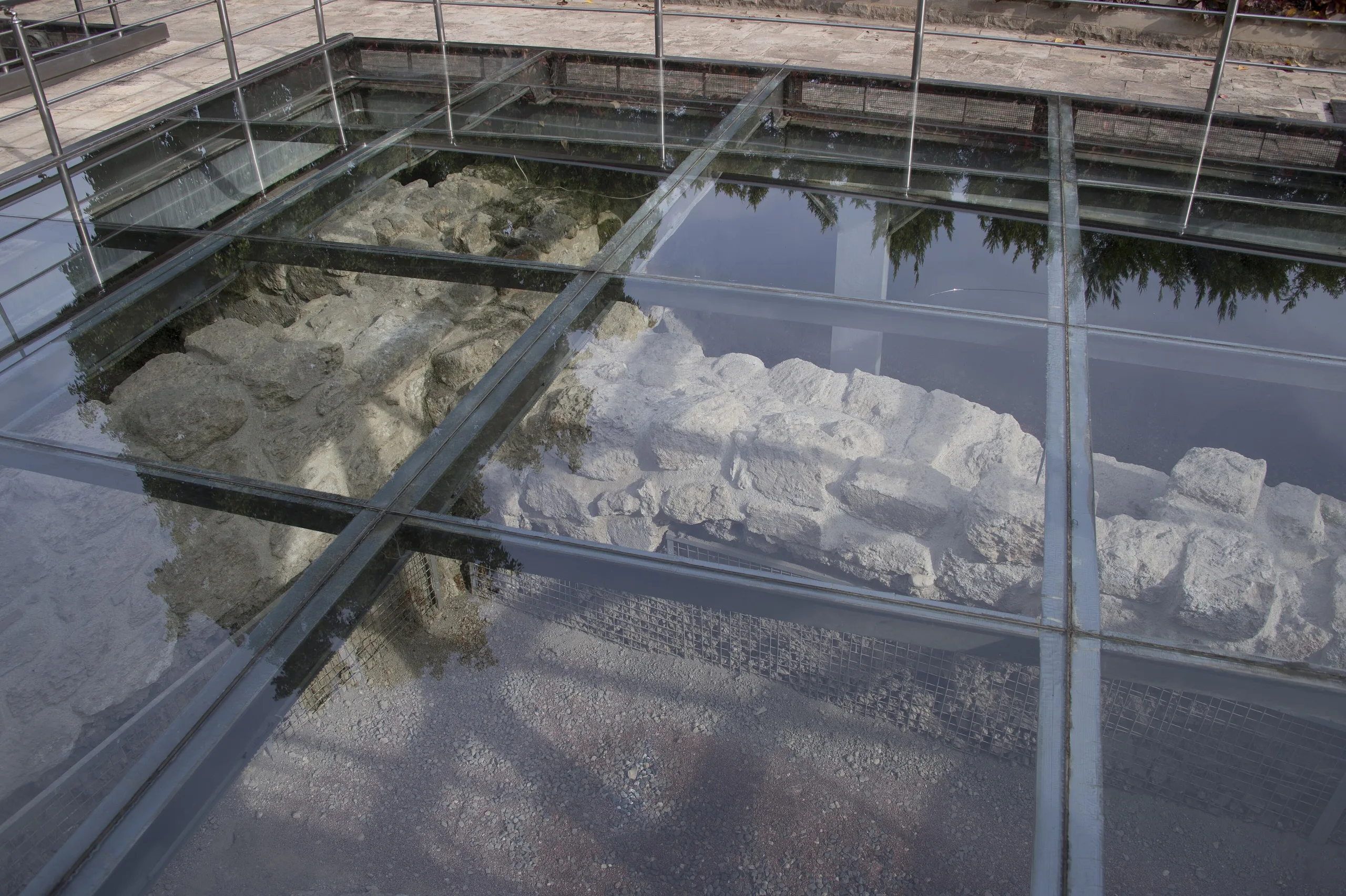
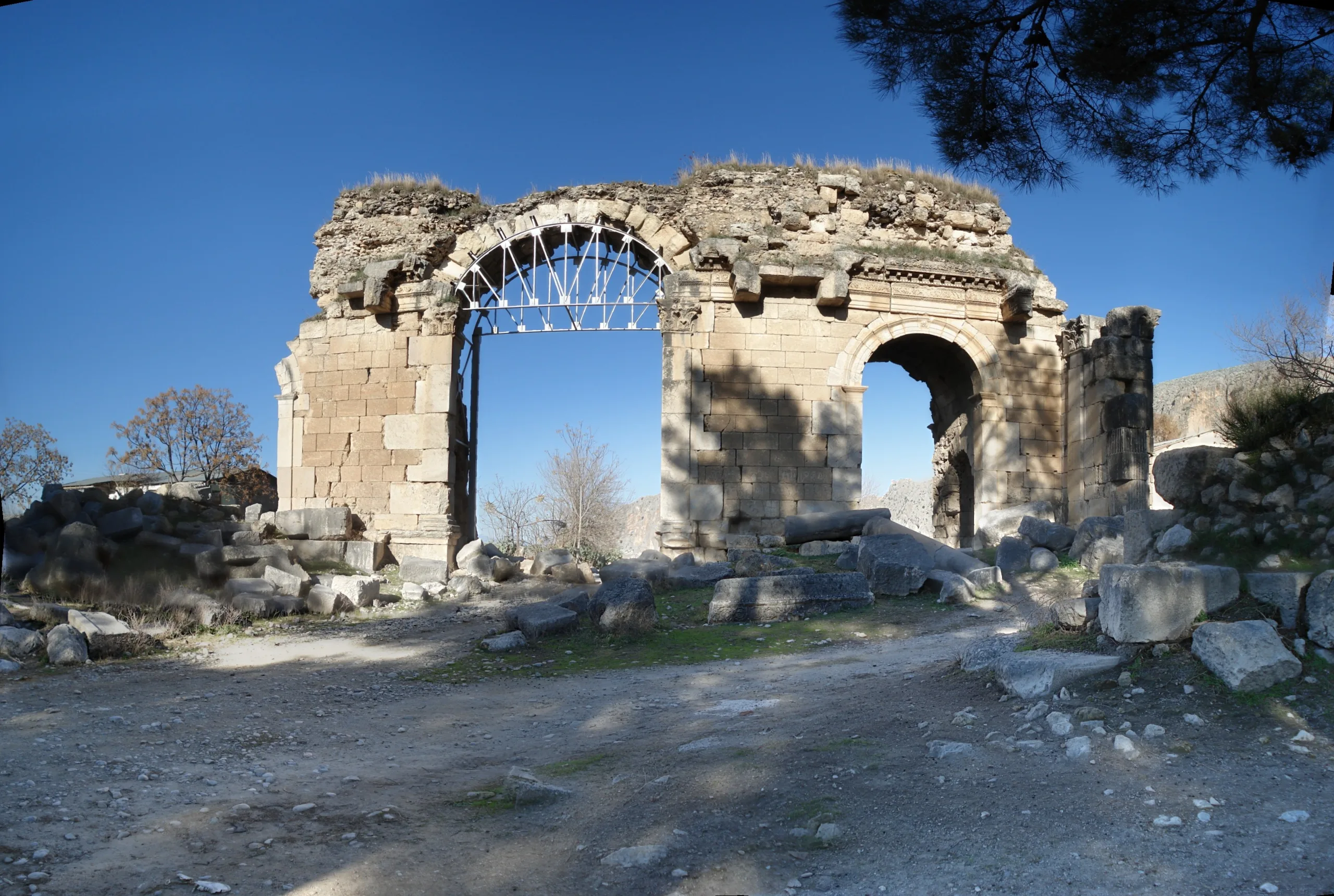
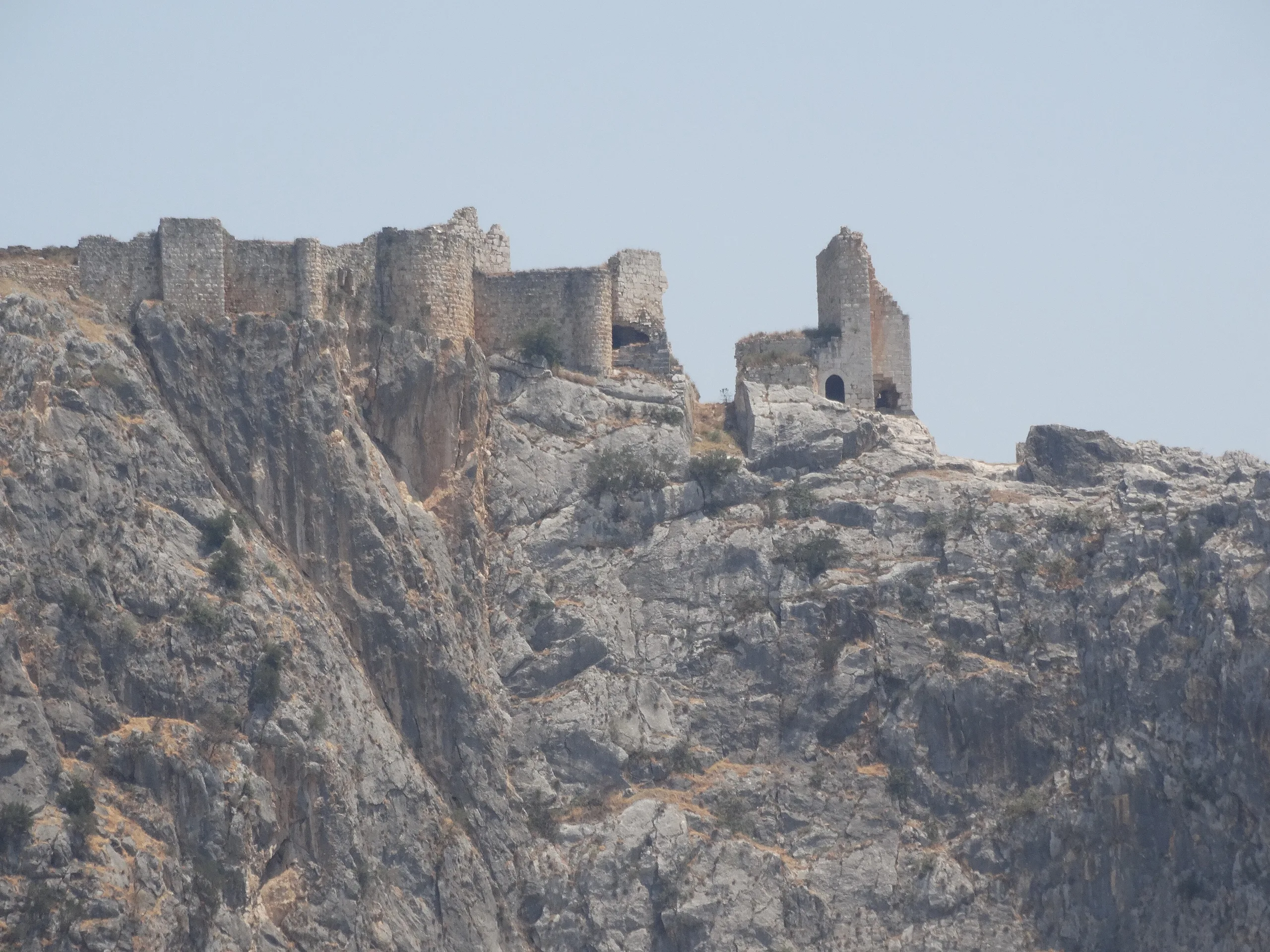
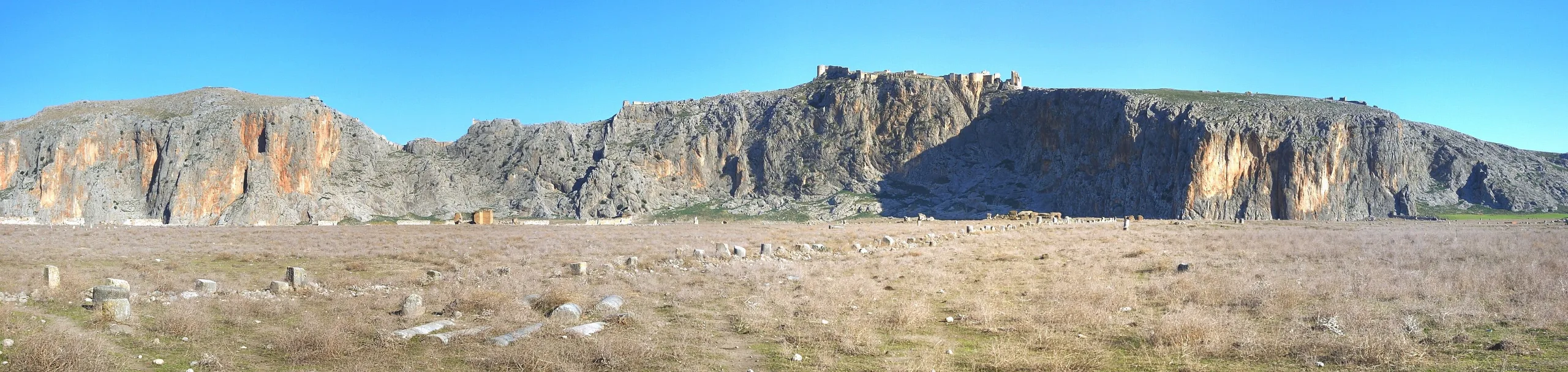
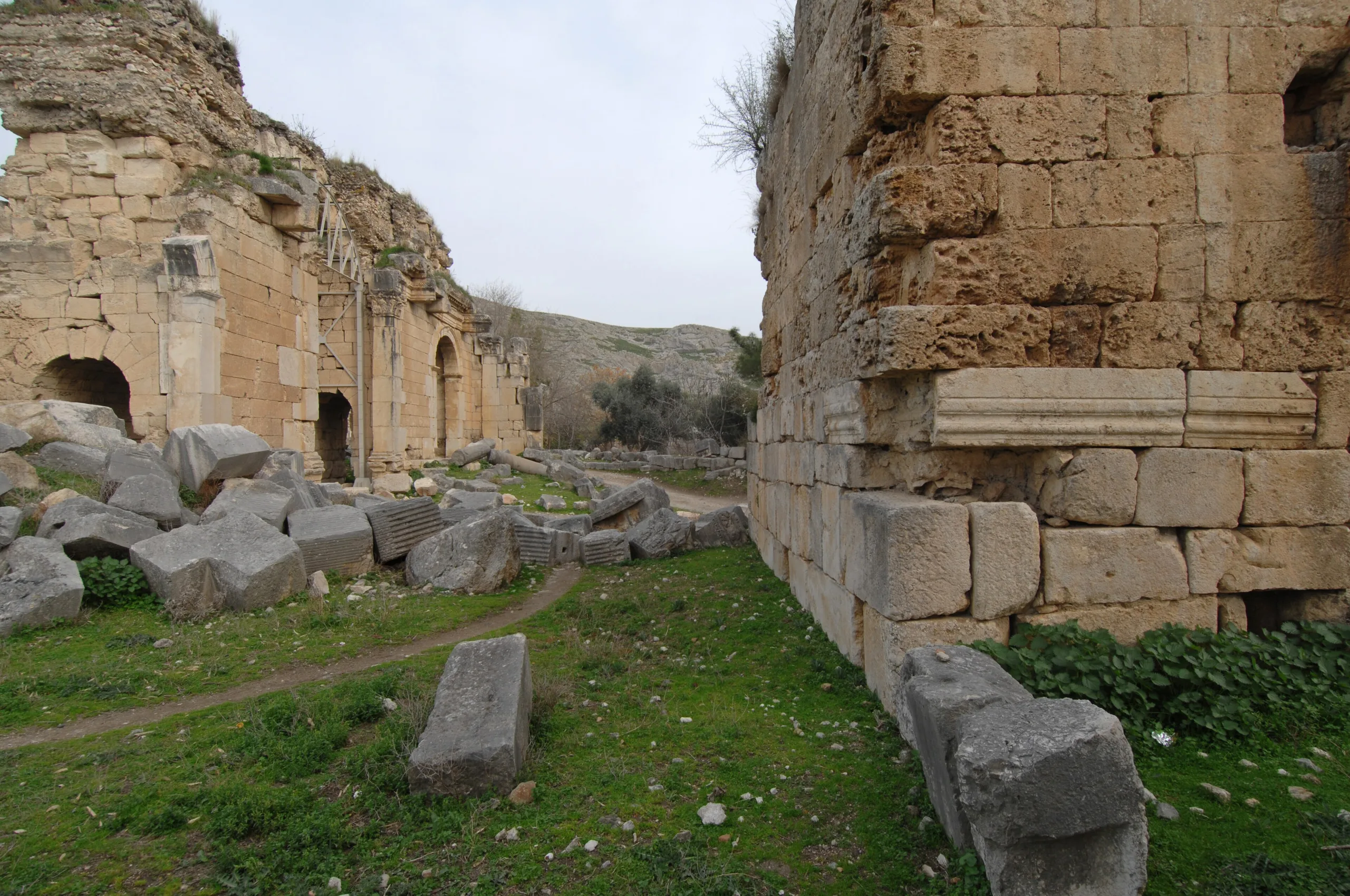
The Culture Portal lists a colonnaded street, baths, a church ruin, a theatre, an amphitheatre, a stadium, water channels, rock tombs, a necropolis, a pool mosaic of the sea goddess Thetis, a gate with three openings and, on a hill rising like an island from the plain, a medieval castle.
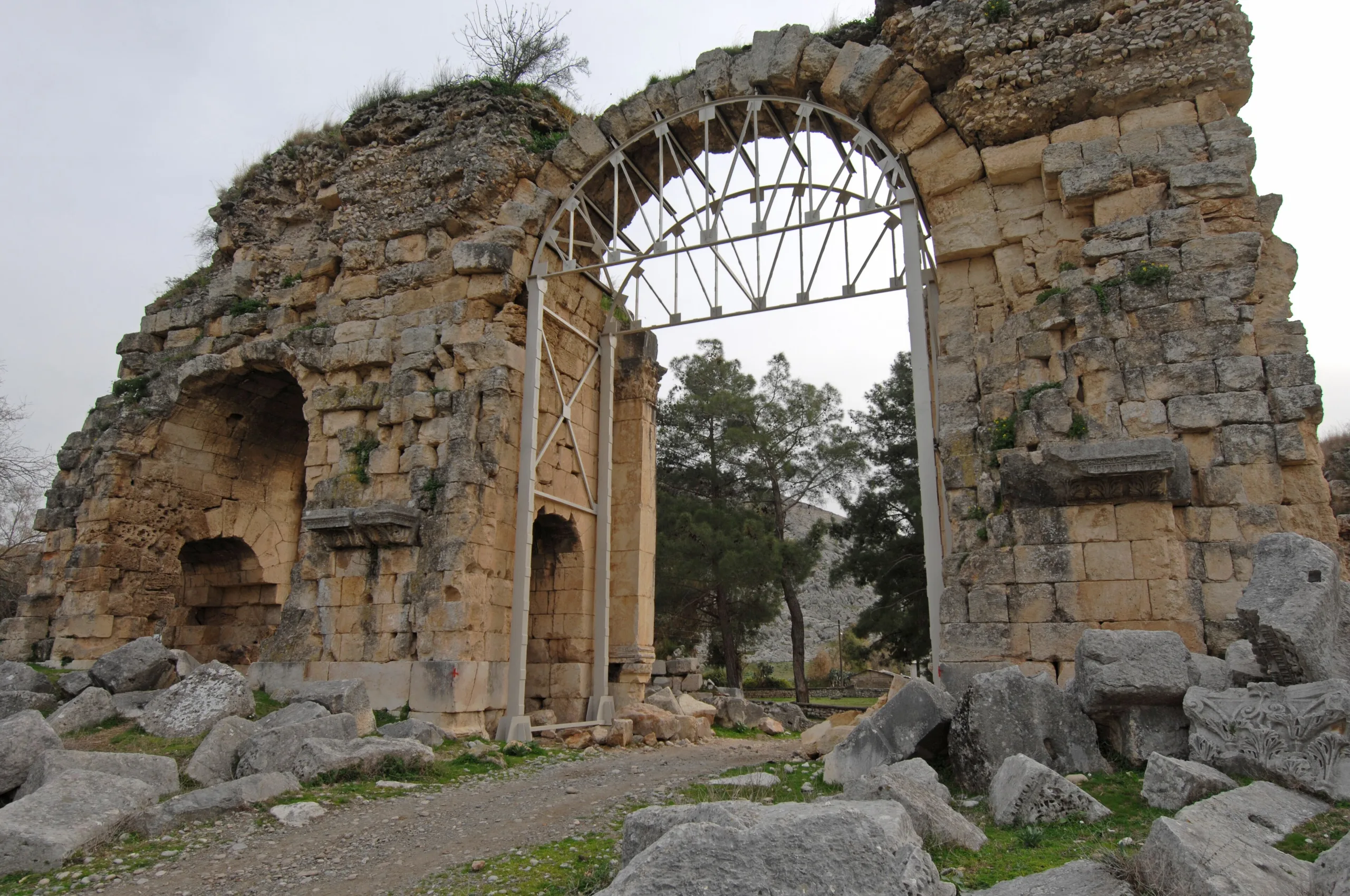
The three-arched Ala Kapı stands at the south end of the north-south colonnaded street. The brochure gives its central entrance as about 10 m high and its overall width as 30 m with the side wings, dates it to the 2nd century and suggests it commemorated a victory over the Parthians. The street itself runs for roughly 2,700 m and measures about 28 m across in the south and 34 m in the north.
The two sources frame the amphitheatre differently. The ministry's English page calls it the best preserved of three in Anatolia; the brochure counts it as the fourth in Anatolia after Pergamon, Kyzikos and Mastaura, describes an oval building of 62 by 83 m, and notes that it is largely collapsed. The circus measures about 64 by 410 m. The North Bath is built of brick, and the Church of the Apostles is an ambulatory basilica of 56.2 by 28.1 m that M. Gough placed in the second half of the 5th century.
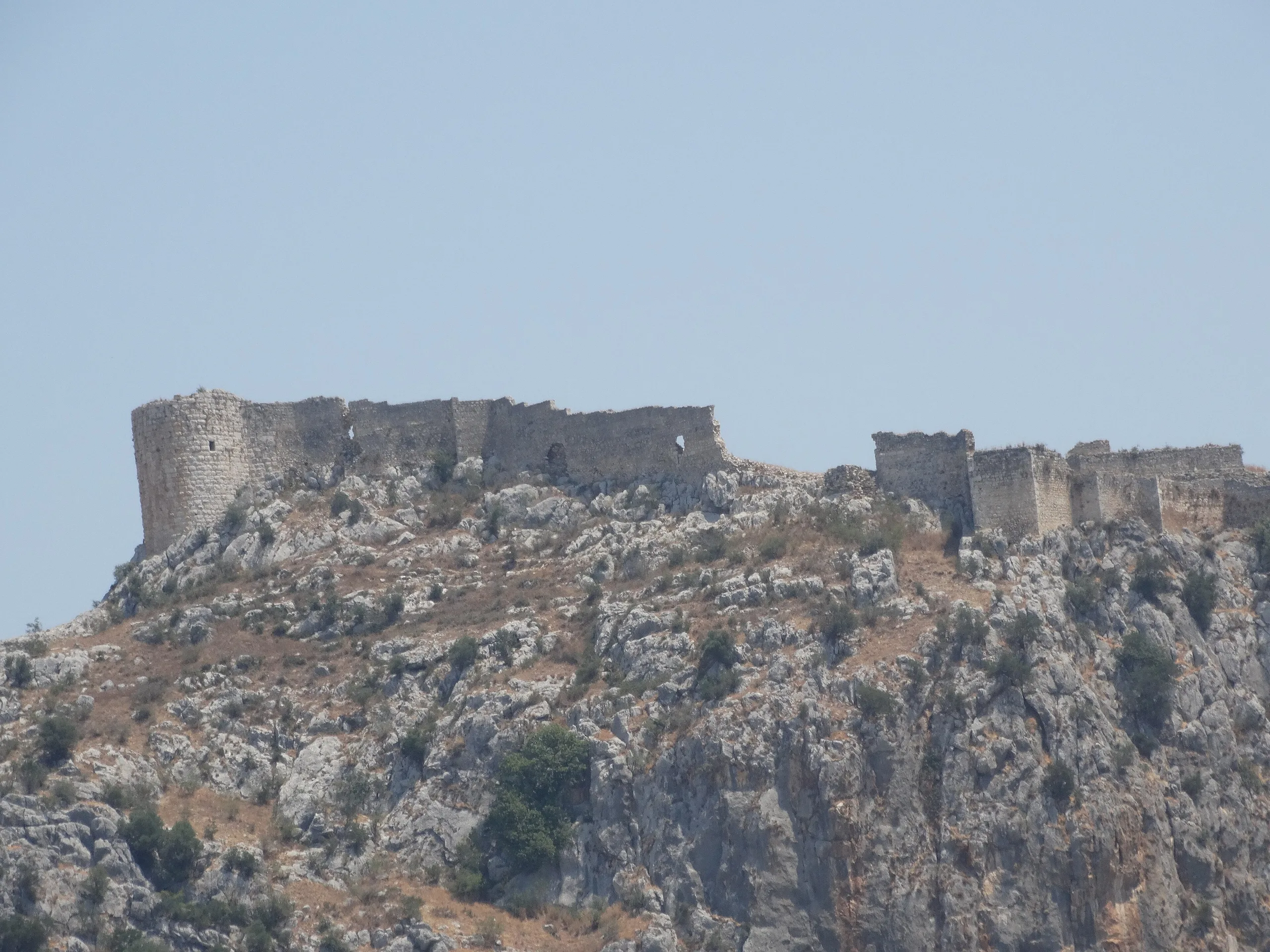
The aqueduct, about 25 km long, is credited to Emperor Domitian in 92 on the strength of an inscription now in Adana Museum. The citadel wall, 1,500 m long with 20 towers, can be seen from across the plain. Anazarbus was also a centre of the cult of Zeus Olybris, which the brochure links to a local mountain god.
People
Dioscorides, physician and pharmacologist in the Roman army under Nero and author of the five-volume De Materia Medica, is associated with the city. The ministry and the Culture Portal add that the poet Oppian lived here and that many weaving workshops operated in town.
Excavations
The ministry's English page dates the start of excavation to 2012, while its Turkish page says digging continues under the Adana Museum. The brochure states that since 2020 the work has been run under a presidential decision for the General Directorate of Cultural Heritage and Museums and Çukurova University, headed by F. Fatih Gülşen. Restoration has also taken place at the Ala Kapı, where a Hygieia-Hypnos statue found in the dig is now in the Adana Archaeology Museum.
Visiting and protection
The Culture Portal says vehicles running from Kozan to Dilekkaya (Anavarza) village reach the site. Anavarza has been on the UNESCO Tentative List since 2014. For current visiting terms, consult the official page.
Gallery
Frequently asked questions
Where is Anavarza?
What does the name mean?
What titles did the city receive?
What is the Ala Kapı?
Is Anavarza a UNESCO World Heritage Site?
Who runs the excavations?
Sources (13)
- Anavarza Örenyeri / Anavarza Archaeological Site (TR ve EN sayfalar) — T.C. Kültür ve Turizm Bakanlığı, Müzeler ve Ören Yerleri
- Anavarza Ören Yeri - Adana — T.C. Kültür ve Turizm Bakanlığı, Türkiye Kültür Portalı
- Anavarza & Anazarbos Kazıları ve Restorasyon Çalışmaları (kazı tanıtım belgesi, KVMGM - Çukurova Üniversitesi) — Çukurova Üniversitesi Fen-Edebiyat Fakültesi, Arkeoloji Bölümü
- Anazarbos/Caesarea/Ioustin(ian)oupolis (Pleiades place 658378) — Pleiades
Photo credits
- Photo: Kydmos, CC BY-SA 4.0 — Wikimedia Commons (resized)
- Photo: MUSTAFA TOR at English Wikipedia, CC BY-SA 3.0 — Wikimedia Commons (resized)
- Photo: Leon petrosyan, CC BY-SA 4.0 — Wikimedia Commons (resized)
- Photo: Leon petrosyan, CC BY-SA 4.0 — Wikimedia Commons (resized)
- Photo: Leon petrosyan, CC BY-SA 4.0 — Wikimedia Commons (resized)
- Photo: Leon petrosyan, CC BY-SA 4.0 — Wikimedia Commons (resized)
- Photo: hursitakinci, CC BY-SA 3.0 — Wikimedia Commons (resized)
- Photo: Dosseman, CC BY-SA 4.0 — Wikimedia Commons (resized)
- Photo: Dosseman, CC BY-SA 4.0 — Wikimedia Commons (resized)