Blaundos is a Hellenistic and Roman city in Ulubey, Uşak, built on a headland cut off by deep valleys on three sides, near Sülümenli village.
Blaundos is an ancient city located in Turkey, Usak. Main periods: Hellenistic Period, Roman Period.
Blaundos is an ancient city in the Ulubey district of Uşak Province, within the boundaries of Sülümenli village and some 40 km from Uşak. The Culture Portal records that the area is registered as a first-degree protected site. In ancient terms it lay in Lydia, close to the Phrygian frontier.
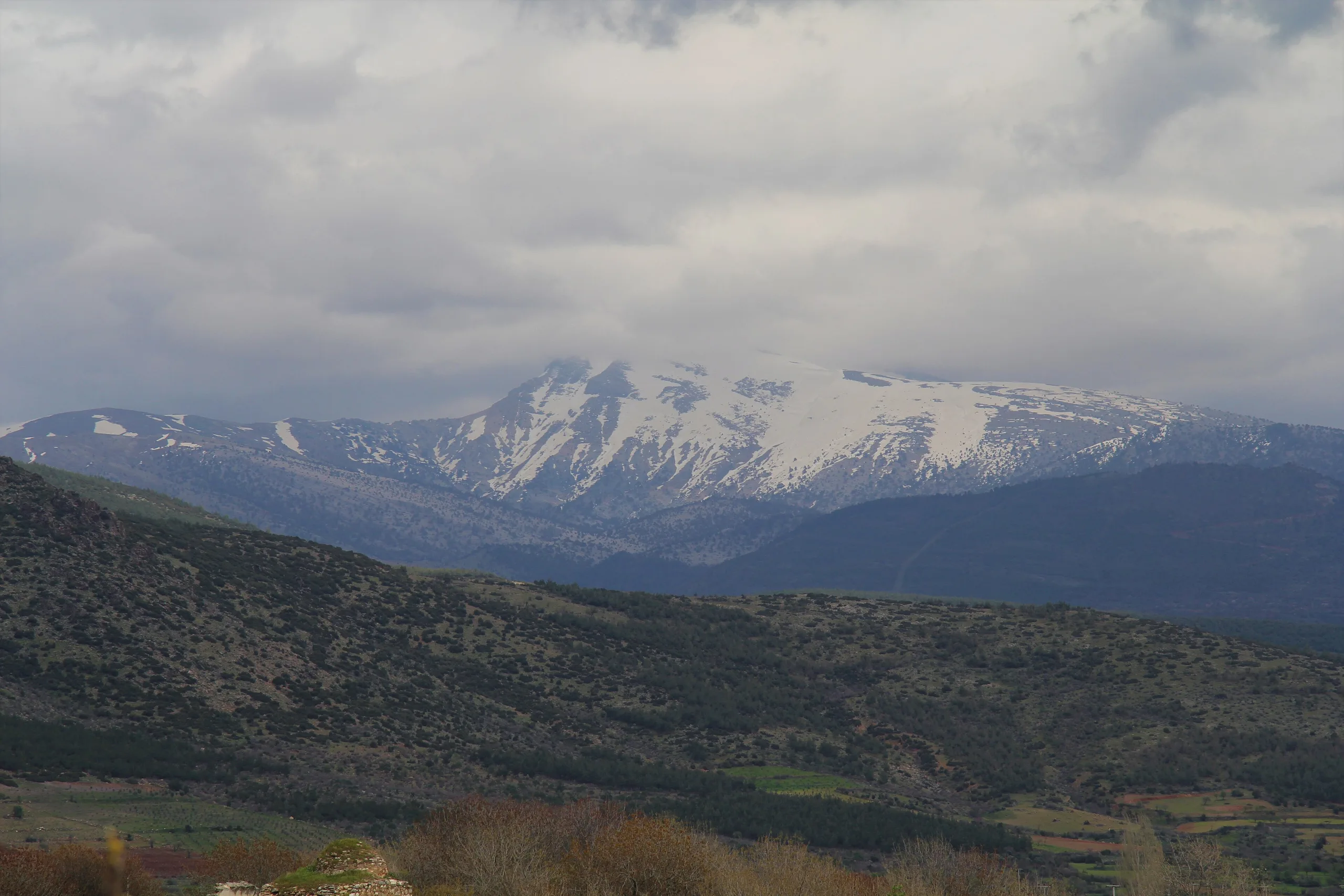
Setting
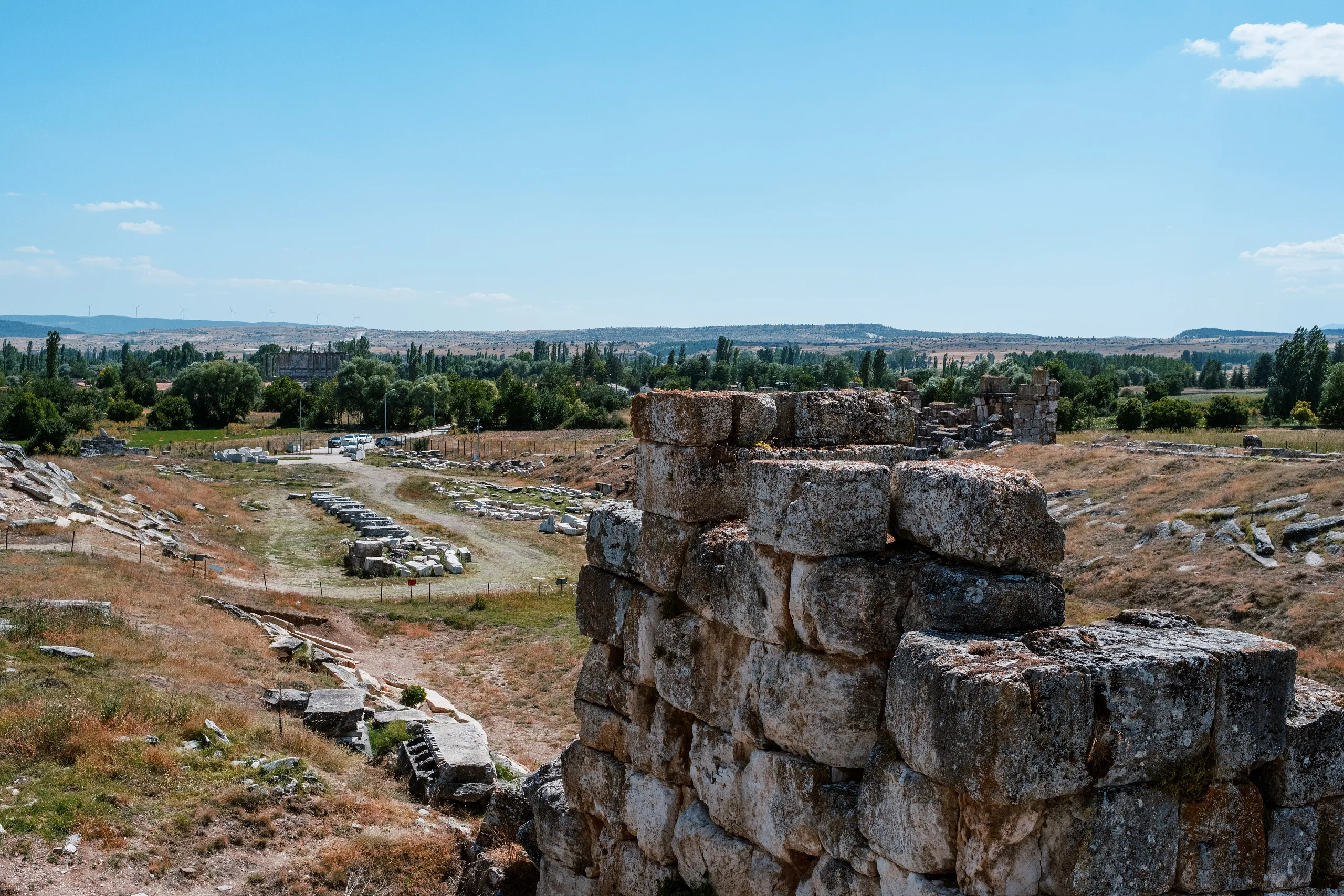
The city sits on a flat headland that looks like a peninsula, with steep stream valleys on three flanks. According to the Ministry's Turkish page the canyon around it is about 100 metres deep, and the stream that supplied the city runs through it. Because of this shape the only way in is a single towered gate on the north, a point the Culture Portal repeats.
History
The Ministry guesses that settlers from Macedonia founded the city in the Hellenistic period, in the 3rd century BCE. The name itself is secured by an inscription found in the 1840s that reads Blaundeon Makedonon, meaning the Macedonians of Blaundos; the Culture Portal credits Hamilton with the find and says it settled the question of the site's name.
After Alexander's death the city fell to Antigonos, one of the generals who divided his empire. In 189 BCE it passed from the Kingdom of Pergamon to Rome and grew in importance under Roman rule. Both official sources add that the city was later attached to the Sebaste bishopric, in Sivaslı district, in a 5th-century event; the Ministry's English page writes that century as BCE, which does not fit a church office, so no era is given here.
What survives
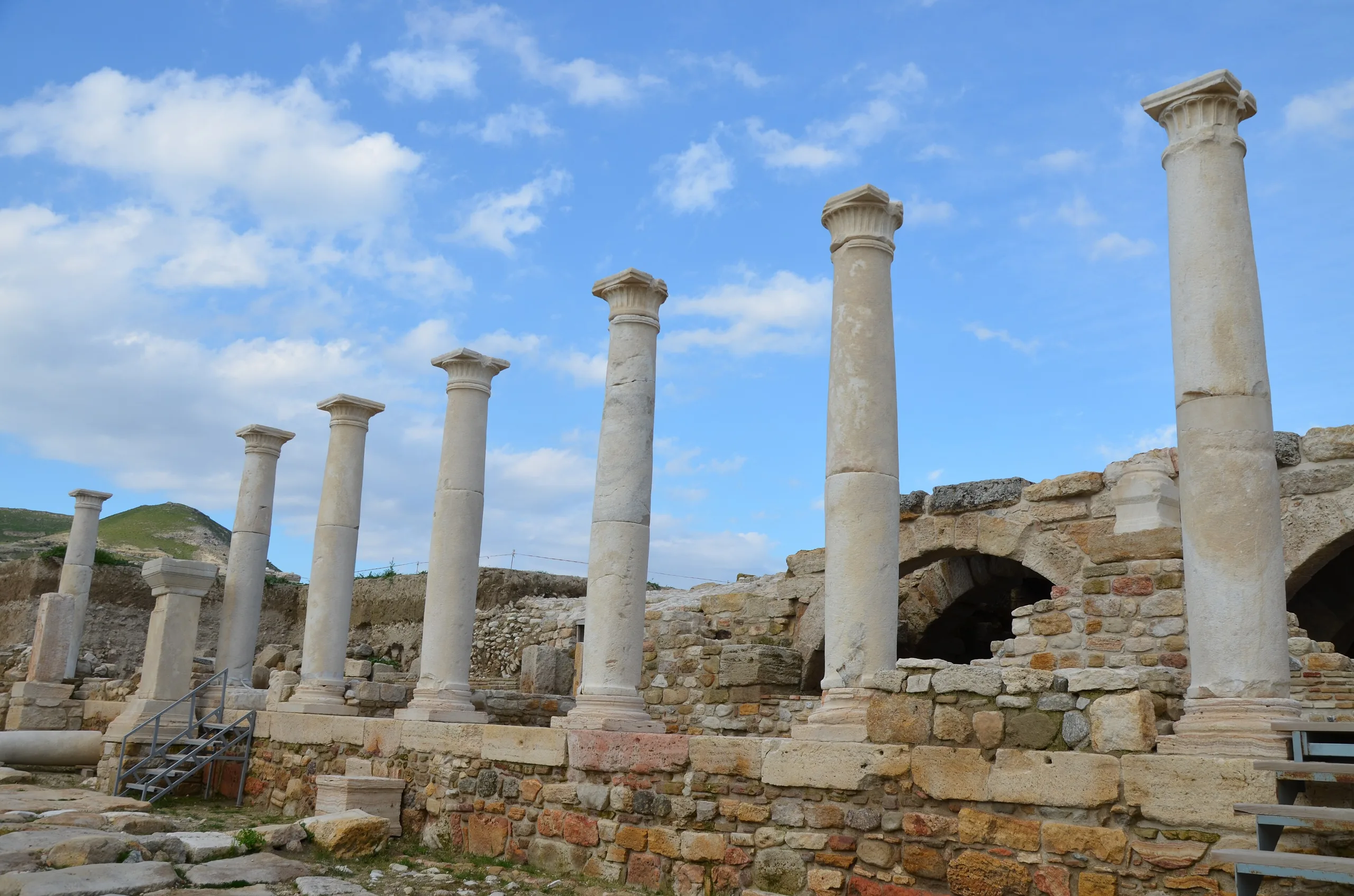
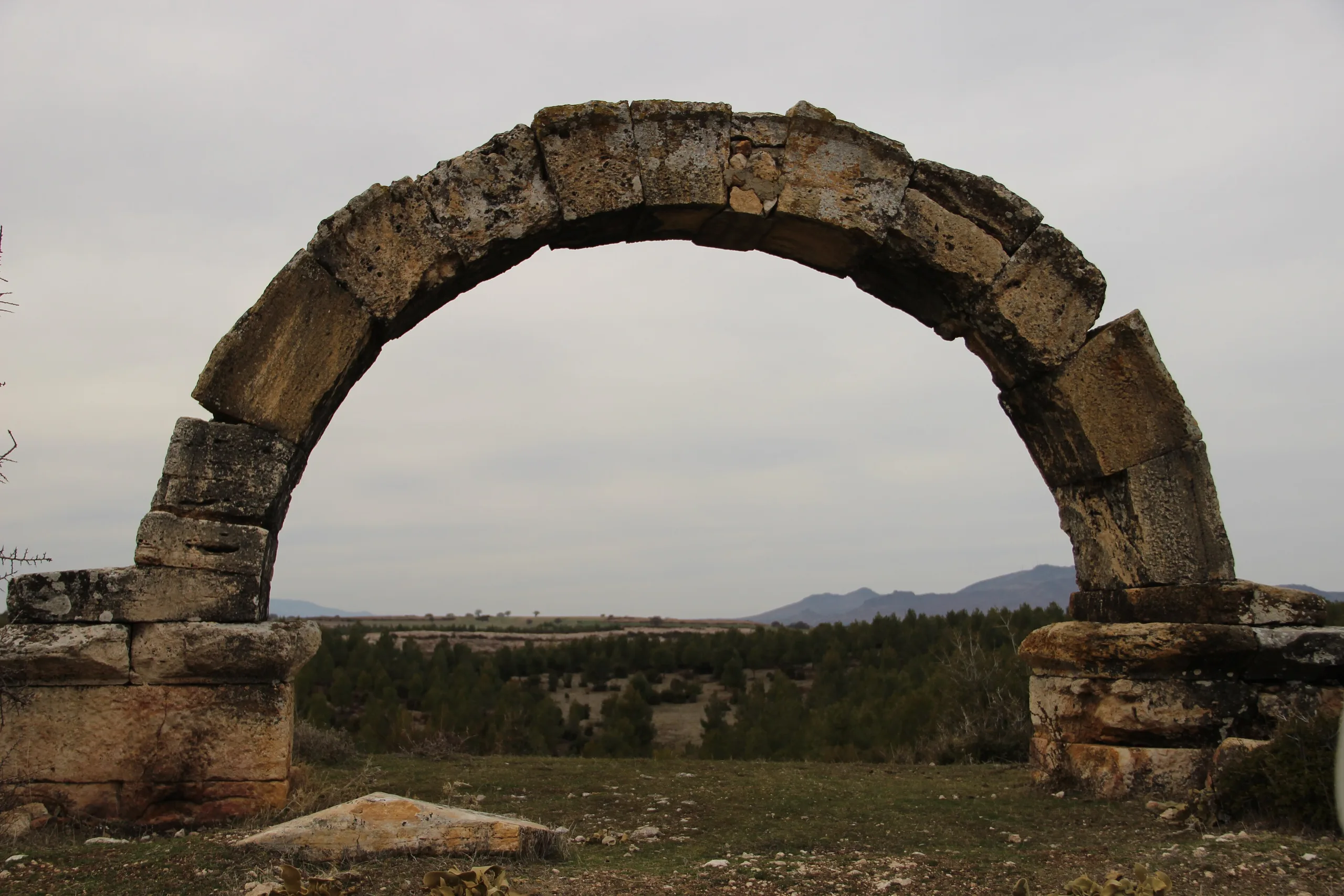
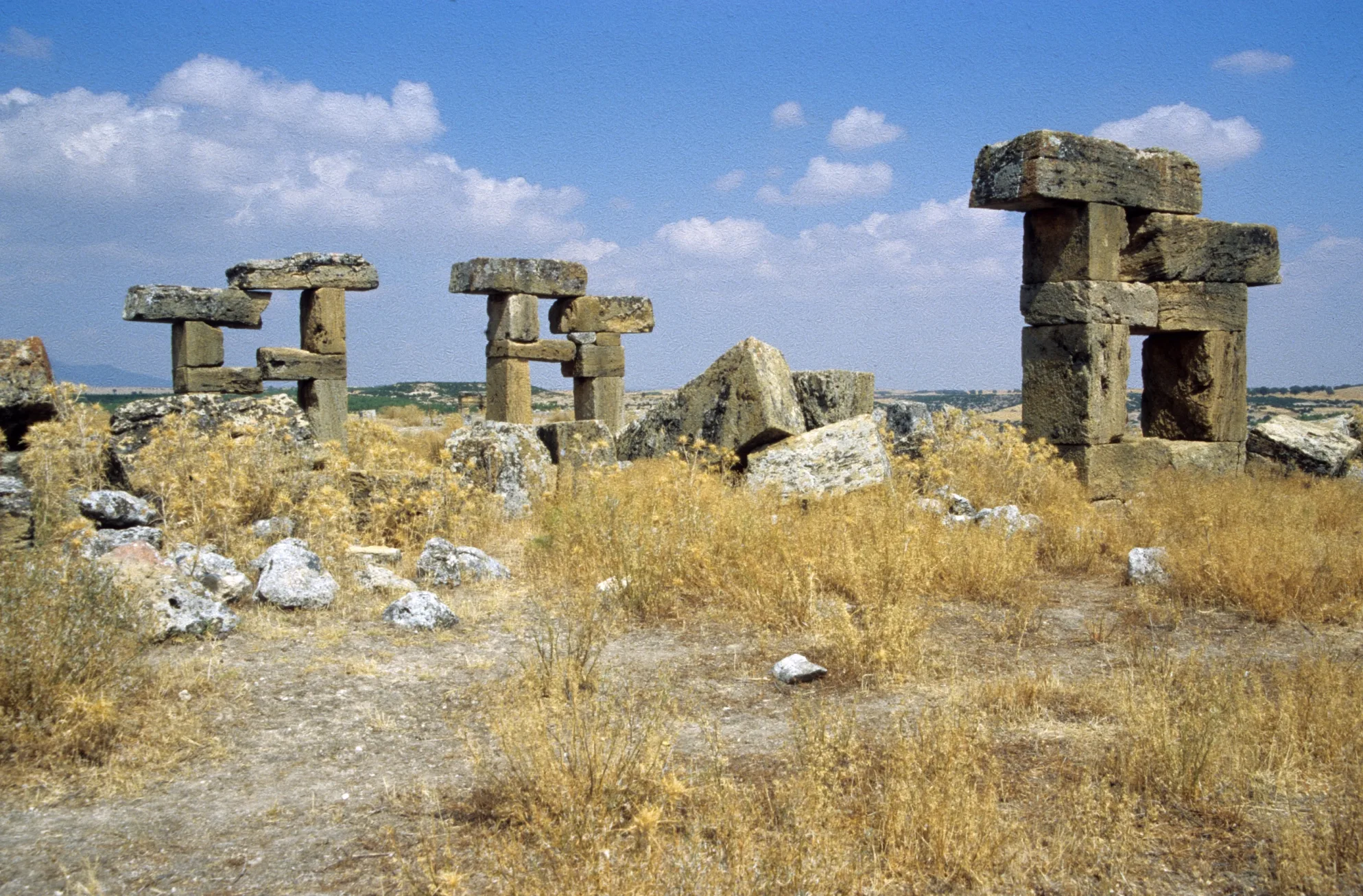
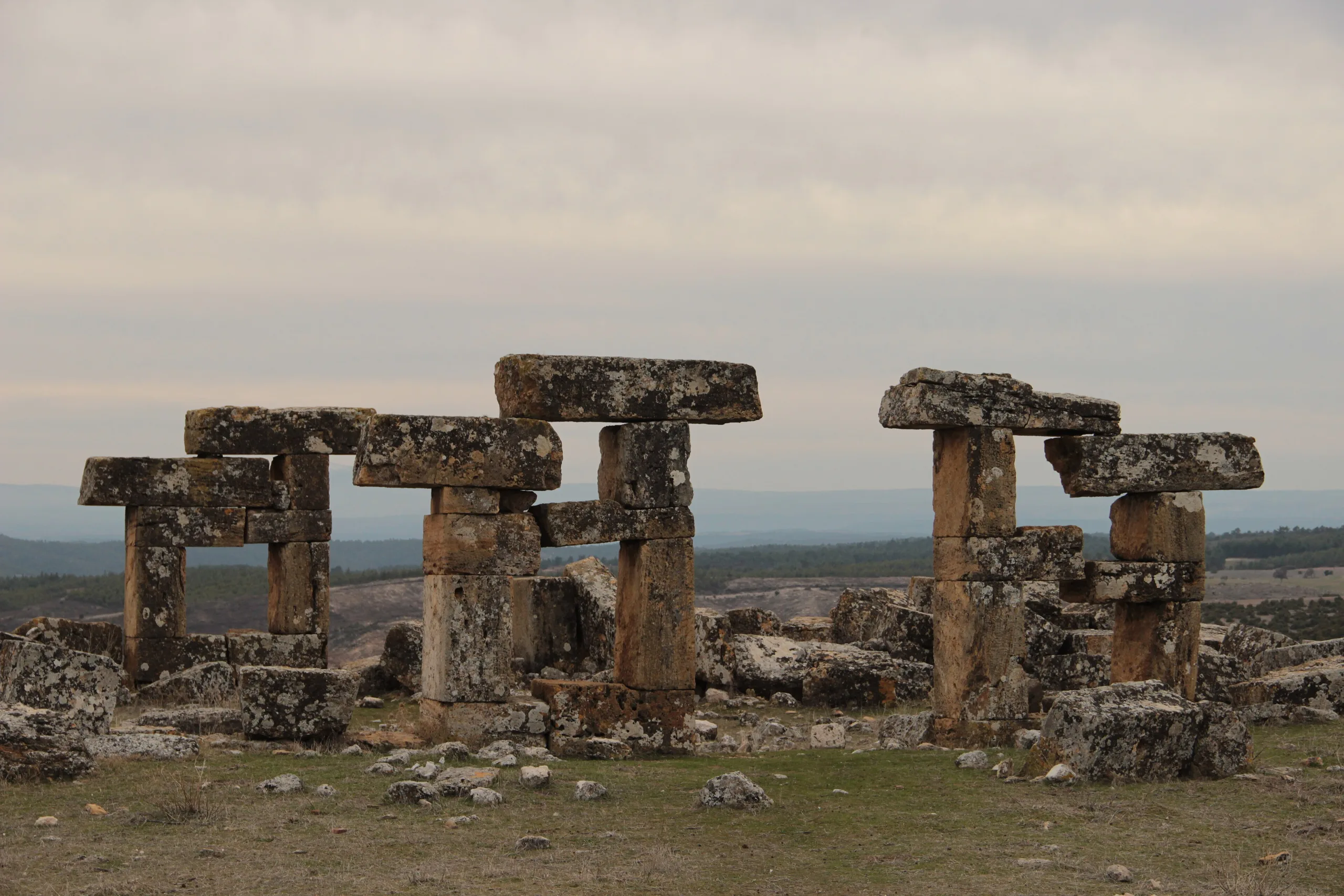
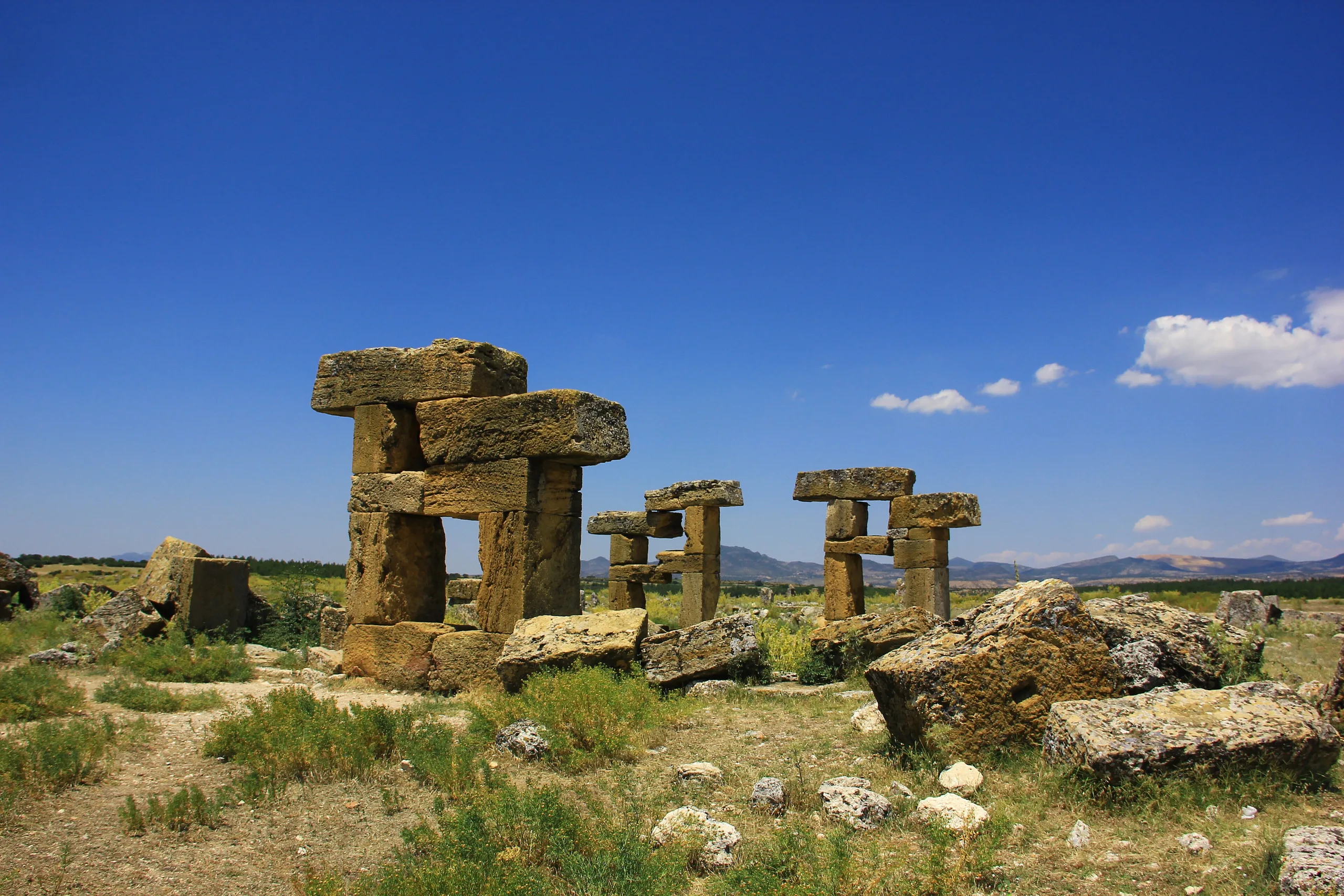
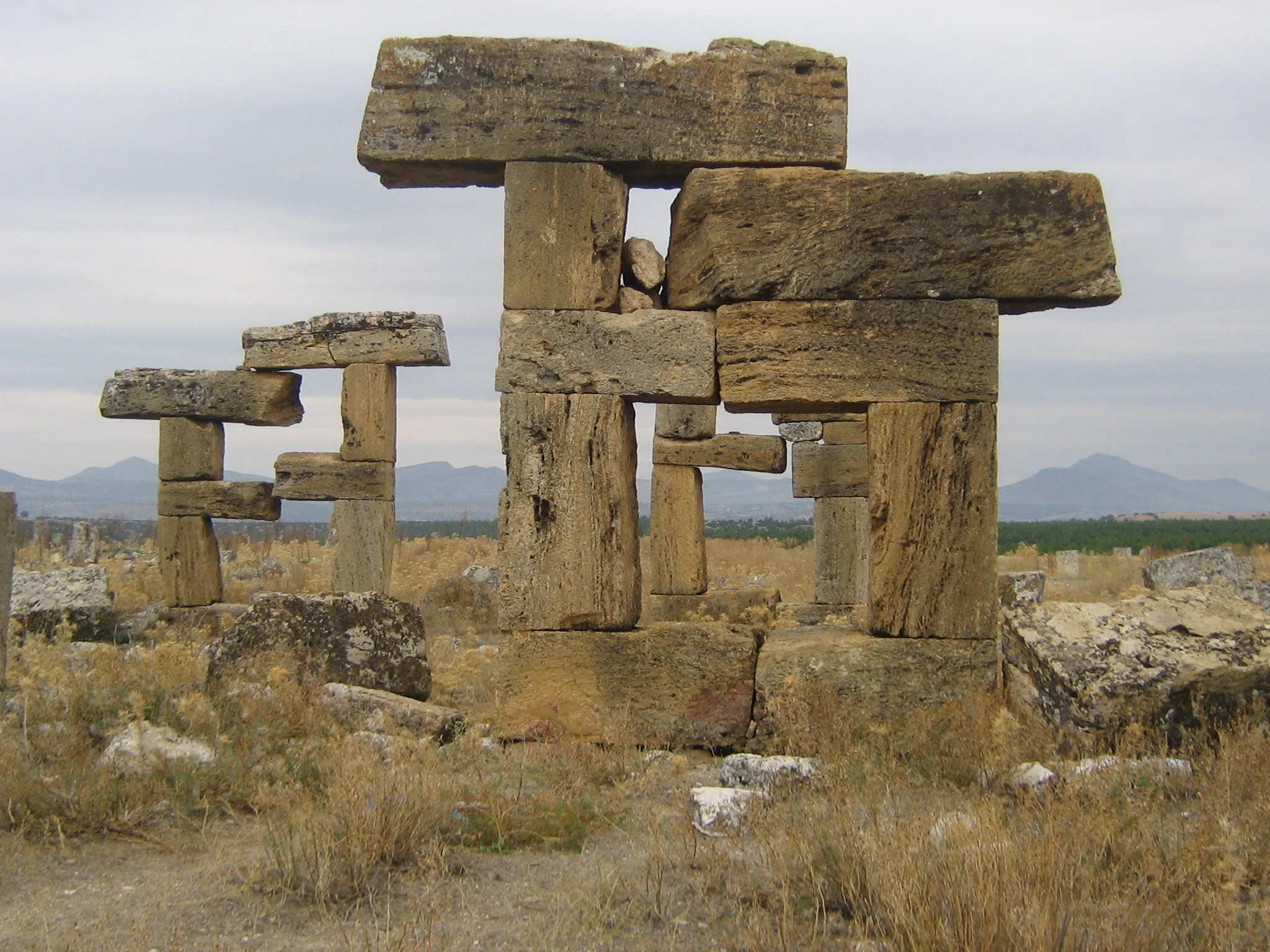
The Ministry's pages list the arched gate of the northern wall, which dates to the Hellenistic period, the mint area, administrative buildings, stretches of wall, an Ionic-style temple at the centre, a temple attributed to the Emperor Claudius, a stadium with seating on only one long side, a theatre and nearby rock tombs. The Turkish page puts the theatre remains on the eastern slope, whereas the Culture Portal and the English page place them on the southern slope.
The stadium lies just beyond the castle entrance and is 140 metres long. The Turkish page counts two temples outside the castle and one in the centre; the central one is an Ionic prostylos, probably dedicated to Athena and Homonoia. Greek and Latin inscriptions have been found, and aqueducts and assorted building remains are also mentioned.
Visiting
The site lies within Sülümenli village in Ulubey district. Because hours and entry terms change, check the official page for current information.
Gallery
Frequently asked questions
Where is Blaundos?
How was the name confirmed?
Who founded the city?
How do you enter the site?
What can be seen at Blaundos?
When did Blaundos pass to Rome?
Sources (8)
- Blaundos Örenyeri / Blaundos (TR ve EN sayfalar) — T.C. Kültür ve Turizm Bakanlığı, Müzeler ve Örenyerleri
- Ulubey Blaundos Antik Kenti - Uşak — T.C. Kültür ve Turizm Bakanlığı, Türkiye Kültür Portalı
- Blaundos (Pleiades 609344) — Pleiades
Photo credits
- Photo: Hamdigumus, CC0 — Wikimedia Commons (resized)
- Photo: Klaus-Peter Simon, CC BY 3.0 — Wikimedia Commons (resized)
- Photo: Hamdigumus, CC0 — Wikimedia Commons (resized)
- Photo: Thecatcherintherye, CC BY-SA 4.0 — Wikimedia Commons (resized)
- Photo: Didier Laroche, CC BY-SA 3.0 — Wikimedia Commons (resized)