Tripolis, in the Buldan district of Denizli, was a Hellenistic city founded as Apollonia on a trade route at the edge of Lydia, excavated since 2012 for its colonnaded street, agora and fountain.
Tripolis is an ancient city located in Turkey, Denizli. Main periods: Hellenistic Period, Roman Period, Ottoman Period, Neolithic Period, Chalcolithic Period, Beyliks Period.
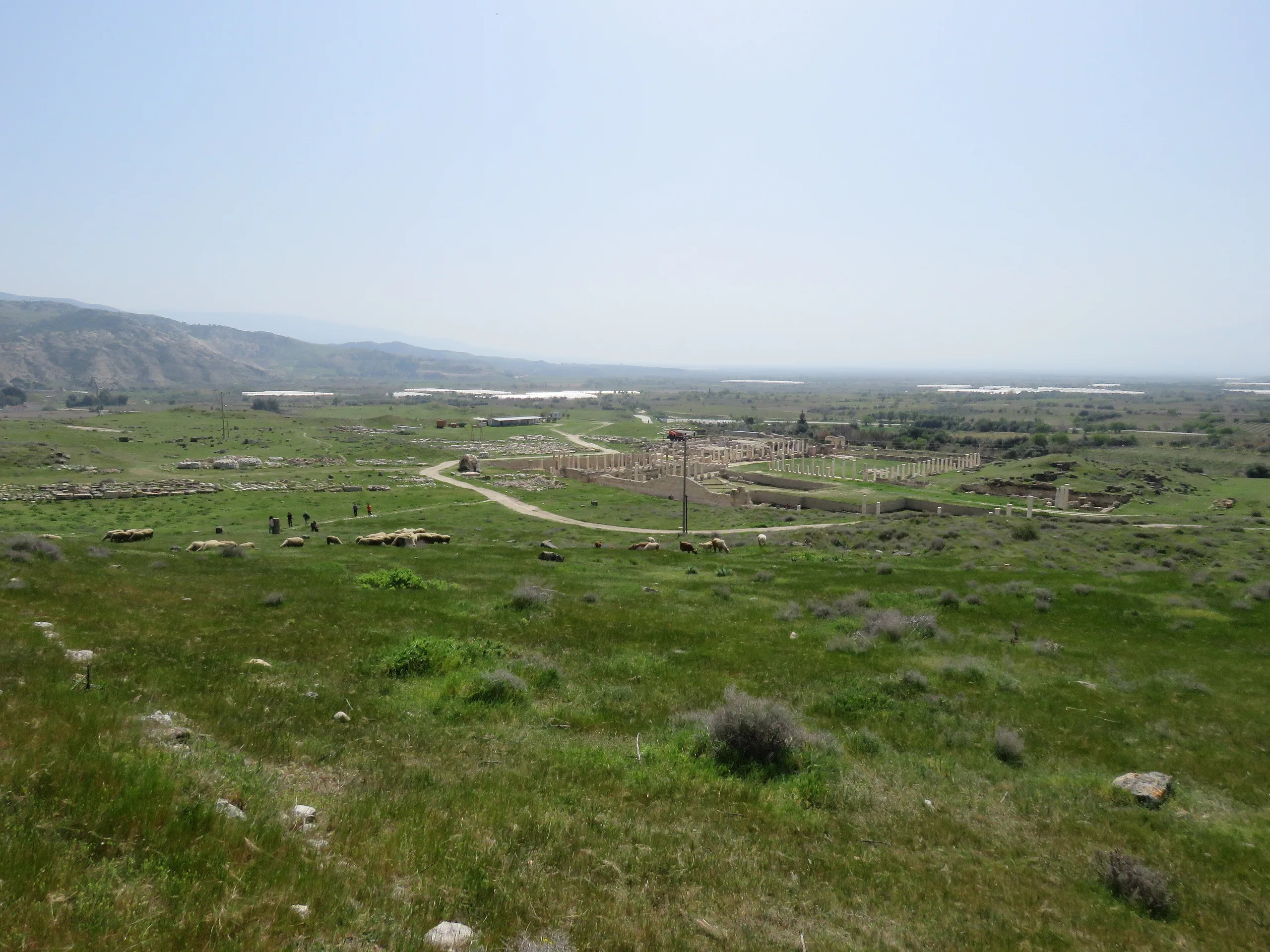
Tripolis is an ancient city within the Yenicekent neighbourhood of Buldan, a district of Denizli Province. The Ministry says its public and civil remains spread over about 3 square kilometres on the south slope of a hill that overlooks the north-western end of the Lykos (Çürüksu) Valley. The Culture Portal places it instead on the bank of the Büyük Menderes, north-east of the Çürüksu plain, so the two pages describe the same area from different sides.
Getting there
The Culture Portal explains the route: follow the Denizli–Aydın highway, turn onto the Denizli–Salihli road, head north, and reach Yenicekent, where the ancient city lies to the east and north of the neighbourhood. Minibuses run from Denizli bus station to Buldan and Yenicekent. The Ministry lists Hierapolis, Laodikeia and several Denizli museums as nearby. Check the official page for hours and conditions.
History
Early settlement and the trade route
Surveys at the Hamambükü and Yenice/Akkaya mounds, east and south-east of the city, show that people lived in the area as early as the Late Neolithic and Early Chalcolithic. The city's later weight came from its position. According to the Ministry, two main roads from Pergamon and Smyrna met at Sardis, reached Tripolis by way of Philadelphia, and then ran towards Hierapolis and Laodikeia and on into inner Anatolia. The Culture Portal adds Ephesos among the starting points. The Ministry says this corridor kept Tripolis important for centuries.
From Apollonia to Tripolis
Both official pages say the city was founded in the Hellenistic period as Apollonia and call it a frontier town of Lydia. The Ministry adds that it was called Antoniopolis for a time when Mark Antony visited Asia Minor in 41 BCE, while coins struck under Augustus, including those found in excavation, all read Tripolis.
The Ministry describes the cities of the Çürüksu Valley as independent until the Battle of Magnesia in 190 BCE. Pergamon, which won with Roman backing, took over the region through the Peace of Apameia of 188 BCE, and after the death and will of Attalos III in 133 BCE the region passed to Rome. In the imperial period the city was for a while assigned to the conventus of Sardis; under the Flavians it appears in lists of the Apameia conventus.
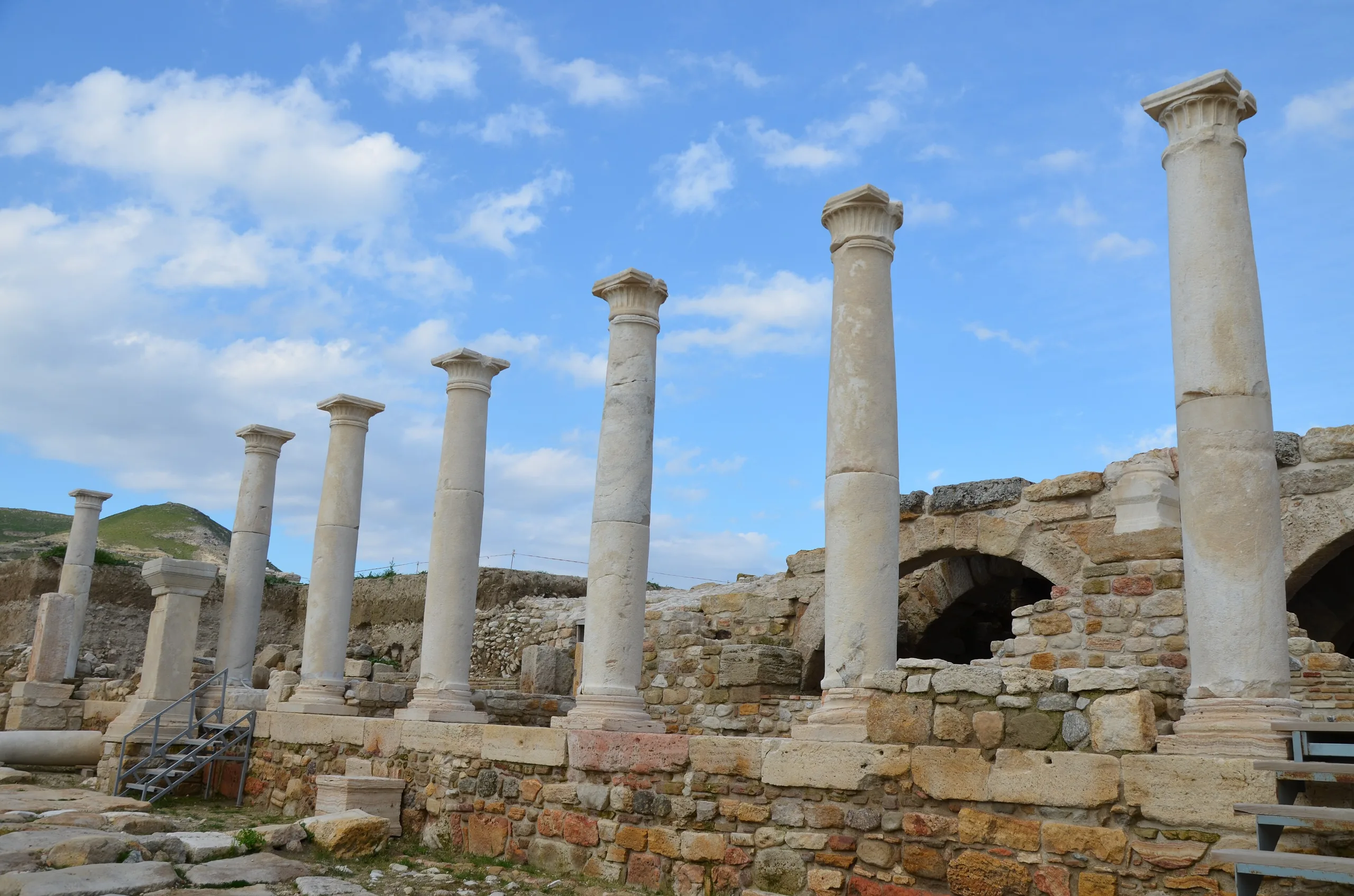
Both pages report that from the second century CE a rebuilding programme added public buildings such as a stadium, theatre, bath, city gates, a street and a council house. The Culture Portal says the city's most splendid age was the Roman period.
Medieval and Ottoman times
From the early thirteenth century the town passed back and forth between Byzantines and Turks. The Ministry mentions an agreement of 1243 between John Vatatzes, ruler at Nicaea, and the Seljuk sultan Kaykhusraw II, Turkish rule established in 1304-1306 under the Inanc and Germiyan dynasties, and Ottoman control from 1429.
Excavated buildings
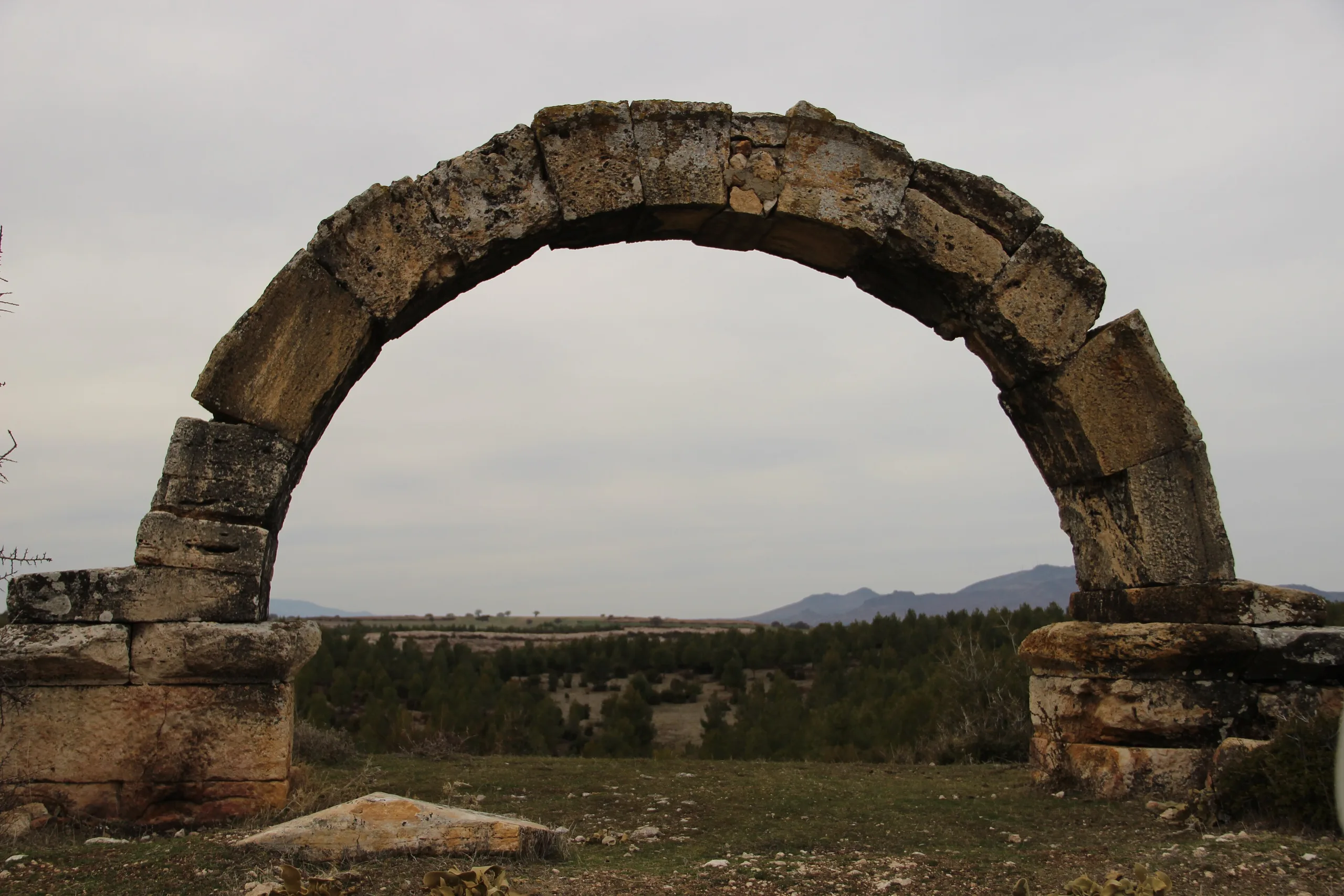
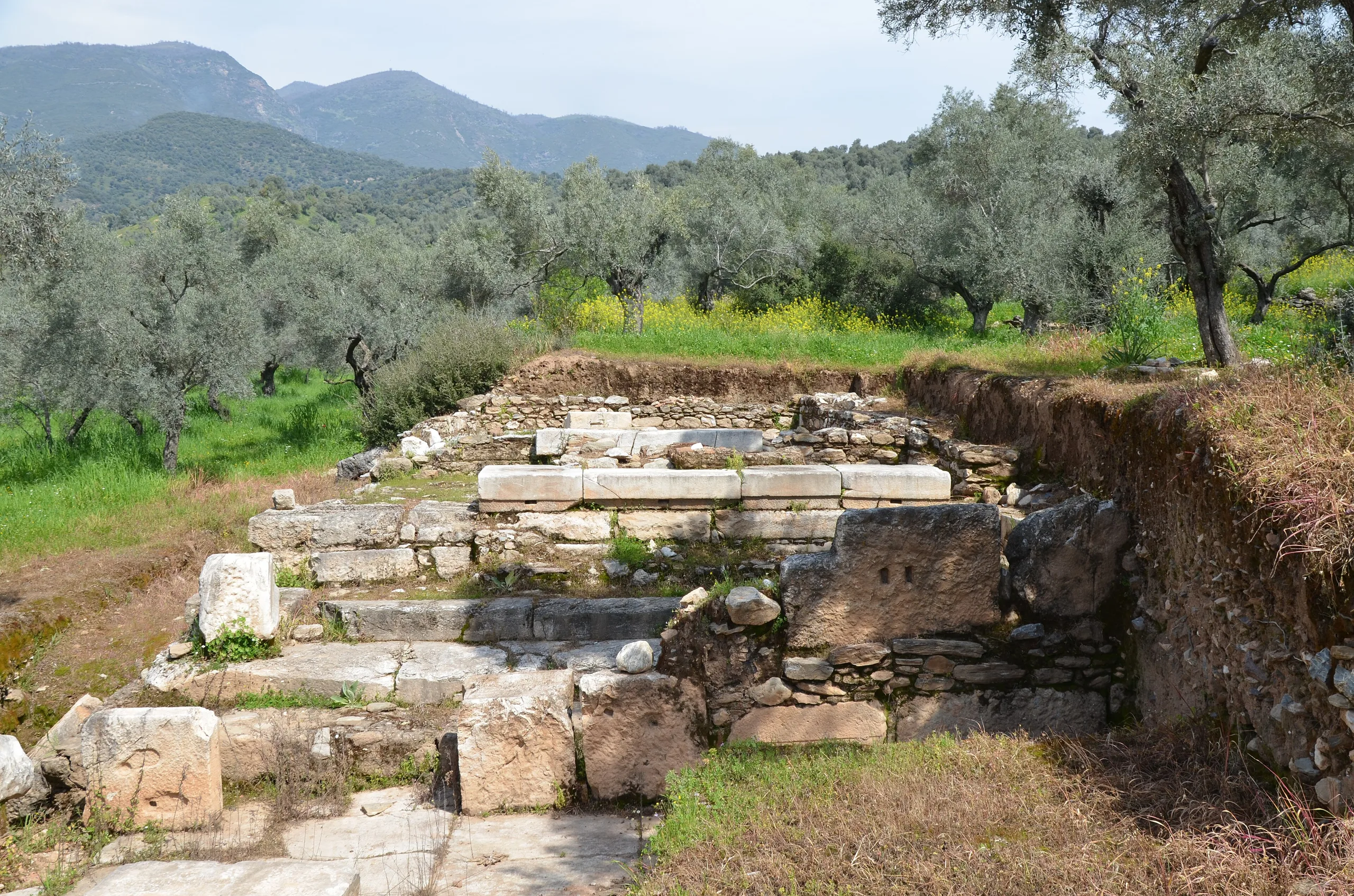
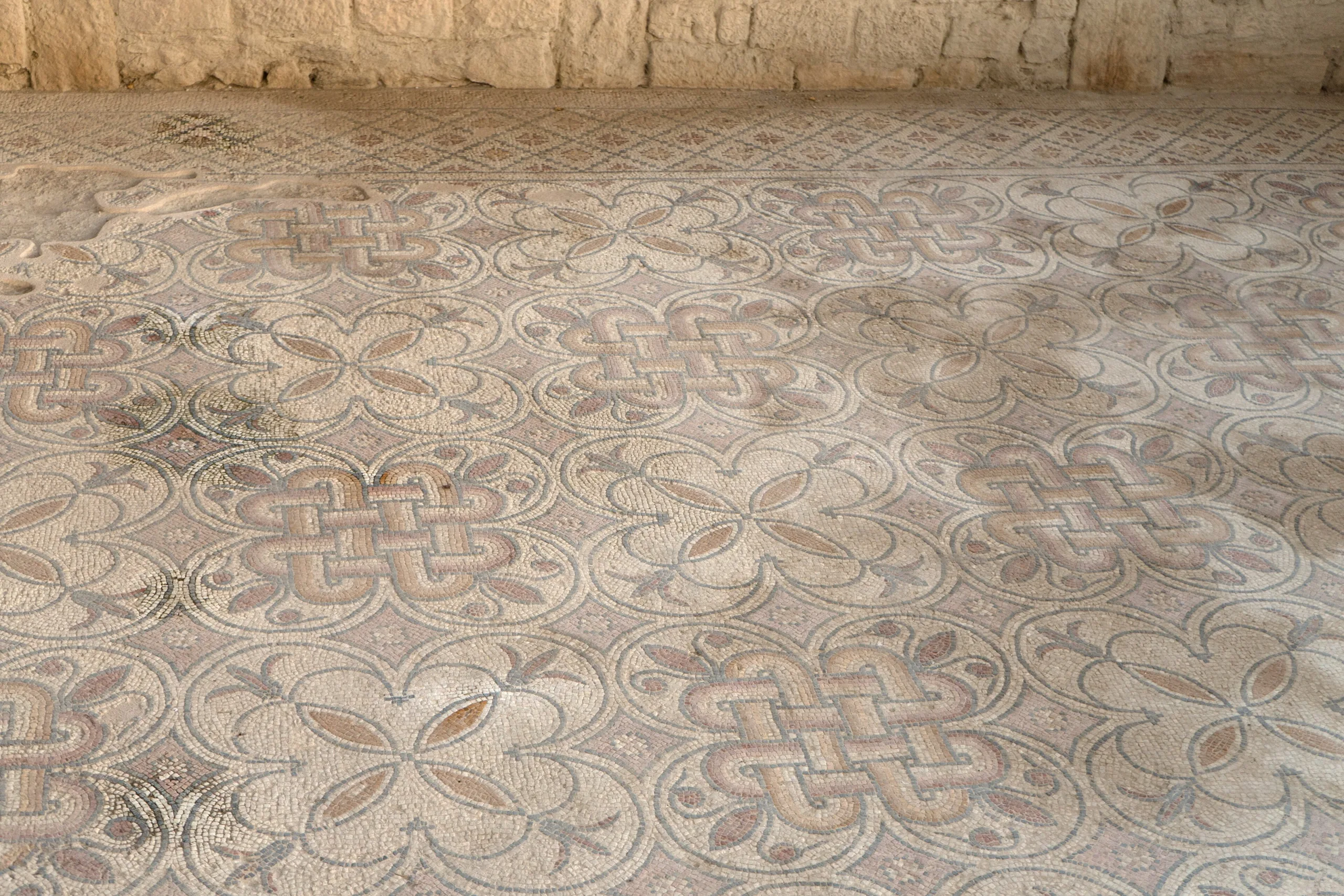
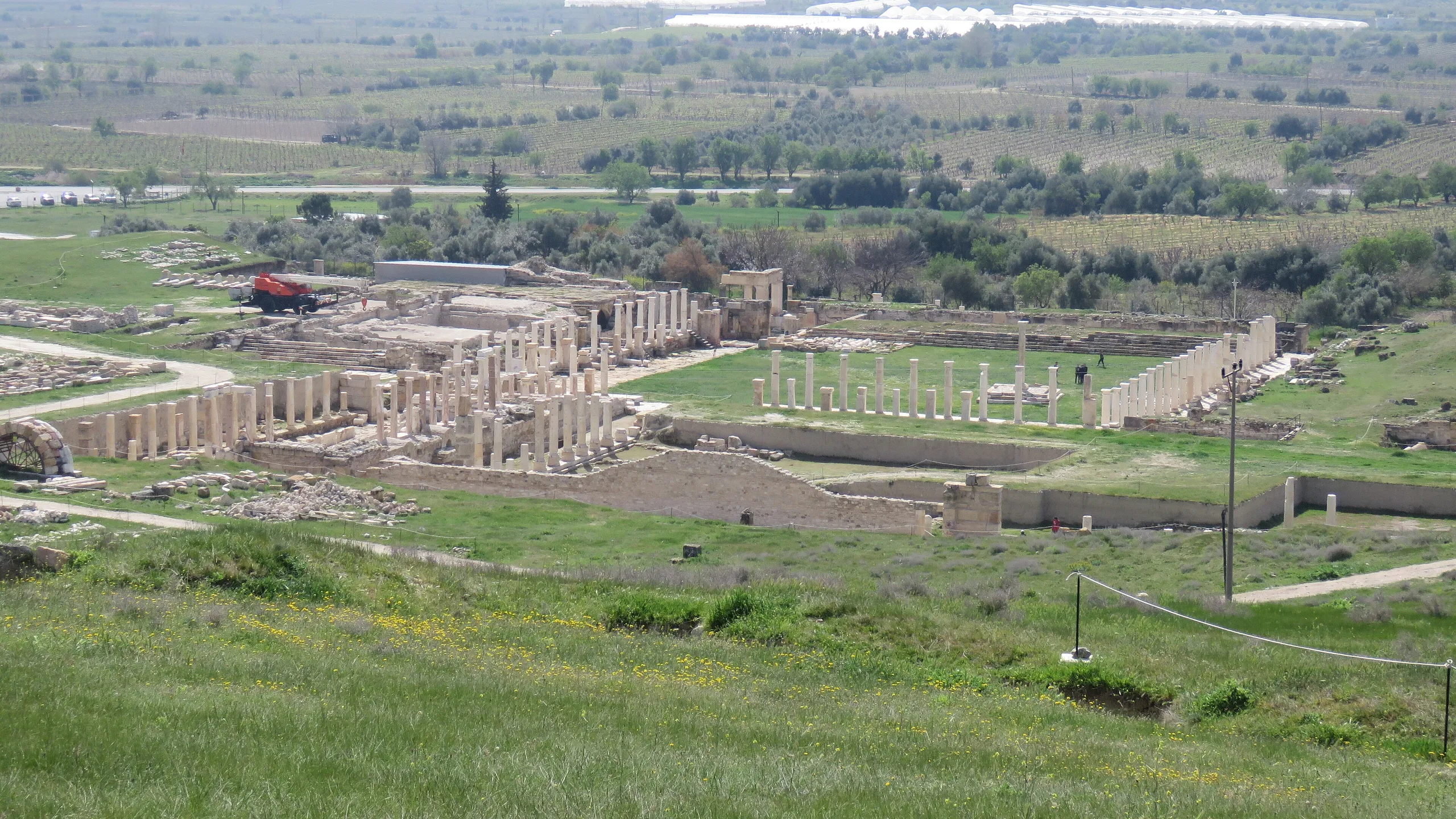
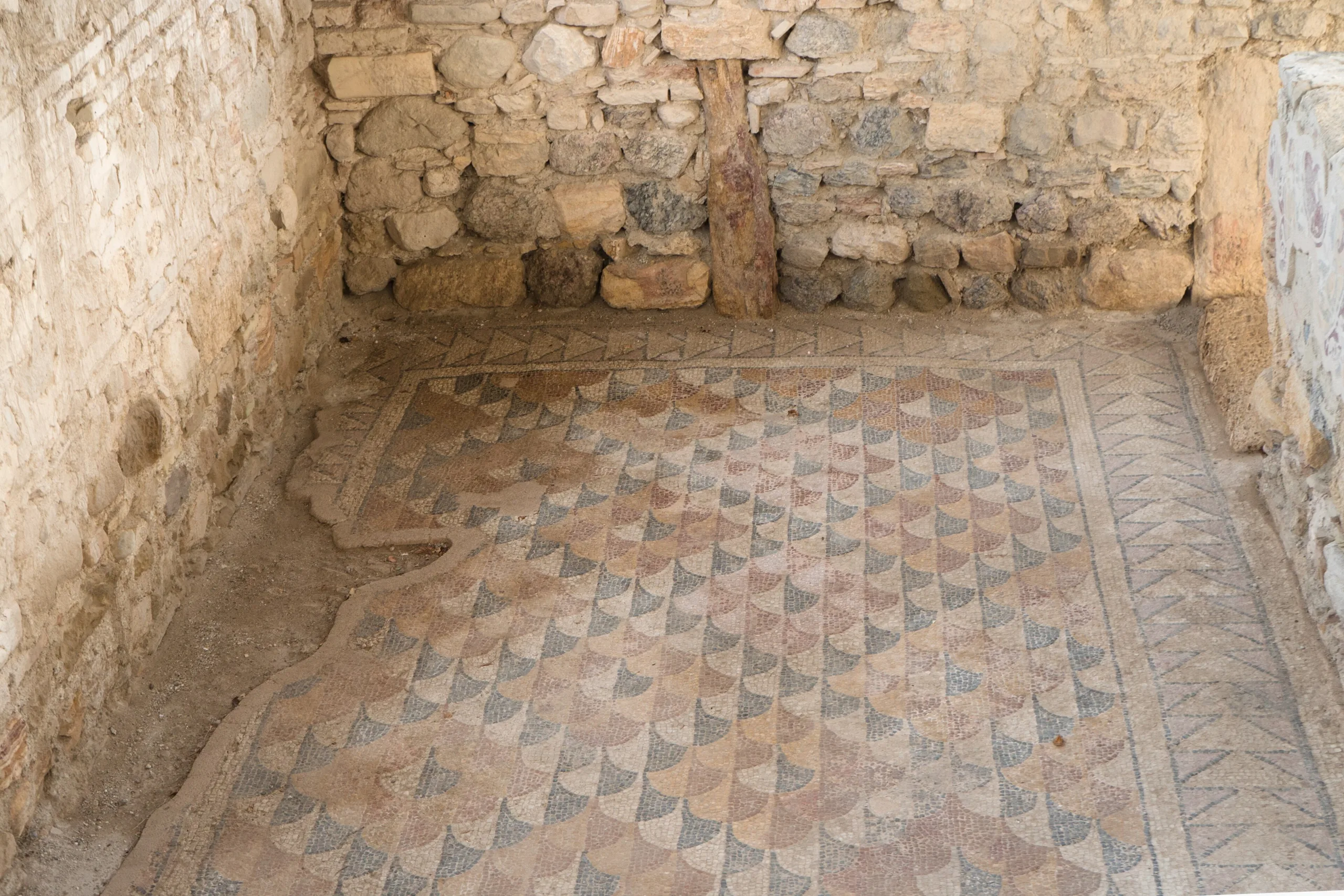
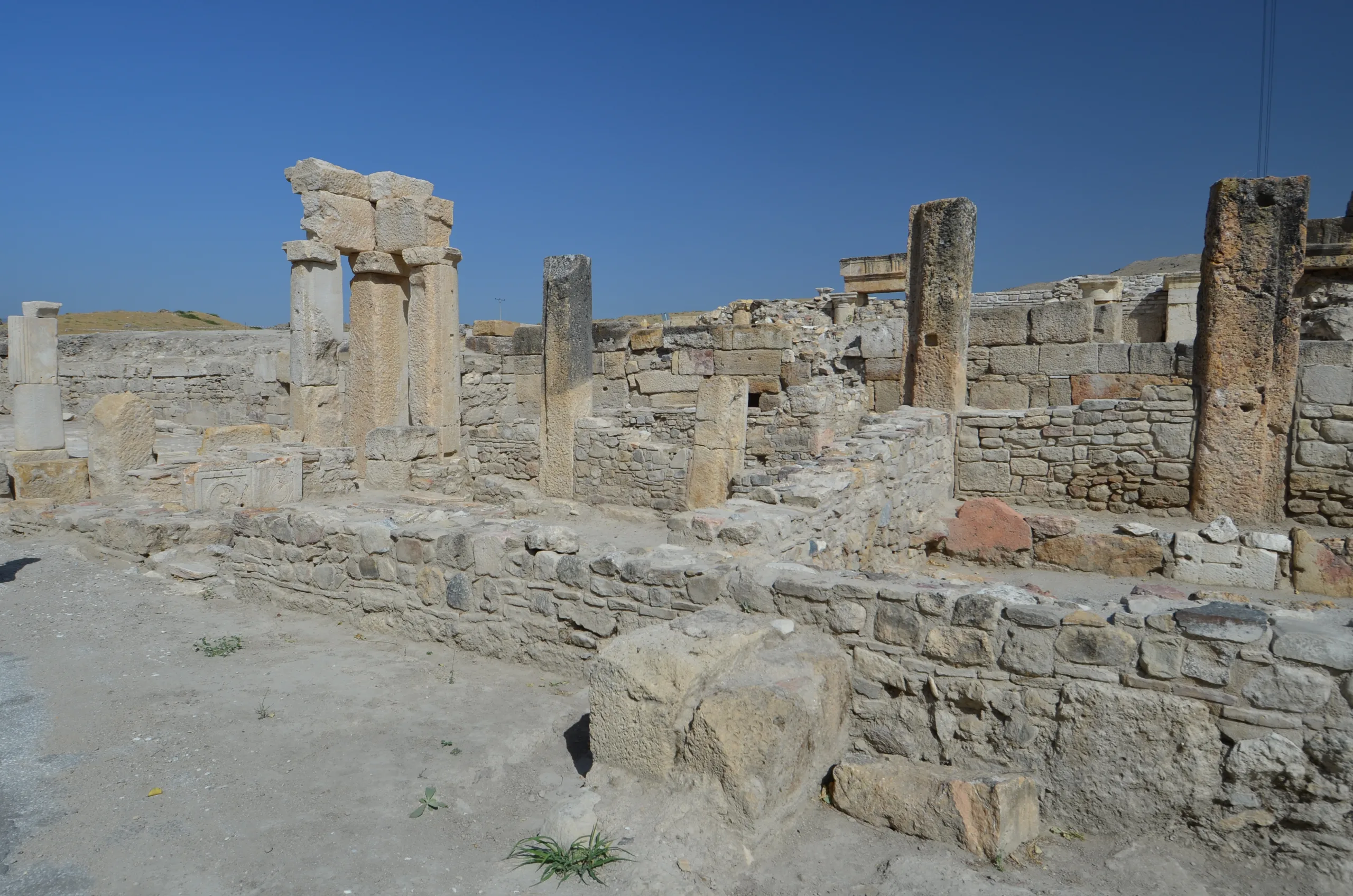
Excavation has uncovered public and domestic architecture in the city centre. The Ministry lists these completed excavation and restoration projects: a residential quarter, a church, a colonnaded street, a monumental fountain, the main street, a vaulted building, a podium building, the agora, an arched building, shops, and a sanctuary. The source pages give no dates or measurements for individual buildings, so none are stated here.
Research
The Ministry states that work at Tripolis is run by Prof. Dr. Bahadır Duman for the Ministry and Pamukkale University under a Council of Ministers decision. Supporters named include the General Directorate of Cultural Heritage and Museums, the Denizli Governorship, the Turkish Historical Society, the Turkish Employment Agency and the Denizli and Buldan municipalities. The Ministry and the Culture Portal agree that work has been completed on many city-centre structures since 2012.
Gallery
Frequently asked questions
Where is Tripolis?
What was the city first called?
Why was Tripolis significant?
Since when has it been excavated?
Which buildings have been excavated?
What happened after the thirteenth century?
Sources (9)
- Denizli Tripolis Örenyeri / Denizli Tripolis Archaeological Site (TR ve EN sayfalar) — T.C. Kültür ve Turizm Bakanlığı, Müzeler ve Ören Yerleri
- Tripolis Antik Kenti - Denizli — T.C. Kültür ve Turizm Bakanlığı, Türkiye Kültür Portalı
- Tripolis (Wikidata Q117411, P625 koordinat) — Wikidata
Photo credits
- Photo: Carole Raddato from FRANKFURT, Germany, CC BY-SA 2.0 — Wikimedia Commons (resized)
- Photo: Alexey Komarov, CC BY-SA 4.0 — Wikimedia Commons (resized)
- Photo: Calistemon, CC BY-SA 4.0 — Wikimedia Commons (resized)
- Photo: Calistemon, CC BY-SA 4.0 — Wikimedia Commons (resized)
- Photo: Alexey Komarov, CC BY-SA 4.0 — Wikimedia Commons (resized)
- Photo: Jarekadam, CC BY-SA 3.0 — Wikimedia Commons (resized)