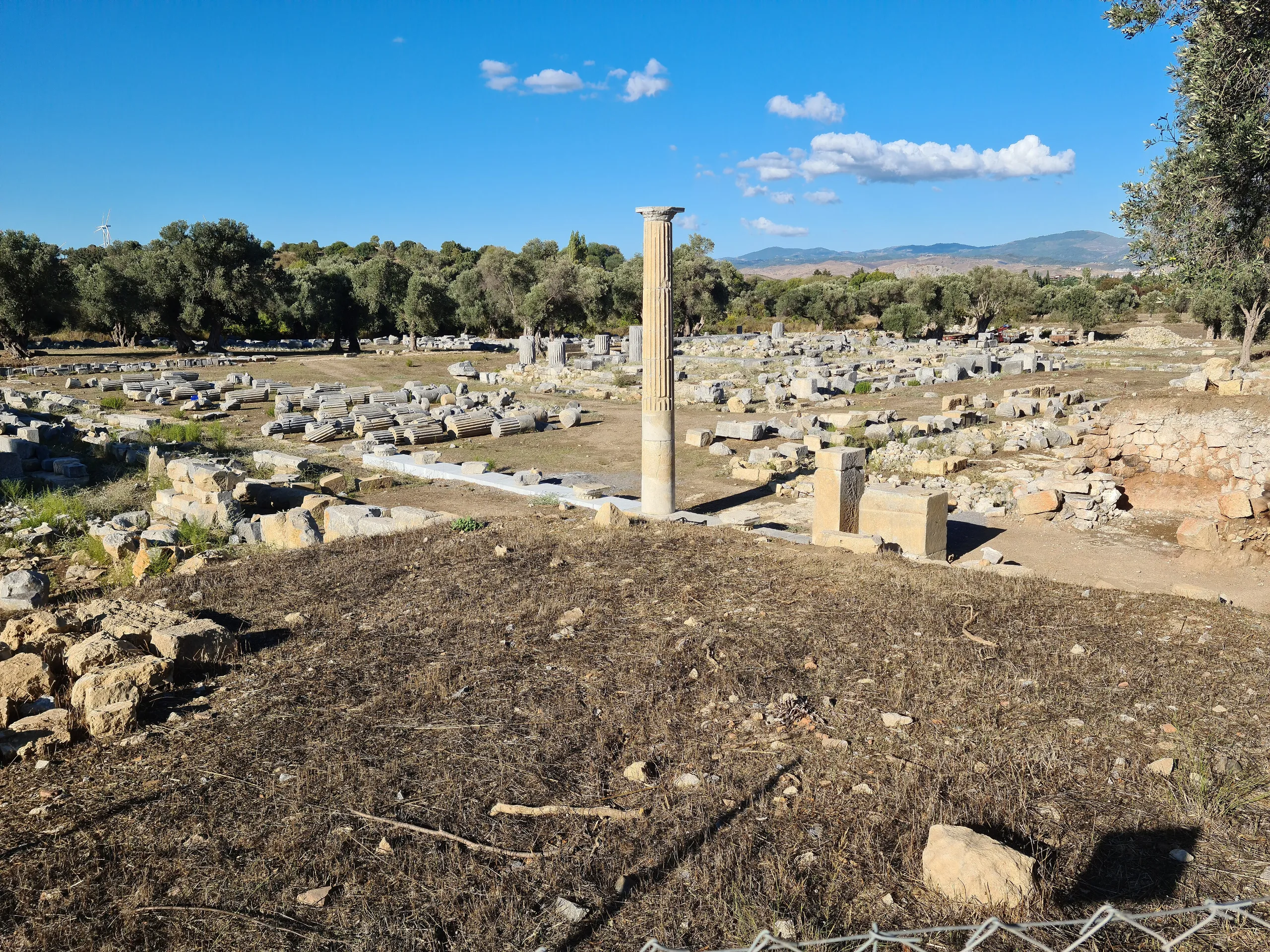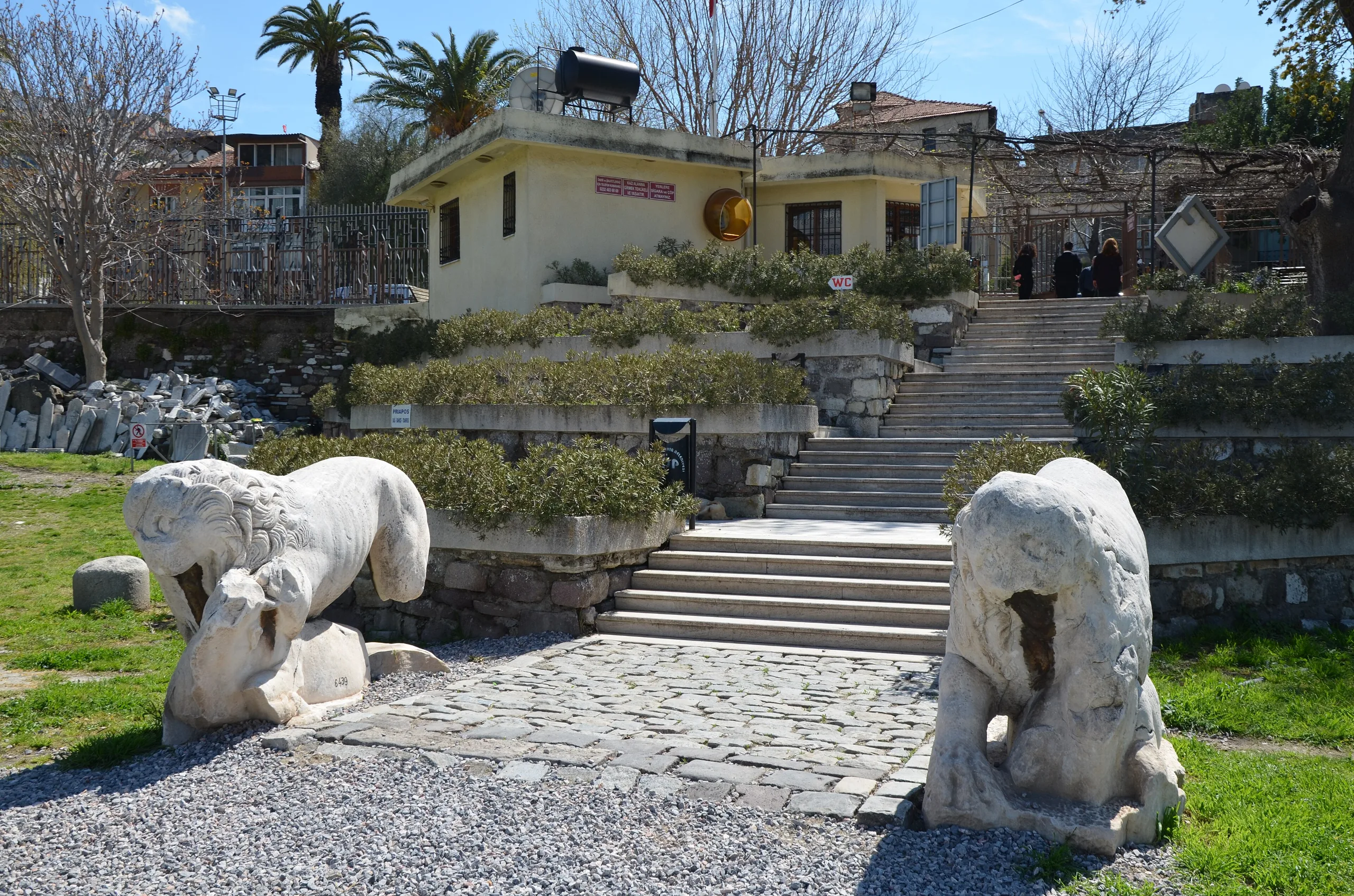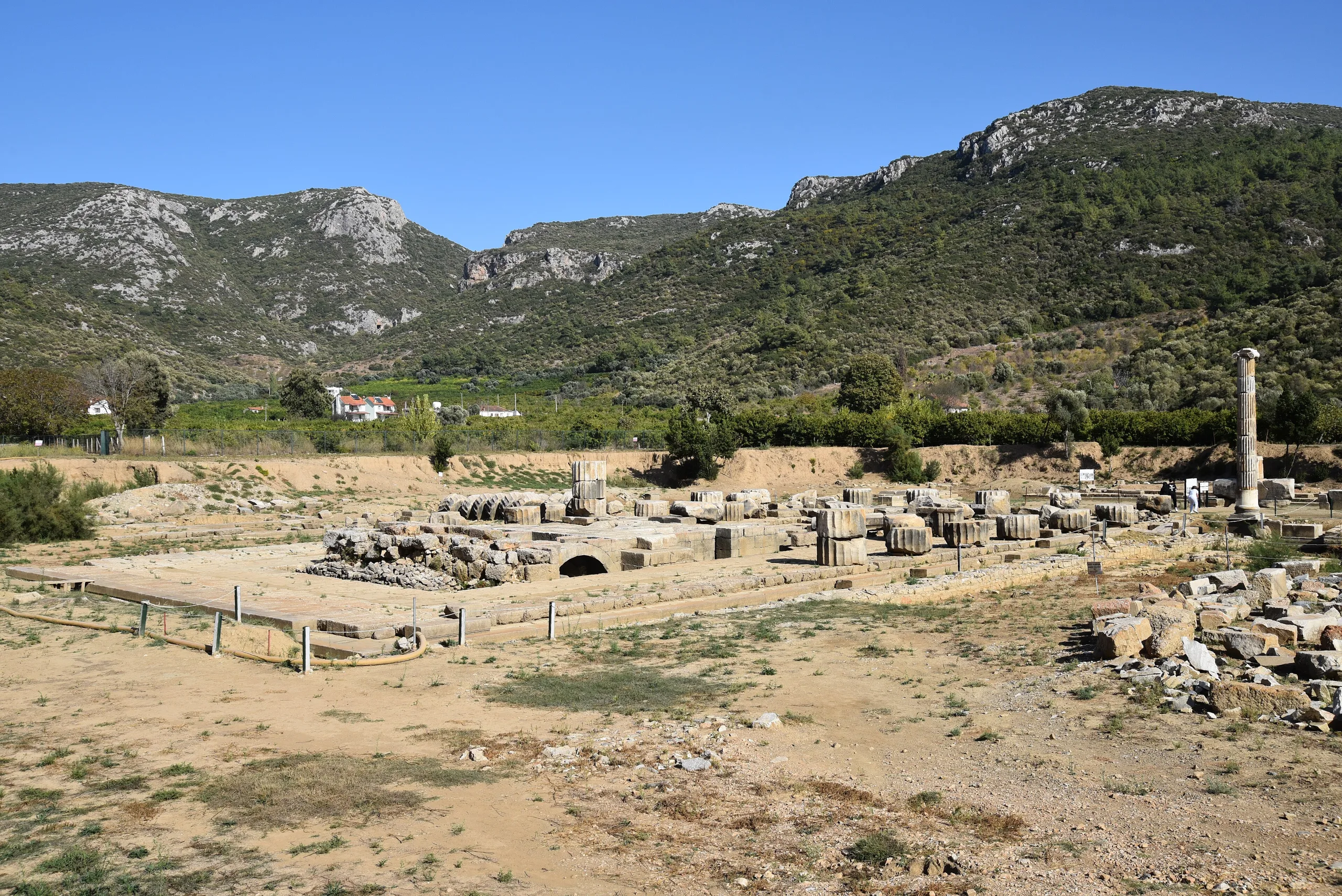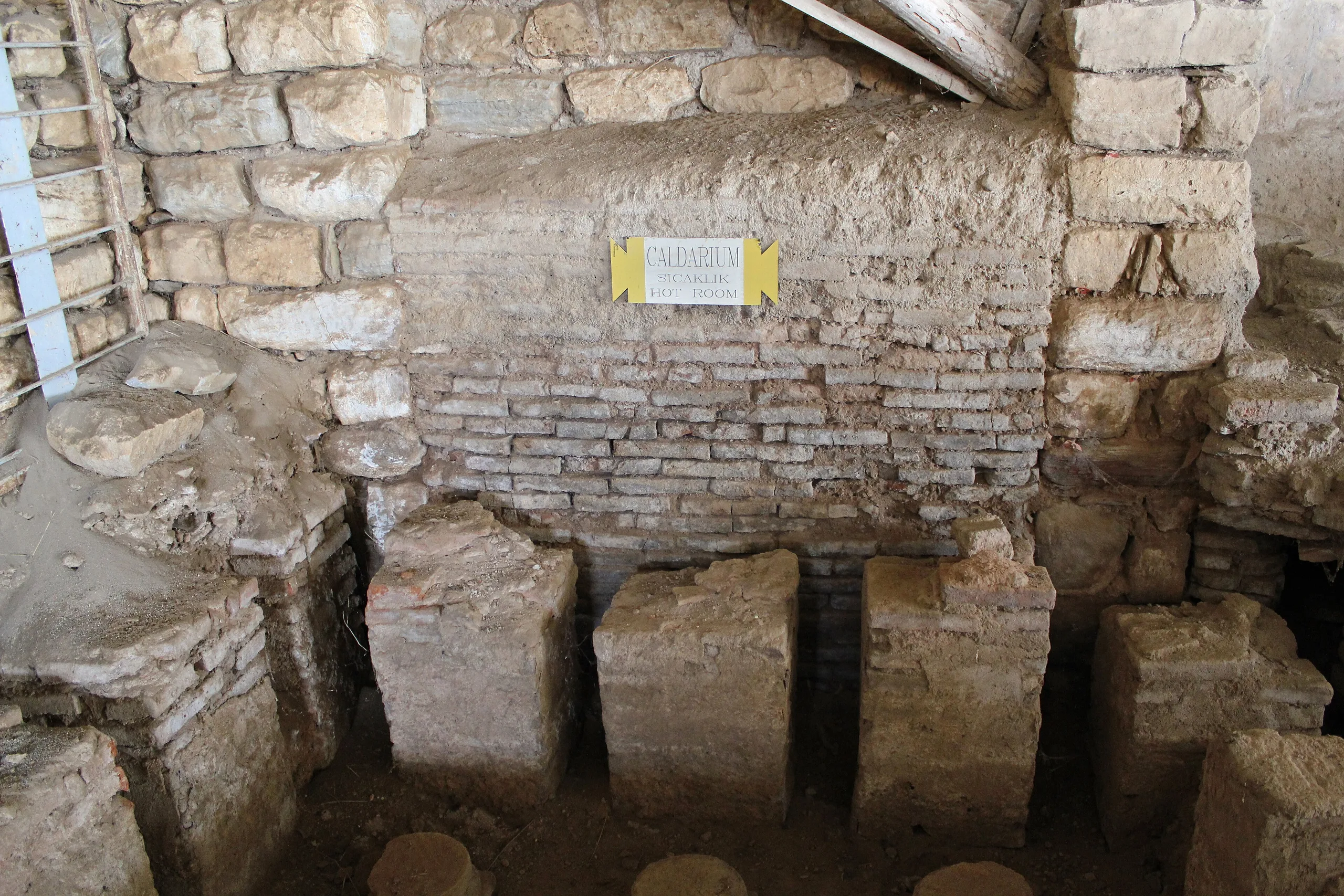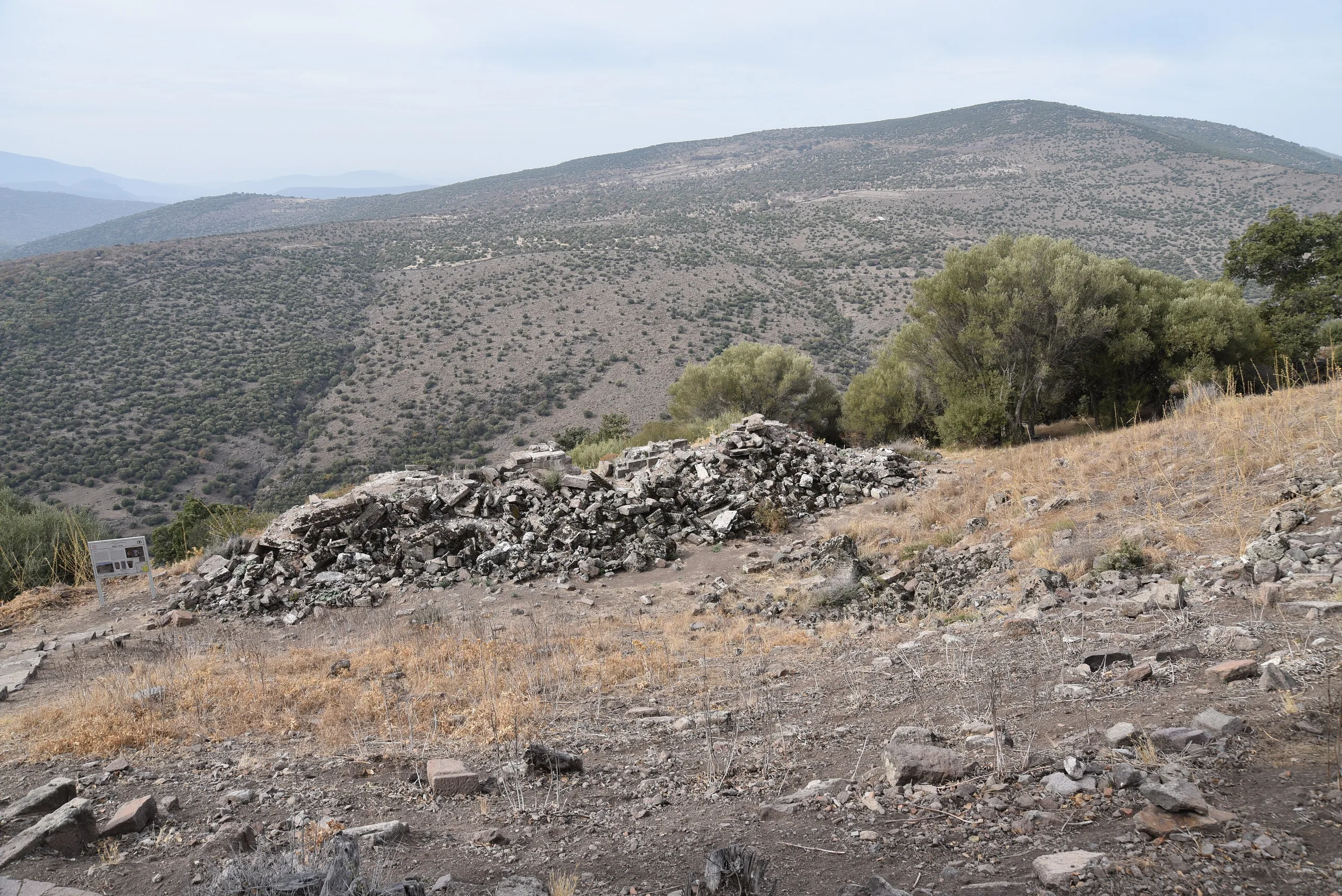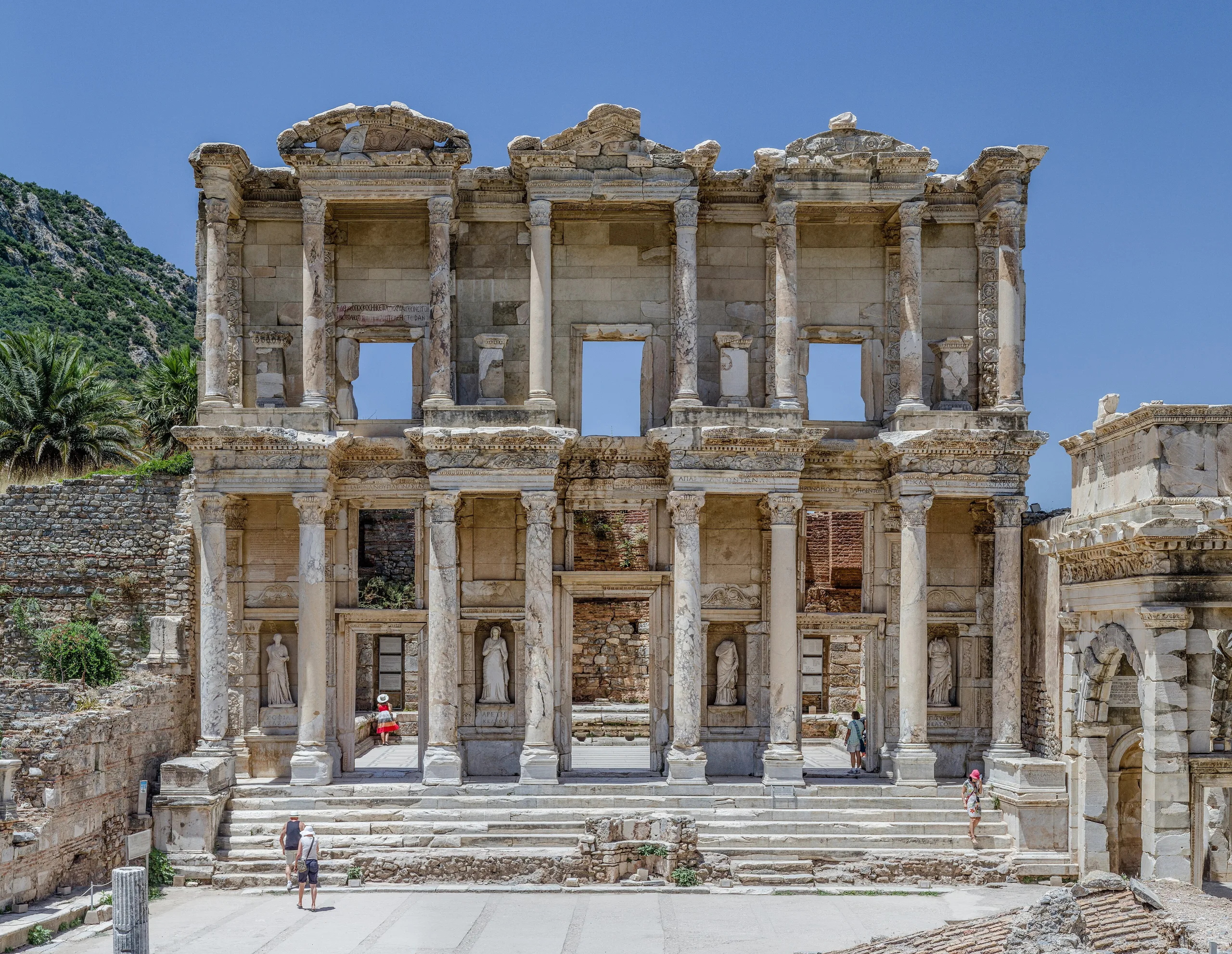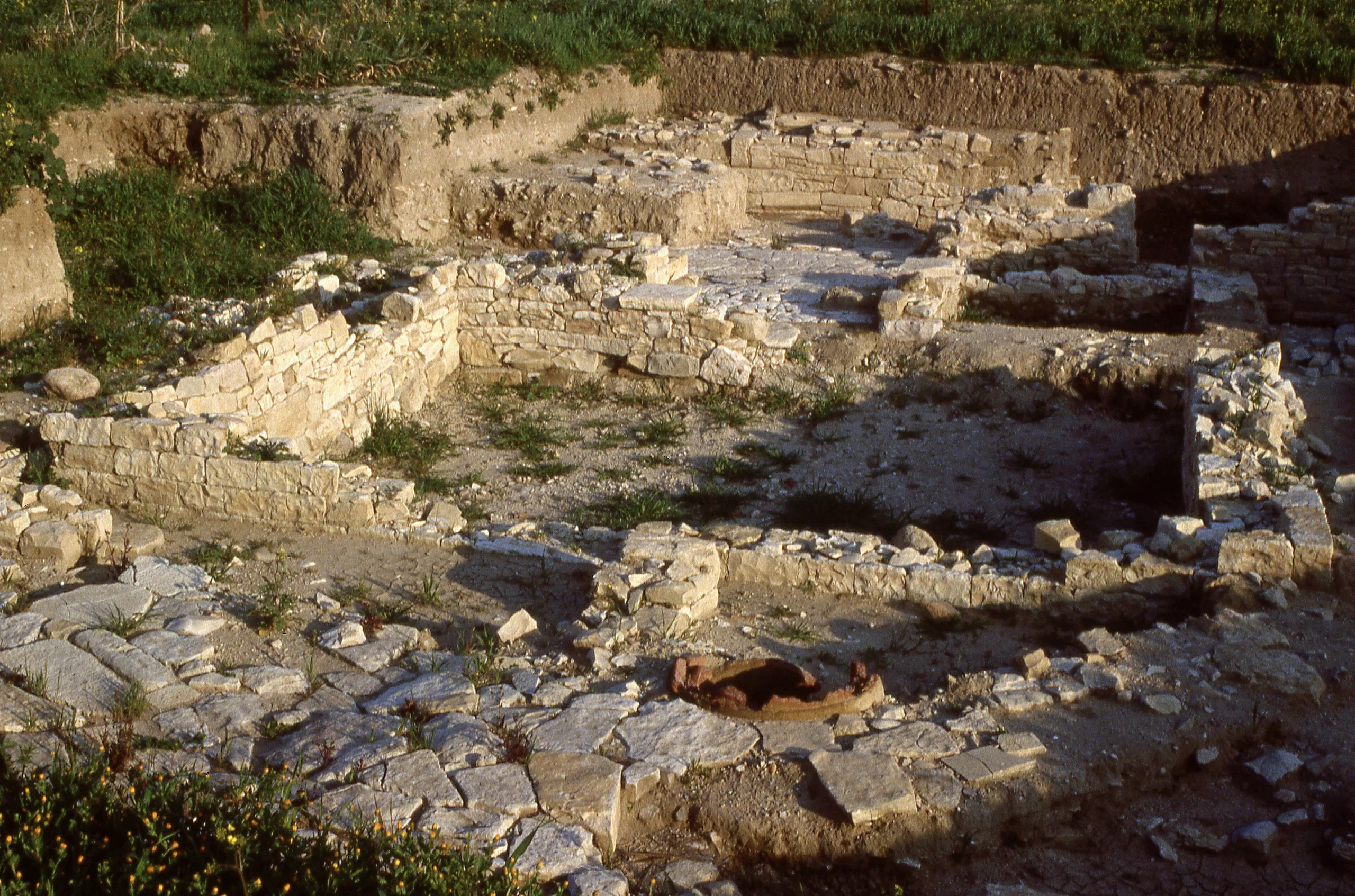
One of the twelve Ionian cities of the Gulf of Izmir, beside modern Urla, with the oldest olive-oil workshop yet found in Anatolia and an Archaic city wall.
Clazomenae is an ancient city located in Turkey, Izmir. Main periods: Archaic Period, Bronze Age, Iron Age.
In a field at İskele, on the edge of Urla, stands an olive-oil workshop with its storerooms and two wells. It was working some 2,600 years ago, and because nothing older is known in Anatolia it was rebuilt on its original spot in 2004 and 2005. The ground around it belonged to Clazomenae, one of the twelve Ionian cities, founded midway up the Gulf of Izmir on the north shore of the Urla-Çeşme peninsula.
The city's land
Clazomenae was never just a harbour town. Its territory ran east almost to Smyrna, and the Temple of Apollo known near the Agamemnon hot springs at Balçova counts as part of it. To the west the boundary with Erythrai passed around Hypokremnos (İçmeler), with the village of Gülbahçe most likely marking the far western edge, and to the south it reached the Gulf of Sığacık. The city stood at the heart of a broad farming and coastal country that faced both sides of the gulf.
History
From Limantepe to the Iron Age
The core of the settlement is a spot now called Limantepe, where people lived from about 4000 BCE. Toward the end of the Early Bronze Age, around 2500-2200 BCE, the community built a horseshoe-shaped bastion and a wall to guard the lower town. The bastion is more than eight metres long and over six wide; just west of it a ditch cut into the rock, about 3.8 metres across at the top, protected the approach.
Then came a long quiet. In the Early Iron Age the same ground was first a pottery kiln and then, from the late 10th century to the middle of the 7th BCE, a cemetery. Most of the burials are babies and children placed in jars. One find is a bone cosmetic spoon carved as a naked woman, probably brought from the east. The living, meanwhile, occupied houses with rounded ends or rectangular plans, and in the 7th century BCE they ringed their town with a wall.
Persian rule, olive oil and the island city
Around 546 BCE the Persian conquest cut short the city's rise. Its people are thought to have taken refuge in nearby villages and on islands, and about twenty years later, in 525-520 BCE, they returned to the old quarters. Persian rule was mild enough that prosperity came back in the last quarter of the 6th century BCE: oil workshops multiplied and the settlement spread. After the Ionian Revolt broke out in 499 BCE, the city carried on from the early 5th century as an island town on Karantina.
Inside the community, differences over politics and interest hardened. In the first half of the 4th century BCE a group of citizens who would not back Athens crossed to the mainland and laid out a new gridded town at Limantepe, Khyton. It did not last, and was given up around 350 BCE. After that the Clazomenians used the mainland only for farming and kept their homes on Karantina Island.
What survives
The olive-oil workshop
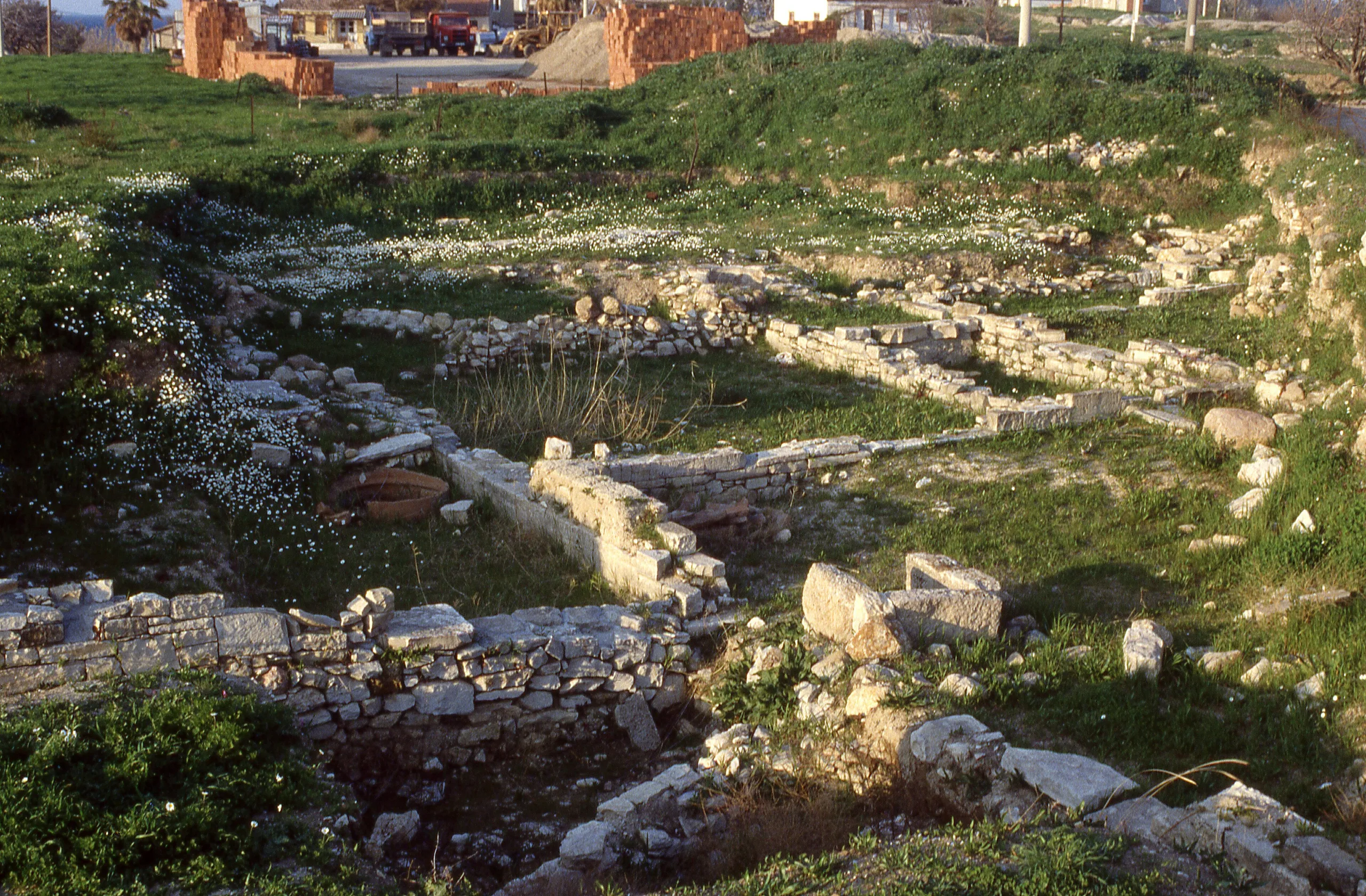
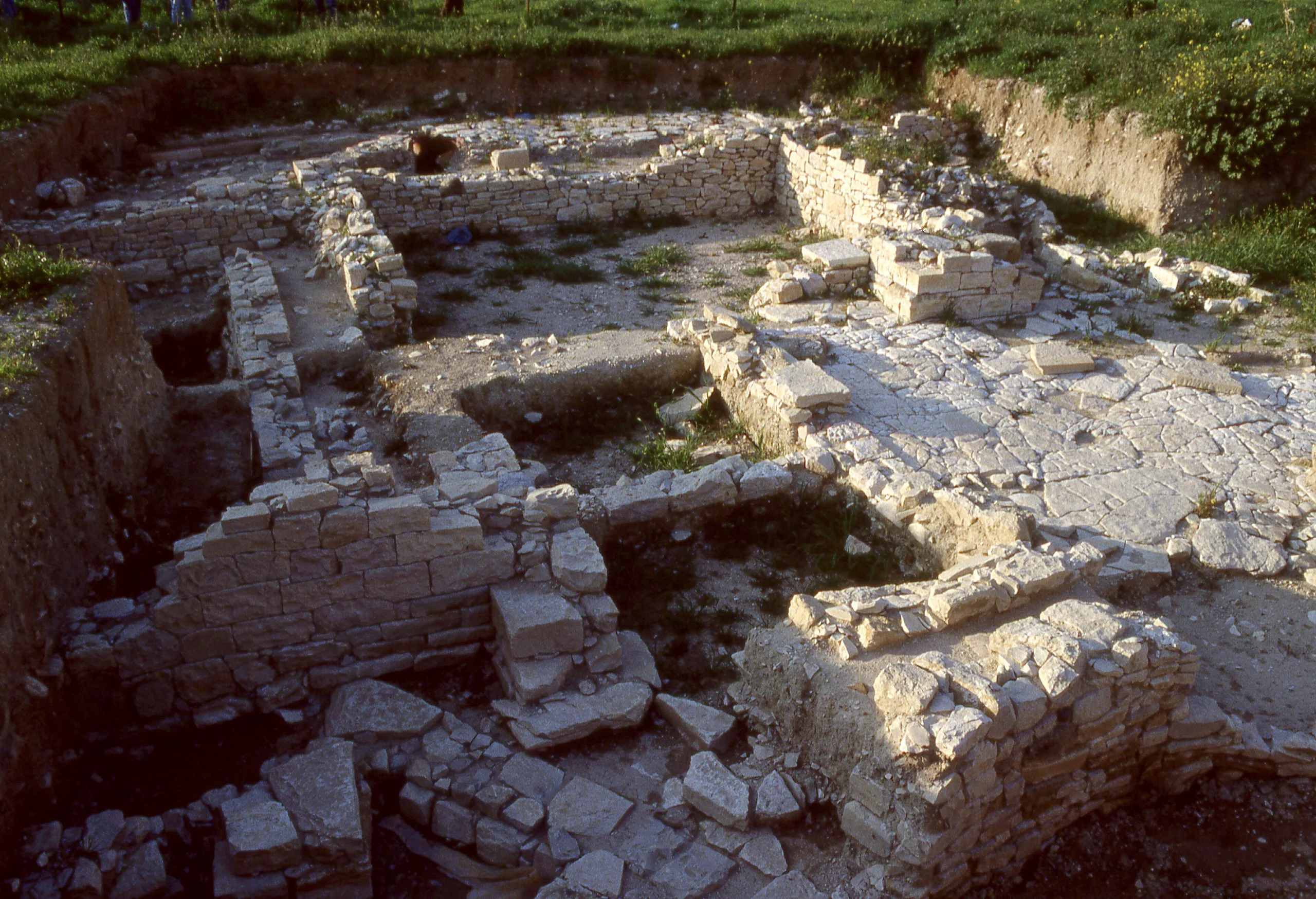
This is what sets Clazomenae apart in Anatolian archaeology, and it was found in the Hamdi Balaban field at İskele. In the late 7th and 6th centuries BCE the area around it was a production belt kept away from housing, where iron smelting went on next to the oil pressing.
The Archaic wall and gate
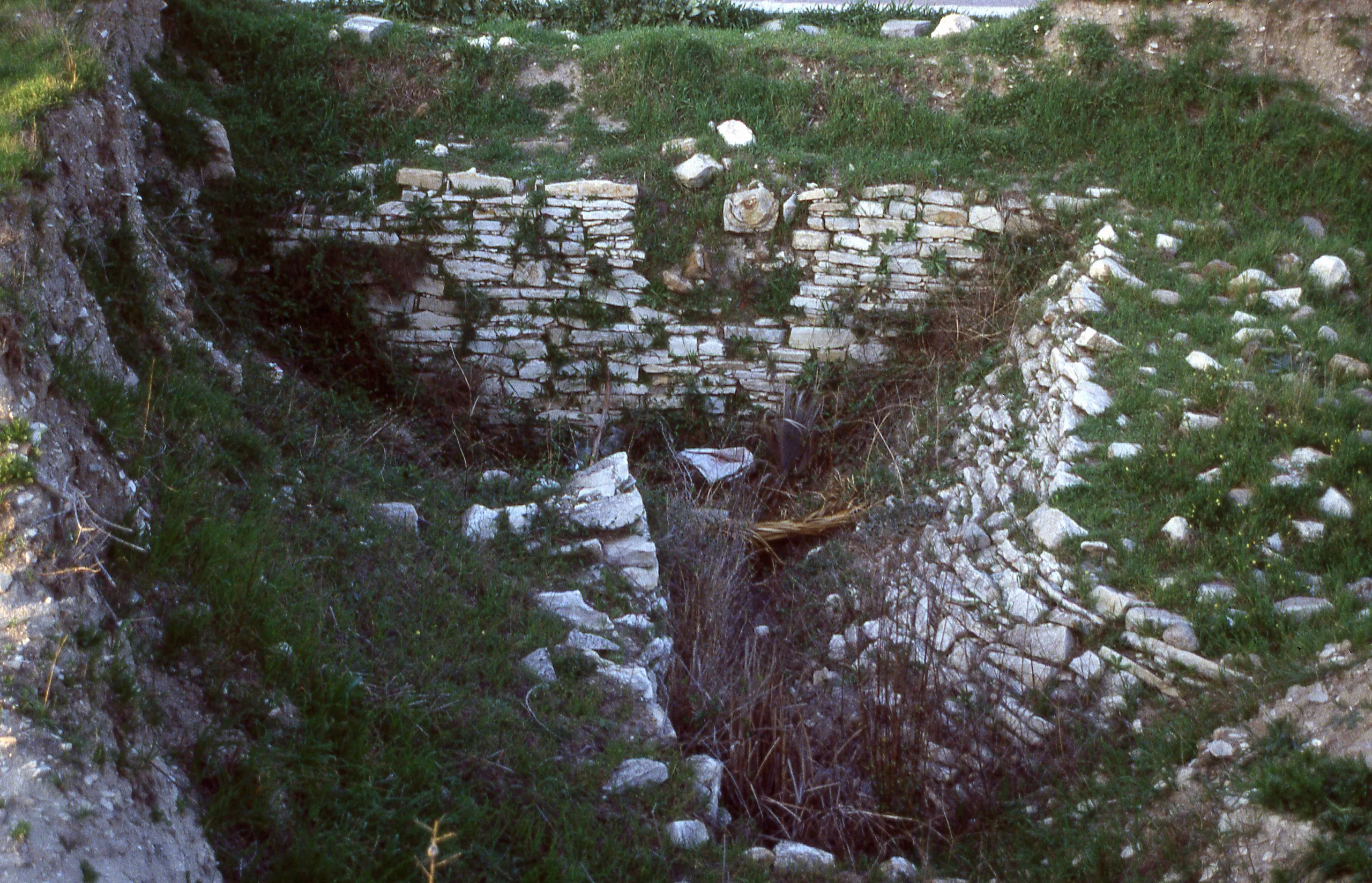
Next to the workshop the Archaic defences can be traced. The wall, begun early in the 7th century BCE, marked the western limit of the city and the first outline of an ordered town plan. Before it lay a sloping bank of stone, a glacis, a device also found in Iron Age towns of central Anatolia. A gate with a deep passage was added late in the 6th century BCE, most likely in the steadier climate of Darius's reign. When the wall went up, the old graveyard fell out of use and the dead were buried in separate cemeteries outside it.
Excavations
The first scientific dig here was by the Greek archaeologist G. P. Oikonomos in 1921-1922. Work in 1979 and 1980 led to regular excavation from 1981 under Güven Bakır, and since 2007 the project has been run by Prof. Dr. Yaşar E. Ersoy. The most productive years were 2005 to 2011, when the Archaic wall, the Bronze Age defences beneath it and the Iron Age uses of the ground between the two came to light.
Visiting
The excavated area lies in the İskele district of Urla. The oil workshop tells its story most plainly in the open air: a production line fixed to the bedrock, with the gulf all around. Working arrangements and entry terms change from time to time, so check the official link for current details before you set out.
Gallery
Frequently asked questions
Where exactly is Clazomenae?
Is this really the oldest olive-oil workshop in Anatolia?
What was Khyton?
What is the link with Karantina Island?
Who runs the dig?
How far back does settlement at Limantepe go?
Sources (12)
- Klazomenai Örenyeri / Klazomenai Archaeological Site (TR ve EN) — T.C. Kültür ve Turizm Bakanlığı, Müzeler ve Örenyerleri
- Klazomenai Örenyeri - İzmir — T.C. Kültür ve Turizm Bakanlığı, Türkiye Kültür Portalı
- Klazomenai Ören Yeri Kazısı / Urla — İzmir İl Kültür ve Turizm Müdürlüğü
- Defense Systems at Klazomenai and their Role in the Urbanization Process of the Site from Early Bronze Age into the Late Archaic Period (Ersoy, Cevizoğlu) — Höyük 14 (2024), DergiPark
- Klazomenai (Pleiades place 550651) — Pleiades
Photo credits
- Photo: Mark Landon, CC BY 4.0 — Wikimedia Commons (resized)
- Photo: Mark Landon, CC BY 4.0 — Wikimedia Commons (resized)
- Photo: Mark Landon, CC BY 4.0 — Wikimedia Commons (resized)
- Photo: Mark Landon, CC BY 4.0 — Wikimedia Commons (resized)
- Photo: Markus Köllner, CC BY-SA 4.0 — Wikimedia Commons (resized)
- Photo: Markus Köllner, CC BY-SA 4.0 — Wikimedia Commons (resized)
- Photo: Sailko, CC BY 3.0 — Wikimedia Commons (resized)