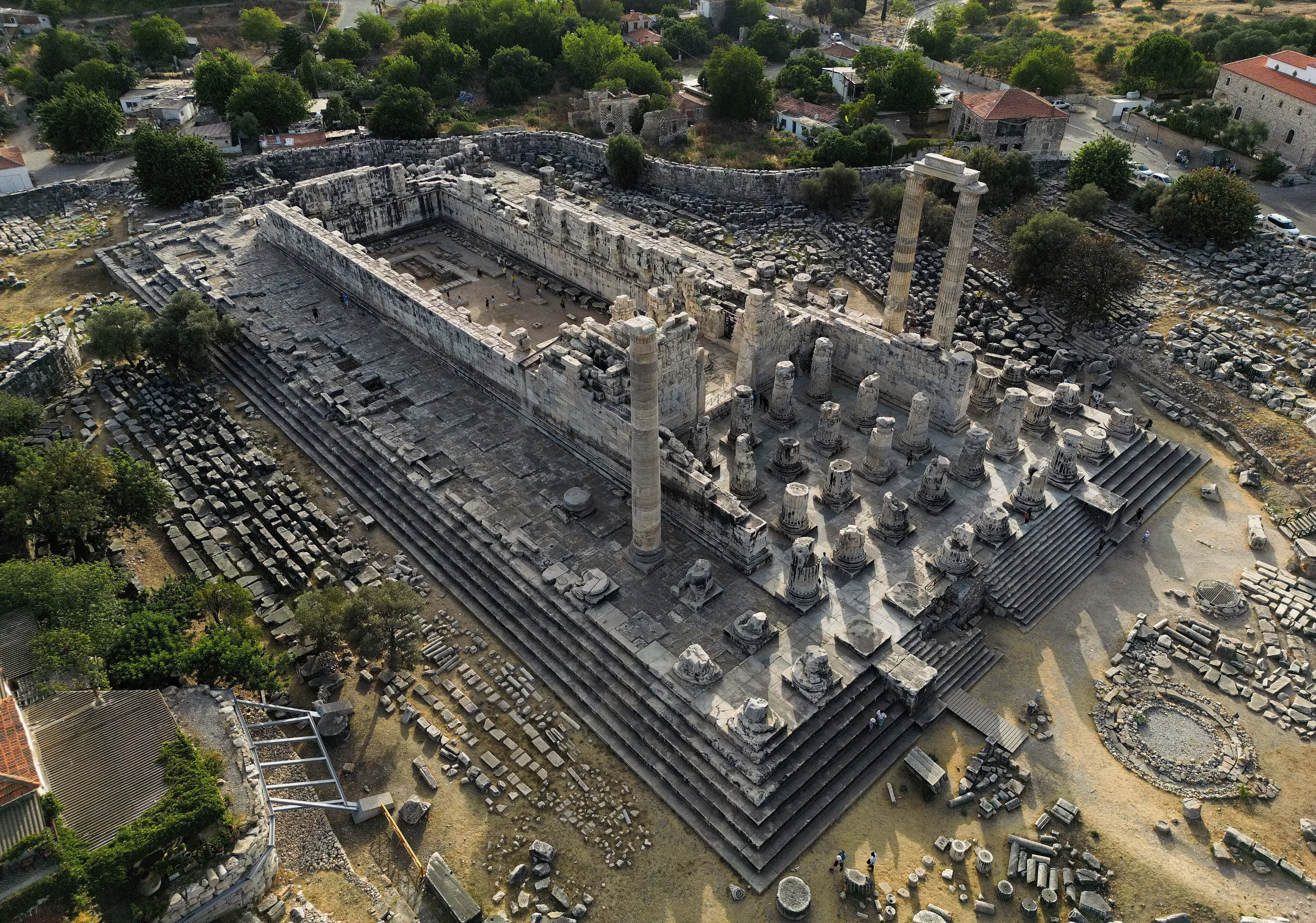
Ephesus is an ancient city beside Selçuk in İzmir, home of the Temple of Artemis, a Seven Wonders monument, and a World Heritage Site since 2015.
Ephesus is an ancient city located in Turkey, Izmir. Main periods: Hellenistic Period, Roman Period, Byzantine Period, Neolithic Period, Chalcolithic Period, Bronze Age, Beyliks Period. It was inscribed on the UNESCO World Heritage List in 2015.
Ephesus relocated several times as its coastline shifted. It lies on Turkey's Aegean side, about 70 km south of İzmir and right beside the town of Selçuk, where the Küçük Menderes (ancient Kaystros) once reached the sea. Silt kept pushing the shoreline west, and the settlement followed it again and again. The ministry's own introduction presents the place as the home of the Temple of Artemis, a monument ranked with the Seven Wonders.
What stands above ground is mostly Roman: the Library of Celsus, the Great Theatre, Curetes Street and the Terrace Houses. Ayasuluk Hill and the Artemis sanctuary form part of the same World Heritage property, inscribed in 2015.
Location and layout
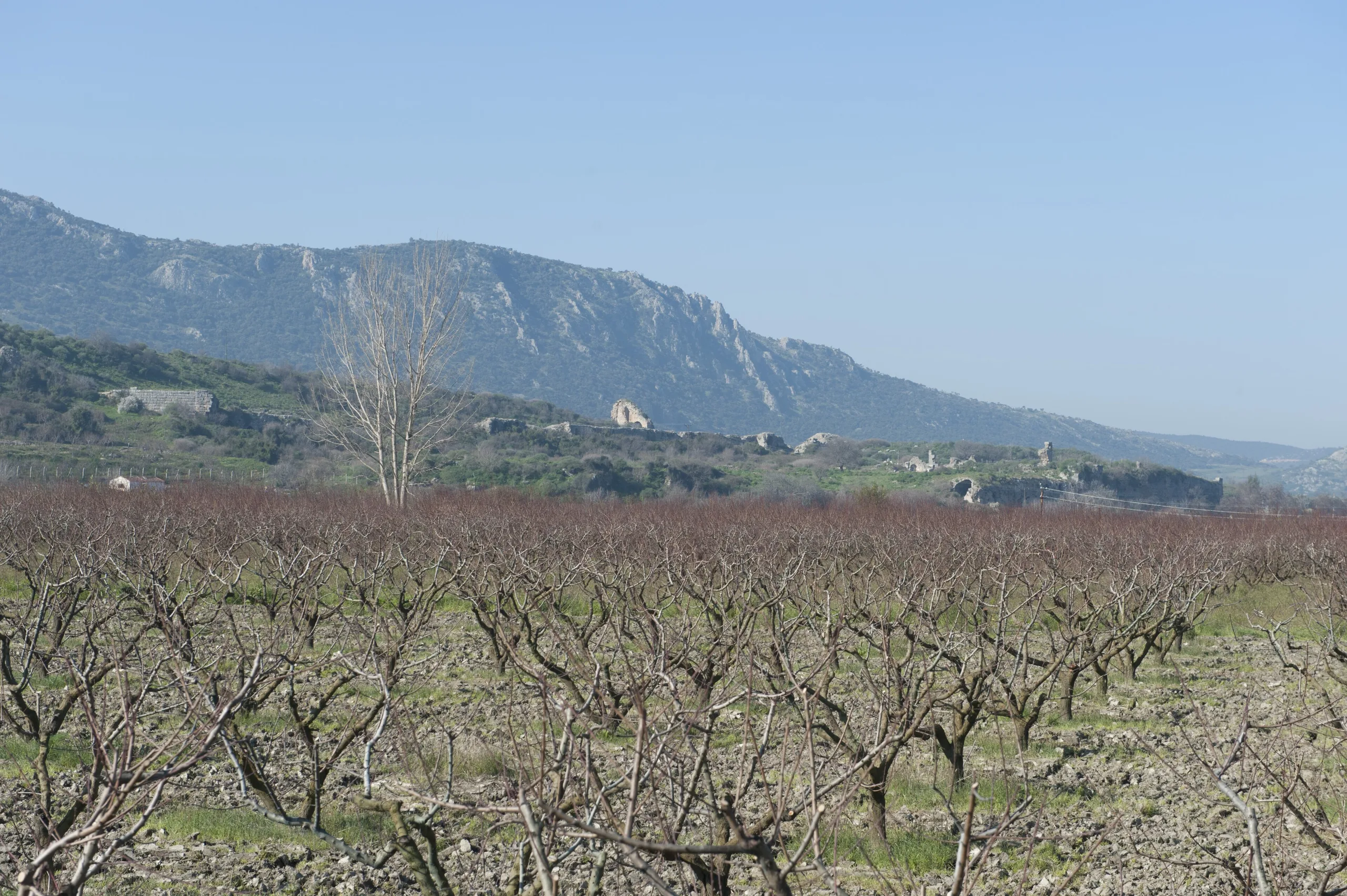
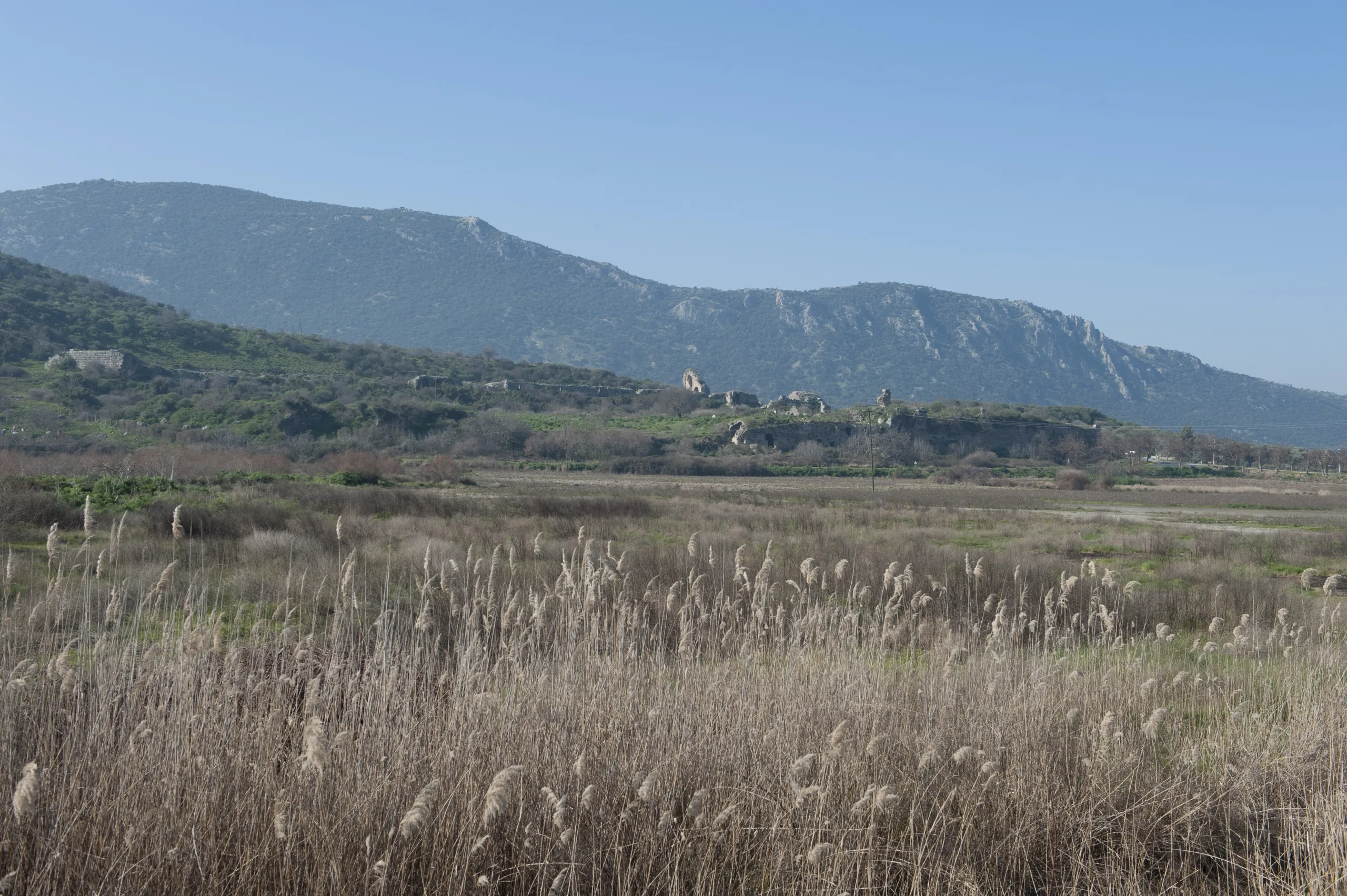
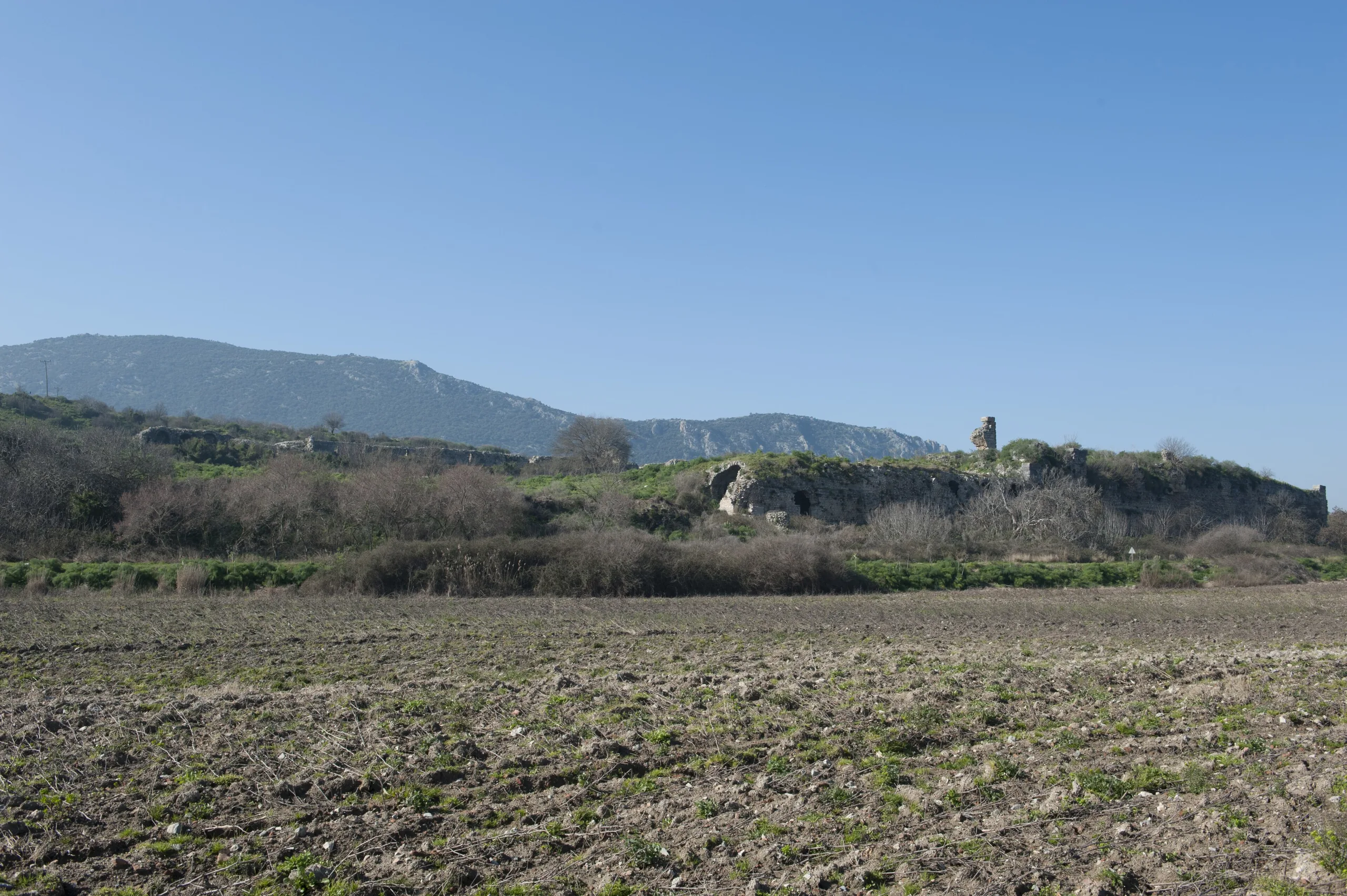
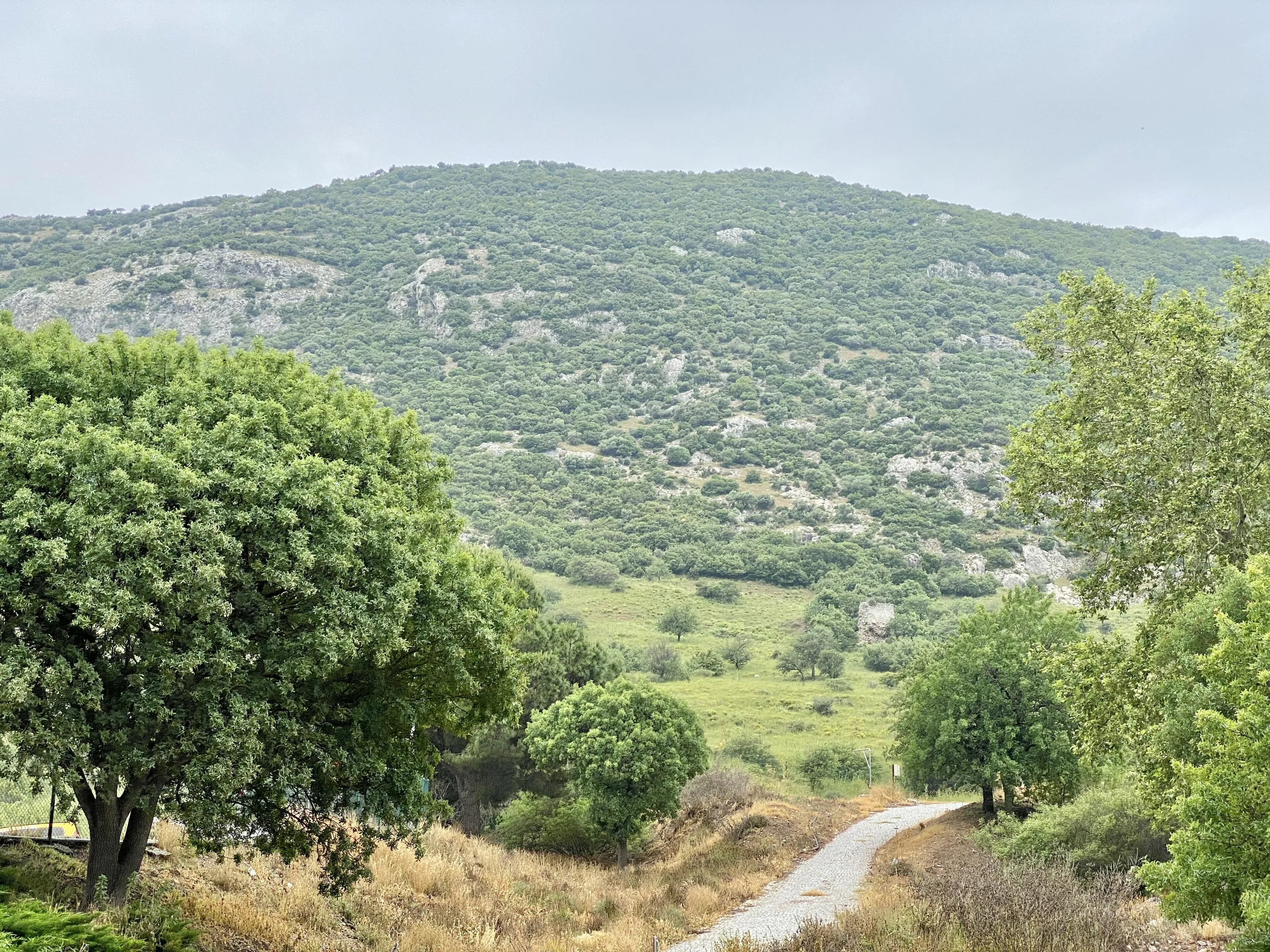
The ministry gives the postal address as Efes Harabeleri, 35920 Selçuk/İzmir. According to the nomination file, the site sits a little north of the island of Samos. The Hellenistic and Roman core fills the valley between the ridges of Bülbüldağ and Panayırdağ, some 1.4 km² of largely excavated ground; beside it lie a silted harbour basin and a canal over 1.5 km long that once led seaward.
The ministry describes an upper and a lower gate roughly three kilometres apart, and the Terrace Houses have their own entrance inside the boundary. ICOMOS observes that most visitors walk a single main route along Curetes and Marble streets.
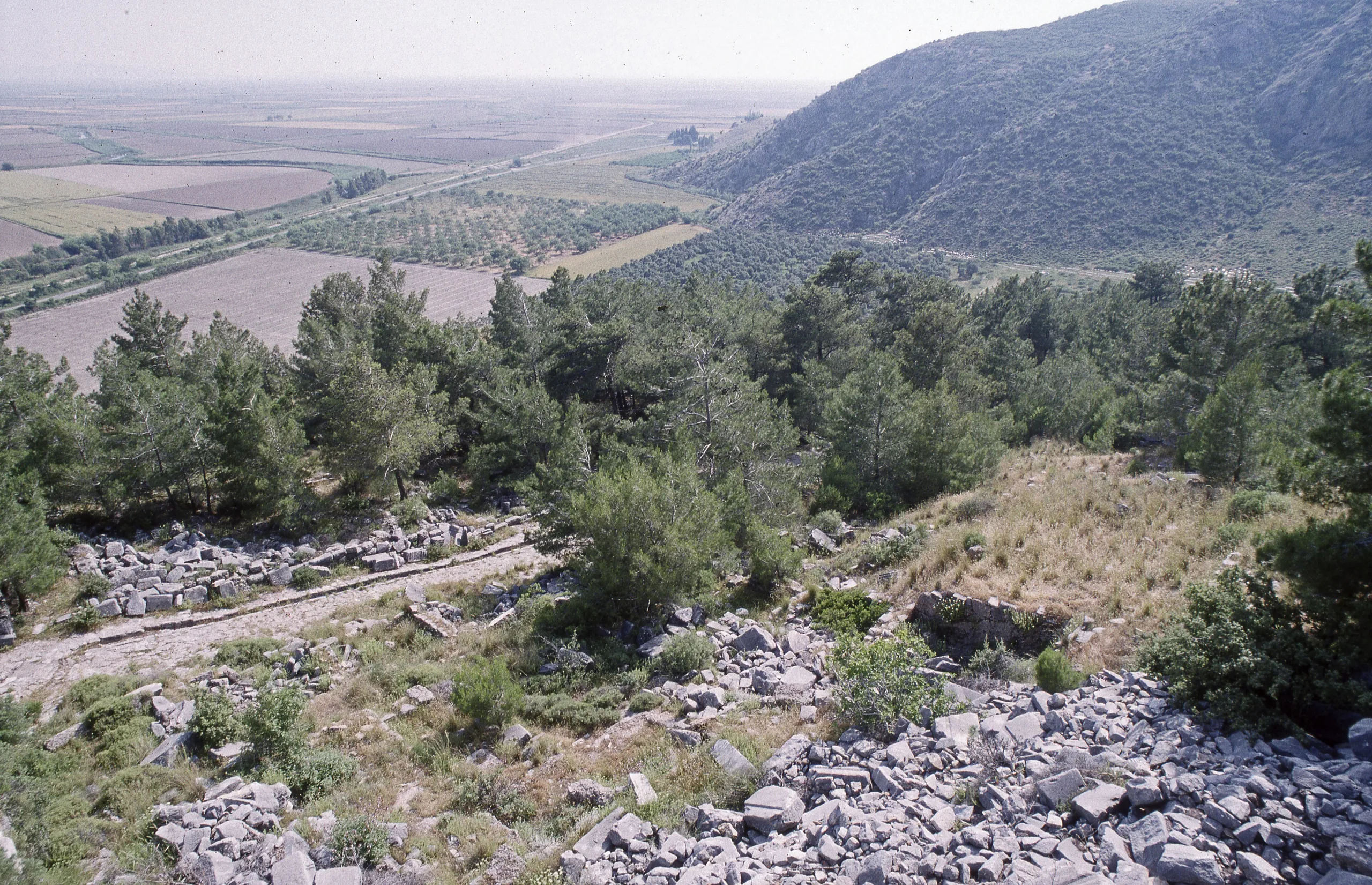
River sediment explains the distance to the sea. ICOMOS says the water retreated a further 5 km by the 1600s, while the nomination file gives the same figure for the span up to the twentieth century; the file counts eight harbour locations.
History
The oldest traces belong to Çukuriçi Mound, which lies two hundred metres south-east of where the Roman city would rise. Houses of mud-brick on stone footings, dated to the seventh millennium BCE, were excavated in five building phases; the villagers kept livestock and shaped tools from obsidian brought from Melos. The nomination file calls the settlement at least 8,200 years old and says the mound was used, with breaks, until about 2500 BCE. Two marble female figurines found in 2012, one of the fifth millennium and one of the early third, are described as the oldest human-shaped statuettes in western Asia Minor.
Once Çukuriçi was abandoned, people moved to Ayasuluk Hill, as Middle Bronze Age pottery shows. Hittite documents and Egyptian texts name a town called Apasa in the land of Arzawa, which both the nomination file and ICOMOS take as the source of the name Ephesus. Shrines and temples were built at the Artemis sanctuary from the eighth century BCE; UNESCO places its foundation no later than the second millennium BCE. The nomination file dates Greek settlement from about 1000 BCE, the ministry's English page speaks of colonisation about 700 BCE, and the Ionian cities then formed a league led by Ephesus.
Croesus of Lydia captured the city in 560 BCE, and, the file says, the population moved to the area around the Artemis temple. Ephesus sat out the Ionian revolt and stayed a loyal Persian ally until about 470 BCE, then joined the Delian League in 466. When the temple burned in 356 BCE, its replacement was still unfinished at Alexander's visit, dated to 323 by ICOMOS and 334 by the file.
Around 300 BCE the general Lysimachos founded a new Ephesus in the valley between the mountains. It had a grid plan, a wall of more than 9 km that ICOMOS says enclosed 2.5 km², and a harbour of its own to the west. Tradition adds that he blocked the drains in a storm so the stubborn residents would leave their flooded houses. The town took the name Arsinoeia for his wife and went back to Ephesus after his death in 281 BCE.
After the battle of Magnesia in 188 BCE the city passed to Pergamon, whose king Attalos II narrowed the harbour in a way that sped up silting. UNESCO dates Rome's absorption of Asia Minor to 133 BCE, while the file refers to 129 BCE and Attalos's will; both name Ephesus as capital of the province of Asia. Sources suggest around 200,000 inhabitants in the second century CE. The citizens sided with Mithridates in 88 BCE, and Sulla's army took the town. Most buildings visible now postdate Augustus; the ministry's English text credits the Augustan and Tiberian years with the Prytaneion, a hippodrome-shaped stadium and aqueducts, and the Pax Romana with the odeon, the Library of Celsus and baths.
Christianity took root early. Paul stayed here, and in Acts silversmiths who sold small Artemis figures rioted fearing for their trade, with the crowd gathering in the theatre. Timothy, Paul's companion, became first bishop and was killed in 96; John is recorded as dying here in the later first century. The second century marked the peak, with rich families funding monuments and two imperial-cult temples for Domitian and Hadrian. Plague arrived with legions in 166. The third century brought plague, invasion and earthquake (ICOMOS); the file mentions a Gothic raid and a great quake in the 260s.
Theodosius shut the Artemision in 381, after which it served as a quarry. Church councils met at Ephesus in 431 and again in 449, the latter nicknamed the robber council. In the sixth century Justinian and Theodora rebuilt the Basilica of St John. Following Arab raids in the seventh century the town shifted west; as the harbour filled in, the weight moved back to Ayasuluk, and the file stresses that occupation continued into the fourteenth century. The Turks took over in 1304, Ayasuluk served as the Aydınoğlu capital from 1348 to 1390, and the Isa Bey Mosque was finished in 1375. The Ottomans captured the town in 1425 (an annex of the file gives 1426 for the end of the beylik). By the 1600s it was a ruin with about a hundred inhabitants and rampant malaria.
People and episodes
Arsinoe IV, Cleopatra's sister, sought asylum at the sanctuary and died at Ephesus. Gaius Iulius Aquila paid for the Library of Celsus in memory of his father, the senator Tiberius Iulius Celsus Polemaeanus. Tiberius Claudius Aristion's family was buried behind the Nymphaeum Traiani, while the sophist Flavius Damianus had the processional road to the Artemision roofed. The file also names a line of thinkers from Heraclitus to Nikephoros Blemmydes and two physicians, Rufus and Soranus, whose gynaecological writings influenced later ages.
Principal monuments
The Temple of Artemis (Artemision)
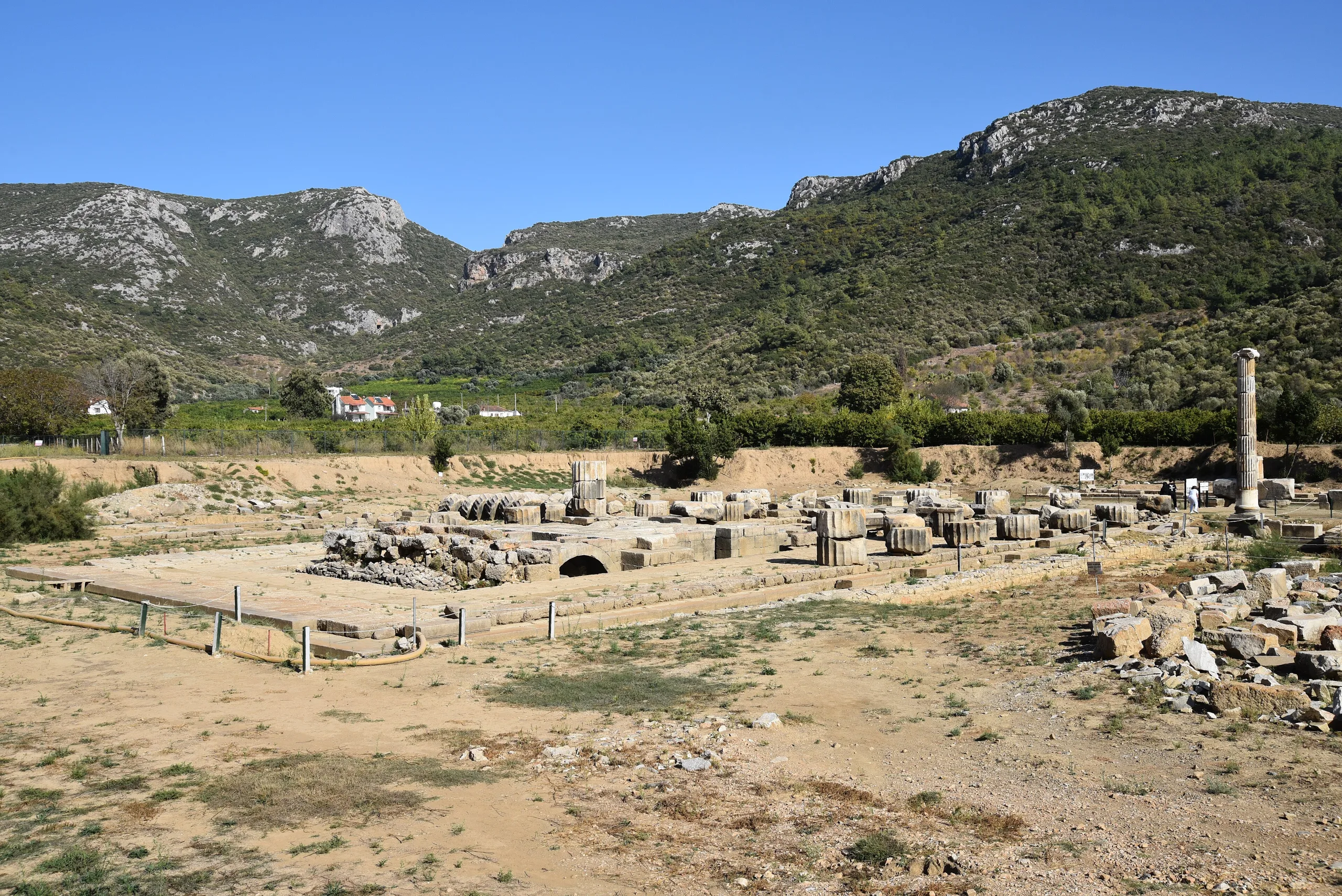
The ministry lists the Artemision among the Seven Wonders, and UNESCO and ICOMOS use the same phrase. The sanctuary lies roughly 1.5 km east of the city centre. A large marble dipteral temple attributed to Croesus, some 60 m wide, was begun about 560 BCE; some of its sculpted columns are now in London's British Museum. A fire in 356 BCE destroyed it, and a successor of 125 by 72 m, surrounded by 127 columns, took its place; 36 of them carried reliefs, one reportedly by Skopas.
Little remains. ICOMOS and the file mention the paved altar area and one re-erected column, which the architect Anton Bammer conceived in the spirit of Austrian cubism and built from unrelated fragments. Much of the stone was reused for St John's church and for the fourteenth-century Isa Bey Mosque.
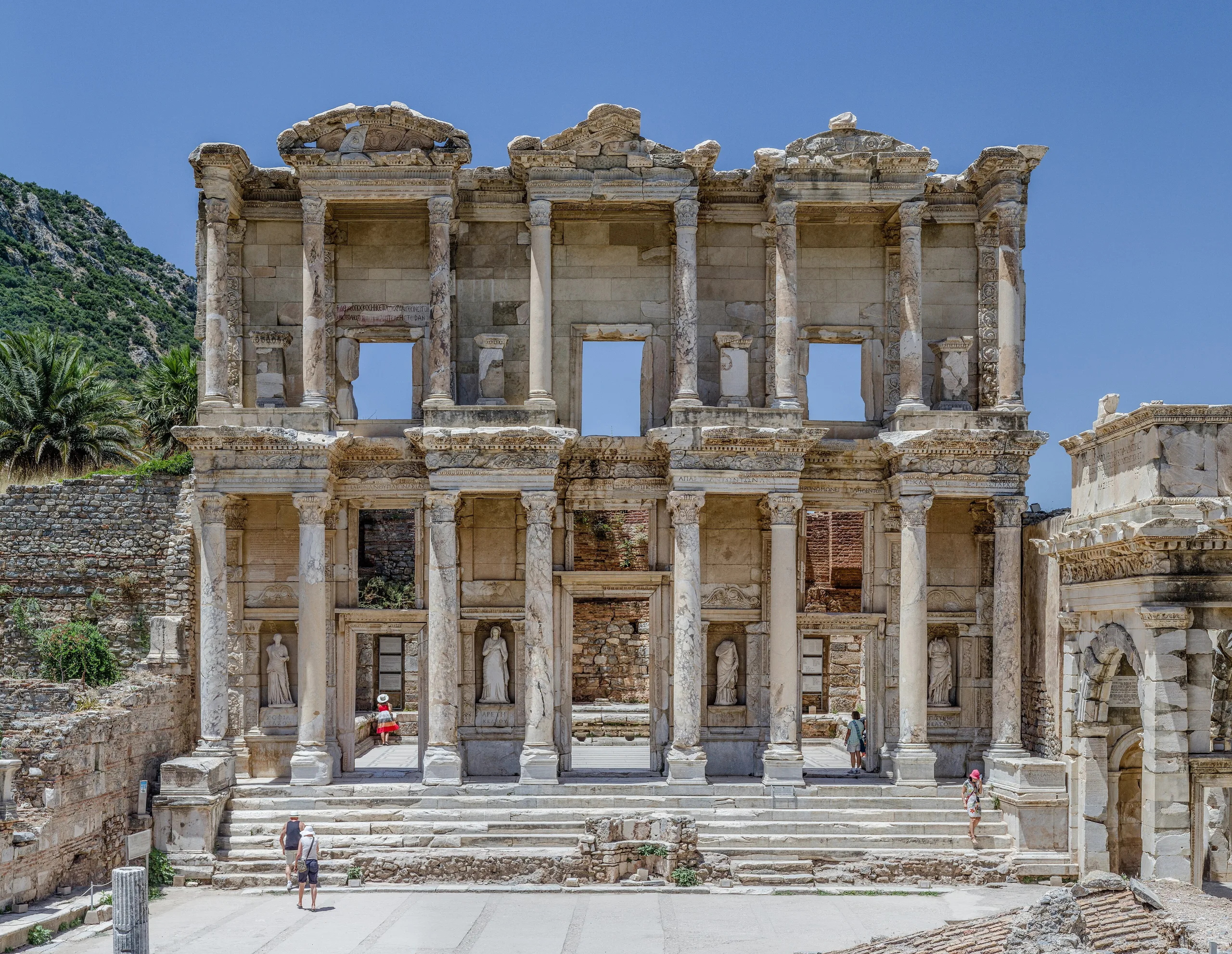
The Library of Celsus
The ministry dates the library to the second century CE and ranks it, after Alexandria and Pergamon, among antiquity's notable libraries. The management plan annexed to the file narrows this to 100-110 CE: Aquila dedicated it to his father, and the building is also a heroon over the burial chamber. Scrolls were shelved on two floors. The sarcophagus survives in place, though the tomb was robbed. An earthquake about 270 brought the building down; the surviving façade later backed a street fountain and was re-erected by anastylosis in 1970-78.
Curetes Street, Marble Street and the Arcadiane
Curetes Street is an old ceremonial route that cuts diagonally across the grid, 6.80-10 m wide with covered walkways of 3.50-4.50 m. It received marble paving under the Flavians. Marble Street descends to the Great Theatre, and the Arcadiane, named for Emperor Arcadius (395-408), runs 528 m from the theatre to the harbour.
The Temple of Hadrian
This small, ornate building was a private gift to the Ephesians, the Ephesian Artemis and Hadrian. The file considers its function still unclear, perhaps a halt on the Artemis processions. Reliefs on the front show the city's two foundation legends; anastylosis took place in 1957-58. The nearby Gate of Hadrian rises 18 m, among the tallest gateways of Anatolia according to the annexed plan.
The Great Theatre and the Odeon
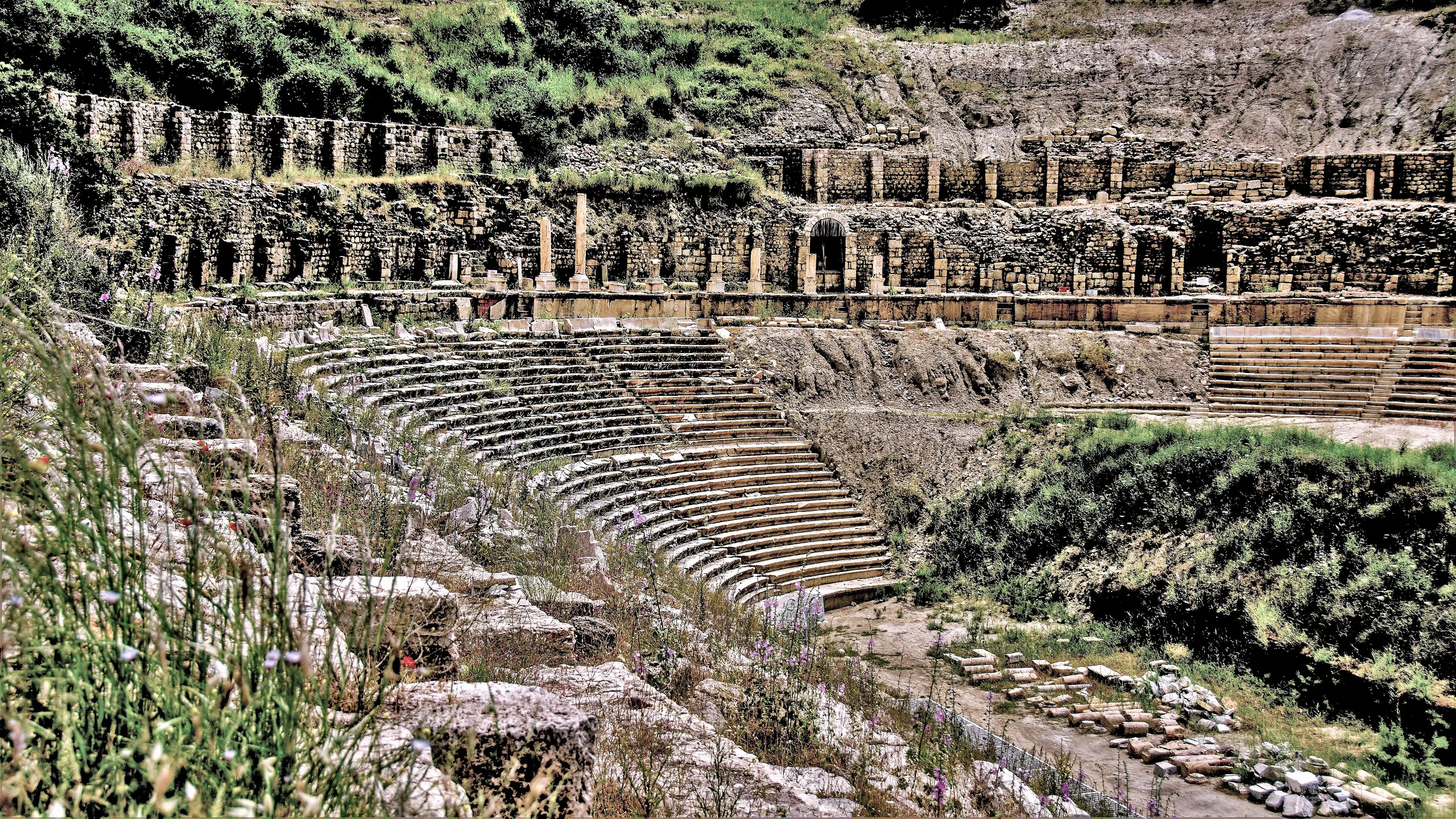
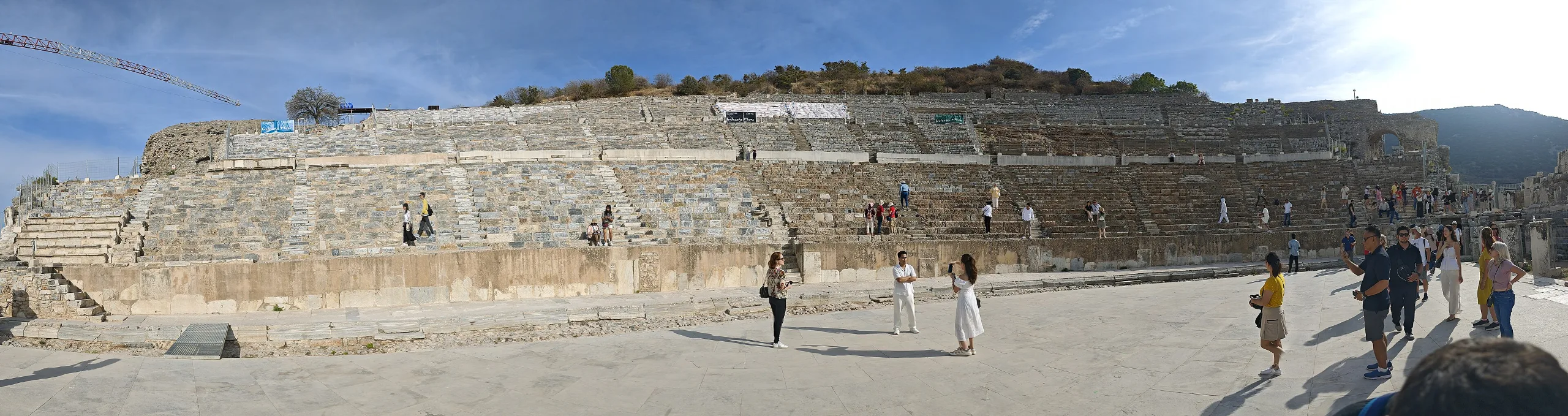
The Great Theatre on Panayırdağ has a core from the third century BCE that the Romans enlarged into Anatolia's largest. The ministry and the main file mention about 25,000 seats; the annexed plan says 30,000. It hosted gladiator games and the citizens' assembly, and the silversmiths' riot happened here. Its look today owes much to late Roman repairs. The ministry gives the odeon about 1,800 seats; an inscription dates it to the mid-second century, and it was fully cleared in 1908.
The State Agora and the Prytaneion
The administrative heart of the upper city, the State Agora, was begun in Hellenistic times and rebuilt under Augustus. Steskal and Ladstätter date the Prytaneion to the final decade BCE. Its 1,170 m² include an Ionic forecourt of 14 columns, a Doric front gallery and the Hestia Hall (13.47 by 13.41 m) with seating for 100-120. The Curetes association organised the yearly Ortygia rites that re-enacted the births of Artemis and Apollo. Earthquakes in 358 and 368 may have ended its use, and Theodosius I's ban of 391/392 extinguished the sacred fire. It was F. Miltner, in 1955-56, who read the structure as the Prytaneion and the sanctuary of Hestia Boulaia.
The Terrace Houses
Terrace House 2 is an insula of about 4,000 m² with six dwellings of 400-600 m² on three terraces. Peristyle courts, wall paintings, mosaics and marble panelling show elite domestic life in Roman Asia; Unit 6 had a Marble Hall of 178 m² for receptions and is linked with the Dionysos priest C. Flavius Furius Aptus. Paintings and mosaics were deliberately left in place, and ICOMOS reports a new steel roof completed in 2000. A sudden collapse in 280 fixed the houses in their final state.
The Serapeion
Built in the mid-second century, the Serapeion keeps nearly all its façade blocks: eight Corinthian columns above a broad stair and a ridge height of 23 m. In late antiquity it became a church, and a stork with a snake scratched on the steps marks the change.
The Church of Mary and other Christian sites
The ministry says the 431 council, which recognised Mary as mother of Jesus, met in the Church of Mary. The file sets it into the southern end of the imperial temple dedicated to Hadrian and describes a basilica about 145 m long by the sixth century, though its annex cites recent research dating the Christian building after 431. The Cave of the Seven Sleepers on Panayırdağ holds a third-century burial complex and two churches from the time of Theodosius II.
Ayasuluk Hill
The Basilica of St John, raised under Justinian (527-565) over an older church at the apostle's tomb, is a six-domed cruciform building of about 110 by 130 m. Parts became a mosque after 1304, and an earthquake of 1365-1370 destroyed it. The Isa Bey Mosque, whose portal inscription gives 1375, was designed by the son of a Damascene named Ali, measures 51 by 57 m and drew on the Umayyad Mosque in Damascus.
The House of Mary
About 7 km from the main site stands a domed, cross-shaped chapel known as the House of Mary. It was sought after visions of the German nun Katharina Emmerick and, per the file, identified in 1891. Pilgrims gather there on 15 August. It is not the Church of Mary in the city, and ICOMOS judged that this component lacked integrity.
Excavation history
John Turtle Wood hunted for the Artemision for the British Museum and found it in 1869, but his sponsors withdrew after thin results. Otto Benndorf proposed an Austrian dig in 1893, and the Austrian Archaeological Institute (ÖAI) was founded in 1898 with Ephesus as its first task. War years caused breaks. From the mid-1950s Franz Miltner led large campaigns and began reconstructing monuments, and work on the Terrace Houses started under Hermann Vetters in 1969. After 1995 publication and non-destructive survey took priority; the eleven-month season of 2012 involved 161 scientists from 18 countries. The ministry puts the history of excavation at about 125 years, ICOMOS at about 150, adding that published reports run from 1906 to 2010. The ÖAI also excavated Çukuriçi Mound.
Finds and museums
The Ephesus Museum in Selçuk displays sculpture and finds from the site and tells how goddess veneration continued from prehistory to Christianity, according to ICOMOS. The ministry names an Ephesus Experience Museum, and ICOMOS refers to a Museum of Memory on the town's history. Until 1906 part of the finds went to Vienna; since then everything has stayed in Turkey. Some Artemision columns are in the British Museum, and the reliefs of the Gate of Persecution went to Woburn Abbey.
Myth and ancient writers
Two legends explain the founding: Amazons, or Androklos, son of the Athenian king Kodros, who settled where a fish and a boar guided him. The wooden cult statue of Ephesian Artemis, dressed in real garments, flanked by deer and decorated with bees, is described in the file. Herostratos burned the temple in 356 BCE. Pausanias wrote that all cities and people honoured Artemis of Ephesus above other gods, and in Acts the crowd shouted her praise for two hours. The Seven Sleepers story tells of youths sealed in a cave during Decius's persecution who woke under Theodosius II.
World Heritage status and protection
The Committee inscribed Ephesus in 2015 under criteria (iii), (iv) and (vi) (ref. 1018). ICOMOS had recommended only (iii) and (iv), provided the House of Mary was dropped, and found (i), (ii) and (vi) unproven. The nomination had been deferred in 2001 over the lack of a management plan. The property covers 662.62 ha with a 1,246.3 ha buffer zone. Protection rests on Law No. 2863 and decisions of the İzmir Regional Conservation Council; Çukuriçi Mound is covered by decision no. 10702 of 29 May 2002, and the ancient city became a first-degree archaeological site in 1991.
The state owns the ancient city, the sanctuary of Artemis, St John's Basilica and the castle of Ayasuluk, while the Isa Bey Mosque, two baths and the Tribune belong to the General Directorate of Foundations. Nobody lives inside the boundary; the buffer zone has about 2,000 people beside the ancient city, about 500 each on Ayasuluk's slope and south of the Artemision, and about 2,000 elsewhere. ICOMOS names environmental pressure and tourism as the main threats: slope erosion between the two ridges, rising groundwater at the Artemision, earthquake and forest-fire risk, and cruise-ship coaches. The draft management plan for 2012-2017 was approved on 11 September 2014.
Visiting
The ministry page states that the Museum Pass is valid for Turkish citizens. For hours and ticket prices, use the official page. It also suggests Şirince, a village of Selçuk resettled with exchange populations after 1923 and known for vines, wine and olives, and lists Ayasuluk Castle, the St John site and the Ephesus Museum nearby.
Gallery
Frequently asked questions
Where is Ephesus?
Was the Temple of Artemis really one of the Seven Wonders, and what is left?
When was Ephesus inscribed on the World Heritage List, and under which criteria?
When was the Library of Celsus built, and for whom?
How many people did the Great Theatre hold?
Why is Ephesus so far from the sea today?
What is in the Terrace Houses, and do they need a separate entrance?
Is the House of Mary the same as the Church of Mary?
How long have excavations at Ephesus been going on?
Is the Museum Pass valid at Ephesus?
Sources (16)
- Efes Örenyeri / Ephesus Archaeological Site (TR ve EN sayfaları) — T.C. Kültür ve Turizm Bakanlığı, Müzeler ve Ören Yerleri
- Ephesus (World Heritage List, ref. 1018) — UNESCO World Heritage Centre
- Ephesus (No 1018rev) ICOMOS değerlendirme raporu, 12 Mart 2015 — ICOMOS / UNESCO belge tabı
- Ephesus/Arsinoe(ia) (Pleiades place 599612) — Pleiades
- Asia'nın Metropolis'inde yer alan ana kült yapısındaki son araştırmalar: Ephesos Prytaneion'u (Steskal, M. & Ladstätter, S.), Anadolu/Anatolia 35 — Avusturya Arkeoloji Enstitüsü (ÖAI) ekibi, 2009
- Ephesus: aday gösterme dosyası (No 1018rev), yönetim planı eki dahil — T.C. Kültür ve Turizm Bakanlığı (Türkiye Devleti), UNESCO Dünya Mirası Merkezi'nde yayımlandı
- Karar 39 COM 8B.37: Ephesus, Turkey — UNESCO Dünya Mirası Komitesi (Bonn, 2015)
Photo credits
- Photo: Benh LIEU SONG, CC BY-SA 3.0 — Wikimedia Commons (resized)
- Photo: Satirdan kahraman, CC BY-SA 4.0 — Wikimedia Commons (resized)
- Photo: Satirdan kahraman, CC BY-SA 4.0 — Wikimedia Commons (resized)
- Photo: Dosseman, CC BY-SA 4.0 — Wikimedia Commons (resized)
- Photo: Dosseman, CC BY-SA 4.0 — Wikimedia Commons (resized)
- Photo: Dosseman, CC BY-SA 4.0 — Wikimedia Commons (resized)
- Photo: Warren LeMay from Chicago, IL, United States, CC BY-SA 2.0 — Wikimedia Commons (resized)
- Photo: Roy Egloff, CC BY-SA 4.0 — Wikimedia Commons (resized)
- Photo: BoraBora704, CC BY-SA 4.0 — Wikimedia Commons (resized)