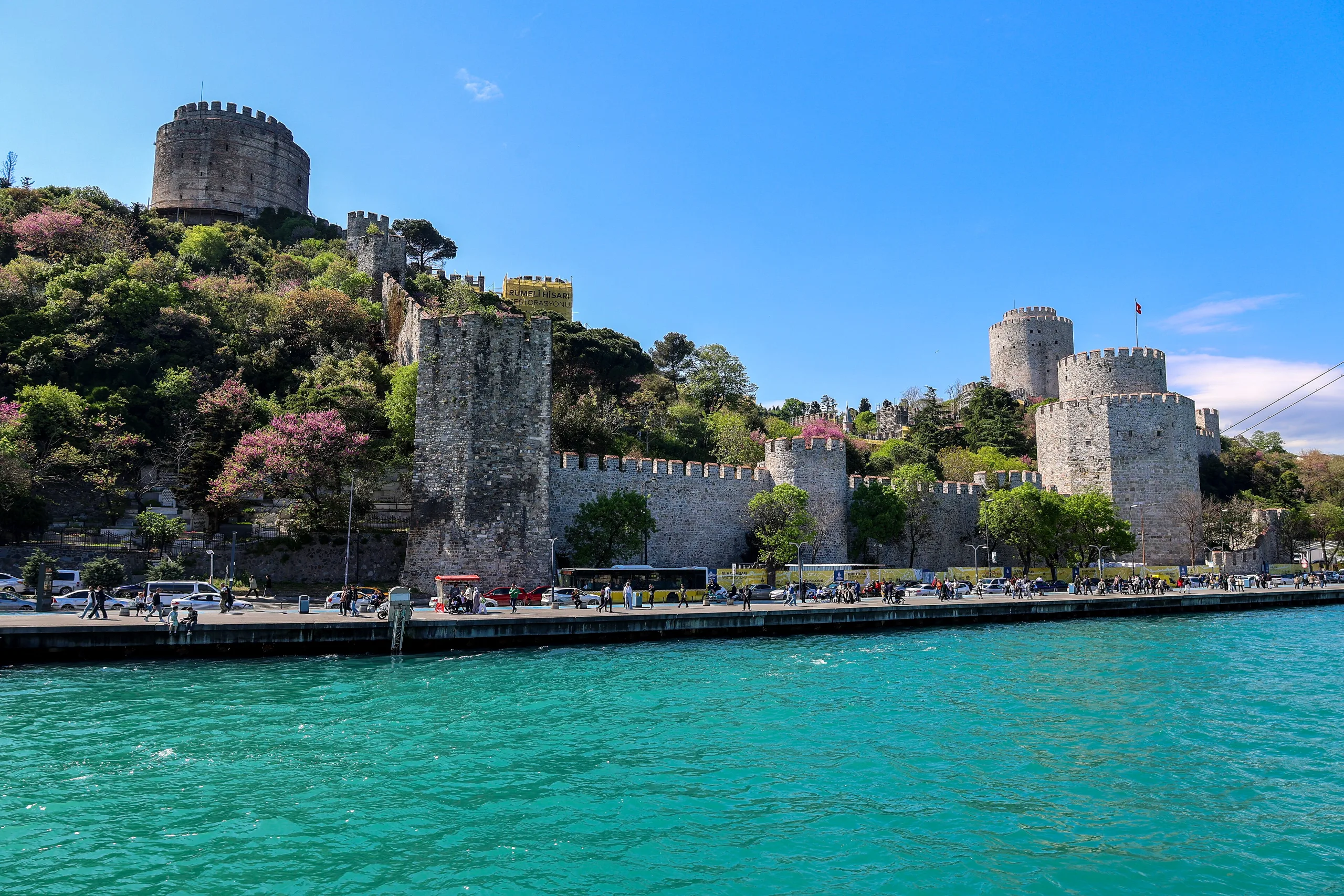
Rumeli Fortress stands on the European shore of the Bosphorus, facing Anadolu Hisarı; Mehmed the Conqueror had it raised in 1452 in a few months before his siege of Constantinople.
Rumeli Fortress is a place (Castle) in Turkey, Istanbul. Main periods: Ottoman Period.
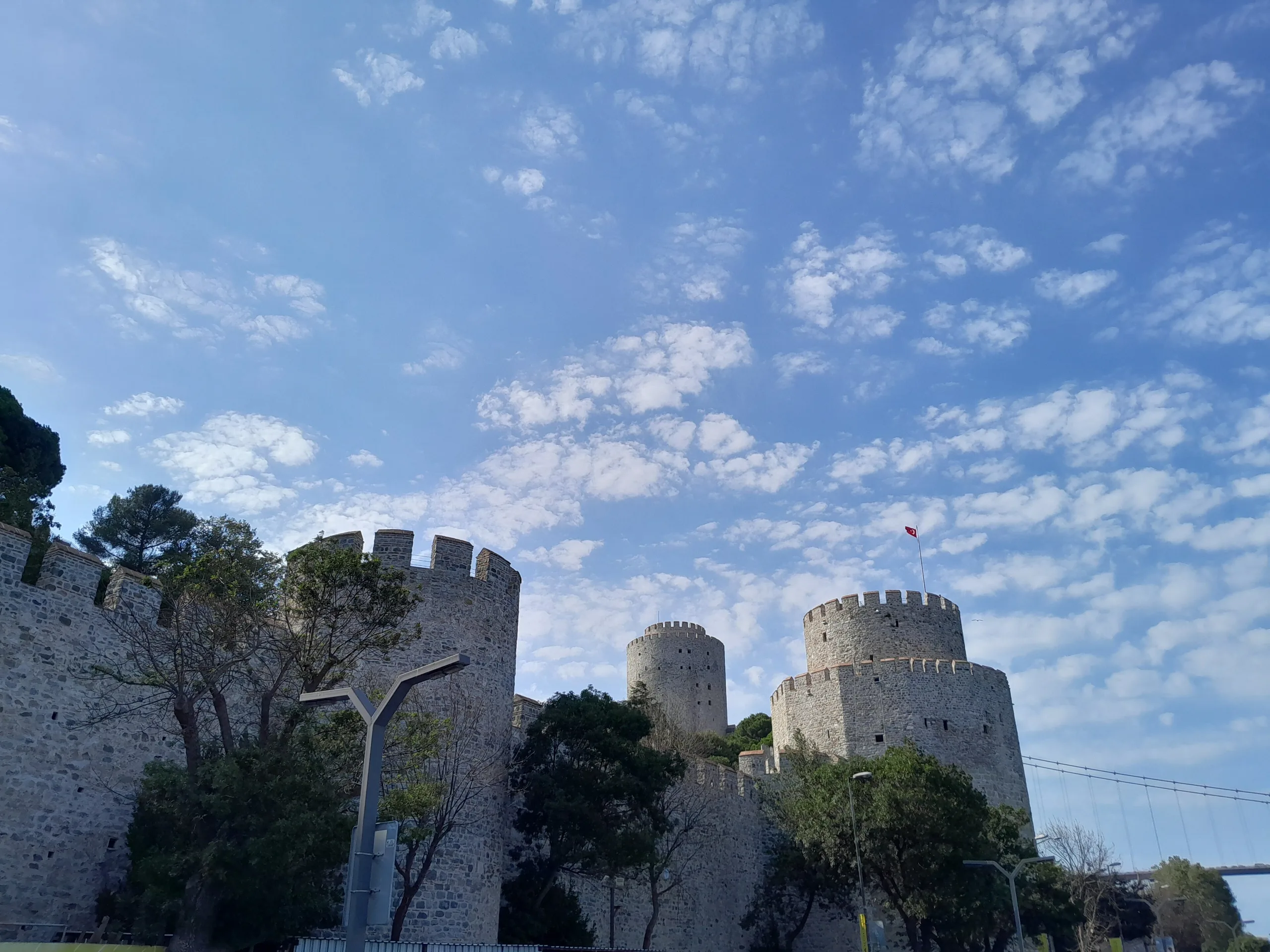
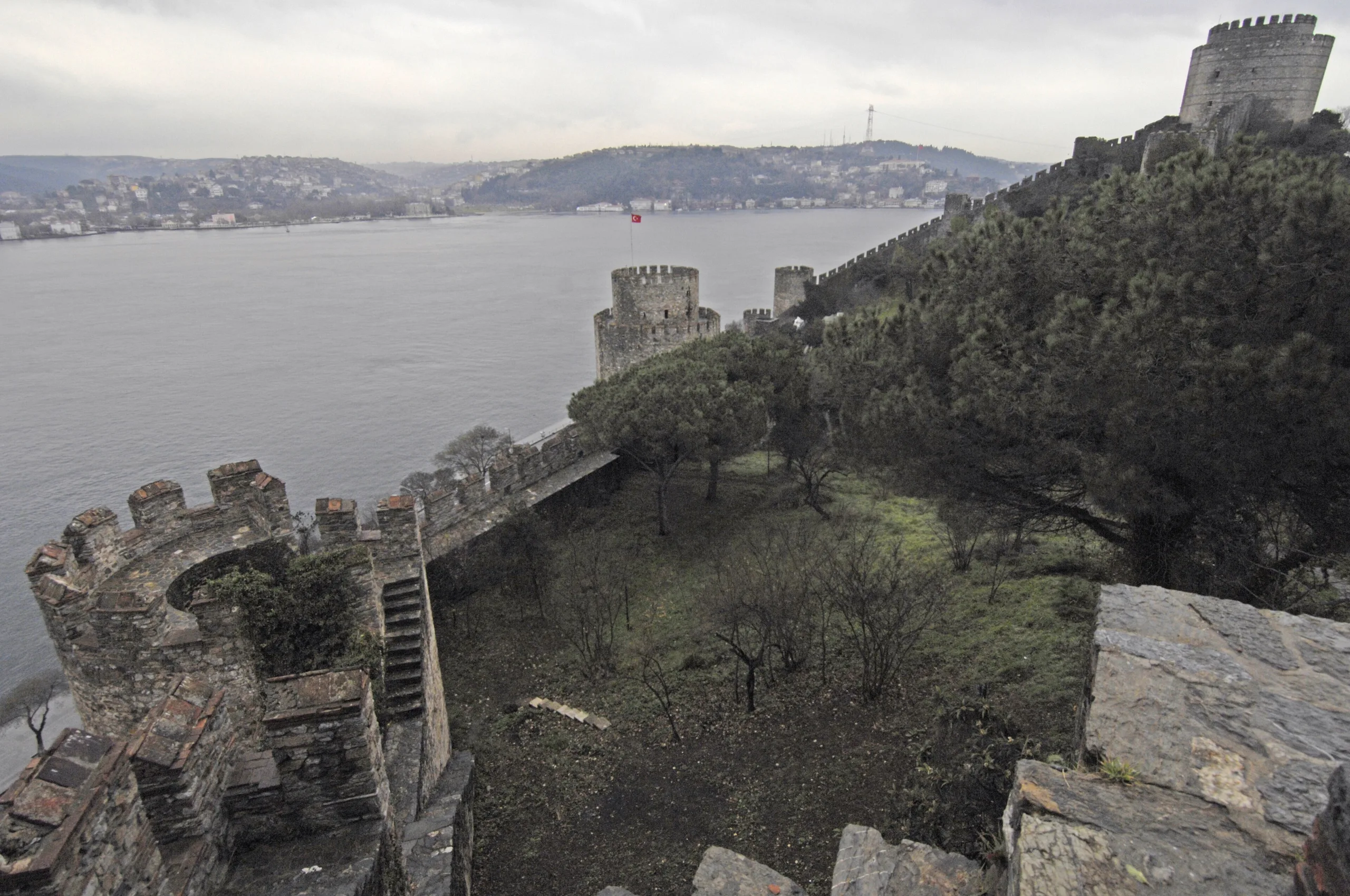
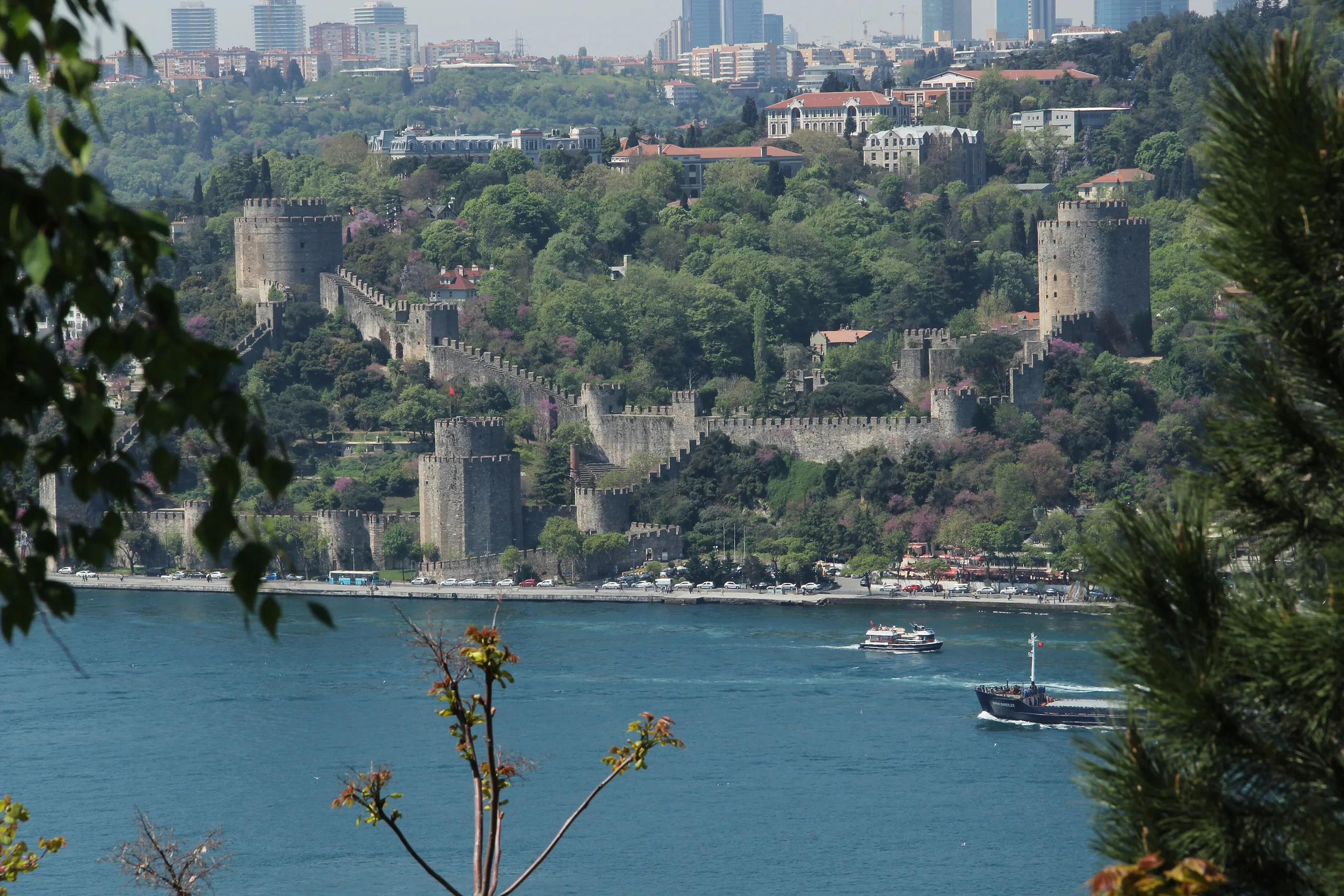
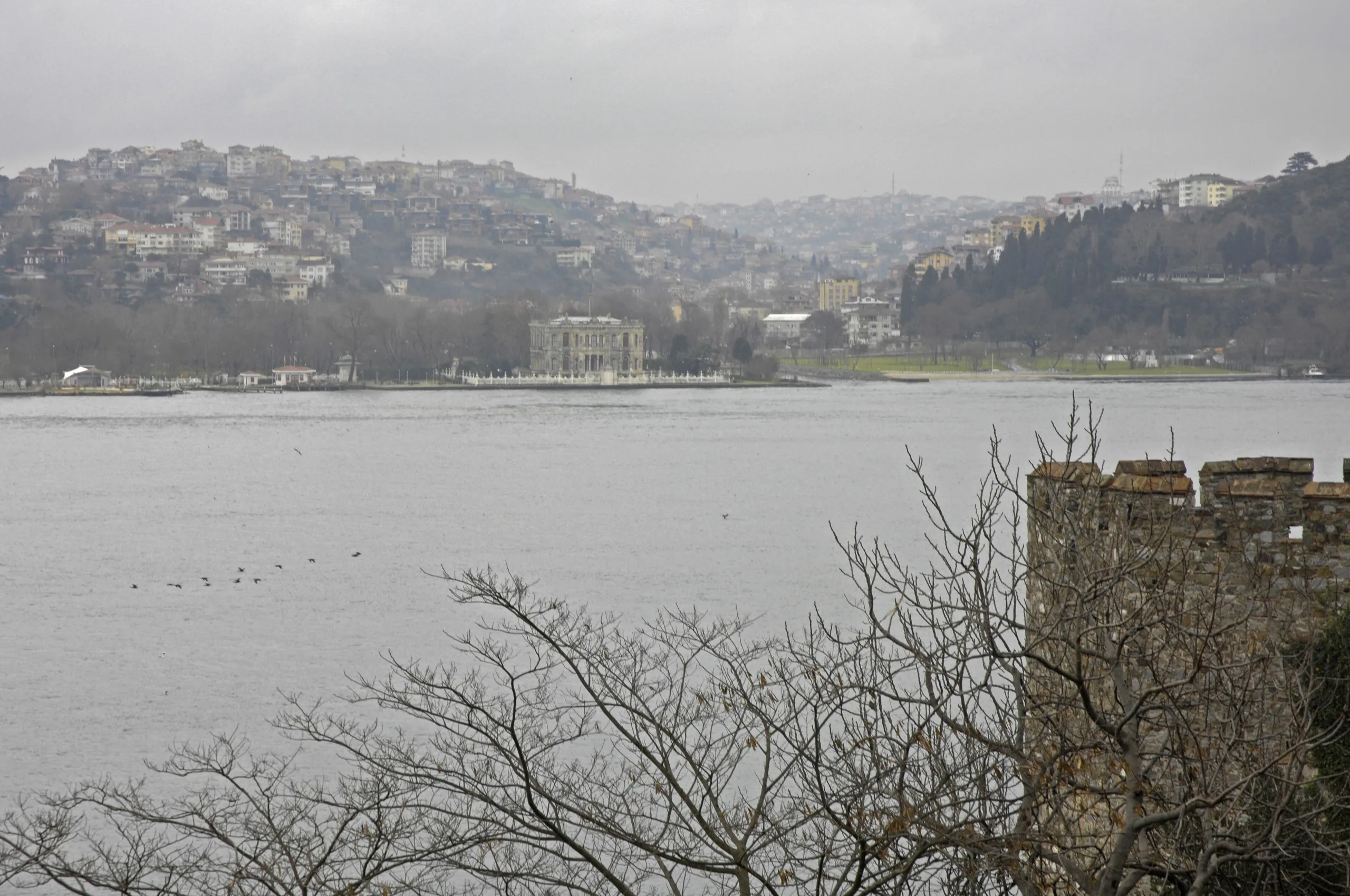
Three tall towers and the curtain walls joining them step down a slope to the water's edge on the European side of the Bosphorus. This is Rumeli Fortress, in Sarıyer's Rumelihisarı quarter, set directly across from Anadolu Hisarı so that the two together could control every ship passing through the strait. It covers about 30 dönüm, roughly three hectares, and today forms part of the Hisarlar Museum, which also takes in Yedikule Fortress and Anadolu Hisarı.
History
Mehmed the Conqueror ordered the fortress in 1452, ahead of his siege of Constantinople. Its job was to cut off help that might reach the city from the north through the strait and to deter attacks. Work began in March and was done by August, an astonishingly short build that relied on masons, labourers and transport crews working side by side. Timber came from İzmit and Karadeniz Ereğli, stone from many parts of Anatolia, and spolia, meaning blocks salvaged from ruined Byzantine buildings nearby, went into the walls as well.
After the conquest the fortress lost its military purpose. It served as a prison in the 16th century, a fire in 1746 left it in ruins, and repairs followed under Selim III. A major restoration was carried out in 1953 to mark five hundred years since the conquest, and the site opened as a museum in 1968.
What to see
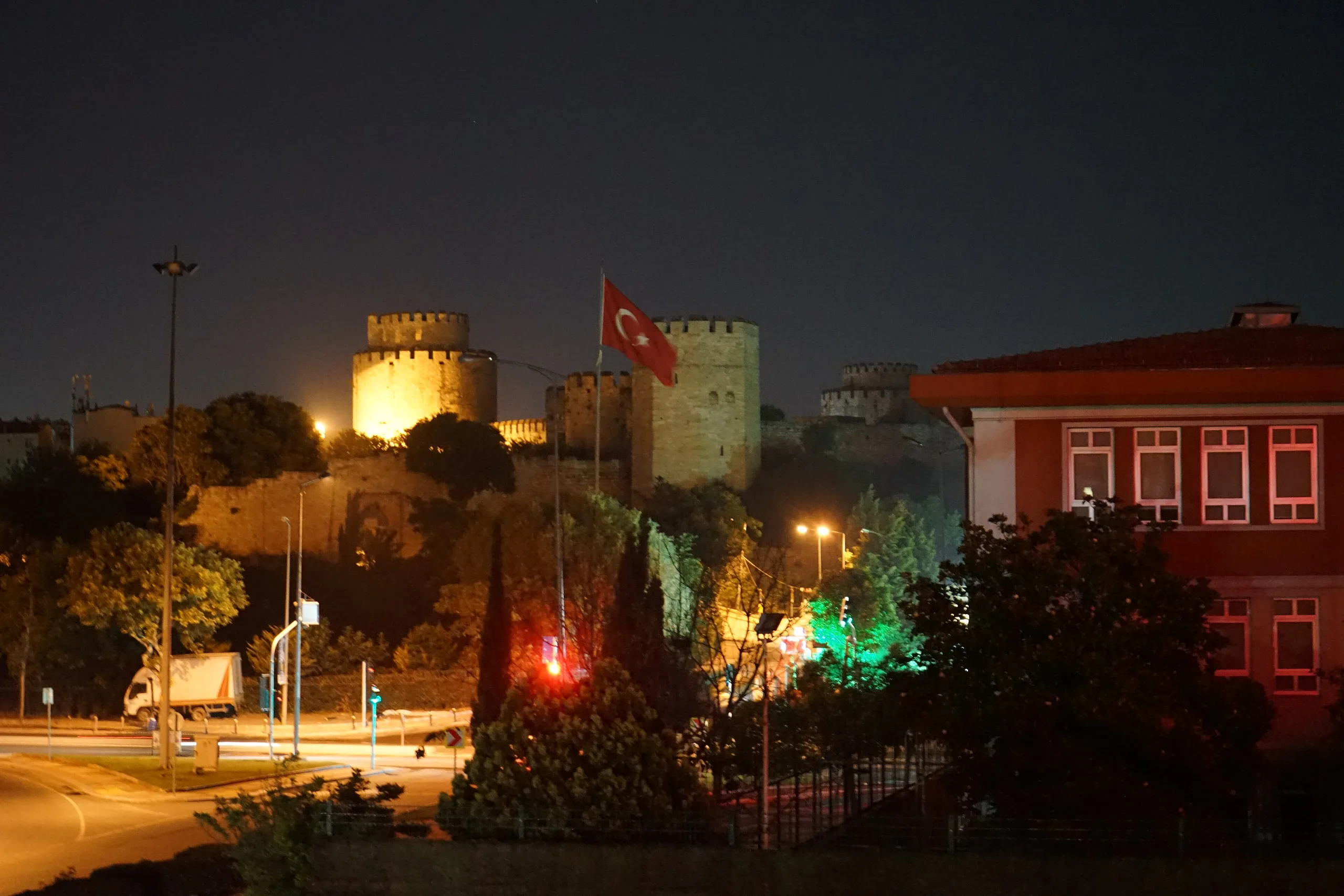
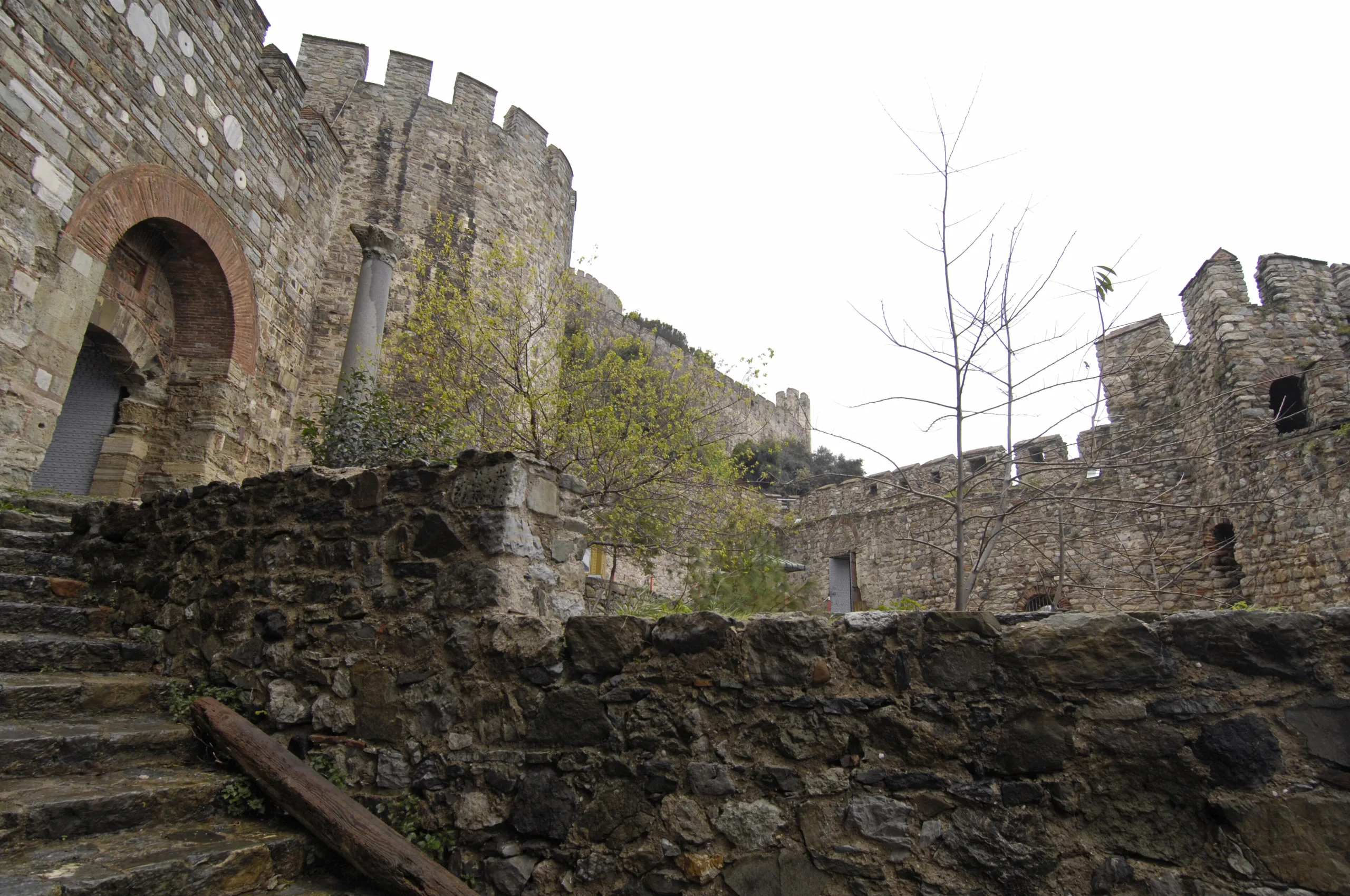
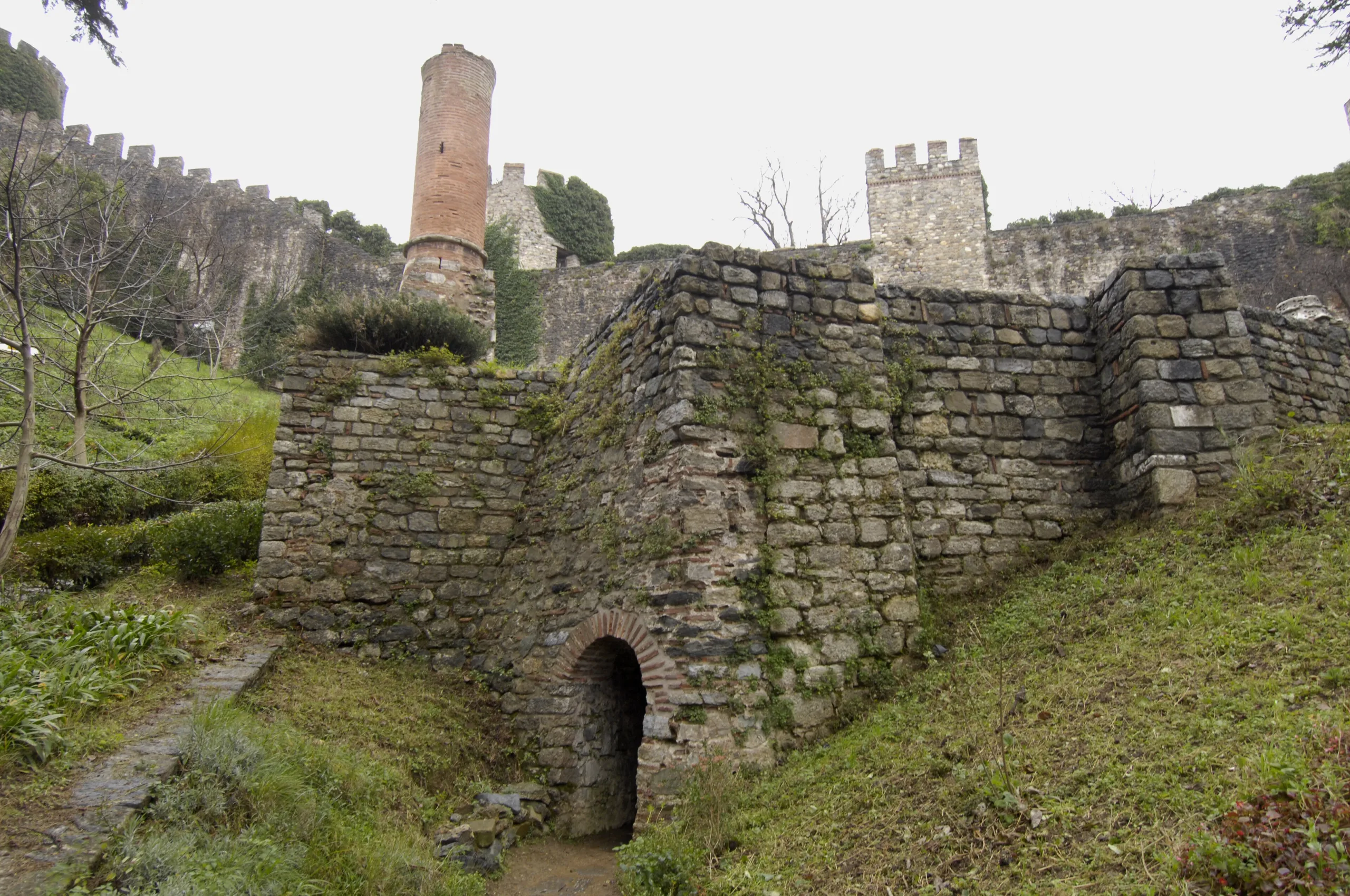
The fortress has three large towers and one small one. The big ones are named for viziers of Mehmed II: Saruca Pasha, Halil Pasha and Zağanos Pasha, with the Little Zağanos Pasha Tower beside them. The large towers measure between 21 and 28 metres in height and keep their timber floors. Thirteen bastions project from the walls, each a protruding bay used for lookout and firing. Four main gates, the Mountain Gate, the Dizdar Gate, the Hisarpeçe Gate and the Torrent Gate, are joined by a minor Cemetery Gate.
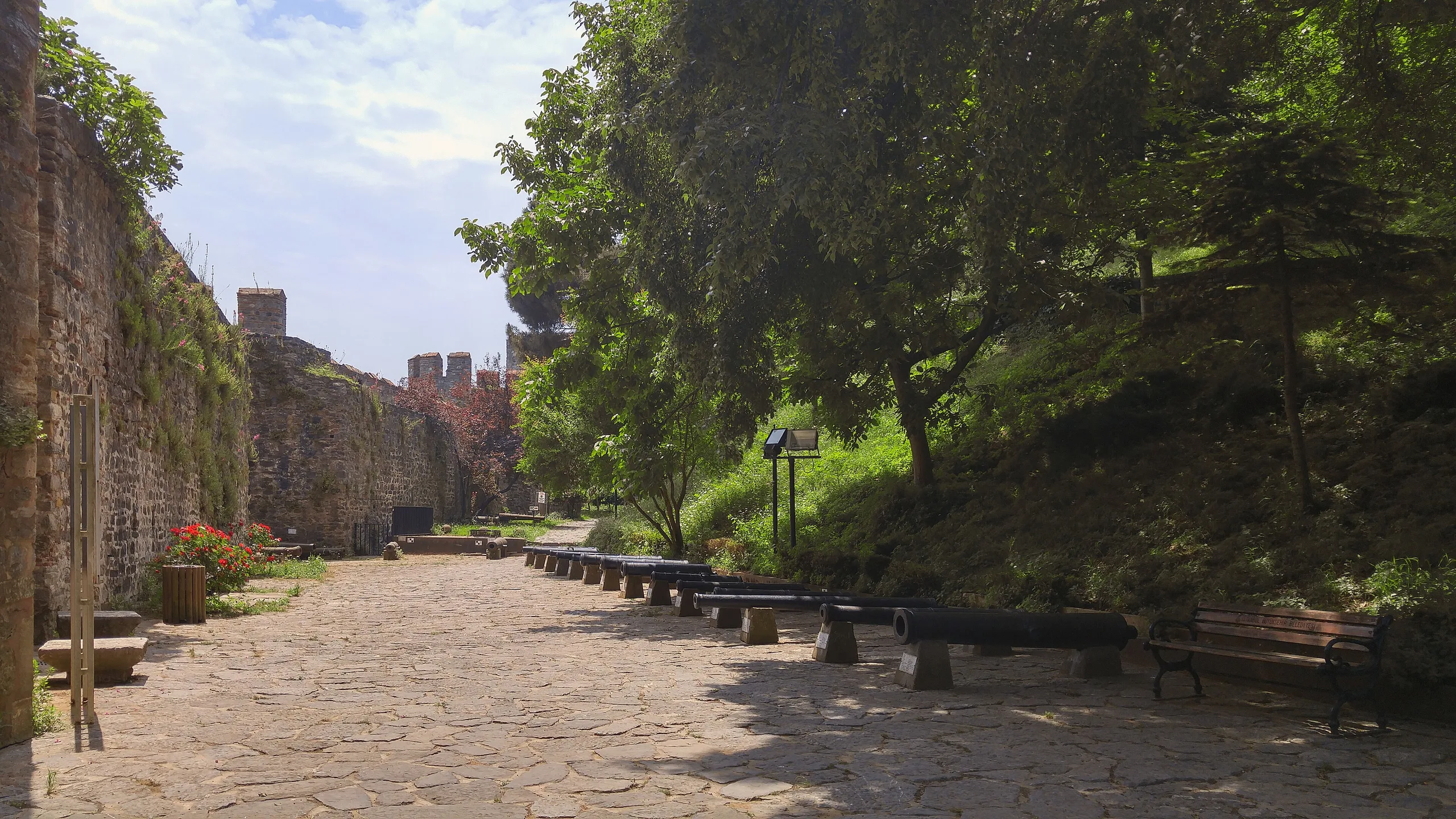
The Saruca Pasha Tower holds a room with remarkable acoustics and graffiti from its years as a prison, while an early Turkish inscription can be seen in the Zağanos Pasha Tower. There is no indoor gallery; everything is displayed in the garden. Cannons, cannonballs and objects in terracotta and stone stand there beside a section of the chain said to have closed off the Golden Horn. An open-air theatre added during the restoration hosts events in summer.
Visiting
Three terraces in the garden look out over the strait, and the plants change with the seasons. For current hours and fees, see the official page. The MüzeKart is valid for Turkish citizens. Buses from Beşiktaş reach the fortress.
Gallery
Frequently asked questions
Who built Rumeli Fortress?
Why was it built?
How many towers does it have?
When did it become a museum?
What is on display?
Is the MüzeKart accepted?
Sources (12)
- Rumeli Hisarı (TR ve EN sayfalar) — T.C. Kültür ve Turizm Bakanlığı, Müzeler ve Ören Yerleri
- Hisarlar Müzesi - İstanbul, Gezilecek Yerler — T.C. Kültür ve Turizm Bakanlığı, Kültür Portalı (kaynak: İstanbul İl Kültür ve Turizm Müdürlüğü)
- Rumeli Hisarı (Wikidata Q90801) — Wikidata
Photo credits
- Photo: flowcomm, CC BY 2.0 — Wikimedia Commons (resized)
- Photo: Mostafameraji, CC BY 3.0 — Wikimedia Commons (resized)
- Photo: August Dominus, CC0 — Wikimedia Commons (resized)
- Photo: Dosseman, CC BY-SA 4.0 — Wikimedia Commons (resized)
- Photo: Hamdigumus, CC0 — Wikimedia Commons (resized)
- Photo: Antonina Vyshnevska, CC BY-SA 4.0 — Wikimedia Commons (resized)
- Photo: Dosseman, CC BY-SA 4.0 — Wikimedia Commons (resized)
- Photo: Dosseman, CC BY-SA 4.0 — Wikimedia Commons (resized)
- Photo: Dosseman, CC BY-SA 4.0 — Wikimedia Commons (resized)