Yıldız Palace in Beşiktaş was the last great Ottoman palace in Istanbul and the seat of Abdülhamid II's government for 33 years; it has been on UNESCO's tentative list since 2015.
Yıldız Palace is a place (Palace and pavilion) in Turkey, Istanbul. Main periods: Ottoman Period.
On the slope of Yıldız Hill, in a wooded estate looking over the Bosporus and the Sea of Marmara, a palace precinct of roughly 500,000 square metres spreads out. With its pavilions, gardens, theatre and tile factory it feels like a small town. Yıldız is the last major palace the Ottomans built in Istanbul, and instead of one monumental building it keeps the older palace pattern of separate pavilions scattered around courtyards.
History
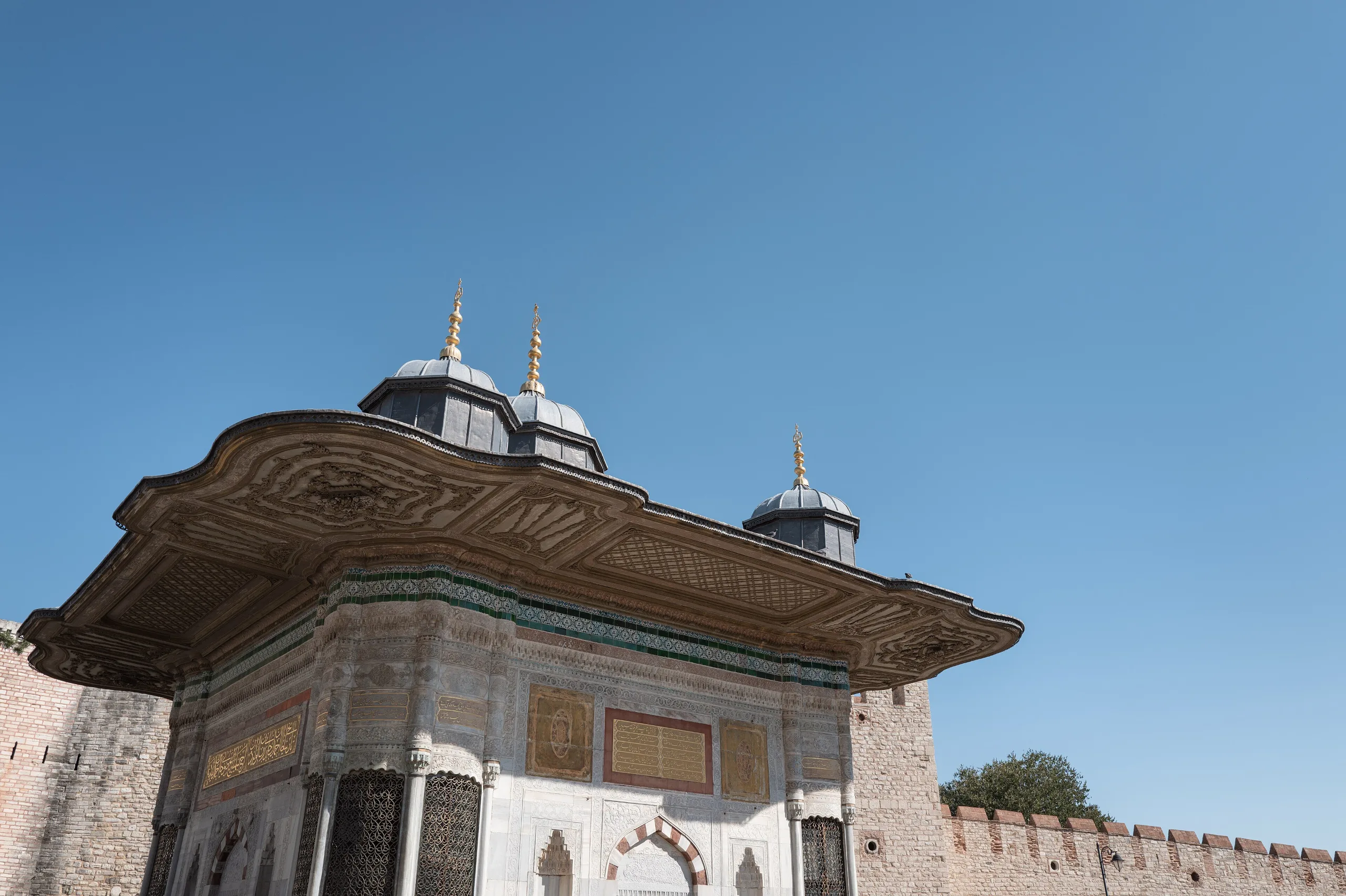
From the 16th century the land was a woodland used by the sultans for hunting. The first pavilion went up under Selim III for his mother Mihrişah Sultan, and a rococo fountain in the name of his father Mustafa III dates from the same time. Sultan Abdülaziz stayed here in summer and had the Balyan family build the Great Mabeyn Pavilion in 1866 (the mabeyn was the part of the palace where the sultan conducted official business). The Çit Pavilion, the Malta Pavilion and the Çadır Pavilion were also added in his reign.
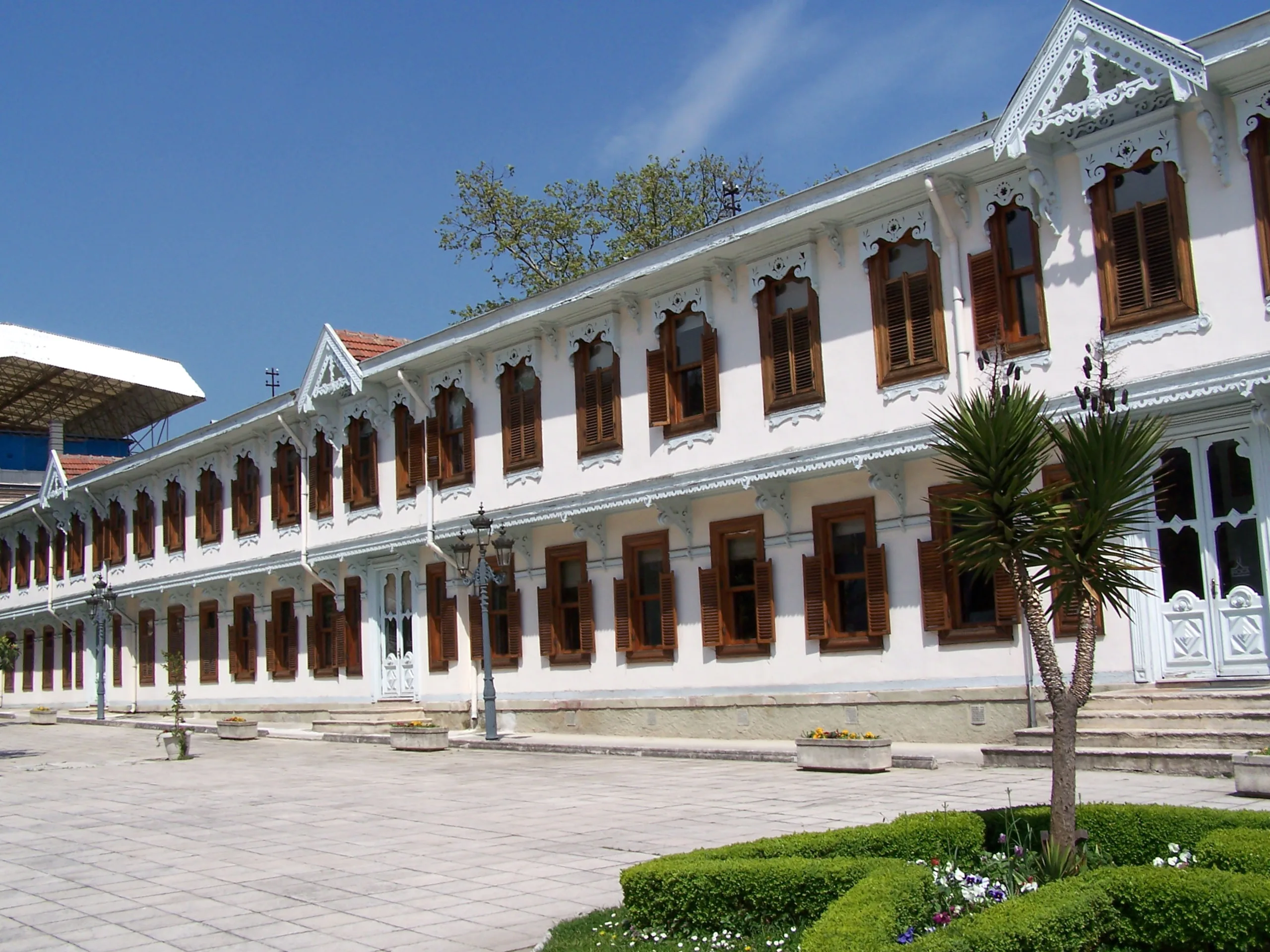
The palace took on its real character under Abdülhamid II. After 1876 he moved the seat of government from Dolmabahçe to Yıldız and stayed for the whole of his reign, 33 years. In that time the estate grew to include the sultan's private quarters, buildings for officials, workshops such as the repair shop and the carpenter's shop, a theatre, a museum and a library; with staff included, it is thought that up to 12,000 people lived and worked here. The sultan invited the Italian architect Raimondo d'Aronco to Istanbul and had him design new buildings for the complex.
After Abdülhamid was deposed the government returned to Dolmabahçe, though later sultans kept using Yıldız from time to time. On 15 May 1919, before Mustafa Kemal Pasha left for Samsun, Mehmed VI met him in the Small Mabeyn Pavilion. In the Republic the buildings were assigned to the General Staff College in 1924 and to the War Academies in 1946, and in 1978 they passed to the Ministry of Culture and Tourism. The palace is now under the National Palaces Directorate and opened as a museum in 2024.
Architecture
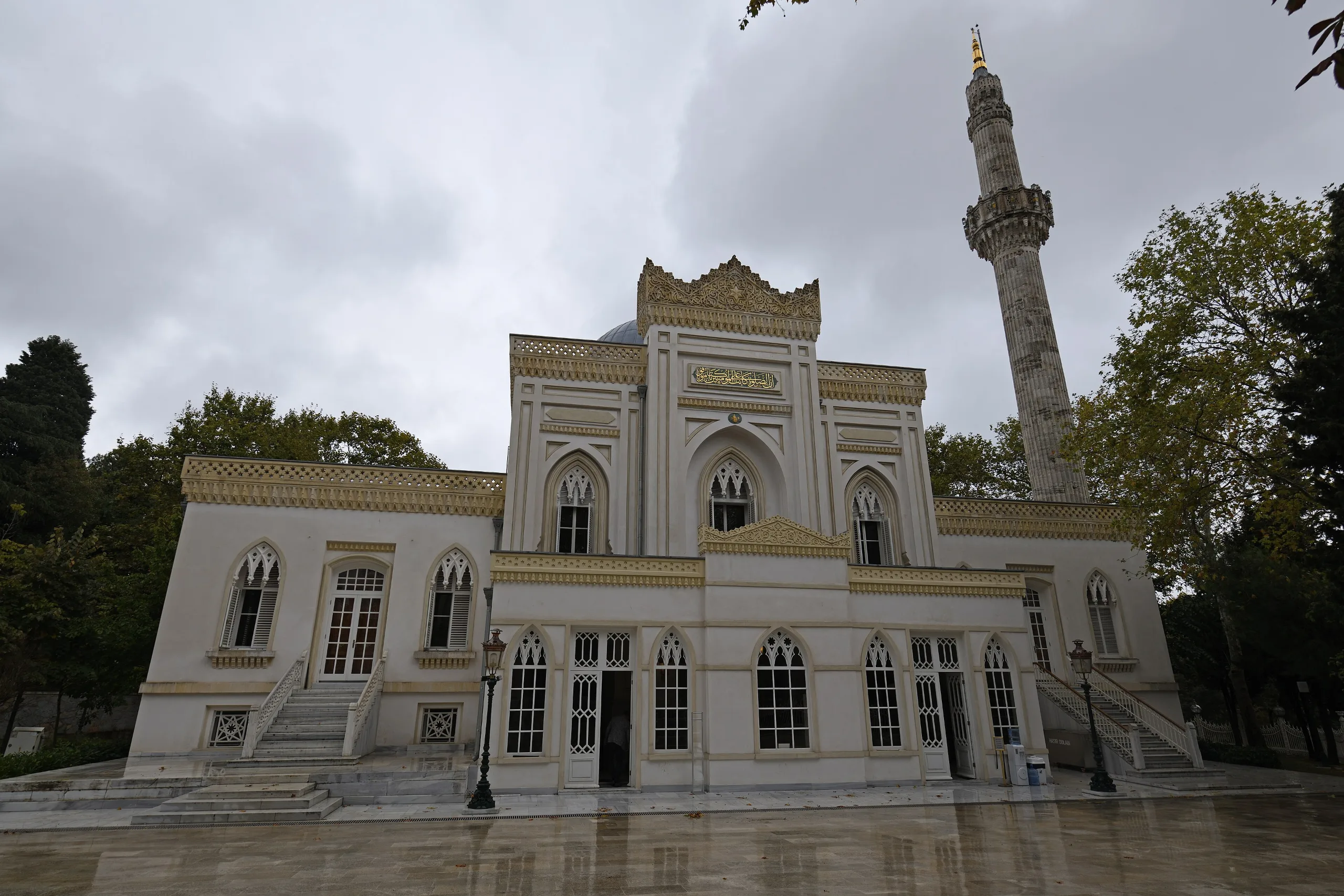
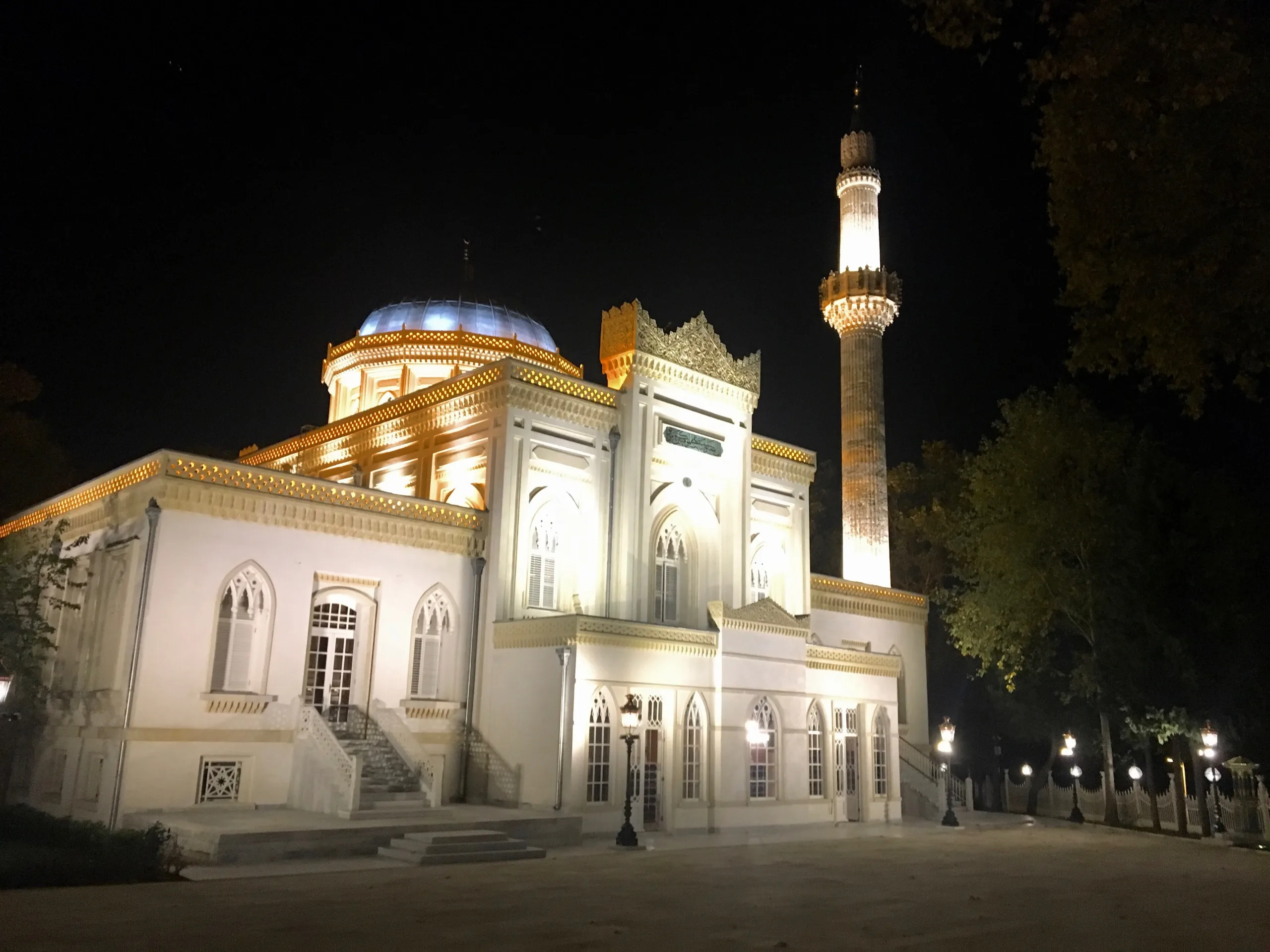
The buildings do not follow one style. In the pavilions designed by the Balyan family and by d'Aronco, baroque, neoclassical and art nouveau (the late 19th-century movement known for curving, plant-like ornament) elements mix. The Small Mabeyn Pavilion is known for its ceiling decoration and its art nouveau handrails shaped like flowering branches. The Chalet Pavilion has three adjoining sections built at different times: the first in 1880, an addition by Sarkis Balyan in 1889, and the Ceremonial Pavilion by d'Aronco in 1898, the last two planned around the visits of Kaiser Wilhelm II. The Yıldız Mosque, built by Sarkis Balyan between 1884 and 1886, joins neo-Gothic forms with Ottoman motifs.
Industry is another feature of the estate. The Yıldız Tile and Porcelain Factory was founded in the early 1890s and rebuilt by d'Aronco after the earthquake of 1894, using technology and materials brought from the French works at Sèvres and Limoges. The palace library was also known for the sultan's photographic albums, with collections running to 36,000 prints.
Gardens
The Hasbahçe, the sultan's private garden, was laid out in a romantic, natural-looking style around a pool fed by artificial waterfalls that resembles a river. Exotic plants, flowers and trees were brought from across the empire and from abroad, and German, French and Italian specialists took part in the design. Of the outer garden, now Yıldız Park, the Çadır, Malta and Chalet pavilions survive.
On the tentative list
The Yıldız Palace Complex was added to Türkiye's UNESCO World Heritage Tentative List in 2015 and is not on the World Heritage List itself. The nomination stresses how European styles were adapted with local elements, how the place bears witness to late Ottoman rule and daily life, and how it is the last example of the traditional Ottoman palace layout.
Visiting
See the official page for current visiting details. The outer garden is open to the public as Yıldız Park.
Gallery


Frequently asked questions
Where is Yıldız Palace?
Who built Yıldız Palace?
How long did Abdülhamid II live there?
When did it become a museum?
Is Yıldız Palace a UNESCO World Heritage Site?
Why was the Chalet Pavilion built?
Sources (14)
- Yıldız Palace Complex (Tentative Lists, Ref. 6044) — UNESCO World Heritage Centre
- Yıldız Sarayı — Milli Saraylar Başkanlığı
- Yıldız Sarayı - İstanbul, Gezilecek Yerler — T.C. Kültür ve Turizm Bakanlığı, Kültür Portalı
- Yıldız Sarayı (Semavi Eyice ve diğerleri) — TDV İslâm Ansiklopedisi
- Yıldız Sarayı (Wikidata Q911734) — Wikidata
Photo credits
- Photo: Dosseman, CC BY-SA 4.0 — Wikimedia Commons (resized)
- Photo: User:Darwinek, CC BY-SA 3.0 — Wikimedia Commons (resized)
- Photo: Matti Blume, CC BY-SA 4.0 — Wikimedia Commons (resized)
- Photo: Pasci23456, CC0 — Wikimedia Commons (resized)
- Photo: Pasci23456, CC0 — Wikimedia Commons (resized)
- Photo: Eric Salard, CC BY-SA 2.0 — Wikimedia Commons (resized)
- Photo: N509FZ, CC BY-SA 4.0 — Wikimedia Commons (resized)
- Photo: Akasya ağacı1671, CC0 — Wikimedia Commons (resized)
- Photo: AT44, CC BY-SA 4.0 — Wikimedia Commons (resized)