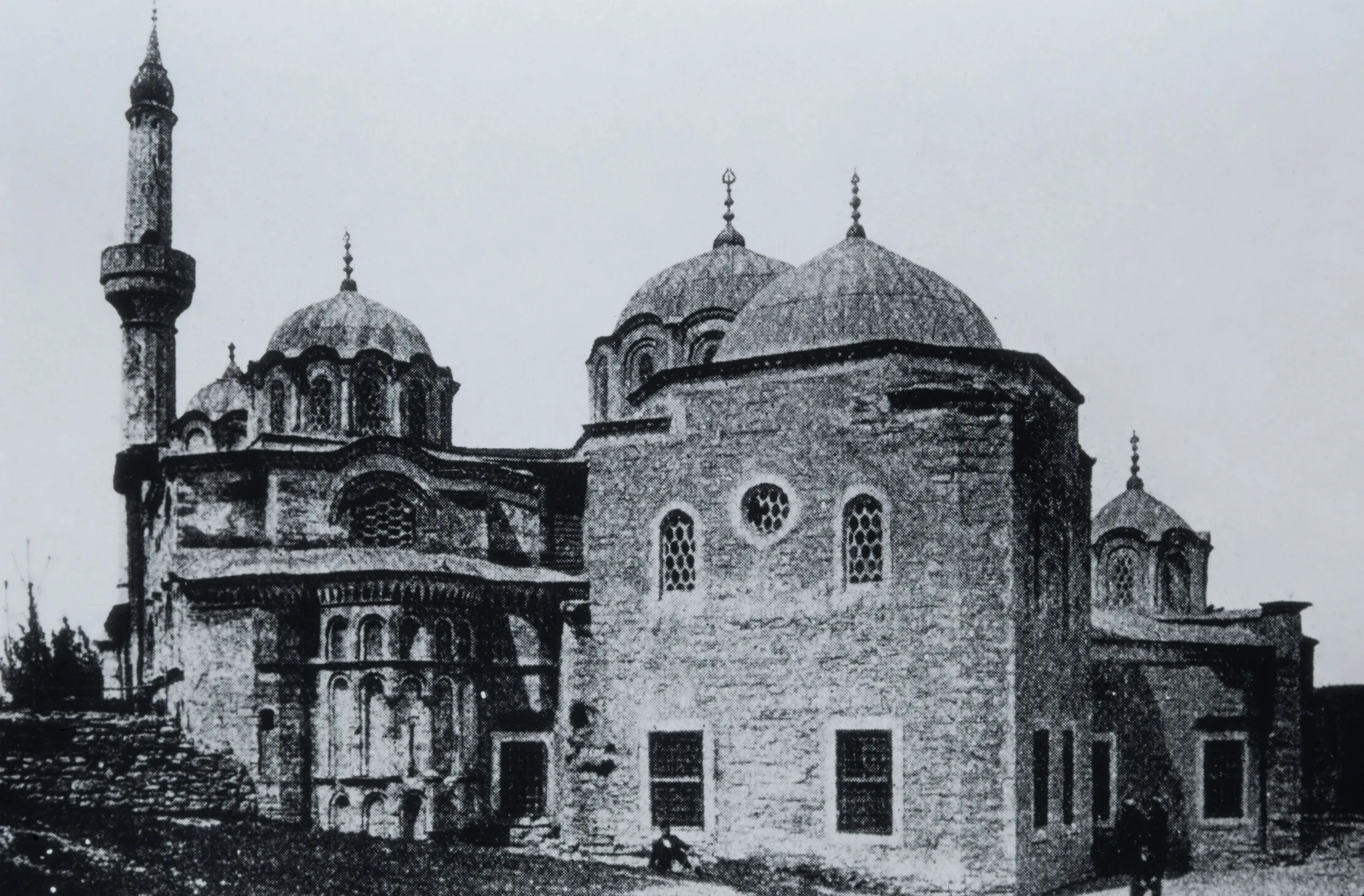
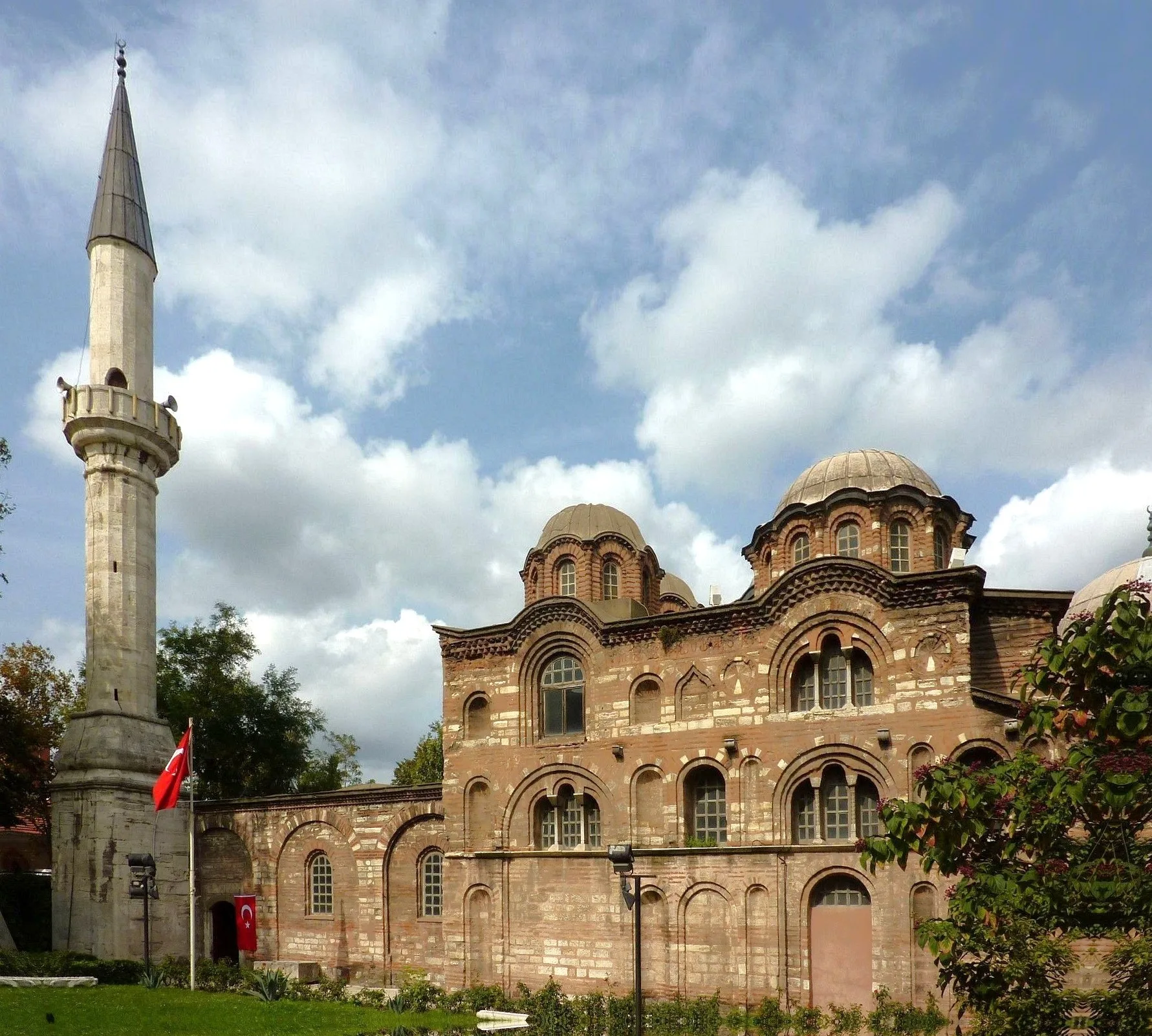
The Byzantine Pammakaristos monastery church in Istanbul's Fatih district: seat of the Patriarchate, later a mosque, with a side chapel of 14th-century mosaics now a museum.
Fethiye Museum (Pammakaristos) is a place (Historic building) in Turkey, Istanbul. Main periods: Byzantine Period, Ottoman Period.
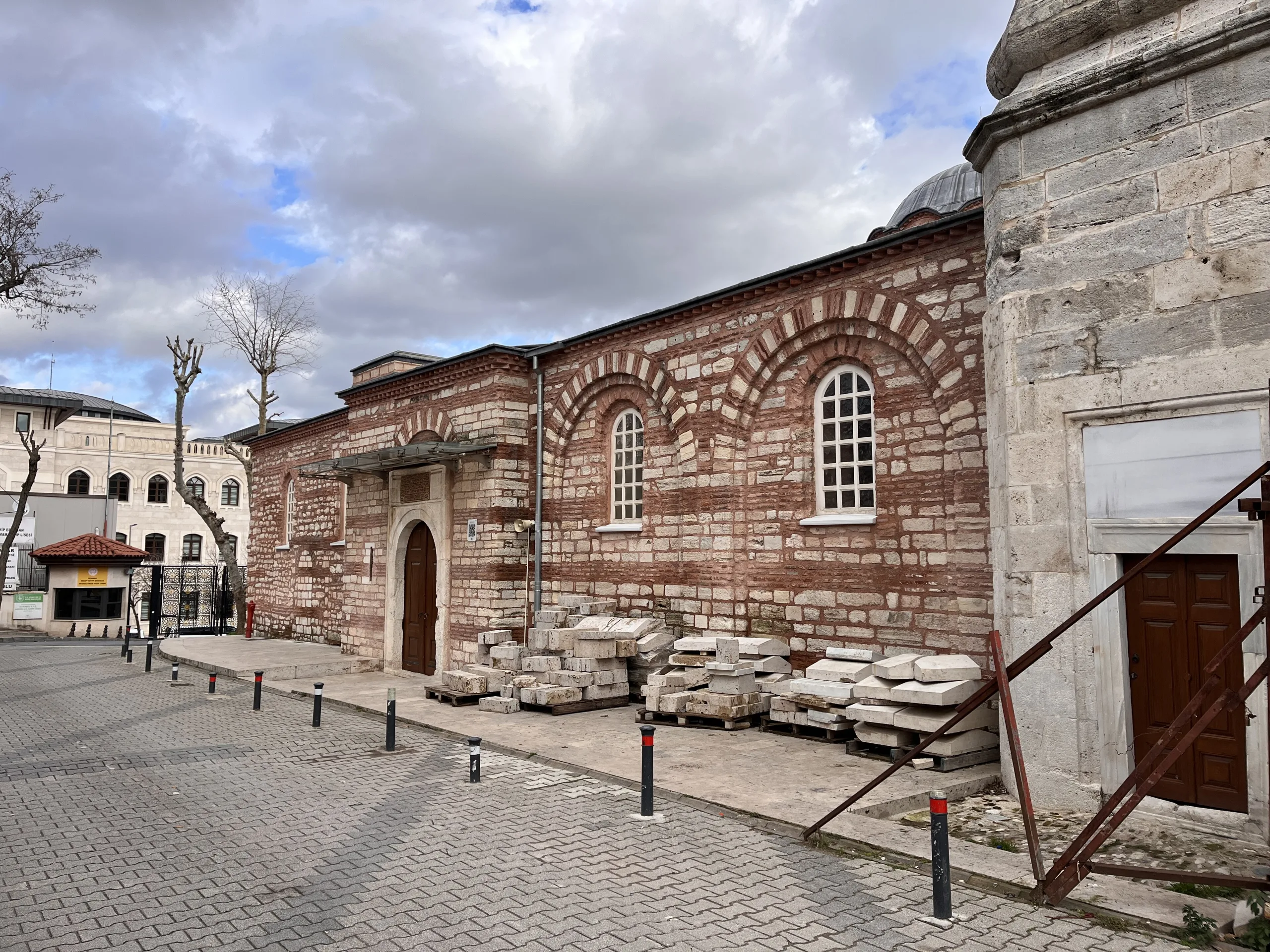
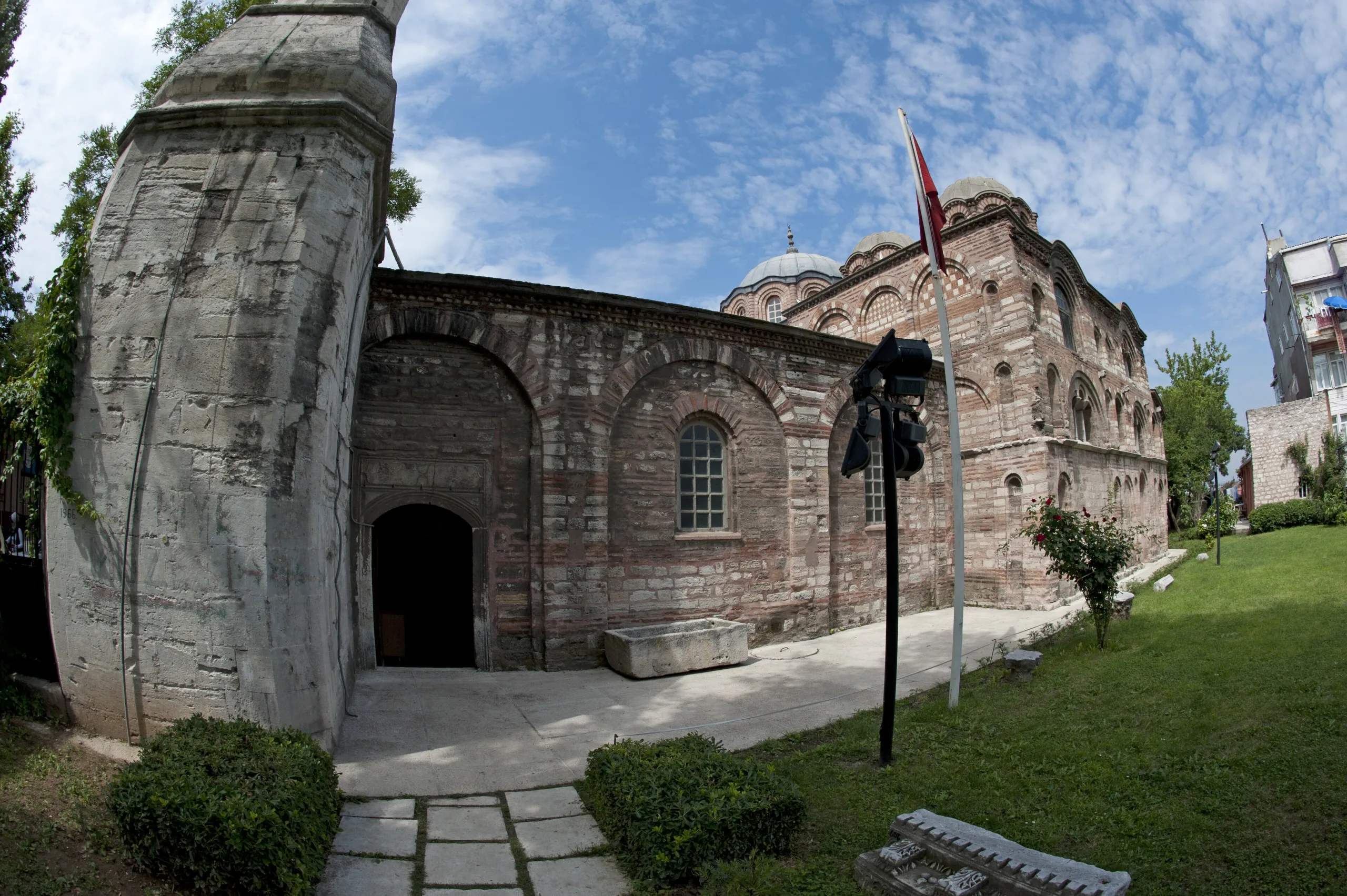
In Fatih, in the Çarşamba quarter close to Balat, the building beside Fethiye Street has two faces. The main church to the north serves today as a mosque, while the small chapel next to it, its walls and dome covered in 14th-century mosaics, is known as the museum. The split records the building's long story: a Byzantine monastery church, the seat of the Patriarchate, an Ottoman mosque.
History
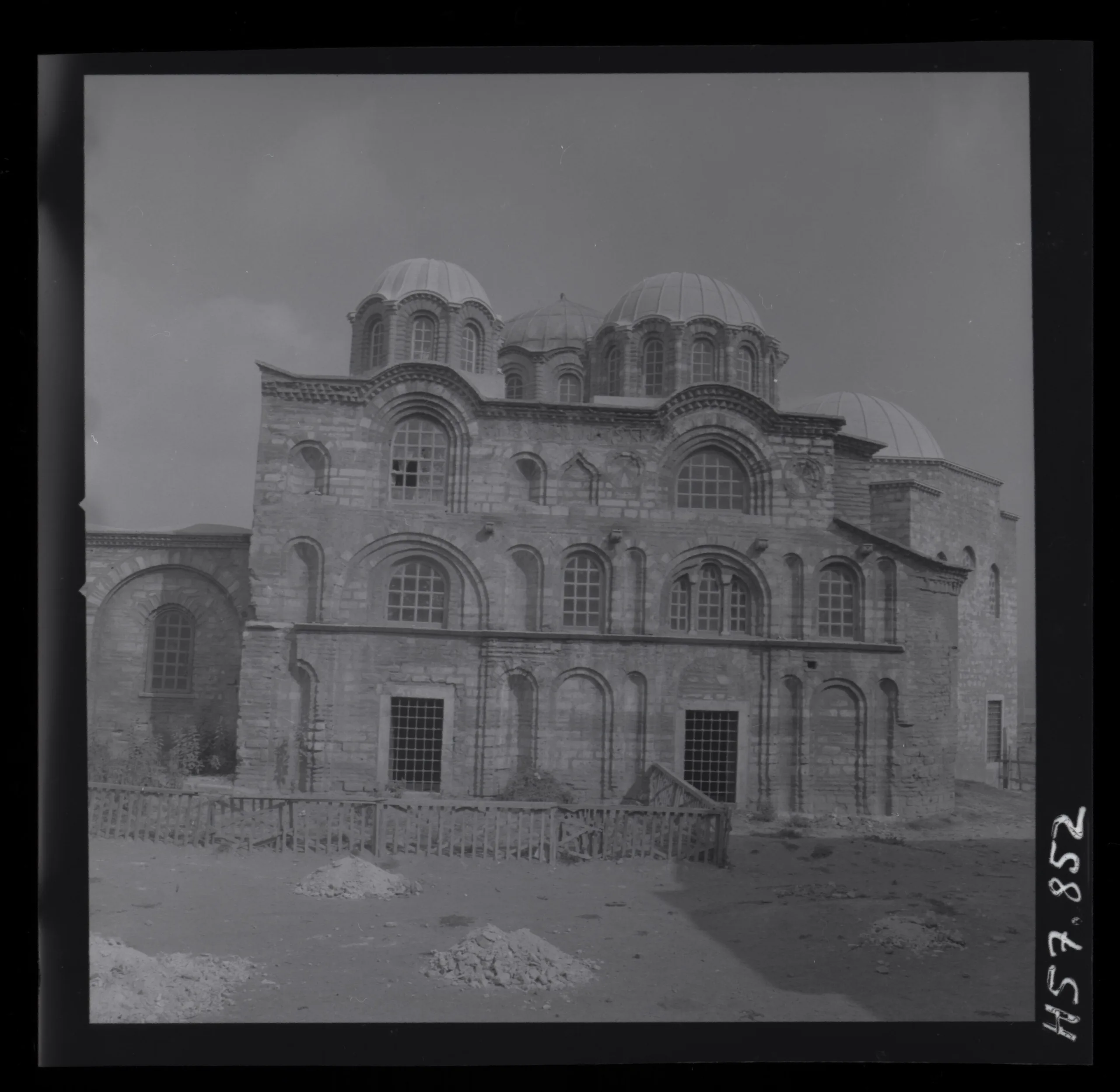
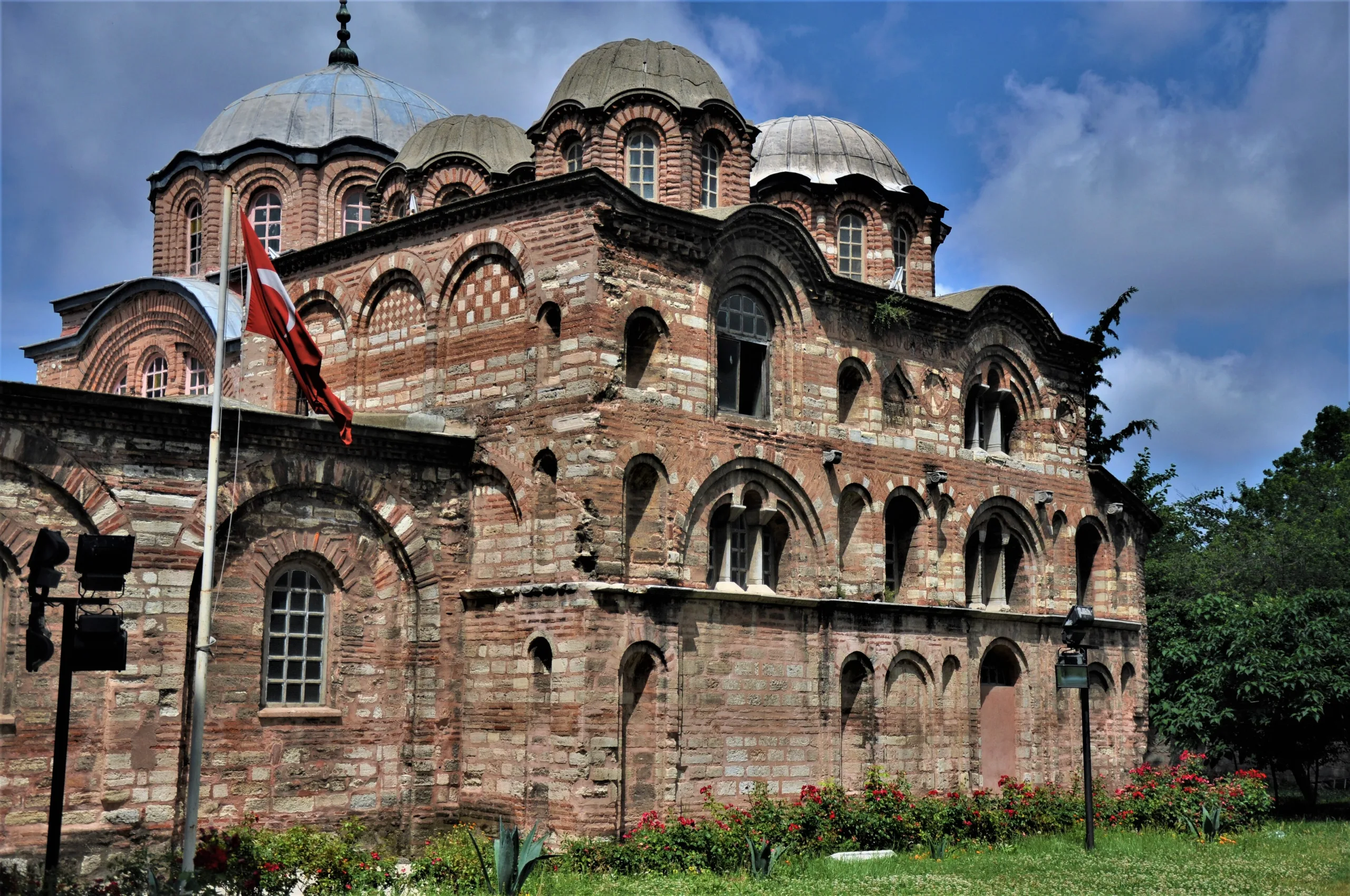
The Pammakaristos Church was rebuilt on the remains of an older church after Latin rule ended in 1261, its northern part dedicated to the Virgin. Michael Glabas Ducas Tarchaneiotes, a nephew of the Byzantine emperor Michael VIII Palaiologos, had it repaired between 1292 and 1294. At the wish of his wife Maria, a small annexe church dedicated to Christ, a parekklesion, was added on the right side in 1315. Both Maria and Michael were buried in this funerary chapel.
Once Istanbul had fallen, the building went on for a time as a convent. In 1455 the Patriarchate moved here from the Church of the Holy Apostles and stayed until 1586. Under Murad III (1574-1595) the church was turned into a mosque and received the name Fethiye. It underwent a major repair in 1845-1846. The annexe with its mosaic walls was repaired in 1938-1940 and then made a museum.
Architecture
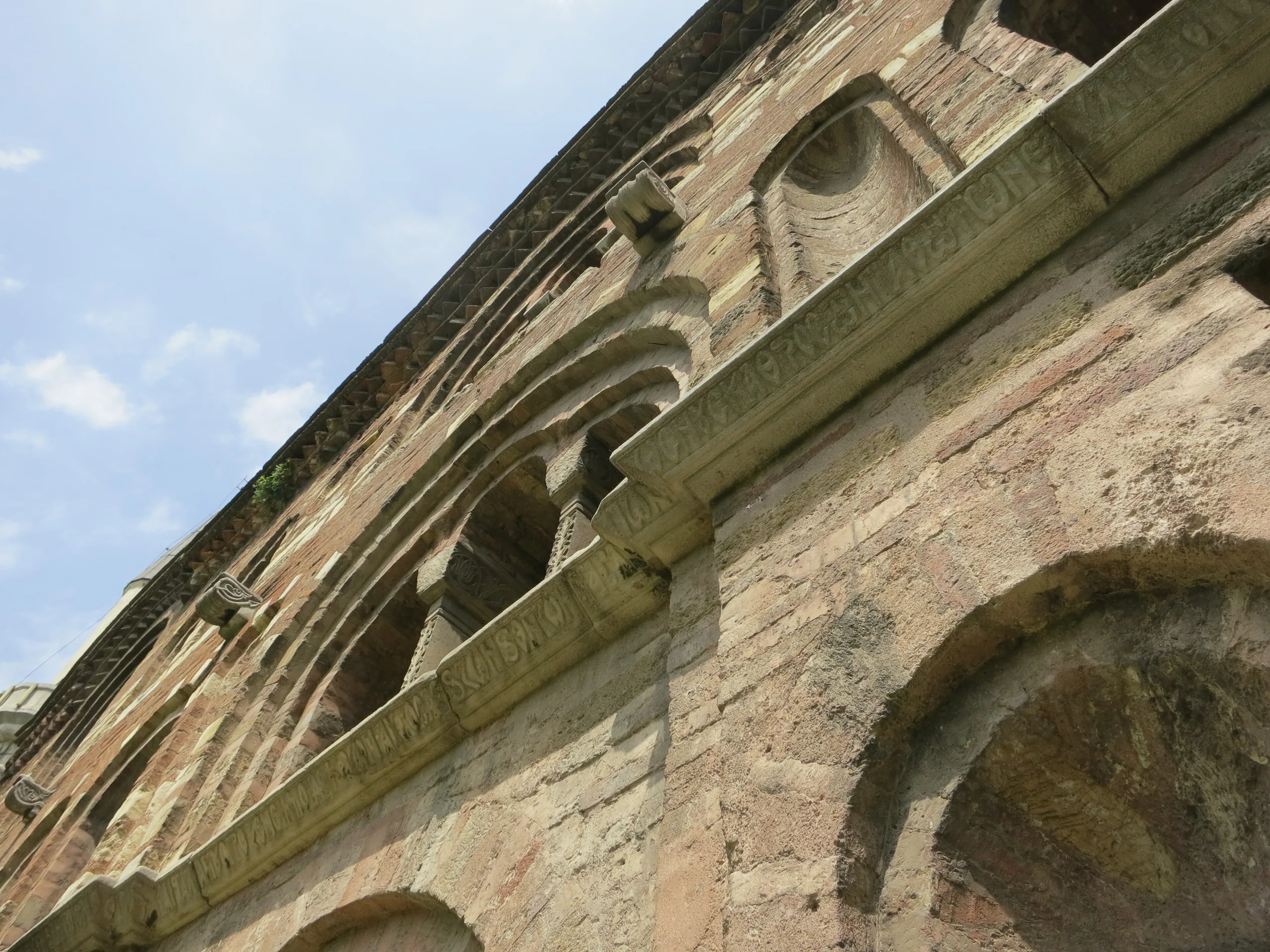
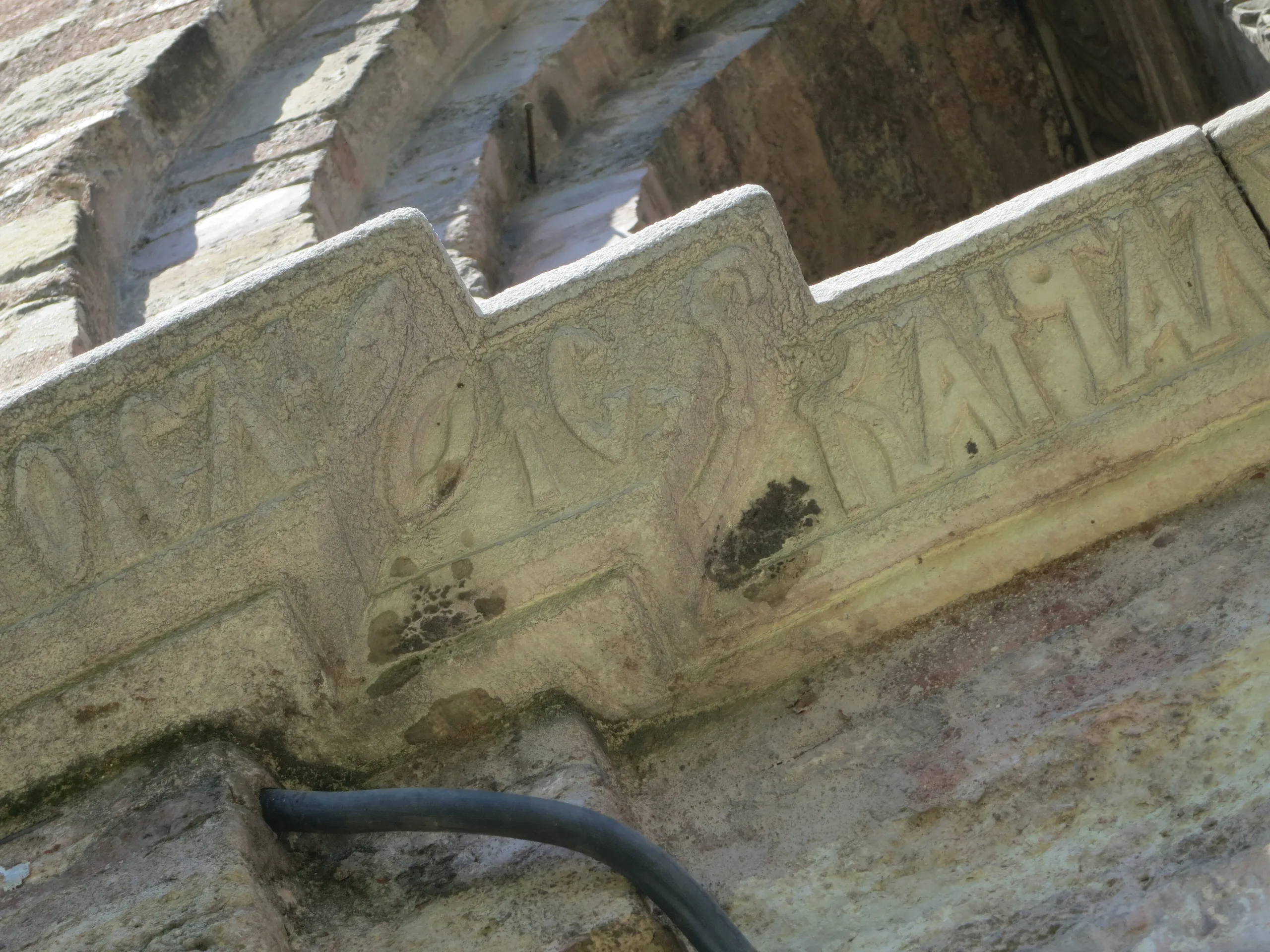
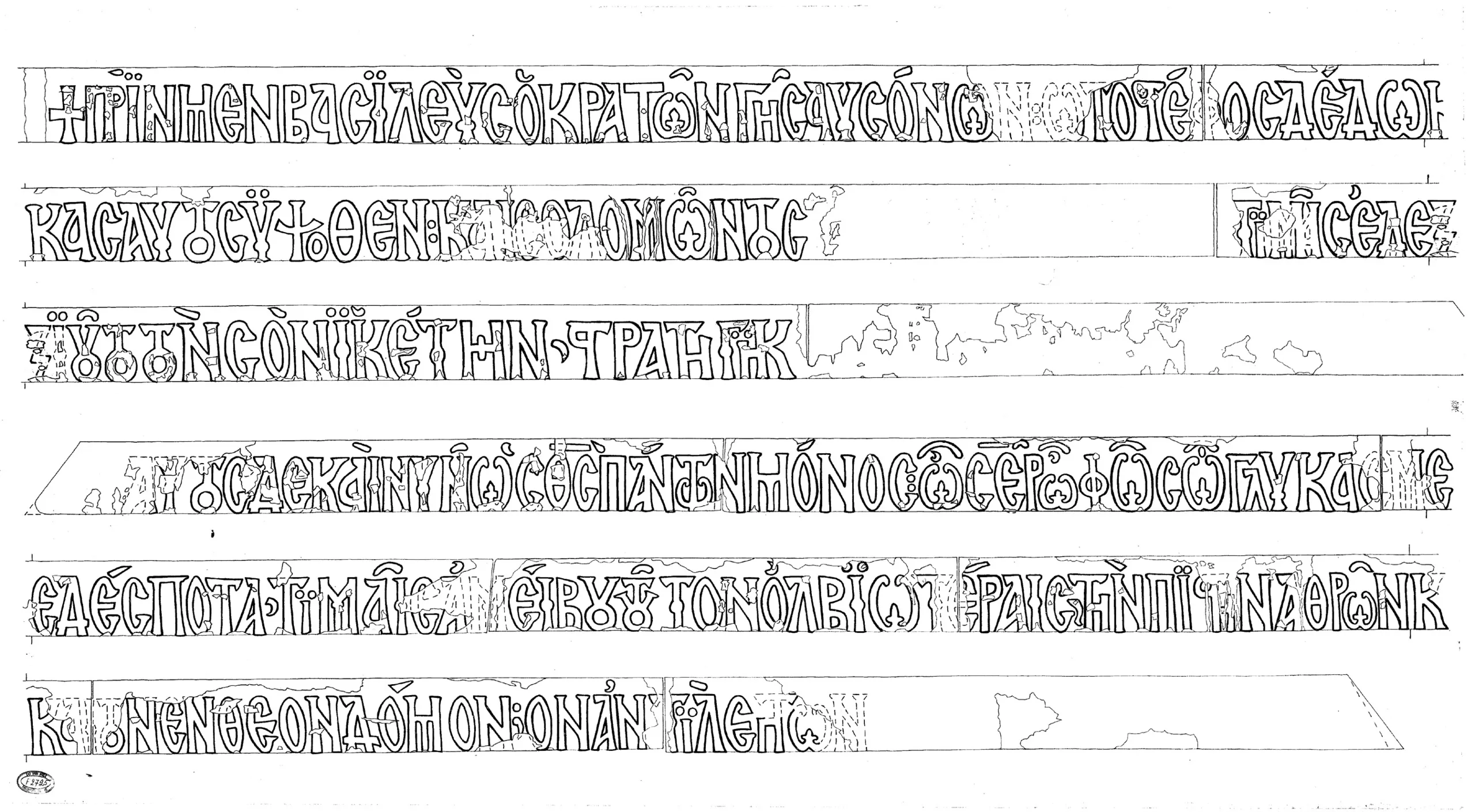
The parekklesion has a narthex (an entrance hall) and a gallery, and its naos, the main space, is covered by a dome 2.30 metres across. The facades show traits of late Byzantine architecture. On the south side a band of lettering above a brick course states that the protostrator Michael Glabas Ducas Tarchaneiotes had it built, and a poem by the poet Philes is written on a marble cornice along the same wall.
The mosaics are the chapel's chief treasure. In the apse, the semicircular recess at the east end, a Deesis shows Christ, the Virgin and John the Baptist; a Deesis is the composition in which these three appear as intercessors. At the centre of the dome is Christ, and the twelve prophets of the Old Testament fill the segments around him. Saints and a scene of the Baptism appear in the vaults.
Visiting
Arrangements for the museum section and the mosque change from time to time, so check the page on muze.gov.tr for the current situation. The MüzeKart is valid for Turkish citizens.
Gallery
Frequently asked questions
Where is the Fethiye Museum?
Are Pammakaristos and Fethiye the same place?
Which part is the museum?
What do the chapel mosaics show?
Was the Patriarchate based here?
Is the MüzeKart valid?
Sources (13)
- Fethiye (Pammakaristos) Müzesi / Fethiye (Pammakaristos) Museum (TR ve EN sayfalar) — T.C. Kültür ve Turizm Bakanlığı, Müzeler ve Ören Yerleri
- Fethiye Müzesi / Pammakaristos Manastırı - İstanbul, Gezilecek Yerler — T.C. Kültür ve Turizm Bakanlığı, Türkiye Kültür Portalı
- Fethiye Müzesi (Pammakaristos Manastırı) — T.C. Fatih Kaymakamlığı
- Fethiye Camii / Pammakaristos Church (Wikidata Q1420984) — Wikidata
Photo credits
- Photo: Byzantine Institute staff, CC0 — Wikimedia Commons (resized)
- Photo: Chris06, CC BY-SA 4.0 — Wikimedia Commons (resized)
- Photo: Sadrettin, CC BY-SA 4.0 — Wikimedia Commons (resized)
- Photo: Byzantine Institute staff, CC0 — Wikimedia Commons (resized)
- Photo: Brad Hostetler, CC BY 2.0 — Wikimedia Commons (resized)
- Photo: Brad Hostetler, CC BY 2.0 — Wikimedia Commons (resized)
- Photo: Dosseman, CC BY-SA 4.0 — Wikimedia Commons (resized)
- Photo: fusion-of-horizons, CC BY 2.0 — Wikimedia Commons (resized)
- Photo: Byzantine Institute staff, CC0 — Wikimedia Commons (resized)