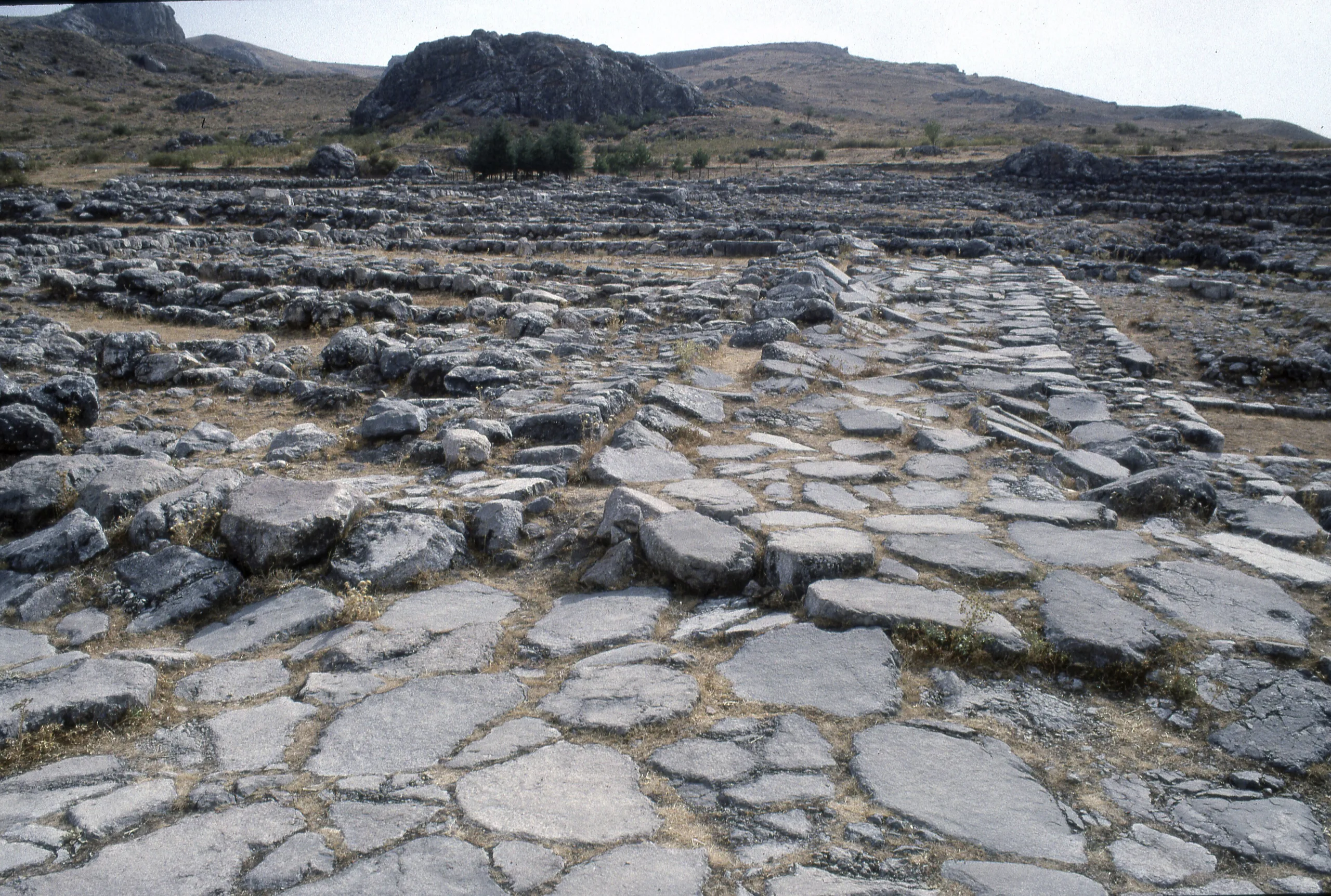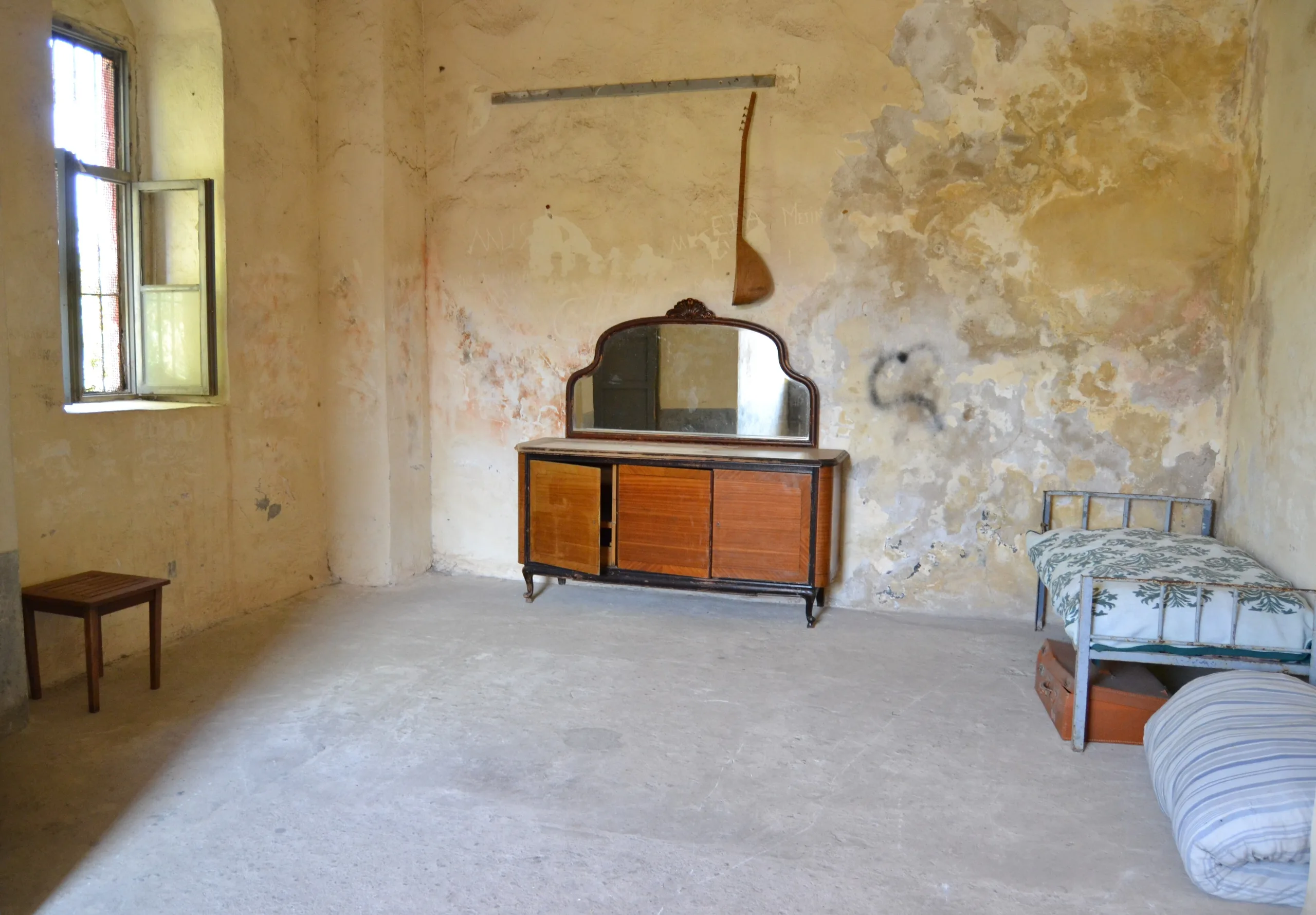
Inside the Seljuk inner castle of Sinop Castle, a prison of the 1880s with 28 wards was long called Anatolia's Alcatraz; it is now a museum and held figures such as Sabahattin Ali.
Sinop Historic Prison is a place (Historic building) in Turkey, Sinop. Main periods: Hellenistic Period, Roman Period, Byzantine Period, Seljuk Period, Ottoman Period.
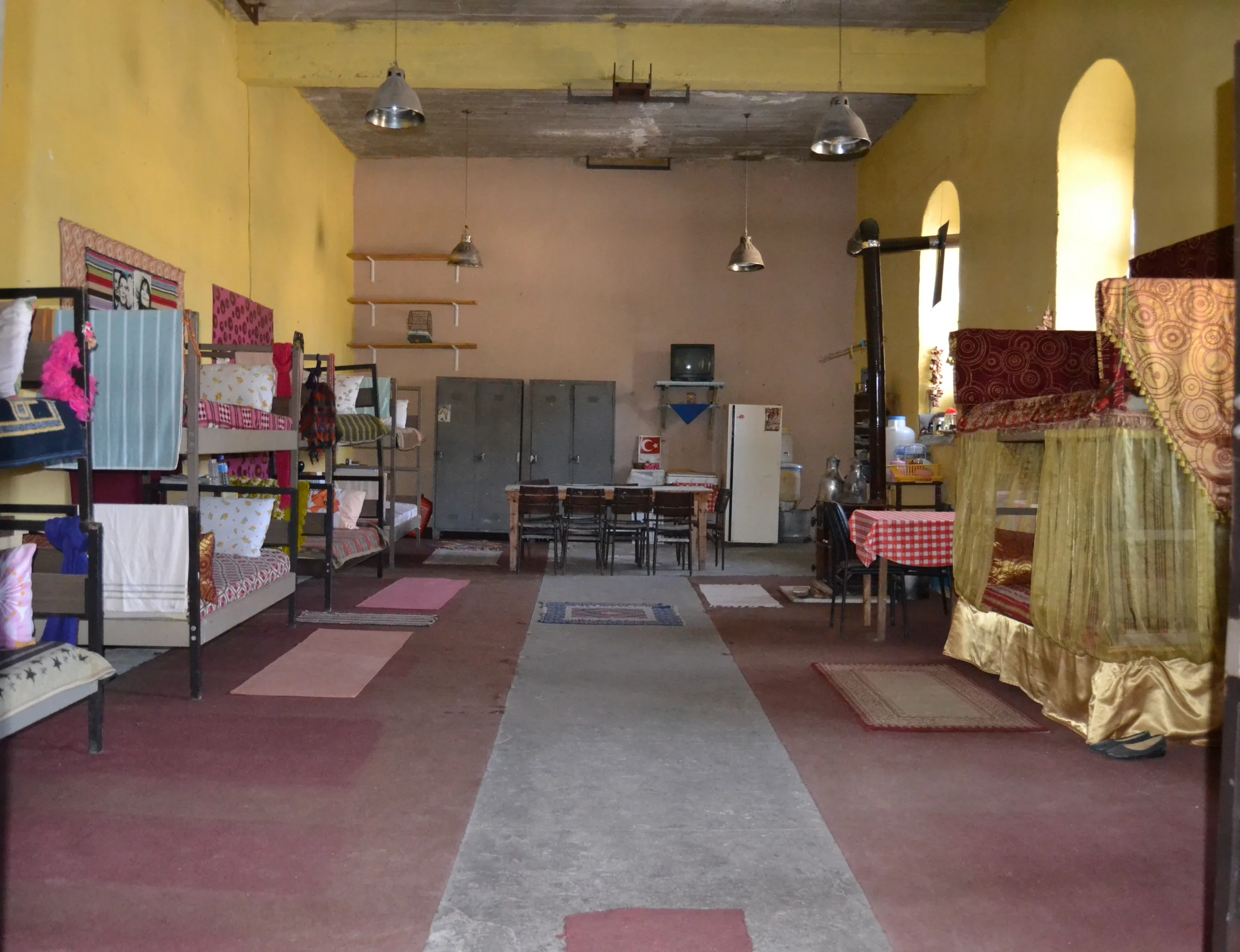
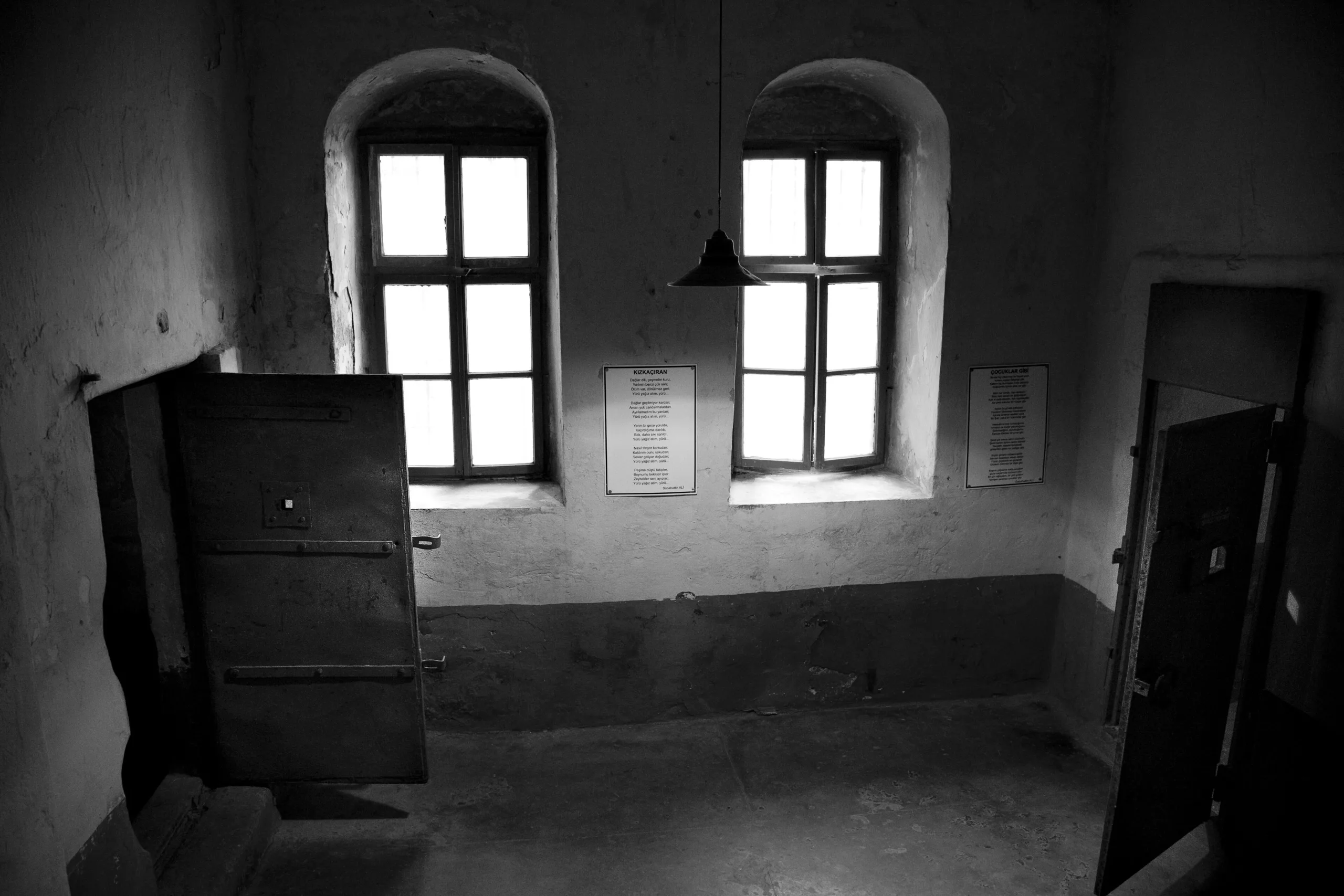
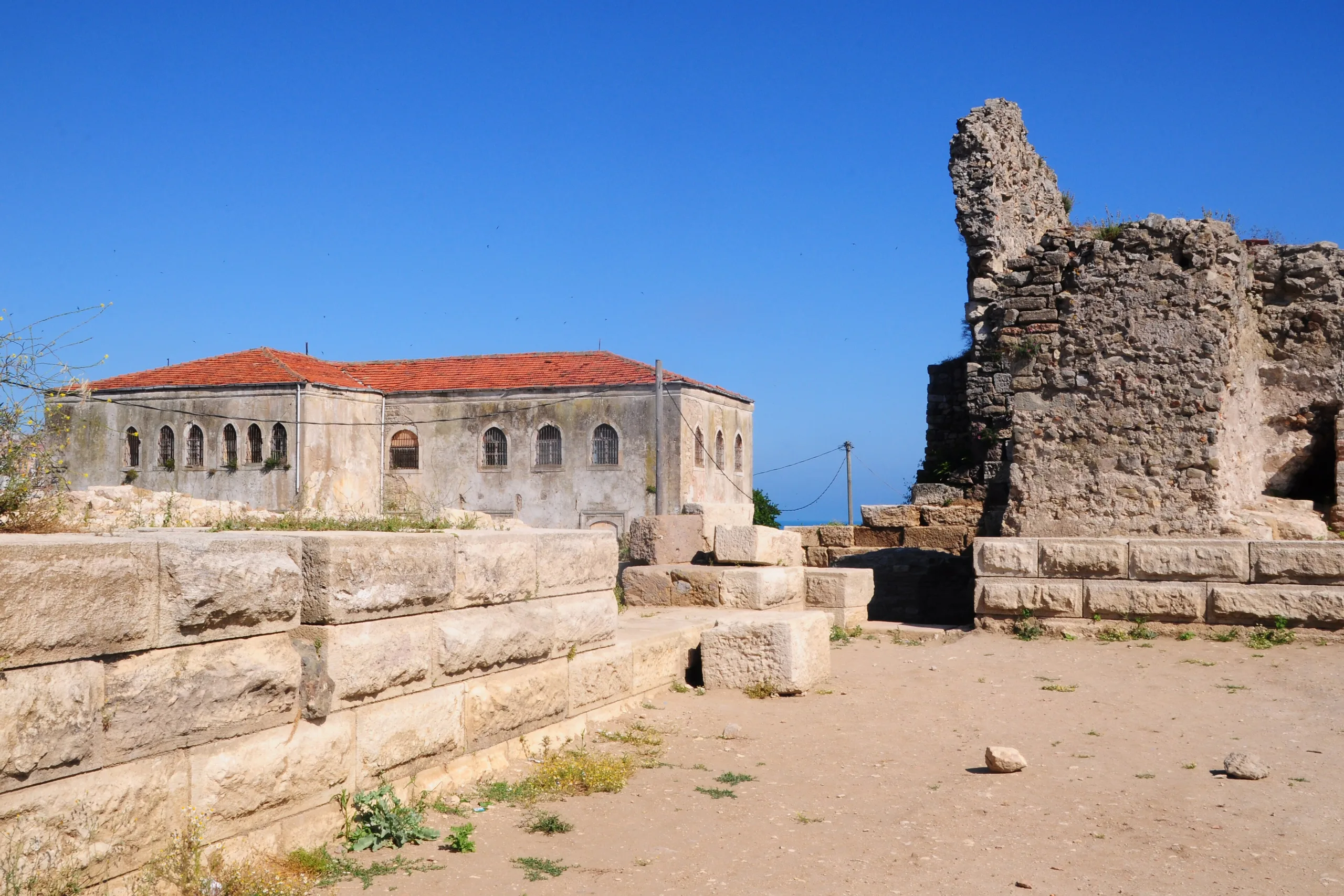
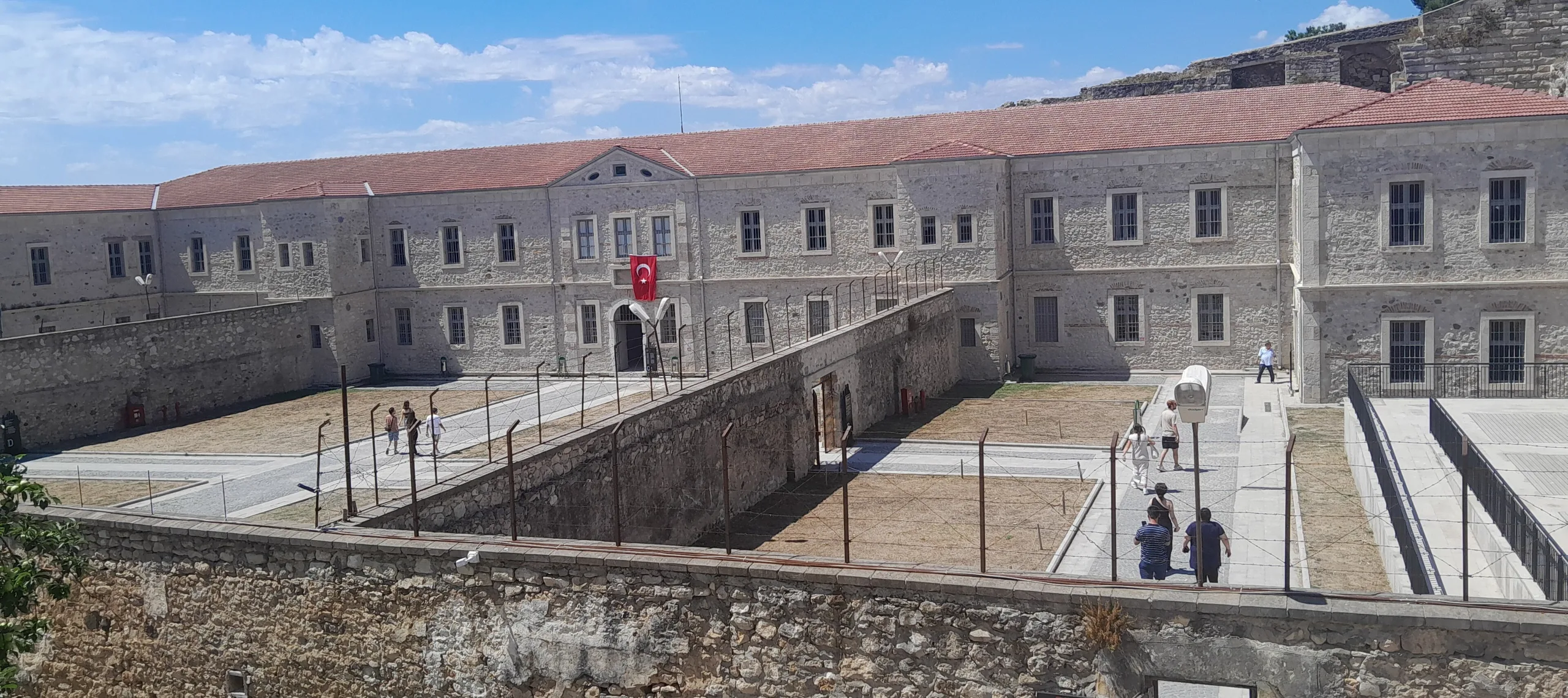
Within the walls of Sinop Castle, which the sea surrounds on three sides, stands a U-shaped building of cut stone. People once called it the Alcatraz of Anatolia. For many years its 28 wards held writers, political prisoners and ordinary convicts; today it is open as a museum. The writer Sabahattin Ali is the best-known of those who served time here.
History
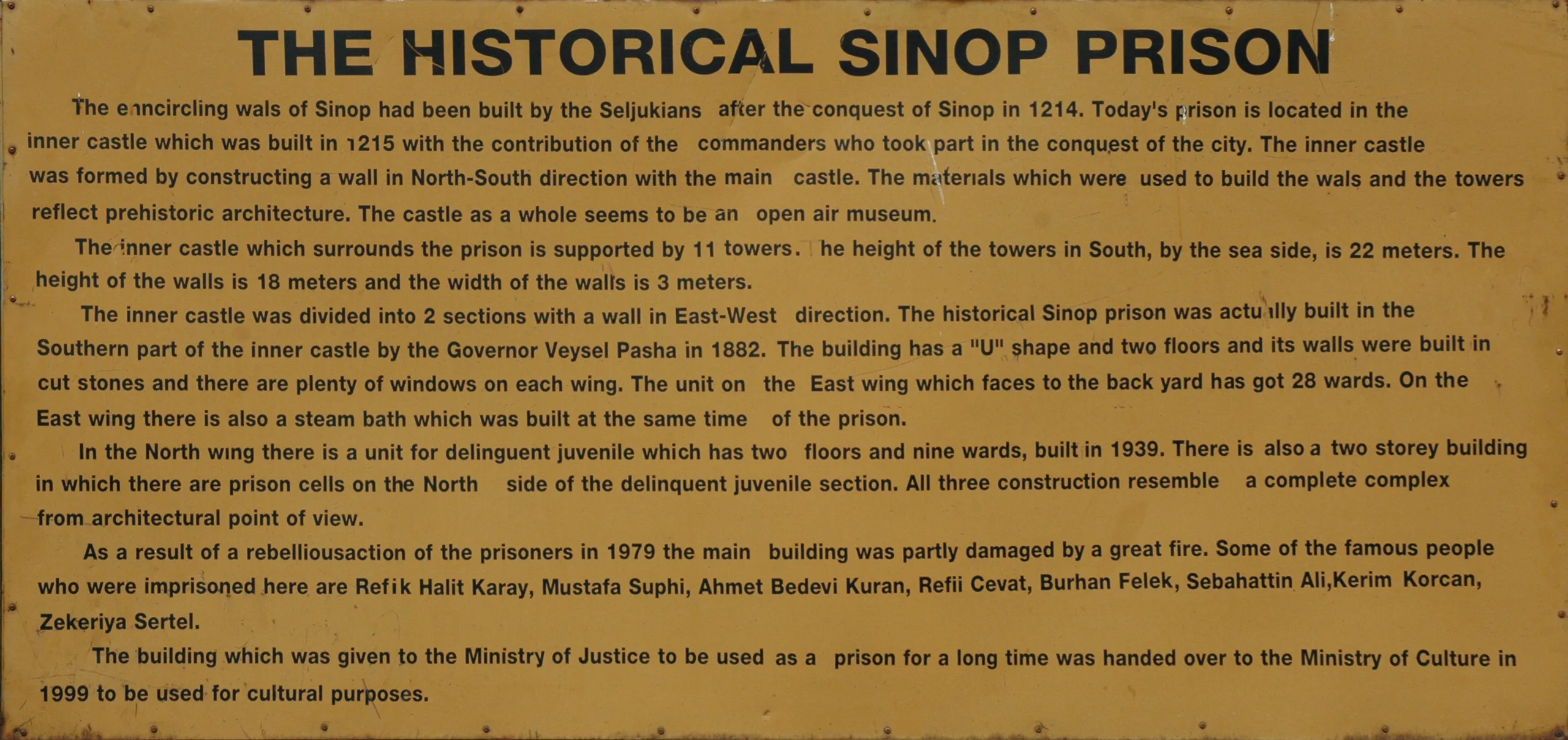
The Sinop Castle that houses the prison was founded in the Hellenistic period, judging by the archaeological evidence. It stayed in use through Roman and Byzantine times and gained a new section under the Seljuks. After the Anatolian Seljuks took Sinop in 1214, Sultan Izzeddin Keykavus ordered an inner castle built. It runs north to south, parallel to the western walls, and its builders reused columns, capitals and inscriptions from Hellenistic, Roman and Byzantine buildings as spolia, salvaged material. The inner castle worked as a shipyard for a long time, and two big arches of the shipyard, later bricked up, can still be made out on the south wall.
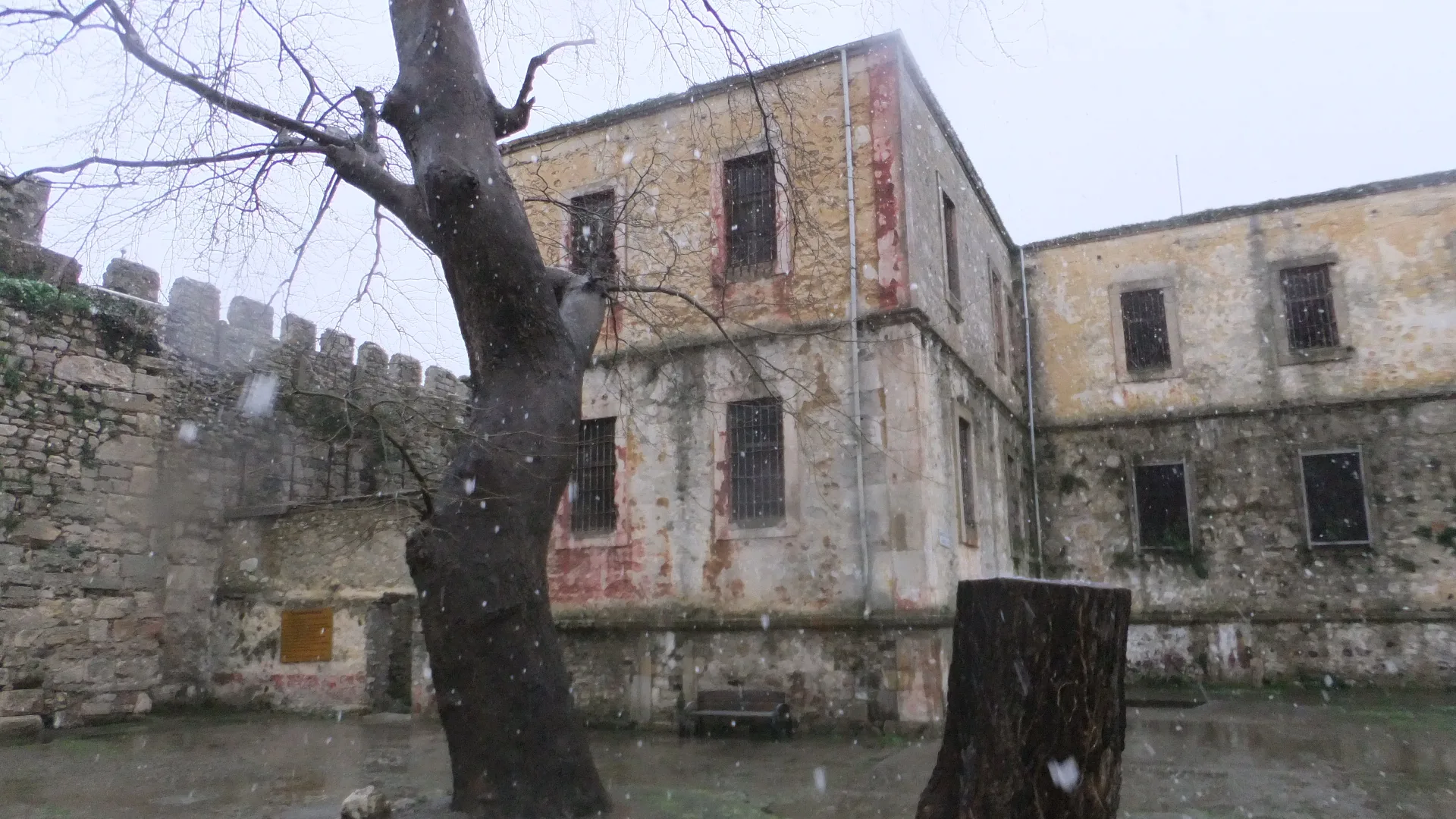
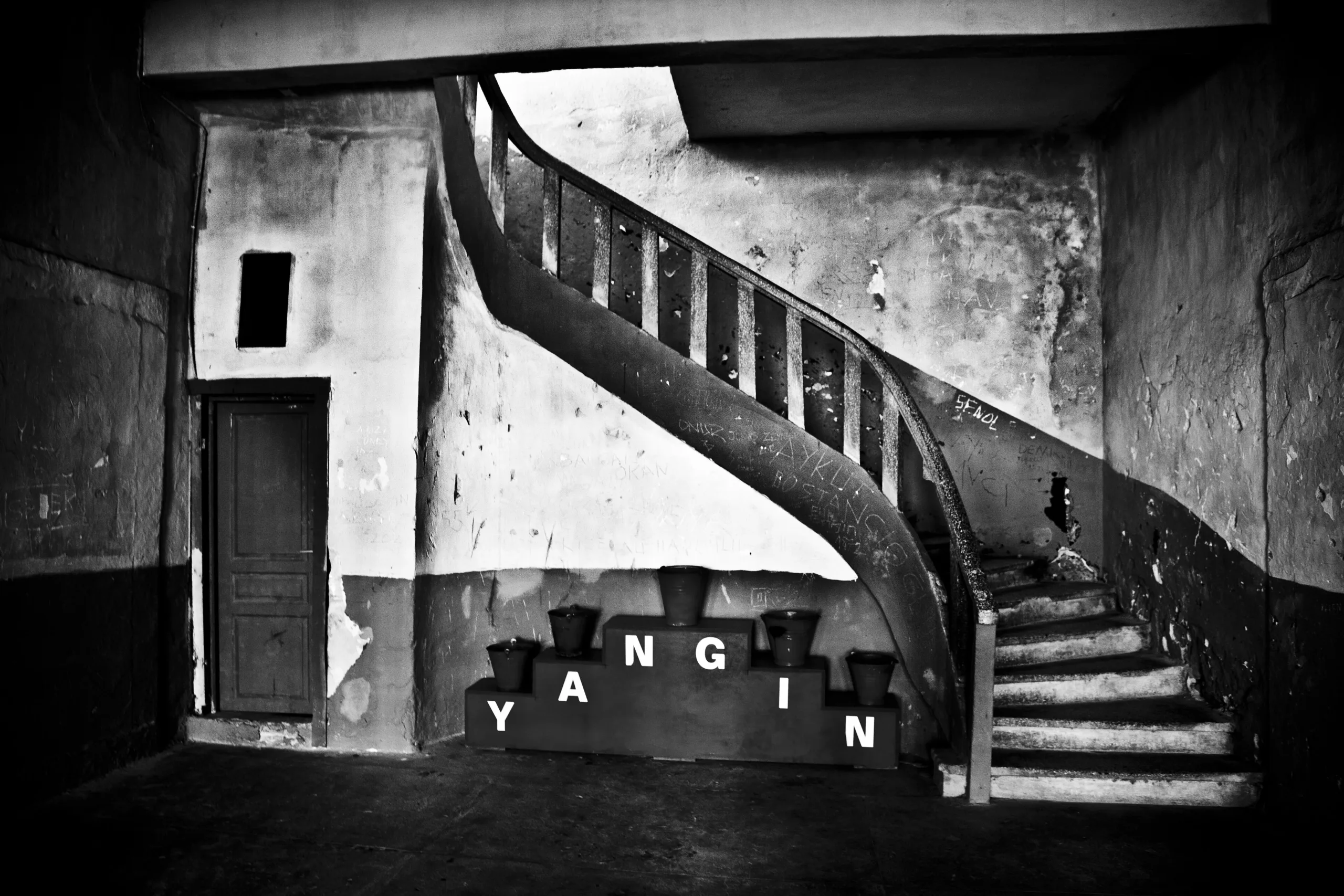
From 1560 the towers of the inner castle began to double as dungeons, and the traveller Evliya Çelebi describes the place as a fearsome one. The present prison building is far later: it went up in the 1880s on the initiative of Veysel Pasha, then the mutasarrıf, or district governor, of Sinop, and the inner castle became an official prison. A separate reformatory for children was added to the north in 1939. In the 1970s a riot ended in a fire that damaged the main building. Emptied during the 1990s, the prison was turned into a museum by the Ministry of Culture and Tourism around the turn of the millennium.
The buildings
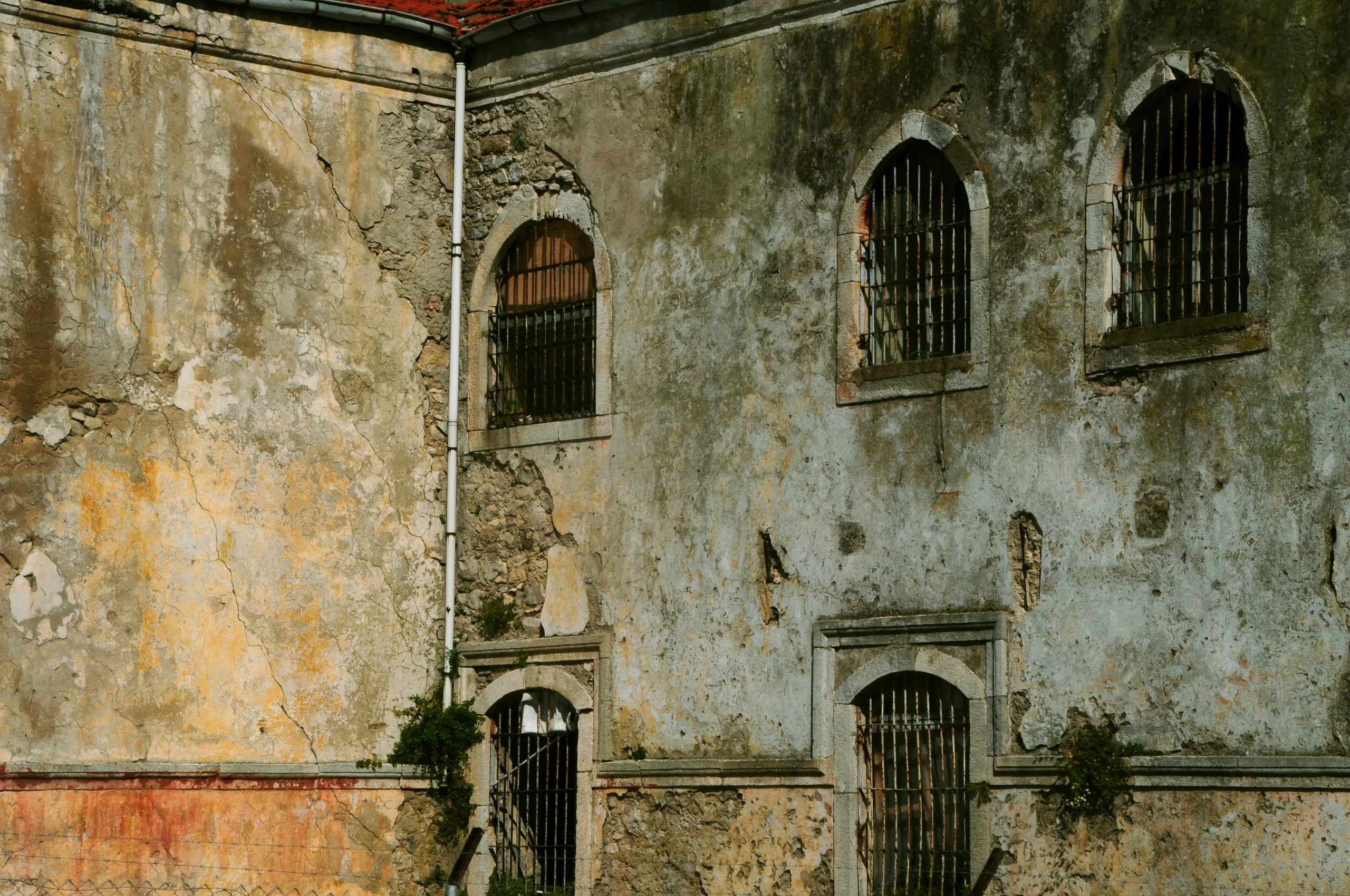
The inner castle is supported by 11 towers. On the south side facing the sea the wall stands 18 metres high and the towers 22. The prison is oriented north to south, built of ashlar and planned in a U; high courtyard walls split it into three sections. The northern and middle sections have two floors, the southern one a ground floor plus two. In all there are 28 wards. A bath built at the same time as the prison lies to the southeast, and workshops are attached to the east wall.
The names of former inmates are a large part of the prison's fame. Besides Sabahattin Ali, Refik Halit Karay, Zekeriya Sertel, Burhan Felek and Eşber Yağmurdereli also served time in Sinop, and the building has found its way into many poems and songs.
Visiting
The historic prison is in the town centre, in the Kaleyazısı neighbourhood, and can be reached on foot or by local transport. See the official page for current visiting details. The MüzeKart is valid for Turkish citizens. The Sinop Museum and the Arslantorunlar Ethnography Museum are nearby.
Gallery
Frequently asked questions
Why is it called the Alcatraz of Anatolia?
When was the prison building constructed?
Who was held here?
What is inside the prison?
Who built the inner castle?
When did the prison become a museum?
Sources (13)
- Sinop Tarihi Cezaevi / Historical Sinop Prison (TR ve EN sayfalar) — T.C. Kültür ve Turizm Bakanlığı, Müzeler ve Ören Yerleri
- Tarihi Cezaevi - Sinop, Gezilecek Yerler — T.C. Kültür ve Turizm Bakanlığı, Kültür Portalı (kaynak: Sinop İl Kültür ve Turizm Müdürlüğü)
- Tarihi Cezaevi - Sinop, Kültür Envanteri — T.C. Kültür ve Turizm Bakanlığı, Kültür Portalı, Kültür Envanteri
- Sinop Fortress Prison (Wikidata Q7524921) — Wikidata
Photo credits
- Photo: User:Charismaniac The original uploader was Charismaniac at Turkish Wikipedia ., Public domain — Wikimedia Commons (resized)
- Photo: Basak, CC BY-SA 4.0 — Wikimedia Commons (resized)
- Photo: Panegyrics of Granovetter from Toronto, Ontario, Canada, CC BY-SA 2.0 — Wikimedia Commons (resized)
- Photo: Charismaniac ( mesaj ), Public domain — Wikimedia Commons (resized)
- Photo: Tuna Ölger, CC0 — Wikimedia Commons (resized)
- Photo: Tuna Ölger, CC0 — Wikimedia Commons (resized)
- Photo: Panegyrics of Granovetter from Toronto, Ontario, Canada, CC BY-SA 2.0 — Wikimedia Commons (resized)
- Photo: Tayeçe2024, CC BY-SA 3.0 — Wikimedia Commons (resized)
- Photo: Dosseman, CC BY-SA 4.0 — Wikimedia Commons (resized)