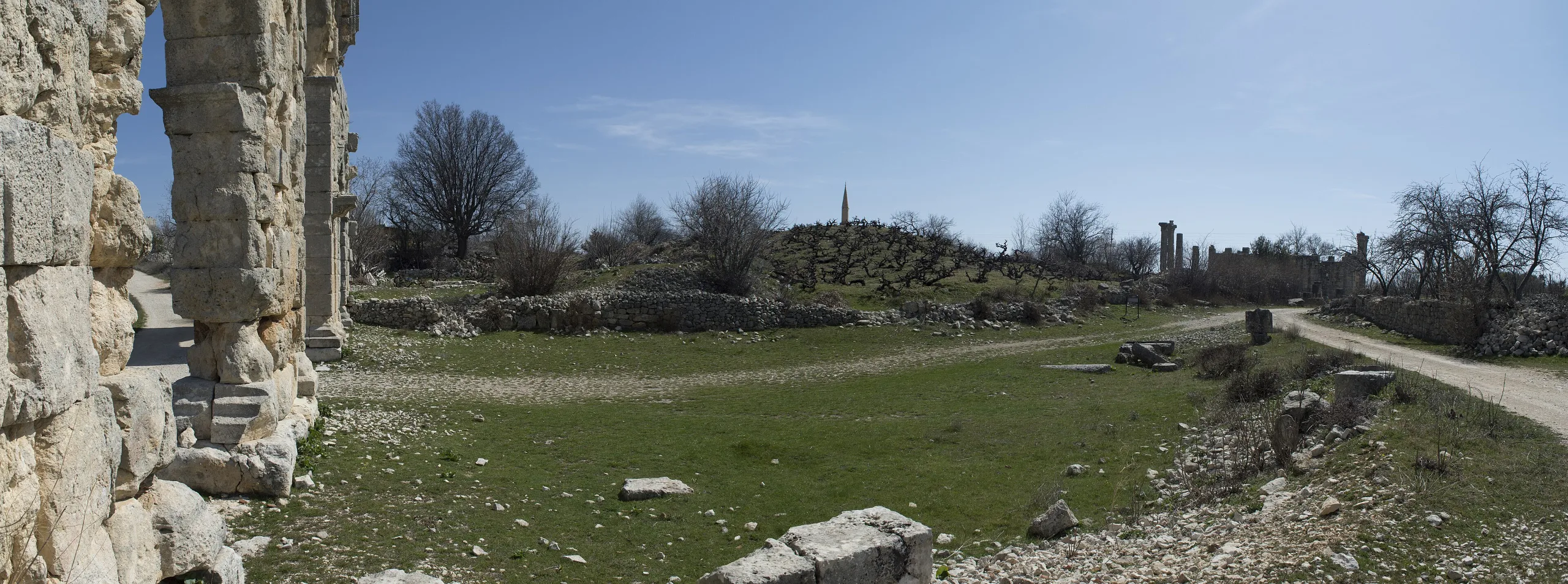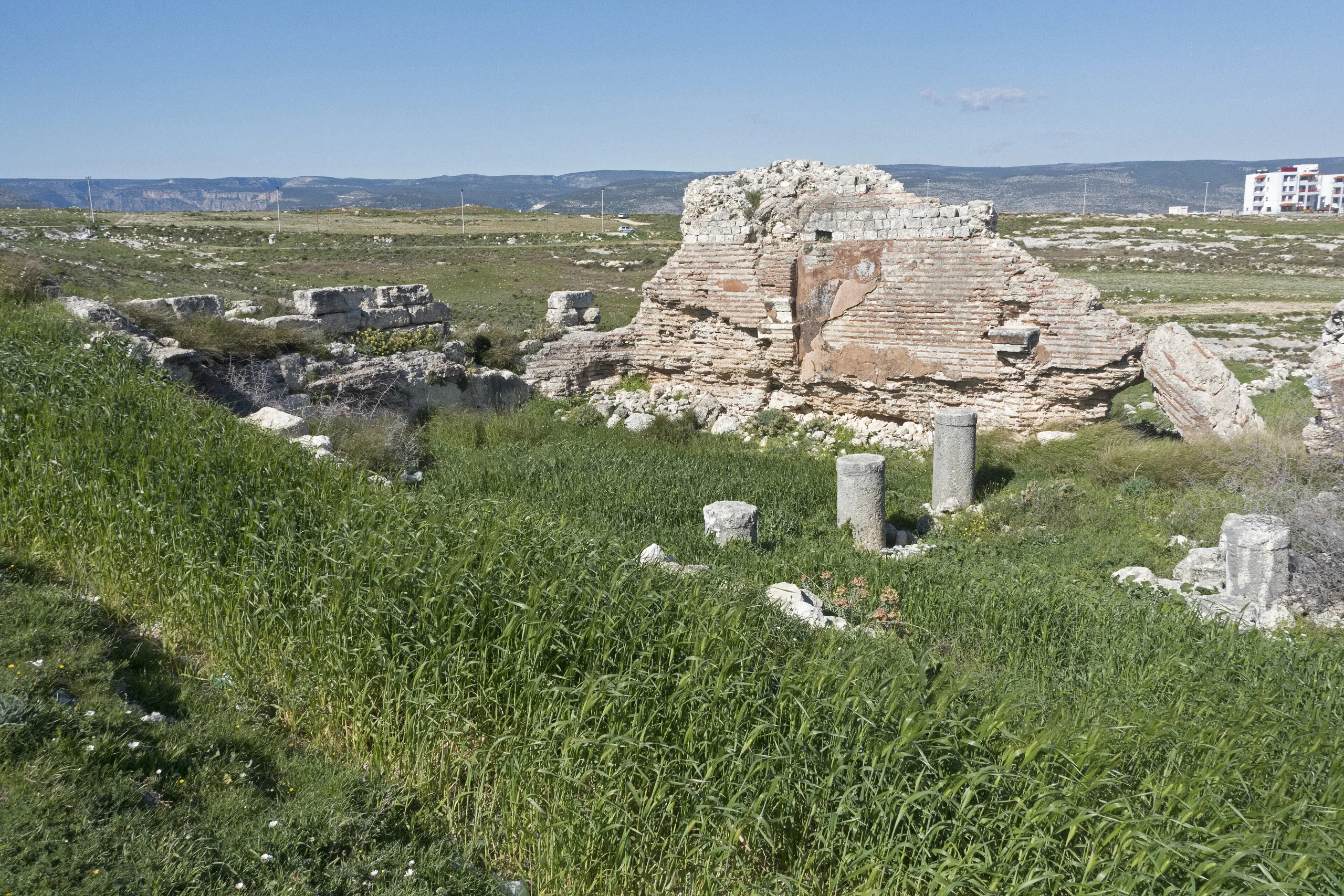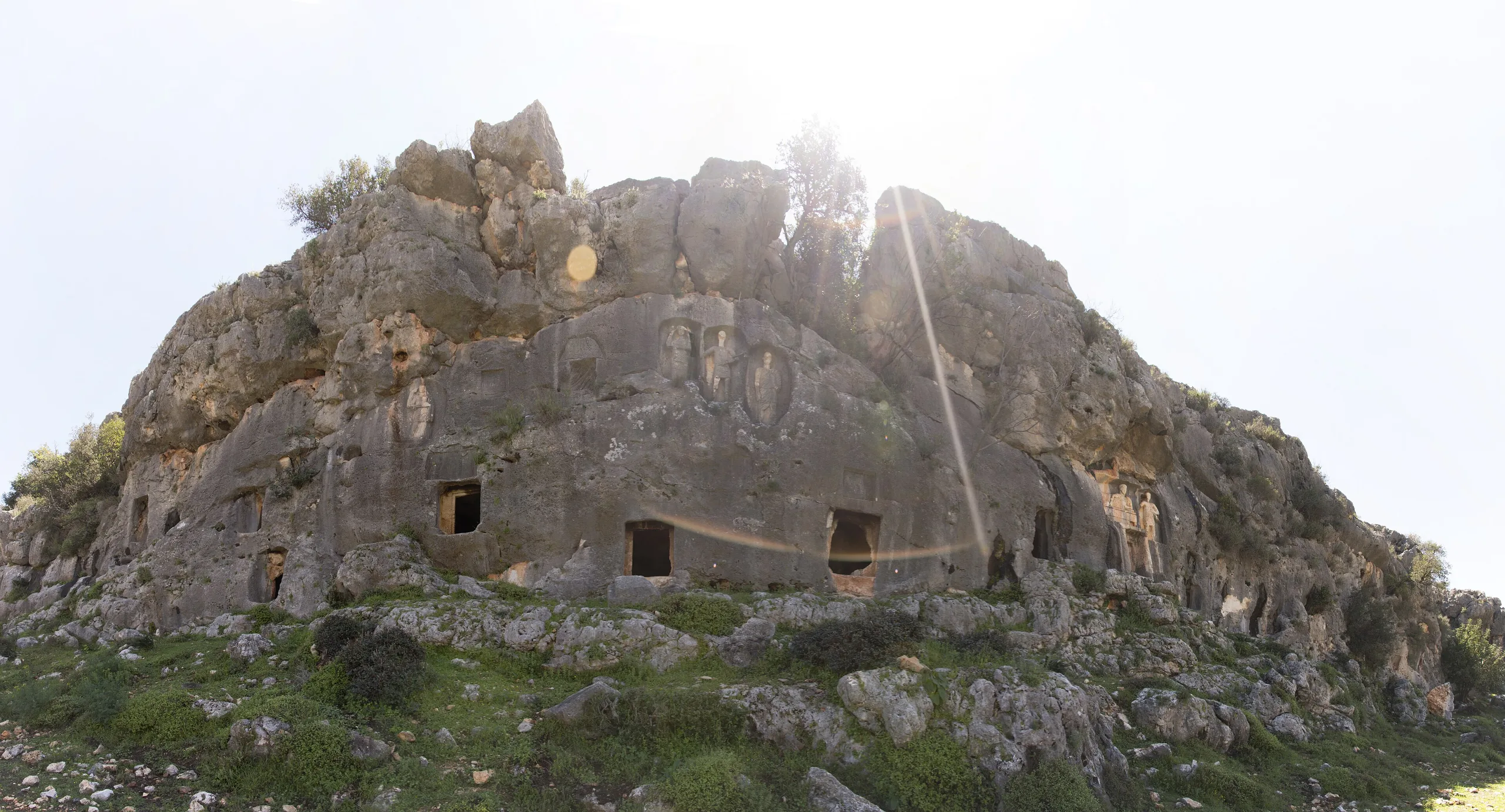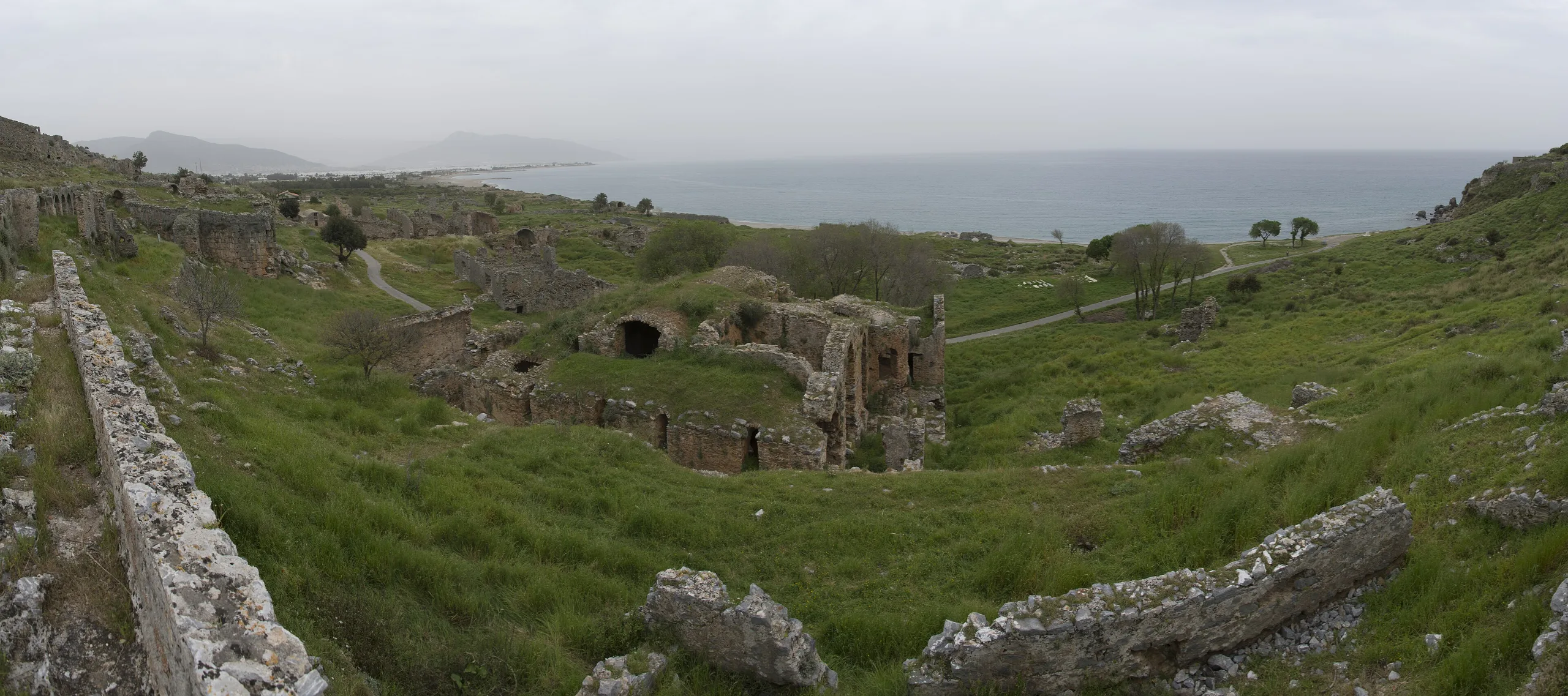
Alahan Monastery is a 5th-century Byzantine complex 1,300 m up a slope above the Göksu Valley, north of Mut, known for two churches, a baptistery and rock-cut tombs.
Alahan Monastery is a place (Monastery) in Turkey, Mersin. Main periods: Byzantine Period.
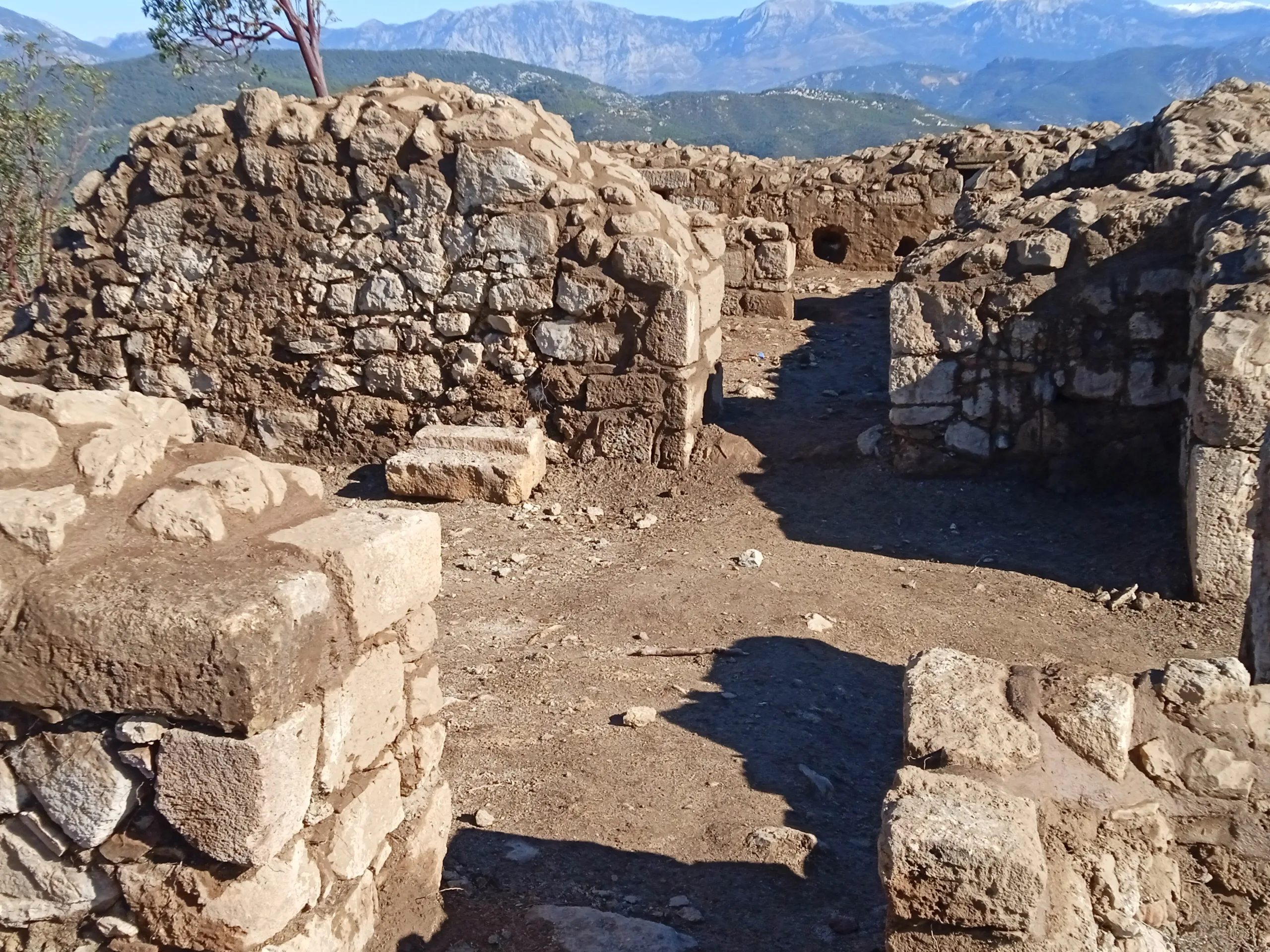
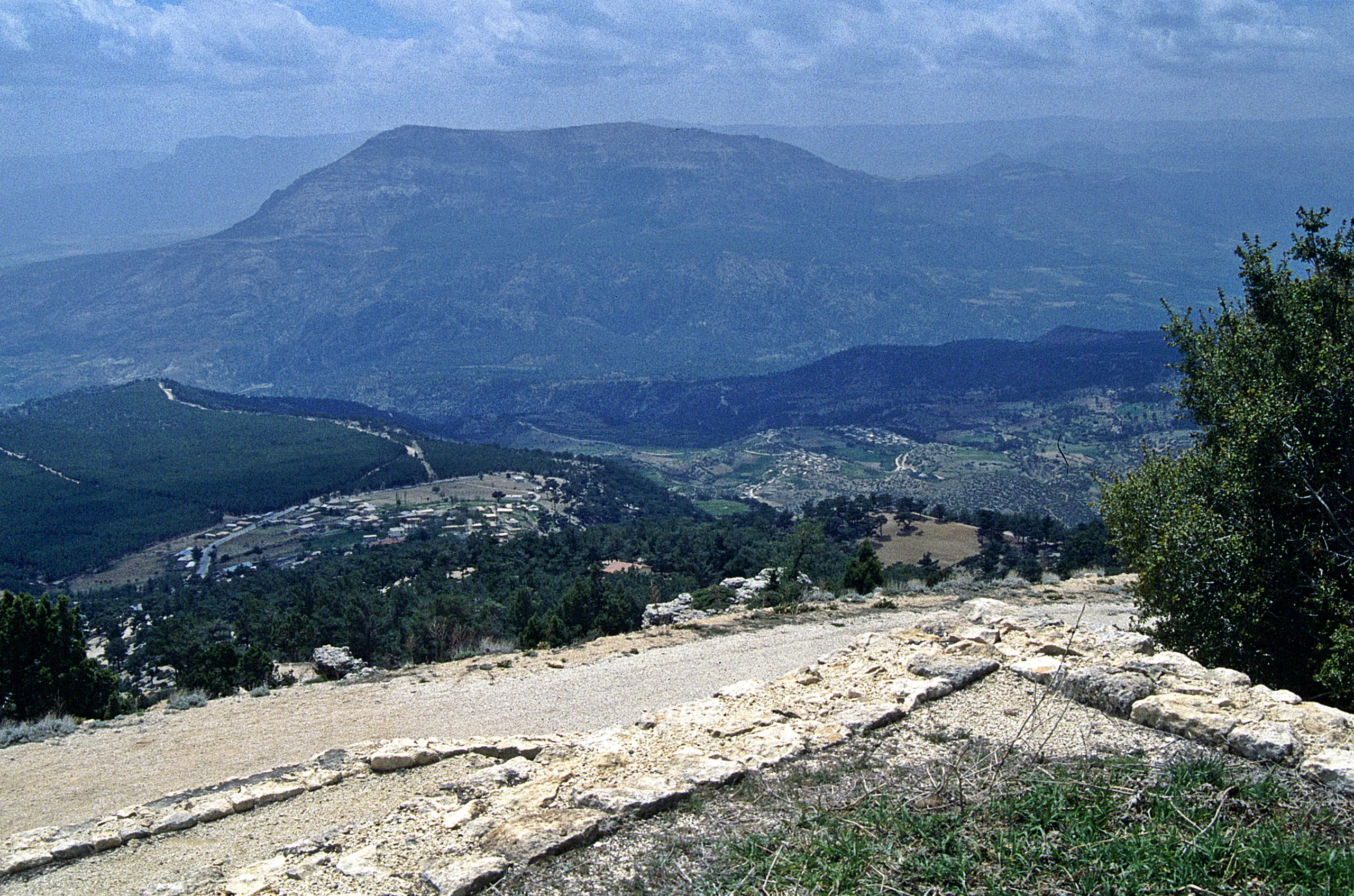
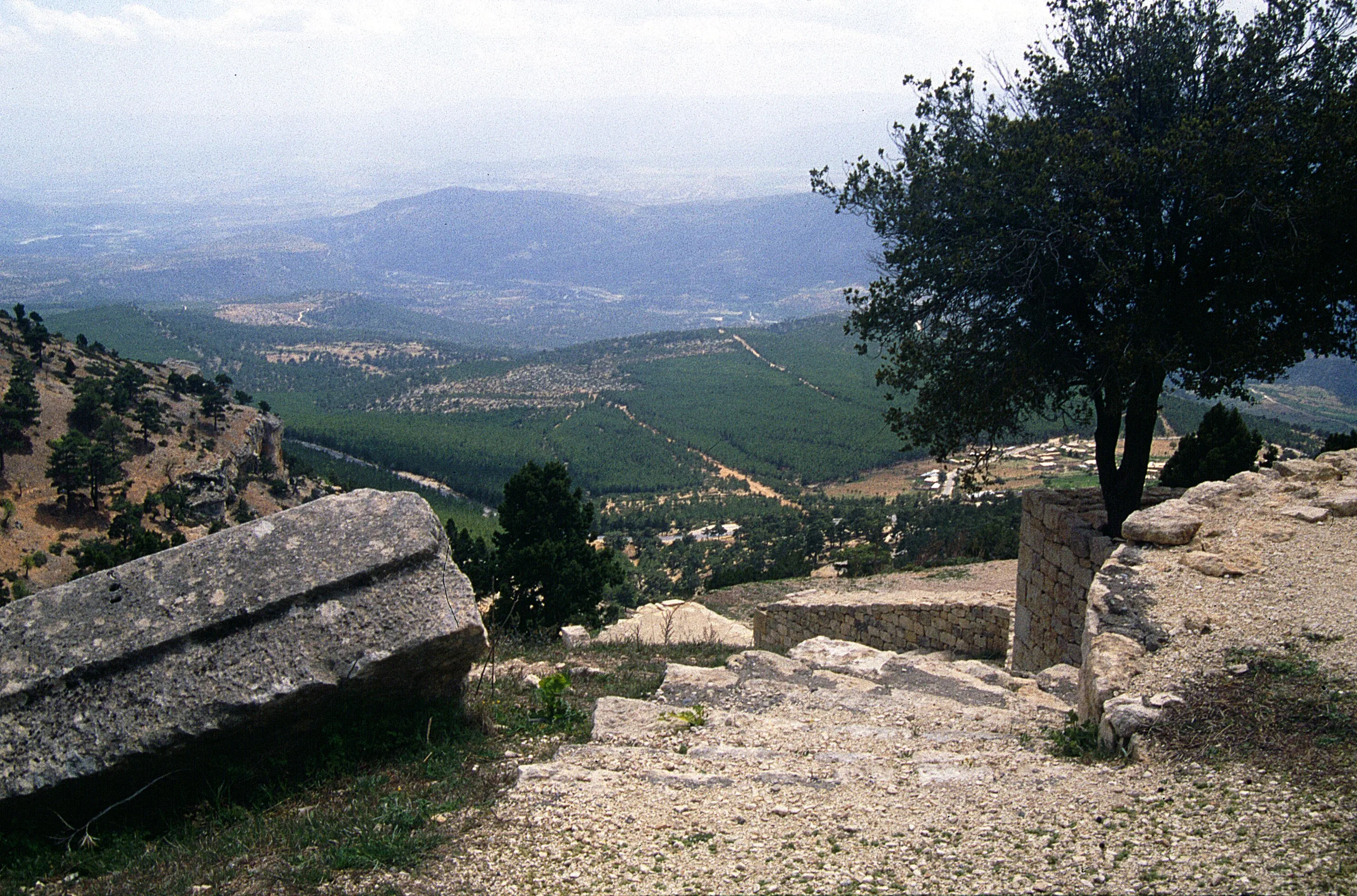
About a thousand metres above the Göksu Valley and 1,300 metres above the sea, two churches, a baptistery and rock-cut tombs line an east-west terrace; the last 2 km to reach them is a steady climb. This early Christian complex stands in the Geçimli neighbourhood of Mut district, Mersin, roughly 20 km north of Mut. The traveller Evliya Çelebi described it as looking freshly finished by its maker.
Location and access
The monastery lies off the Mersin–Karaman road, 20 km north of Mut, near Geçimli. A steep slope drops toward the valley. For current visiting terms, see the official page.
History
When exactly the complex was built remains unsettled. Most accounts estimate the years around 440-442, the early 5th century, while another view credits the Isaurian emperor Zeno (474-491). Either date places the work in the 5th century. The complex saw heavy use through the 5th and 6th centuries.
Those were centuries when Christians flocked to the Holy Land on pilgrimage, with Anatolia an important stage on the way. Alahan became a major centre where local people fulfilled that duty. Believers who adopted the new faith around Konya had feared persecution and death, and prayed in mountain caves and rock hollows. Wherever Paul and Barnabas of Tarsus stopped on missionary journeys across the Konya-Cappadocia and Antalya-Antioch routes, shrines rose in their memory, and Alahan is counted among them.
Architecture
Parts of the complex
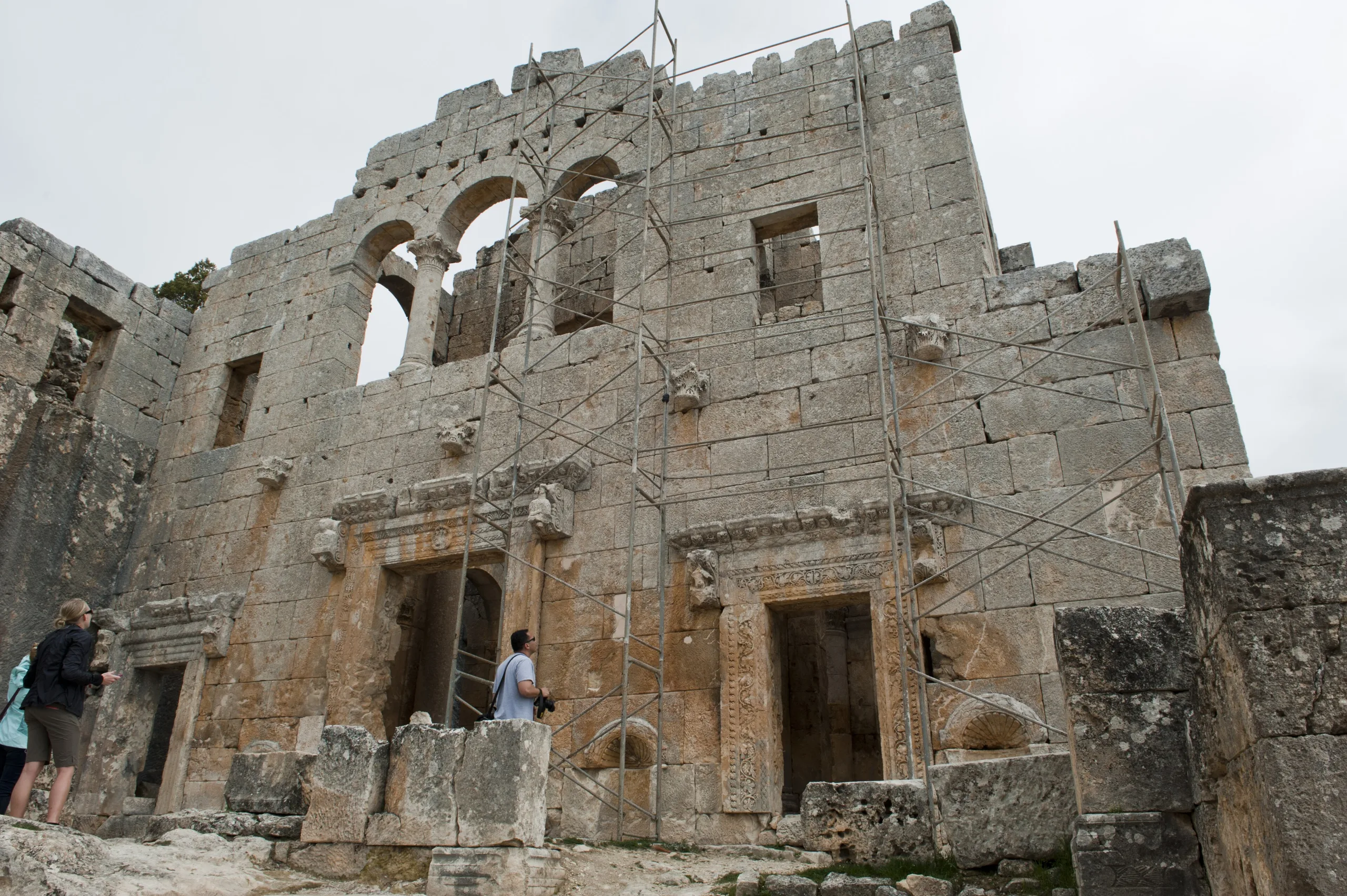
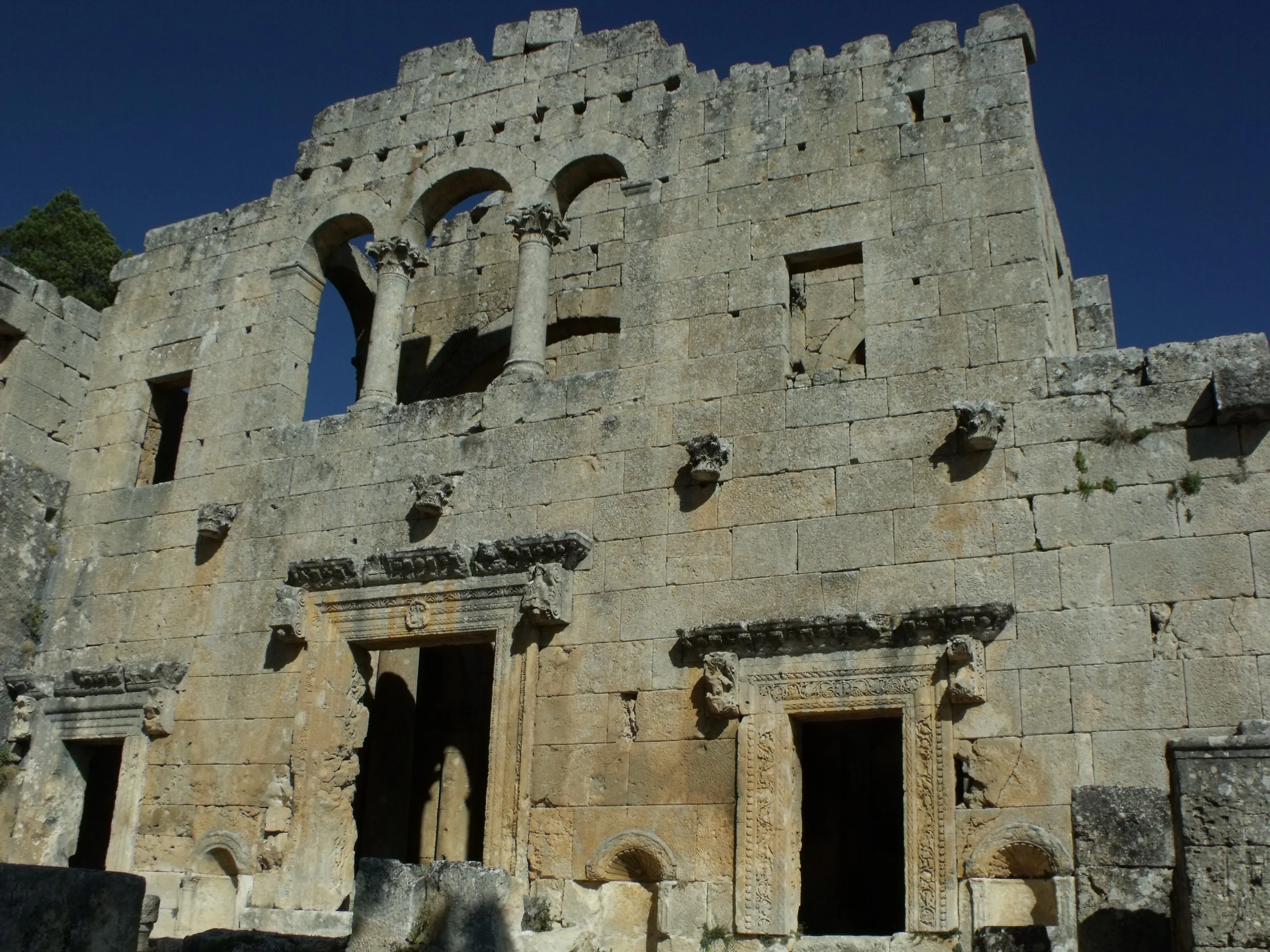
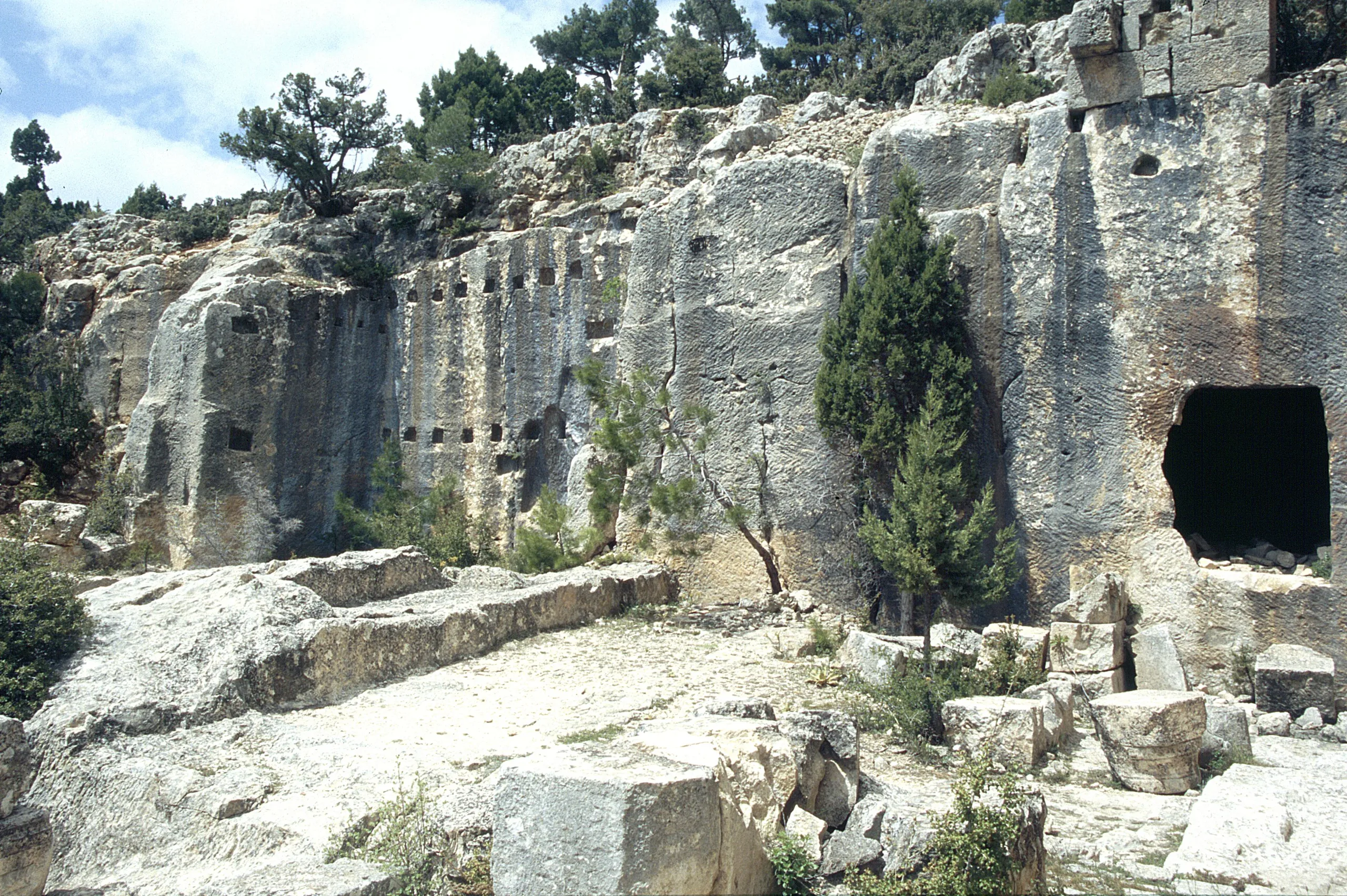
The group consists of a Western Church, a monastic block, an Eastern Church, monks' cells hewn into the rock and tombs nearby. Its setting on the Taurus slopes, together with two richly decorated churches, a baptistery, a colonnaded walkway, rock-cut graves, water sources, baths and living quarters, makes Alahan a key example of early Christian art and Byzantine building. The churches share architectural traits with Hagia Sophia.
Western Church and stone carving
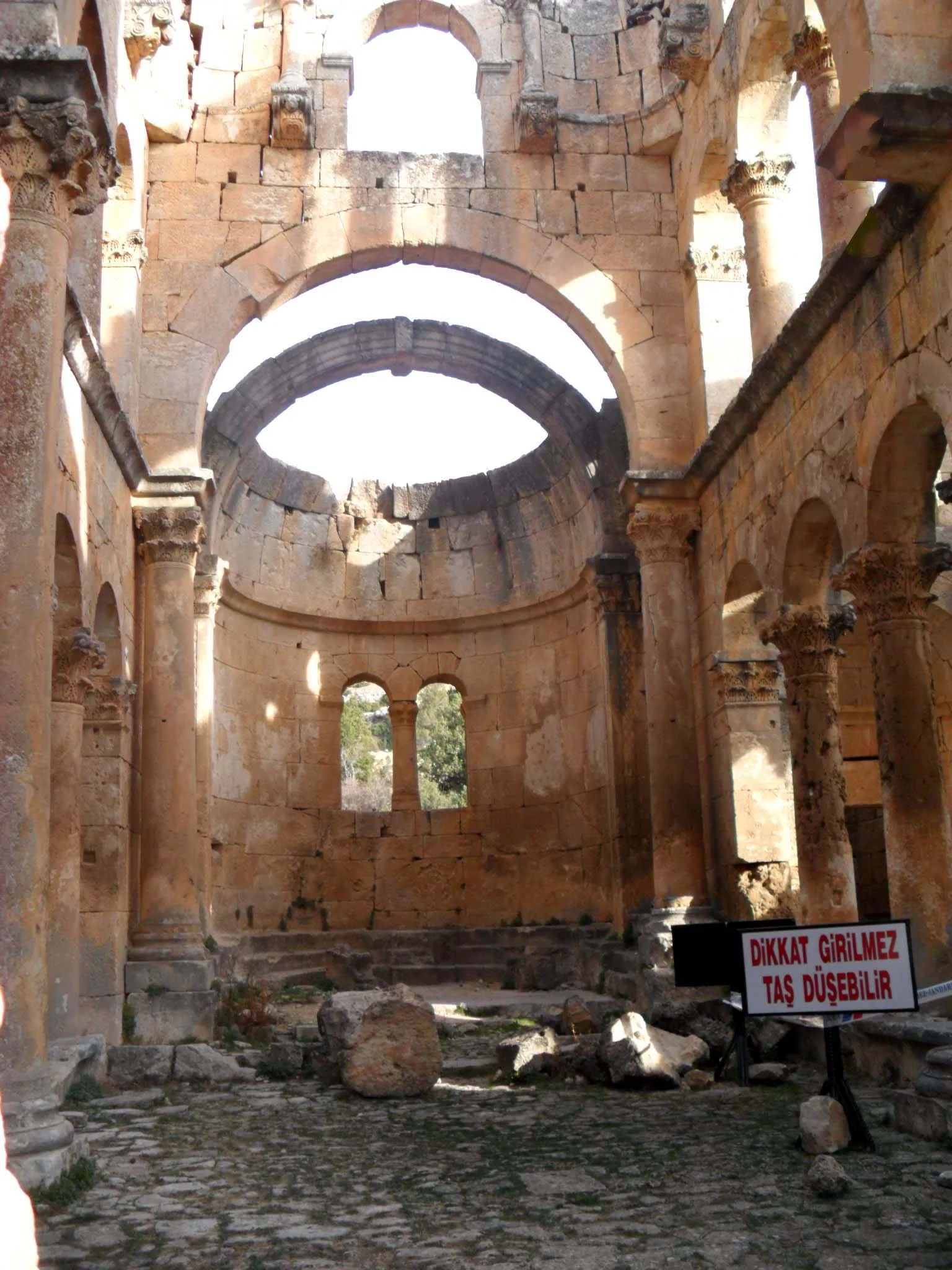
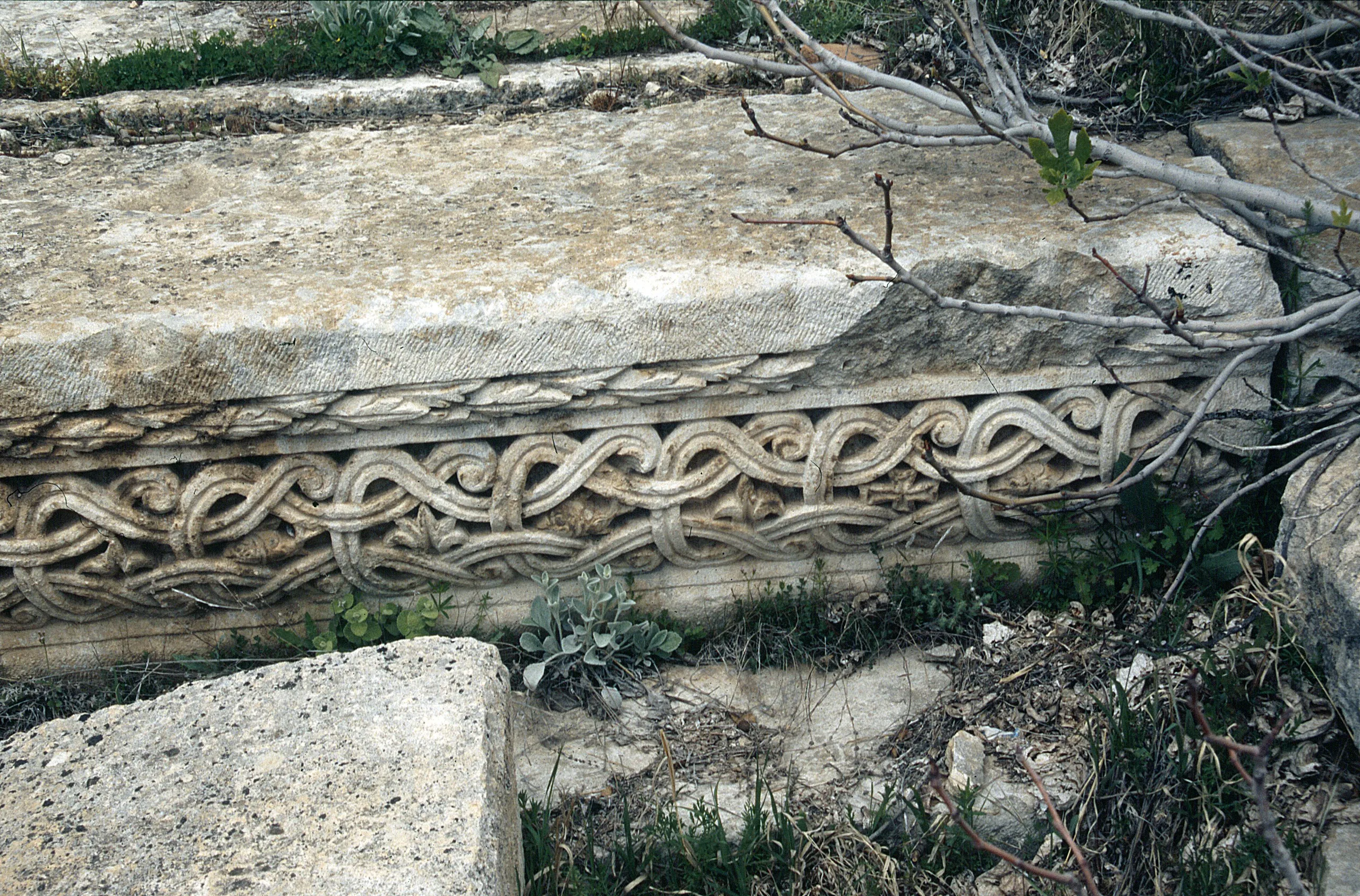
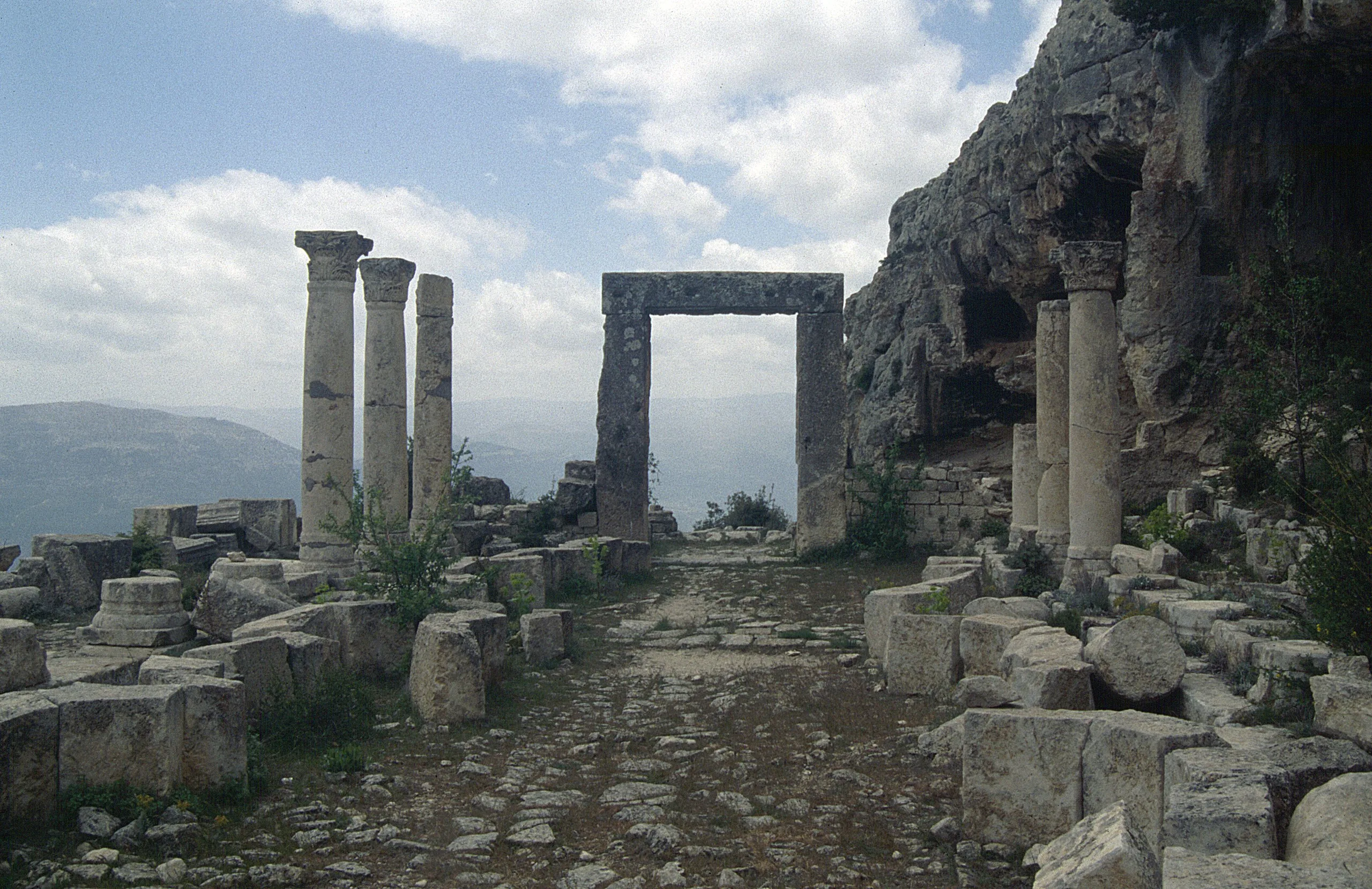
Two rows of Corinthian columns split the first church into three aisles. The lintel and side posts of the doorway leading from the narthex, the entrance hall, into the main space bear reliefs. Skilled stone carving renders a six-winged Gabriel, St Paul and St Peter, Michael trampling symbolic beasts, a roaring lion, eagle and ox, the Gospel writers, grape clusters, vine leaves and fish.
Gallery, baptistery and tombs
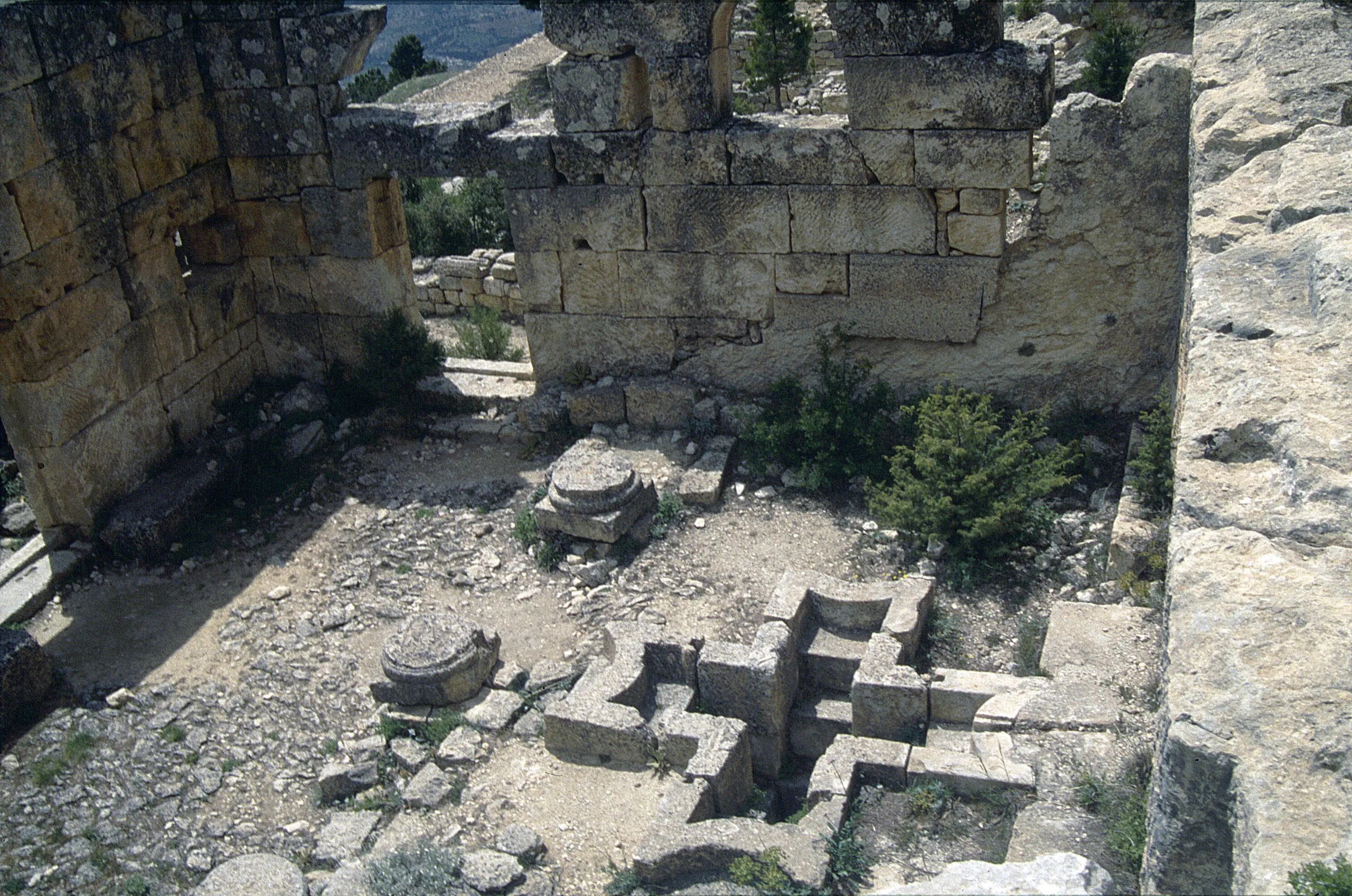
South of the broad courtyard east of the churches stretches an arched, colonnaded gallery 11 metres long, where religious ceremonies were held. Within it are an apsed baptistery and the tombs, regarded as the most striking part of the monastery. The north wall of the tombs is cut from the living rock, and they are open to the sky. At the middle of the main nave rises a square tower closed by four arches on piers and columns, becoming octagonal higher up. A large three-aisled basilica and a narthex are also found here, and the basilica's apse holds a synthronon, a bench for the clergy.
Eastern Church
The Eastern Church at the far end of the complex, also known as the Domed Church, is its most important building. It is built of cut stone and decorated with reliefs.
Excavations
Michael Gough directed nine seasons of excavation at Alahan between 1952 and 1968, supported by the British Institute at Ankara. The team surveyed the site, put forward identities and functions for the buildings, and thoroughly cleaned and restored the Koca Kilise.
UNESCO
Alahan Monastery is proposed as a World Heritage site and has been on UNESCO's Tentative List since 2000.
Gallery
Frequently asked questions
Where is the Alahan Monastery?
When was Alahan built?
What does the complex consist of?
Why is Alahan significant?
Who excavated Alahan?
Is Alahan on a UNESCO list?
Sources (13)
- Alahan Manastırı / Alahan Monastery (TR ve EN sayfalar) — T.C. Kültür ve Turizm Bakanlığı, Müzeler ve Ören Yerleri
- Alahan Manastırı - Mersin (kaynak: Mersin İl Kültür ve Turizm Müdürlüğü) — T.C. Kültür ve Turizm Bakanlığı, Türkiye Kültür Portalı
- Alahan Monastery Excavations (PRJ9) - Summary — British Institute at Ankara (BIAA)
- Alahan (Pleiades place 648553) — Pleiades
Photo credits
- Photo: U.S. Air Force photo by Senior Airman Daniel Phelps, Public domain — Wikimedia Commons (resized)
- Photo: Nedim Ardoğa, CC BY-SA 3.0 — Wikimedia Commons (resized)
- Photo: nurettingülay(from T…, CC BY-SA 3.0 — Wikimedia Commons (resized)
- Photo: Ziegler175, CC BY-SA 3.0 — Wikimedia Commons (resized)
- Photo: Ziegler175, CC BY-SA 3.0 — Wikimedia Commons (resized)
- Photo: Ziegler175, CC BY-SA 3.0 — Wikimedia Commons (resized)
- Photo: Ziegler175, CC BY-SA 3.0 — Wikimedia Commons (resized)
- Photo: Ziegler175, CC BY-SA 3.0 — Wikimedia Commons (resized)
- Photo: Ziegler175, CC BY-SA 3.0 — Wikimedia Commons (resized)