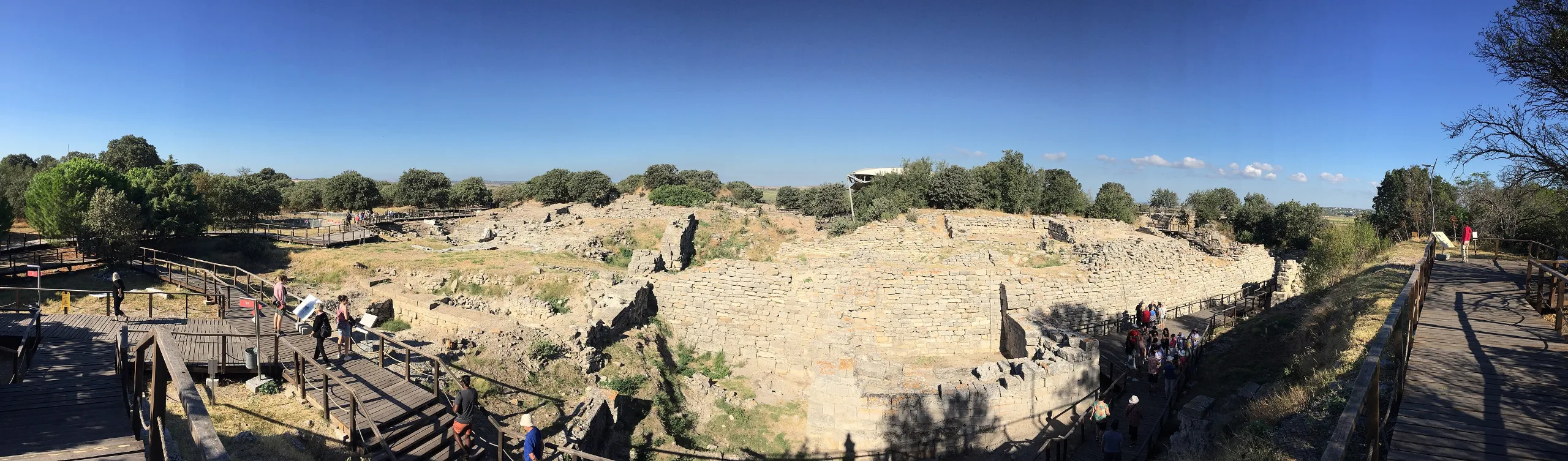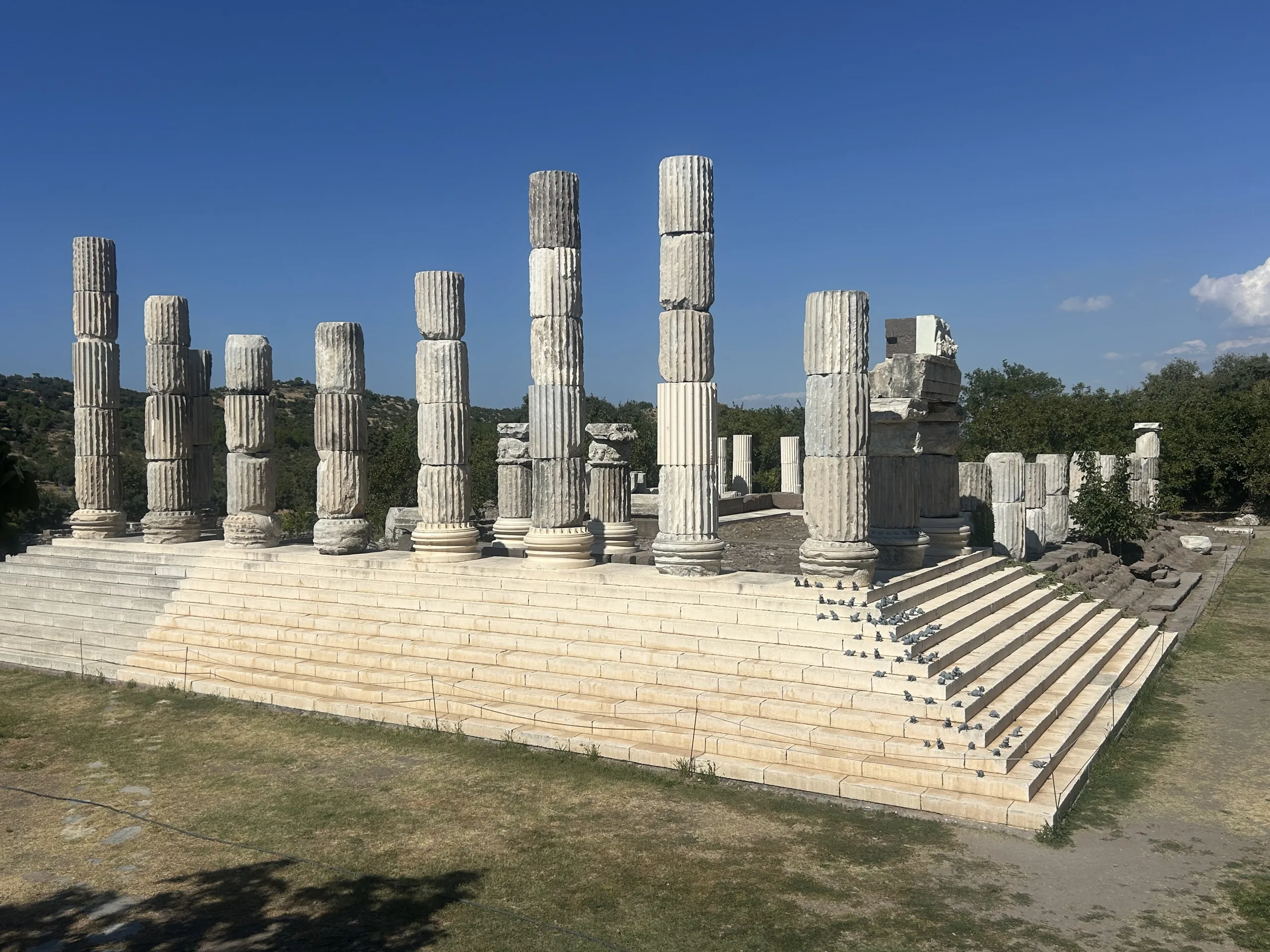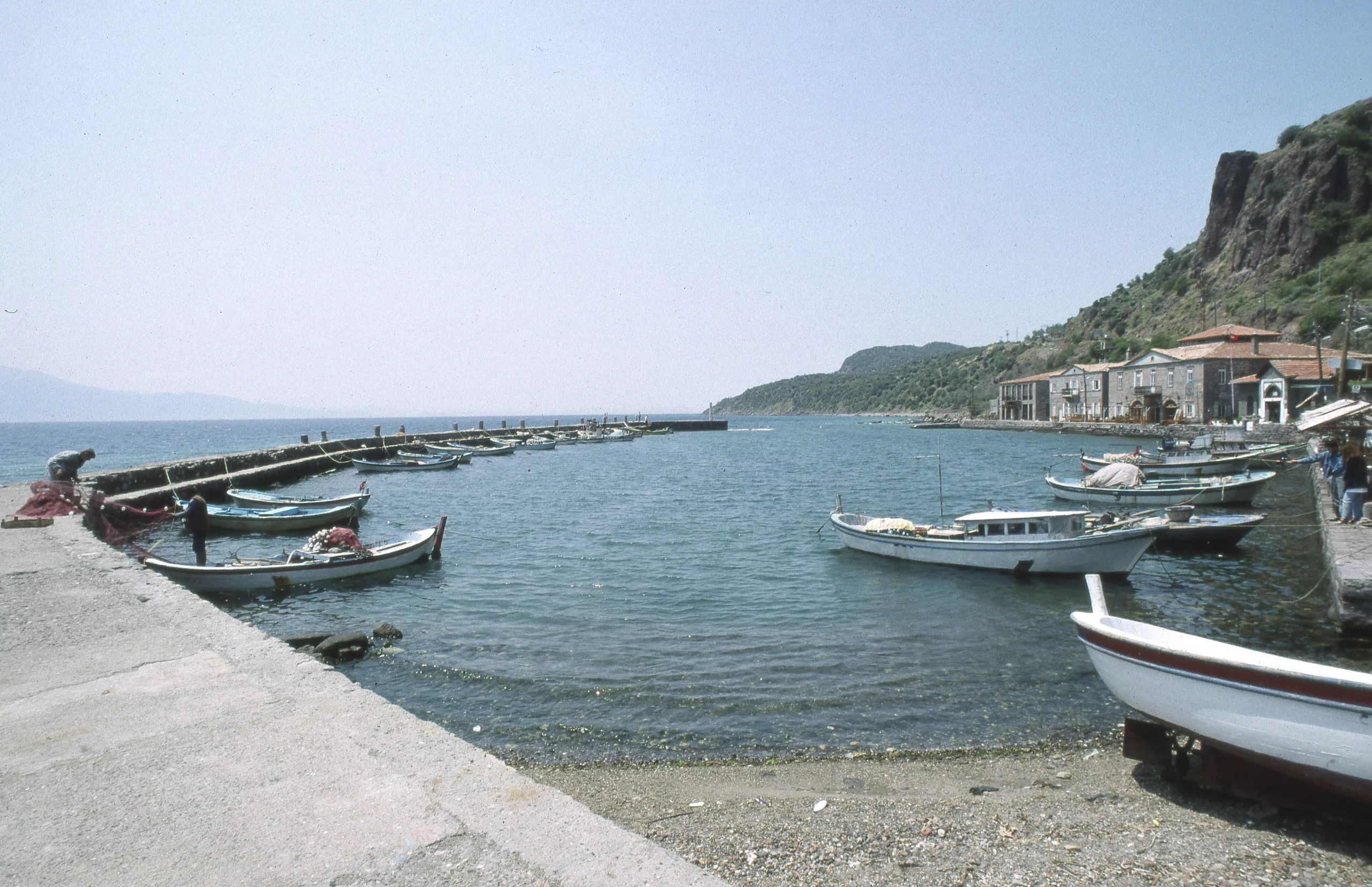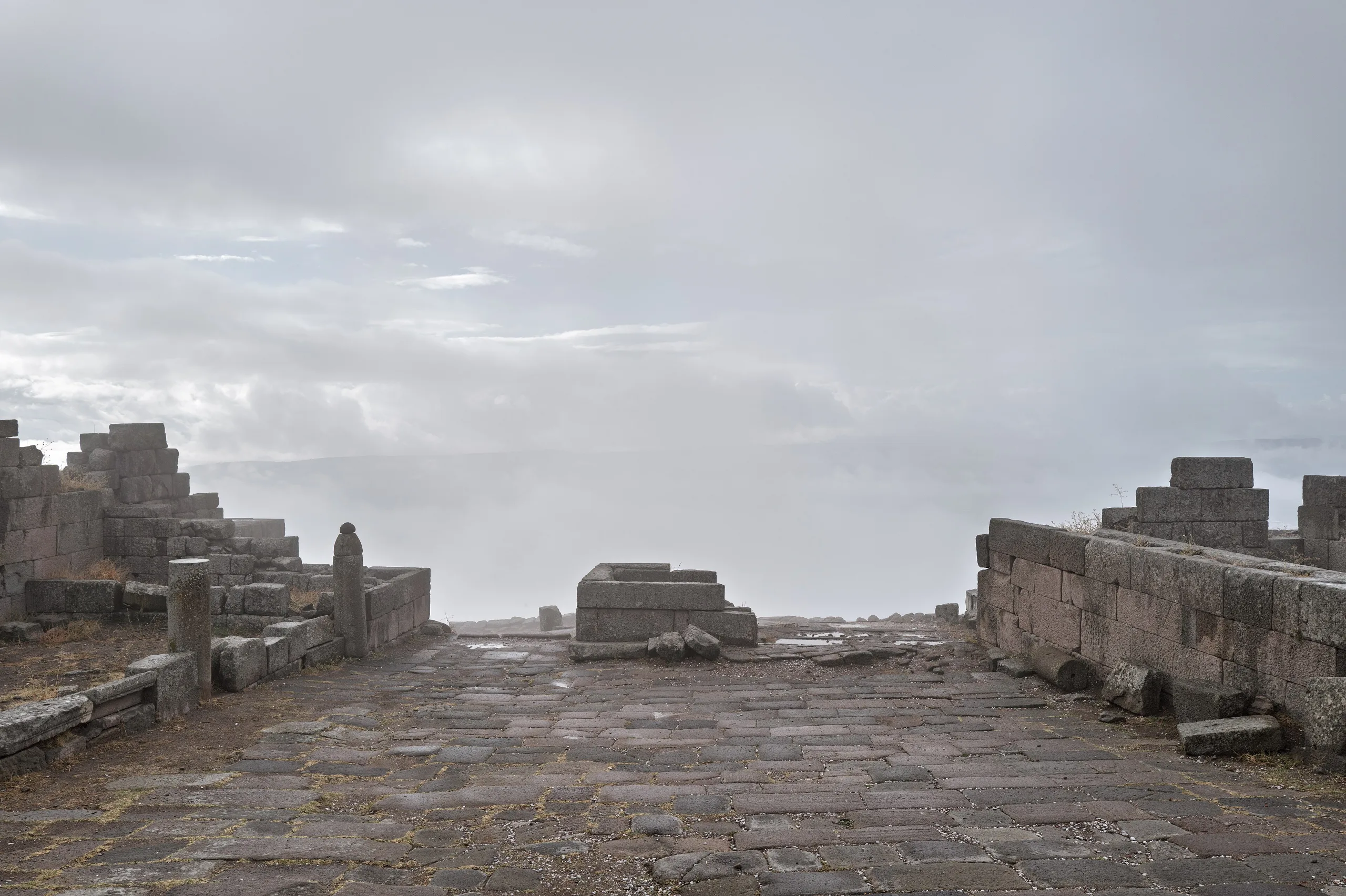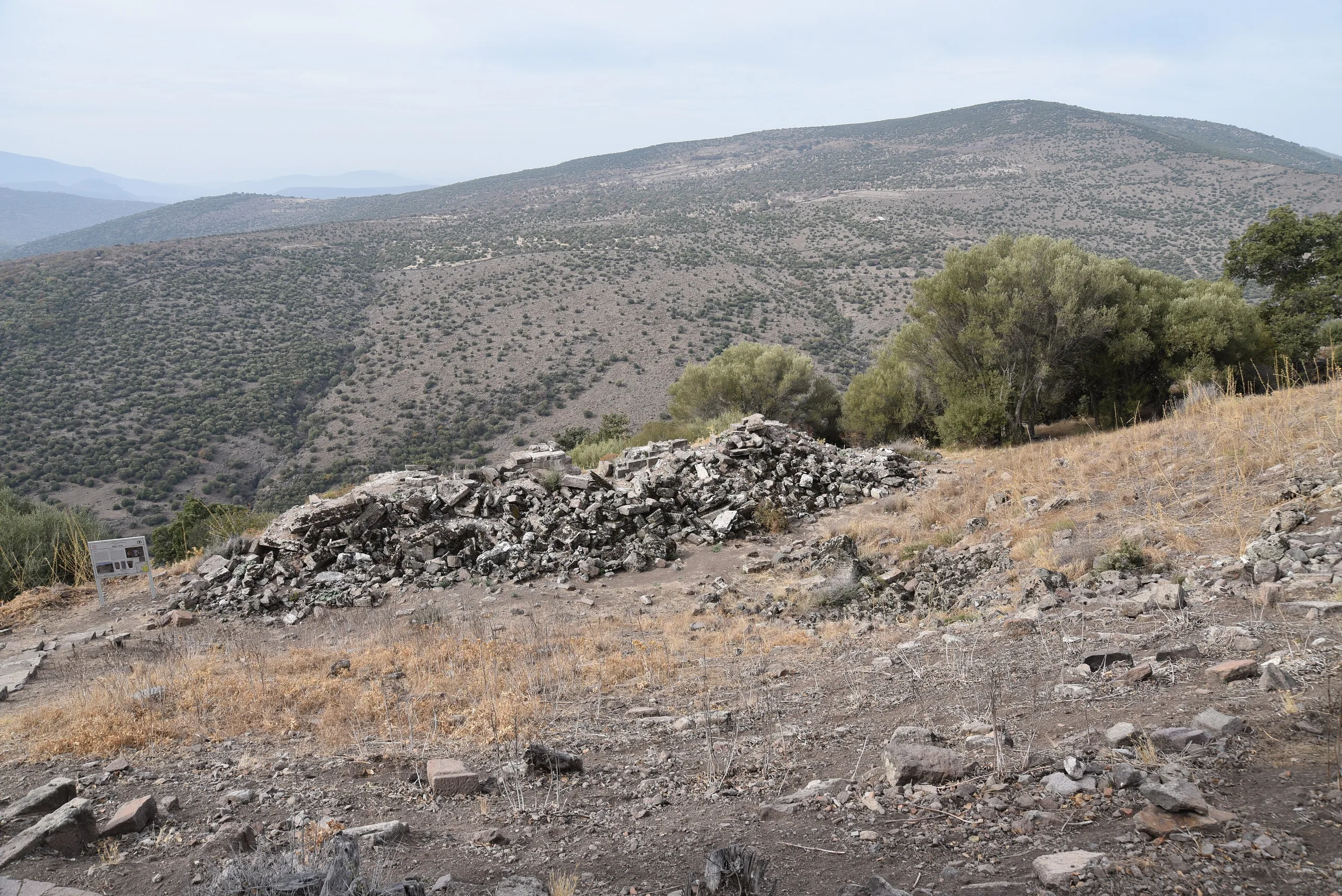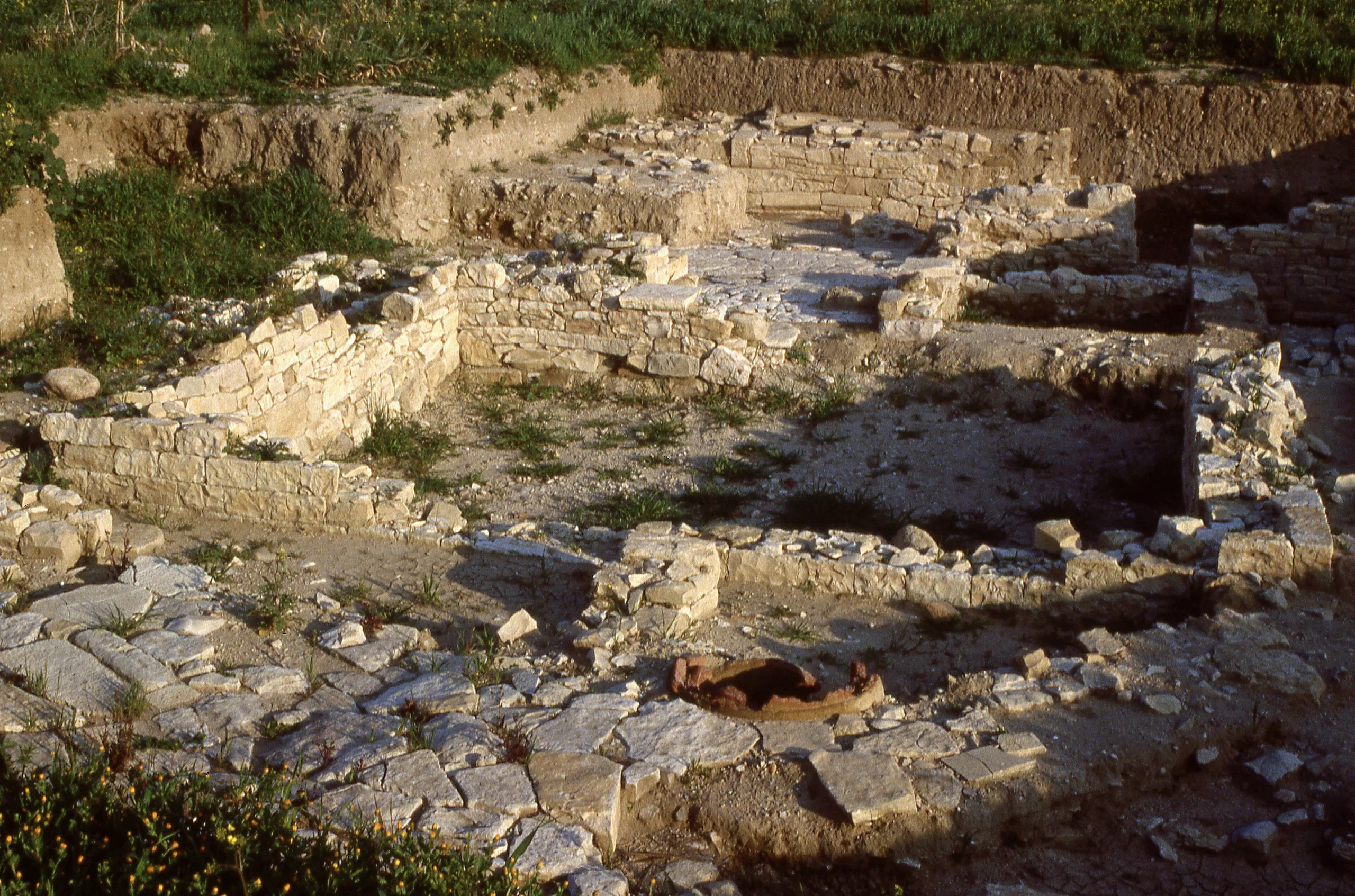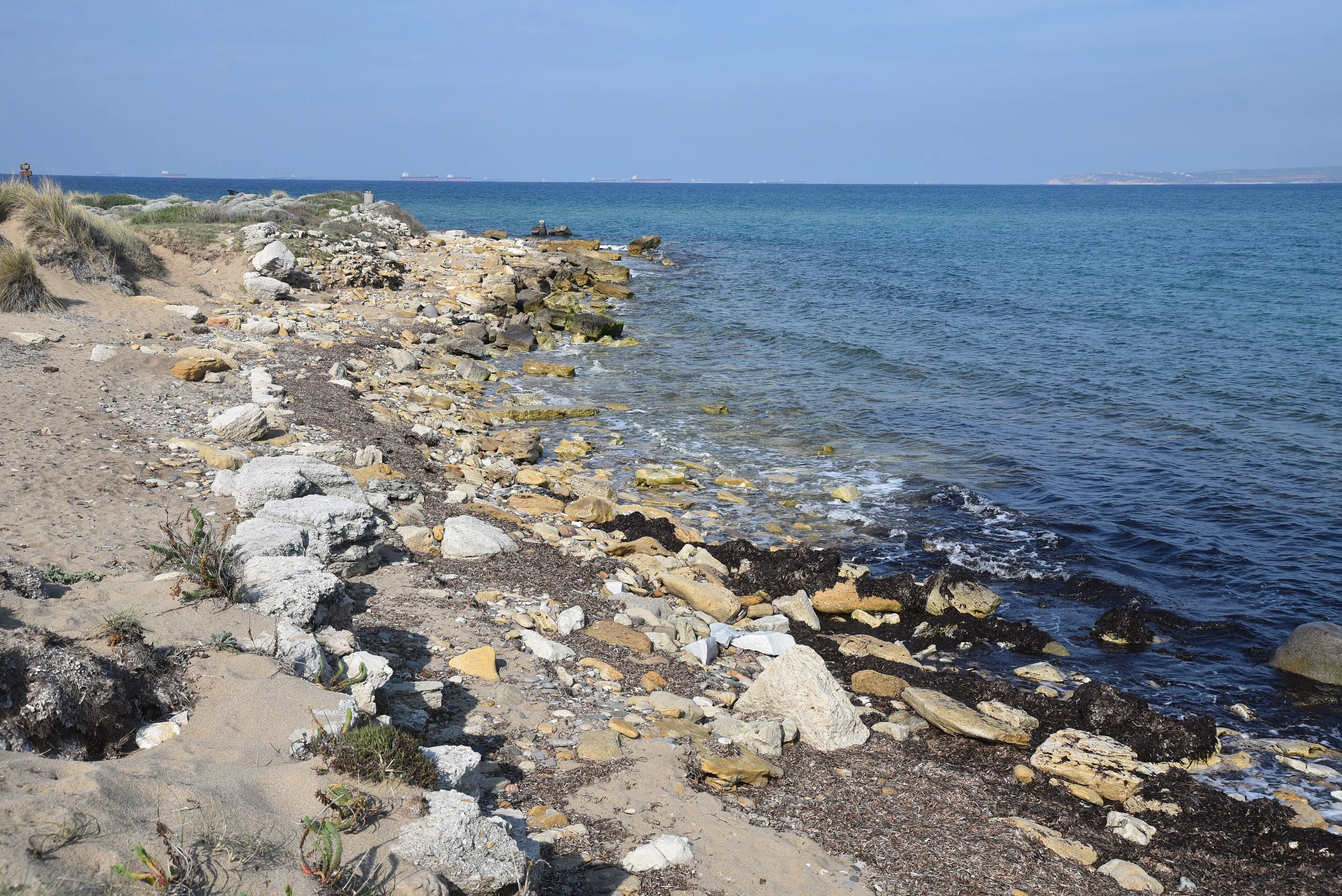
Alexandria Troas is a planned harbour city founded in 310 BCE near Dalyan village in Ezine, covering 390 hectares and known for the Herodes Atticus bath and gymnasium.
Alexandria Troas is an ancient city located in Turkey, Canakkale. Main periods: Roman Period.
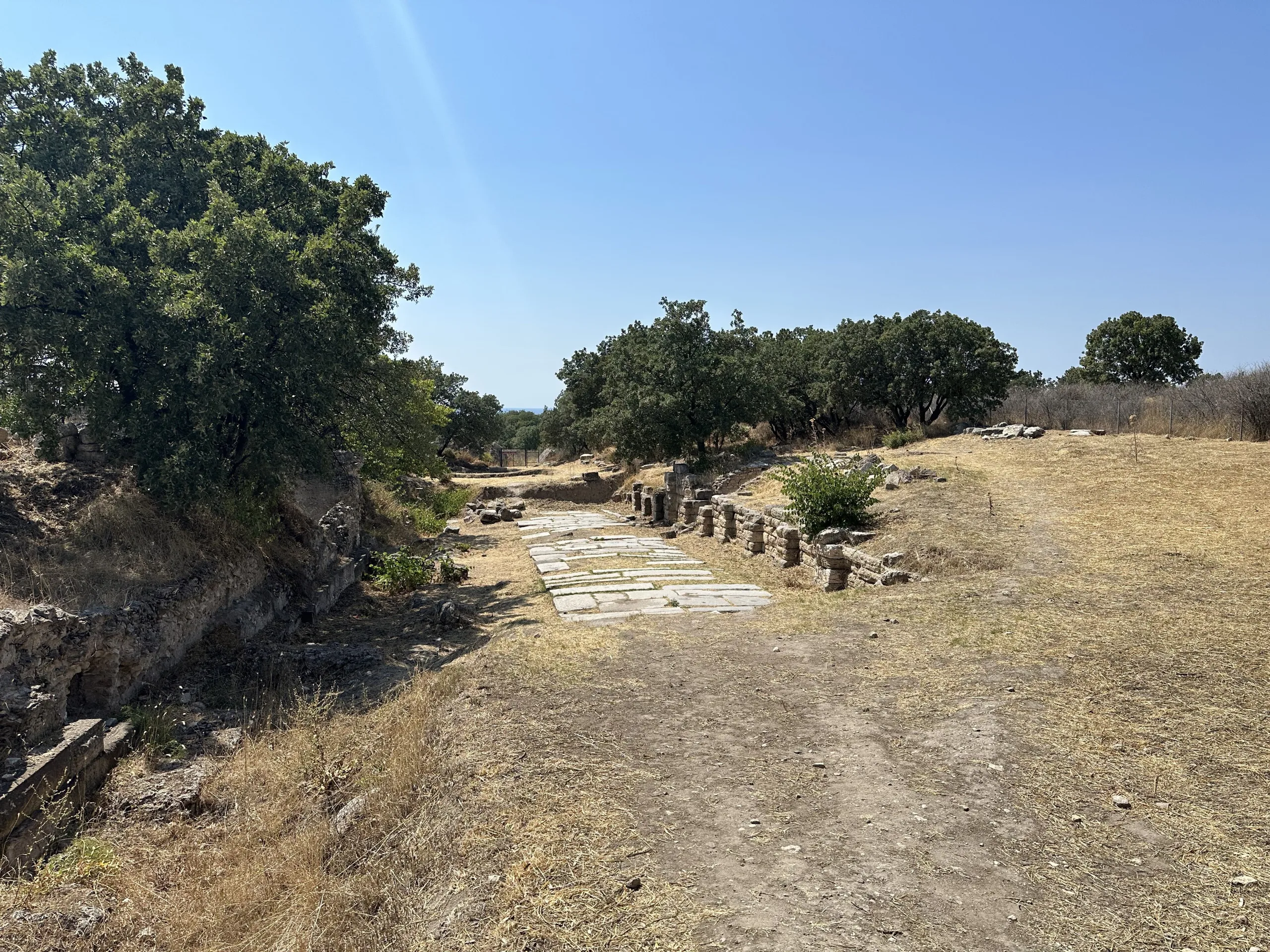
Alexandria Troas lies in the Kestanbolluk locality, inside the borders of Dalyan village in Ezine district, Çanakkale. The ministry pages present an important settlement laid out entirely to a plan; the structures named include temples, a stadium, a theatre, a bath, a fountain, a street paved in stone, a water line and a port. The Culture Portal says village minibuses from Ezine will get you there.
History
According to the ministry page, the city was founded in 310 BCE as Antigoneia by Antigonos Monophthalmos, one of Alexander the Great's commanders, and after Alexander's death Lysimachus renamed it Alexandria Troas, Alexander's city in the Troad. The Culture Portal simply says it was founded in Alexander's name in 310 BCE and glosses the name as Alexander's home in Troas. Pleiades also records Antigoneia and Colonia Augusta Alexandria Troas.
By its plan the city covers 390 hectares and was ringed by walls 8 km long, findings that put it among the largest cities of Anatolia. The Culture Portal describes it as the region's main port for many years, at its height under Rome, with a population of up to 100,000. The same source says Caesar wanted to make it a capital because it linked Europe and Asia, and that Constantine I began some building work before choosing Istanbul.
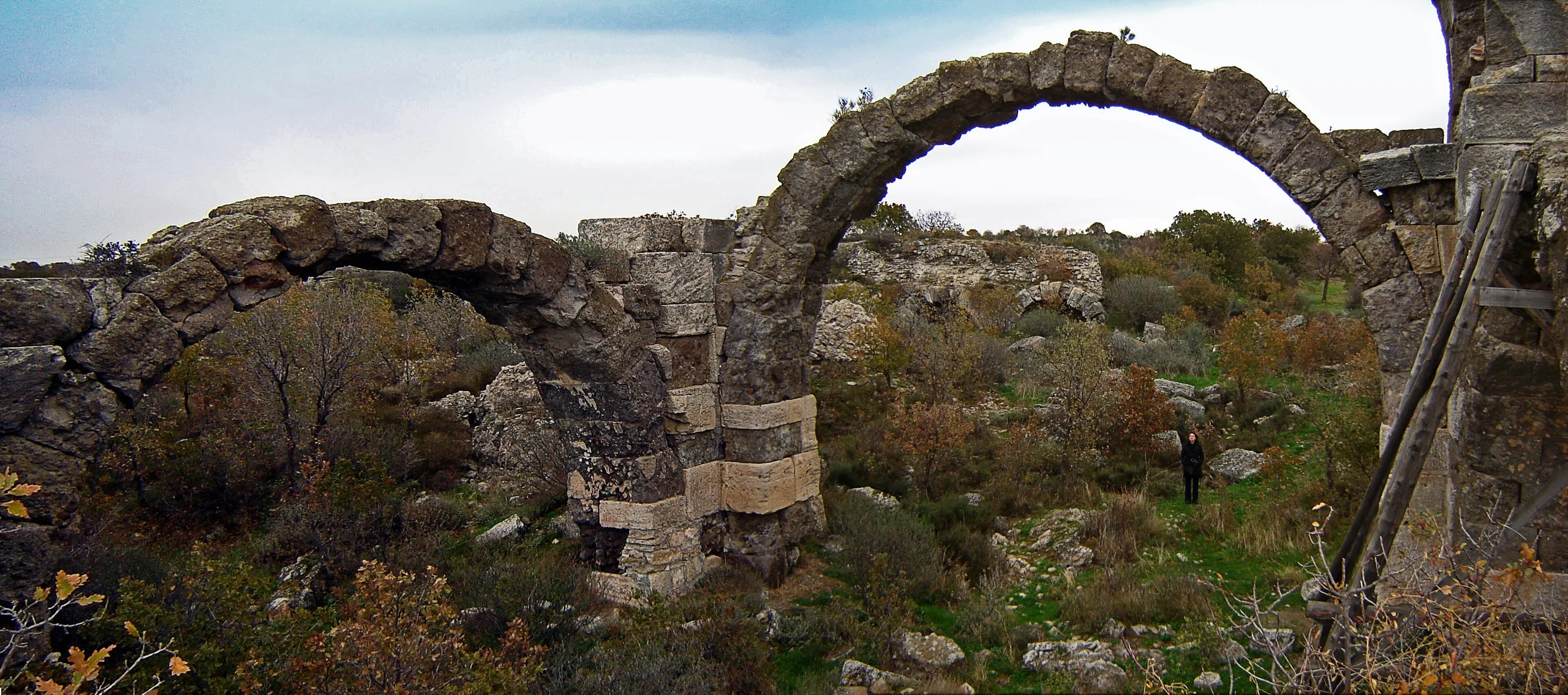
Building activity intensified under Hadrian (117-138 CE). With the backing of Herodes Atticus of Athens, an aqueduct from Mount Kaz and a great bath were built; the Culture Portal dates the bath and aqueduct to 135 CE.
Main remains
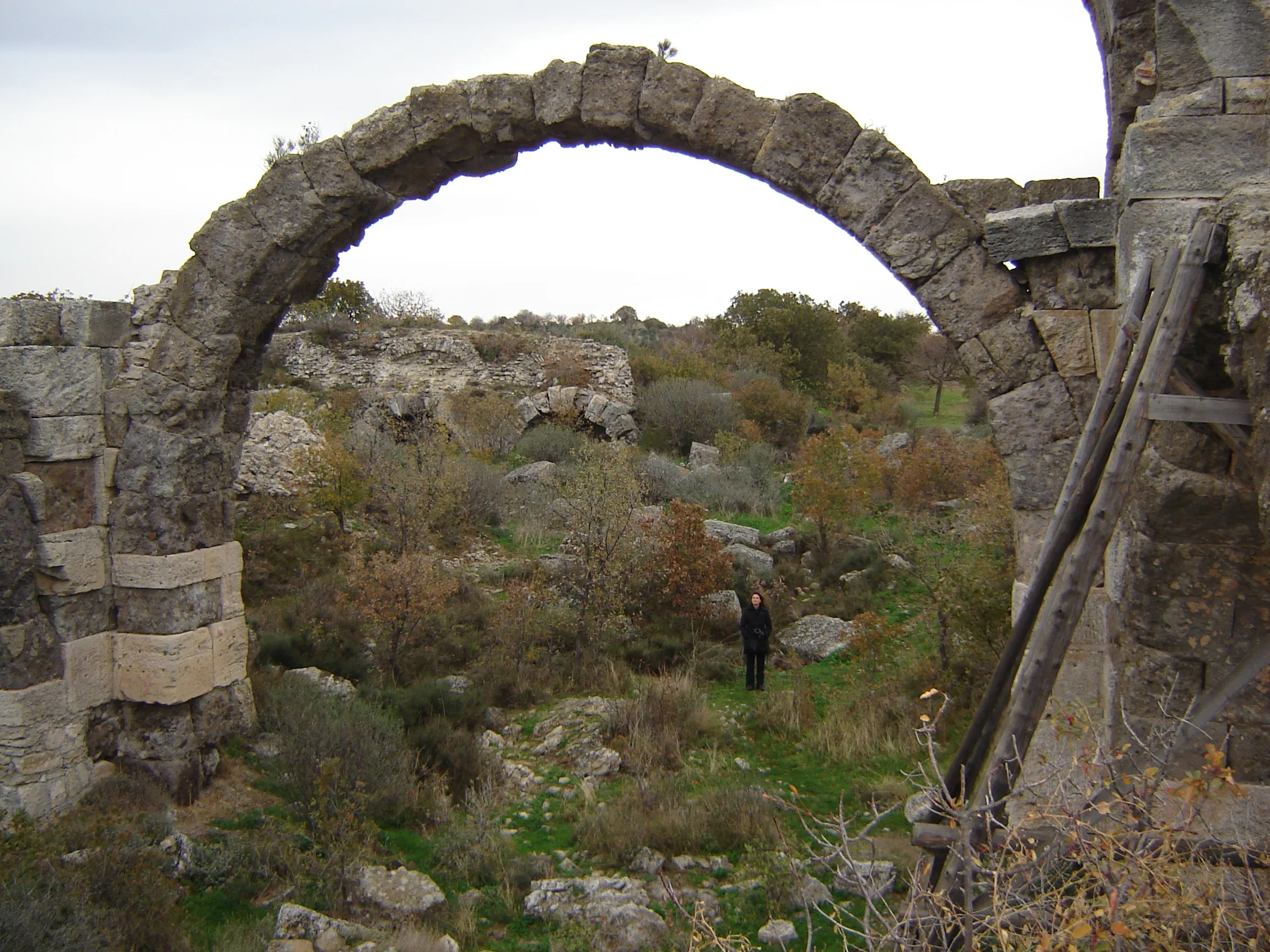
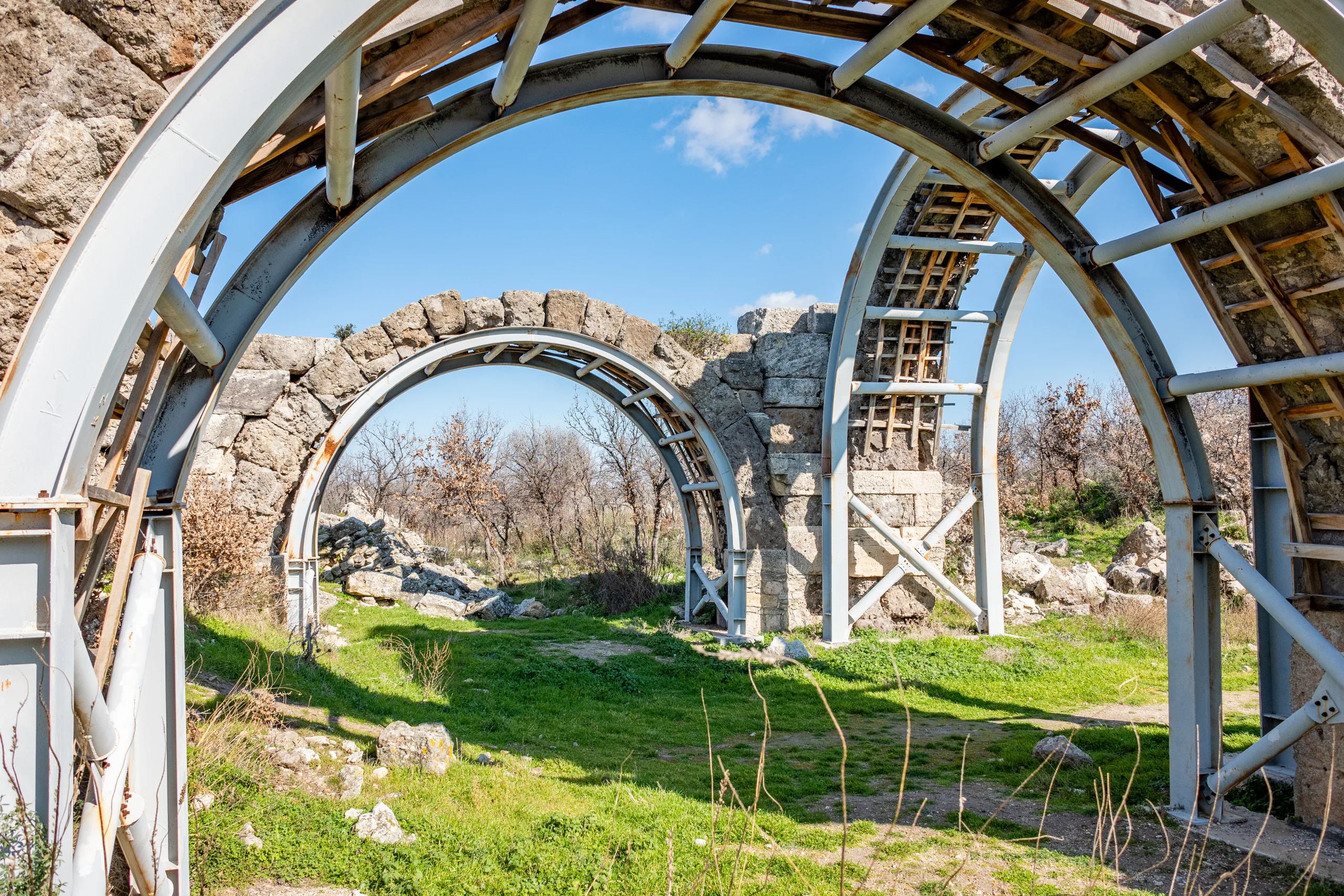
The Herodes Atticus bath measures 123 by 84 m, and the parts visible today are those that survived the earthquake of 1809. Two passages of the Culture Portal call it both the largest bath found in Anatolia and one of the largest Roman baths there. The gymnasium attached on its west side is likewise one of the biggest in Anatolia, and a monumental fountain, the nymphaeum, stands close by.
The theatre occupies the highest point and looks over Neandria on Çığrı Dağı to the east, Lesbos to the south, Tenedos to the west and the Dardanelles to the north. A rectangular building north-west of the theatre has never had its purpose settled. West of the centre, beside the administrative buildings, a temple is still under excavation; relief-carved and coloured marble pieces from it point to the city's wealth and wide trade links.
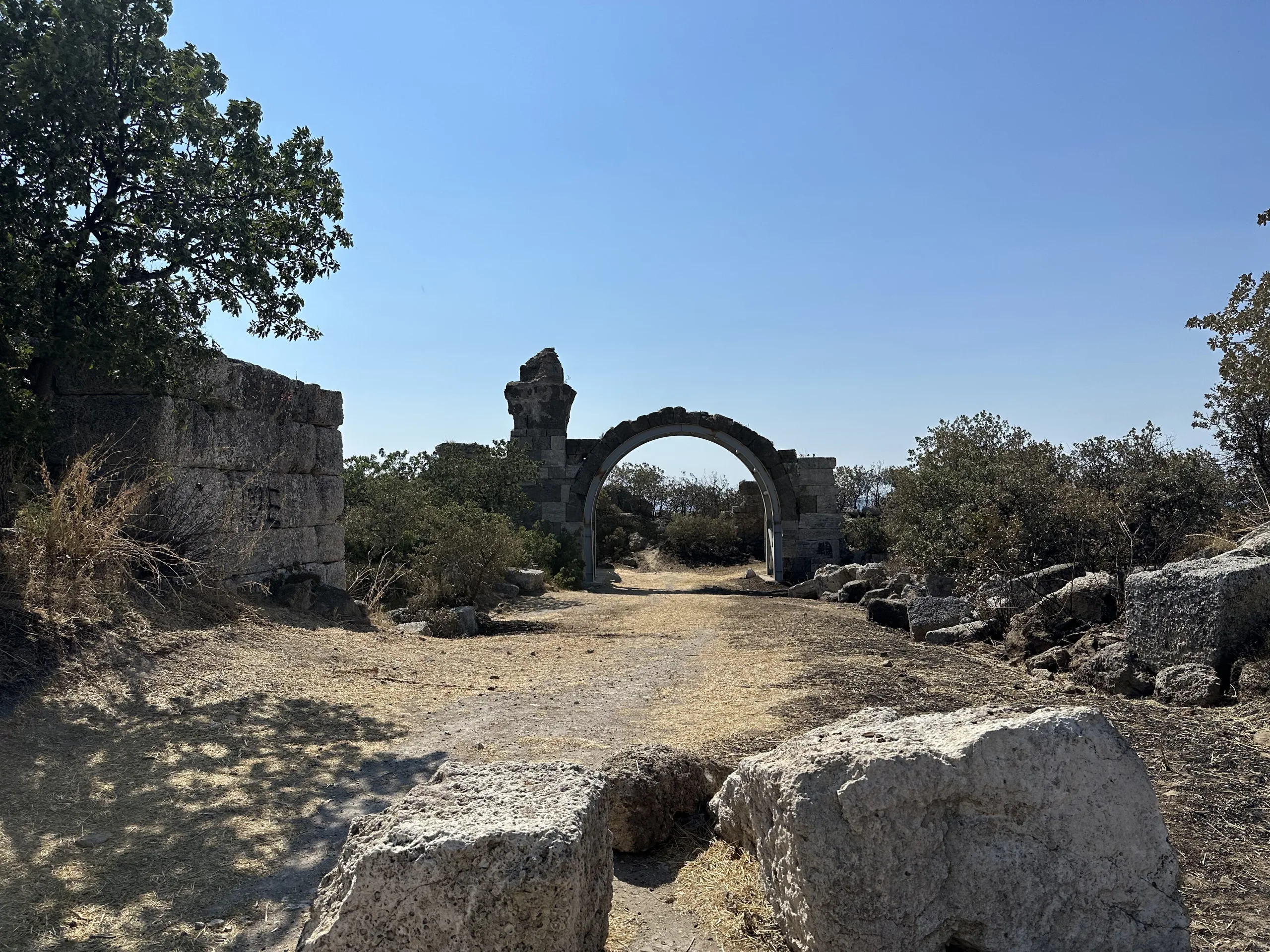
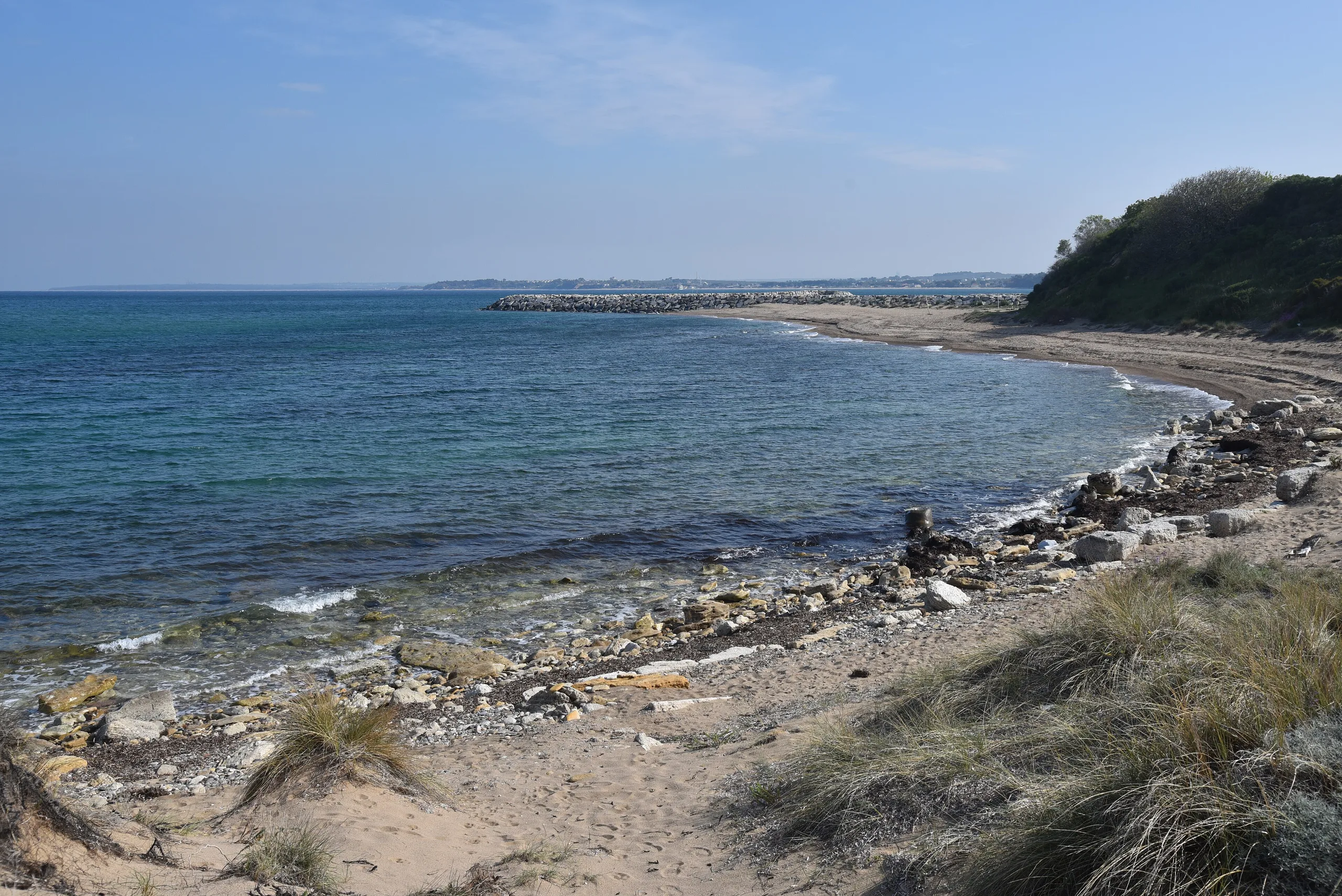
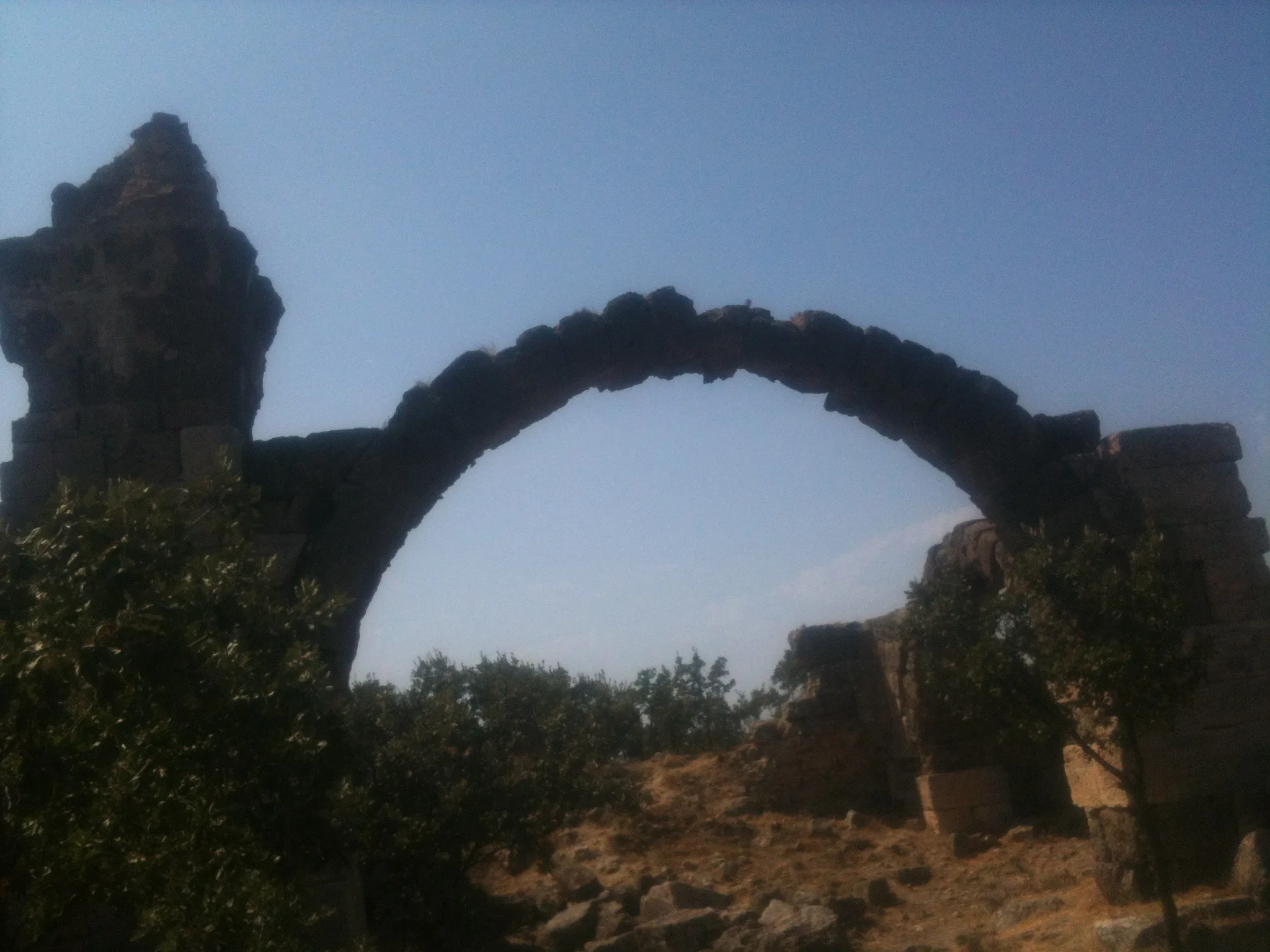
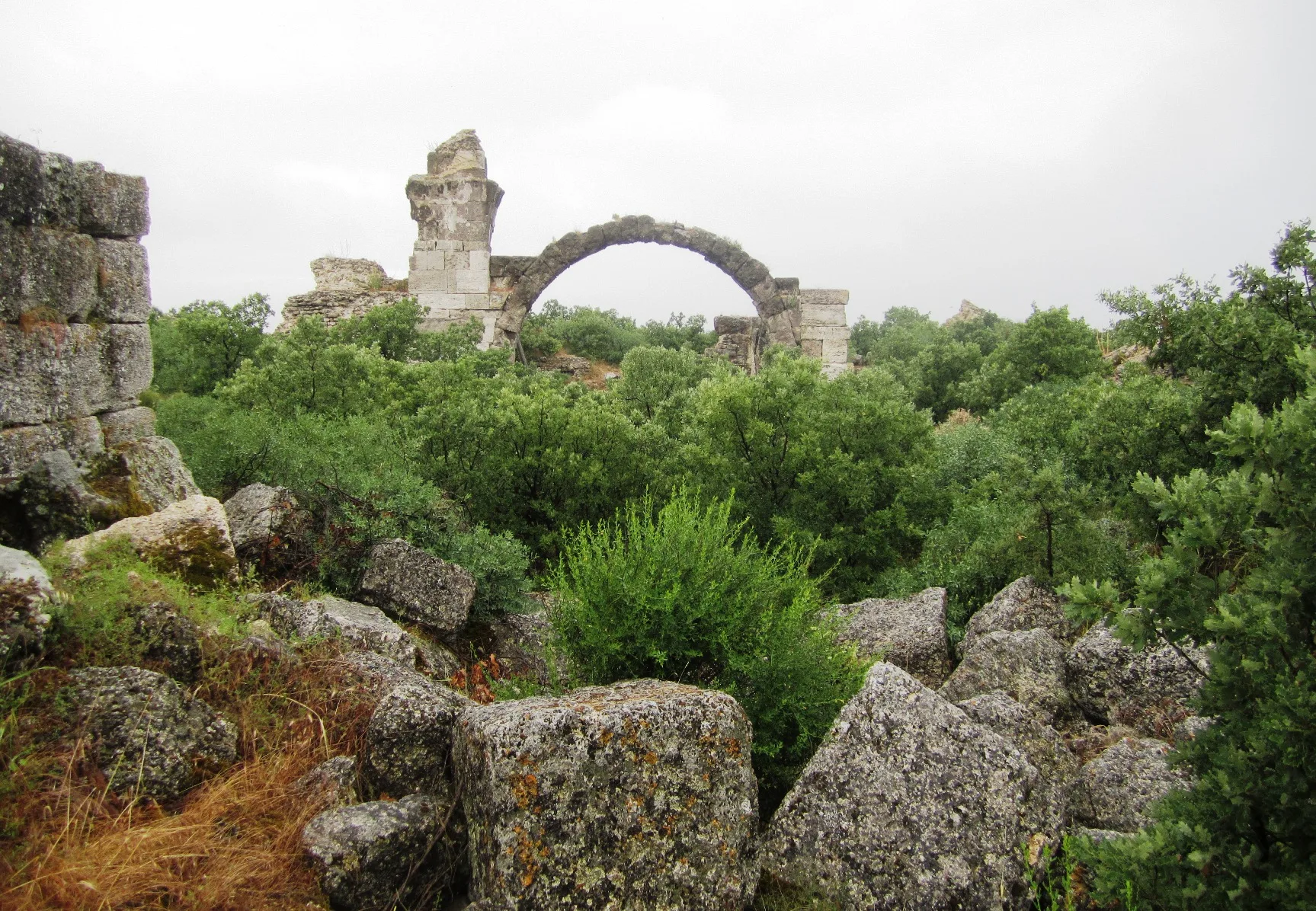
On the east side a water gate with a round inner court and a tower on each flank was built in the early 3rd century BCE and used until the city was abandoned; the court is 20 m across. The now landlocked harbour is described by the Culture Portal as a crossing point for Roman troops during the eastern wars and a place where Roman merchants settled.
Early Christianity
The Culture Portal calls Alexandria Troas an early Christian centre: St Paul stayed seven days in the 50s CE to preach, and he is said to have left from this harbour for Europe.
Excavations
The ministry page states that digging goes on under Prof. Dr. Erhan Öztepe of Ankara University.
Visiting
See the official page for opening hours and fees.
Gallery
Frequently asked questions
Where is Alexandria Troas?
When was it founded?
How large was the city?
When was the Herodes Atticus bath built?
What is the link with St Paul?
Who directs the excavation?
Sources (12)
- Alexandria Troas Örenyeri / Alexandria Troas Archaeological Site (TR ve EN sayfalar) — T.C. Kültür ve Turizm Bakanlığı, Müzeler ve Ören Yerleri
- Aleksandria Troas Antik Kenti - Çanakkale — T.C. Kültür ve Turizm Bakanlığı, Türkiye Kültür Portalı
- Antigoneia/(Col. Augusta) Alexandria Troas (Pleiades place 550434) — Pleiades
Photo credits
- Photo: Carole Raddato, CC BY-SA 2.0 — Wikimedia Commons (resized)
- Photo: Horacio36, CC BY-SA 3.0 — Wikimedia Commons (resized)
- Photo: Raicem, CC BY 4.0 — Wikimedia Commons (resized)
- Photo: Raicem, CC BY 4.0 — Wikimedia Commons (resized)
- Photo: Carole Raddato, CC BY-SA 2.0 — Wikimedia Commons (resized)
- Photo: Horacio36, CC BY-SA 3.0 — Wikimedia Commons (resized)
- Photo: Sonnyhill, CC BY-SA 4.0 — Wikimedia Commons (resized)
- Photo: User:Autokrator, CC BY-SA 3.0 — Wikimedia Commons (resized)
- Photo: Elelicht, CC BY-SA 3.0 — Wikimedia Commons (resized)