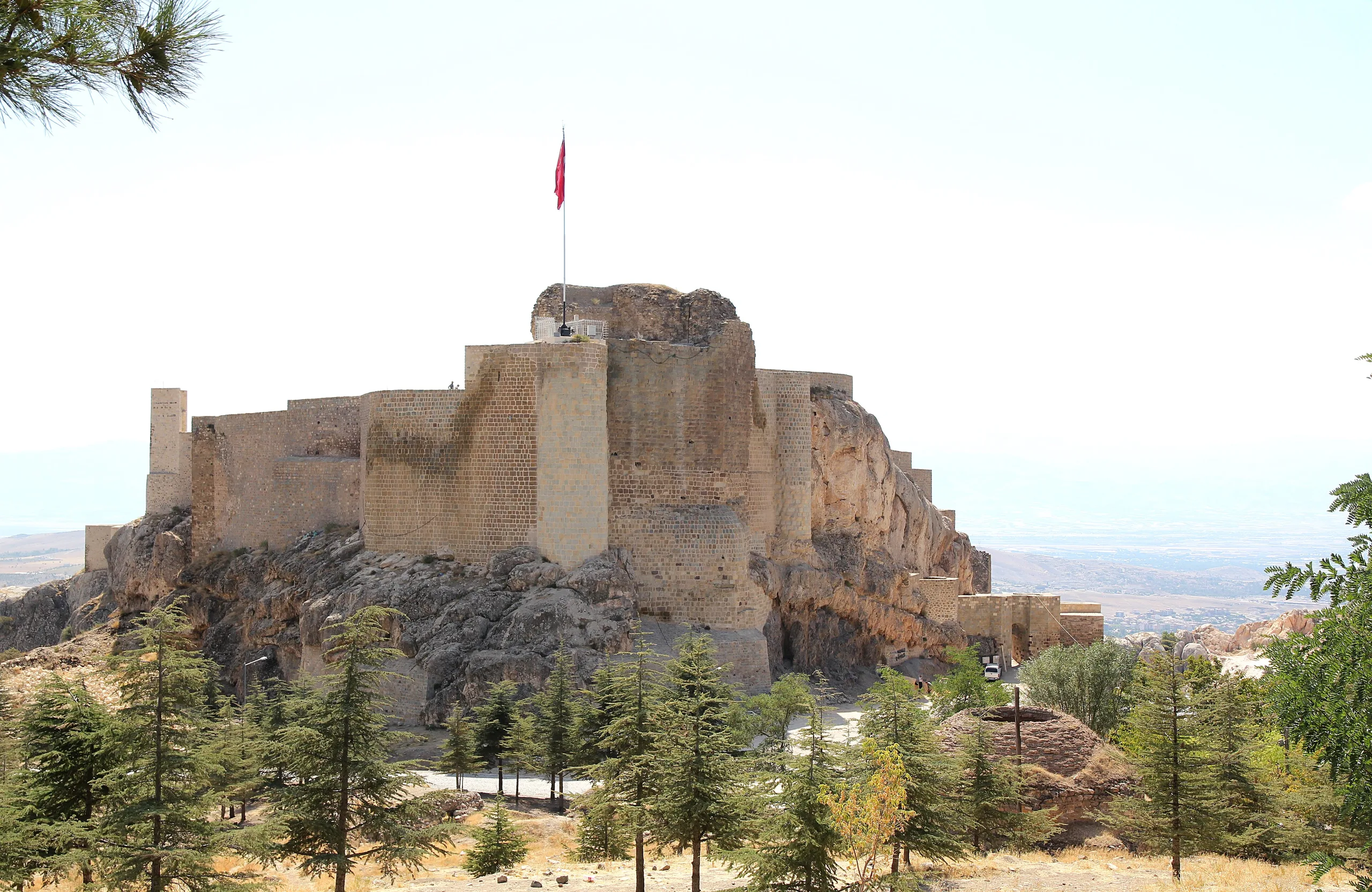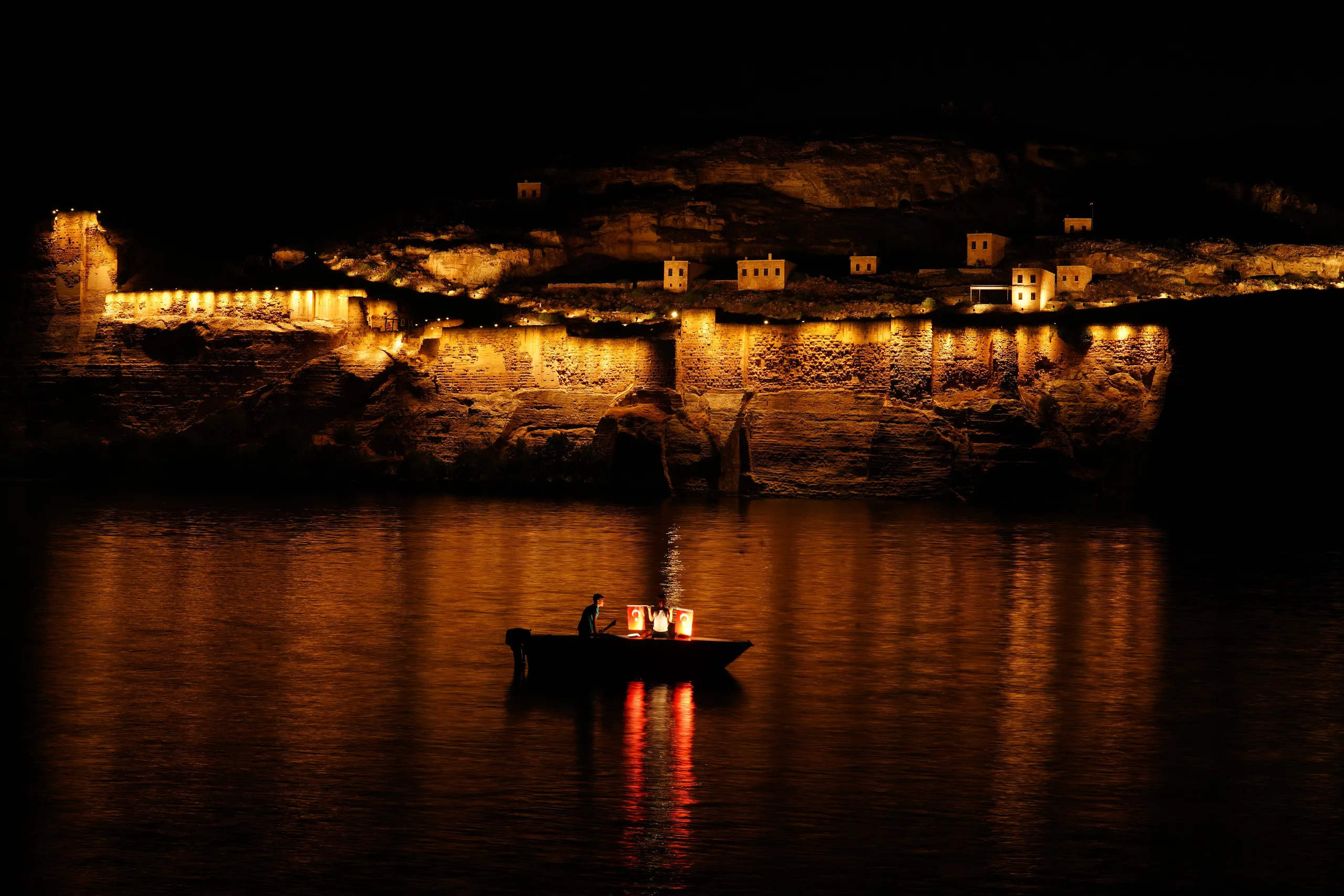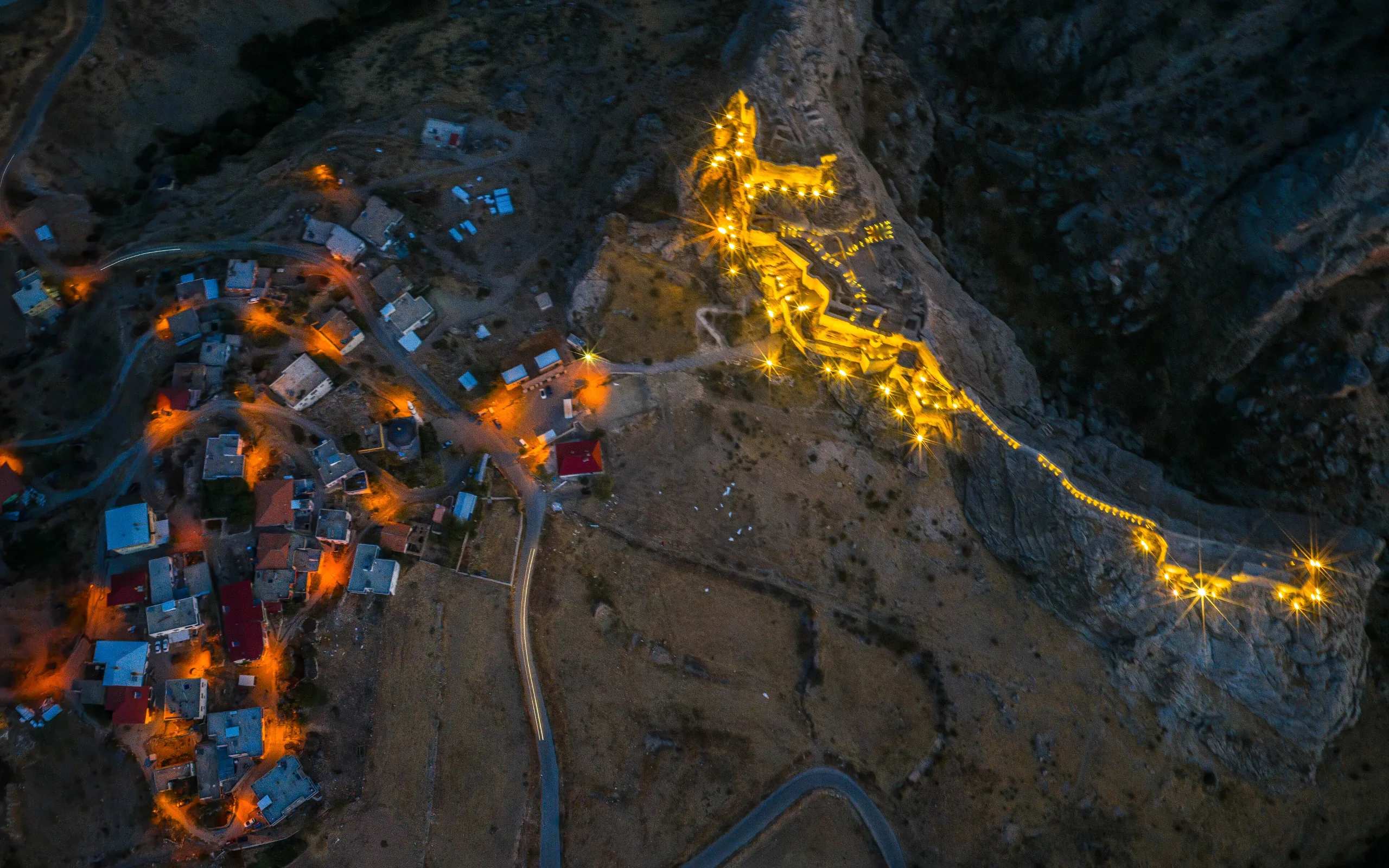
Arsameia on the Nymphaios (Eski Kale) is the summer capital of the Commagene kingdom beside the Kahta stream, known for a long Greek inscription, handshake reliefs and a 158 m rock tunnel.
Arsameia is an ancient city located in Turkey, Adiyaman.
Arsameia, also called Arsameia on the Nymphaios, is an ancient city 26 km from Kahta district in Adıyaman. The ministry presents it as the royal summer seat and seat of government of the Commagene kingdom, which gave the world some remarkable works. The Culture Portal, drawing on the inscriptions of King Antiochos I, says the city was founded in the early 2nd century BCE by Arsames, ancestor of the Commagene kings, east of the Kahta stream and opposite the old Kahta castle.
History and research
Most of the works that survive at the site were commissioned by Antiochos I. The ministry page stresses the Commagene kings' aim of fusing Eastern and Western culture, with Arsameia as a meeting point of Greek and Persian ideals. An article by the German archaeologist F. K. Dörner, held in the TAED archive, tells how the site came to notice: passing Eski Kahta in 1951, he heard of a relief fragment found on the south flank of Eski Kale and then spotted Greek letters on a half-buried rock face on the slope. The text turned out to be a sacred law of Antiochos I about the tomb and cult place of his father Mithridates Kallinikos; the same inscription says the city was founded by Arsames and was given a ring of walls. Dörner adds that the river's ancient name, Nymphaios, also comes from the inscription.
With Turkish government permission Dörner began digging on Eski Kale in 1953, with Theresa Goell taking part as architect. The team first cleared the great five-column rock inscription and found, 2.40 m from it and lying face down, a relief slab 3.30 m high showing a greeting between Herakles and a king raised to divine rank.
Main features
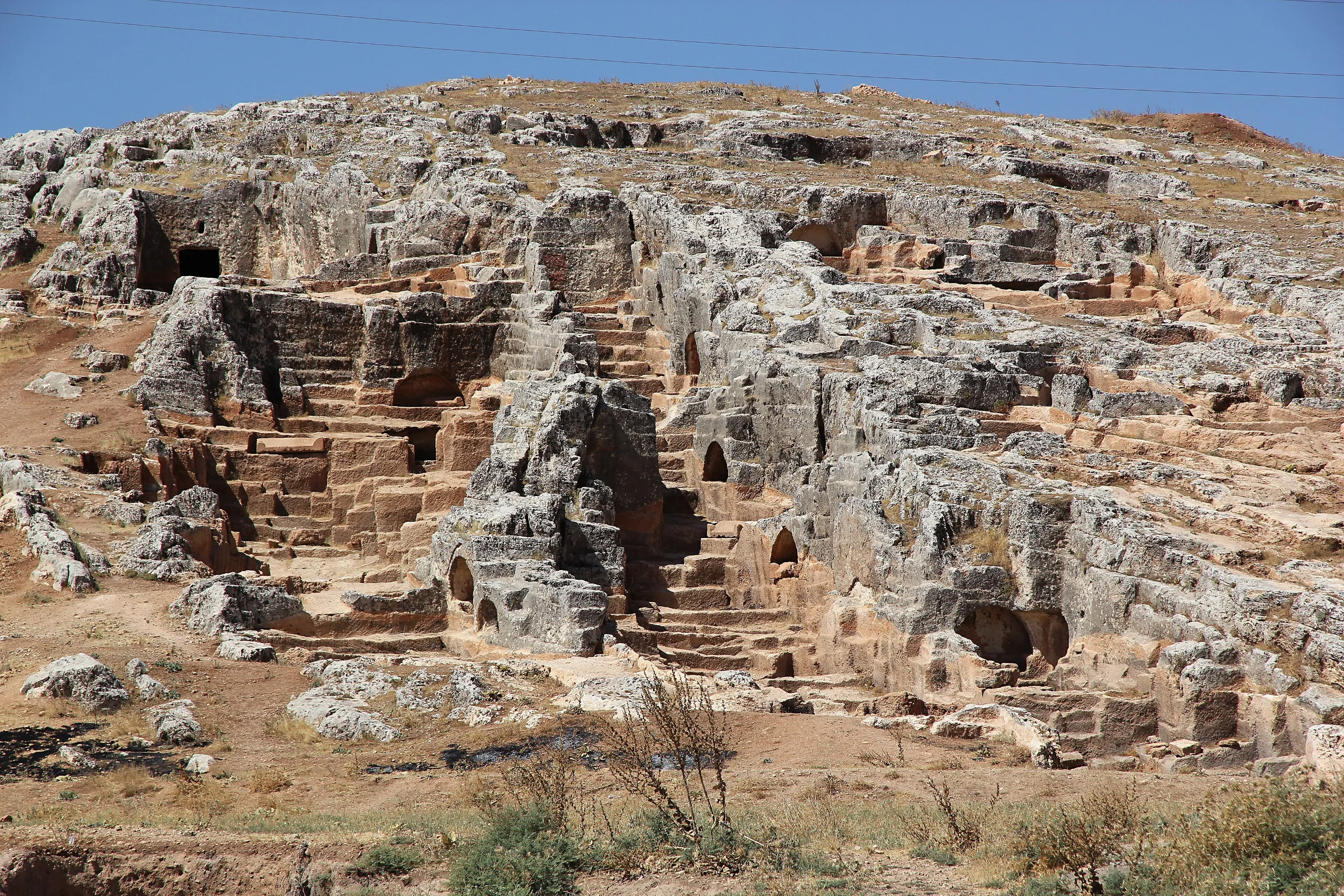
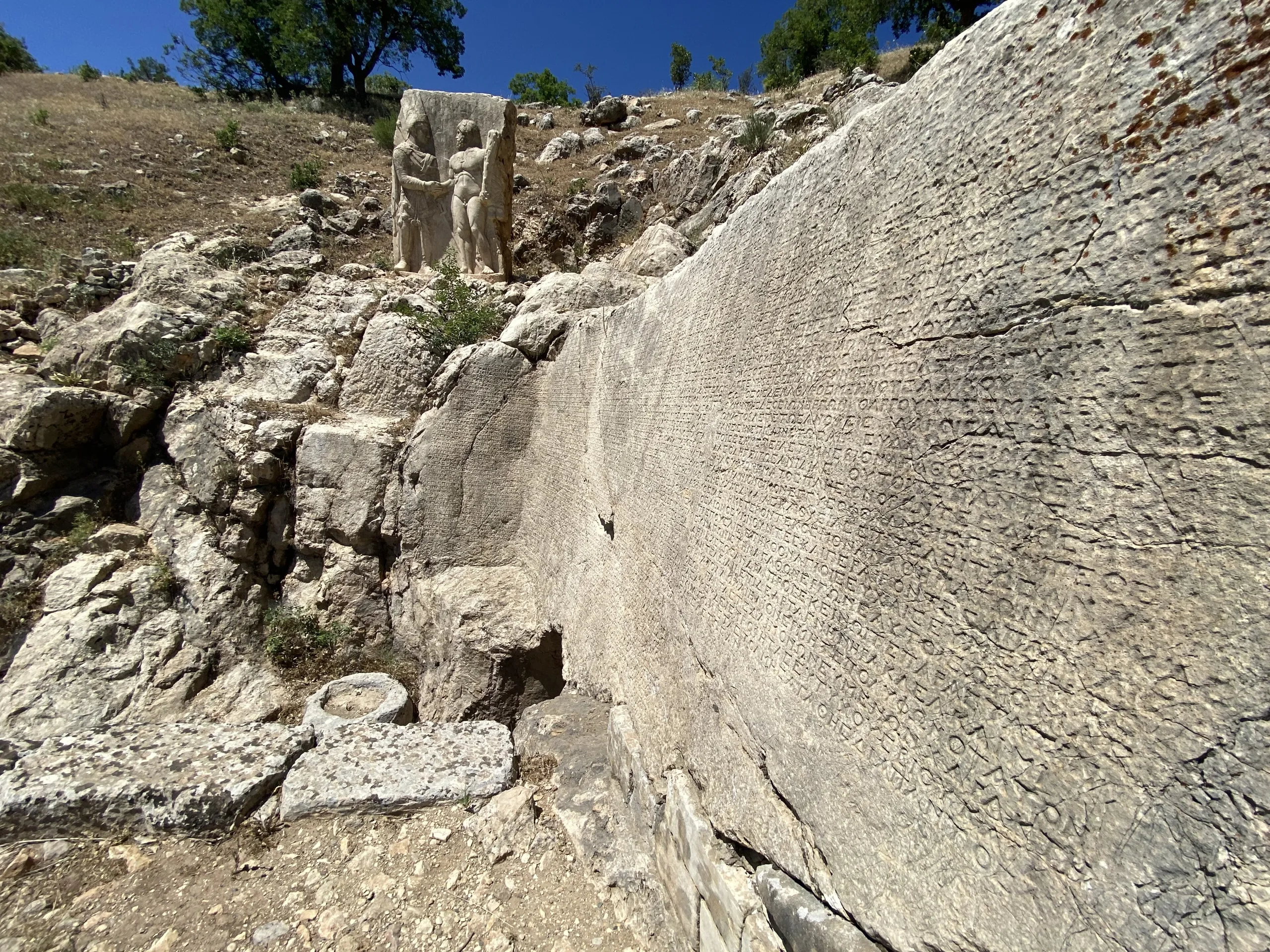
Both the ministry and the Culture Portal say the longest Greek inscription found in Anatolia from its period stands at Arsameia. It covers the founding of the city, the building work of Antiochos I, the laws and lineage of the kingdom, architecture, reliefs, religious structures and the rules for rituals. Above it stands the handshake stele of Antiochos and Herakles.
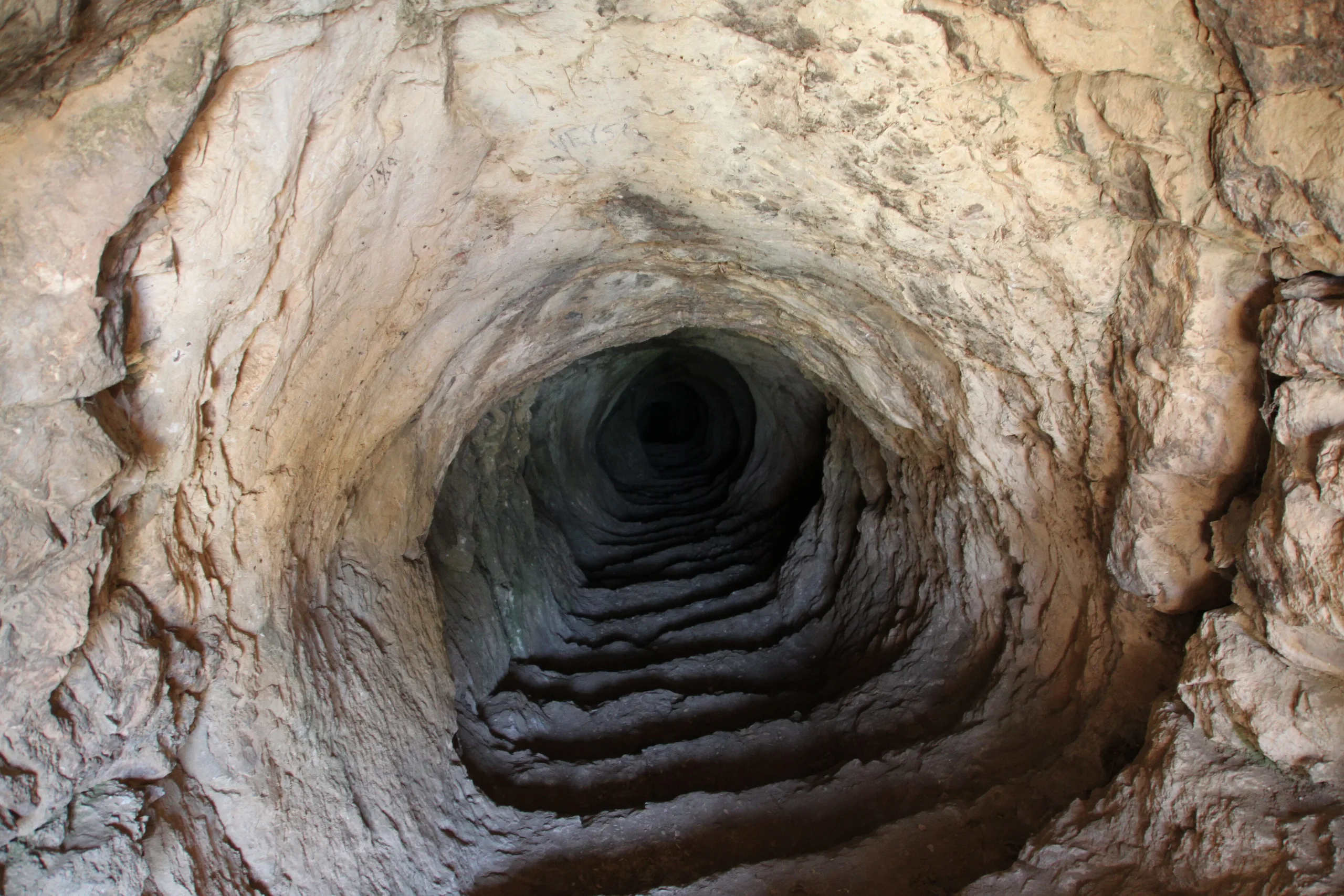
Just below the inscription a stepped tunnel plunges steeply downward. The Culture Portal gives its length as about 158 m and the ministry as 158.1 m, and both say its purpose is unknown. Dörner records the tunnel mouth under the third column of the inscription and thinks the king's burial chamber probably lies deep in the rock.
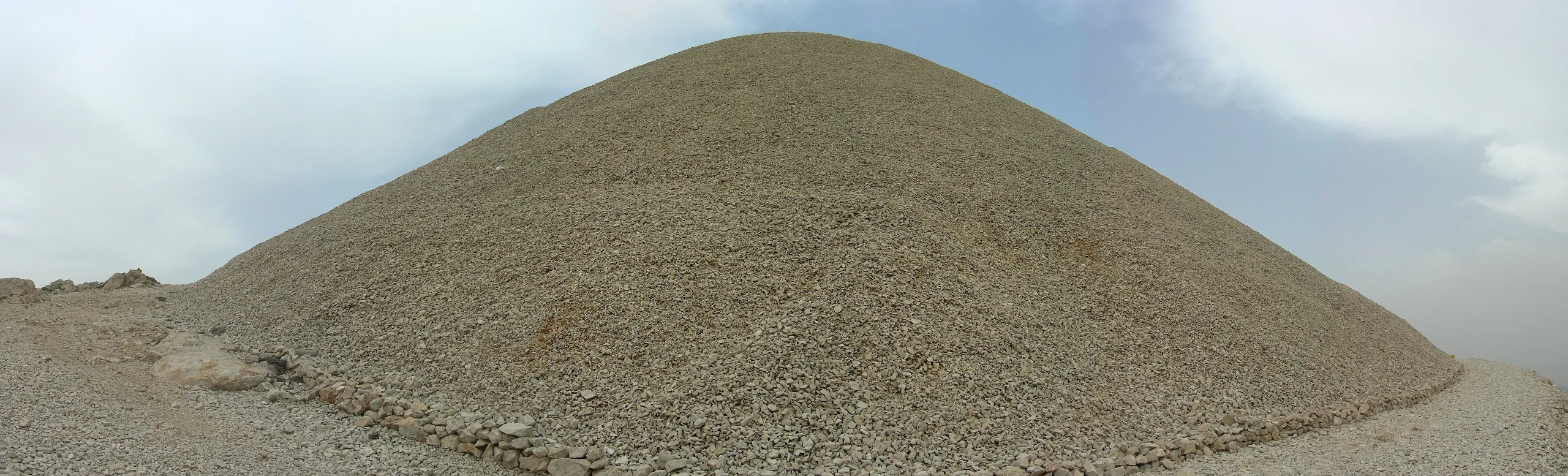
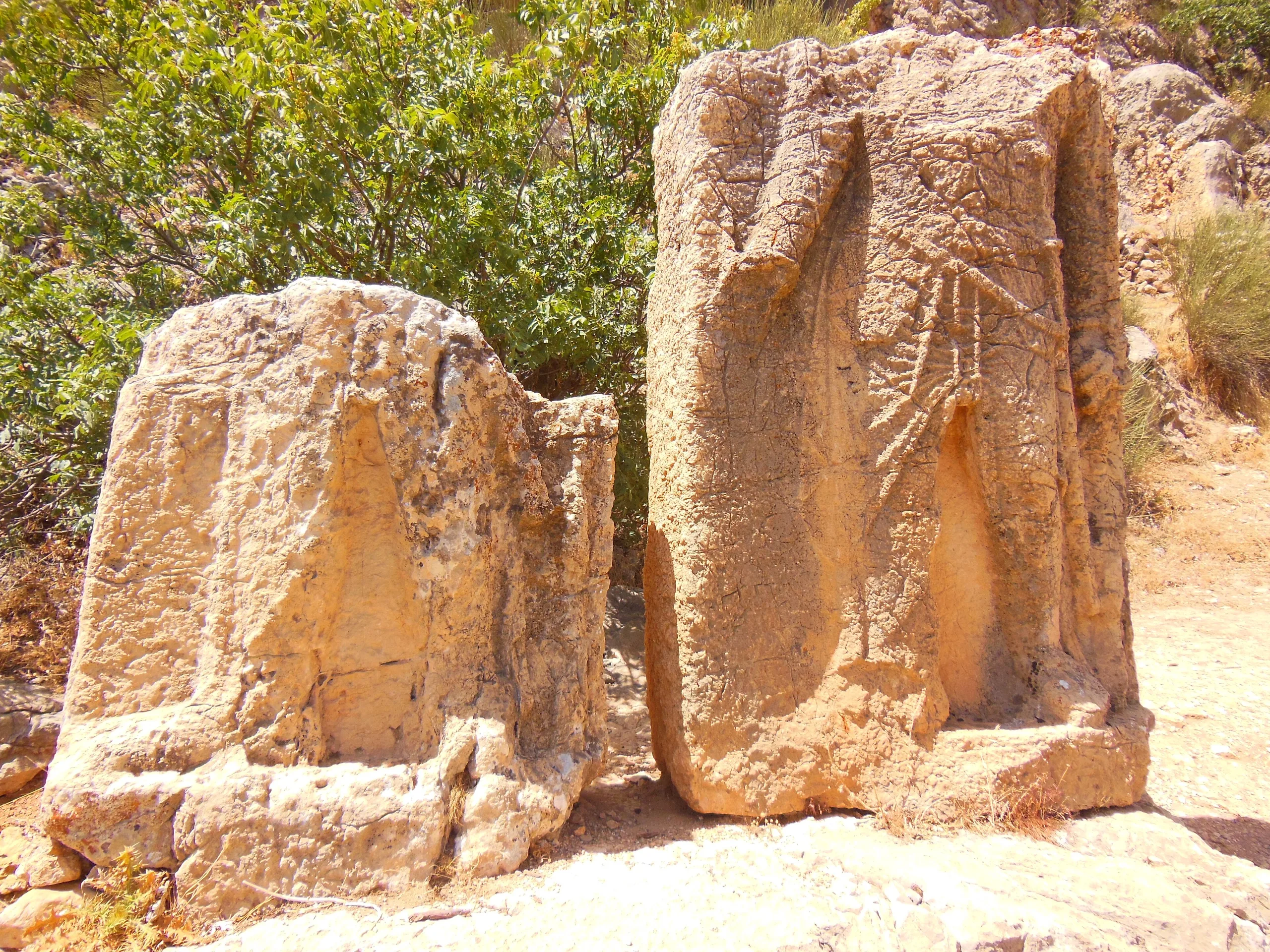
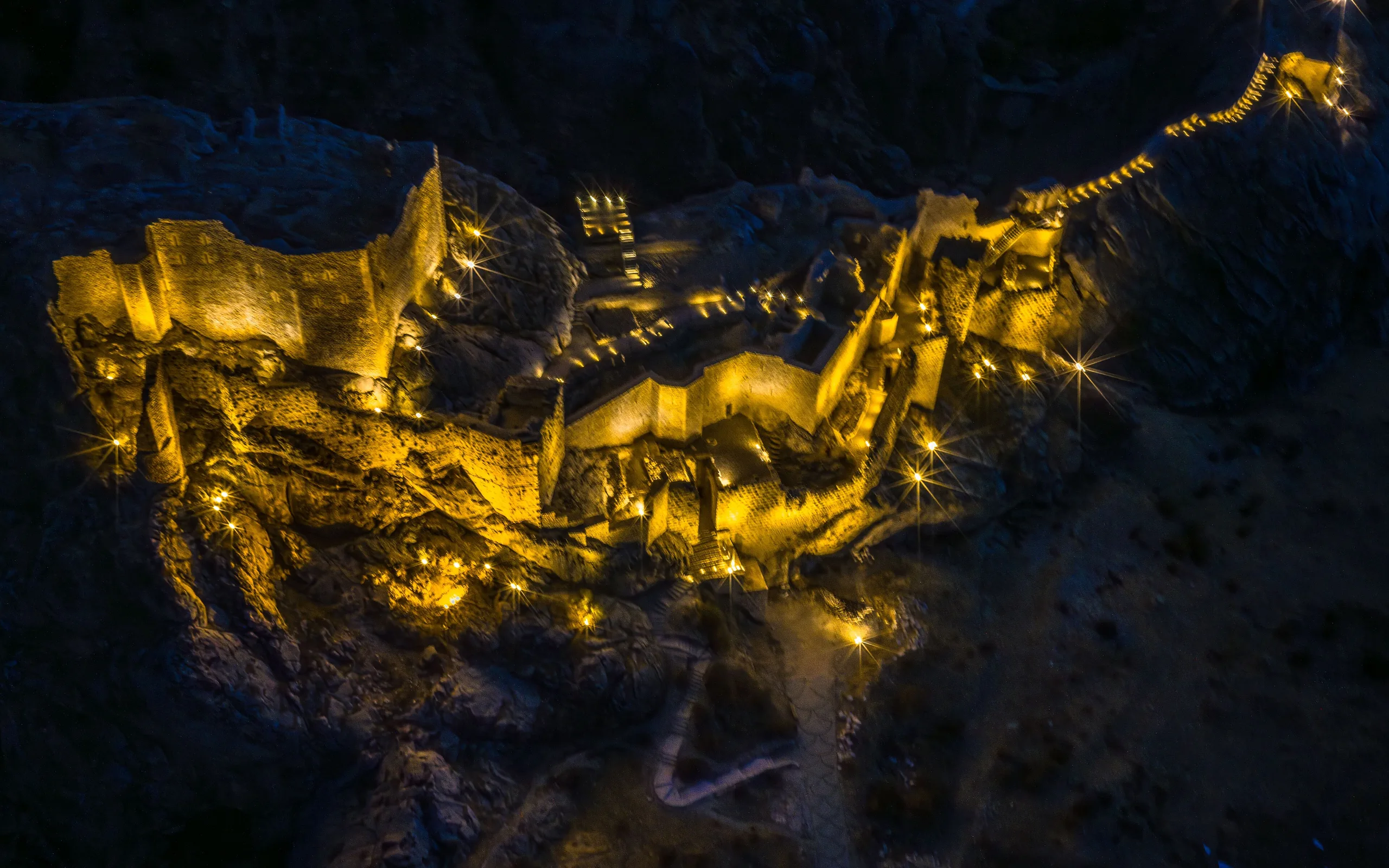
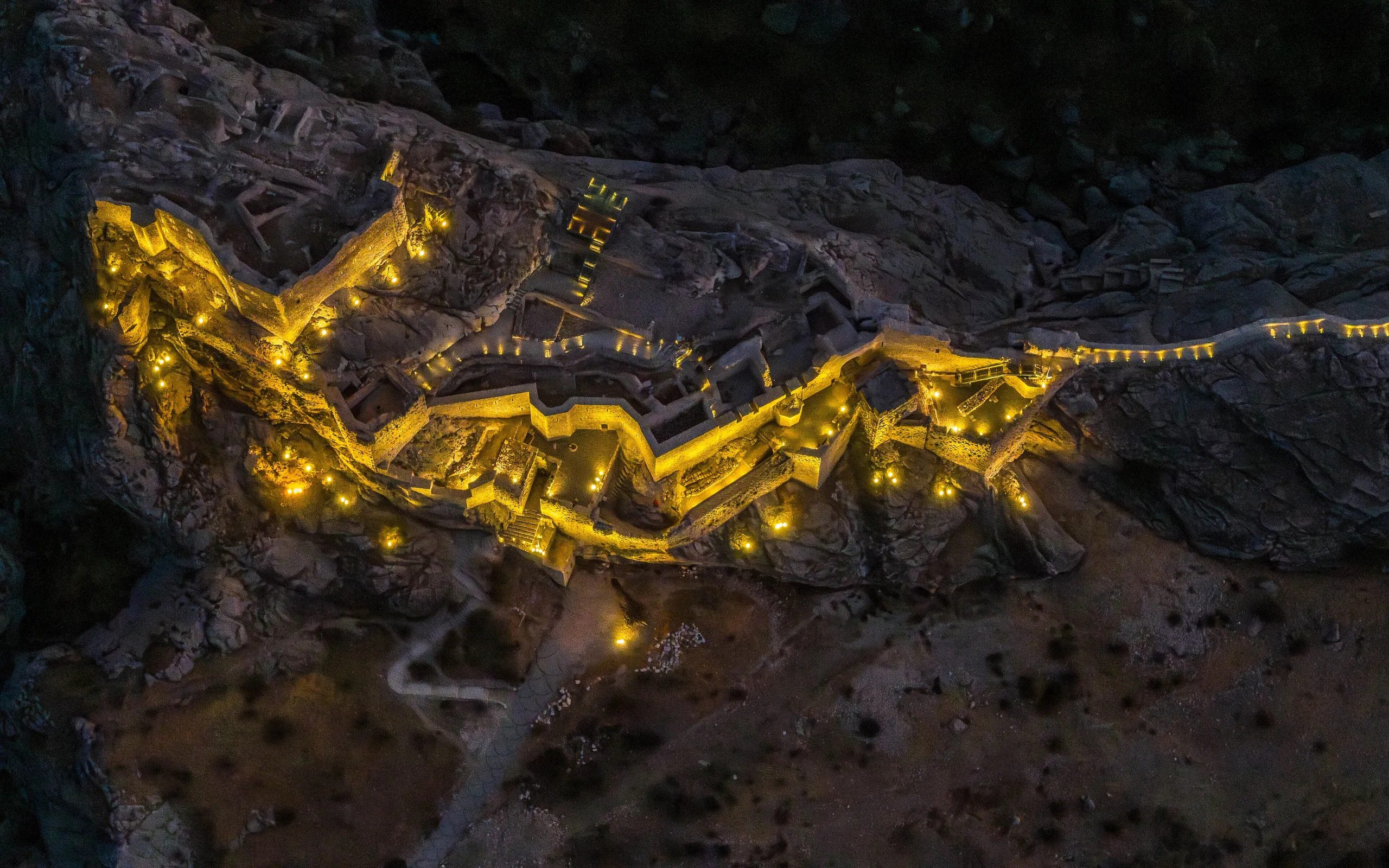
The ruins of a summer palace and, on the platform, the monumental tomb and tomb-temple that Antiochos I built for his father Mithridates Kallinikos lie on the hilltop. A relief stele of Mithridates stands on the ceremonial way to the south. The ministry says the reliefs along this way show gods and kings shaking hands, among them Antiochos, Herakles and Mithridates Kallinikos, together with scenes from Persian culture.
Visiting
According to the Culture Portal, Arsameia lies at km 60 of the Kahta-Nemrut road and is reached by private car or on tours. See the official page for hours and fees.
Gallery
Frequently asked questions
Where is Arsameia?
Who founded Arsameia?
What was its role?
What inscription is there?
How long is the rock tunnel?
Who excavated it?
Sources (13)
- Arsameia Örenyeri / Arsemia Archaeological Site (TR ve EN sayfalar) — T.C. Kültür ve Turizm Bakanlığı, Müzeler ve Ören Yerleri
- Arsameia Ören Yeri - Adıyaman — T.C. Kültür ve Turizm Bakanlığı, Türkiye Kültür Portalı
- F. K. Dörner, Arsameia am Nymphaios (Belleten/TAED, 1956; Almanca kazı yazısı) — T.C. Kültür ve Turizm Bakanlığı, Türkiye Arkeolojik Verileri (TAED)
- Arsameia pros Nymphaio (Pleiades place 658391) — Pleiades
Photo credits
- Photo: Ibosimsek02, CC BY-SA 4.0 — Wikimedia Commons (resized)
- Photo: Klearchos Kapoutsis from Santorini, Greece, CC BY 2.0 — Wikimedia Commons (resized)
- Photo: Ste.caneva, CC BY-SA 4.0 — Wikimedia Commons (resized)
- Photo: Ste.caneva, CC BY-SA 4.0 — Wikimedia Commons (resized)
- Photo: Carole Raddato from FRANKFURT, Germany, CC BY-SA 2.0 — Wikimedia Commons (resized)
- Photo: Ferit Gölgül, CC BY-SA 4.0 — Wikimedia Commons (resized)
- Photo: Klearchos Kapoutsis from Santorini, Greece, CC BY 2.0 — Wikimedia Commons (resized)
- Photo: Ibosimsek02, CC BY-SA 4.0 — Wikimedia Commons (resized)
- Photo: Ibosimsek02, CC BY-SA 4.0 — Wikimedia Commons (resized)