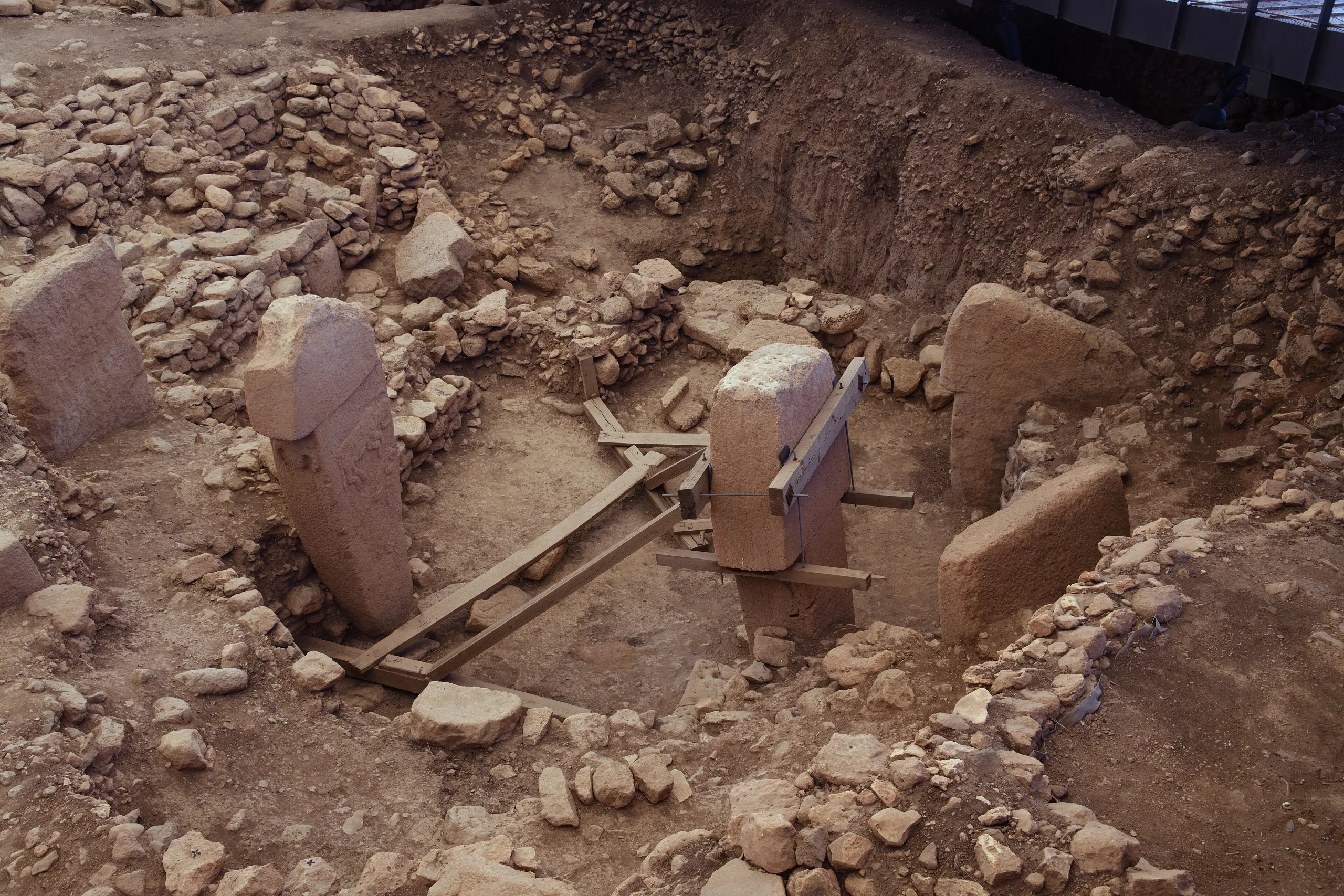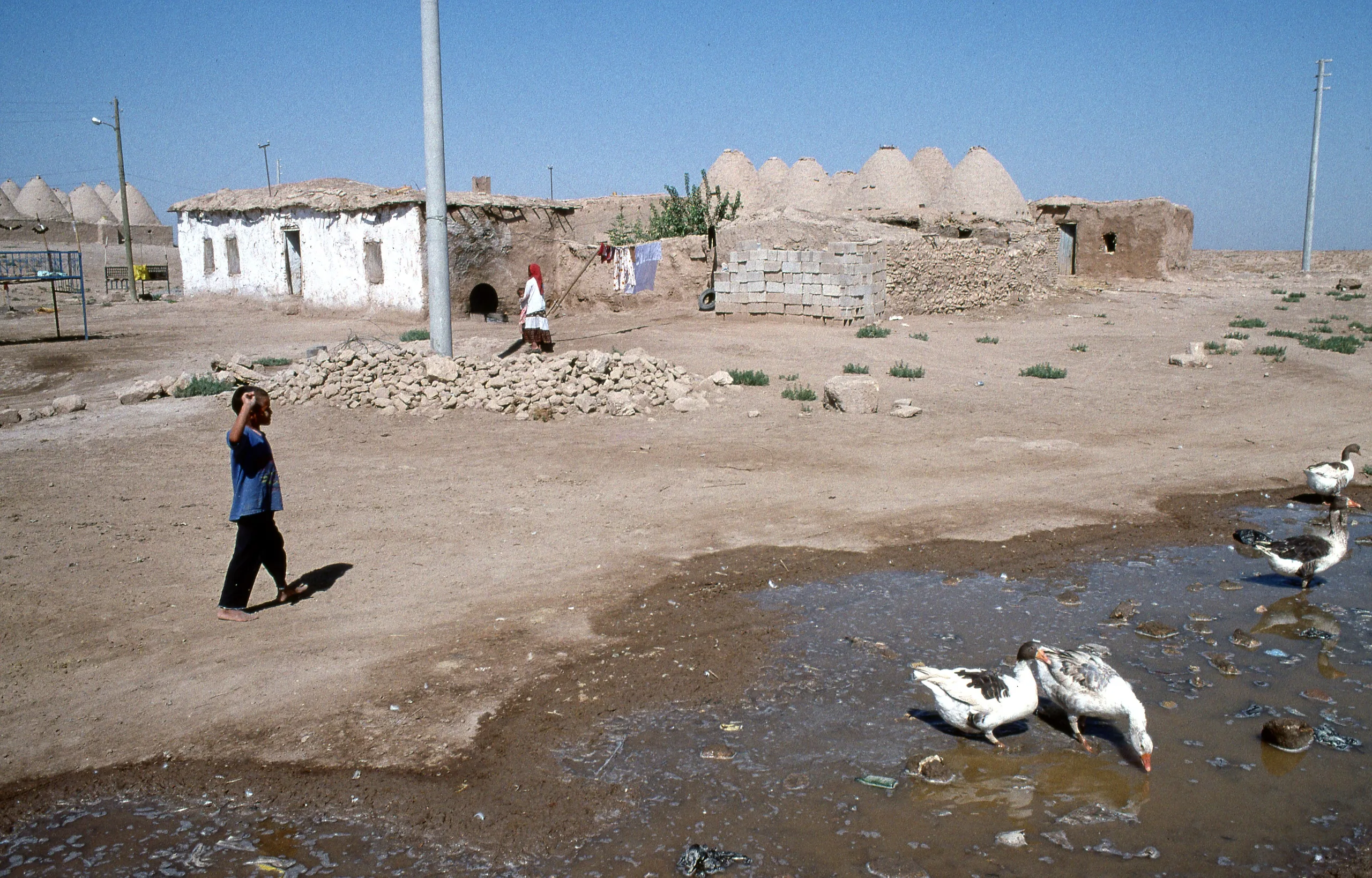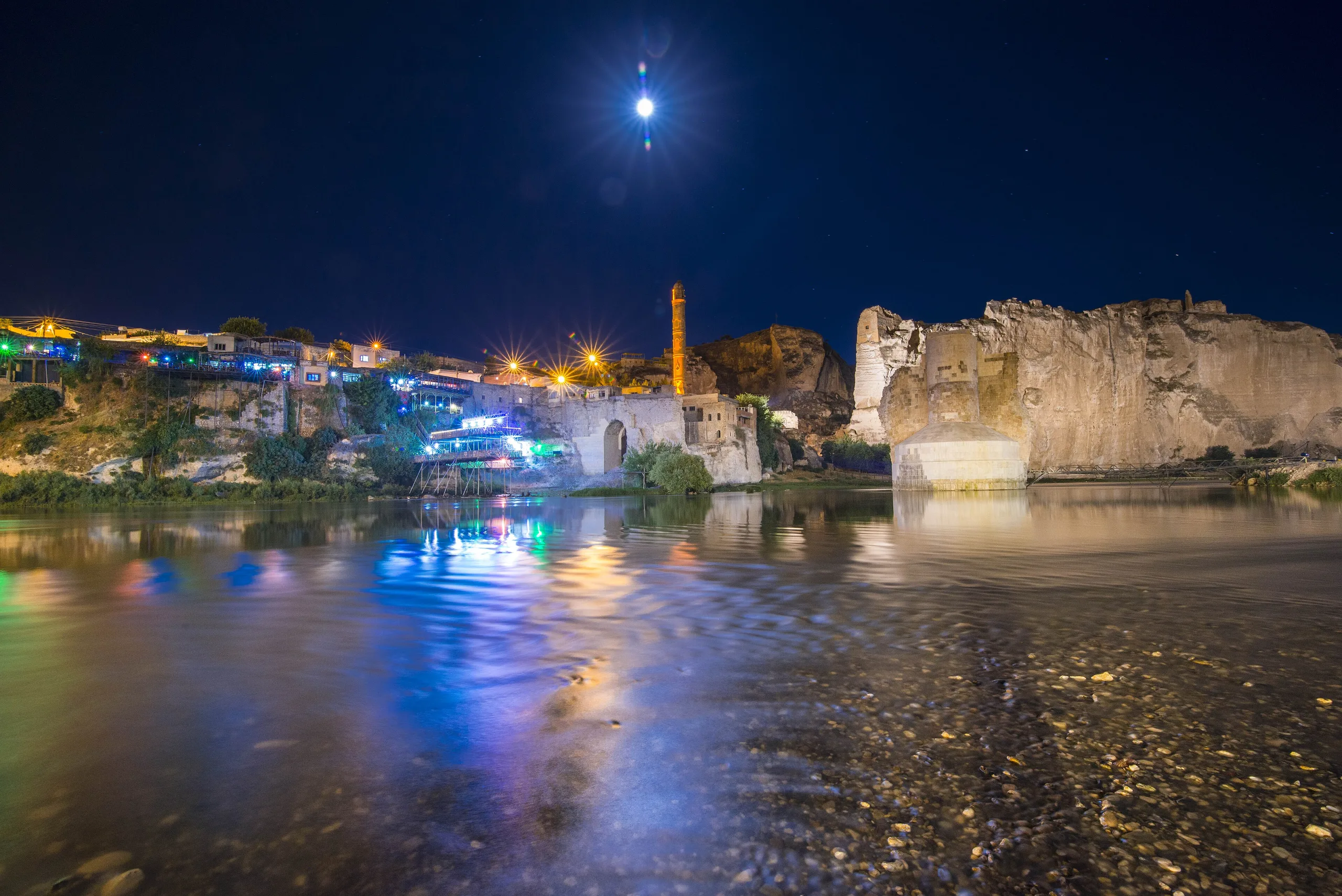
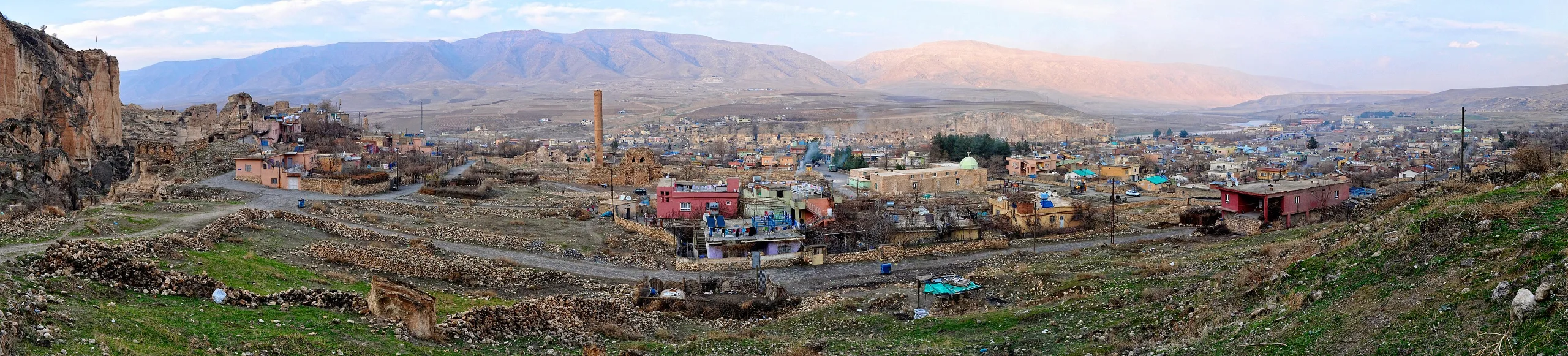
Hasankeyf is an old Tigris-side town in Batman known for its rock citadel, cave dwellings and Artuqid heritage; a number of its monuments were moved to a new cultural park.
Hasankeyf is an ancient city located in Turkey, Batman. Main periods: Hellenistic Period, Roman Period, Byzantine Period, Seljuk Period, Ottoman Period, Neolithic Period, Iron Age.
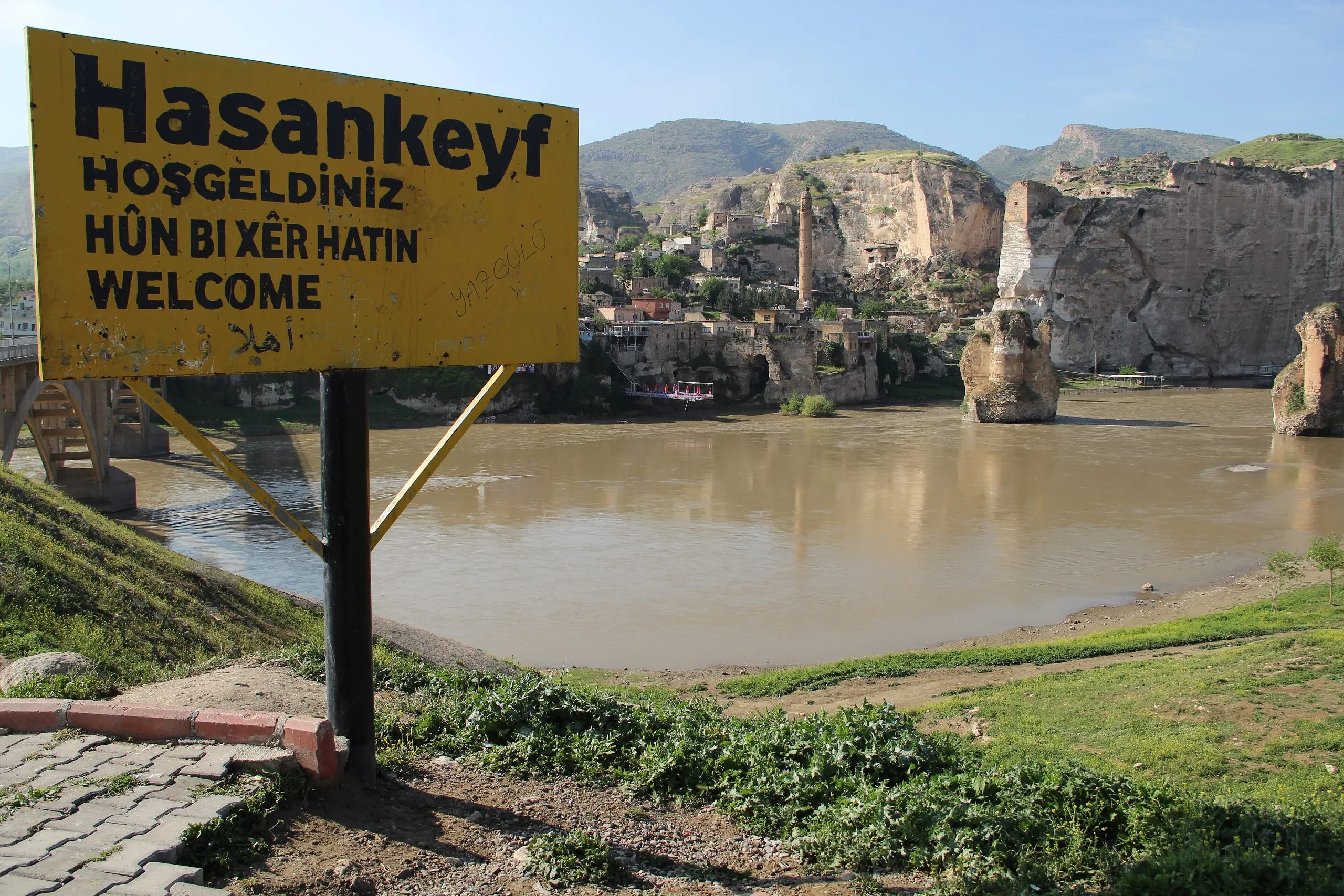
Hasankeyf is an ancient settlement on the bank of the Tigris in Batman province. According to the Culture Portal its name comes from Hısnıkeyfa and means a rock fortress or stone castle. The town stood on an important land and river route between Diyarbakır and Cizre, and the absence of wars together with the passing trade made it a cultural crossroads. The ministry publishes a page under the Hasankeyf name that describes the museum; the story of the town itself is told on the Culture Portal pages for the archaeological site and the castle.
History
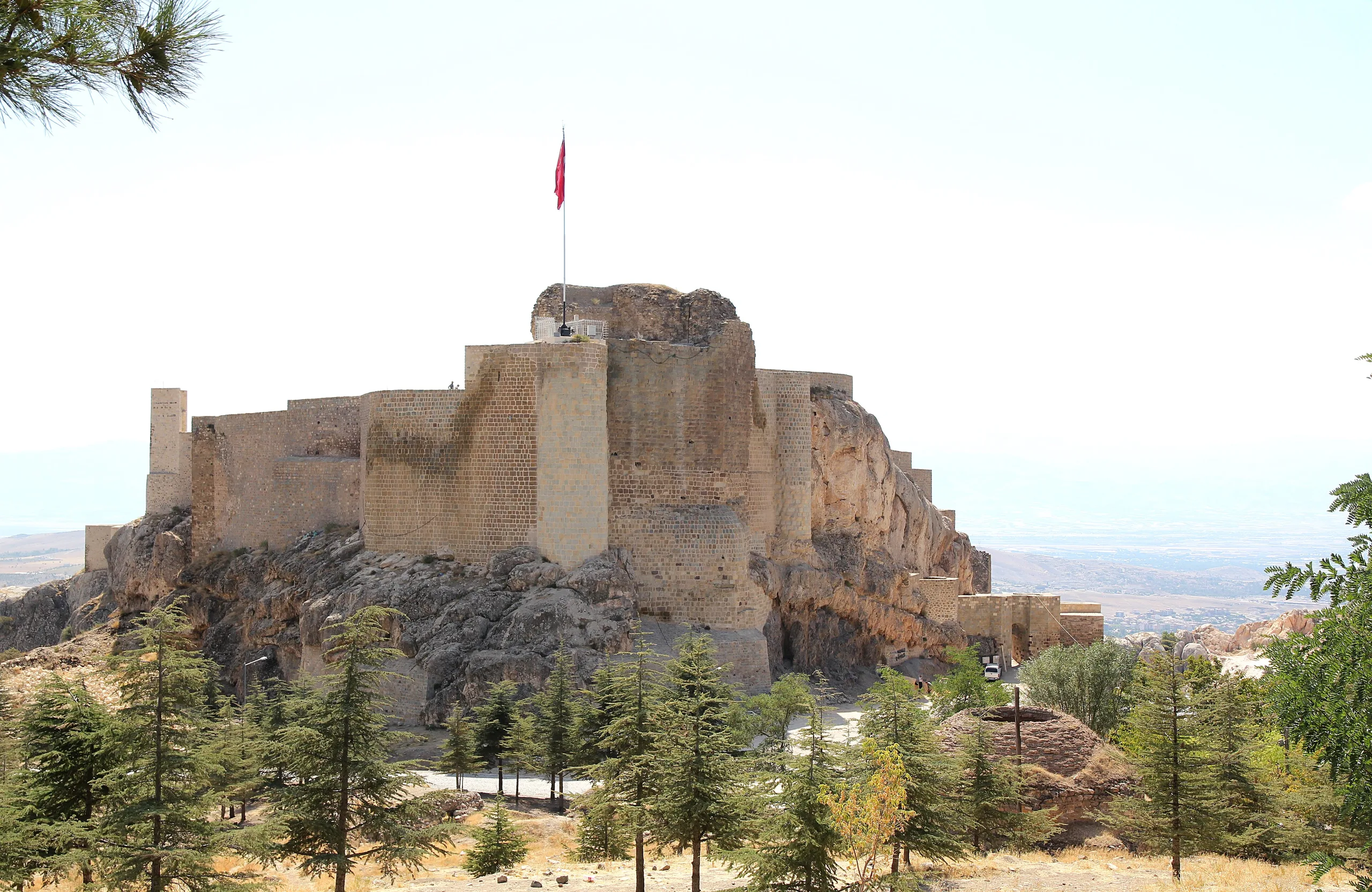
The Culture Portal says that in Roman times a fortress was built at Hasankeyf to keep watch over the Persian frontier. Its page on the castle describes a fortress carved from one block of stone, standing 200 metres above the Tigris, and says the Byzantines built it in 363 CE. For roughly 300 years of Byzantine rule it served as the seat of a Syriac bishopric. It later passed in turn to the Abbasids, Marwanids and Hamdanids and was taken in 638 by the commander Iyaz ibn Ghanam.
The site page notes that after Umayyad and Abbasid rule the town went to the Artuqids and reached its peak under them; the castle page dates Artuqid capital status to 1101-1231. After Manzikert in 1071 the region came within the Seljuk sphere, the Ayyubids captured the town in 1232, and the Akkoyunlu then ruled until the early 15th century. The same text says Hasankeyf witnessed the Battle of Otlukbeli in 1473, then fell to the Safavids, and entered Ottoman hands in 1515 during Selim I's eastern campaign.
Main monuments
Castle and Upper Citadel
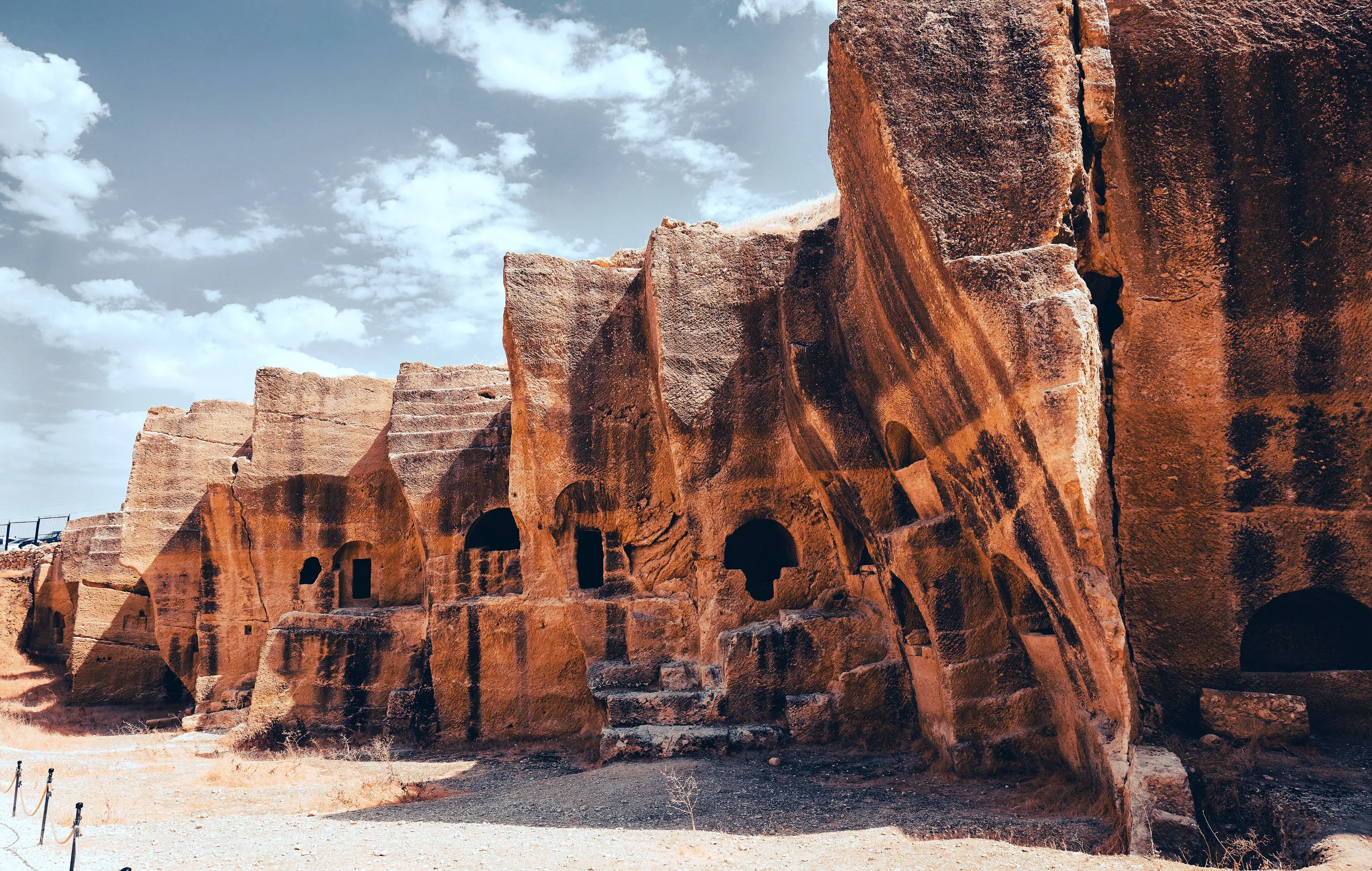
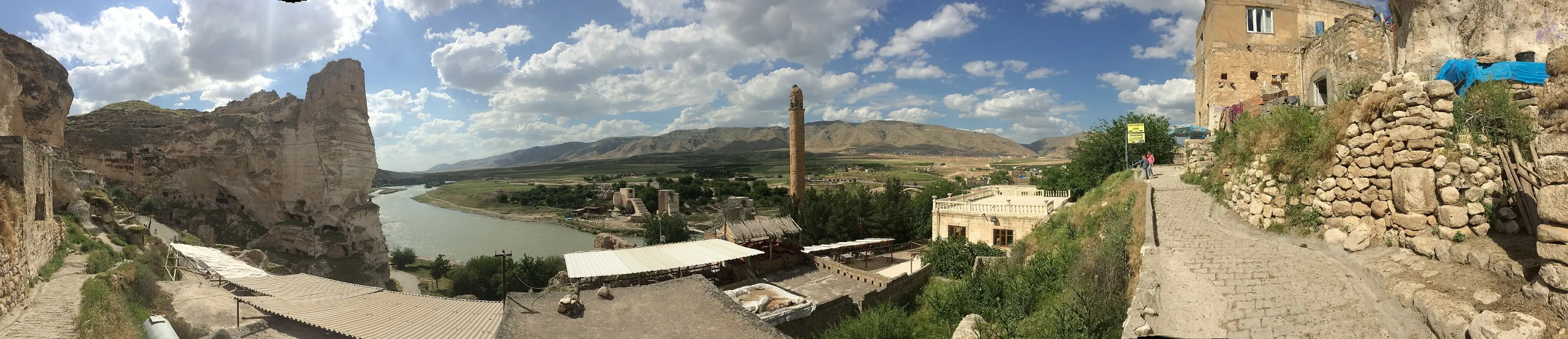
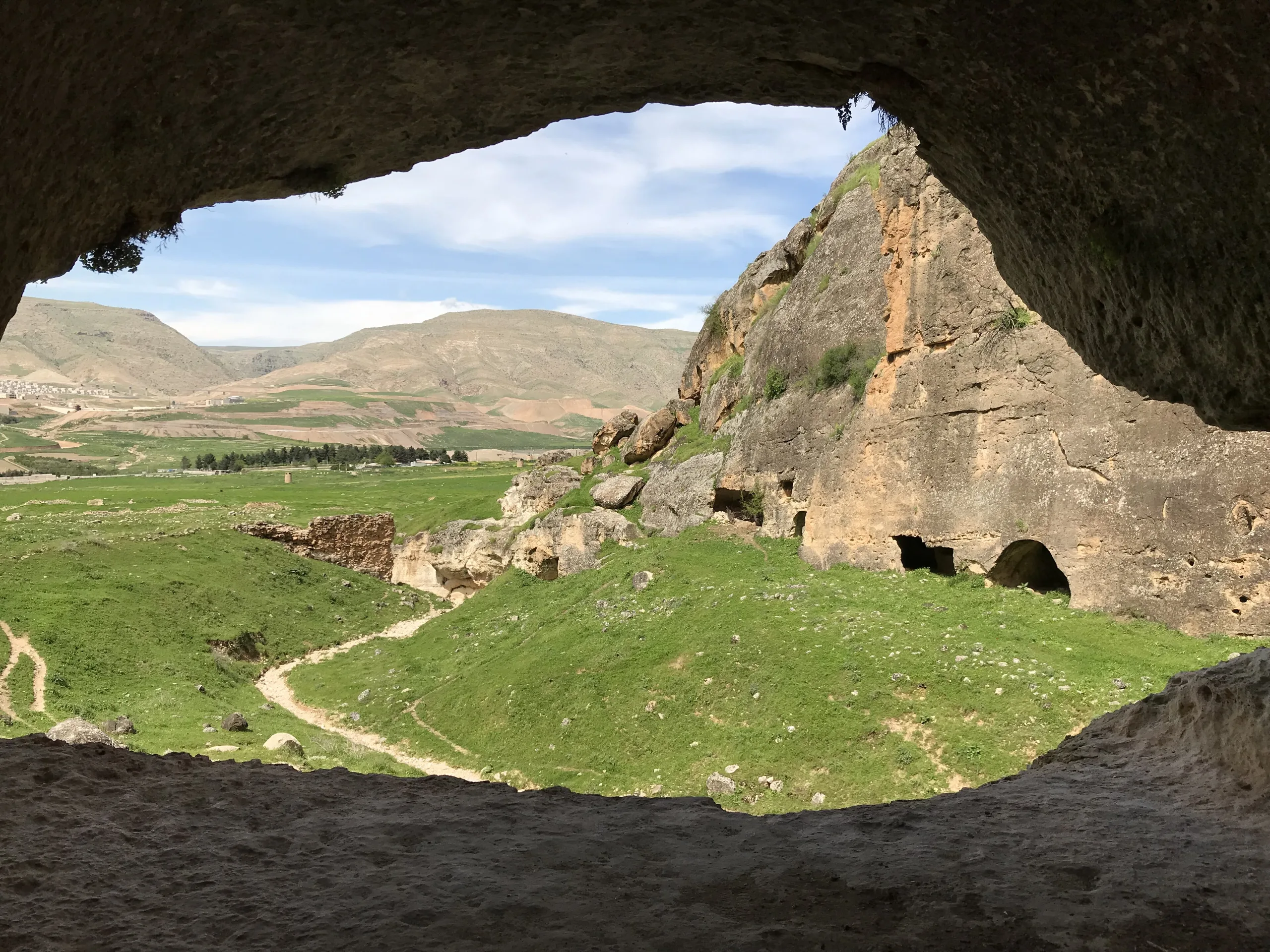
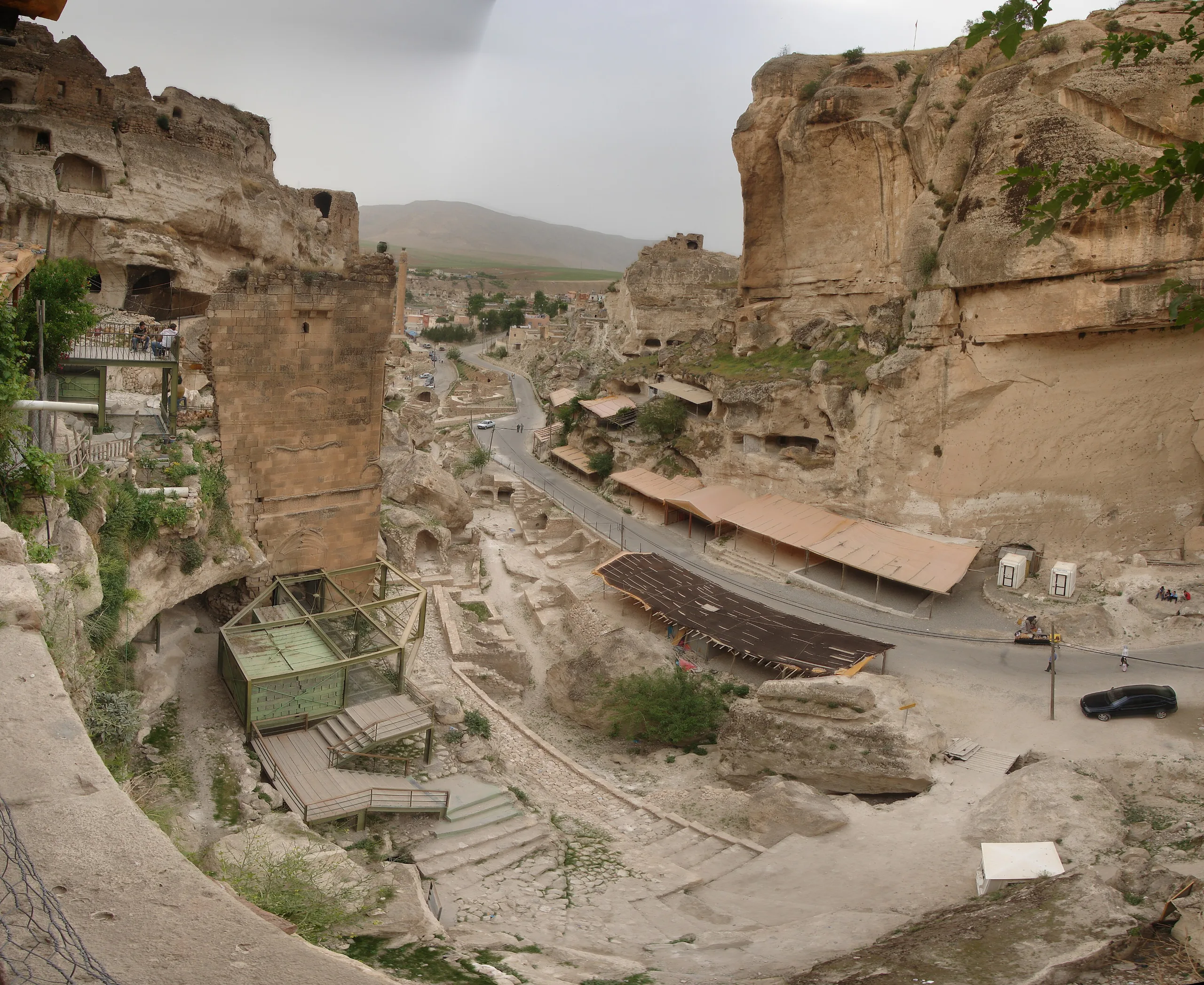
The Culture Portal page on the Upper Citadel describes a single mass of rock roughly 135 metres high, ringed by steep slopes. Two gate-controlled routes climb it: the eastern one passes four monumental gates, while the western one has a single gateway opening toward the Tigris. This 'Upper City' holds many man-made cave dwellings and buildings of the Roman, Artuqid, Ayyubid and Ottoman periods. The page counts about two thousand houses, puts the Great Palace at the north-eastern tip, and places a cemetery, tombs and the Great Mosque on the south side, with a mosque, small mosque and madrasa to the east.
The castle page adds that many inscriptions are carved into the walls, and that two stairways, one open and one hidden, run down to the Tigris to carry water up. Each has 200 steps and both are still sound.
Great Mosque
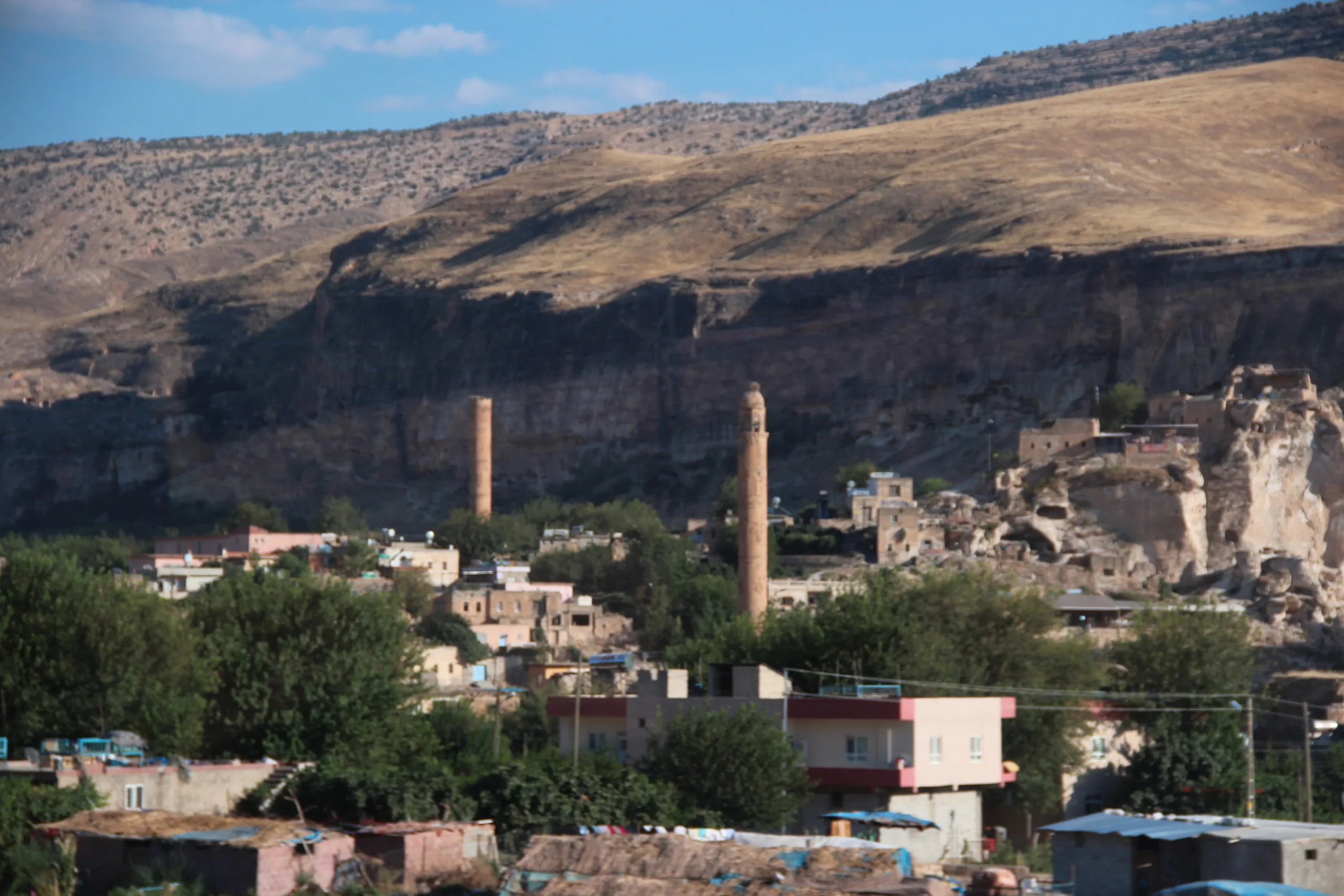
The Culture Portal presents the Great Mosque as the oldest Islamic work in Hasankeyf and the largest mosque in the castle area. Its text says the Ayyubids founded it in 1325 over the remains of a church, and notes a large cistern under the courtyard. Since the portal's other pages place Ayyubid control from 1232, followed by the Akkoyunlu, the date of 1325 does not sit neatly with that account and should be treated only as what this one page states.
Hasankeyf Höyük
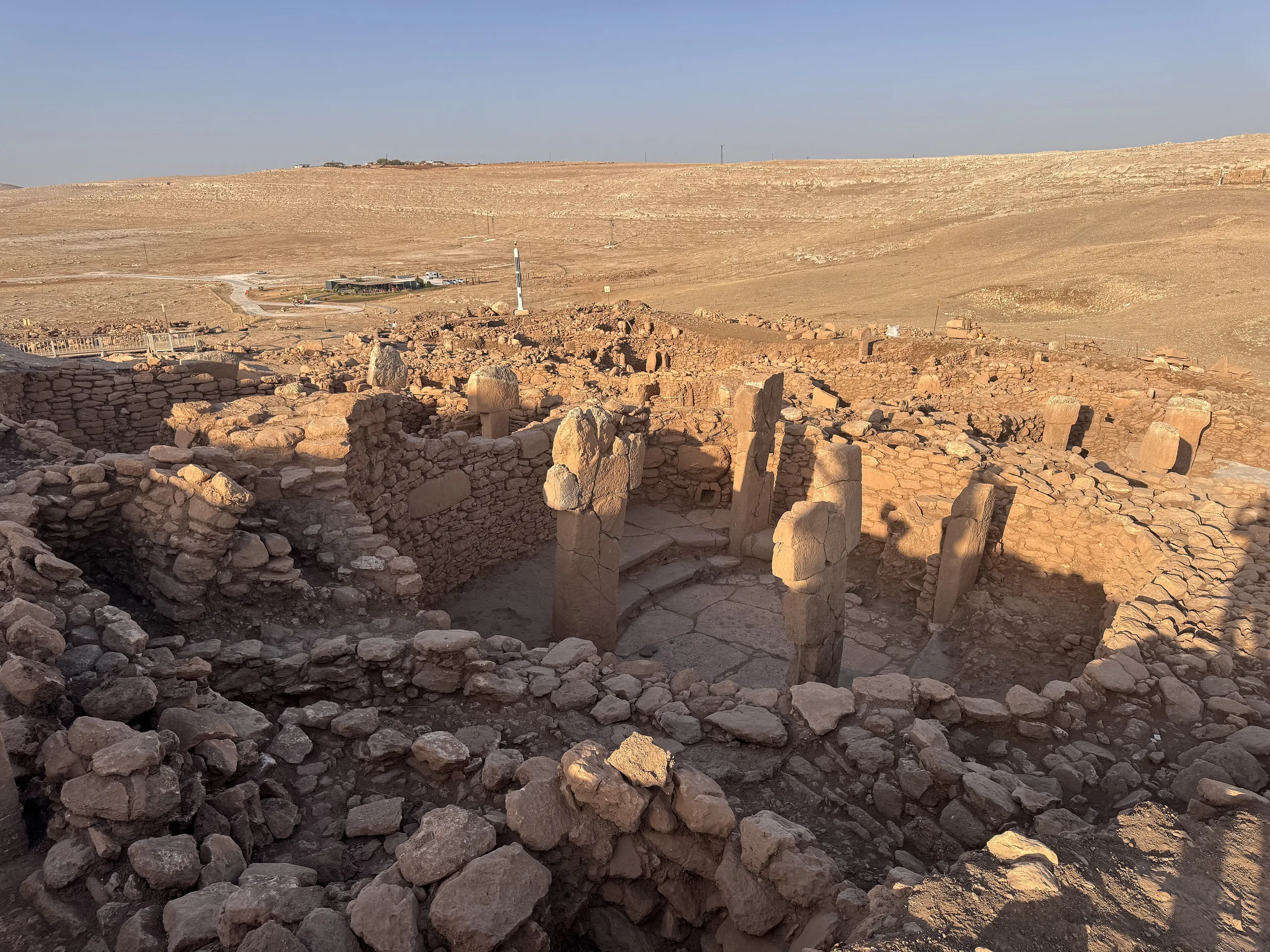
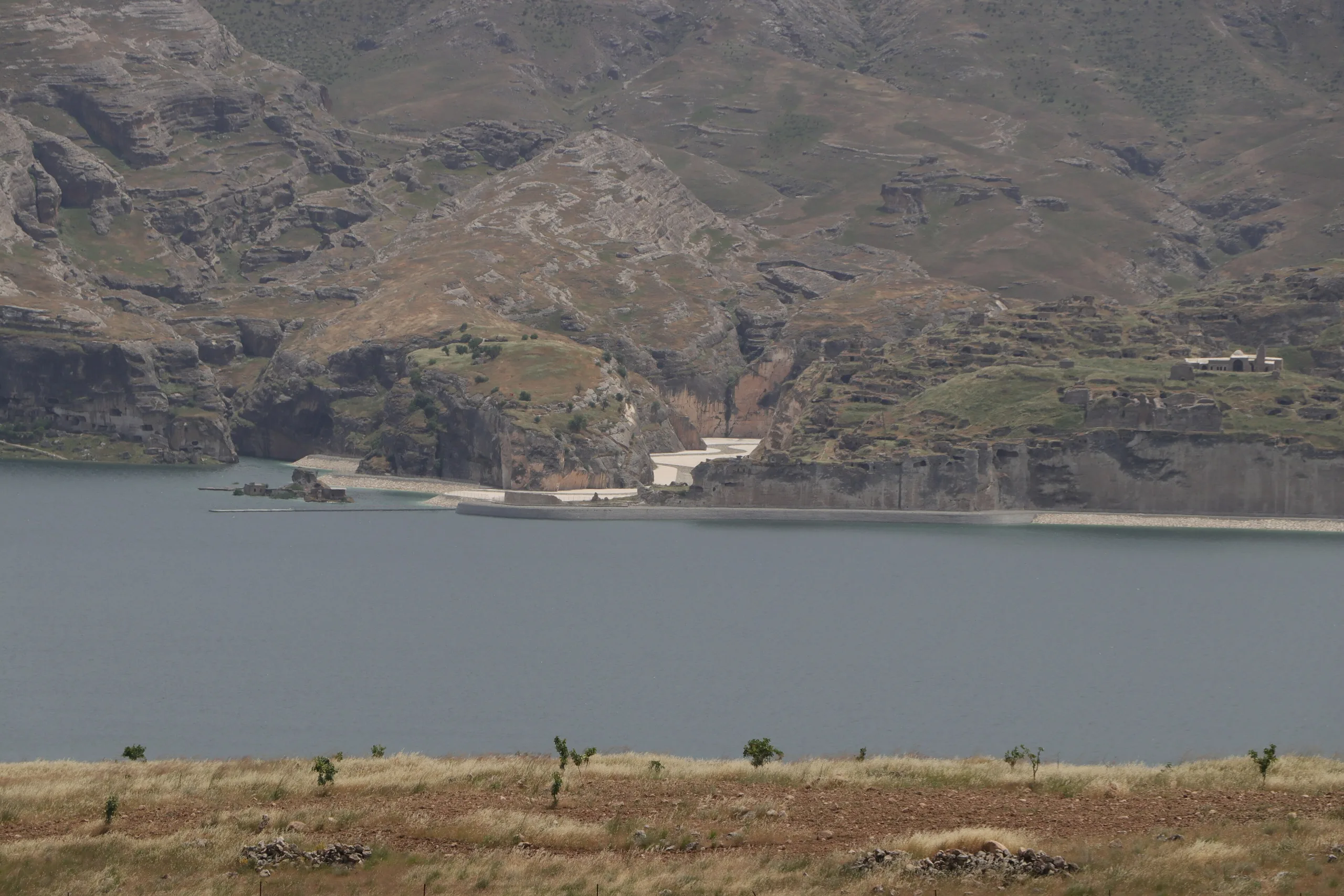
According to the Culture Portal the mound now lies beneath the waters of the Ilısu reservoir. Finds from rescue excavations led it to be counted among the oldest and most important Neolithic settlements in Anatolia. Elsewhere in town, the work has also brought out Iron Age and Hellenistic remains, along with notable buildings from the East Roman, Artuqid, Ayyubid, Akkoyunlu and Ottoman periods.
Relocated monuments and the museum
Between 2017 and 2019 some immovable monuments from the site were moved into the Hasankeyf New Cultural Park. The Culture Portal lists the Zeynel Bey Tomb and complex, the Artuqid bath, the Imam Abdullah Tomb and lodge, the Ayyubid Girls' Mosque, the Middle Gate, and the Süleyman Han and Er-Rızk mosque complexes. Finds from the digs are shown in the Hasankeyf Museum and the Batman Museum.
The ministry's museum page says the Hasankeyf Museum holds finds from rescue excavations carried out in Batman, Diyarbakır, Siirt and Mardin because of the Ilısu Dam and hydropower project. The display begins with obsidian and flint tools from surveys in the Tigris valley and on Raman Mountain, then moves through Neolithic, Chalcolithic, Bronze Age, Assyrian, Iron Age, Persian-Hellenistic and Roman material in stone, bone, clay, metal and glass. The English page also mentions interactive animations that accompany the exhibits.
Excavations
An article published by Gaziantep University says Hasankeyf's rescue excavations began in 1985 under M. Oluş Arık and, from 2004, have been the responsibility of Abdüsselam Uluçam. The same study examines 50 glazed clay lamps recovered between 2007 and 2012 at the Great Palace, the Shore Palace, the Artuqid Pavilion, the Haydar Baba lodge, the Salahiye shrine buildings, test trenches and the Syriac residential area.
Visiting
The Culture Portal places Hasankeyf on the Batman-Midyat road, 37 kilometres from Batman. For up-to-date information on the museum and the site, consult the ministry's official page.
Gallery
Frequently asked questions
What does the name Hasankeyf mean?
When was Hasankeyf Castle built?
When did Hasankeyf flourish most?
Where were the relocated monuments taken?
Why is Hasankeyf Höyük significant?
Where are the excavation finds shown?
Sources (16)
- Hasankeyf Müzesi ve Örenyeri / Hasankeyf Museum (TR ve EN sayfalar) — T.C. Kültür ve Turizm Bakanlığı, Müzeler ve Ören Yerleri
- Hasankeyf Örenyeri - Batman — T.C. Kültür ve Turizm Bakanlığı, Türkiye Kültür Portalı
- Hasankeyf Kalesi - Batman — T.C. Kültür ve Turizm Bakanlığı, Türkiye Kültür Portalı
- Hasankeyf İç Kale - Batman — T.C. Kültür ve Turizm Bakanlığı, Türkiye Kültür Portalı
- Hasankeyf Ulu Camii - Batman — T.C. Kültür ve Turizm Bakanlığı, Türkiye Kültür Portalı
- Hasankeyf Kazılarında Bulunan Seramik Kandiller, G. Yılmaz, Gaziantep Üniversitesi Sosyal Bilimler Enstitüsü dergisi (GSED) — Gaziantep Üniversitesi (DergiPark)
- (Ris)Kepha(s) / Hasankeyf (Pleiades place 874664) — Pleiades
Photo credits
- Photo: Iskan21, CC BY-SA 4.0 — Wikimedia Commons (resized)
- Photo: VOA, Public domain — Wikimedia Commons (resized)
- Photo: Balkanique, CC BY-SA 4.0 — Wikimedia Commons (resized)
- Photo: Buda2000, CC BY-SA 4.0 — Wikimedia Commons (resized)
- Photo: Hamdigumus, CC0 — Wikimedia Commons (resized)
- Photo: Zeynep Tağu, CC BY-SA 4.0 — Wikimedia Commons (resized)
- Photo: Nevit Dilmen, CC BY-SA 3.0 — Wikimedia Commons (resized)
- Photo: Areed145, CC0 — Wikimedia Commons (resized)
- Photo: Dûrzan cîrano, CC BY-SA 3.0 — Wikimedia Commons (resized)