Limyra built an empty tomb for Gaius Caesar, adopted son of Augustus; it is also known for King Perikle's monumental tomb, over 400 rock tombs and its acropolis under Mount Toçak.
Limyra is an ancient city located in Turkey, Antalya. Main periods: Hellenistic Period, Roman Period, Byzantine Period.
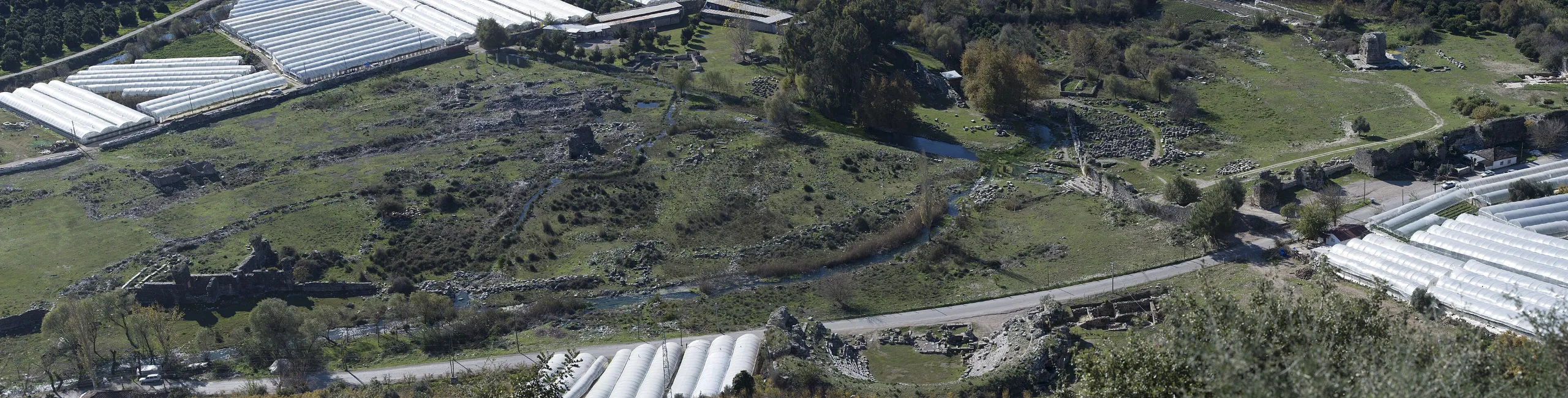
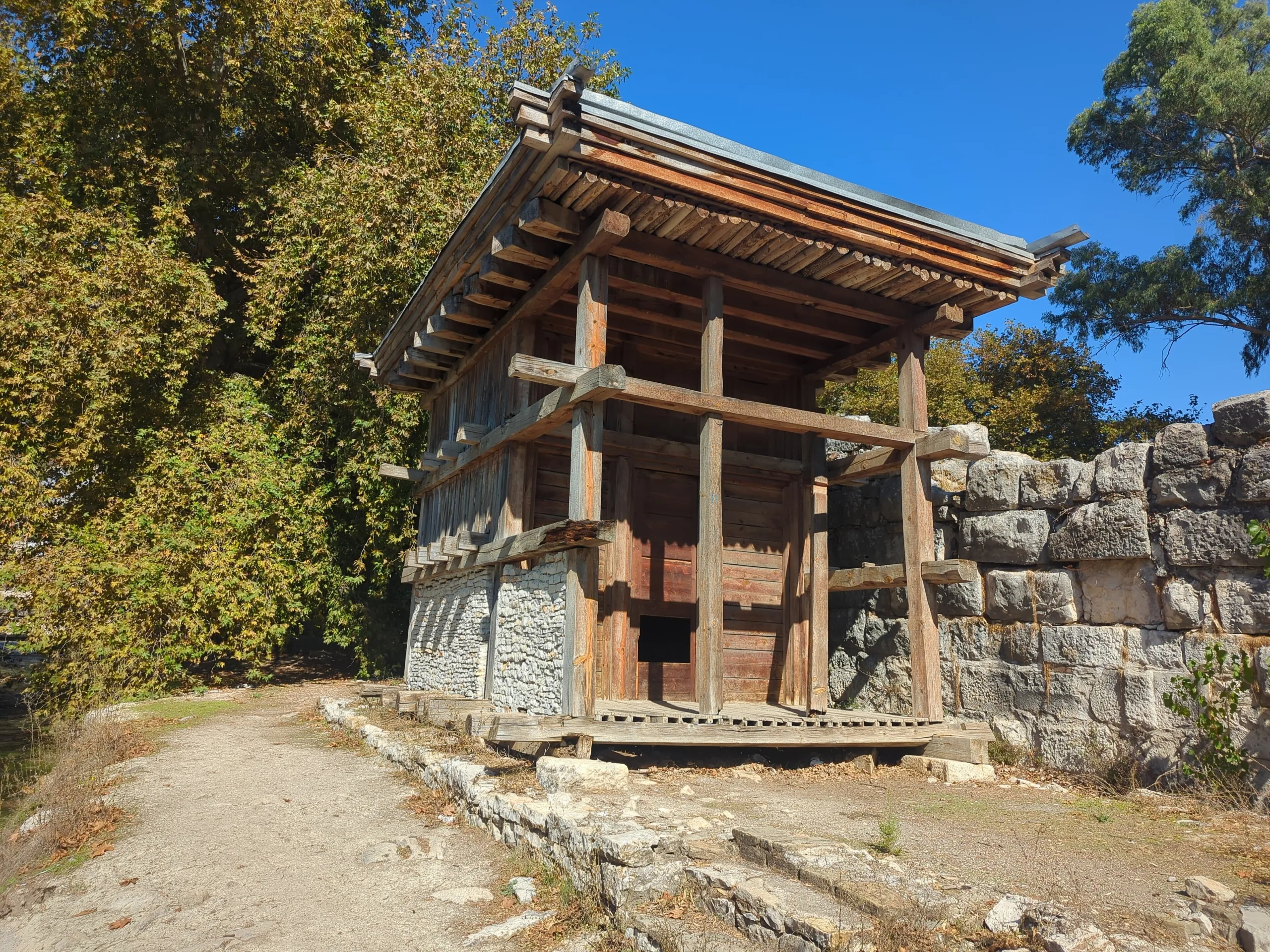
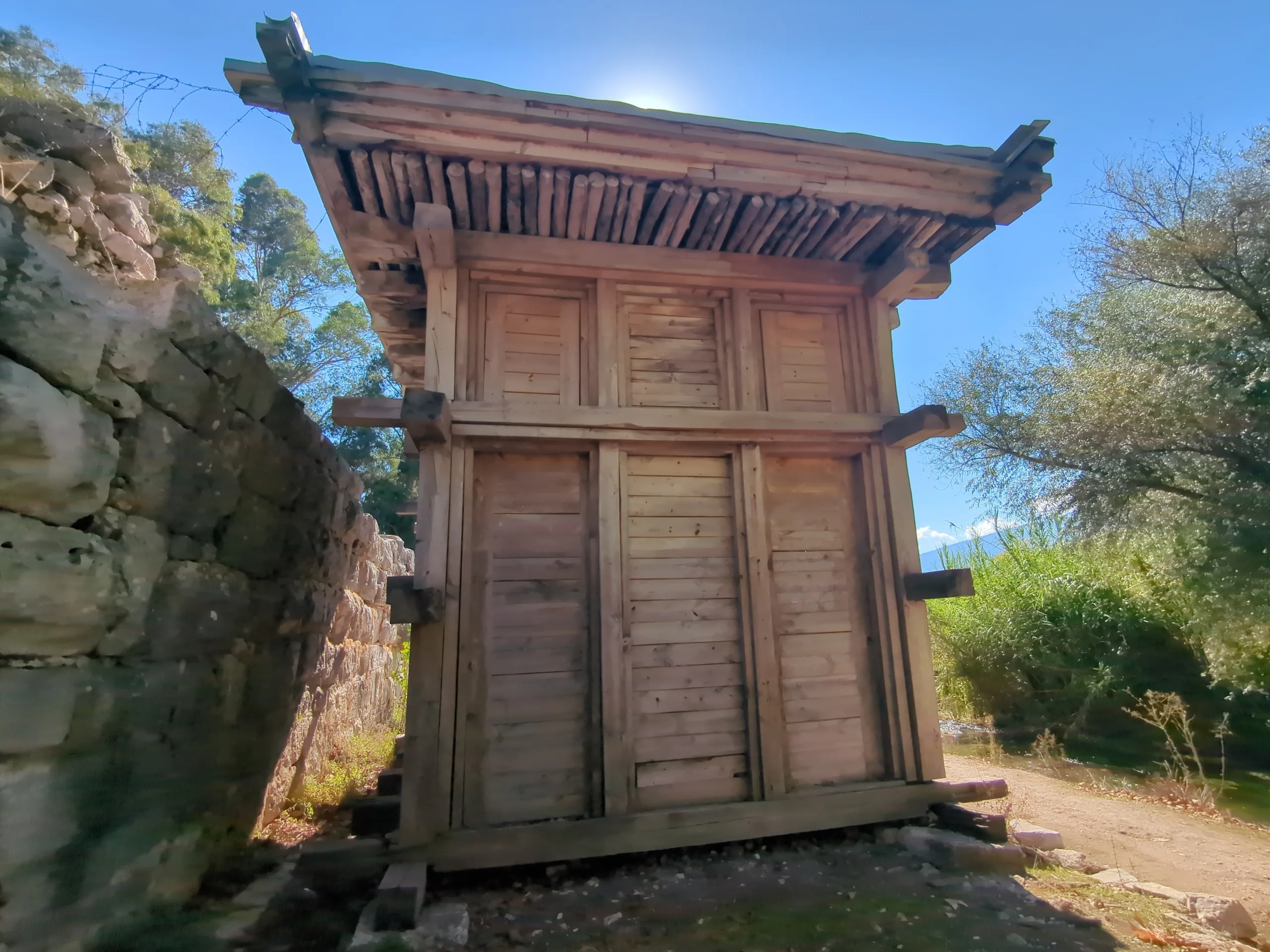
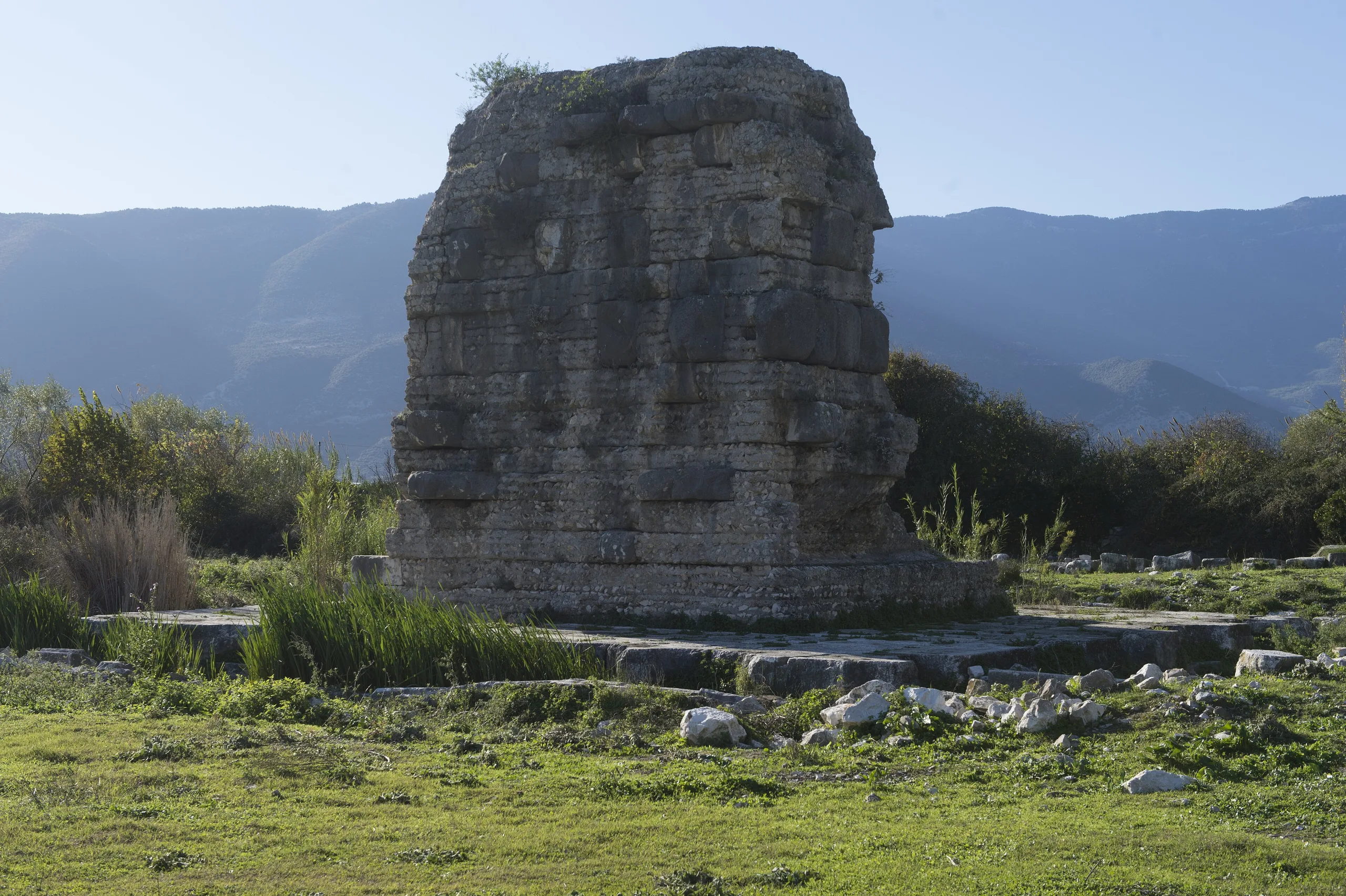
Gaius Caesar, adopted son of Augustus, died at Limyra in 4 CE while travelling home to Rome from Jerusalem. His body, or an urn of his ashes, went on to Rome, and the city raised a marble-relief tomb in his memory with nobody inside. That cenotaph is among the best-known buildings of Limyra, which leans against the southern foot of Mount Toçak in Antalya's Finike district. The site has two parts: the acropolis on the mountain slope, and the area in the plain south of the highway enclosed by Roman and Eastern Roman walls.
Getting there
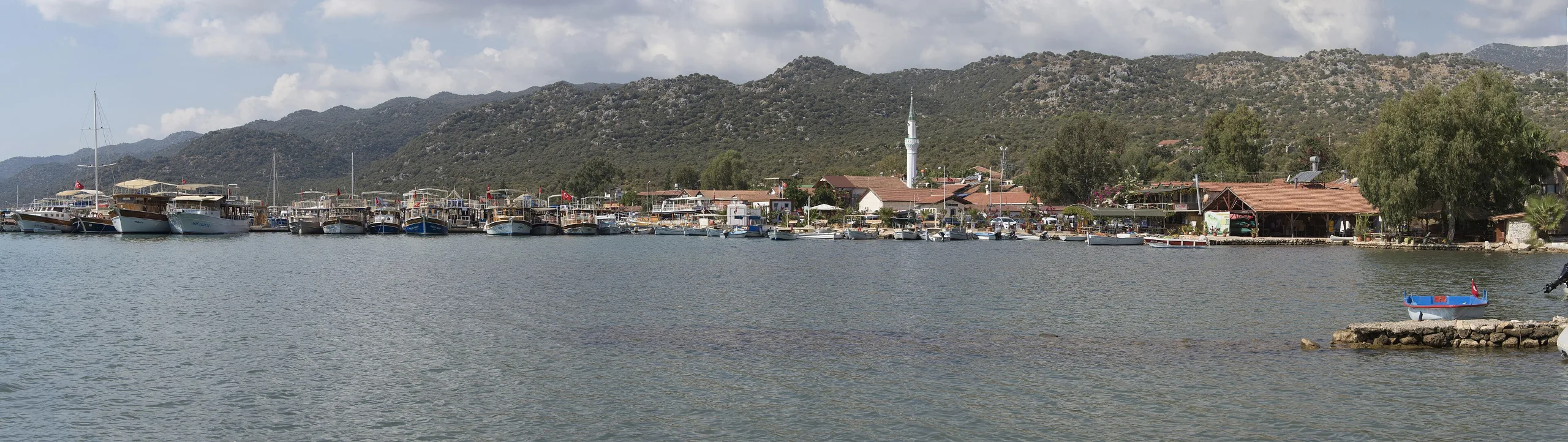
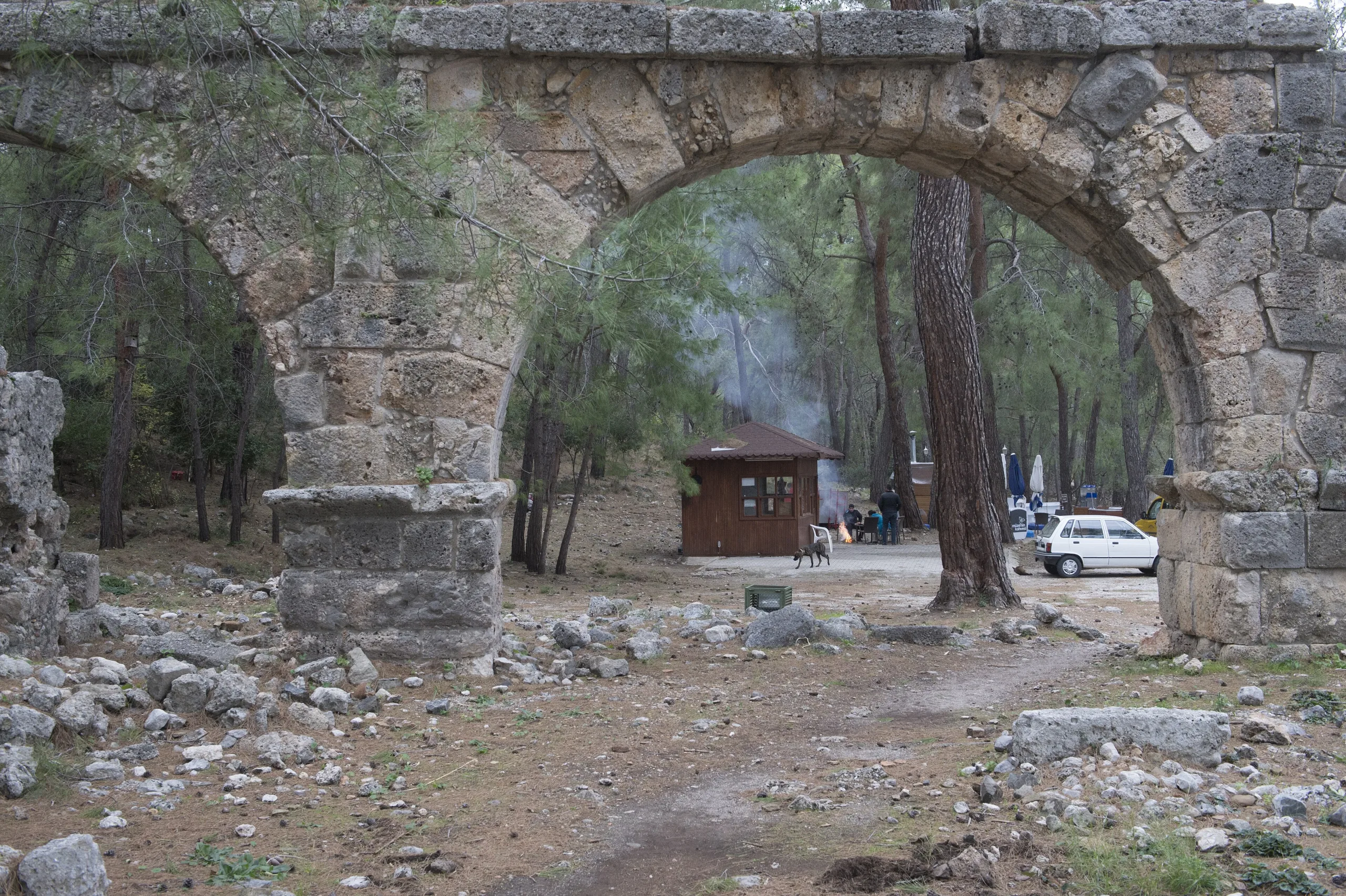
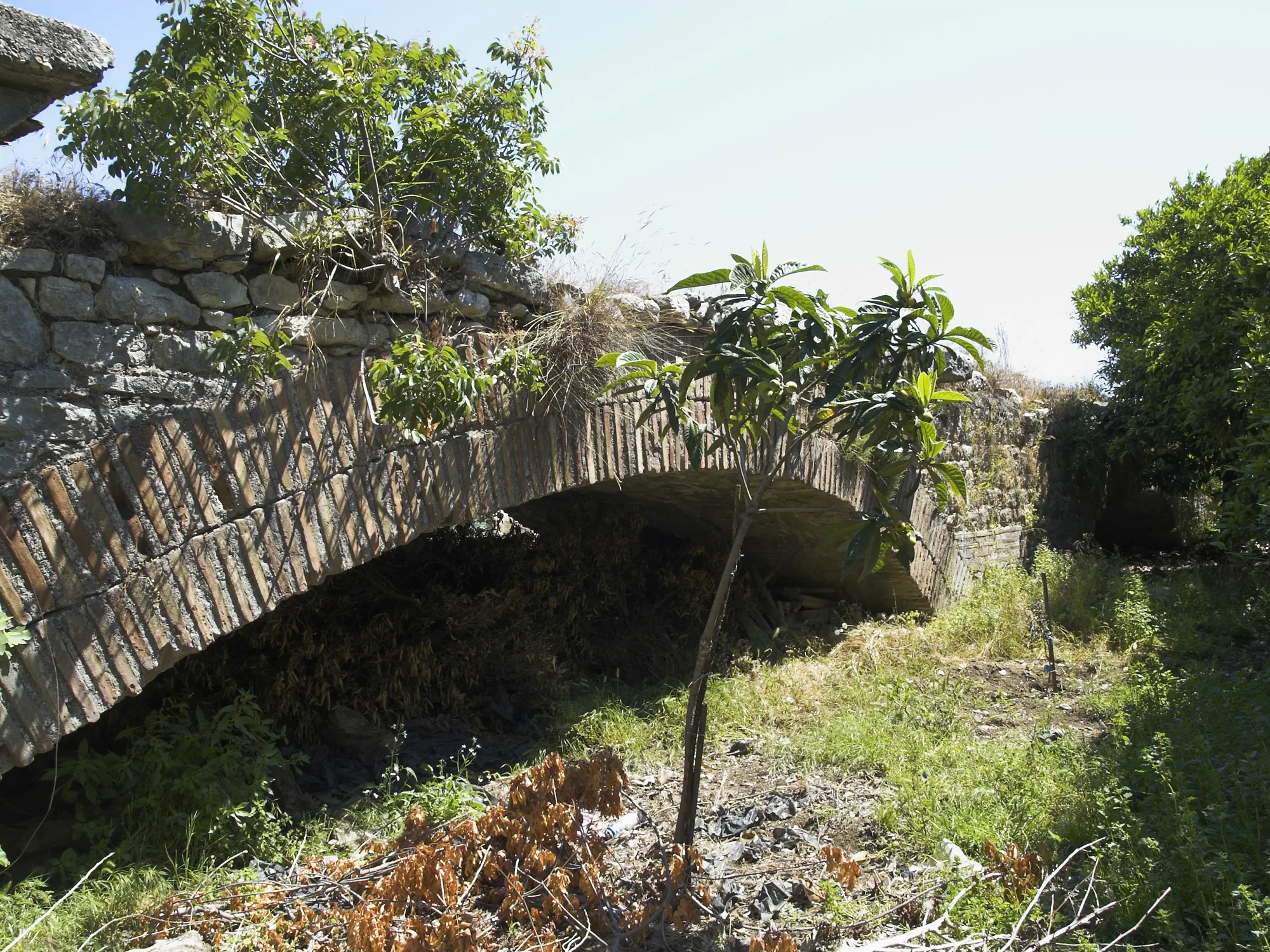
The site lies in Saklısu neighbourhood of Finike, and its postal address is Yuvalılar village, Turunçova. It stands about 9 km east of Finike at the foot of Mount Toçak and is reached from Finike by private vehicle. Remains of an impressive Roman bridge are also noted close by. Check the official page for current visiting terms.
History
The city's name appears in Lycian inscriptions as Zemuri, which proves settlement from at least the 5th century BCE. The name is thought to come from the Hittite word Zumarri. Limyra's most brilliant age fell in the first half of the 4th century BCE under King Perikle, when it was the capital of Lycia. In the years Perikle was working to form the Lycian League and widen his domain, Persian overlordship was a bond in name only, and Limyra, like other Lycian cities, enjoyed wide freedom.
A second golden age came in the 2nd and 3rd centuries CE. Earthquakes did damage, but each time the city was rebuilt. Under Eastern Roman rule it became a bishopric, and after the Arab raids of the 8th and 9th centuries it was abandoned.
Names attached to the site
Perikle is the Lycian king identified with Limyra's brightest period, and the monumental tomb built for him is today one of the city's key monuments. Scholars learned of Limyra in 1842, when the British travellers T. A. B. Spratt and E. Forbes identified the place from inscriptions on Roman sarcophagi at the harbour of Finike. The story of Gaius Caesar, told above, belongs to 4 CE.
Notable structures
Acropolis and the Heroon of Perikle
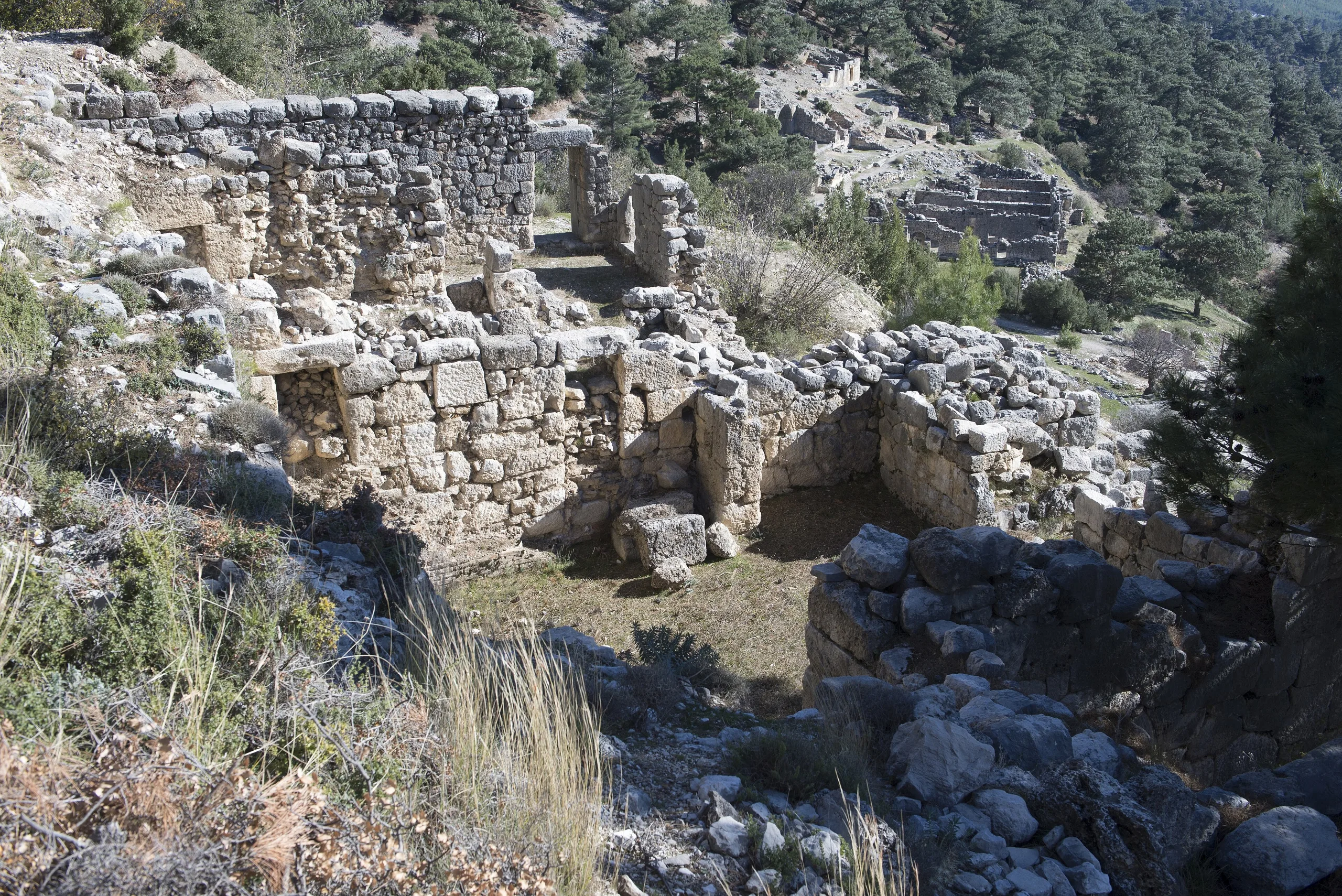
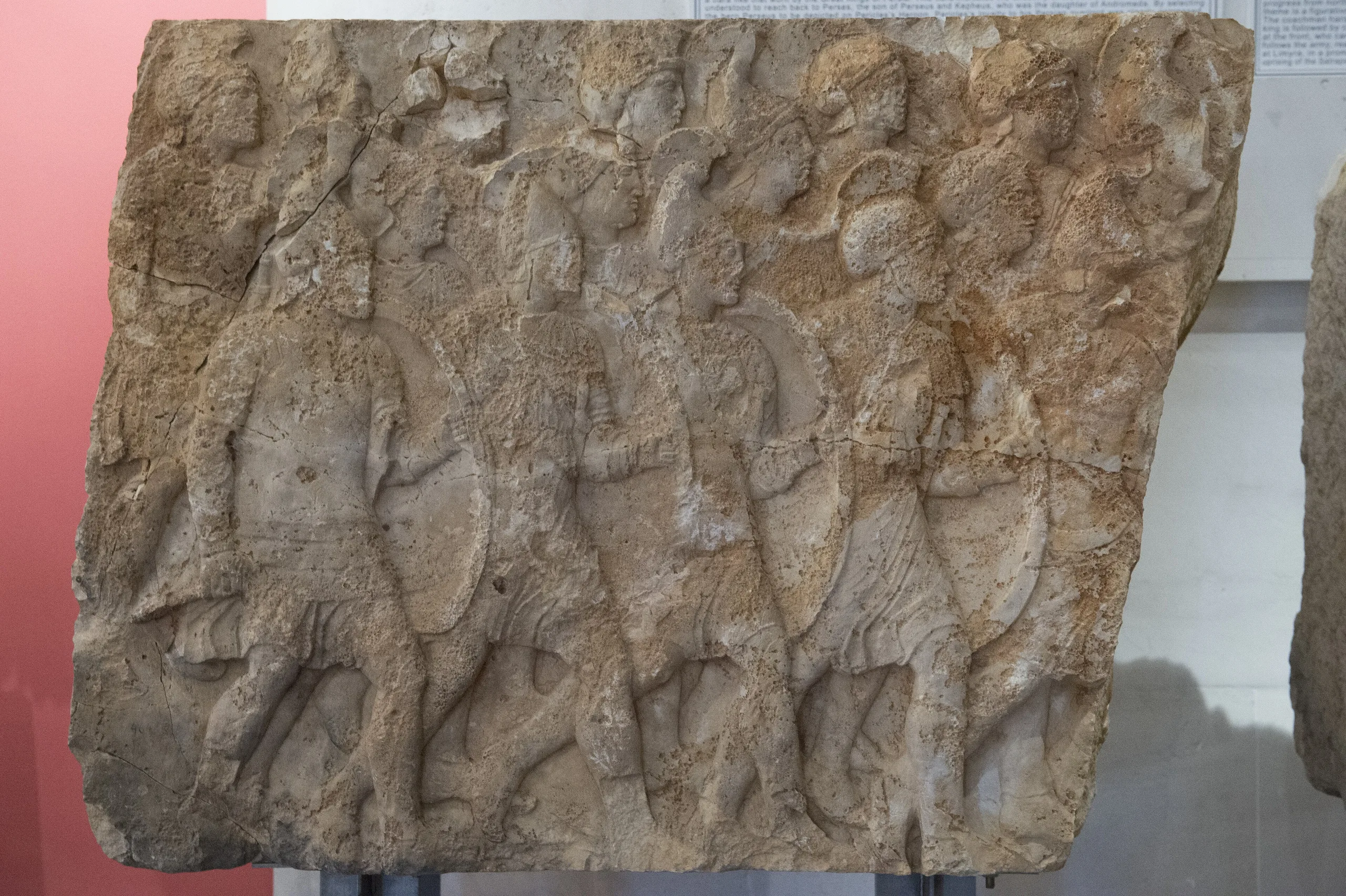
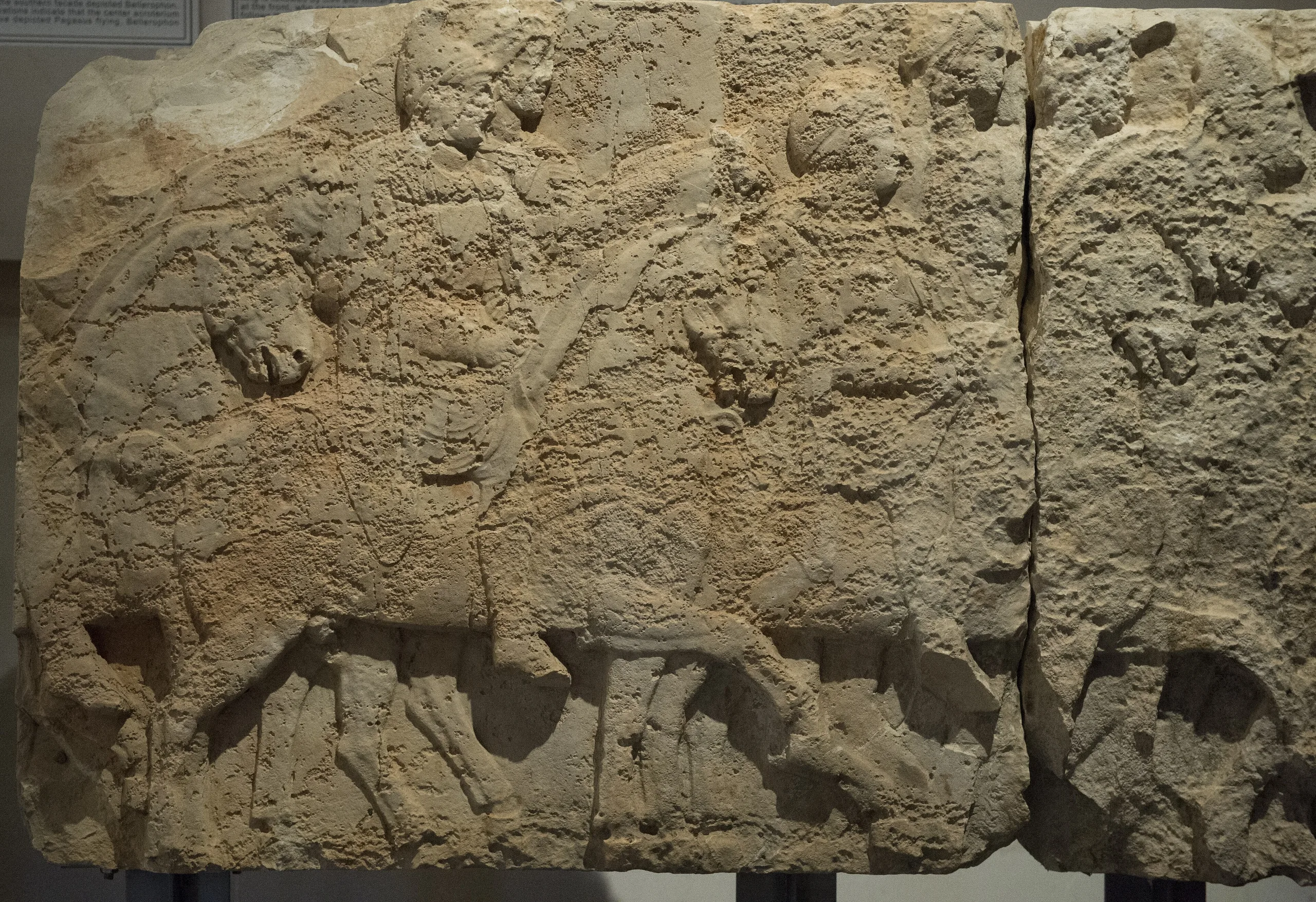
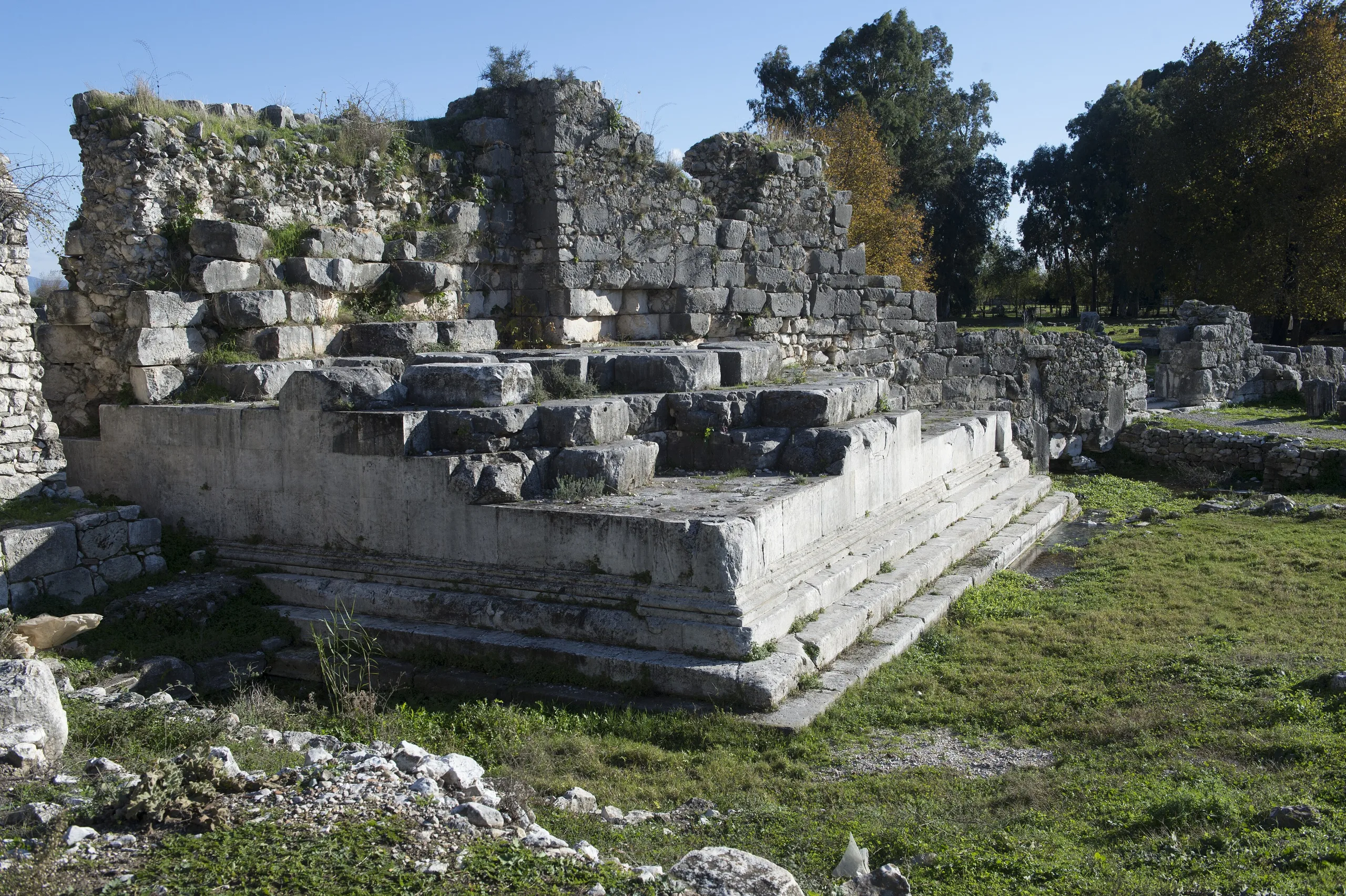
The acropolis at the north end of the site has an inner castle and a lower castle. Inside the lower castle are the Heroon of Perikle, a Byzantine church, cisterns and stretches of wall. A heroon is a monumental tomb made for a hero or king. This one dates to the 4th century BCE and its architecture resembles the Nereid Monument at Xanthos; important pieces of it are displayed in Antalya Museum. The tomb carried caryatids, female figures used in place of columns, and has been described as strongly influenced by the Erechtheion in Athens.
Theatre and Ptolemaion
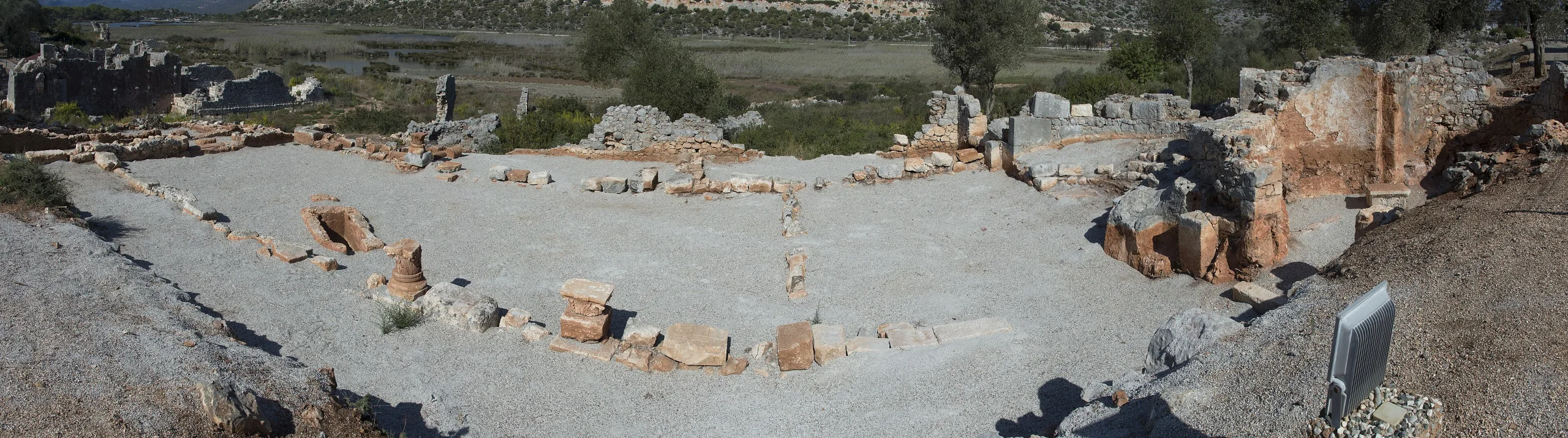
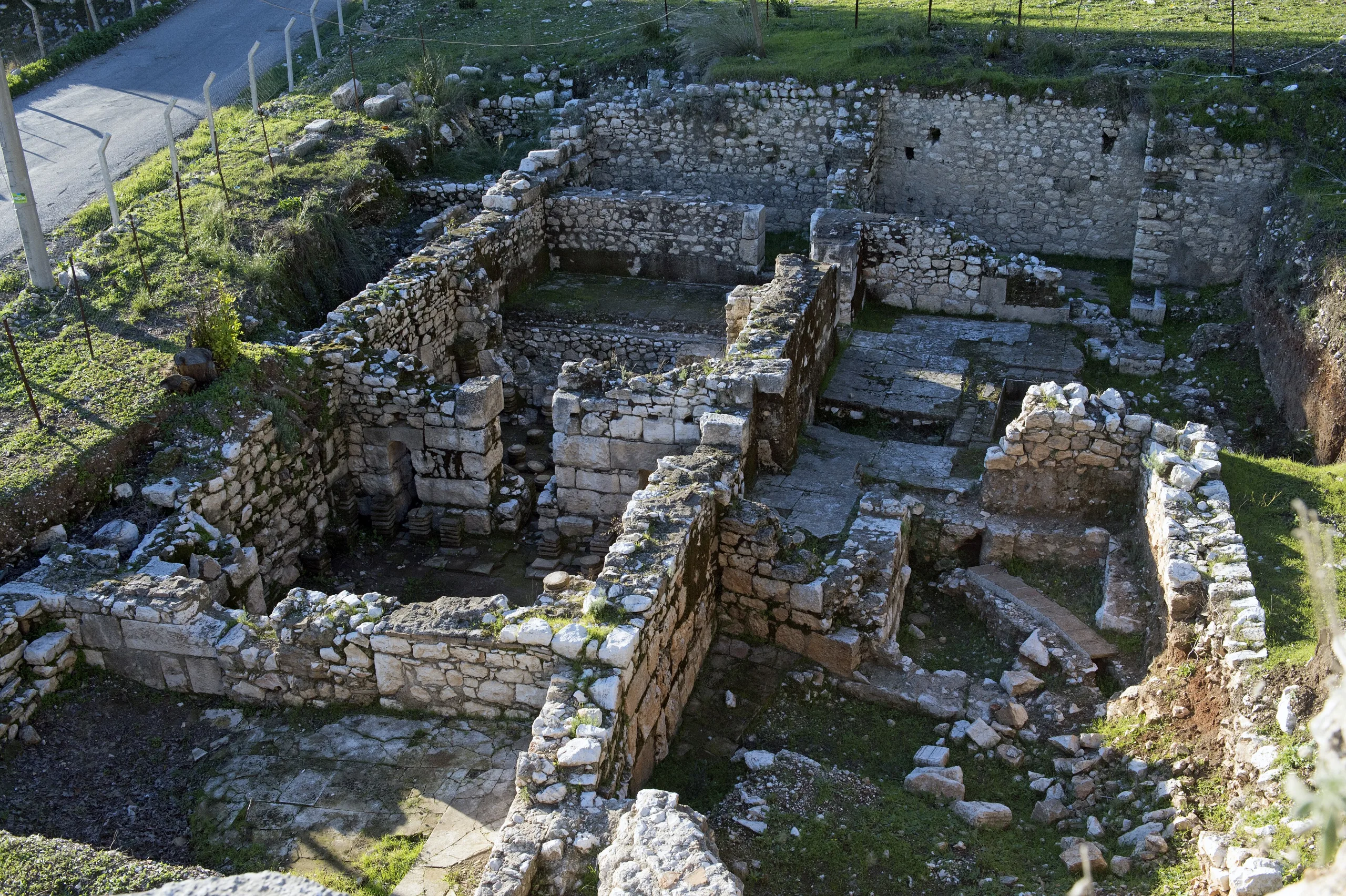
Where the acropolis meets the plain, the theatre stands right beside the highway. Its first form is Hellenistic, and it underwent a major repair in 141 CE. South of the highway, the Limyros Stream divides the land into an eastern and a western island. Older remains lie inside the Early Byzantine wall on the west. In the south side of that wall a Hellenistic building came to light, known as the Ptolemaion; sculpture from it is held in Antalya Museum.
Cenotaph of Gaius Caesar
A cenotaph is a tomb with no body in it. The monument raised for Gaius Caesar in 4 CE is famous for its architecture and for the marble reliefs around it. The high relief in Antalya Museum reflects the realism of the Augustan age at exceptional quality.
Rock tombs and reused blocks
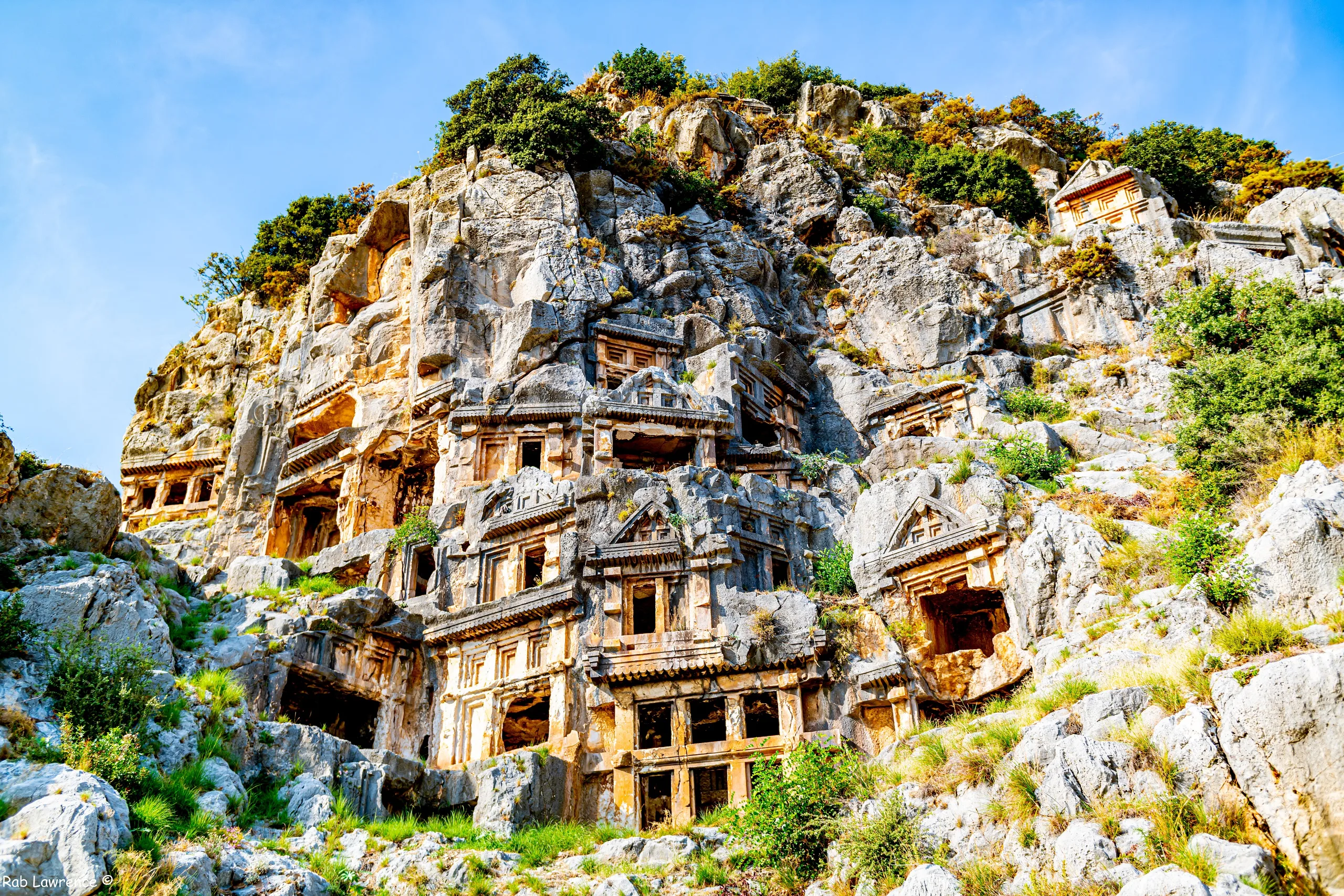
Limyra has more rock tombs than almost any other city of Lycia. Over 400 survive, and Lycian inscriptions tell us who owned most of them. Blocks built into the late-antique walls as spolia, reused stone from older buildings, are also important. In 2017 the Austrian team picked out from them at least 14 blocks of a pseudoperipteros temple in the Corinthian order, one with half-columns set against its walls, and parts of a far larger Ionic peripteros, which has a full ring of columns. Square dowel holes in the column bases were compared with the columns of the Mausoleum at Halicarnassus, and the peripteros was proposed to belong to the Late Classical period, close to Perikle's time.
Excavation
Digging at Limyra began in 1969 with the clearing of the Heroon of Perikle and went on under Jürgen Borchhardt. The first phase closed with a final campaign between 7 August and 13 November 1974. In its report Borchhardt read a tumulus tomb on the castle hill and a stele with a double axe as the burial ground of a Carian garrison commander. He took this as proof that eastern Lycia also came under Carian rule, and he noted a residential area and small sanctuaries on rock terraces.
The Austrian Archaeological Institute, part of the Austrian Academy of Sciences, carried on later, and in 2017 the director was Martin Seyer. No permit was granted that year, so the work stayed at the desk, processing data from an FWF project on Hellenistic urban growth. Geoarchaeological research with the University of Cologne has run since 2015; by the end of 2016, 21 boreholes had been sunk in the Finike plain, the deepest to 12 m.
Finds and museums
Important pieces of the Heroon, the sculpture from the Ptolemaion and the high relief of the Gaius Caesar monument went to Antalya Museum. Around the theatre and bath area a craft quarter was set up in the 6th century: traces of workshops handling animal bone, textiles and glass or metal include loom weights, spindle parts and bone needles.
Protection
Limyra belongs to the Ancient Cities of Lycian Civilization group that Türkiye submitted to the UNESCO Tentative List in 2009, so it is not on the World Heritage List itself. Cities of the group are protected as first-degree archaeological sites under Law No. 2863, and Limyra counts among the cities of the Lycian League on the Teke Peninsula.
Gallery
Frequently asked questions
Where is Limyra?
Where does the name Limyra come from?
When was Limyra at its height?
What is the Heroon of Perikle?
Why is Gaius Caesar's tomb empty?
How many rock tombs does Limyra have?
Sources (15)
- Limyra Örenyeri / Limyra Archaeological Site (TR ve EN sayfalar) — T.C. Kültür ve Turizm Bakanlığı, Müzeler ve Ören Yerleri
- Limyra Antik Kenti - Antalya (kaynak: Dünden Bugüne Antalya II, Antalya İl Kültür ve Turizm Müdürlüğü, 2012) — T.C. Kültür ve Turizm Bakanlığı, Türkiye Kültür Portalı
- Limyra: Bericht über die Abschlusskampagne 1974 (Borchhardt, J. ve çalışma arkadaşları) — T.C. Kültür ve Turizm Bakanlığı, Türk Arkeoloji ve Etnografya Dergisi arşivi (TAED)
- Wissenschaftlicher Jahresbericht 2017 (Limyra-Grabung, Leitung M. Seyer) — Österreichisches Archäologisches Institut, Österreichische Akademie der Wissenschaften
- Ancient Cities of Lycian Civilization (Tentative List ref. 5408) — UNESCO World Heritage Centre
- Limyra (Pleiades place 638961) — Pleiades
Photo credits
- Photo: Dosseman, CC BY-SA 4.0 — Wikimedia Commons (resized)
- Photo: Ralf Rochow, CC BY-SA 3.0 — Wikimedia Commons (resized)
- Photo: Dosseman, CC BY-SA 4.0 — Wikimedia Commons (resized)
- Photo: Dosseman, CC BY-SA 4.0 — Wikimedia Commons (resized)
- Photo: Magurale, CC BY-SA 4.0 — Wikimedia Commons (resized)
- Photo: Magurale, CC BY-SA 4.0 — Wikimedia Commons (resized)
- Photo: Dosseman, CC BY-SA 4.0 — Wikimedia Commons (resized)
- Photo: Dosseman, CC BY-SA 4.0 — Wikimedia Commons (resized)
- Photo: Dosseman, CC BY-SA 4.0 — Wikimedia Commons (resized)