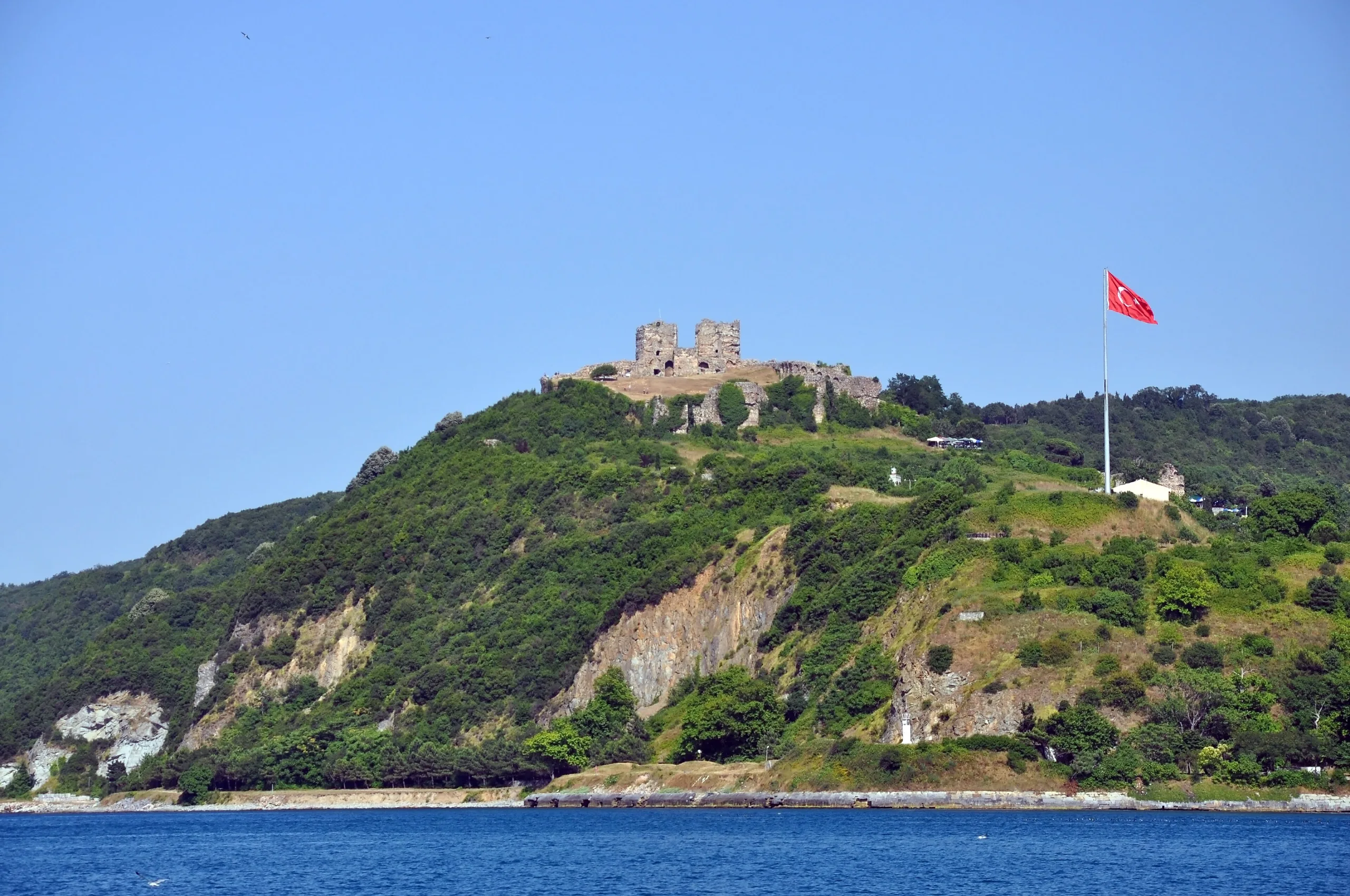
Yoros Castle in Beykoz crowns the hill above Anadolu Kavağı at the Black Sea entrance of the Bosporus; held by Byzantines, Genoese and Ottomans, it joined UNESCO's tentative list in 2026.
Yoros Castle is a place (Castle) in Turkey, Istanbul. Main periods: Byzantine Period, Ottoman Period.
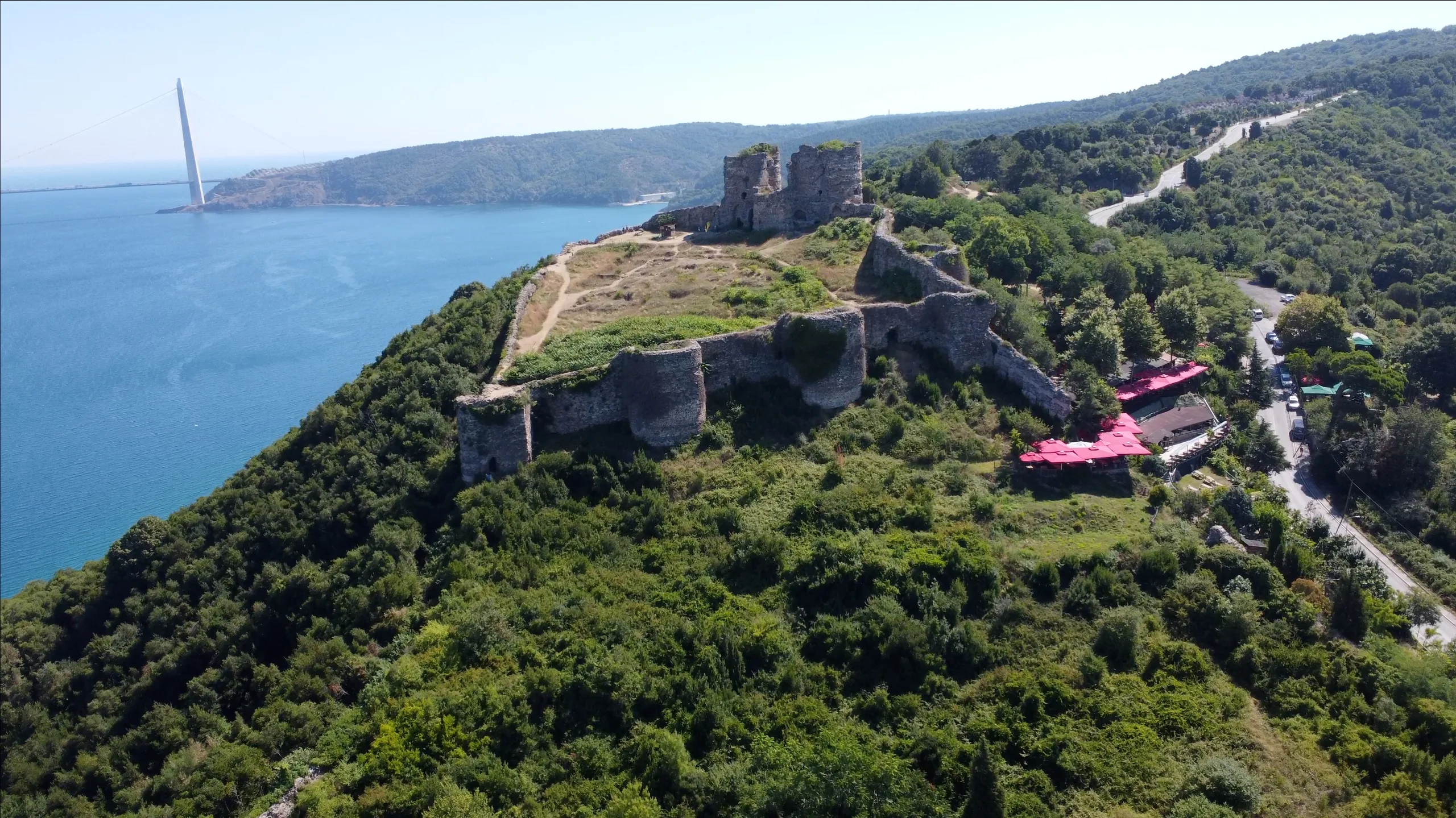
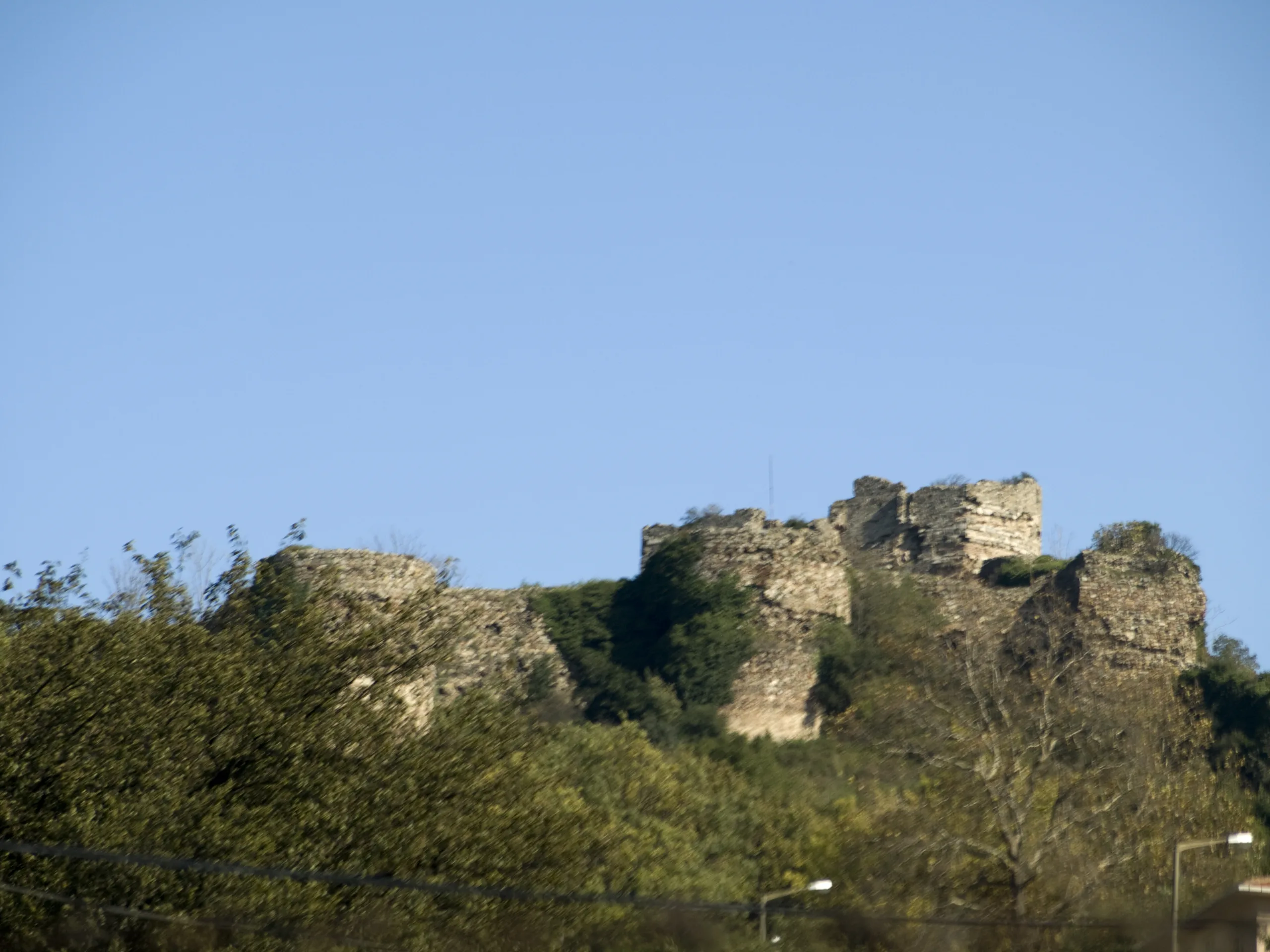
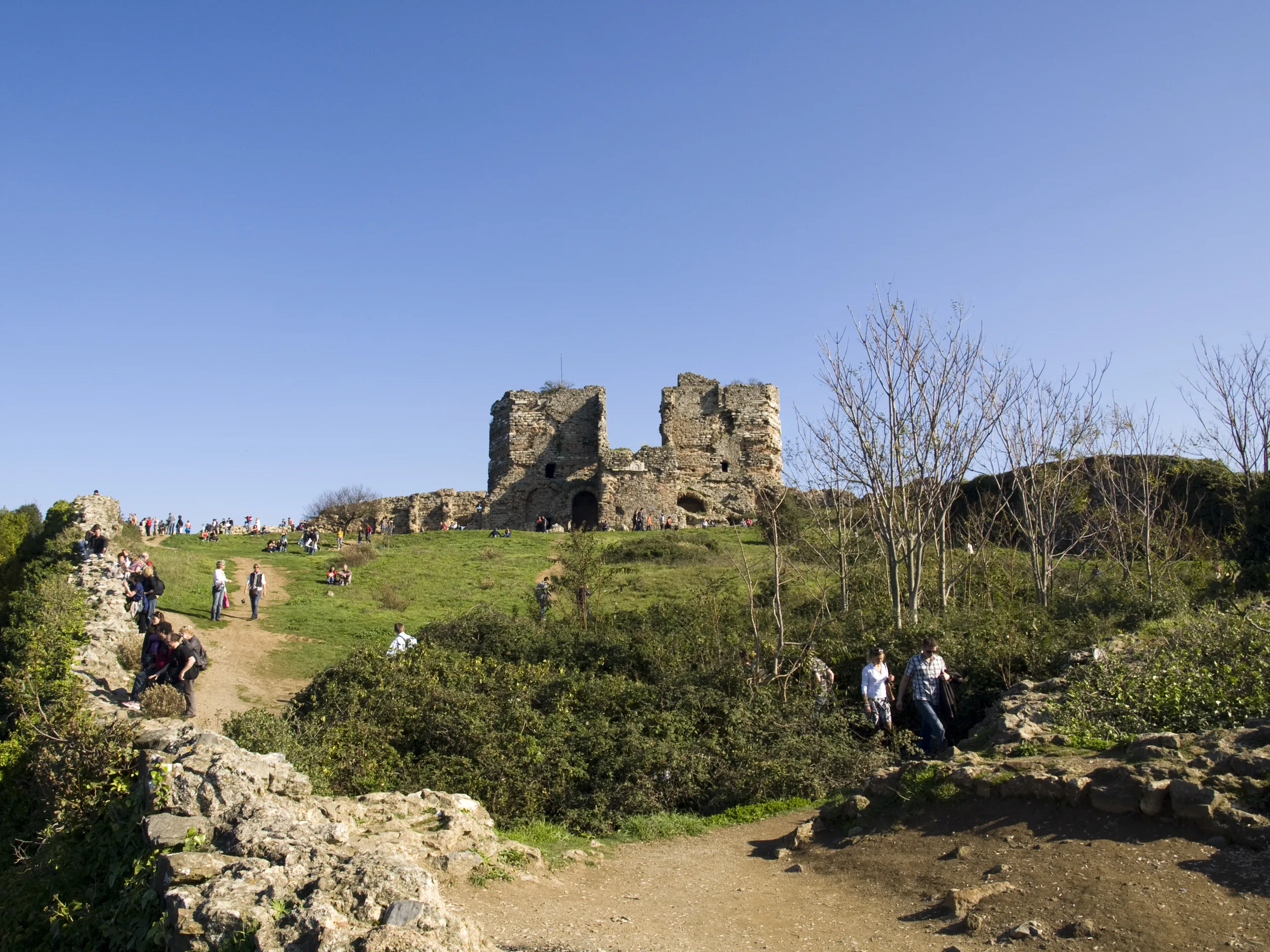
Where the Bosporus opens toward the Black Sea, a fortress with towers and curtain walls sits on the hill above Anadolu Kavağı. Yoros Castle was built, together with the fort on the European shore at Rumeli Kavağı, to control the entrance to the strait. Its importance is old enough to be written into its name: ancient authors call the spot Hieron, the sacred place.
History
Herodotus describes the place as somewhere Jason and the Argonauts worshipped on their way to Colchis. In antiquity an altar of the twelve gods and a temple to Zeus Ourios, Zeus of fair winds, gave sailors a shared shelter and a place of prayer as they entered or left the Black Sea, and the measurements on Black Sea sailing charts were taken from this point.
Under the Byzantine emperor Justinian I (527-565) a customs official was stationed here. In the Middle Byzantine period a wider enclosure wall was built, turning the site into a fort that watched the northern approach. The date of the present castle is uncertain. An early 12th-century foundation is the usual guess, while others, reading the inscriptions on the towers flanking the east gate, argue for the second half of the 13th century. After a naval battle in the strait in 1352 a Genoese military and trading garrison settled in, and a stay of nearly fifty years earned the castle the nickname Genoese Fortress. The Genoese placed their coats of arms on the walls of both Yoros and Amasra.
Toward the end of the 14th century the castle passed to the Ottomans, who used it as a base while building Anadoluhisarı. After 1453 the Genoese were no longer allowed to use it, and Yoros became an important garrison for the defence of Istanbul. It was repaired many times between the 15th and 17th centuries. Under Bayezid II (1481-1512) a small mosque, a bath and houses for soldiers' families were added inside the walls, along with a fountain.
What survives
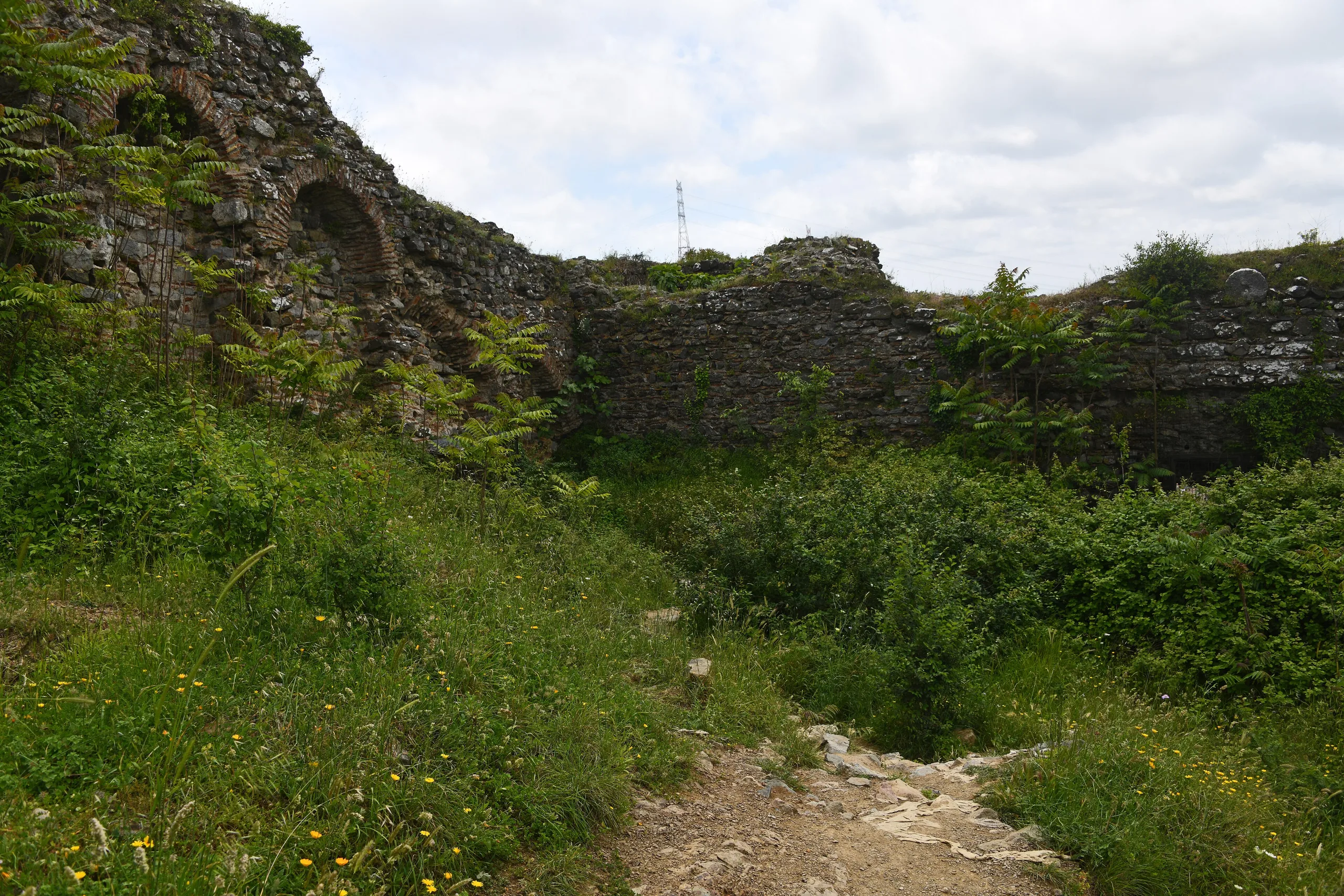
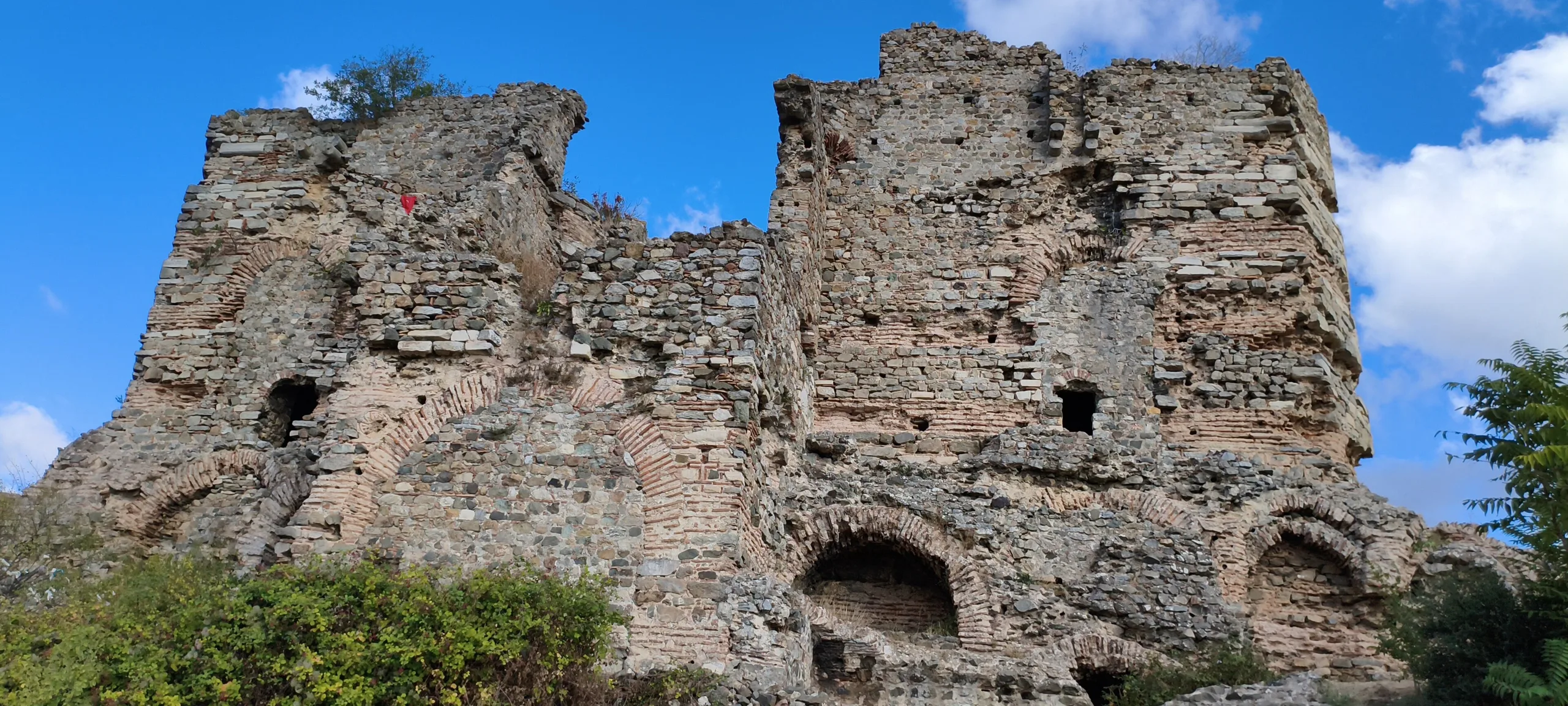
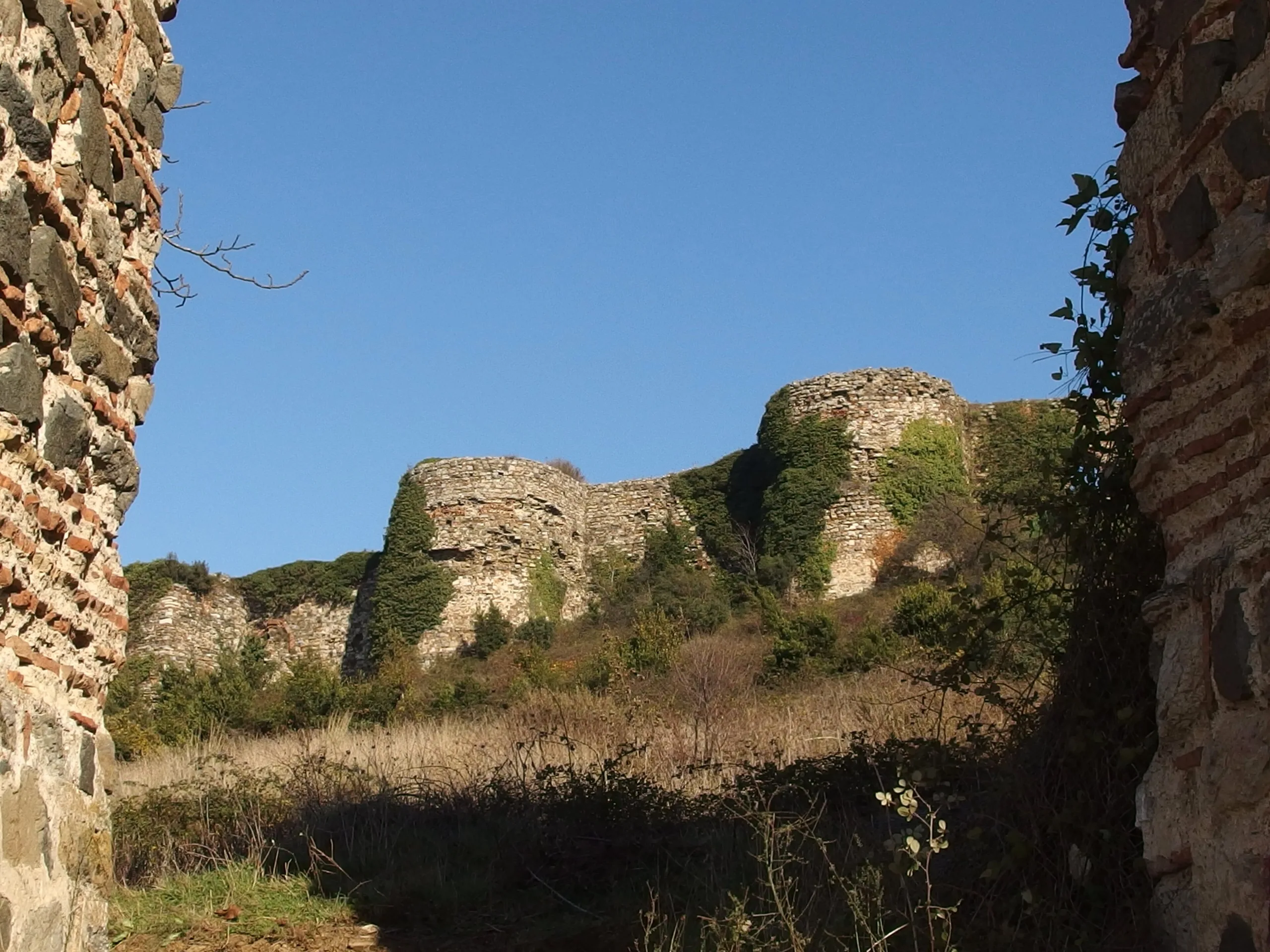
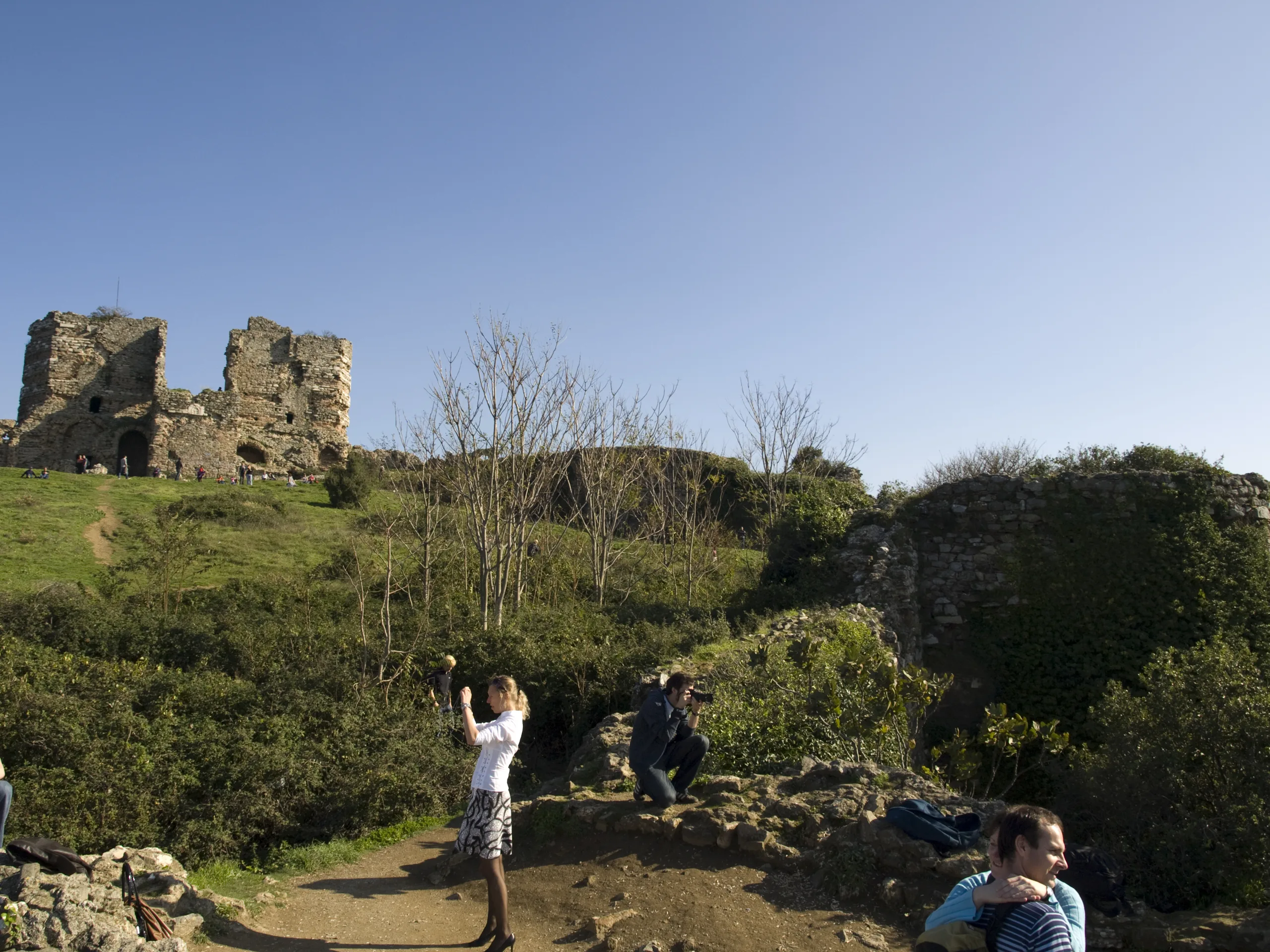
Today Yoros has an upper citadel ringed by towers, a monumental gate, plenty of marble decoration and building remains uncovered by excavation. The castle looks down on the small village below.
On the tentative list
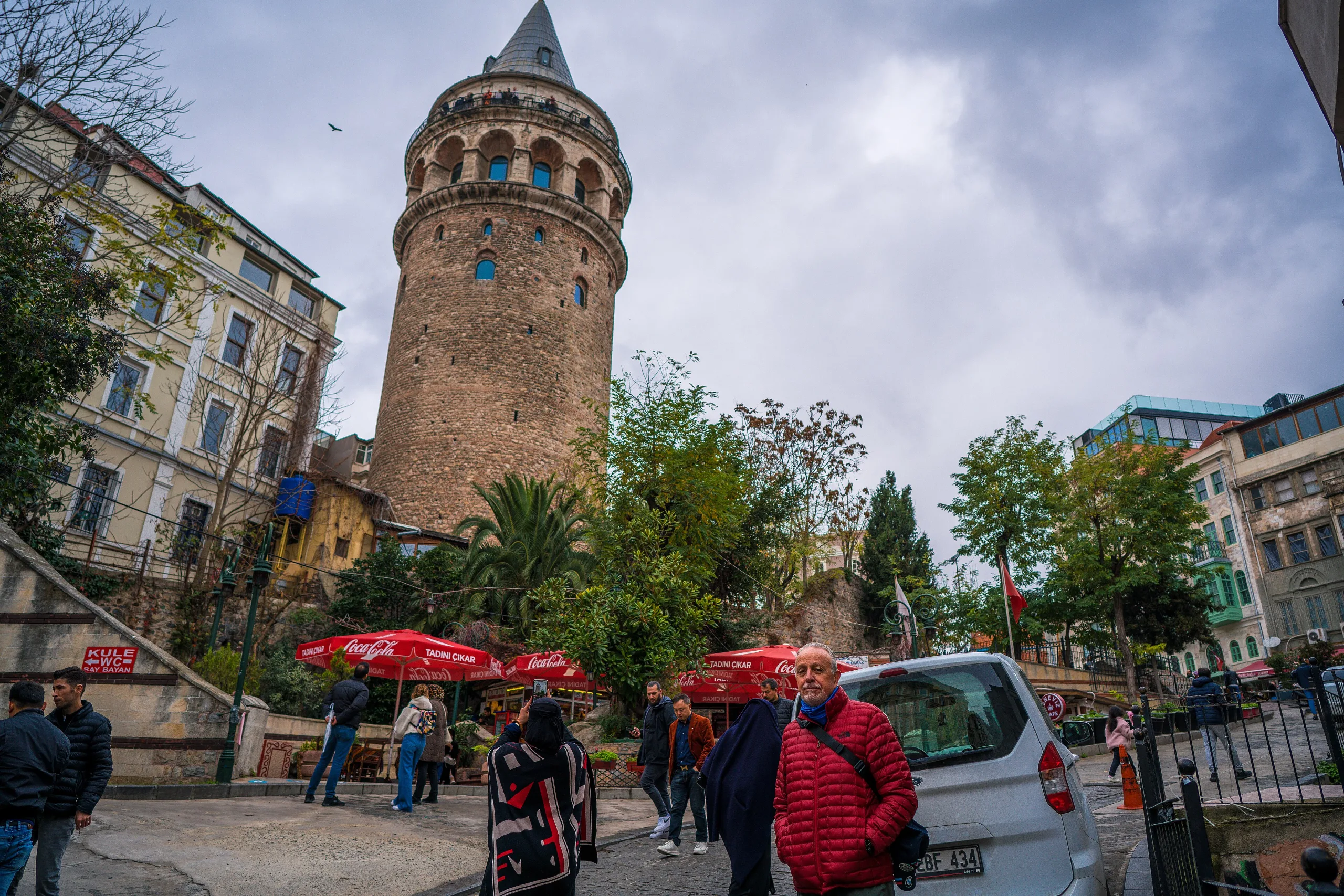
With the Galata Tower, Yoros is a component of the Genoese maritime network that Türkiye put forward in 2026 for the UNESCO World Heritage Tentative List. The nomination has ten components spread over six provinces and presents the Genoese trade system of the 13th to 15th centuries through its castles, towers and harbours. The castle is therefore a candidate and is not yet on the World Heritage List. It was registered as immovable cultural property in the 1970s by the national board for antiquities and monuments.
Visiting
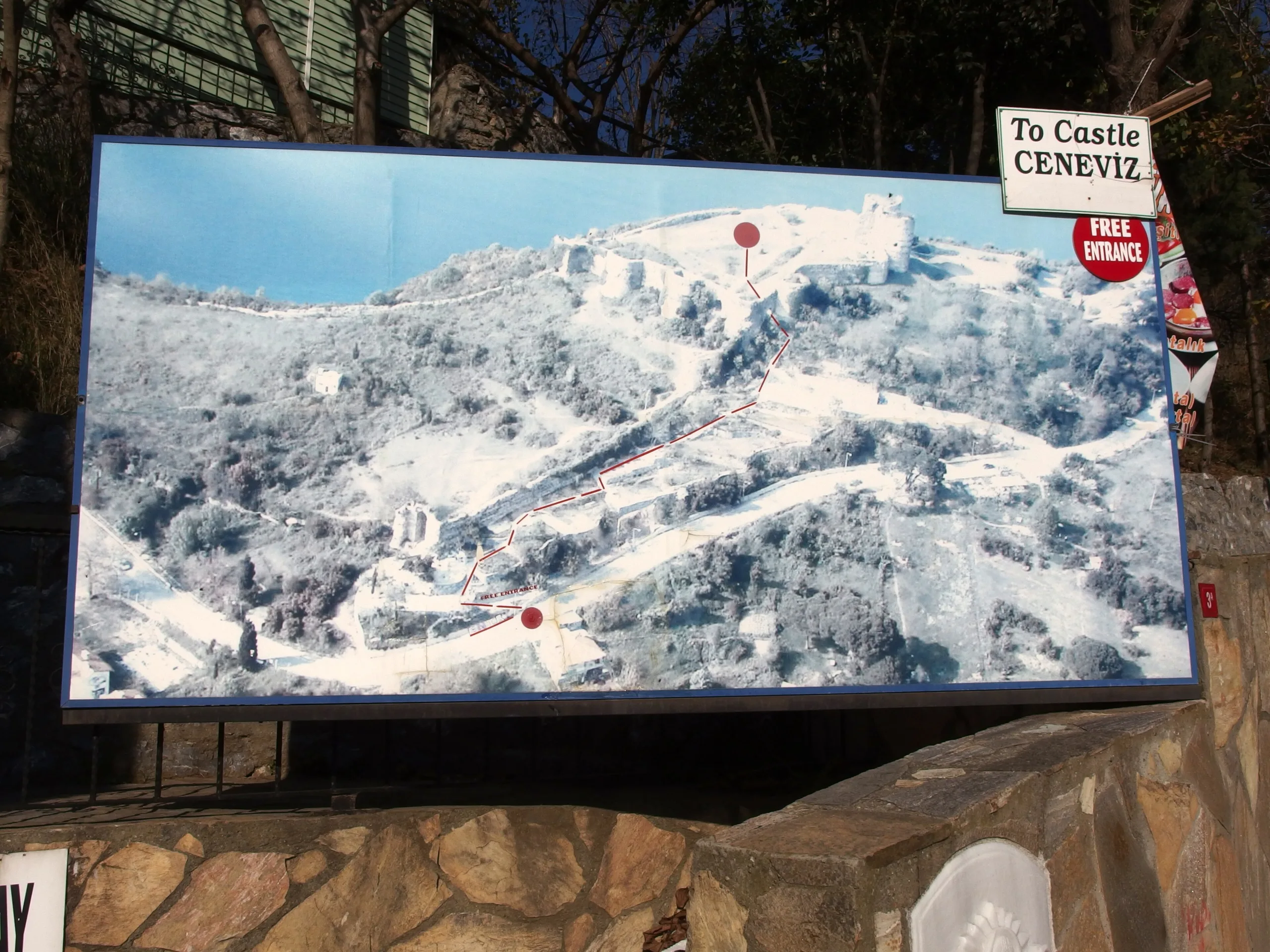
The castle stands on Fener Road in the Anadolu Kavağı quarter of Beykoz. Check official announcements for visiting conditions.
Gallery
Frequently asked questions
Where is Yoros Castle?
Where does the name Yoros come from?
Who built the castle?
What is the Genoese connection?
When did the Ottomans take it?
Is Yoros a UNESCO World Heritage Site?
Sources (12)
- The Genoese Maritime Network: Trading Posts and Fortifications from the Mediterranean to the Black Sea (Tentative Lists, Ref. 7030) — UNESCO World Heritage Centre
- Yoros Kalesi - İstanbul, Gezilecek Yerler — T.C. Kültür ve Turizm Bakanlığı, Kültür Portalı
- Yoros Kalesi (Wikidata Q1015617) — Wikidata
Photo credits
- Photo: Dosseman, CC BY-SA 4.0 — Wikimedia Commons (resized)
- Photo: Moonik, CC BY-SA 3.0 — Wikimedia Commons (resized)
- Photo: Özgür Arda BAYRAM, CC BY-SA 4.0 — Wikimedia Commons (resized)
- Photo: Mark Ahsmann, CC BY-SA 3.0 — Wikimedia Commons (resized)
- Photo: Mark Ahsmann, CC BY-SA 3.0 — Wikimedia Commons (resized)
- Photo: Meyavuz, CC BY-SA 4.0 — Wikimedia Commons (resized)
- Photo: Javier Losa, CC BY 2.0 — Wikimedia Commons (resized)
- Photo: Javier Losa, CC BY 2.0 — Wikimedia Commons (resized)
- Photo: Javier Losa, CC BY 2.0 — Wikimedia Commons (resized)