In Demre, the church raised for Nicholas, bishop of Myra, was rebuilt as a domed church in the 9th century and is known for Middle Byzantine frescoes and the Santa Claus legend.
St. Nicholas Church is a place (Church) in Turkey, Antalya. Main periods: Byzantine Period.
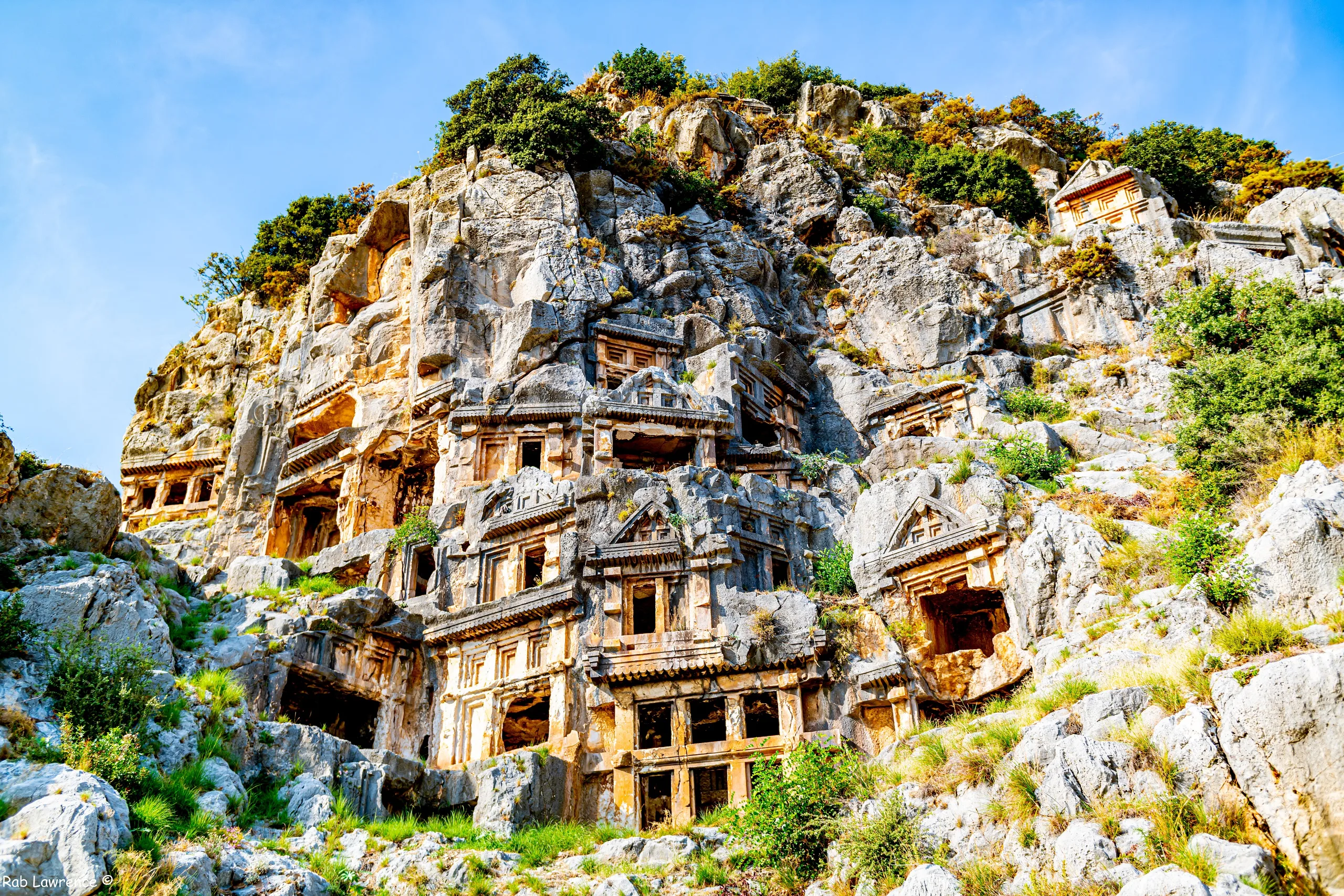
Santa Claus is usually pictured among northern snows, yet the saint behind the legend lived on a Mediterranean shore where snow never falls. In Demre, in Antalya province, a church stands on the land of ancient Myra, where Nicholas served as bishop. It grew over the centuries into a cluster of buildings joined together, and its walls carry paintings of miracles credited to him. Since 2000 it has been on UNESCO's World Heritage Tentative List.
History
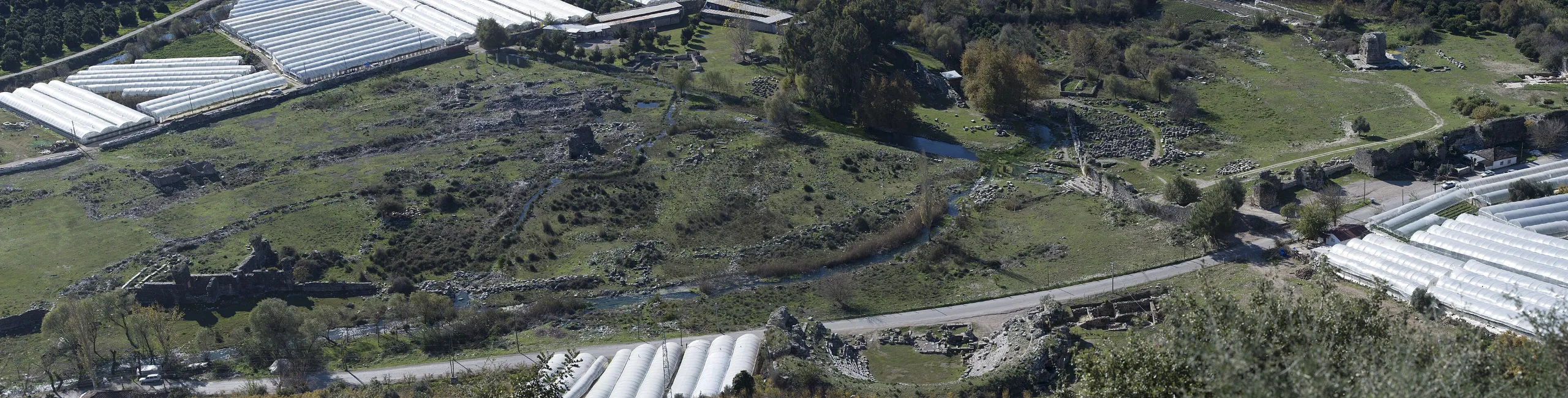
Nicholas was born at Patara in the second half of the 3rd century and became bishop of Myra. His reputation grew so strongly after his death that the people of Myra first built a monument in his name and later a large basilica. In the 5th century the city was capital of the province of Lycia, and its archbishop ranked as the second great religious authority in Anatolia, which added to the prestige of the saint's memory.
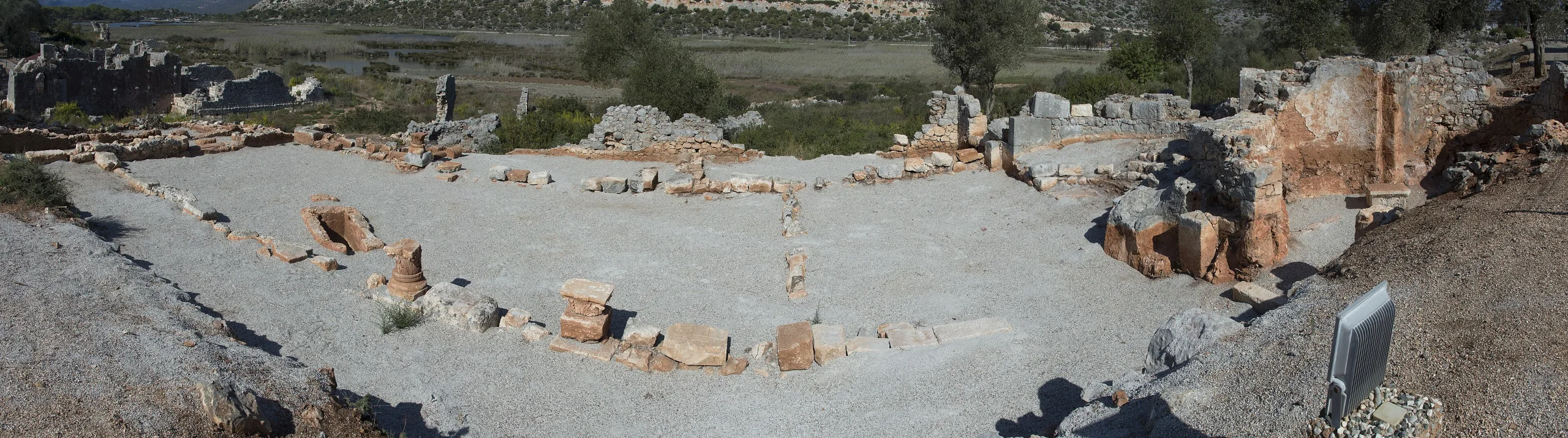
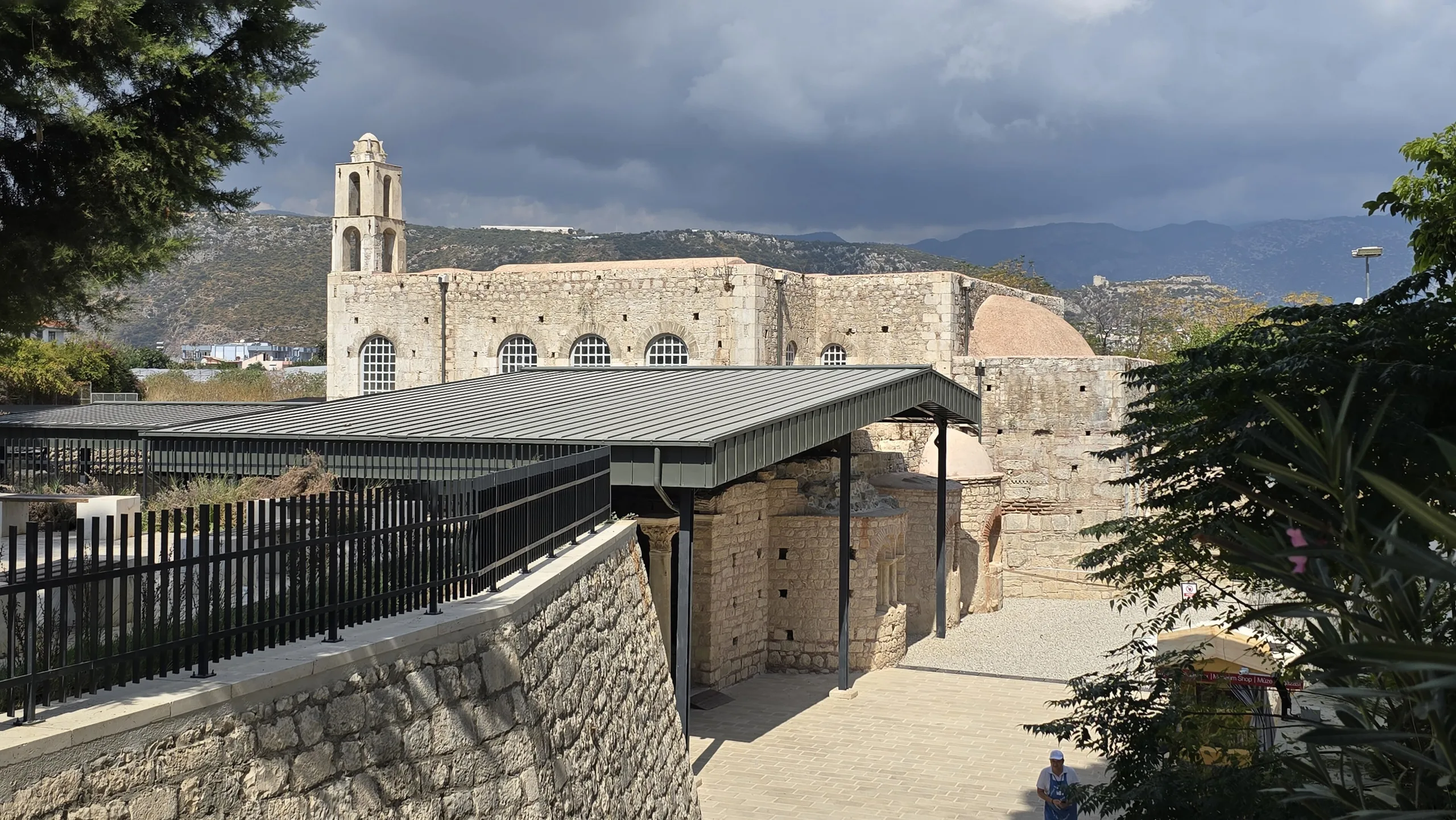
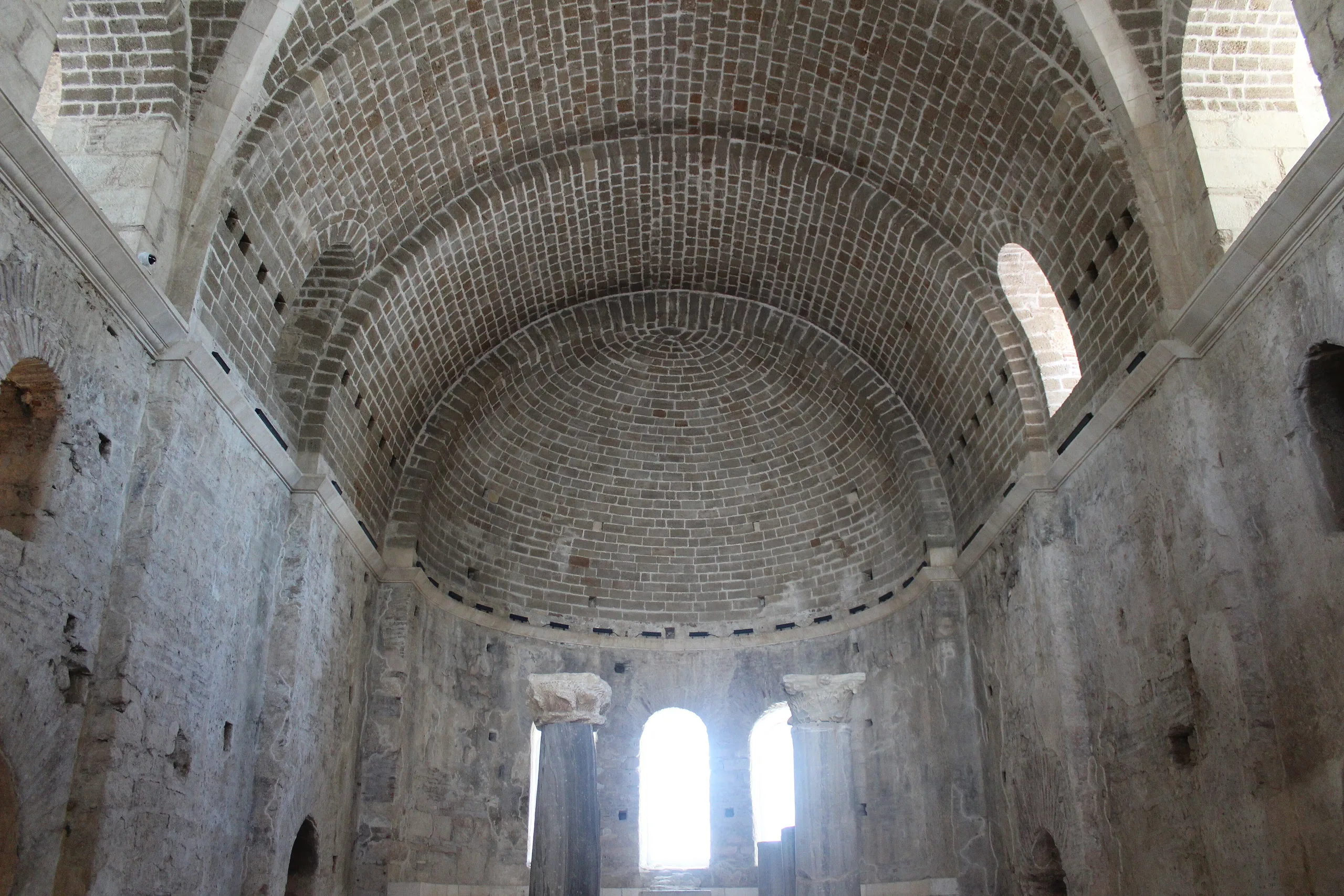
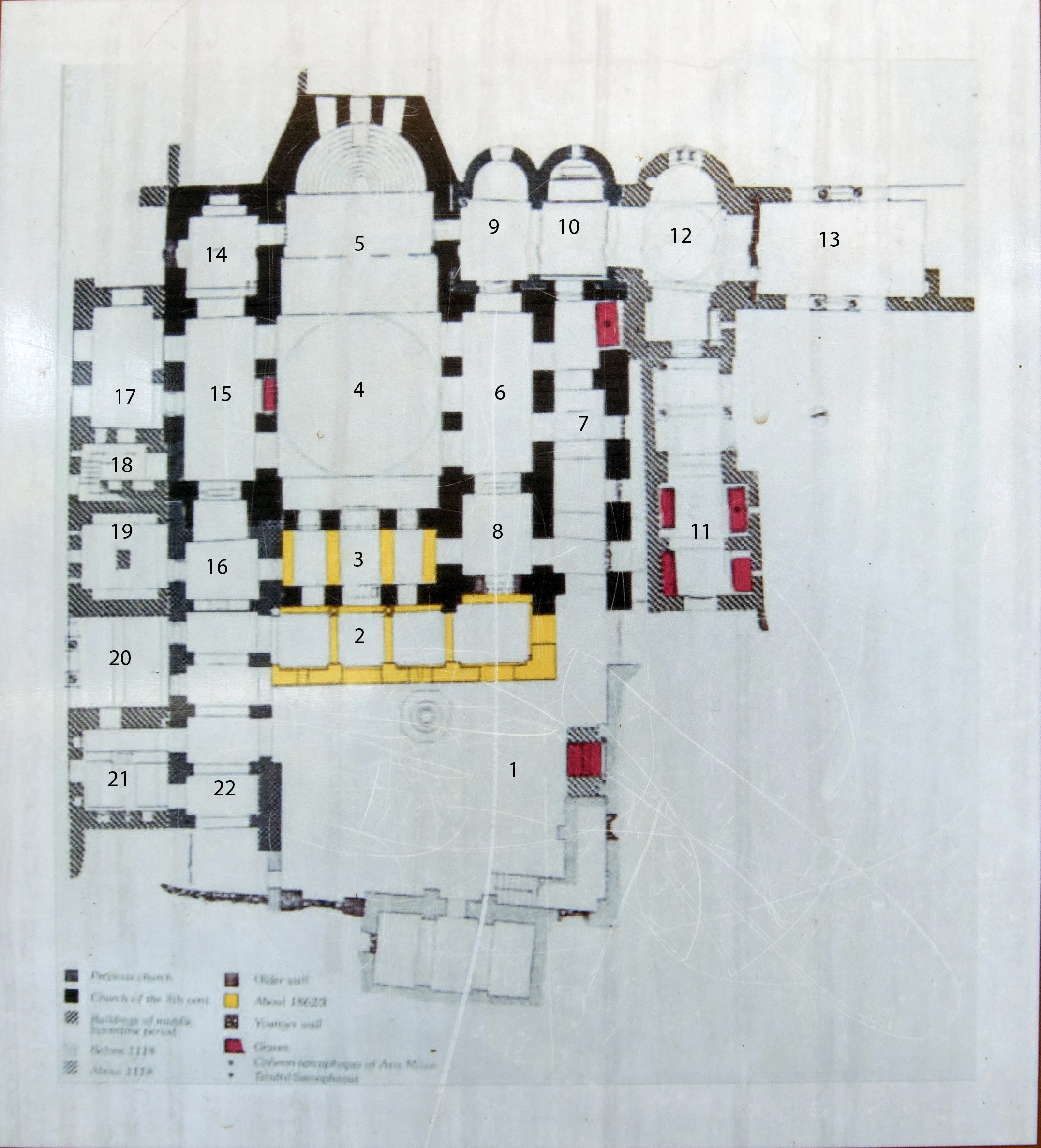
Earthquakes and raids badly damaged the basilica in the 8th century, and in the 9th century a domed church was raised in its place. More additions followed in the 11th century, in Middle Byzantine times; the most important repair of that age is linked to Emperor Constantine IX and his wife Zoe in 1042. Most of the wall paintings and floor mosaics belong to this phase. The largest later repair was carried out in 1862 by the Russian tsar Nicholas I. The bell tower and the new ridged central dome come from that campaign and depart considerably from the original plan.
Architecture
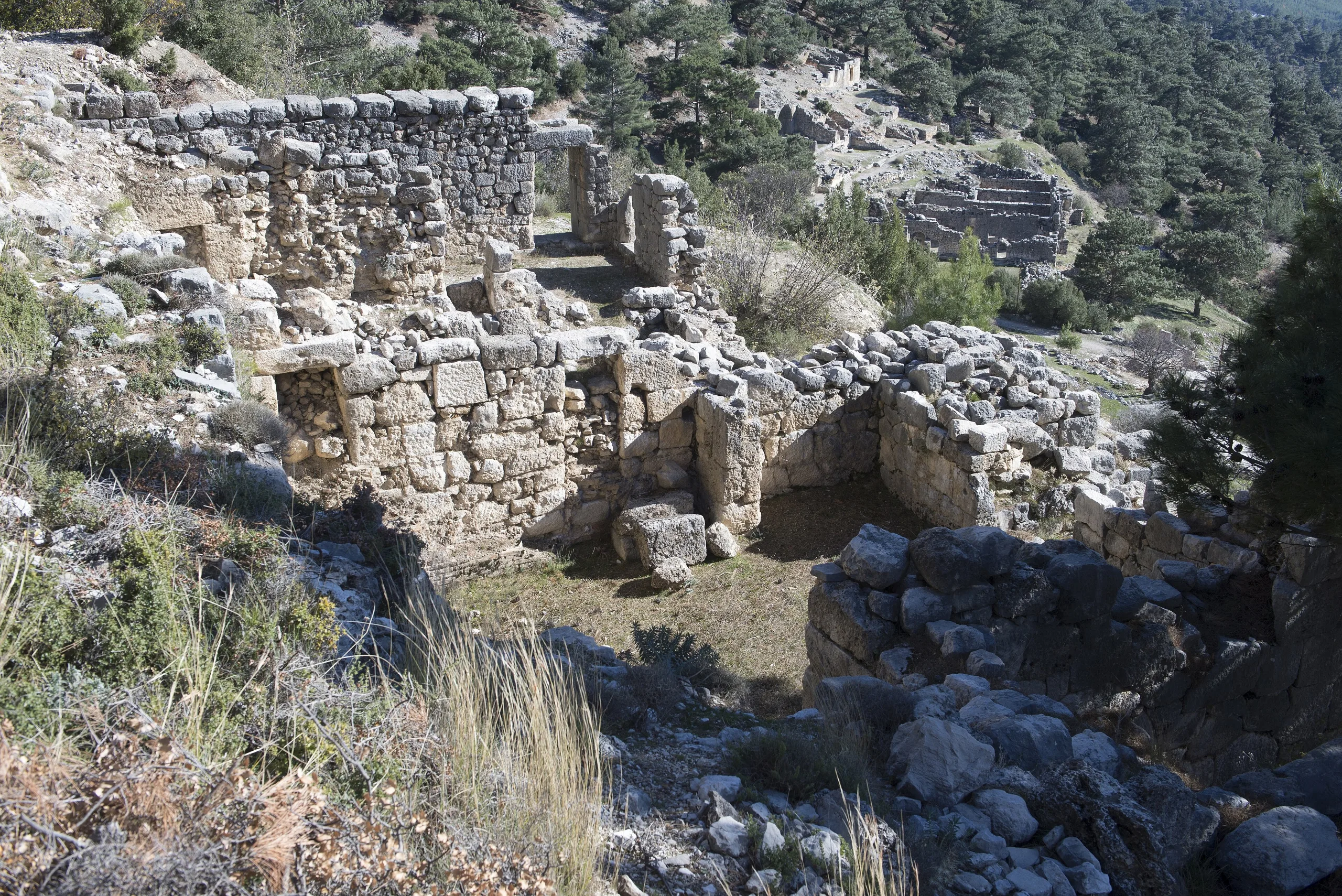
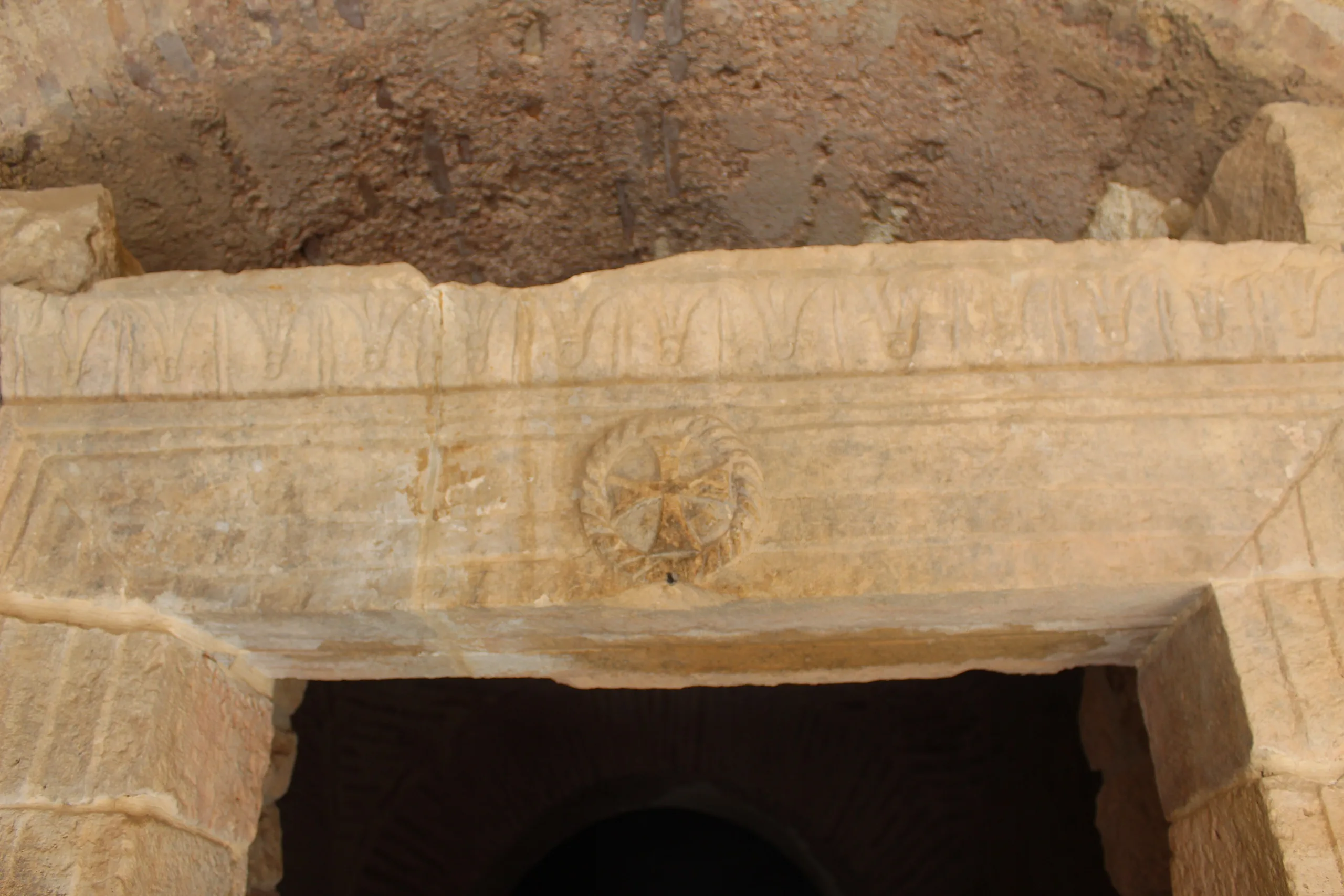
The church we see today rests on the original foundations and combines buildings of several periods, so it reads less as one design than as something that grew in layers. Its style and ornament are counted among the finest of the Middle Byzantine age. Inside stands a Roman sarcophagus carved with fish scales and acanthus leaves, the plant whose curling foliage Greek and Roman carvers loved; the saint is thought to have been laid to rest in it. The paintings on the walls tell of the miracles attributed to Nicholas.
The story of the relics
In 1087 merchants from Bari, sailing toward Jerusalem, put in at Myra, opened the tomb and carried off part of the remains. Those relics are now kept in the Basilica of San Nicola in Bari, built in his honour. Other bones believed to be his are displayed in the Antalya Museum.
Visiting
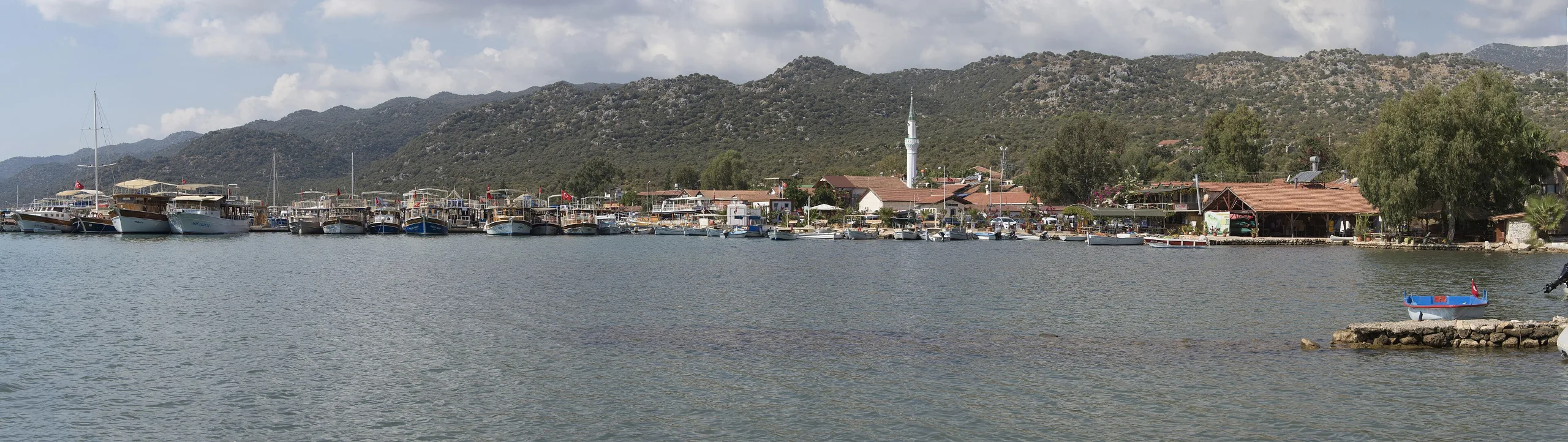
Visiting arrangements can change, so consult the official page for current details. The MüzeKart is valid for Turkish citizens. Andriake, the harbour of Myra, and the Lycian Civilisations Museum there lie in the same area.
Gallery
Frequently asked questions
Where is St. Nicholas Church?
Did Santa Claus really live here?
When was the church built?
Where are the saint's bones?
What can be seen inside?
Is it a World Heritage Site?
Sources (7)
- Aziz (St.) Nikolaos Anıt Müzesi / St. Nicholas Museum (TR ve EN sayfalar) — T.C. Kültür ve Turizm Bakanlığı, Müzeler ve Ören Yerleri
- Aziz (St.) Nikolaos Anıt Müzesi - Antalya, Gezilecek Yerler — T.C. Kültür ve Turizm Bakanlığı, Kültür Portalı
- St. Nicholas Church, Demre (Wikidata Q3671440) — Wikidata
Photo credits
- Photo: Interfase, CC BY-SA 4.0 — Wikimedia Commons (resized)
- Photo: Rigorius, CC BY-SA 4.0 — Wikimedia Commons (resized)
- Photo: Interfase, CC BY-SA 4.0 — Wikimedia Commons (resized)
- Photo: Dosseman, CC BY-SA 4.0 — Wikimedia Commons (resized)