Eight sites in Bursa (complexes, a khan district, tombs) and the waqf village of Cumalıkızık record the first Ottoman capital; inscribed in 2014.
Bursa and Cumalıkızık is a place (Historic town) in Turkey, Bursa. Main periods: Ottoman Period. It was inscribed on the UNESCO World Heritage List in 2014.
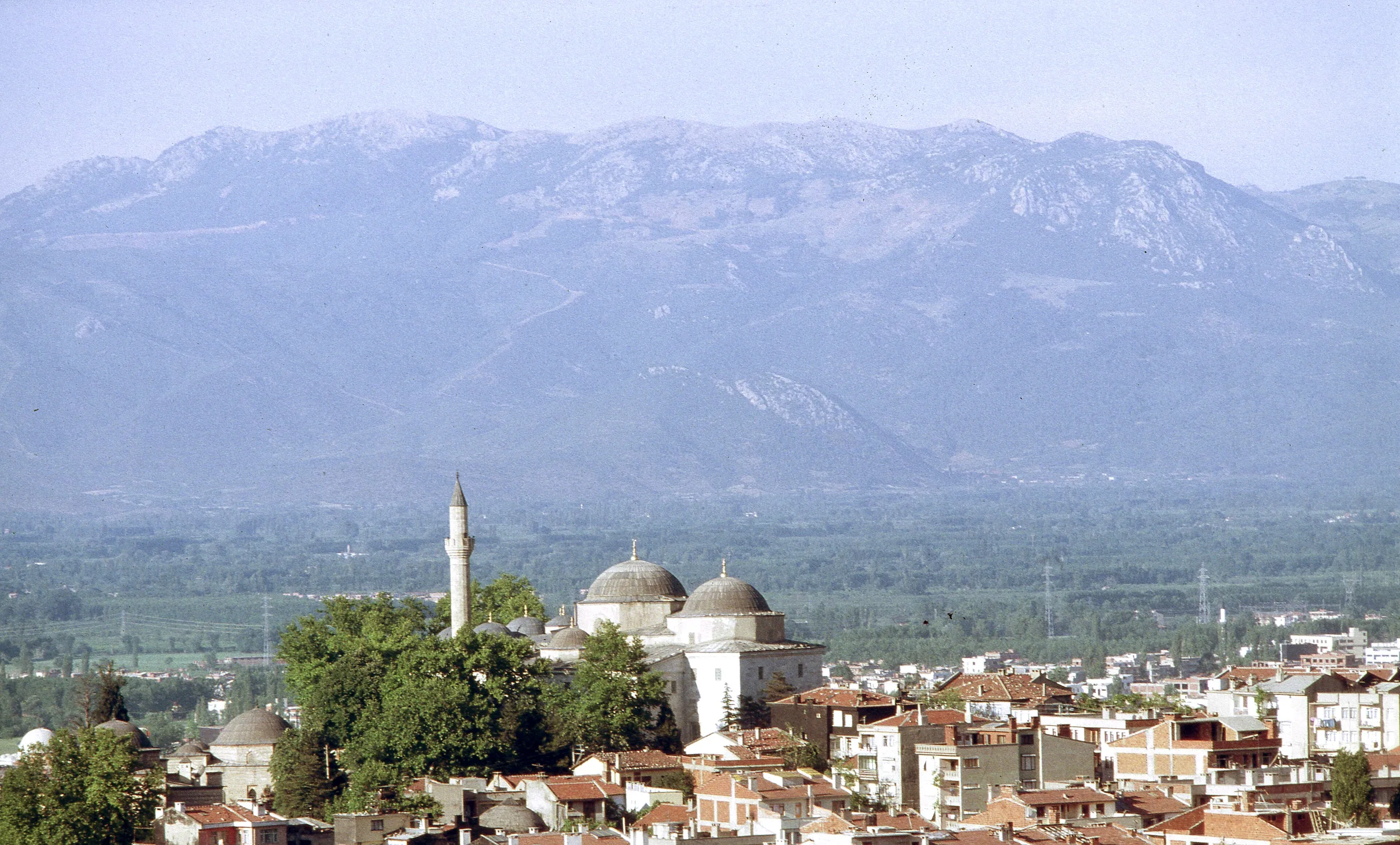
Bursa and Cumalıkızık is a serial World Heritage property on the slopes of Uludağ that stands for the urban and rural system of the first Ottoman capital. It comprises eight component sites: seven in the city of Bursa (sultan complexes, a district of khans, tombs and a thermal bath) and one in the village of Cumalıkızık. UNESCO stresses that the city took shape around complexes founded by rulers and tied to the countryside through endowments. The property entered the World Heritage List in 2014.
Location
ICOMOS places Bursa in the south of the Marmara Region, on the northwest slope of Mount Uludağ. Cumalıkızık lies about eight kilometres east of the historic centre, although an article on DergiPark gives a distance of roughly twelve.
History
According to ICOMOS, Bursa's change from a small principality into a capital began when the city surrendered to Osman Bey in 1326, and under his son Orhan Ghazi it was made the first capital. Historic records point to two factors that sped up the founding stage: the Ahi brotherhoods and the system of waqf endowments. After the conquests of Antalya and Alanya the city became an important hub of the spice trade. Even after the capital moved to Edirne in 1413, Bursa kept growing with complexes such as the Yeşil and Muradiye. The same evaluation says the city suffered from the Celali revolts in the seventeenth century and from changing trade routes in the eighteenth. The earthquake of 1855 brought down most of the buildings, and during the rebuilding that followed Bursa was declared a model Ottoman city. ICOMOS stresses that this nineteenth-century reconstruction strongly marks the city's present look.
UNESCO says the city grew from five hilltop complexes founded by five rulers: Orhan Ghazi, Murad I, Bayezid the Thunderbolt, Mehmed Çelebi and Murad II. Each held a mosque, madrasa, bath, public kitchen and tomb, set the limits of the town, and drew neighbourhoods around itself. UNESCO adds that the complexes were linked to rural land through waqfs, and that Cumalıkızık was founded as a waqf village to bring income to the Orhan Ghazi complex.
People and events
Osman Ghazi and his son Orhan Ghazi are both buried in Bursa. ICOMOS says the single building that marks their graves dates from 1863, replacing a structure destroyed in 1855. UNESCO notes that the figures of Hacivat and Karagöz, remembered as workmen on the Orhan Ghazi complex, add to the city's legendary image. Many sultans and courtiers chose burial in Bursa even after the capture of Istanbul, as a sign of loyalty to their ancestors.
Notable sites: the eight components
Orhan Ghazi Complex and surroundings (Khans Area)
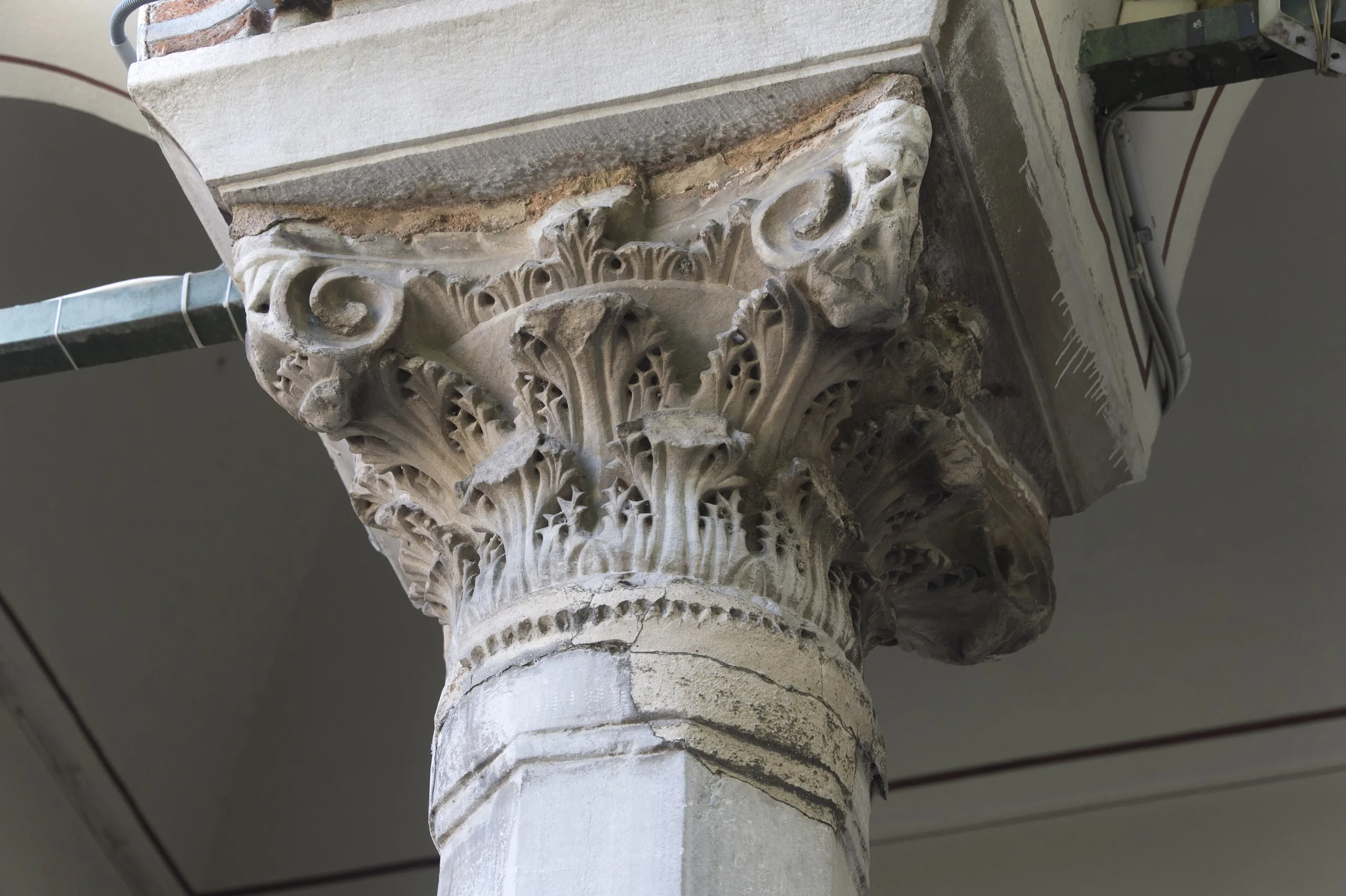
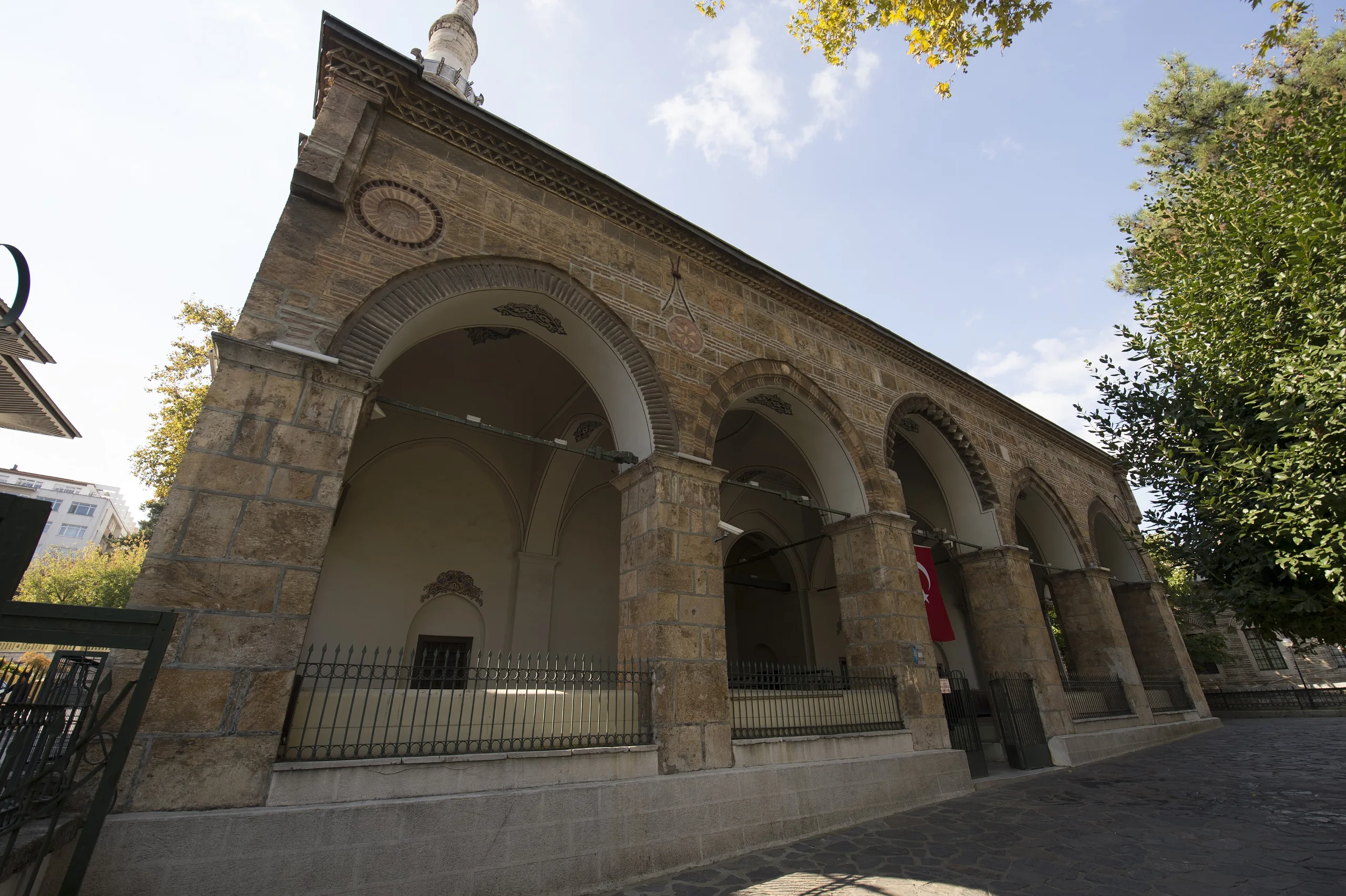
Built in 1339 according to ICOMOS, this complex was the first building put up outside the Byzantine citadel and marks the start of Ottoman architecture. Its mosque is the earliest element; the madrasa and public kitchen were demolished and a later town hall now stands in their place. The plane tree in the courtyard is said to be the oldest in Bursa. The adjoining khan district includes the Emir Han (the old covered market, burned several times), the Bedesten, İpek Han, Geyve Han, Fidan Han, Koza Han and Pirinç Han. UNESCO adds that Pirinç Han and Kapan Han were partly damaged when new streets were cut in the nineteenth century, and that the courtyard khans still serve commerce.
Tombs of Osman Ghazi and Orhan Ghazi
The tomb building, next to the city's first complex, dates from 1863 according to ICOMOS and replaced the Ottoman structure destroyed in the 1855 earthquake.
Hüdavendigâr (Murad I) Complex
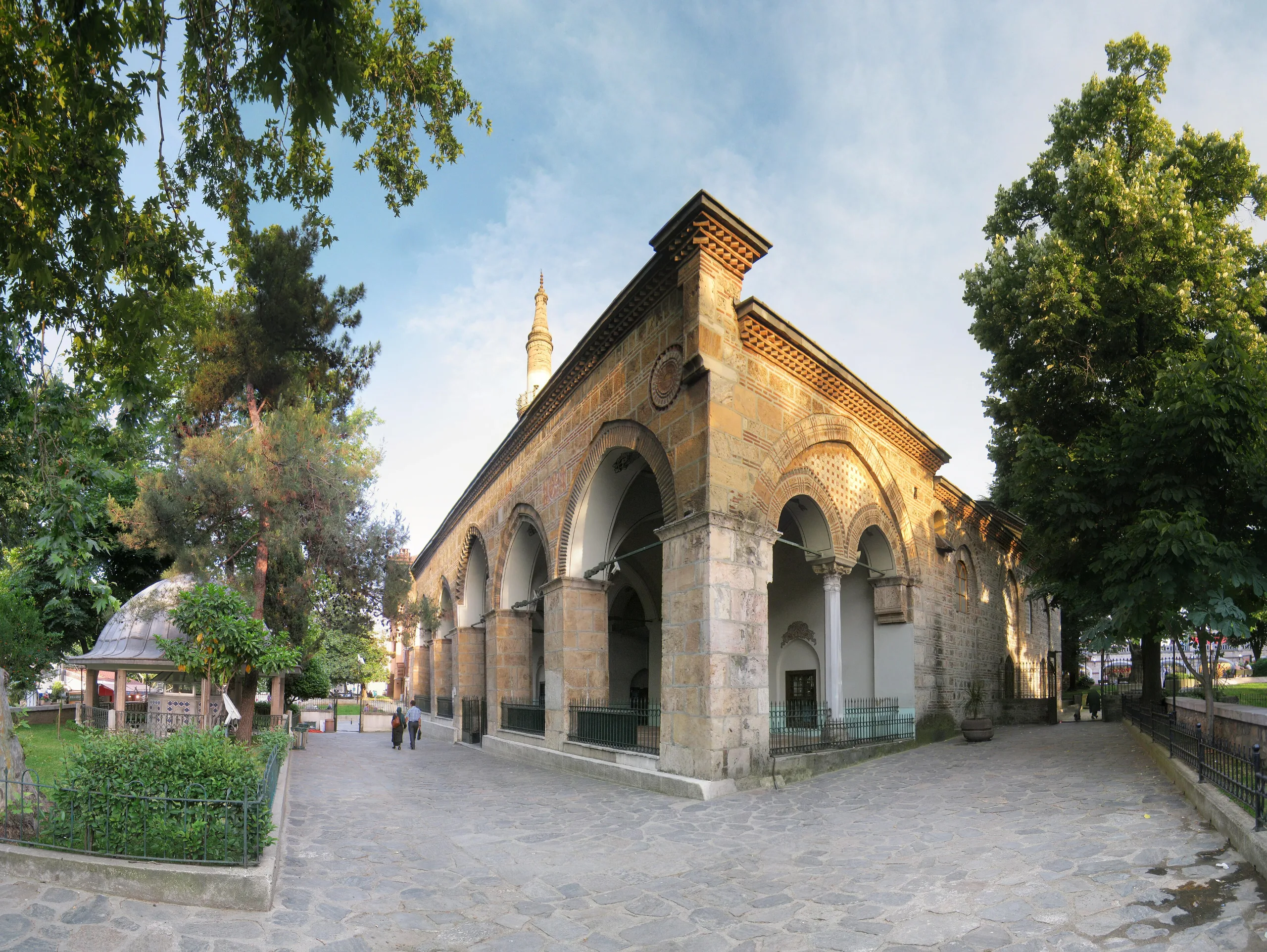
Built in 1363, it began the city's growth toward the west. The mosque and madrasa share one building, with the madrasa on the upper floor. The old kitchen was rebuilt after the 1855 earthquake and is now a community cultural centre.
Eski Kaplıca (Old Thermal Bath)
The date of this old bath is unknown; research suggests Murad I may have built it on early Byzantine foundations. ICOMOS says it differs markedly from other Ottoman baths in design and materials and bears witness to Byzantine styles.
Yıldırım (Bayezid I) Complex
Work began in 1390, and ICOMOS regards it as the most impressive of the Ottoman complexes in Bursa and an important centre of learning. The hospital inside was rebuilt and still works as an eye hospital; only the public kitchen has not survived.
Yeşil (Mehmed I) Complex
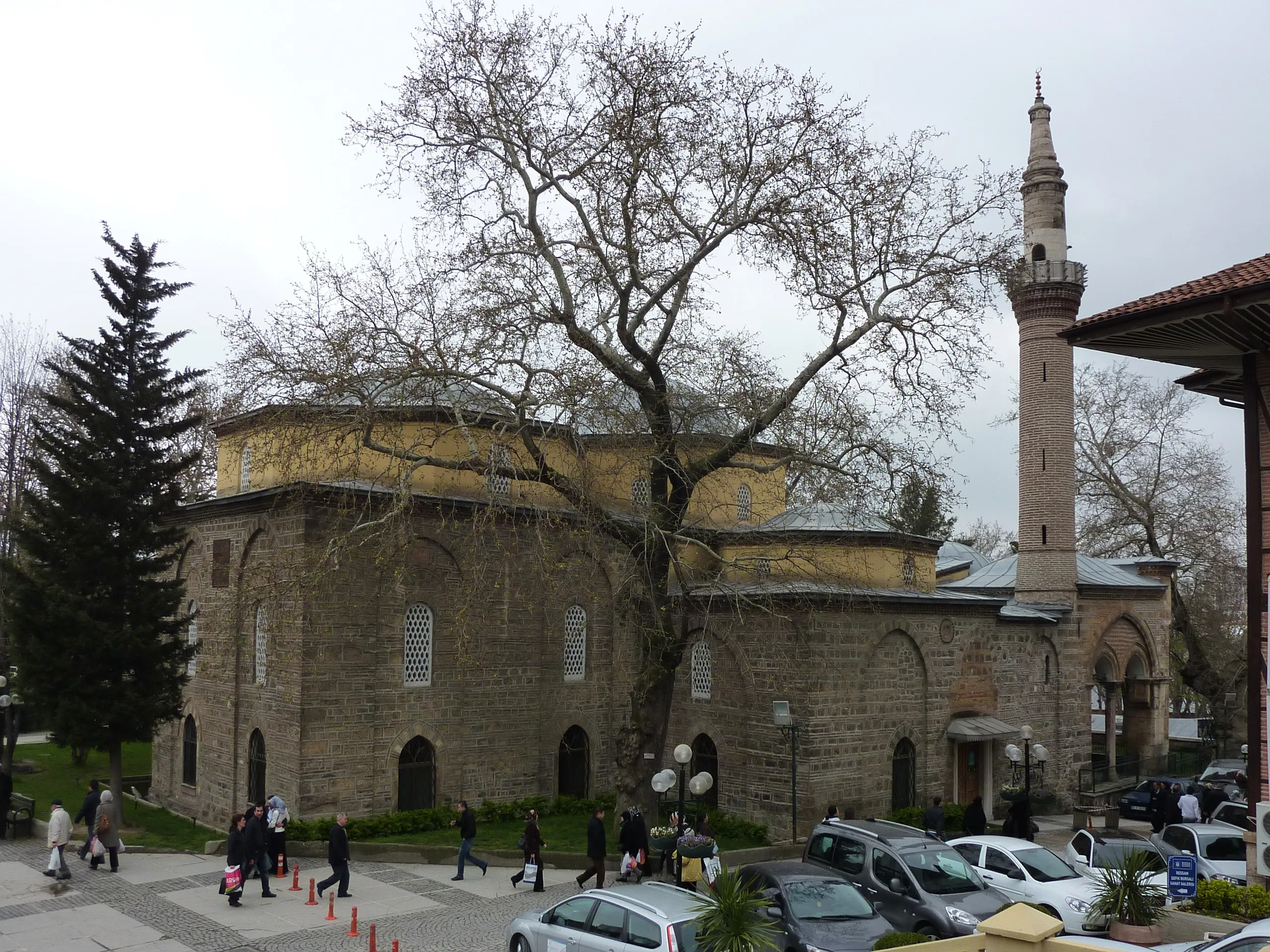
Begun in 1419, it is said to symbolise the rebirth of Ottoman power after the defeat by Timur. The Green Mosque is covered in Iznik tile. The madrasa is today the Museum of Turkish and Islamic Art, while ICOMOS notes the bath serves as an artist's studio and the kitchen still feeds the public.
Muradiye (Murad II) Complex
Built from 1426, it holds the first example of a graveyard enclosing twelve tombs of the ruler's family. The madrasa is now a dispensary, the kitchen a restaurant and the bath a centre for disabled people; only the mosque and tombs keep their first purpose.
Cumalıkızık village
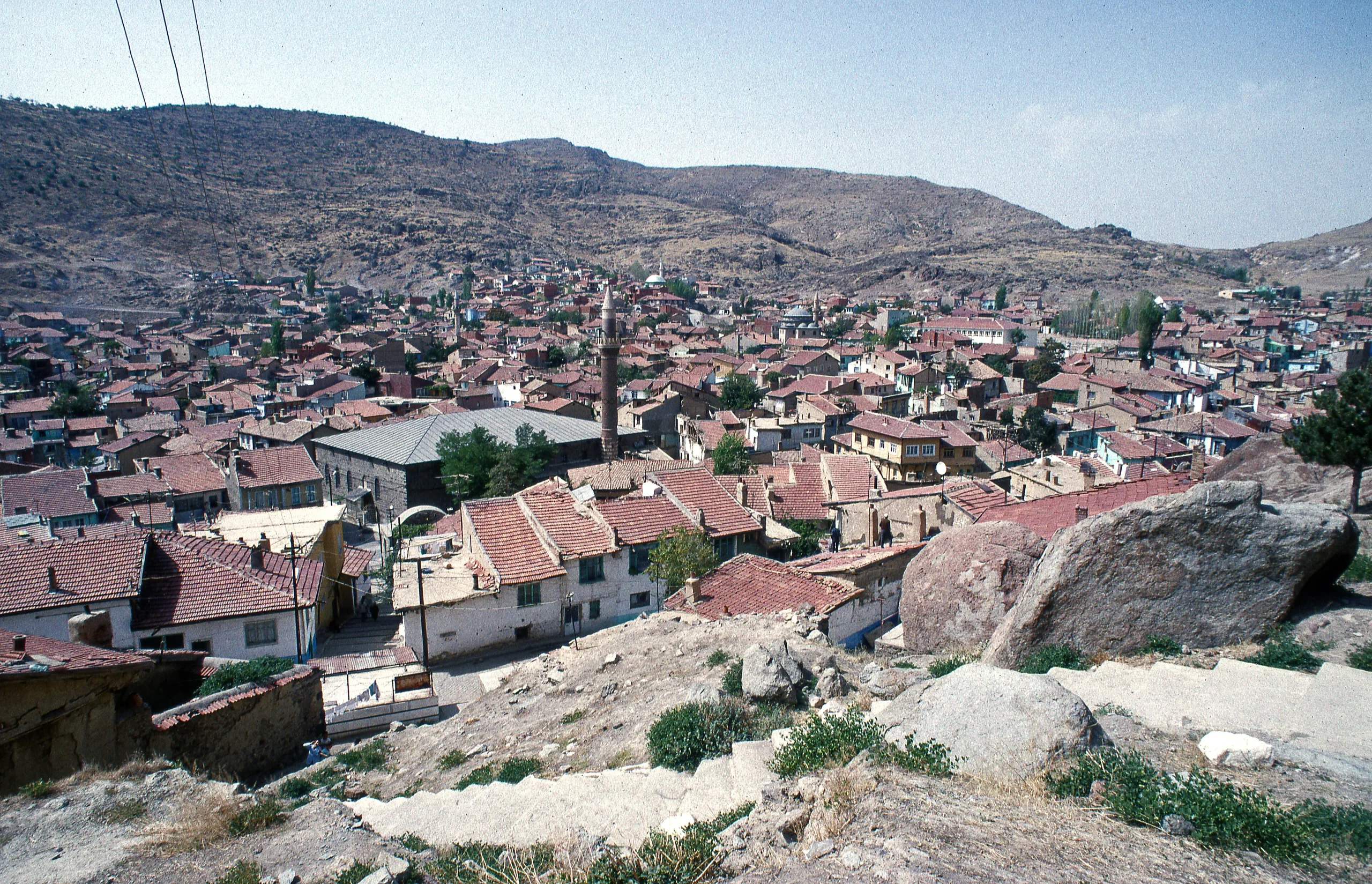
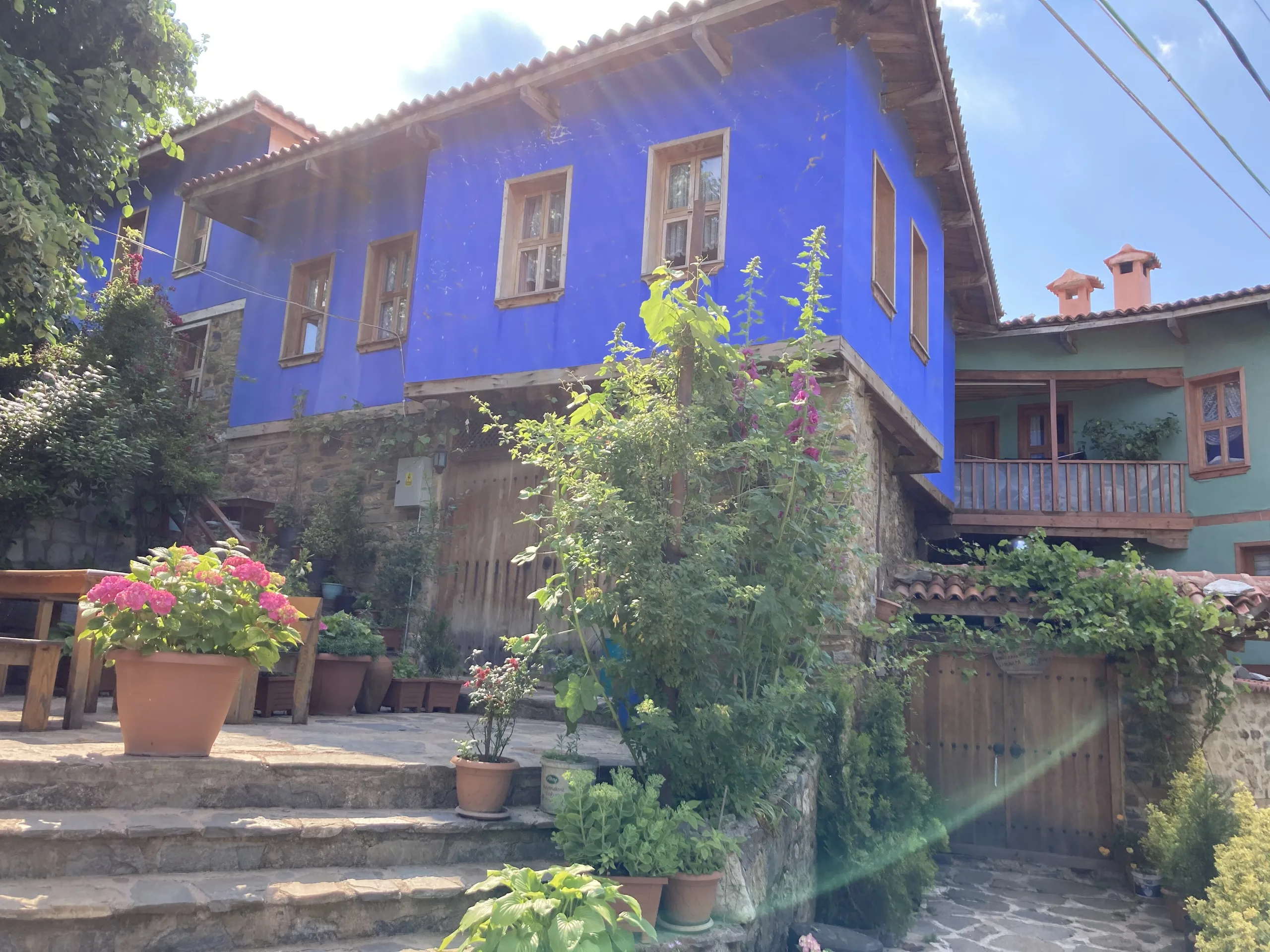
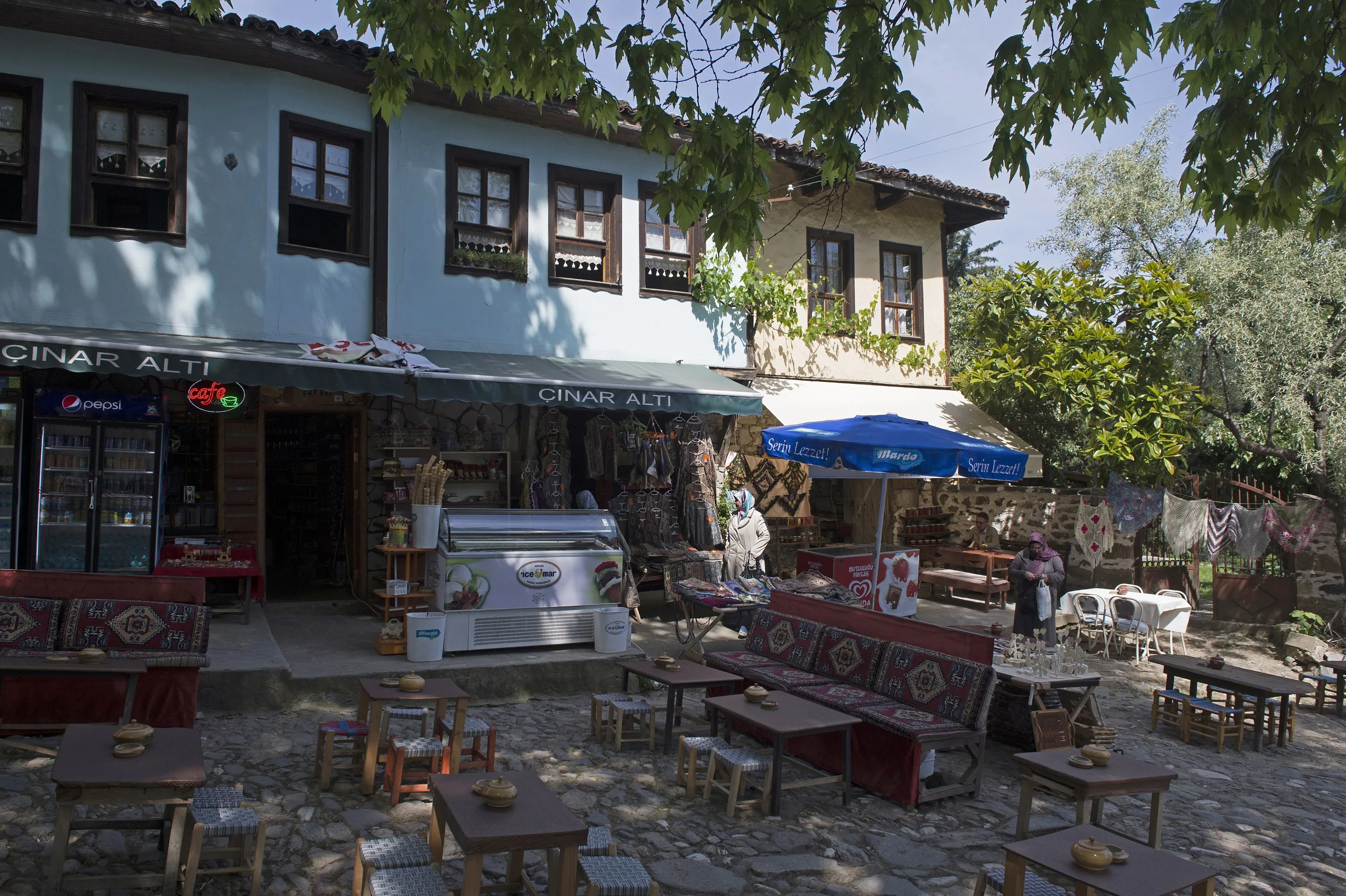
The village was founded when the Ottomans made Bursa their capital. ICOMOS calls it the only survivor among several similar waqf villages, one that has largely kept its original layout and offers the nearest surviving picture of an early Ottoman village. According to the Ministry's page there are 270 historic houses, of which 180 are still lived in. In 1969 remains of a Byzantine church were uncovered southeast of the village, and some architectural pieces are shown in the Bursa Archaeological Museum.
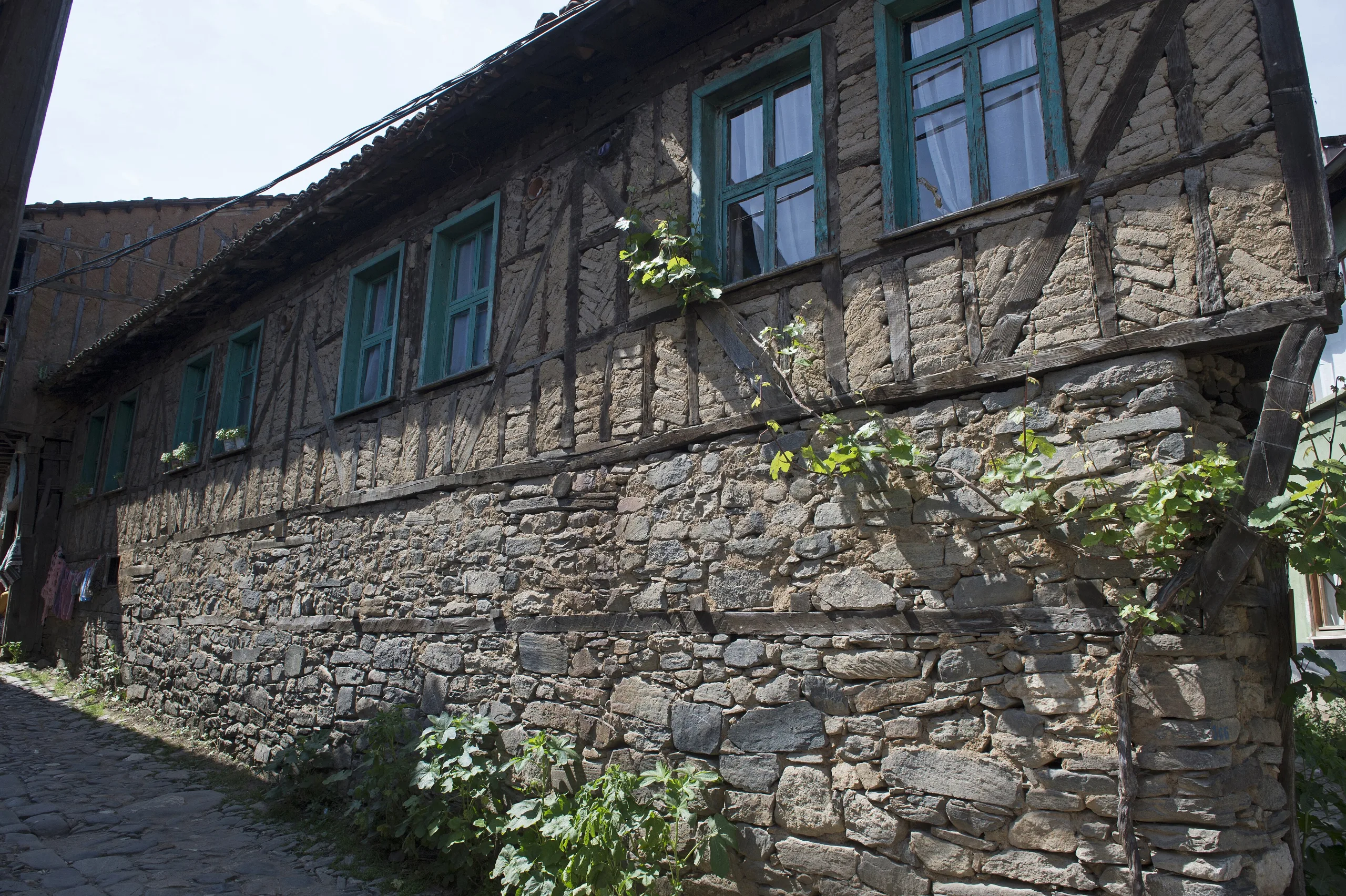
A study by Perker and Akıncıtürk says Cumalıkızık is one of seven villages founded by Kızık Turks of the Kayı tribe after the capture of Bursa; five survive, but only Cumalıkızık kept its original architecture. A document of 1685 in the village headman's office links it to the endowment of Orhan Ghazi. The houses have two or three storeys, with ground floors of rubble stone laced with timber and upper floors of timber frame filled with adobe. Ground-floor stone walls are 60 to 90 centimetres thick, with timber tie-beams every 80 to 100 centimetres. Rooms and a central hall (sofa) occupy the upper floors, south-facing bay projections are the commonest kind, and roofs are hipped or gabled and covered with curved clay tile.
World Heritage and protection
The series was inscribed in 2014 under criteria (i), (ii), (iv) and (vi). The ICOMOS evaluation, by contrast, found the serial approach and choice of components not yet adequately justified and doubted that several complexes met integrity. UNESCO states that the property is protected at the highest national level under Law No. 2863, that projects on waqf buildings need the approval of the Regional Directorate of Foundations, and that all works need the Bursa Regional Conservation Board. The site management unit of Bursa Metropolitan Municipality prepared and coordinates the management plan. ICOMOS names earthquakes, traffic and gentrification in Cumalıkızık as main threats.
Visiting
The components are scattered through the city, and most are working buildings, so there is no single entrance or timetable. The Ministry page covers only the village of Cumalıkızık. Check the official announcements of each building for current arrangements.
Gallery
Frequently asked questions
When was Bursa and Cumalıkızık inscribed?
What are the eight components?
What is Cumalıkızık?
How many historic houses does Cumalıkızık have?
Why is Bursa linked to the birth of the Ottoman Empire?
What are the complexes used for today?
What are the main risks?
How far is Cumalıkızık from central Bursa?
Sources (14)
- Bursa and Cumalıkızık: the Birth of the Ottoman Empire (ref 1452) – UNESCO World Heritage listing page — UNESCO World Heritage Centre
- ICOMOS Advisory Body Evaluation No 1452, Bursa and Cumalikizik (6 March 2014) — ICOMOS / UNESCO World Heritage Centre
- Cumalıkızık – Ministry of Culture and Tourism, English page — T.C. Kültür ve Turizm Bakanlığı
- Perker, Z. S.; Akıncıtürk, N. – Geleneksel Cumalıkızık evlerinde ahşap konut sistemi, Uludağ Üniversitesi Mühendislik-Mimarlık Fakültesi Dergisi 16(1), 2011 — Uludağ Üniversitesi / DergiPark
- Bursa and Cumalıkızık: the Birth of the Ottoman Empire (Wikidata Q60846866) — Wikidata
Photo credits
- Photo: Mustafa DUMAN, CC BY 3.0 — Wikimedia Commons (resized)
- Photo: Adbar, CC BY-SA 3.0 — Wikimedia Commons (resized)
- Photo: Yahia.Mokhtar, CC BY-SA 4.0 — Wikimedia Commons (resized)
- Photo: Dosseman, CC BY-SA 4.0 — Wikimedia Commons (resized)
- Photo: Ayratayrat, CC BY-SA 4.0 — Wikimedia Commons (resized)
- Photo: Dosseman, CC BY-SA 4.0 — Wikimedia Commons (resized)
- Photo: Dosseman, CC BY-SA 4.0 — Wikimedia Commons (resized)
- Photo: Dosseman, CC BY-SA 4.0 — Wikimedia Commons (resized)
- Photo: Dosseman, CC BY-SA 4.0 — Wikimedia Commons (resized)