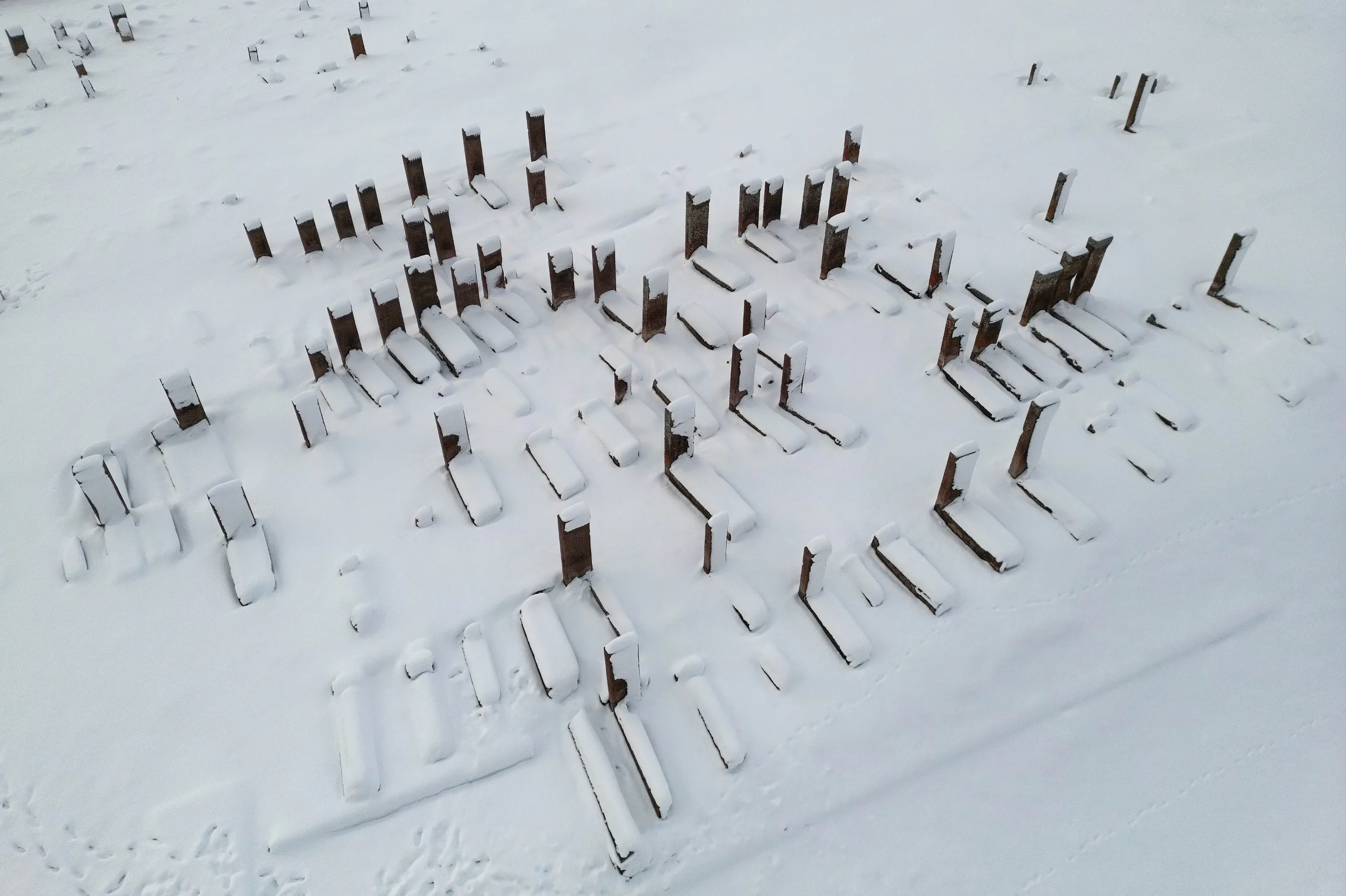
The Seljuk Meydanlık cemetery at Ahlat covers about 210,000 square metres, the largest historical Islamic cemetery in Turkey, with gravestones up to 4 m tall on UNESCO's Tentative List.
Ahlat Seljuk Cemetery is a place (Monumental tomb and necropolis) in Turkey, Bitlis. Main periods: Seljuk Period.
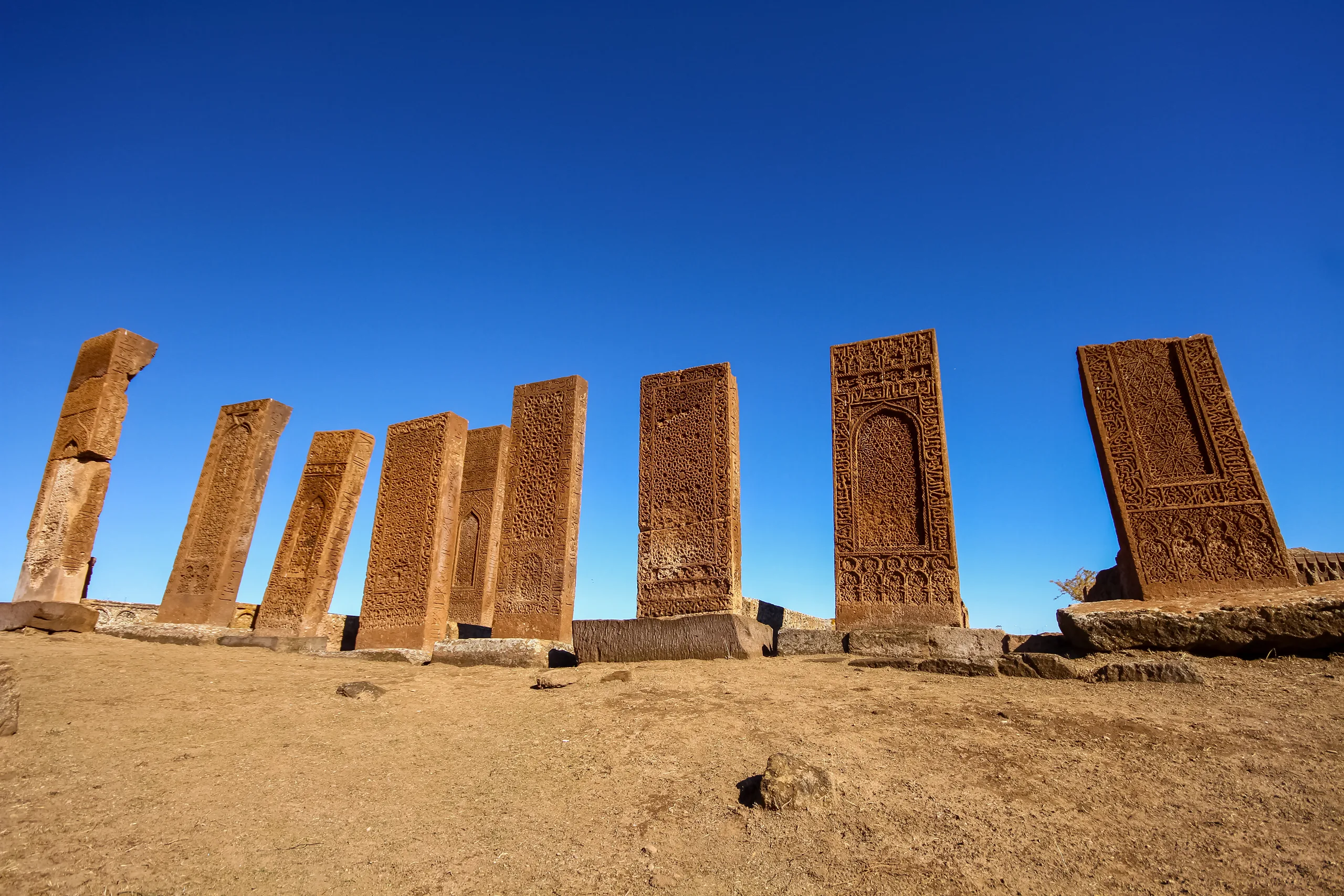
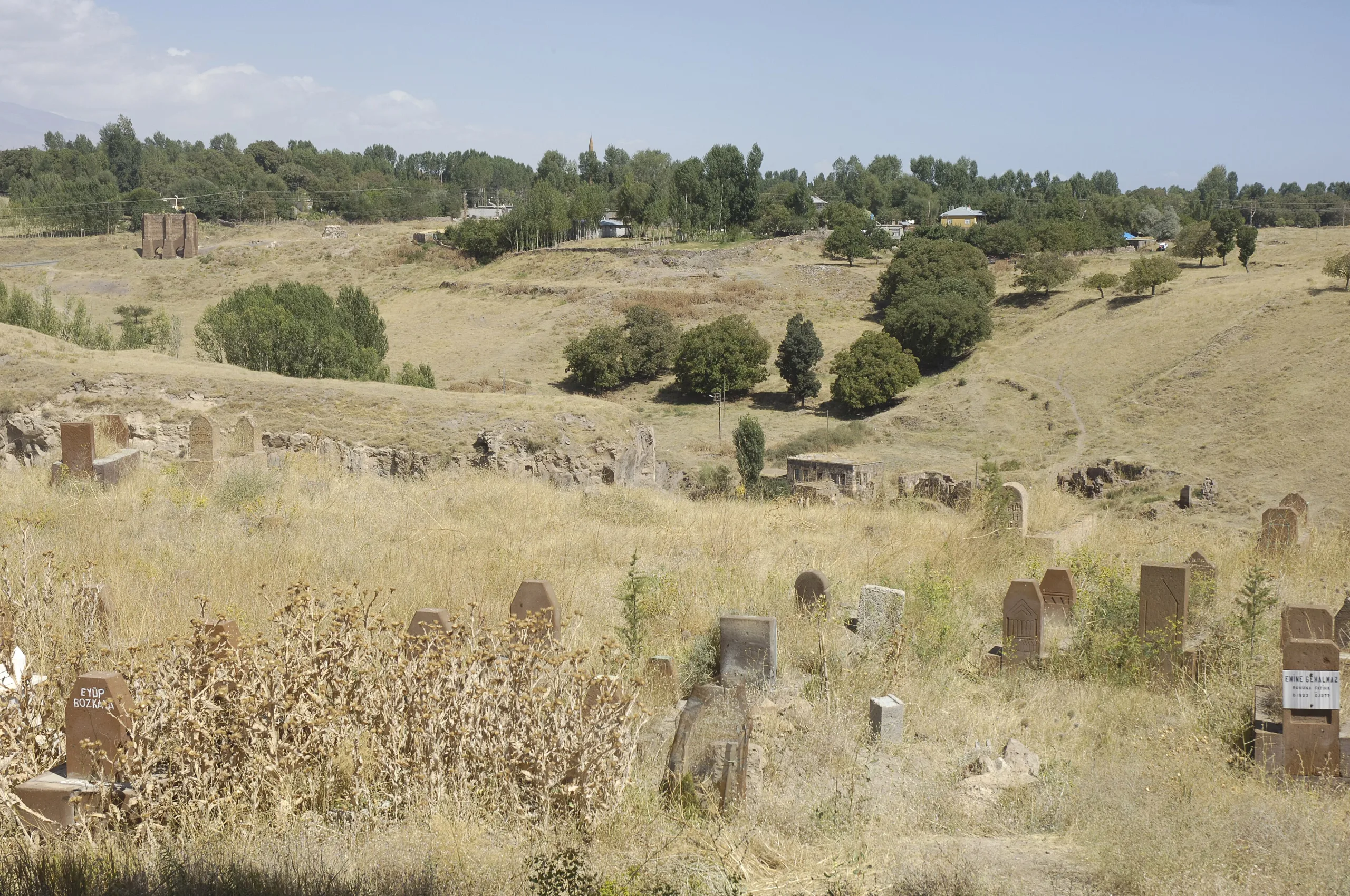
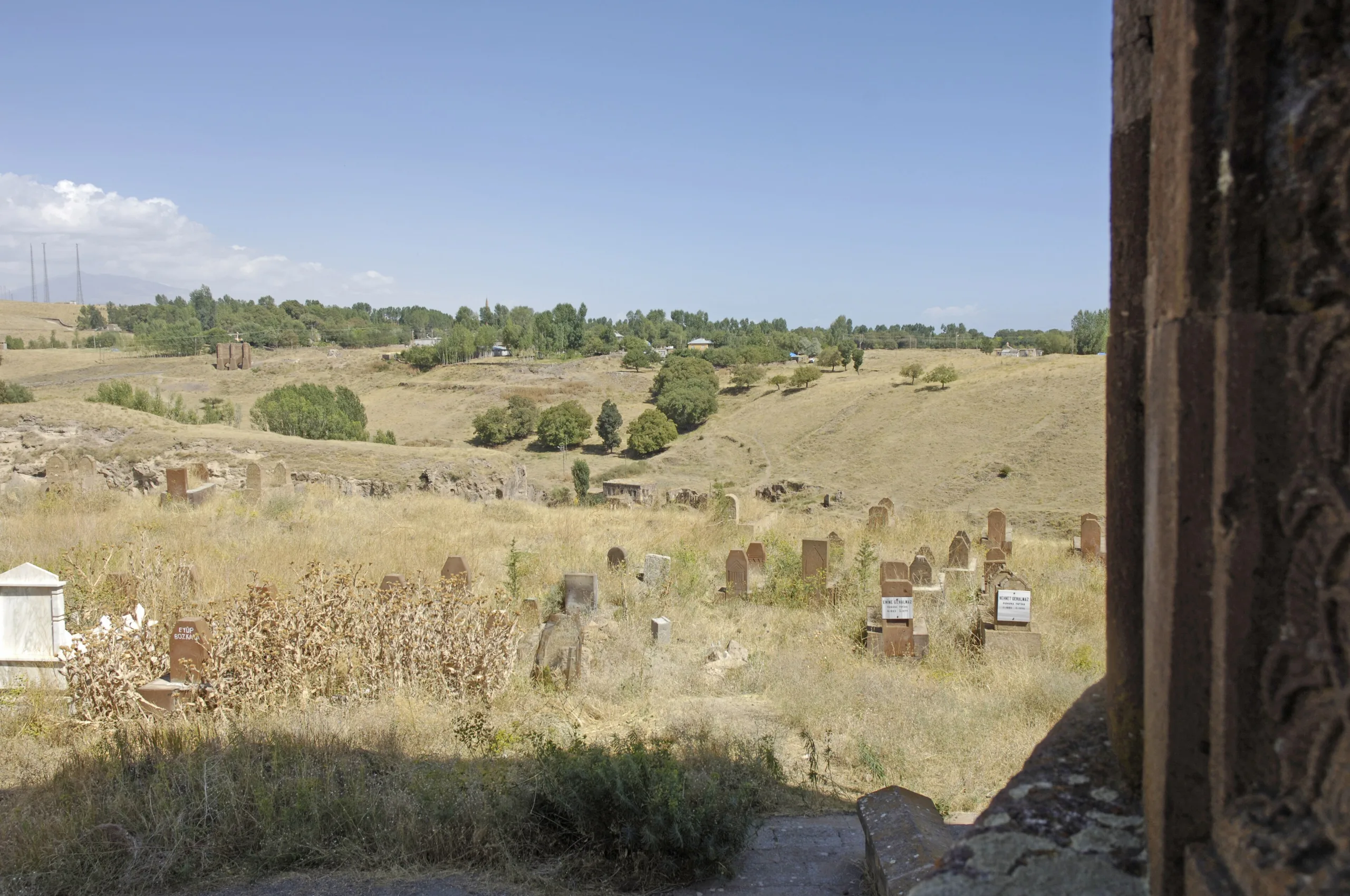
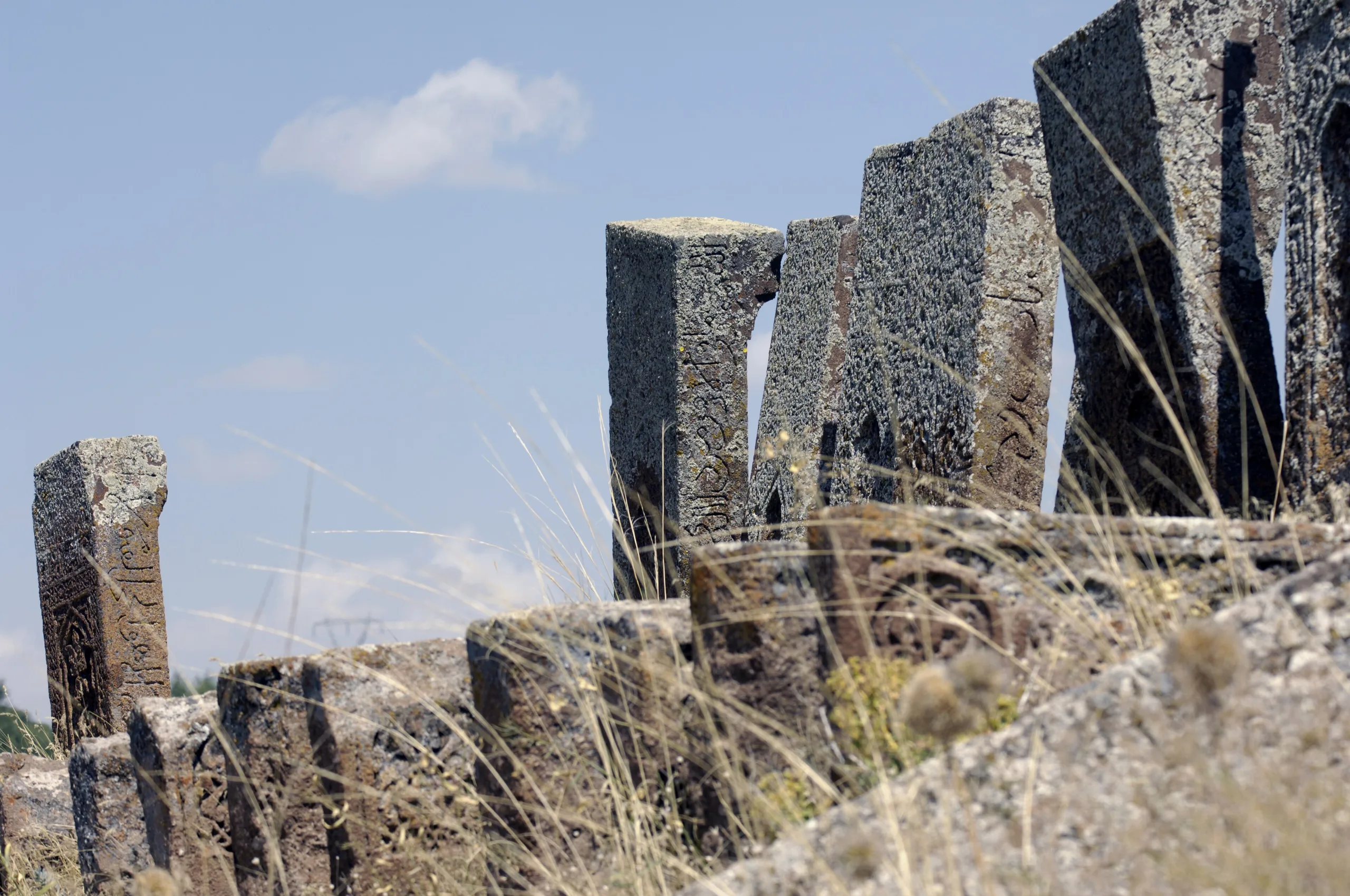
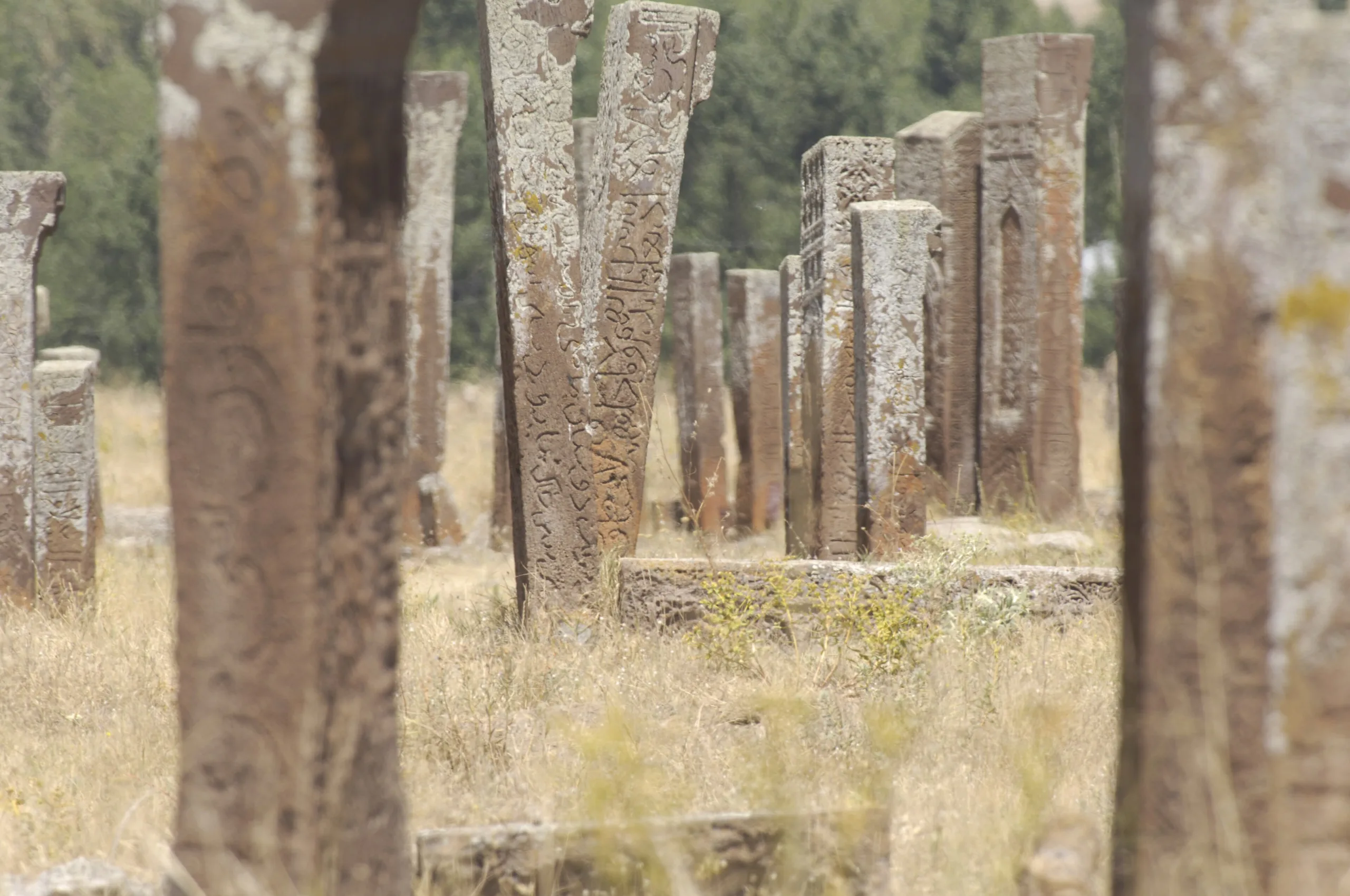
On the flat ground at Ahlat, at the western end of Lake Van, hundreds of stones stand in ranks like a felled forest. Many are taller than a person, and the biggest reach nearly four metres. The Seljuk Cemetery of Ahlat, also known as the Meydanlık cemetery, is the largest historical Islamic cemetery in Turkey and spreads over about 210,000 square metres. Through inscriptions and carved ornament, it tells the story of a town that sat at a gateway into Anatolia for centuries.
History
Ahlat's past reaches back to about 900 BC, yet it is best known for the gravestones raised between the 12th and 15th centuries. The town has six main cemeteries: Harabe Şehir, Taht-ı Süleyman, Kırklar, Kale, Merkez and Meydanlık. Meydanlık is the largest and most important, lying on the broad plain between the İki Kubbe quarter and the ruined old town, between the Taht-ı Süleyman road and the road to Tatvan.
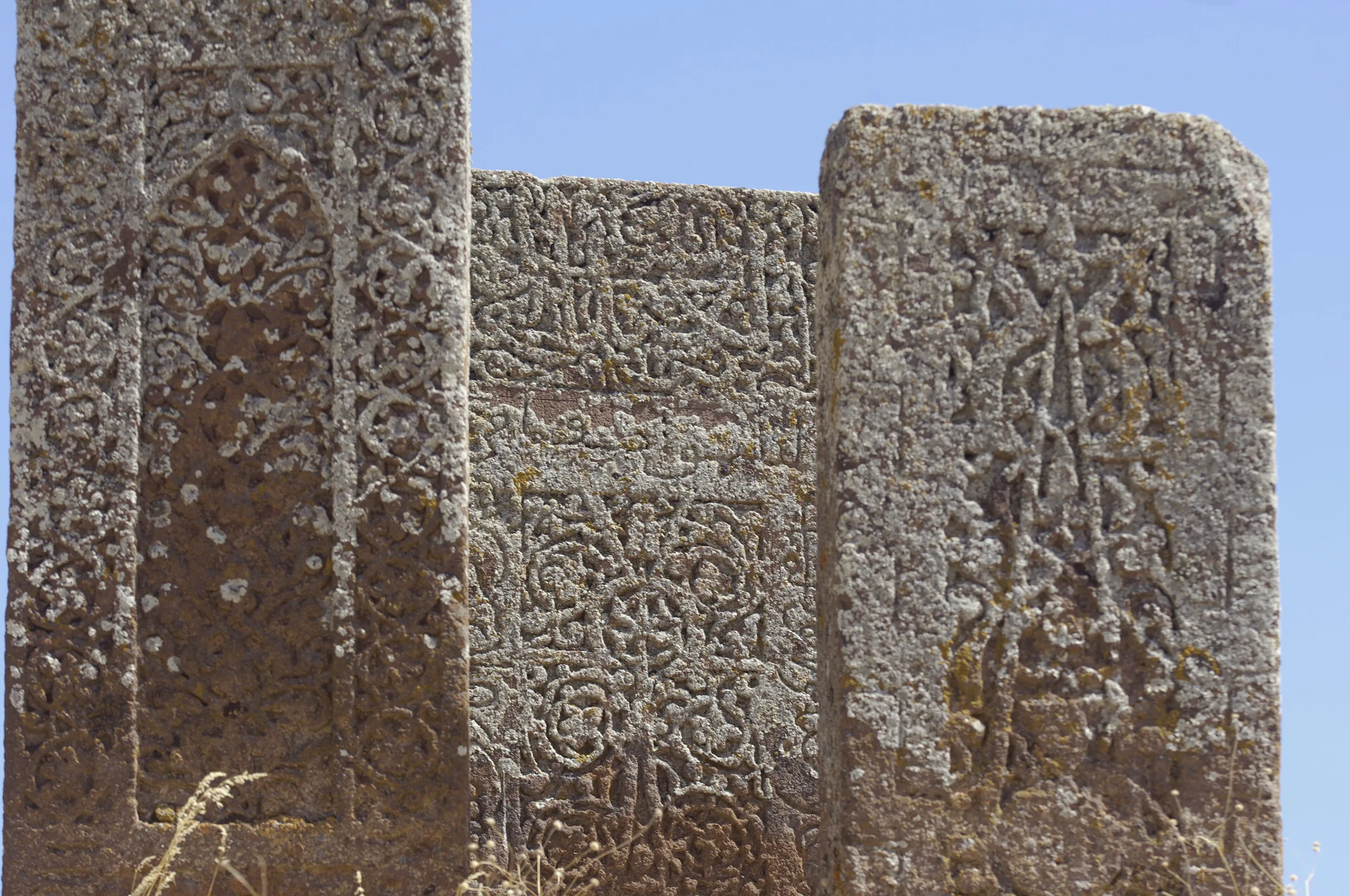
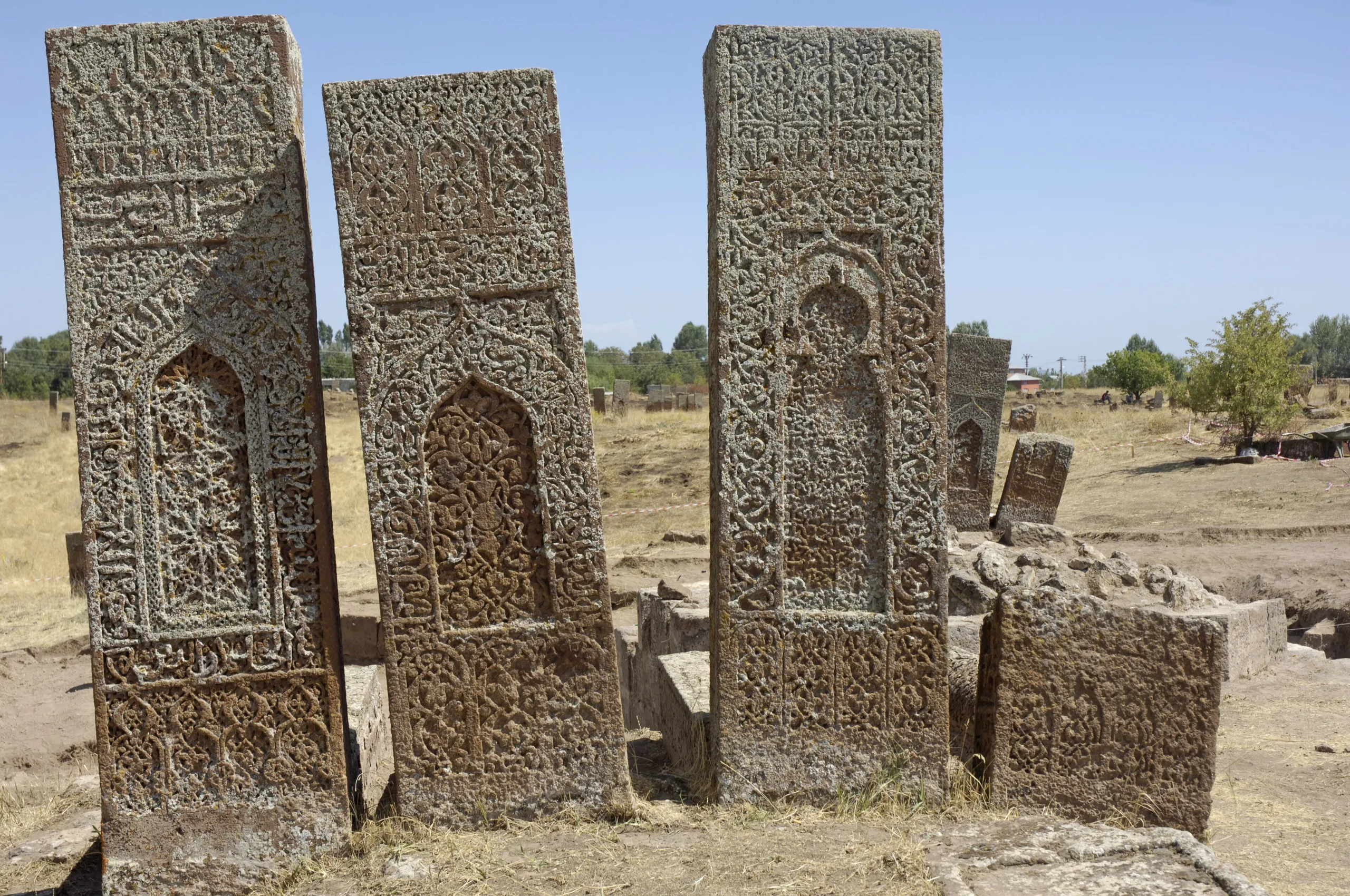
The layout of the stones allows the successive ages of Ahlat to be read in order. The northeast corner was first used under the Ermenşah dynasty that ruled Ahlat, and the oldest graves are there. Double-bodied prismatic sarcophagi, palmette-like rumi ornament and Kufic script mark that phase. A sanduka is a chest-shaped monument built over a grave. Cylindrical sarcophagi in the east belong to the Ayyubid period, which was brief. The rectangular-prism sarcophagi with an upright headstone, called a şahide, form the longest-lived type in the cemetery. They spread everywhere under the Ilkhanids and reappeared from time to time until the Karakoyunlu era.
After the last double-bodied sarcophagi there is a gap of 25 to 30 years in the cemetery. Then, suddenly, the most developed form appears: cylindrical sarcophagi with two headstones. The break fits the unrest of the final Ermenşah years and the arrival of Ayyubid rule. Eastern Turkic tribes pushed westward by the Mongols brought their pre-Islamic beliefs and customs to Ahlat. The headstones of this phase act as grave monuments: very large, with long inscriptions and dragon motifs. In Central Asia, notably in Chinese and ancient Turkic cosmology, the dragon stood for goodness, abundance, power and rulership.
Inscriptions
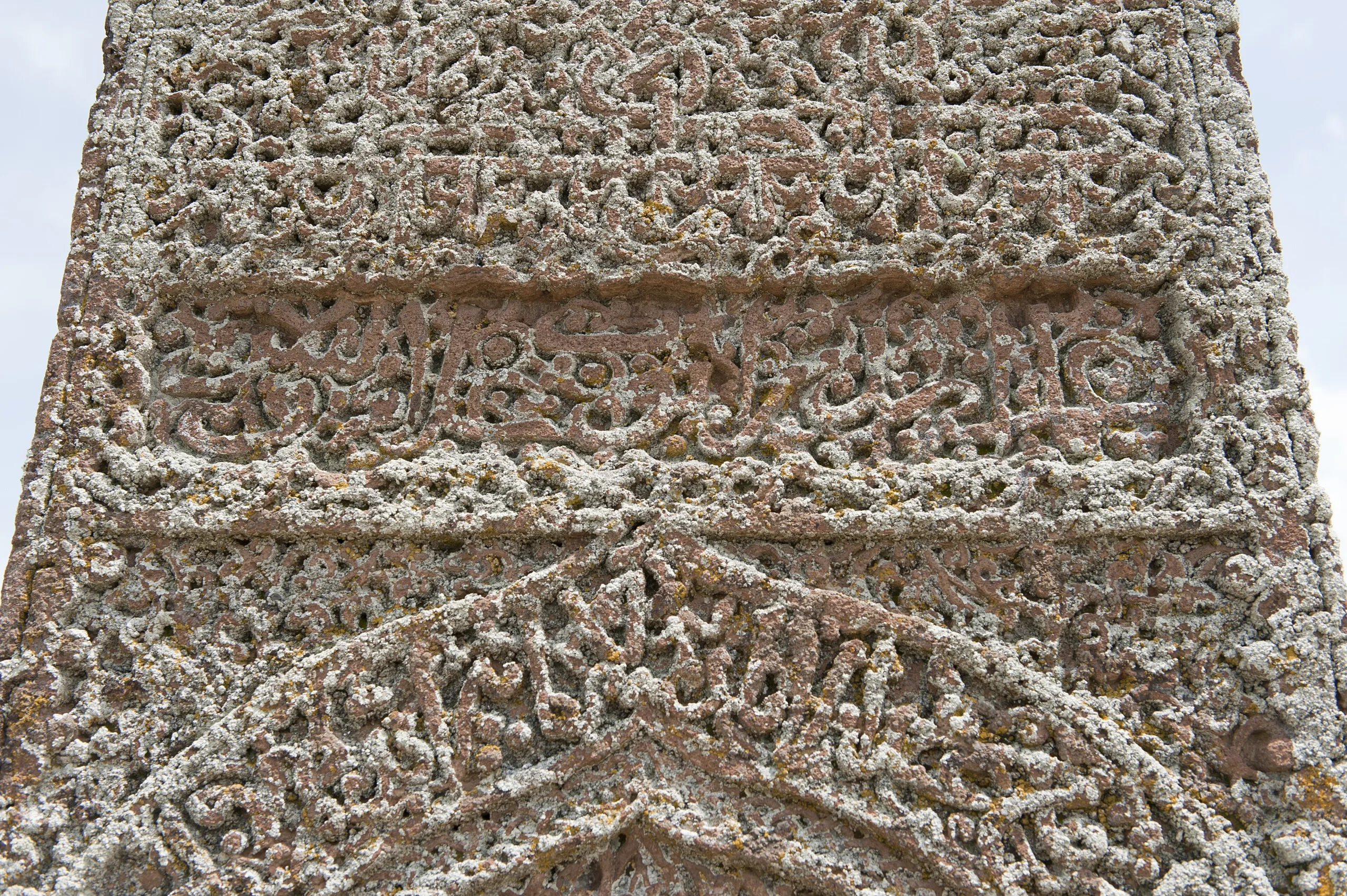
Study of the writing on the stones has shown where newcomers to the region came from and what trades were practised in Ahlat, so the stones also give data on the town's social and economic make-up. The names of the masons who cut them can be read in the inscriptions, which makes the cemetery a source for the technical and decorative repertoire of early Turkish stonework.
World Heritage candidacy
The tombstones of Ahlat have been on UNESCO's Tentative List since 2000 under criteria (i) and (iii). The site is not yet on the World Heritage List. The Meydanlık cemetery was registered for protection in 2010.
Visiting
Conditions can change; see the page for the site on muze.gov.tr.
Gallery
Frequently asked questions
Where is the Seljuk cemetery?
How big is it?
What is a şahide?
Why are there dragons on the stones?
Is the cemetery a World Heritage Site?
Sources (13)
- Ahlat Selçuklu Mezarlığı / Ahlat Seljuk Cemetery (TR ve EN sayfalar) — T.C. Kültür ve Turizm Bakanlığı, Müzeler ve Ören Yerleri
- The Tombstones of Ahlat the Urartian and Ottoman citadel - Tentative Lists, ref. 1401 — UNESCO World Heritage Centre
- Selçuklu Meydan Mezarlığı - Bitlis, Kültür Envanteri — T.C. Kültür ve Turizm Bakanlığı, Kültür Portalı
- The Tombstones of Ahlat (Wikidata Q19610409) — Wikidata
Photo credits
- Photo: Rotadefterim, CC BY-SA 4.0 — Wikimedia Commons (resized)
- Photo: Mehmetkrckrc, CC BY-SA 4.0 — Wikimedia Commons (resized)
- Photo: Dosseman, CC BY-SA 4.0 — Wikimedia Commons (resized)
- Photo: Dosseman, CC BY-SA 4.0 — Wikimedia Commons (resized)
- Photo: Dosseman, CC BY-SA 4.0 — Wikimedia Commons (resized)
- Photo: Dosseman, CC BY-SA 4.0 — Wikimedia Commons (resized)
- Photo: Dosseman, CC BY-SA 4.0 — Wikimedia Commons (resized)
- Photo: Dosseman, CC BY-SA 4.0 — Wikimedia Commons (resized)
- Photo: Dosseman, CC BY-SA 4.0 — Wikimedia Commons (resized)