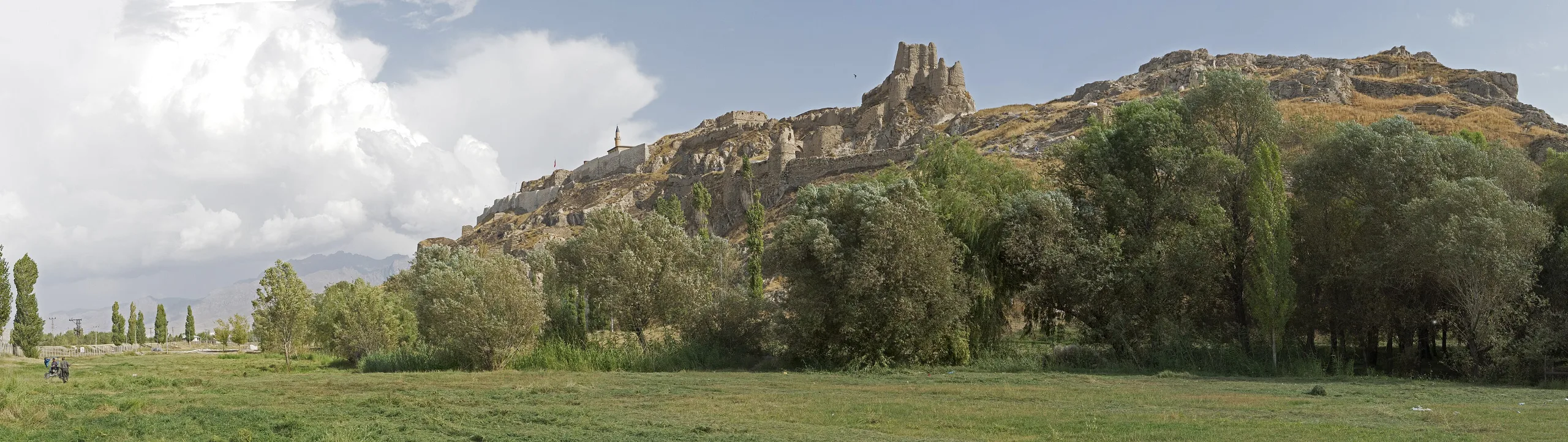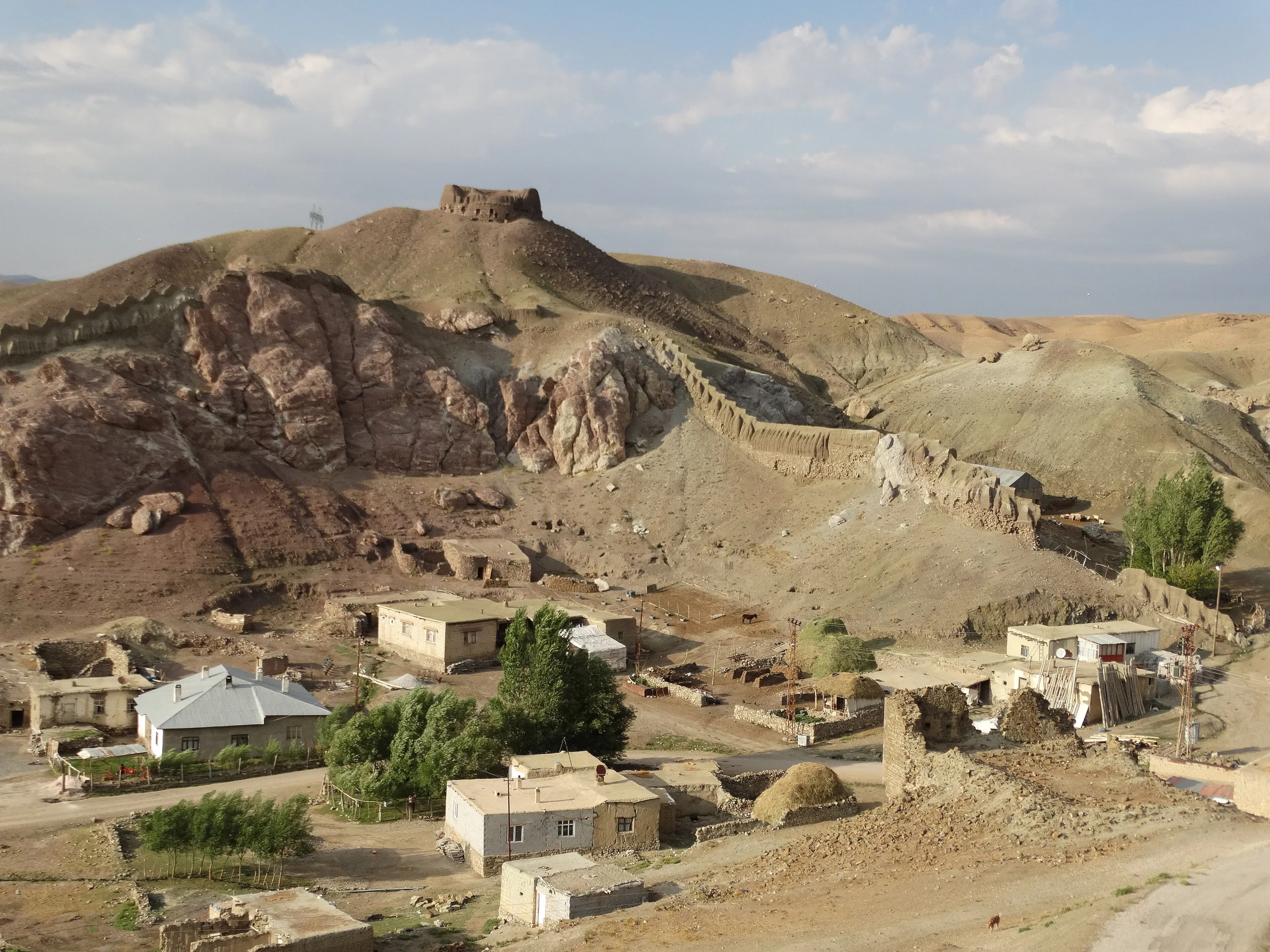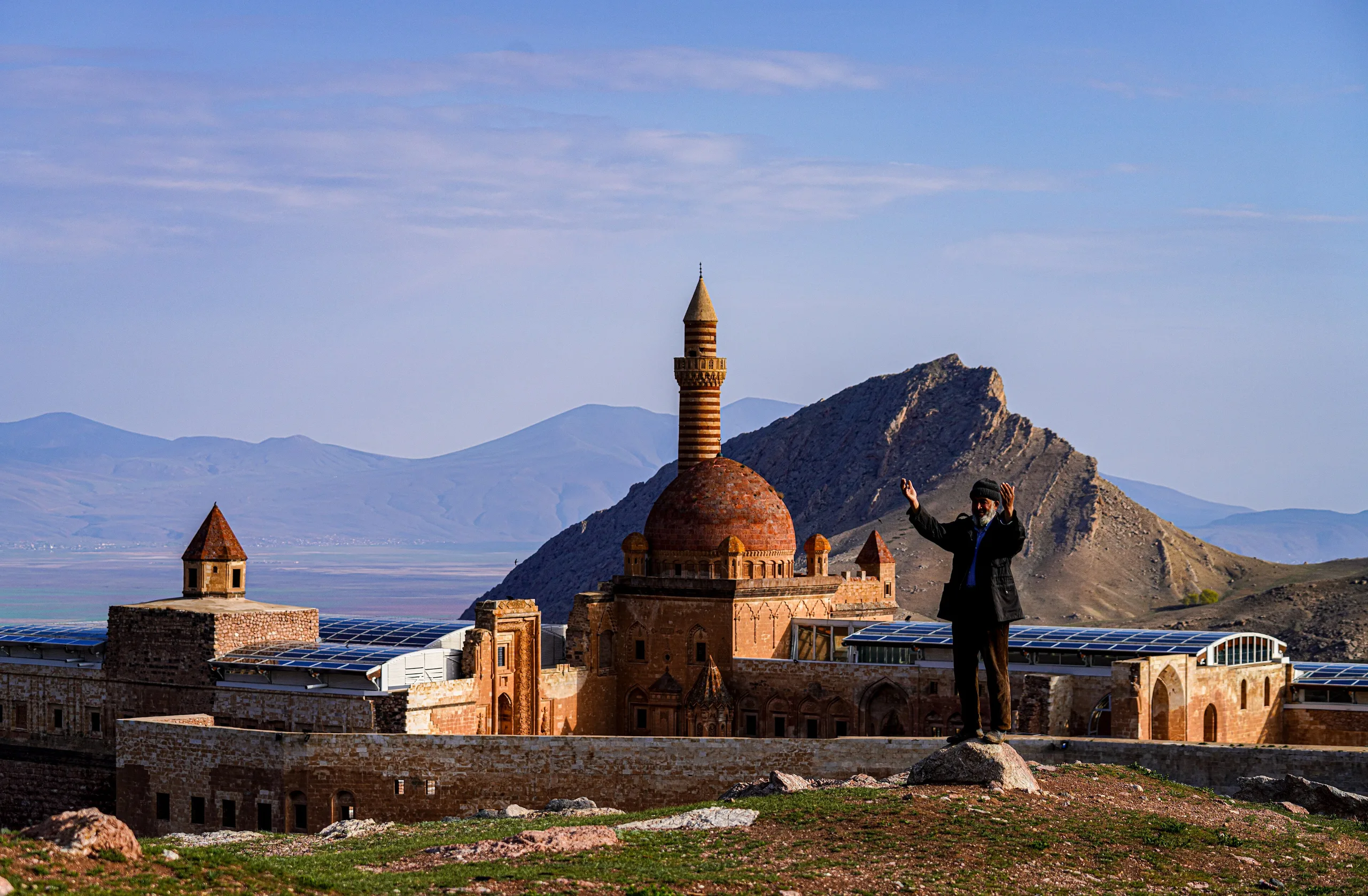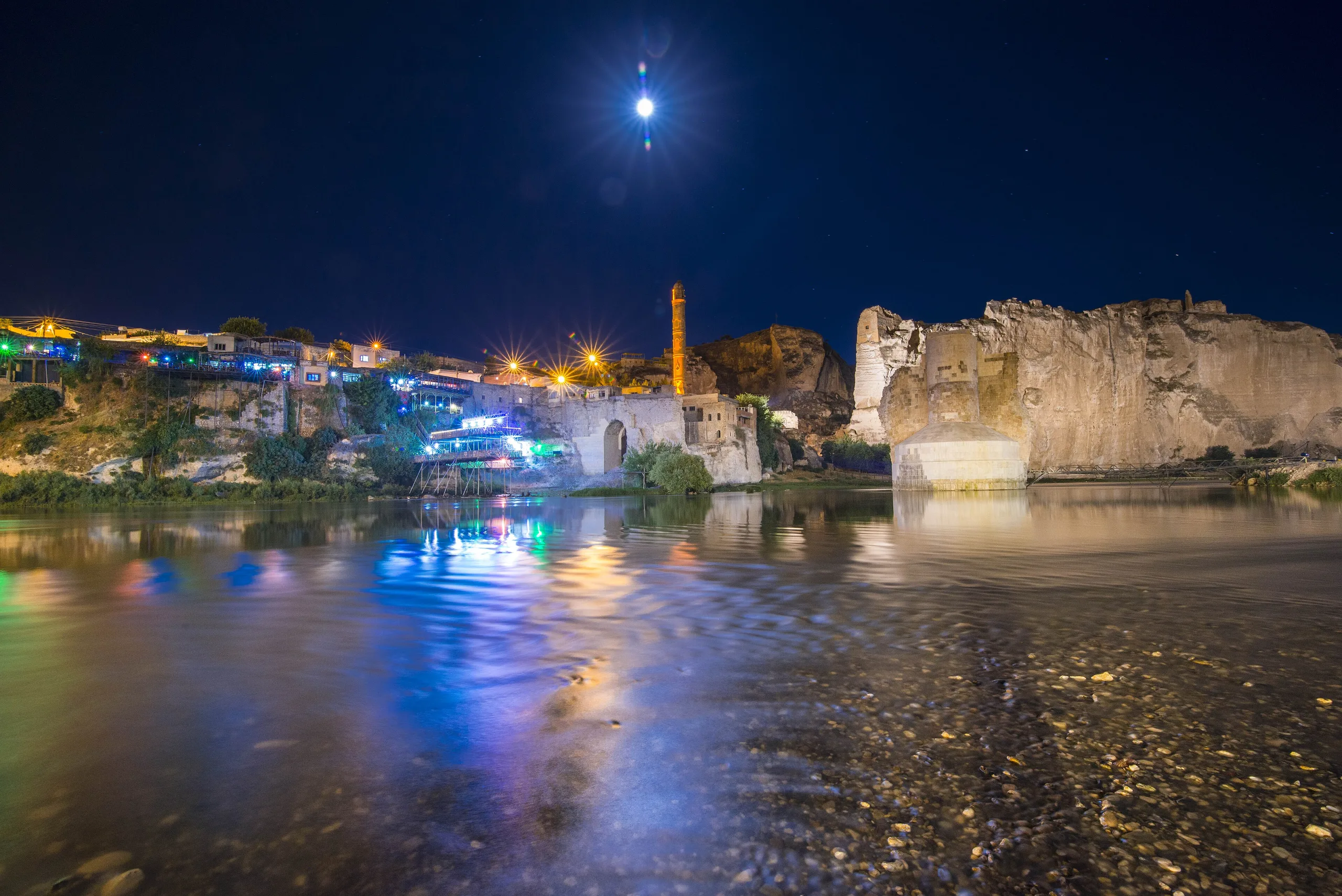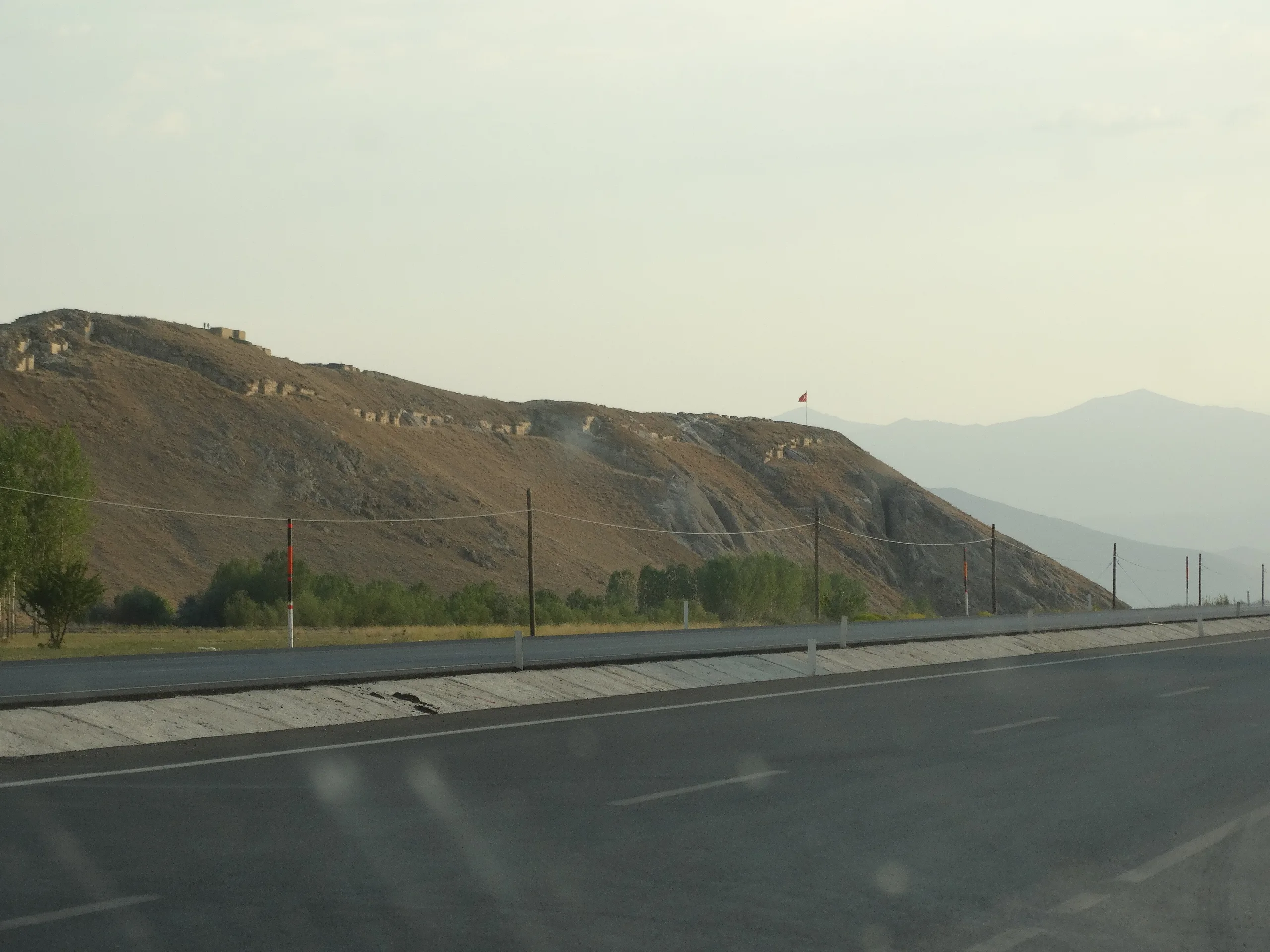
Çavuştepe stands on two hills above the Gürpınar plain. King Sarduri II built this Urartian fortress in the 8th century BC, with temples to Haldi and Irmushini.
Çavuştepe Fortress is a place (Castle) in Turkey, Van.
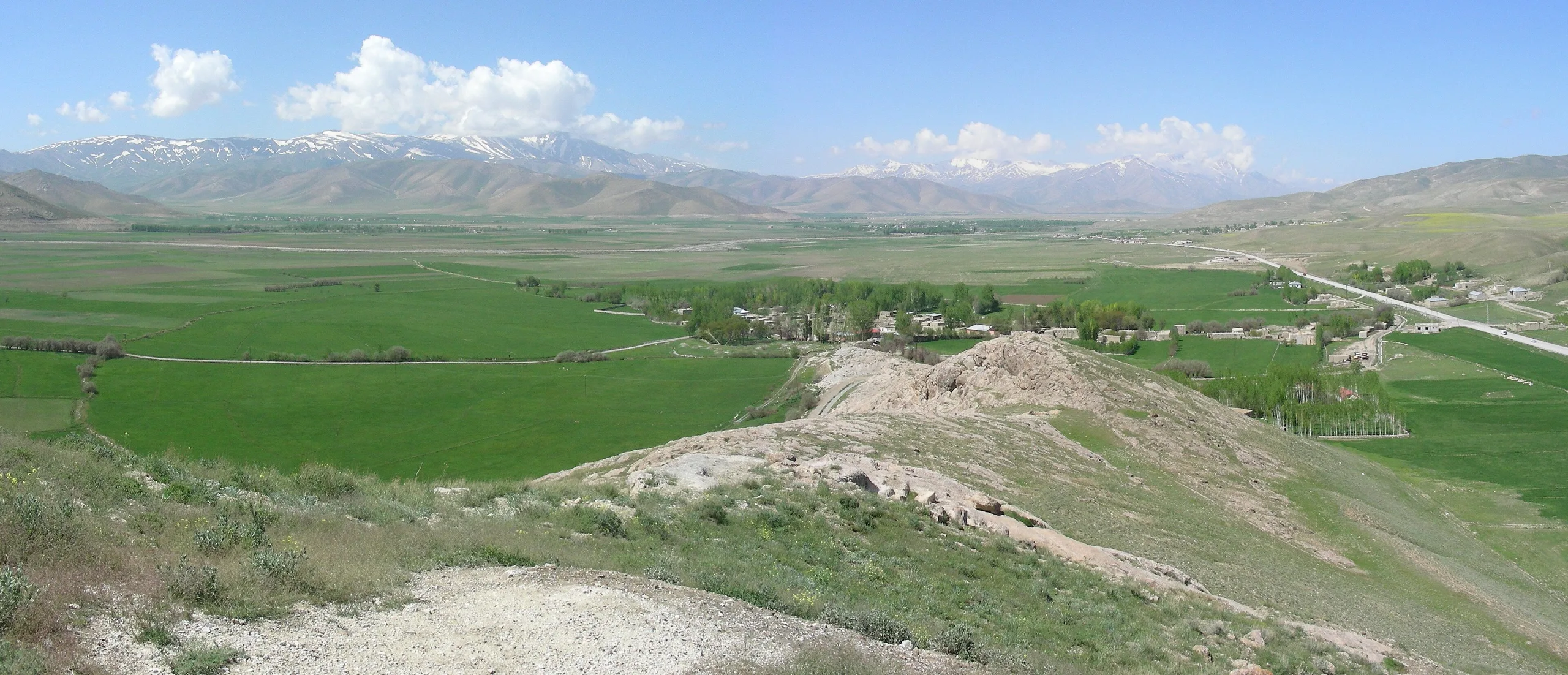
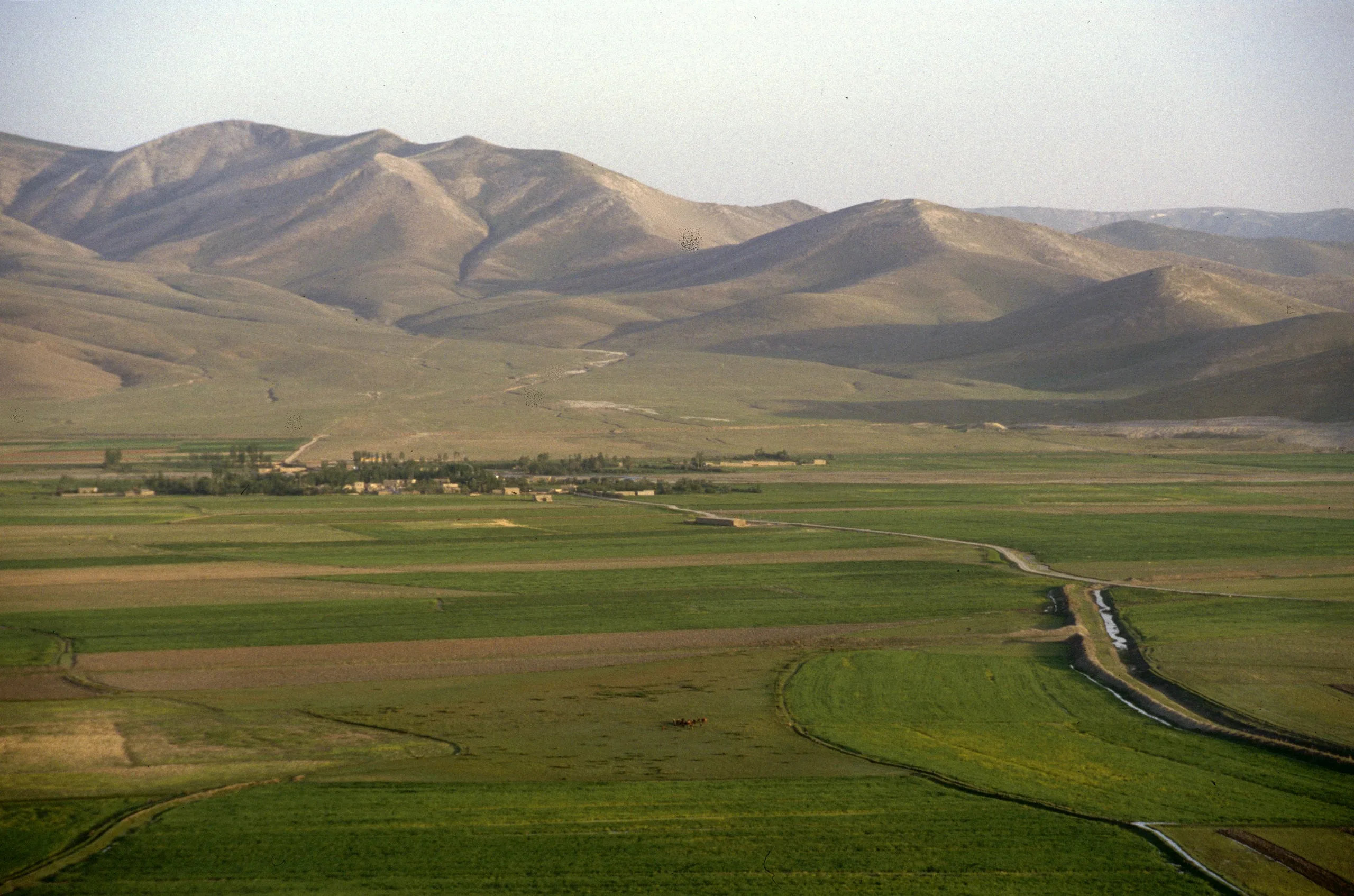
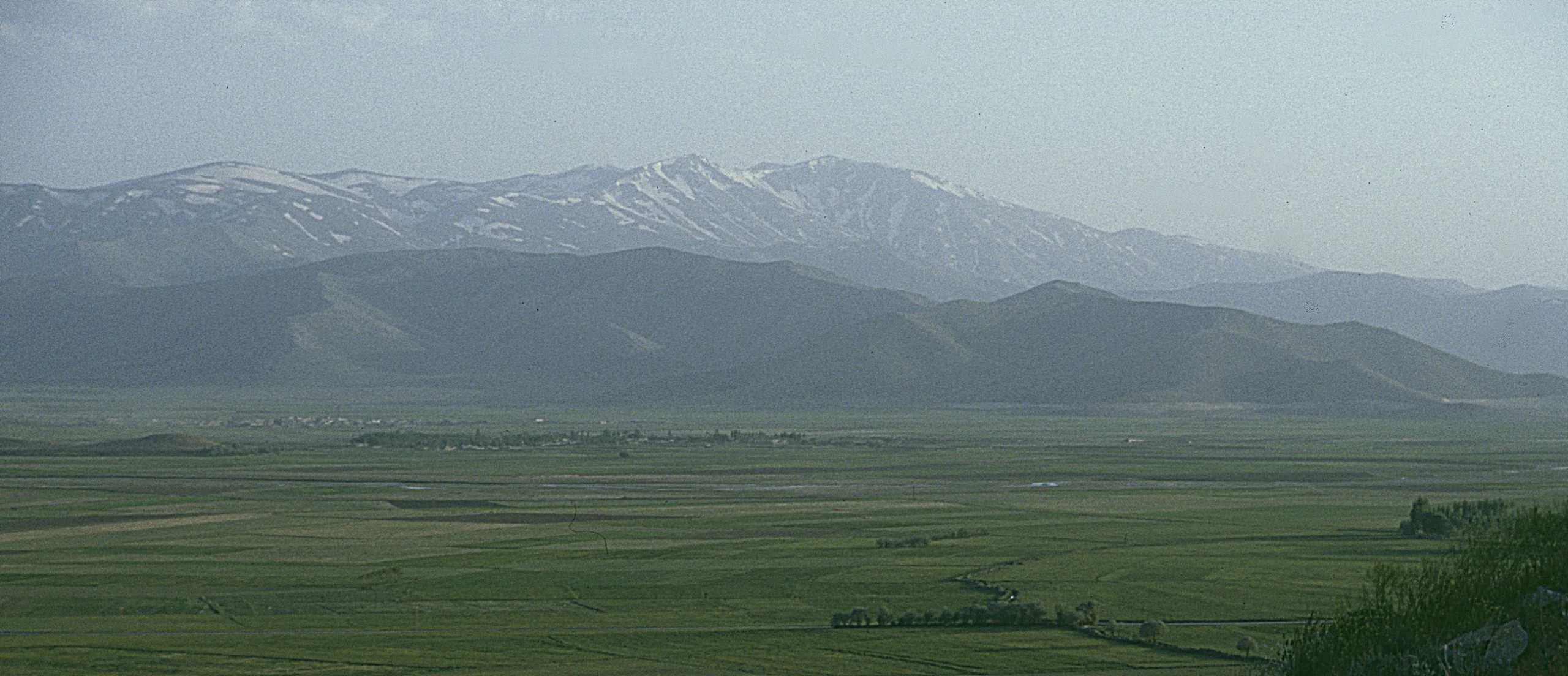
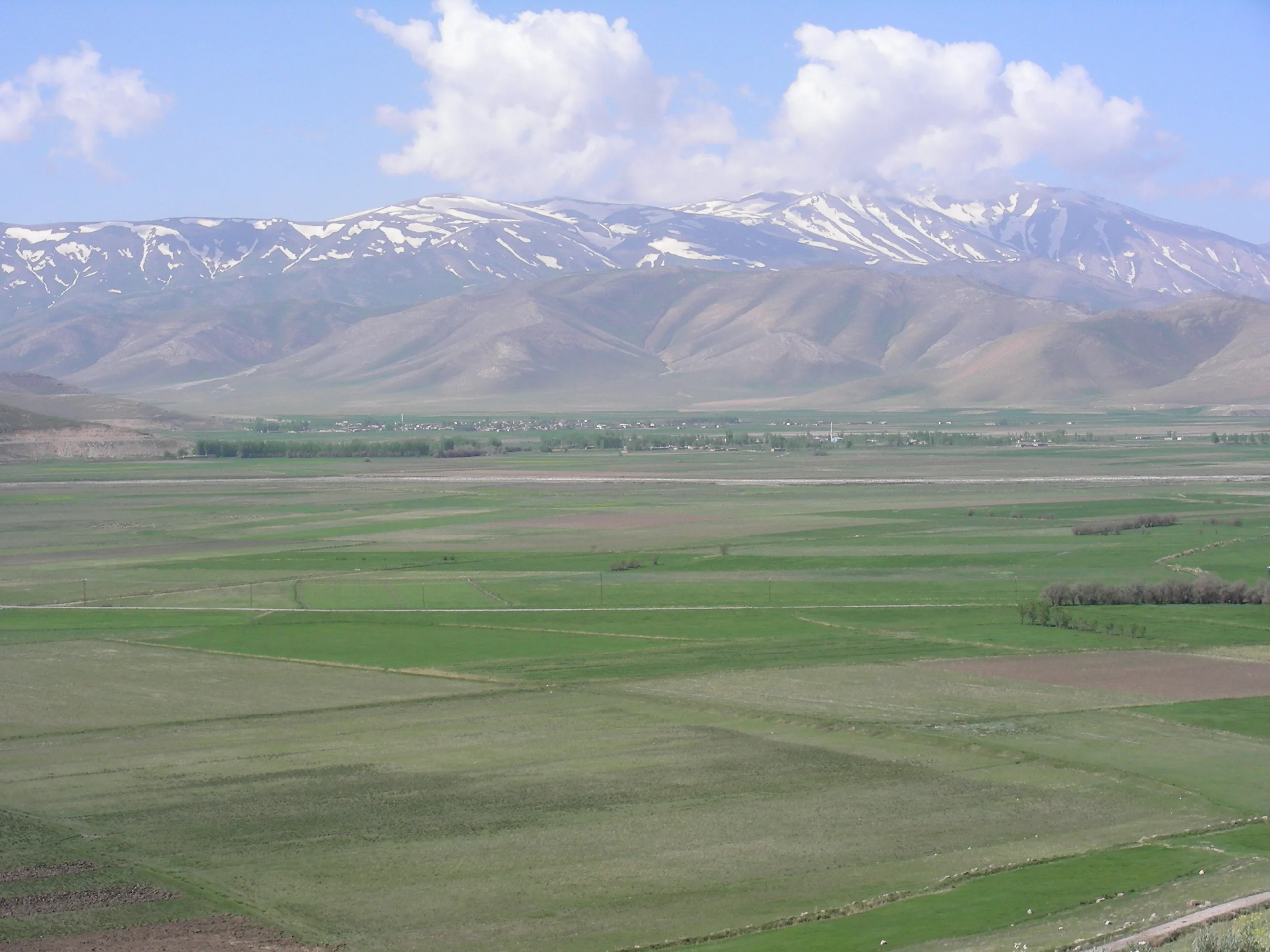
Looking across the Gürpınar plain from the Van-Hakkâri road, you can pick out an Urartian fortress straddling two hills at the western end of Mount Bol. Çavuştepe was founded by King Sarduri II in the middle of the 8th century BC, and from its perch it commanded both the plain and the roads running across it. It lies about 25 km from Van and 10 km from the district town of Gürpınar, just south of the highway. The Urartians called it Sardurihinili, the city of Sarduri.
History
Sarduri II ruled when the Urartian state was strong, and the fortress is tied to the years of his reign, roughly 764 to 735 BC. It reflects the mature phase of Urartian building. Walls that still stand 5 to 6 m high, rock-cut water cisterns, a water-storage structure, a tunnel through the bedrock, a cult area, temples and palace remains all show careful workmanship. One feature is not seen at other Urartian forts: there are two temples, each for a different god.
Turkish archaeologists have excavated here since 1961. The long campaign has revealed the plan of the fortress and many details of Urartian life.
The fortress
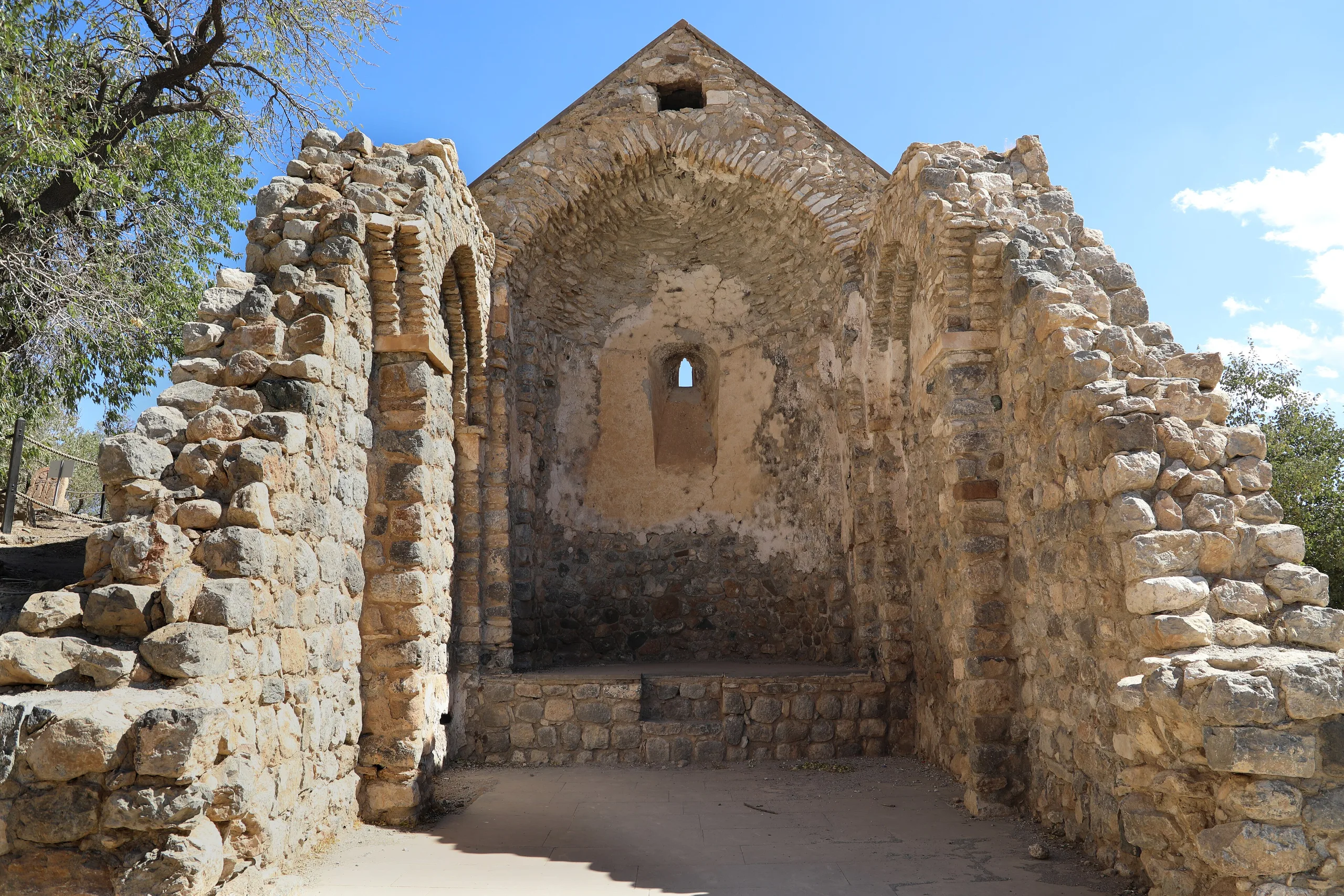
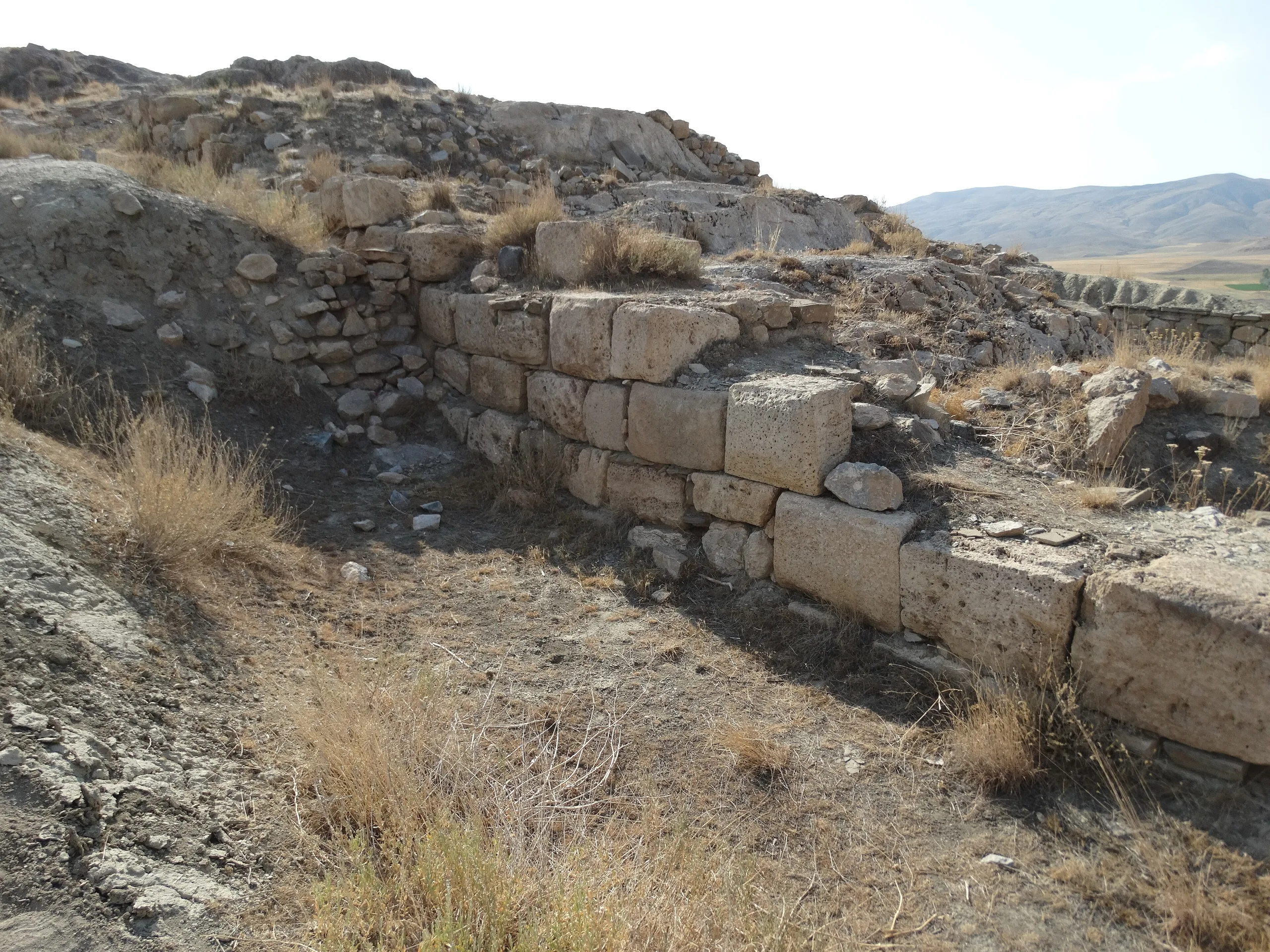
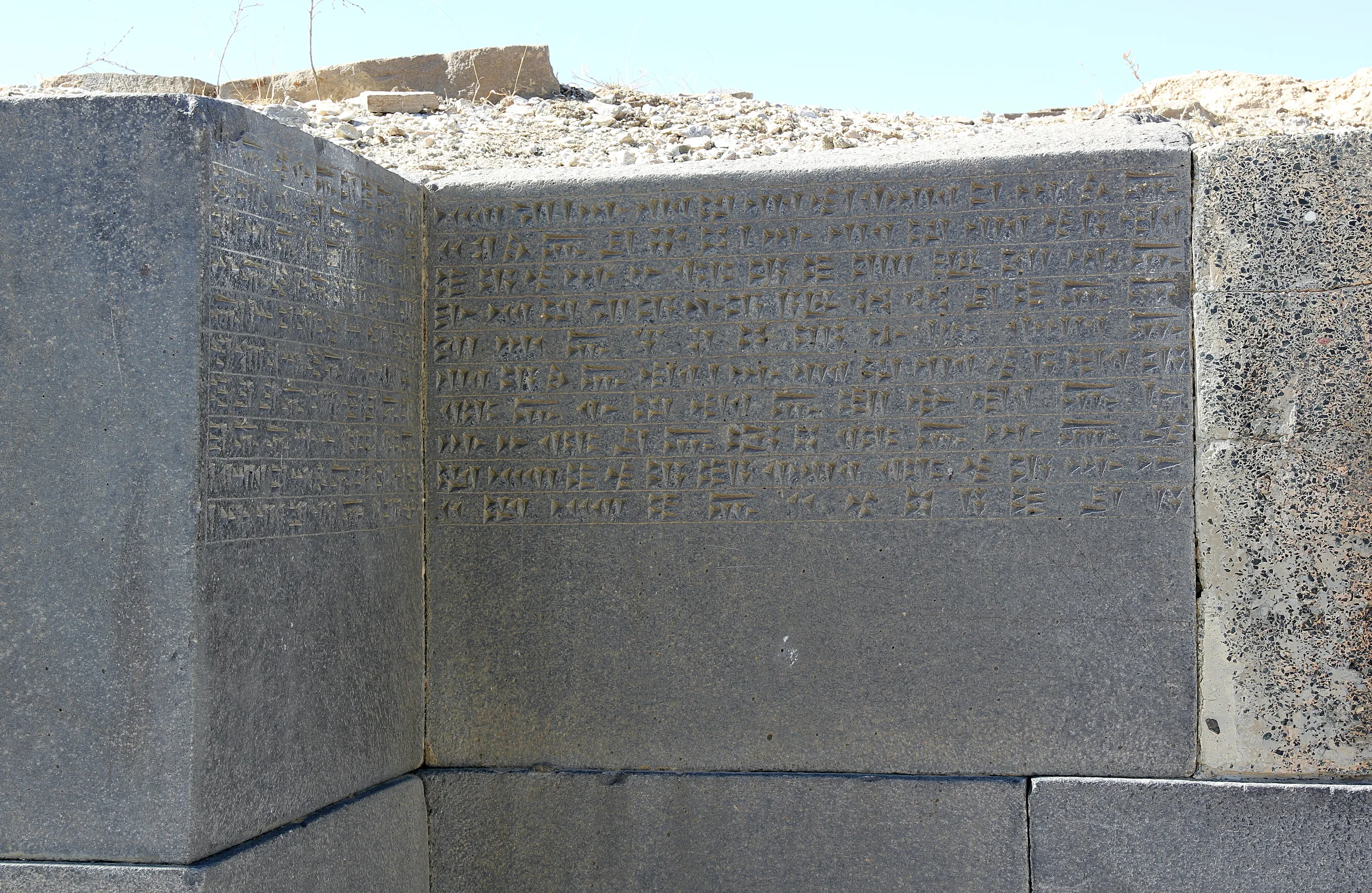
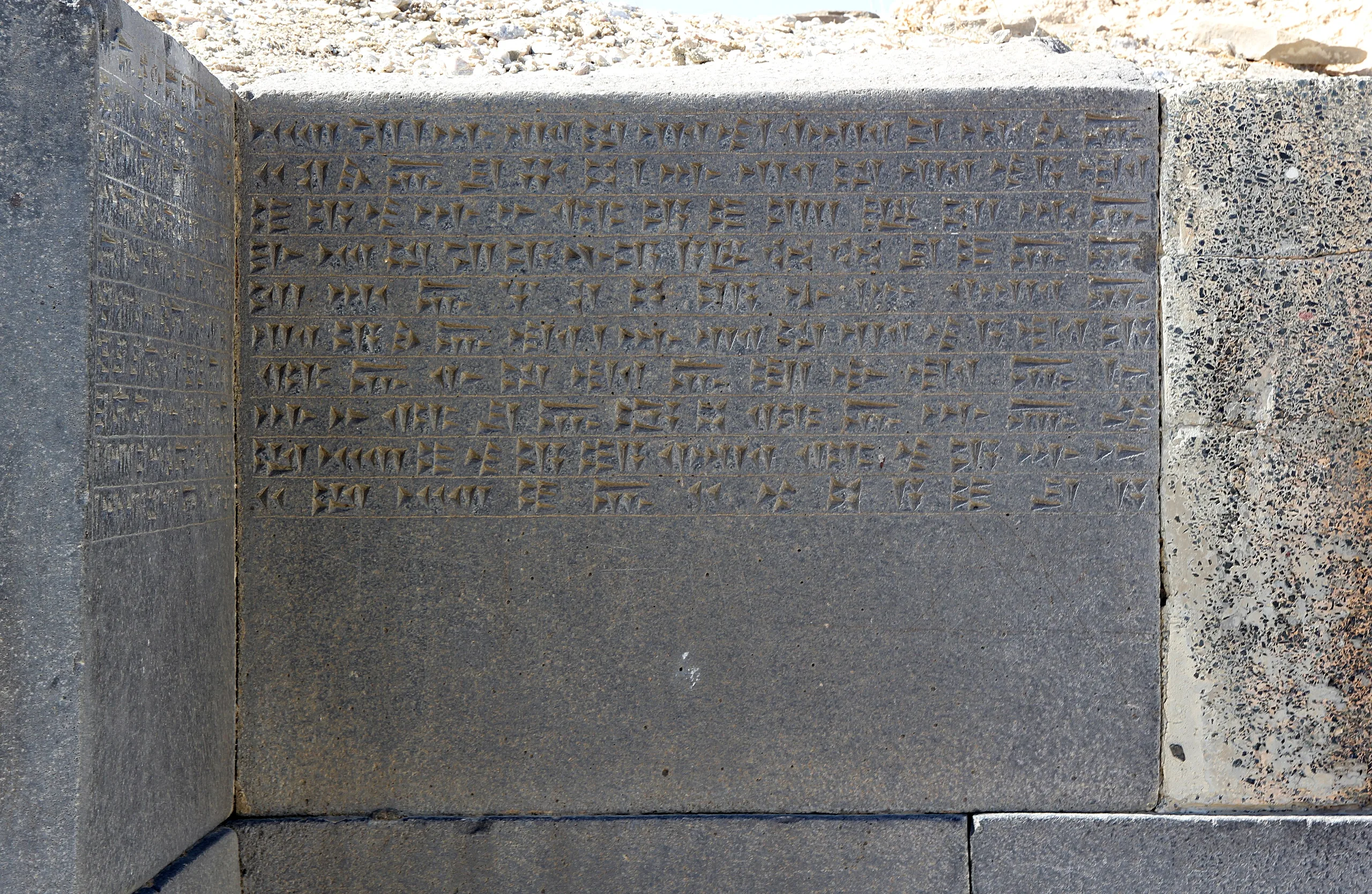
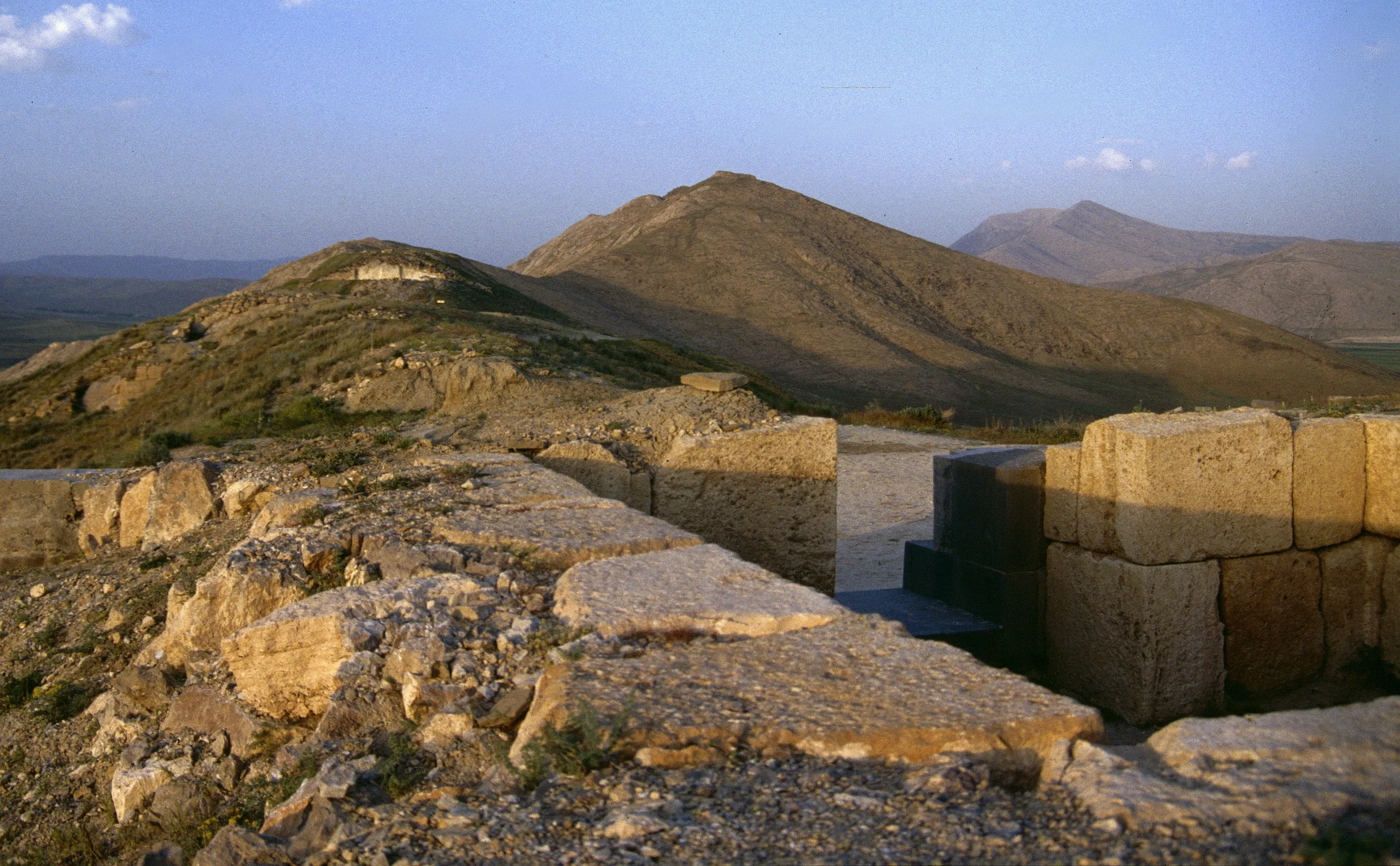
The site is about a kilometre long, guarded by strong walls and by two ditches cut into the rock to east and west. The Lower and Upper Castles meet at the main gate in the middle. The Lower Castle spreads over an area of about 800 m along the ridge, and its walls, built of neatly cut limestone blocks, rest straight on the bedrock. From east to west stand stables, storerooms, a palace and its service rooms; kitchens, workshops, a lavatory and cisterns have also been found. At the highest point of the ridge is the temple of the god Irmushini. Its door opens to the east, its facade is of basalt, and it carries a cuneiform inscription. The Lower Castle also holds a structure called Üşkale, thought to have had a religious purpose.
The smaller Upper Castle lies to the east and about 30 m higher than the Lower. Inside walls of massive blocks are a broad rock platform and a square temple with a columned porch, dedicated to Haldi, the chief god of the Urartians, along with further spaces linked to worship.
The necropolis
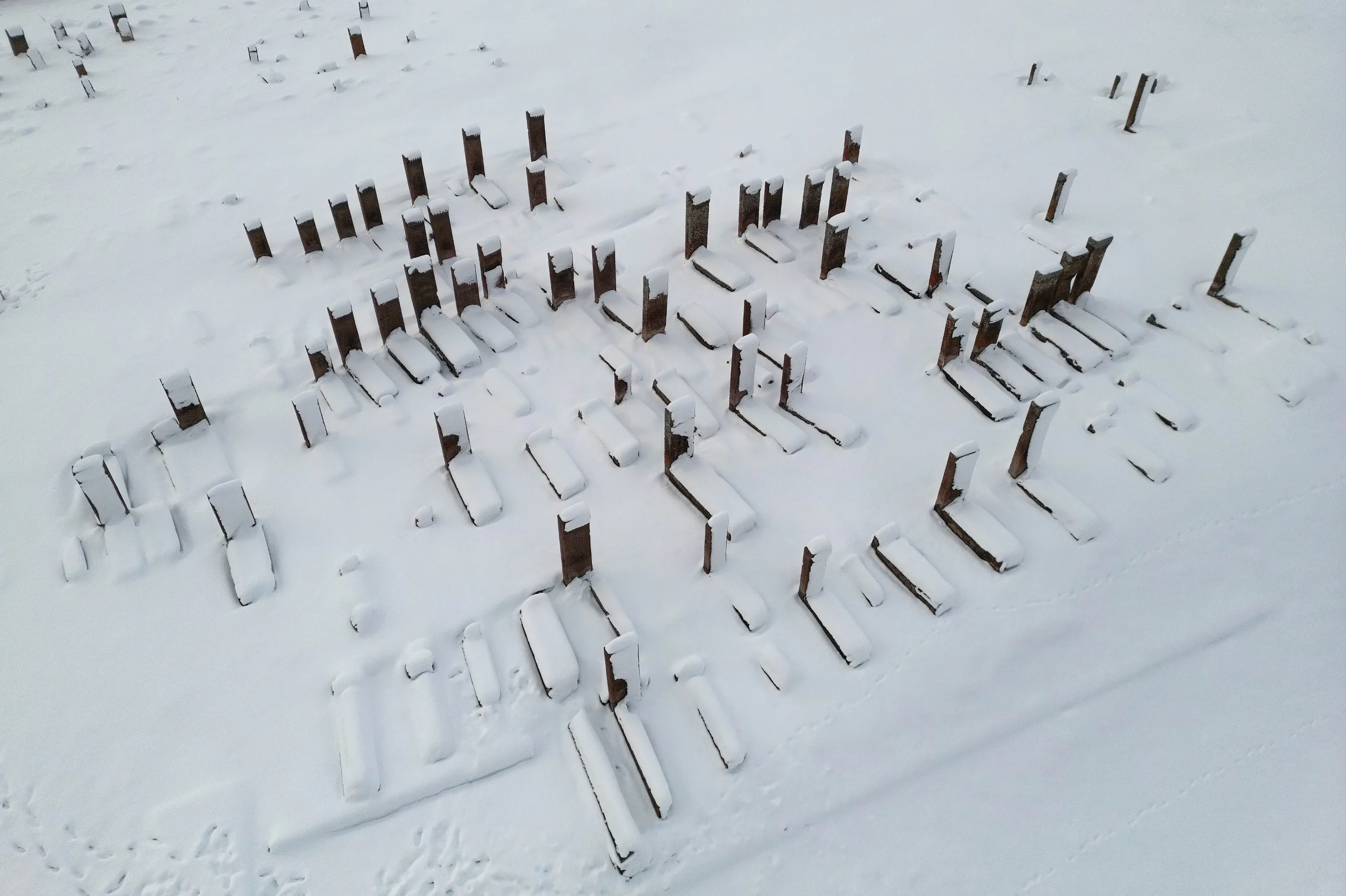
About a kilometre north of the fortress lies the necropolis, the burial ground. Excavation here has taught us about Urartian funeral customs. Four kinds of grave were found: chamber tombs, urn graves (where ashes were kept in a jar), sarcophagi and plain earthenware-vessel burials. Before 2017 the area suffered many illicit digs, and the cemetery was badly damaged.
Visiting
Conditions can change; check the page for the site on muze.gov.tr. Hoşap Castle and Van Fortress are within reach nearby.
Gallery
Frequently asked questions
Where is Çavuştepe?
Who built the fortress?
Which temples are there?
How long has it been excavated?
Where is the necropolis?
Sources (13)
- Çavuştepe Kalesi / Çavuştepe Castle (TR ve EN sayfalar) — T.C. Kültür ve Turizm Bakanlığı, Müzeler ve Ören Yerleri
- Çavuştepe Kalesi - Van, Gezilecek Yerler — T.C. Kültür ve Turizm Bakanlığı, Kültür Portalı (kaynak: Van İl Kültür ve Turizm Müdürlüğü)
- Çavuştepe (Pleiades 825333700) — Pleiades
- Çavuştepe (Wikidata Q272699) — Wikidata
Photo credits
- Photo: Leon petrosyan, CC BY-SA 4.0 — Wikimedia Commons (resized)
- Photo: Leon petrosyan, CC BY-SA 4.0 — Wikimedia Commons (resized)
- Photo: Ingeborg Simon, CC BY 4.0 — Wikimedia Commons (resized)
- Photo: Ingeborg Simon, CC BY 4.0 — Wikimedia Commons (resized)
- Photo: Herbert Frank from Wien (Vienna), AT, CC BY 2.0 — Wikimedia Commons (resized)
- Photo: Ziegler175, CC BY-SA 4.0 — Wikimedia Commons (resized)
- Photo: Ziegler175, CC BY-SA 4.0 — Wikimedia Commons (resized)
- Photo: Ziegler175, CC BY-SA 4.0 — Wikimedia Commons (resized)
- Photo: Herbert Frank from Wien (Vienna), AT, CC BY 2.0 — Wikimedia Commons (resized)