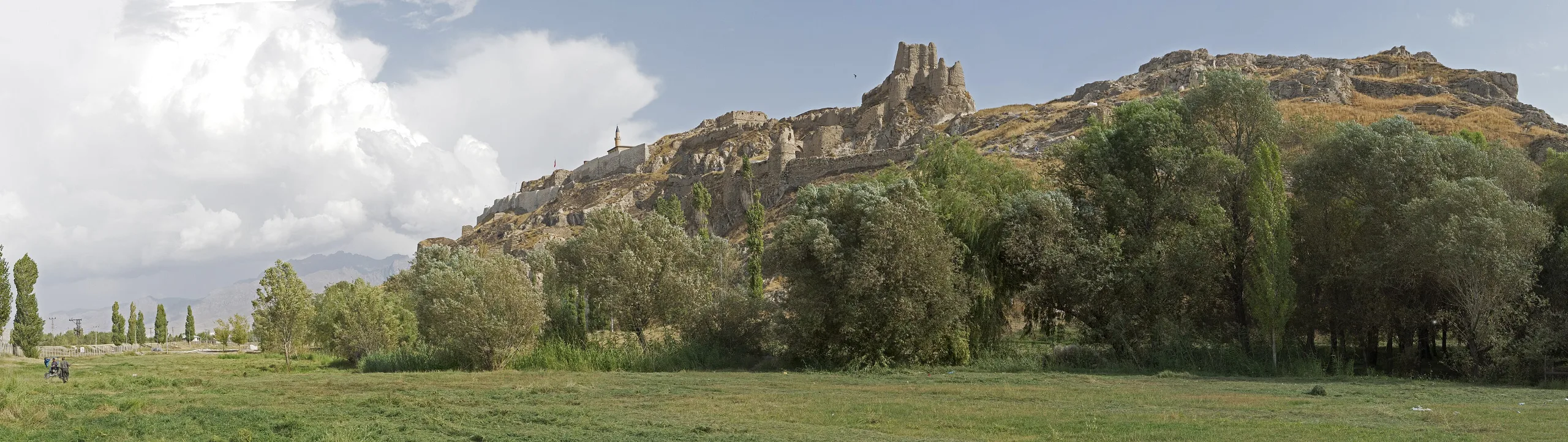
Van Fortress crowns a long rock beside Lake Van and was Tushpa, capital of the Urartian kingdom founded in the 9th century BC. It is on UNESCO's Tentative List.
Van Fortress (Tushpa) is a place (Castle) in Turkey, Van. Main periods: Seljuk Period, Ottoman Period, Bronze Age.
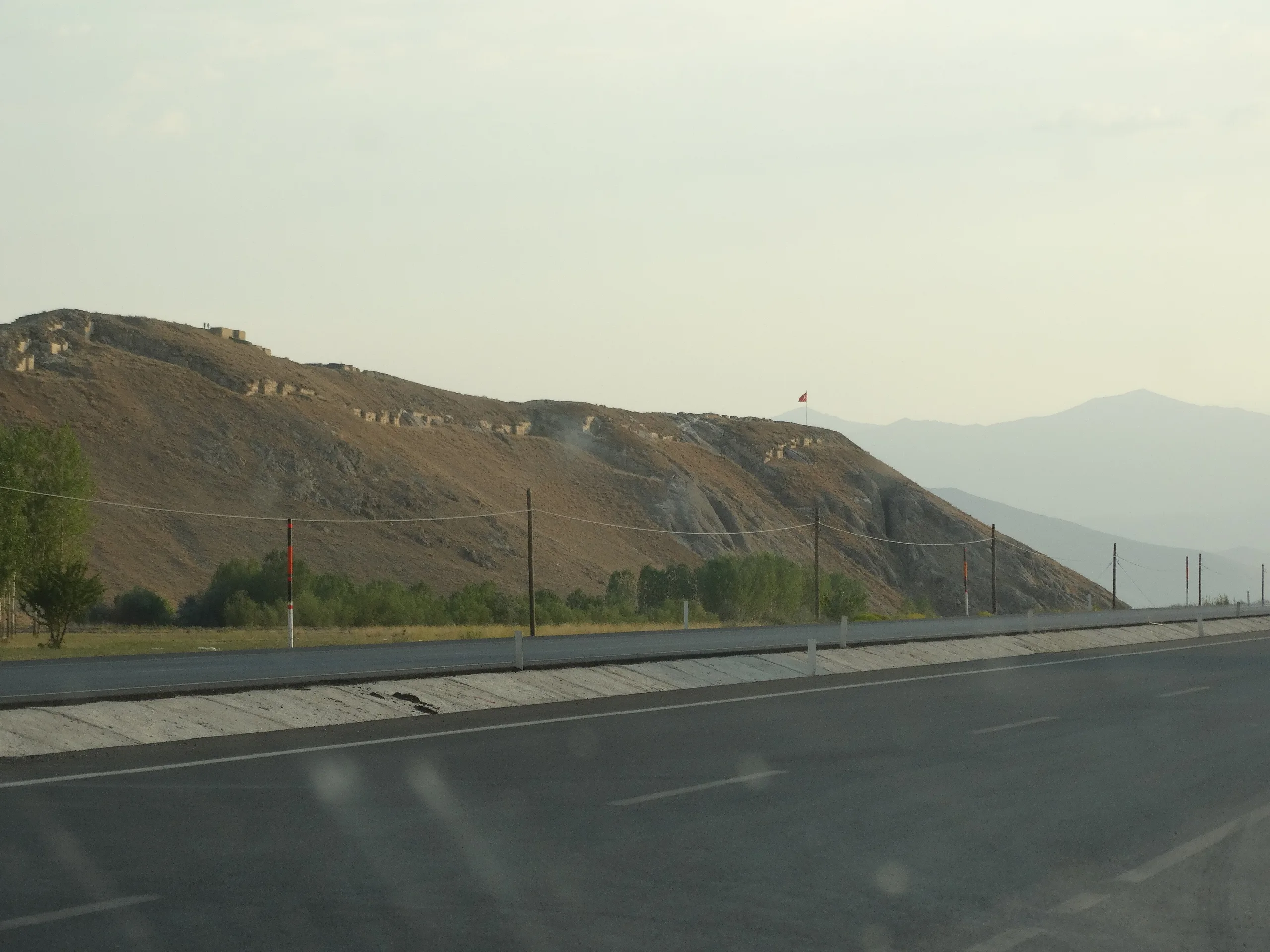
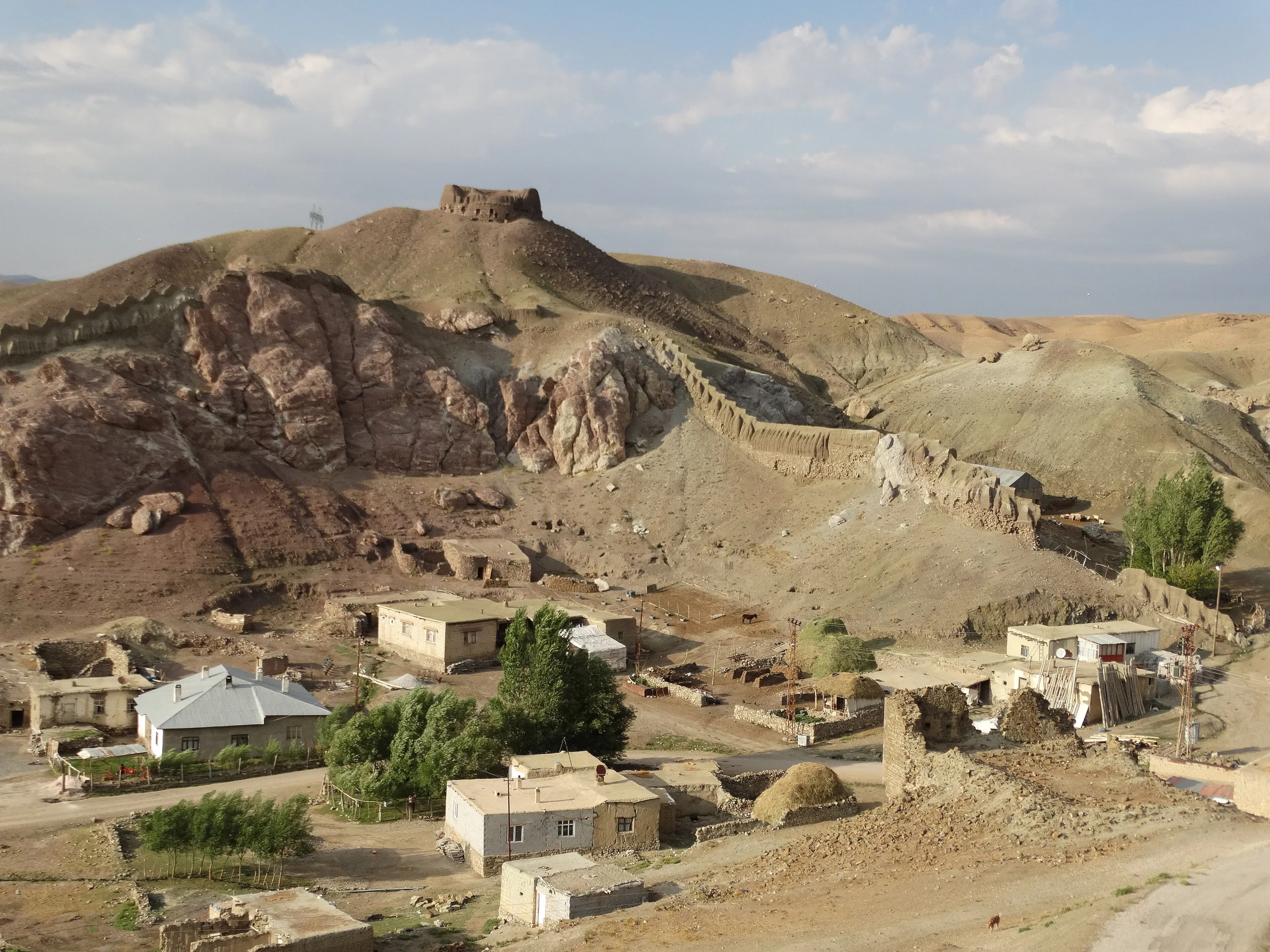
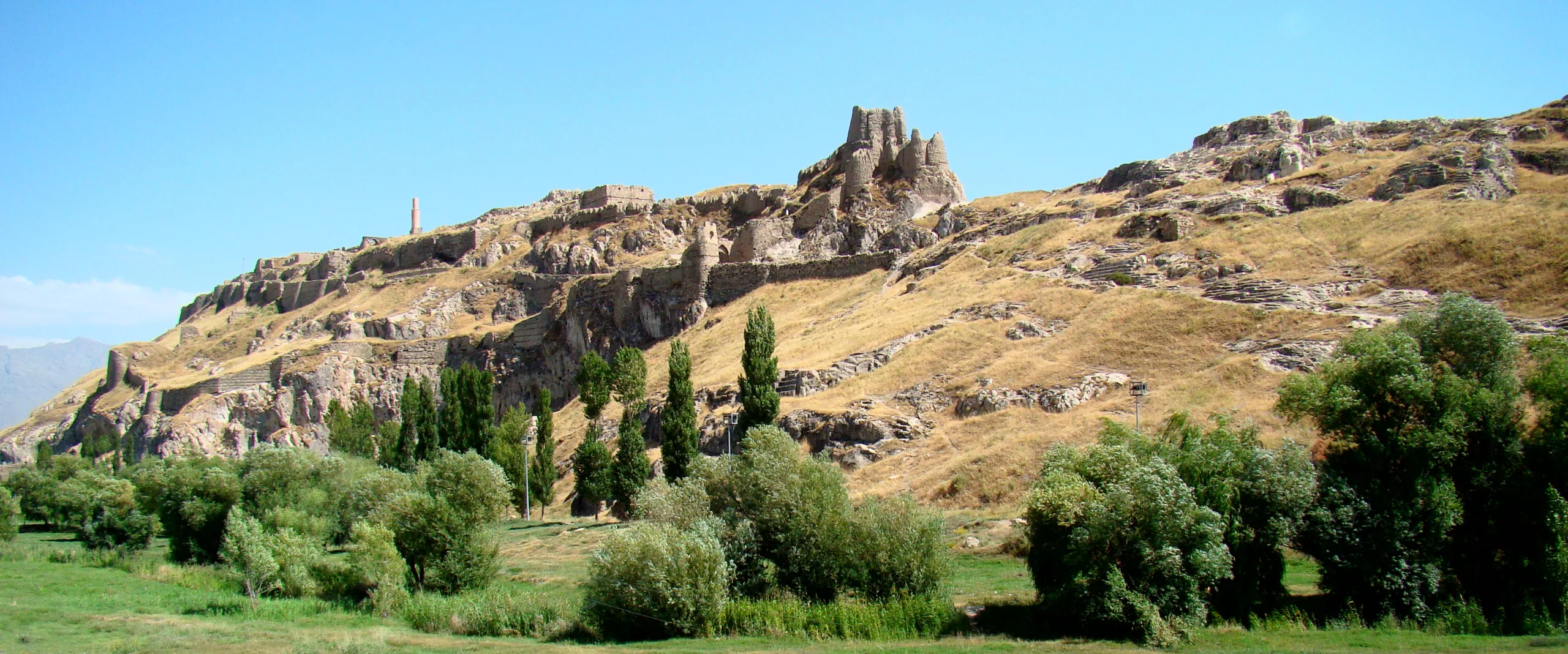
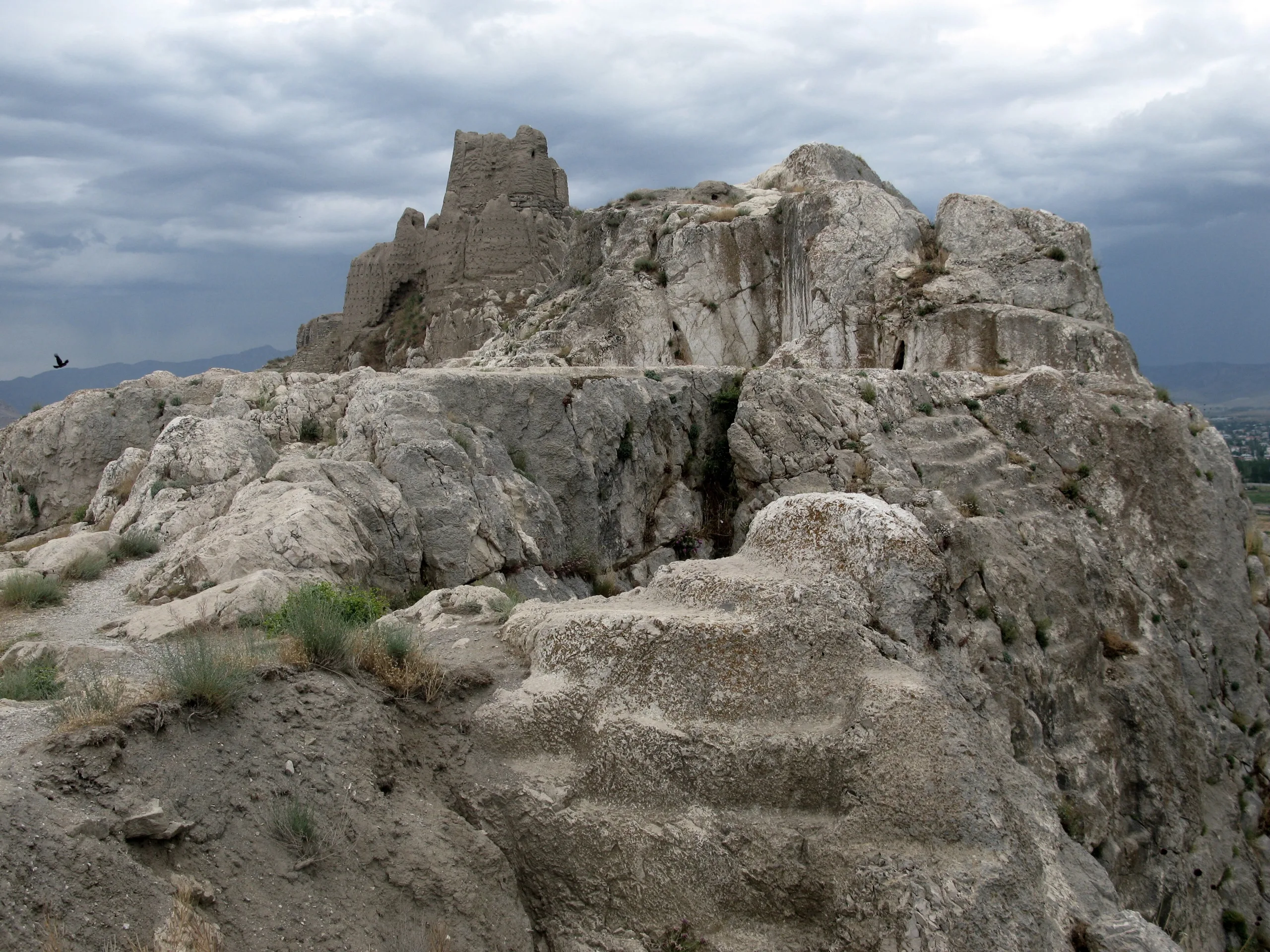
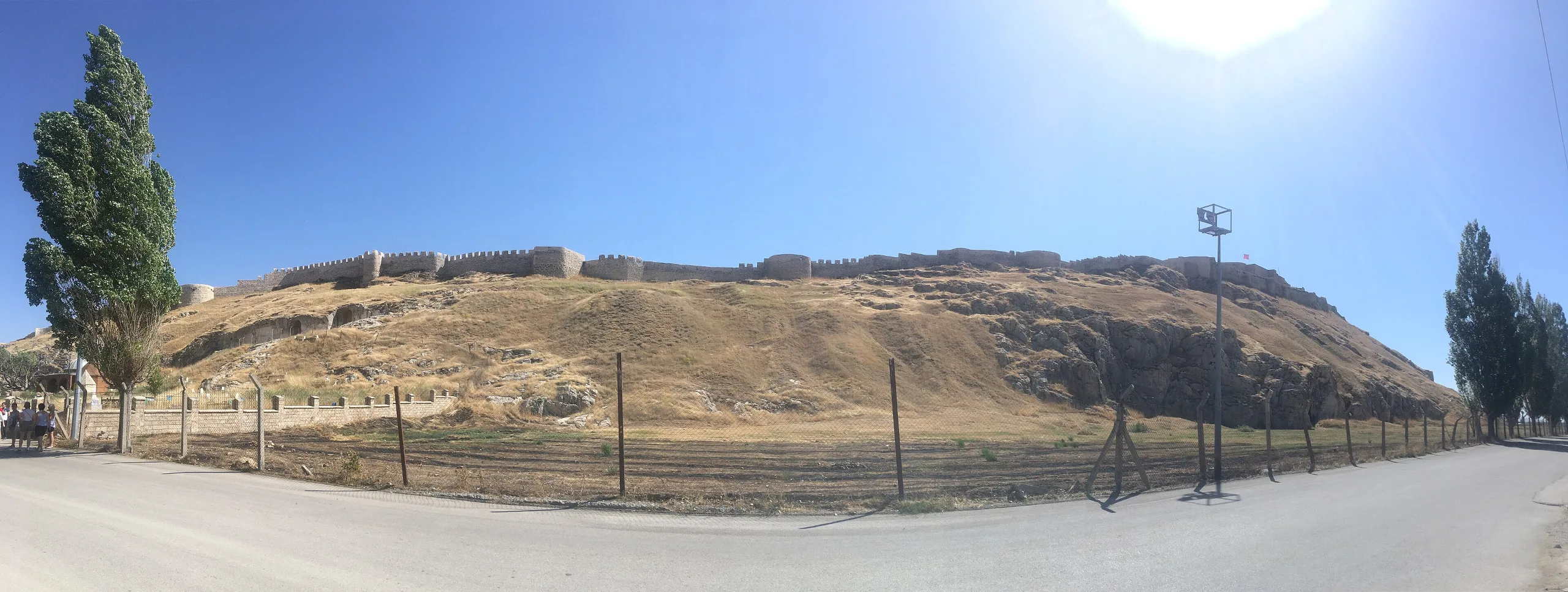
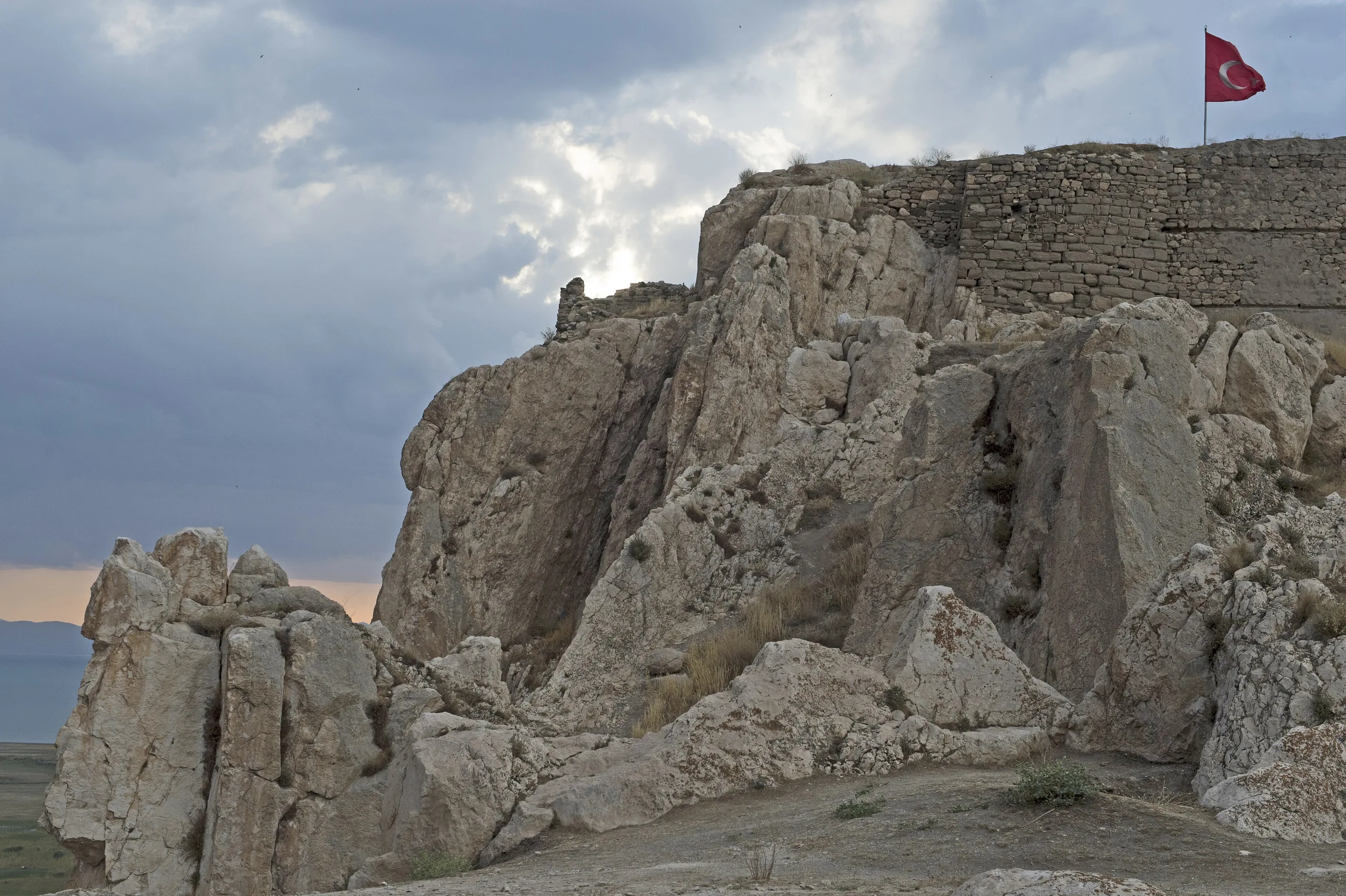
Out on the Van plain, a long ridge of conglomerate rock runs east to west just inland from the southern shore of Lake Van. On top of it sits Van Fortress, the citadel of Tushpa, capital of the Urartian kingdom. The rock measures about 1,345 m by 200 m and stands roughly 100 m high. The castle lies some five kilometres from the centre of the modern city, with a settlement mound to its north and the remains of the old city of Van to its south.
History
The land around here is the most fertile in the region, and people lived on and around the rock continuously from the Early Bronze Age into the early 20th century. In the 9th century BC, when the Urartians turned their highland realm in eastern Anatolia into a state, they put their capital here. King Sarduri I recorded the foundation in an Assyrian-language cuneiform inscription that is repeated six times in the rock. The kingdom lasted about 250 years and ended in the 6th century BC.
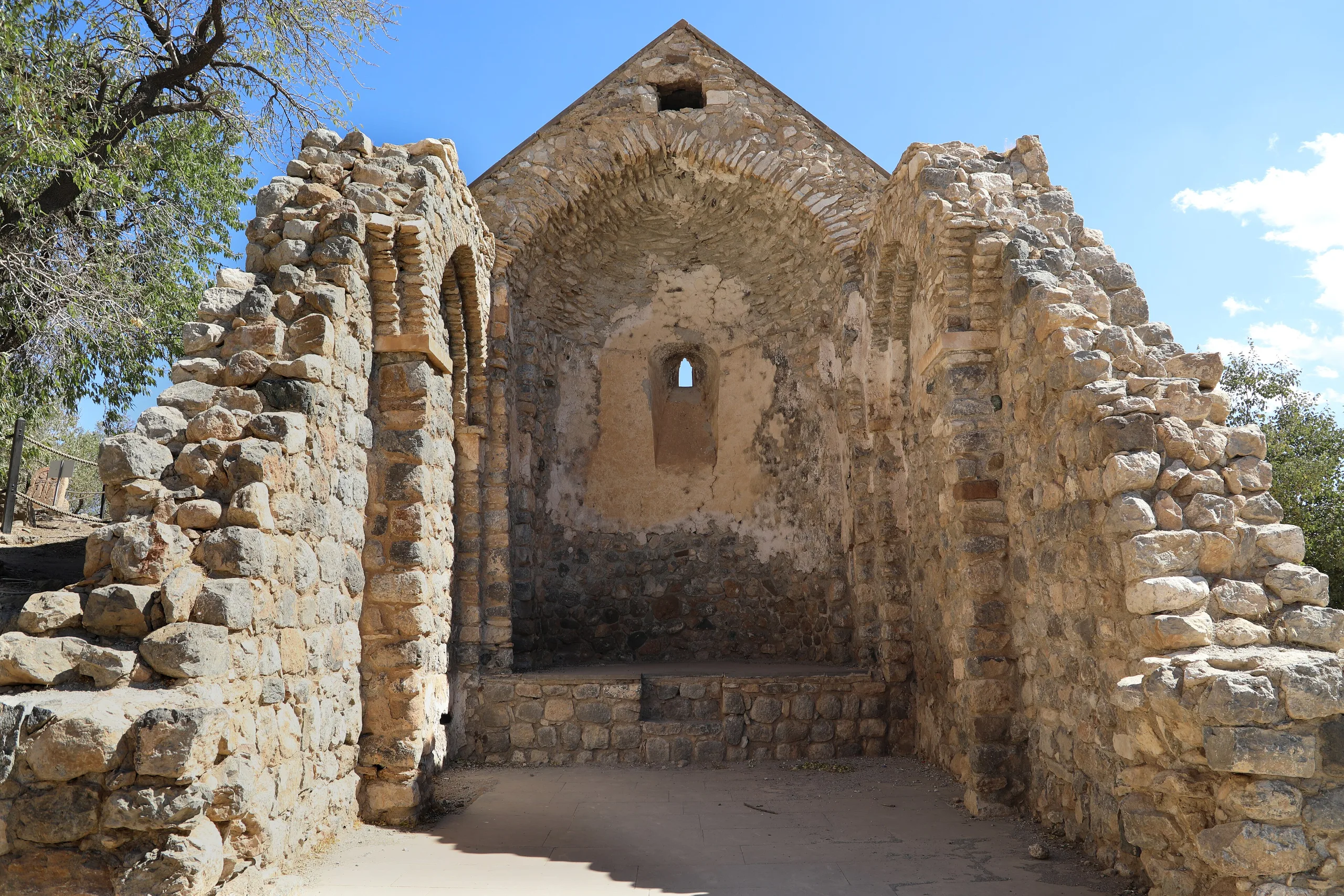
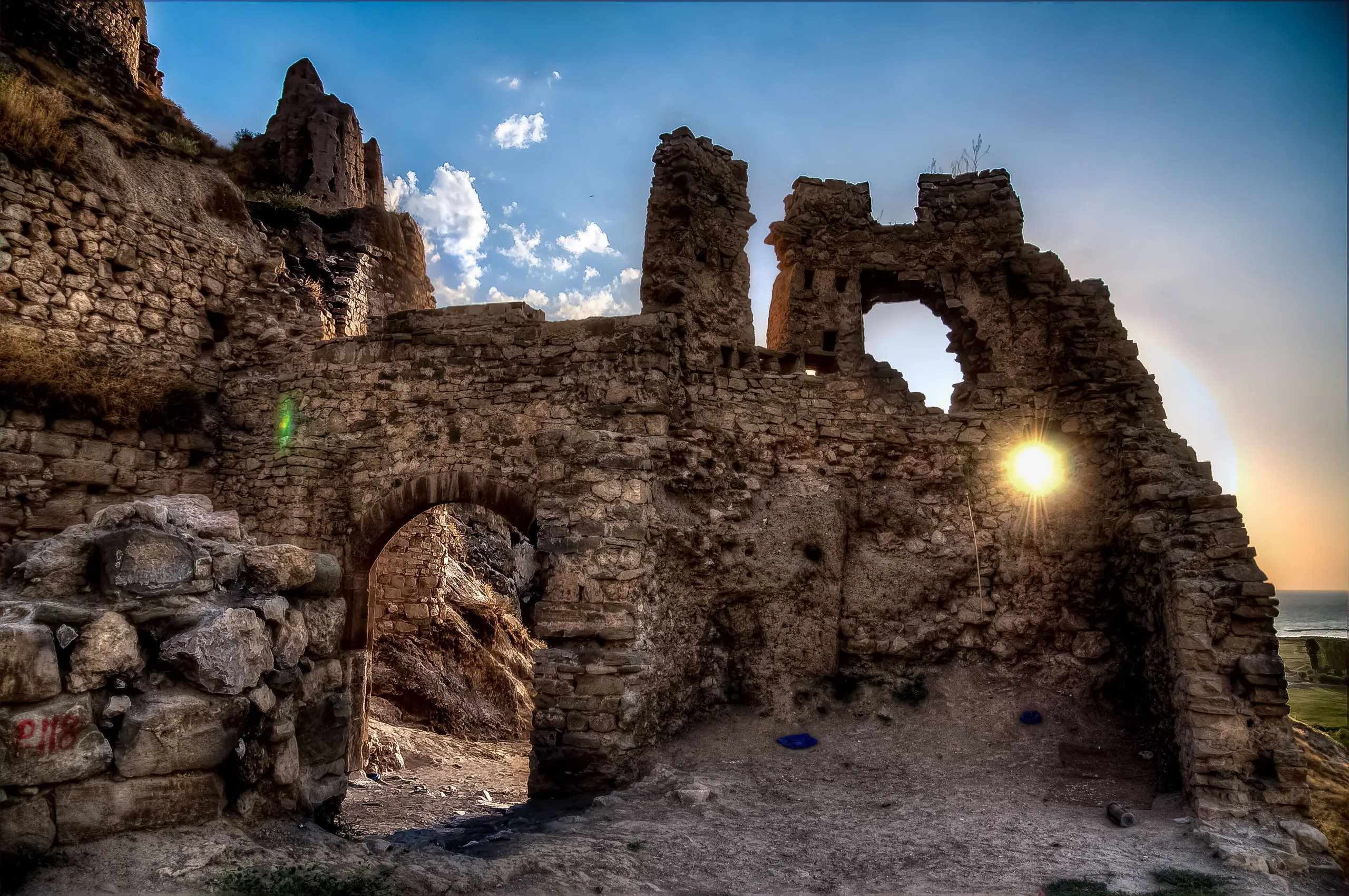
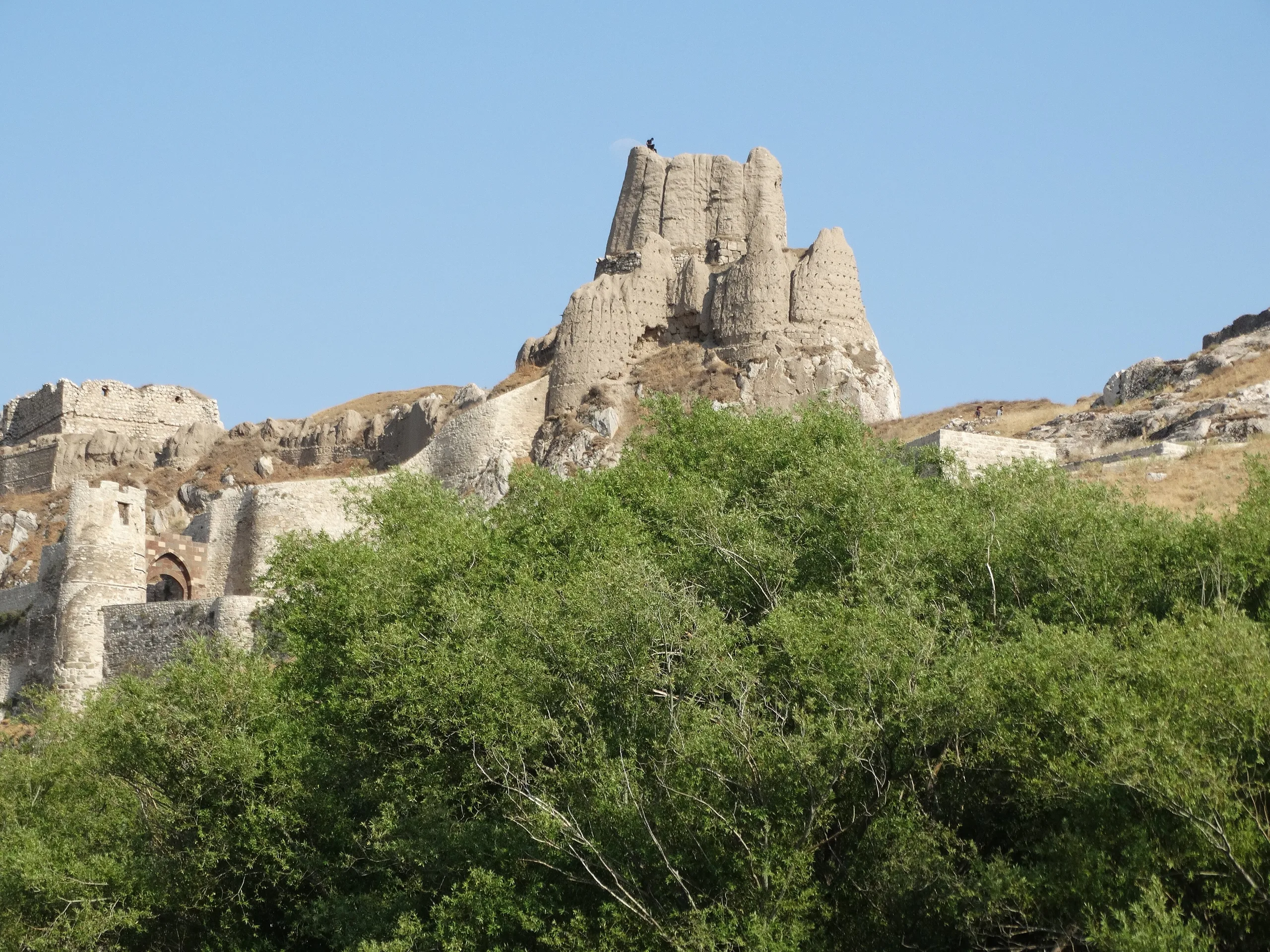
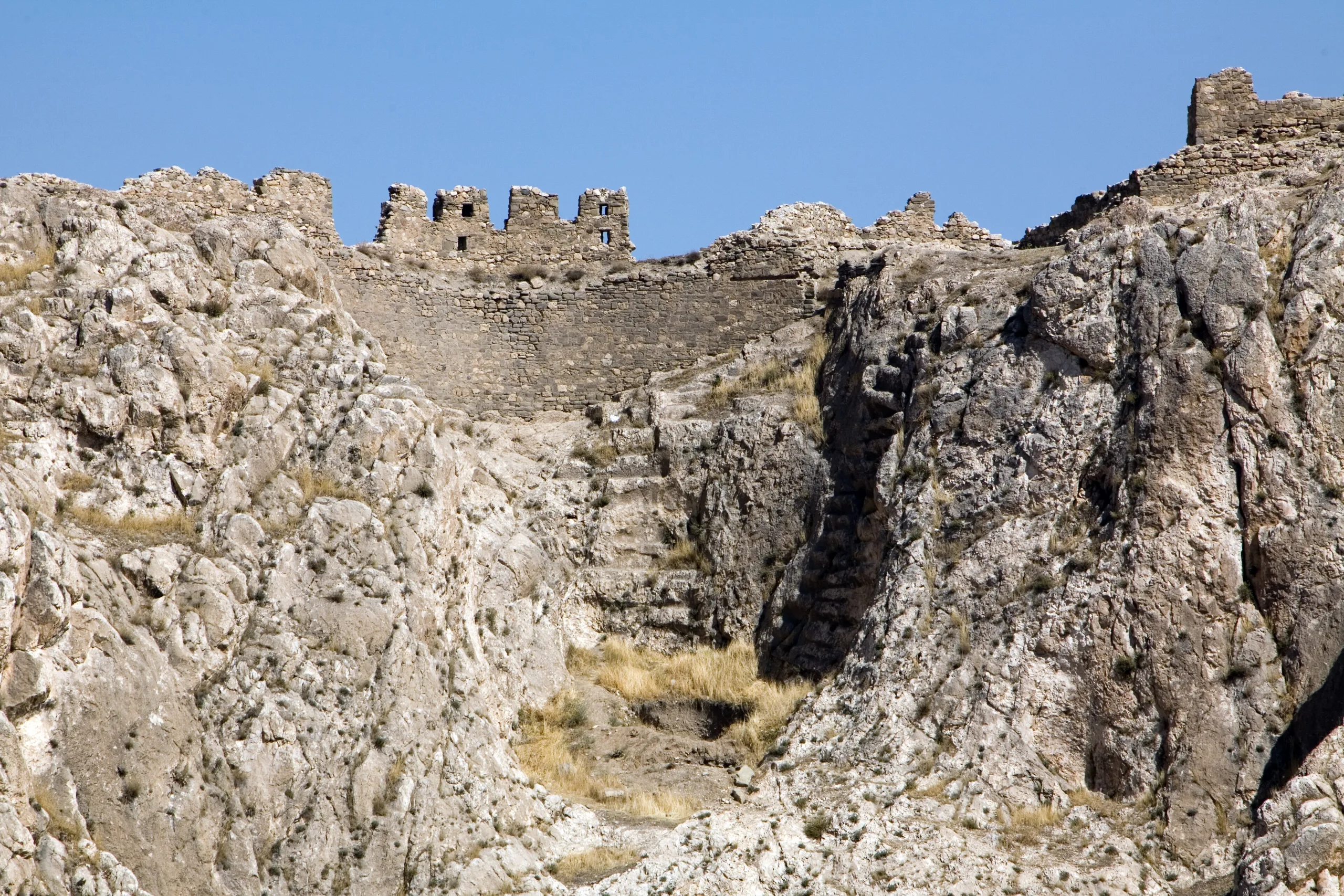
Later rulers kept using the fortress. Over the big Urartian blocks of the lower courses, each age added mud brick and stone, and the habit lasted until Ottoman times. The Ottomans ran the castle as a purely military post: the walls and towers on the east side, the gate facing northwest and the Süleyman Han Mosque belong to that period. The mosque is regarded as the first Islamic building of the old city.
What to see
The entrance faces northwest. Just to its west, the Sardur Tower (Madır Burcu) runs along the face of the rock. Measuring about 47 by 13 m and 4 m high, it is considered the earliest building on the citadel, and its inscriptions are those of Sarduri I. Higher up are the tomb monument of Argishti I and annals cut into the walls. An annal is a king's year-by-year account of his campaigns and building works.
The Inner Fortress on the summit is ringed by walls up to 10 m high. Its west entrance leads into a complex containing a palace and a temple; the Old Palace gets its name from stonework like that of the Sardur Tower. The New Palace was made by levelling the bedrock, and it followed a three-storey plan, with storage and service rooms below and upper floors resting on foundations cut into the rock. Drainage remains and bronze votive plaques point to a major building group.
Eight rock-cut tombs open in the south face. Four are multi-chambered Urartian tombs, each with a platform at the front, a main hall reached by steps and side rooms off the hall. Some chambers rise 9 m and cover 200 square metres, a scale that shows how skilled the builders were. On the north slope, a rock chamber used for cattle is called Menua's Stable after an inscription at its entrance. A rock terrace of 40 by 15 m on the southeast slope, known locally as the Mother with Daughter sanctuary for its two niches, was made by Sarduri II for rituals, and basalt stelae in the niches recorded his campaigns.
Mound and old city
North of the rock, the mound stretches about 750 m and holds some 5,000 years of settlement: early Transcaucasian, Urartian, post-Urartian and medieval layers. To the south, the old city of Van was enclosed by walls with towers on three sides and entered by the Tabriz, Middle and Harbour gates. People lived there from the 13th century until 1915. Standing buildings include the Great Mosque, the Red Minaret Mosque, the Hüsrev Pasha complex of the 16th century and the Kaya Çelebi Mosque of the 17th.
World Heritage candidacy
The fortress, mound and old city were placed together on UNESCO's Tentative List in 2016. The file rests on criteria (ii), (iii), (iv) and (vi) and covers about 97 hectares. It has not been inscribed on the World Heritage List.
Visiting
Hours and conditions can change; see the page for the site on muze.gov.tr. The MüzeKart is valid for Turkish citizens.
Gallery

Frequently asked questions
Where is Van Fortress?
Who founded the fortress?
What does Tushpa mean?
What can be seen at the fortress?
Is Van Fortress a World Heritage Site?
Sources (14)
- Van Kalesi / Van Castle (Tushpa) (TR ve EN sayfalar) — T.C. Kültür ve Turizm Bakanlığı, Müzeler ve Ören Yerleri
- Tushpa/Van Fortress, the Mound and the Old City of Van - Tentative Lists, ref. 6114 — UNESCO World Heritage Centre
- Van Kalesi - Van, Gezilecek Yerler — T.C. Kültür ve Turizm Bakanlığı, Kültür Portalı (kaynak: Van İl Kültür ve Turizm Müdürlüğü)
- Van Fortress (Pleiades 964673805) — Pleiades
- Van Fortress (Wikidata Q3187042) — Wikidata
Photo credits
- Photo: Dosseman, CC BY-SA 4.0 — Wikimedia Commons (resized)
- Photo: Bjørn Christian Tørrissen, CC BY-SA 3.0 — Wikimedia Commons (resized)
- Photo: Babbsack, CC BY-SA 3.0 — Wikimedia Commons (resized)
- Photo: Bahoz, CC BY-SA 3.0 — Wikimedia Commons (resized)
- Photo: Adam Jones from Kelowna, BC, Canada, CC BY-SA 2.0 — Wikimedia Commons (resized)
- Photo: Ben Men Lyun, CC BY-SA 4.0 — Wikimedia Commons (resized)
- Photo: Leon petrosyan, CC BY-SA 4.0 — Wikimedia Commons (resized)
- Photo: EvgenyGenkin, CC BY-SA 4.0 — Wikimedia Commons (resized)
- Photo: Dosseman, CC BY-SA 4.0 — Wikimedia Commons (resized)